
When “Accessible” Doesn’t Match Reality
You chose the tour carefully, and since it was clearly labeled as “accessible,” it felt like a safe bet. But once you arrived, it was obvious something was off. There were stairs you couldn’t navigate, uneven paths that made movement difficult, and no real accommodations in place. Now you’re left frustrated and wondering how this even happened, and more importantly, what you can actually do about it. The good news is that you’re not stuck just accepting it, and there are ways to push back and protect yourself.

“Accessible” Isn’t Always Clearly Defined
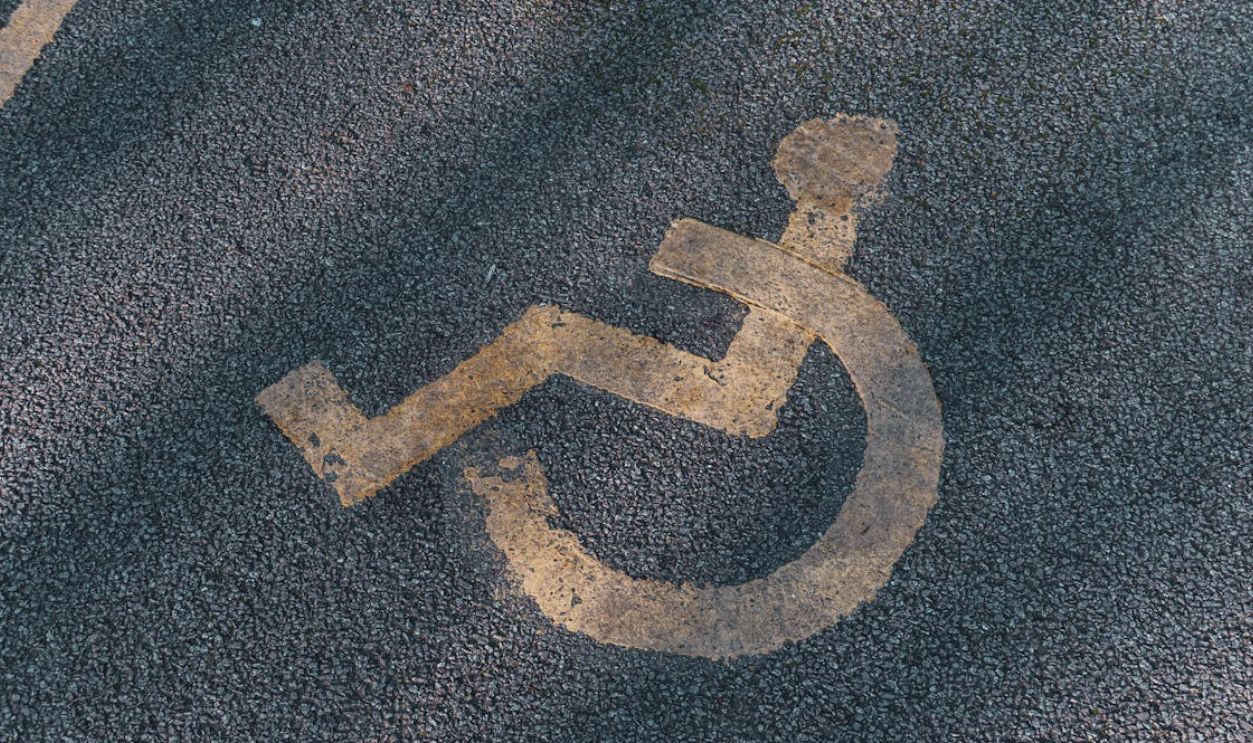
One of the biggest problems in travel is that the word “accessible” doesn’t always mean the same thing everywhere. Some operators use it to mean fully wheelchair-accessible, while others use it much more loosely. It might just mean there’s limited accessibility, partial access, or that help is available if needed. That lack of a clear standard is often what leads to situations like this, where expectations and reality don’t line up at all.

Start By Documenting Everything Right Away
As soon as you realize the tour isn’t what was promised, start documenting what you’re seeing. Take photos or short videos of stairs, narrow pathways, steep inclines, or anything that contradicts the listing. Try to capture details clearly so someone else could understand the issue just by looking. This kind of evidence is one of the strongest tools you’ll have if you need to file a complaint or ask for a refund later.

Compare The Listing To The Actual Experience
Pull up your booking confirmation or the original listing and go through it carefully. Look for specific claims about accessibility, not just general wording. If the listing said things like “wheelchair accessible,” “step-free,” or “suitable for all mobility levels,” and those clearly weren’t true, that strengthens your case. The more specific the mismatch, the easier it is to argue that the tour was misrepresented.

Speak Up During The Tour
If you’re able to, bring the issue up with the tour guide or operator as soon as possible. It might feel awkward in the moment, but it’s important. Let them know clearly that the tour isn’t accessible in the way it was described. Even if they can’t fully fix the situation, raising the issue right away creates a record that you didn’t just quietly accept it.

Ask If There Are Any Adjustments They Can Make
Sometimes there are small adjustments that can help, even if the tour itself isn’t ideal. The guide might be able to suggest an alternate route, skip certain sections, or offer additional assistance. It won’t always solve the problem, but it’s worth asking before assuming there’s nothing that can be done in the moment.

Know When It’s Okay To Walk Away
If the conditions are unsafe or completely unmanageable, you don’t have to stay on the tour. Your safety and comfort matter more than finishing something you paid for. Leaving early can also support your case later, because it shows the tour didn’t meet basic expectations.

Follow Up With The Company Afterward
Once you’ve had time to gather your thoughts, contact the tour company directly. Explain what happened clearly and calmly, and include your photos or videos as proof. Focus on how the experience didn’t match what was advertised. The more specific you are, the harder it is for them to brush off your complaint.

Ask For A Refund Or Partial Compensation
If the tour was clearly misrepresented, it’s reasonable to ask for your money back, either fully or partially. Some companies may offer refunds, credits, or discounts on future bookings. Even if they don’t agree right away, making the request sets the tone for the conversation and shows you’re serious.

Booking Platforms Can Be A Powerful Backup
If you booked through a third-party platform like Viator, GetYourGuide, or Expedia, don’t skip contacting them as well. These platforms often have customer protection policies and can step in when a tour doesn’t match its description. In some cases, they’ll issue refunds directly or pressure the provider to resolve the issue.

Read The Fine Print, But Don’t Assume It’s Final
Tour companies often include terms that limit refunds, especially for completed services. However, misleading descriptions can override those terms. If a tour was advertised in a way that clearly doesn’t match reality, those policies don’t automatically protect the company.

Accessibility Claims Can Cross Into Misrepresentation
If a tour is marketed as accessible but clearly isn’t, that can be considered misleading advertising. Companies are expected to describe their services accurately, especially when it comes to something as important as accessibility. That gives you a stronger position when asking for a refund or filing a complaint.
Leave A Detailed, Honest Review
Writing a clear and honest review can make a real difference. Focus on what was promised versus what you actually experienced. This helps other travelers make better decisions and puts pressure on the company to improve its descriptions.

Social Media Can Get Faster Results
If you’re not getting a response through normal channels, posting about your experience publicly can sometimes speed things up. Companies tend to respond more quickly when complaints are visible to others. Keep it factual and calm, but don’t be afraid to share what happened.

Credit Card Disputes Are A Backup Option
If the company refuses to help, you may be able to dispute the charge with your credit card provider. If you can show that the service was misrepresented, there’s a good chance your card issuer will review the case in your favor. This is often a last resort, but it can be effective.

Travel Insurance Might Cover Situations Like This
Some travel insurance policies include coverage for issues with booked activities, especially if they significantly differ from what was promised. It’s worth checking your policy to see if this situation qualifies.

Researching Accessibility Takes Extra Effort
Going forward, it helps to look beyond the word “accessible” when booking. Read reviews from other travelers, especially those with similar needs. Photos uploaded by users can also give you a more realistic idea of what to expect.

Ask Specific Questions Before Booking
If accessibility is important, reach out to the tour provider before booking and ask direct questions. Ask about stairs, terrain, transportation, and how much walking is involved. The more specific your questions, the clearer their answers will be.

Not All Accessibility Needs Are The Same
One reason these situations happen is that accessibility isn’t one-size-fits-all. What works for someone with limited mobility might not work for someone using a wheelchair. That’s why detailed descriptions matter so much more than general labels.

Final Thoughts
If a tour described as accessible turns out not to be, you’re not stuck just dealing with it. You can document the issue, raise it with the company, and push for a refund or compensation. Booking platforms and credit card disputes give you additional backup if needed. It’s a frustrating situation, but taking a few clear steps can help you recover your money and make sure your experience is taken seriously.
You May Also Like: