The Laptop Showdown
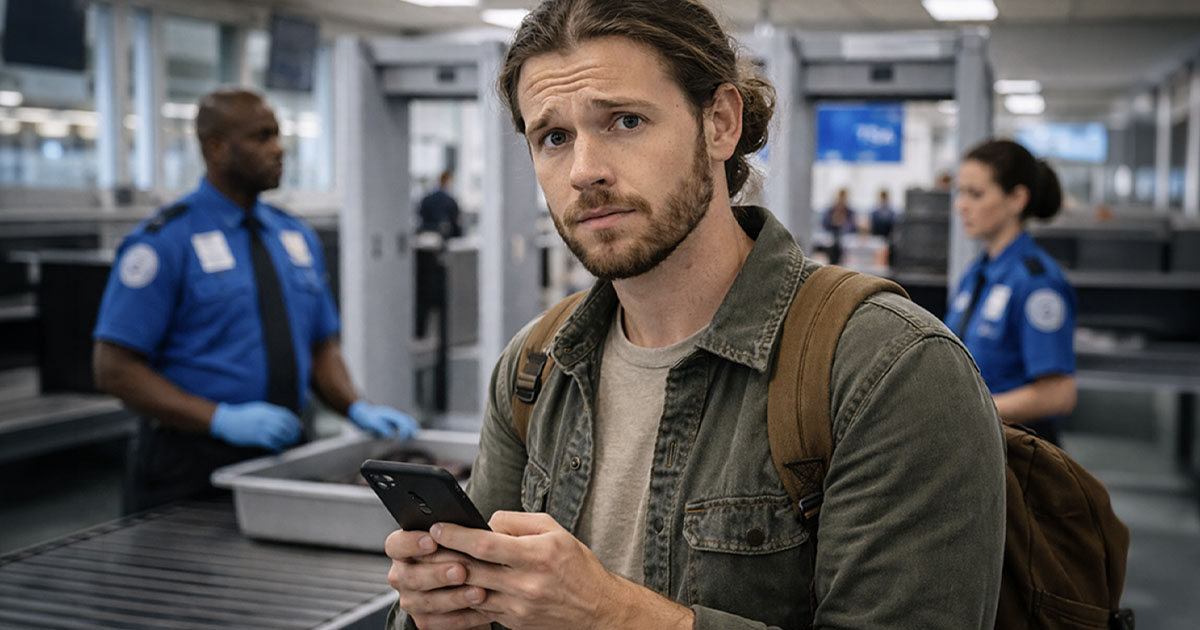
You are standing barefoot in the airport security line, clutching a laptop full of confidential work files, when a TSA officer wants a closer look. You say no, your pulse spikes, and suddenly the trip is over before it started. So, can that really happen? Sometimes yes, but not always in the way people think.

The First Big Truth
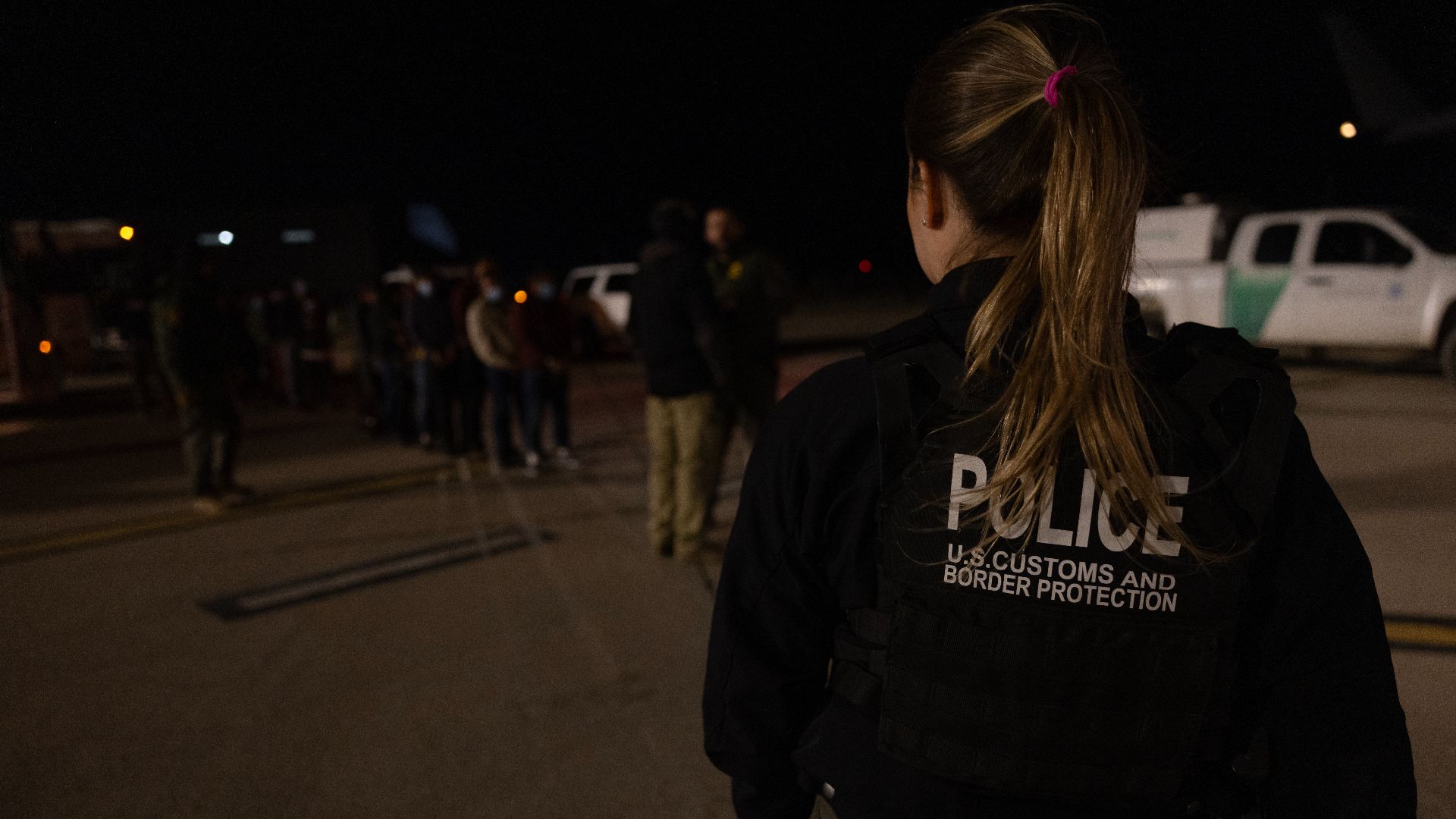
The most important thing to know is that airport security and border inspection are not the same thing. TSA handles checkpoint screening before you get to your gate, while Customs and Border Protection, or CBP, handles inspections at the border and at certain international preclearance locations. That distinction changes almost everything.
 CBP Photography, Wikimedia Commons
What TSA Usually Wants
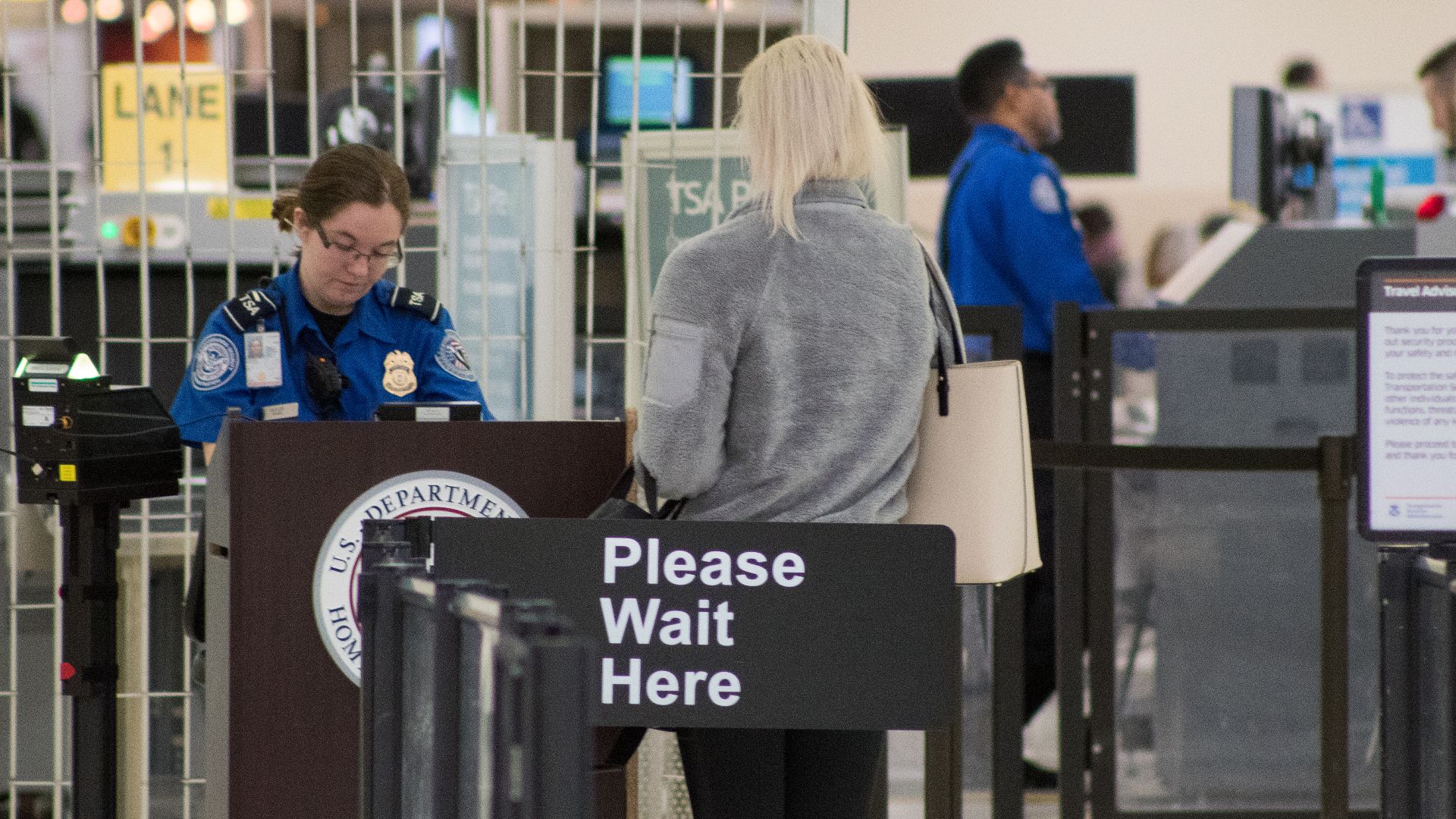
At a regular TSA checkpoint, officers are mainly screening for threats to aviation, not digging for your office gossip, contract drafts, or the rough first chapter of your secret airport novel. TSA’s role is to screen laptops and other electronics as part of the security process, and officers may ask you to power up a device.
 Michael Ball, Wikimedia Commons
The Power-Up Test
That power-on request matters. If a device cannot be powered up, it can become a problem at the checkpoint. In plain English, a dead laptop can turn into a travel headache, so your battery matters more than your boarding group.

What TSA Says It Does Not Do
Here is the part many travelers miss: standard TSA screening is not supposed to be about reading or copying your files. A normal checkpoint inspection is about the device as a possible security risk, not a guided tour through your folders, emails, and spreadsheets.
Why People Get Confused
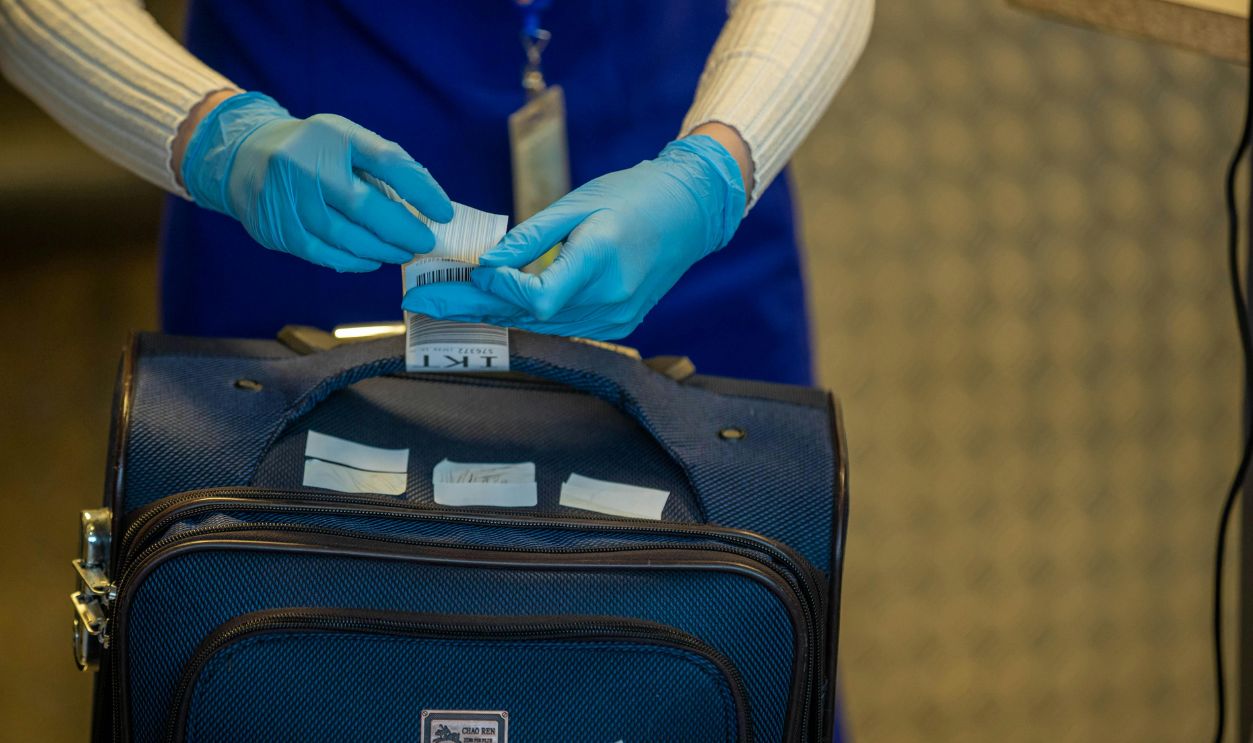
Stories about officials searching phones and laptops often get tossed into one big “the airport did it” bucket. But many of those headline-grabbing cases involve CBP at the border, not TSA at the domestic checkpoint. Same airport vibe, very different legal lane.
So Can TSA Go Through Your Files
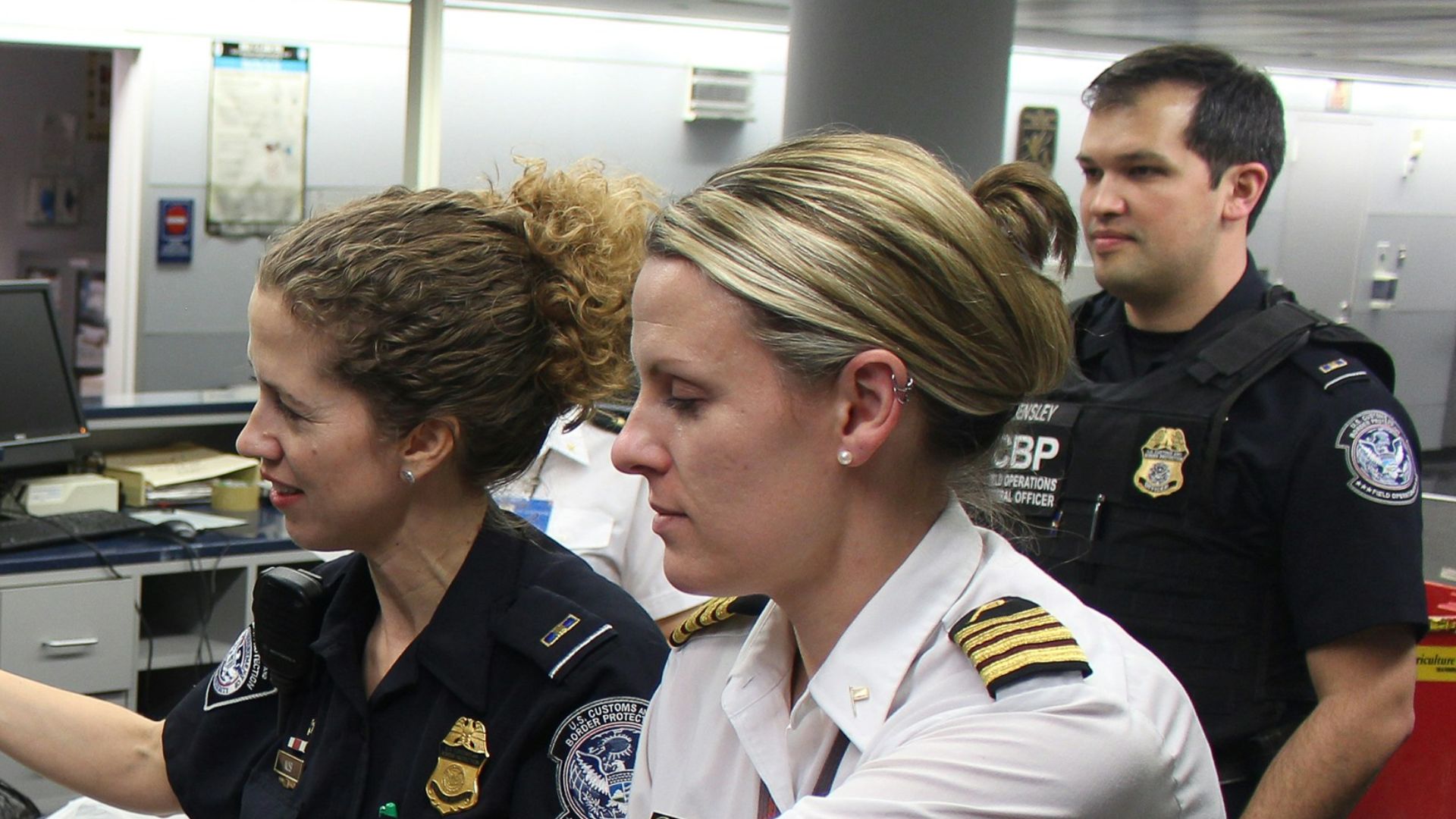
At a typical checkpoint, TSA screening is focused on whether the device is safe to bring onto the plane, not on the documents or data stored inside it. If someone at a regular checkpoint is demanding access to your files, that is not what most travelers picture when they think of routine TSA screening.

Can They Refuse You Boarding
Yes, refusing screening can absolutely derail your trip. TSA controls access past the checkpoint, and if you do not complete required screening, you may not be allowed through to your flight. That means refusing certain screening steps can lead to missing your plane.

Denied Boarding Does Not Always Mean Arrest
This is not automatically a movie scene with dramatic music and handcuffs. Often, it is simpler and more frustrating: no completed screening, no access to the secure side of the airport, no boarding. That still feels huge when you are missing a work trip, but it is different from being charged with a crime.

Where The Border Changes Everything
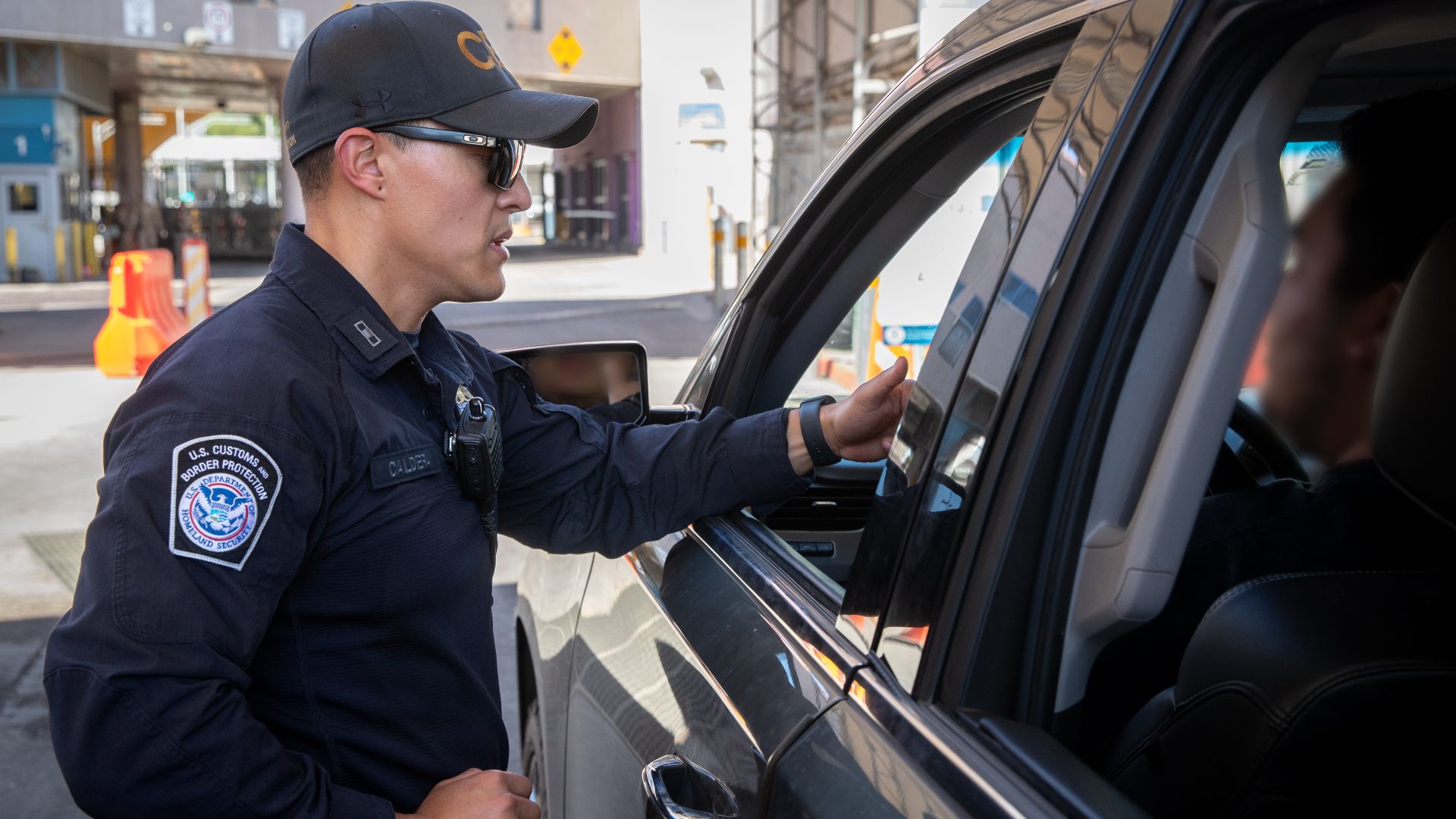
At the border, CBP plays by a different rulebook. That authority can include electronic devices crossing into or out of the country. That is why border stories sound much more intense than what happens at a standard domestic checkpoint.
 CBP Photography, Wikimedia Commons
Border Search Means Border Search
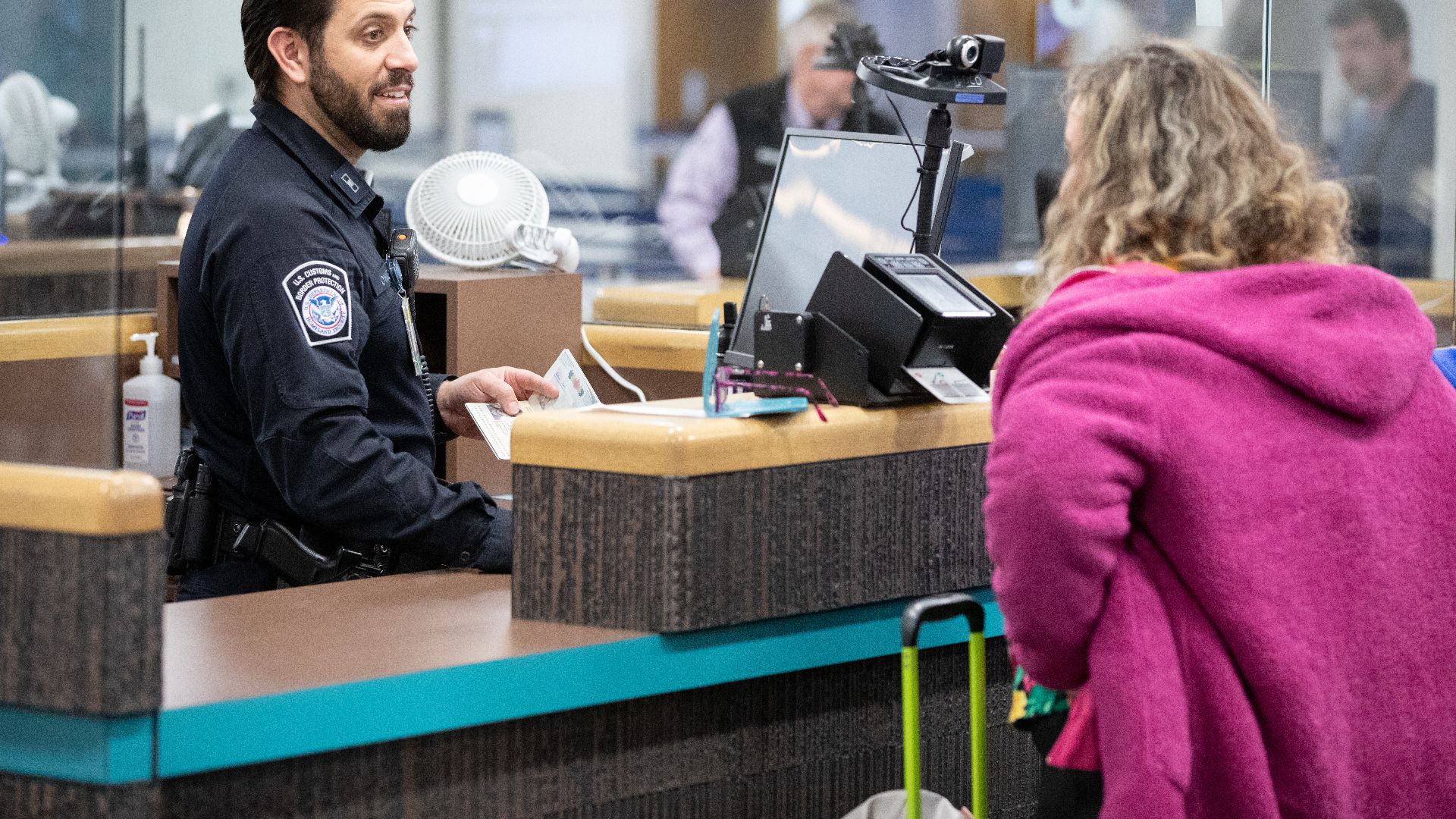
Border-related device inspections can happen at the physical border and at locations treated as the legal equivalent of the border, including some airport situations tied to international travel. That is one reason travelers sometimes confuse a border inspection with normal airport security.
 CBP Photography, Wikimedia Commons
If You Refuse At The Border
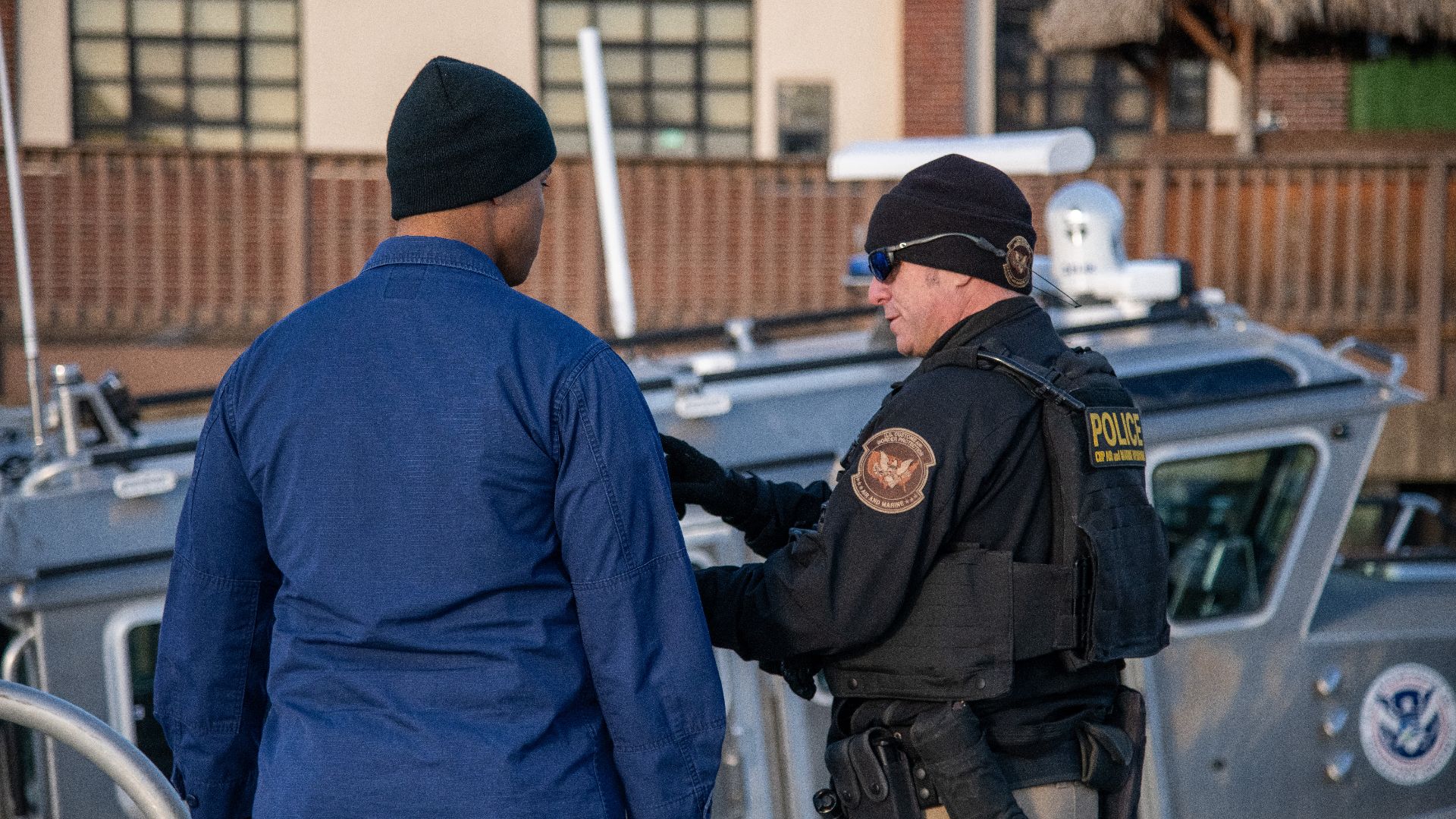
Refusing to help unlock or access a device at the border can have consequences. It does not usually make the issue disappear. Instead, it may lead to delays, more questioning, or the device being held for further inspection.
 CBP Photography, Wikimedia Commons
Domestic Flight Or International Trip
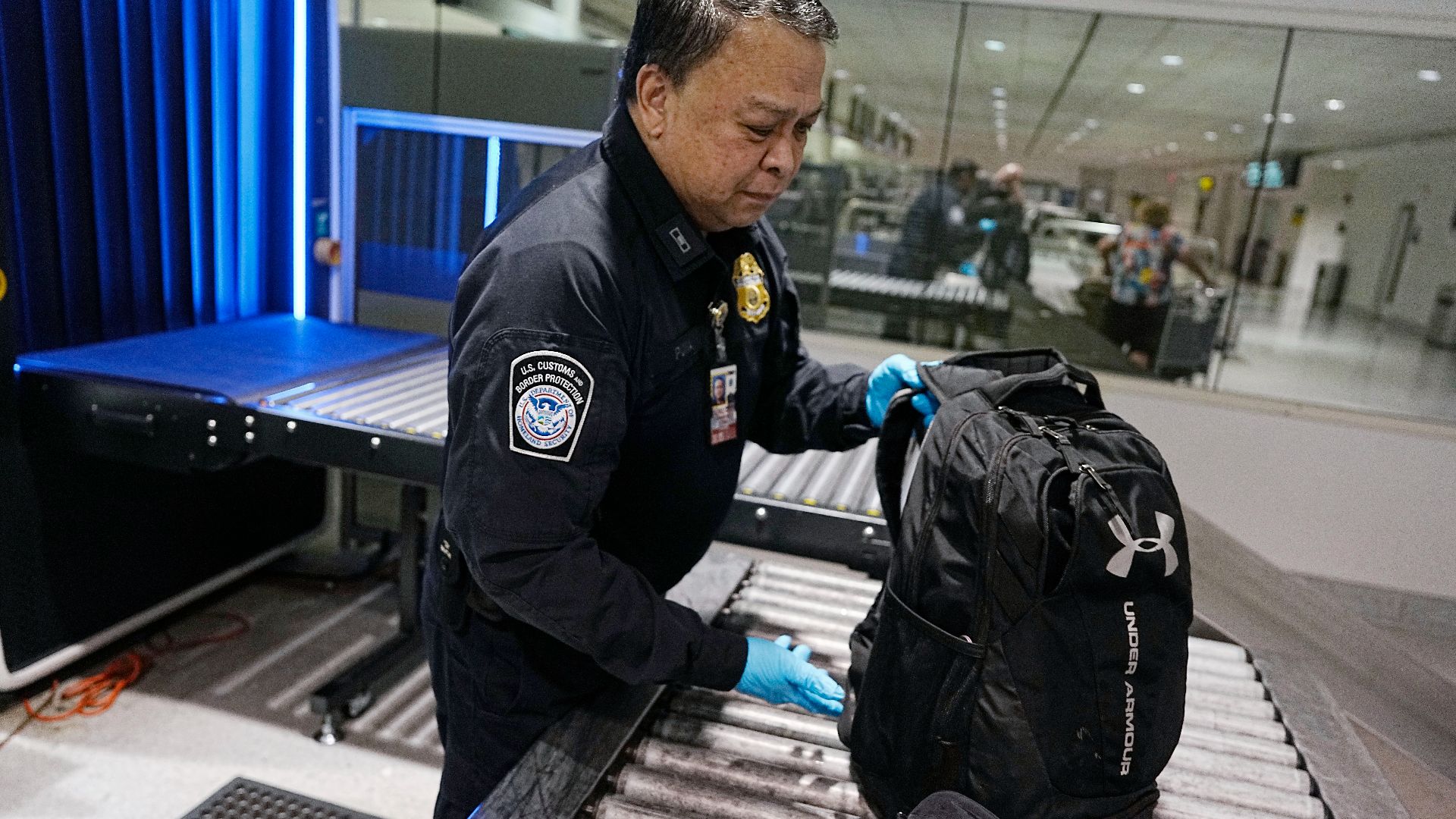
That is the first question to ask if this nightmare scenario happens. On a domestic trip, TSA is the likely player. On an international arrival, departure, or preclearance route, CBP may be involved. The answer to “Can they do that?” depends a lot on which agency is actually standing in front of you.
 CBP Photography, Wikimedia Commons
Preclearance Makes It Tricky
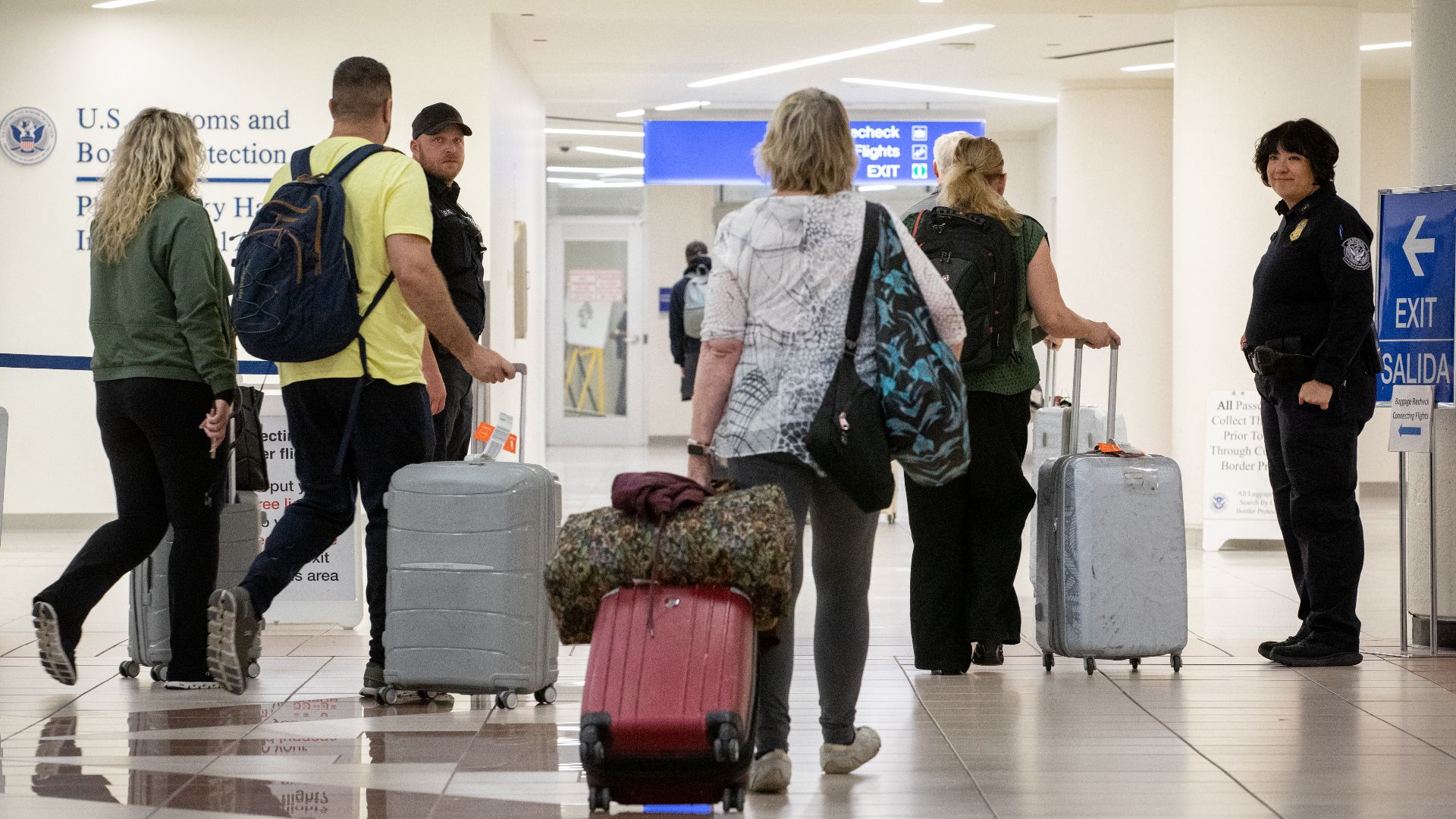
Preclearance locations can feel like ordinary airport security, but they function as border inspection points for travelers heading to the United States. That matters because a search that seems like “TSA at the airport” may legally be something very different.
 CBP Photography, Wikimedia Commons
Sensitive Work Files Raise The Stakes
If you handle trade secrets, client records, unpublished reporting, or protected company data, this is not just a travel annoyance. It can become a compliance issue, a confidentiality problem, and the kind of conversation with your employer that makes everyone suddenly type in all caps.

What To Do Before You Fly
The smartest move is preparation. Bring only the data you truly need, keep devices charged, and ask your employer whether travel protocols exist for confidential information. For some workers, a travel-only device or a remote-access setup is safer than carrying the whole digital office through security.

Think Like A Minimalist Spy
No trench coat required. Just think like a very boring cybersecurity minimalist. If sensitive files do not need to be on the laptop during travel, do not store them there. Less data on the machine means less stress if anyone lawfully inspects the device, seizes it, or simply delays you.
Keep Work And Personal Separate
Mixing confidential contracts, family photos, tax documents, and vacation planning on one machine is a recipe for panic. A cleaner division between work and personal devices makes it easier to explain what is on the laptop, what is not, and why you cannot casually open everything on command.
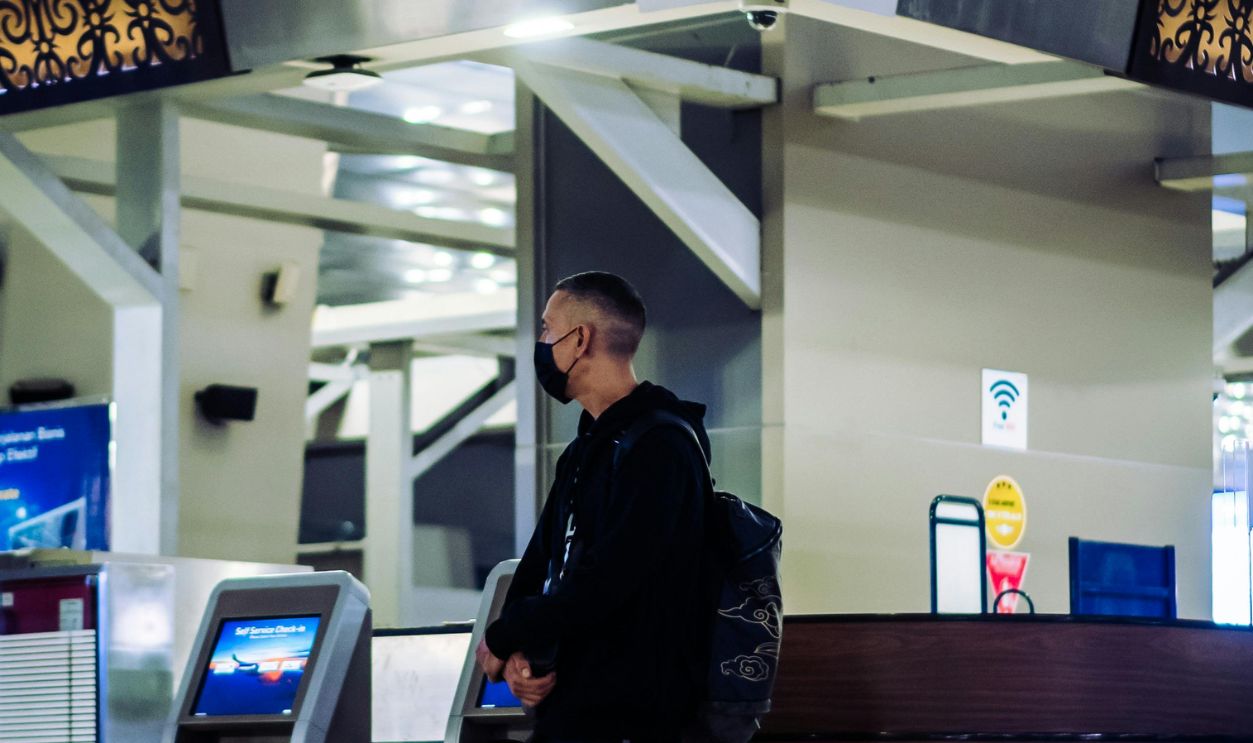
Bring A Charging Plan
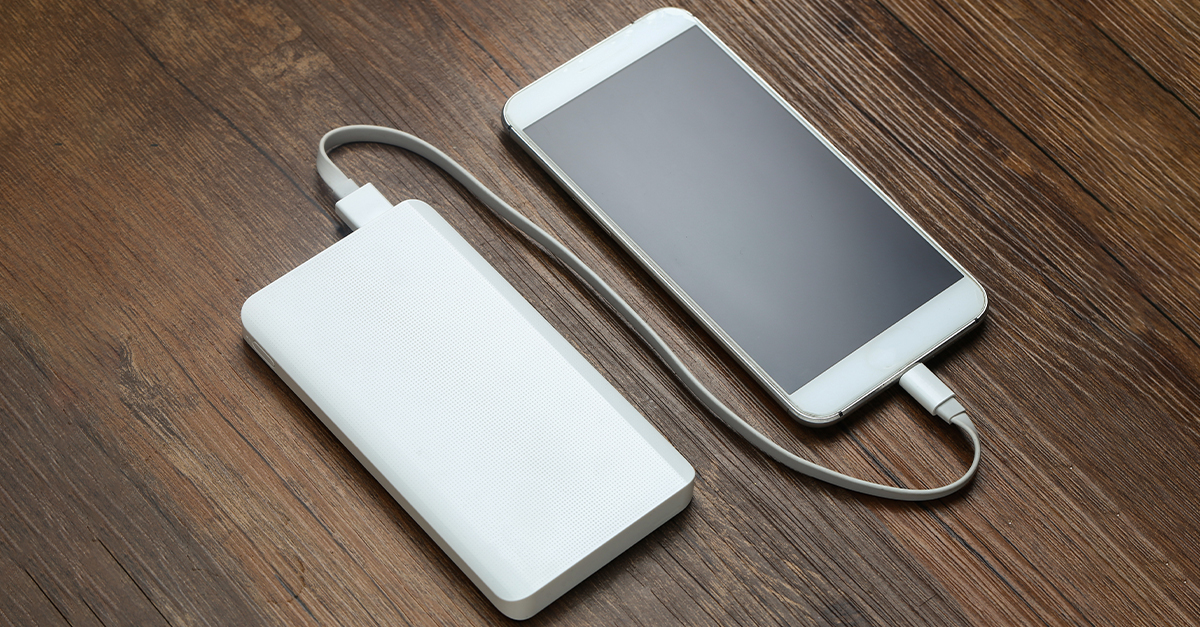
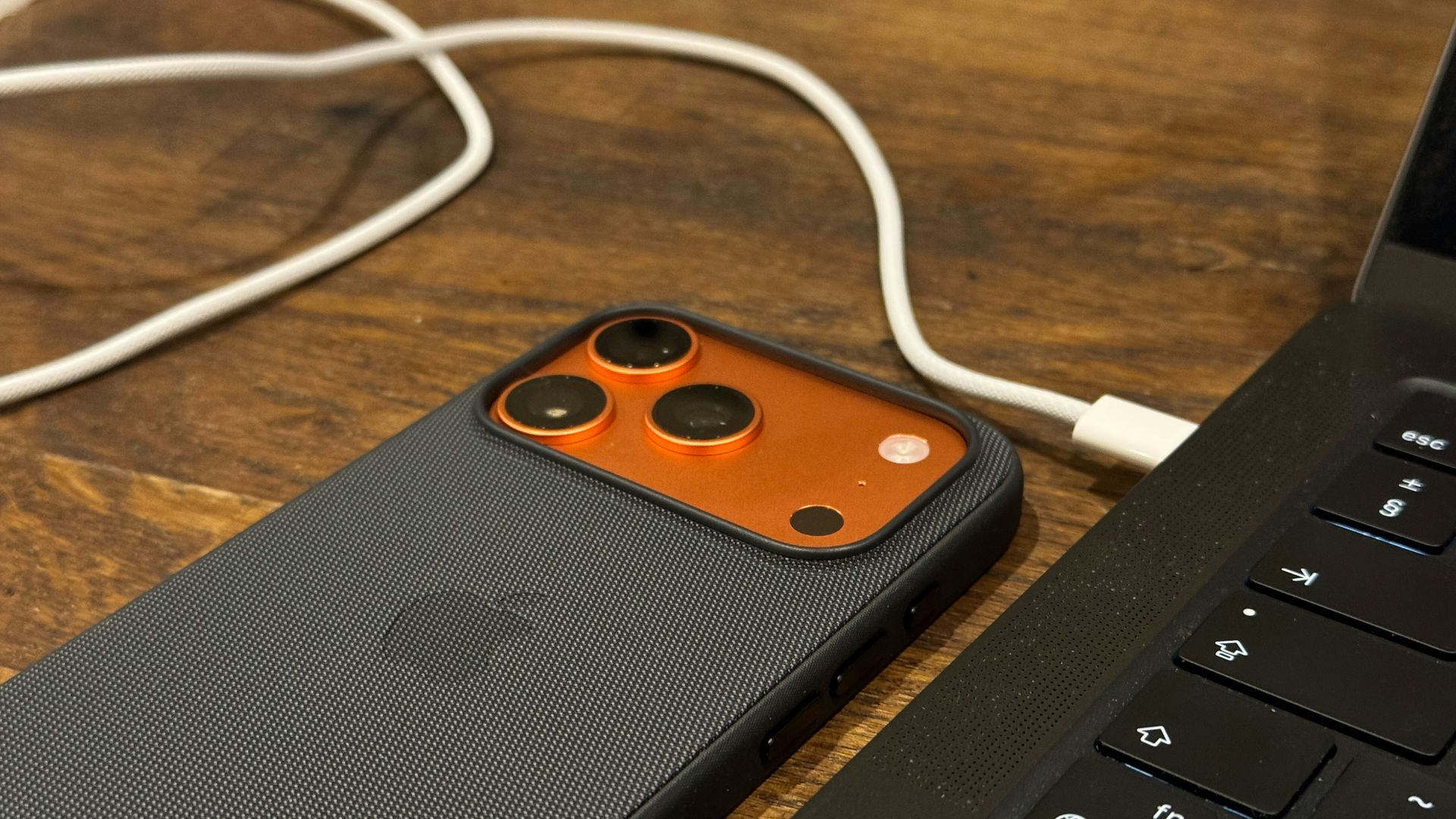
This sounds small until it wrecks your day. Since officers may ask you to power on an electronic device, a dead battery can create checkpoint trouble all by itself. A charged laptop and phone are not just convenient anymore. They are basic travel survival tools.
Ask Your Employer For Guidance
If your work involves legal privilege, regulated data, source protection, or national-security-related material, do not make it up as you go from the airport coffee line. Ask your employer, compliance team, or lawyer what you should carry, what should stay remote, and what to do if an official wants access.

Do Not Rely On Vibes
A lot of travelers think, “I’ll explain it’s confidential and that will settle it.” Sometimes it helps, sometimes it does not. Airport encounters are not decided by your best speech and a brave eyebrow raise. They are shaped by the agency involved, the setting, and the authority that applies there.

Stay Calm And Clarify
If this happens, calmly ask which agency the officer works for and what they are requesting. That one question can tell you whether you are dealing with standard TSA screening or something closer to a border search. Clarity is your friend when adrenaline is trying to turn the moment into a thriller.

You Can Ask For Help
If you believe you were wrongly denied boarding or repeatedly delayed, there are channels for travelers to raise concerns and seek help afterward. In the moment, staying calm, asking clear questions, and keeping track of what happened can make a stressful situation easier to sort out later.

The Viral Version Of The Story
Online, these stories usually become, “The TSA demanded my secrets!” But the real answer is less cinematic and more bureaucratic. TSA generally screens devices to make sure they are safe to bring on the plane, while file-content searches are much more often associated with border authority.
 Christian Velitchkov, Unsplash
The Most Honest Answer
Can TSA refuse you boarding if you refuse screening? Yes, that can happen. Can TSA routinely poke through your laptop files at a standard checkpoint the way border officers may inspect devices at the border? That is a much shakier claim, and it is where people often blur two very different scenarios.

The Best Rule Of Thumb
If you are flying domestically, think screening. If you are crossing a border, think inspection. If you carry sensitive work information, think ahead before wheels-up day. Your laptop is not just a gadget anymore. It is a briefcase, a vault, and sometimes the star of a very inconvenient airport subplot.
Final Boarding Call
So, can they do that? At a normal TSA checkpoint, officers can screen your laptop, may ask you to power it on, and can stop you from flying if you refuse required screening. But a true search through your files is far more likely to be a border issue than a routine TSA one.
You May Also Like: