Sunny At Your Gate, Stormy Somewhere Else
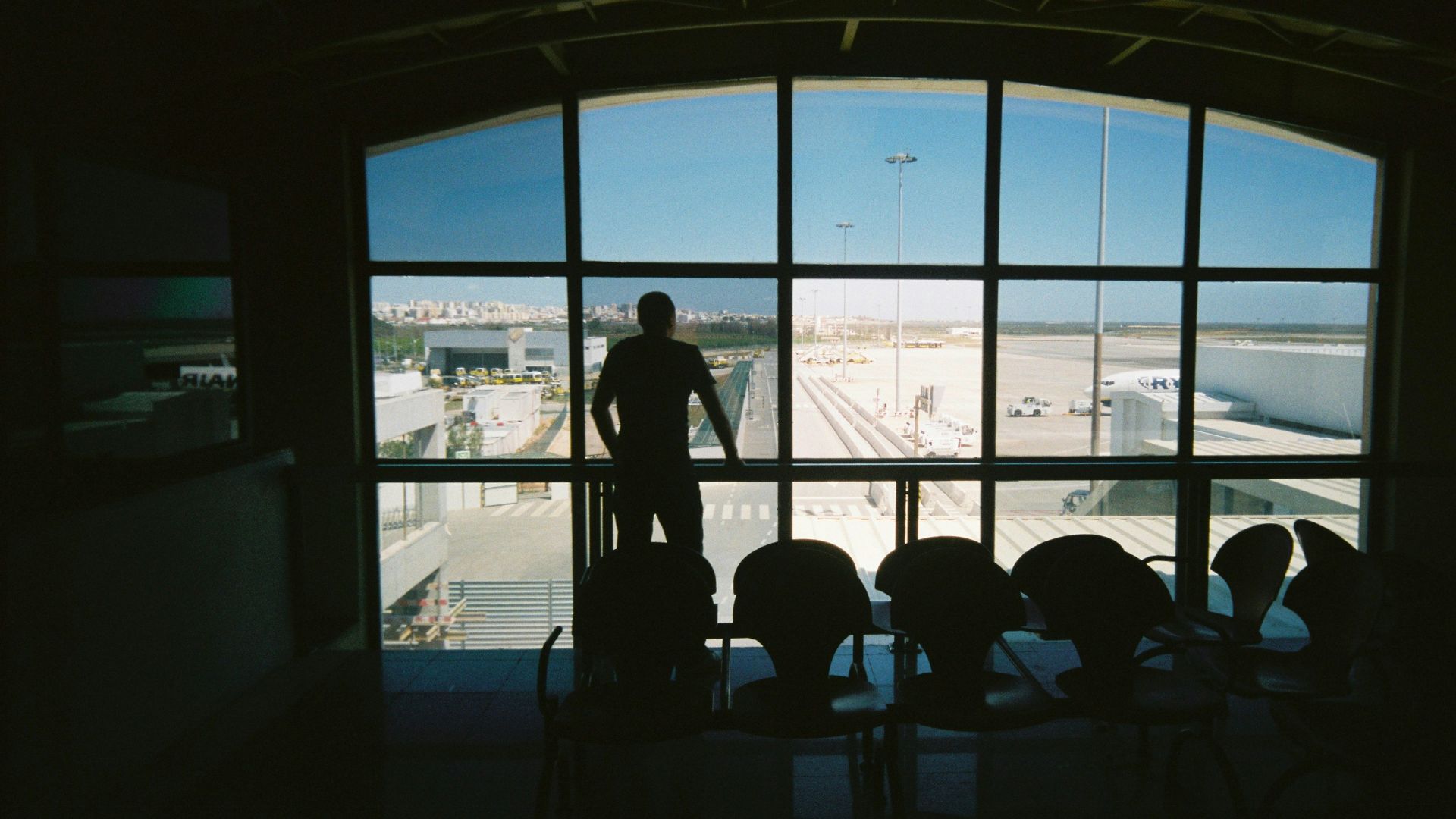
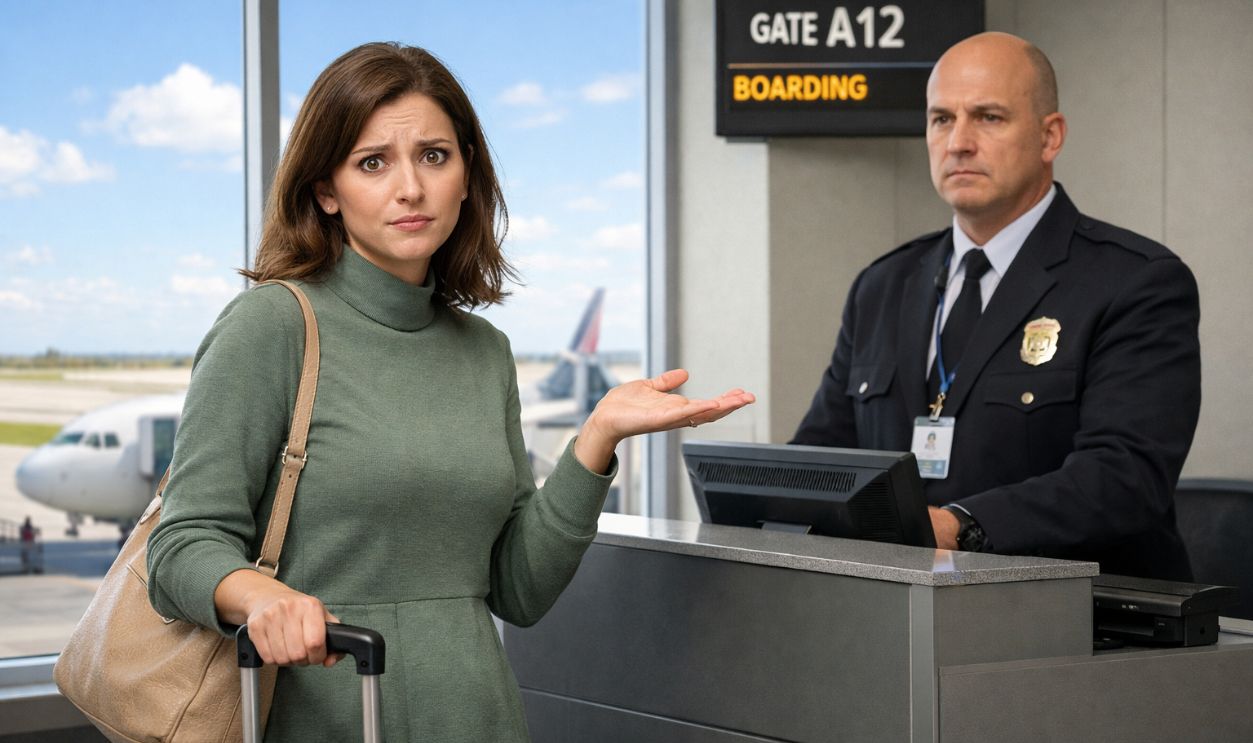
Anyone would be mad. You're going to miss the first day of your trip because your flight was cancelled and you won't be leaving the airport any time soon. Worse, the airline says your delay was caused by “weather” and that no compensation is due, but you look at the window and see clear blue skies.
Unfortunately, you're probably out of luck when it happens—but there are still some tricks you can try to make sure you get proper compensation.
Why It Feels Hard To Believe
Most passengers judge the situation by what they can see from the terminal. That makes sense, but flights run inside a much bigger system than the patch of sky over your gate. A storm where your plane started the day, dangerous conditions along the route, or weather-driven air traffic restrictions elsewhere can all throw your flight off schedule.
What The Law Looks Like In Europe
For flights covered by UK and EU passenger-rights rules, compensation is usually available for long delays, cancellations, and denied boarding unless the airline can show the disruption was caused by “extraordinary circumstances.” In the EU, that comes from Regulation (EC) No 261/2004. In the UK, similar rules still apply after Brexit. Weather can count, but only if it really affected the flight and could not have been avoided even if the airline took all reasonable steps.

The Key Phrase Is Extraordinary Circumstances
This is where a lot of disputes start. The rule does not let an airline dodge compensation just by dropping the word “weather” into an email. It has to show that the weather event was outside normal operations and that it directly caused the delay or cancellation.
What Courts Have Said Matters
European case law has made clear that airlines need more than a vague excuse. They have to show a real link between the disruption and the weather, and they also have to show that reasonable steps would not have prevented it. That is why so many compensation fights come down to timing, routing, and where the aircraft had been earlier in the day.
 Tingey Injury Law Firm, Unsplash
Sunny Weather Does Not Mean Weather Was Irrelevant
This is the part that catches people off guard. Your flight may be delayed because the aircraft meant to operate it was held up earlier by thunderstorms at another airport. Airlines use the same planes across multiple flights, so one bad weather event in the morning can cause delays for the rest of the day.

Incoming Aircraft Problems Are A Big Deal
If your plane is arriving late because of severe weather somewhere else, that can still be a valid weather defense. The UK Civil Aviation Authority says disruption can be caused by weather affecting a previous flight using the same aircraft. So the sunshine outside your window may tell only a small part of the story.
 Kingofseals, Wikimedia Commons
Air Traffic Control Can Also Trigger The Delay
Weather does not just affect planes directly. It can cut airport capacity, force reroutes, and lead air traffic control to slow traffic across large areas. Eurocontrol, which helps manage network operations across Europe, regularly deals with weather-related restrictions that can delay flights far from the worst conditions.
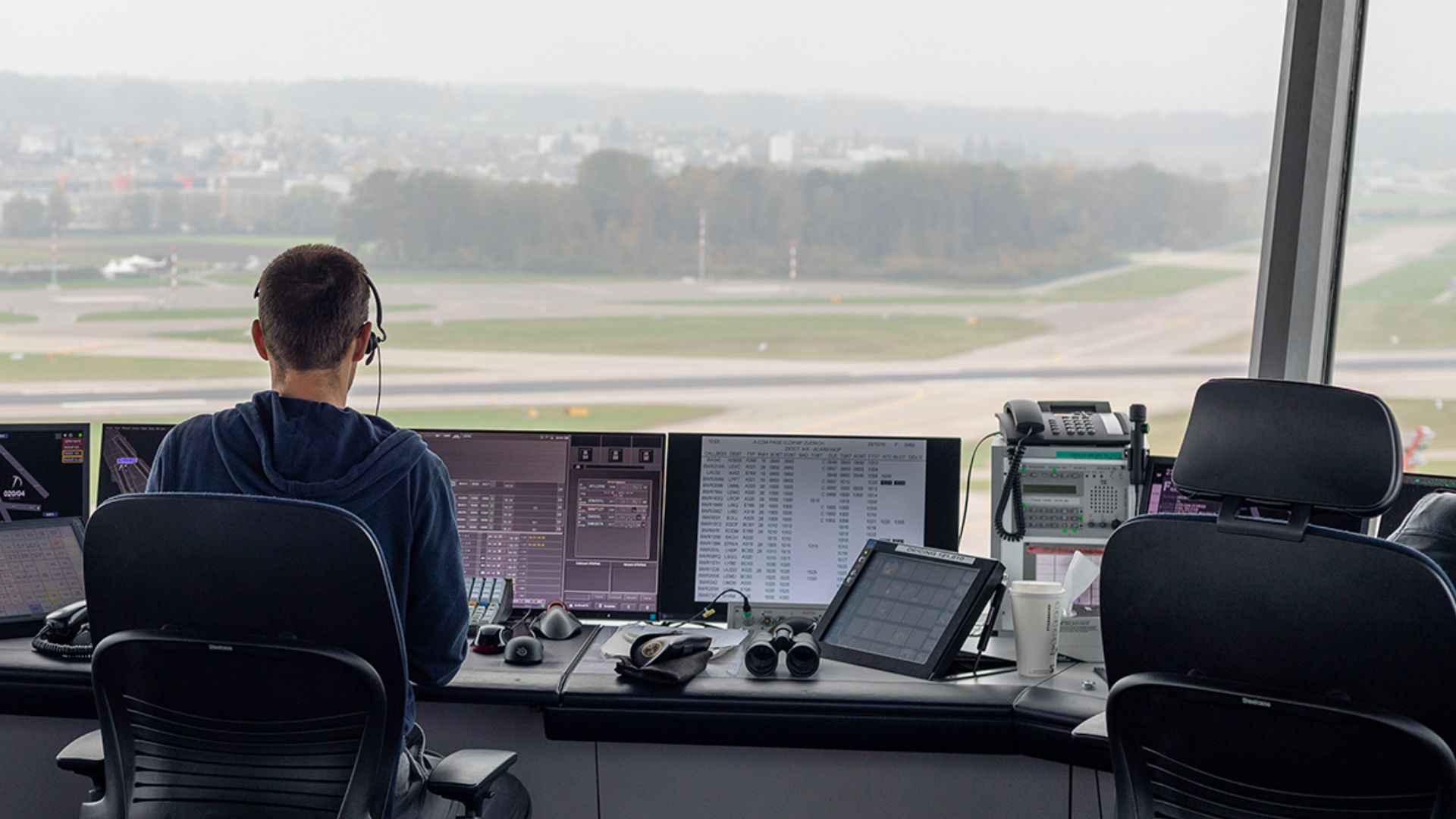 Petar Marjanovic, Wikimedia Commons
This Is Why Airlines Sometimes Win These Cases
If the airline can show that storms, wind, low visibility, or related air traffic restrictions seriously affected the aircraft or route, compensation may not be owed. The law does not require the bad weather to be happening directly over your airport at that exact moment. It requires the airline to prove the disruption was genuinely caused by extraordinary circumstances.
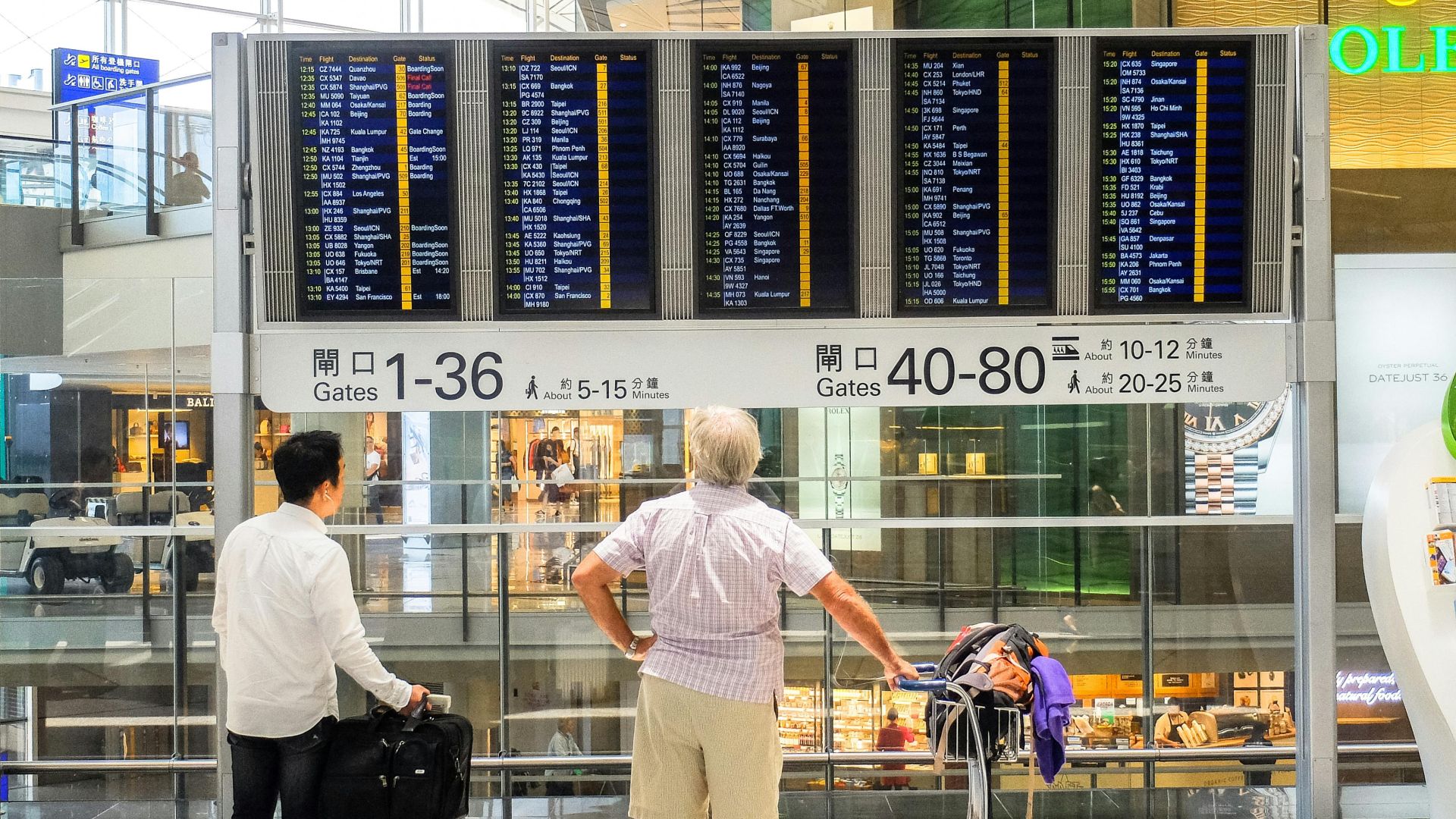
But No, They Cannot Just Say It And Move On
That is the other half of the story. Under EU and UK rules, the airline generally has to prove extraordinary circumstances if it wants to avoid paying compensation. A vague line like “due to weather” may not be enough if the passenger pushes back.
What Regulators Say Airlines Should Explain
The UK Civil Aviation Authority says passengers can ask the airline for a full explanation of the disruption. It also makes clear that airlines still have to provide care, such as meals and hotel stays when required, even when extraordinary circumstances apply. Compensation and care are separate rights, and that matters.
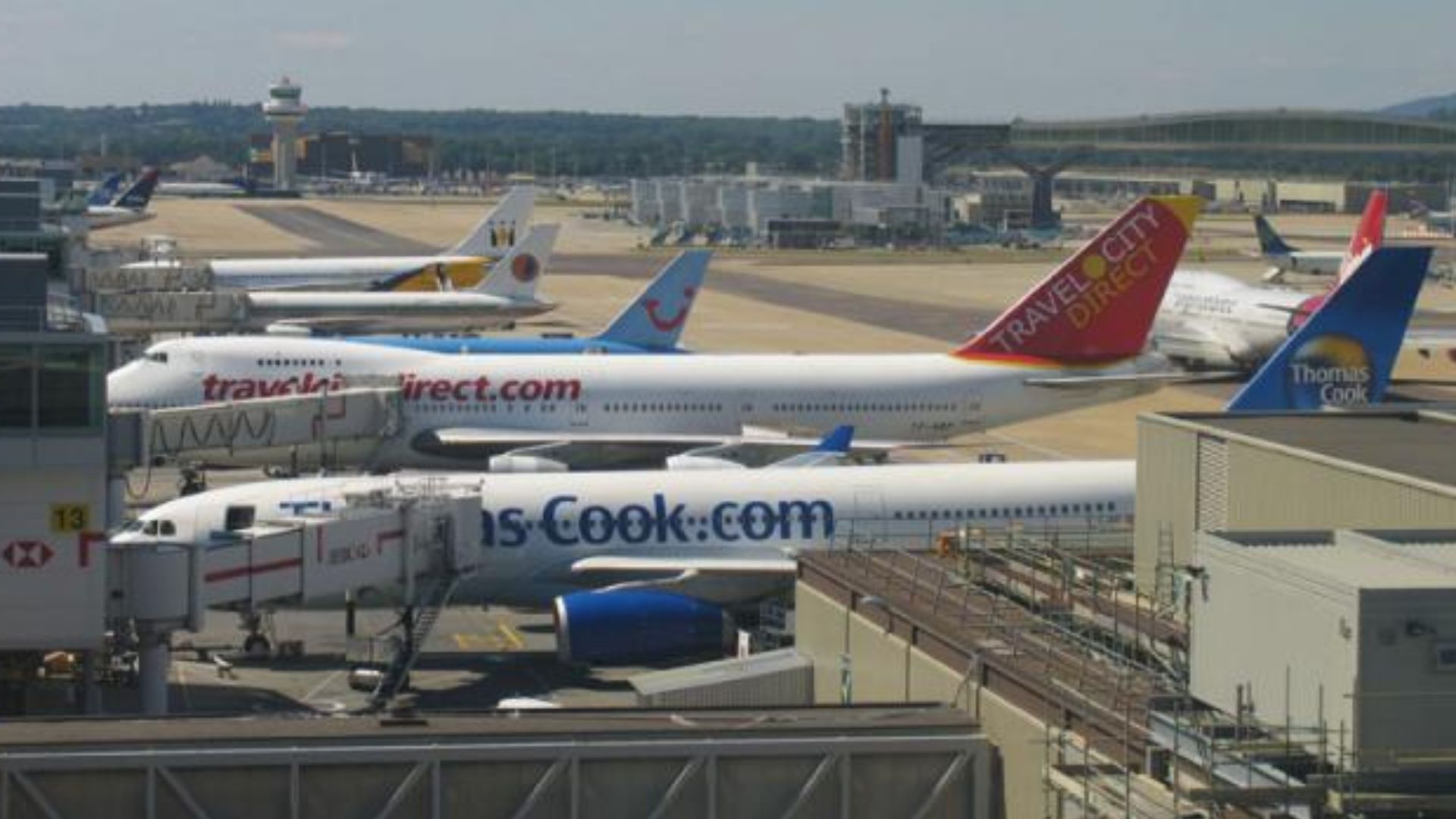
Your Rights In The United States Are Different
In the US, there is no general federal rule that requires airlines to pay cash compensation for ordinary delays, including weather delays. The US Department of Transportation mainly requires refunds in some situations, such as when a flight is canceled and the passenger does not travel, and it enforces rules on tarmac delays and customer service plans. So for domestic US flights, the weather argument usually matters more for refunds and rebooking than for delay compensation.
 AgnosticPreachersKid, Wikimedia Commons
Why EU And UK Cases Get So Heated
The stakes are high. Under EU 261, compensation can range from 250 to 600 euros depending on the flight distance and the length of the delay, subject to the rule’s limits and exceptions. In the UK, the amounts are set in pounds under the retained version of the same system.

What Counts As Weather, Exactly
Severe thunderstorms, snow, icing, high winds, volcanic ash, and low visibility can all potentially qualify. Routine rain or normal winter conditions do not automatically let an airline off the hook if it should reasonably have been able to operate safely and on time. Context matters, and evidence matters even more.
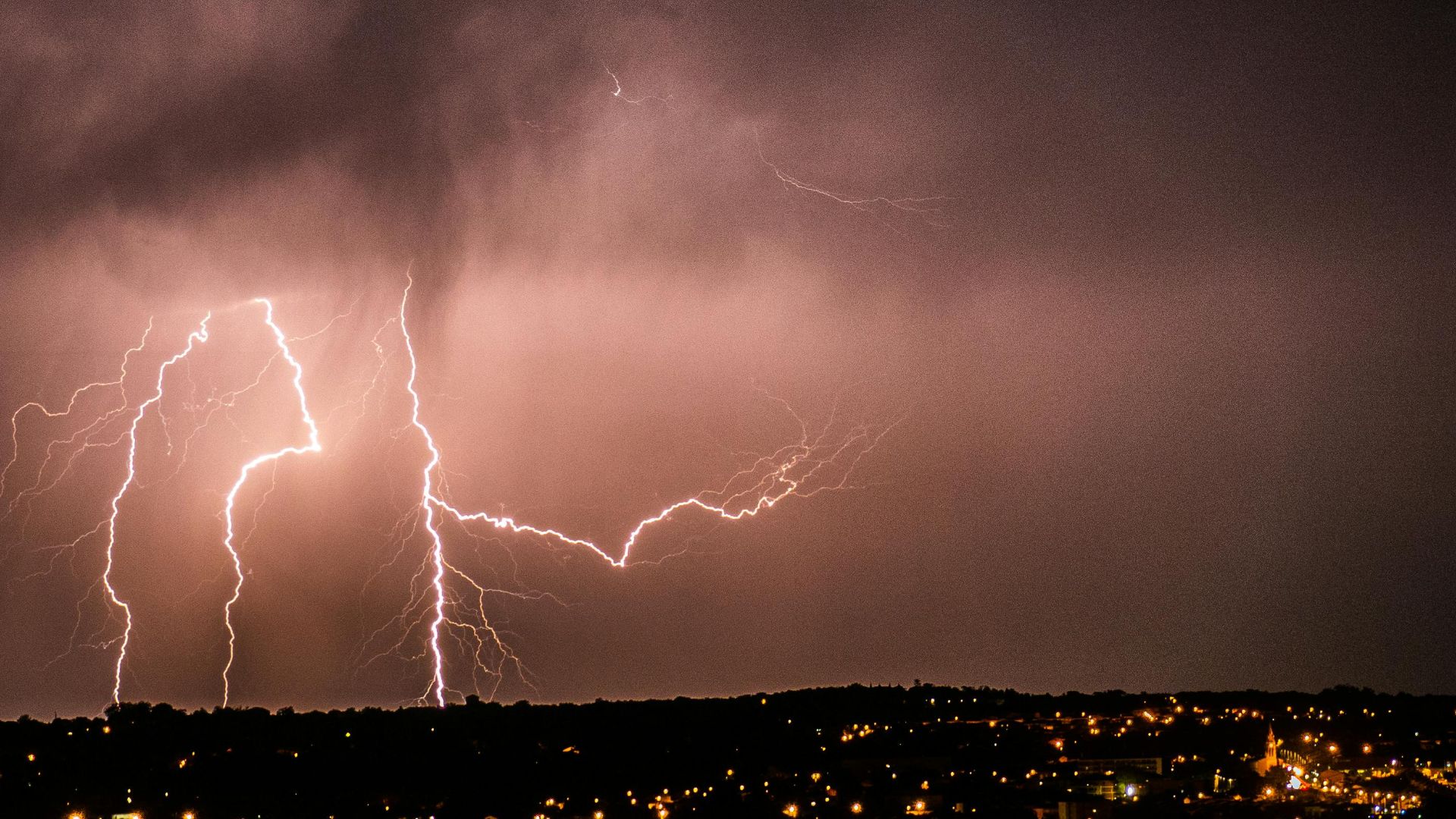
Evidence Is Where Your Claim Lives Or Dies
If you think the airline used “weather” as a catch-all excuse, start saving records right away. Keep your boarding pass, screenshots of delay alerts, and any written explanation the airline gave you. Write down the scheduled and actual departure and arrival times, because even small differences can affect whether compensation is owed.
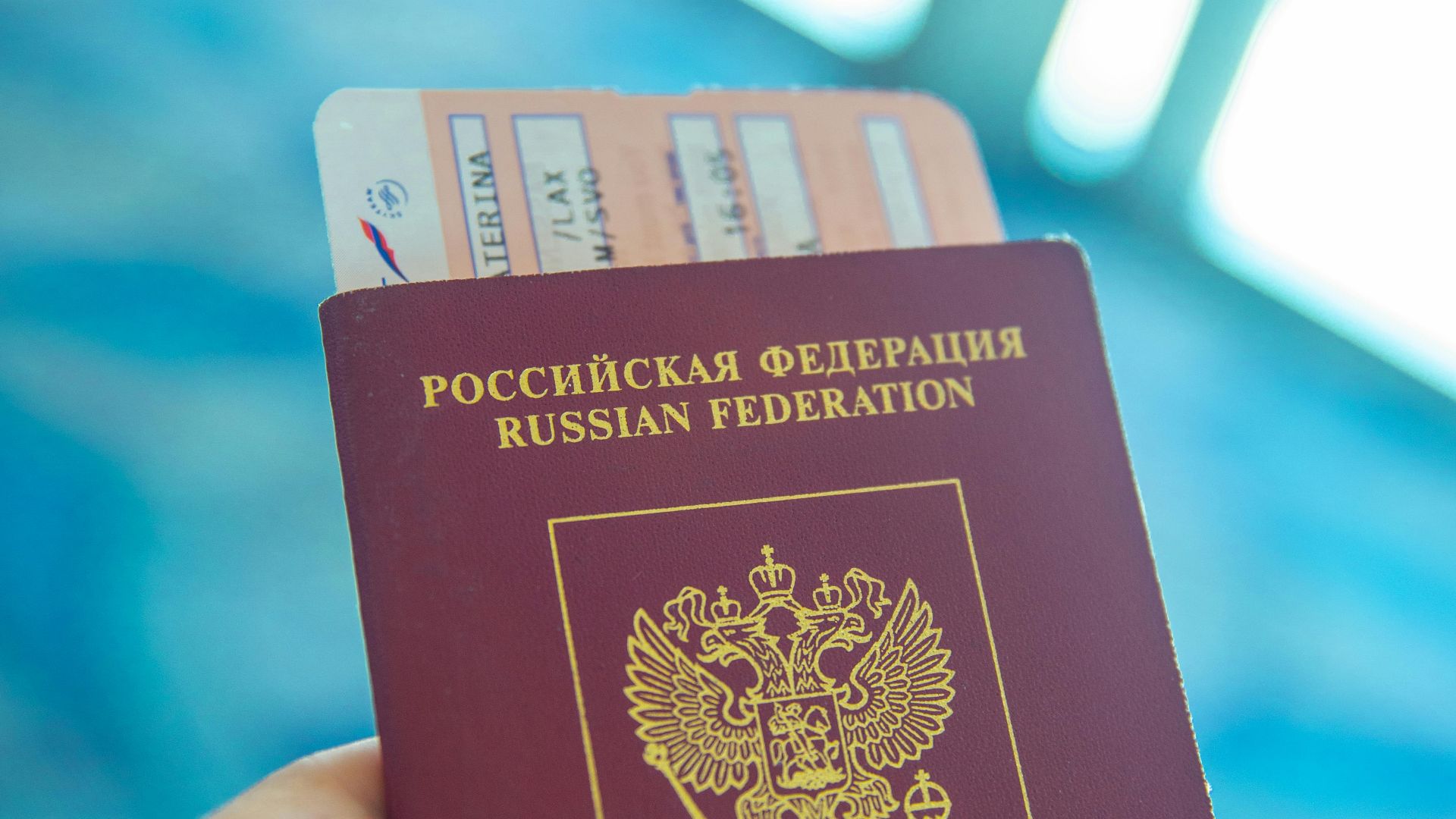
Check Independent Flight Data
Flight tracking tools can help you see where your aircraft came from and whether it arrived late. They can also show whether nearby flights were operating normally or whether there was a wider mess that day. That alone will not prove your legal case, but it can show whether the airline’s story fits the timeline.

Weather Records Matter More Than You Might Think
Look up historical weather reports for your airport, the incoming aircraft’s origin, and any major points along the route. Airport weather archives, meteorological services, and operational notices can help show whether serious conditions existed at the right time and place. If the airline says weather caused the delay, the dates, locations, and severity should match up.
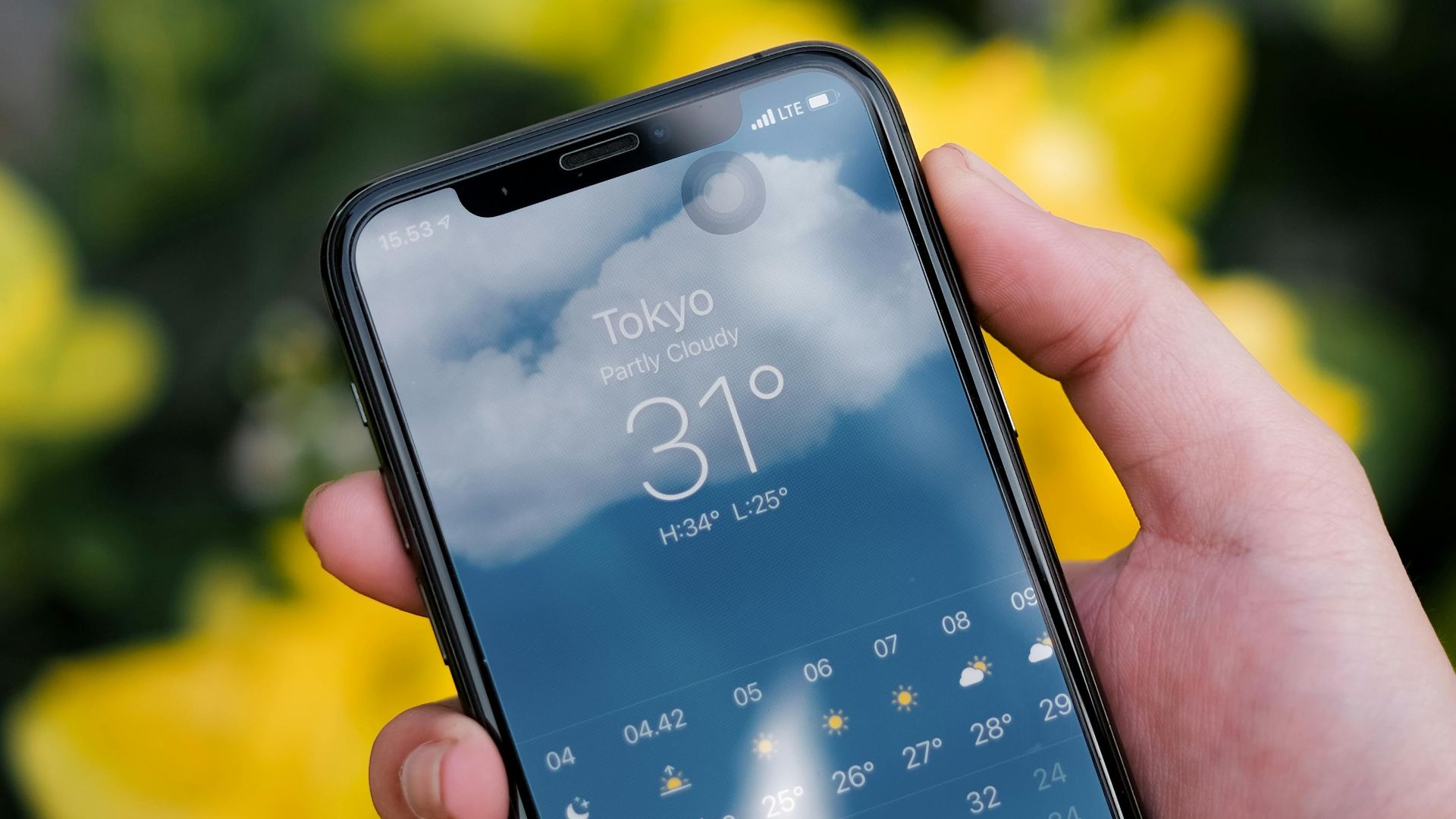
Network Disruption Is The Hidden Complication
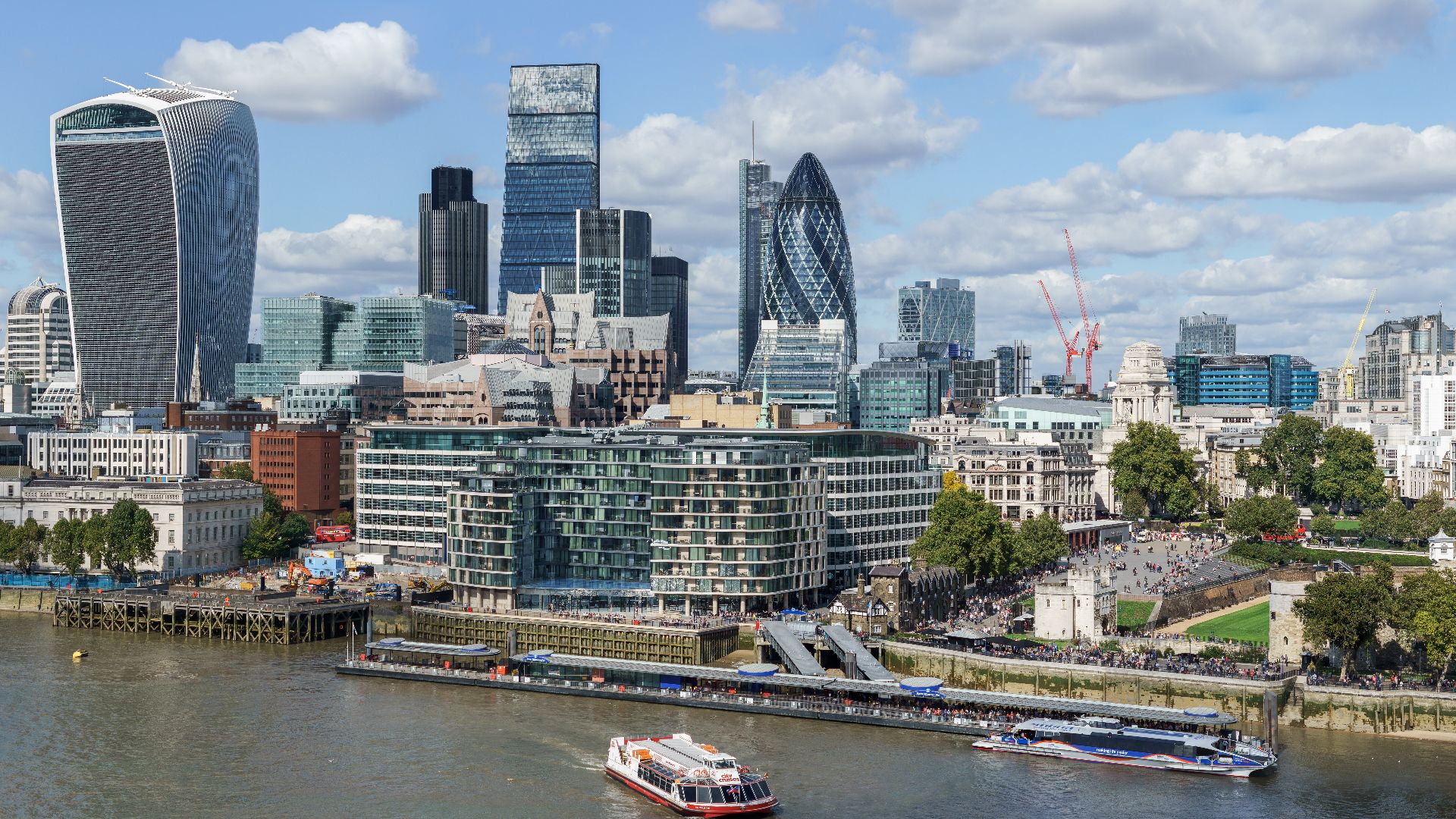
Even when local weather is calm, disruption can spread through an airline’s whole schedule. A morning storm in Amsterdam, Frankfurt, or London can throw aircraft and crews out of position for hours. That chain reaction is real, but the airline still has to show that your flight was actually affected by it.
 User:Colin and Kim Hansen, Wikimedia Commons
Reasonable Measures Are Part Of The Test
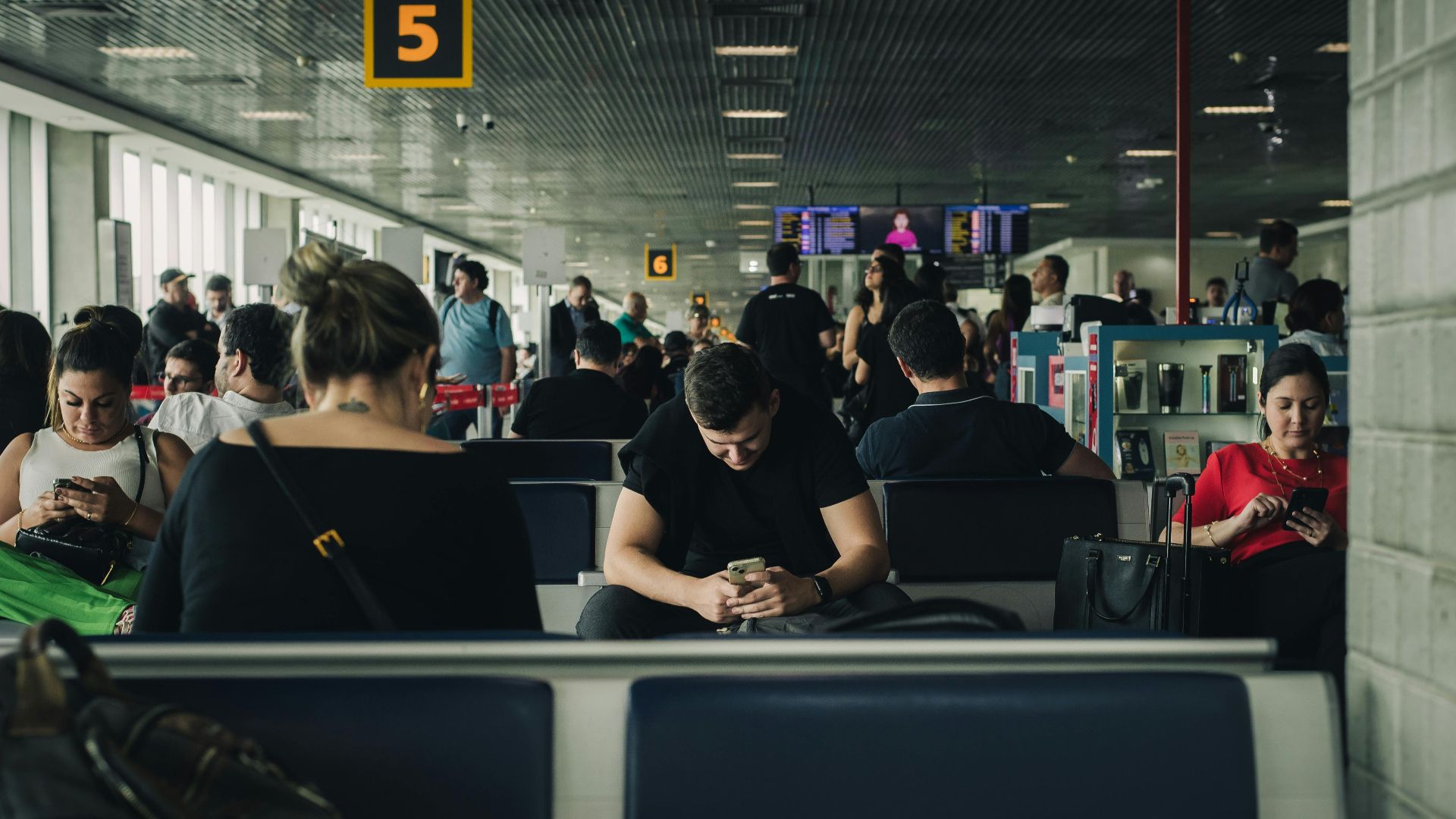
Under EU and UK rules, an airline cannot rely on extraordinary circumstances if reasonable steps could have avoided the long delay. That does not mean it has to work miracles or keep spare aircraft everywhere. It does mean a court or regulator may ask what practical steps the airline took once the weather problem began.
So What Might Reasonable Measures Look Like
It could mean rerouting, swapping aircraft where possible, or making other operating choices to limit the knock-on effect. The exact answer depends on the airport, the fleet, crew legal limits, and what alternatives were available. That is why two passengers delayed for “weather” can end up with very different outcomes.
Ask For The Specific Weather Event
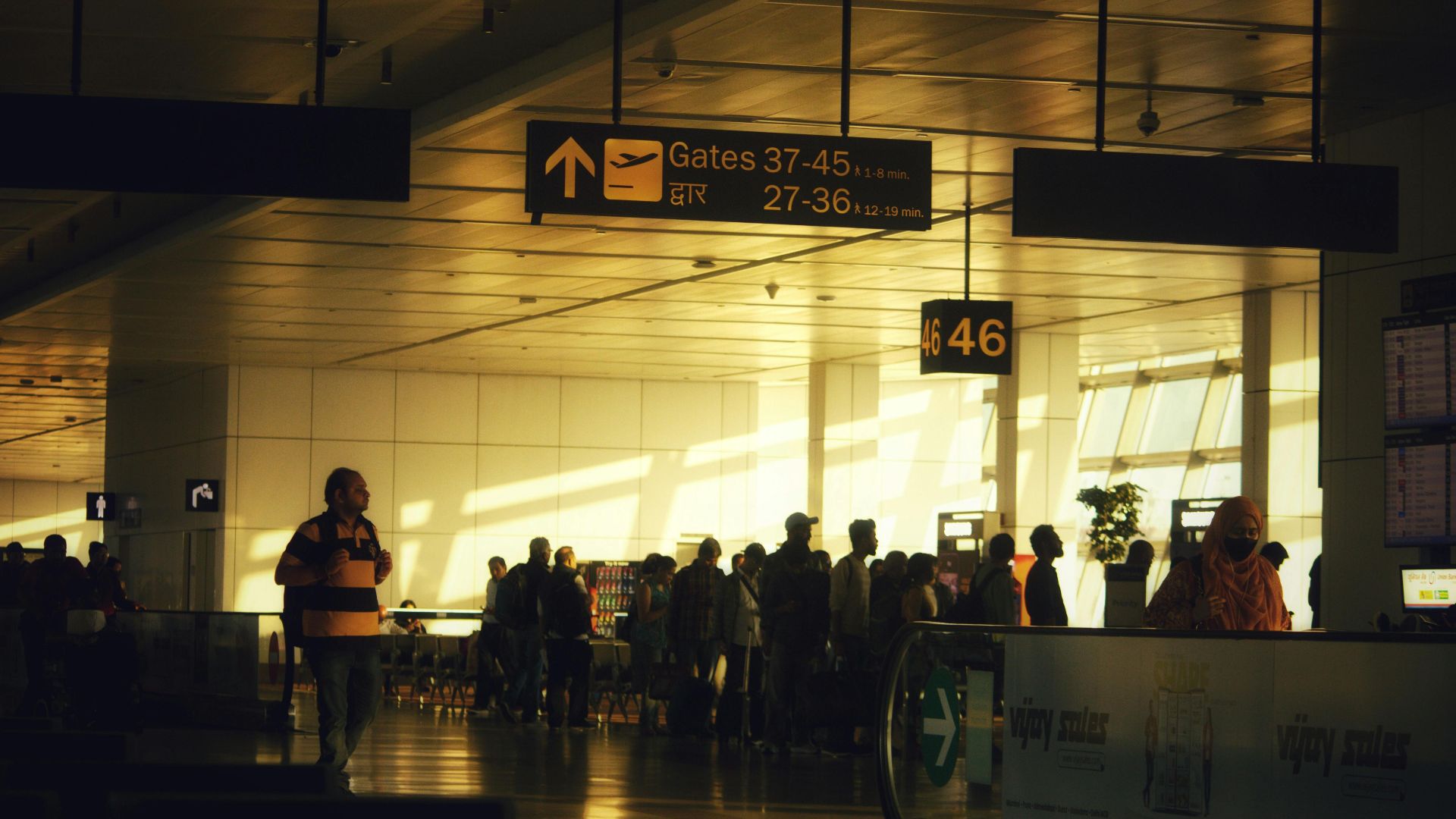
If the airline rejects your claim, ask a direct follow-up question. Request the specific airport or airspace affected, the date and time of the weather event, and whether it hit your flight directly or the incoming aircraft. A precise answer is far more useful than a one-line denial.
Ask If It Was Your Flight Or A Previous Leg
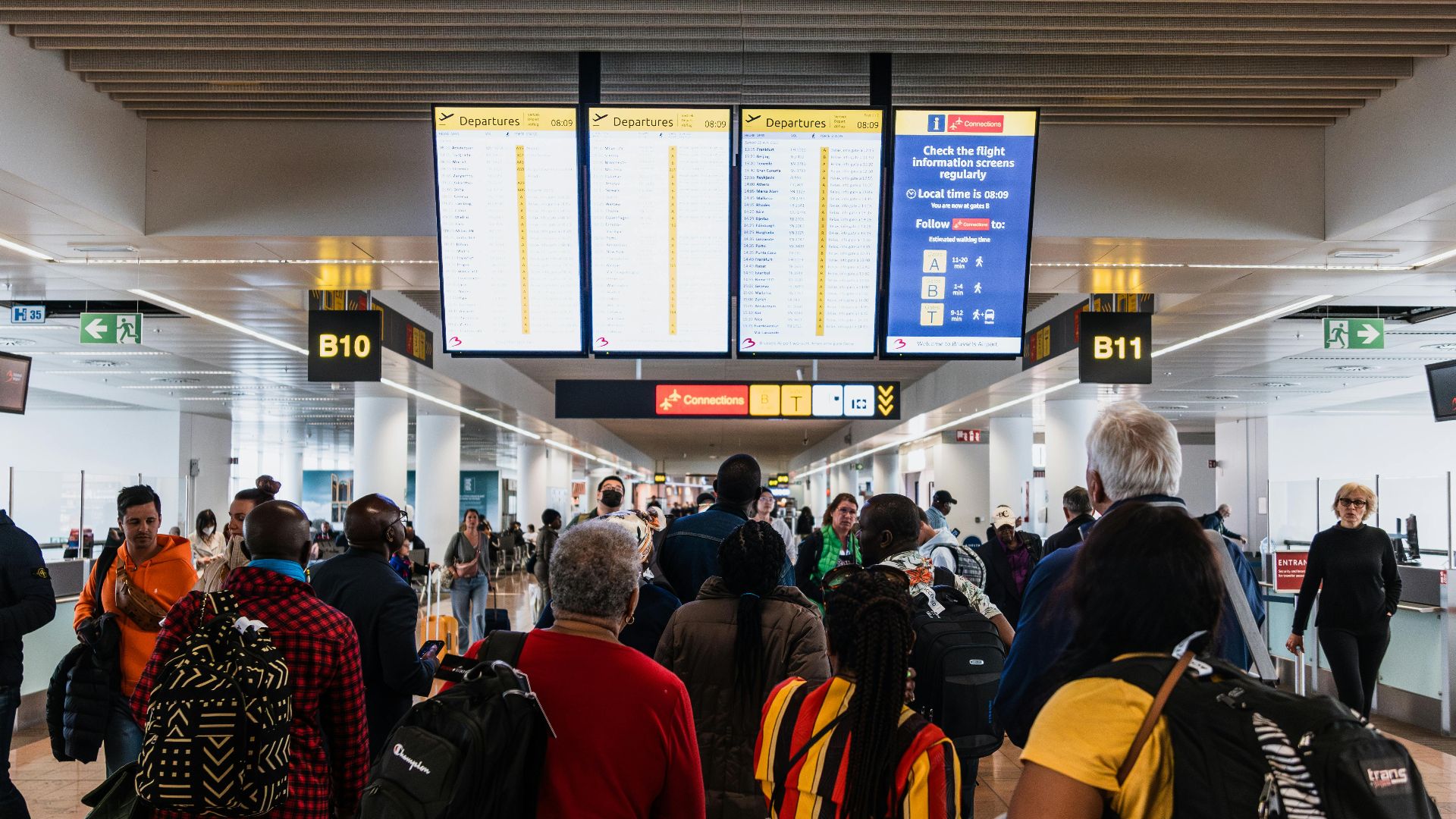
This one question can clear up a lot. If the problem was on a previous leg, ask for that flight number and what exactly happened. Once you have that, you can compare flight history and weather data to see whether the explanation holds up.
Do Not Confuse Compensation With Assistance
Even if weather really was the cause and compensation is not owed, the airline may still have to provide meals, hotel accommodation, and communication help under EU and UK rules during a long delay. A lot of passengers miss that because the compensation fight gets all the attention. Your immediate costs still matter.

What To Do If You Think The Airline Is Wrong
Start with a written complaint to the airline and keep it factual. List the flight number, date, route, length of delay, and why you disagree with the weather explanation. Ask for the detailed basis for the extraordinary-circumstances claim and save every reply.

Escalation Paths Exist
If the airline refuses to change its position, passengers in Europe and the UK can often escalate the case to a national enforcement body or an approved alternative dispute resolution scheme, depending on the airline and route. In the UK, the Civil Aviation Authority explains these routes on its passenger-rights pages. These channels can be slow, but they exist for exactly this kind of dispute.

Claim Firms Can Help, But Read The Fine Print
Some passengers turn to compensation-claim companies when the airline digs in. These firms can help in tougher cases, but they usually take a cut of any payout. If your evidence is clear, you may want to try the claim yourself first.
The Bottom Line For Travelers
A sunny airport does not automatically mean the airline is bluffing. Weather somewhere else in the aircraft’s journey or in the wider air traffic network can legitimately delay your flight. But the airline cannot just wave around the word “weather” and expect that to end the discussion.
The Best Mindset Is Curious, Not Cynical
Ask for specifics, compare them with flight history and weather data, and keep your records. If the airline can prove extraordinary circumstances and show it took reasonable steps, compensation may truly not be due. If it cannot, that clear blue sky you saw may be the start of a very strong claim.