
The Meter Is Running
You’re standing at a tram stop overseas when a local casually warns you that tourists often get overcharged on transit and should just take Uber instead. Suddenly, every subway ticket machine starts looking suspicious, and you begin wondering whether you’re about to accidentally spend your entire vacation budget on one confusing train ride.
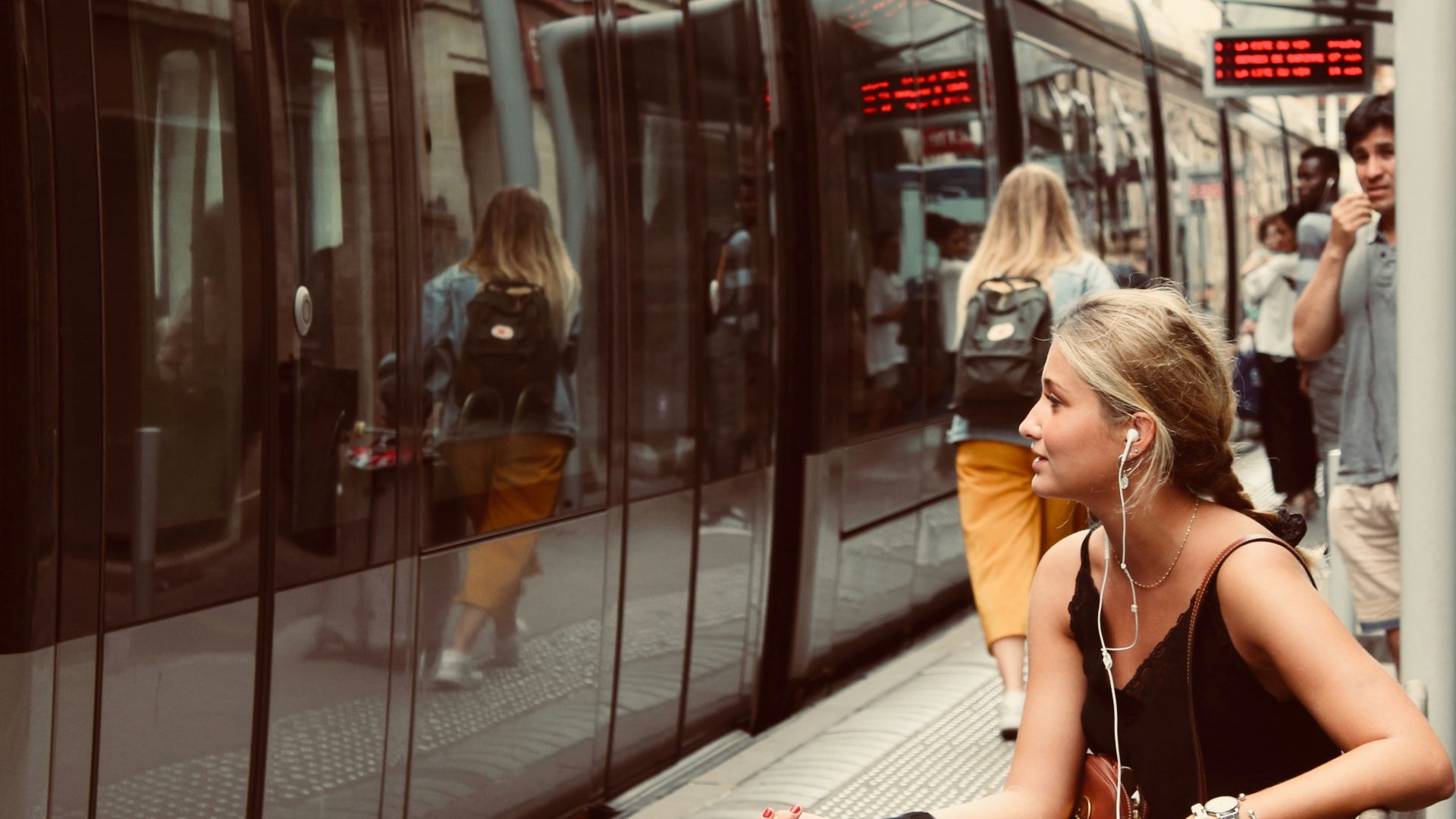
 Andrea Piacquadio, www.pexels.com
Public Transit Is Usually The Budget Hero
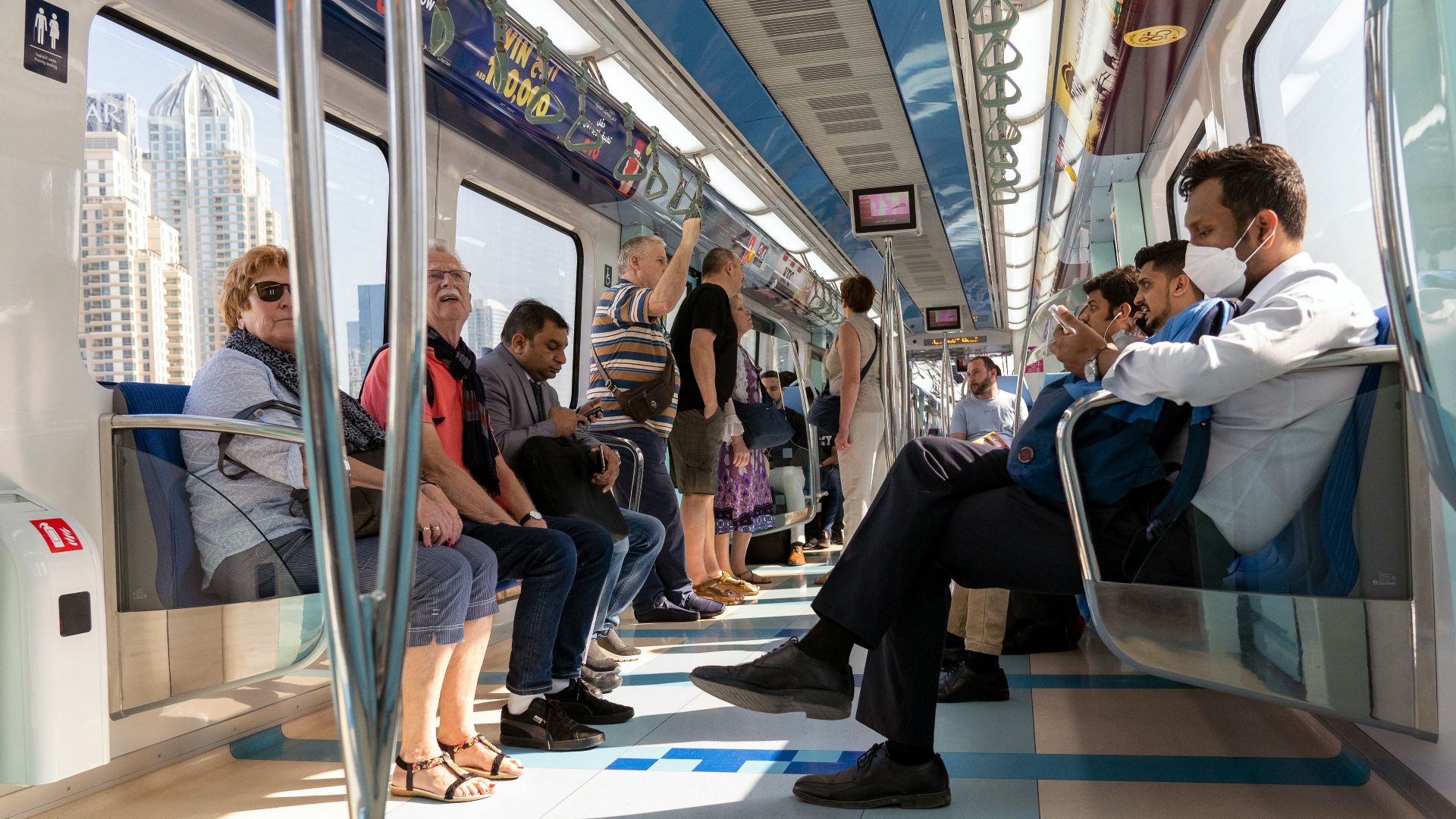
When you travel abroad, public transportation is still usually one of the cheapest ways to get around. Buses, trains, ferries, and metros are often designed to move huge numbers of people efficiently, which normally keeps prices far lower than constantly booking private rides.
Tourist Pricing Does Exist Sometimes
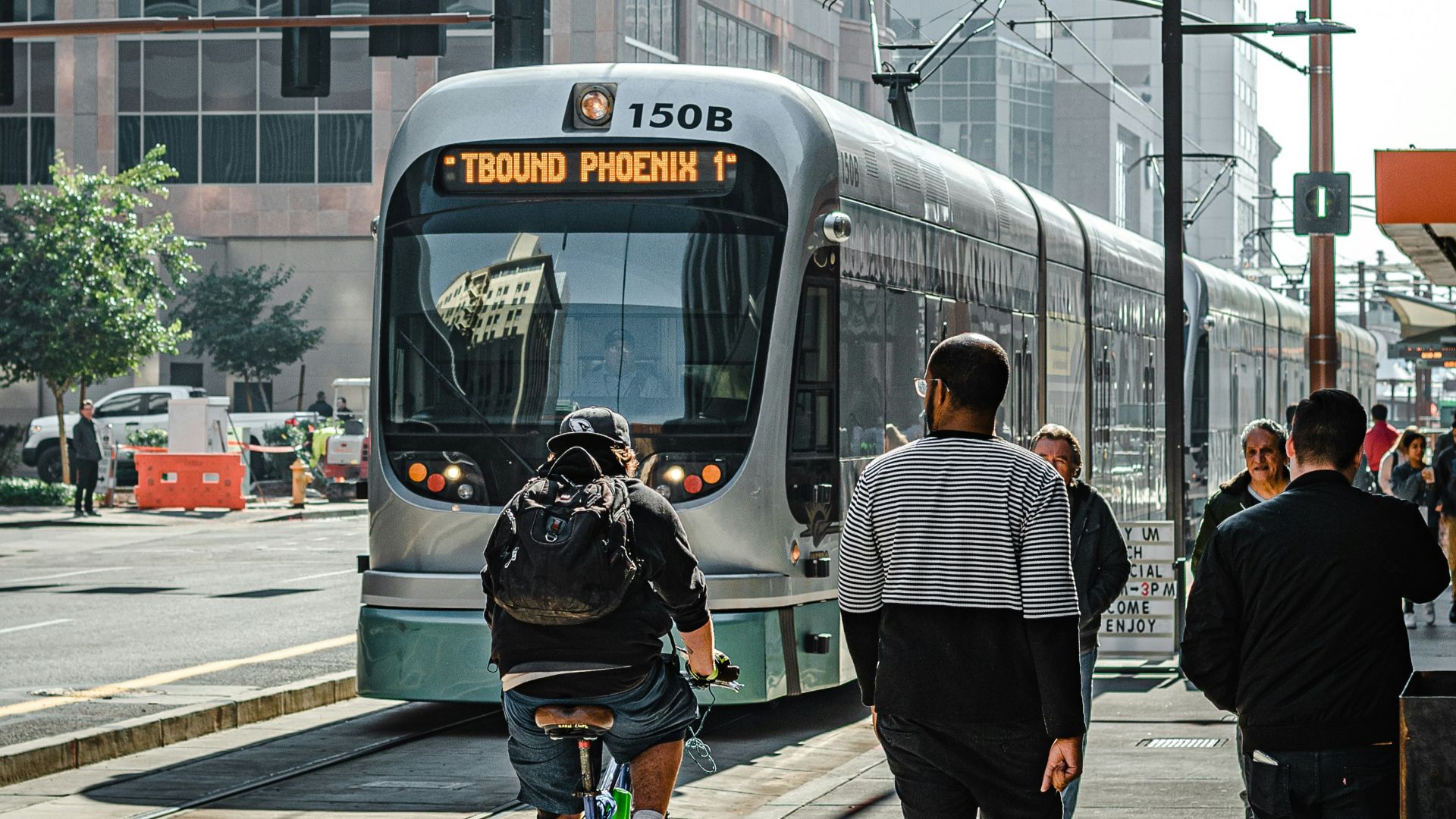
You can absolutely encounter tourist pricing in some countries, but it’s usually not hidden inside the subway system itself. Instead, you’ll notice it more often with airport transfers, sightseeing routes, or transportation packages specifically aimed at visitors.
The Taxi Trap Is More Common
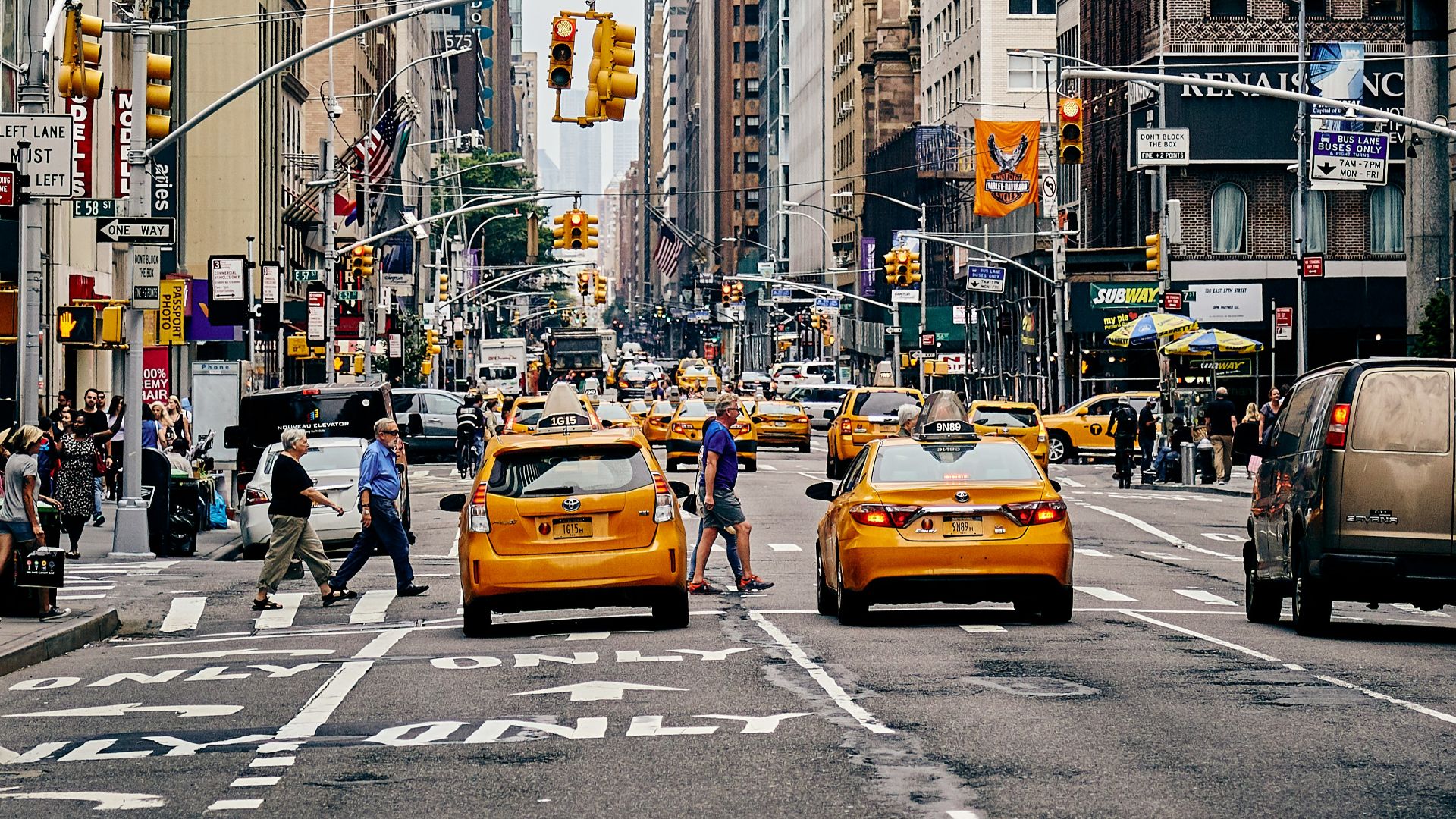
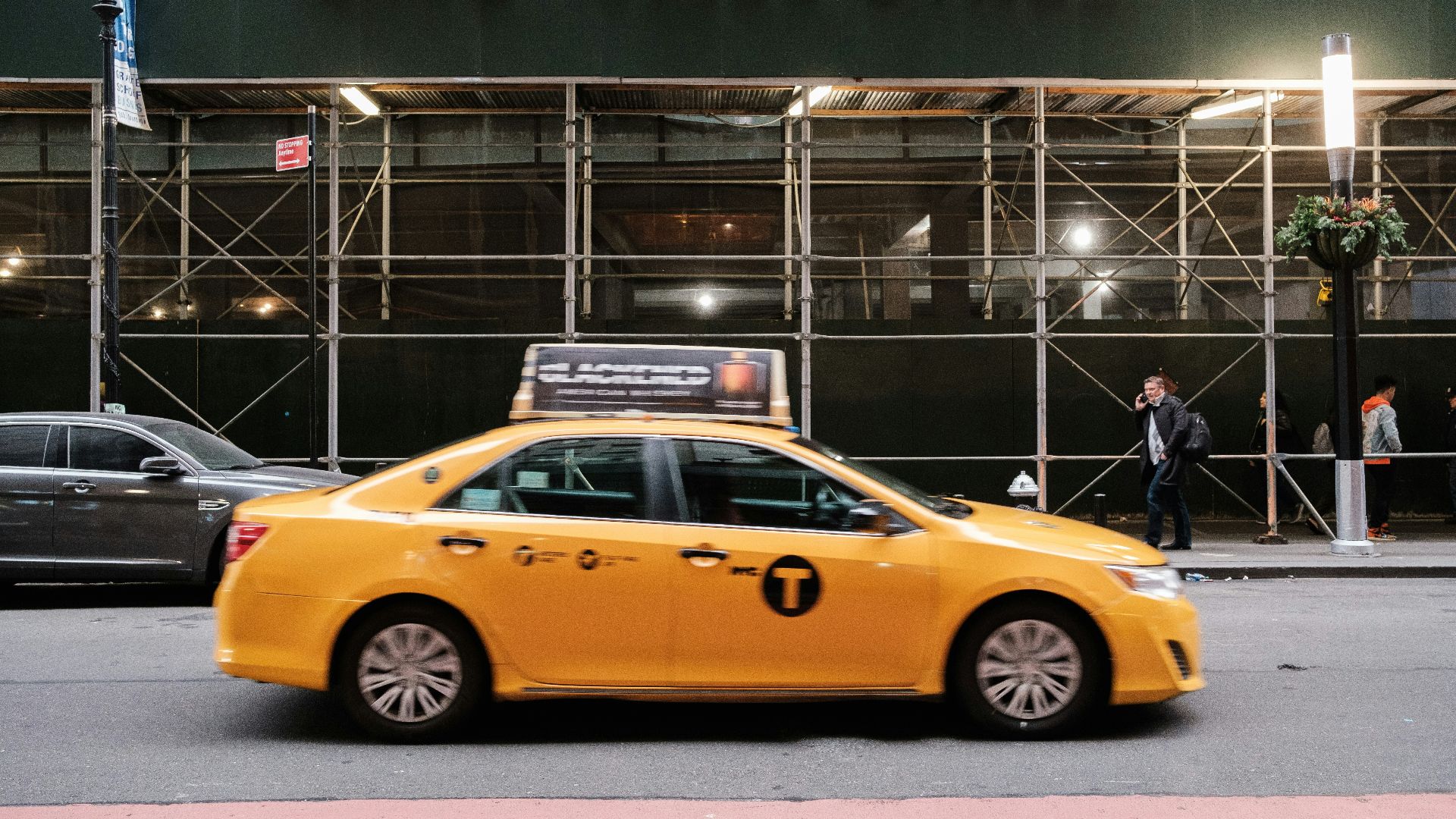
If you’re getting overcharged abroad, taxis are far more likely to be the culprit than public trains or buses. Some travelers report drivers taking longer routes, inflating fares, or mysteriously claiming the meter stopped working the exact second you got into the car.
Apps Usually Remove The Guesswork
When you use Uber or another rideshare app, you at least see the price before getting inside the vehicle. That upfront pricing removes a lot of uncertainty and prevents those deeply uncomfortable moments where you start mentally converting currencies while pretending not to panic.

Transit Systems Often Use Flat Pricing
In many cities, subway and metro systems use standardized pricing that applies equally to locals and tourists. If you ride the same route as everyone else, you usually pay the same fare unless residents have access to special long-term commuter discounts tied to local IDs.
The Real Problem Is Confusion
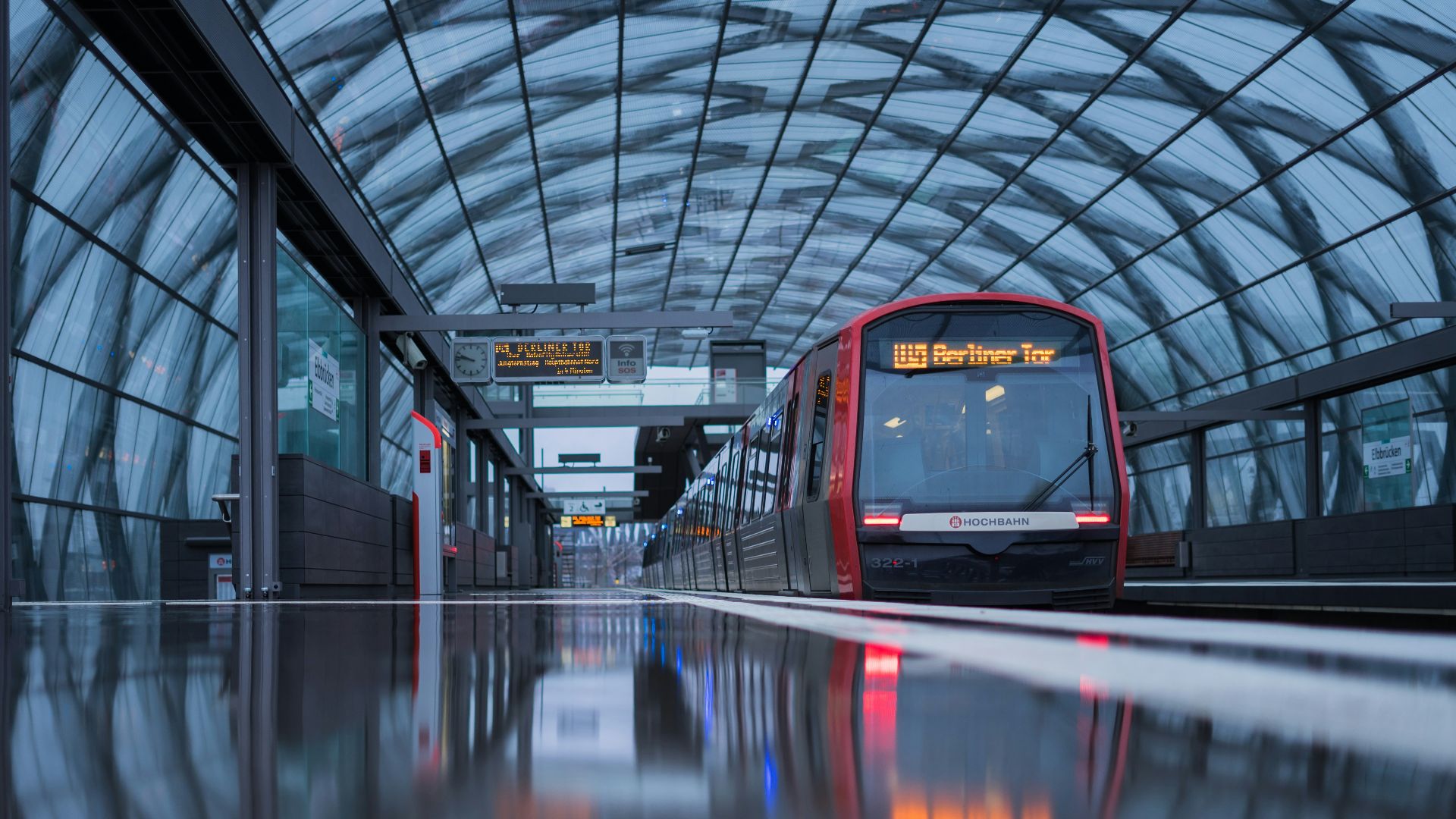
Most of the time, you don’t actually get scammed—you just get confused. Between transit zones, express routes, transfer systems, and airport surcharges, it becomes surprisingly easy to buy the wrong ticket and accidentally spend more than necessary.

Research Saves You Embarrassment
If you spend a few minutes researching the transit system before arriving, you’ll save yourself a lot of stress later. Understanding ticket types, routes, and payment methods ahead of time prevents you from standing helplessly at a machine while an entire line of commuters silently judges you.

Locals Sometimes Assume Tourists Want Convenience
When locals recommend Uber over public transit, they may simply assume you want the easiest possible option. If you’re carrying luggage, struggling with directions, or obviously exhausted from traveling, they might think convenience matters more to you than saving money.
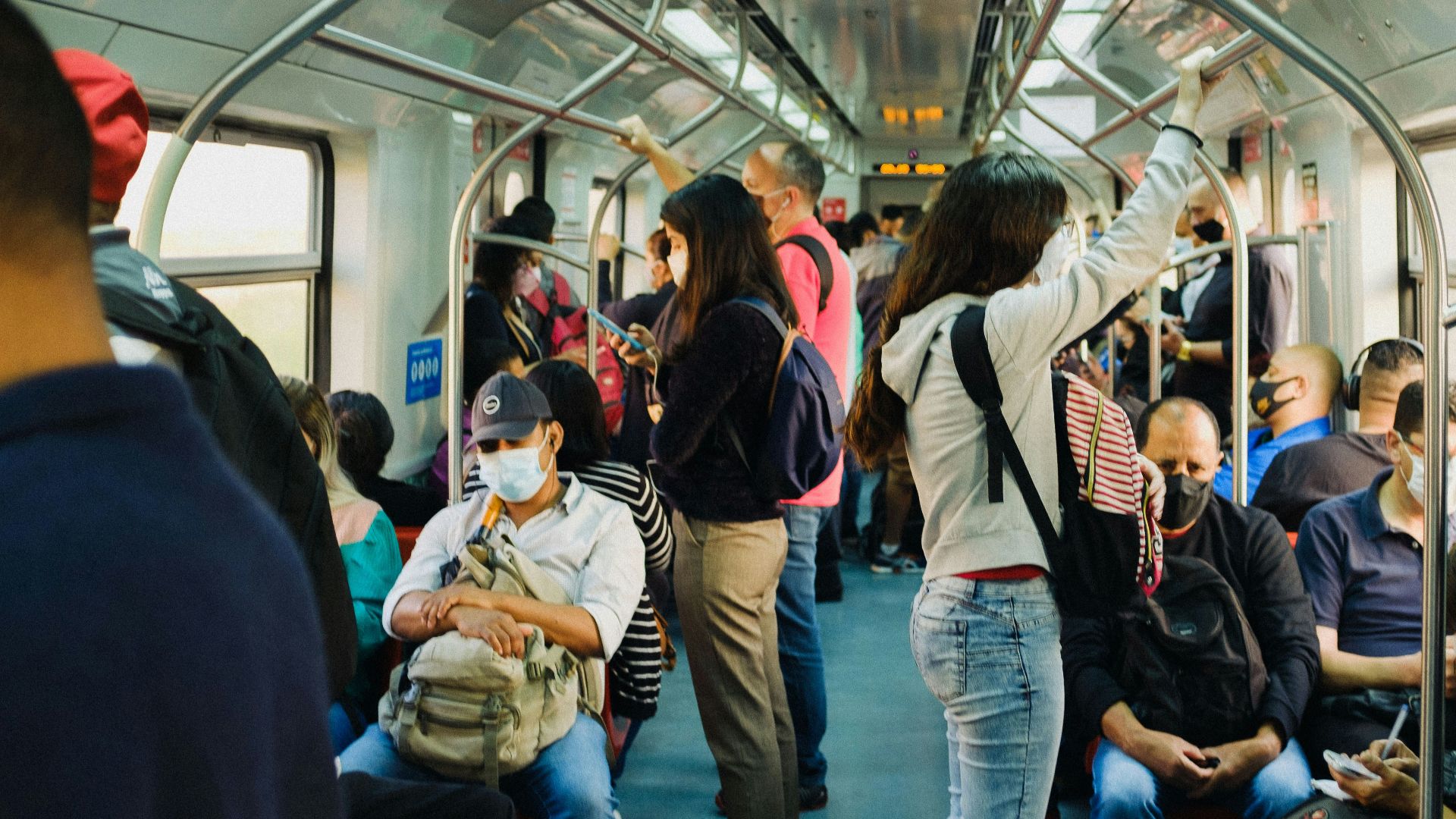
Airport Routes Are Sneaky Expensive
Airport transportation is where you’re most likely to encounter premium pricing. Many cities intentionally charge more for trains or buses connected directly to airports because they know travelers depend on them and probably don’t know the cheaper alternatives locals use.

Transit Etiquette Matters More Than You Think
Every country has different transit expectations, and figuring them out can feel weirdly stressful. You may suddenly find yourself wondering whether you’re supposed to speak quietly, stand on a certain side of the escalator, or somehow operate a ticket scanner that looks designed for astronauts.
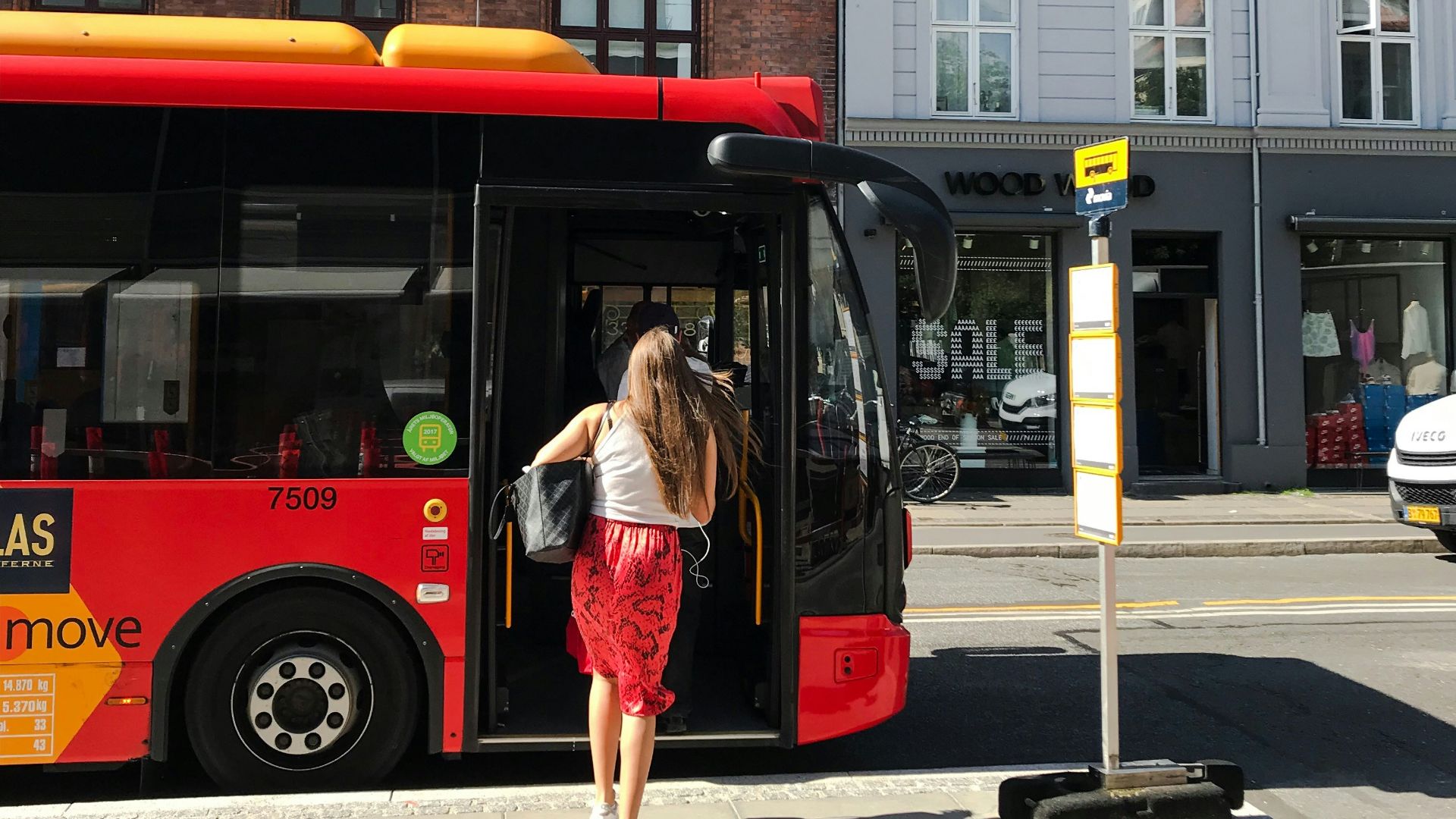
Public Transit Still Offers The Best Experience
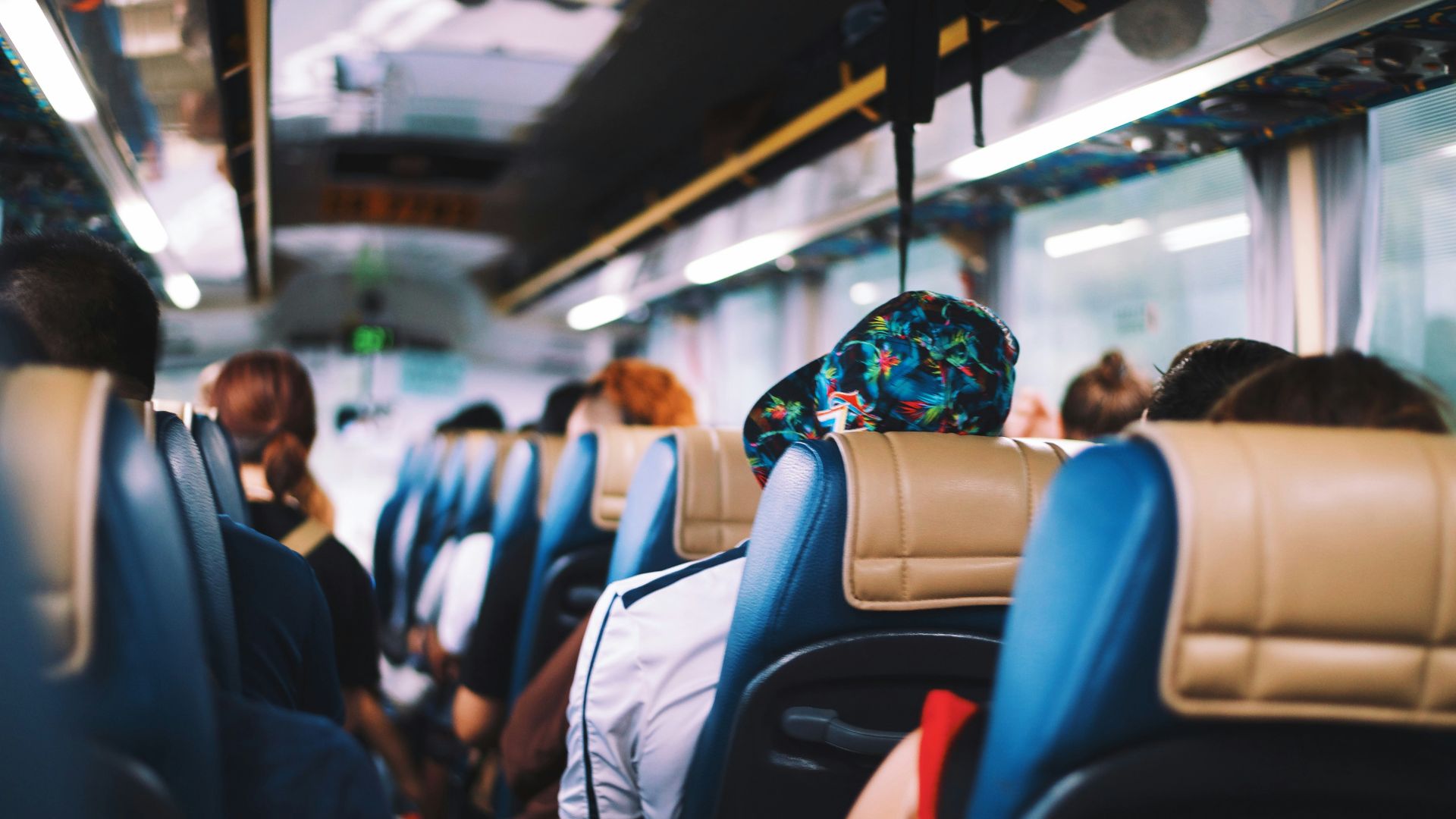
When you use public transportation abroad, you experience the city differently. You notice neighborhoods, overhear conversations, and see everyday routines that completely disappear when you spend your entire trip sitting in the backseat of rideshares staring at your phone.
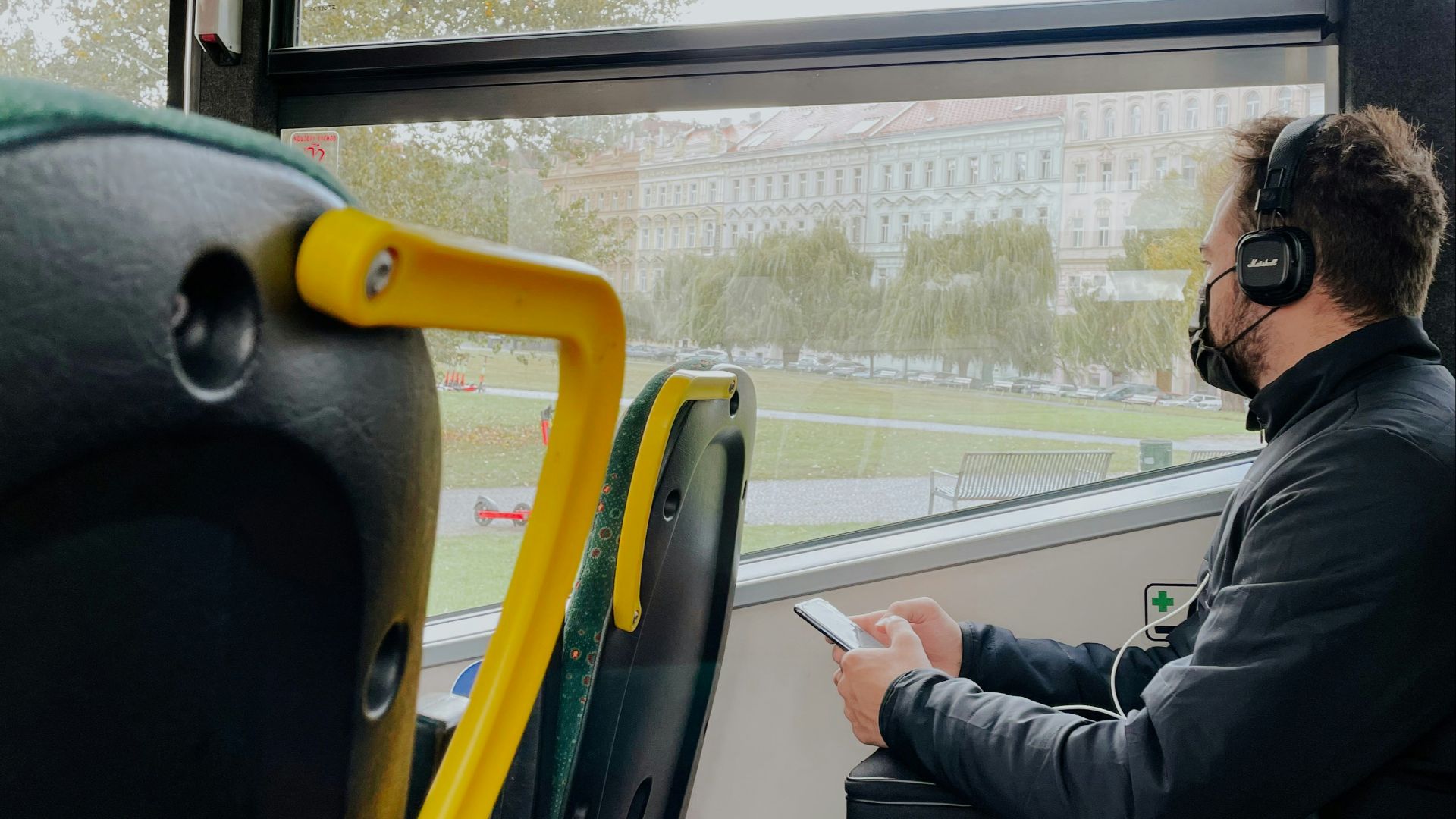
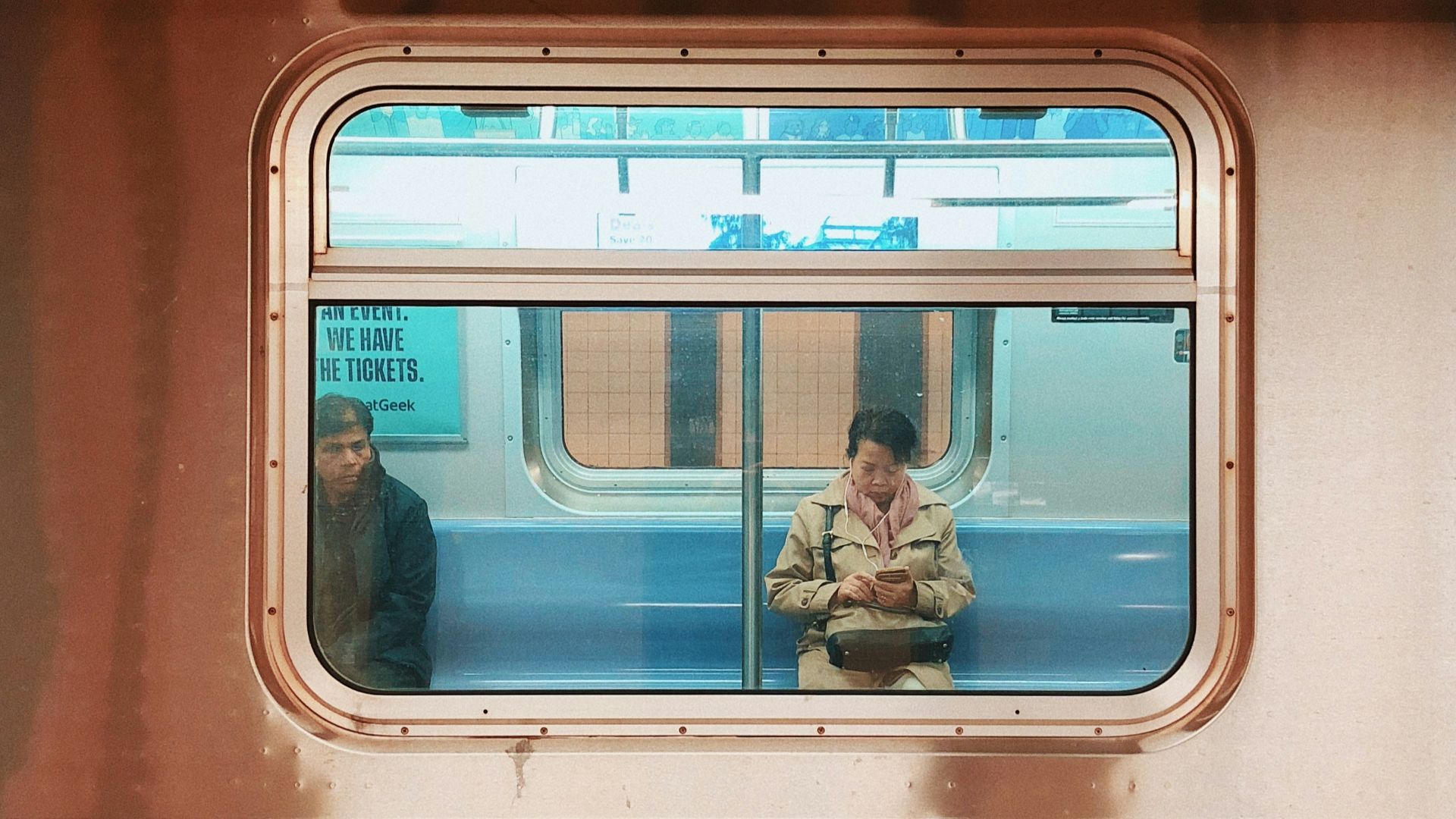 Kostiantyn Trundaiev, Unsplash
Language Barriers Create Panic Purchases
If you can’t read the signs or understand the ticket machine, you’ll probably feel tempted to give up and call an Uber immediately. That reaction is incredibly common, especially after a long flight when your brain starts treating basic navigation like advanced calculus.
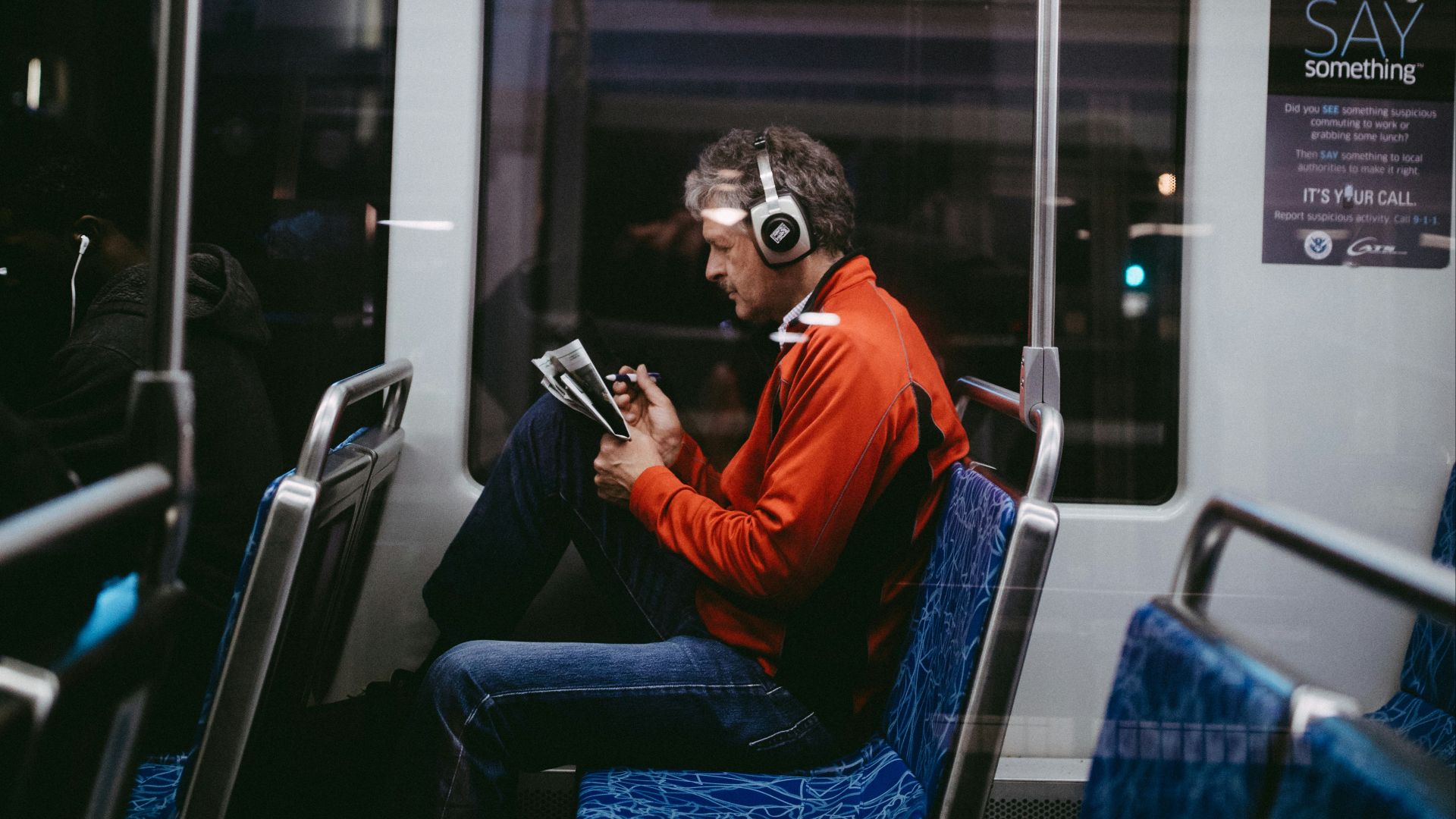
Locals Often Know Hidden Shortcuts
One reason locals seem to spend less on transportation is because they know the hidden tricks. They already understand which bus avoids airport fees, which transit card offers free transfers, and which routes quietly cost less than the tourist-friendly options.

Tourist Passes Are A Mixed Bag
You’ll often find unlimited transit passes marketed directly toward visitors, but they aren’t always the amazing deal they appear to be. If your vacation mostly involves walking around one neighborhood and aggressively hunting for pastries, you may never use the pass enough to justify the cost.
Safety Concerns Influence Advice Too
Sometimes locals suggest Uber simply because they think it feels safer or easier late at night. Their warning may have nothing to do with pricing at all and more to do with helping you avoid getting lost in an unfamiliar area after dark.
Transit Apps Changed Everything
Modern transit apps make navigating foreign cities dramatically easier than it used to be. Real-time maps, translated station names, and digital route planners remove much of the confusion that once made travelers completely abandon public transportation.

Sometimes Tourists Really Do Pay More
There are definitely places where visitors face higher transportation costs through tourism taxes, airport fees, or special transit packages. Still, outright secret “tourist subway pricing” is far less common than travel rumors make it sound.
Cash Creates More Problems Than Cards
When you pay with unfamiliar cash, you become much more vulnerable to mistakes. Reloadable transit cards and official transportation apps usually make fares simpler while reducing the chances of accidentally handing someone the equivalent of your lunch budget for one bus ride.

Public Transit Requires Patience
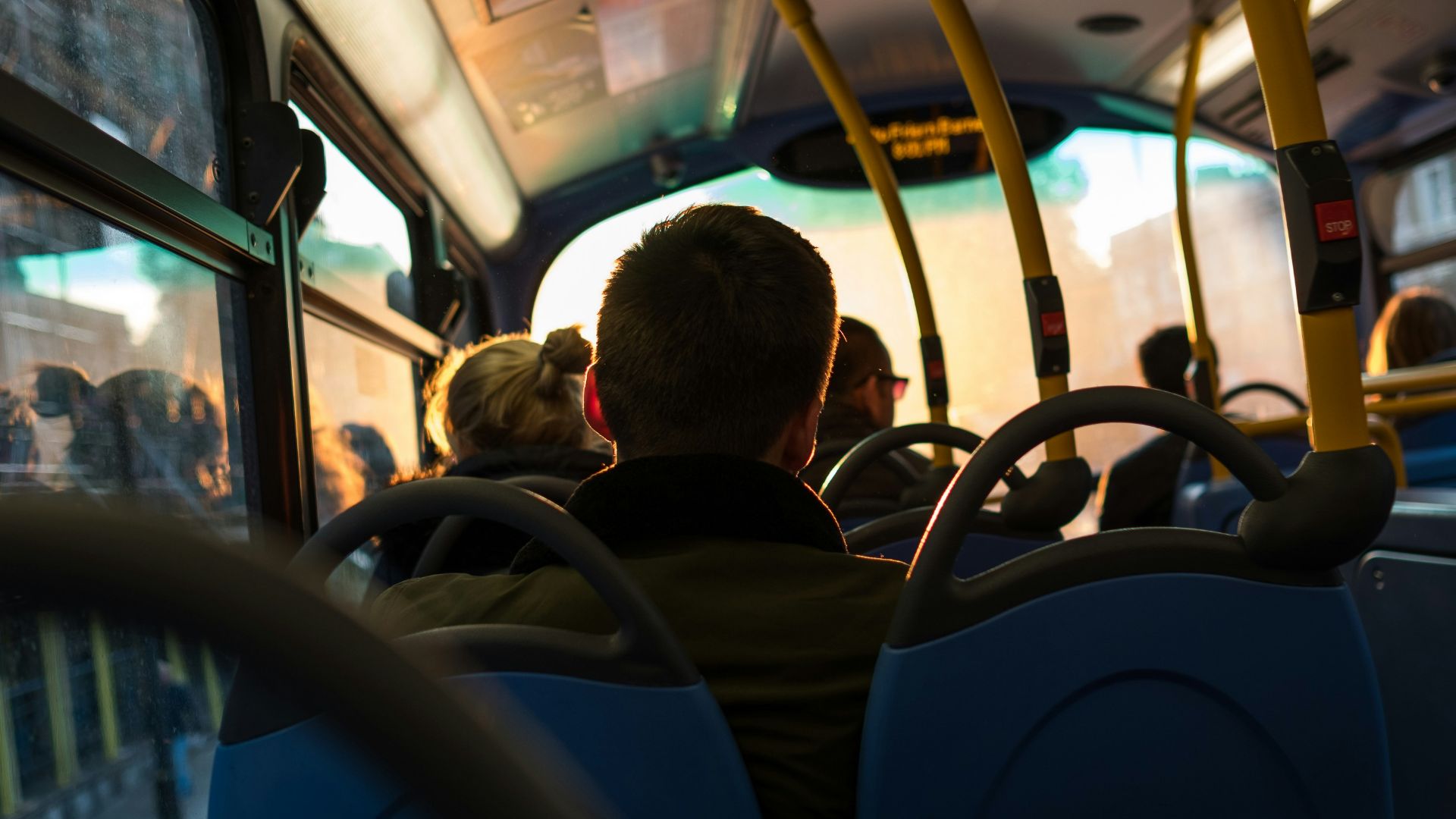
Using public transportation abroad almost always involves a learning curve. You’ll probably miss a stop, board the wrong train, or accidentally ride in circles at least once before finally convincing yourself you understand the system.
The Local Wasn’t Entirely Wrong
That local warning you received probably wasn’t completely fictional. Tourist-focused overcharging absolutely happens in some transportation situations, especially involving taxis and airport routes. Still, avoiding all public transit because of it would mean missing one of the best parts of traveling.
Your Final Verdict
If you research the system beforehand and stay aware of common tourist traps, public transit will usually save you money abroad. More importantly, it gives you a far better feel for the city itself—even if you occasionally end up confidently boarding a train going completely the wrong direction.
You May Also Like:
Truths About Southern California That Only Locals Understand—Do These Sound Normal to You?