The Trip Was Supposed To Be Unforgettable, Not Exhausting
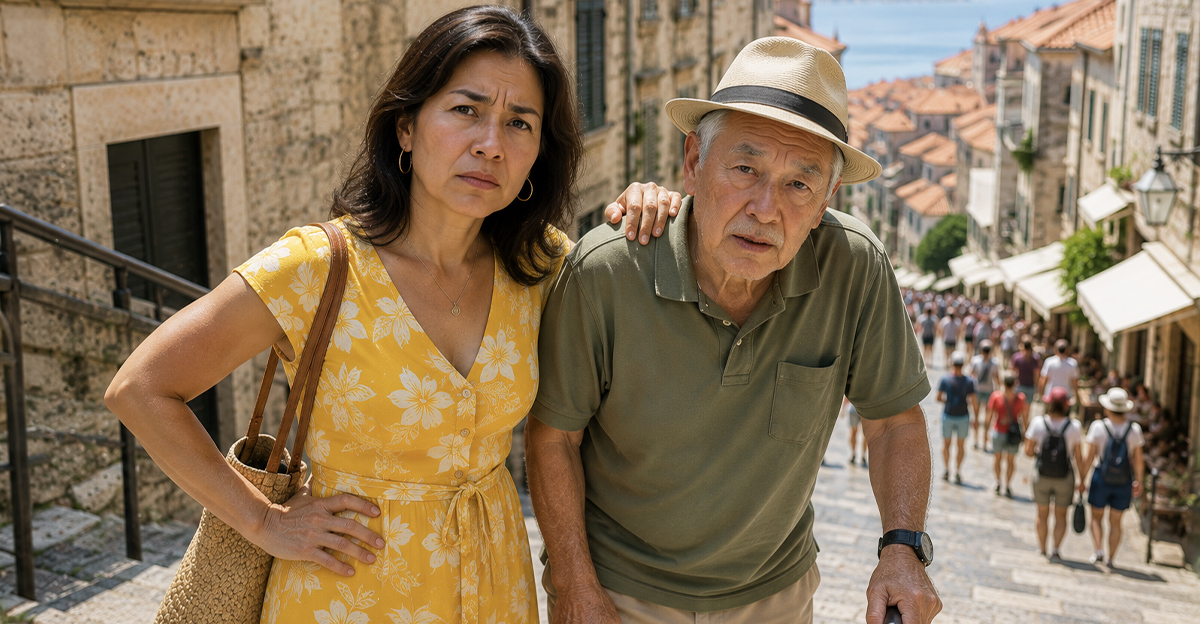
A bucket list vacation with an aging parent can be incredibly meaningful, especially when it involves a destination they’ve dreamed about for years. But famous cities, historic sites, museums, and guided tours often require far more walking than travel descriptions suggest. The key is planning around your parent’s energy, comfort, and mobility instead of a standard itinerary.
Start With An Honest Conversation
The first planning step should have been asking your parent what a comfortable travel day actually looks like for them. Someone may walk around the house and local stores without difficulty but struggle with several hours of sightseeing. Discussing fatigue, balance, stairs, pain, and the need for breaks can prevent uncomfortable surprises later.

Don’t Let Pride Control The Schedule
Older adults sometimes downplay physical limitations because they don’t want to disappoint their families or appear incapable. Adult children can make the same mistake by avoiding sensitive questions. Framing the conversation around comfort and enjoyment, rather than disability, can make it easier for everyone to be realistic.

Test Their Walking Endurance At Home
Before booking a demanding itinerary, spend an afternoon doing something that resembles a travel day. Walk through a museum, visit a large attraction, or explore a neighborhood together. Pay attention not only to how far your parent walks, but also to how they feel that evening and the following morning.

Think In Hours, Not Just Miles
A tour advertised as a two-mile walk may still involve four hours of standing, waiting, climbing steps, and moving over uneven ground. Distance alone doesn’t capture the physical effort required. The pace, terrain, temperature, crowds, and availability of seating matter just as much.

Research Each Attraction Individually
Travel itineraries often use vague phrases like “explore the historic center” or “enjoy a leisurely walking tour.” Those descriptions may hide steep streets, long security lines, cobblestones, and distant entrances. Contact attractions directly and ask about elevators, benches, accessible entrances, shuttle services, and the distance between major exhibits.

Historic Destinations Can Be Especially Difficult
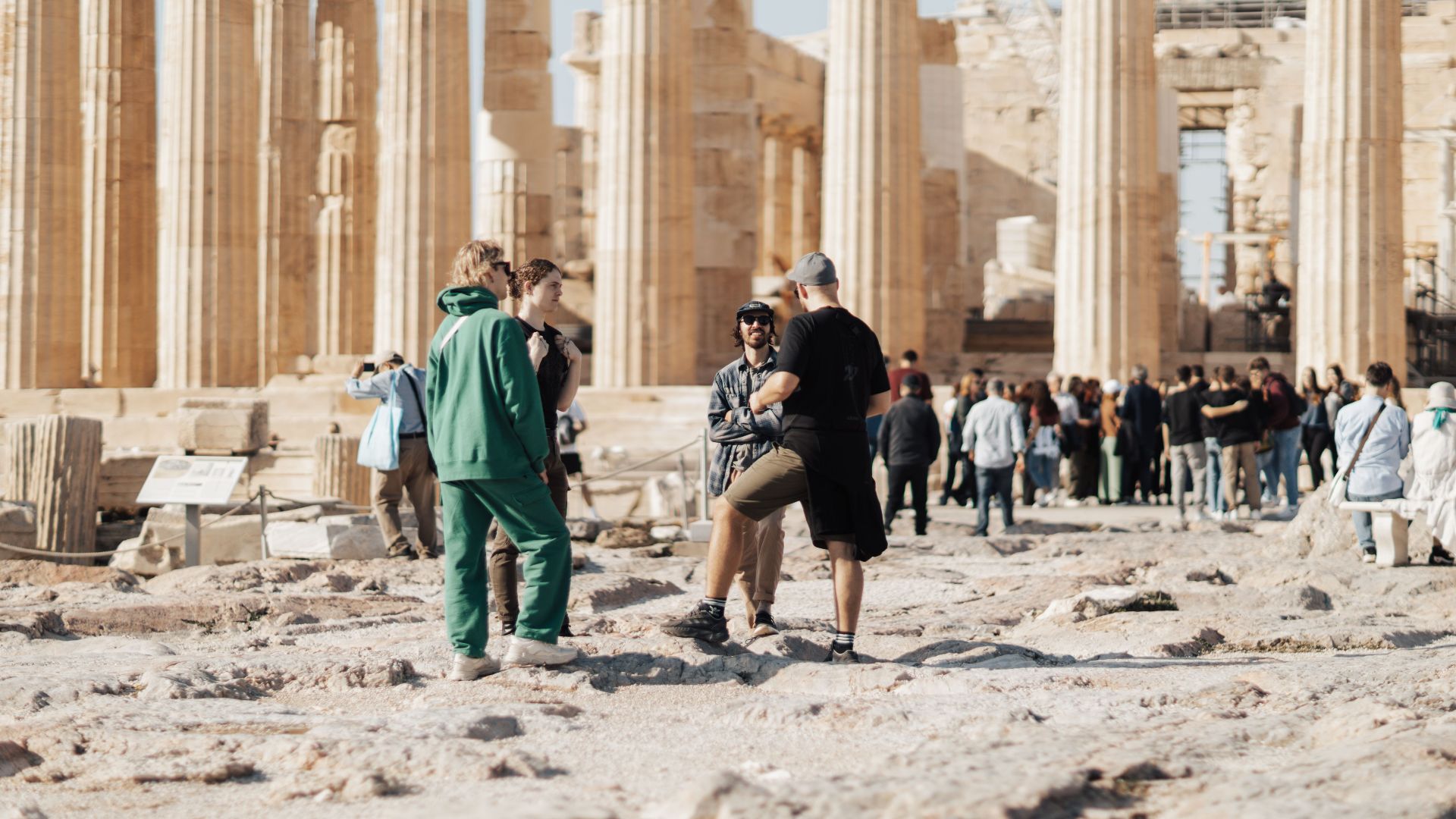
Ancient towns, castles, ruins, churches, and old city centers weren’t designed for modern accessibility. They may include narrow staircases, broken pavement, steep hills, and limited vehicle access. These destinations can still be enjoyed, but they require more detailed planning than a newer resort or purpose-built attraction.
Online Maps Don’t Tell The Whole Story
A map may show that the hotel is only half a mile from a museum, but it may not reveal the hill, uneven sidewalk, pedestrian bridge, or enormous entrance plaza along the route. Street-view images, accessibility reviews, and recent traveler photos can provide a more realistic idea of what the journey involves.

Choose The Hotel For Location, Not Just Charm
A beautiful historic hotel can lose its appeal if reaching it requires climbing a hill several times a day. Staying close to the main sights, transit stops, or restaurants may cost more, but it can save considerable energy. A central hotel can also make it easier to return for an afternoon rest.

Confirm The Room Is Truly Accessible
An elevator doesn’t automatically make a hotel mobility-friendly. The room could still be located down a long corridor, contain a high-sided bathtub, or require steps at the entrance. Call the hotel and ask specific questions about walking distances, bathroom layout, elevators, seating, and step-free access.

Build In A Rest Day
Many ambitious itineraries schedule major activities every day because travelers don’t want to waste limited vacation time. For an older traveler, a lighter day can protect the rest of the trip. A slow breakfast, scenic drive, spa visit, or afternoon at the hotel may provide the recovery needed to enjoy the next major outing.

Plan Only One Major Activity Per Day
Trying to fit a museum, walking tour, monument, and evening performance into one day can exhaust almost anyone. Choose one priority experience and treat everything else as optional. That approach reduces pressure and leaves room to adjust when your parent needs more time.

Put The Most Important Experiences First
Energy and health can become less predictable as a trip progresses. Schedule the most meaningful attraction early, after your parent has had time to recover from the journey. Saving the primary bucket list experience until the final day risks missing it if exhaustion or illness develops.

Allow More Time Than The Tour Operator Suggests
A standard itinerary assumes participants can keep up with the group, climb stairs, and move quickly between stops. Private guides or slower-paced small-group tours may be more suitable. Asking about total walking distance and the fastest expected pace before booking can prevent an uncomfortable mismatch.
Private Tours Can Be Worth The Cost
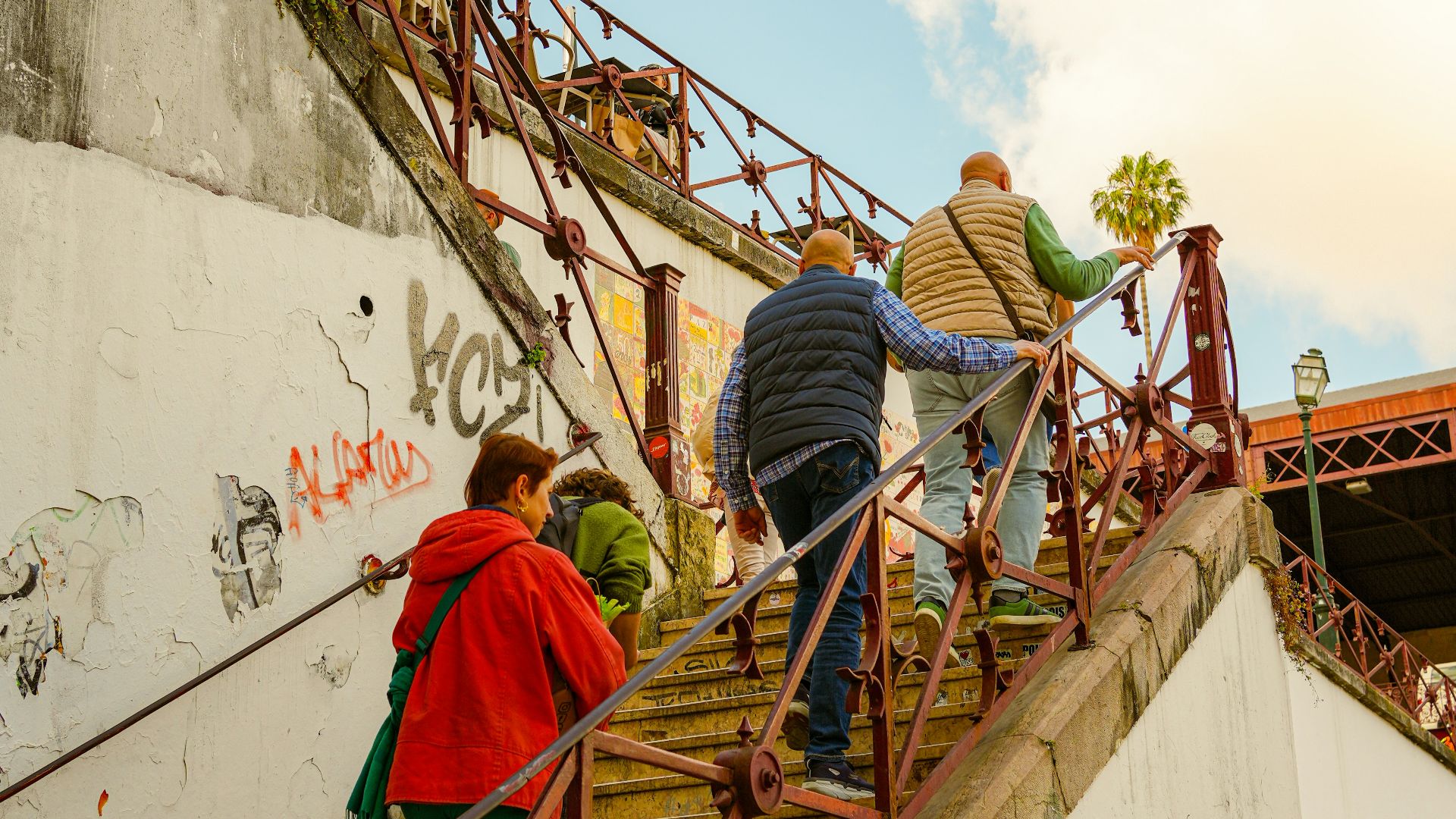
A private guide can adjust the route, arrange frequent breaks, meet travelers closer to the hotel, and skip less important stops. Although this option usually costs more, it may allow an older traveler to enjoy the destination without feeling rushed or embarrassed.

Consider A Mobility Aid Before It Becomes Necessary
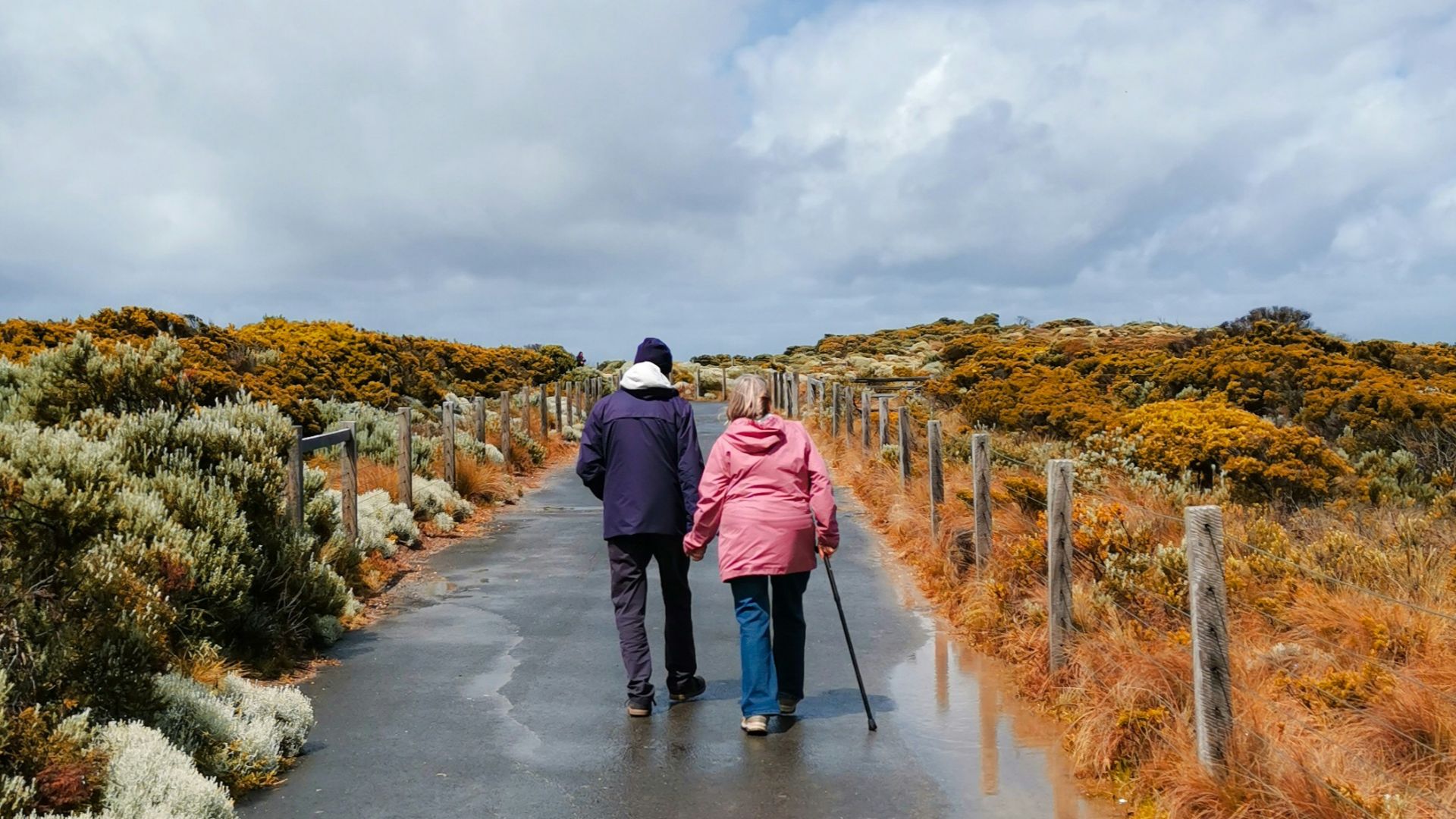
A cane, rollator, wheelchair, or mobility scooter can preserve energy rather than symbolize defeat. Someone who can walk independently may still benefit from using a chair at a huge museum or airport. Introducing the idea before the trip gives your parent time to practice and decide what feels comfortable.

Rent Equipment At The Destination
Travelers don’t always need to bring mobility equipment from home. Many destinations have companies that rent wheelchairs, scooters, shower chairs, and other aids to hotels. Reservations should be made in advance, with careful attention to equipment size, battery range, delivery, and local terrain.
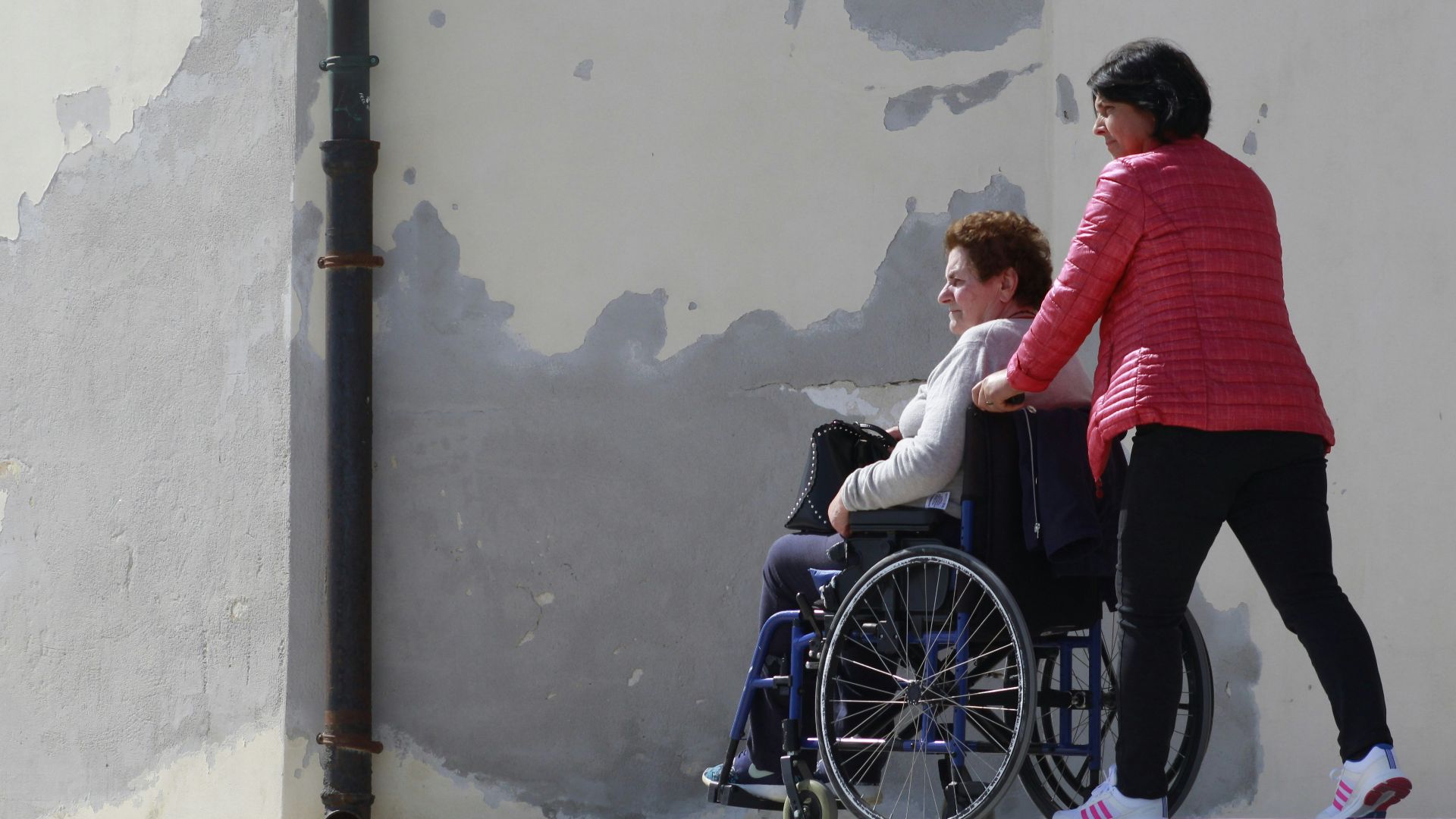
Airport Assistance Isn’t Only For Full-Time Wheelchair Users
A traveler who usually walks independently can still request wheelchair or cart assistance for a large airport. In the United States, airlines must provide requested assistance for eligible passengers with disabilities, including help moving between the curb, gates, connections, and baggage claim. Requesting it in advance can preserve energy for the vacation rather than using it all in the terminal.
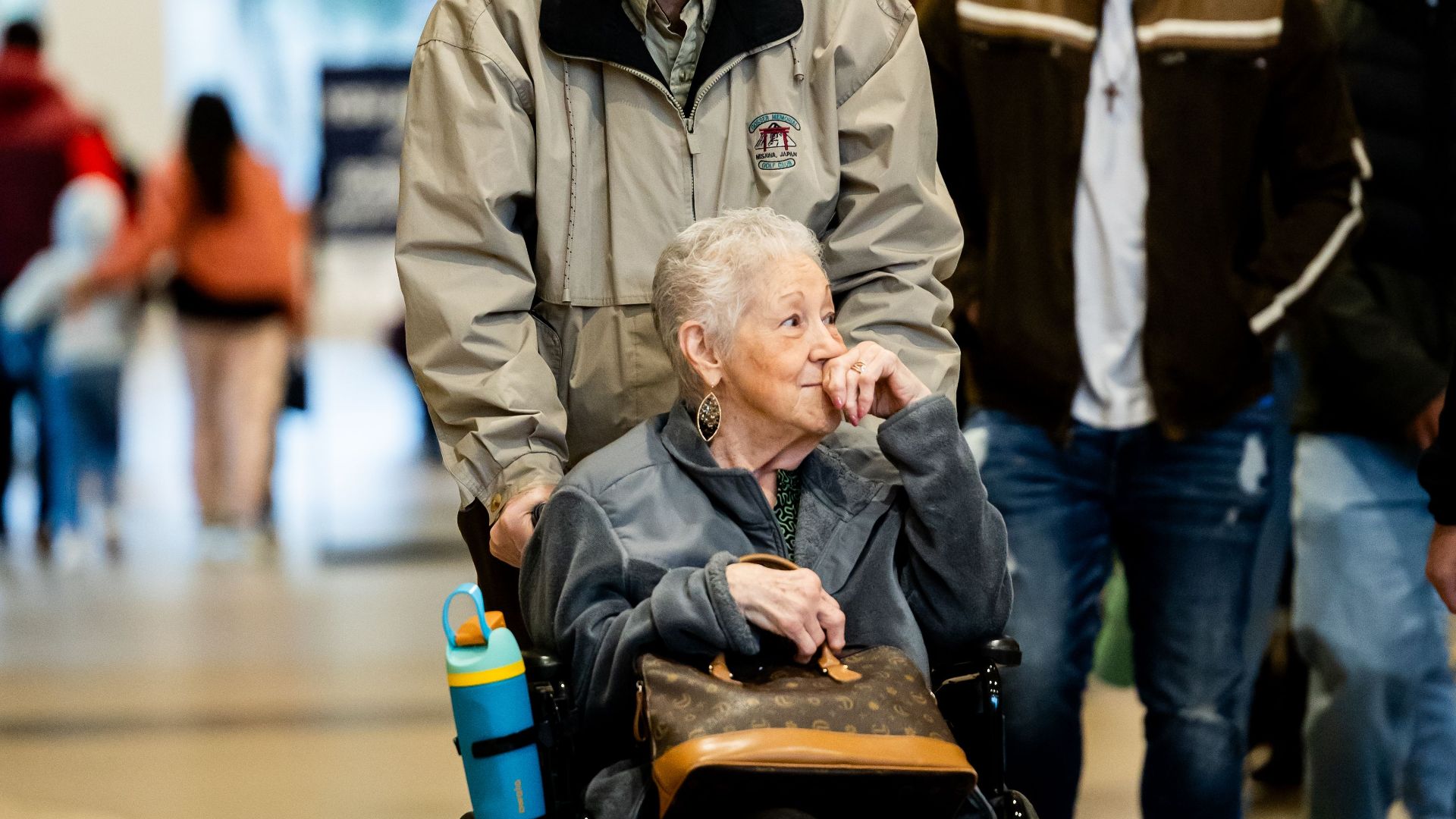
Leave Plenty Of Time For Connections
Tight flight or train connections create unnecessary pressure for anyone who moves slowly. A longer connection allows time for assistance, restroom stops, elevators, and unexpected gate changes. Whenever possible, a direct flight is often worth paying more for.
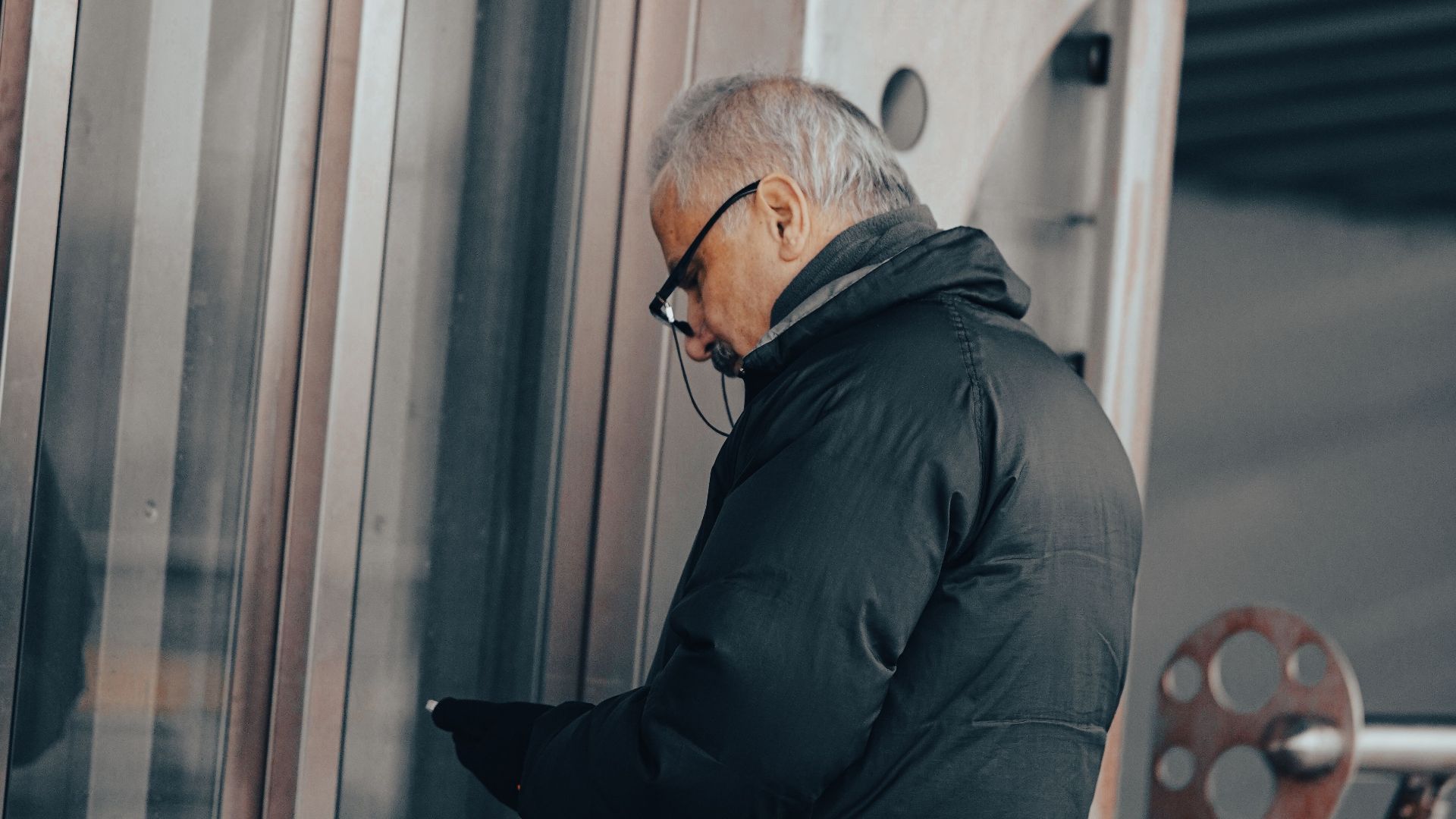
Plan Transportation Between Attractions
A trip may look walkable on paper, but several short walks can add up quickly. Research taxis, rideshare services, accessible public transit, sightseeing buses, hotel shuttles, and private drivers. Having transportation options ready prevents the group from feeling stranded when fatigue suddenly appears.
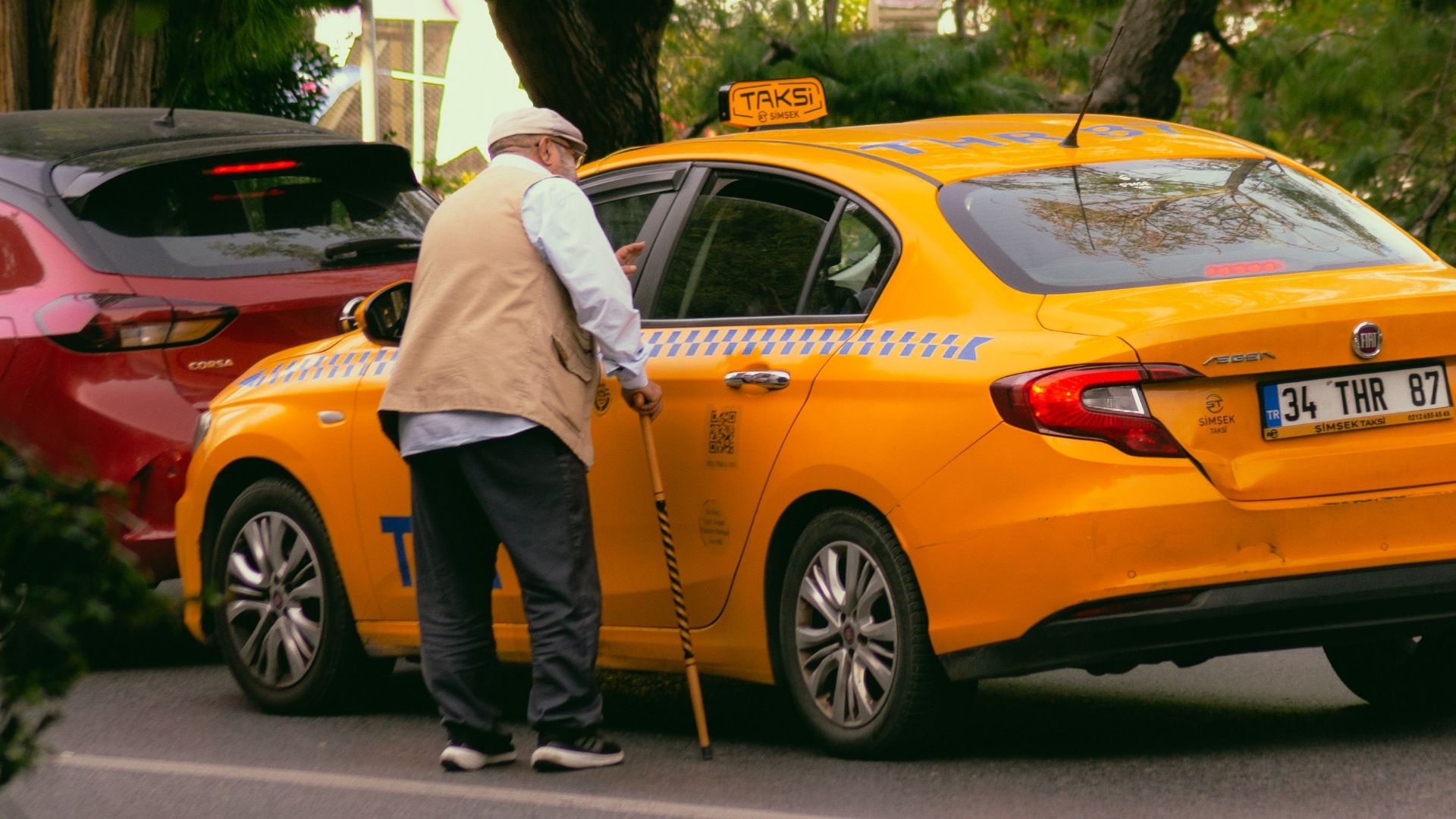
Use Scenic Transportation As Part Of The Experience
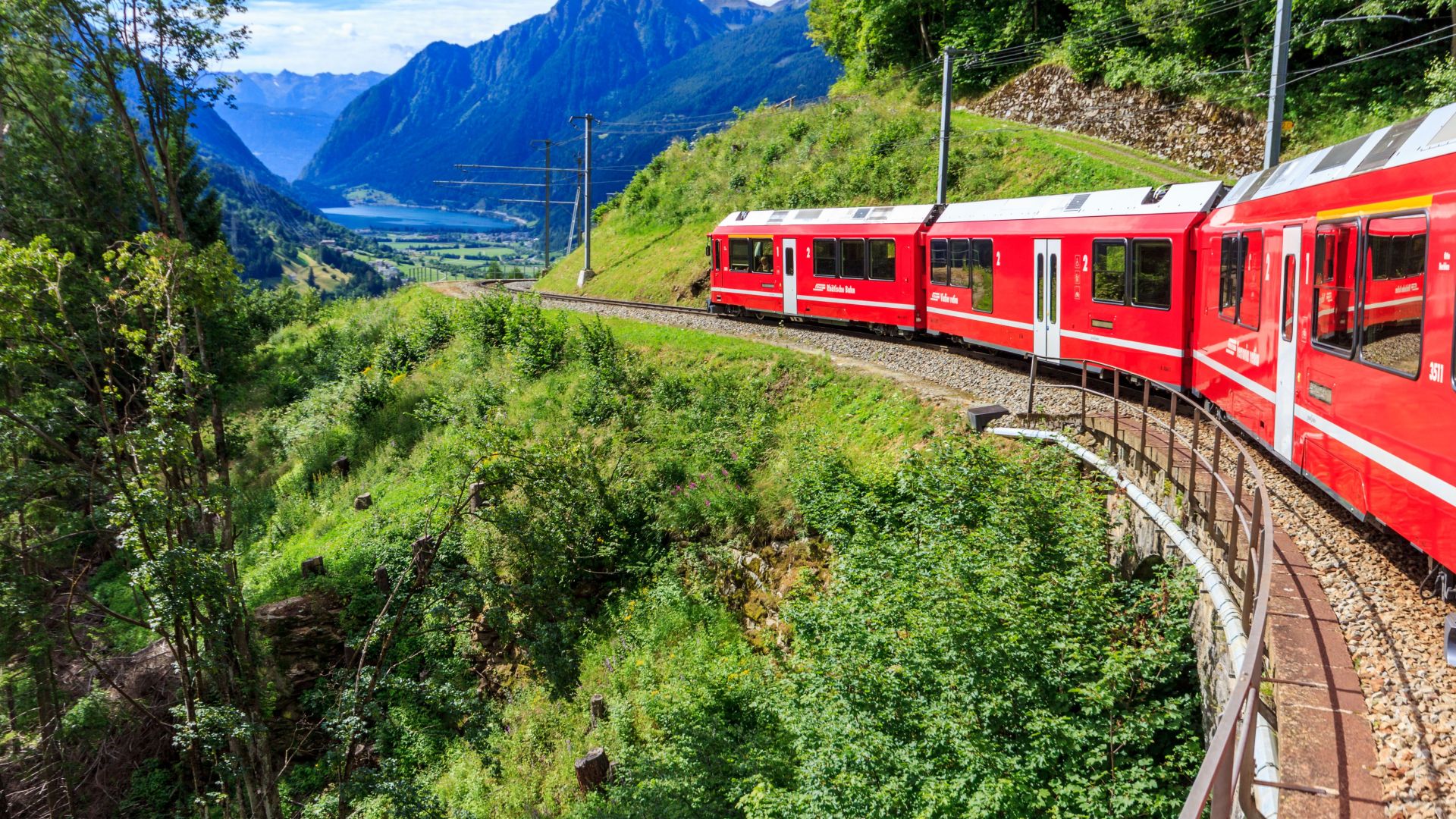
Boat cruises, heritage trains, hop-on buses, cable cars, pedicabs, and guided drives can turn transportation into sightseeing. These options allow your parent to experience the destination while seated. They can also provide a better overall view than spending the day watching the pavement while struggling to keep walking.
Make A List Of Rest Stops
Don’t assume benches, cafés, or public washrooms will appear whenever they’re needed. Before leaving the hotel, identify places where your parent can sit comfortably along the route. Museums, hotel lobbies, libraries, cafés, gardens, and transportation hubs can become valuable recovery points.

Pay Attention To Heat And Weather
A manageable walk can become exhausting in high heat, humidity, cold, rain, or strong sun. Schedule outdoor activities during the most comfortable part of the day and carry water, sun protection, and appropriate clothing. A flexible itinerary makes it easier to move an outdoor plan when conditions become difficult.

Don’t Overlook Standing Time
Waiting in security lines, at restaurant entrances, or for tour groups can be harder than walking because there’s no natural movement or place to rest. Timed-entry tickets, skip-the-line tours, advance reservations, and portable seating aids can reduce long periods of standing.
Pack Light And Keep Essentials Accessible
Heavy luggage can become a major burden when one traveler also needs physical assistance. Use rolling bags that are easy to control, and avoid expecting your parent to manage more than they comfortably can. Medication, water, identification, and mobility essentials should remain easy to reach throughout the day.

Ask Their Doctor About The Trip
Before a physically demanding journey, it can be wise for an older traveler to discuss the itinerary with a healthcare professional who understands their history. The conversation can cover medications, time-zone changes, mobility concerns, and what symptoms should prompt rest or medical attention. This is particularly important for international or remote travel.

Travel Insurance Deserves Serious Consideration
Older travelers may face higher financial consequences if illness forces them to cancel, interrupt the trip, or seek care away from home. Policies vary widely, particularly regarding pre-existing conditions and medical evacuation. Reading the actual coverage terms is more useful than assuming every expensive policy covers every problem.

Let Them Set The Pace
The trip shouldn’t become a test of endurance or an effort to complete every item on a checklist. Ask regularly how your parent feels, and accept the answer without trying to persuade them to continue. Missing one attraction is better than turning the rest of the vacation into a painful recovery period.

Separate Occasionally Without Guilt
You don’t have to experience every minute of the trip together. Your parent may enjoy resting at the hotel, sitting in a café, or spending a quiet afternoon while you visit a more physically demanding attraction. A little independent time can make the shared experiences more enjoyable for both of you.

Success Isn’t Measured By How Much You See
A meaningful bucket list trip may consist of one extraordinary museum, a beautiful meal, and several quiet conversations rather than ten completed tours. Slowing down can create more space to appreciate the destination and the time together. The goal is to make memories, not prove that the itinerary was efficient.
Better Planning Means Building The Trip Around Them
Underestimating the amount of walking doesn’t mean bringing your parent was a mistake. It simply shows that standard travel itineraries rarely reflect the needs of older travelers with limited stamina. Next time, start with their abilities, choose a central hotel, arrange transportation and assistance, schedule fewer activities, and leave generous room for rest. A slower trip may cover less ground, but it can deliver far more of what made the journey important in the first place.

You May Also Like: