
It’s Not As Simple As Gas Vs. Airfare
At first glance, driving often seems like the obvious money-saving choice. After all, gas usually costs less than buying multiple plane tickets. But once you factor in hotels, meals on the road, vehicle wear, and the value of your time, the answer becomes much more complicated.
 RDNE Stock project, Pexels.com
Start By Comparing The Real Costs
Many travelers compare airfare to gasoline and stop there. That leaves out expenses like tolls, parking, extra food, maintenance, baggage fees, airport transportation, rental cars, and overnight stays. Looking at the entire trip—not just one expense—gives you a much more accurate comparison.

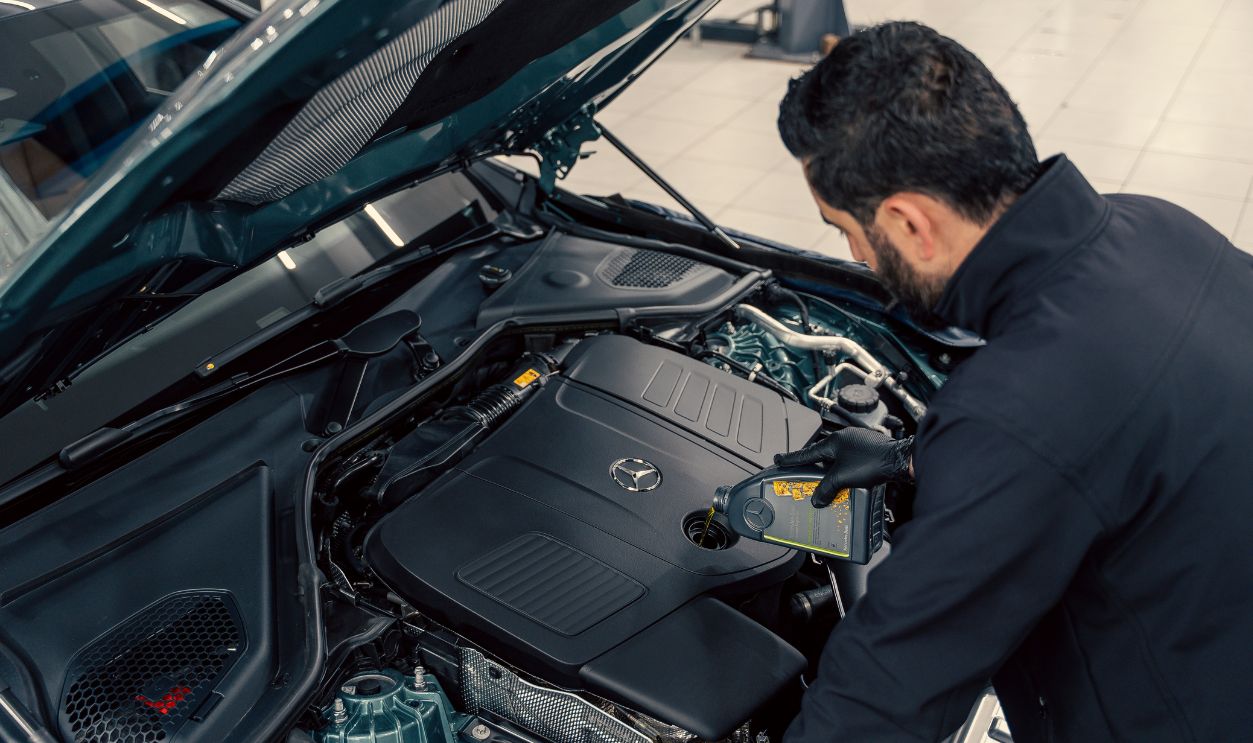
Driving Costs More Than Just Fuel
Every mile you drive adds wear to your vehicle through tires, oil changes, depreciation, and routine maintenance. The IRS standard mileage rate is commonly used to estimate the total operating cost of a vehicle because it includes far more than gasoline alone. Using that figure often reveals that long road trips cost significantly more than many people expect.
Flying Has Hidden Expenses Too
Airfare isn't always the final price. Many airlines charge extra for checked luggage, seat selection, priority boarding, and sometimes even carry-on bags. You'll also need to consider transportation to and from the airport and, depending on your destination, whether you'll need a rental car after you land.

Distance Changes Everything
The farther you're traveling, the more flying begins to make financial sense. A cross-country drive can require several days on the road, multiple tanks of gas, hotel stays, and meals that wouldn't exist if you simply flew. For shorter trips, driving often remains the less expensive choice.

The Number Of Travelers Matters
A solo traveler often benefits more from flying because one plane ticket can be cheaper than driving hundreds or thousands of miles alone. Families or groups, however, can spread fuel and hotel costs across several people, making driving much more economical in many situations.

Your Vehicle Makes A Huge Difference
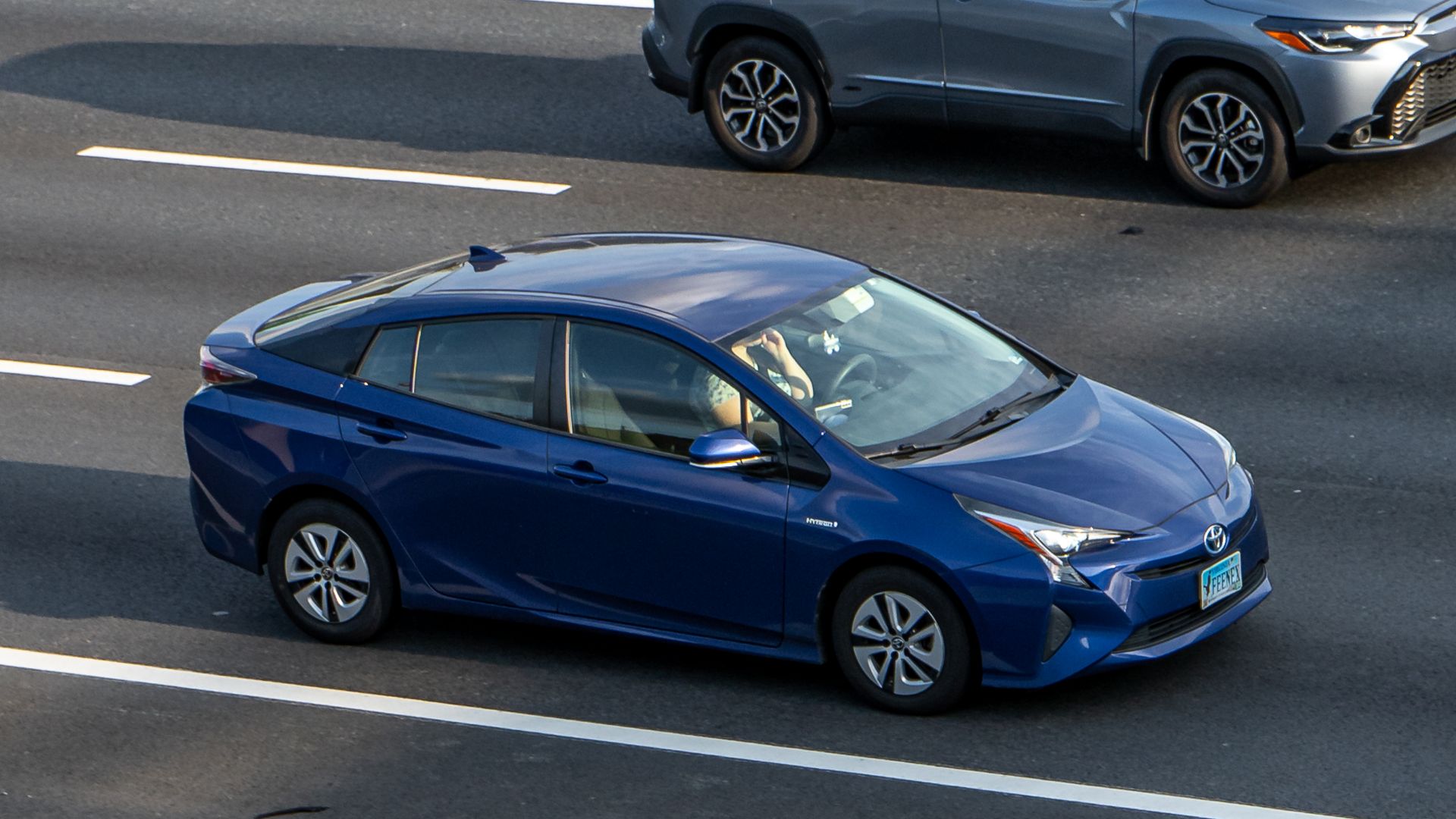
A fuel-efficient hybrid will cost much less to drive than a large SUV or pickup truck. If your vehicle gets poor gas mileage, fuel expenses rise quickly on long trips. Older vehicles may also carry a greater risk of unexpected repair costs while traveling.
 OWS Photography, Wikimedia Commons
Hotels Can Erase Fuel Savings
Driving across the country usually means stopping overnight. Even budget hotels can add hundreds of dollars to the total cost of a vacation, especially during peak travel seasons. Those extra lodging costs often surprise travelers who focus only on gasoline prices.
 Farragutful, Wikimedia Commons
Meals Add Up Faster On The Road
Road trips usually involve restaurant meals, snacks, and convenience store stops throughout the journey. While you would eat regardless, travel days often lead to higher food spending than flying, where the trip itself takes only a few hours.

Time Has Value Too
A cross-country drive may take three to five days each way, while a flight could take less than a full day. If you're using limited vacation time, spending nearly a week behind the wheel has an opportunity cost. Even if you don't assign a dollar value to your time, it's worth considering.
 gabesdotphotos photographer, Pexels
Road Trips Offer More Flexibility
Driving lets you leave when you want, stop whenever you like, and visit attractions along the way. You can change your plans at the last minute without paying airline change fees or worrying about missed flights. That flexibility has value that isn't reflected in a spreadsheet.
 G. Edward Johnson, Wikimedia Commons
Flying Can Reduce Vacation Fatigue
Long drives can be physically exhausting. Arriving after several days on the road may leave you needing extra time to recover before your vacation really begins. Flying can help you arrive rested and ready to enjoy your destination sooner.

Rental Cars Can Change The Math
If your destination requires a rental car, flying becomes more expensive. Rental rates, insurance, parking, and fuel can quickly narrow the gap between flying and driving. In destinations with good public transportation, though, you may be able to skip renting a car altogether.

Peak Travel Seasons Affect Both Options
Summer holidays and major travel weekends tend to increase both airfare and hotel prices. Gas prices can also rise during busy travel periods. Comparing costs for your exact travel dates is much more useful than relying on yearly averages.

Baggage Can Be A Big Advantage For Drivers
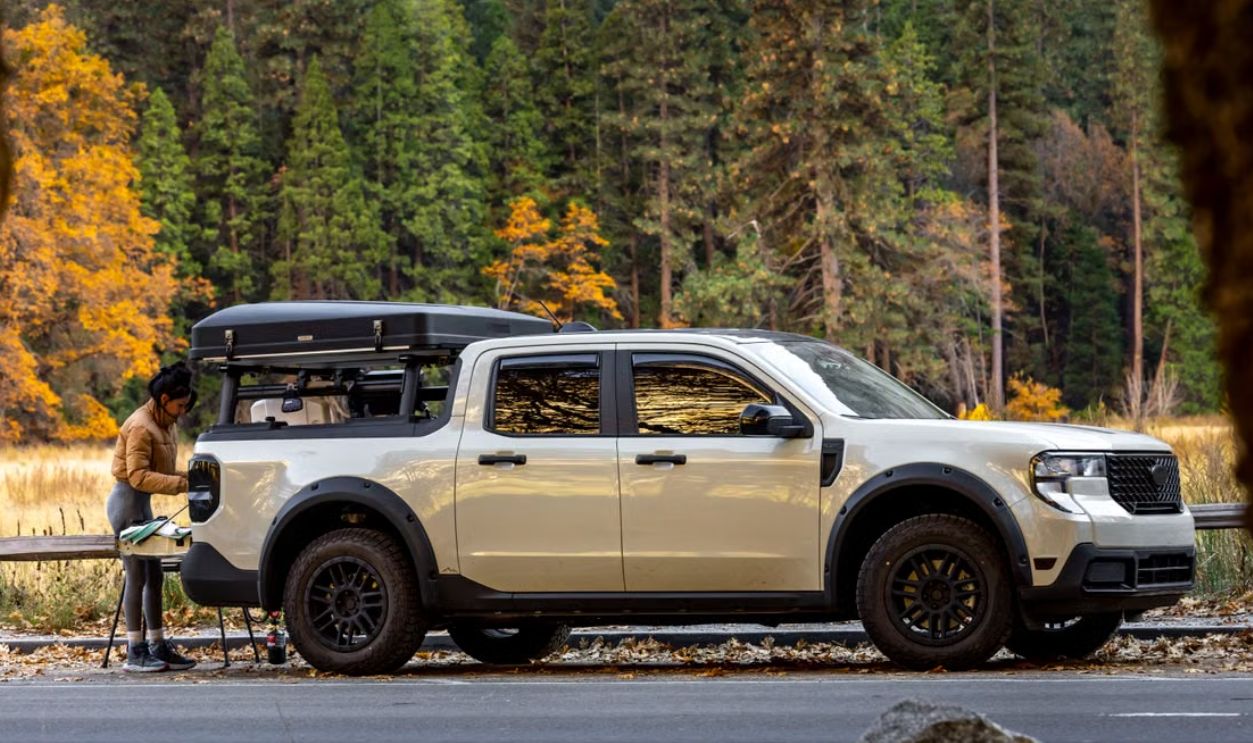
Packing for a road trip is much easier because you aren't limited by airline baggage rules. Families traveling with coolers, sports equipment, or camping gear may avoid substantial airline baggage fees simply by driving.
Unexpected Delays Happen Either Way
Flights can be delayed or canceled due to weather or operational issues. Road trips aren't immune either, with traffic jams, construction, breakdowns, and severe weather capable of disrupting schedules. Neither option guarantees a perfectly smooth trip.

Fuel Prices Aren't The Only Variable
Many people obsess over gas prices while overlooking the broader picture. Even if gasoline becomes cheaper, vehicle maintenance, depreciation, hotels, and food remain substantial costs that continue to add up throughout a long drive.

Flying Isn't Always As Expensive As People Think
Domestic airfare can sometimes be surprisingly affordable, particularly if you book well in advance or travel during less popular times. Discount airlines and fare alerts occasionally make flying cheaper than the total cost of driving across several states.

Road Trips Can Become Part Of The Vacation
For some families, the drive itself is the attraction. Scenic highways, roadside diners, national parks, and quirky small towns create memories that simply don't happen on an airplane. In those cases, the journey provides entertainment that offsets some of its extra cost.
 Rockwell branding agency, Pexels
Run The Numbers Before Deciding
Every trip is different. Calculate airfare, baggage fees, airport transportation, fuel, lodging, meals, tolls, parking, rental cars, and estimated vehicle operating costs before choosing. Small differences in distance, travelers, or vehicle efficiency can completely change which option is cheaper.

So, Who's Actually Right?
The answer is: both of you can be, depending on the trip. For shorter vacations or larger groups, driving is often the more economical option because costs are shared among passengers. For long cross-country vacations—especially for one or two travelers—flying frequently ends up costing less once you account for hotels, vehicle wear, and the value of your time. The smartest choice isn't assuming one option always wins; it's comparing the total cost of your specific trip before you book anything.

You May Also Like: