The Beach View May Be Real, But The Beach Experience May Not Be
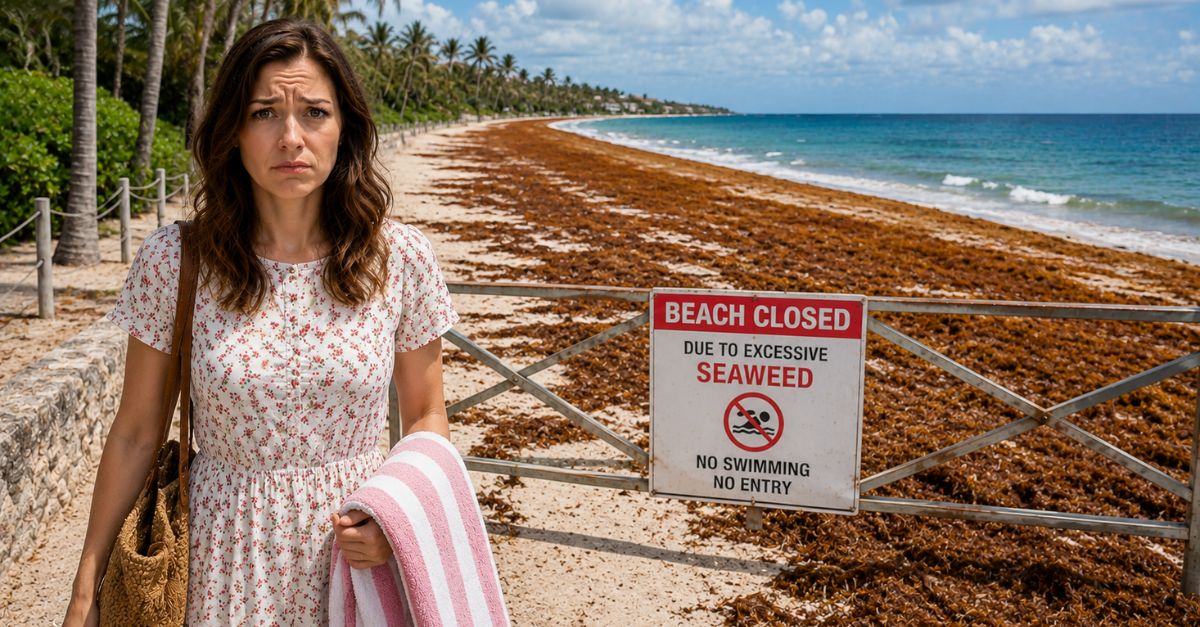
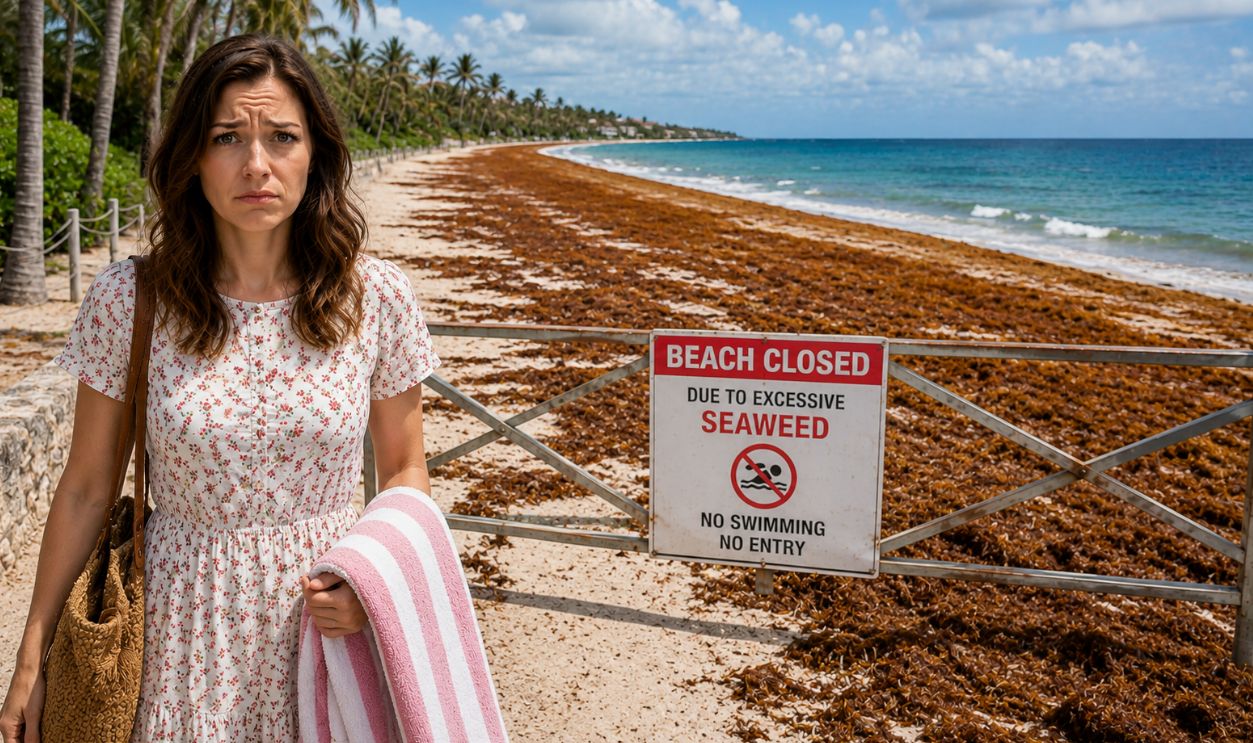
You book a beachfront resort expecting clean sand, open water, and easy swimming. Then you arrive to ropes, warning signs, cleanup tractors, or piles of rotting seaweed where the postcard view should be. This is a real problem across parts of the Caribbean, Mexico, and Florida during heavy sargassum seasons. But a refund? That depends.
Seaweed Closures Are Now A Serious Travel Problem
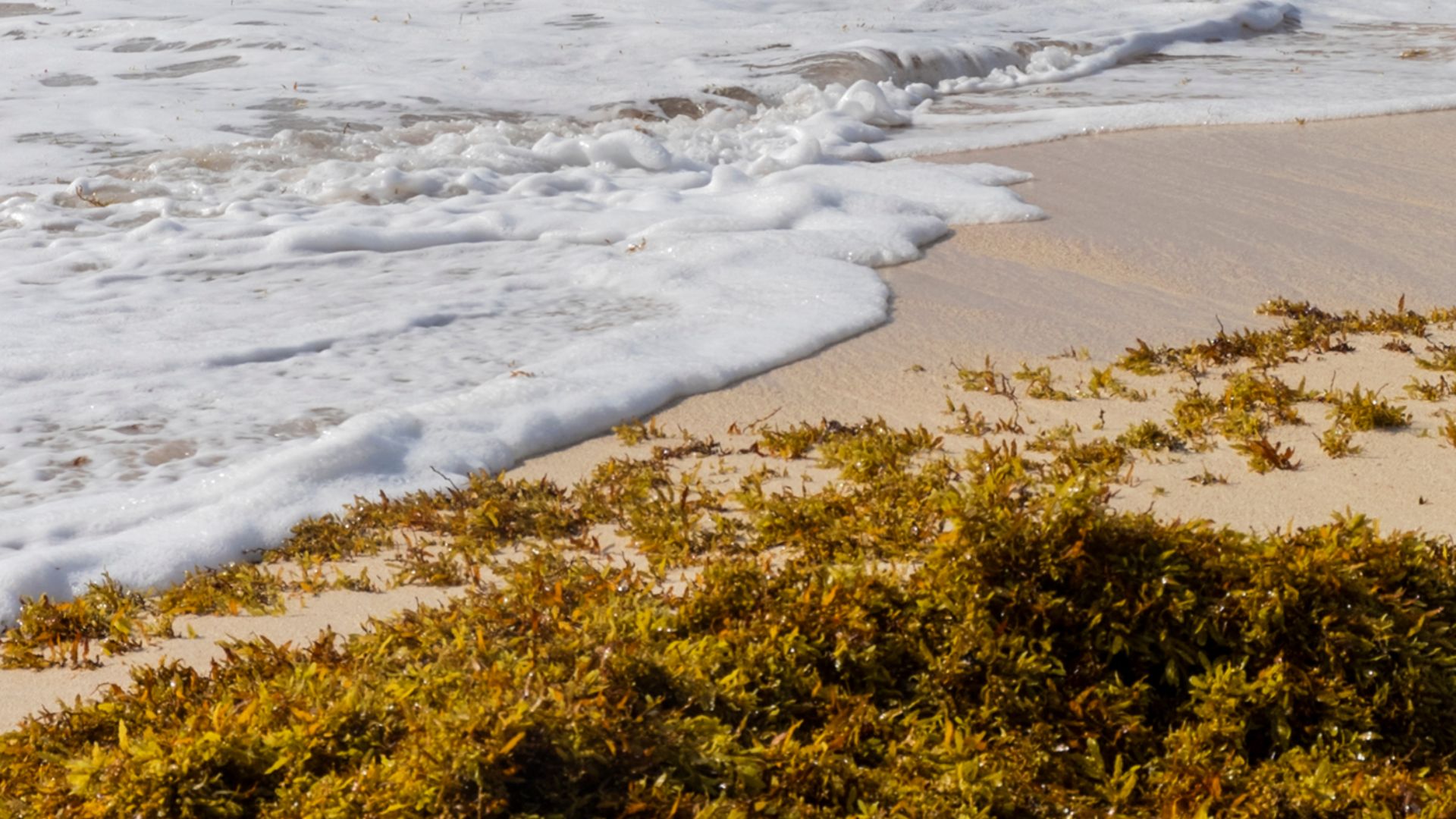
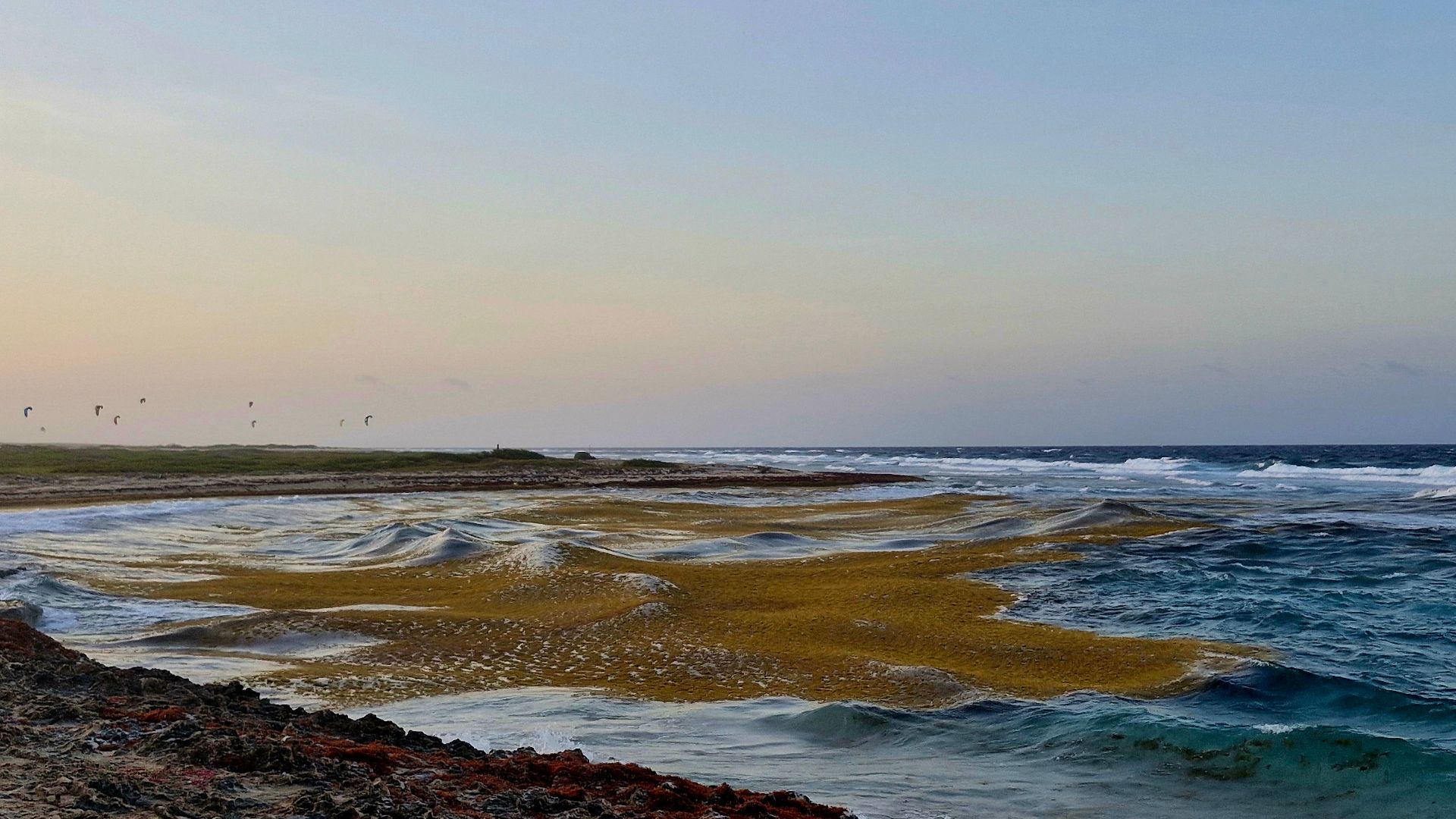
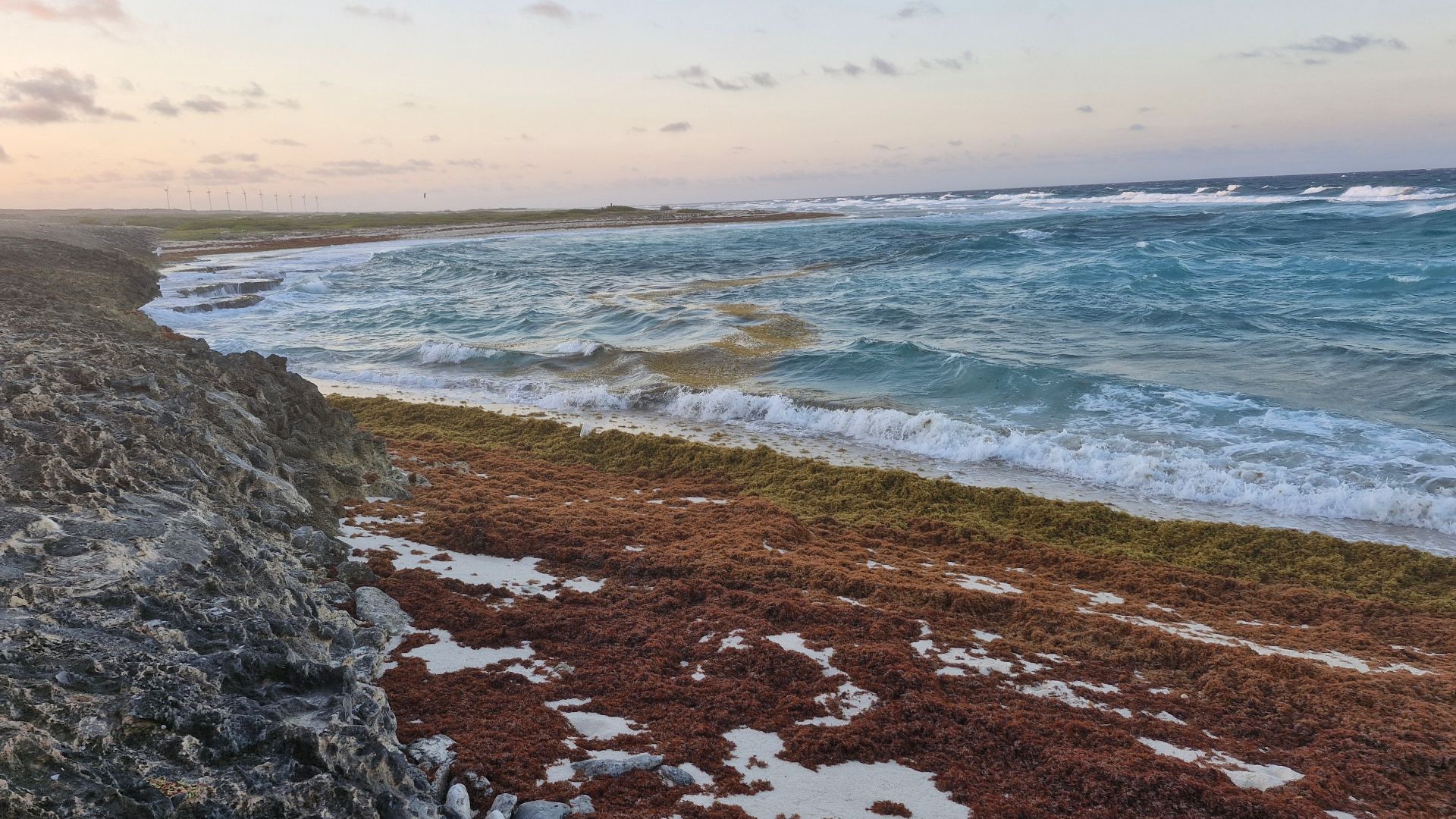
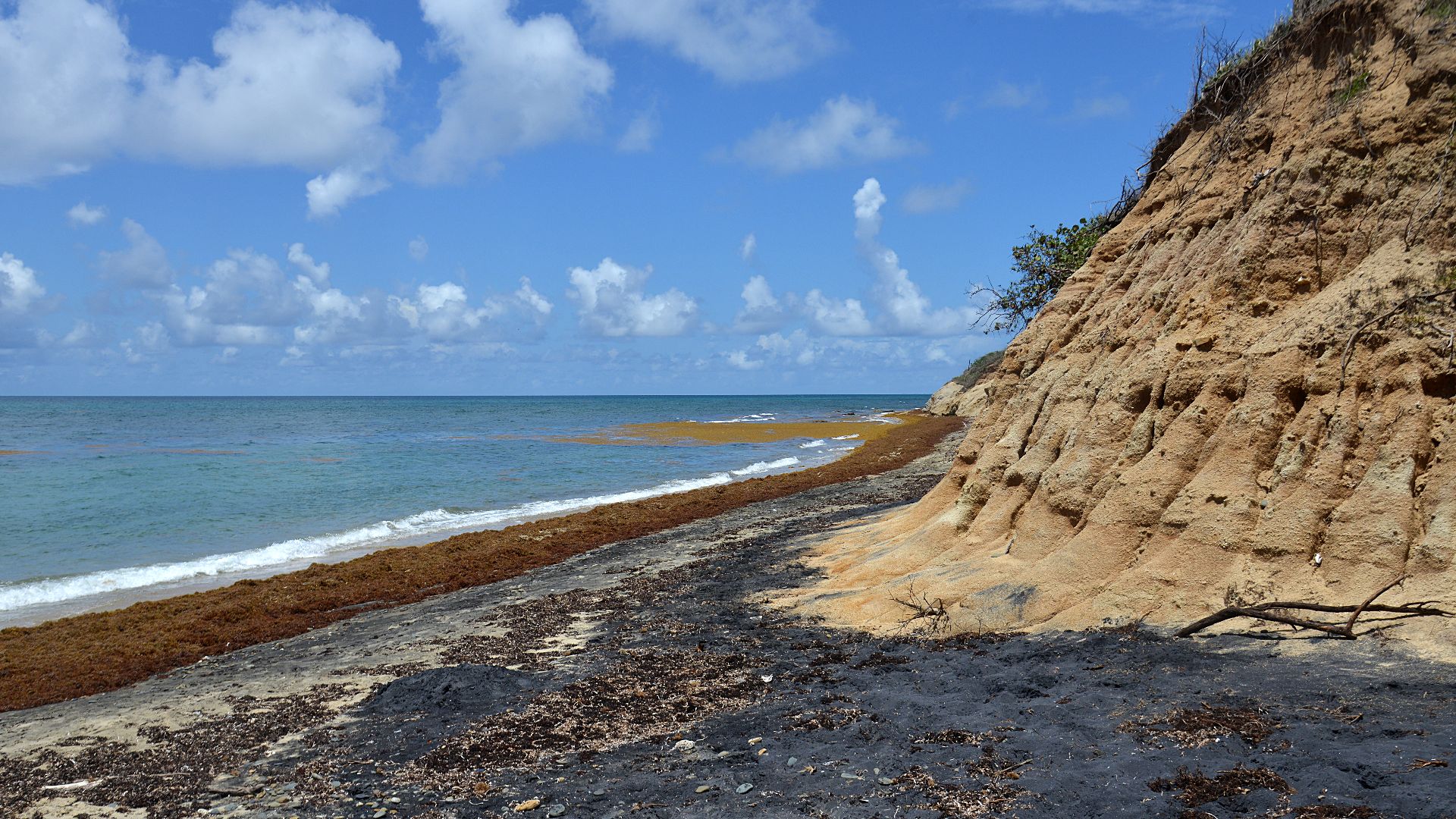
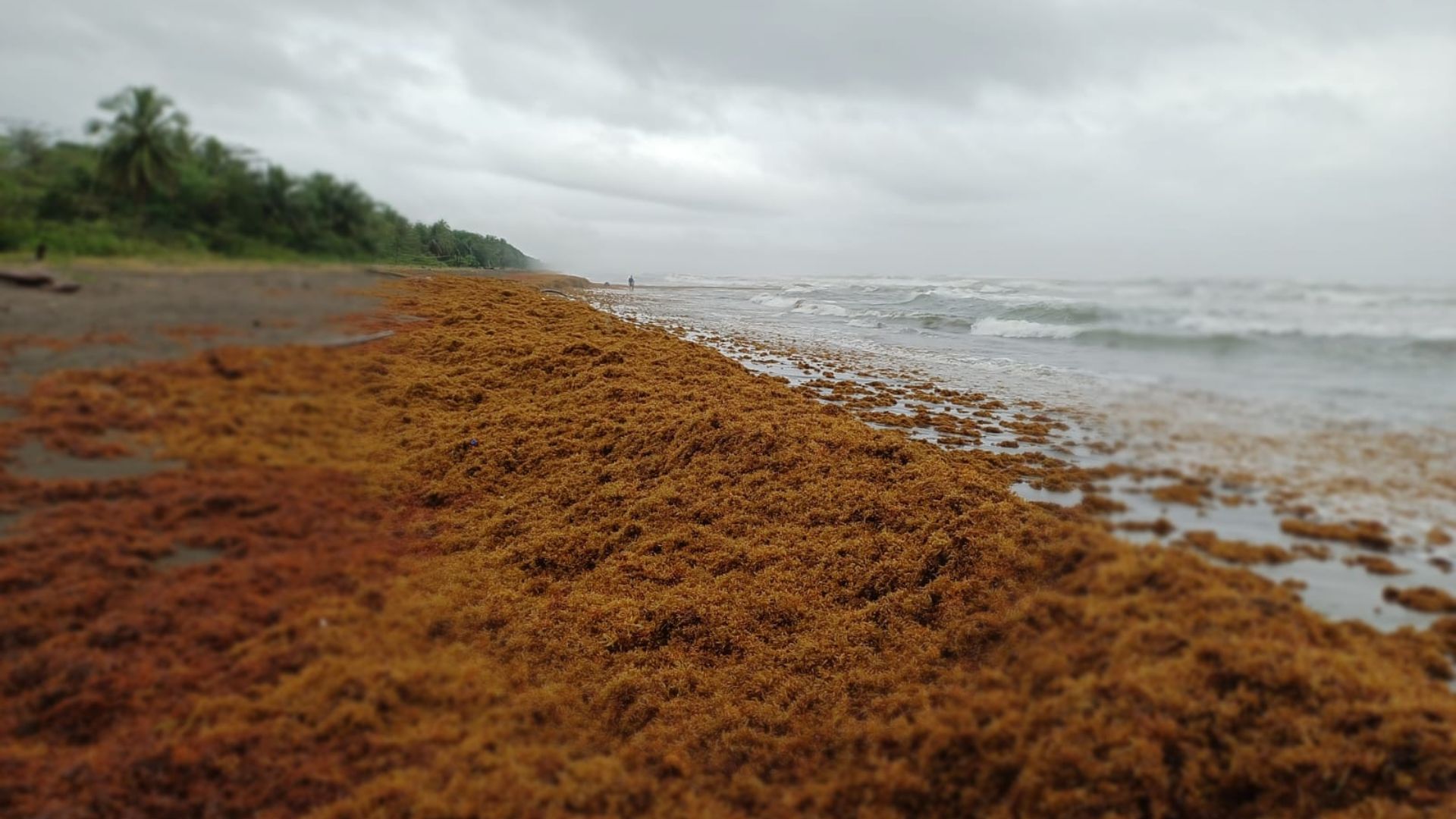
The seaweed at the center of this is usually sargassum, a brown macroalgae that forms huge mats in the Atlantic and can wash ashore in massive amounts. The University of South Florida’s Optical Oceanography Lab has tracked the Great Atlantic Sargassum Belt for years and reported record or near-record blooms in recent seasons, including major spring totals in 2023 and 2024. That matters because resorts in popular beach spots have had to deal with bad smells, constant cleanup, and at times restricted beach access.
 Jonathan Wilkins, Wikimedia Commons
Scientists Found This Was Not Just A One-Off
The Great Atlantic Sargassum Belt was formally described in a 2019 paper led by researchers including Chuanmin Hu, who connected the recurring belt to ocean circulation and nutrient inputs. That helped explain why travelers kept seeing huge arrivals after 2011 instead of just getting hit by random bad luck. In simple terms, this is an ongoing pattern, not a fluke on one beach for one weekend.
Why Resorts Sometimes Shut Down Beach Areas
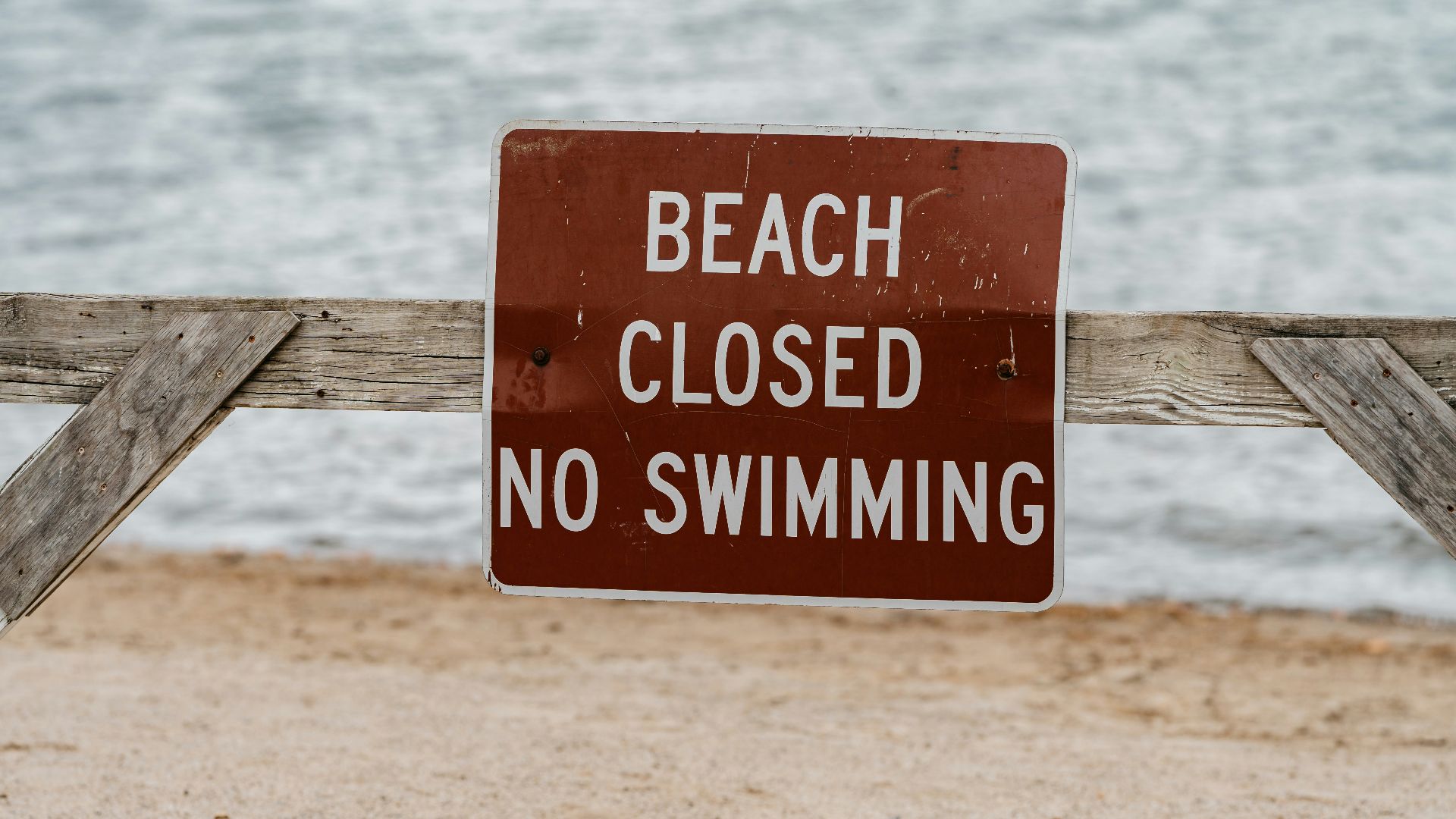
Resorts may close parts of a beach because thick sargassum can make swimming unpleasant or unsafe, especially when heavy equipment is clearing it or when rotting mats affect the air. The U.S. Virgin Islands Department of Planning and Natural Resources has warned that decomposing sargassum can release hydrogen sulfide and ammonia, which can irritate the eyes and lungs. So a closure is not always just about appearance, even if it still ruins the trip you thought you were getting.
The Real Issue Is Often The Advertising
The stronger refund argument usually is not that nature got in the way. It is that the resort kept selling a usable beachfront escape while knowing the beach was closed, heavily affected, or very different from what guests were shown. If the property knew the beach conditions had changed and failed to say so, that starts to look less like bad weather and more like possible misrepresentation.

Package Holidays Usually Come With More Protection
If you booked a package holiday, your rights may be stronger than if you booked only a room. In the UK, the Package Travel and Linked Travel Arrangements Regulations 2018 make organizers responsible for the proper performance of the travel services included in the package. If a major part of what was promised is not delivered, travelers can sometimes ask for a price reduction or another remedy.
 KONSTANTIN_SHISHKIN, Shutterstock
The UK Regulator Has Been Clear About This
The UK Competition and Markets Authority has said consumers can be entitled to a price reduction when services are not provided with reasonable care and skill or when information given before booking becomes part of the contract and is not honored. That does not mean every seaweed complaint wins automatically. It does mean the words and pictures used to sell the trip can matter a lot.
 LightField Studios, Shutterstock
In The United States, The Contract Usually Decides The Fight
For U.S. travelers, the answer often comes down to the resort’s terms, the booking platform’s promises, and what was represented at the time of sale. Hotels often try to protect themselves with broad disclaimers about weather and natural conditions. But generic fine print does not always wipe out a specific advertising claim if a guest can show the beach experience was a major promised feature.

Beachfront Does Not Always Mean Swimmable
This is one of the biggest distinctions. A resort can sit directly on the beach and still argue that it accurately described itself as beachfront even if the water or sand was temporarily unpleasant. Your case gets stronger if the resort specifically advertised beach access, swimming, loungers on clean sand, or a luxury beach experience that turned out to be impossible during your stay.

Photos And Dates Matter More Than Outrage
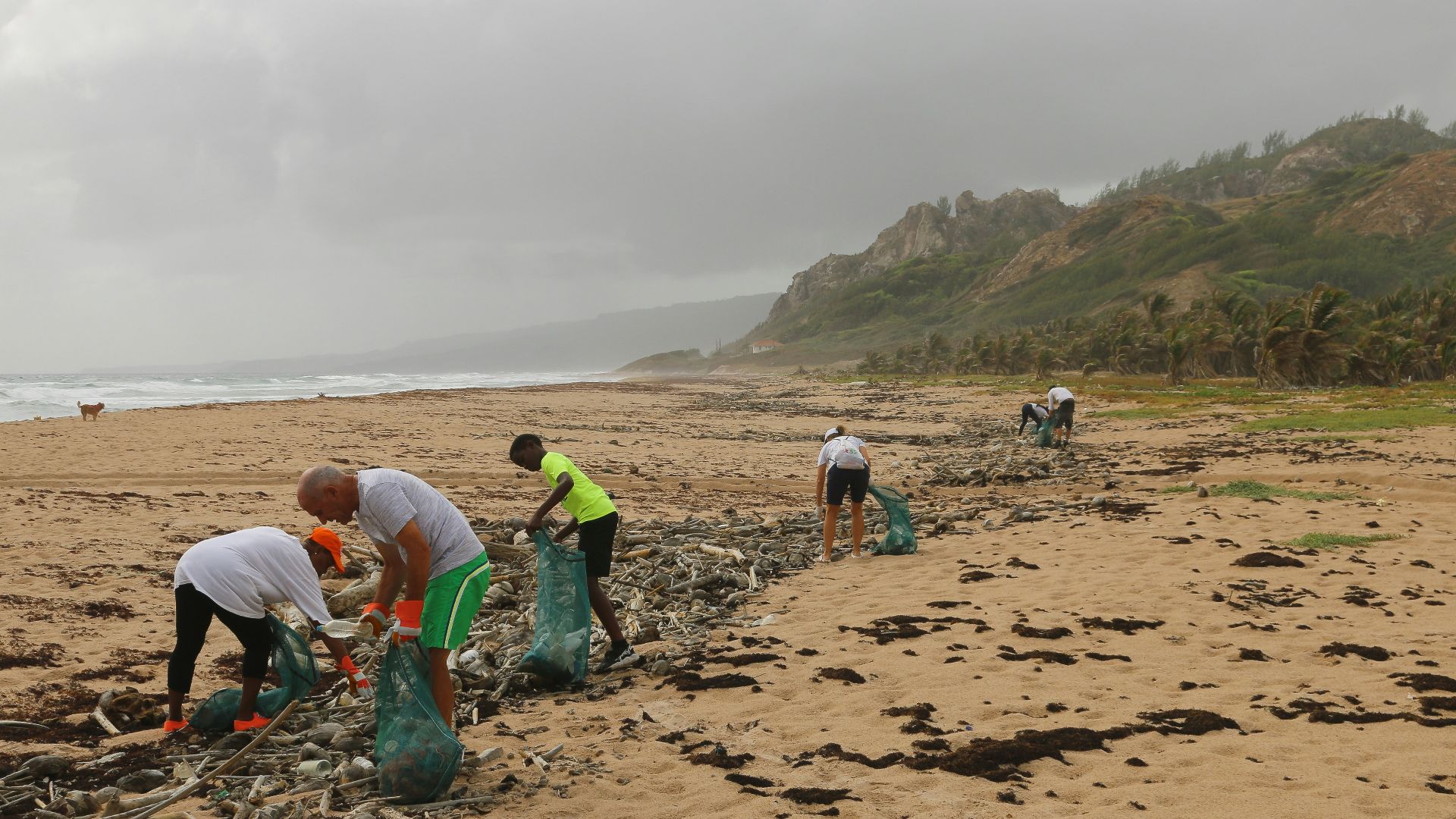
If you want a refund, proof matters most. Save screenshots of the listing, especially claims about direct beach access, pristine sand, or swimmable conditions, and make sure the screenshots show the date. Then gather your own photos and videos from the trip showing closures, warning notices, cleanup equipment, or severe buildup.

Ask What The Resort Knew Before You Arrived
Your case gets stronger if you can show the property likely knew about the problem before check-in. Sargassum conditions are often visible for days or even weeks, and many destinations issue local updates. If the resort kept running glossy beach ads while daily cleanup crews and closure signs were already in place, that timing may matter more than the seaweed itself.
Some Tourism Authorities Publicly Track The Problem
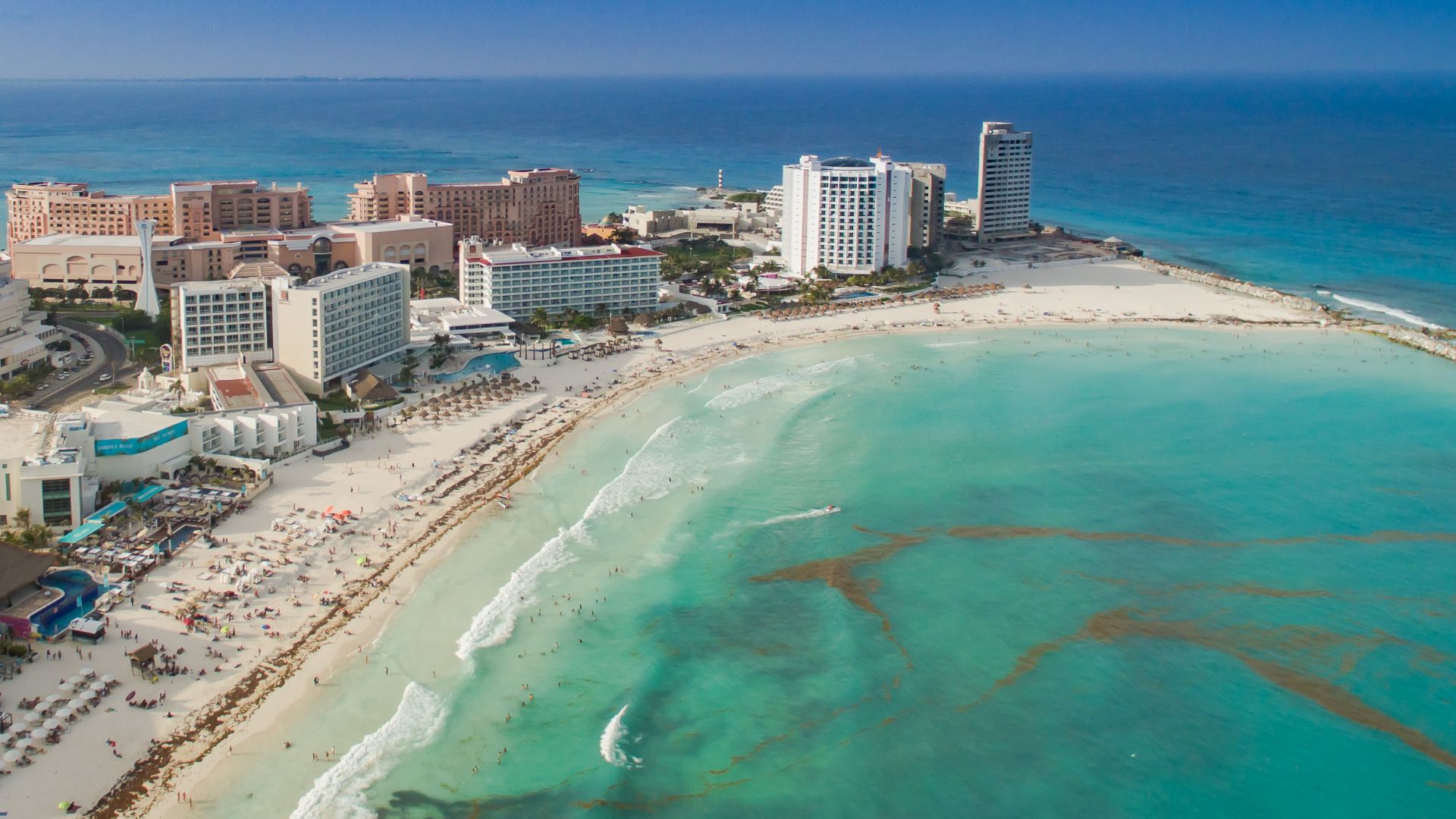
Destinations in the Mexican Caribbean have talked openly for years about the seasonal effect of sargassum. Quintana Roo’s government and local tourism bodies have repeatedly announced monitoring efforts, cleanup plans, and barriers during major influxes. That public record can help travelers argue that heavy sargassum was not some hidden surprise to local operators.
Travel Insurance Usually Will Not Rescue You
Standard travel insurance often covers cancellations and interruptions only for listed reasons like illness, severe weather, or certain disasters. A beach spoiled by seaweed usually does not trigger reimbursement unless your policy has unusually broad wording. Before you file a claim, read the covered reasons carefully because disappointment by itself is rarely enough.

Chargebacks Are Possible, But They Are Not Simple
If the resort refuses to help, some travelers look at a credit card chargeback. That tends to work best when there is clear evidence that what was delivered was materially different from what was sold, not just disappointing. Card issuers also usually want proof that you first tried to resolve the dispute directly with the merchant.

What Counts As A Material Difference
A few patches of seaweed on an otherwise open shoreline probably will not justify a major refund. A fully closed beach, strong odor, no safe access to the water, and repeated unusability during most of the stay is a much stronger set of facts. The more central the beach was to your booking decision, the more convincing your complaint becomes.
 G. Edward Johnson, Wikimedia Commons
Timing Can Make Or Break The Claim
If the beach closed for one afternoon because crews were clearing a fresh wash-up, that is very different from a closure that lasted your whole trip. Resorts usually get some room to deal with changing natural conditions. They have less room if the disruption dragged on and they kept selling the same dream without updating guests.
Look At What Else The Resort Promised
Sometimes hotels try to make up for beach problems by pointing to multiple pools, shuttles to other beaches, or access to sister properties. Those alternatives can affect what level of compensation is reasonable. They do not erase the problem automatically, but they may reduce the value of the refund if meaningful substitutes were actually available.
 Hryshchyshen Serhii, Shutterstock
Consumer Law Often Focuses On The Sales Pitch
In many places, advertising and pre-contract information can become part of the deal. If the resort’s website, confirmation email, or travel agent description pushed beachfront relaxation as a headline feature, those words may carry legal weight. Vague hype is easier for a hotel to defend than specific promises.

Do Not Overlook Health And Safety Warnings
If management closed the beach and cited health concerns tied to decomposition or cleanup operations, keep a copy of that notice. It can support your argument that the beach was not just unattractive but functionally unavailable. Official public warnings about sargassum gases also help show why a closure changed the value of the stay.

What To Put In A Refund Request
Keep your complaint calm, short, and backed by proof. State the dates of your stay, quote the exact advertising language, explain when and how the beach was closed or unusable, and attach photos. Then ask for a specific remedy, such as a partial refund, resort credit, or reimbursement for the premium you paid for a beachfront room category.

Start With The Property, Then Escalate
Ask the hotel or resort manager first, preferably in writing. If you booked through an online travel agency or tour operator, escalate there next because intermediaries sometimes have their own service standards. For package holidays, contact the organizer formally and point to the contract terms and the relevant regulations.

Public Reviews Can Help If You Keep Them Factual
A factual review on a major platform can sometimes get a response when private emails do not. Stick to what happened, when it happened, and what the property told you. Do not exaggerate. A precise, documented account is far more credible than an angry rant.

You May Deserve Compensation If The Resort Left Out Key Facts
If the beach was effectively closed for much of your stay and the resort kept advertising a luxury beach experience without warning you, many travelers would have a fair argument for compensation. The exact amount depends on how long the disruption lasted and how central the beach was to the booking. In practical terms, a partial refund is often more realistic than a full one unless the beach was the whole point of the trip.

You May Not Be Owed A Refund If Nature Turned Quickly
There is a harder truth here too. If conditions changed suddenly after booking, the resort made reasonable cleanup efforts, and the property itself stayed open and mostly delivered what it promised, a mandatory refund is less certain. Natural beach conditions are not always guaranteed, especially in places where sargassum is seasonal and widely known.
How To Protect Yourself Before You Book
Check recent traveler photos, not just polished marketing shots. Search local news and sargassum tracking updates for your destination in the weeks before departure, and ask the property directly whether the beach is currently usable. If the answer is vague or evasive, that tells you something before you pay.

The Bottom Line For Travelers
Do you deserve a refund? Possibly, especially if the resort knew the beach was closed or badly affected and kept selling beachfront luxury as if nothing had changed. Your best argument is not just that seaweed showed up. It is that the beach experience being advertised was materially unavailable and that nobody properly told you before you arrived.