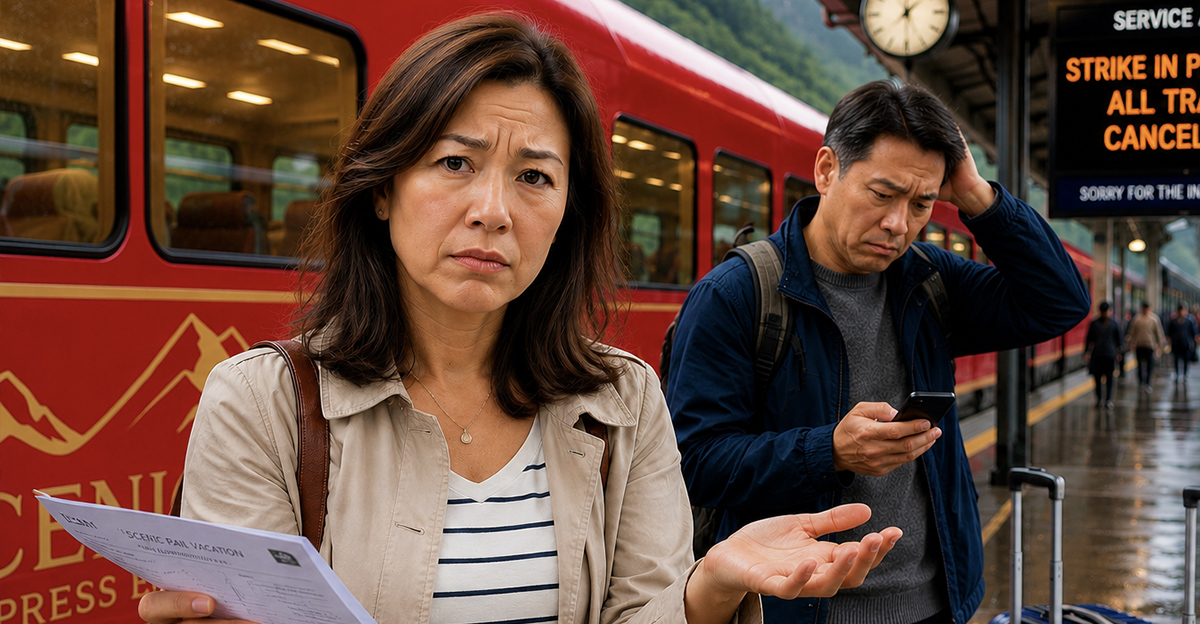
My Dream Train Vacation Was Canceled By A Strike. Am I Just Out Of Luck?
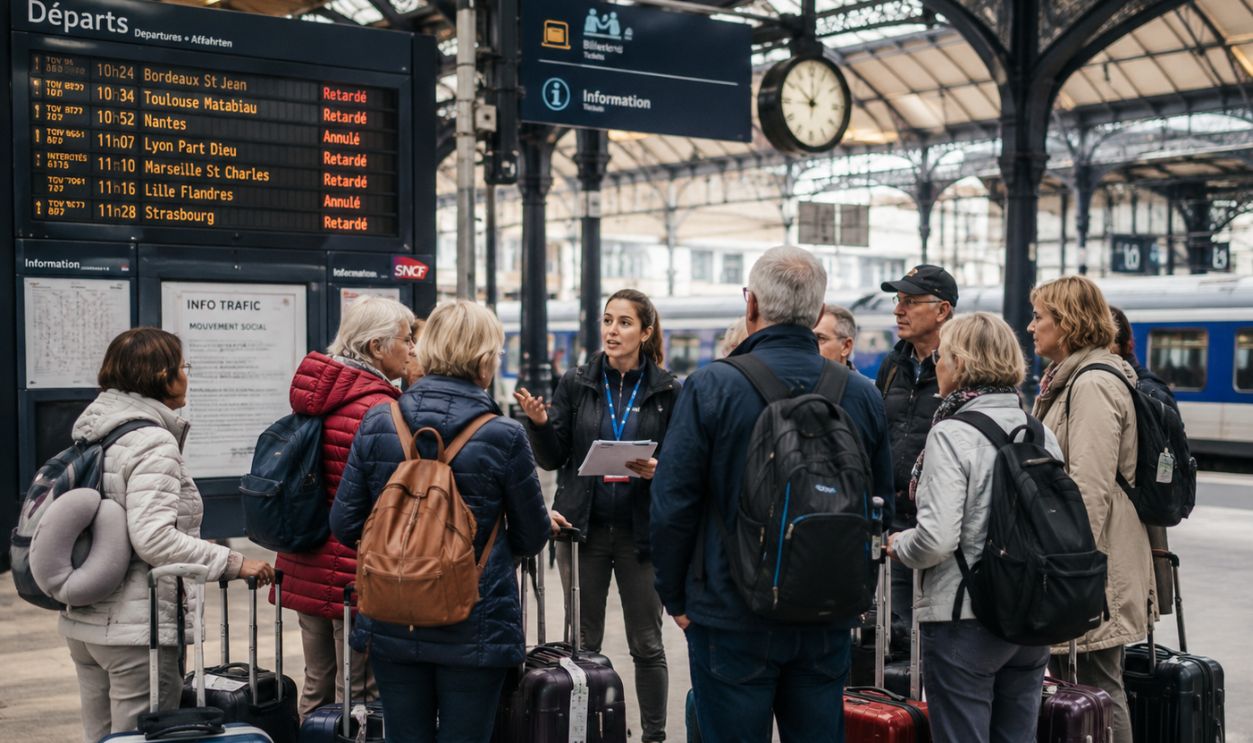
Scenic train vacations are often booked months in advance. Travelers plan around famous routes, mountain views, luxury rail experiences, and carefully timed itineraries. That's why it can be incredibly frustrating when a local rail strike suddenly shuts down the entire route before you even board. The good news is that while a strike doesn't automatically guarantee compensation, it also doesn't mean you're stuck absorbing every financial loss yourself.
Start By Identifying Who Canceled The Trip
The first question is whether the train operator canceled the service or whether you chose not to travel because of strike concerns. Passenger rights are often stronger when the operator actually cancels the train. Voluntarily canceling before a disruption is officially announced can sometimes lead to different refund rules. Understanding who initiated the cancellation is important from the beginning.
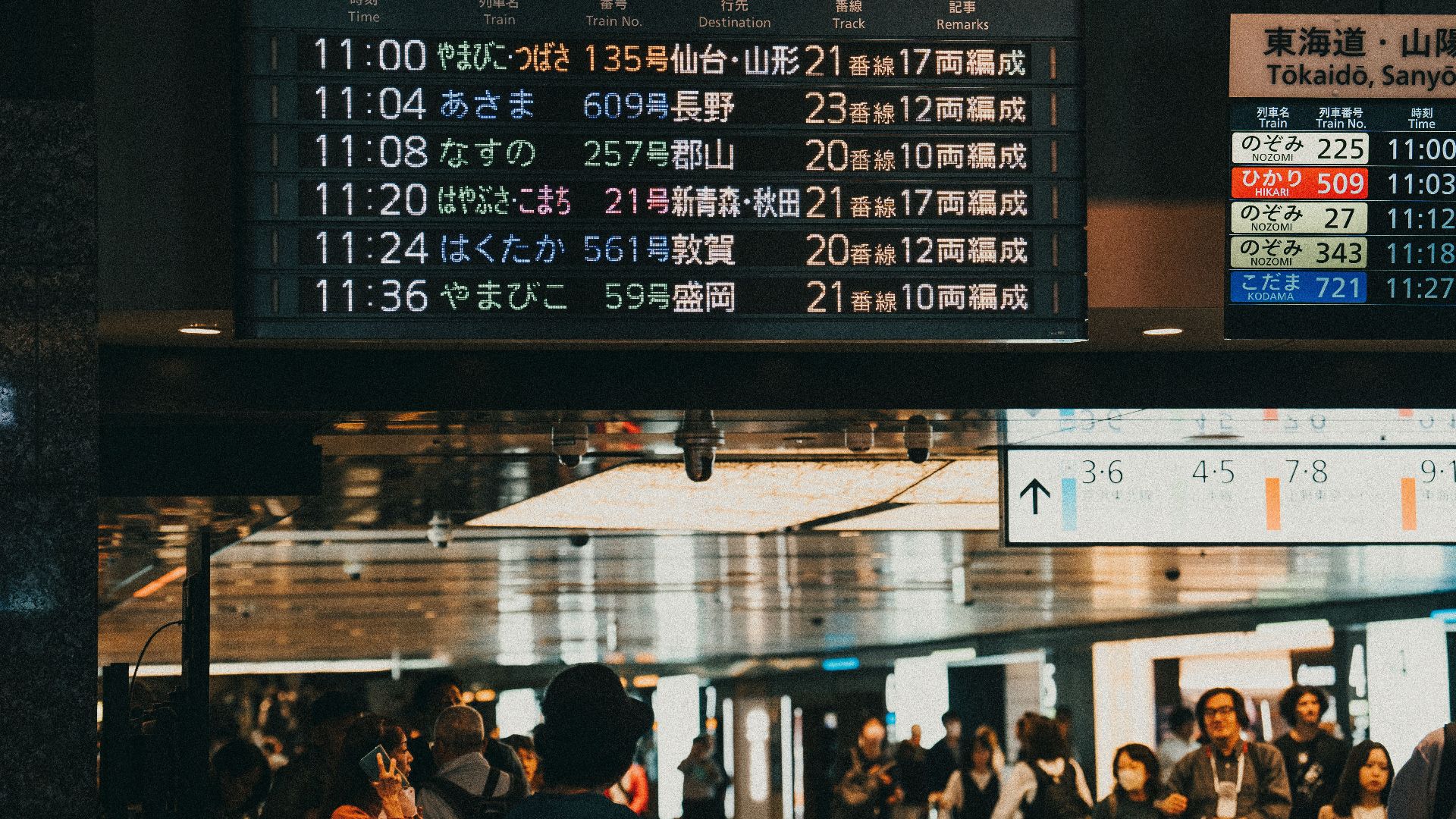
A Refund Is Often The Most Basic Right
When a train operator cancels a scheduled service, passengers are frequently entitled to a refund of the unused ticket. The exact process depends on the operator and country involved, but refunds are usually the starting point rather than the end of the discussion. Whether you're entitled to anything beyond the ticket price is where things become more complicated.
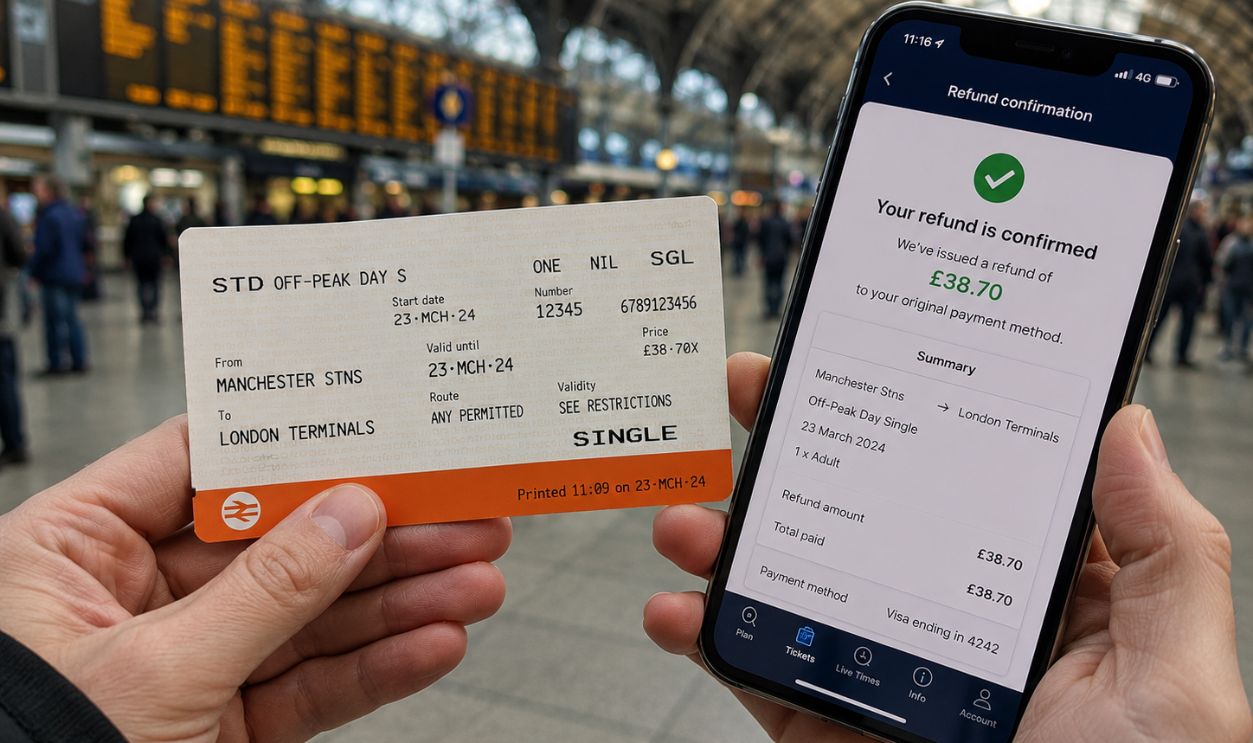
Compensation And Refunds Are Not The Same Thing
Many travelers use the terms interchangeably, but they are different. A refund returns money you paid for a service that wasn't provided. Compensation generally refers to additional money paid because the disruption caused inconvenience, delays, or other losses. You may receive one without necessarily receiving the other.

Train Passenger Rights Vary Widely
Unlike airline compensation rules, train passenger protections can vary significantly depending on the country, operator, and type of journey. Some regions provide strong passenger rights during strikes, while others focus primarily on refunds and rebooking options. The specific route matters more than many travelers realize.
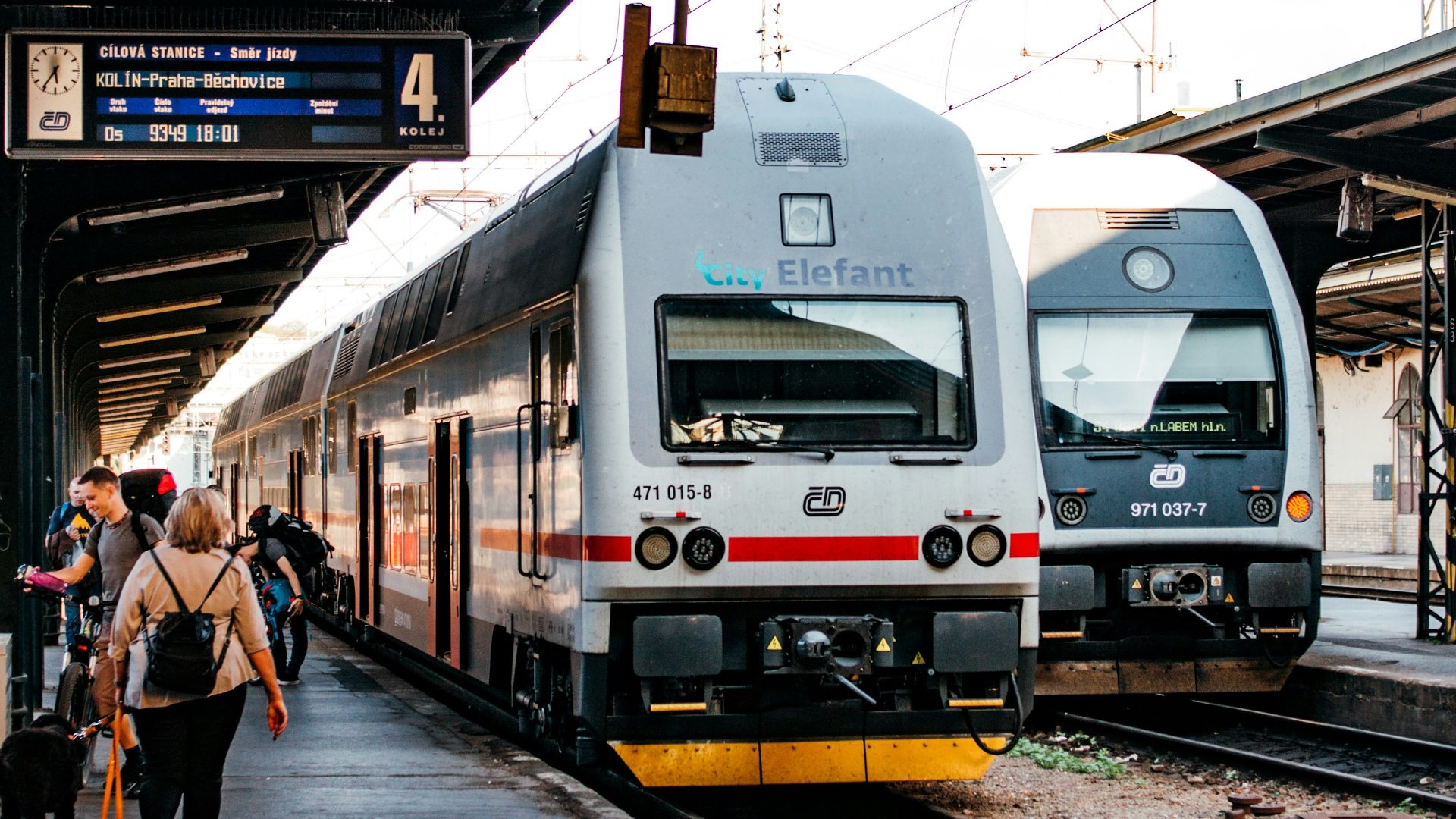
European Rail Travelers Often Have Stronger Protections
Many European rail passengers benefit from passenger-rights regulations that address delays, cancellations, and major disruptions. Depending on the circumstances, travelers may be entitled to rerouting, refunds, assistance, or delay compensation. The exact entitlement often depends on the length of the delay and the operator involved.
Strikes Are Sometimes Treated Differently
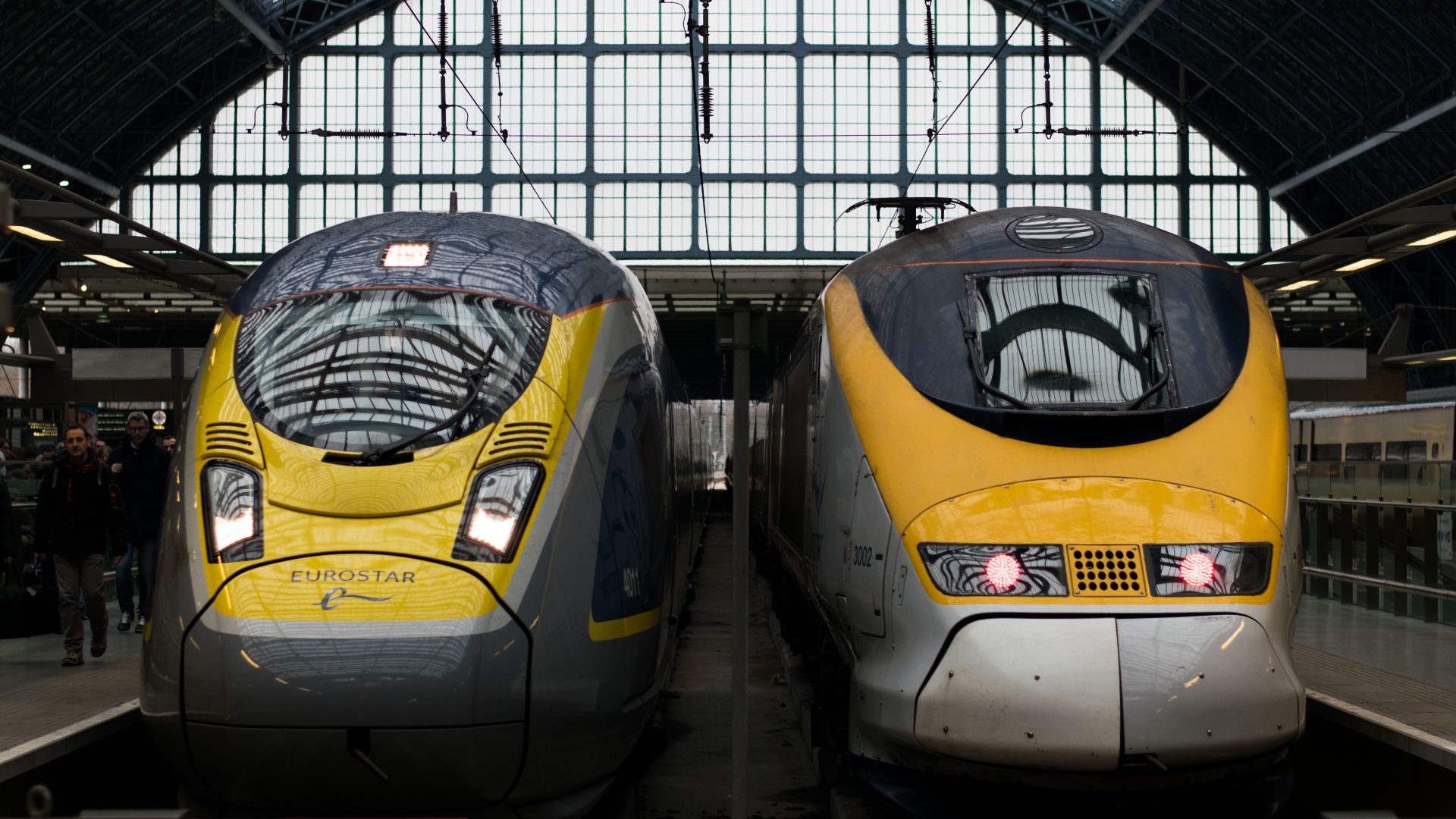
One of the biggest complications is that strikes are often viewed differently than ordinary operational failures. Some operators consider strikes extraordinary circumstances that limit certain compensation obligations. Others still provide compensation despite the strike. This is one reason why two travelers facing similar disruptions may receive very different outcomes.
Rebooking May Be Offered Instead
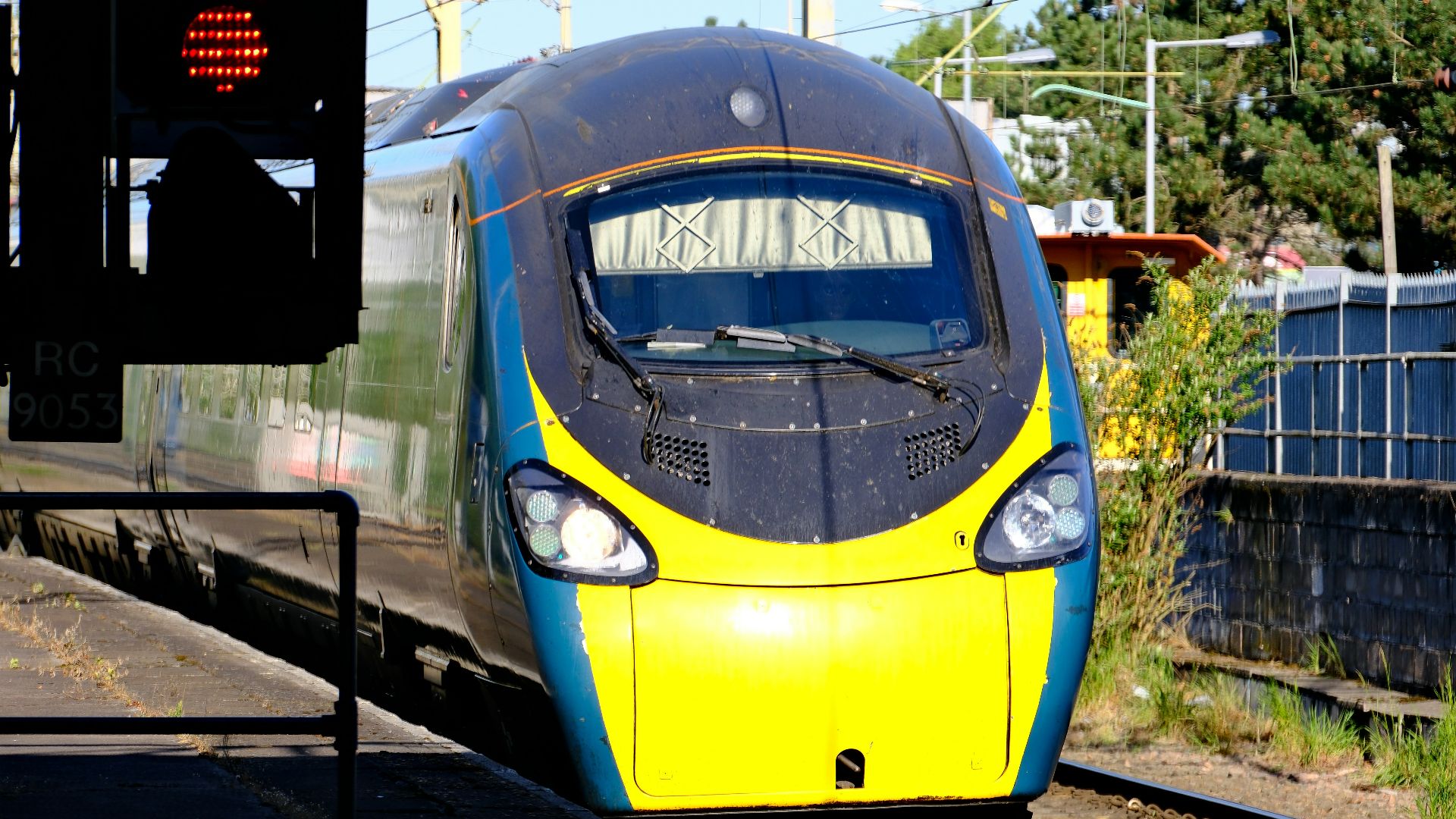
In many cases, operators focus on rerouting passengers rather than issuing additional compensation. You may be offered a seat on a later train, an alternate route, or substitute transportation. Whether that solution works for your vacation plans is another matter entirely.
Scenic Routes Create Unique Problems
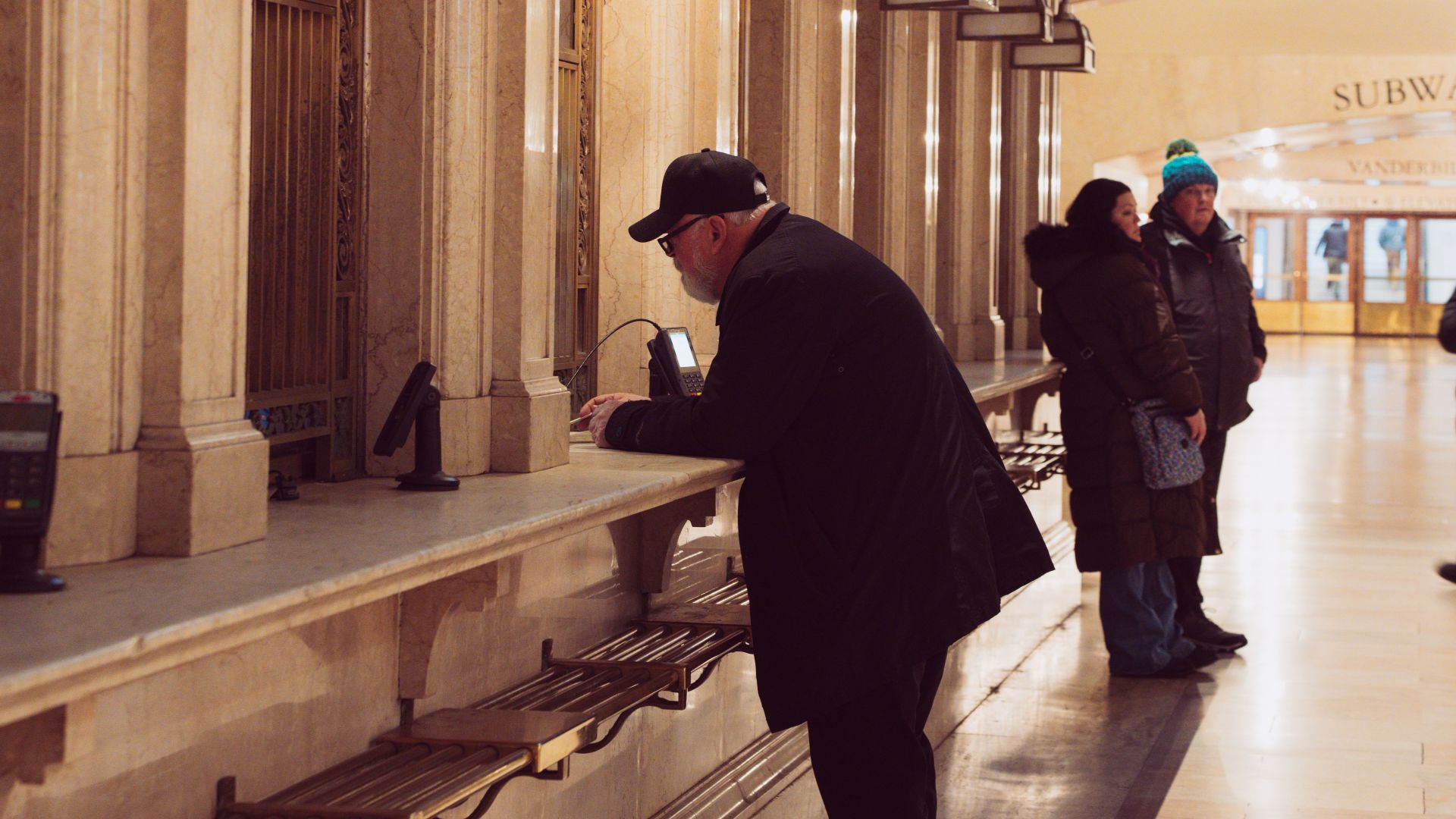
A scenic rail vacation isn't always interchangeable with another train. If the entire reason for the trip was a famous mountain crossing, coastal route, or luxury rail experience, being offered a different train may not feel like an adequate substitute. Unfortunately, operators don't always compensate based on disappointment alone.
Package Vacations Can Change The Equation
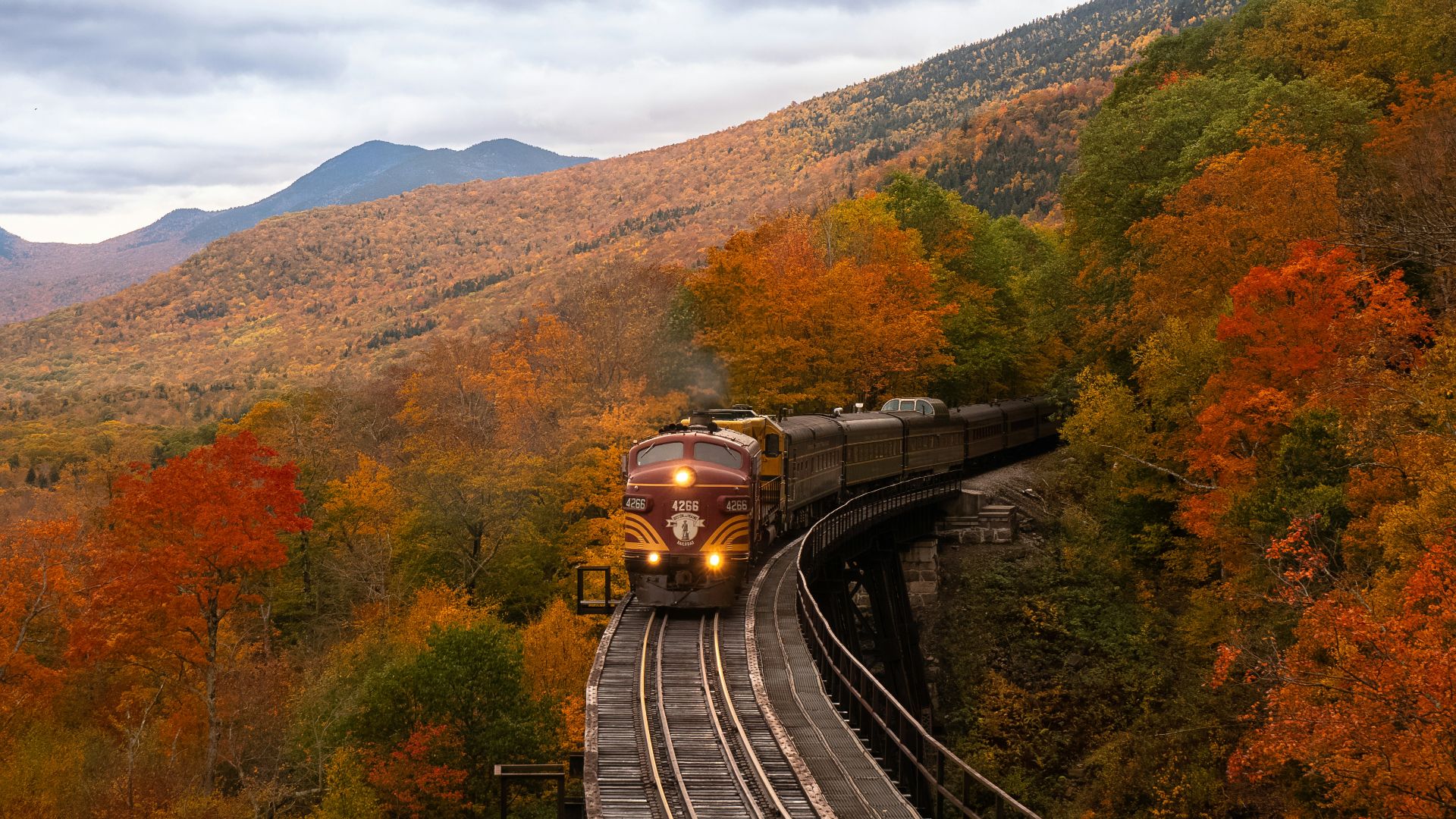
If the train journey was part of a larger travel package that included hotels, excursions, meals, or transportation, your rights may be broader than if you purchased the train ticket alone. Package travel providers often have additional obligations when major portions of a trip become unavailable. This can create more opportunities for refunds or partial reimbursement.

Travel Insurance Can Become Very Valuable
Many travelers don't think about travel insurance until something goes wrong. Depending on the policy, strike-related disruptions may be covered under trip cancellation, interruption, or delay provisions. Some policies specifically address labor disruptions, while others exclude them. Reading the policy language carefully is essential.

Check When The Strike Was Announced
Timing matters. Some travel insurance policies only cover strikes that were not publicly known when the trip was booked. If the labor dispute was already widely reported before you purchased coverage, the insurer may treat it as a foreseeable event. That can affect whether benefits apply.

Hotels And Tours May Be Separate Problems
Even if the train operator refunds your ticket, you may still face losses from prepaid hotels, tours, excursions, or transportation booked around the rail journey. Those expenses often fall outside the operator's responsibility. That's where travel insurance or flexible booking policies can become important.
 Hryshchyshen Serhii, Shutterstock
Save Every Receipt
Whenever a major disruption occurs, documentation becomes critical. Save train tickets, booking confirmations, cancellation notices, emails, hotel invoices, transportation receipts, and any additional expenses you incur. Good records make compensation claims much easier to support.

Ask For The Official Cancellation Notice
Many travelers forget to request proof of cancellation. An official notice from the rail operator can become useful when dealing with insurers, travel providers, hotels, or credit card benefits. The more documentation you have, the stronger your position generally becomes.

Credit Card Benefits May Help
Some premium travel credit cards include trip interruption, trip cancellation, or travel delay protections. These benefits sometimes cover expenses that the train operator will not reimburse. Reviewing your card's travel protections may uncover options you didn't realize existed.

Don't Accept The First Answer Automatically
Customer-service representatives sometimes provide incomplete information during major disruptions. If you're told you only qualify for a refund, it may be worth reviewing the operator's passenger-rights policies yourself. Escalating the issue politely can occasionally reveal additional options.

Group Bookings Can Be More Complicated
Families, tour groups, and large travel parties sometimes encounter extra challenges during strike-related disruptions. Rebooking dozens of passengers may be more difficult than accommodating a single traveler. Understanding how group bookings are handled can help set realistic expectations.
Luxury Rail Companies Often Have Different Policies
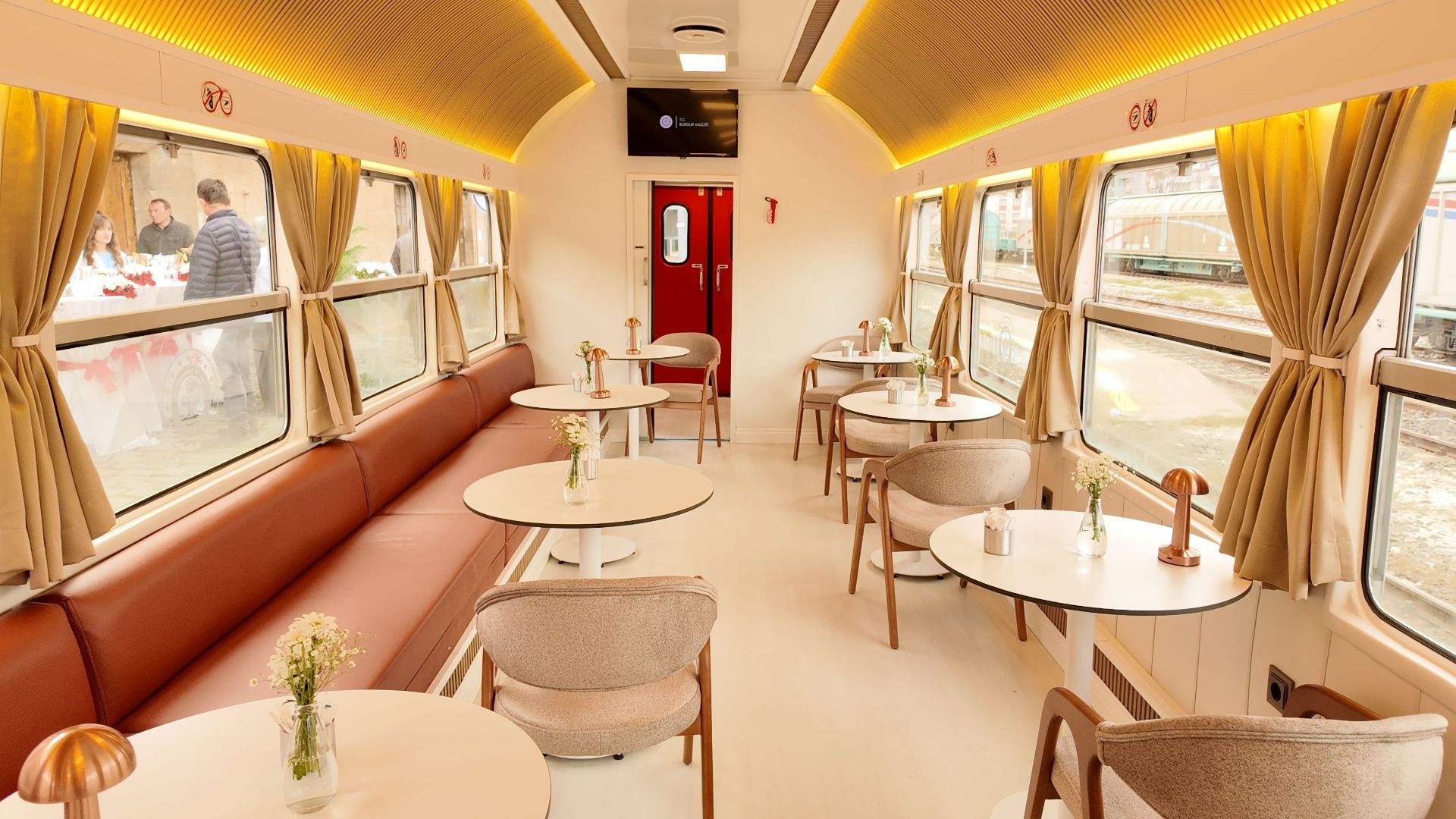
High-end rail operators sometimes offer customer-service solutions that go beyond the minimum legal requirements. Travel credits, future-trip discounts, upgraded accommodations, or alternative experiences may be available. These options vary significantly by company.
Some Strikes Are Announced Well In Advance
Not every strike appears without warning. In some countries, labor actions are announced days or weeks before service disruptions begin. Early notice may give travelers opportunities to change plans before the situation becomes worse. Monitoring operator announcements can be surprisingly valuable.

Third-Party Booking Sites Add Another Layer
If you booked through a travel agency, rail consolidator, vacation package company, or online booking platform, you may need to work through that company rather than the rail operator directly. This can sometimes slow down refunds and compensation requests. Knowing who actually processed your booking is important.

Deadlines Matter
Many operators impose deadlines for refund and compensation requests. Waiting too long can complicate the process. As soon as your plans are disrupted, start documenting the situation and reviewing the applicable claim procedures.

The Largest Losses Often Come From Connected Travel
Ironically, the train ticket itself is sometimes the smallest financial problem. Missed cruises, hotel reservations, guided tours, rental cars, and nonrefundable activities can create much larger losses. Understanding which company is responsible for each expense helps avoid wasting time pursuing the wrong party.

Not Every Strike Leads To Compensation
This is the reality many travelers find frustrating. While refunds are often available when services are canceled, additional compensation isn't always guaranteed. The answer depends heavily on local laws, passenger-rights rules, operator policies, travel-insurance coverage, and the specific circumstances of the strike.

You May Have More Options Than You Think
A strike shutting down your scenic rail vacation doesn't automatically mean you're out of luck. Between operator refunds, rebooking options, package-travel protections, credit card benefits, and travel insurance coverage, there may be multiple avenues for recovering at least part of your losses. The key is acting quickly, keeping good records, and understanding exactly which protections apply to your specific trip.
 veerasak Piyawatanakul, Pexels
You May Also Like:
New crowd control measures completely ruined my last theme park experience. Can I get a refund?