Backpack Seat Saver—Genius Move or Instant Rule Break?
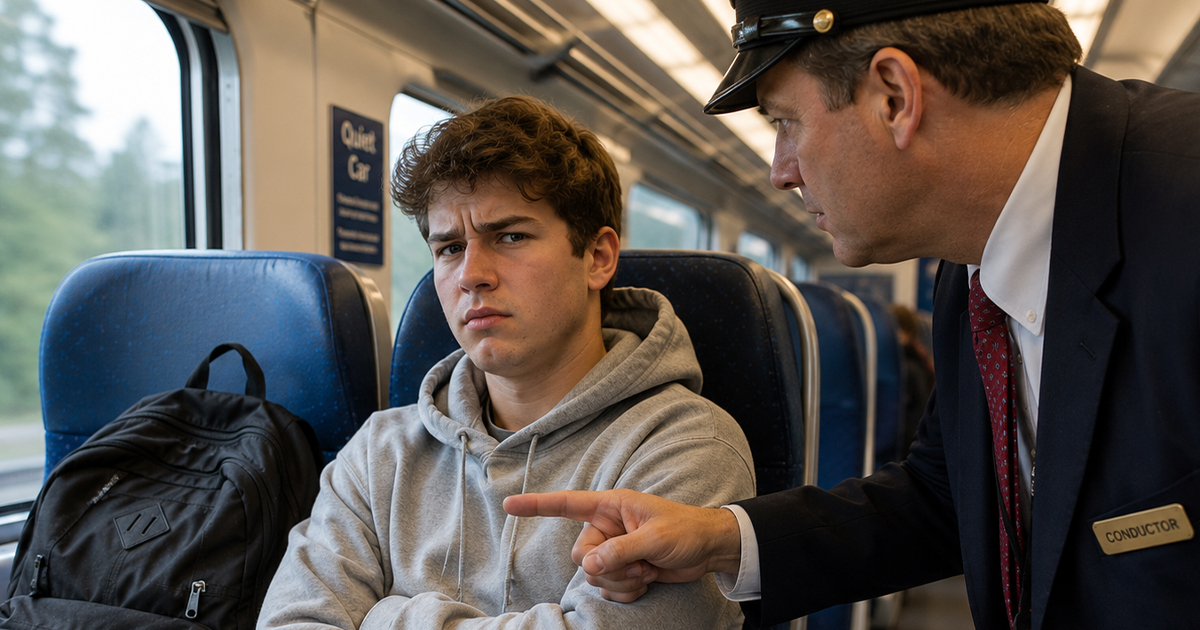
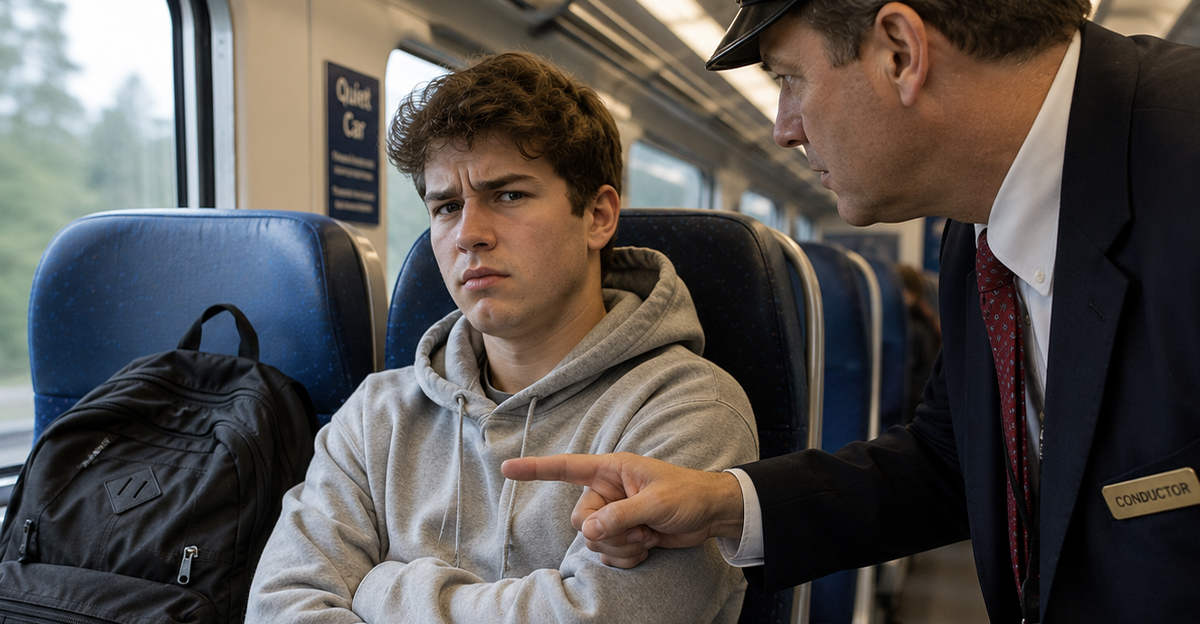
You board the train, spot two decent seats, and drop your backpack on one to save it for your friend. It feels harmless—maybe even polite. Then the conductor walks over and says you have to move it. Is saving a seat really against the rules?
It's a deeper matter than you may think.
Why This Feels Totally Reasonable
In everyday life, saving a seat is normal. At a movie theater, at a café, even at a gate before boarding—you hold a spot for someone, no big deal. So naturally, it feels like the same logic should apply on a train. But public transportation doesn’t always follow social norms—it follows operational rules.
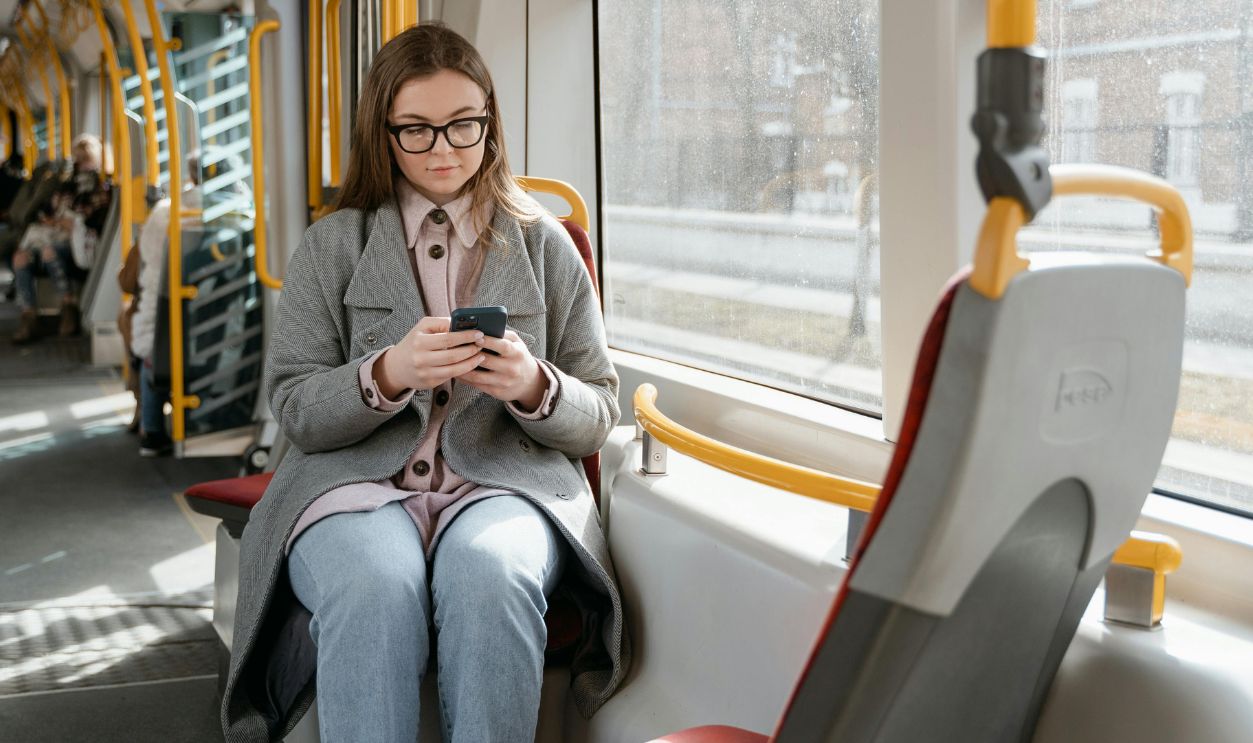
How Train Seating Actually Works in the US
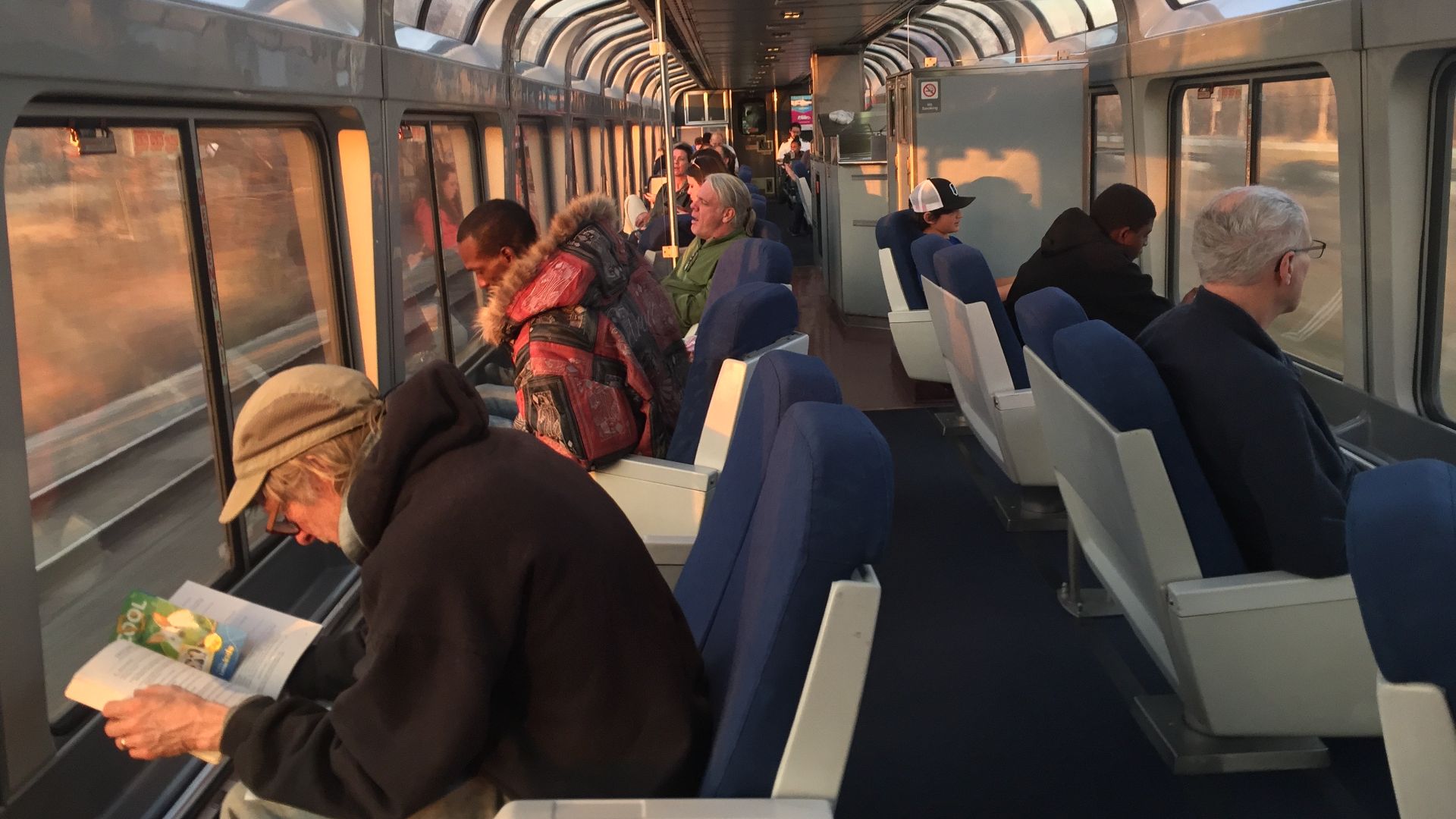
On most US trains—especially commuter rail and Amtrak coach seating—it’s first-come, first-served. There are no assigned seats unless you’re in a specific reserved class. That means every open seat is considered available to any paying passenger physically on board, not someone who hasn’t boarded yet.
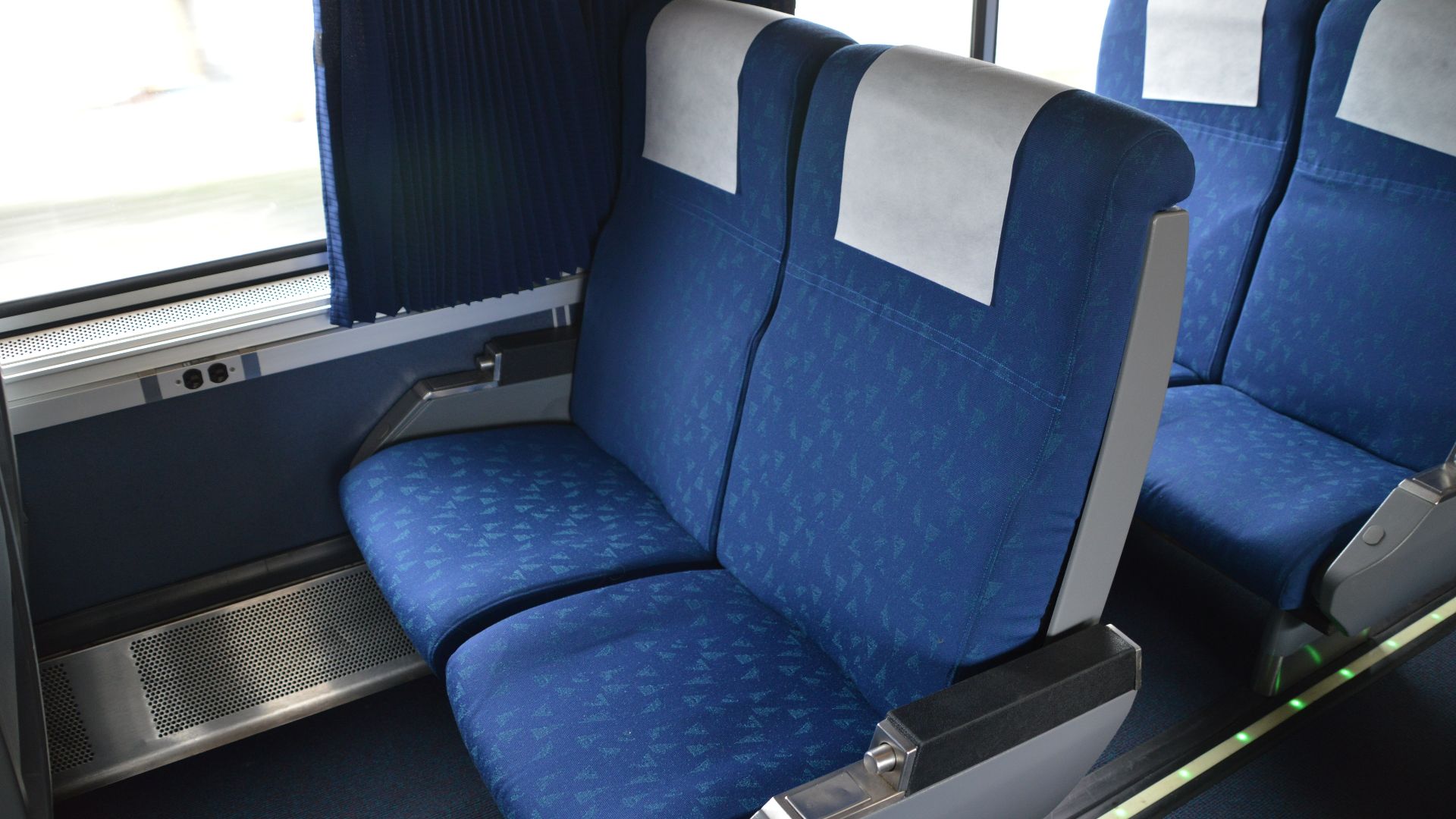
The Big Issue—Seat Availability for Paying Passengers
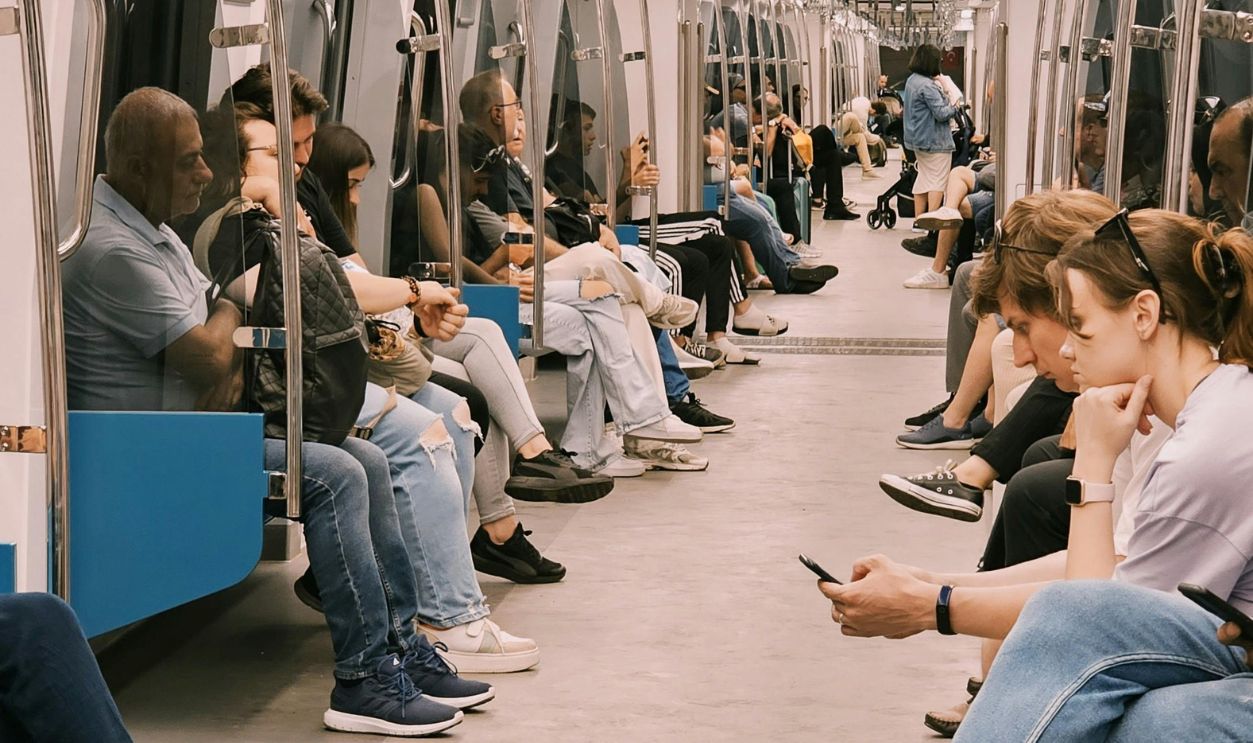
Train operators are focused on one thing: maximizing available seating. If someone is standing while a seat is “occupied” by a backpack, that’s considered inefficient use of space. Conductors are trained to keep seats open and accessible to actual passengers at all times.
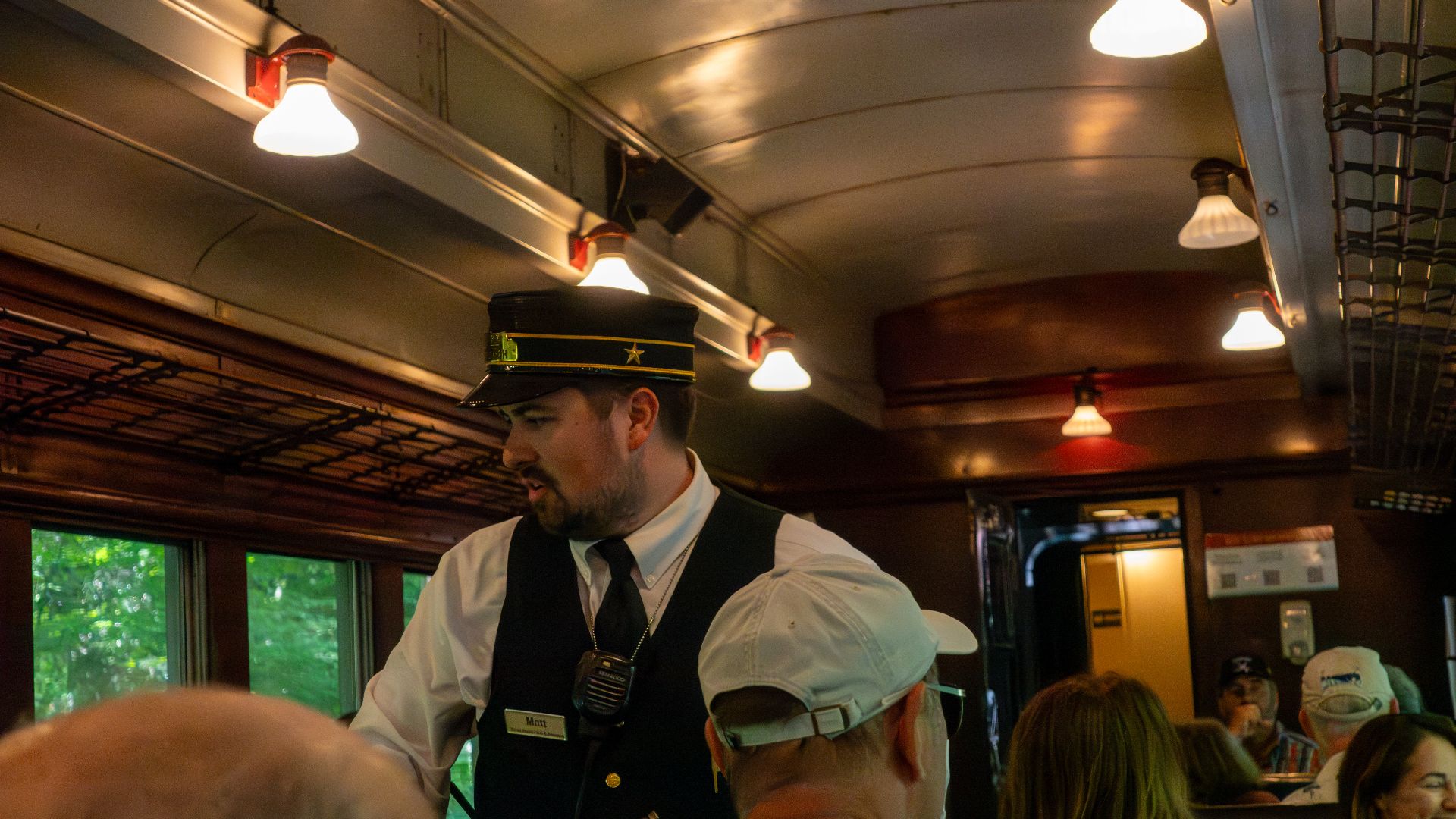
What Amtrak and Transit Agencies Say
Amtrak and many regional systems have guidelines stating that seats are for passengers, not luggage. While you won’t see a big “no backpacks on seats” sign everywhere, it falls under general conduct rules requiring passengers to not obstruct or misuse seating.
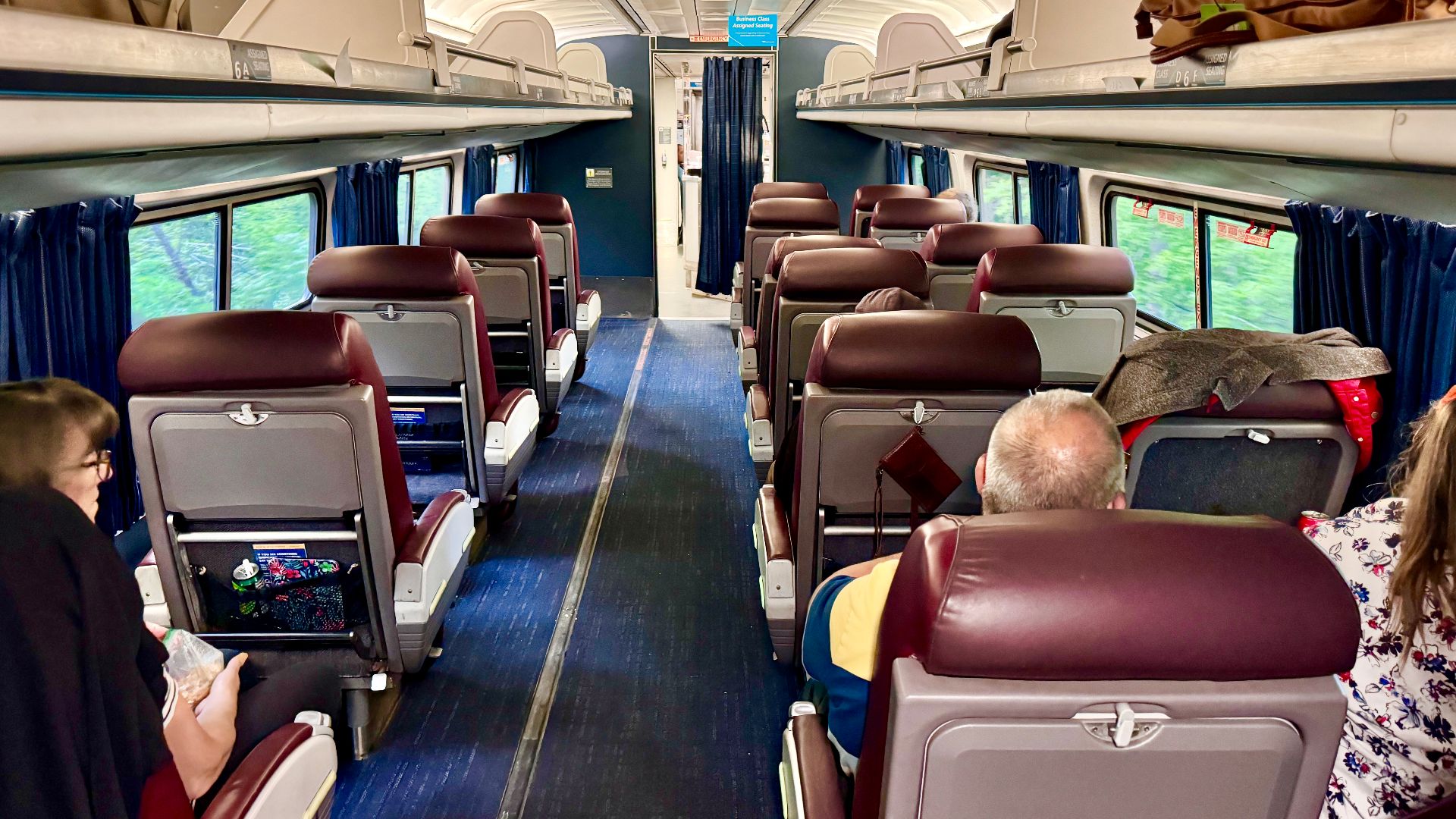 Harrison Keely, Wikimedia Commons
Why Conductors Step In Quickly
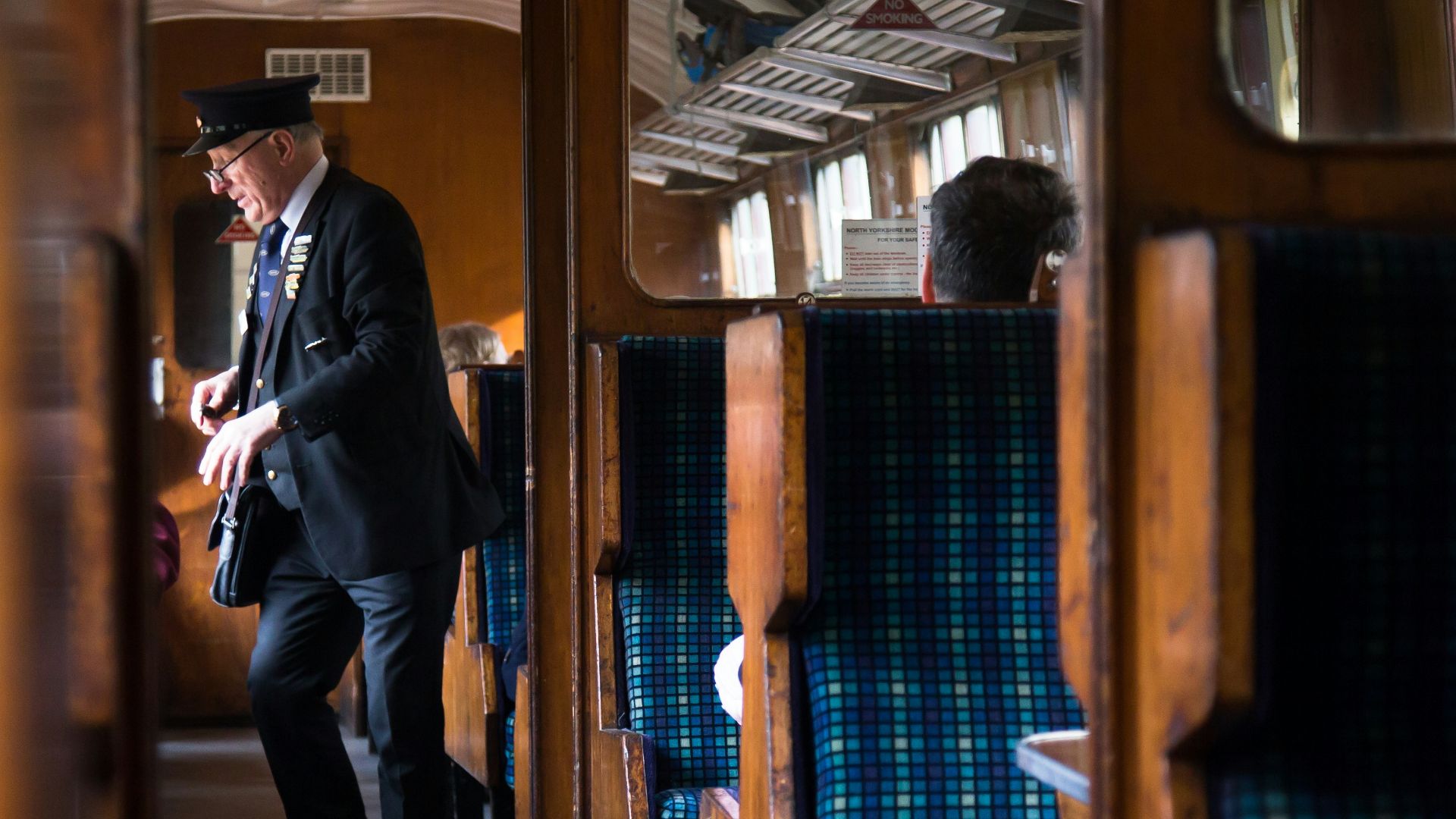
Conductors are responsible for safety, order, and fairness. If they see a bag taking up a seat while others are standing, they’ll step in immediately. It’s not about being strict—it’s about preventing arguments and keeping things moving smoothly.
It’s Not Personal—It’s Policy
Even if your friend is “literally about to board,” the conductor can’t make exceptions based on that. They don’t know your situation, and they can’t enforce rules differently for each passenger. The policy has to be consistent for everyone.
What Happens During Peak Travel Times
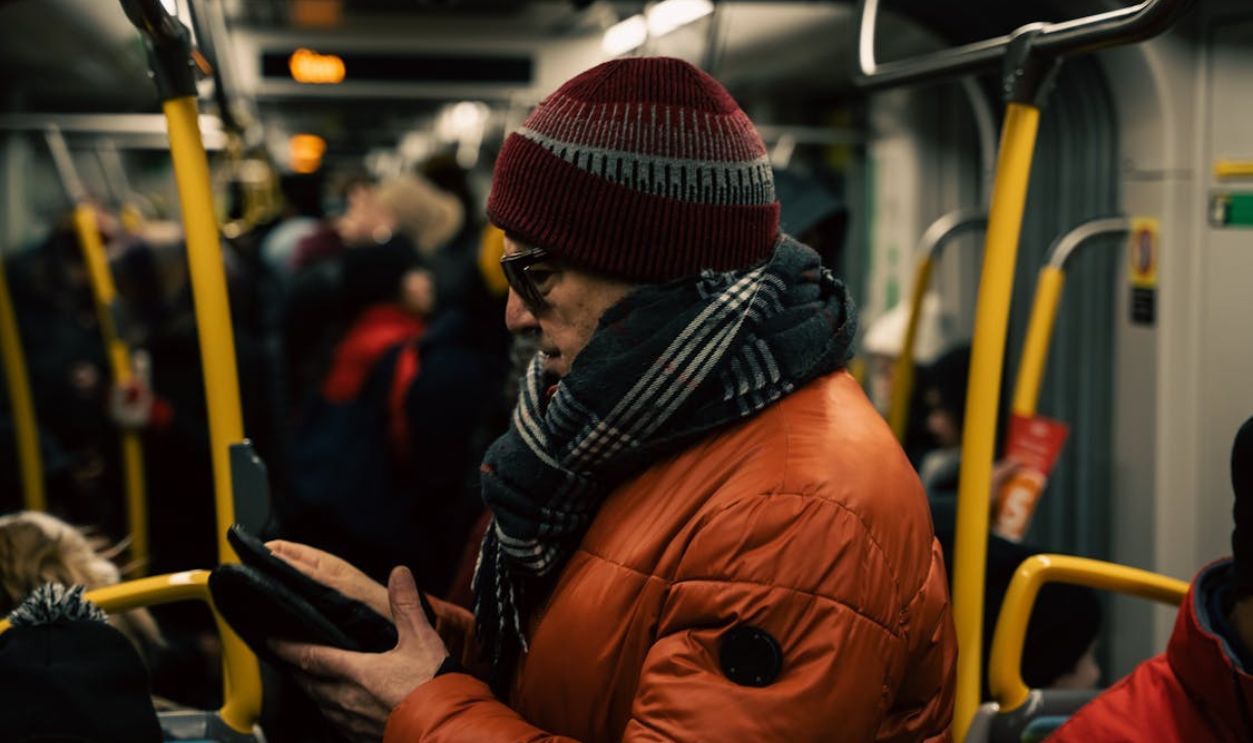
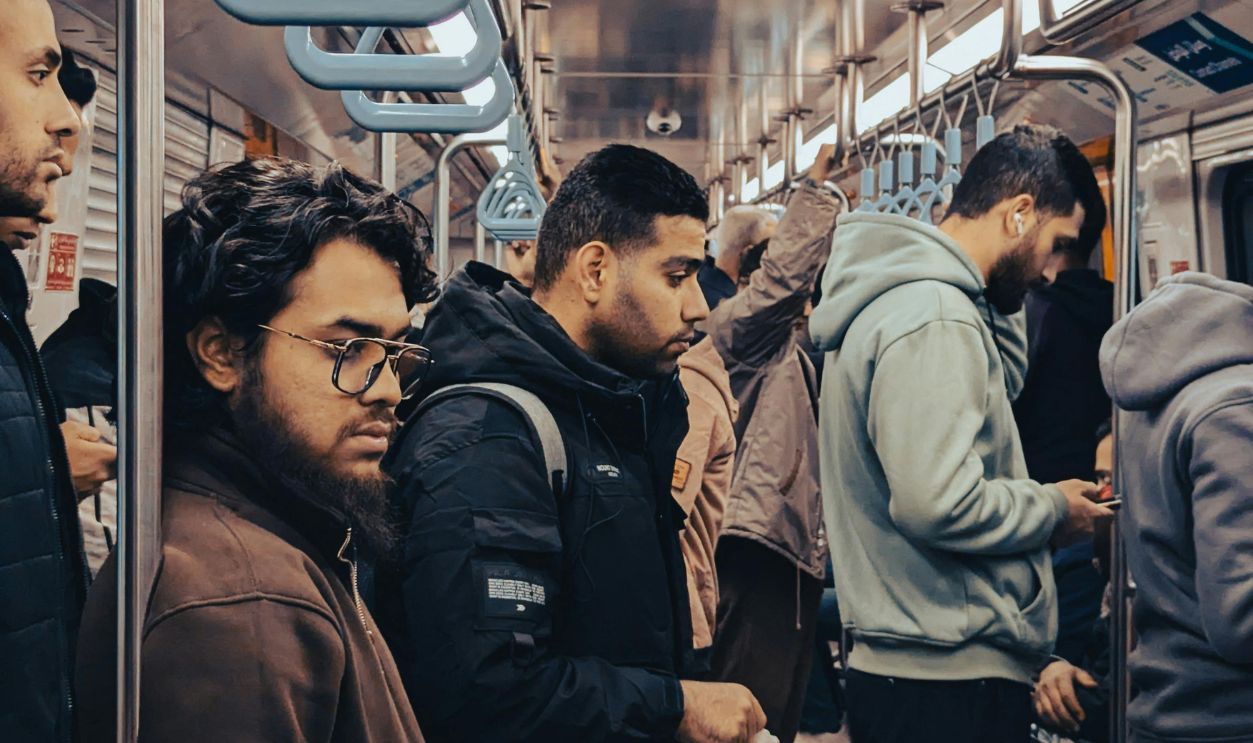
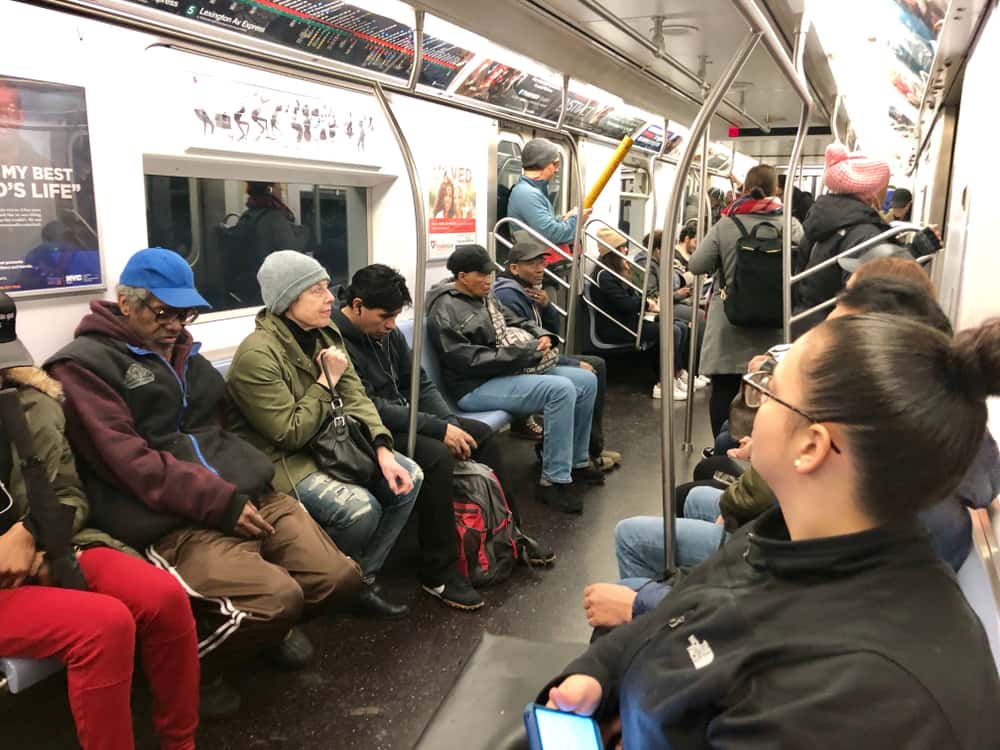
This rule becomes much stricter during rush hour or busy routes. On packed commuter trains in cities like New York, Chicago, or Boston, seat-saving is almost never tolerated. If the train is crowded, bags must go on your lap or under your seat—no exceptions.
Could You Be Asked to Move It Immediately?
Yes—often without warning. If another passenger approaches the seat or if the conductor notices it, you may be told right away to clear it. There’s usually no grace period once the train starts filling up.
What If You Refuse to Move Your Bag?
Refusing a conductor’s instruction can escalate quickly. While it’s rare, you could be warned, reported, or even removed from the train at the next stop. Train staff have authority to enforce rules to maintain order onboard.
Are There Any Situations Where It’s Allowed?
If the train is mostly empty, you might not be bothered. But that’s more about practicality than permission. The moment the train fills up or someone needs the seat, the expectation is that you’ll give it up immediately.
Why This Rule Exists Beyond Fairness
It’s also about efficiency and safety. Train aisles need to stay clear, and seating needs to be predictable. If passengers start improvising their own “reservation systems,” it creates confusion and delays.
What About Reserved Seating Cars?
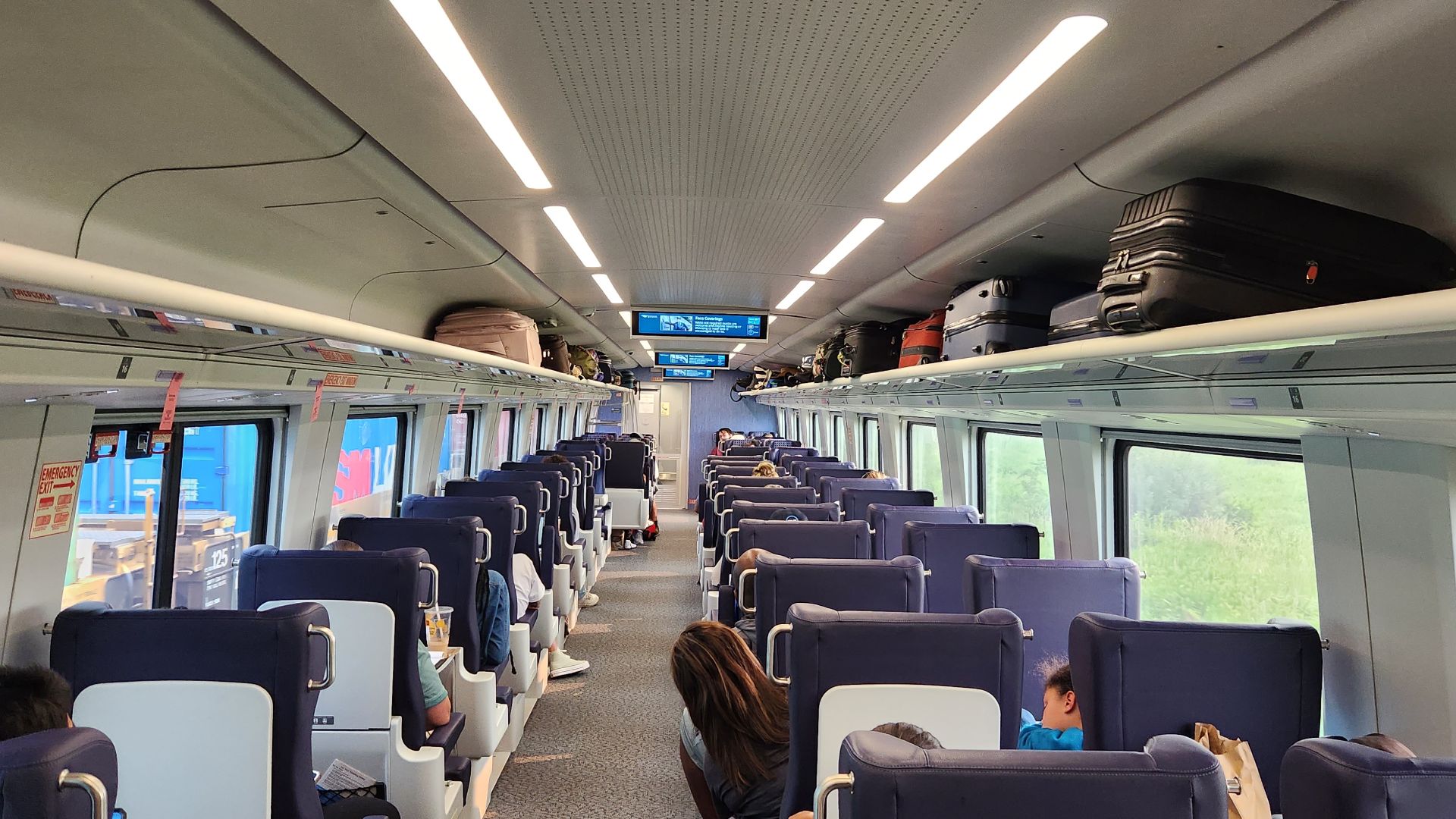
Some Amtrak routes offer reserved seating, but even then, you’re only entitled to your assigned seat—not an extra one for a friend. Holding additional seats still isn’t allowed unless they’re specifically booked.
The Social vs. Official Rule Conflict
Socially, saving a seat feels polite. Officially, it’s discouraged. That’s why situations like this feel frustrating—you’re following one set of expectations while the train is enforcing another.
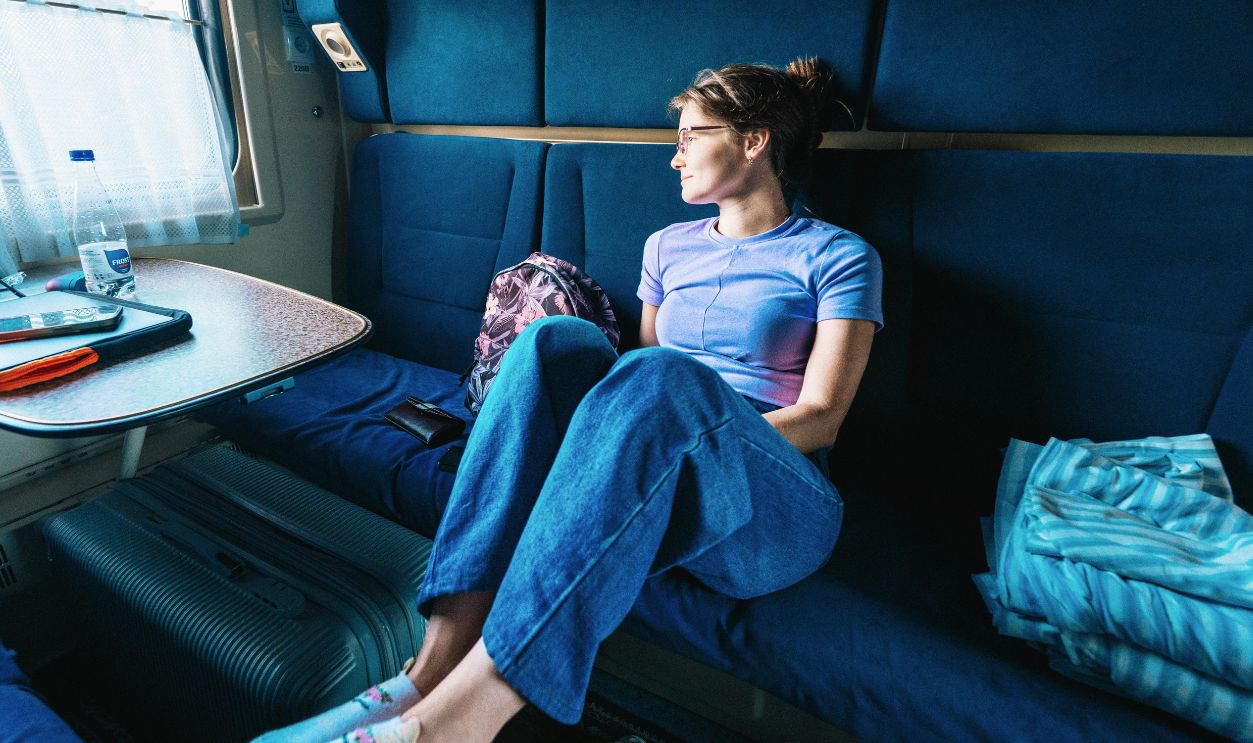
Could You Explain It to the Conductor?
You can try, and sometimes they might allow it briefly if the train is empty. But once other passengers are involved, the rule takes priority. Don’t expect exceptions once demand increases.
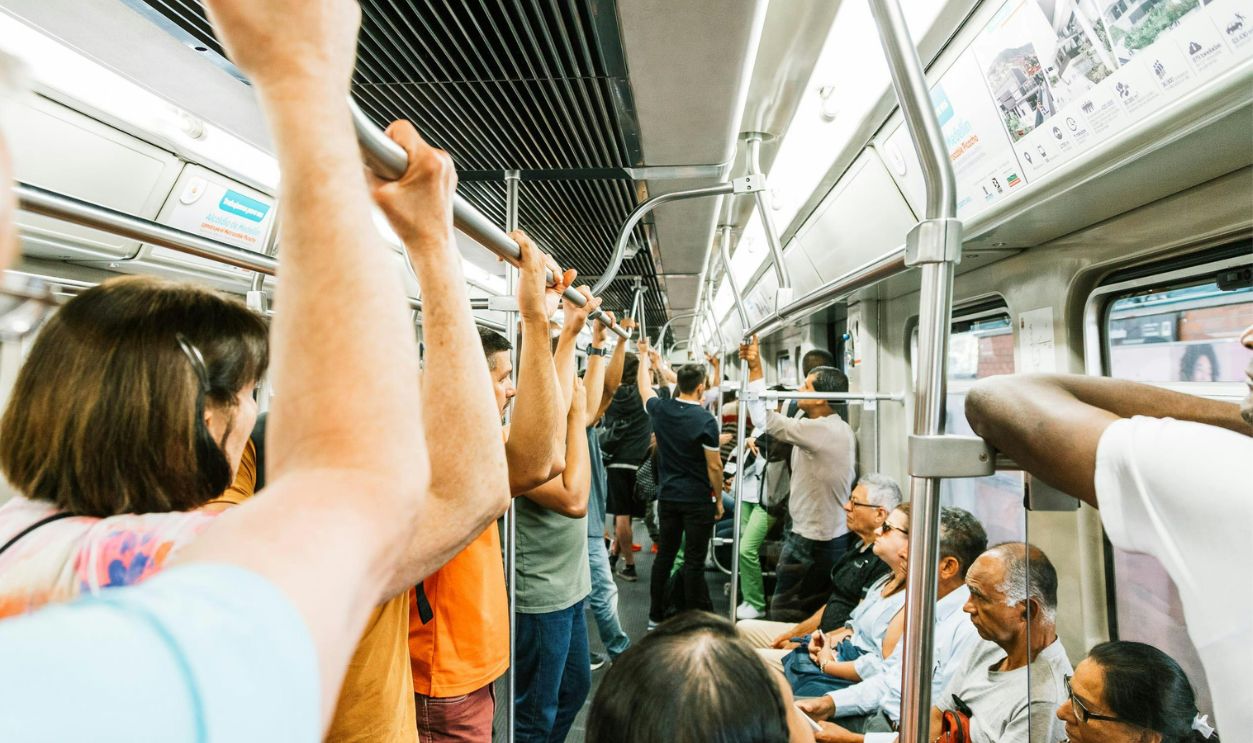
How Other Passengers See It
To someone standing nearby, a backpack in a seat doesn’t look like “saving”—it looks like someone taking up extra space. That perception is exactly what train staff are trying to avoid.
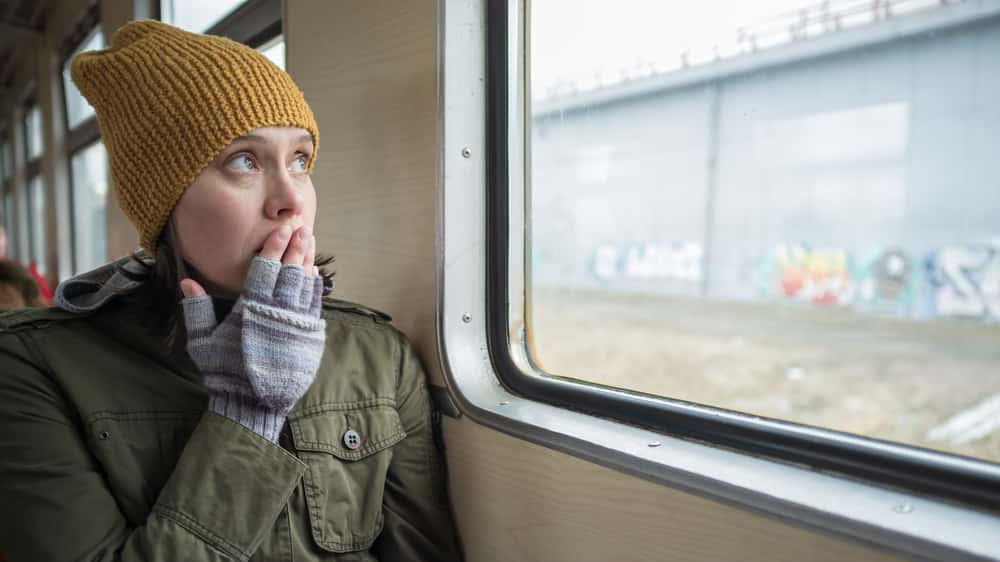
So… Can They Seriously Make You Move It?
Yes, absolutely.
In the US, train staff have full authority to enforce seating rules, and that includes requiring that seats be used only by passengers—not bags or placeholders.
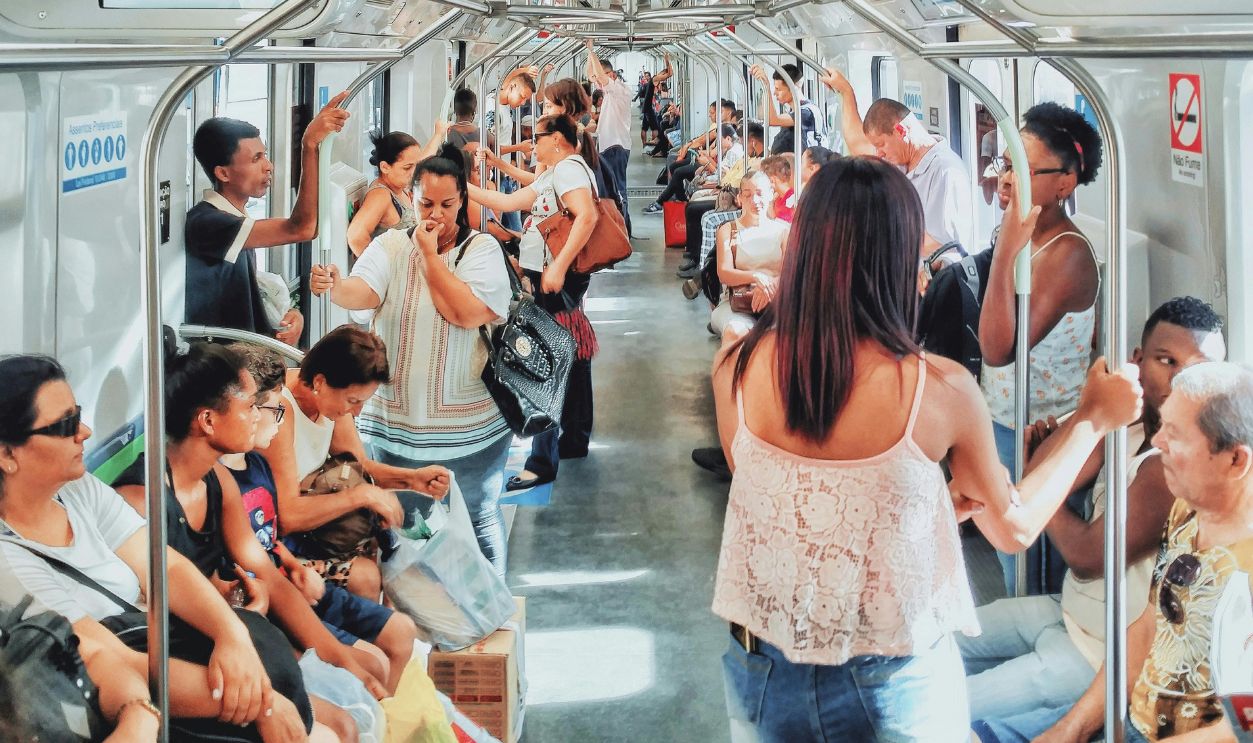
The Smart Way to Handle It Next Time
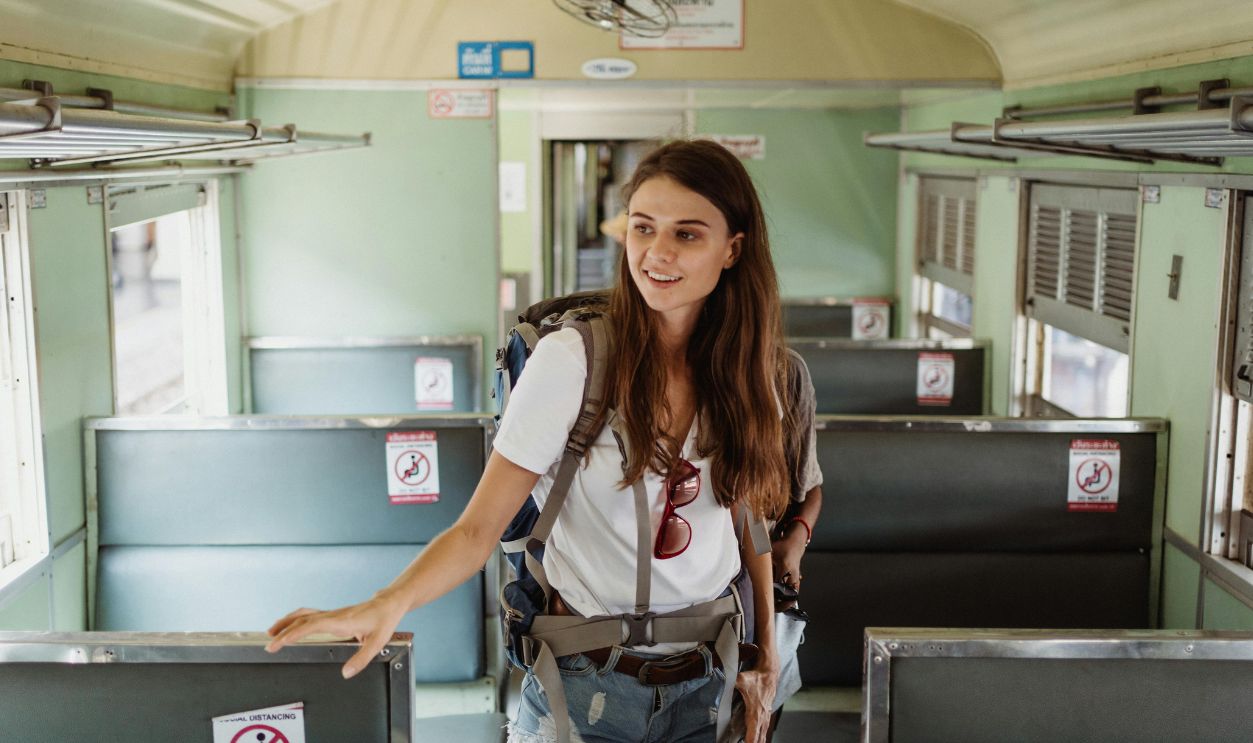
Coordinate boarding with your friend if possible. If that’s not an option, grab seats together once both of you are onboard. Timing beats strategy when it comes to train seating.

The Bottom Line for Train Etiquette
Seats are a shared resource, not something you can temporarily “claim.” On a train, availability always favors the people physically present.
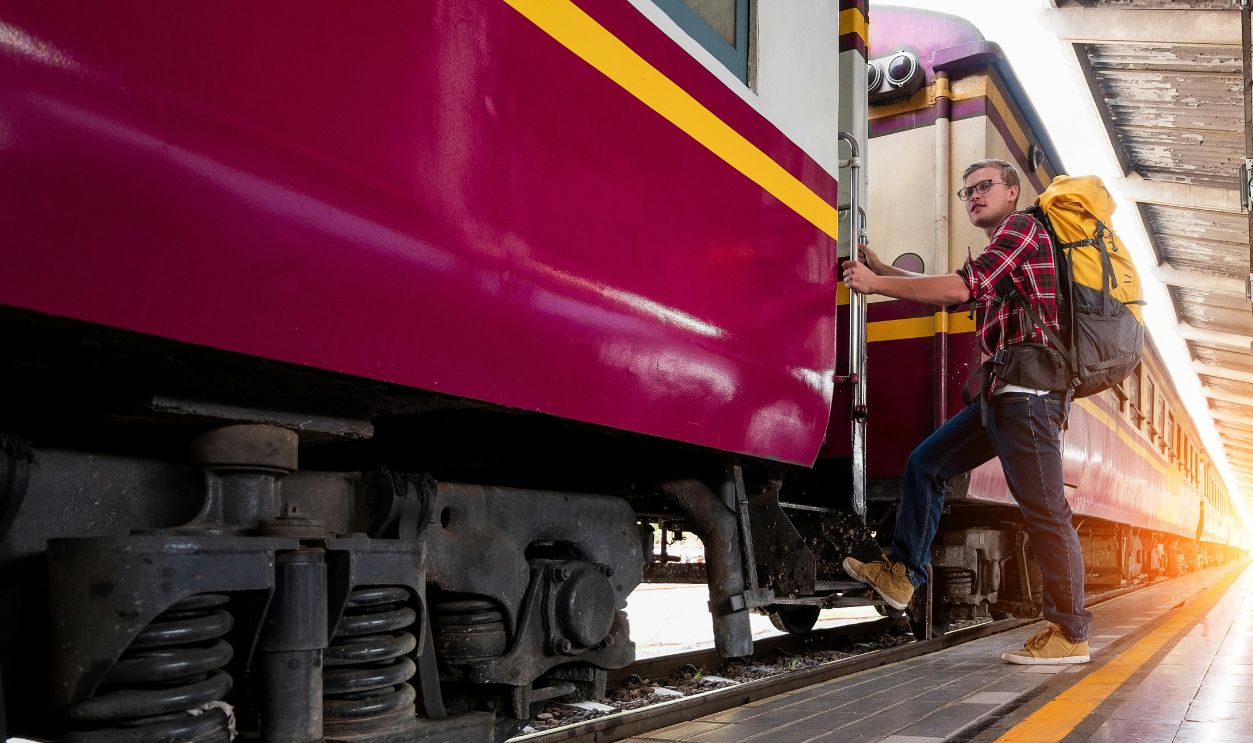 veerasak Piyawatanakul, Pexels
One Last Thought Before You Drop Your Bag
Next time you set your backpack down to save a seat, you might pause and think—am I holding a spot… or just holding it until someone else needs it more? Because on a train, that answer comes quickly.

You May Also Like: