It Can Feel Familiar Until Suddenly It Doesn't
Small-town Quebec can look recognizable at first: farms, highways, diners, convenience stores, and quiet main streets. Then the church steeples appear, everyone around you is speaking French, the "river" starts looking like an ocean, and lunch comes from a casse-croûte you've never heard of. The differences aren't always dramatic, but they pile up quickly.
Cheese Is Taken Very Seriously
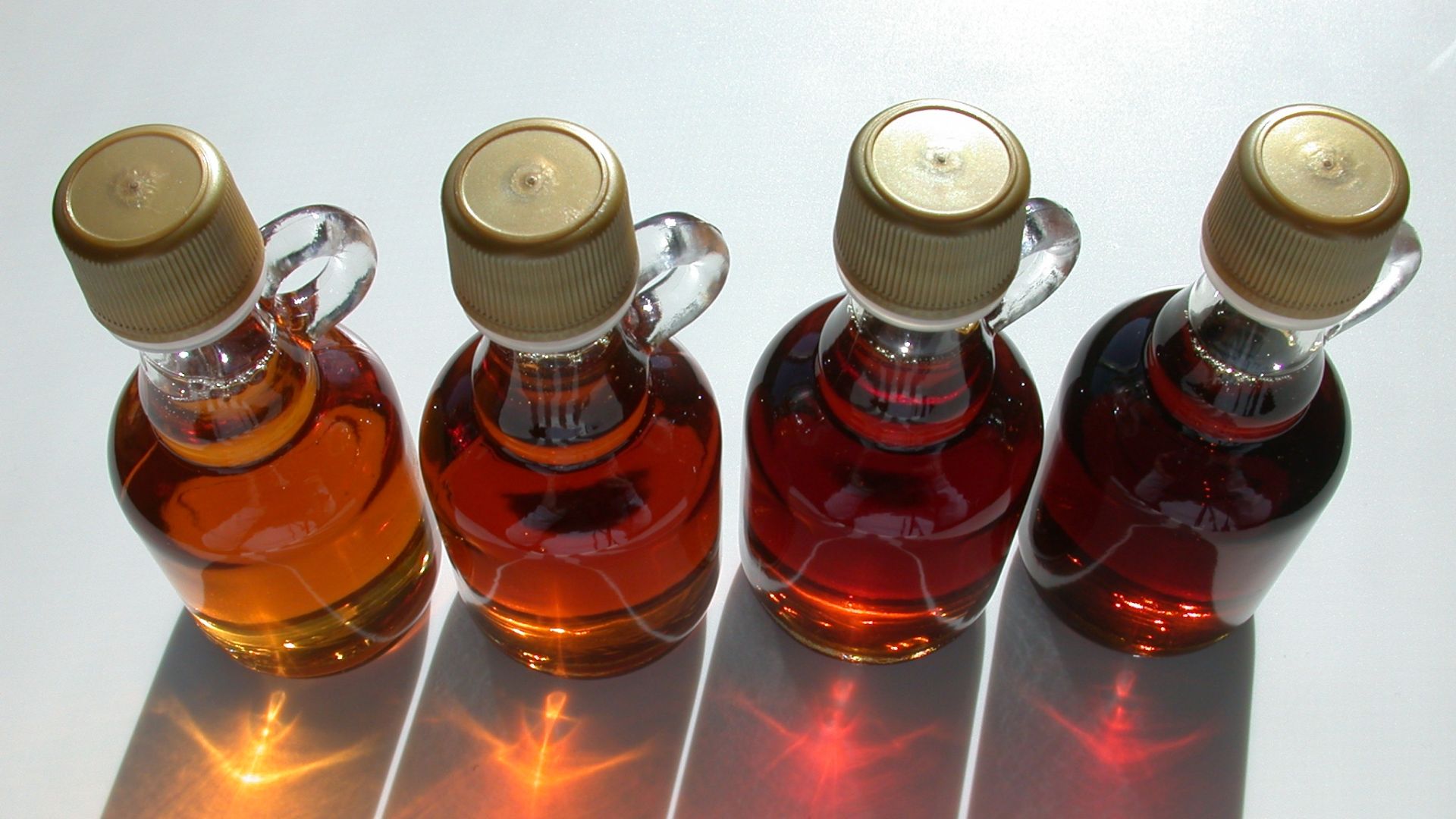
Quebec's cheese culture can catch visitors completely off guard. There are producers scattered throughout the province making everything from soft washed-rind cheeses and blues to cheddars and firm alpine-style varieties. Fromages d'ici lists more than 1,000 Quebec cheeses and dozens of cheesemakers spread across multiple regions. Even grocery stores in smaller communities can devote impressive space to local varieties. The result feels particularly distinctive in rural areas, where a celebrated fromagerie may be one of the community's best-known destinations rather than a niche specialty shop.
Maple Products Go Far Beyond Syrup
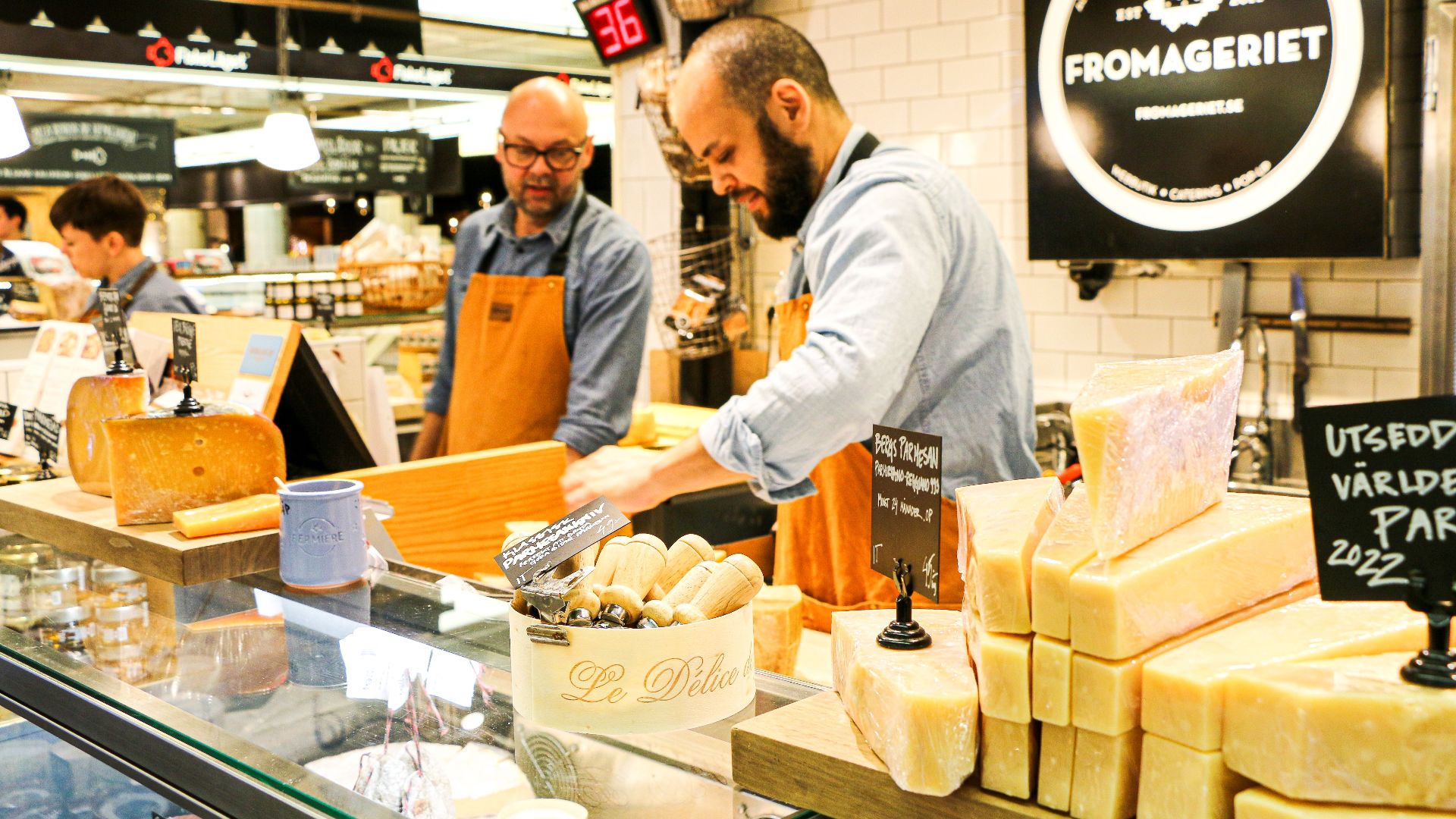
Maple syrup is only the beginning. Visitors soon encounter maple butter, maple sugar, hard candies, soft candies, taffy, pies, cookies, sauces, vinaigrettes, drinks, and products most Americans have probably never considered maple-flavored. During sugaring season, traditional cabanes à sucre turn maple production into an entire meal and social event. In regions with substantial maple production, it doesn't feel like a tourist gimmick added to pancakes. It's an agricultural product with a long local tradition and a surprisingly large supporting cast.
French Really Is The Default Language
Visitors who spend most of their Quebec trip in Montréal can underestimate just how thoroughly French dominates daily life elsewhere in the province. In many smaller communities, it's the language at the bakery, gas station, grocery store, municipal office, and next table at lunch. Quebec officially defines French as its sole official and common language, and outside heavily bilingual areas that can be immediately obvious. English-speaking visitors shouldn't assume every interaction will automatically switch languages simply because they're tourists.
The Architecture Can Feel Surprisingly European
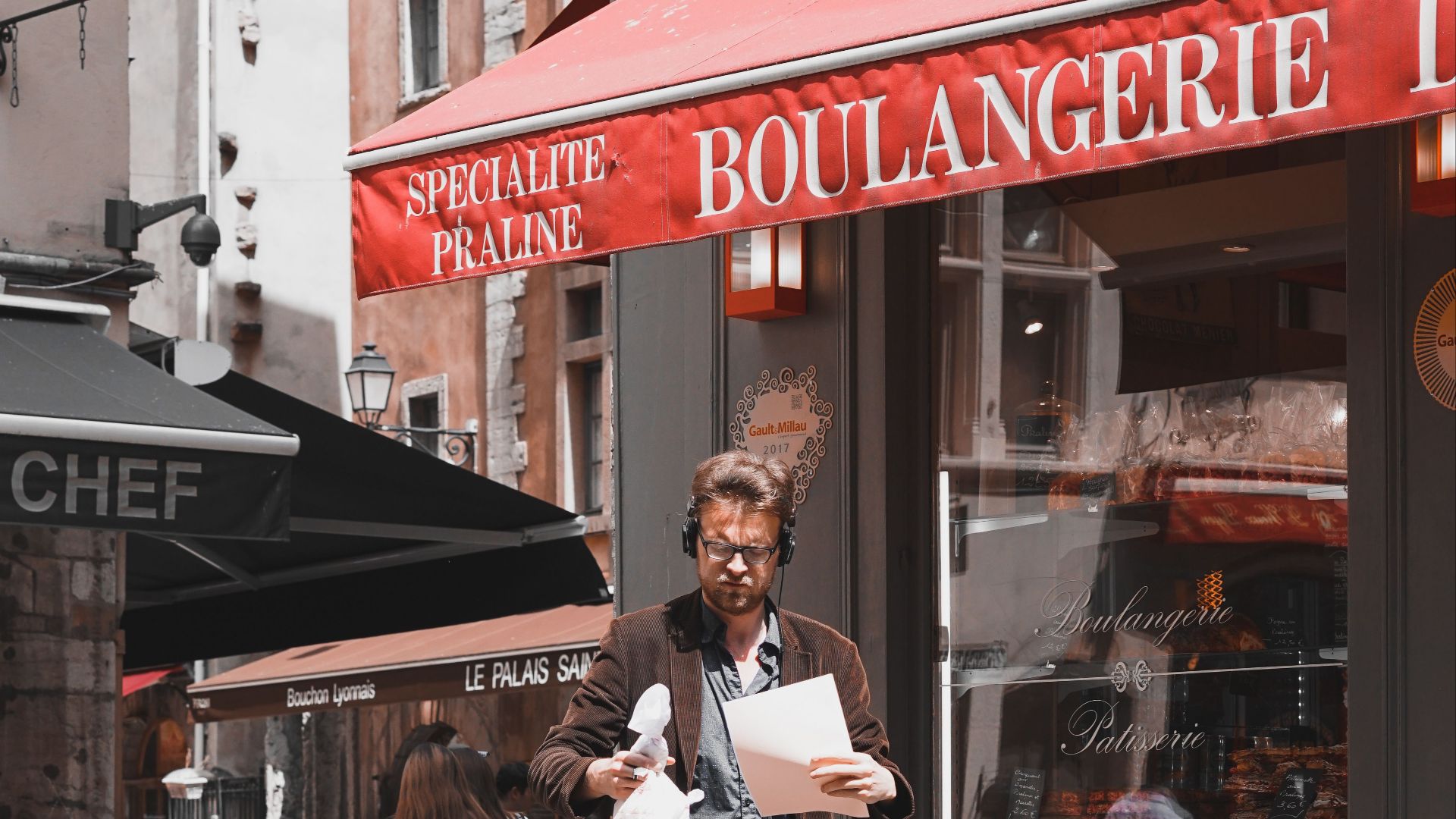
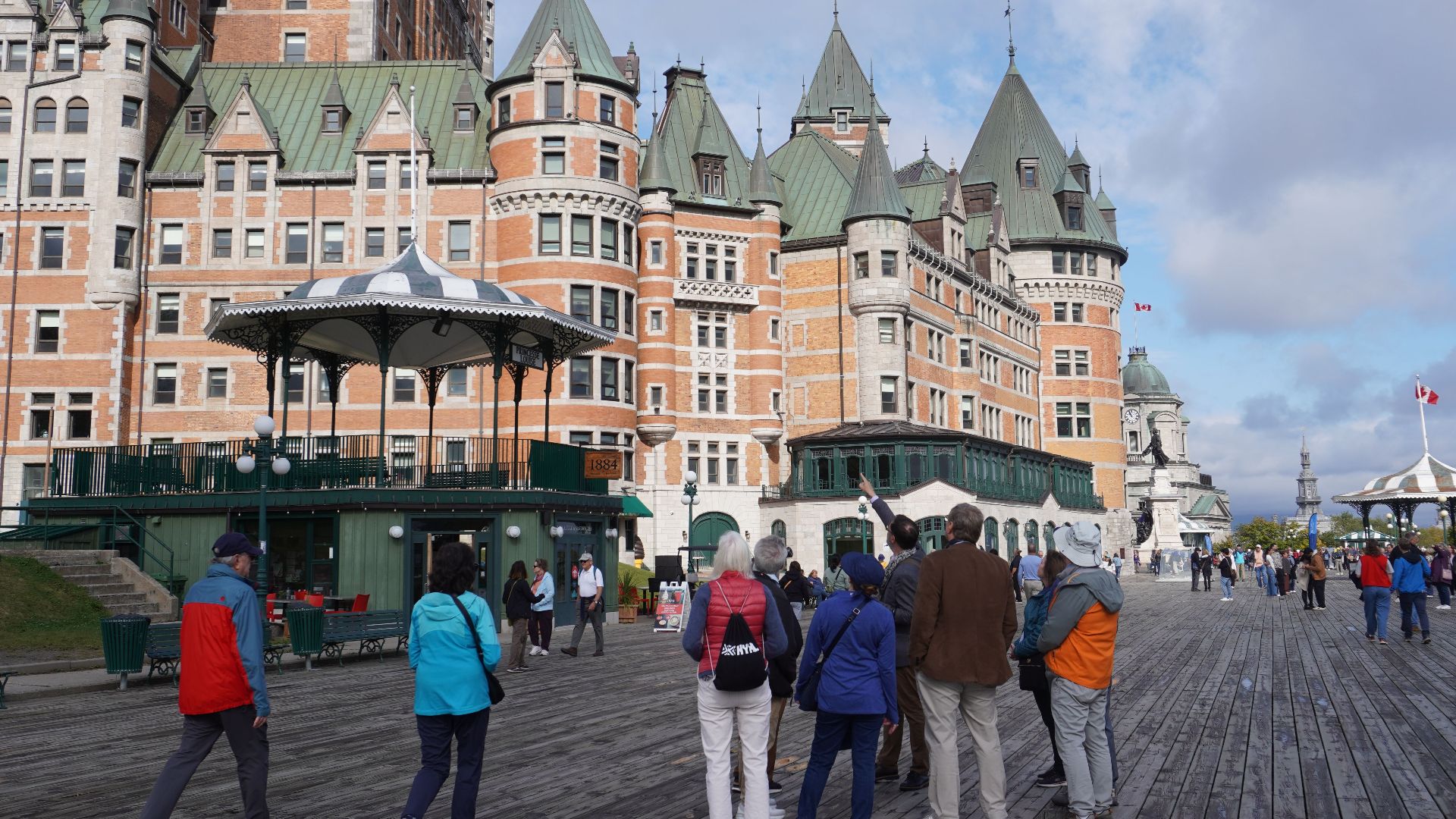
Stone houses, steep roofs, village churches, older farmhouses, narrow streets, and historic homes can make parts of rural Quebec look unexpectedly different from neighboring regions of the United States and Canada. Along the St Lawrence especially, some communities developed around parish churches and ribbon-like settlement patterns dating back centuries. Roads such as the Chemin du Roy pass ancestral homes and old villages instead of the broad commercial strips familiar to many American travelers. Nobody will mistake rural Quebec for rural France, but the historical connection isn't difficult to see.
People Spend A Lot Of Time Outdoors Even When It’s Cold
Winter is inconvenient in Quebec, but it isn't generally treated as a reason to spend four months hiding indoors. Snowshoeing, skiing, skating, snowmobiling, fat biking, ice fishing, and winter festivals remain part of life in many regions. Gaspésie alone promotes hundreds of kilometers of cross-country skiing and snowshoeing trails alongside an enormous snowmobile network. Americans from Minnesota, Maine, or northern New England won't find the attitude especially foreign. Someone visiting from Florida or Texas may wonder why so many people appear genuinely excited to spend their Saturday outdoors at minus 15.

Summer Festivals Can Take Over An Entire Town
Small population doesn't necessarily mean small event. Quebec communities regularly organize music festivals, food celebrations, agricultural fairs, sporting events, traditional gatherings, and arts festivals that can completely change the atmosphere for a weekend. Gaspésie, for example, hosts major music, photography, storytelling, journalism, and traditional-culture festivals across communities that are tiny compared with the audiences they sometimes attract. Arrive without knowing what's happening and you may wonder why every parking space and hotel room has suddenly disappeared.
Poutine Isn't Treated Like A Tourist Novelty
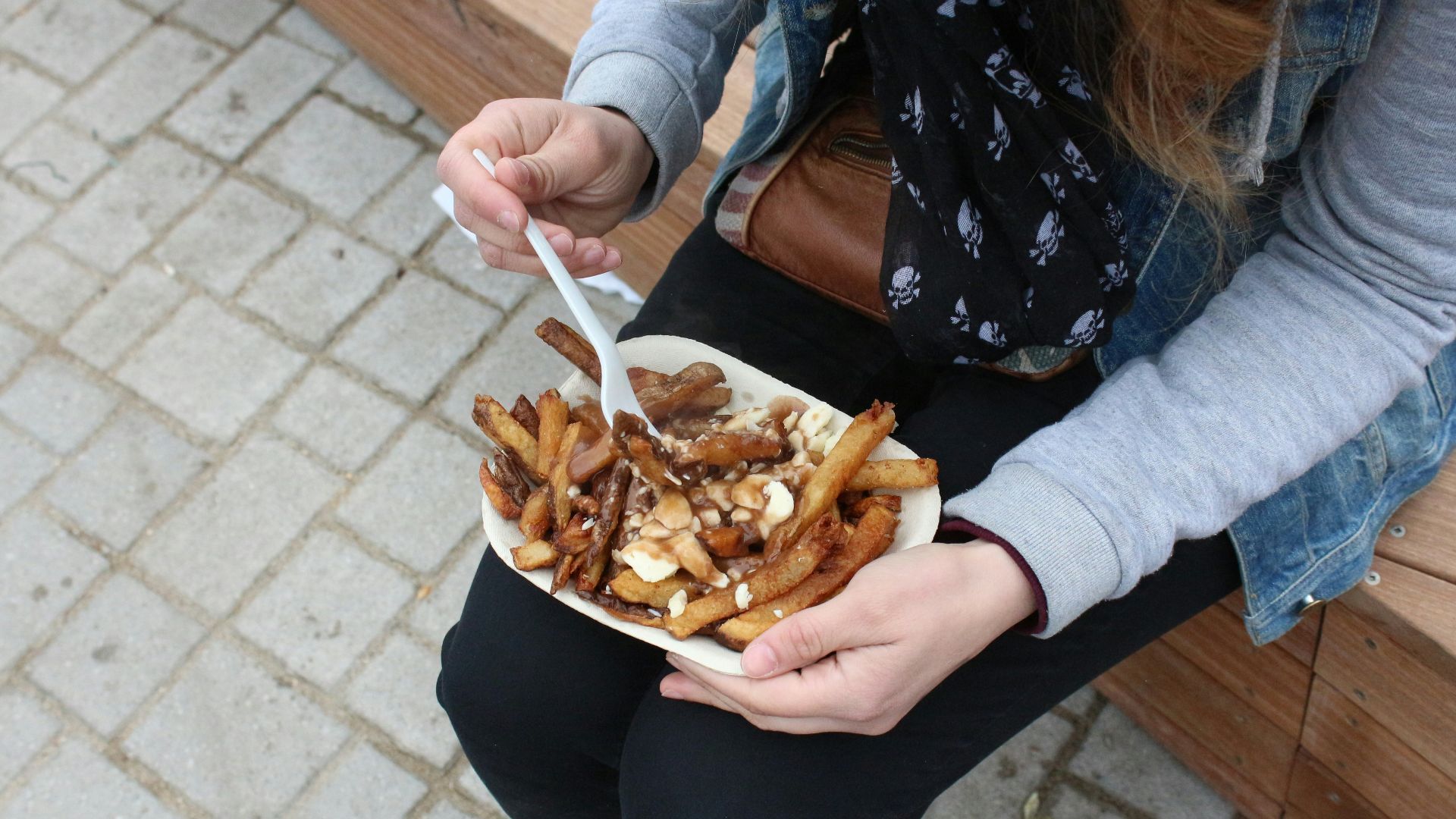
Visitors may arrive thinking of poutine as the famous Quebec dish they're supposed to try once. Locals are much more likely to treat it as ordinary comfort food. Roadside restaurants and snack bars may offer several versions, with additions ranging from smoked meat to sausage or pulled pork. There can also be intense local loyalty over which nearby place has the right fries, gravy, and cheese curds. The most memorable poutine isn't necessarily at a trendy restaurant in Montréal. It may come in a paper container from an unassuming roadside counter in a town you've barely heard of.
A Simple “Bonjour” Matters More Than People Expect
Nobody expects an American visitor to suddenly produce flawless Quebec French. Still, starting an interaction with "bonjour," "s'il vous plaît," or "merci" can go surprisingly far. Travelers repeatedly report that making even a small effort changes the tone of encounters, especially in communities where people conduct almost all of their lives in French. The conversation may quickly move into English once the other person hears your accent, but you've already communicated something useful: you understand that you're visiting a French-speaking place rather than expecting the place to adapt entirely to you.
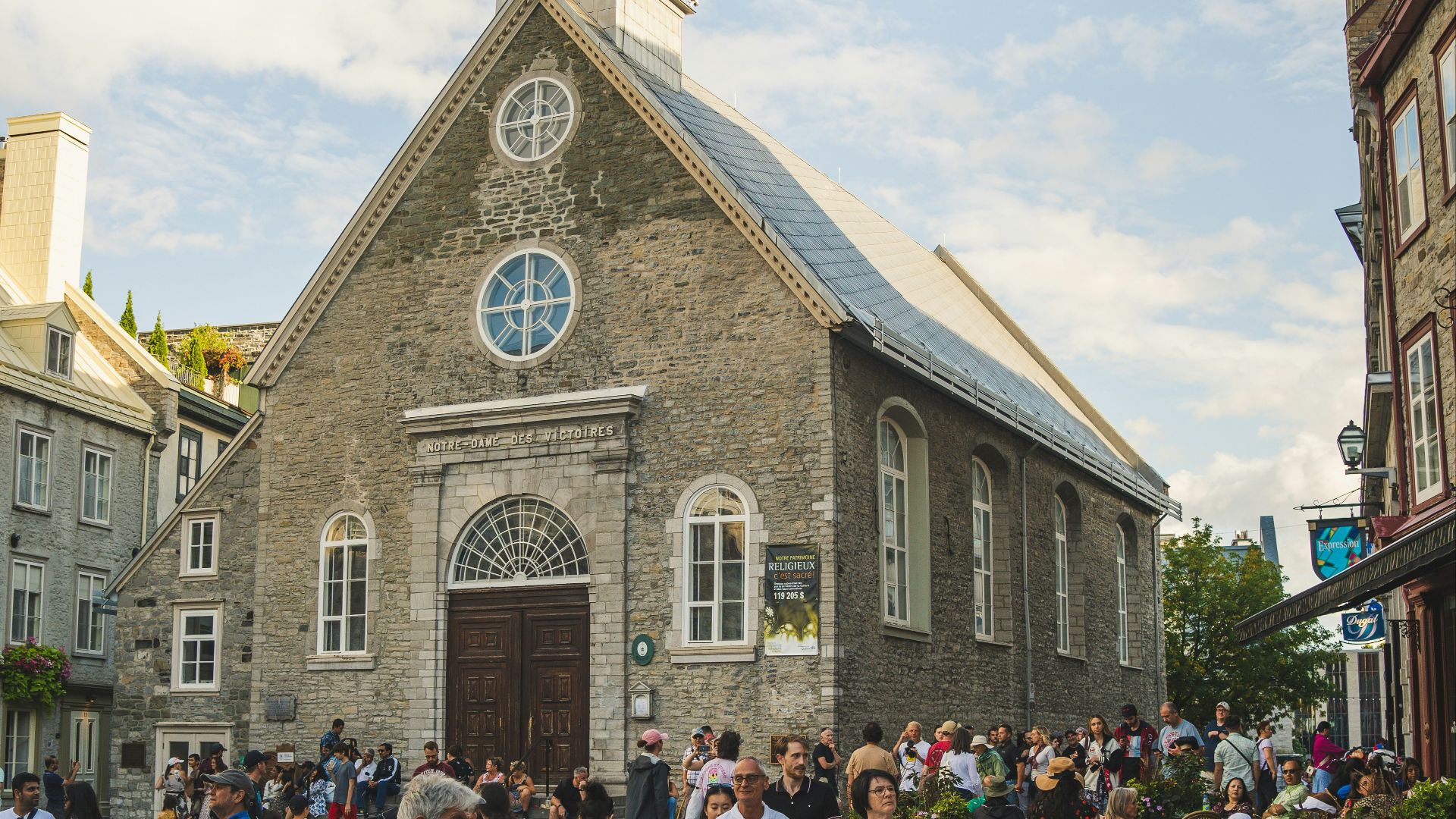
Churches Still Dominate The Skyline
Drive toward a small Quebec village and there's a good chance you'll spot the church before almost anything else. Huge Catholic churches were often constructed at the center of relatively tiny communities, with towers and steeples visible across miles of farmland. Quebec society has become far more secular than it once was, and some church buildings now face uncertain futures or different uses. Visually, however, Catholicism remains written all over the landscape. A church that looks large enough for a small city may turn out to belong to a village of only a few thousand people.
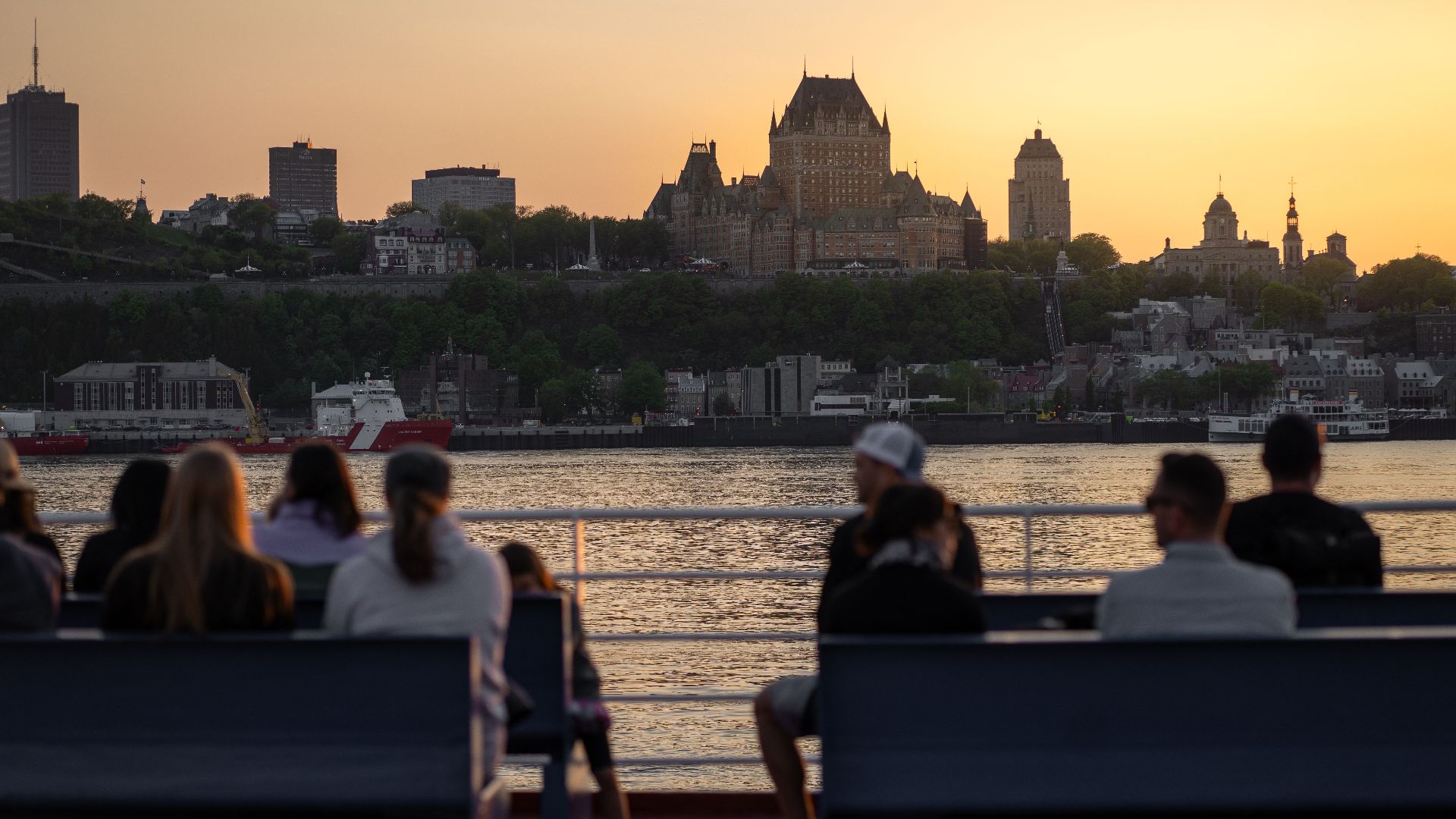
The St Lawrence Feels Almost Like An Inland Sea
Calling the St Lawrence a river can feel increasingly inadequate as you travel east. It becomes enormously wide, saltwater begins mixing into the system, whales appear in parts of the estuary, and the opposite shore may become difficult or impossible to see. Communities in Charlevoix, Bas-Saint-Laurent, and Gaspésie are oriented toward it in a way that feels unmistakably maritime. Scenic highways run beside cliffs and beaches, ferries cross the water, and villages look outward toward it. An American expecting an ordinary riverfront drive may end up feeling like they're traveling along a coastline.
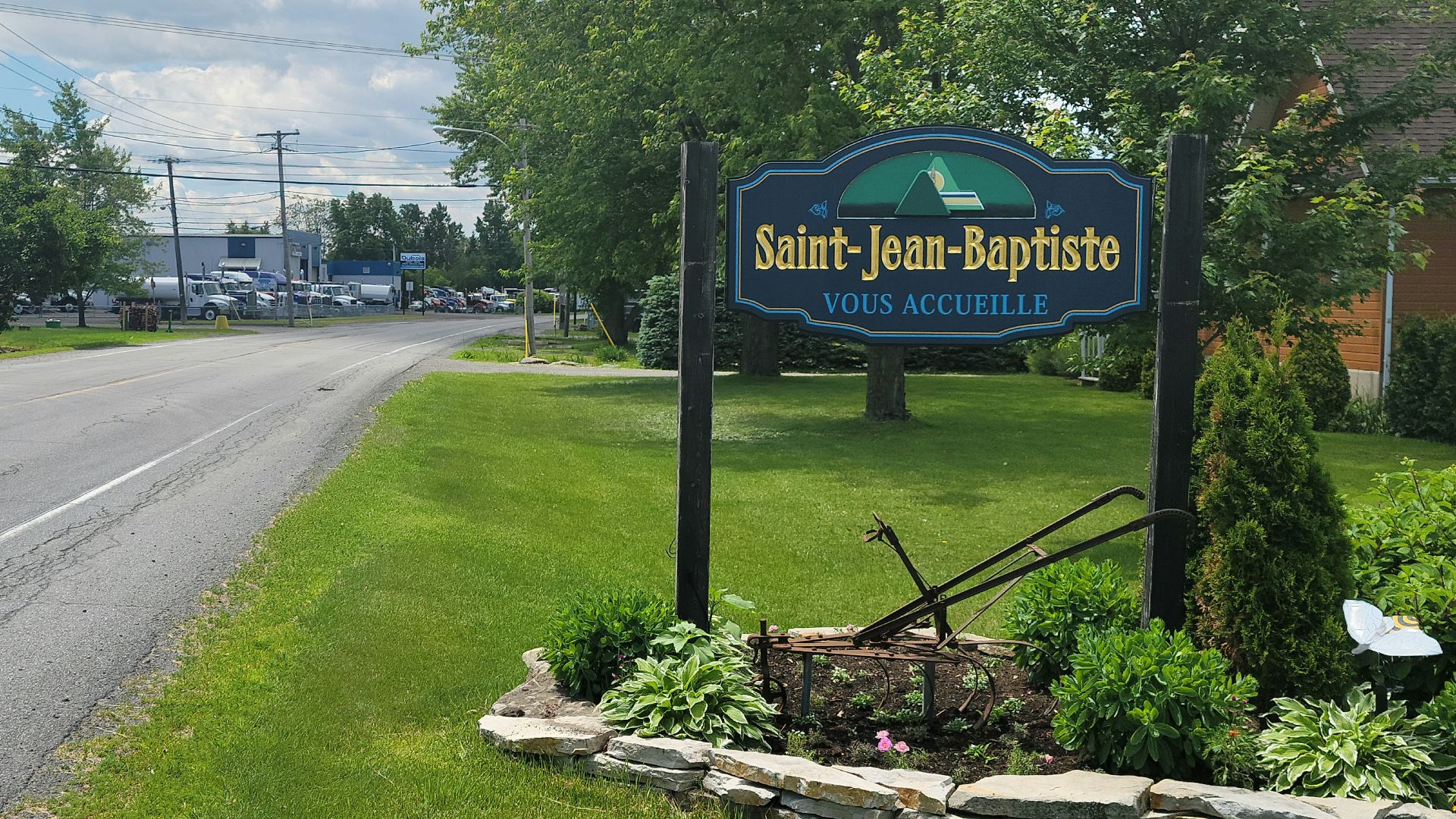
Village Names Sound Completely Different From The Rest Of Canada
Once travelers notice the pattern, it's impossible to stop seeing it. Sainte-Anne, Saint-Joseph, Saint-Fabien, Saint-Irénée, Notre-Dame, Saint-Pacôme, and countless other Catholic names appear on road signs throughout the province. Some are attached to wonderfully long municipal names that challenge anyone trying to read a sign at highway speed. The convention reflects Quebec's historical parish structure and Catholic heritage, giving road trips a vocabulary that feels distinctly different from driving through Maine, Vermont, Ontario, or most other nearby regions.
The Villages Can Look Remarkably Well Preserved
Historic houses haven't disappeared from many Quebec villages just because newer development arrived. Old mills, traditional homes, churches, barns, inns, and compact streetscapes still shape communities across regions such as Charlevoix, Île d'Orléans, and Bas-Saint-Laurent. Quebec tourism organizations even promote routes specifically connecting preserved villages and historic roads. The effect can be striking for visitors accustomed to North American towns where the oldest section has been surrounded or replaced by highways, strip malls, and newer subdivisions.

Local Food Producers Are Everywhere
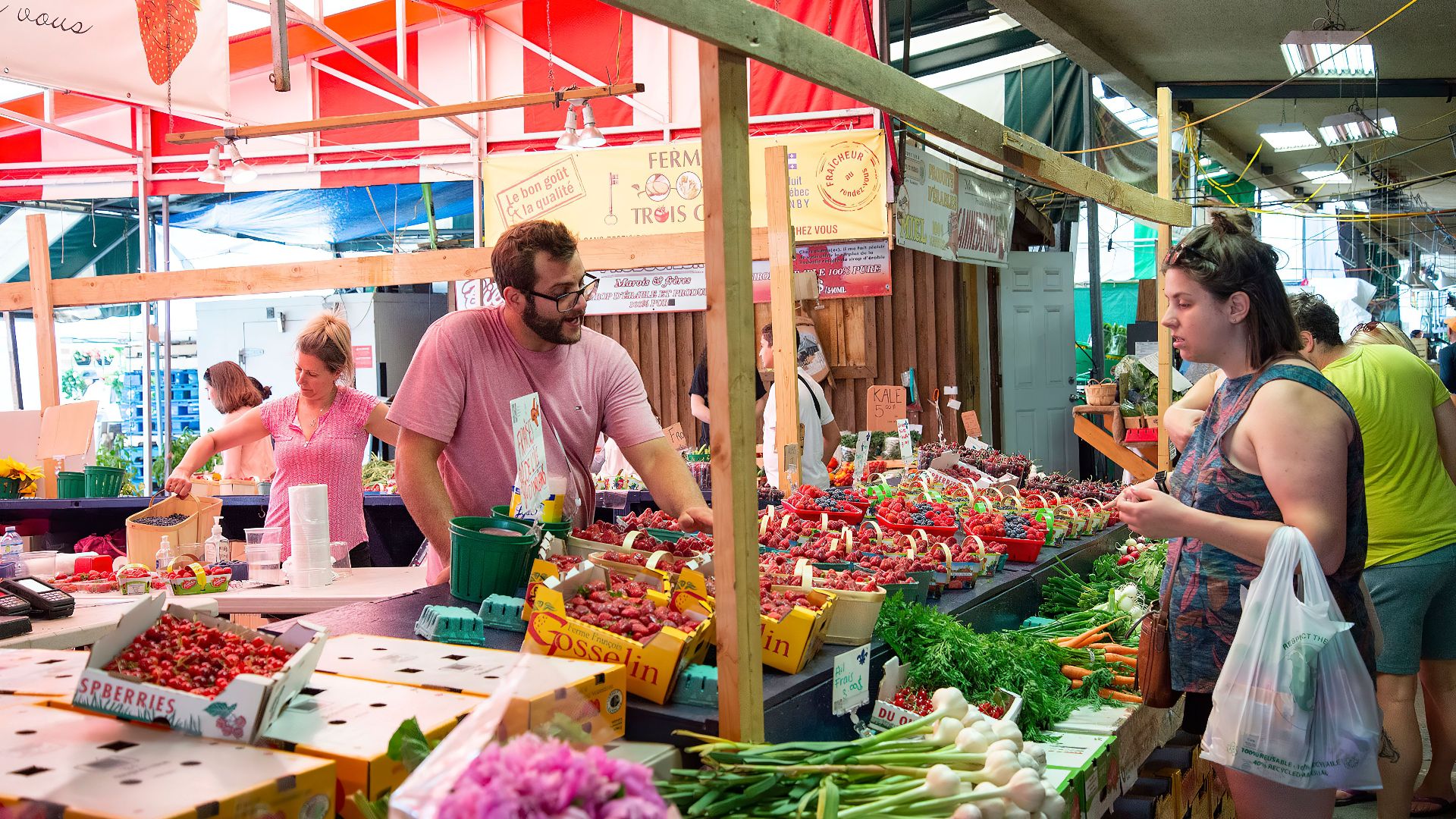
A Quebec road trip can turn into an accidental grocery trip remarkably quickly. Small producers sell cheese, cider, berries, bread, chocolate, honey, maple products, beer, wine, meat, preserves, and other regional foods directly to visitors. Some regions have formal agritourism routes connecting farms and producers, including Charlevoix's Flavour Trail and similar circuits elsewhere. That makes stopping at a farm or tiny shop feel like part of sightseeing rather than simply buying food. Travelers may start the day intending to photograph villages and end it wondering where they'll fit six jars and a wheel of cheese.
The Casse-Croûte Is Its Own Institution
The casse-croûte is one of those things that makes complete sense once you've spent time driving around Quebec. These casual snack bars specialize in uncomplicated food such as fries, poutine, burgers, hot dogs, club sandwiches, and soft-serve ice cream. Some are seasonal walk-up counters, while others have been community fixtures for decades. They occupy roughly the same road-trip niche as old-school burger stands in the United States, but the menu and atmosphere are unmistakably Quebecois. Finding a crowded parking lot full of local plates is often an excellent sign.

Dépanneurs Are More Important Than Visitors Expect
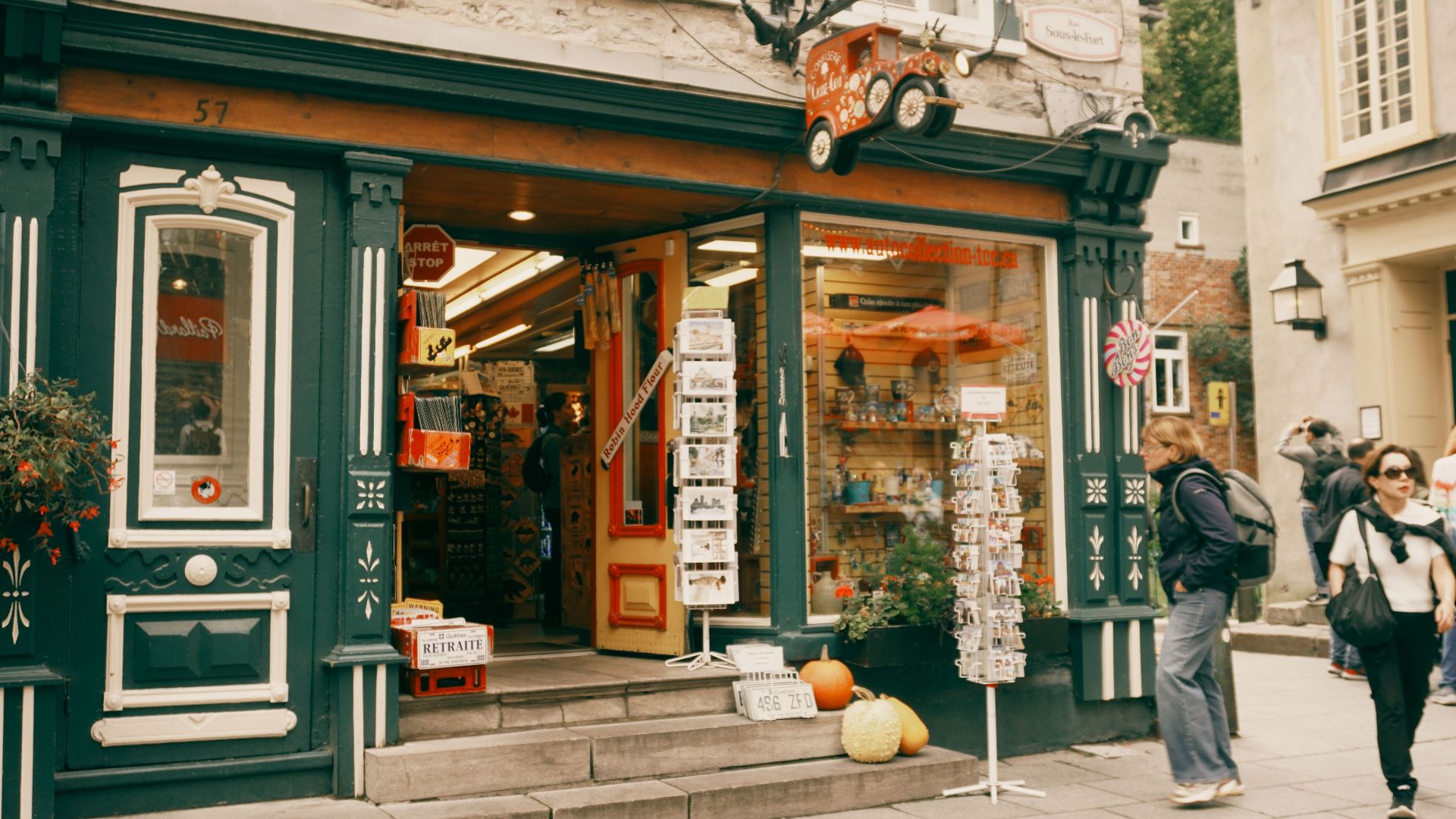
The word dépanneur literally carries the idea of helping someone out of a bind, which is a pretty accurate description of what these neighborhood convenience stores do. A dépanneur might sell milk, snacks, beer, wine, lottery tickets, basic groceries, coffee, and whatever else the neighborhood regularly needs. In smaller communities, it can be much more useful than the term "convenience store" suggests. Some remote areas even have SAQ agency counters inside local groceries or dépanneurs, making one small shop surprisingly central to everyday errands.
Beer And Wine In Convenience Stores Can Surprise Americans
Whether this seems unusual depends heavily on which U.S. state someone comes from. Still, Americans from states with tightly regulated alcohol sales may be surprised to find beer and certain wines on the shelves of an ordinary Quebec dépanneur or supermarket. In more remote communities, some stores also operate as official SAQ agencies carrying additional products. The rules aren't a free-for-all, but the sight of someone picking up milk, chips, and a bottle of wine in the same little neighborhood shop can feel refreshingly uncomplicated to visitors accustomed to separate liquor stores.

People May Switch To English Even When You’re Trying To Practice French
This is the slightly frustrating compliment many learners encounter. An American carefully constructs a French sentence, the local person immediately detects the accent, and suddenly the entire conversation is happening in English. Usually, the person is trying to be helpful rather than criticizing anyone's French. Travelers hoping for language practice sometimes have to keep replying in French or politely explain that they'd like to practice. In less touristy places, however, that automatic switch isn't nearly as guaranteed, which brings visitors to the opposite surprise.

Some Small-Town Residents May Not Be Comfortable In English
Rural Quebec isn't Montréal, and English ability varies significantly by region, community, age, and individual. Some residents are comfortably bilingual. Others understand English but don't enjoy speaking it. Some may have very limited English at all. That can surprise Americans who assume proximity to the United States means English is universal. A translation app helps, but so does learning a handful of basic French phrases before arriving. Even when the resulting conversation becomes a mixture of gestures, broken French, and broken English, people usually find a way through it.

The Accent Can Sound Very Different From Classroom French
Someone who studied French in an American classroom may arrive feeling reasonably confident and then hear two locals chatting quickly outside a bakery. Quebec French has its own pronunciation, rhythm, expressions, contractions, slang, and vocabulary, and informal speech can sound very different from carefully enunciated classroom French. Regional accents add another layer. None of this means the French is "incorrect" or corrupted French. It's simply a living North American variety with centuries of its own development, and understanding it becomes considerably easier once your ears have had time to adjust.
Road Trips Feel More Scenic Than Many Visitors Expect
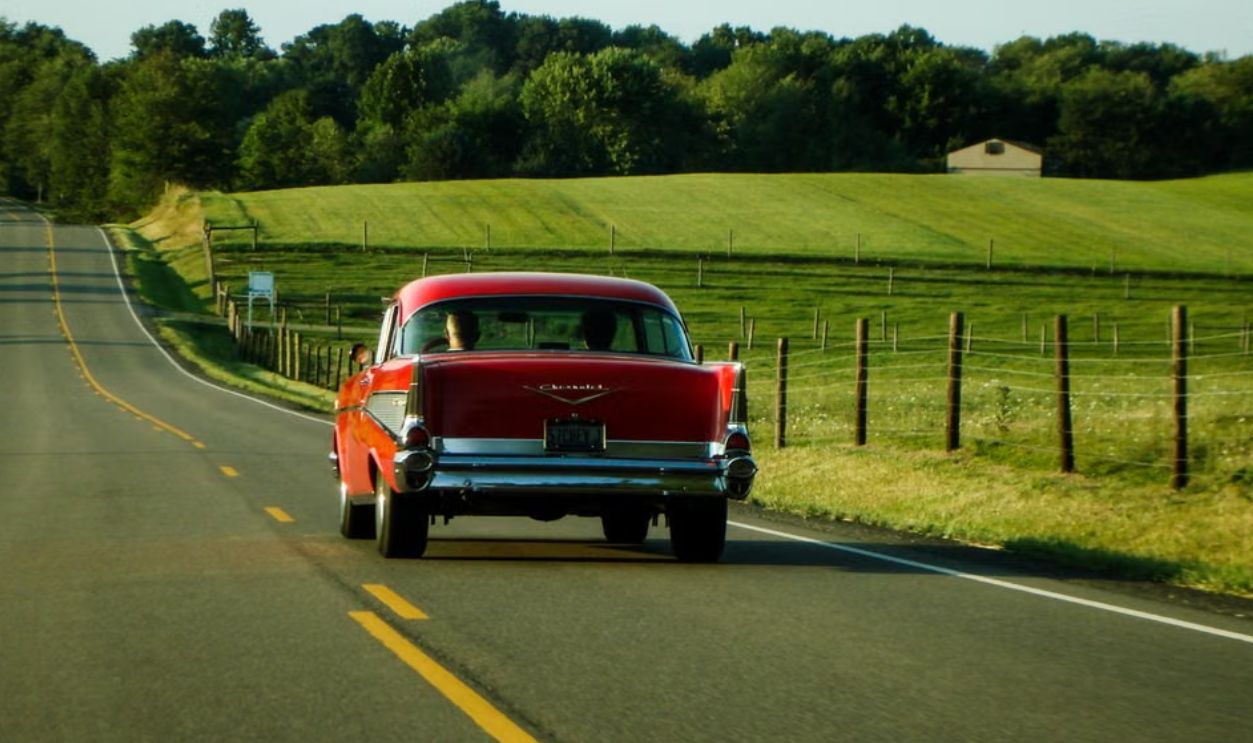
People who haven't traveled much beyond Montréal and Quebec City sometimes picture rural Quebec as endless forests. Then they reach Charlevoix, Gaspésie, Saguenay, or the St Lawrence valley. Roads pass farmland, cliffs, mountains, rivers, forests, historic houses, fishing communities, and waterfront villages that seem positioned specifically for photographs. Quebec's official tourism routes deliberately highlight this variety, including coastal highways and routes through preserved villages. The distances can still be enormous, but the journey becomes part of the vacation instead of simply dead time between destinations.
Ferries Are Part Of Ordinary Transportation
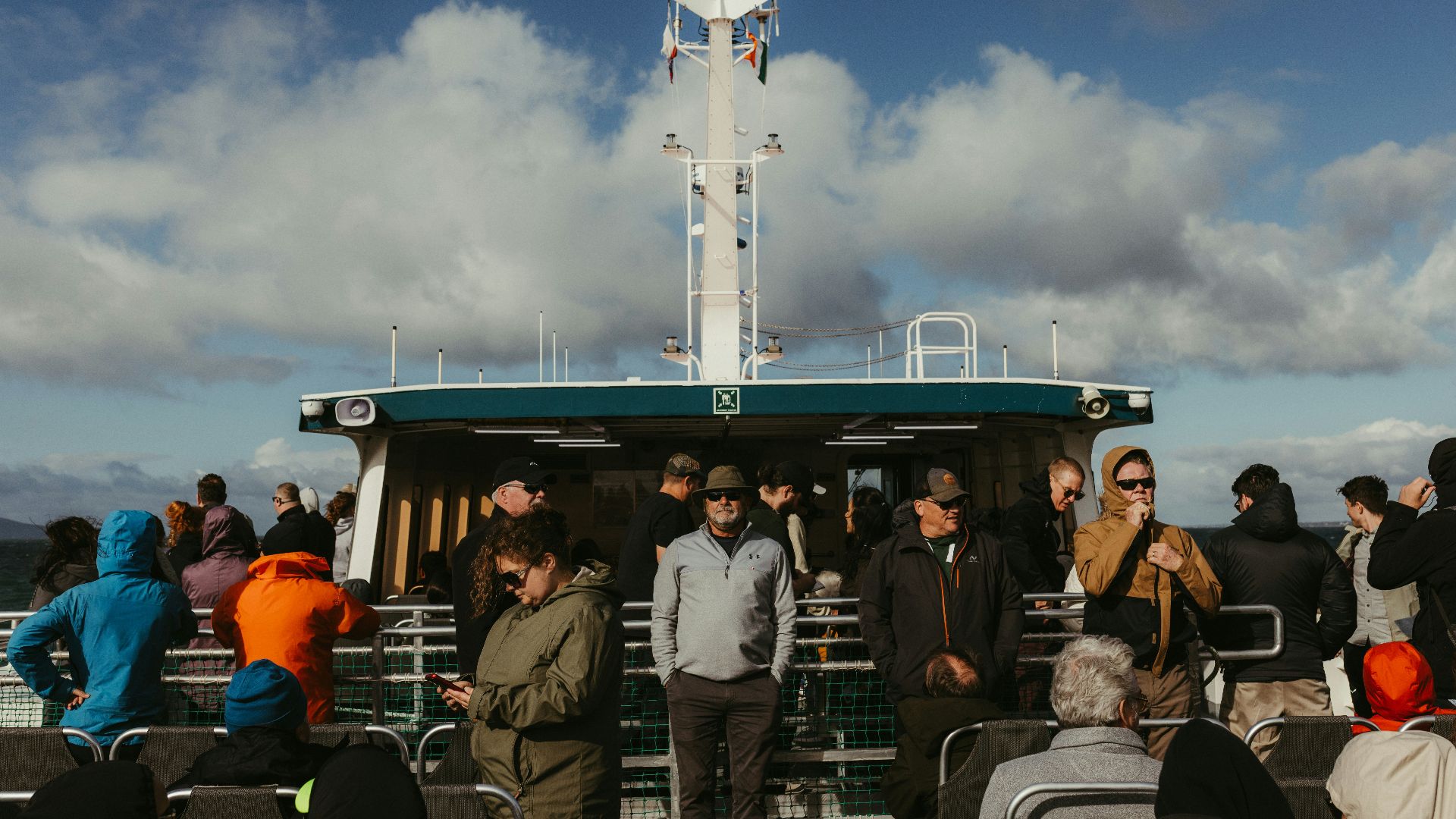
Americans may initially think of a ferry ride as a sightseeing activity. Along the St Lawrence, it can simply be how the road continues. Quebec's provincial ferry network connects communities and islands from Sorel-Tracy and Québec City to Charlevoix, the North Shore, Lower St Lawrence, and much farther east. Routes such as Tadoussac to Baie-Sainte-Catherine function as genuine transportation links, and longer road trips may need to account for schedules and crossings. That's when visitors realize the enormous river isn't merely something pretty running beside the highway. It actively shapes how people move.
Town Centers Can Feel Surprisingly Quiet At Night
A charming village at 2 p.m. can feel almost deserted by 9 p.m. Outside larger tourist centers and festival periods, restaurants may close earlier, shops finish for the day, and there may be little resemblance to the late-night commercial strips familiar in many American suburbs. Quebec also regulates commercial opening periods, although restaurants, food stores, pharmacies, and certain businesses operate under different rules. Travelers learn quickly not to assume they'll find endless dining options at 10:30 p.m. Sometimes the evening plan really is dinner, a walk, and then enjoying how quiet everything becomes.

Independent Businesses Can Outnumber Familiar Chains
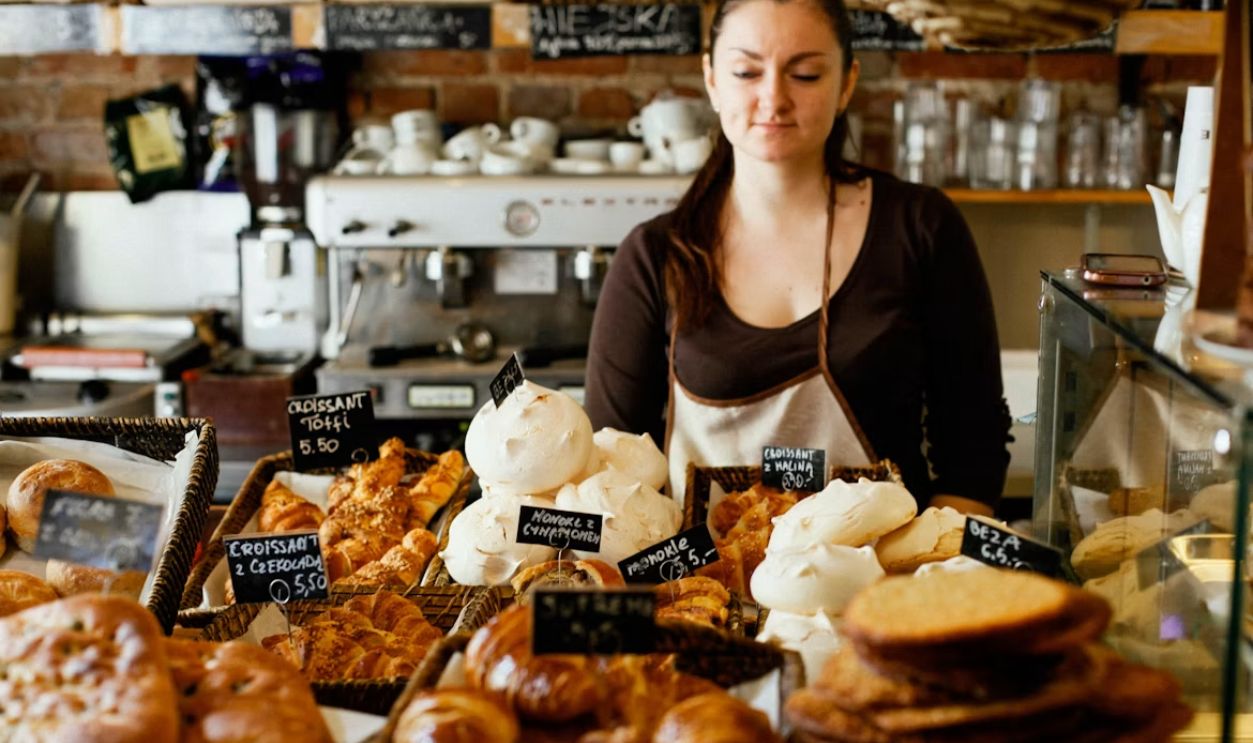
You'll still find familiar chains in Quebec, particularly along major highways and in larger communities. But older village centers can feel strikingly local. Independent bakeries, cafés, inns, cheese shops, restaurants, breweries, boutiques, and farm businesses give many communities identities that aren't interchangeable with the next town. Regional tourism routes actively promote these producers and artisans. For an American traveler, one of the pleasures is realizing that a stop for coffee or lunch doesn't have to involve a logo they already recognize from a highway exit back home.
There’s Often A Strong Sense Of Local Identity
Quebec doesn't feel culturally uniform once you start traveling through it. A resident of Charlevoix may talk about Charlevoix as a distinct place, just as someone in Gaspésie, Beauce, Saguenay-Lac-Saint-Jean, or the Eastern Townships may emphasize their own region's landscape, foods, expressions, history, and traditions. Accents can change. Architecture changes. Local specialties change. Even attitudes and humor can feel slightly different. Visitors who arrive thinking only in terms of "Quebec culture" often leave realizing there are a lot of smaller regional cultures packed inside it.
It Can Feel More Different From The Rest Of North America Than Visitors Expected
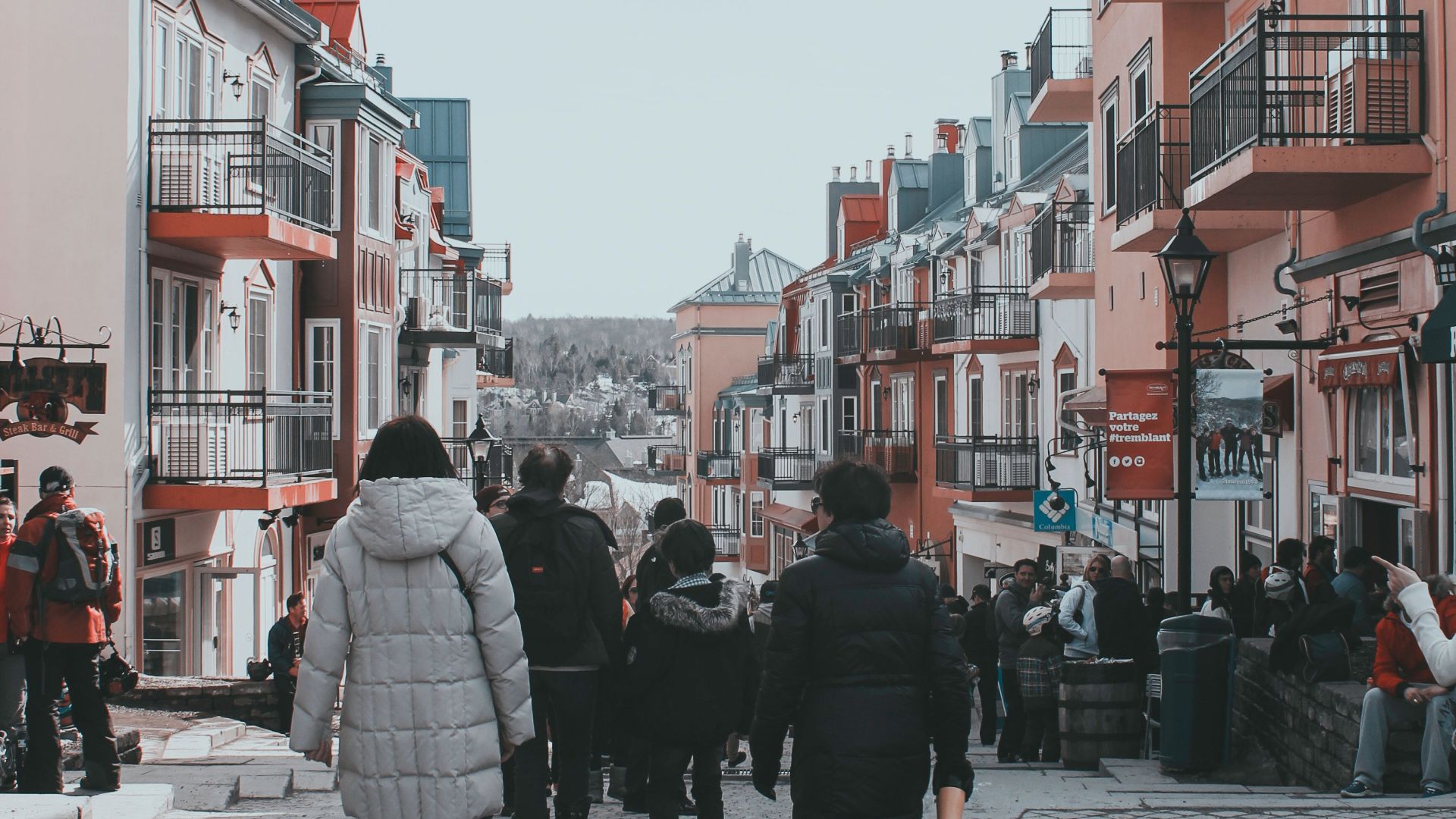
This may be what sticks with American travelers most. The highways, pickup trucks, gas stations, supermarkets, and suburban homes are unmistakably North American, yet so much else feels distinct. French dominates daily conversation. Catholic architecture anchors old villages. Casse-croûtes and dépanneurs fill familiar niches in unfamiliar ways, while food traditions and regional identities remain unusually visible. Small-town Quebec doesn't feel like Europe transplanted across the Atlantic, and it doesn't simply feel like the rest of Canada translated into French. After a few days on the road, it starts feeling very much like its own place.

You May Also Like:
Things Americans Notice Immediately When They Visit Canadian Cottage Country For The First Time
The Canadian Travel Habits Americans Find Surprisingly Practical
Canadian Destinations That Americans Say Feel Like They're On Another Continent