Canadians Pack For The Plot Twist.
Years of dealing with huge distances, unpredictable weather, ferries, border crossings, and wilderness have produced some wonderfully sensible travel habits. Americans borrowing a few of them may discover that being slightly overprepared makes a vacation considerably more relaxing.
They Check The Passport Early
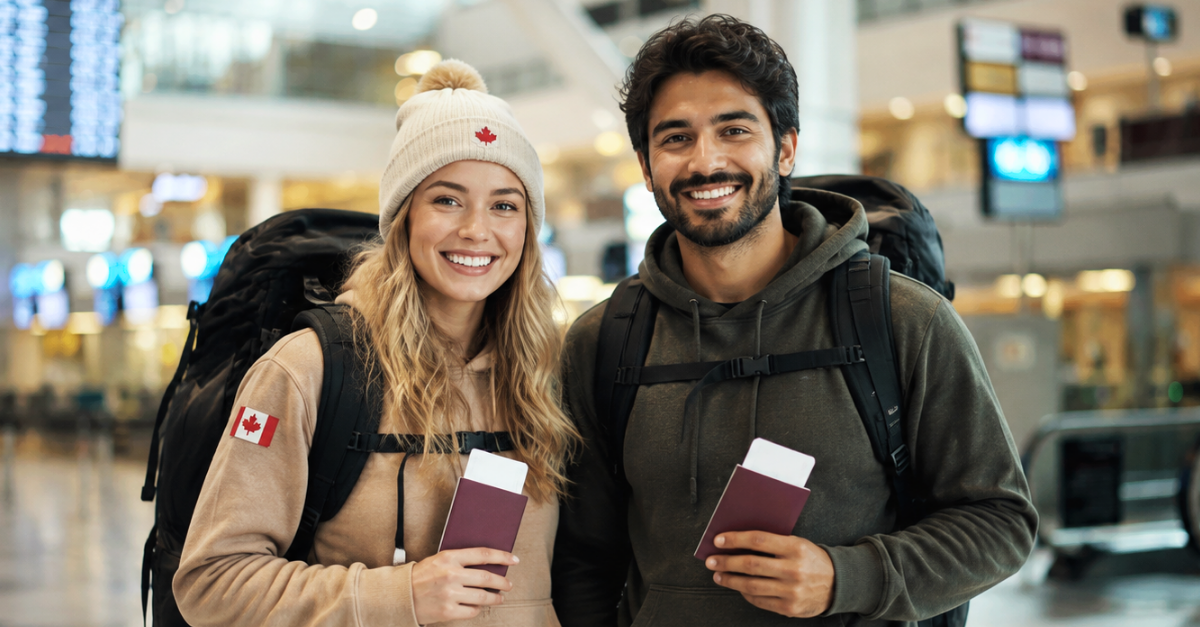
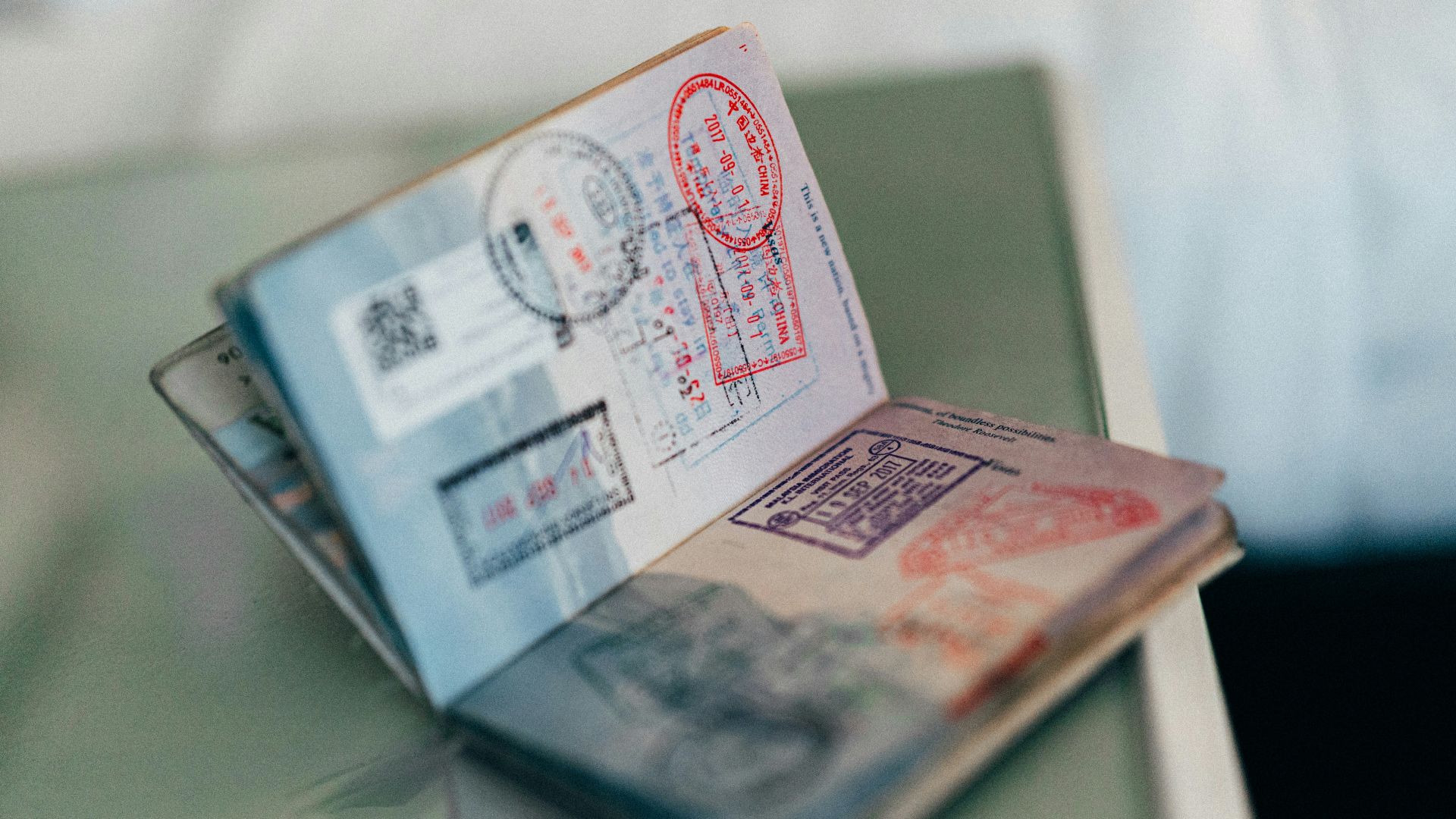
Canadian travel guidance tells people to check passport validity well before departure rather than discovering a problem during online check-in. It also recommends researching how long the destination requires the passport to remain valid. That tiny administrative habit can prevent an extremely expensive airport surprise.
 Kit (formerly ConvertKit), Unsplash
They Check The Destination Twice
Canada advises travelers to review official Travel Advice and Advisories while planning and again shortly before leaving. Conditions involving entry requirements, safety, health, weather, or local laws can change between booking and departure. Checking twice is a wonderfully simple way to avoid relying on six-month-old research.
 Daria Nepriakhina 🇺🇦, Unsplash
They Take Travel Insurance Seriously
Canadian government guidance explicitly recommends travel insurance even for short trips across the U.S. border. Provincial health coverage may not protect travelers against the full cost of medical treatment abroad. For Americans accustomed to treating insurance as an optional upsell, the Canadian caution has obvious appeal.
 simona pilolla 2, Shutterstock
They Keep Copies Of Important Documents
Canadian travelers are advised to make copies or photographs of passport identification pages and other important documents. Those copies cannot replace the originals, but they may make recovery considerably easier if something disappears. Keeping backups somewhere other than the same wallet is the especially useful part.

They Carry A Financial Backup
Travel.gc.ca recommends having access to emergency funds, while its theft guidance suggests carrying a second bank card separately from the main wallet. That means one lost bag does not have to become a complete financial emergency. A spare card stored securely somewhere else is one of those precautions that seems excessive right up until it is necessary.

Someone At Home Gets The Itinerary
Canadian government guidance recommends leaving travel plans with a trusted friend or relative. Copies of passport information and insurance details can go with it. The habit gives somebody outside the trip enough information to help when a traveler suddenly cannot access their own records.

Emergency Numbers Get Saved Before Departure
Canada's pre-boarding checklist recommends carrying important contact numbers for banks, insurers, consular offices, and emergency assistance. Waiting until a card disappears or a medical problem develops is a poor time to begin searching for telephone numbers. Saving them before the trip is boring preparation with excellent potential returns.

They Register When Going Abroad
Canada operates the Registration of Canadians Abroad service so officials can communicate with registered travelers during major emergencies. The government recommends using it before international trips. It is the kind of administrative step that takes little time but can become genuinely useful during natural disasters or civil disruption.

Parents Bring The Permission Letter
When a child travels abroad without both parents or all legal guardians, Canadian guidance recommends carrying a consent letter or comparable documentation. Border officials in another country may ask questions about whether the accompanying adult has permission to travel with the child. Preparing that paperwork at home is far easier than explaining the situation at immigration.

The Medicine Cabinet Comes In Miniature
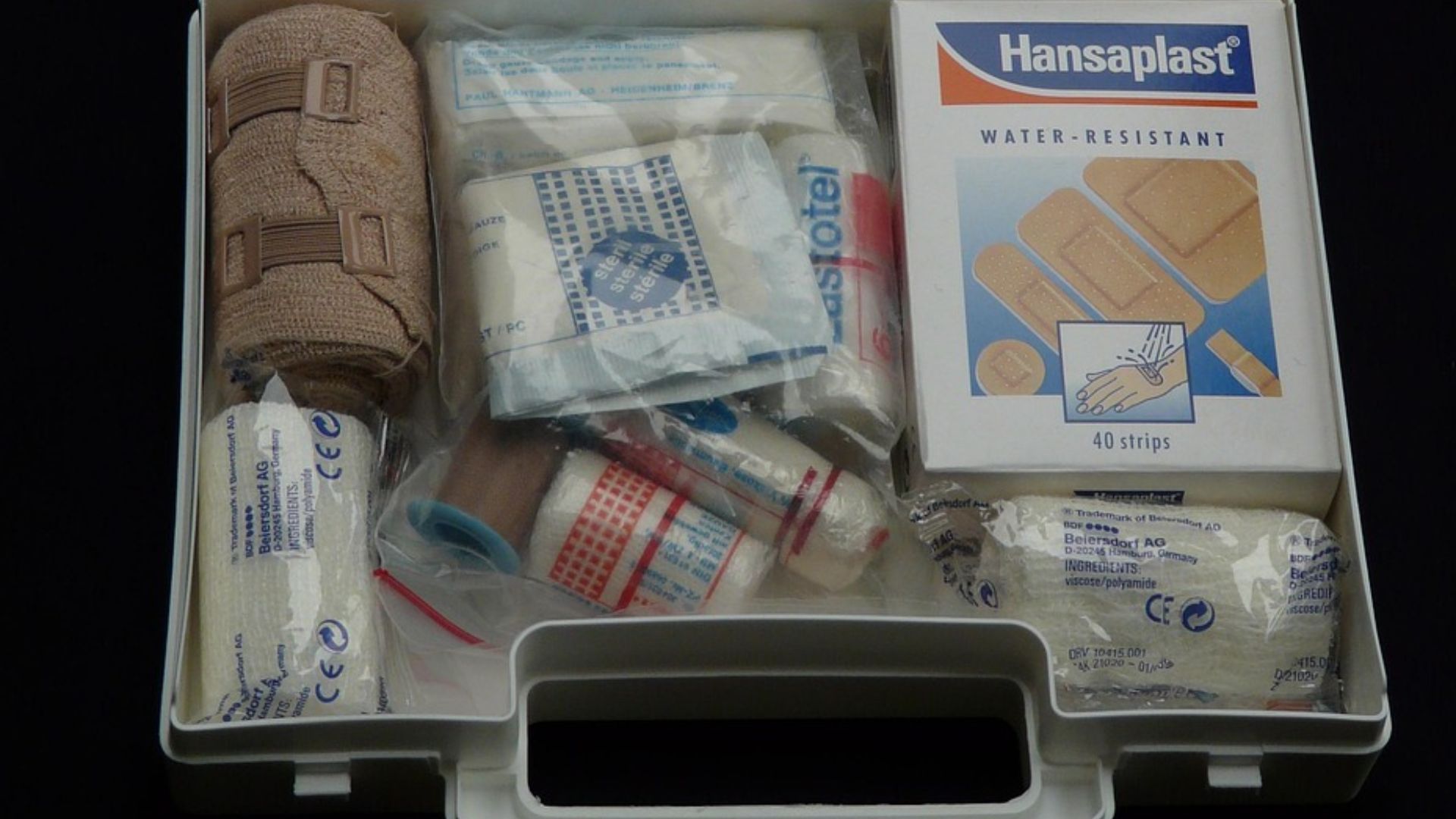
Canada publishes an impressively detailed travel health-kit checklist. Suggested items range from bandages and antiseptic to insect repellent, sunscreen, rehydration salts, common medications, and prescription information. Travelers do not need every item for every trip, but thinking through likely problems before departure can prevent an inconvenient pharmacy hunt.
Prescriptions Get Planned In Advance
Canadian travel guidance recommends considering medication requirements before leaving and carrying relevant medical information. That is particularly useful when the medication may be difficult to replace abroad. The practical lesson is simple: medicine deserves the same advance planning as flights and hotels.

They Build Time Into Airport Days
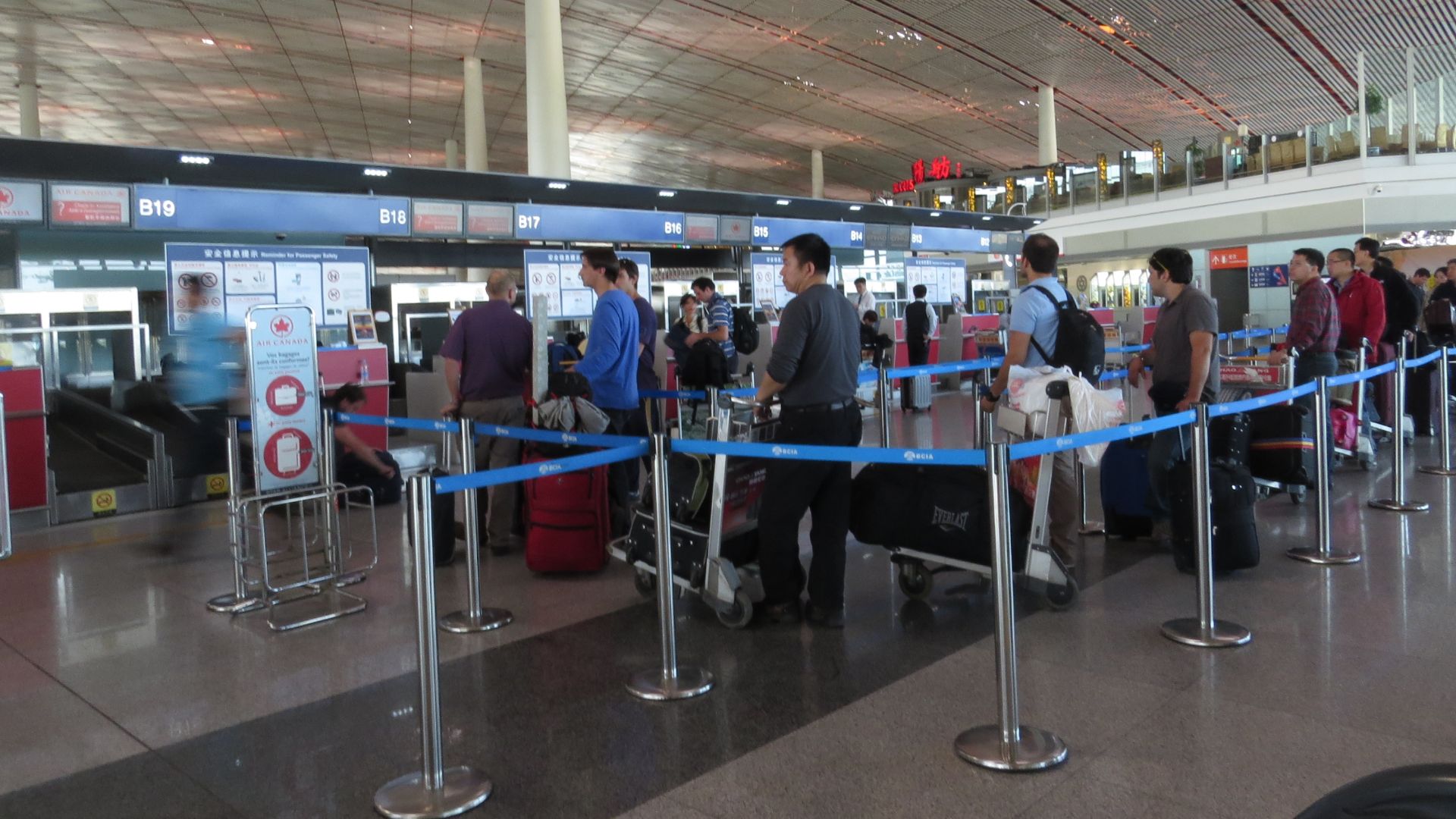
Canadian Air Transport Security Authority guidance tells travelers to arrive early and allow enough time for check-in and screening. It also provides current security wait-time information. Canadians who leave an annoyingly large airport buffer occasionally get rewarded with the radical experience of not sprinting to the gate.
Security Rules Get Checked Before Packing
CATSA publishes detailed guidance about liquids, batteries, electronics, medications, food, and other carry-on items. Checking before packing reduces the chance of reorganizing luggage at the security checkpoint. That little bit of preparation makes far more sense than arguing with an officer about a 150-millilitre bottle.

Customs Forms Can Be Done Early
Travelers flying into participating Canadian airports can use ArriveCAN's optional Advance Declaration feature before arrival. CBSA says declarations can be submitted up to 72 hours ahead and the system is designed to reduce processing time. Completing paperwork on the couch beats doing it while jet-lagged in an immigration hall.

Ferry Reservations Are Treated Like Real Reservations
On busy BC Ferries routes, showing up with a vehicle and hoping for the best can mean waiting for a later sailing. BC Ferries recommends booking ahead when possible, particularly during holidays and other peak periods. Canadians familiar with coastal travel know that a ferry may look like part of the highway, but its deck still has a finite number of spaces.
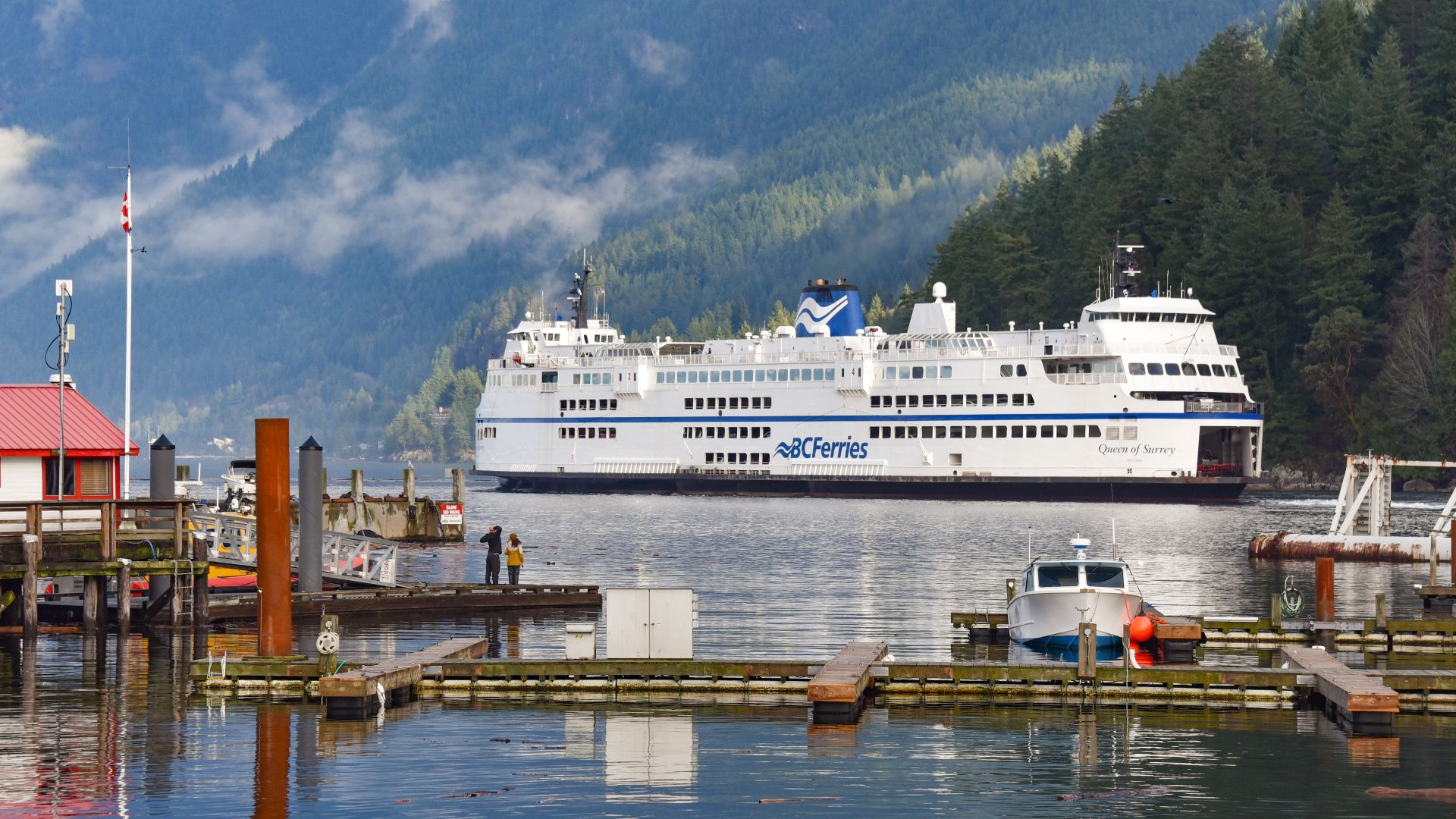 Gordon Leggett, Wikimedia Commons
They Arrive Early For The Ferry Too
BC Ferries advises booked passengers on major routes to check in roughly 45 to 60 minutes before departure. Missing the appropriate window can jeopardize the reservation. The Canadian instinct to arrive early therefore extends beyond airports and onto the water.
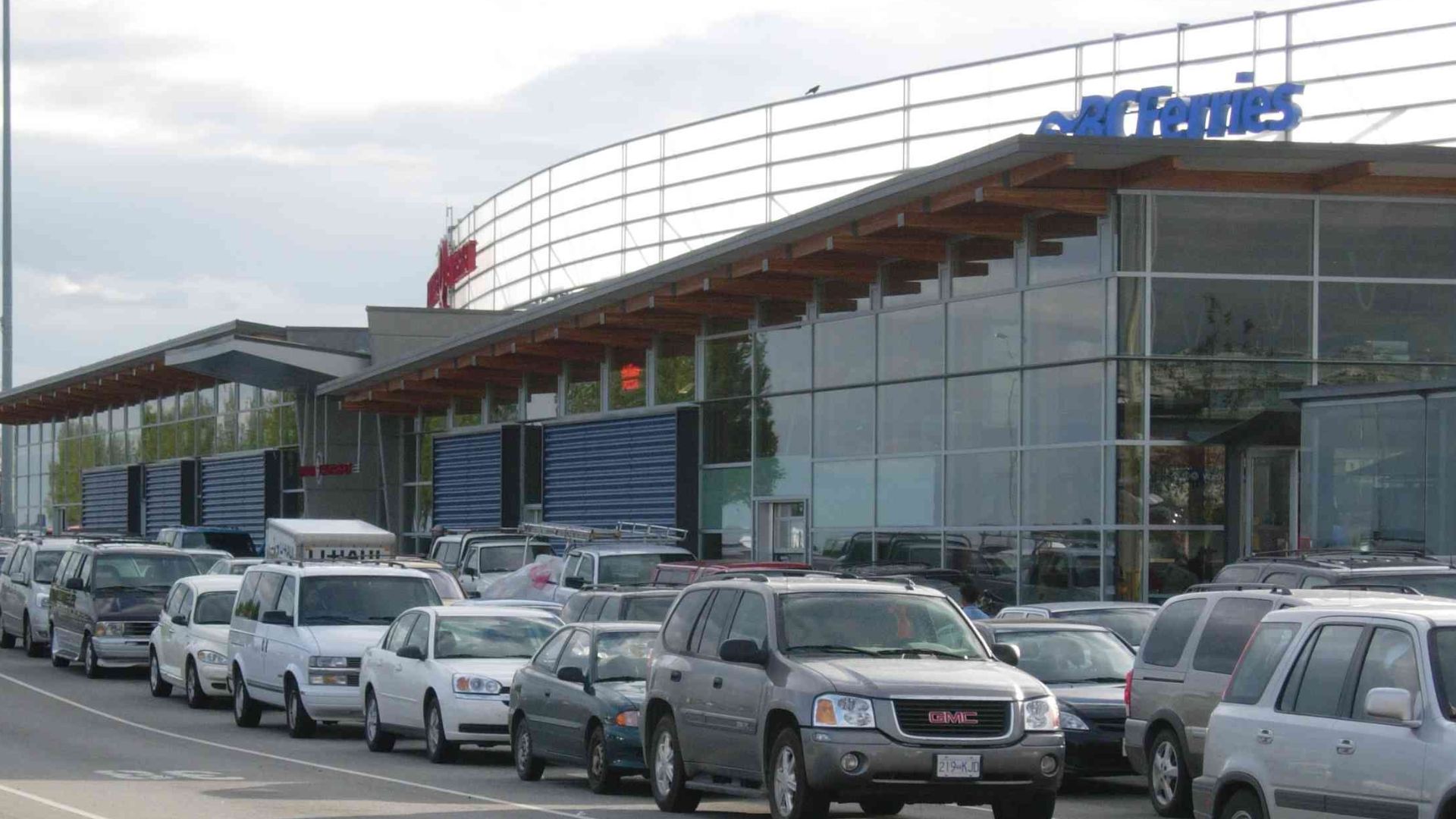 Rwerner at English Wikipedia aka. Robert Werner, Wikimedia Commons
Parks Get Booked Before The Road Trip
Parks Canada operates advance reservation systems for camping, accommodations, and activities at dozens of destinations. Some reservation launch days are busy enough that the agency uses online queues. Canadians heading for famous parks frequently know that “we'll find something when we get there” is not always a viable summer strategy.
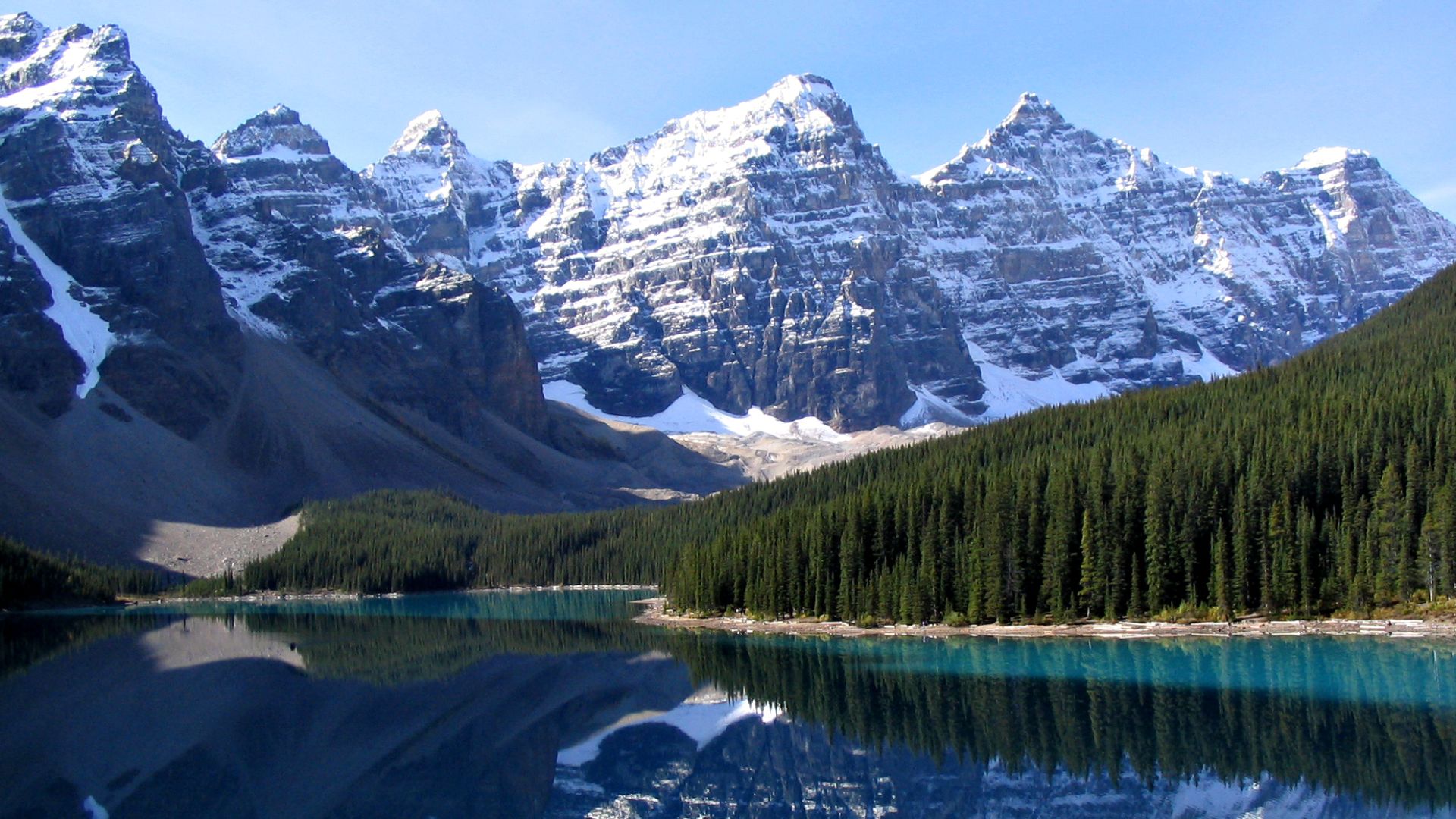
Parking And Shuttles Get Planned Too
Parks Canada specifically advises visitors to confirm parking and shuttle arrangements before arriving at popular destinations. The attraction may be natural, but the logistical bottleneck can be entirely man-made. Booking the mountain view while forgetting how to reach it is an increasingly avoidable mistake.
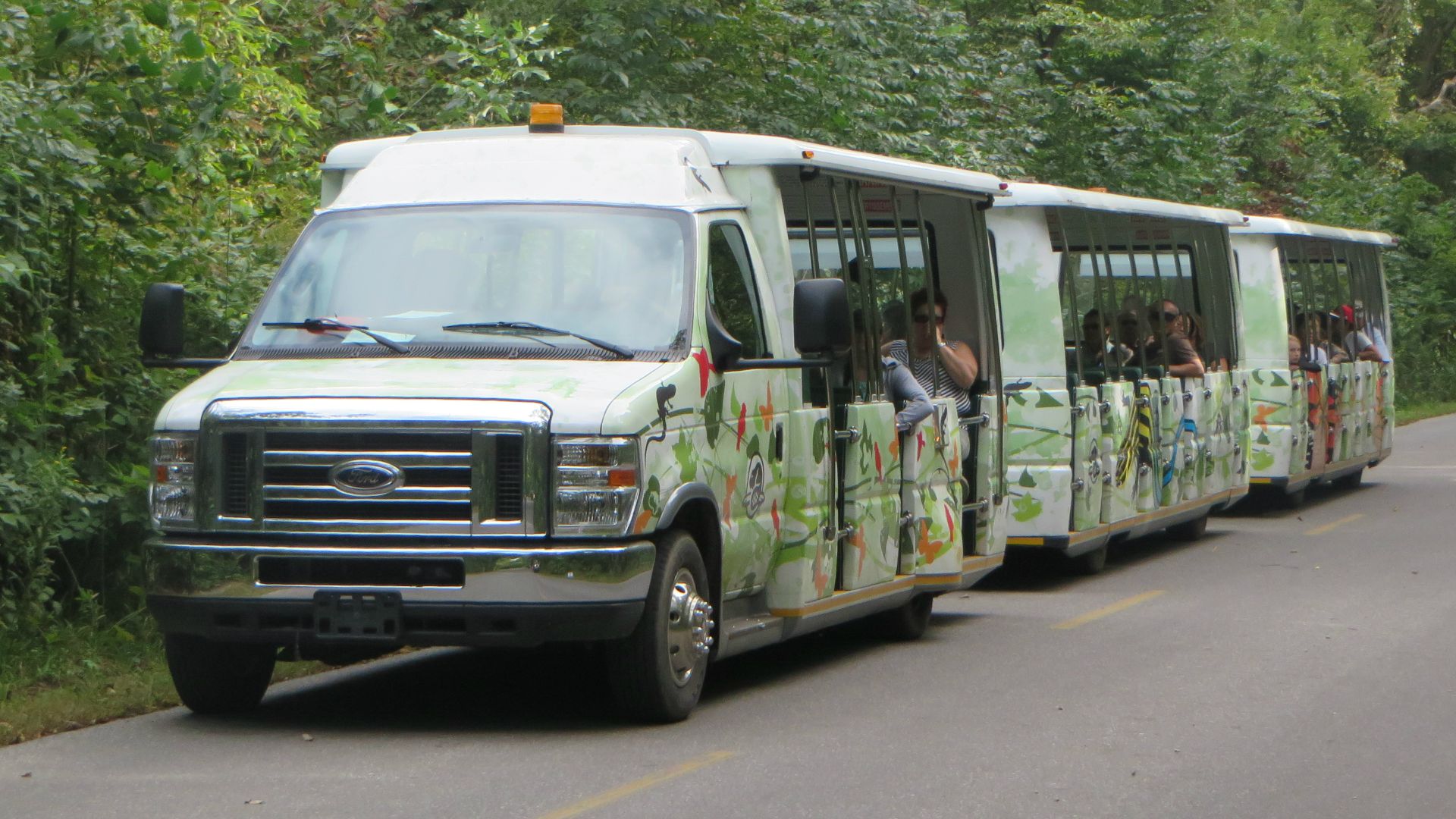
The Weather Gets Checked Again That Morning
Environment Canada maintains national forecasts and active alert information, while Parks Canada repeatedly advises visitors to check local conditions before outdoor activities. Canadians understand that yesterday's forecast is not necessarily today's reality. That is especially practical in mountains and coastal regions where conditions can change quickly.

Layers Are Basically A Travel Philosophy
Parks Canada recommends multiple clothing layers even when the day begins sunny and warm. Layers can be added or removed as temperature, wind, elevation, and precipitation change. Americans visiting Canada sometimes joke about carrying a jacket everywhere until the temperature suddenly drops.
They Pack The Warm Layer In Summer
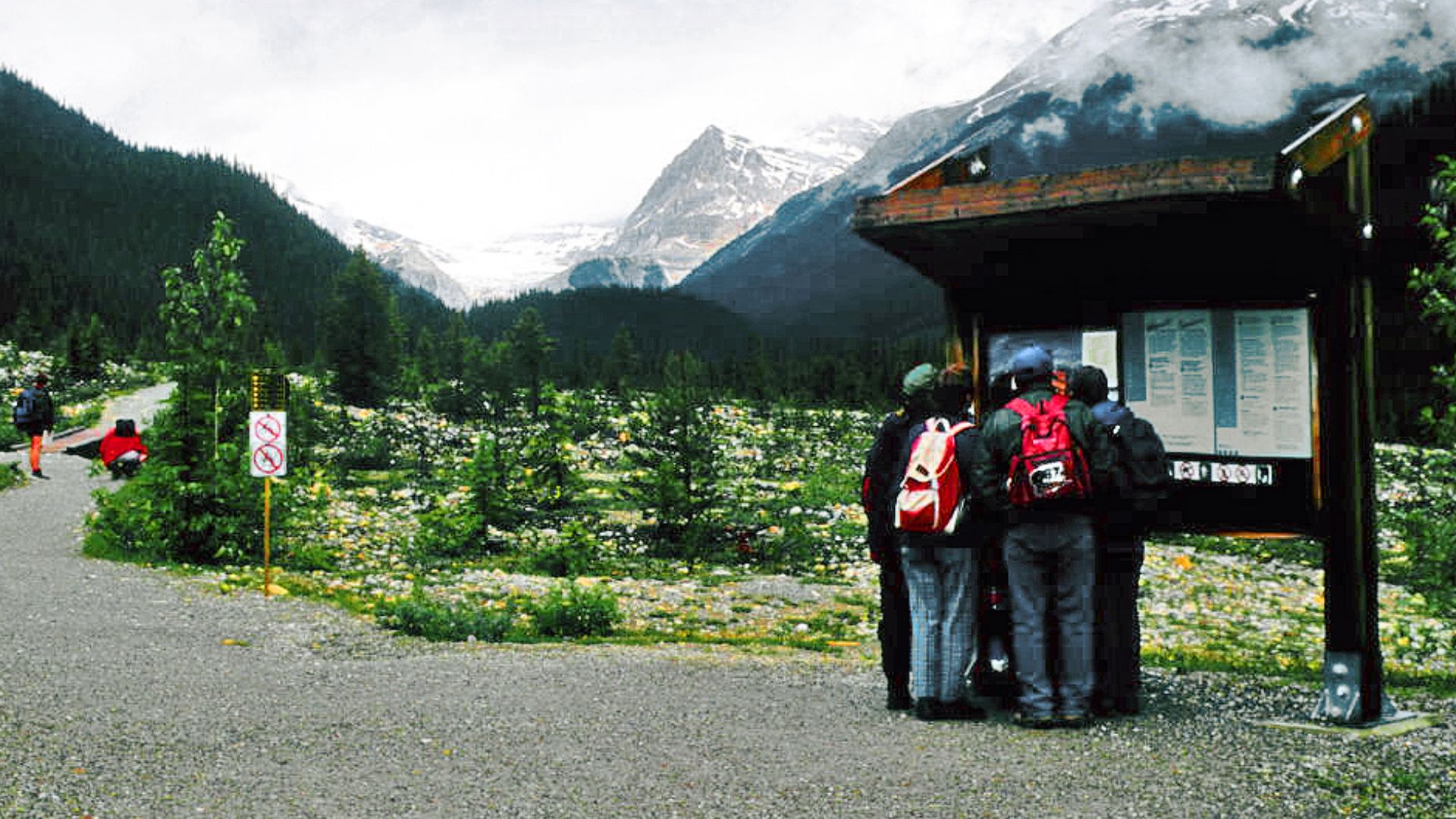
Parks Canada's mountain guidance explicitly recommends an extra warm layer during summer because conditions can include cold, wind, rain, and even snow. High-elevation trails may remain snowy well into the season. Bringing gloves on a sunny July morning looks ridiculous until the mountain decides it is October.

Road Conditions Get Checked Before Leaving
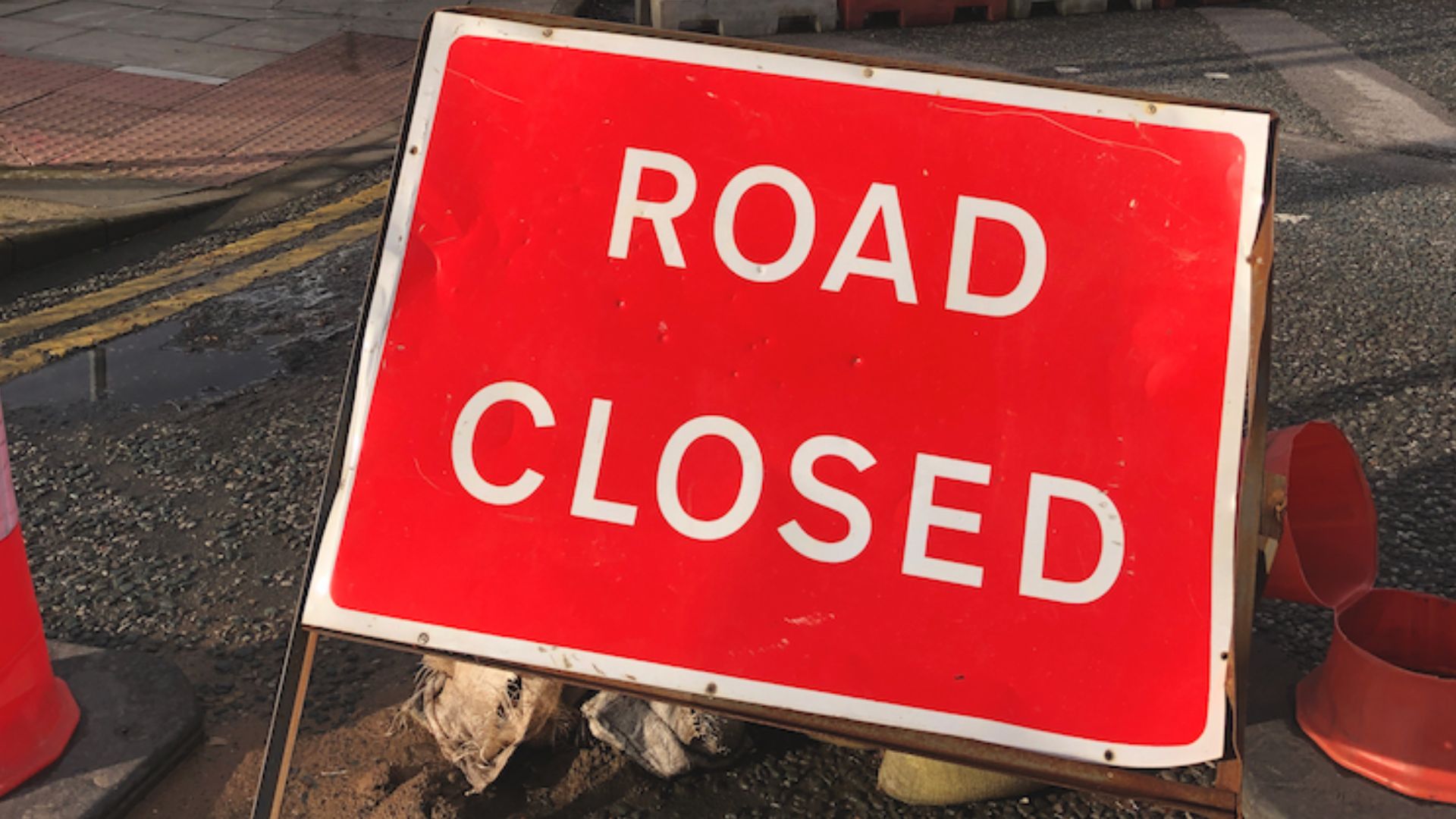
Ontario 511 provides current information about road conditions, closures, roadwork, visibility, and other travel factors. Other provinces operate similar road-information systems. Checking one before a long drive is particularly useful in a country where weather can turn a straightforward highway day into something considerably slower.
 Paul Harrop , Wikimedia Commons
The Car Gets Its Own Emergency Kit
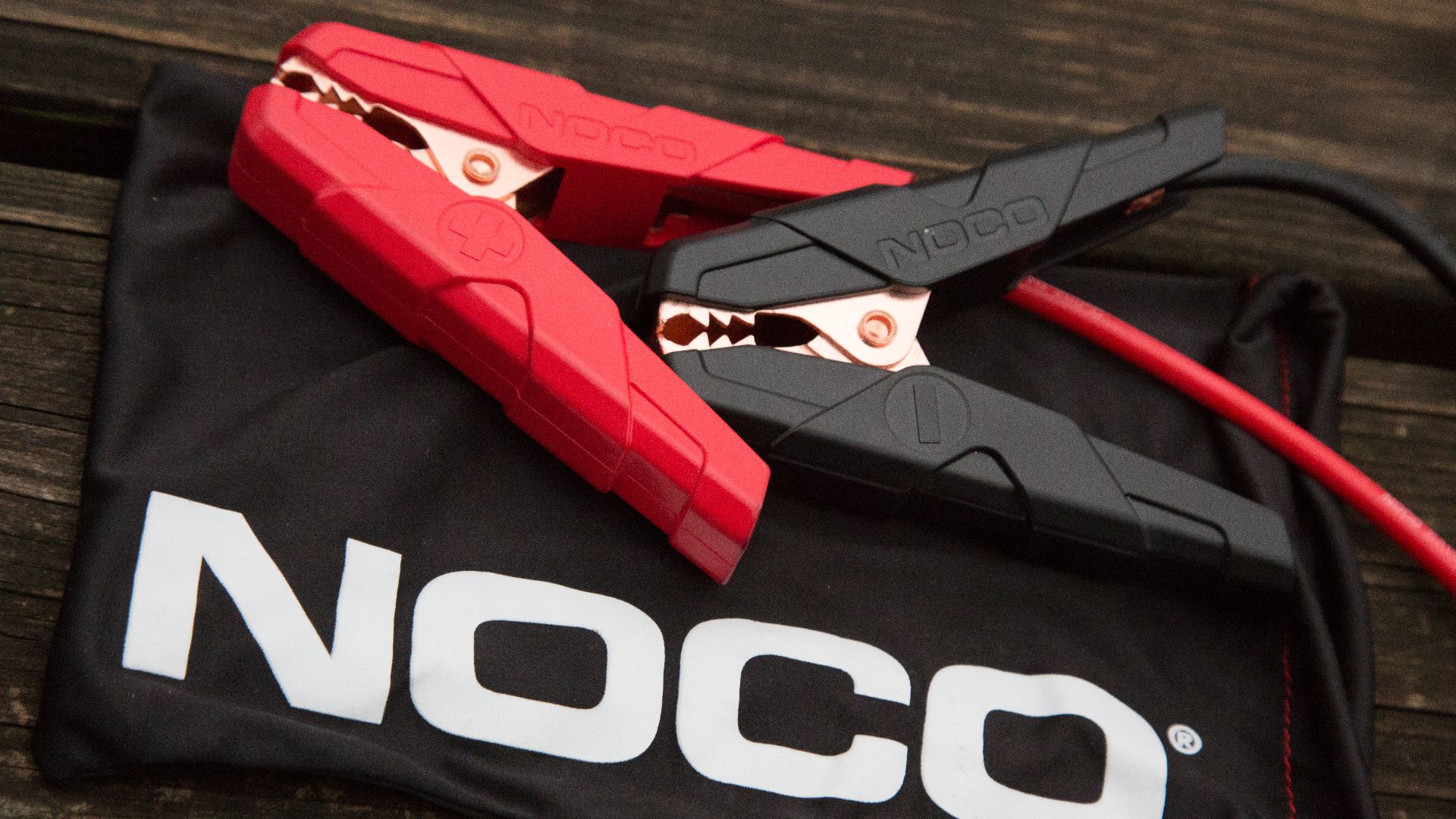
Ontario recommends carrying food, water, warm clothing, a blanket, flashlight, shovel, portable charger, jumper cables, and other emergency equipment in a vehicle. That may sound excessive during an ordinary commute. On a remote winter highway, it starts sounding extremely sensible.
 Tony Webster from Minneapolis, Minnesota, United States, Wikimedia Commons
Half A Tank Can Mean Time To Fill Up
Ontario's winter-driving guidance recommends keeping at least half a tank of fuel. That provides additional security if bad weather or a closure leaves a vehicle stranded or forces a long detour. Canadians driving through remote areas have good reasons for not treating the fuel warning light as a personal challenge.

Winter Tires Are More Than A Seasonal Accessory
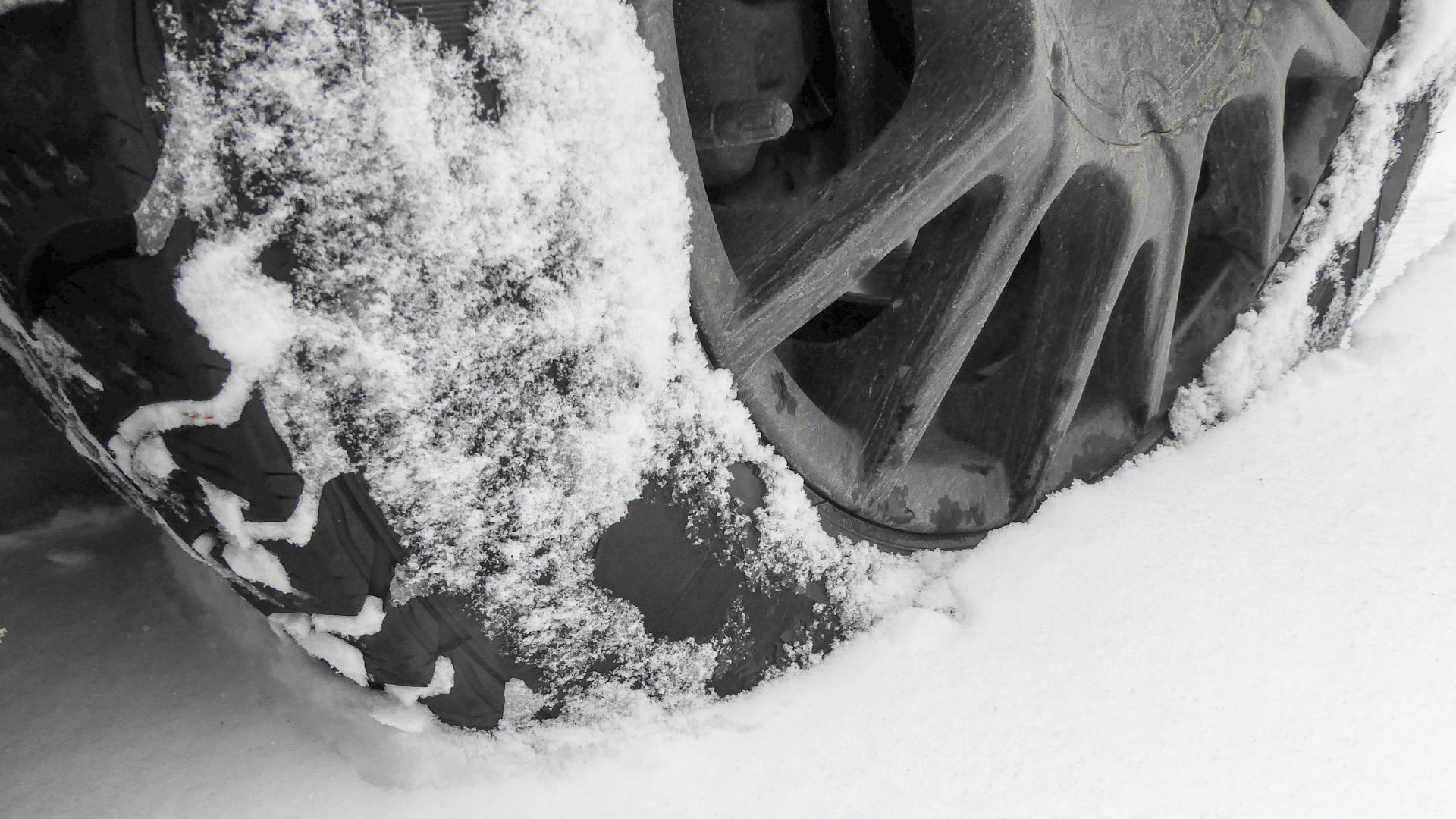
Ontario says winter tires improve traction and control and can shorten braking distances substantially in winter conditions. In parts of Canada, seasonal tire rules go beyond advice and become legal requirements on specified roads. Canadians tend to understand that all-season confidence is not a substitute for actual winter preparation.
A Phone Is Not Considered A Complete Navigation System
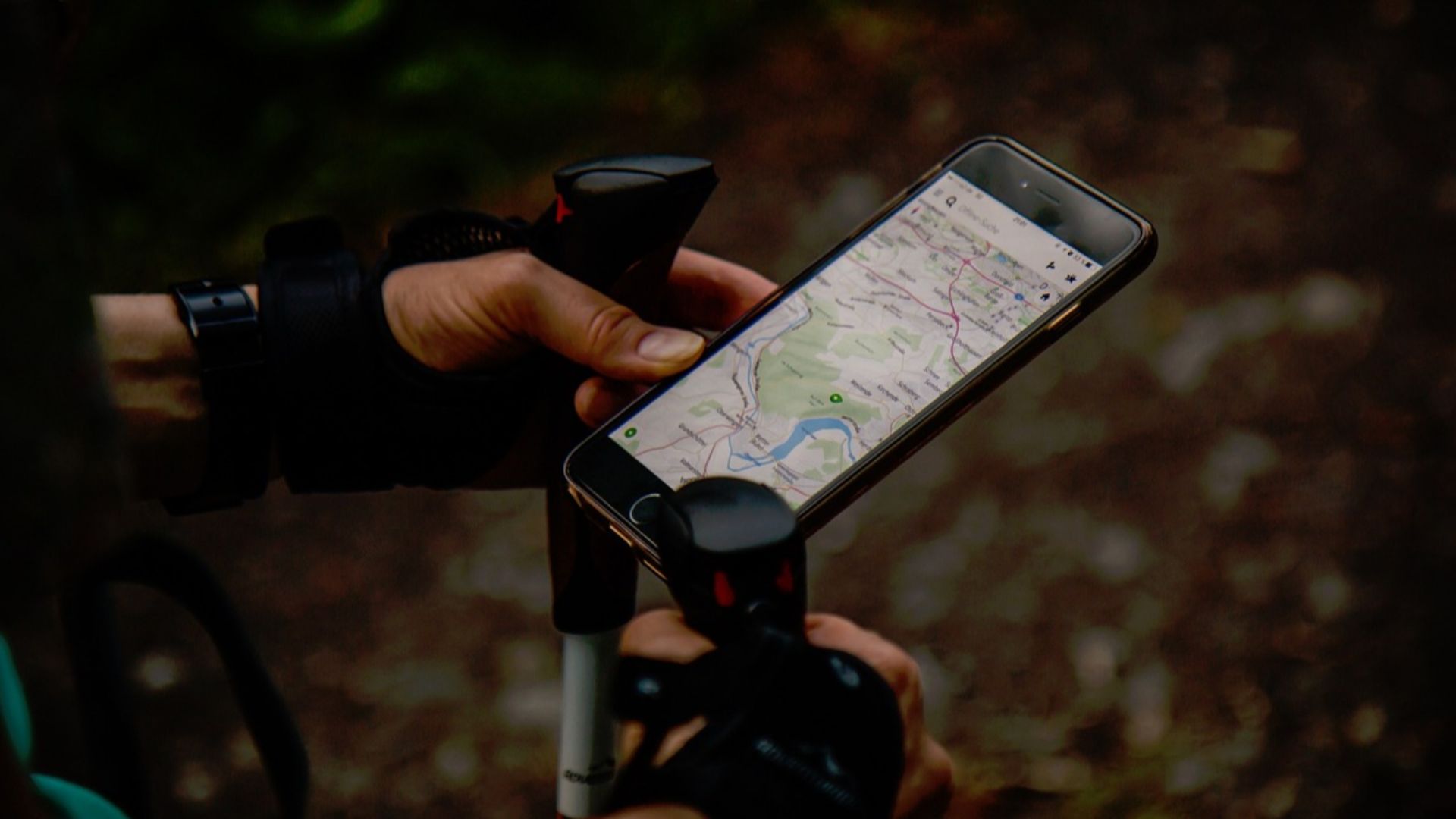
Parks Canada warns hikers not to rely solely on phone GPS because cellular coverage can be limited. It recommends maps and, for backcountry trips, appropriate navigation tools such as a compass or GPS device. Downloading information and carrying a physical map can feel old-fashioned until the signal vanishes.
Somebody Knows Where The Hike Is Going
Parks Canada advises hikers to tell somebody where they are going, what route they plan to take, and when they expect to return. That creates a starting point for emergency responders if the traveler does not come back. It is one of the simplest wilderness habits Americans can borrow.

Snacks And Water Are Not An Afterthought
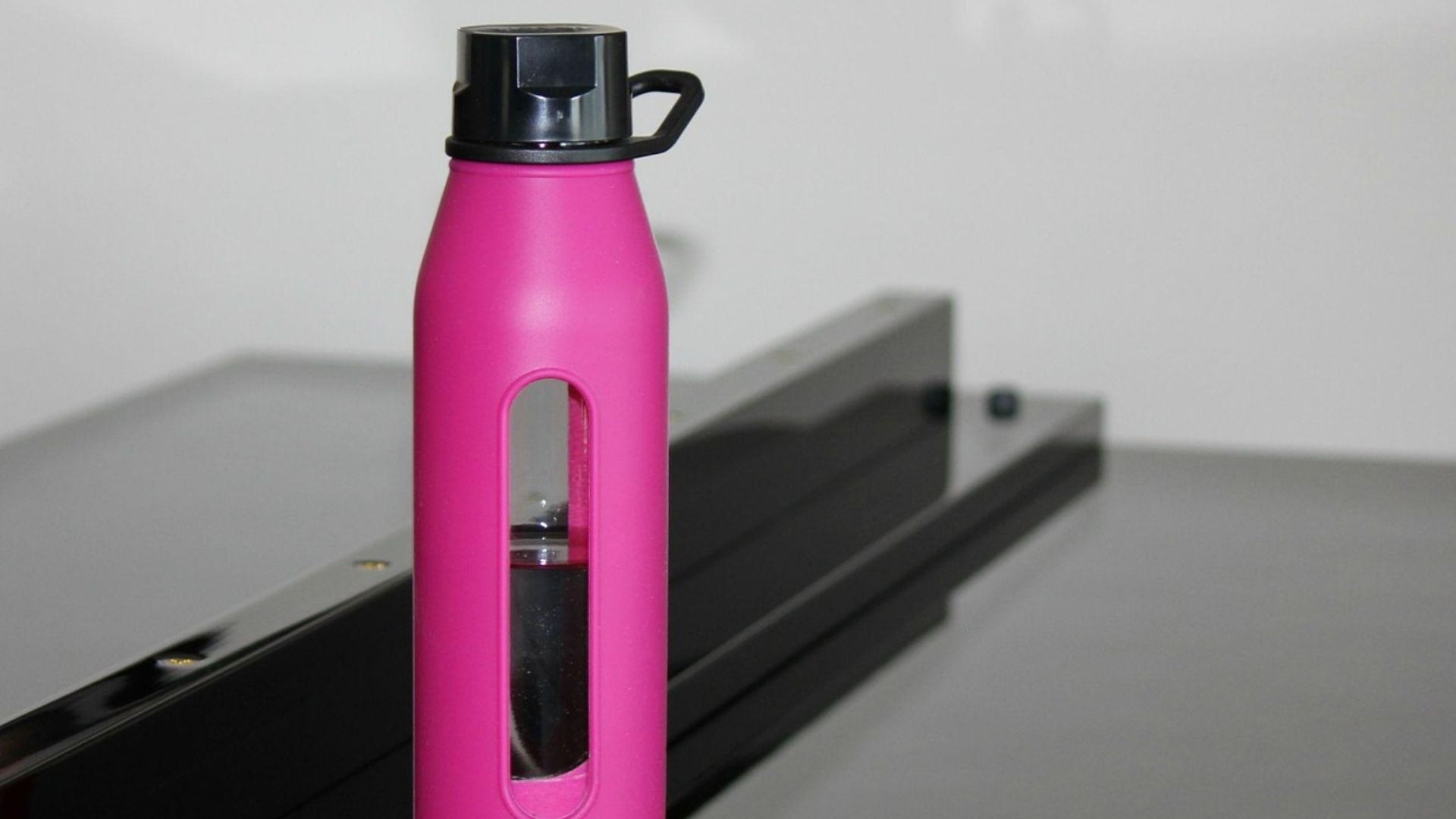
Canadian hiking guidance emphasizes carrying enough water and high-energy food rather than assuming something will be available along the route. Parks Canada suggests roughly half a litre of water per hour during hiking, depending on conditions and individual needs. The habit also transfers nicely to long drives, ferry waits, and delayed flights.
Wildlife Gets Treated Like Wildlife
Parks Canada tells visitors not to feed animals, to store food and scented items properly, and to maintain safe behavior in bear country. Some locations advise carrying bear spray and knowing how to use it. Canadians who spend time outdoors tend to understand that getting closer for a photograph is not worth teaching a wild animal that humans provide food.

They Pack Out What They Bring In
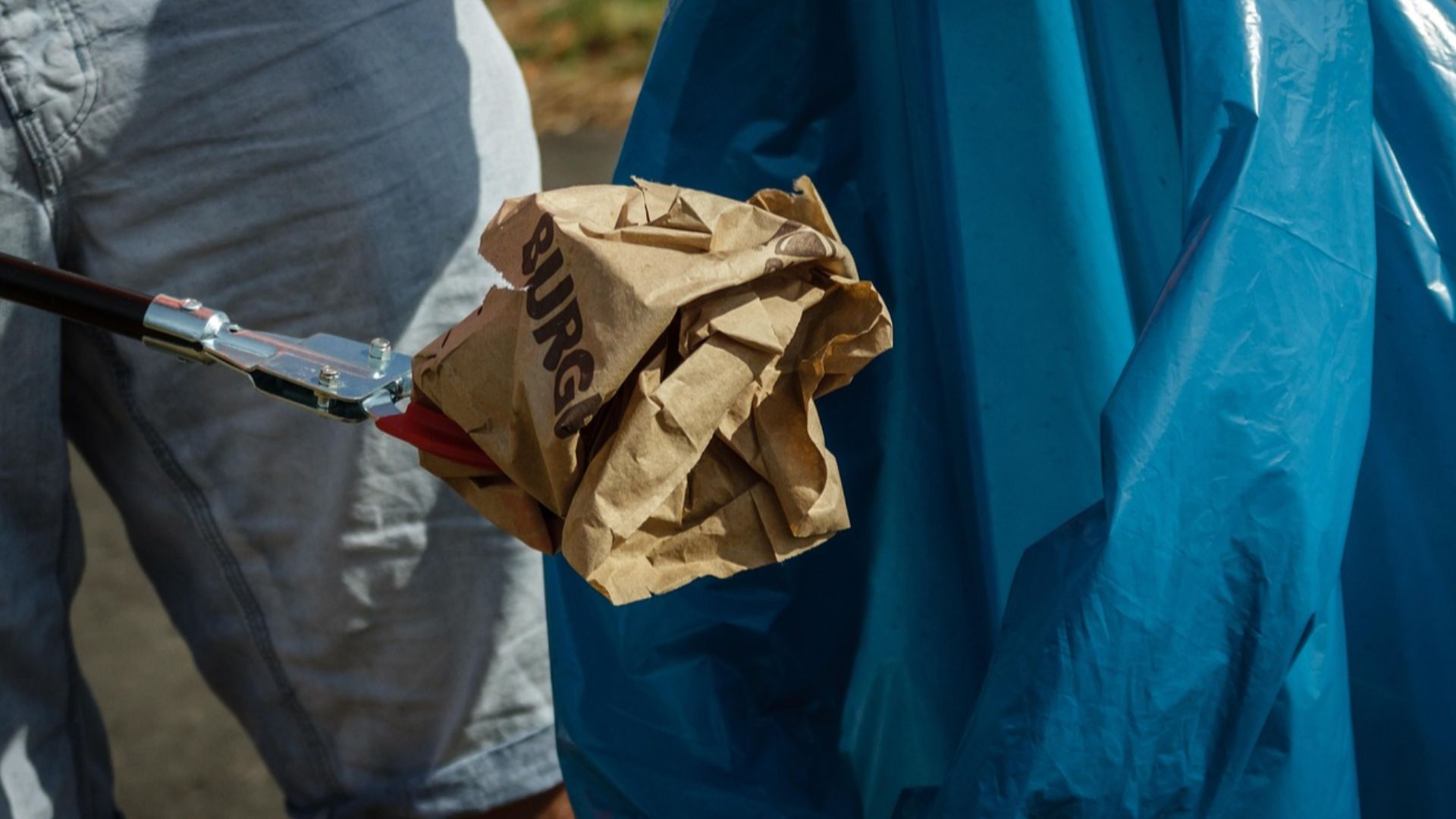
Parks Canada promotes Leave No Trace practices and requires backcountry visitors to pack out food and garbage. The same guidance stresses that even scented non-food items can attract wildlife. Leaving a place looking roughly as it did before you arrived is both considerate and remarkably uncomplicated.
The Real Canadian Habit Is Redundancy
The common thread is not that Canadians travel nervously. It is that government guidance repeatedly encourages backups for documents, money, insurance, weather, navigation, transportation, and emergencies. Preparing for Plan B often makes it much easier to enjoy Plan A.
 Gordon Leggett, Wikimedia Commons
You May Also Like:
What Flight Attendants Wish All Travelers Knew
Unexpected Things Boomers And Millennials Actually Agree On
Four Key Tips For Traveling On A Budget
Sources: 1, 2, 3, 4, 5, 6, 7, 8, 9, 10, 11, 12, 13, 14, 15, 16, 17, 18, 19, 20, 21, 22, 23, 24, 25