Paradise Can Have A Very Long Memory
Some destinations are so beautiful that it is easy to see only the postcard version. Turquoise water, mountain views, colorful streets, elegant buildings, and beaches can hide stories of war, disaster, forced displacement, slavery, imprisonment, and human suffering. Knowing that history can completely change the view.
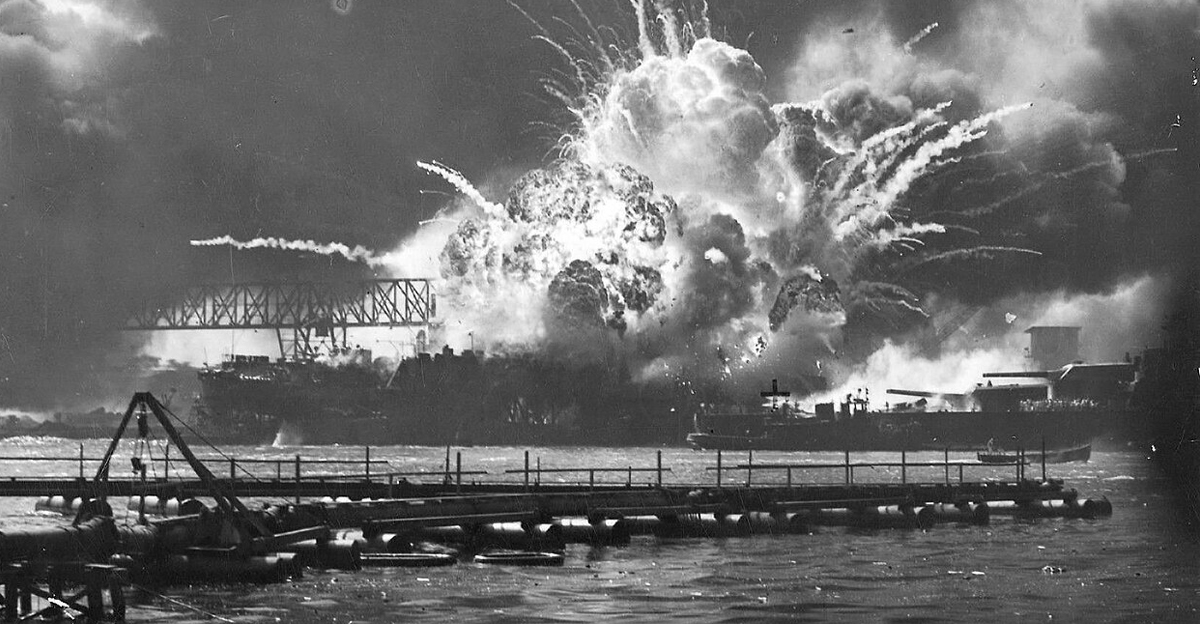 Unknown navy photographer, Wikimedia Commons
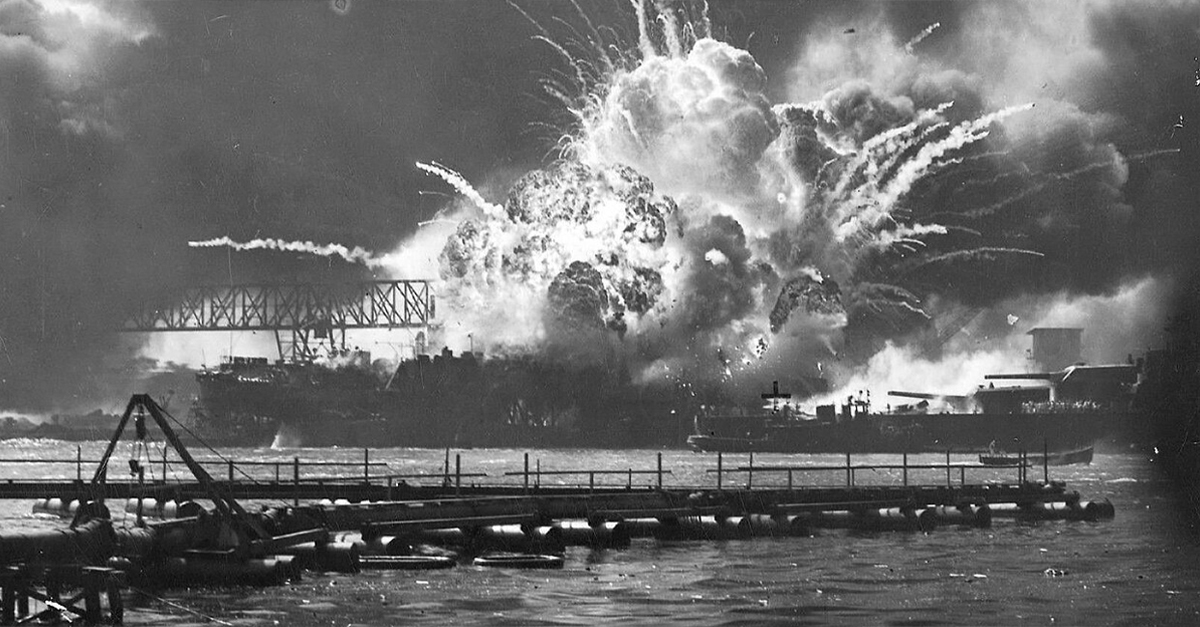
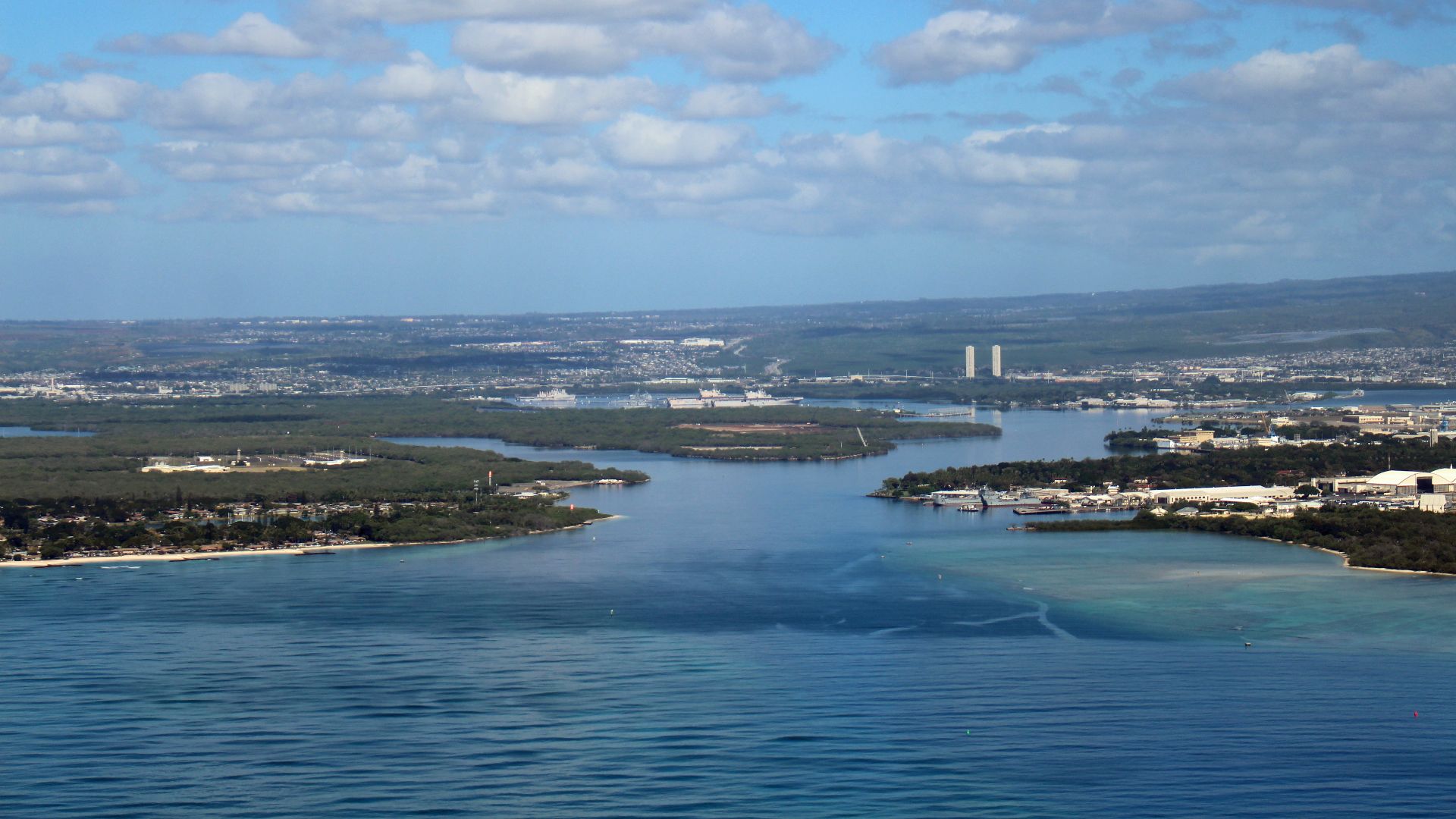
Hawaii: Pearl Harbor Sits Beside The Vacation Paradise
Oʻahu may mean Waikiki sunsets and tropical beaches to millions of visitors, but Pearl Harbor carries one of America’s defining wartime tragedies. Japan attacked on December 7, 1941, killing 2,403 service members and civilians. The USS Arizona remains the final resting place of more than 900 crewmen.
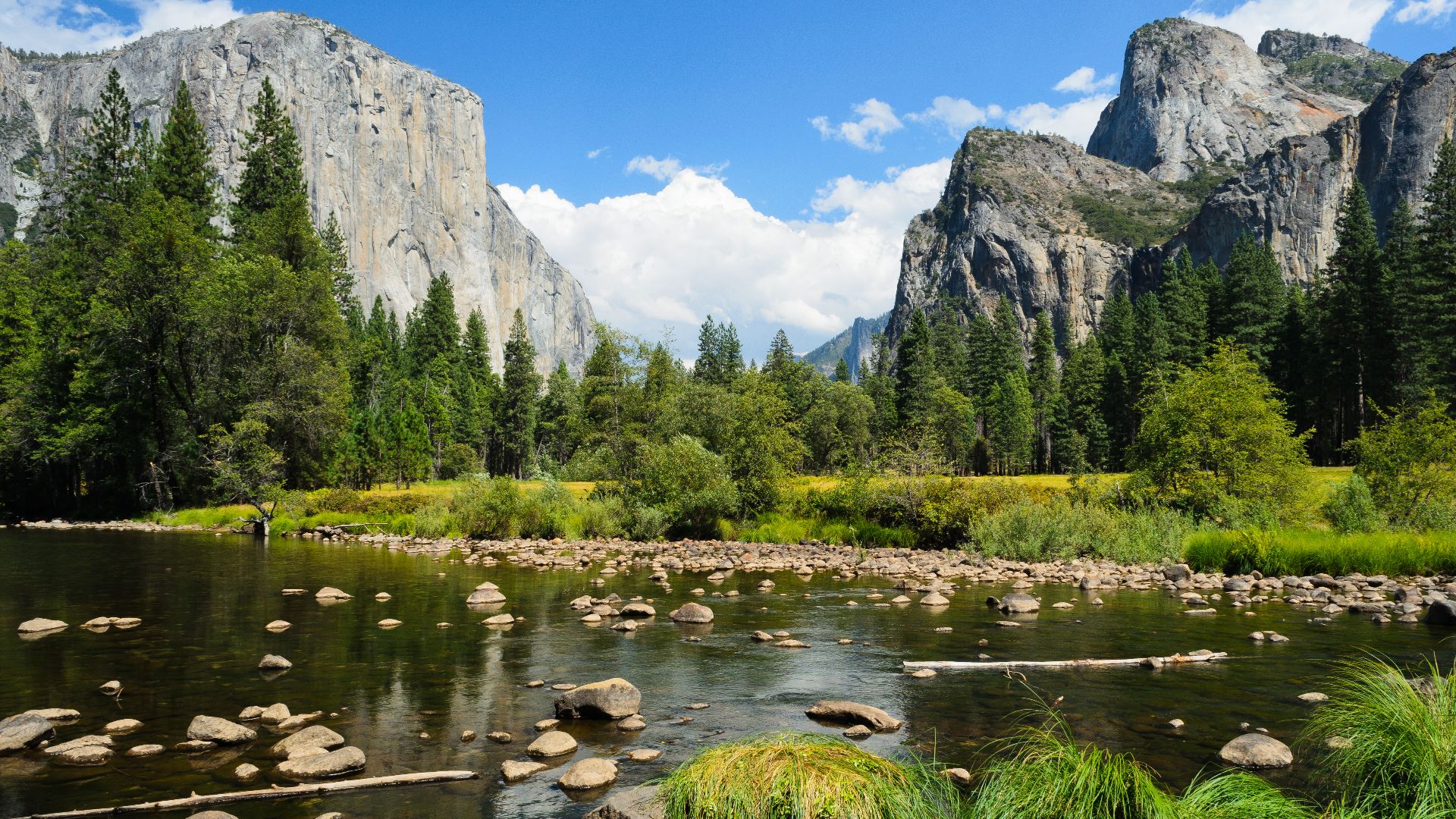
Yosemite: The Valley Was Home Before It Became An Icon
Yosemite Valley feels almost impossibly beautiful, but its tourism history followed violence against Indigenous residents. During the Gold Rush, the state-backed Mariposa Battalion entered the valley in 1851, burned villages and food supplies, and attempted to force Native people from their homes.
 King of Hearts, Wikimedia Commons
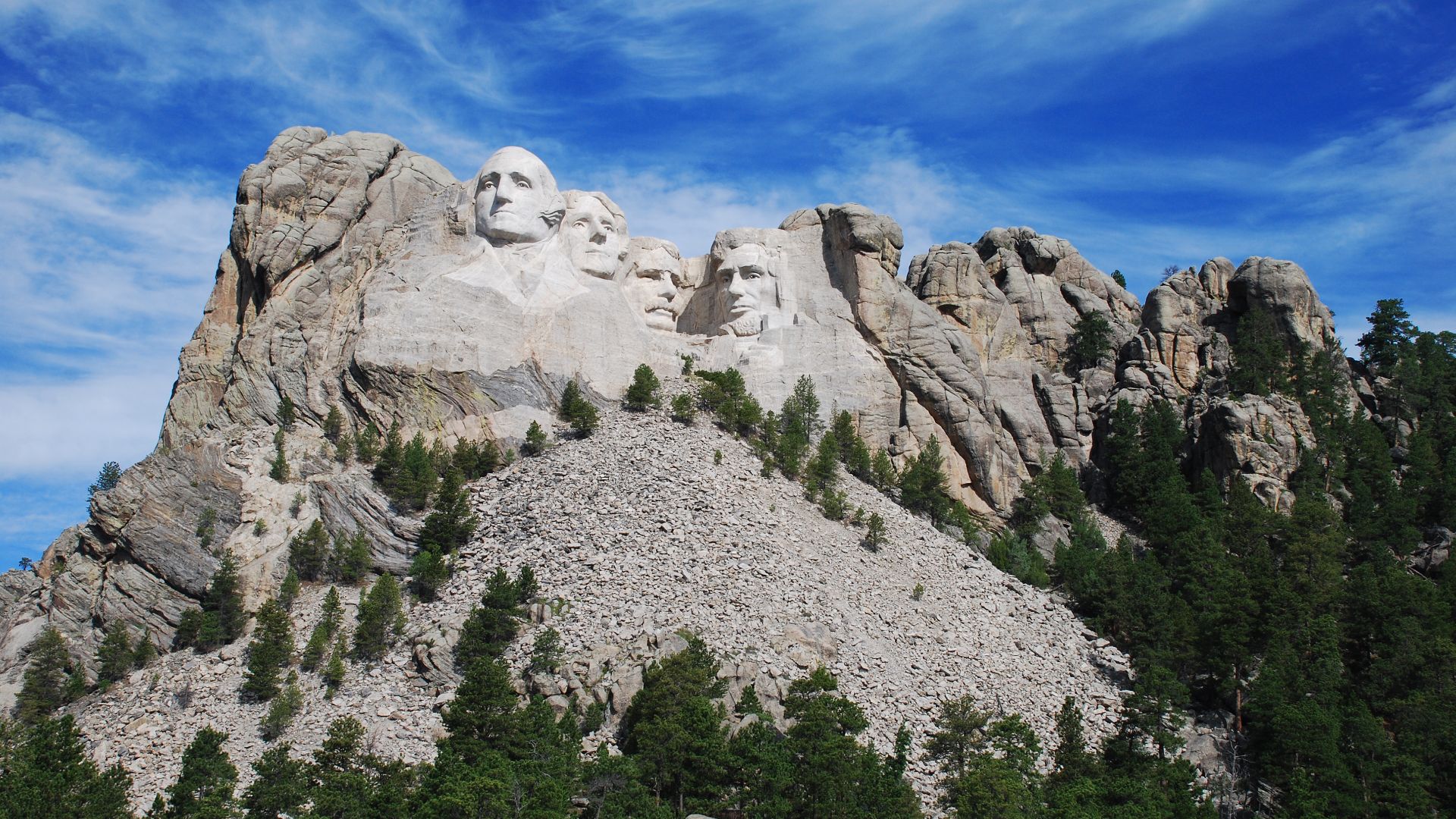
Mount Rushmore: The View Comes With A Broken Treaty
Mount Rushmore rises from South Dakota’s Black Hills, a landscape of enormous cultural importance to many Indigenous nations. The United States recognized the Black Hills as Lakota territory in the 1868 Treaty of Fort Laramie. Gold discoveries soon brought prospectors who violated those treaty protections.
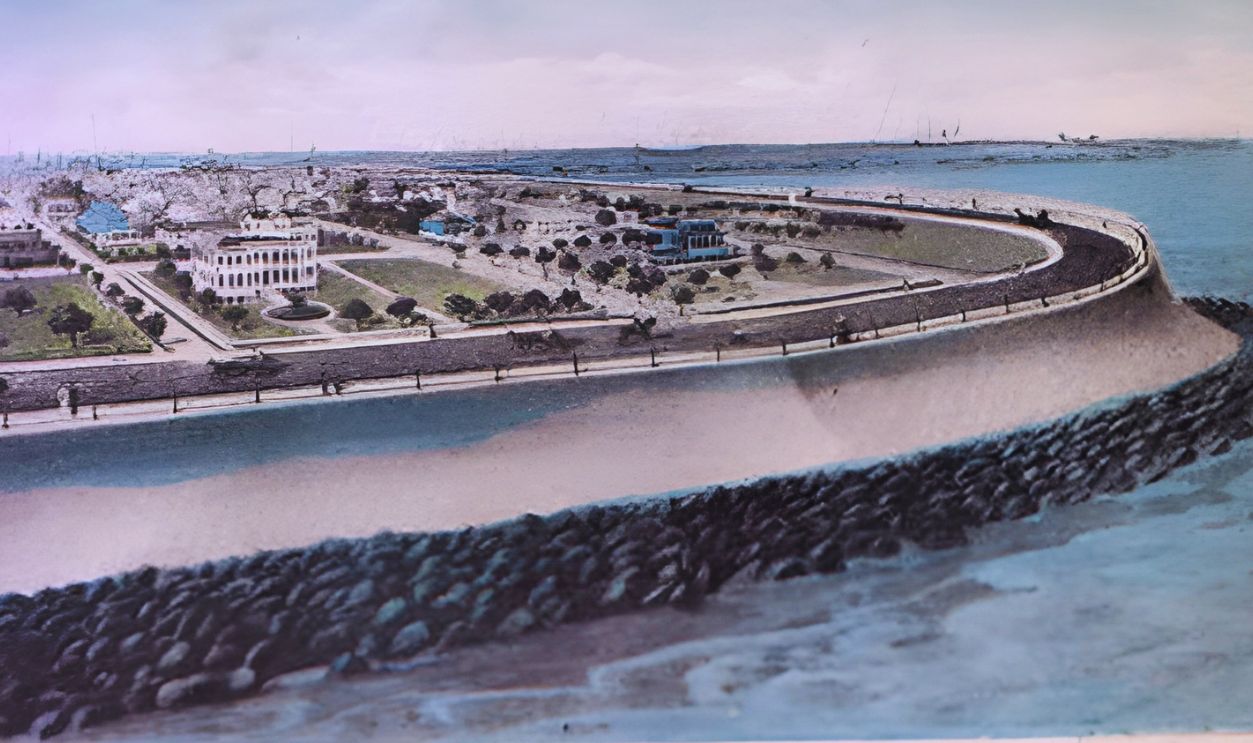
Galveston: The Seawall Exists Because Of Catastrophe
Galveston’s Victorian architecture and Gulf beaches make it an easy getaway today. On September 8, 1900, however, a hurricane and massive storm surge devastated the Texas island. Between 6,000 and 8,000 people perished in the city, making the disaster the deadliest natural catastrophe in US history.
 Unknown Author, Wikimedia Commons
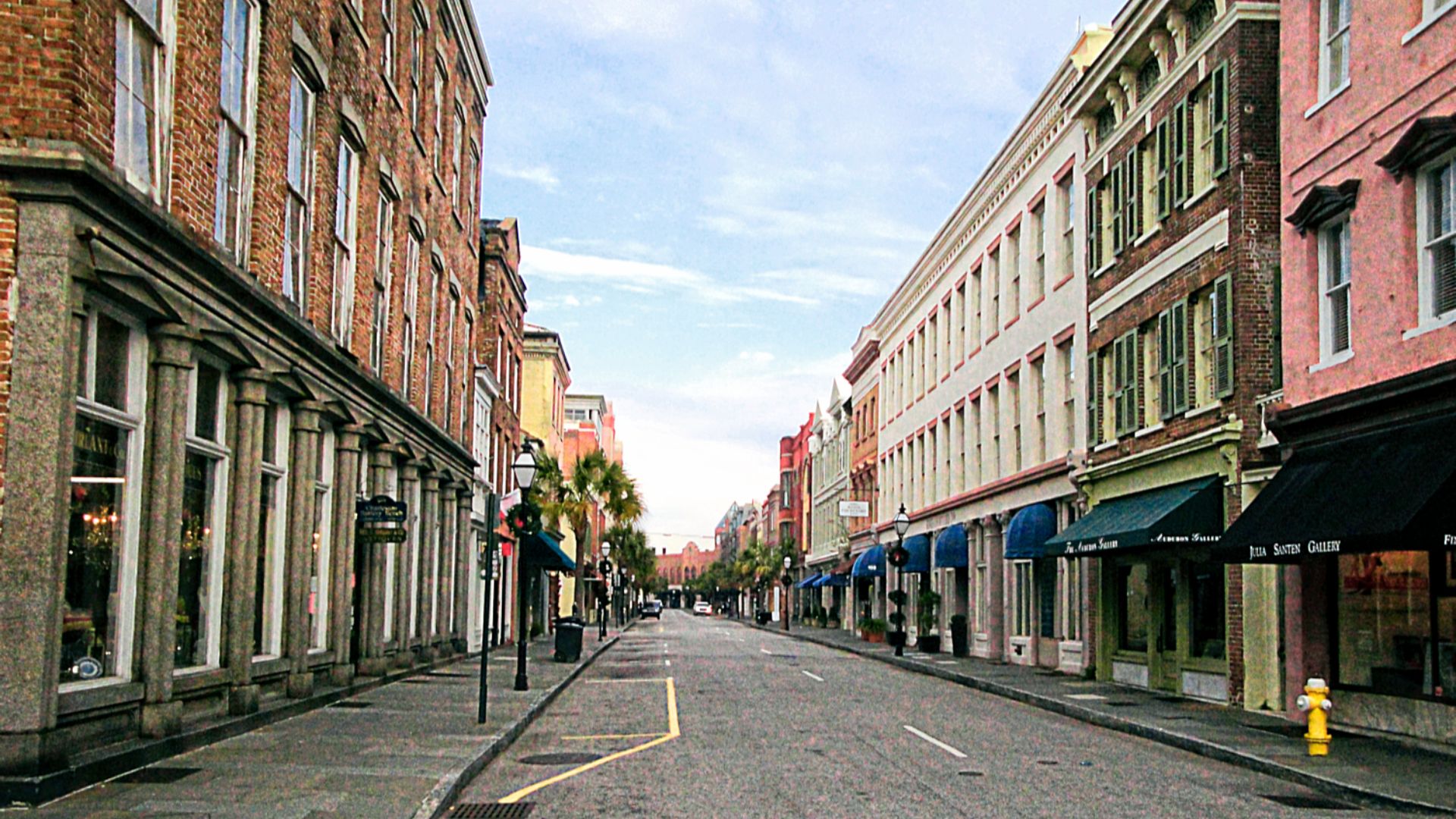
Charleston: The Beautiful Streets Were Tied To Slavery
Charleston’s courtyards, historic homes, and cobblestone streets are undeniably beautiful. But the city’s wealth was deeply connected to slavery. Enslaved men, women, and children were bought and sold there, and the surviving Old Slave Mart is a physical reminder of that brutal commercial system.
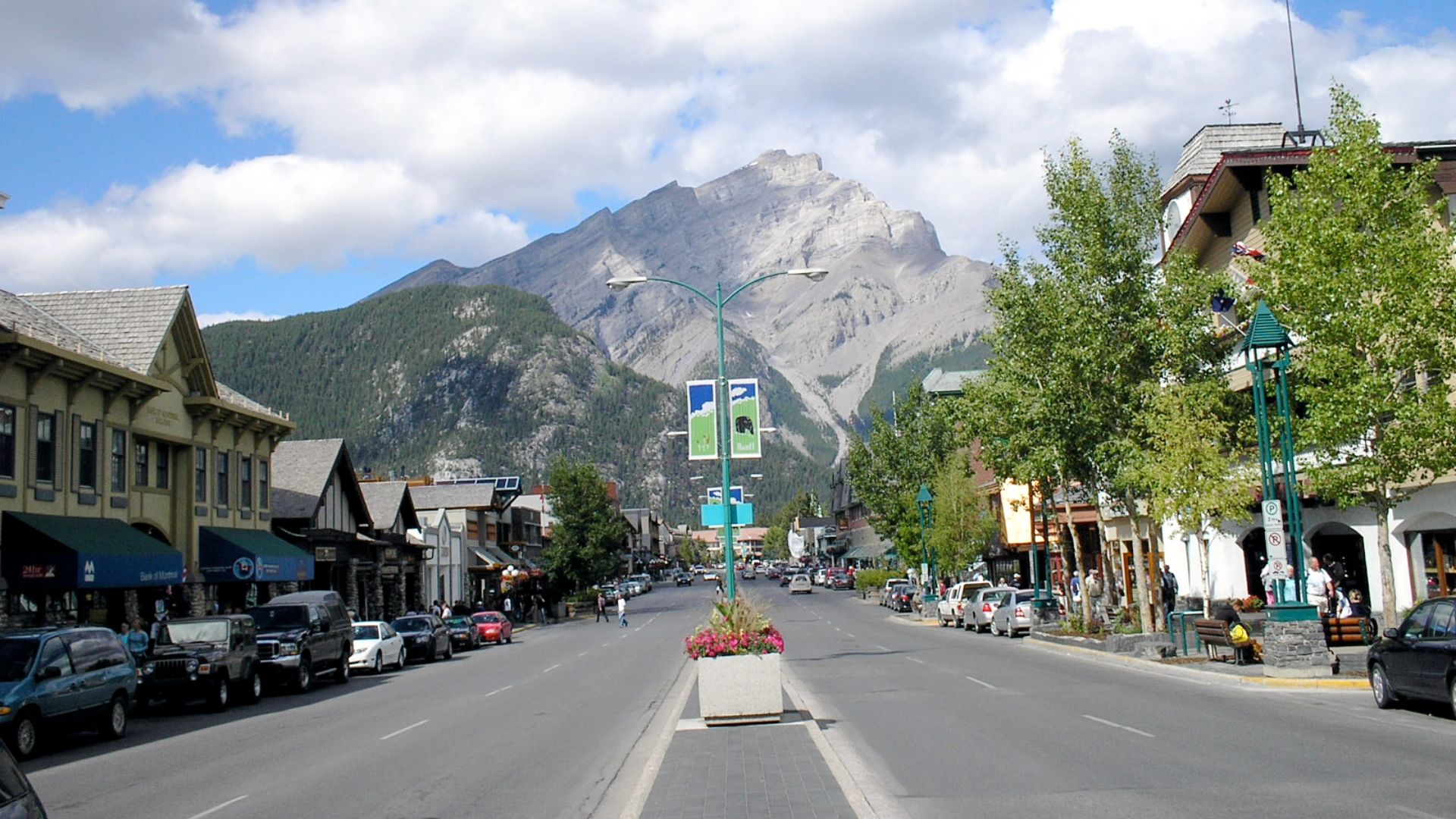
Banff: Some Of Canada’s Scenic Roads Were Built By Internees
Banff National Park now represents spectacular Canadian wilderness, but part of its early infrastructure carries an uncomfortable history. During WWI, Canada interned thousands of people labeled “enemy aliens". Internees held in western national parks performed labor that included road building and land clearing.
 Diderot~commonswiki, Wikimedia Commons
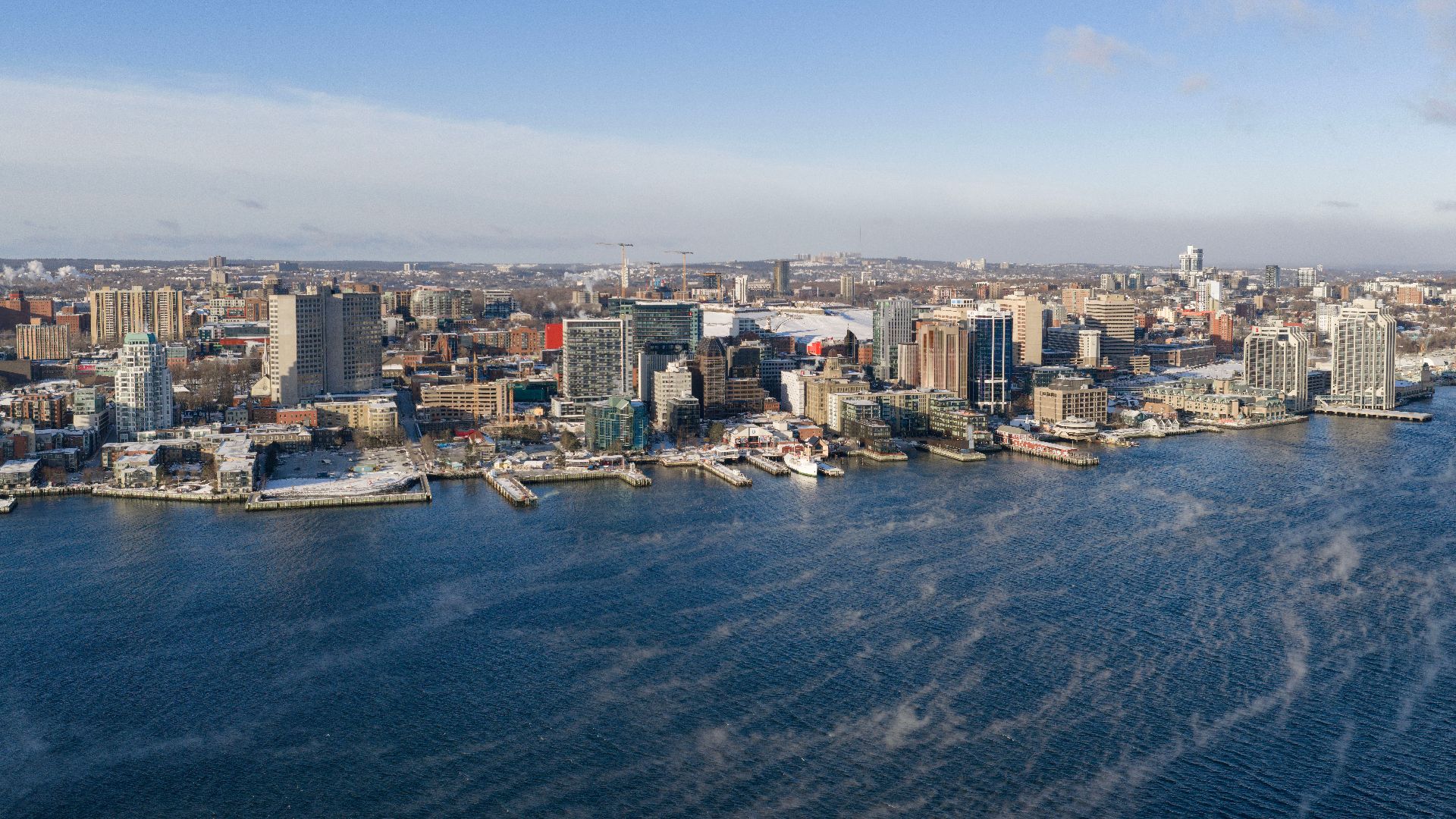
Halifax: The Waterfront Once Exploded
Halifax’s waterfront is now filled with restaurants, museums, boats, and scenic walks. On December 6, 1917, the explosives-laden SS Mont-Blanc collided with the SS Imo in the harbor. The resulting explosion, fires, and tidal wave killed about 2,000 people and injured thousands more.
 Quintin Soloviev, Wikimedia Commons
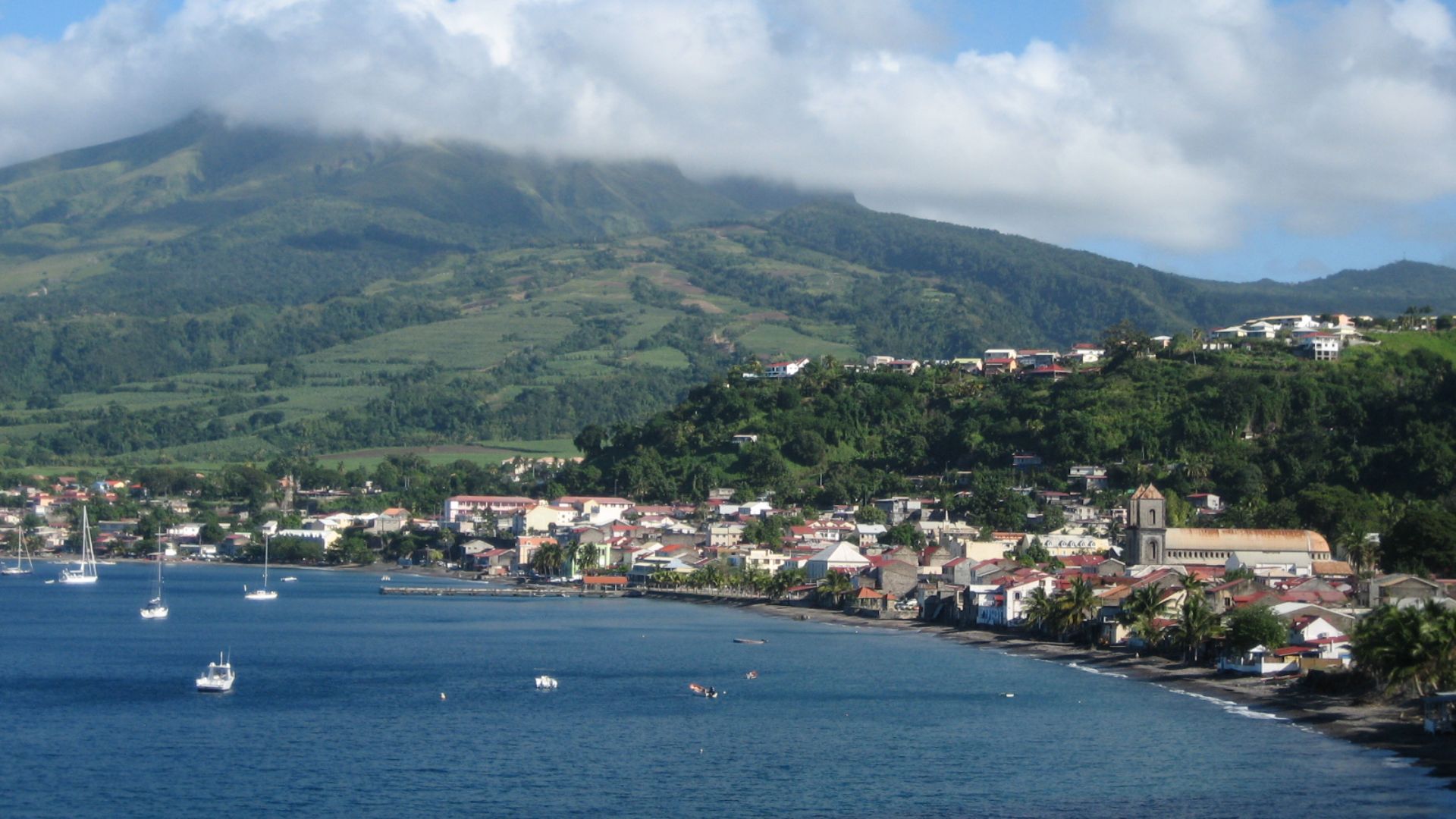
Martinique: Saint-Pierre Was Destroyed In Minutes
Saint-Pierre once enjoyed a reputation as the cultural center of Martinique. Then Mount Pelée erupted on May 8, 1902. The eruption destroyed the city and killed nearly 30,000 people, becoming one of the defining disasters in the history of volcanology. Today, lush Caribbean scenery surrounds the volcano once again.
 lb:user:Zinneke, Wikimedia Commons
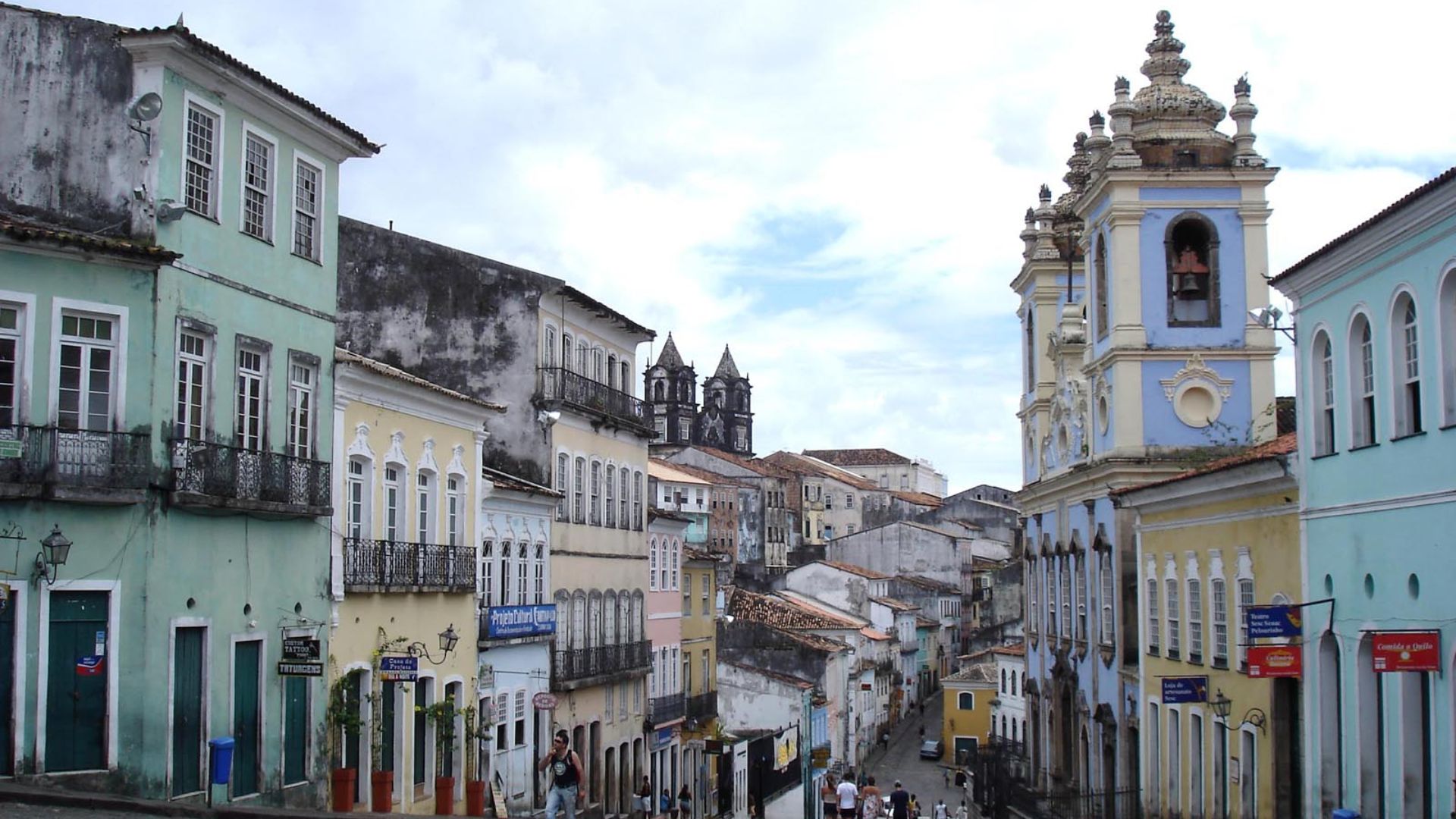
Salvador, Brazil: The Colorful Streets Were Built Around A Slave Economy
Salvador da Bahia is famous for bright colonial buildings, music, food, and Afro-Brazilian culture. Its beauty sits beside a darker legacy. UNESCO notes that Salvador became a major center of the sugar economy and slave trade and, beginning in 1558, hosted the first slave market in the New World.
 fernando_dallacqua [2], Wikimedia Commons
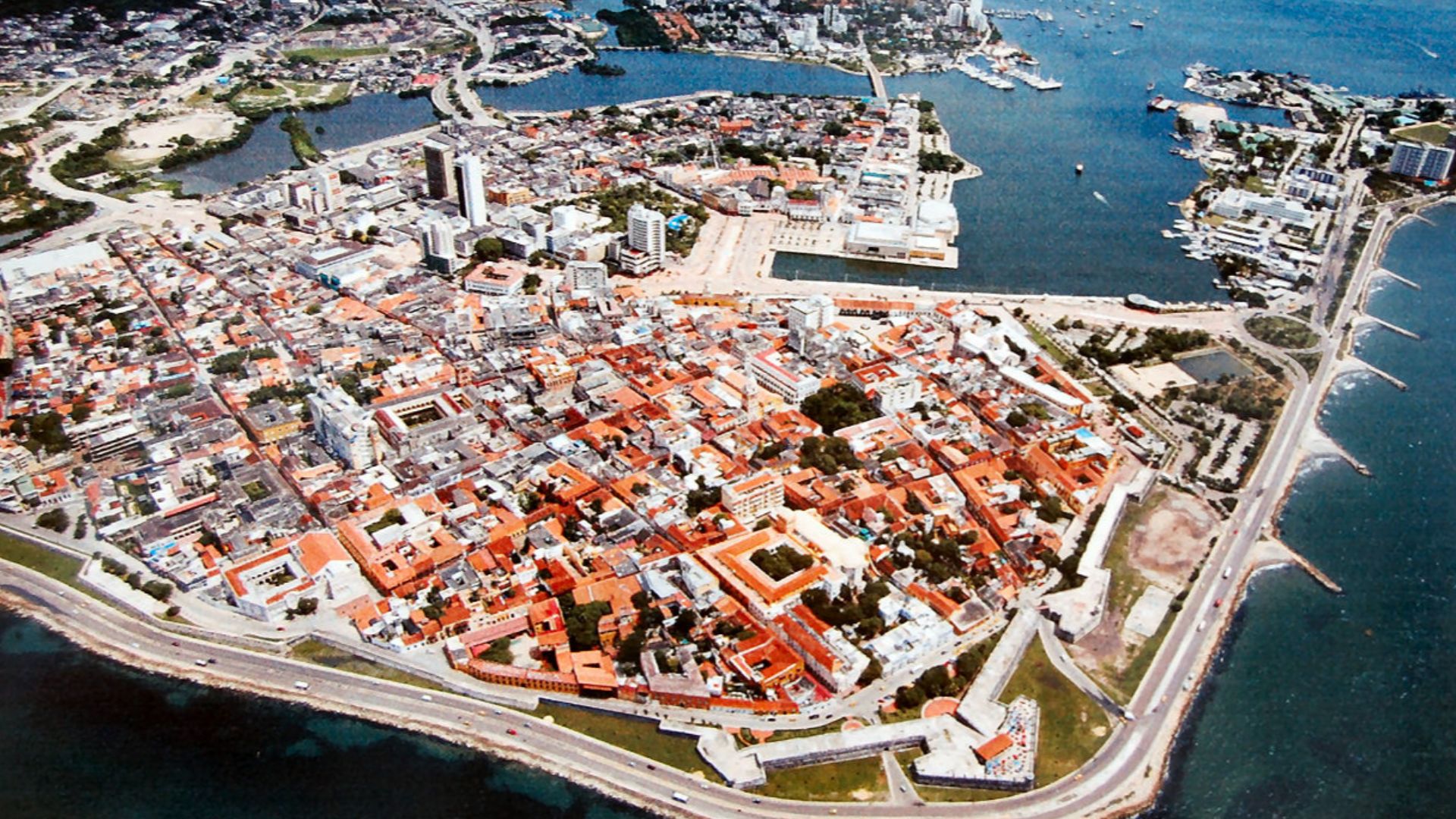
Cartagena, Colombia: The Walled City Was Also A Slave Port
Cartagena’s balconies, Caribbean water, and fortifications make it one of South America’s most photogenic cities. During the colonial era, however, it became the principal slave port of Spanish America during a major period of the transatlantic trade. That history sits behind many of the same walls tourists photograph today.
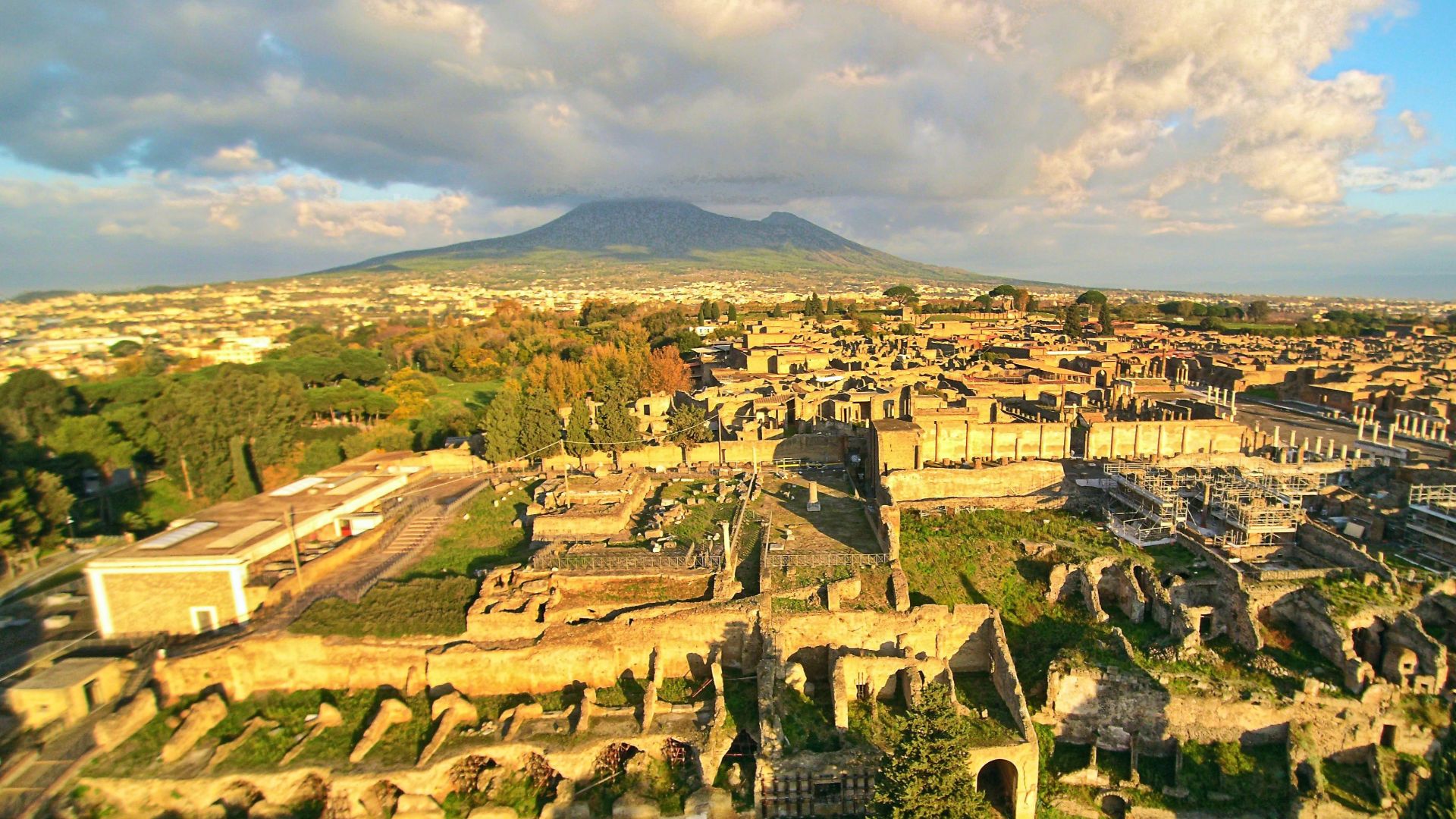
Pompeii: A Vacation Landscape Preserved By Disaster
The Bay of Naples offers beaches, islands, villas, and extraordinary food. Pompeii exists as an attraction because of catastrophe. When Mount Vesuvius erupted in AD 79, volcanic material engulfed Pompeii while pyroclastic surges and flows buried nearby Herculaneum, freezing parts of Roman life in time.
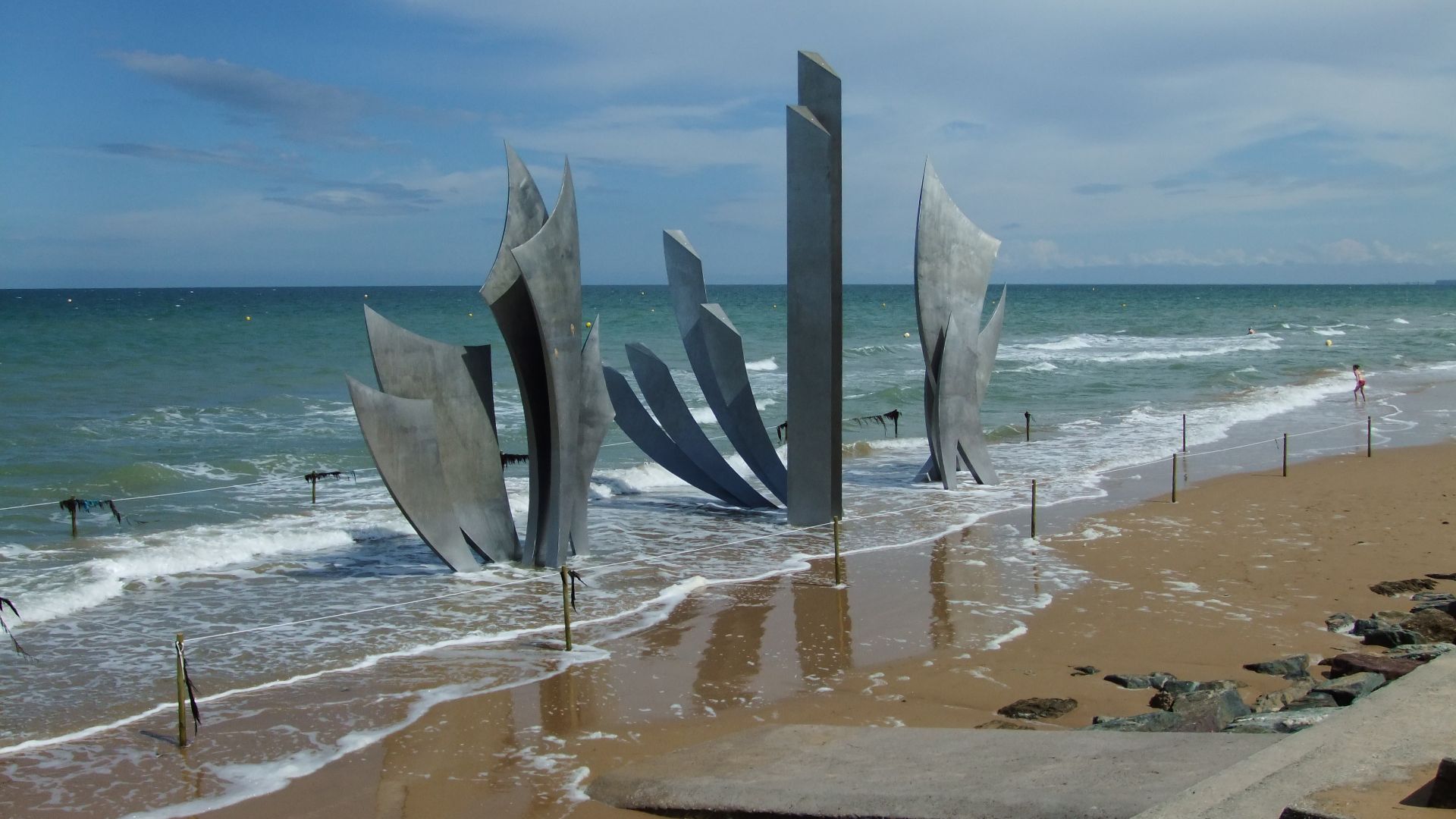
Normandy: Peaceful Beaches Were Once Killing Grounds
Normandy’s beaches can look serene enough for a summer postcard. On June 6, 1944, Allied forces landed across five beaches as part of the campaign to liberate Western Europe. Omaha Beach saw especially fierce German resistance, and the nearby Normandy American Cemetery contains more than 9,000 American graves.
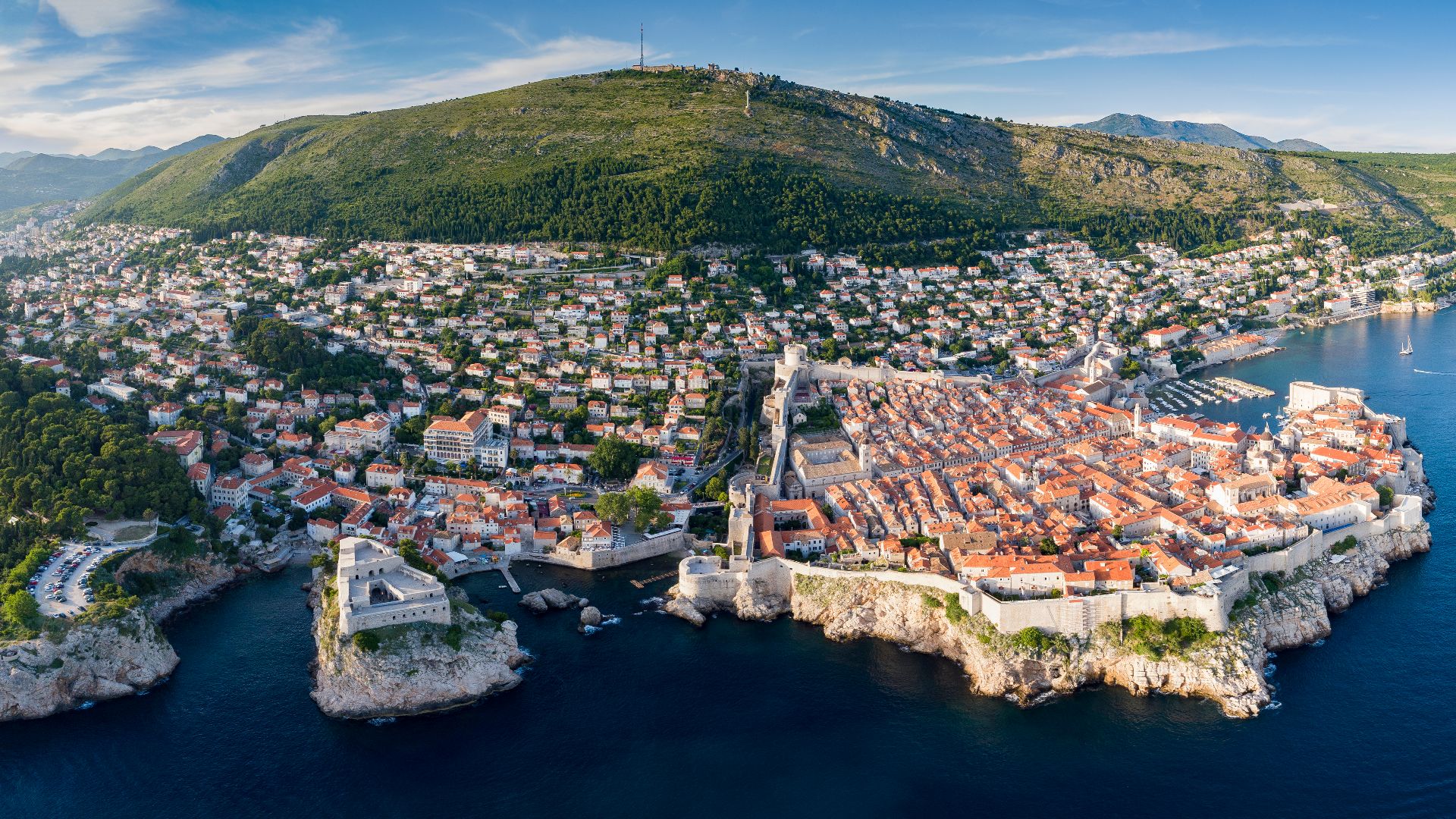
Dubrovnik: The Old City Was Shelled Within Living Memory
Dubrovnik’s walls, stone streets, and Adriatic views make it one of Europe’s most beautiful destinations. Yet in 1991 the historic city was bombarded during the breakup of Yugoslavia. UNESCO placed Dubrovnik on its endangered heritage list, and major restoration work followed the conflict.
 Chensiyuan Edit by: Bammesk, Wikimedia Commons
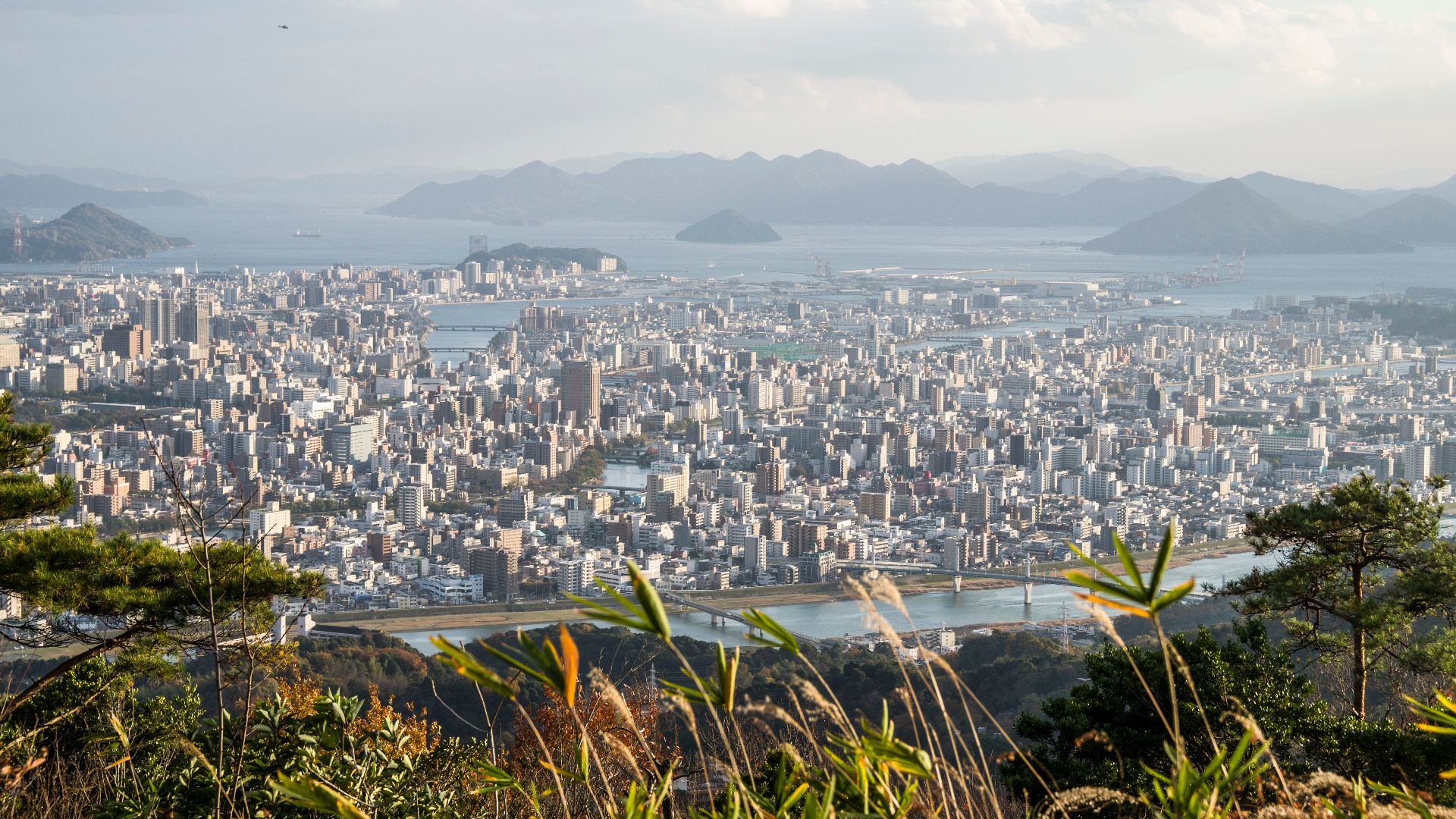
Hiroshima: A Modern City Grew From Nuclear Destruction
Hiroshima today is a green, lively city filled with restaurants, riverside walks, museums, and modern neighborhoods. At 8:15 am on August 6, 1945, the first atomic bomb used against human beings exploded over the city. The preserved Genbaku Dome remains beside Peace Memorial Park.
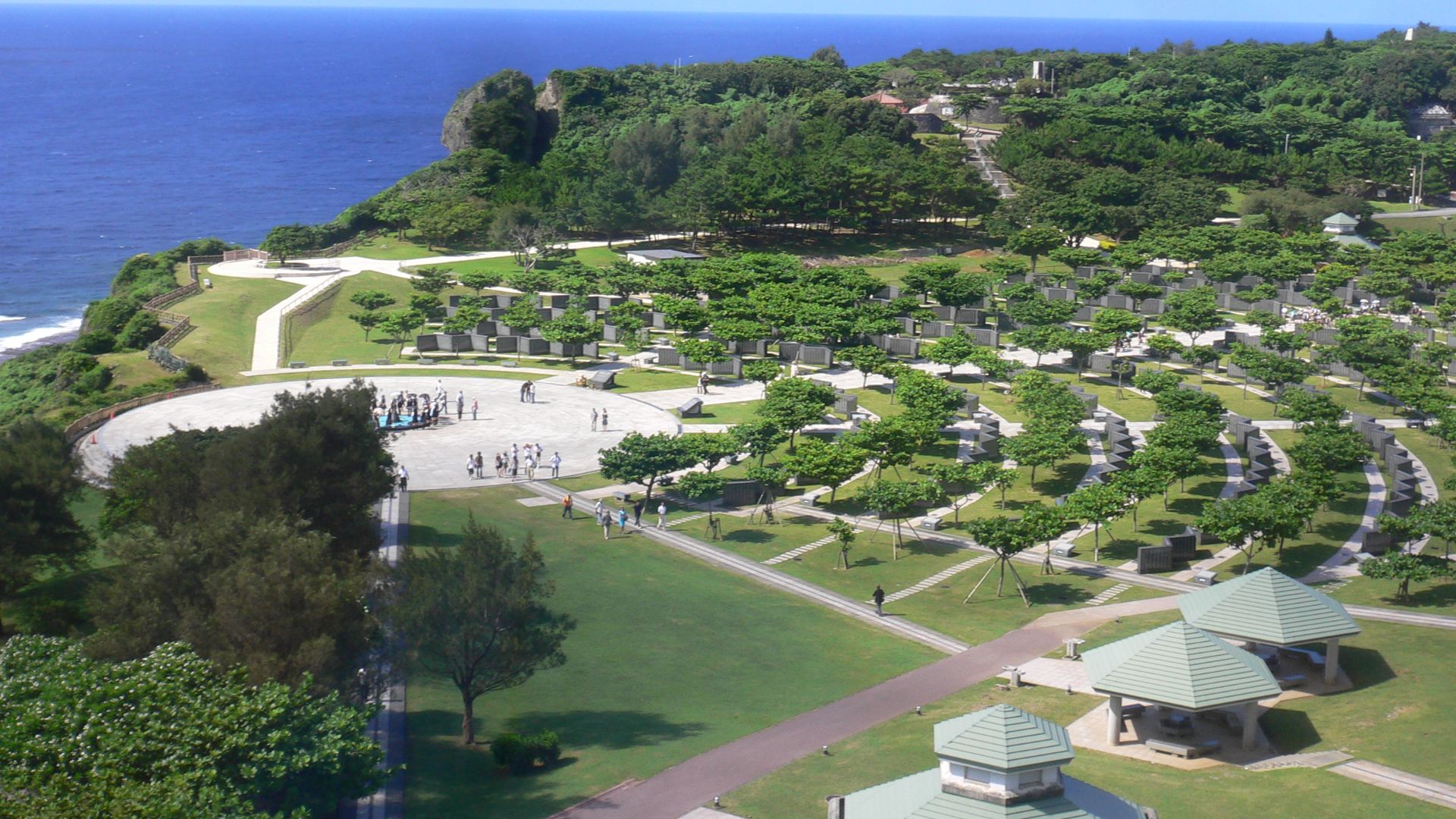
Okinawa: Tropical Beaches Surround A Vast Battlefield
Okinawa is known for coral water, subtropical scenery, and island vacations. In 1945, it became the site of one of WWII’s most devastating battles. Okinawan civilians were caught in the fighting, and the Cornerstone of Peace memorial honors more than 200,000 people who lost their lives in the Battle of Okinawa and related fighting.
 Syohei Arai, Wikimedia Commons
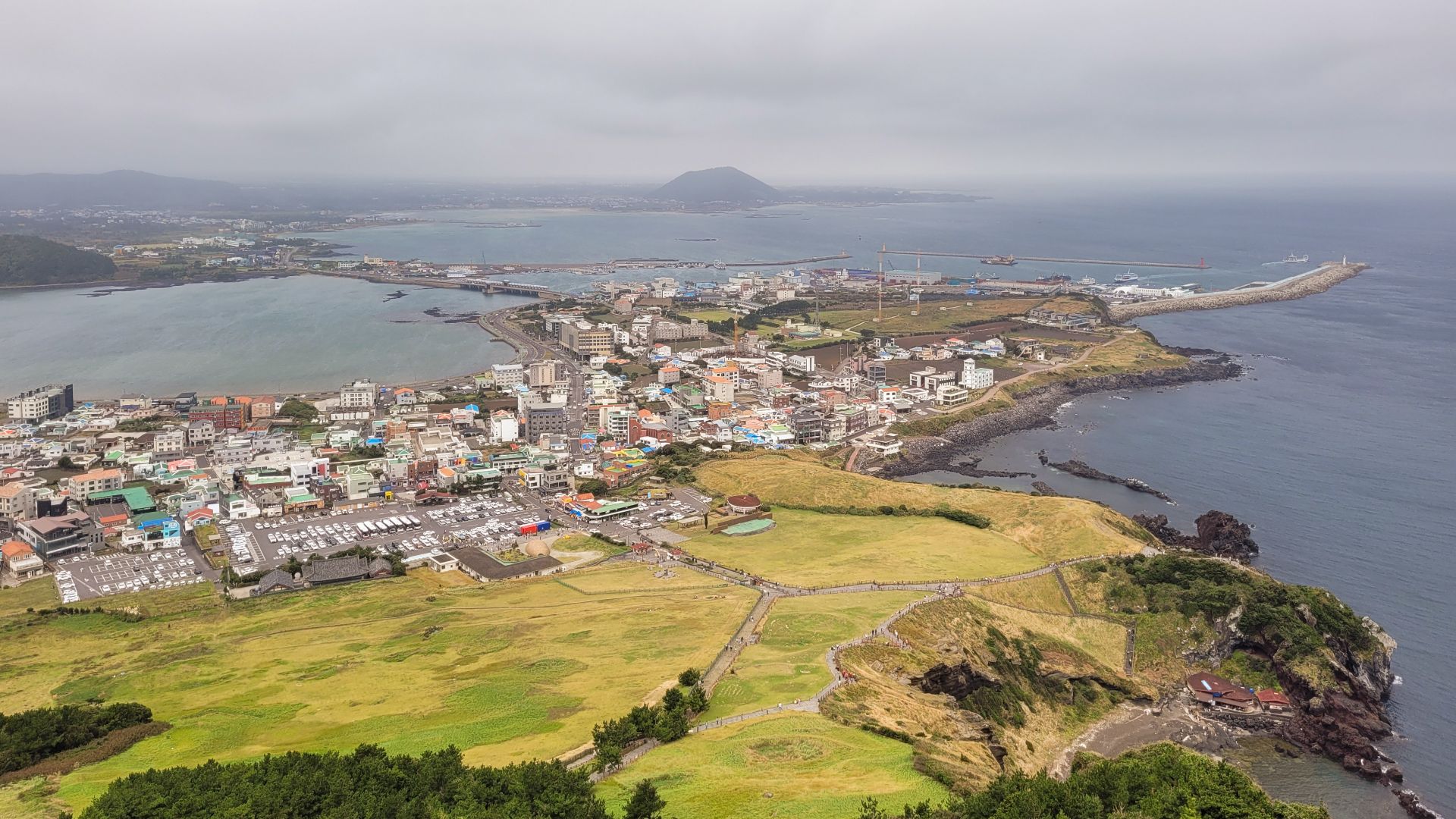
Jeju Island: The Resort Island Carries A Suppressed History
South Korea’s Jeju Island is famous for beaches, volcanic landscapes, hiking, and honeymoons. Between 1947 and 1954, however, the island endured the Jeju 4·3 uprising, armed conflict, and violent suppression. An official investigation has estimated that roughly 25,000 to 30,000 people lost their lives.
 Bernard Gagnon, Wikimedia Commons
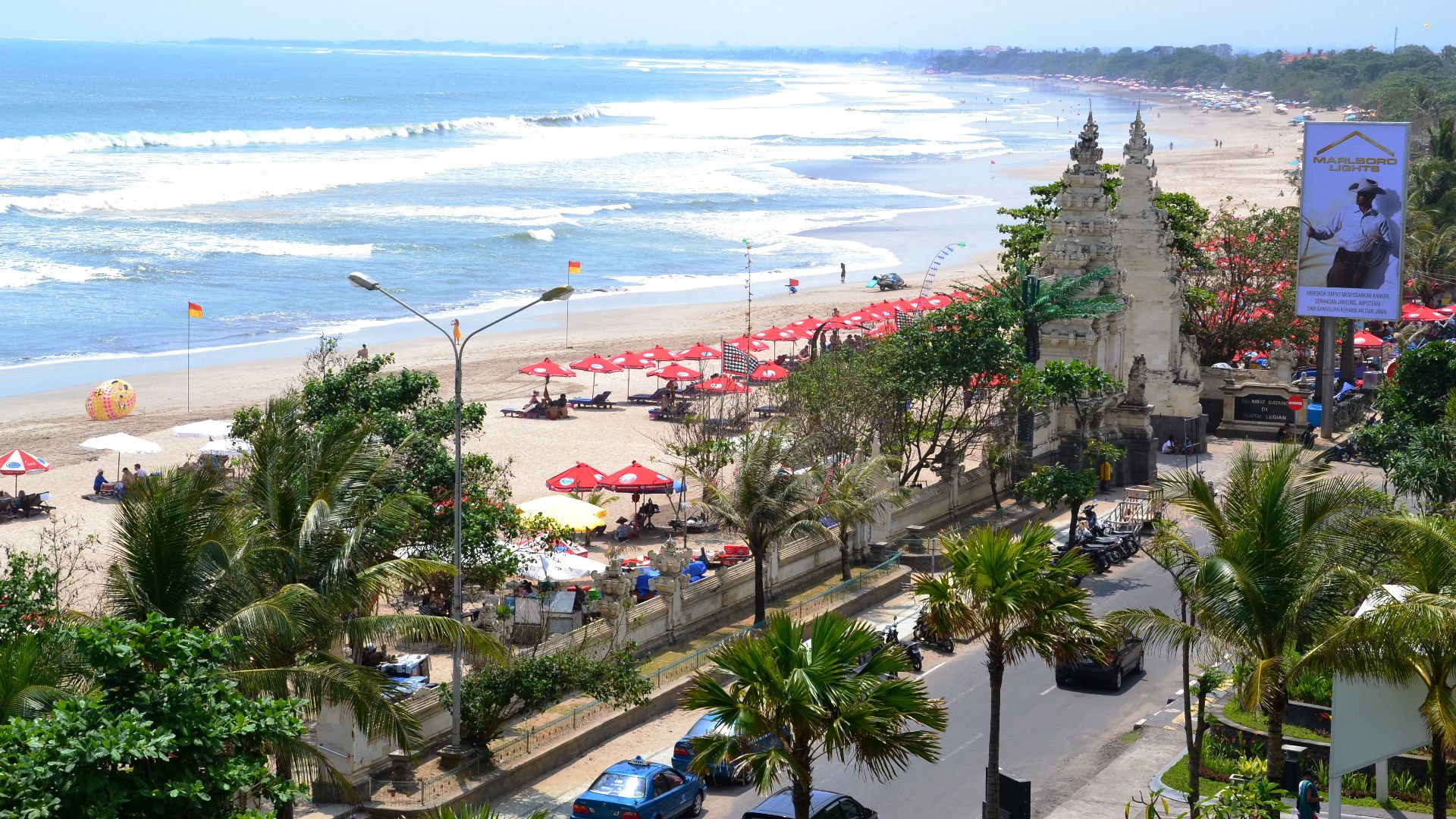
Bali: A Nightlife District Became A Terrorist Target
Bali’s beaches, resorts, temples, and nightlife attract travelers from around the world. On October 12, 2002, bombings struck the Kuta area. A total of 202 people lost their lives and hundreds of local residents and foreign visitors were injured. A memorial now stands near the attack site.
 Simon_sees from Australia, Wikimedia Commons
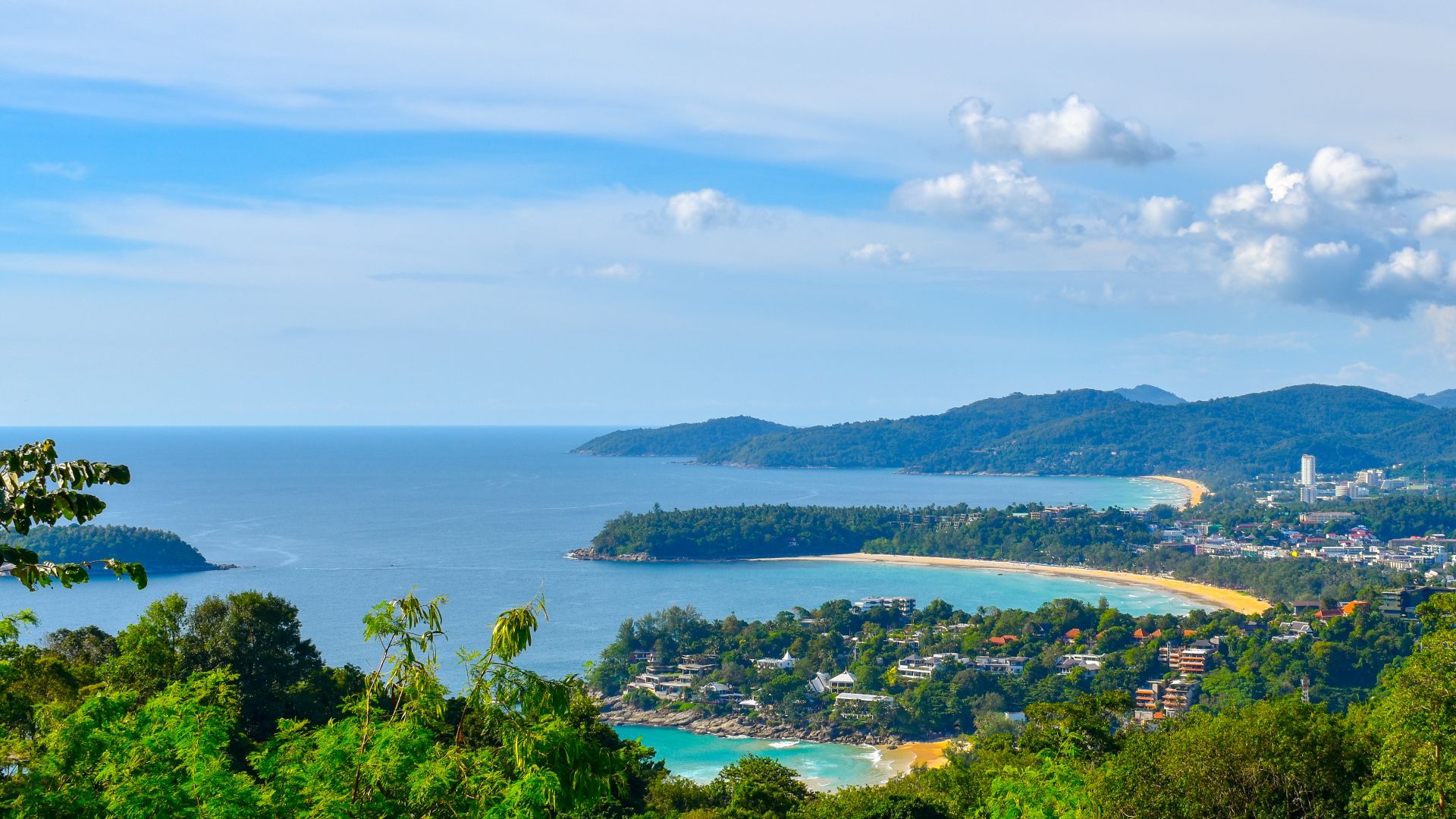
Phuket: The Ocean Turned Deadly Without Warning
Thailand’s Andaman coast looks almost designed for a travel advertisement. On December 26, 2004, the Indian Ocean tsunami struck Phuket and five other southern Thai provinces. More than 5,000 people died in Thailand, while the disaster killed more than 230,000 people across 14 countries.
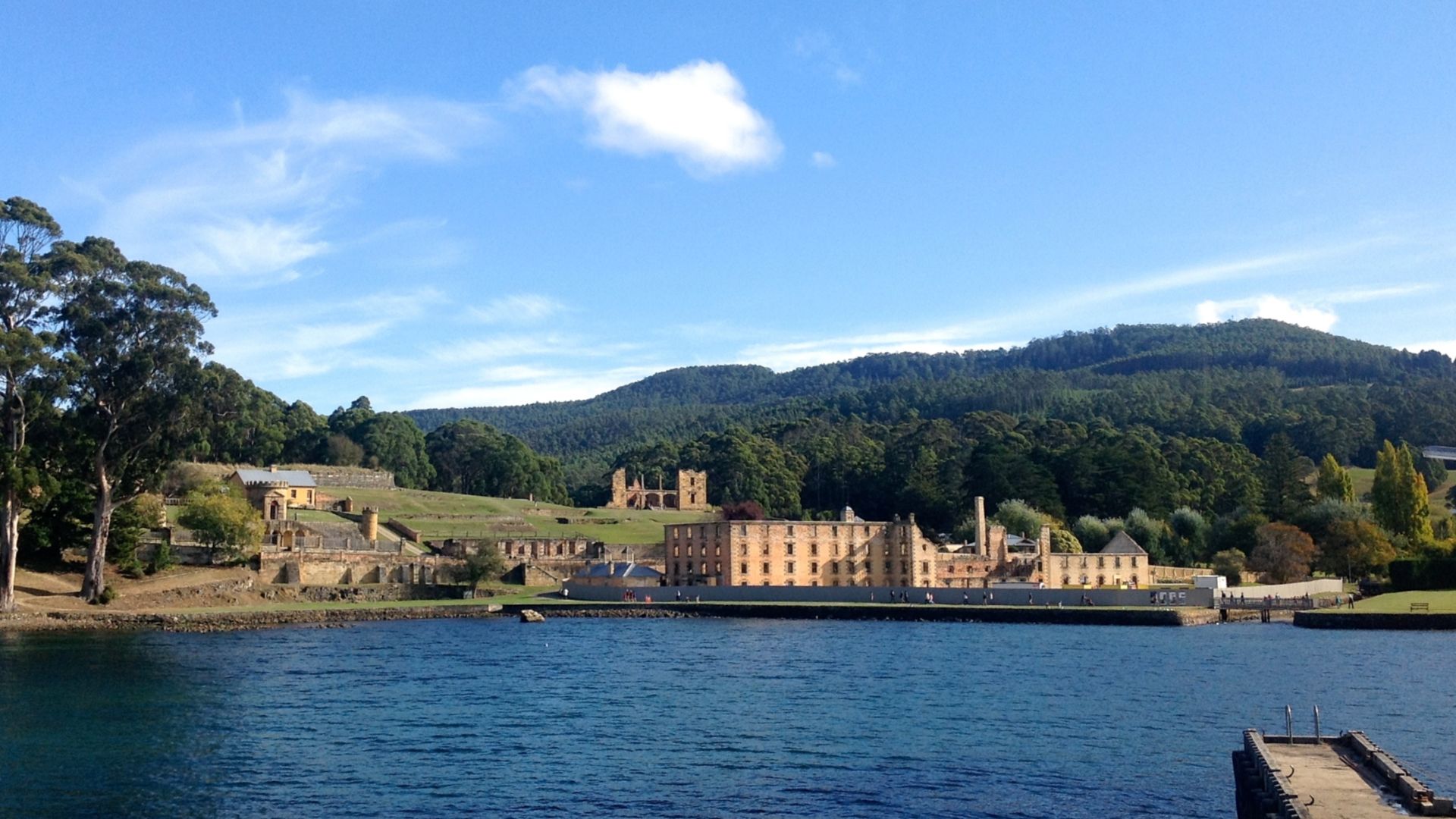
Tasmania: Port Arthur Was Designed Around Punishment
Port Arthur sits on a striking Tasmanian peninsula surrounded by forest and water. Beginning in 1830, however, it developed into one of Australia’s most important penal settlements. Convicts were subjected to hard labor, physical punishment, and later systems designed around psychological isolation and control.
 EurovisionNim, Wikimedia Commons
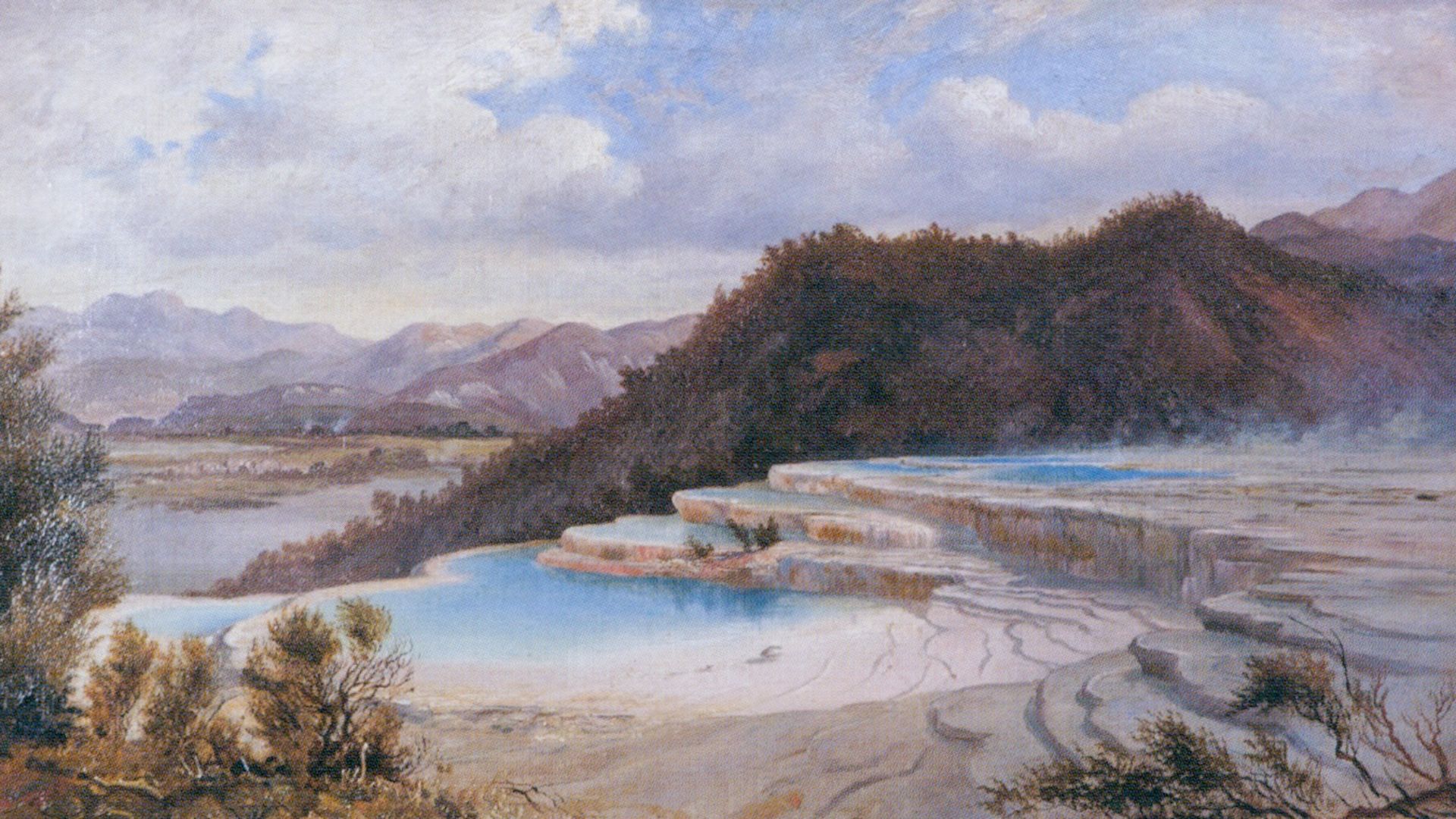
New Zealand: Mount Tarawera Destroyed A Famous Tourist Wonderland
Rotorua’s geothermal landscapes were already attracting travelers in the 19th century, especially the famous Pink and White Terraces. On June 10, 1886, Mount Tarawera erupted violently, burying villages and destroying the terraces. The official death toll was long placed around 150, though later estimates suggest roughly 108 to 120 people perished.
 Charles Blomfield, Wikimedia Commons
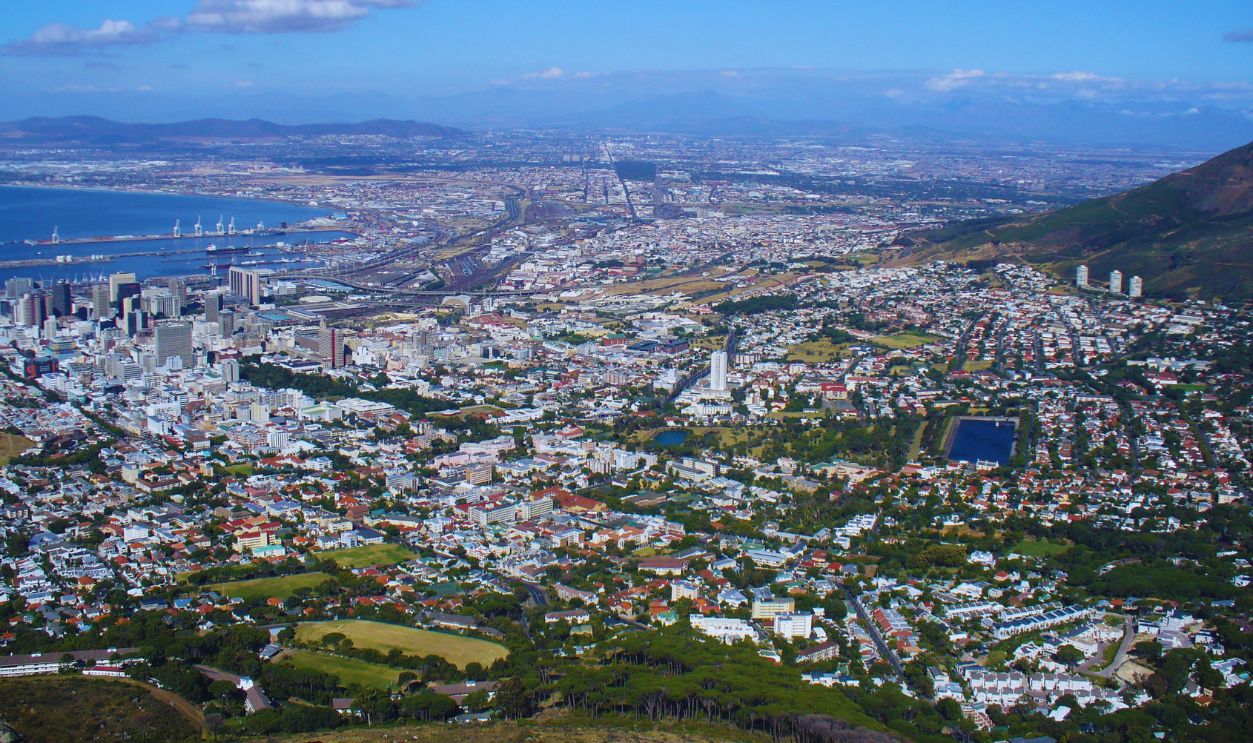
Cape Town: Apartheid Erased Entire Neighborhoods
Cape Town’s mountains, beaches, vineyards, and ocean drives make it one of the world’s most striking cities. Under apartheid, those landscapes existed beside forced segregation. In District Six alone, more than 60,000 residents were forcibly removed after the government declared the area for white residents.
 Andrew Massyn, Wikimedia Commons
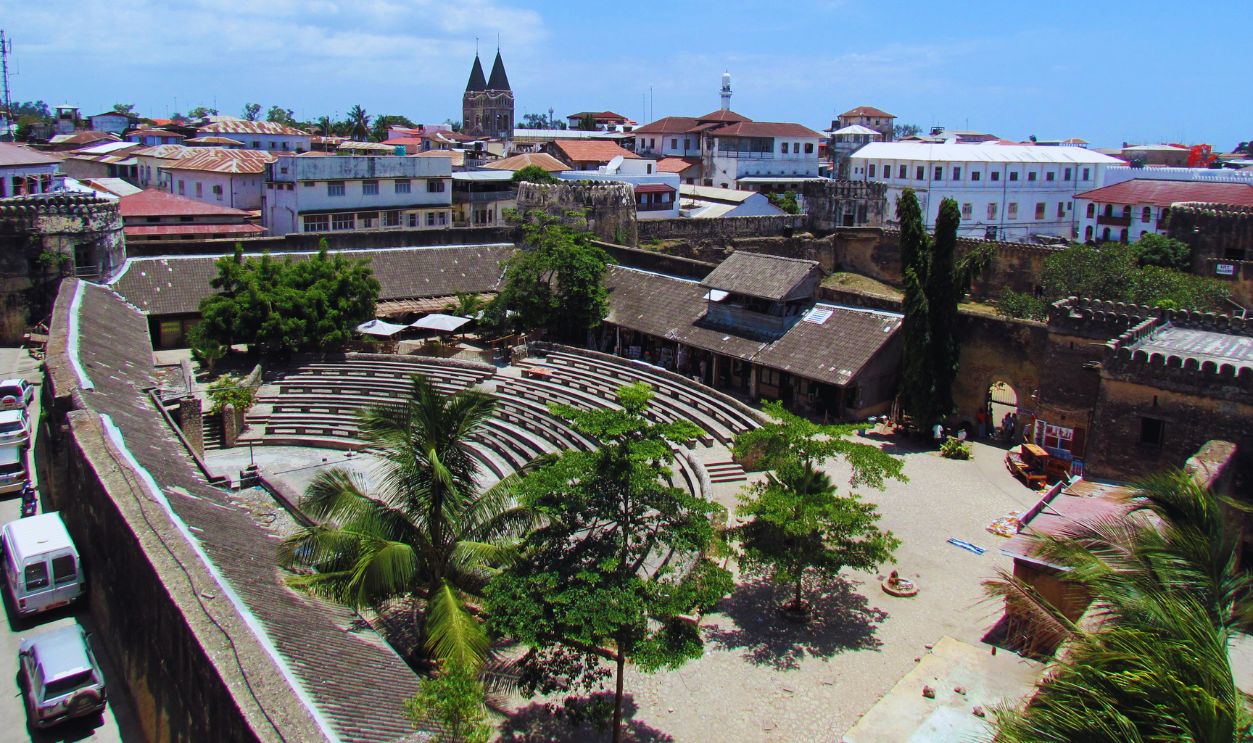
Zanzibar: Stone Town Was A Center Of The Slave Trade
Zanzibar’s Stone Town is famous for carved doors, coral-stone buildings, narrow lanes, markets, and an Indian Ocean waterfront. UNESCO also identifies it as one of East Africa’s major historical slave-trading centers. Buildings around the city preserve reminders of the people who were bought and sold there.
 David Berkowitz, Wikimedia Commons
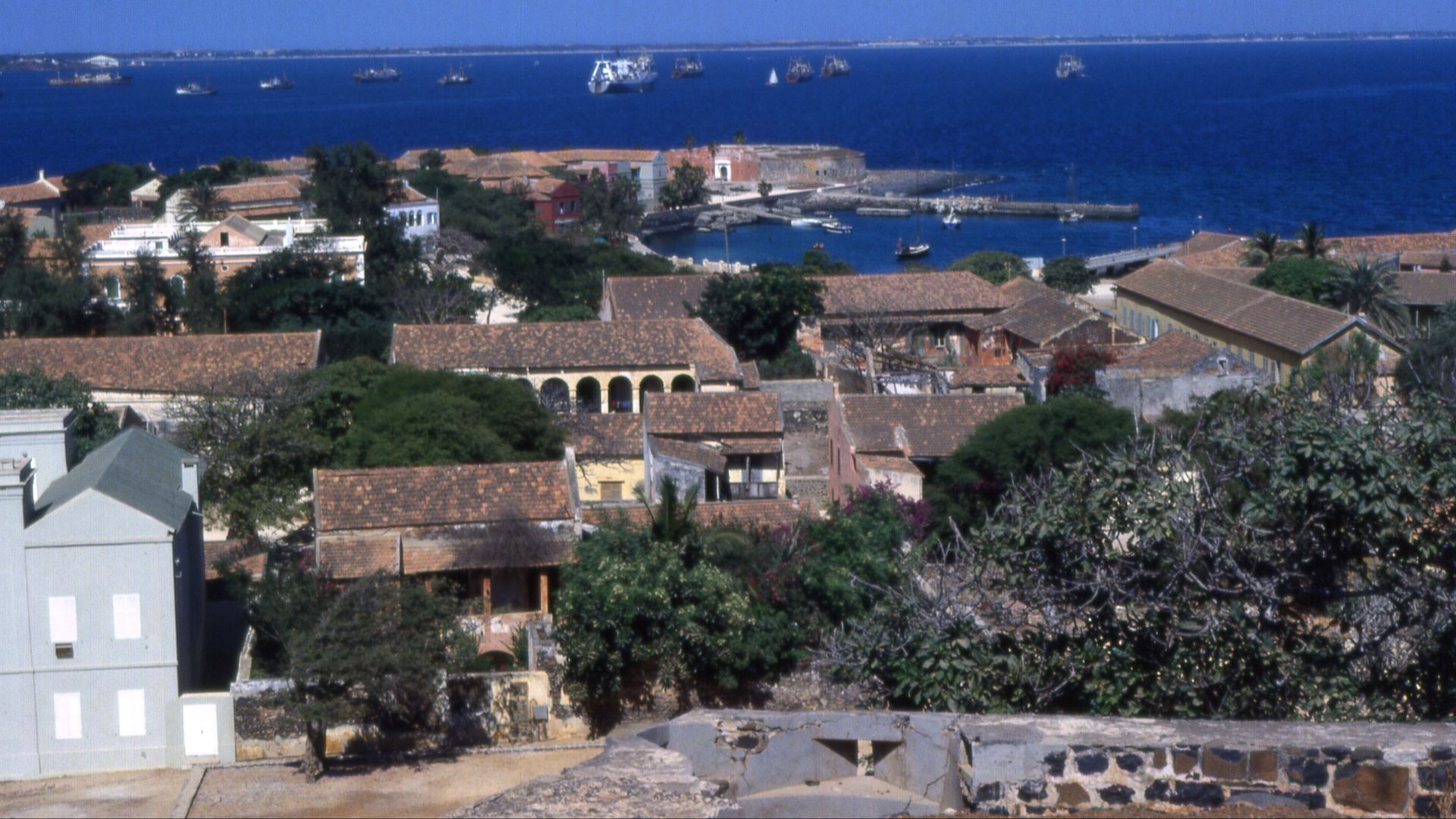
Senegal: Gorée Island’s Pretty Streets Carry A Devastating Legacy
Gorée lies just offshore from Dakar and is filled with colorful colonial buildings facing the Atlantic. That beauty is inseparable from its history. From the 15th through 19th centuries, the island became an important center in the slave trade and today serves as a memorial landscape of exploitation and remembrance.
 John Atherton, Wikimedia Commons
Beautiful Places Do Not Need Beautiful Histories
Learning what happened in a destination does not mean you should avoid it. Often, the difficult history makes travel more meaningful. The postcard view may attract you, but memorials, museums, preserved ruins, and local stories reveal everything the landscape witnessed before it became somebody’s vacation photograph.
You May Also Like:
Sources: 1, 2, 3, 4, 5, 6, 7, 8, 9, 10, 11, 12, 13, 14, 15, 16, 17, 18, 19, 20, 21, 22, 23, 24