
The Bargain Flight Problem
Your friend found the cheapest tickets for your trip, but there is a catch: two miserable layovers turn a manageable journey into an exhausting ordeal. You would happily spend more for a better itinerary and meet her at the destination. Now you are wondering whether changing flights makes you a bad travel companion.
Cheap Has A Cost
The lowest fare is not necessarily the best value. Even flight-search tools distinguish between cheap and convenient itineraries because rock-bottom prices can involve longer journeys, extra stops, airport changes, or awkward connections. Saving $150 sounds terrific until it costs you eight additional hours in transit.

Your Time Has Value
Think beyond the ticket price. A longer itinerary consumes vacation time that you cannot recover. If a $450 nonstop flight gets you to Paris six hours earlier than a $300 connecting itinerary, you are effectively deciding whether those six hours of your vacation are worth the additional $150.

Everyone Travels Differently
Your friend may genuinely consider two connections worthwhile if they save enough money. You may happily spend more to avoid them. Neither preference is inherently unreasonable. The problem arose because you apparently never established how much each of you values price, travel time, convenience, and comfort before somebody started booking tickets.

Budget Differences Matter
Perhaps an extra $200 barely affects your vacation budget while it represents several restaurant meals to your friend. That distinction matters. Avoid assuming she chose the inconvenient itinerary because she is cheap. She may have selected the only option that allowed her to afford the trip without putting vacation expenses on a credit card.

Set A Flight Budget
Before traveling together again, establish an approximate airfare budget. Instead of saying, "Find something cheap," agree that you are comfortable spending, for example, $400 to $600. Then discuss whether either traveler is willing to exceed that amount for a nonstop flight or significantly better departure time.

Define Your Dealbreakers
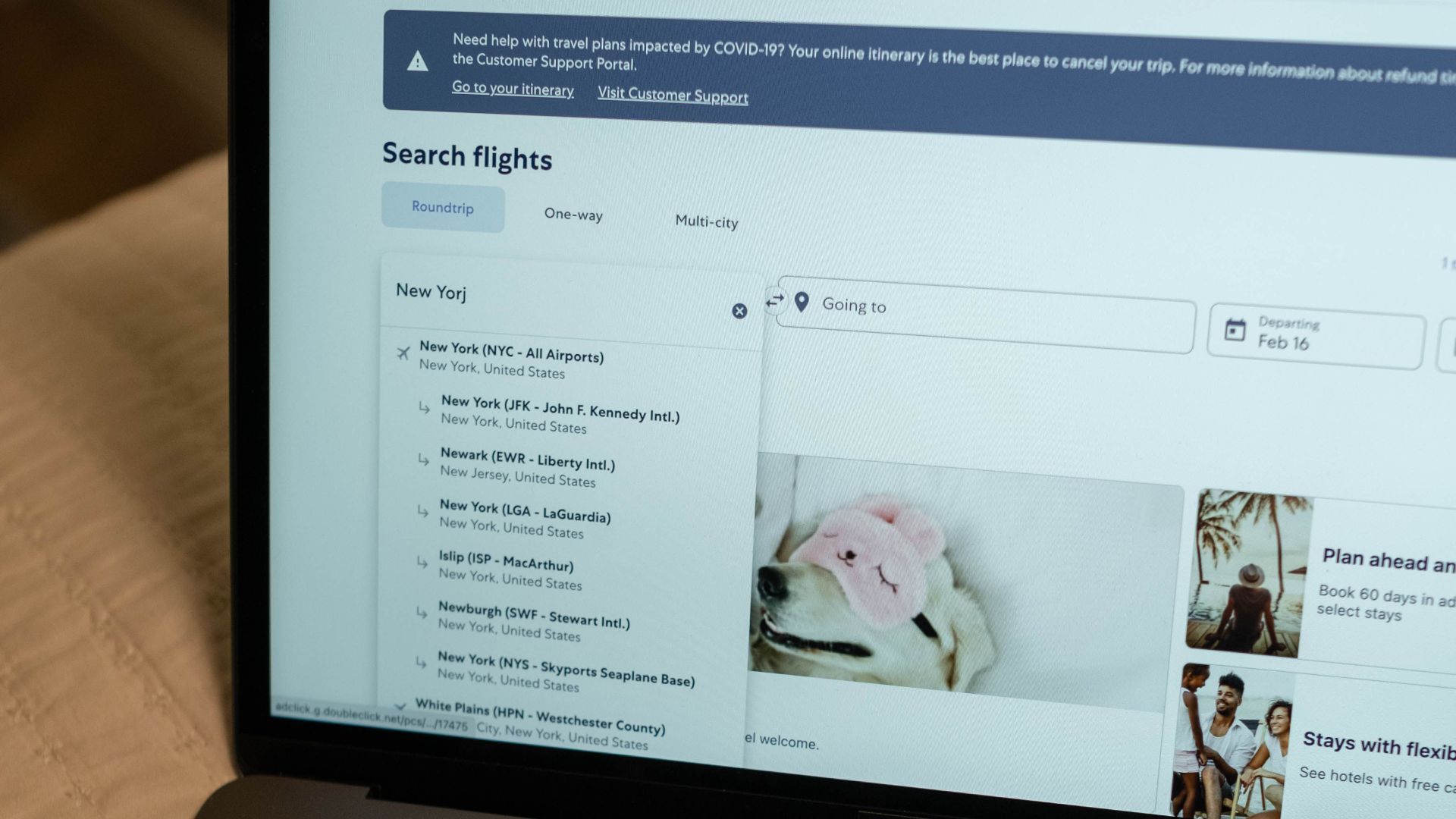
Price should not be your only booking criterion. Decide whether you have nonnegotiable requirements such as no overnight connections, no departures before 7 a.m., one connection maximum, or no airport changes. Search tools allow travelers to compare itineraries using factors including price, duration, and number of stops.

Sleep Changes Everything
Some travelers can sleep anywhere. Others arrive destroyed after spending a night sitting beneath fluorescent lights at an airport gate. If poor sleep leaves you miserable for the first two days of vacation, paying extra for a civilized itinerary is not necessarily indulgent. You are protecting usable vacation time.

Consider The Whole Trip
Two layovers create more opportunities for something to go wrong than a nonstop journey. Weather, mechanical problems, late inbound aircraft, and other disruptions can complicate connections. Avoiding connections where practical can reduce the possibility that a delay on one flight creates trouble later in your itinerary.

Check The Actual Savings
Before abandoning the itinerary, calculate what your friend's bargain really saved. A $75 difference might make two awful connections difficult to justify. A $600 difference is another matter. Compare the fare difference against additional travel hours rather than simply labeling one ticket "cheap" and the other "expensive."

Search Before Switching
There may be a compromise hiding between the cheapest and most expensive choices. Look for an itinerary with one connection instead of two, slightly different departure times, or another nearby airport. Flight-search services can also track fares and alert you when prices change significantly.

Understand Your Existing Ticket
Before buying anything, determine what happens to your original reservation. Depending on the fare and airline rules, voluntarily abandoning or changing part of an itinerary can affect remaining segments. Never simply skip the outbound flight and assume your return reservation will remain untouched. Check the ticket conditions with the airline first.

Know The Refund Rules
For flights to, from, or within the United States, federal rules provide important consumer protections, but they do not generally guarantee that you can simply abandon an inconvenient nonrefundable ticket and receive your money back. Your ability to change or cancel voluntarily depends heavily on the fare and airline's applicable policies.

Don't Charge Your Friend
If you independently decide to buy a more convenient flight, the additional expense should generally be yours. Your friend selected an itinerary you presumably agreed to purchase. Unless she booked it without your approval or ignored requirements you had clearly established beforehand, asking her to finance your upgrade would probably be unfair.

Don't Demand She Switch
Likewise, your friend should not have to buy a more expensive replacement simply because you changed your mind. Tell her she is welcome to keep the bargain itinerary. You can travel separately and reunite after arrival. Plenty of friends take different flights without treating the arrangement as a referendum on their friendship.

Explain It Carefully
Presentation matters. "Your flights are terrible, so I'm buying better ones" sounds judgmental. Instead, explain that you realized the long journey and disrupted sleep will be harder on you than expected. Make your decision about your own travel needs rather than criticizing the way your friend spends her money.

Keep Plans Coordinated
Separate flights introduce logistical questions. Who checks into the hotel first? What happens if one flight is delayed? Are you sharing airport transportation? Make sure both travelers have the accommodation information and can independently reach the hotel. Separating for the flight should not create another round of unnecessary travel drama.

Don't Keep Score
Avoid turning the airfare difference into an accounting battle later. If you spend $250 more for a convenient flight, that does not mean your friend suddenly owes more for hotels or meals. You chose to purchase additional convenience. Keep shared vacation expenses separate unless the two of you explicitly agree otherwise.

Learn From This
The bigger lesson concerns compatibility. Before booking another trip together, compare priorities explicitly: airfare budget, nonstop versus connecting flights, preferred departure times, accommodation standards, sleep requirements, restaurants, activities, and daily spending. Friends can adore each other while having completely incompatible ideas about what constitutes an acceptable vacation.

Book Together Next Time
Instead of assigning one person to find flights, sit down together and compare the options. Seeing a $320 two-stop itinerary beside a $410 one-stop option makes the trade-off tangible. You can decide together whether saving $90 is worth several additional hours rather than discovering afterward that you value those hours differently.

Friendship Beats An Itinerary
A vacation does not require spending every minute together. You are already planning to spend days exploring North America or Europe with your friend. Taking different flights at the beginning and end is relatively minor. What matters is handling the change respectfully and making sure neither person feels financially pressured or abandoned.
 Maria Fernanda Pissioli, Unsplash
Buy The Better Flight
No, you are not wrong to choose the better itinerary if you can comfortably afford it. Explain your reasons without criticizing your friend's budget, absorb any extra cost yourself, and meet her at the destination. The real mistake wasn't wanting different flights. It was failing to discuss your travel priorities before booking them.
You May Also Like: