The Bargain That Can End Up Costing More
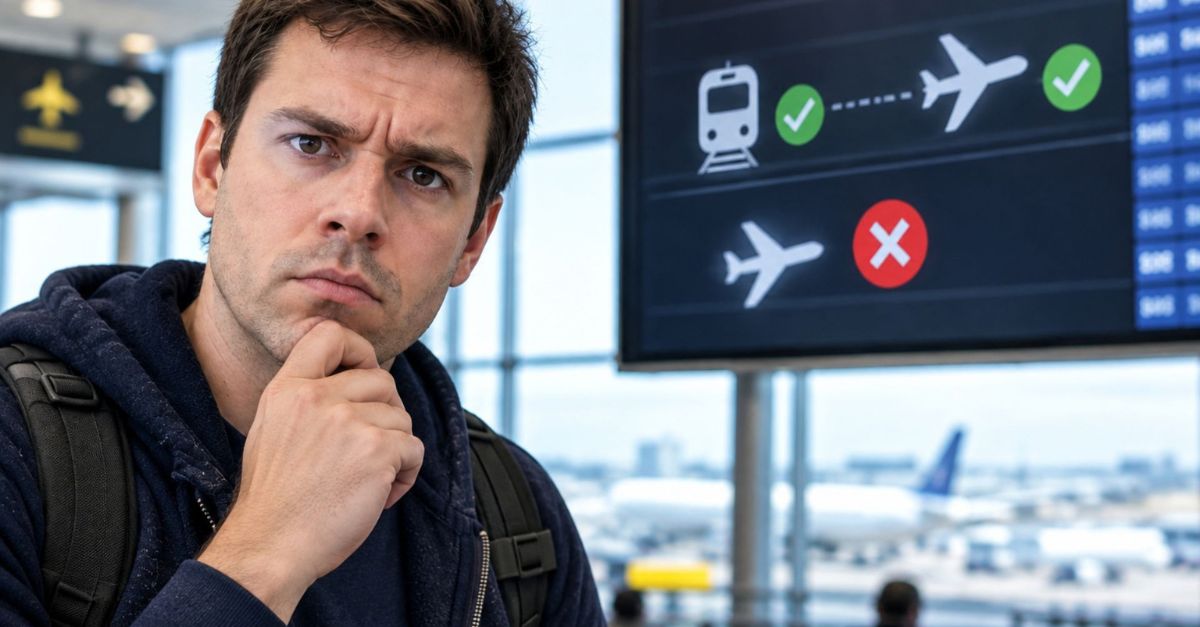
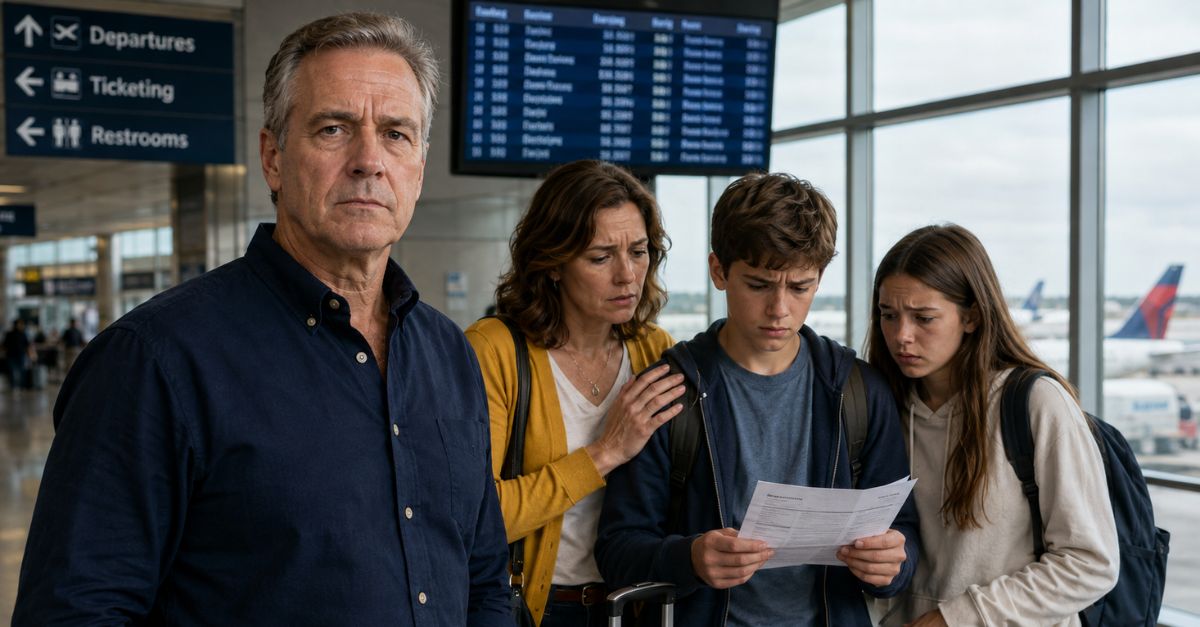
A dirt-cheap family vacation is hard to resist for some people, even with the "Peak Hurricane Season" warning. But if your dad is so cheap that he both booked the trip without asking anyone's input and refuses to buy travel insurance, the rest of the family has to consider putting their feet down.
Hurricane Season Is A Genuine Window Of Risk
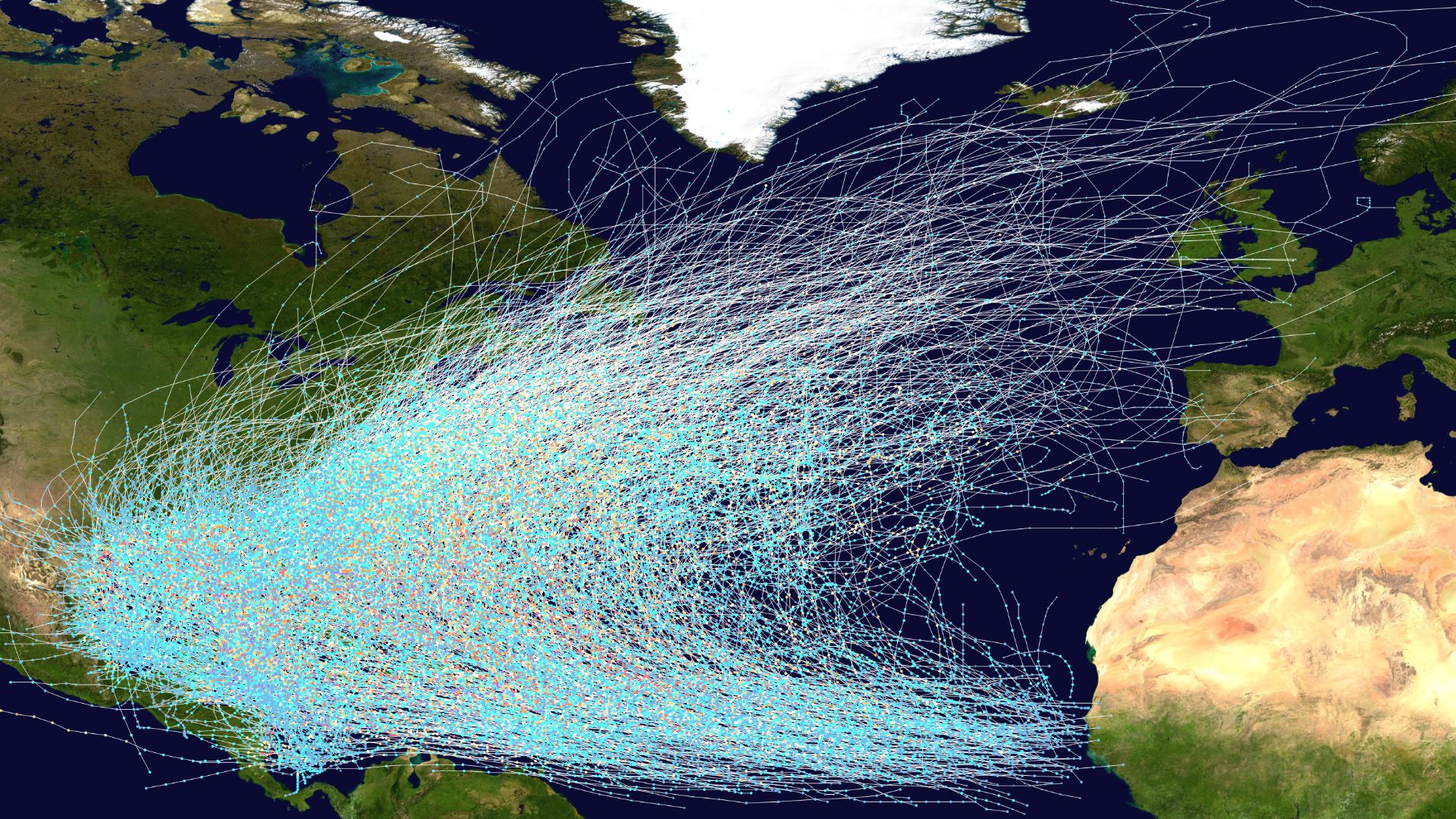
The Atlantic hurricane season officially runs from June 1 through November 30, according to the National Hurricane Center. In the eastern Pacific, the season starts May 15 and also runs through November 30. So if a trip falls in that stretch, it is not just a summer or fall vacation. It is a trip during an active storm season that forecasters track every year.
The Most Dangerous Stretch Comes Later
Not every part of hurricane season is equally risky. NOAA says the Atlantic season usually peaks around September 10. That means cheap trips in August, September, and October may be discounted for a reason: the odds of disruption are higher.
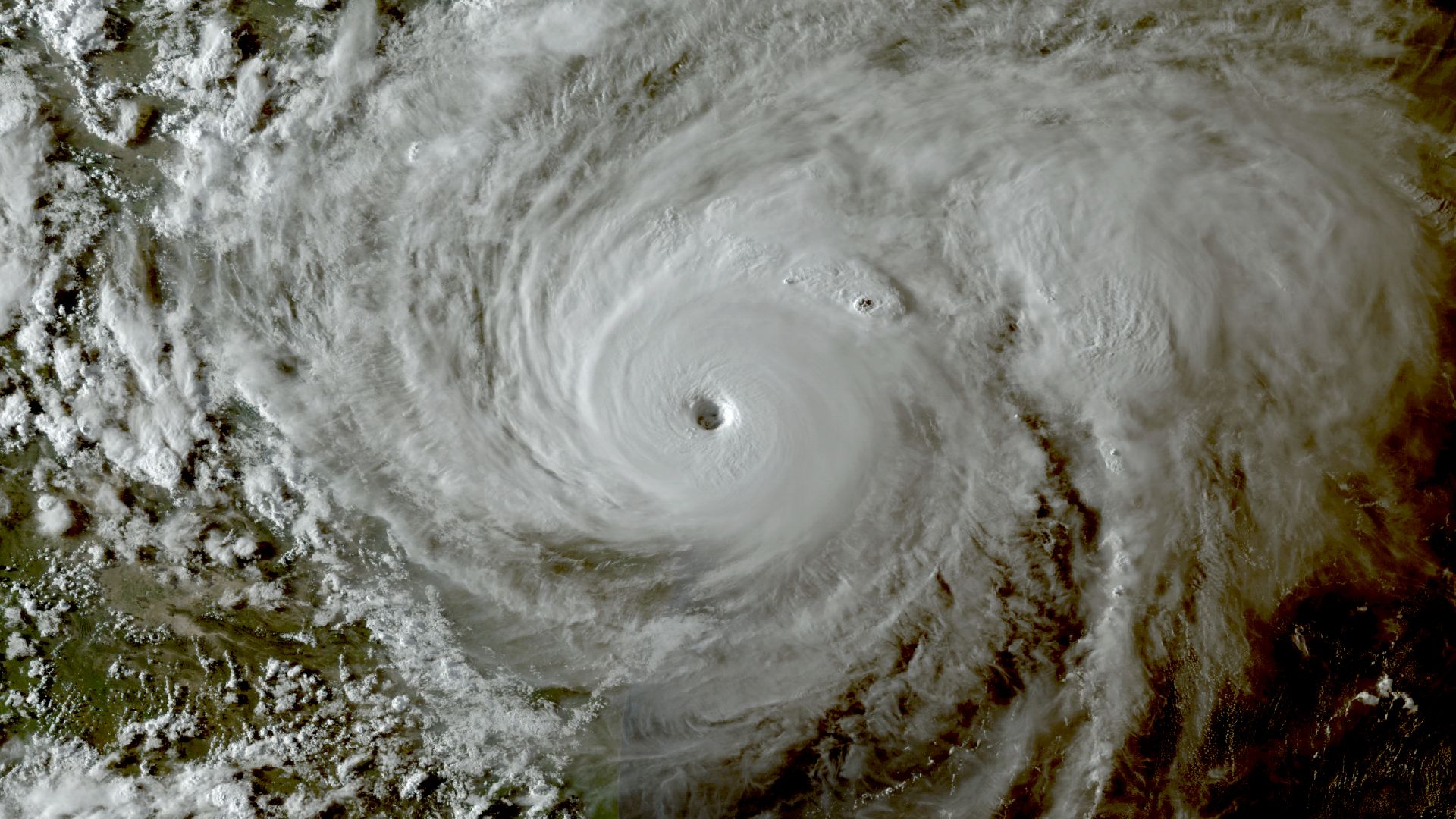 ABI imagery from NOAA'S GOES-16 Satellite, Wikimedia Commons
Cheap Prices Usually Come With A Catch
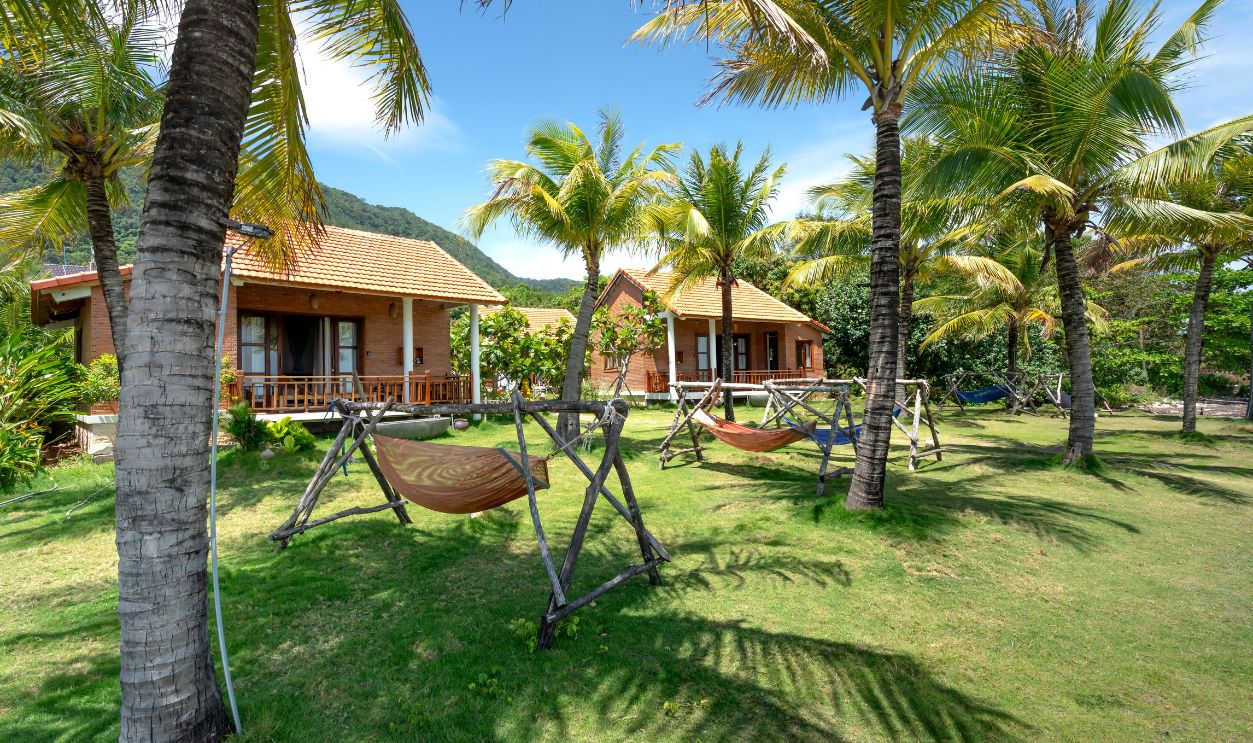
There is often a reason beach resorts and cruise cabins suddenly look like a bargain. Travel companies know many people are nervous about storms, so prices tend to drop when demand does. That lower price does not mean disaster is guaranteed, but it does mean the risk is already part of the deal.
Storm Problems Start Before A Direct Hit
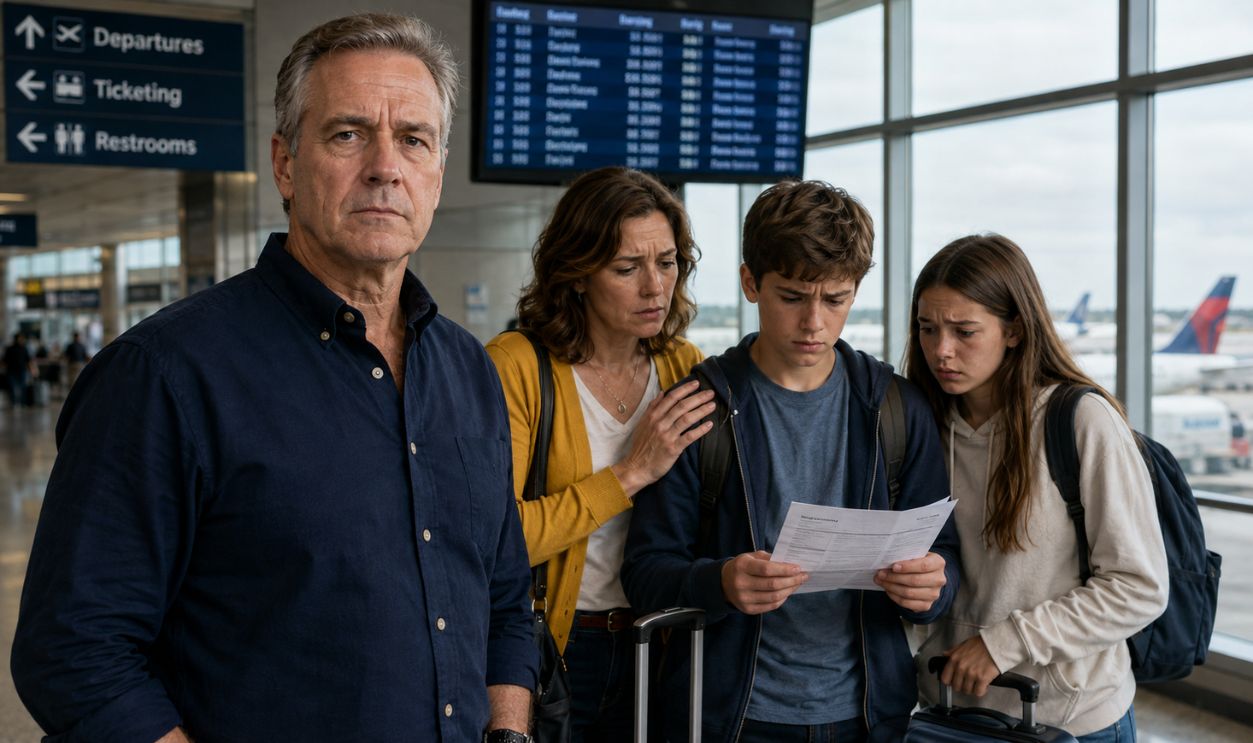
Many travelers think the only real problem is a hurricane making landfall right where they are going. In reality, trouble often starts sooner. Flights get canceled, airports shut down, ports change plans, roads flood, and power can go out before the storm ever arrives. A trip can fall apart even if the eye of the storm never gets near your hotel.
 Song_about_summer, Shutterstock
Travel Insurance Is Not A Cure-All
Travel insurance will not make a storm disappear, and it does not cover every reason someone wants to back out. Policies usually cover certain unexpected events, and coverage depends on the terms you bought before things went wrong. Still, skipping insurance during hurricane season means you may be taking on all the financial risk yourself.

When You Buy Coverage Matters
InsureMyTrip notes that you generally cannot buy coverage for a storm after it is named if that storm is the reason for your claim. The big issue is whether the threat was already known. If a tropical system is already being tracked when you try to insure the trip, that last-minute policy may not help with losses tied to it.

Known Storms Usually Are Not Covered
Squaremouth explains that travel insurance is meant for unexpected losses, not problems that were already known when the policy was purchased. Once a storm becomes a foreseeable event, claims connected to it may be excluded. That is one of the strongest reasons to buy insurance early instead of hoping for the best.
 https://kaboompics.com/, Pexels
Cancellation Rules Matter More Than Family Confidence
Some travelers assume they can just cancel if the forecast looks bad a few days before departure. That depends completely on the booking terms. Airlines, hotels, vacation rentals, and cruise lines all have their own rules, and the cheapest rates usually come with the least flexibility.

Airlines May Help, But Only In Certain Situations
The U.S. Department of Transportation says passengers are entitled to a refund if the airline cancels or significantly changes a flight and the traveler decides not to accept the alternative offered. That protection helps, but it does not cover the hotel, tours, or other prepaid plans at the destination. A refunded flight can still leave a family out a lot of money.

Hotels Do Not Have To Be Flexible
A hotel may waive fees when a storm is coming, but that is often a business decision, not something every hotel is required to do. Whether you get money back depends on the rate, where you booked, and what is happening locally. If your father chose a nonrefundable deal to save money, he may have given up flexibility without really thinking through the risk.

Vacation Rentals Can Be Harder To Escape
Short-term rental platforms and individual hosts often have stricter cancellation rules than travelers expect. A nearby storm does not always mean an automatic refund if the property is still technically available. That can turn into a major problem if family members no longer feel safe going.

Cruises Follow Their Own Hurricane Playbook
Cruise lines often change itineraries to avoid dangerous weather instead of canceling the trip outright. So a Caribbean cruise can become a very different vacation, with different ports, extra sea days, or changed embarkation timing. Passengers may stay safe, but that does not mean they get compensated just because the trip changed.
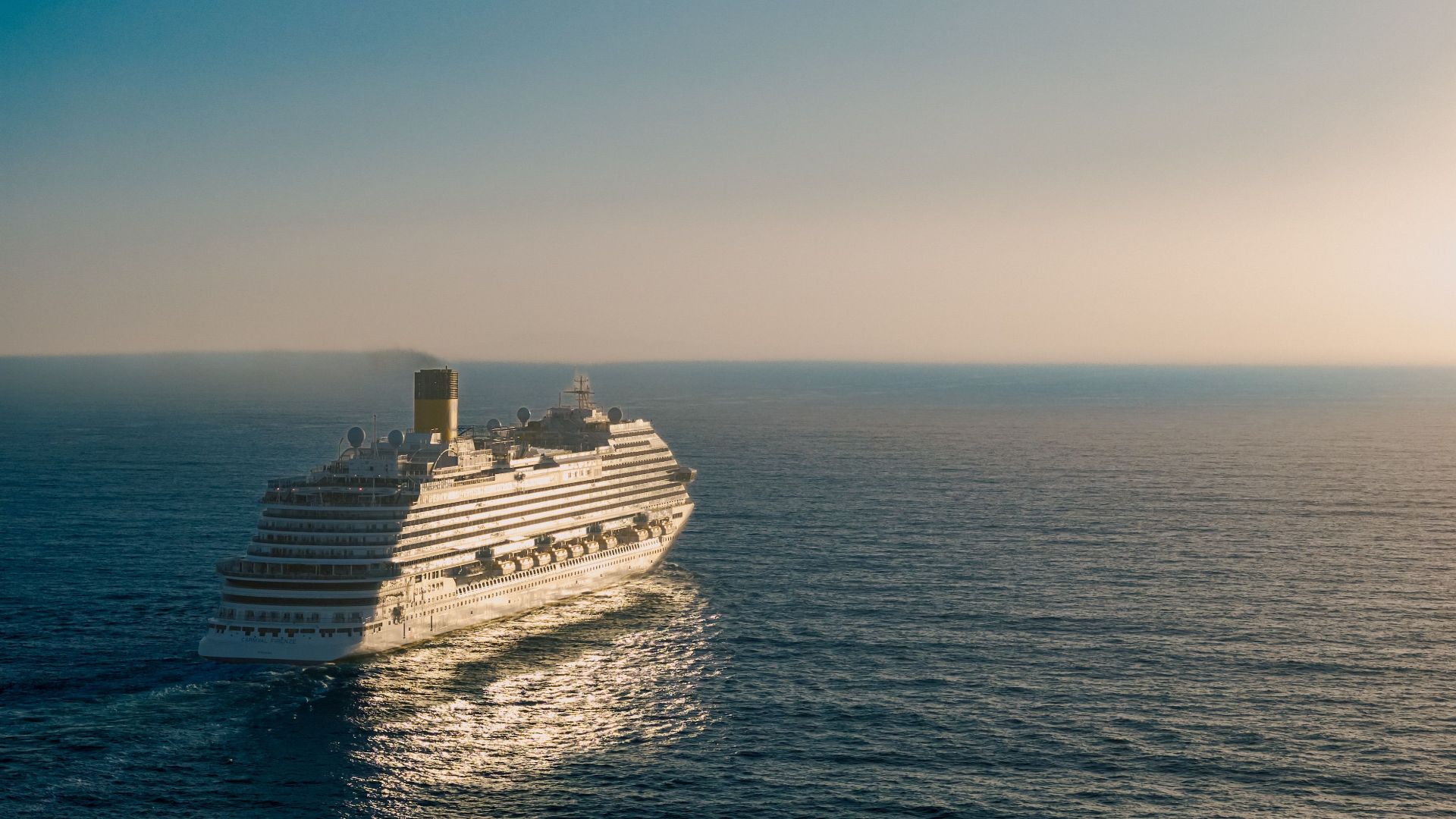
Weather Waivers Help, But Only So Much
Airlines and cruise lines often issue weather waivers when a storm threatens, allowing travelers to change dates without the usual fees. Those waivers can be useful, but they are not guaranteed far in advance and usually apply only to narrow travel windows. If you are counting on a waiver instead of insurance, you are depending on the company to offer flexibility when it wants to, not when you need it.

Forecasts Are Better, But Not Perfect
The National Hurricane Center is much better at tracking storms than it used to be, but uncertainty still matters. A storm path can shift enough to affect a different island, airport, or coastline than expected. That is why waiting until the last minute for total certainty can leave families stuck between penalties, sold-out alternatives, and a forecast that keeps changing.
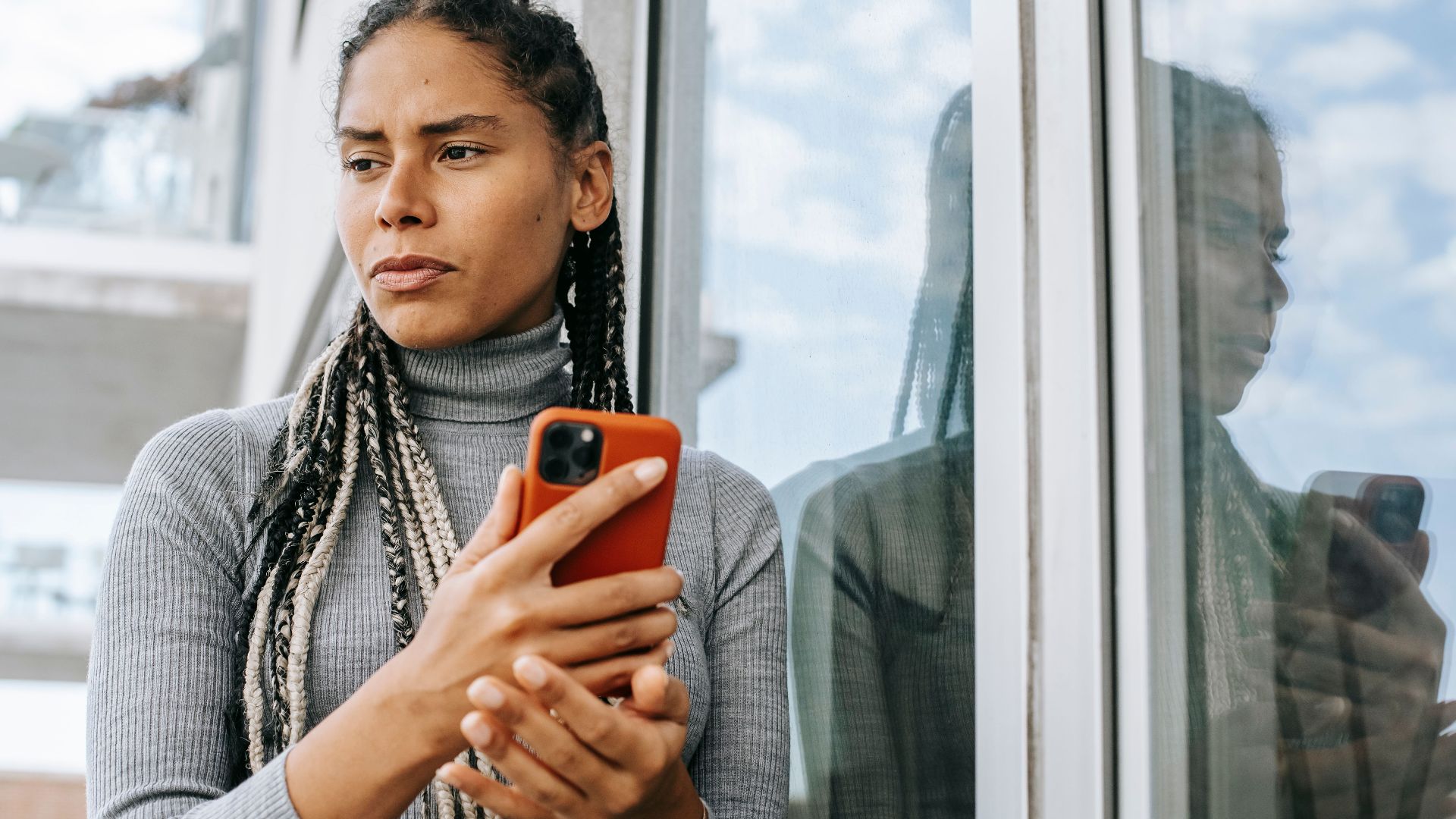
The Aftermath Can Ruin A Trip Too
Even after a hurricane weakens or passes by, the destination may still be in rough shape. Power outages, boil-water notices, debris, transportation problems, and beach closures can last for days. A trip can technically still happen and still be a lousy use of limited vacation time.
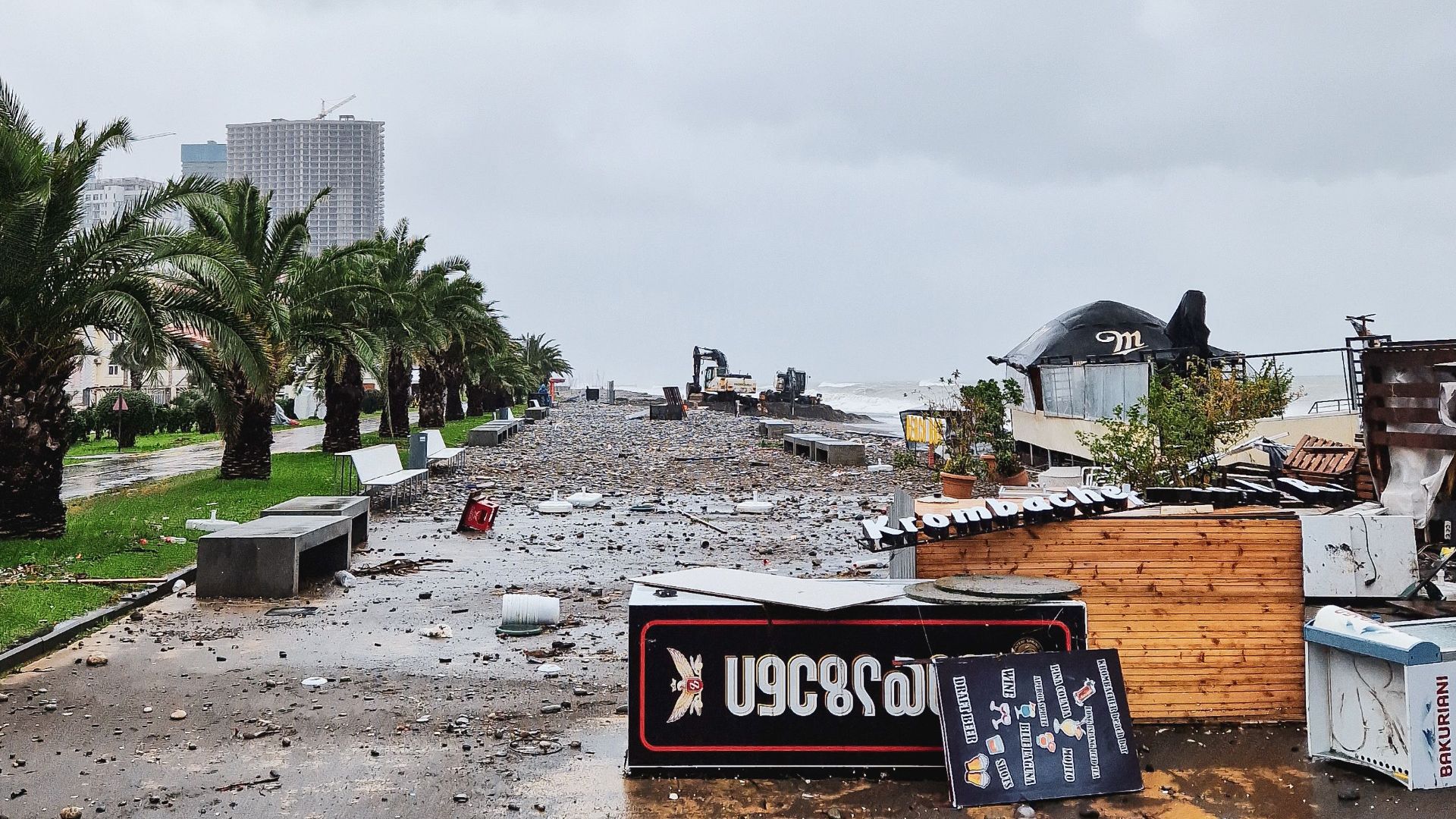
Being Cheap Is Not The Same As Being Smart
There is a difference between saving money and taking a reckless gamble. Booking a lower-priced trip during a riskier time can make sense if the travelers can handle delays, cancellations, and surprise costs. Refusing insurance and counting on perfect luck is a very different bet.

So Is Everyone Else Foolish To Push Back
No. The relatives who stop and ask hard questions are usually the ones thinking clearly. The problem is not traveling during hurricane season by itself. The problem is acting like a known seasonal risk is not real.

Lots Of People Travel During Hurricane Season
It is important to keep this in perspective. Millions of people visit Florida, the Caribbean, Mexico, and Gulf Coast destinations during hurricane season without any problems. The point is not that every trip will go wrong. The point is that travelers should be honest about the risk and plan for what could happen.

Ask What Happens If Everything Unravels
This is the conversation many families avoid because it kills the vacation mood. Who pays if flights are canceled and everyone needs extra hotel nights? Who covers missed work, rebooking costs, or a rental car if airports shut down and the whole plan starts to unravel?

If One Person Books, Everyone Lives With The Outcome
Family trips often run on the assumption that the organizer knows best. But once several adults are spending money and using vacation days, everyone has something at stake. If your father refuses insurance, that is not just his personal choice if everyone else could end up losing money too.

There Is A Middle Ground
You do not have to swear off every hurricane-season vacation. You can book refundable options, pay with a credit card that offers travel protections, watch the forecast, and buy insurance early. That approach takes the risk seriously without assuming every tropical system will become a disaster.
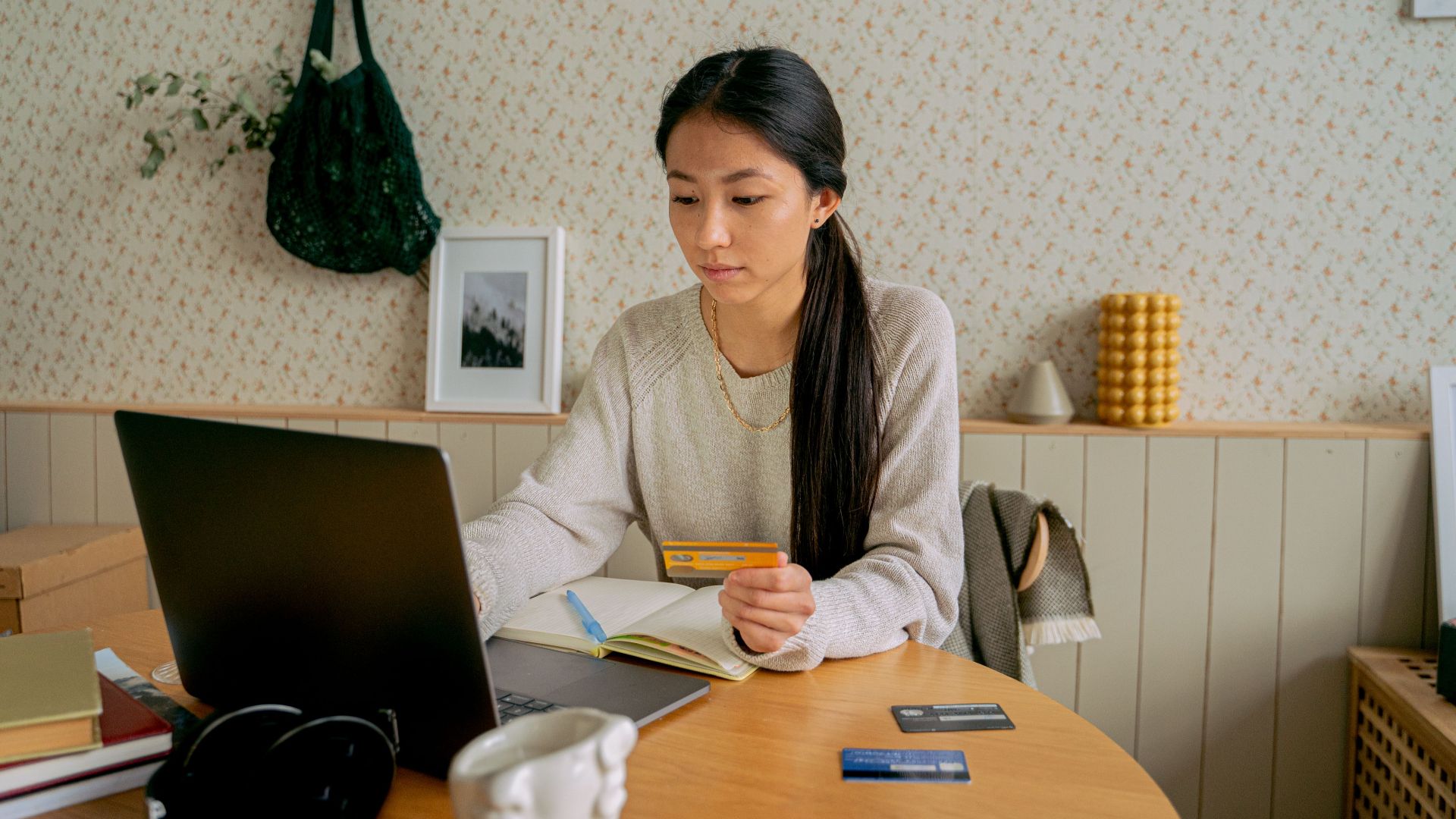
Read The Policy Before You Need It
If the family does buy insurance, the details matter. Look for trip cancellation, trip interruption, travel delay, baggage coverage, and emergency medical benefits, especially for international travel. It also helps to check for exclusions, waiting periods, and deadlines tied to storm-related coverage.

Cancel For Any Reason Costs More For A Reason
Some travelers look at Cancel For Any Reason upgrades when they want more flexibility than a standard policy offers. These plans usually cost more and come with specific rules, including deadlines for buying them and partial reimbursement instead of full repayment. But for a trip during peak storm season, that added flexibility can be the difference between a manageable loss and a total wipeout.

Your Destination Makes A Big Difference
A hurricane-season trip to a place with strong infrastructure, multiple airports, and lots of hotel options is not the same as a trip to a small island with limited ways out. Geography matters. It also matters whether the destination is inland, on the coast, or heavily reliant on one transport link like a cruise port.

Checking The Forecast Once Is Not Enough
Travelers should follow updates from the National Hurricane Center and local authorities in the days before departure. Conditions can change fast, especially during the busiest Atlantic months. Social media chatter or one sunny app icon is not a smart way to track serious weather when real advisories are available.

The Best Test Is Pretty Simple
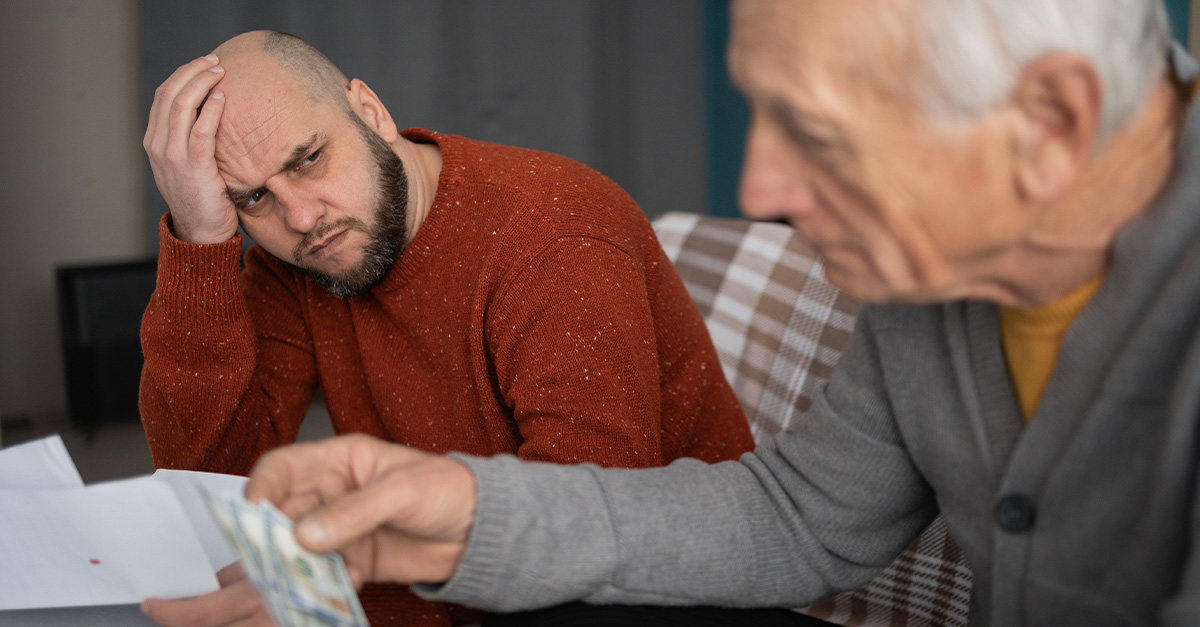
Ask your father one direct question. If the trip goes sideways, is he ready to lose the money without resentment and cover surprise costs for everyone else? If the answer is no, then the family is not overreacting by pushing back on an uninsured hurricane-season bargain.
The Bottom Line
No, everyone else is not foolish to hesitate. The more sensible view is that cheap prices during hurricane season often come with a real chance of disruption, and travel insurance can soften the financial hit if it is bought at the right time. A cheap vacation feels great when everything goes right, but a cheap vacation with no backup plan can turn into the most expensive bargain in the room.
 Kobus L/peopleimages.com, AdobeStock