A Rose‑Red City Carved From Stone
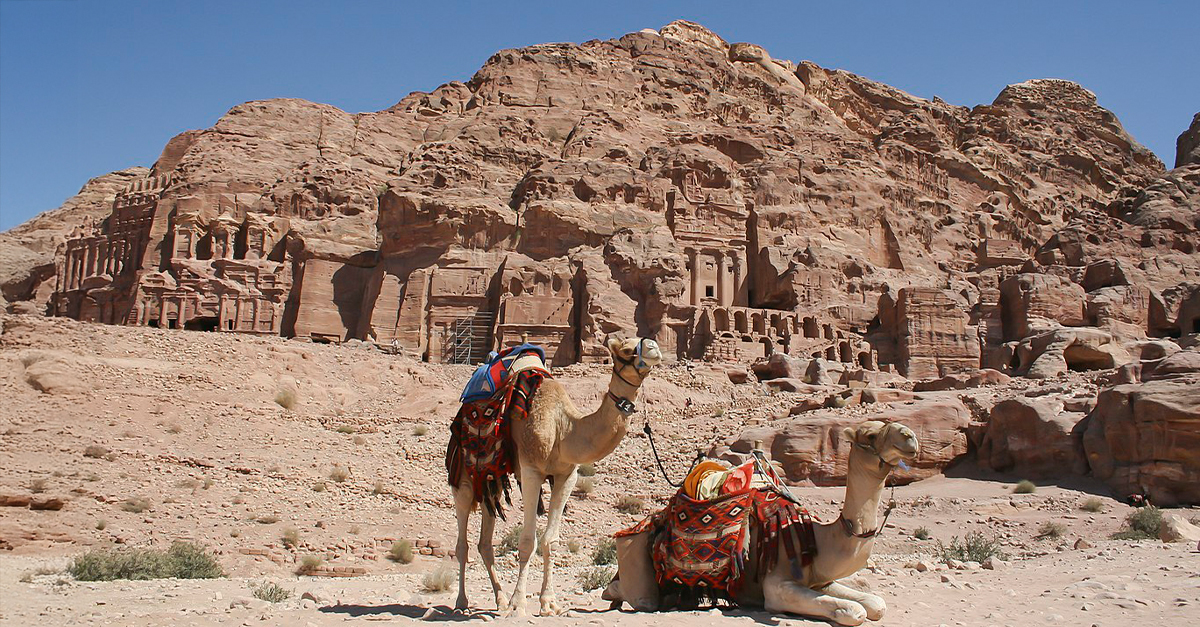
Hidden in the desert mountains of southern Jordan stands Petra, one of the most extraordinary archaeological sites on Earth. Known as the Rose City because of the color of its sandstone cliffs, Petra never ceases to amaze visitors with its temples and tombs carved directly into solid rock. But behind its beauty there is a deeper story of engineering brilliance and urban planning.
 David Bjorgen, Wikimedia Commons; Factinate
The Nabataeans Built Petra
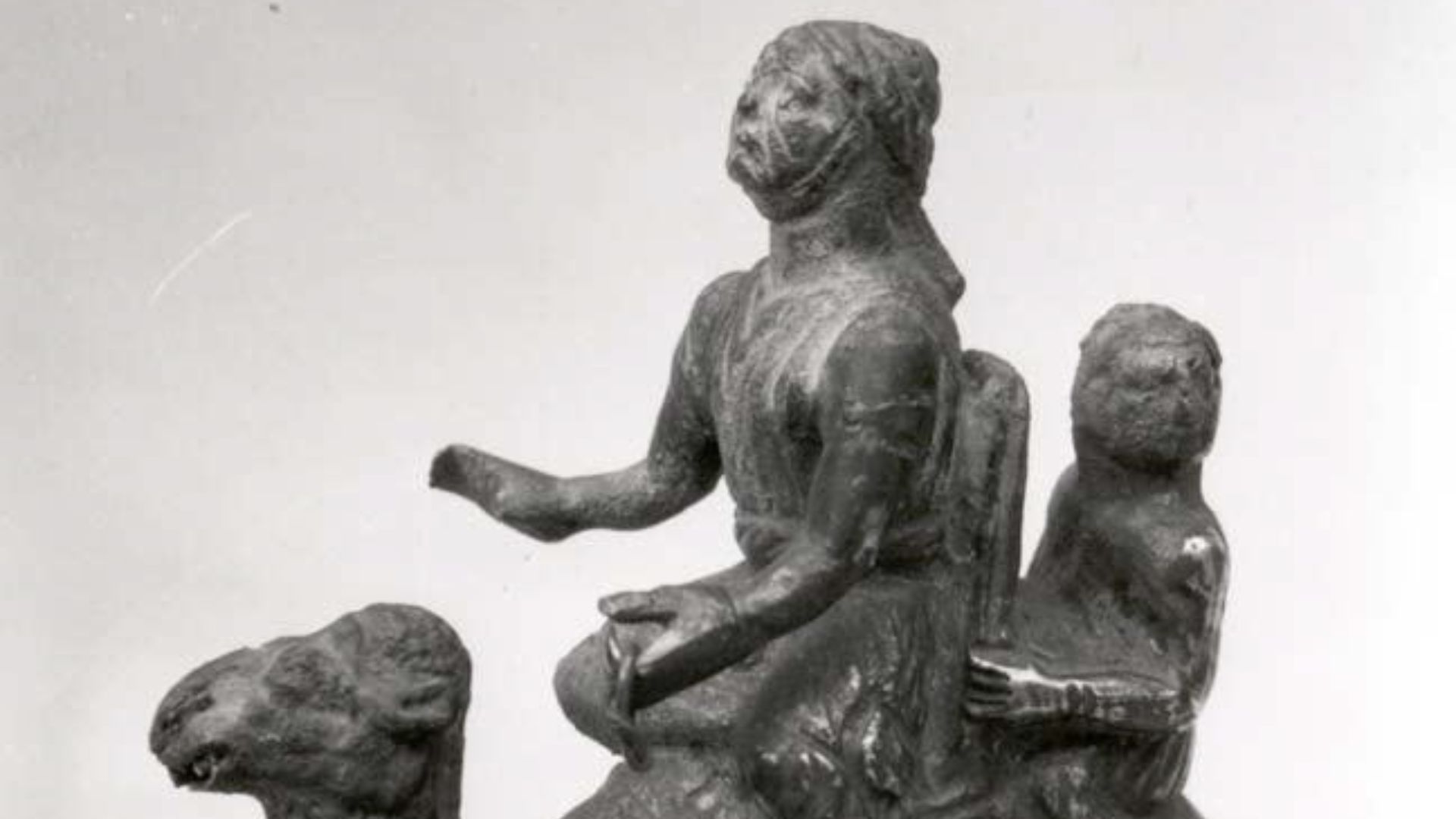
Petra was created by the Nabataeans, an Arab people who rose to power between the fourth century BC and the first century AD. Originally nomadic traders, they became wealthy through their control of the caravan routes that moved spices, incense, and luxury goods across Arabia and the Mediterranean world. Eventually they made Petra their capital.
Strategic Desert Crossroads
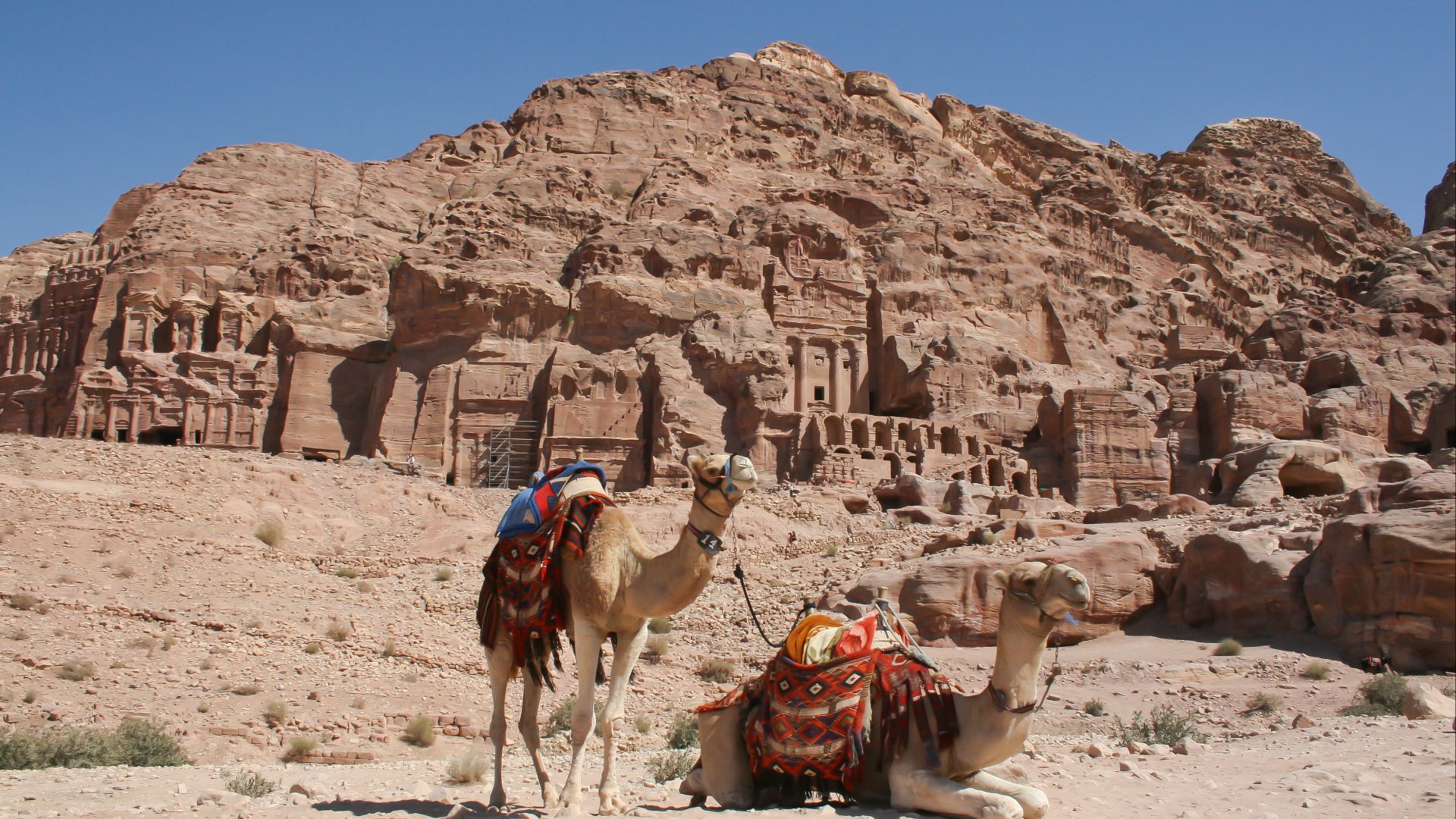
Petra’s location was chosen carefully. The city was situated along major trade routes that linked Arabia, Egypt, and the Mediterranean. Caravans transporting frankincense, myrrh, spices, and silk all passed through the region. This strategic position allowed the Nabataeans to tax trade and build up a hoard of enormous wealth. This was what financed Petra’s incredible construction.
 Diego Delso, Wikimedia Commons
Carving A City Into Living Rock
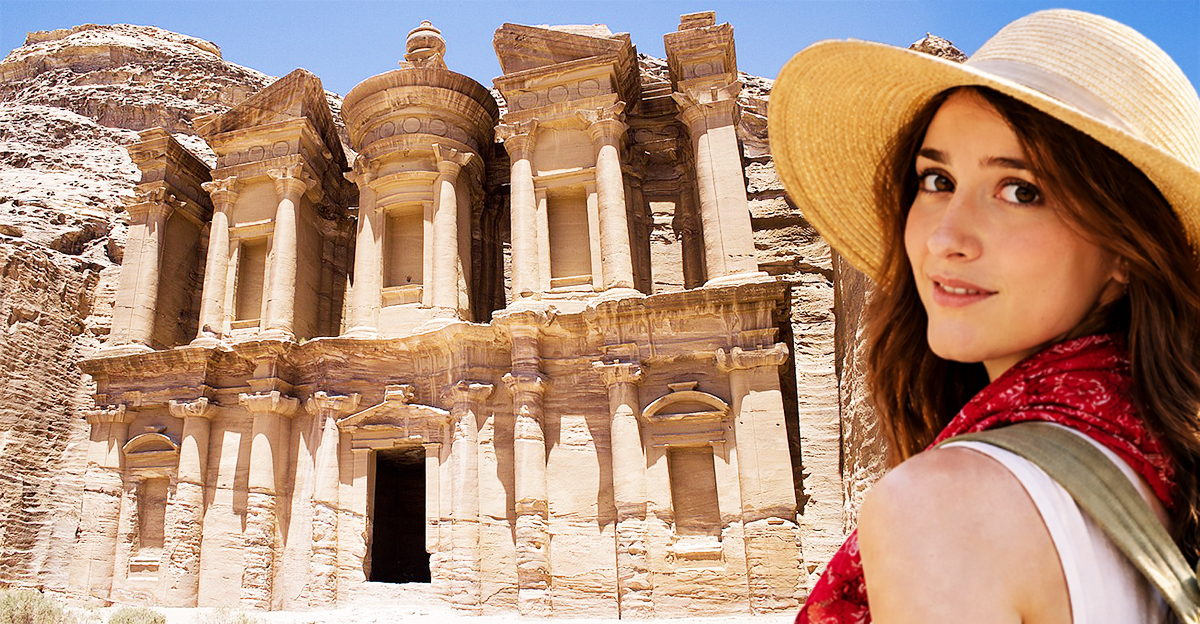
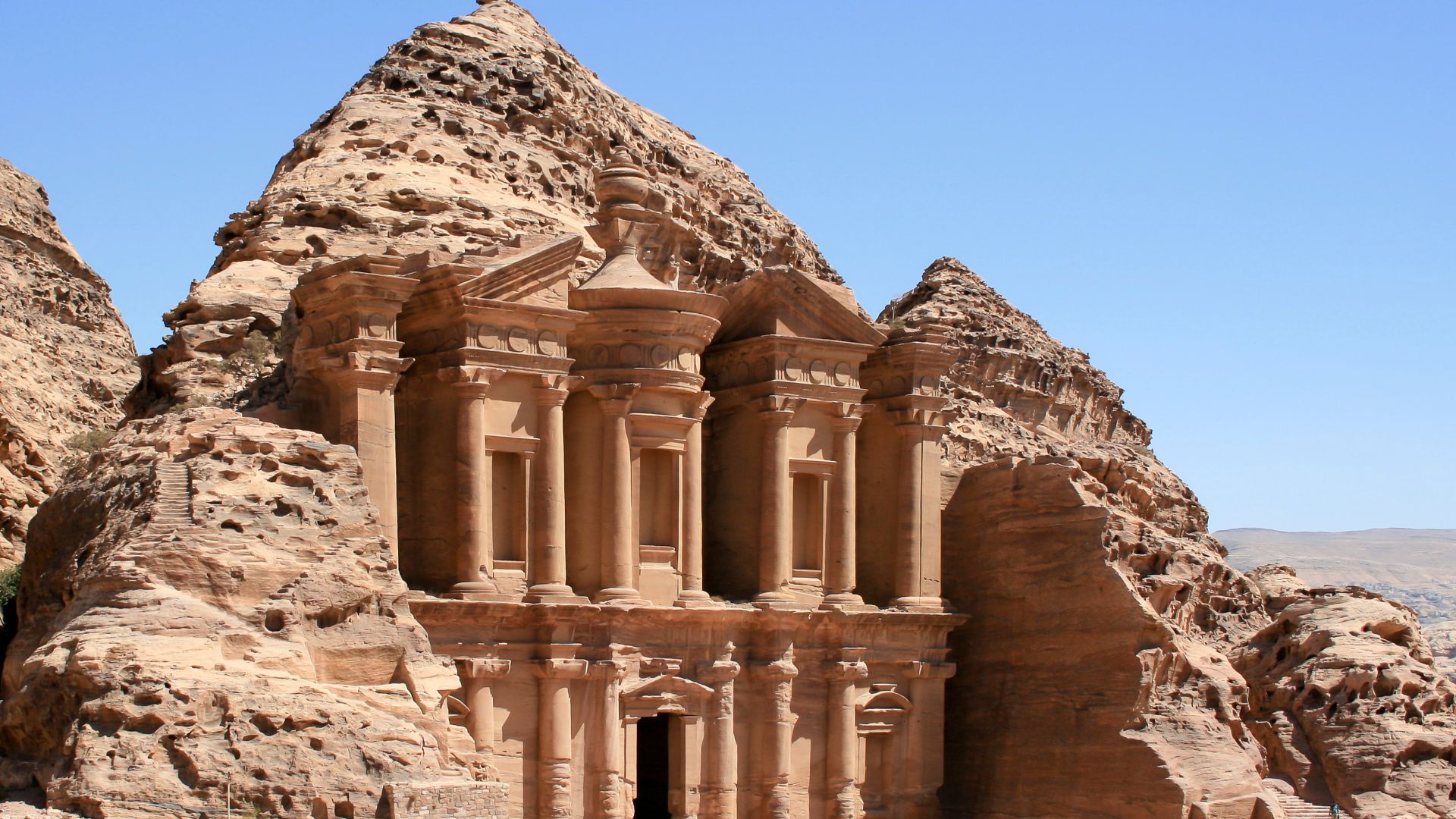
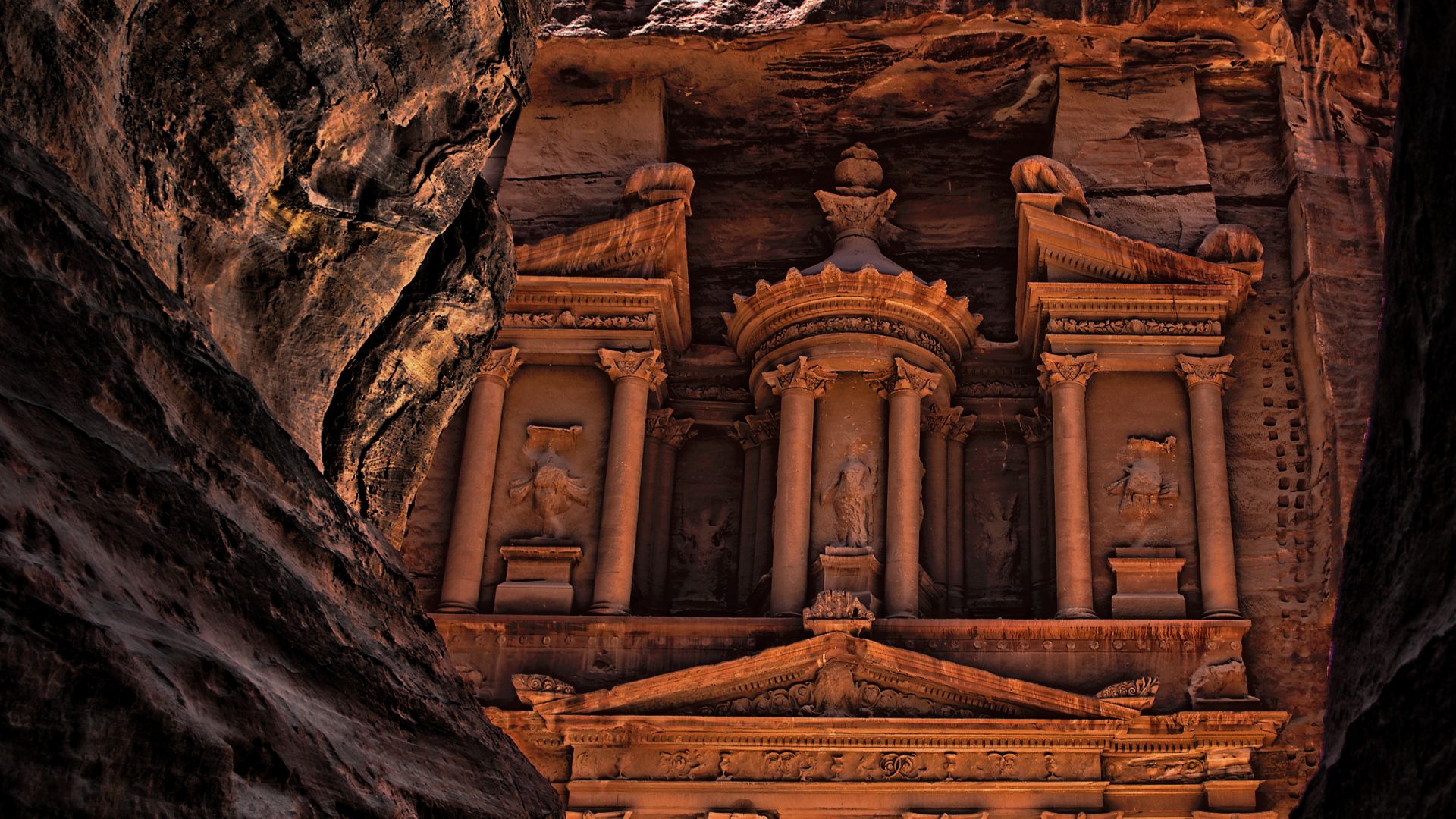
The most iconic feature of Petra by far is its rock cut architecture. Instead of constructing buildings from separate blocks, Nabataean craftsmen carved out entire monuments directly into the sandstone cliffs. Structures like the famous Treasury and hundreds of tombs were sculpted straight out of the mountains themselves. The carvers created an architectural style unlike anything else in the ancient—and modern—world.
 Diego Delso, Wikimedia Commons
Mastery Of Sandstone And Geometry
Working with sandstone demands exceptional skill. Builders first had to mark outlines on the rock face, then chisel downward from the top to avoid collapse. This method made it so artisans could shape columns, facades, and decorative carvings with amazing precision. The result is a city that simultaneously looks both natural and deliberately sculpted into the surrounding landscape.
Monumental Architecture In A Mountain Valley
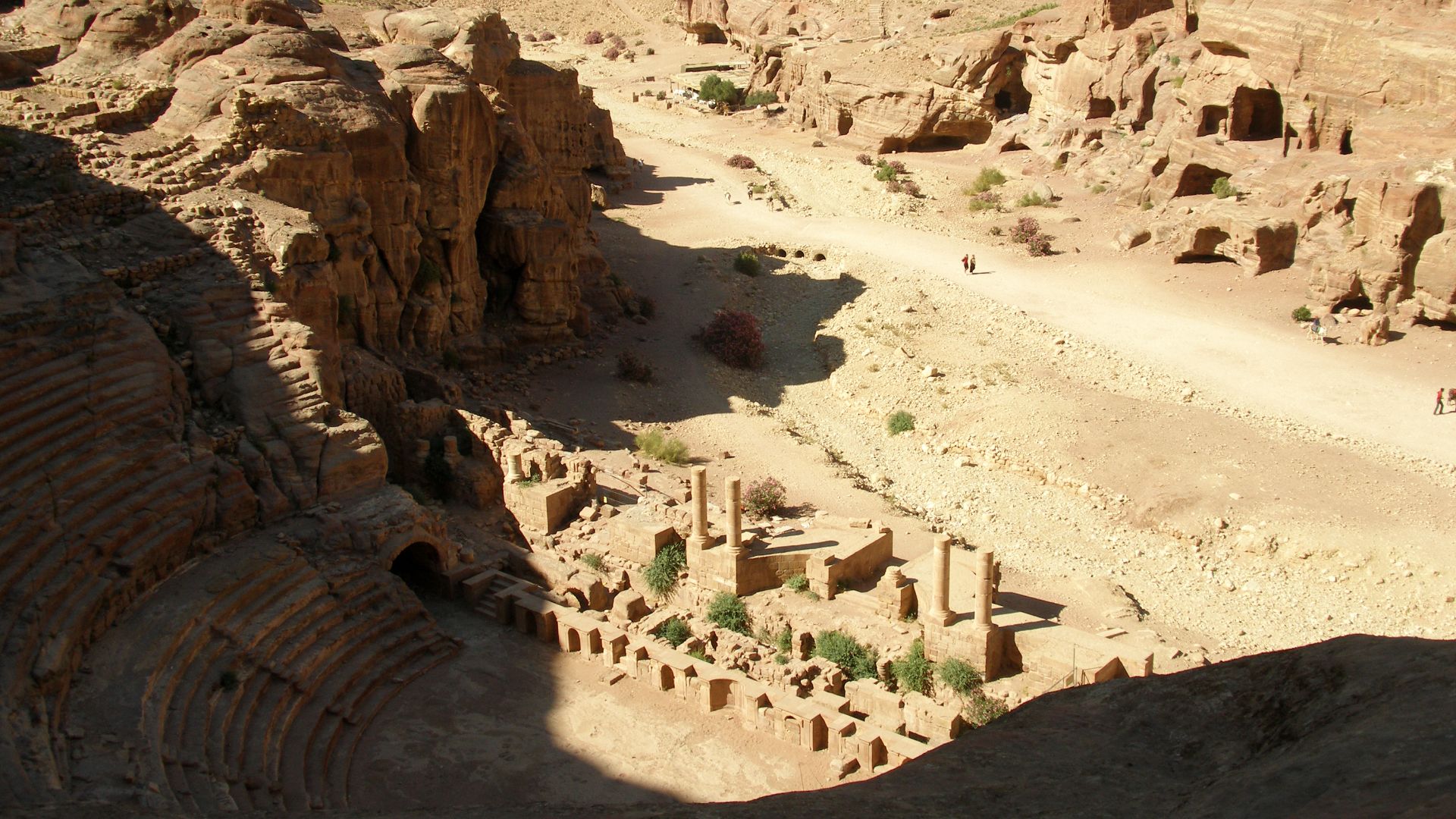
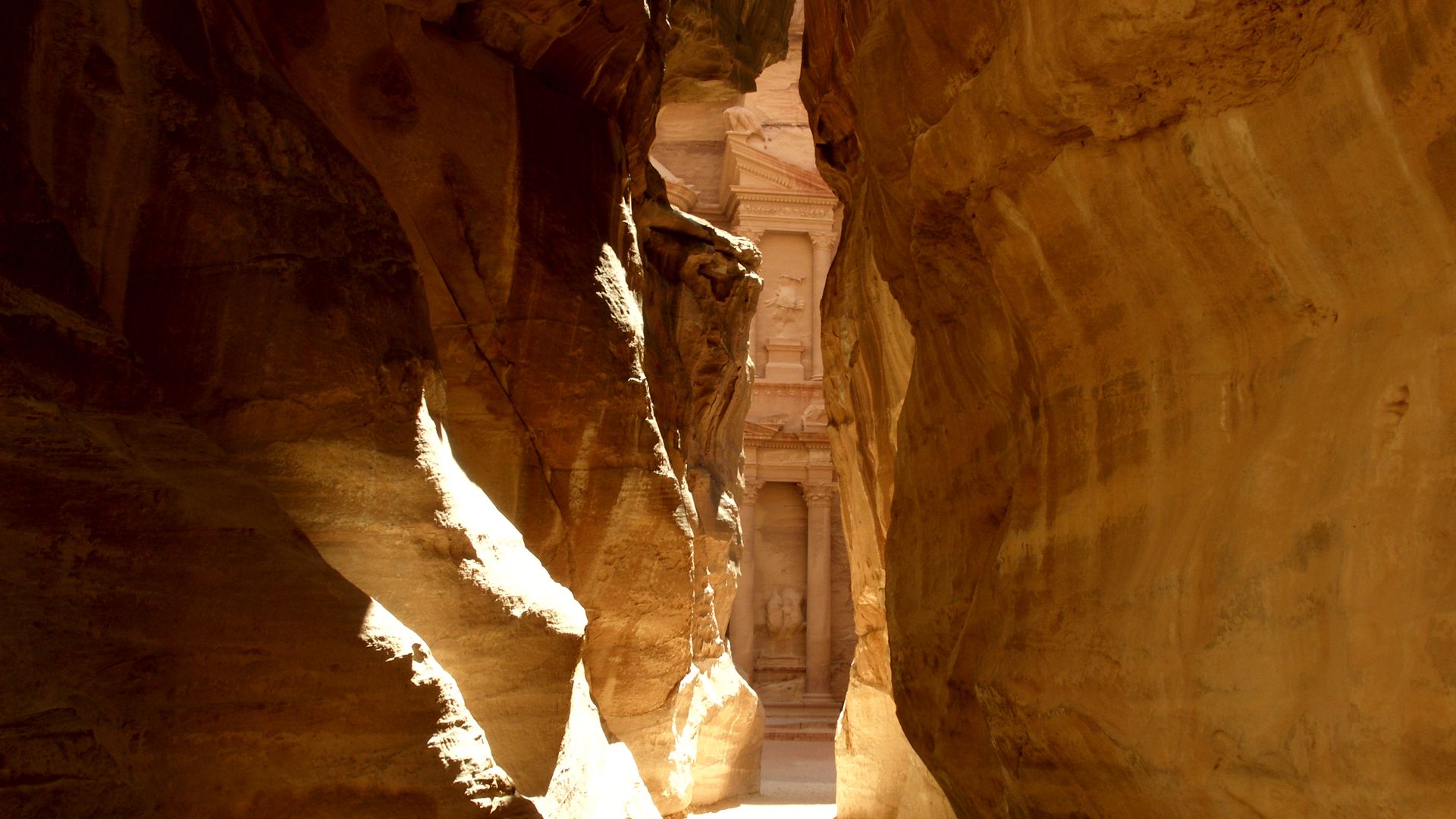
Petra was not just a silent grim city of tombs. It contained temples, markets, theaters, gardens, and residential districts filled with everyday human activities. Some monuments towered several stories high, while others were secluded along narrow valleys and cliffs. The dramatic setting created a powerful visual effect for travelers arriving along the winding Siq canyon entrance.
 Vyacheslav Argenberg, Wikimedia Commons
City Built For Thousands
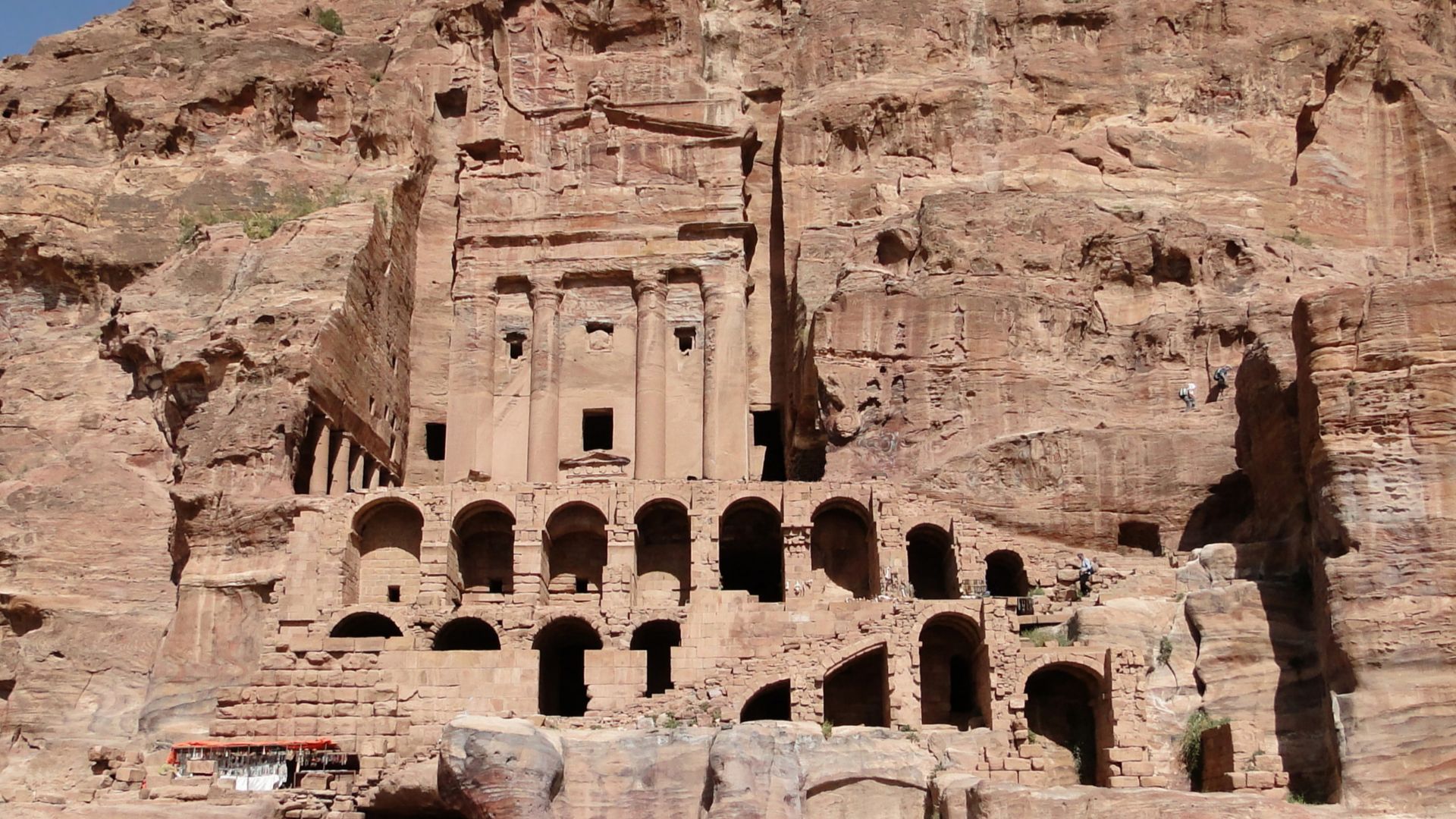
At its height, Petra supported a population that might have reached as many as 30,000 inhabitants. Supporting a city of that size in a desert valley required careful planning. Food supplies, water, and infrastructure all had to be coordinated with the caravan trade that was the key to Petra’s prosperity.
 Bernard Gagnon, Wikimedia Commons
Genius In A Dry Landscape
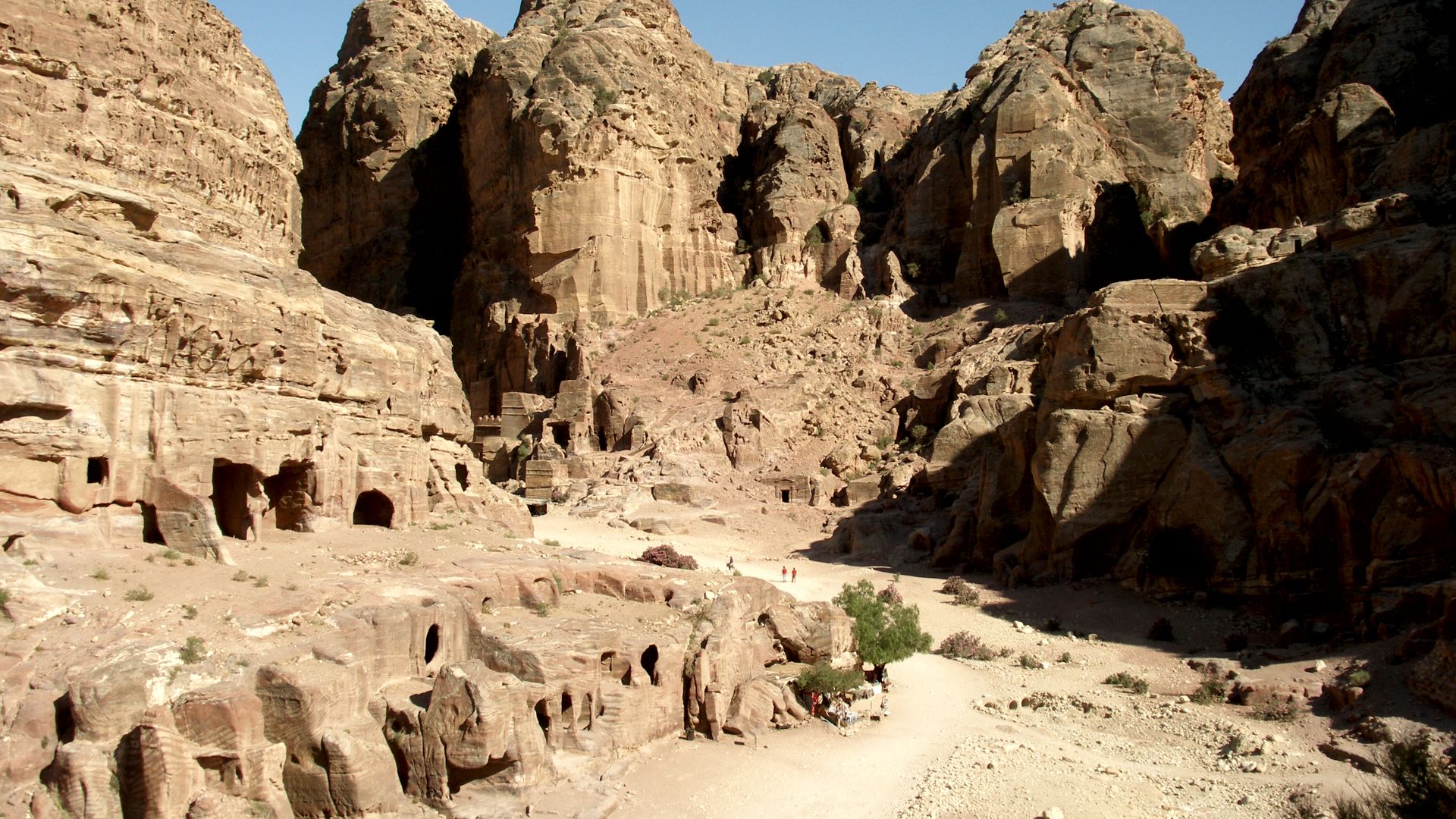
The most remarkable aspect of Petra was not its temples but its engineering infrastructure. The surrounding region receives very little permanent water flow and goes through long dry seasons. To make the city viable, Nabataean engineers laid out an elaborate system for capturing, storing, and distributing water throughout the valley.
 Vyacheslav Argenberg, Wikimedia Commons
Capturing Every Drop Of Rain
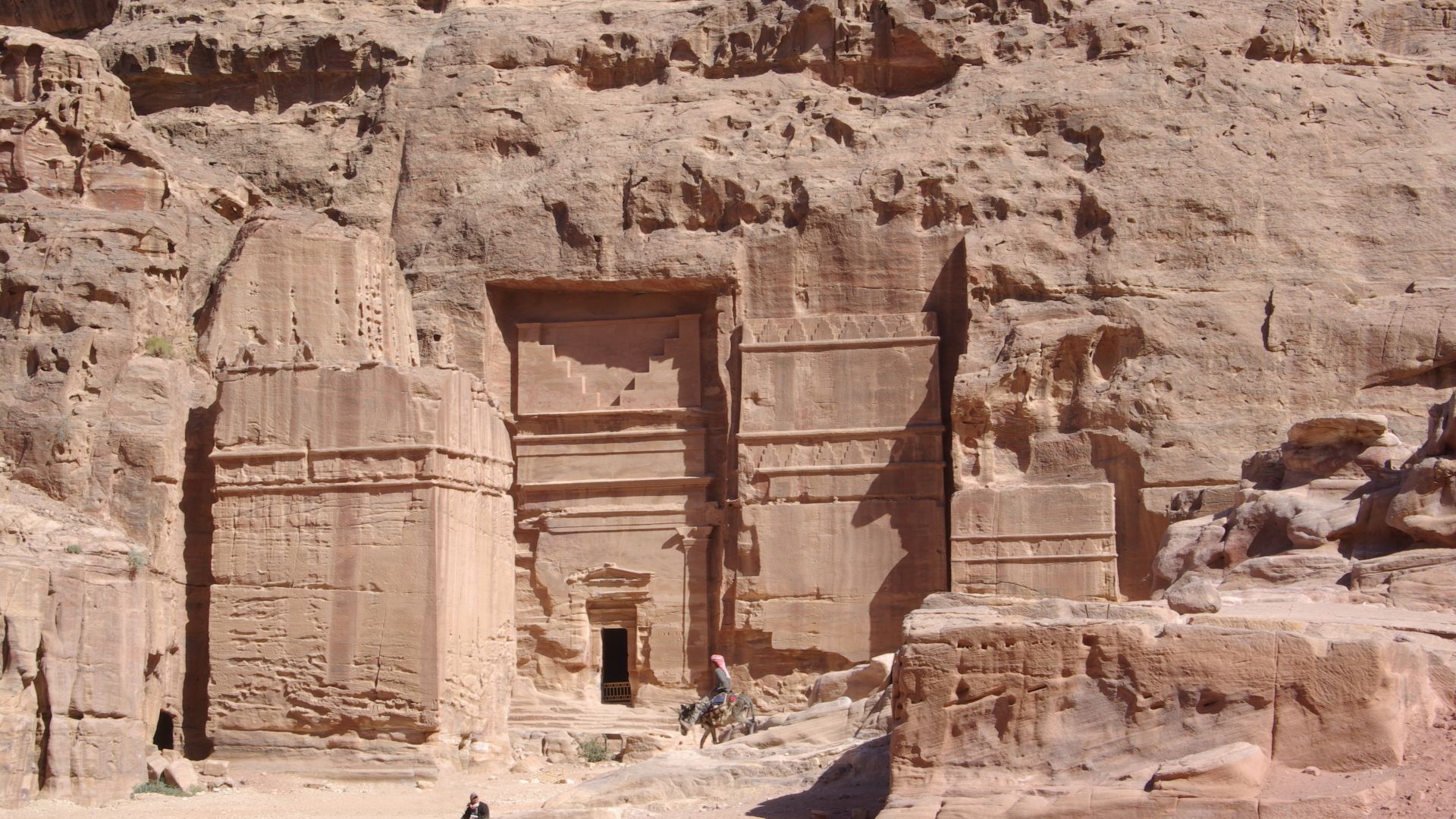
The Nabataeans built channels carved into the mountainsides to direct all the rainwater toward storage areas. These channels collected runoff from seasonal storms and guided it into dams and reservoirs. By capturing every available drop of rainfall, the city was able to maintain a reliable water supply despite the harsh desert environment.
 Berthold Werner, Wikimedia Commons
Channels Carved Into Stone
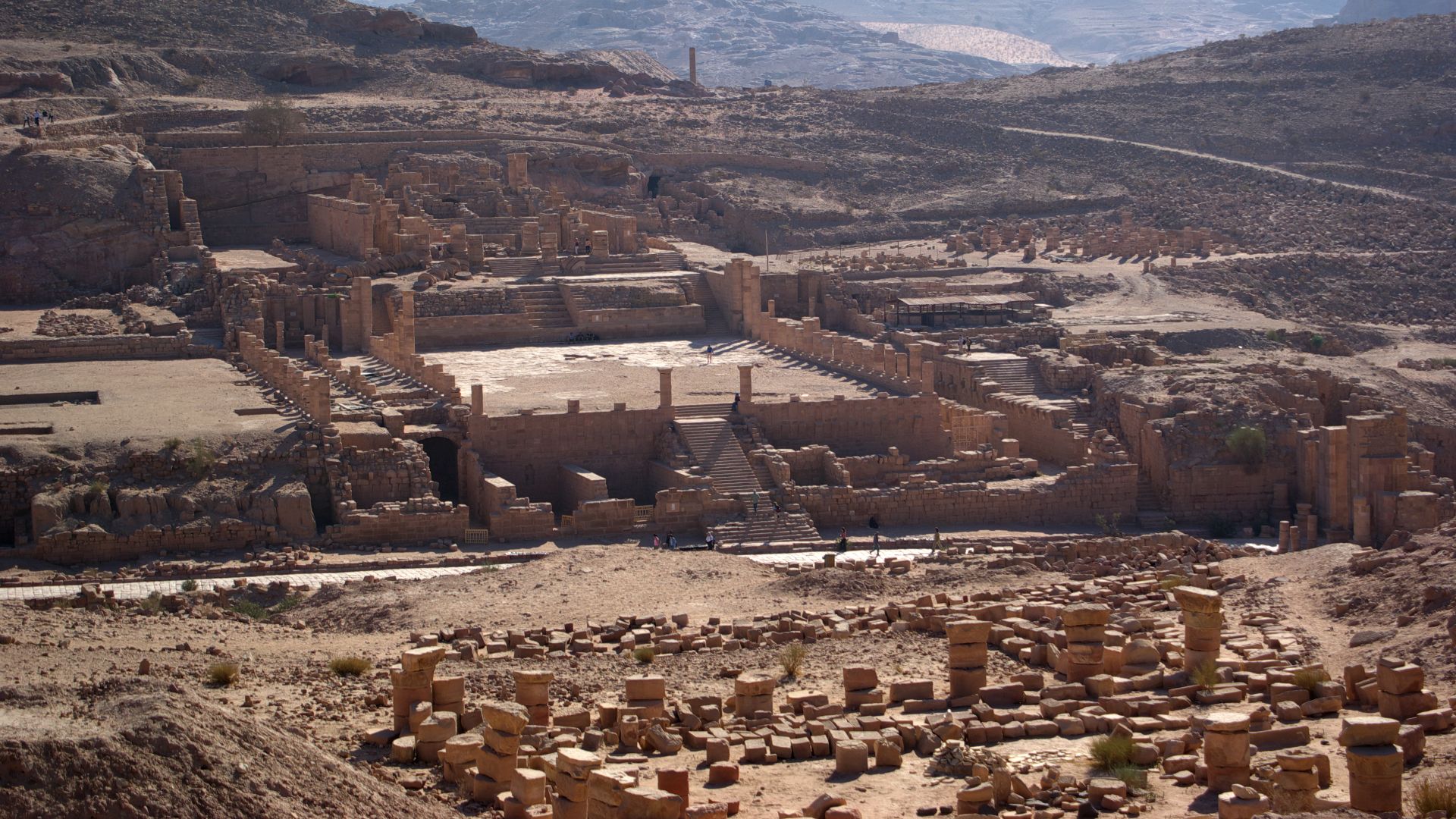
Many of Petra’s water channels were carved straight into the rock walls. Engineers shaped these channels carefully so that the water could flow smoothly through the system. Some channels also supported clay pipes that brought water further into the city, creating a complex network of distribution lines.
 Berthold Werner, Wikimedia Commons
Pipelines From Distant Springs
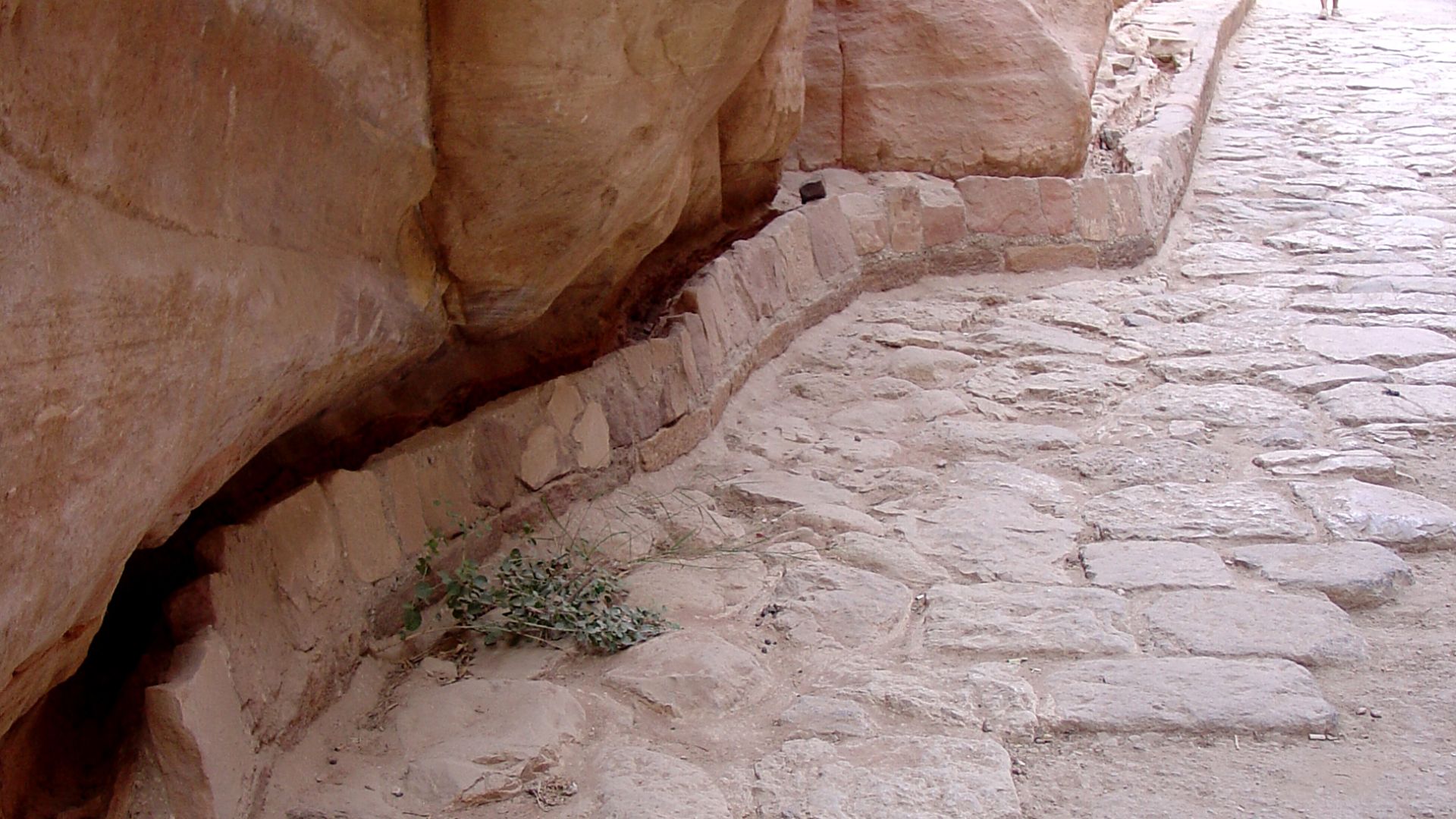
Water also arrived from springs found in nearby mountains. The Nabataeans built aqueducts and pipelines to carry this water several miles into Petra. Some pipelines used thousands of terracotta pipe sections carefully joined together to keep up a steady flow through the rugged terrain.
 Michael Gunther, Wikimedia Commons
Precision Hydraulic Engineering
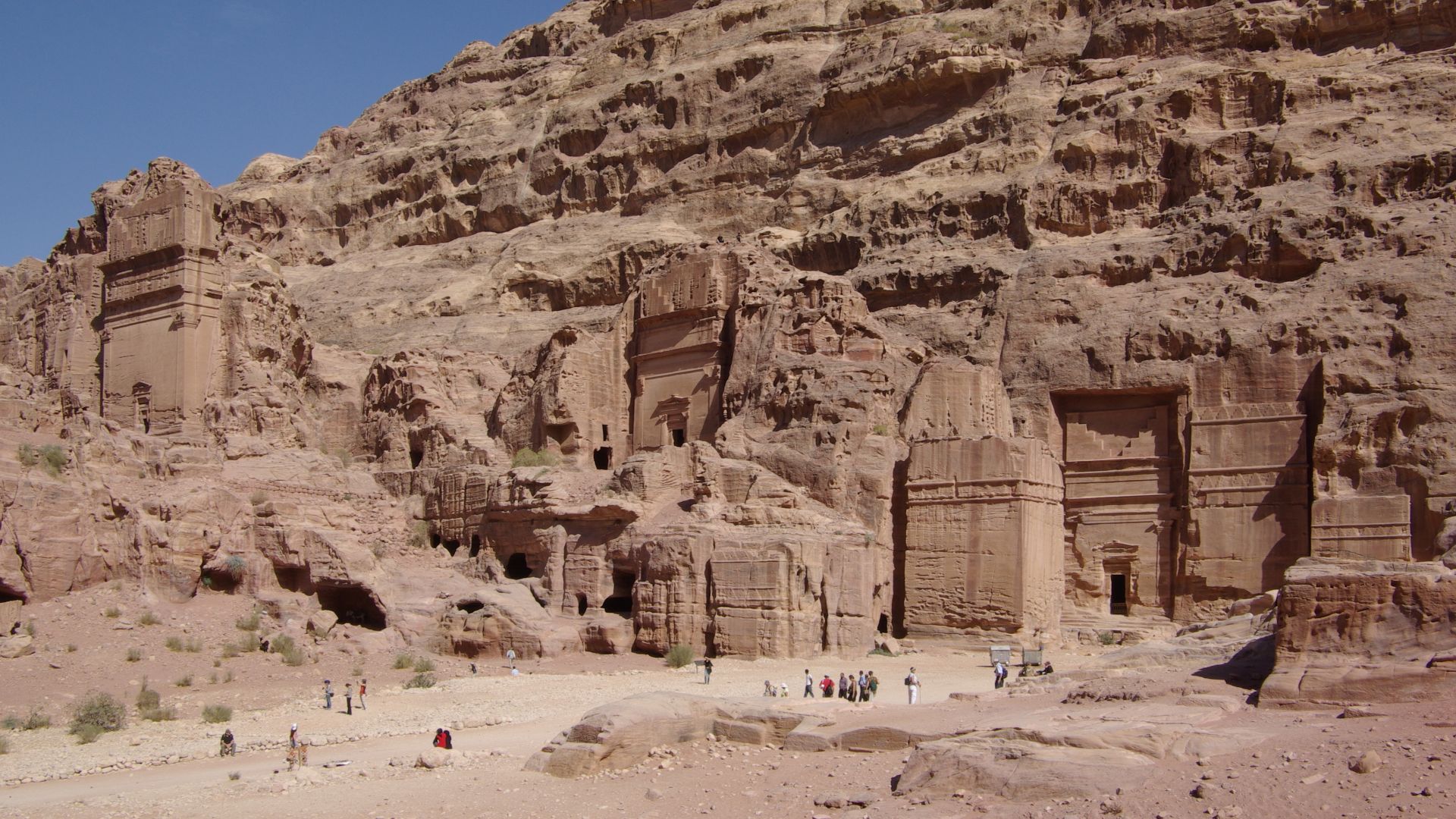
The engineering of these pipelines required impressive precision. Researchers have since discovered that some pipelines followed slopes of only a few degrees in order to maintain a consistent water pressure. If the gradient changed too much, the system would leak or be inefficient. This level of accuracy shows advanced knowledge of hydraulics.
 Berthold Werner, Wikimedia Commons
Network Of Cisterns And Reservoirs
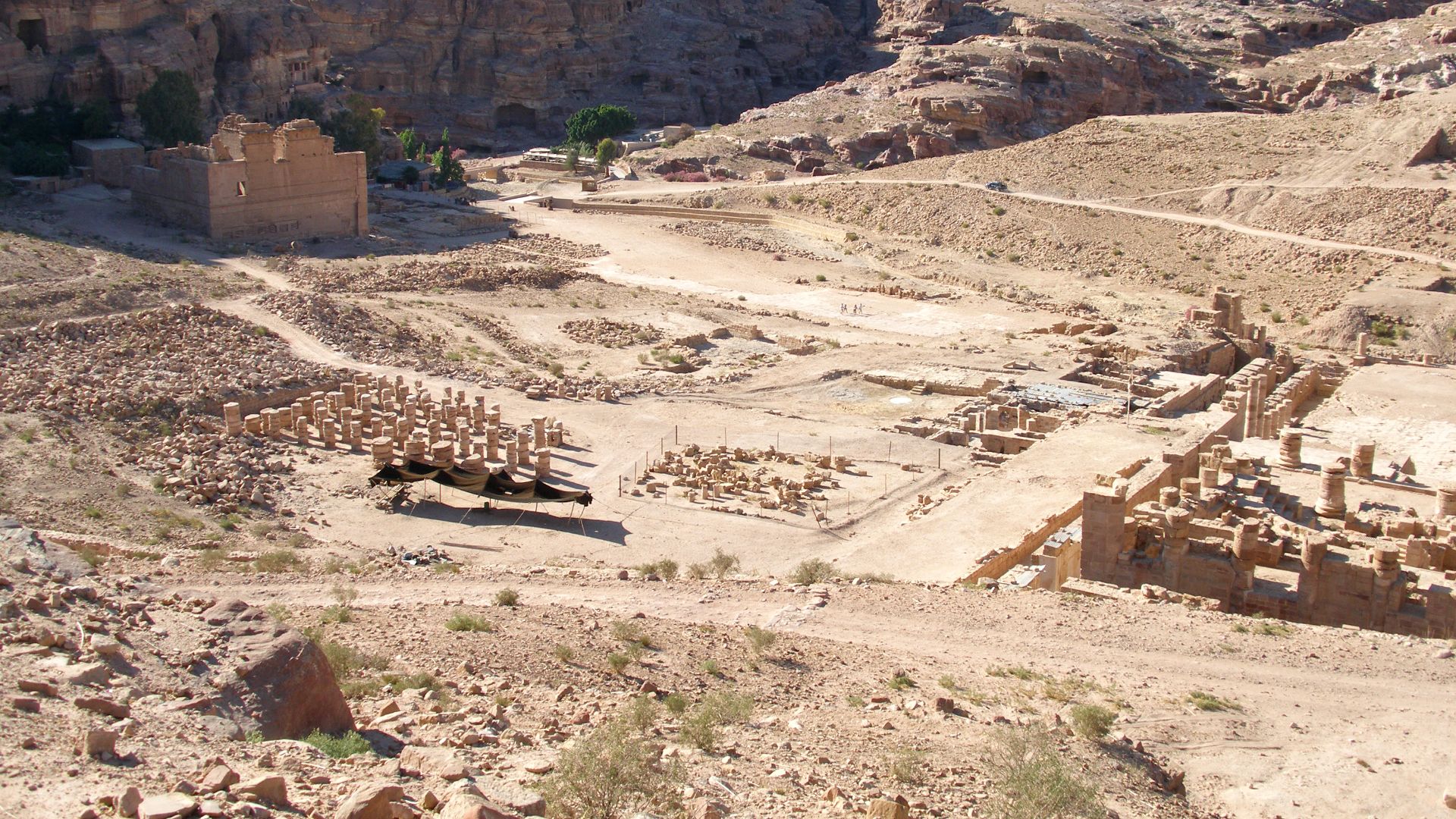
Once the water arrived in Petra, it didn’t flow freely through the city, but was instead stored in hundreds of cisterns, reservoirs, and tanks carved into the rock. These storage structures gave the city the ability to store up water during rainy seasons and use it gradually during the dry months.
 Vyacheslav Argenberg, Wikimedia Commons
Flood Control In Desert Canyons
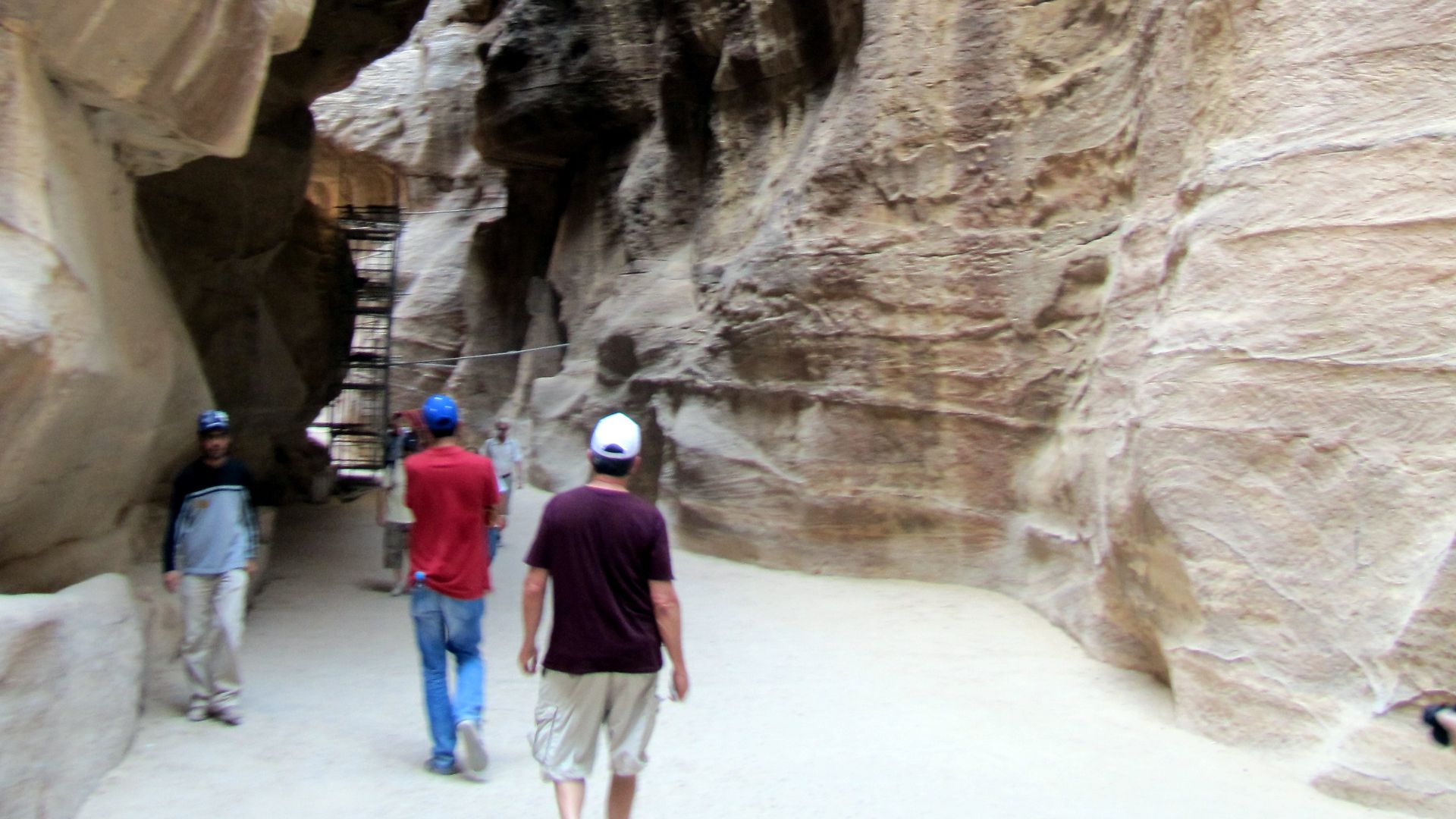
Petra’s engineers also had to contend with dangerous flash floods. The city lies in narrow valleys where sudden storms can send enormous torrents of water rushing through the canyon. To protect buildings, the Nabataeans constructed diversion dams and tunnels that redirected floodwaters away from the populated areas.
 David Berkowitz from New York, NY, USA, Wikimedia Commons
Clean Water For A Growing City
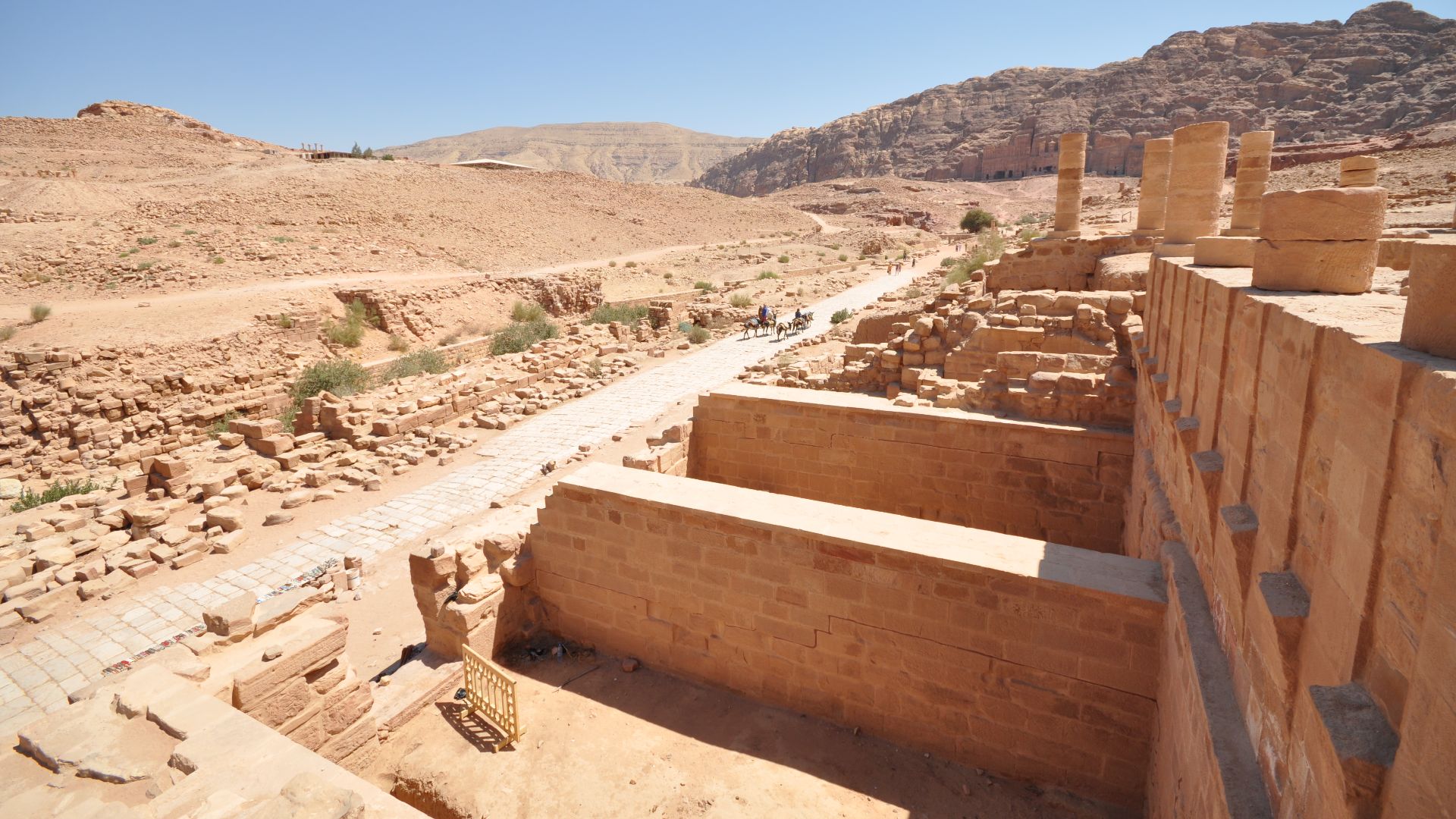
Some parts of the water system consisted of settling basins that allowed sediment to sink before the water travelled further through pipelines. This process improved the water quality for residents. The combination of filtration, storage, and controlled distribution made up a surprisingly sophisticated urban water network.
 Jorge Láscar from Australia, Wikimedia Commons
Desert City With Gardens And Pools
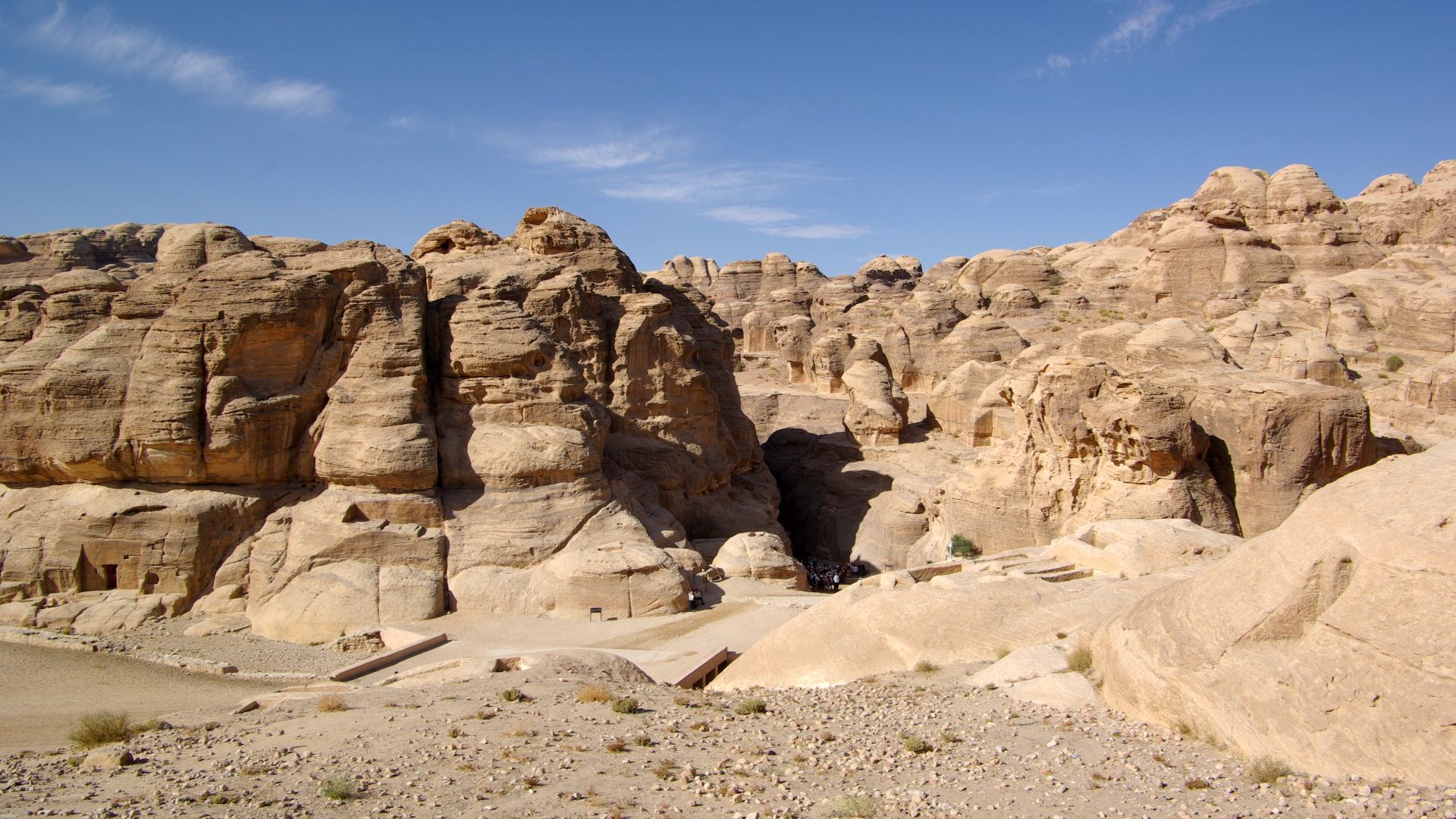
Because of all this engineering, Petra was able to sustain luxuries that are exceedingly rare in desert environments. Archaeological excavations have uncovered garden complexes, ornamental pools, and fountains fed by the water network. These features showed off the splendor of the city and the brains of Nabataean engineering.
 Berthold Werner, Wikimedia Commons
Protecting Monuments From Water Damage
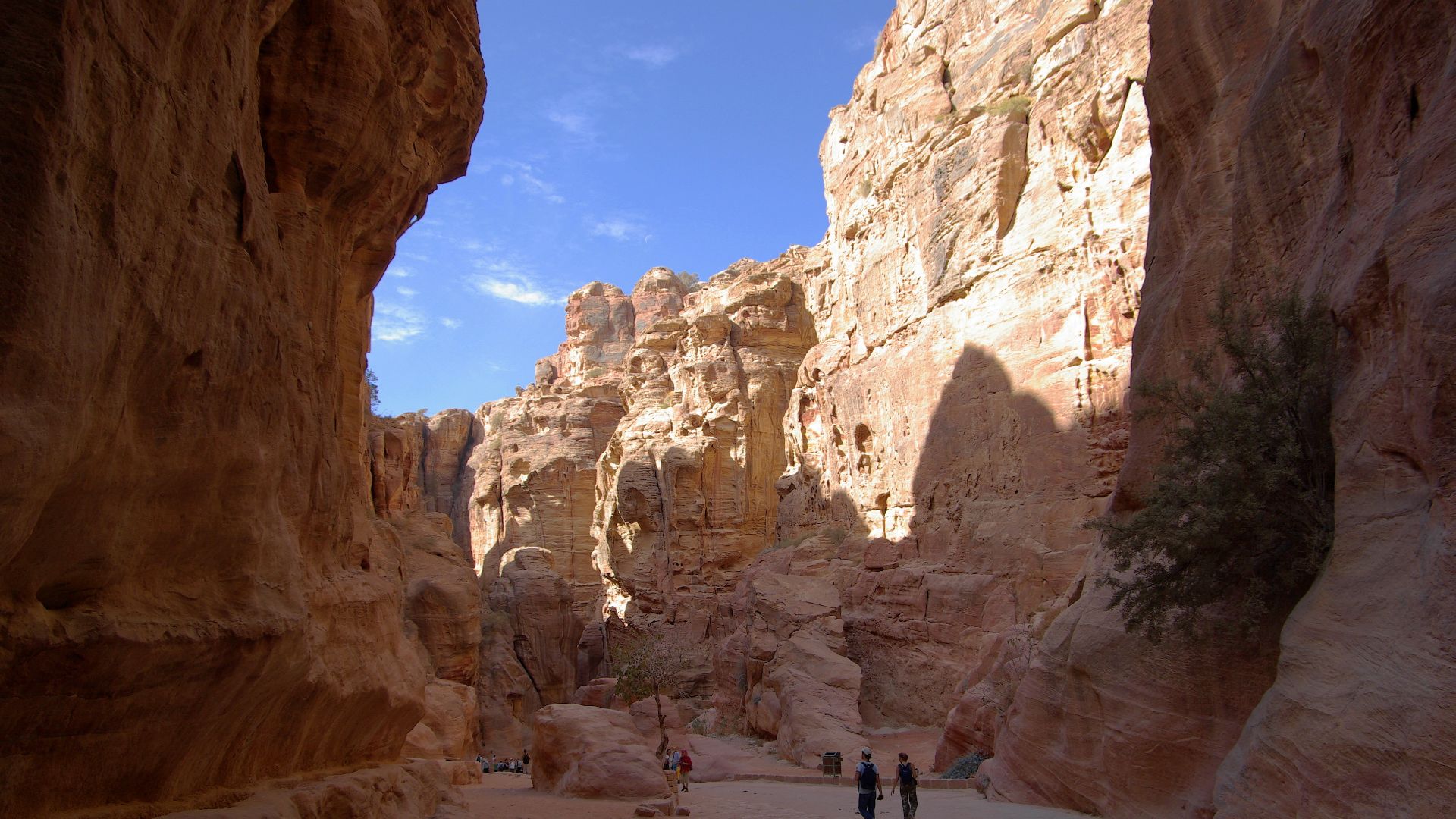
Water could also damage Petra’s rock monuments if it wasn’t carefully managed. To prevent erosion, the Nabataeans carved channels above the many facades to divert rainfall away from the carved surfaces of the stone. This clever design helped preserve the monuments for centuries.
 Berthold Werner, Wikimedia Commons
Cultural Influences In Petra’s Design
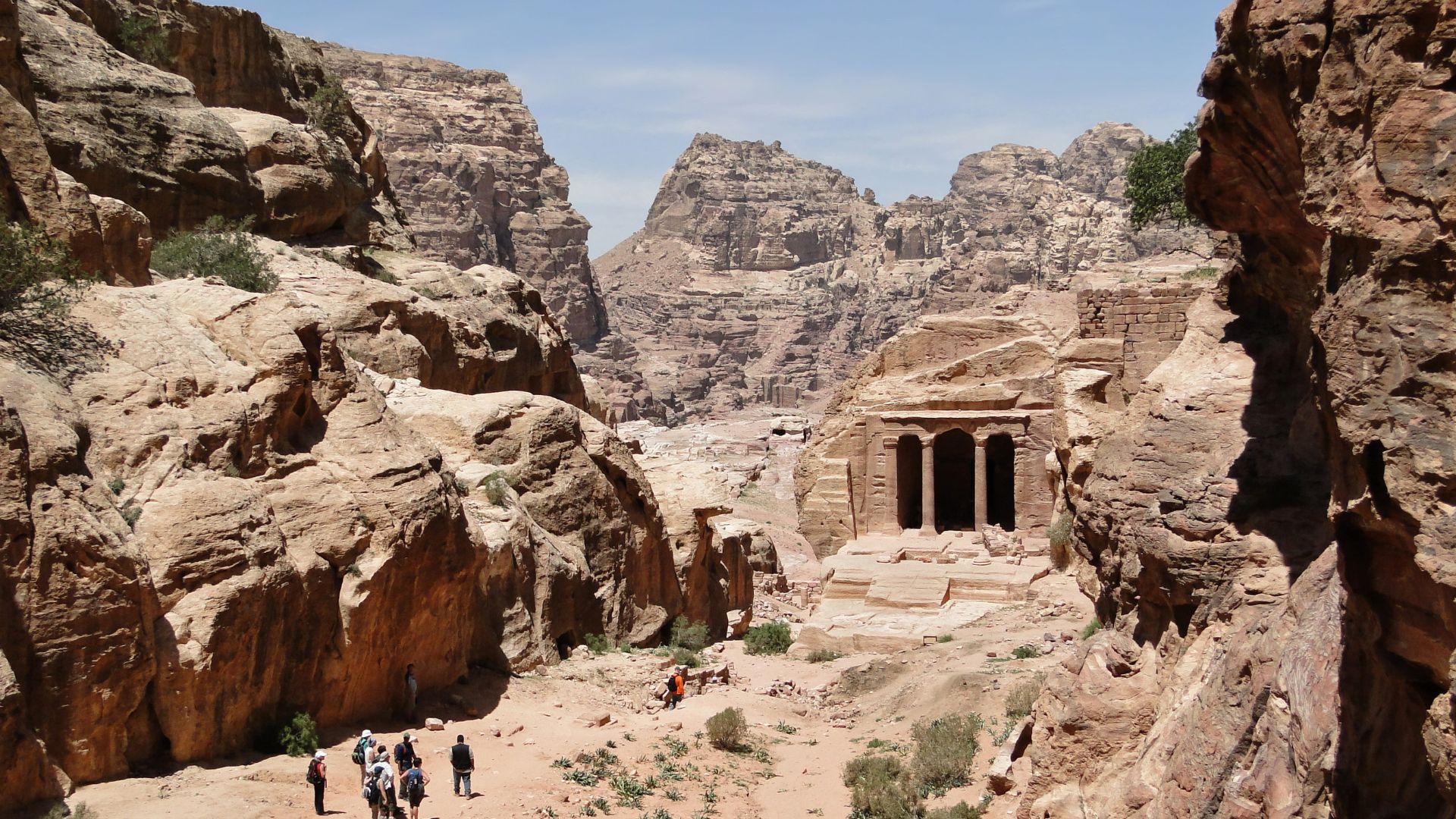
Several civilizations influenced Petra’s architecture. Greek, Egyptian, and Roman artistic elements appear in many structures. These influences are a further indication of the city’s role as an international trade hub where cultures from across the ancient world met and exchanged ideas.
 Bernard Gagnon, Wikimedia Commons
Roman Era And Petra’s Transformation
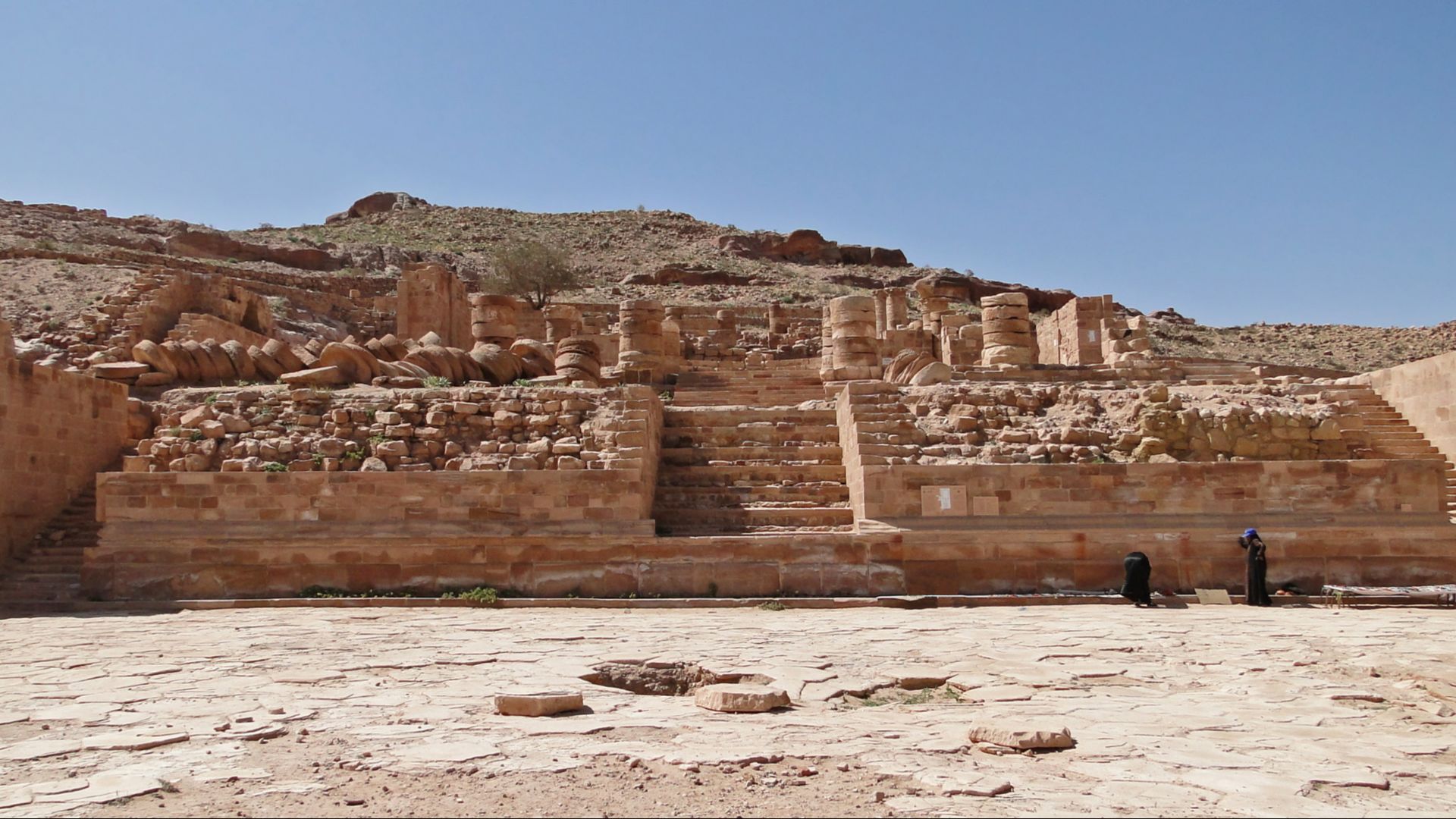
In 106 AD the Roman Empire annexed the Nabataean Kingdom. Petra remained an important regional center under Roman rule, and the people built additional structures like colonnaded streets and temples during this time. But changes in trade routes were gradually reducing the city’s economic importance.

Slow Decline Of Petra
Over time, earthquakes and shifting trade patterns all caused Petra to go into decline. By the early Middle Ages, much of the city had been abandoned. Its monuments stayed hidden, snuggled amongst desert cliffs for centuries until rediscovered by European explorers in the 1800s.
 Bernard Gagnon, Wikimedia Commons
Rediscovery Of The Lost City
In 1812 the Swiss explorer Johann Ludwig Burckhardt visited Petra and introduced the site to the amazement of Western scholars. Archaeologists immediately understood the enormous historical value of the city. Today Petra is a UNESCO World Heritage Site and one of the most famous archaeological destinations in the world.
 Maurice Babey, Wikimedia Commons
The Lasting Impact Of Petra
Aside from the incredible architecture, Petra is still one of the most impressive examples of ancient engineering and urban planning. Its rock cut architecture amazes visitors, but its hidden infrastructure is equally impressive. By mastering water management in one of the world’s harshest environments, the Nabataeans created a thriving desert metropolis that still inspires awe today.
 Vyacheslav Argenberg, Wikimedia Commons
You May Also Like: