Canada Can Feel Surprisingly Far Away
Canada is easy for Americans to picture as the familiar country right next door. Then you arrive somewhere filled with French-speaking streets, Scottish traditions, remote fishing villages, red cliffs, ancient rainforests, or night markets that could be across the Pacific. These destinations prove you can get a serious case of “where am I?” without ever leaving North America.
Québec City Is Still The Ultimate Answer
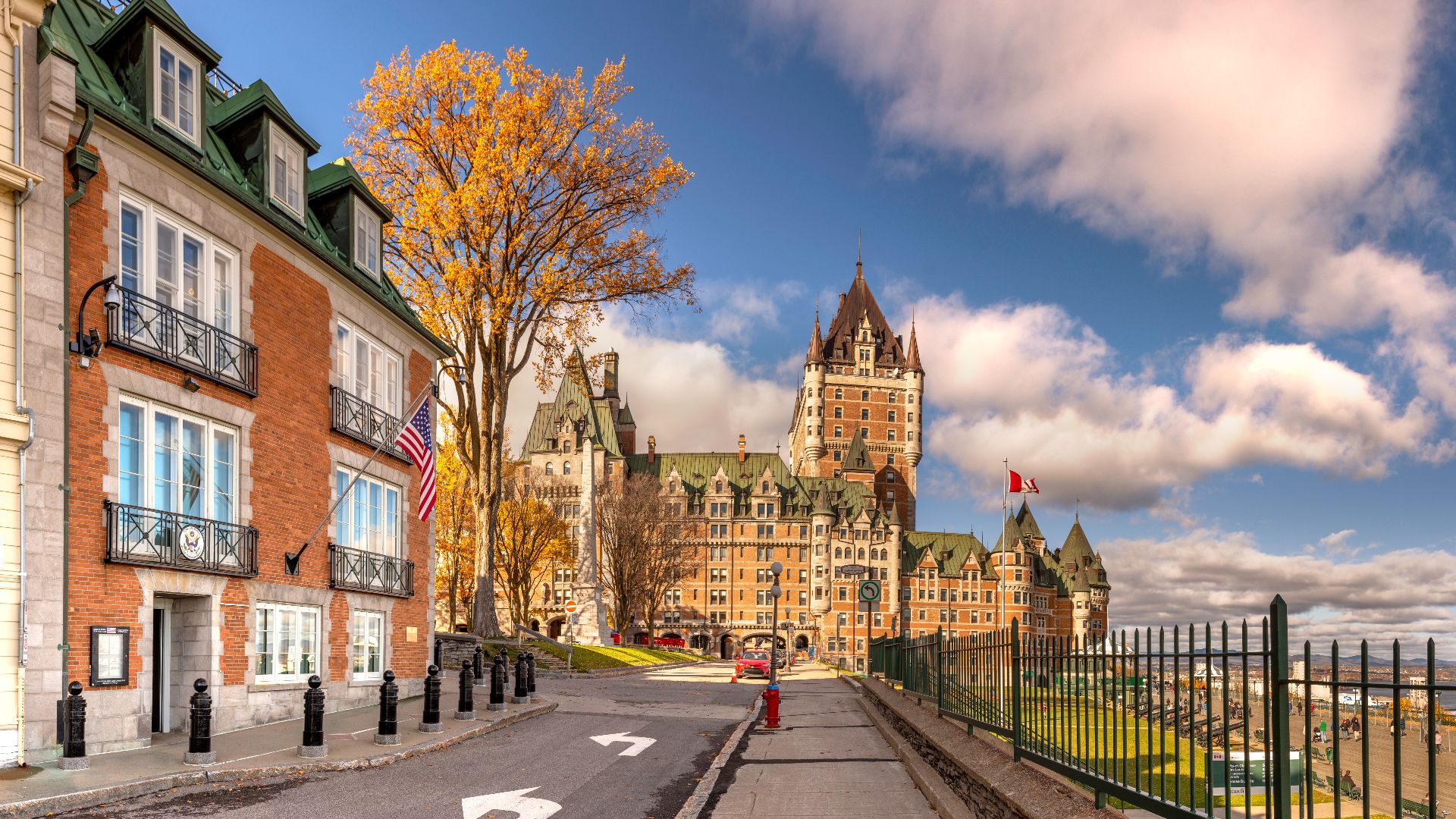
No destination in Canada sells the illusion quite like Old Québec. Stone buildings climb above the St. Lawrence River behind preserved walls, gates, and fortifications that look strikingly unlike the average North American downtown. UNESCO calls it an exceptional example of a fortified colonial town and the most complete of its kind north of Mexico.
Those City Walls Change Everything
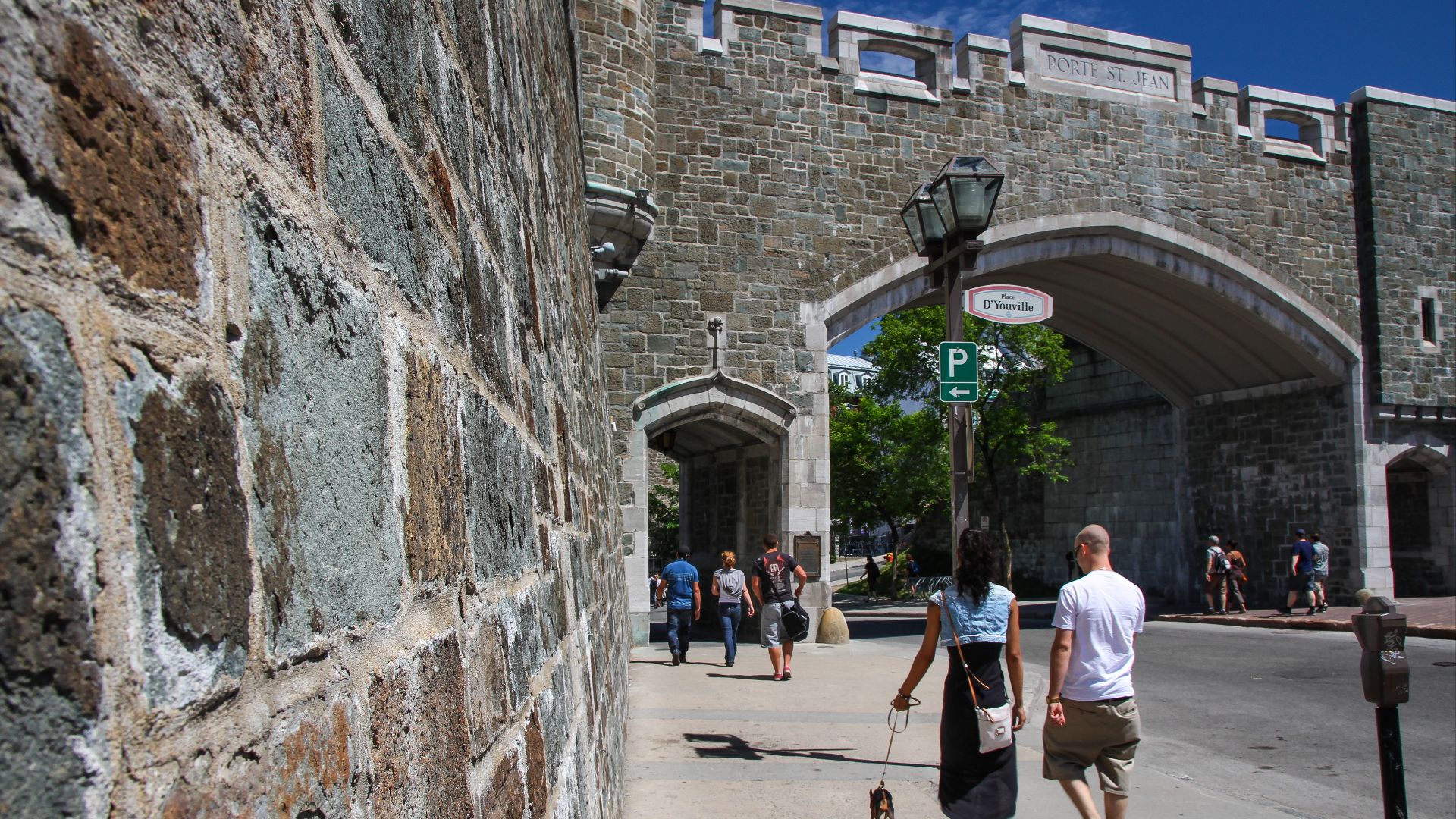
Simply walking through the gates of Old Québec gives the place an atmosphere Americans usually associate with an overseas vacation. Québec City is the only North American city to have preserved its ramparts along with the bastions and defensive works surrounding its historic center. Once you are inside, narrow streets and imposing old stone buildings complete the transformation.
 Pierre-Olivier Fortin, Wikimedia Commons
The Lower Town Pushes It Even Further
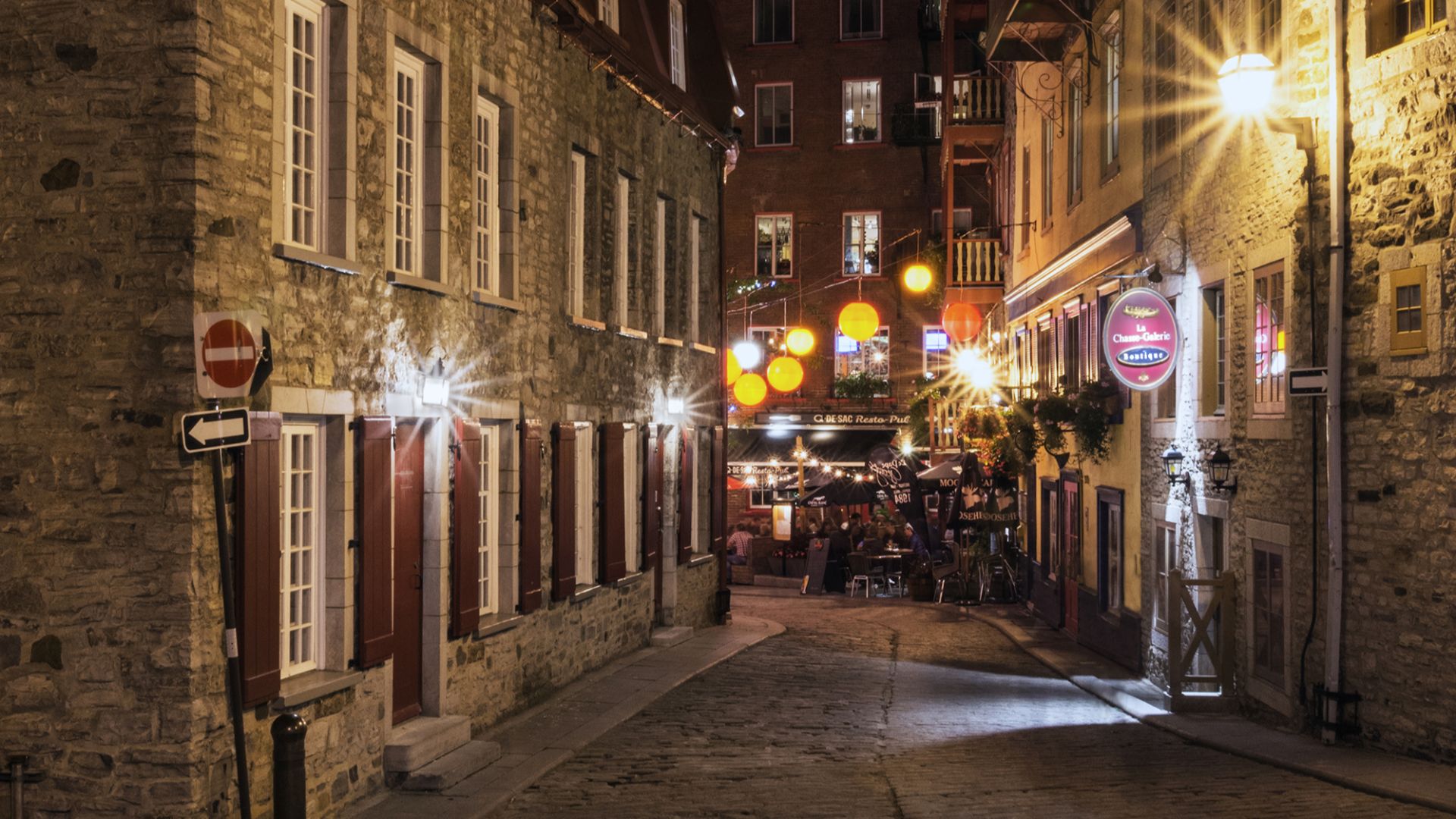
Head downhill and the modern city seems to recede behind you. Old Québec's Lower Town grew around Place Royale and the harbor, while the Upper Town developed above the cliffs as a religious and administrative center. Add everyday French all around you, and this is about as close as Americans can get to an old European city without crossing the Atlantic.
Montréal Feels European Without Feeling Frozen In Time
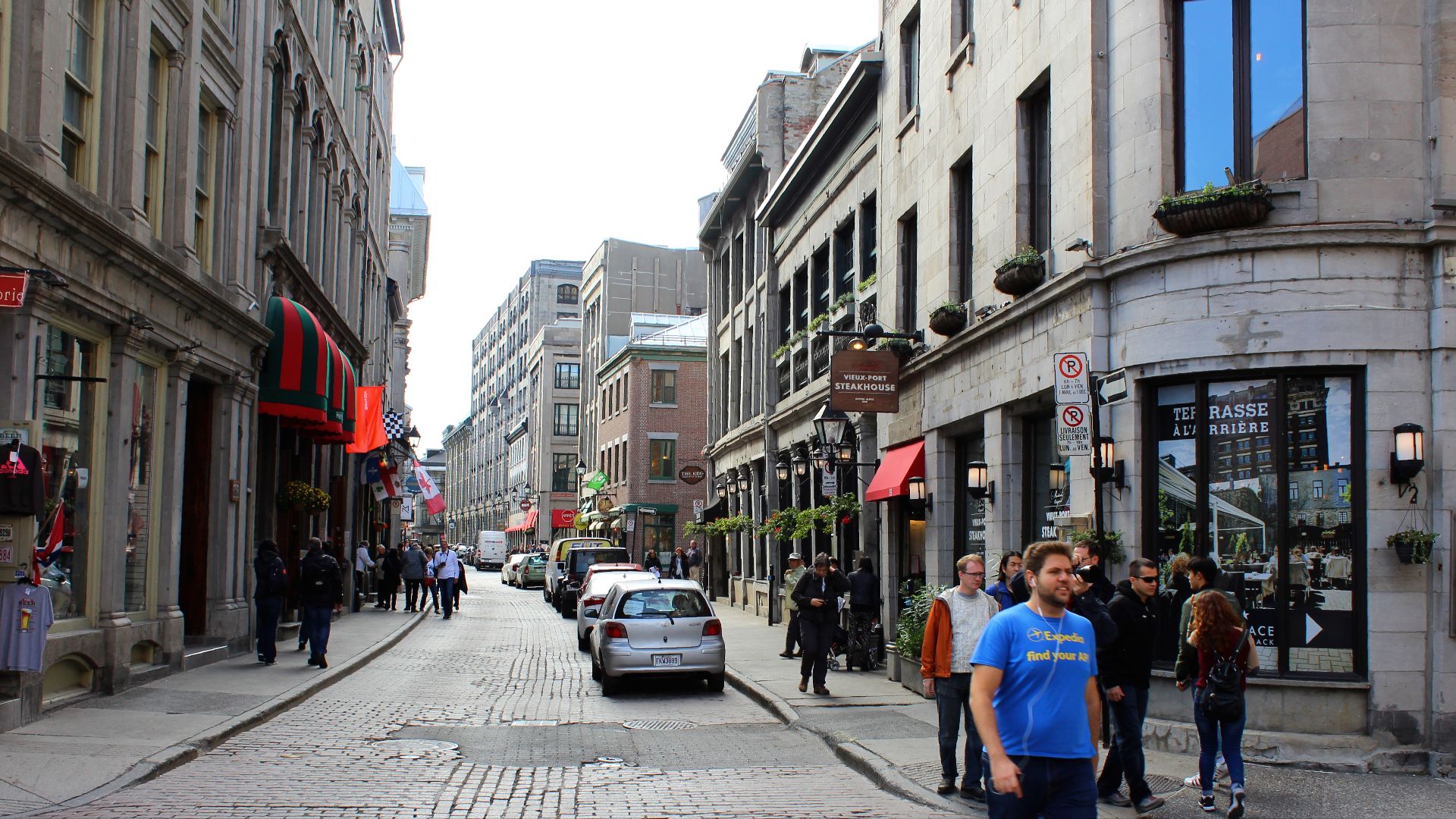
Montréal offers a completely different version of the experience. It is a big, contemporary North American city, but French language and culture remain woven through its neighborhoods, restaurants, bakeries, markets, and street life. Tourisme Montréal itself points to European charm as one of the qualities most closely associated with the city.
 Ken Lund from Reno, Nevada, USA, Wikimedia Commons
Old Montréal Is Where It Really Hits
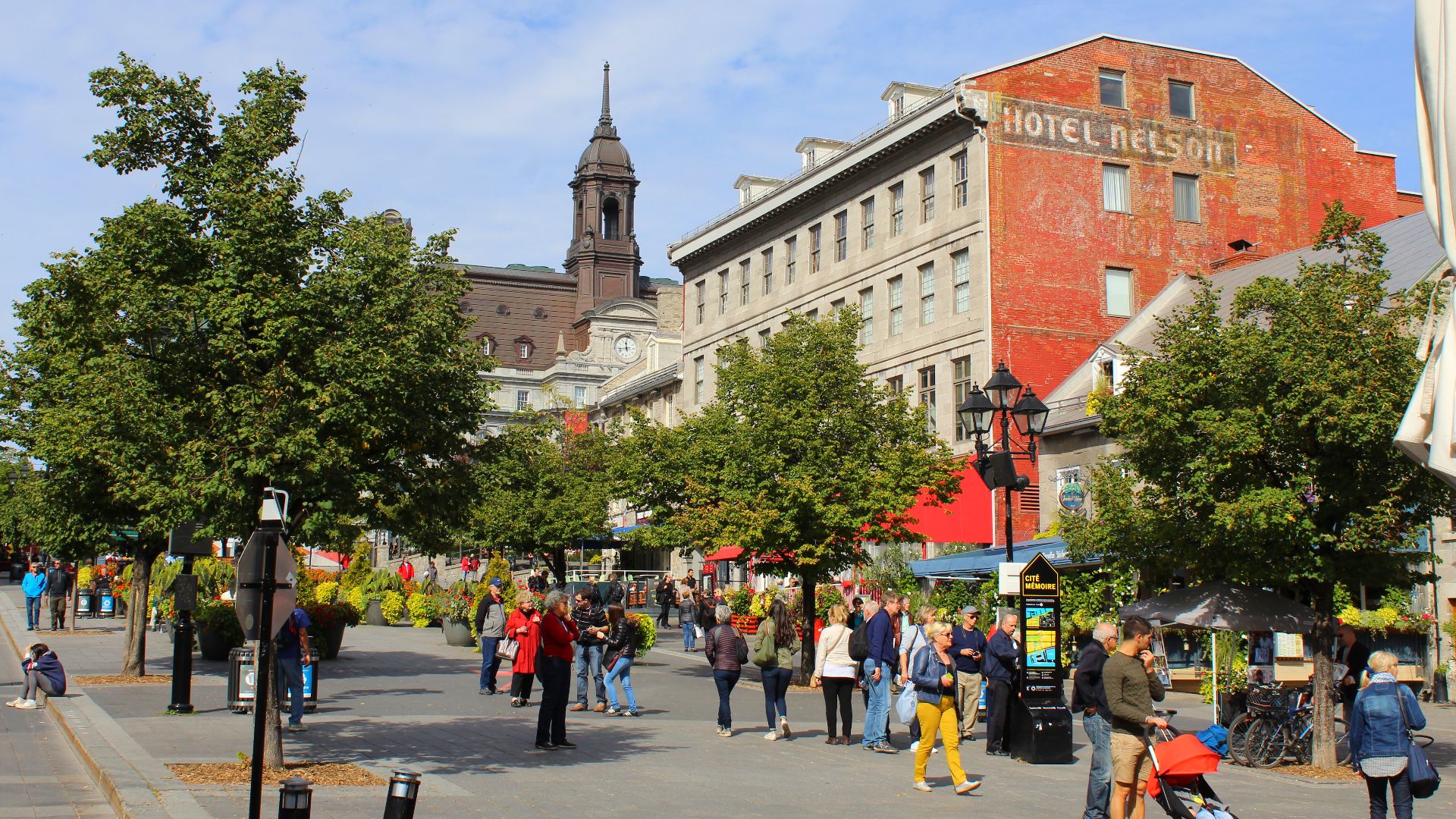
Old Montréal is the easiest place to understand why first-time American visitors make the European comparison. Preserved stone buildings from the city's early history sit beside restaurants, public squares, historic churches, and cobbled streets. The fun part is that a thoroughly modern metropolis is waiting just beyond the neighborhood.
 Ken Lund from Reno, Nevada, USA, Wikimedia Commons
Montréal Even Has A Piece Of Paris
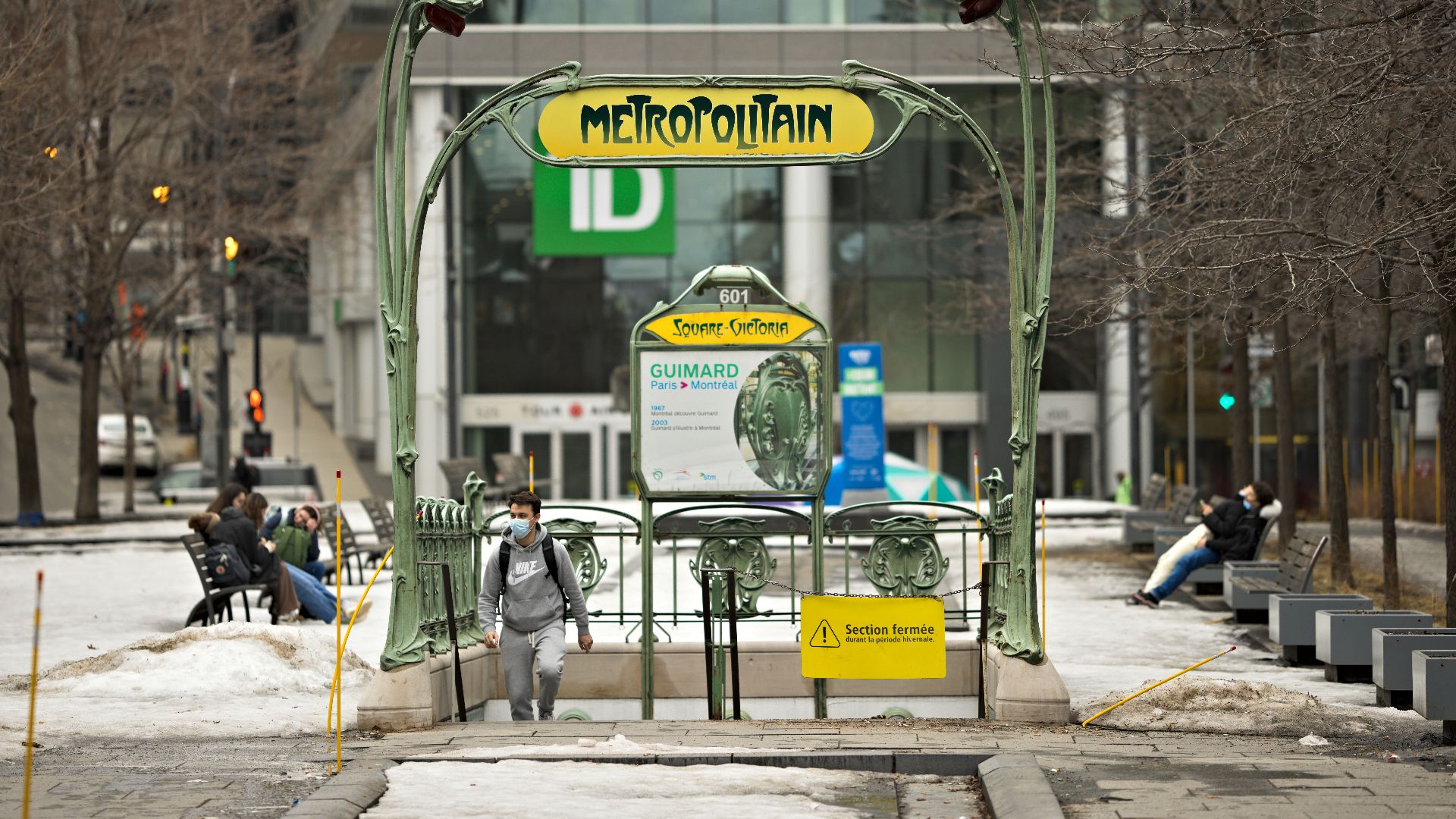
One tiny detail makes the comparison almost comically literal. The entrance at Square-Victoria-OACI Métro station is an authentic Art Nouveau structure designed by Hector Guimard, the architect behind Paris's famous Métro entrances. Tourisme Montréal says it is the only authentic Guimard entrance outside Paris.
 D. Benjamin Miller, Wikimedia Commons
Victoria Brings A Taste Of Britain West
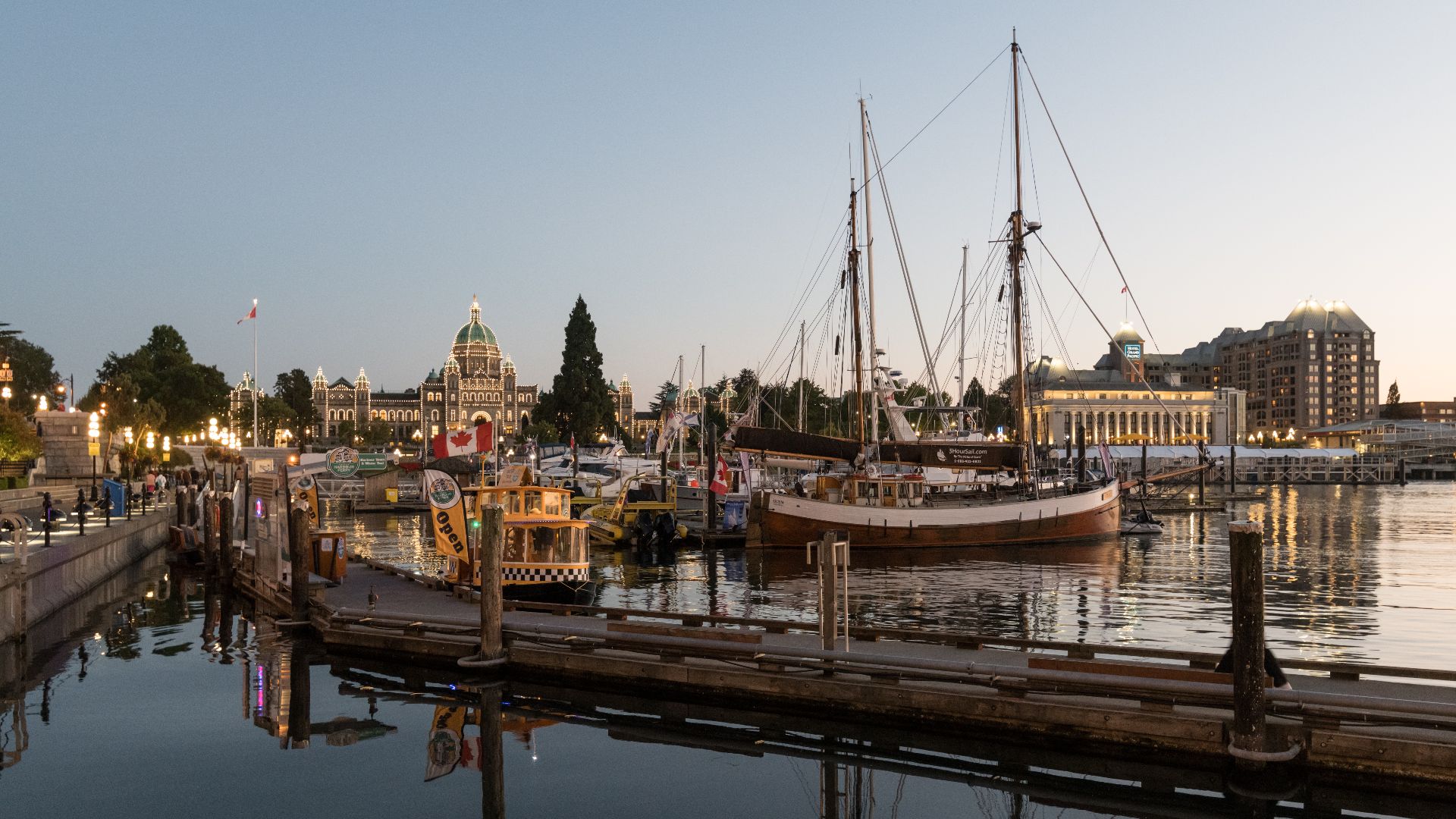
Cross Canada and Victoria changes the mood completely. British and Asian influences have been part of the city since the nineteenth century, and its historic downtown, gardens, architecture, and traditions still reflect that history. Around the Inner Harbour in particular, Victoria can feel surprisingly formal and Old World for a city on the Pacific coast.
Afternoon Tea Is Serious Business Here
Victoria did not simply borrow afternoon tea because tourists thought it looked cute. Tourism Victoria traces the city's tea culture to the 1840s, when British settlers introduced the tradition, and tearooms continue serving it today. Sitting down to tea in a historic room after wandering through manicured gardens is one of those moments when Canada suddenly feels rather British.

Then Victoria Changes Continents Again
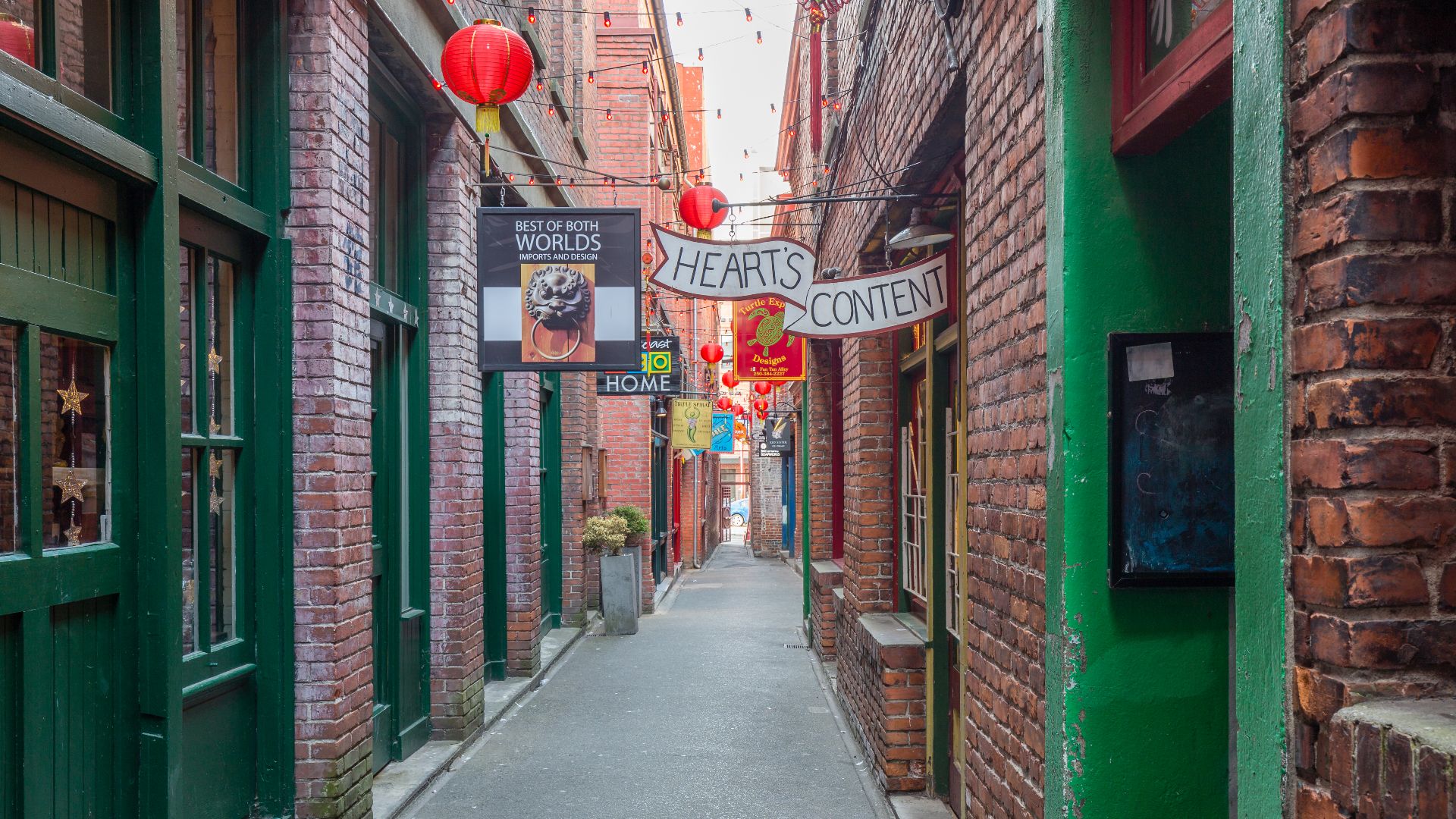
A few blocks can take visitors from British traditions into Canada's oldest surviving Chinatown. Centered on Fisgard Street, the district contains historic alleys, courtyards, balconies, colorful overhangs, and temple-influenced roofs. Fan Tan Alley makes the neighborhood feel even more removed from the wide streets Americans expect from a western Canadian city.
 Michal Klajban, Wikimedia Commons
St. John's Feels Like The Edge Of The Atlantic
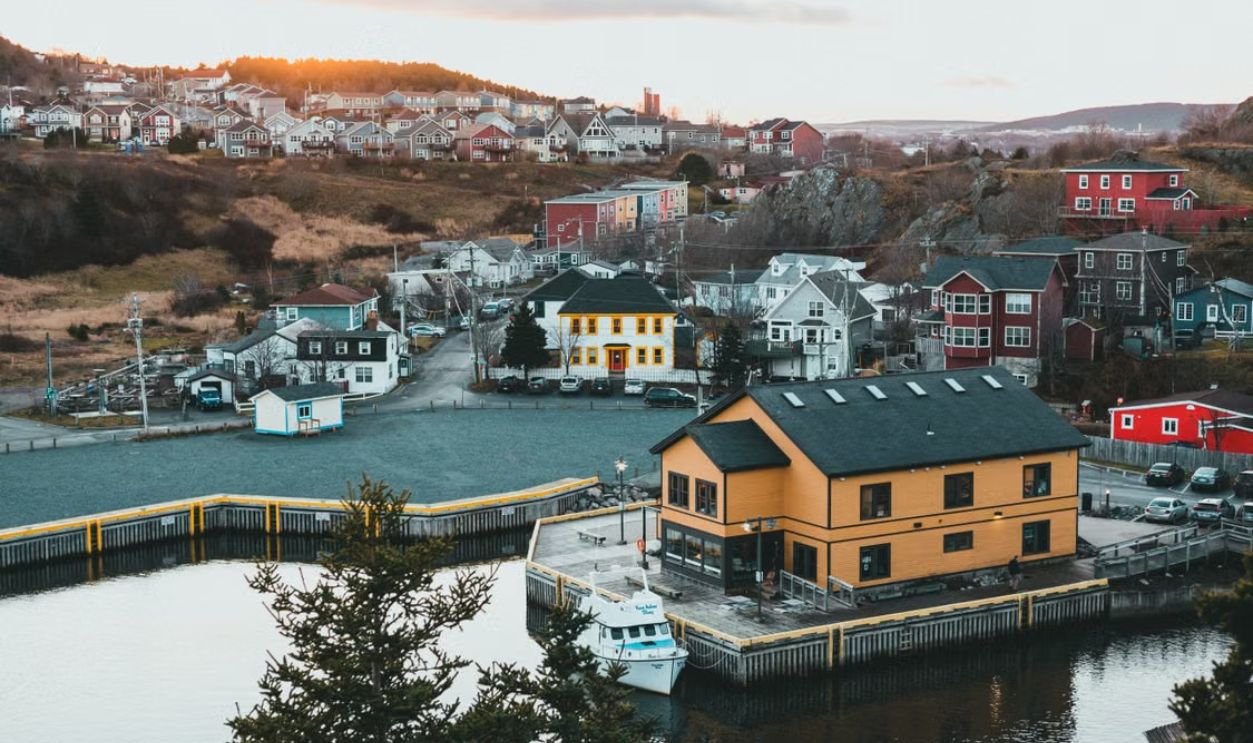
St. John's does not need imitation castles to feel far away. Narrow streets twist across steep hills above a working harbor while brightly painted houses crowd together in a landscape battered by North Atlantic weather. The provincial tourism authority describes it as one of the oldest and most easterly cities in North America.
Jellybean Row Looks Almost Unreal
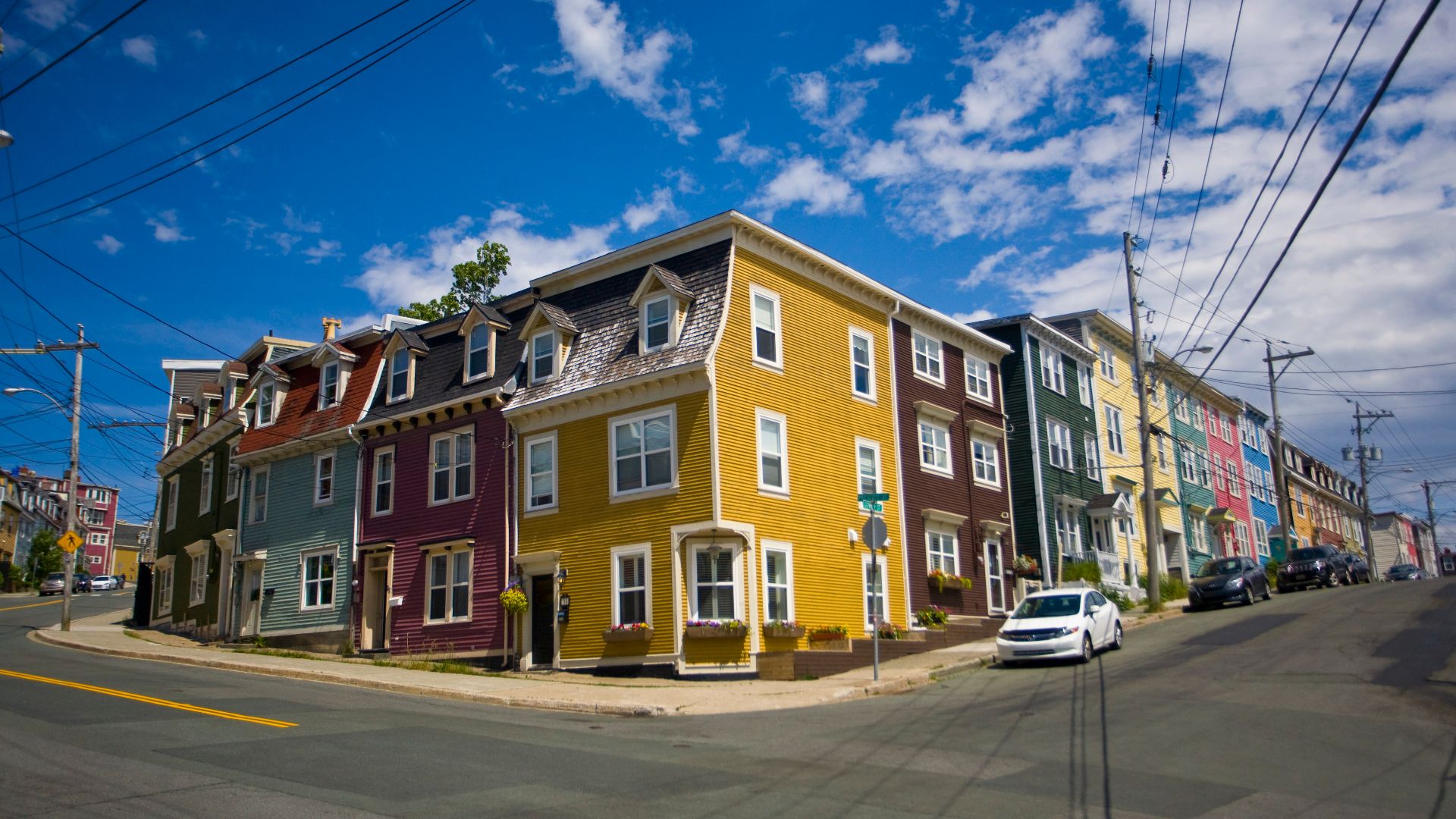
The colorful houses scattered through downtown St. John's are collectively associated with the nickname Jellybean Row. Reds, blues, yellows, greens, and purples stand out dramatically against the fog, hills, and gray Atlantic sky. Few Canadian cityscapes look less like the standard American downtown.
 miketnorton, Wikimedia Commons
Quidi Vidi Feels Like A Village Across The Sea
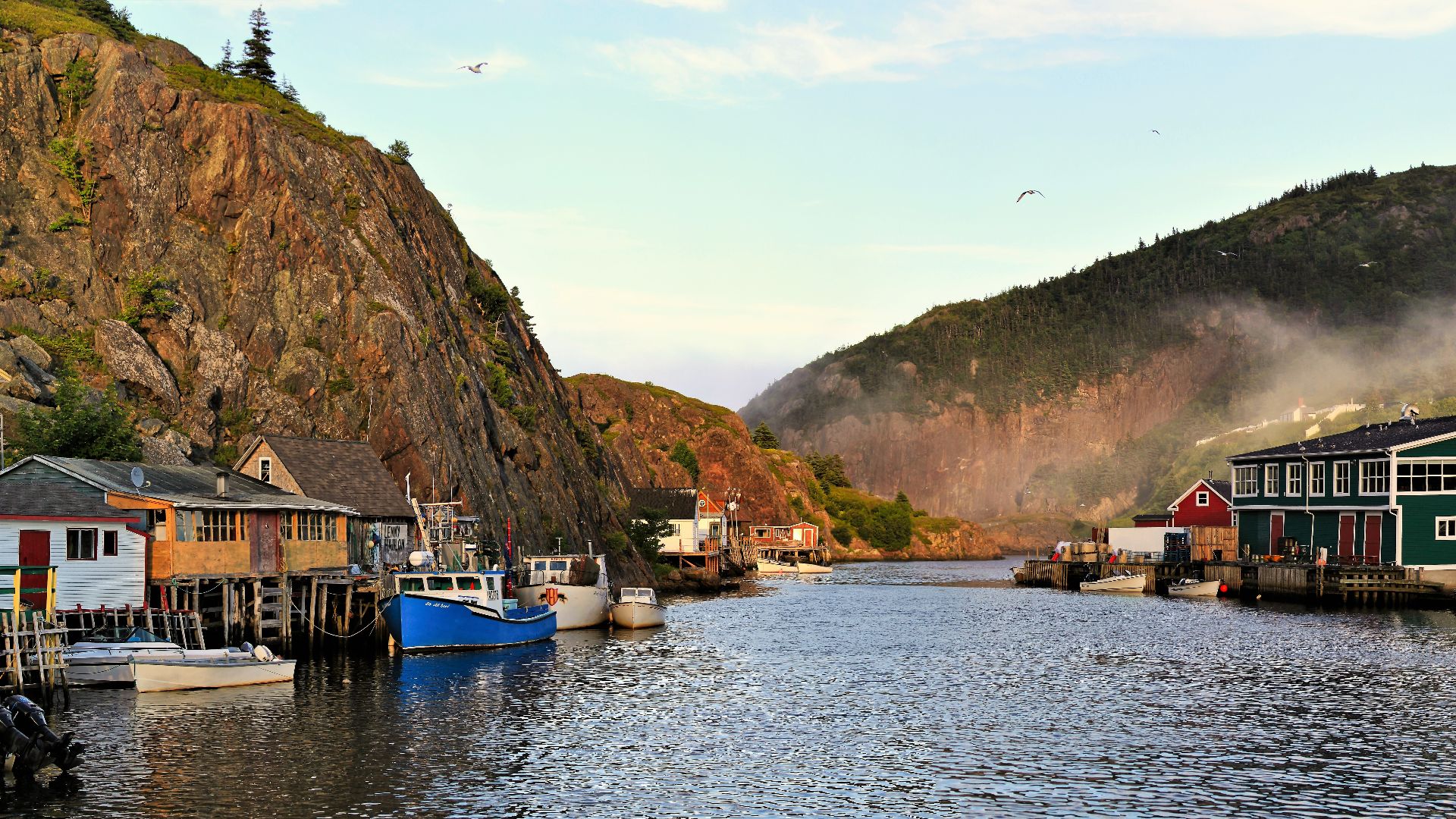
St. John's has another surprise tucked just beyond downtown. Quidi Vidi is a small fishing community within the city that Newfoundland and Labrador tourism describes as embodying the spirit of an old outport. Tiny buildings around the water and steep surrounding terrain make it feel much farther from modern urban life than it actually is.
Richmond Can Feel Like A Trip Across The Pacific
Richmond, British Columbia, delivers a completely different kind of culture shock. Its huge range of Asian restaurants, food courts, shops, and markets makes food one of the best reasons to explore the city. For an American visitor who just landed at nearby Vancouver International Airport, the change can feel remarkably fast.
 Seoul Bamdokkaebi Night Market, Seoul City
The Night Market Turns Up The Effect
The Richmond Night Market takes its inspiration directly from the night-market traditions of Asia. Tourism Richmond calls it the largest night market of its kind in North America, with long rows of food and retail vendors and live entertainment during its operating season. Wandering among hawker-style stalls after dark can feel worlds away from the typical Canadian vacation stereotype.
 GoToVan from Vancouver, Canada, Wikimedia Commons
Lunenburg Looks Like A Seaport From Another Era
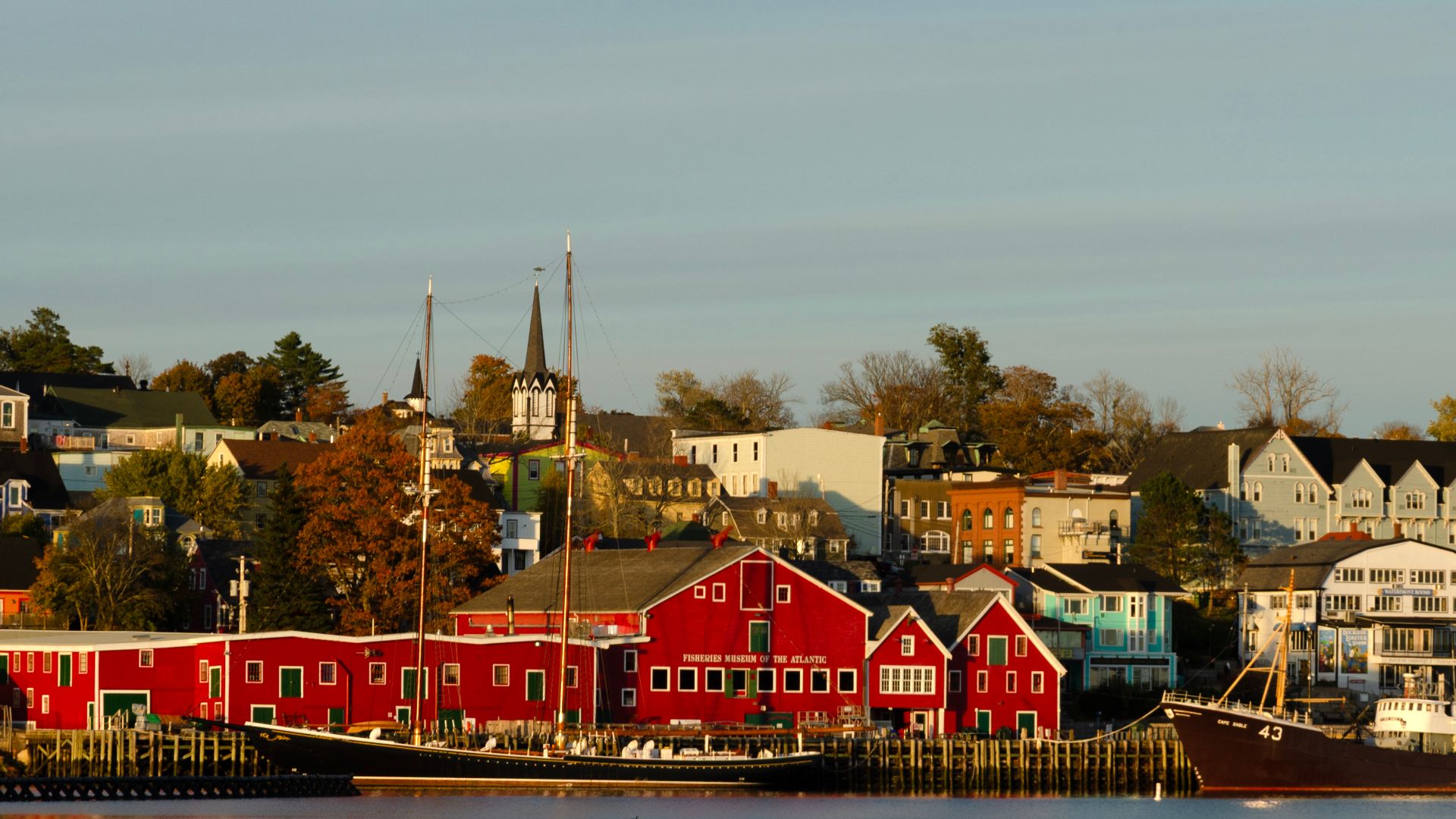
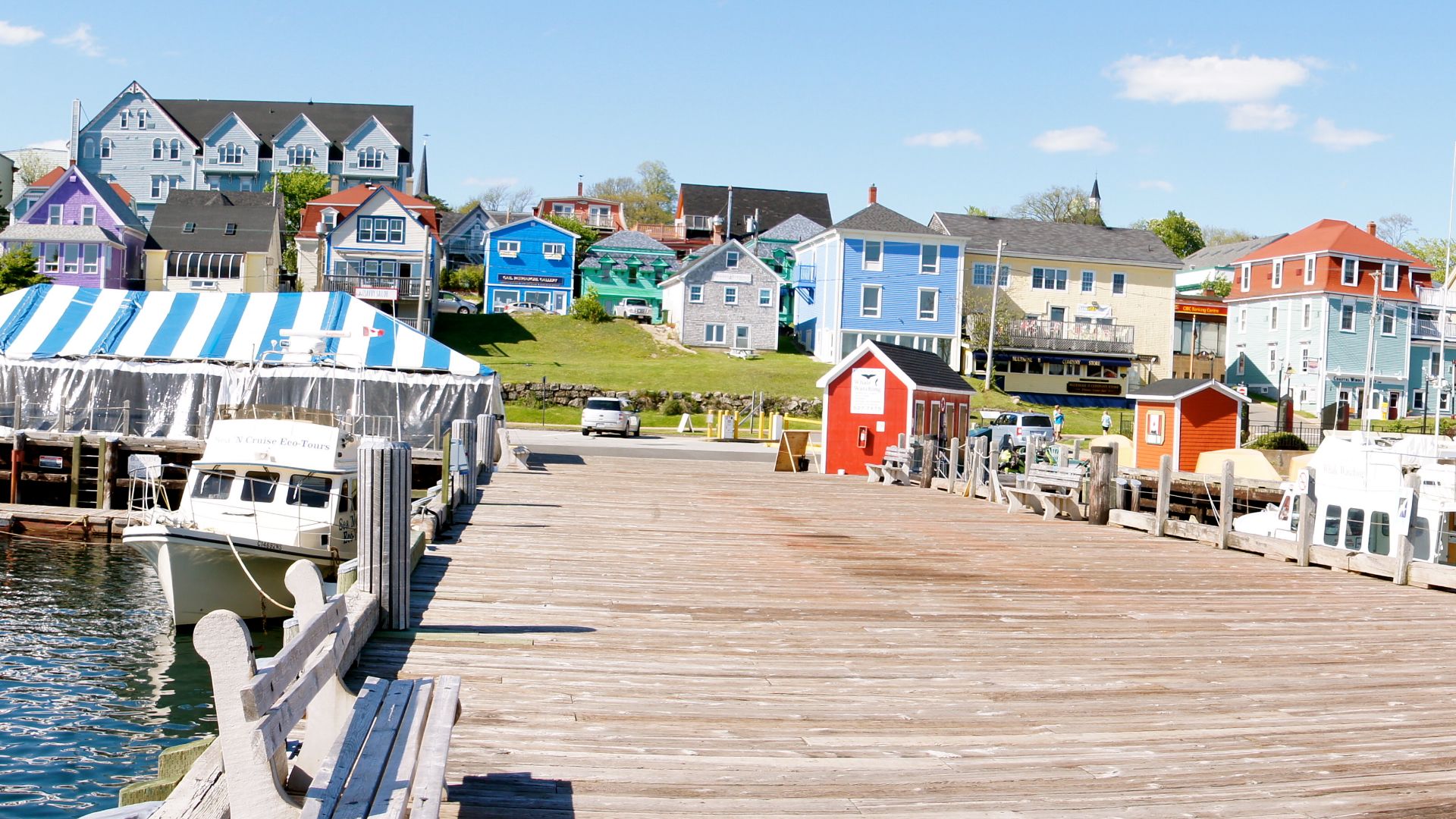
This is where broadening the list beyond cities really starts paying off. Old Town Lunenburg, Nova Scotia, combines steep seaside streets, brightly painted wooden buildings, historic homes, and tall ships along the waterfront. Tourism Nova Scotia describes it as one of the best surviving planned British colonial towns in North America.
Lunenburg Was Built To Look Different
The historic core was laid out as a planned British colonial settlement, and much of that old street pattern and architecture survives. Unlike a recreated heritage attraction, these buildings form an actual living town where people still shop, eat, work, and reside. Add the harbor below and Lunenburg can resemble an old European maritime village that somehow washed ashore in Nova Scotia.
 Madereugeneandrew, Wikimedia Commons
Cape Breton Can Pass For The Scottish Highlands
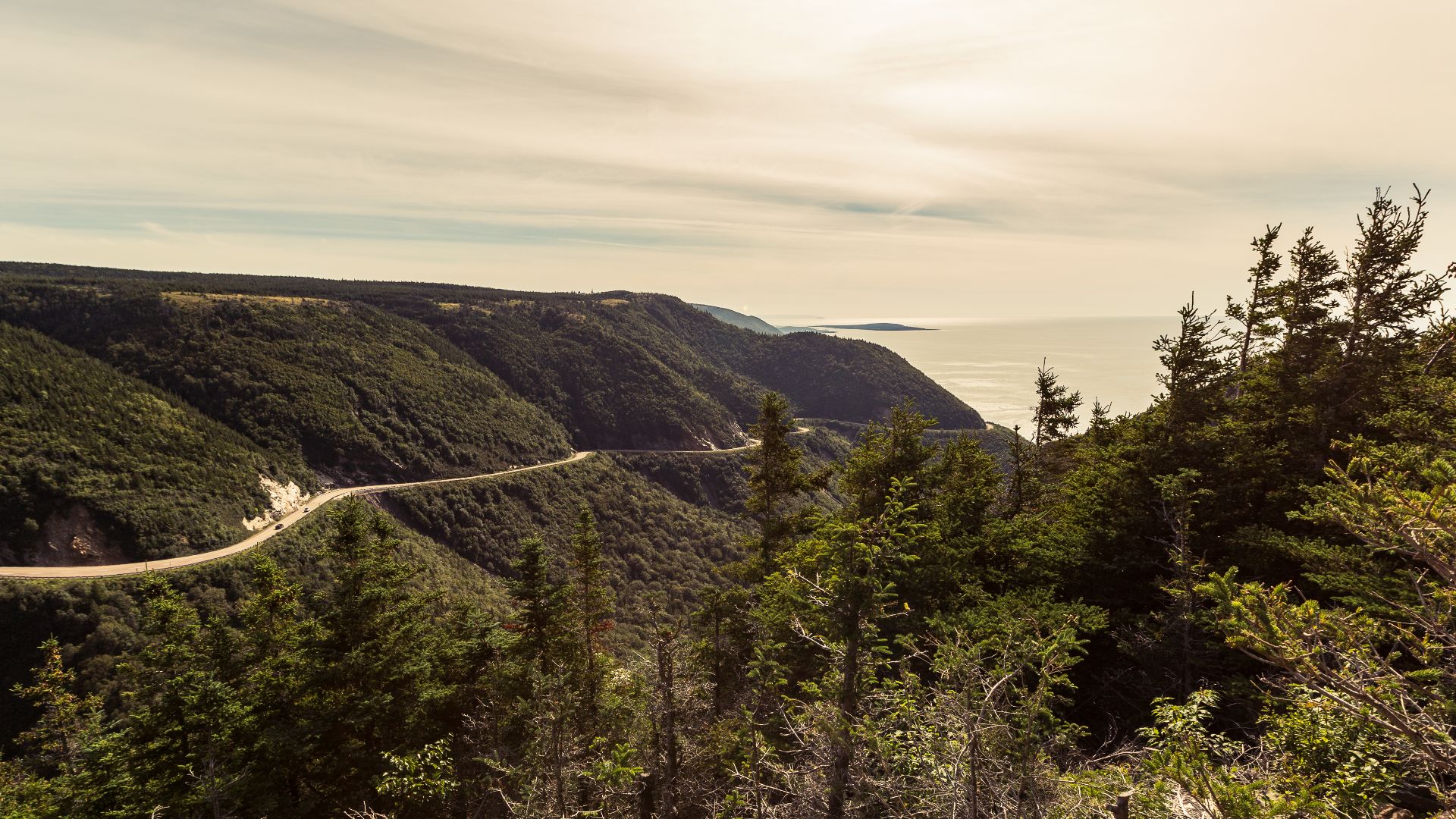
Drive north onto Cape Breton Island and Canada begins looking wildly different again. The Cabot Trail twists between forested highlands, steep cliffs, beaches, and ocean viewpoints that have helped make it one of Canada's most famous scenic drives. In the right weather, the rugged coastal scenery can easily evoke the North Atlantic landscapes of Scotland or Ireland.
 Tony Webster from San Francisco, California, Wikimedia Commons
The Scottish Connection Is More Than Scenery
Cape Breton's Celtic feeling is not just something visitors project onto the hills. Gaelic language, music, dancing, and customs brought by Scottish settlers remain part of the island's living culture, particularly around communities such as St. Ann's. The island even has a Gaelic college where traditional language, music, and dance are taught.

Chéticamp Adds A French Twist
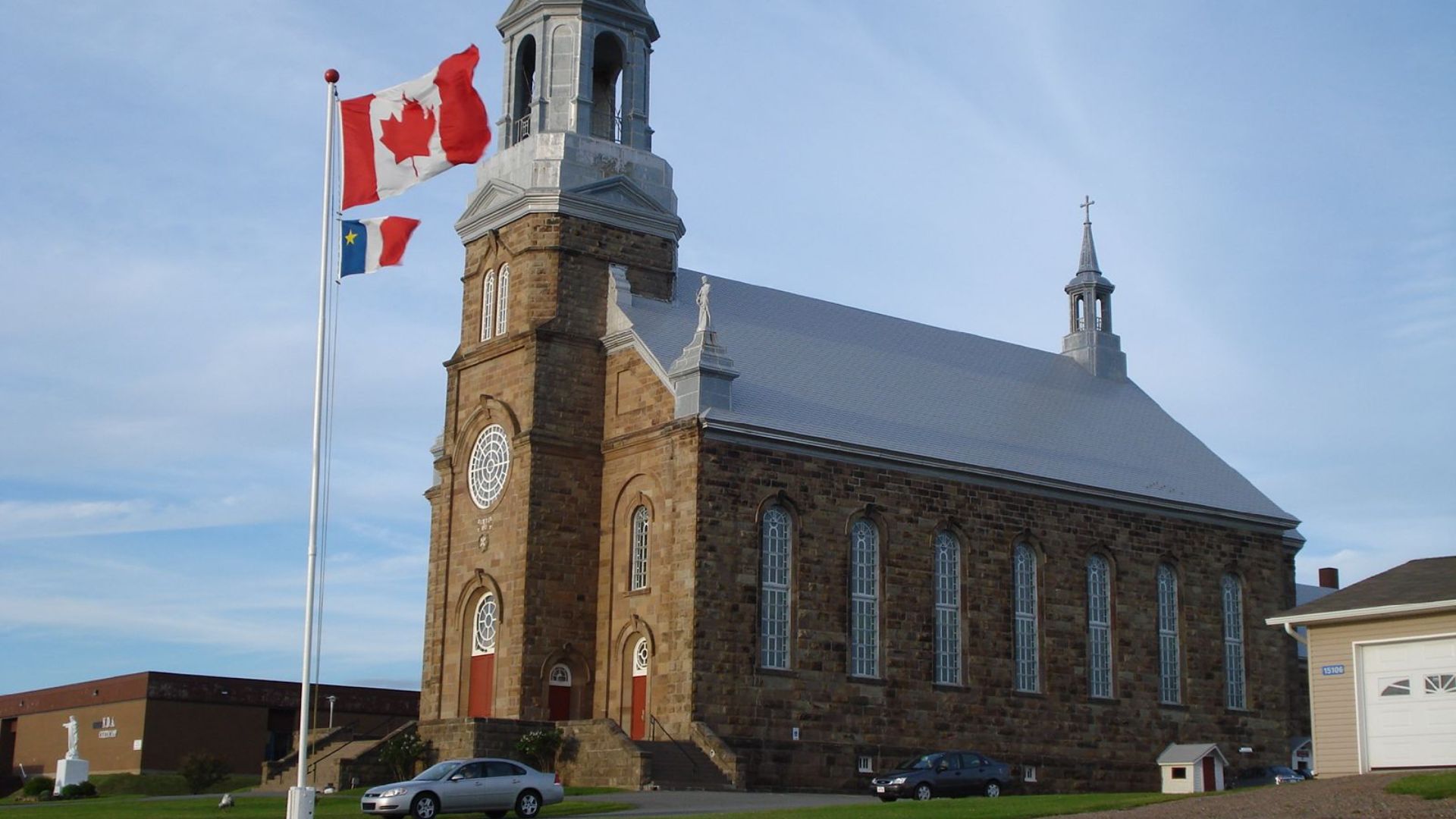
Continue around the Cabot Trail and another culture comes into view. Chéticamp is one of the route's important Acadian communities, adding French Canadian traditions to an island already shaped by Mi'kmaw and Gaelic heritage. Few road trips allow Americans to encounter such dramatic shifts in both scenery and culture within one relatively compact area.
The Magdalen Islands Barely Look Canadian
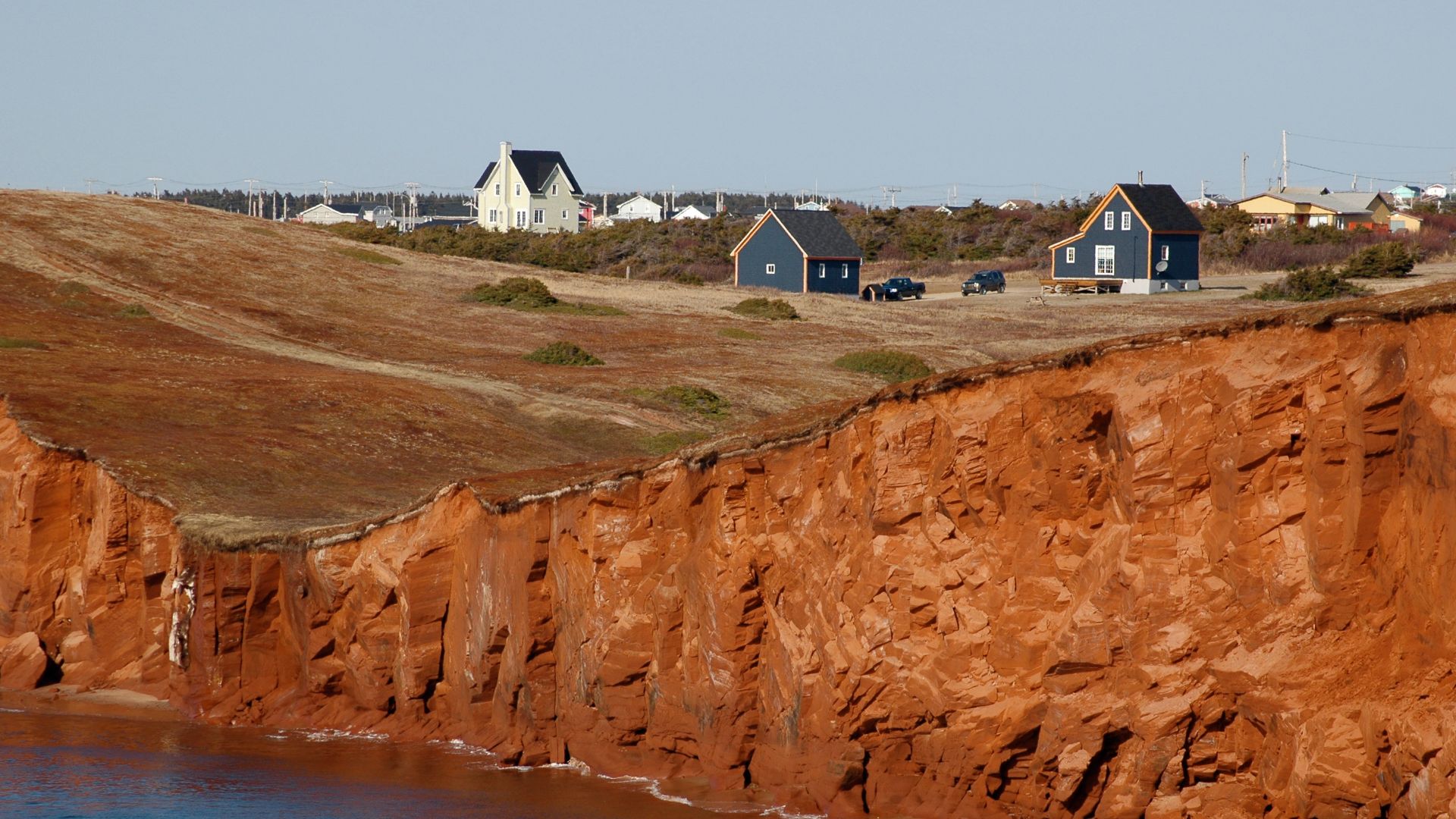
Out in the Gulf of St. Lawrence, Québec's Îles de la Madeleine look like someone stitched together pieces of several different countries. Rolling green hills fall toward long beaches and striking red sandstone cliffs, with colorful houses scattered across the islands. The archipelago's remote location only strengthens the sensation that you have gone considerably farther than the map suggests.
The Islands Have Their Own Rhythm
The scenery is only half the story. The Magdalen Islands carry strong Acadian roots, along with fishing traditions and a distinct local culture shaped by life in the middle of the Gulf of St. Lawrence. Instead of feeling like a Canadian beach resort, the place has the atmosphere of a remote North Atlantic archipelago with its own identity.
Fogo Island Feels Like The End Of The World
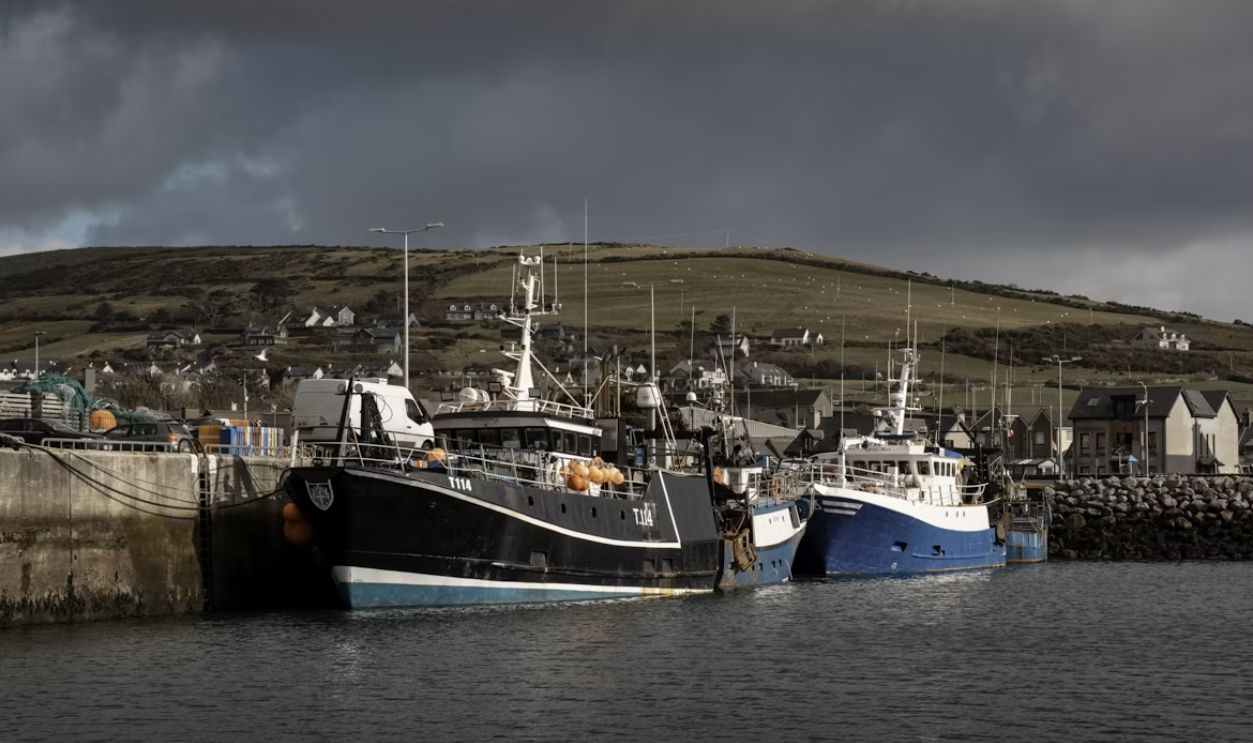
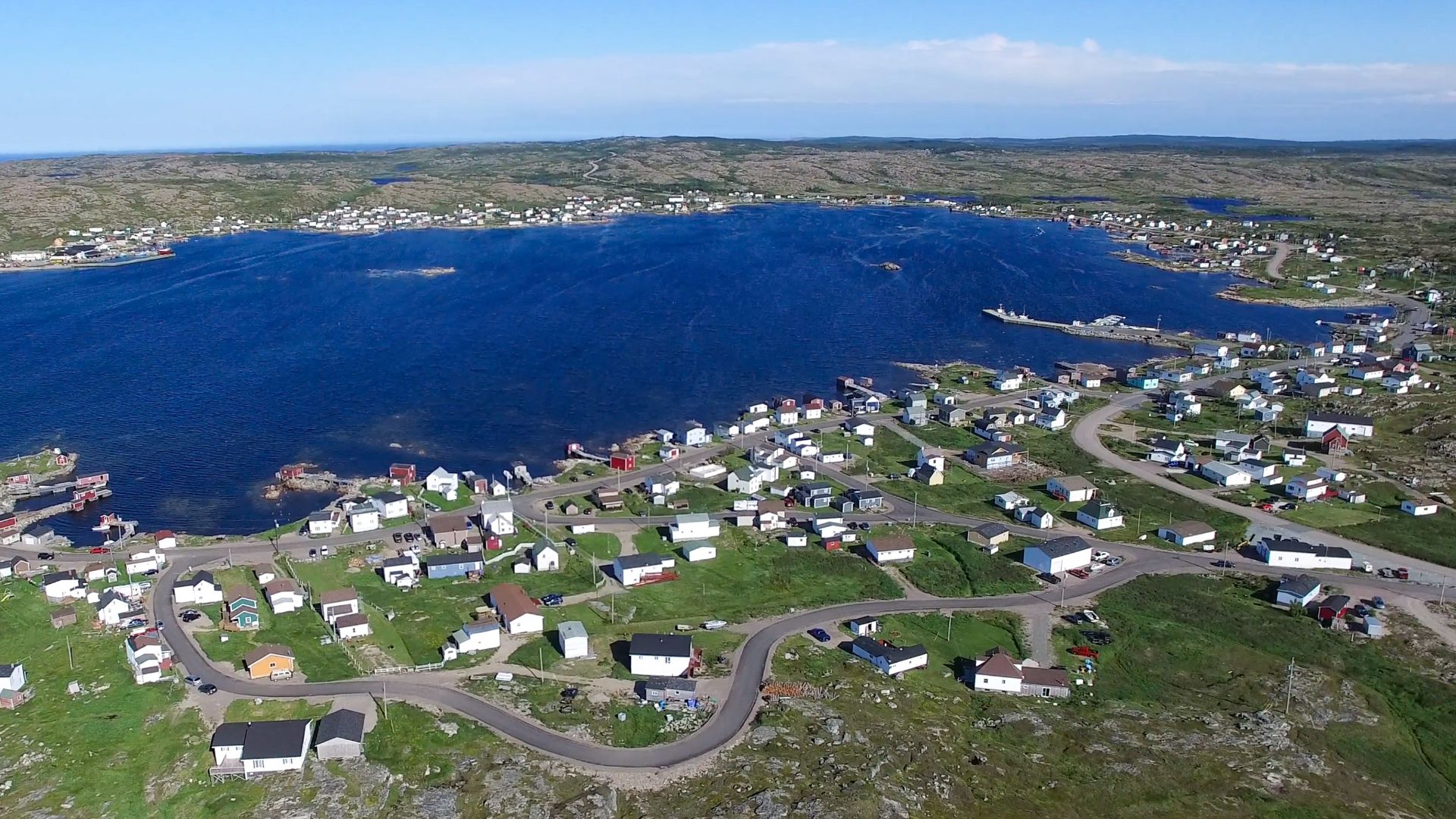
Fogo Island sits off Newfoundland's northeastern coast in a landscape of rocky barrens, wild ocean, tiny harbors, and scattered outport communities. Fishing shaped the island's economy and culture for centuries, while relative isolation helped preserve traditions brought by English and Irish settlers. Even getting there reinforces the sense that you are traveling somewhere unusually remote.
Tilting Could Fool You Into Thinking Ireland
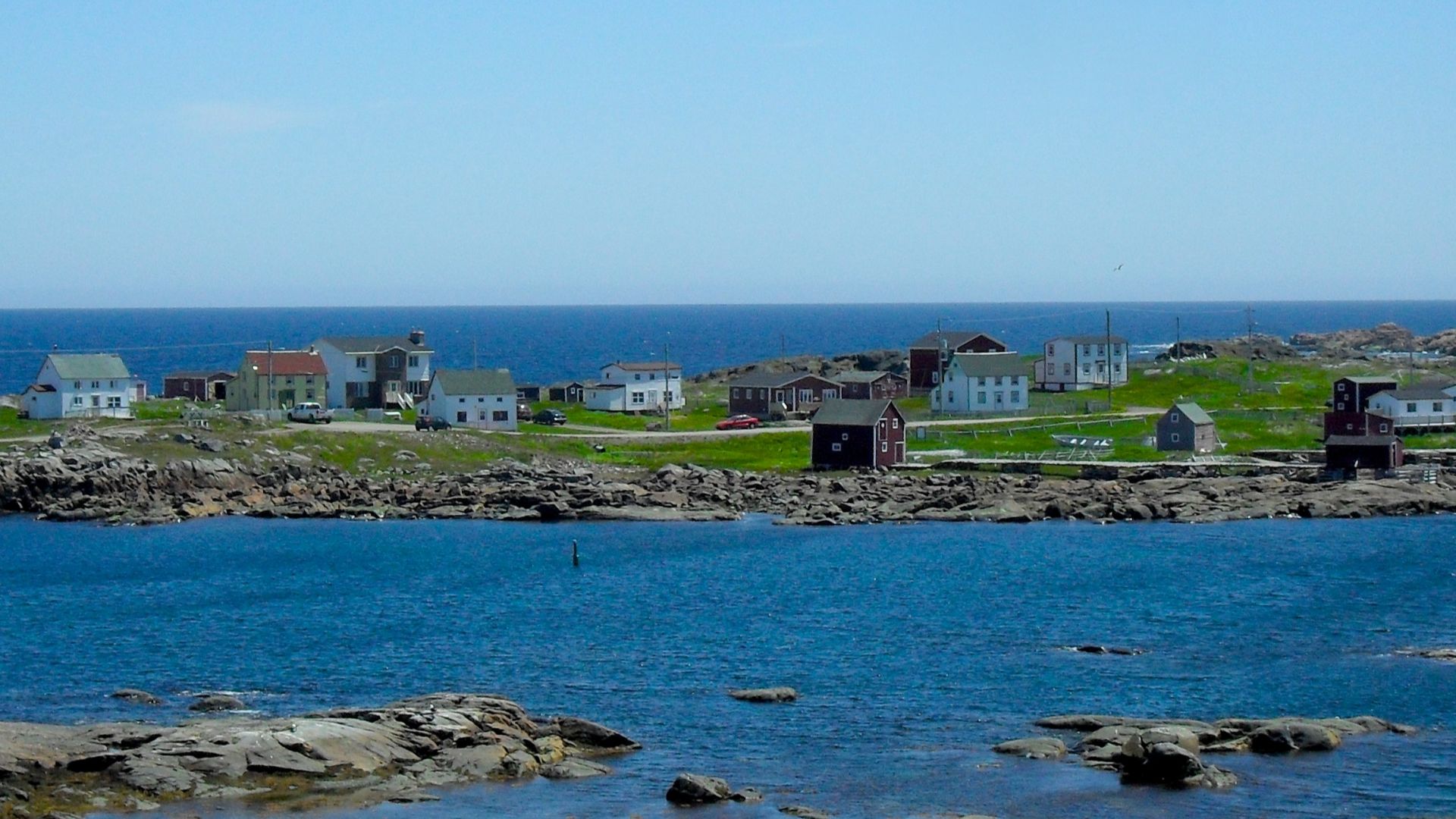
The tiny community of Tilting makes the island's Irish connection especially vivid. Traditional houses, fishing premises, fenced gardens, family names, and local speech all reflect Irish roots that remain visible today. Surrounded by a rugged North Atlantic coastline, it is one of Canada's strongest contenders for the “this cannot possibly be Canada” reaction.
 SemanticsDavid, Wikimedia Commons
Haida Gwaii Feels Like Its Own World
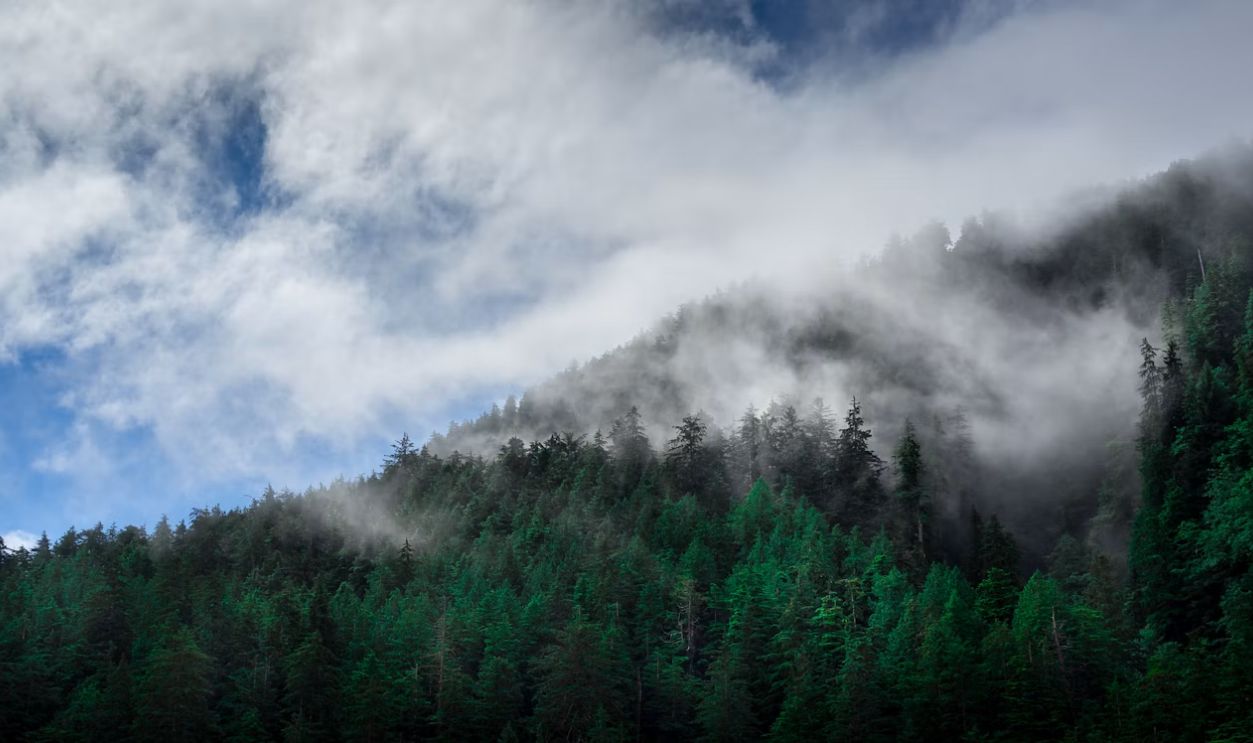
Far off British Columbia's northern coast, Haida Gwaii replaces European comparisons with something much more distinctive. The archipelago combines ancient rainforest, secluded bays, wildlife, remote beaches, and a living Haida culture rooted there since time immemorial. Visitors reach the islands by air or ferry across Hecate Strait, helping create a genuine sense of separation from mainland Canada.
This Is Not A Theme-Park Version Of Culture
Haida Gwaii's character comes from a living Indigenous culture, not scenery designed for visitors. Haida heritage sites, art, language, stories, and contemporary communities remain inseparable from the islands themselves. Travelers are encouraged to arrive with respect for Haida territory and the rare ecosystems surrounding them.

Tofino Looks Like A Different Pacific
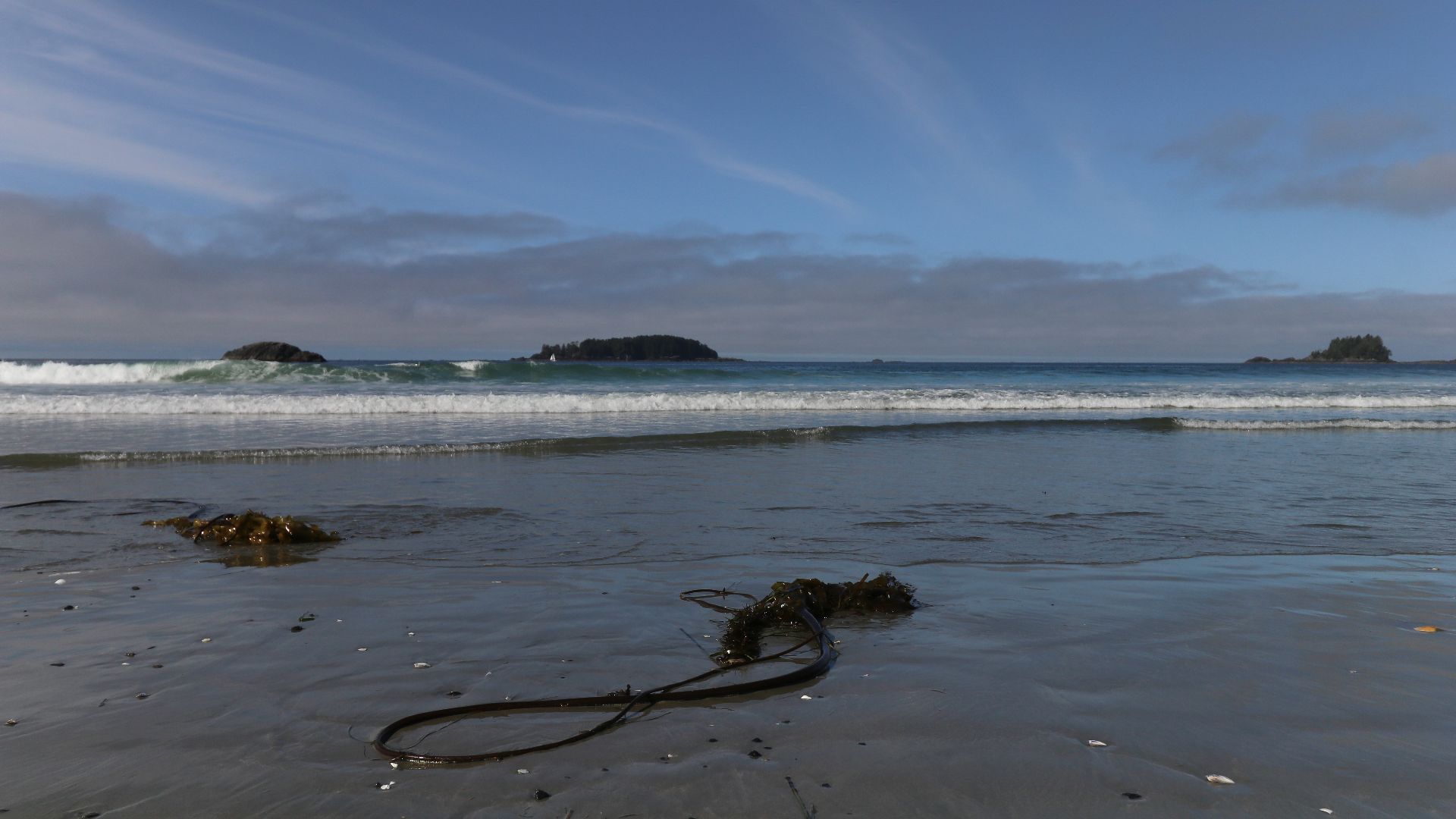
Tofino rounds out the list with a landscape that can make even well-traveled Americans stop and stare. On Vancouver Island's west coast, huge beaches meet rugged shoreline backed by dense temperate rainforest in the Clayoquot Sound UNESCO Biosphere Region. The community also sits within the territory of the Tla-o-qui-aht First Nation, whose culture and stewardship are central to the place.
Canada Is Far Stranger Than The Stereotype
The great surprise is not that one Canadian place resembles somewhere overseas. It is that the country can switch from French fortifications to Celtic highlands, Irish fishing settlements, red-sandstone islands, Pacific rainforests, and Asian night markets within the same national borders. For Americans looking for the thrill of somewhere genuinely different, the most convincing “international” trip may sometimes be sitting right next door.

You May Also Like:
Canadian Cities That Americans Say Are More European Than They Expected
Things About Vacationing In Canada That Americans Understand Better Than The Rest Of The World
Sources: 1, 2, 3, 4, 5, 6, 7, 8, 9, 10, 11, 12, 13, 14, 15, 16, 17, 18, 19