Paradise Doesn't Always Stay The Same
Some of the world's most famous vacation destinations look dramatically different from the places travelers discovered decades ago. Quiet fishing villages have become luxury resort capitals, once-secluded beaches now attract enormous crowds, and historic cities are struggling to balance tourism with everyday life. Some transformations have brought prosperity and exciting new attractions, while others have raised serious environmental concerns. These destinations show just how much a beloved vacation spot can change over time. Factinate Ltd
Cancún, Mexico: From Untouched Coastline To Resort Capital
In 1970, Cancún was little more than a sparsely populated stretch of coastline surrounded by mangroves, dunes, and tropical vegetation. The Mexican government deliberately selected the area for a major tourism development project, eventually transforming it into an international vacation destination. Hotels, highways, shopping centers, and an airport replaced much of the previously undeveloped landscape. NASA satellite photographs reveal just how dramatically the coastline changed over several decades.
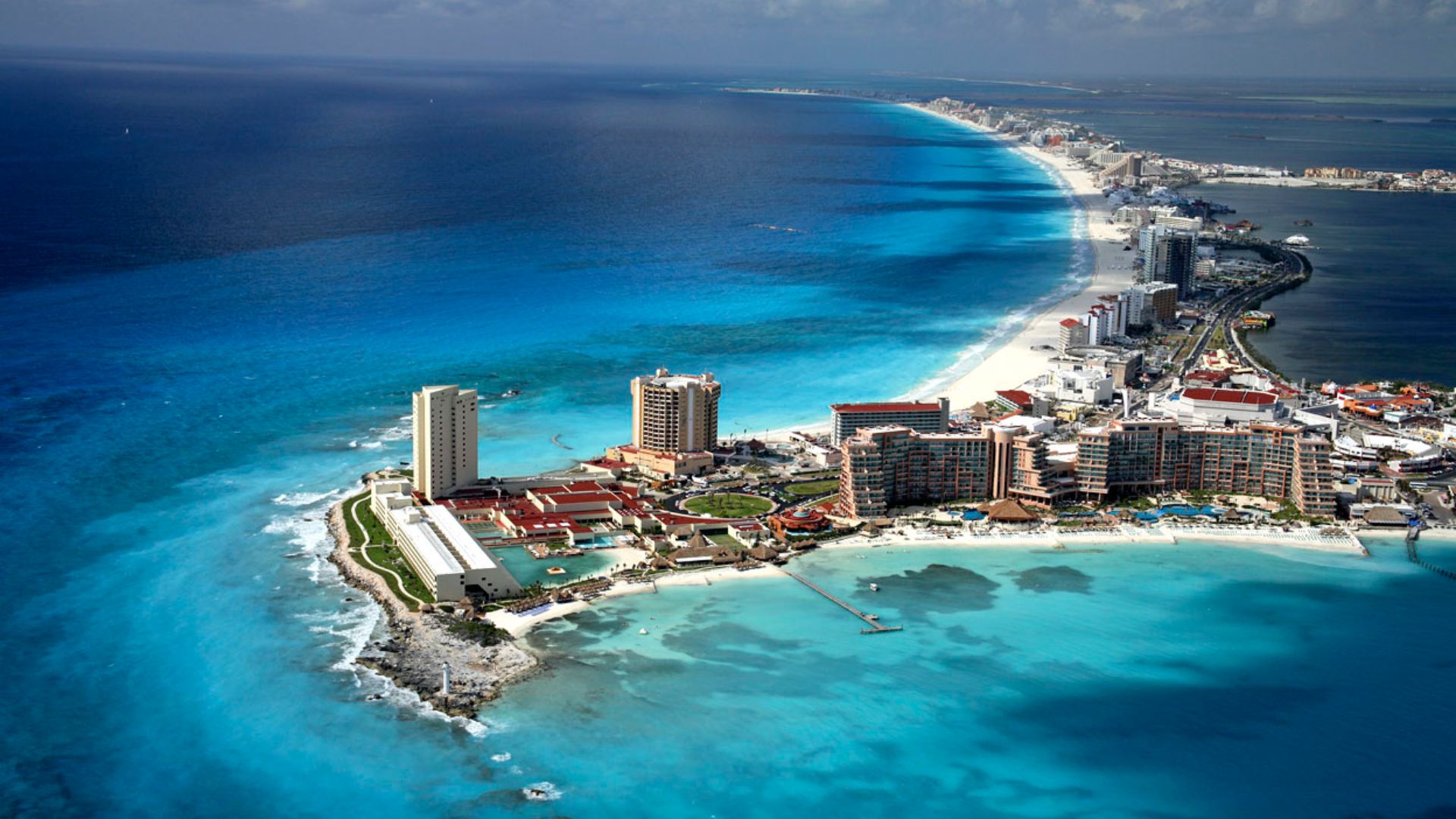 Safa in la but uploaded by Mardetanha, Wikimedia Commons
Dubai, United Arab Emirates: A Fishing Settlement Becomes A Futuristic Playground
Dubai's transformation is among the most remarkable examples of urban development in modern history. Once a modest settlement built around fishing, pearling, and maritime trade, it developed into a global center for luxury tourism and commerce. The opening of the Dubai World Trade Centre in 1979 helped establish the city's modern skyline, while the Burj Khalifa later became the world's tallest building. Visitors seeking traces of old Dubai can still explore the historic neighborhoods surrounding Dubai Creek.
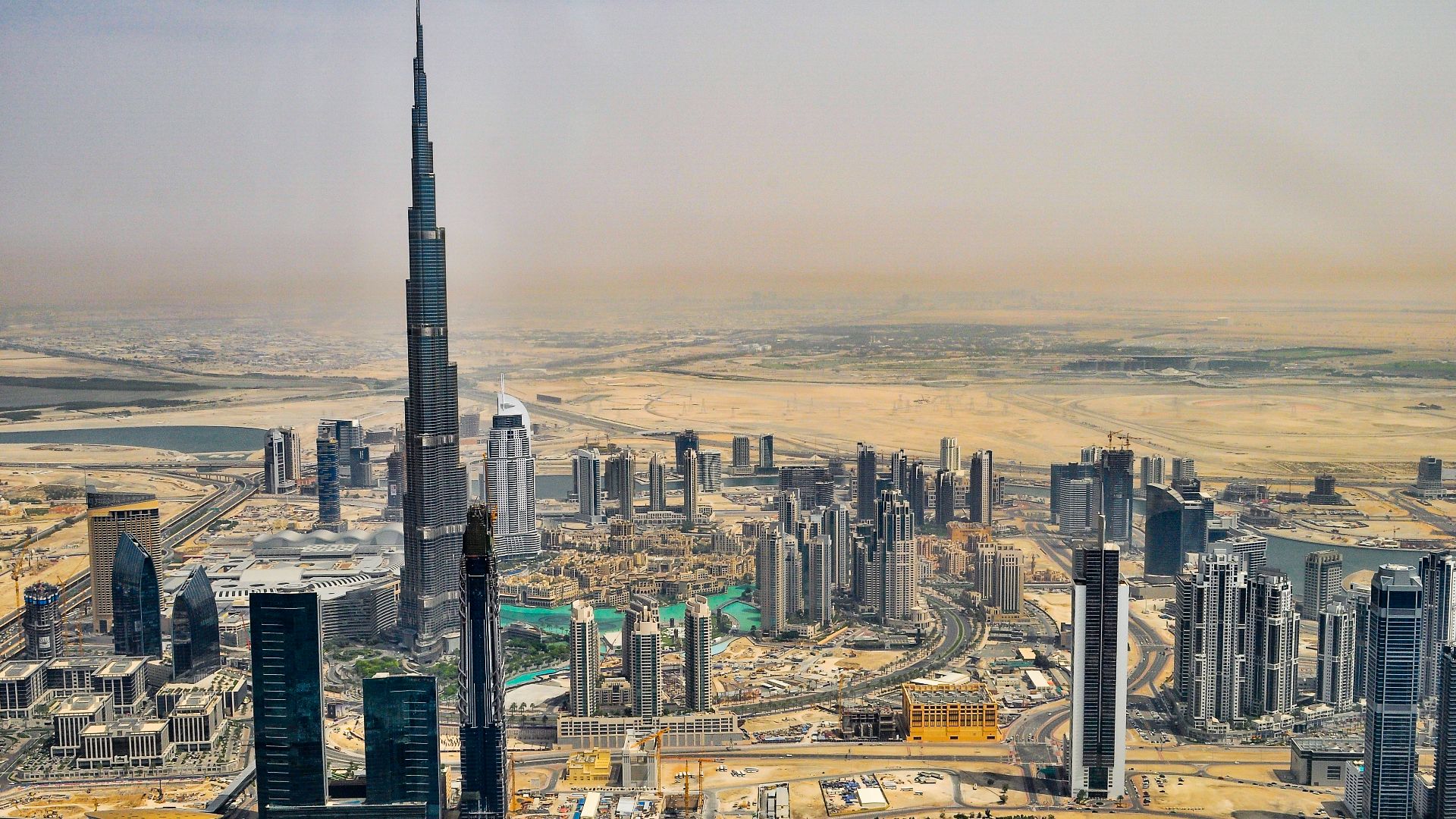 Caleb Whiting dogbear869, Wikimedia Commons
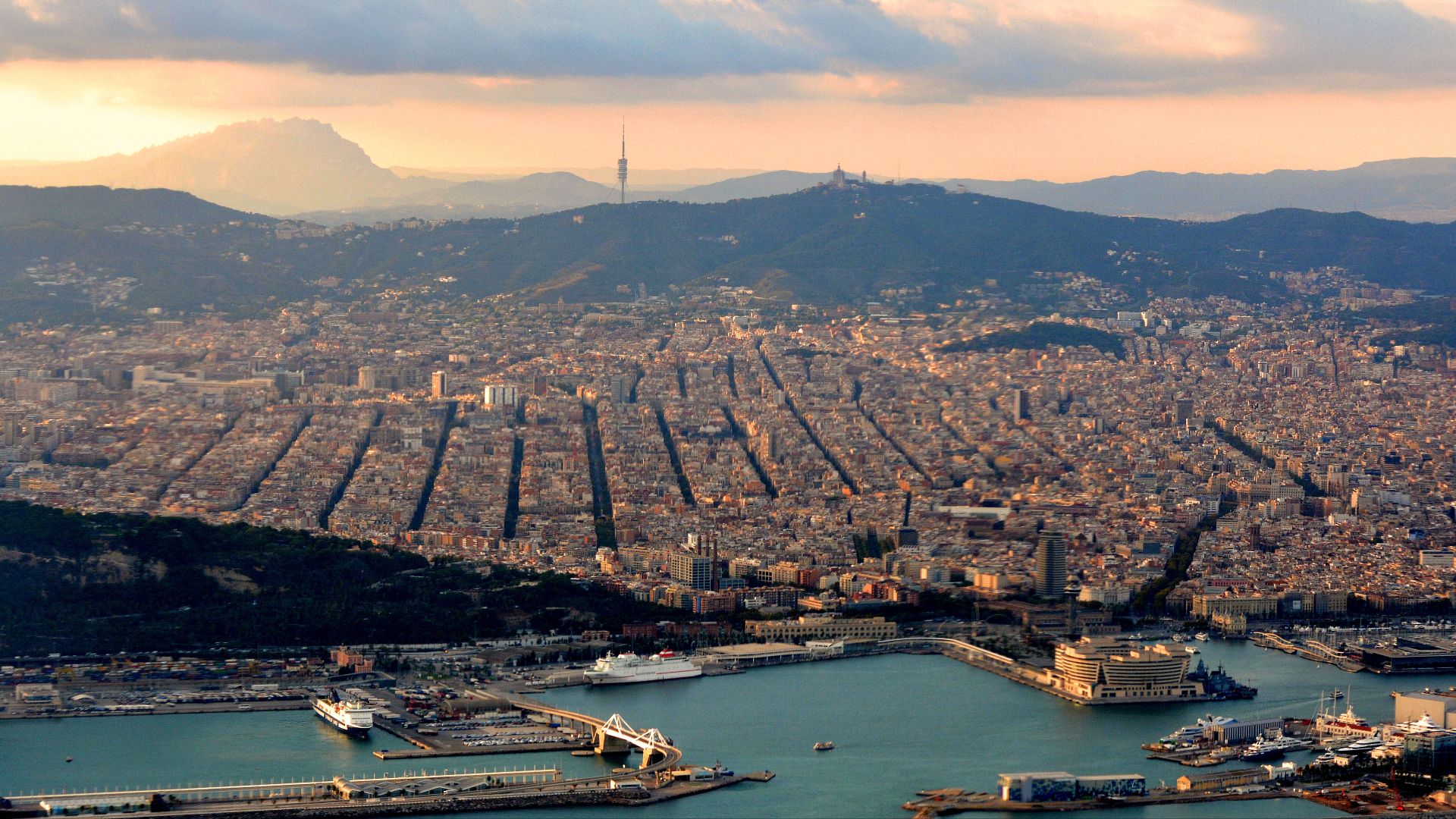
Barcelona, Spain: The Olympics Changed Everything
Barcelona was already an important Mediterranean city before hosting the 1992 Summer Olympics, but the event helped transform its international reputation. Major infrastructure investments improved the waterfront, transportation networks, and public spaces while positioning the city as a leading tourism destination. According to the International Olympic Committee, Barcelona welcomed approximately 1.7 million visitors in 1992, compared with 8.3 million in 2015. The transformation brought economic opportunities, although growing visitor numbers also created challenges for residents.
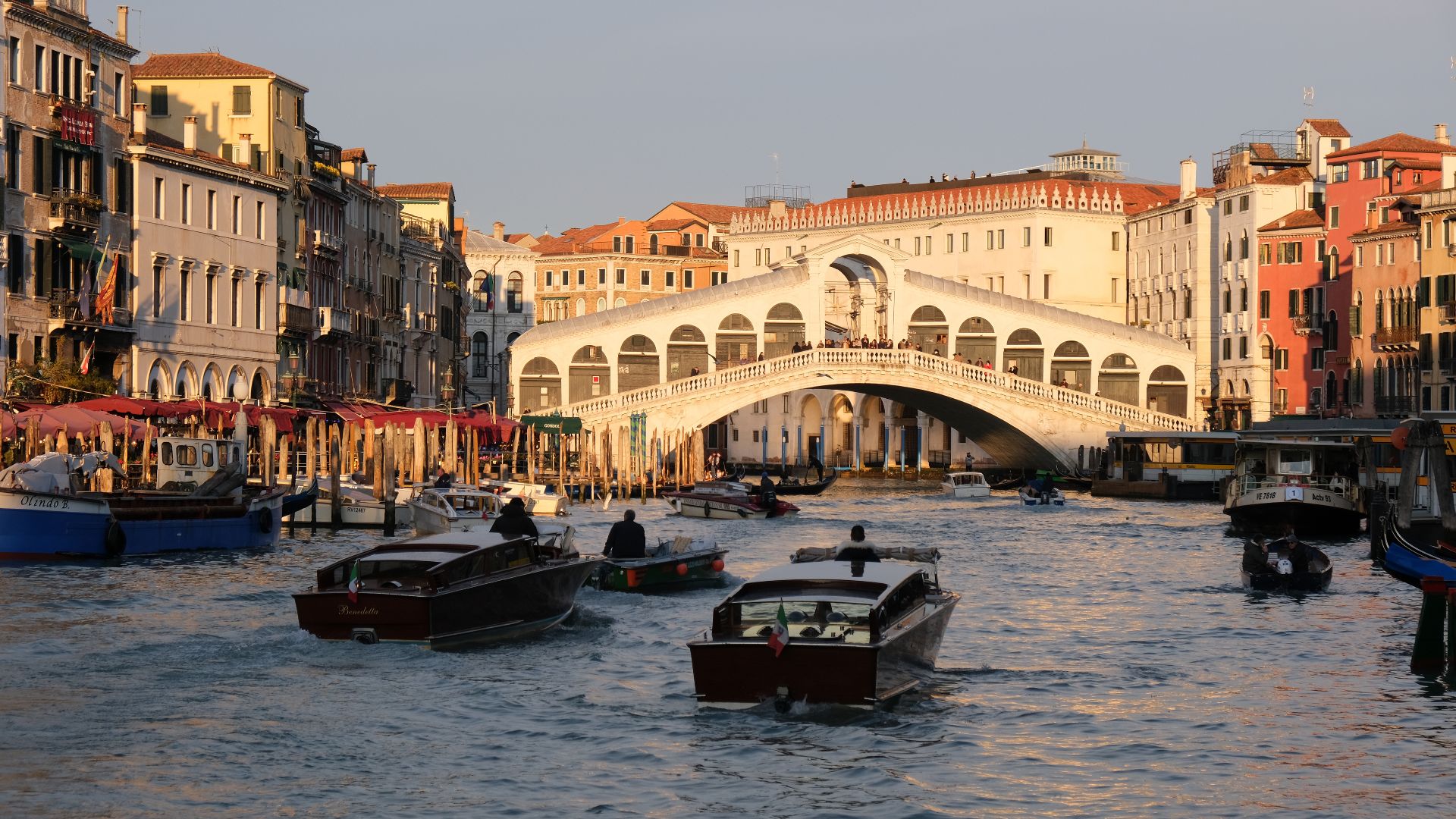
Venice, Italy: A Historic City Under Tourist Pressure
Venice's famous canals and architectural landmarks remain recognizable, but the experience of visiting has changed considerably. Growing tourism, commercial development, and the conversion of residential properties for visitor use have placed pressure on the city's historic neighborhoods. In 2021, Italy introduced restrictions preventing large cruise ships from navigating through protected parts of the Venetian Lagoon. The measures reflected increasing concern about preserving a city whose beauty has made it one of Europe's most popular destinations.
Maya Bay, Thailand: The Beach That Needed A Break
Maya Bay became internationally famous after appearing in the 2000 film The Beach, attracting travelers eager to experience its spectacular limestone cliffs and turquoise water. Years of intensive tourism contributed to environmental damage, prompting Thai authorities to close the bay in 2018. It reopened in 2022 under stricter conservation measures, including restrictions on swimming and boat access. The beach still welcomes visitors, but the experience is now carefully managed to protect its recovering ecosystem.
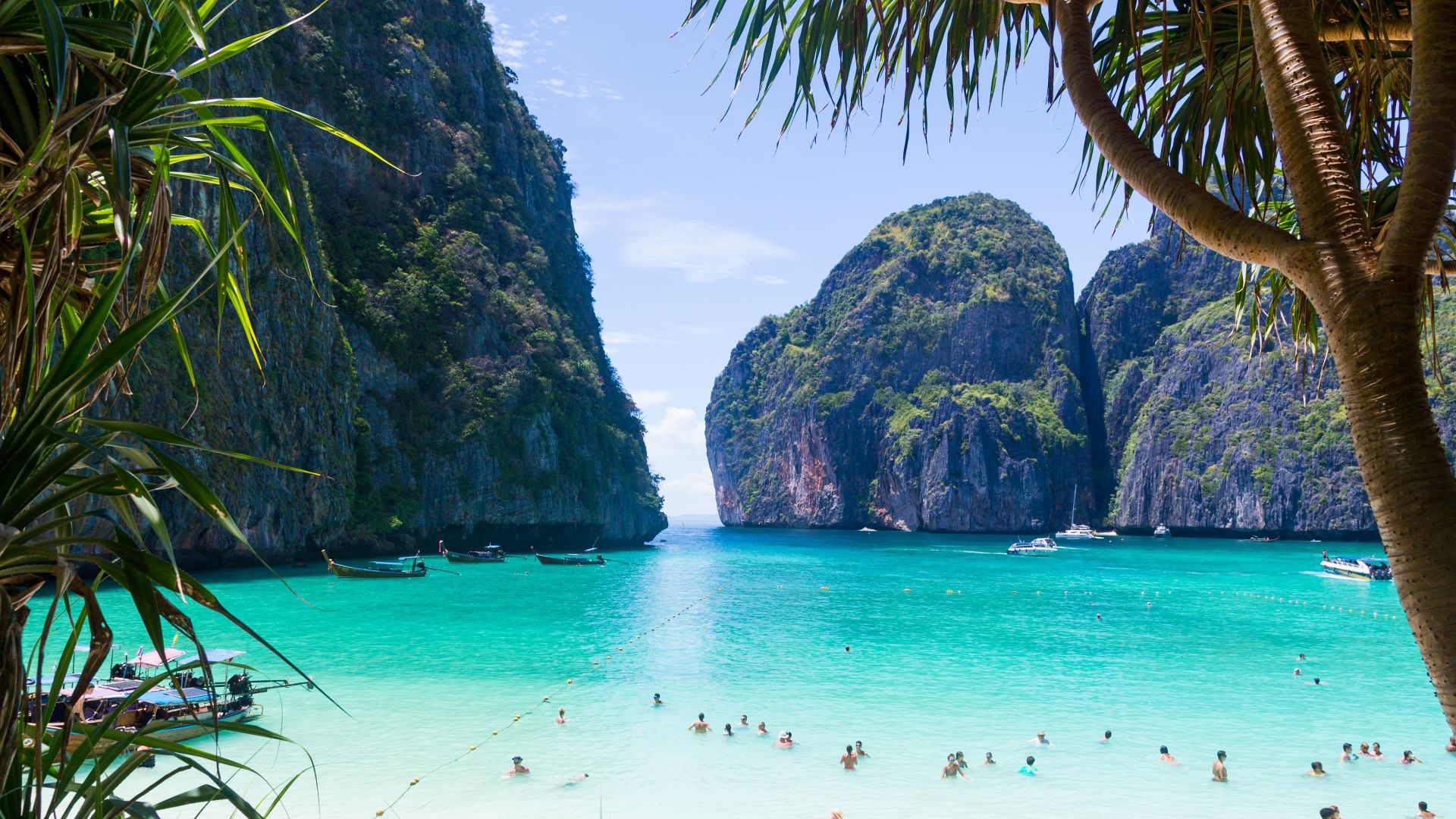 User:Mikecleggphoto from www.travelanddestinations.com, Wikimedia Commons
Waikiki, Hawaii: A Beach That Was Literally Reshaped
Waikiki's famous shoreline looks natural in vacation photographs, but decades of engineering have helped create the beach visitors recognize today. During the twentieth century, construction projects introduced seawalls, breakwaters, and imported sand to reshape and protect sections of the coast. The surrounding district also developed into a major tourism center filled with hotels, restaurants, and shopping areas. Hawaii continues to replenish parts of the beach because erosion threatens the shoreline that supports its visitor economy.
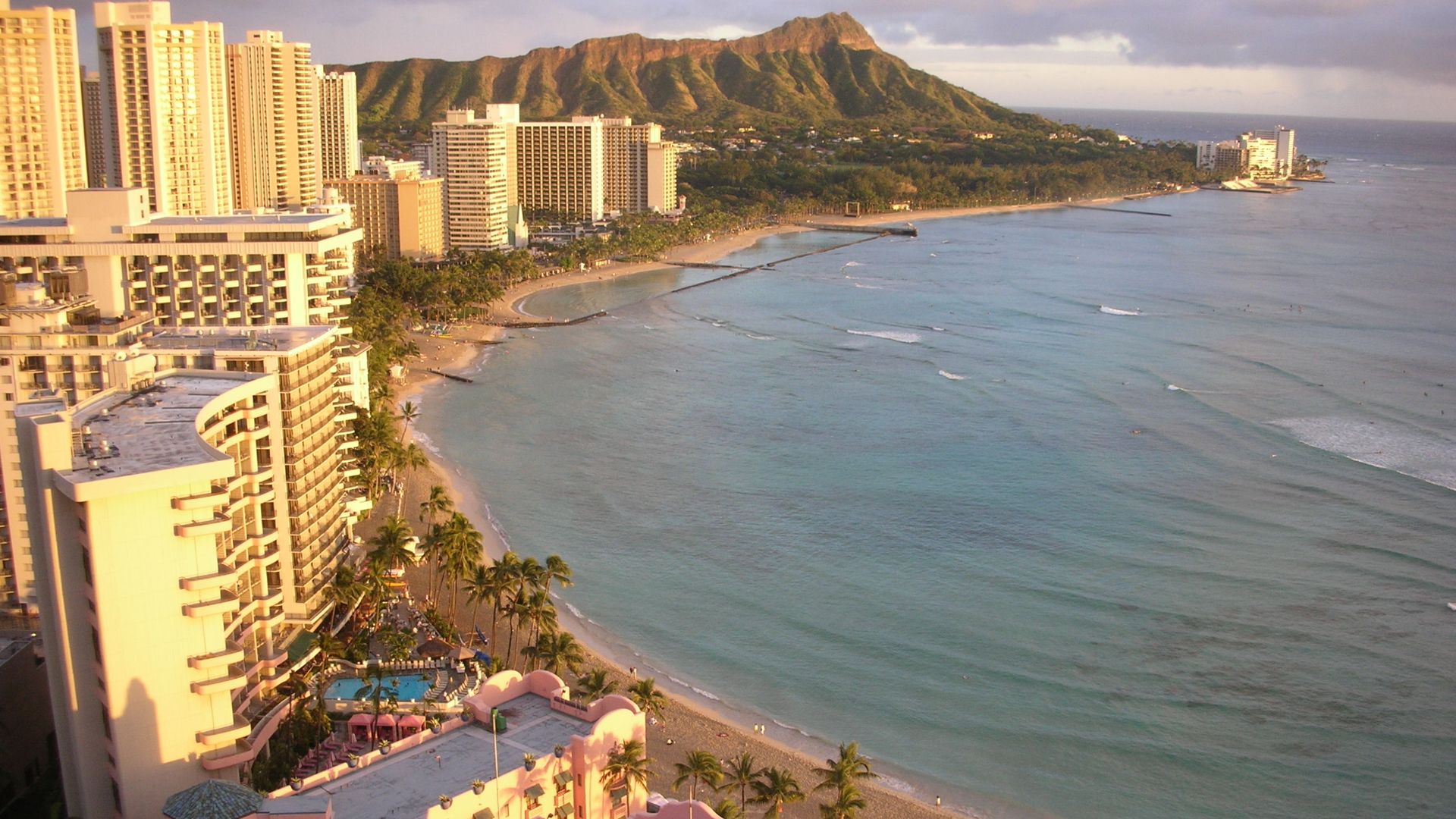 Flickr user: Alan Light https://www.flickr.com/photos/alan-light/, Wikimedia Commons
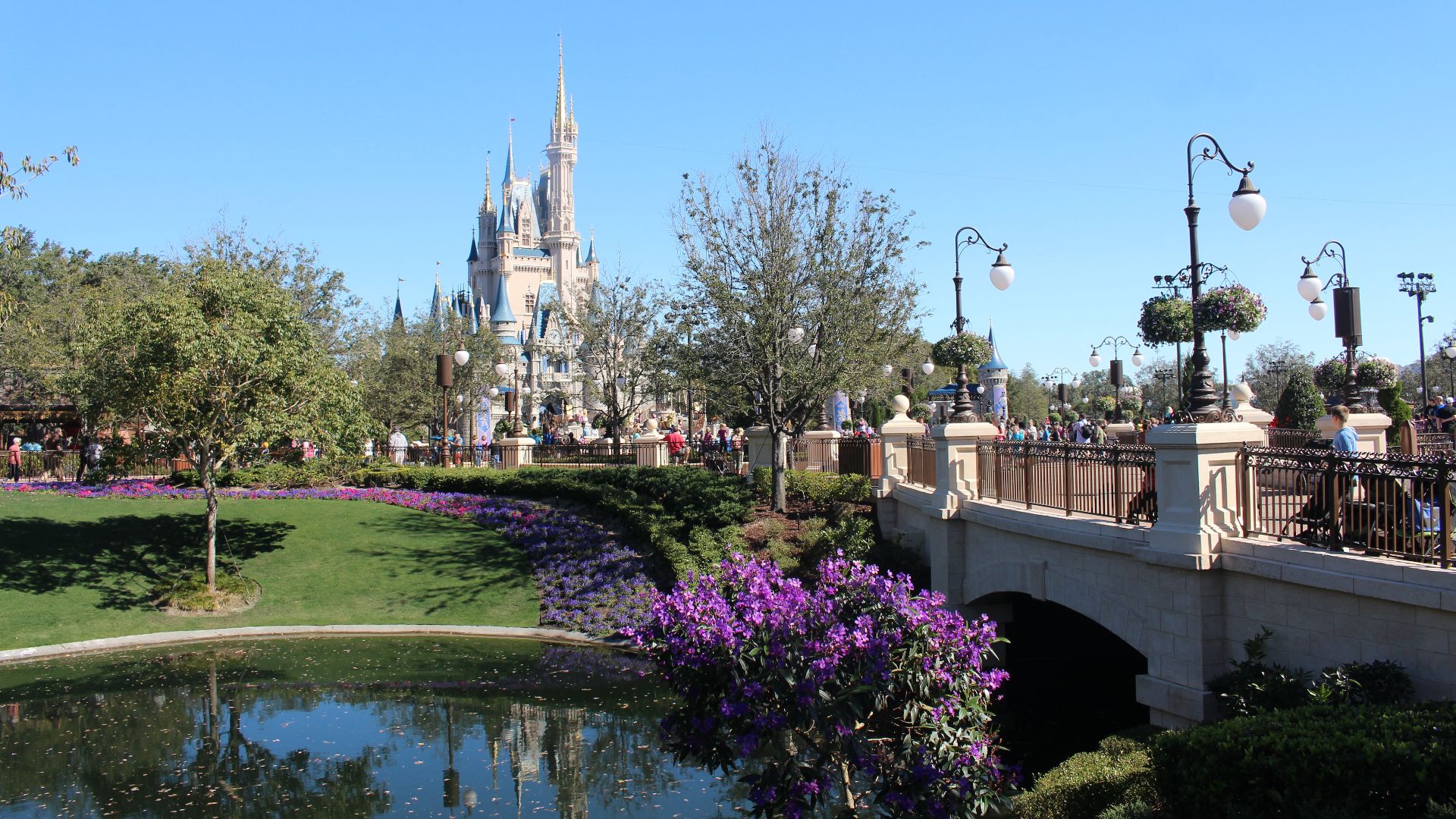
Orlando, Florida: Citrus Groves Give Way To Theme Parks
Orlando's identity changed dramatically after Walt Disney World opened in 1971. Before the region became synonymous with roller coasters and costumed characters, agriculture played a much larger role in the local economy. Citrus freezes during the 1980s accelerated the decline of orange groves, while hotels, residential developments, and additional attractions spread across Central Florida. According to the Orange County Regional History Center, tourism eventually displaced agriculture as a dominant economic force.
Miami Beach, Florida: From Fading Resort To International Hotspot
South Beach wasn't always the fashionable destination associated with celebrity culture and expensive hotels. By the late 1970s and early 1980s, many of its historic Art Deco buildings had deteriorated, and the neighborhood faced serious economic difficulties. Preservation efforts helped rescue the architecture, while the television series Miami Vice introduced the area's distinctive appearance to international audiences. Restored hotels, restaurants, and nightlife subsequently helped transform South Beach into a major tourism destination.
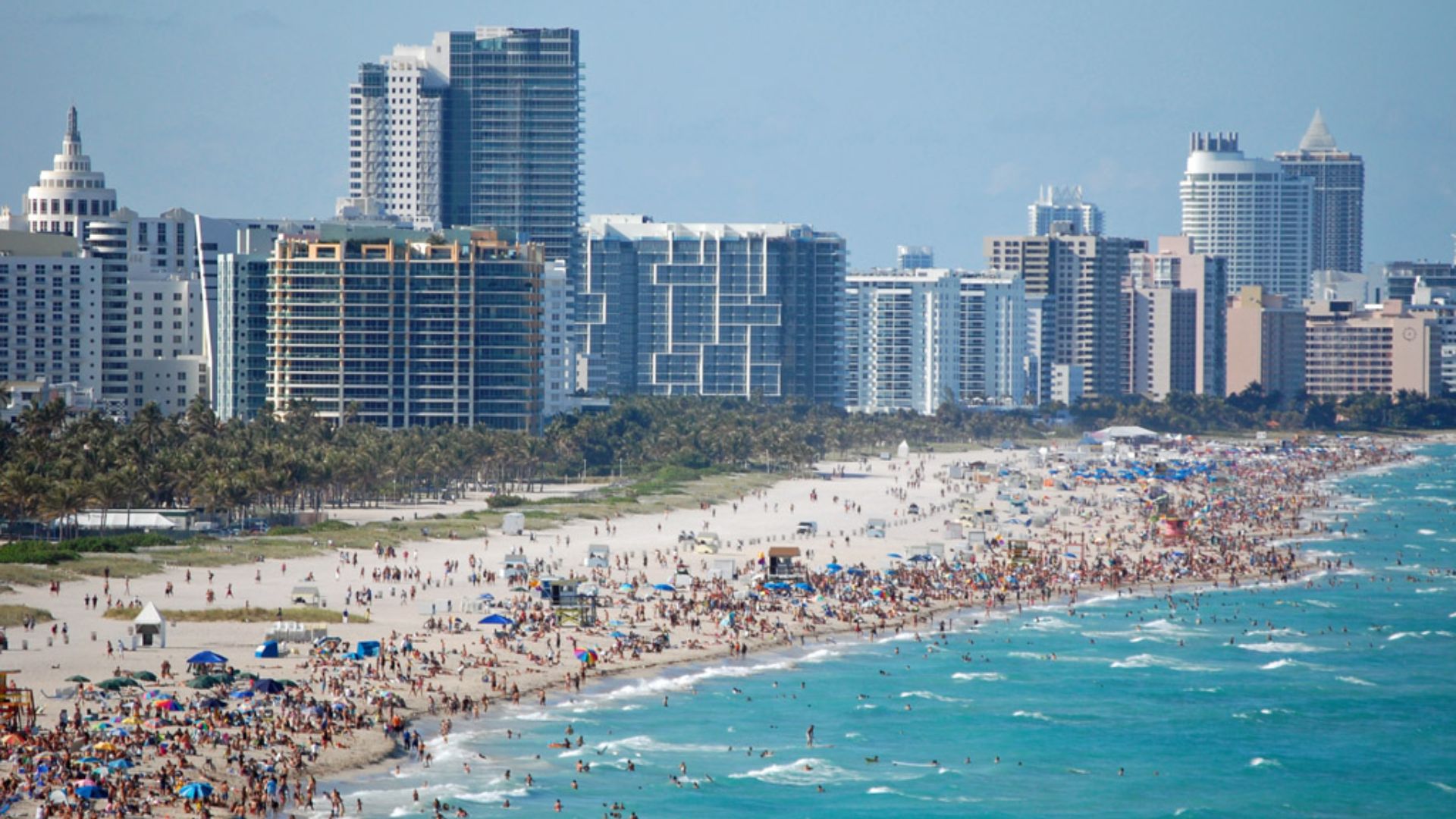 James Willamor, Wikimedia Commons
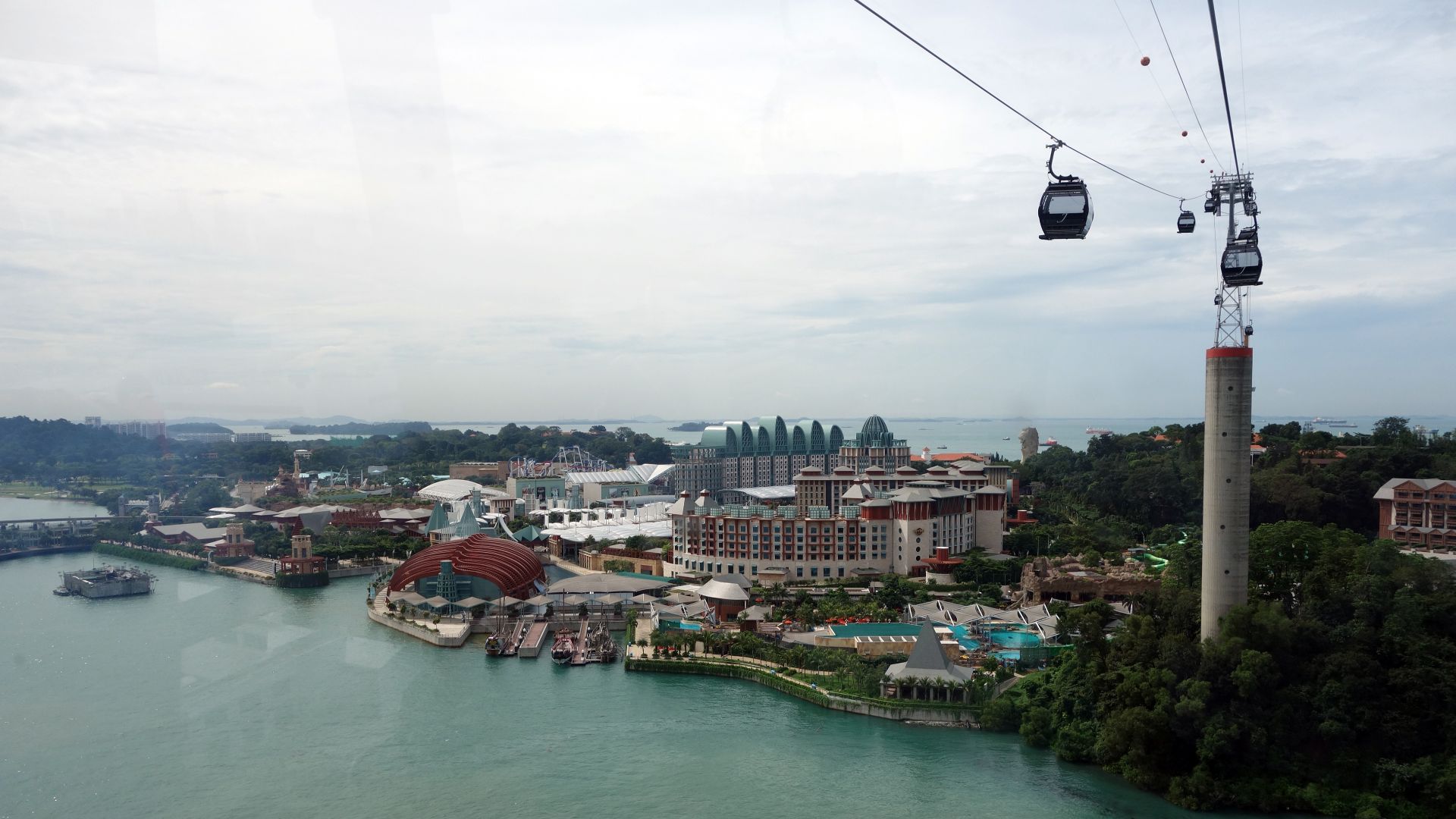
Sentosa Island, Singapore: A Military Base Becomes A Vacation Island
Singapore's Sentosa Island once served purposes that had little to do with luxury vacations. Formerly known as Pulau Blakang Mati, the island contained villages, military fortifications, and installations associated with British colonial defenses. Singapore began transforming it into a recreational destination in 1972, eventually adding beaches, resorts, and entertainment attractions. Today, visitors can enjoy everything from golf courses to Universal Studios Singapore on an island with a surprisingly different past.
 Haakon S. Krohn, Wikimedia Commons
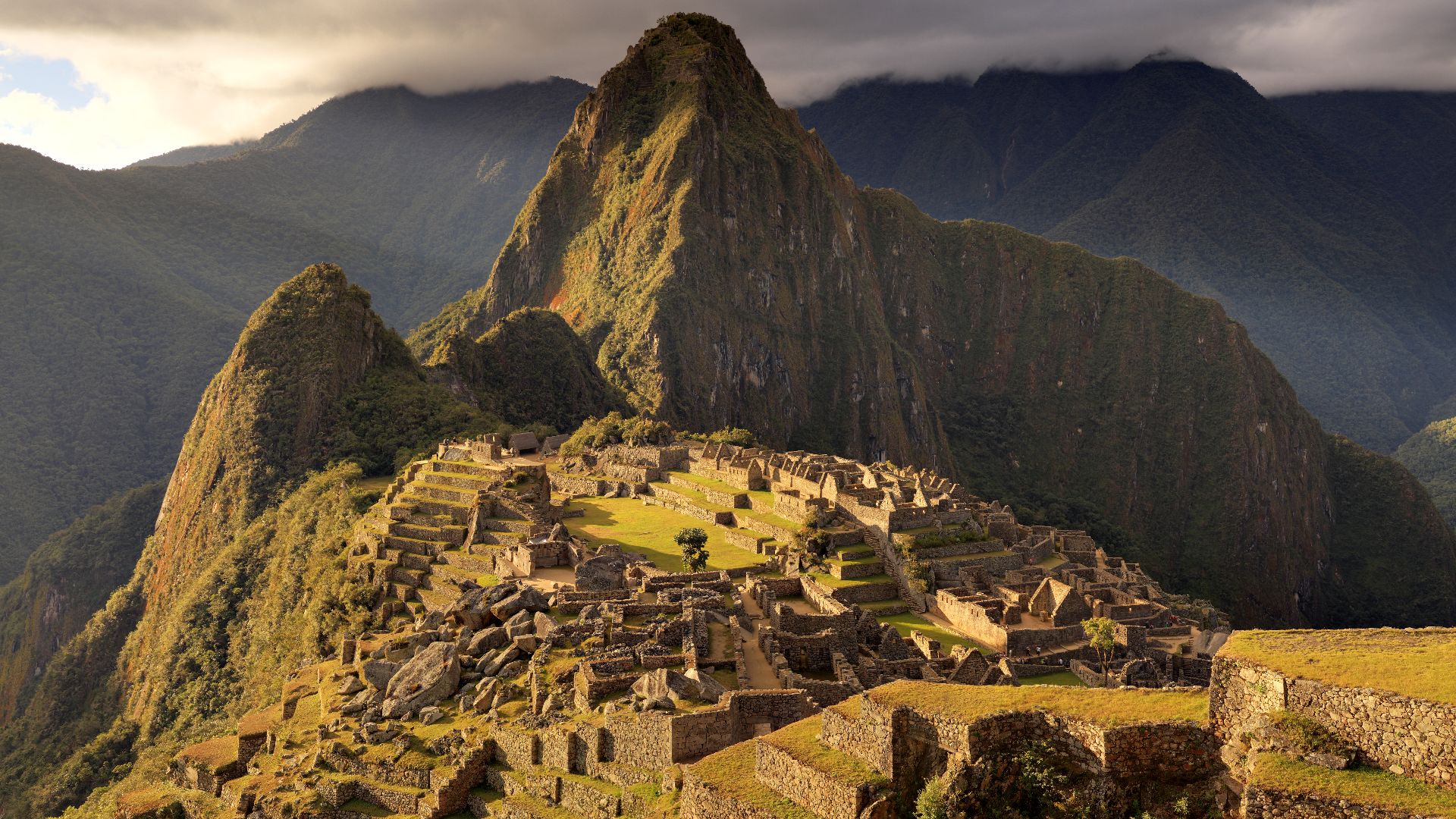
Machu Picchu, Peru: Ancient Ruins With Modern Visiting Rules
Machu Picchu's extraordinary stone structures remain the main attraction, but the experience of exploring them has changed substantially. Peru has introduced organized visitor circuits and controlled entry systems to help manage tourism and protect the archaeological site. In June 2024, authorities implemented three main circuits covering ten designated routes, replacing the earlier arrangement. Travelers now need to select their routes carefully when purchasing tickets rather than assuming they can wander freely through every section.
 Martin St-Amant (S23678), Wikimedia Commons
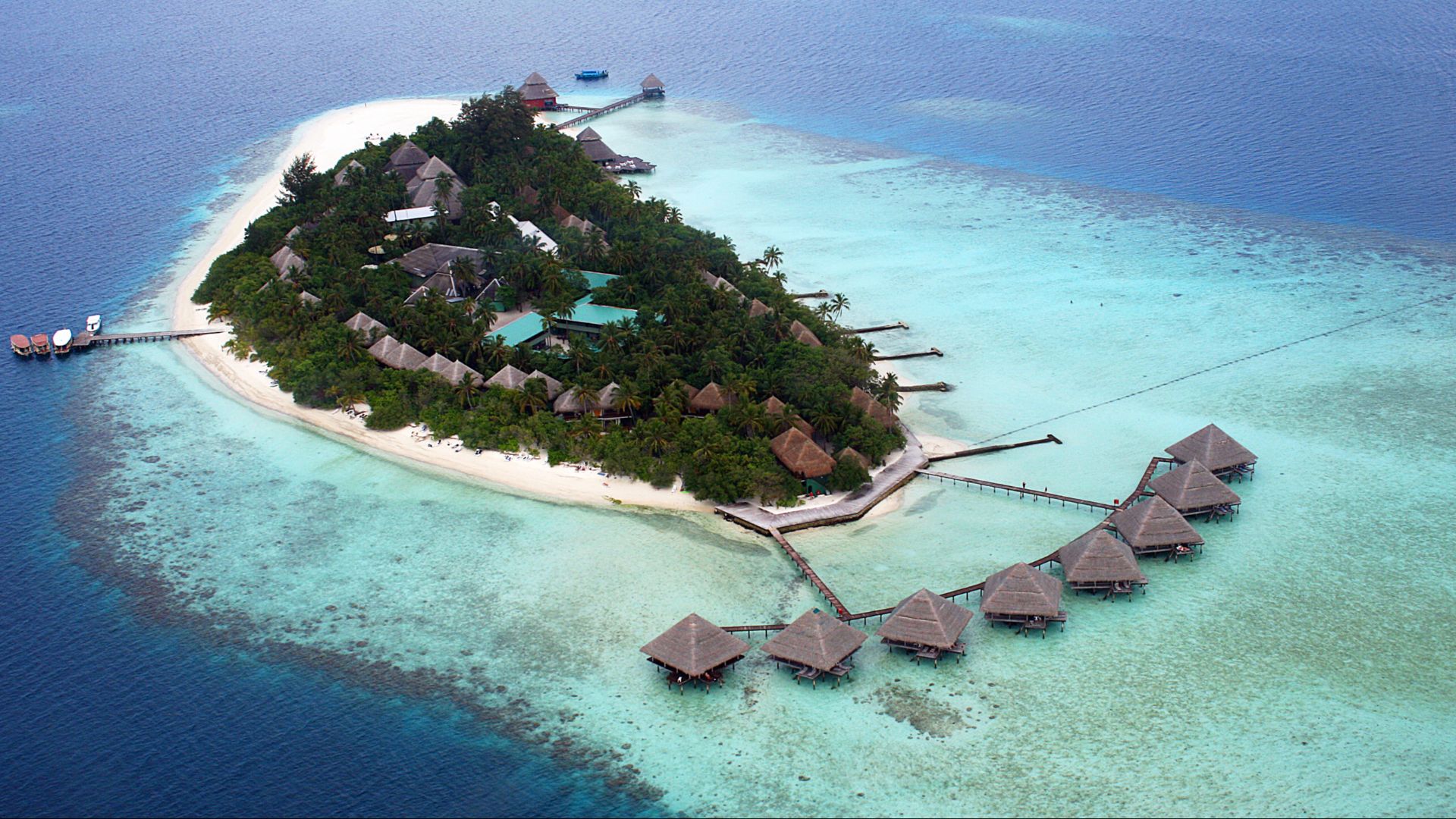
The Maldives: Simple Diving Camps Become Luxury Escapes
The Maldives has become synonymous with luxurious overwater villas, private pools, and exclusive island resorts. However, when tourism began in 1972, the country's first accommodations were relatively basic facilities catering largely to adventurous travelers and diving enthusiasts. The first resort, Kurumba Village, opened that October, marking the beginning of an industry that would transform the nation's economy. What started with modest accommodation has grown into an international luxury tourism industry spread across numerous islands.
 Dr. Ondřej Havelka (cestovatel), Wikimedia Commons
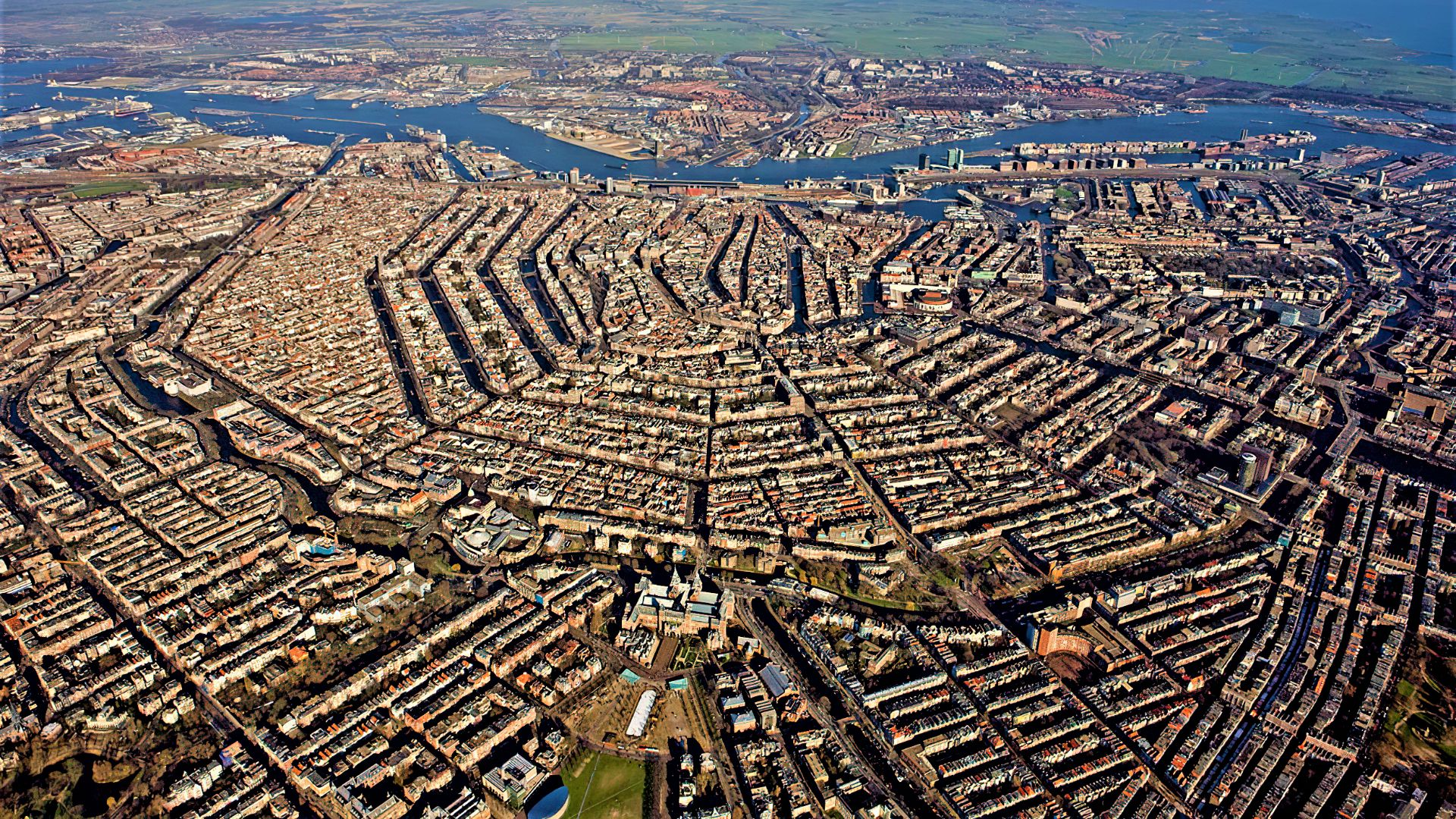
Amsterdam, Netherlands: The Canal City Changes Its Approach
Amsterdam's historic canals, museums, and narrow streets remain central to its appeal, but the city's relationship with tourism has changed. Authorities have become increasingly concerned about overcrowding, disruptive nightlife, and businesses that encourage visitors to treat the city as a place without rules. Amsterdam has introduced measures targeting nuisance tourism, including restrictions on cannabis smoking in certain central areas and efforts to limit new hotel development. The city is now actively trying to create a visitor economy that better serves residents.
 Andrés Barrios, Wikimedia Commons
Atlantic City, New Jersey: Boardwalk Vacations Become Casino Getaways
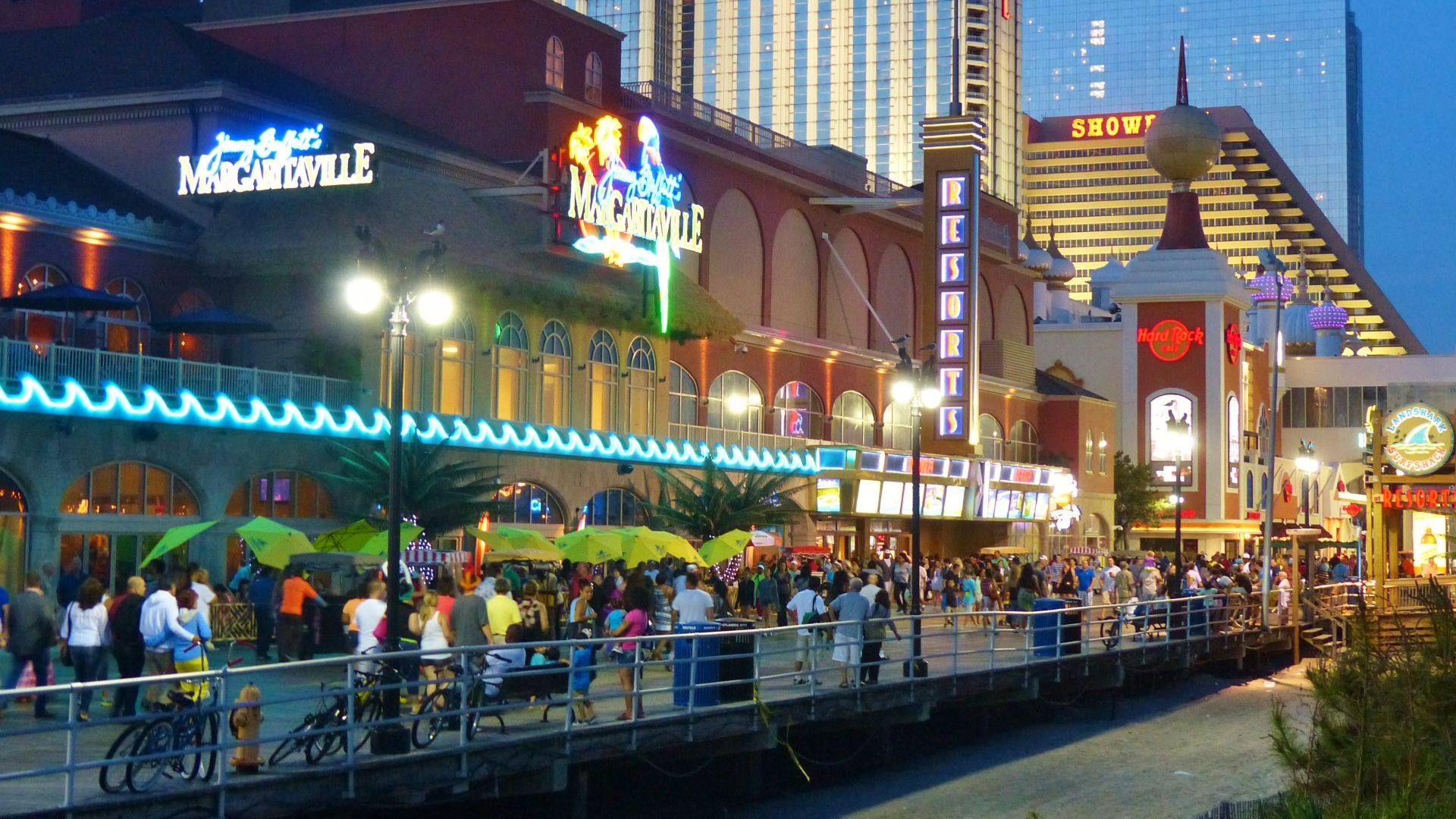
Atlantic City was famous for its beaches and boardwalk long before casino gambling arrived. By the 1970s, however, the traditional seaside resort was experiencing economic difficulties, prompting officials to consider gambling as a redevelopment strategy. New Jersey voters approved casino gambling in Atlantic City in 1976, and Resorts International opened the city's first casino in 1978. The resulting construction boom dramatically changed the skyline and established a new identity for the historic vacation destination.
 Tim Emerich, Wikimedia Commons
Blackpool, England: A Traditional Seaside Resort Reinvents Itself
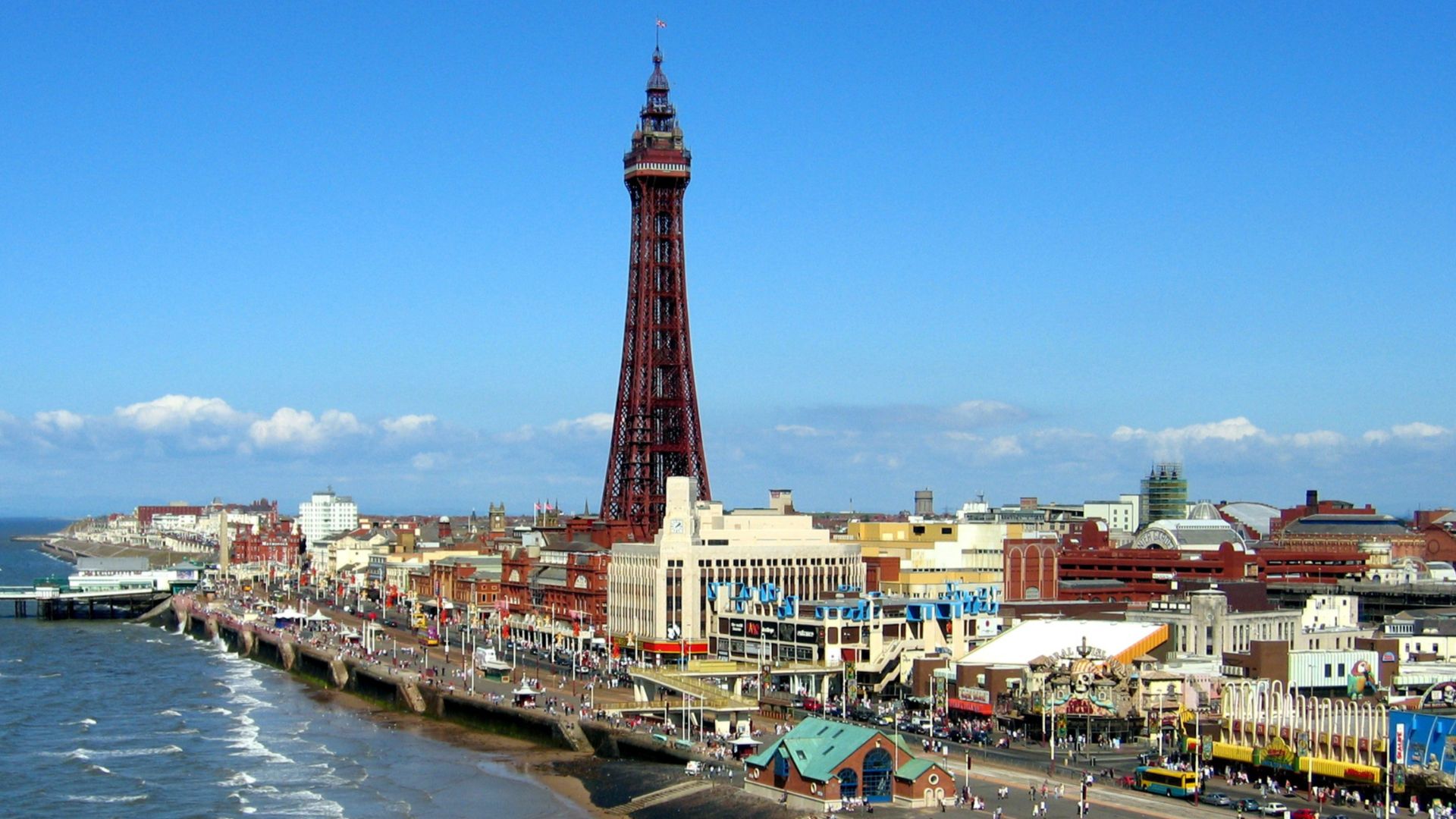
Blackpool once represented the classic British seaside holiday, attracting vacationers with its beaches, entertainment venues, and famous promenade. Changing travel habits and the growing popularity of overseas vacations contributed to a significant decline in visitor numbers during the late twentieth century. Regeneration projects subsequently reshaped parts of the waterfront, introducing improved sea defenses, public spaces, and transportation infrastructure. Although historic attractions remain, the resort continues adapting to a tourism market very different from its earlier heyday.
Bhutan: A Remote Kingdom Redefines Tourism
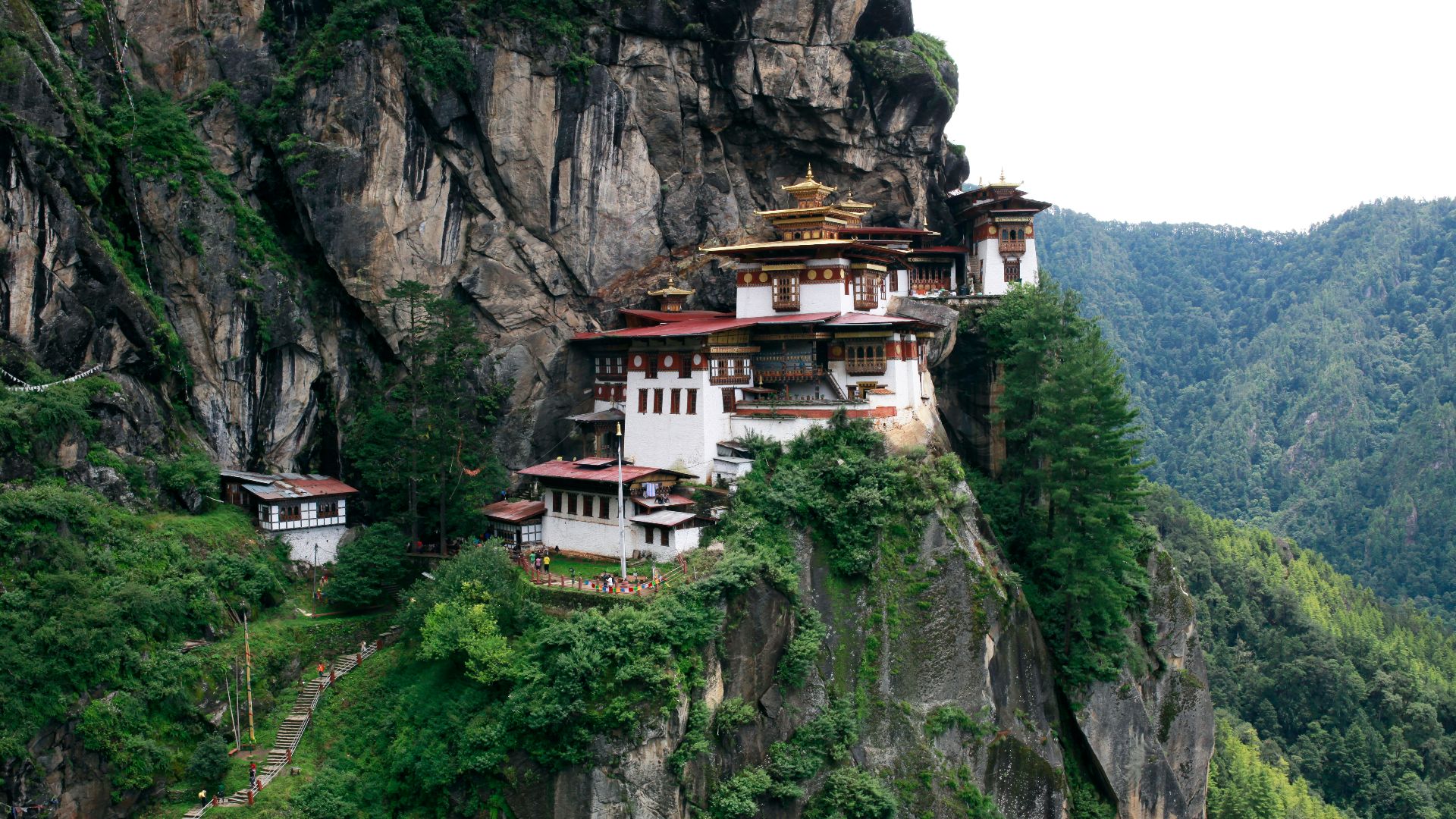
Bhutan began welcoming international tourists in 1974 while pursuing an unusually controlled approach to tourism development. Rather than encouraging unrestricted visitor growth, the country has emphasized protecting its culture, environment, and communities. Following the pandemic, Bhutan reopened to international tourism in September 2022 with revised policies, including changes to its Sustainable Development Fee. Travelers today encounter a destination balancing greater international accessibility with efforts to preserve the qualities that make it distinctive.
 Han Minh Chu, Wikimedia Commons
The Great Barrier Reef, Australia: A Natural Wonder Under Pressure
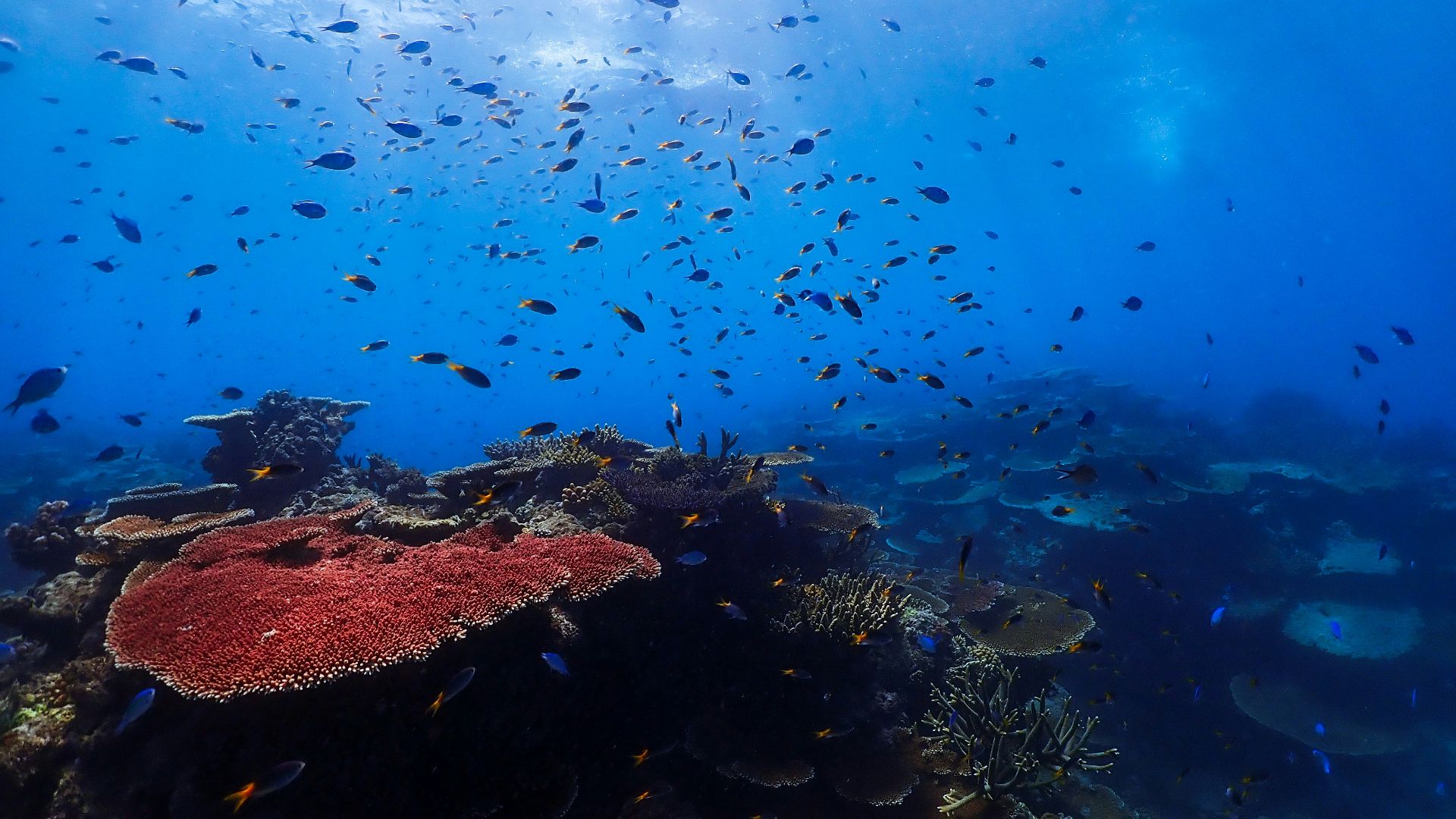
Australia's Great Barrier Reef remains one of the world's most extraordinary marine attractions, but its underwater environment has undergone significant changes. Rising ocean temperatures have contributed to repeated coral bleaching events, while cyclones and outbreaks of coral-eating starfish have caused additional damage. Australian researchers reported substantial declines in coral cover in several regions following the severe 2024 bleaching event, although later surveys found signs of recovery in some areas. The reef remains a spectacular destination, but its changing condition demonstrates how environmental pressures can transform even protected natural wonders.
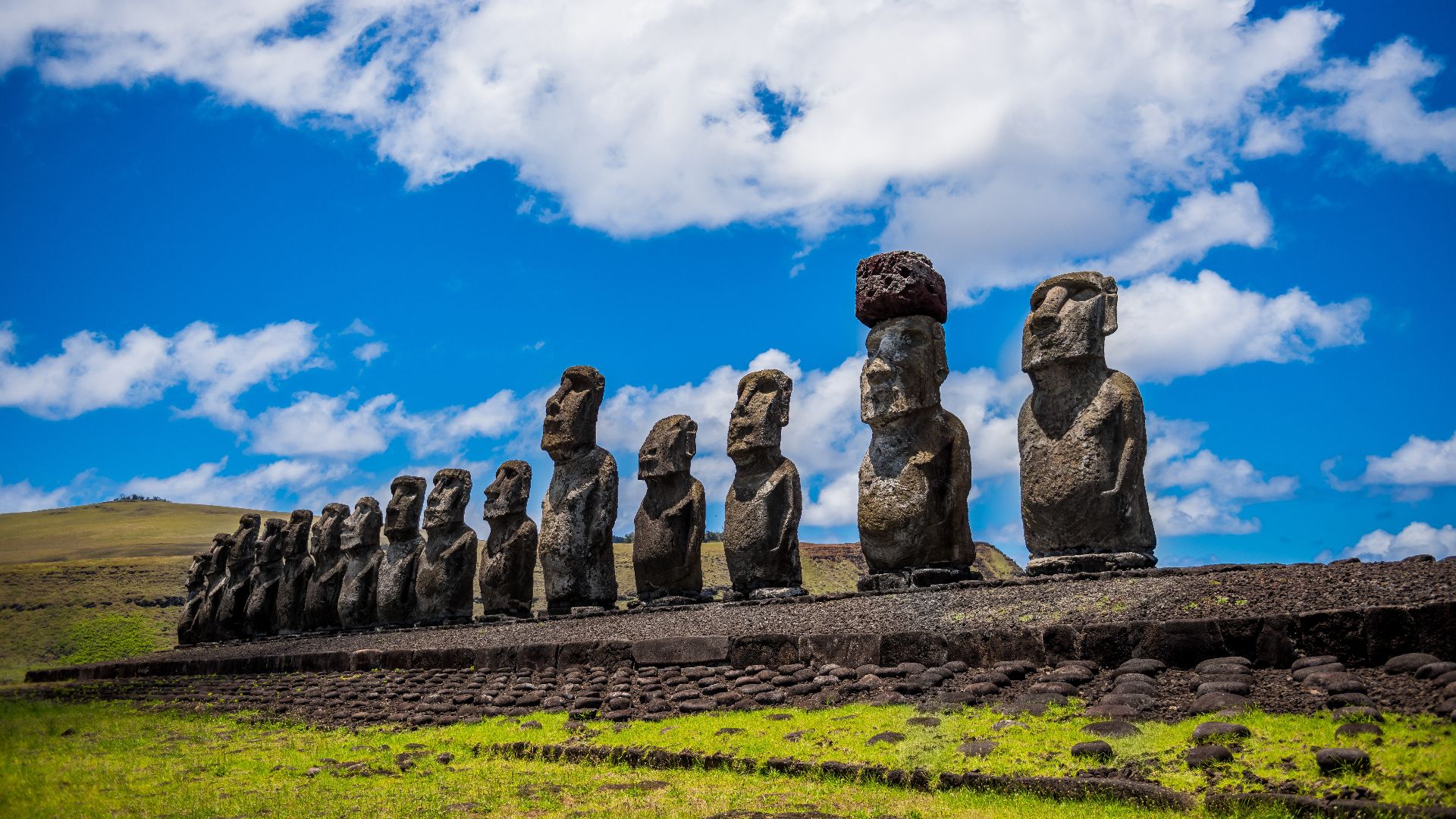
Rapa Nui, Chile: Ancient Monuments With New Protections
Rapa Nui, commonly called Easter Island, is famous for its mysterious-looking moai statues and remarkable archaeological landscapes. As tourism developed, protecting the island's cultural heritage became increasingly important to the Indigenous Rapa Nui community. Visitors to Rapa Nui National Park must now purchase tickets and use accredited guides, while strict rules prohibit touching monuments or removing archaeological materials. The statues remain extraordinary, but exploring their surroundings is now a much more structured experience.
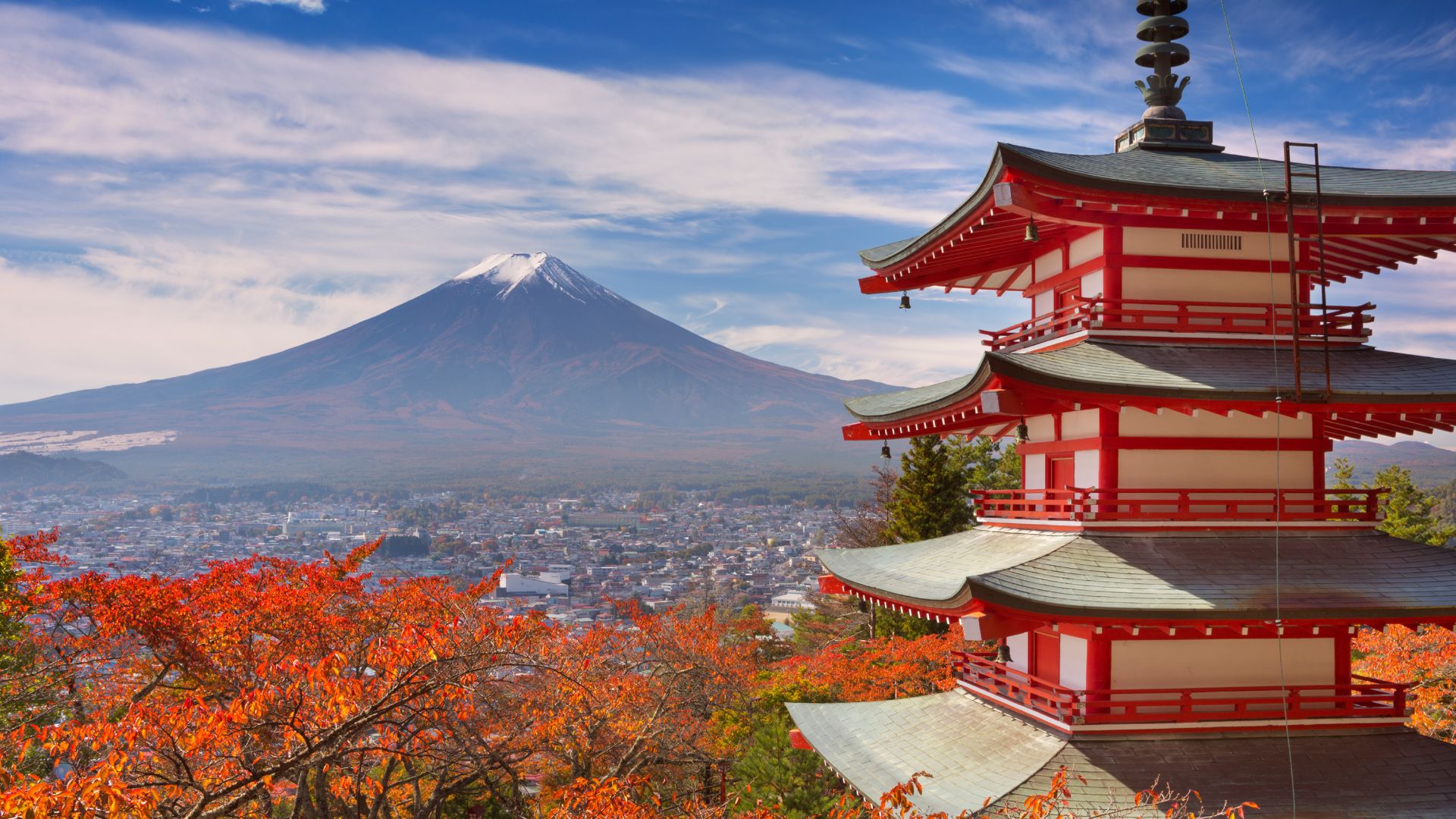
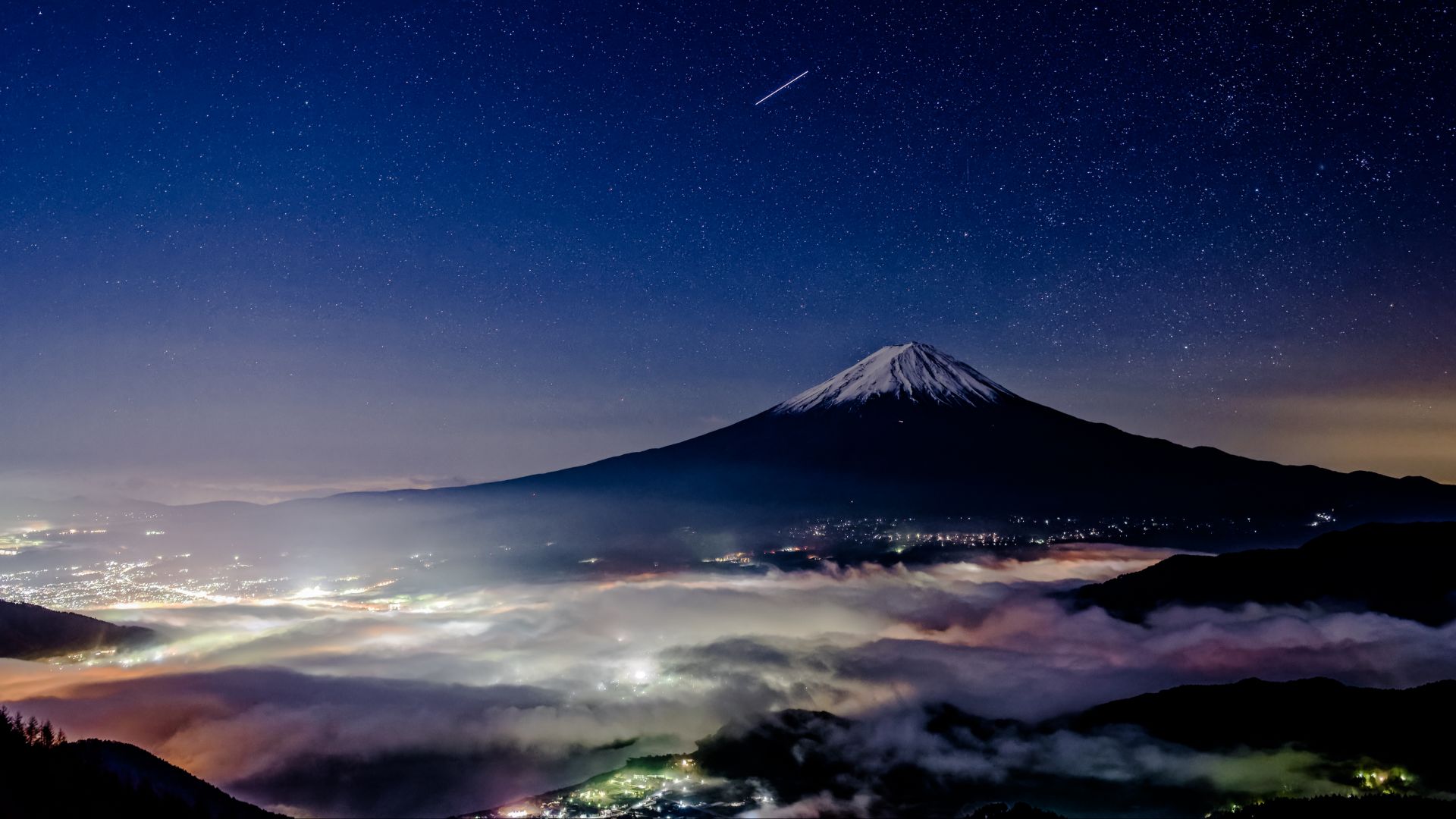
Mount Fuji, Japan: A Famous Climb Becomes More Regulated
Mount Fuji has attracted pilgrims and travelers for centuries, but modern tourism has changed the experience of reaching its summit. Concern about congestion, unsafe climbing practices, and environmental pressures prompted authorities to introduce new climbing regulations beginning in 2024. The Yoshida Trail now operates with registration procedures and limits on climber numbers during specified hours. Anyone remembering a more informal ascent will discover that planning and compliance with official rules have become essential parts of the journey.
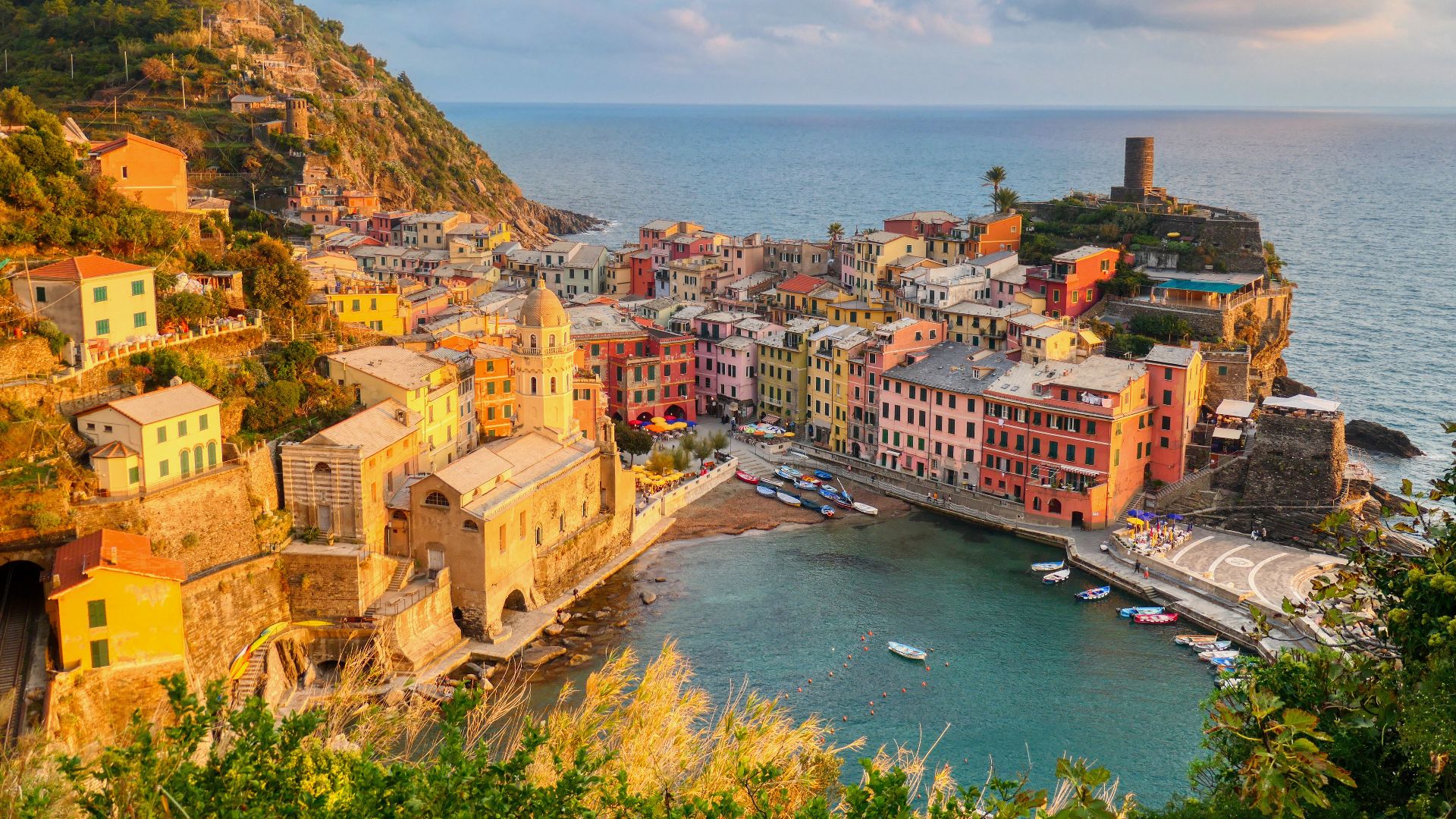
Cinque Terre, Italy: Fishing Villages Become International Attractions
Cinque Terre's five colorful coastal villages are among Italy's most recognizable vacation destinations. Their traditional landscapes, terraced hillsides, and seaside buildings now attract visitors eager to photograph the dramatic Ligurian coastline. Tourism has made the walking routes connecting the villages especially popular, while landslides and weather-related damage have required restrictions and repairs on certain trails. Travelers planning a visit must pay closer attention to trail conditions, access requirements, and transportation arrangements than the area's postcard-perfect appearance might suggest.
 Bruno Rijsman, Wikimedia Commons
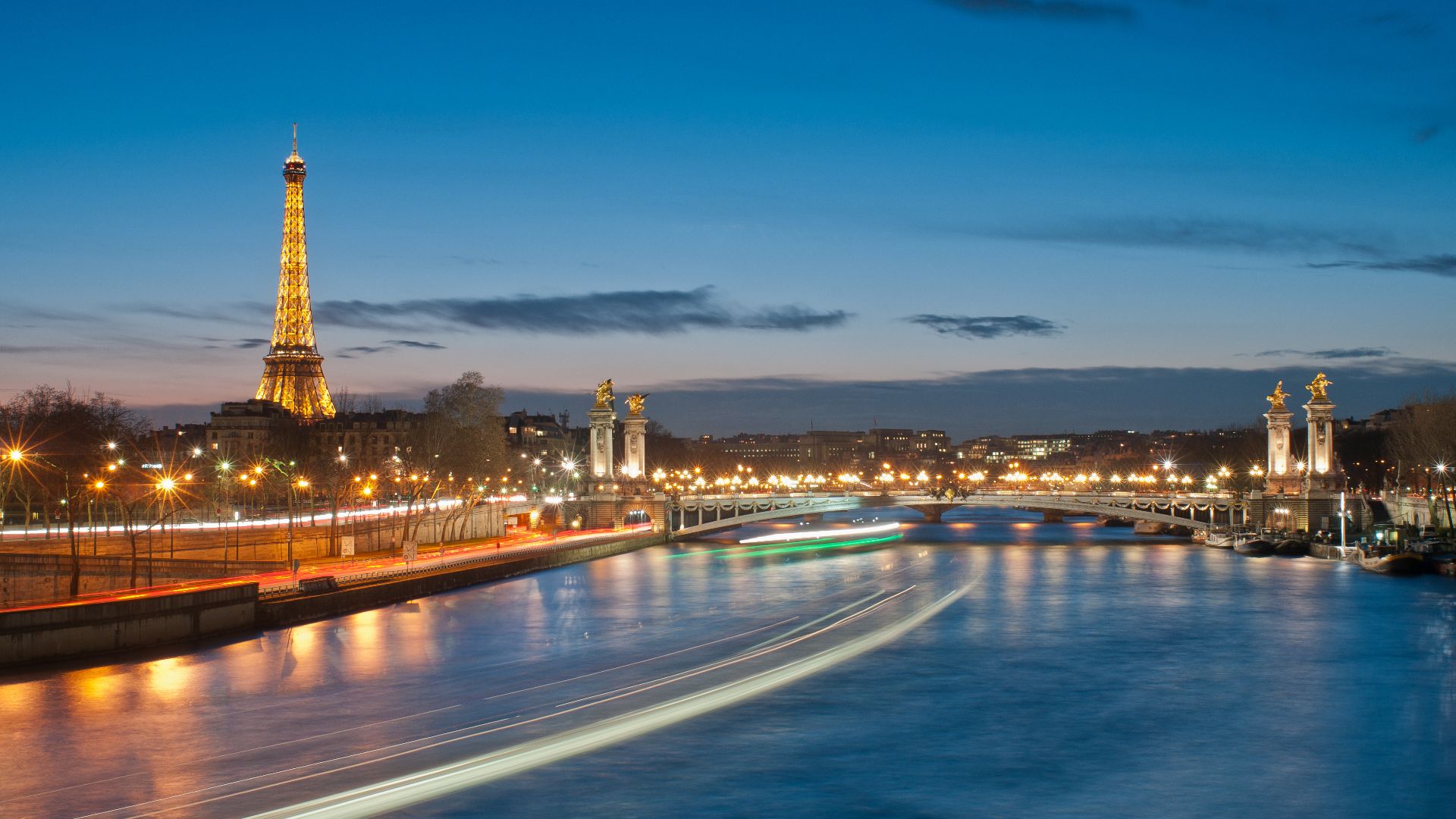
Paris, France: The Riverfront Becomes A Place To Relax
Paris has retained its famous landmarks, but parts of the city have changed dramatically in how visitors experience them. Areas along the Seine that once accommodated motor traffic have been transformed into pedestrian-friendly public spaces. The Parc Rives de Seine now offers riverside walking areas, cycling routes, recreational facilities, and seasonal activities. For returning visitors, the ability to enjoy stretches of the riverfront without passing cars represents a striking change in the atmosphere of central Paris.
 Getfunky Paris, Wikimedia Commons
Las Vegas, Nevada: The Old Strip Gives Way To Mega-Resorts
Las Vegas once revolved around relatively modest casino hotels, neon signs, and entertainment associated with the Rat Pack era. The opening of The Mirage in 1989 helped launch a new generation of enormous resorts that combined gambling with elaborate attractions, restaurants, and theatrical productions. During the 1990s, several famous older properties were demolished to make room for increasingly ambitious developments. Visitors familiar with classic Las Vegas photographs would find much of the modern Strip almost unrecognizable.
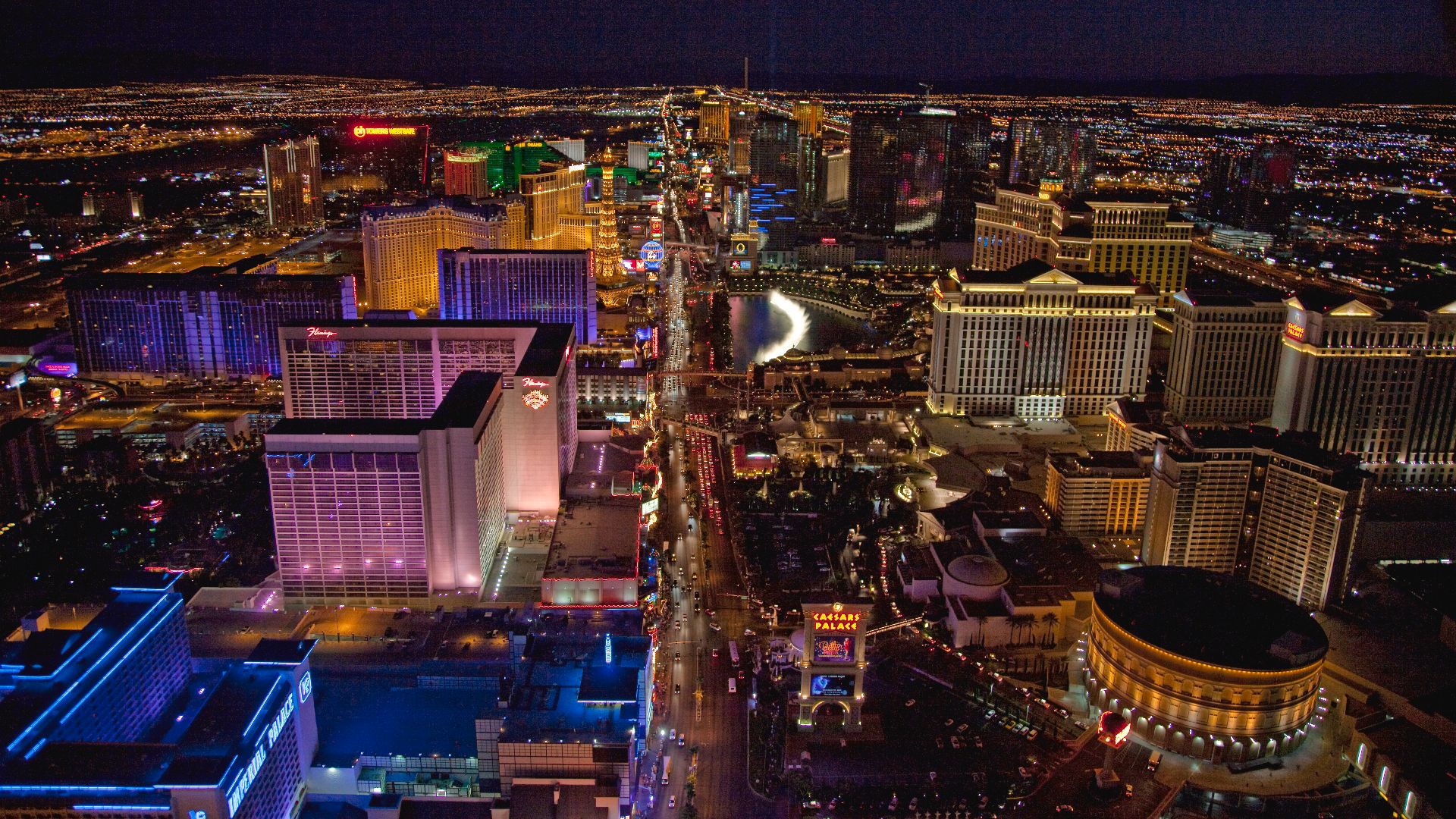 Carol M. Highsmith, Wikimedia Commons
Boracay, Philippines: An Island Forced To Reinvent Itself
Boracay became internationally famous for its beautiful white-sand beaches, but rapid tourism development eventually created serious environmental problems. In 2018, Philippine authorities ordered the island closed to tourists for six months after investigations uncovered inadequate sewage infrastructure and significant water pollution. The closure allowed officials to begin environmental rehabilitation, improve sanitation systems, and address development problems. Boracay subsequently reopened with renewed attention to protecting the natural environment that made it famous.
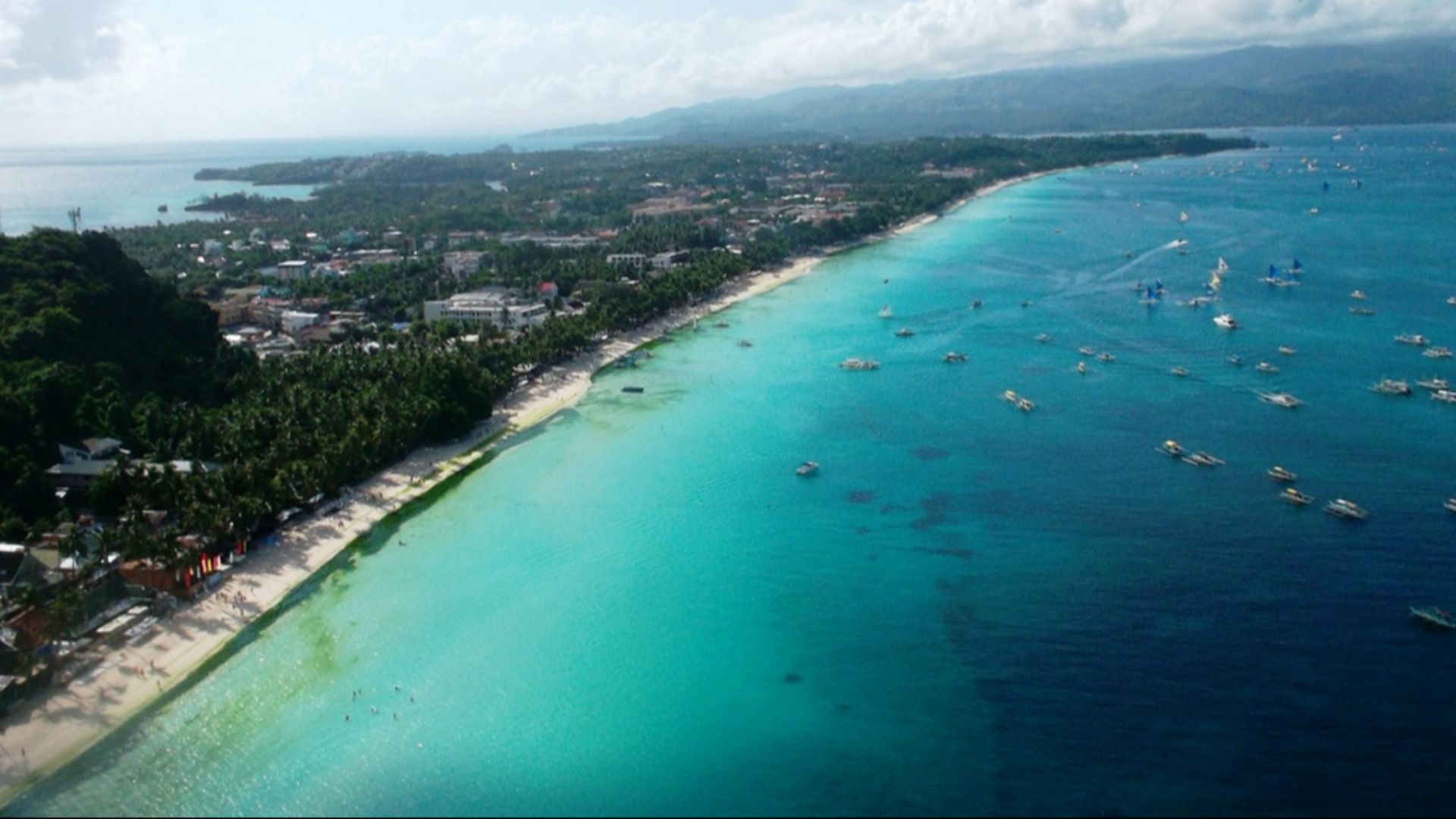 Melvincacosta, Wikimedia Commons
Dubrovnik, Croatia: A Historic City Adjusts To Cruise Tourism
Dubrovnik's medieval walls and distinctive red rooftops remain among the Adriatic's most recognizable sights. However, growing cruise tourism has changed the experience of visiting its historic center, particularly when large groups arrive within short periods. The city introduced its Respect the City initiative to better coordinate cruise schedules and reduce pressure on residents and public spaces. By 2026, Dubrovnik's port authorities were emphasizing controlled arrivals and a more evenly distributed cruise season rather than simply maximizing passenger numbers.
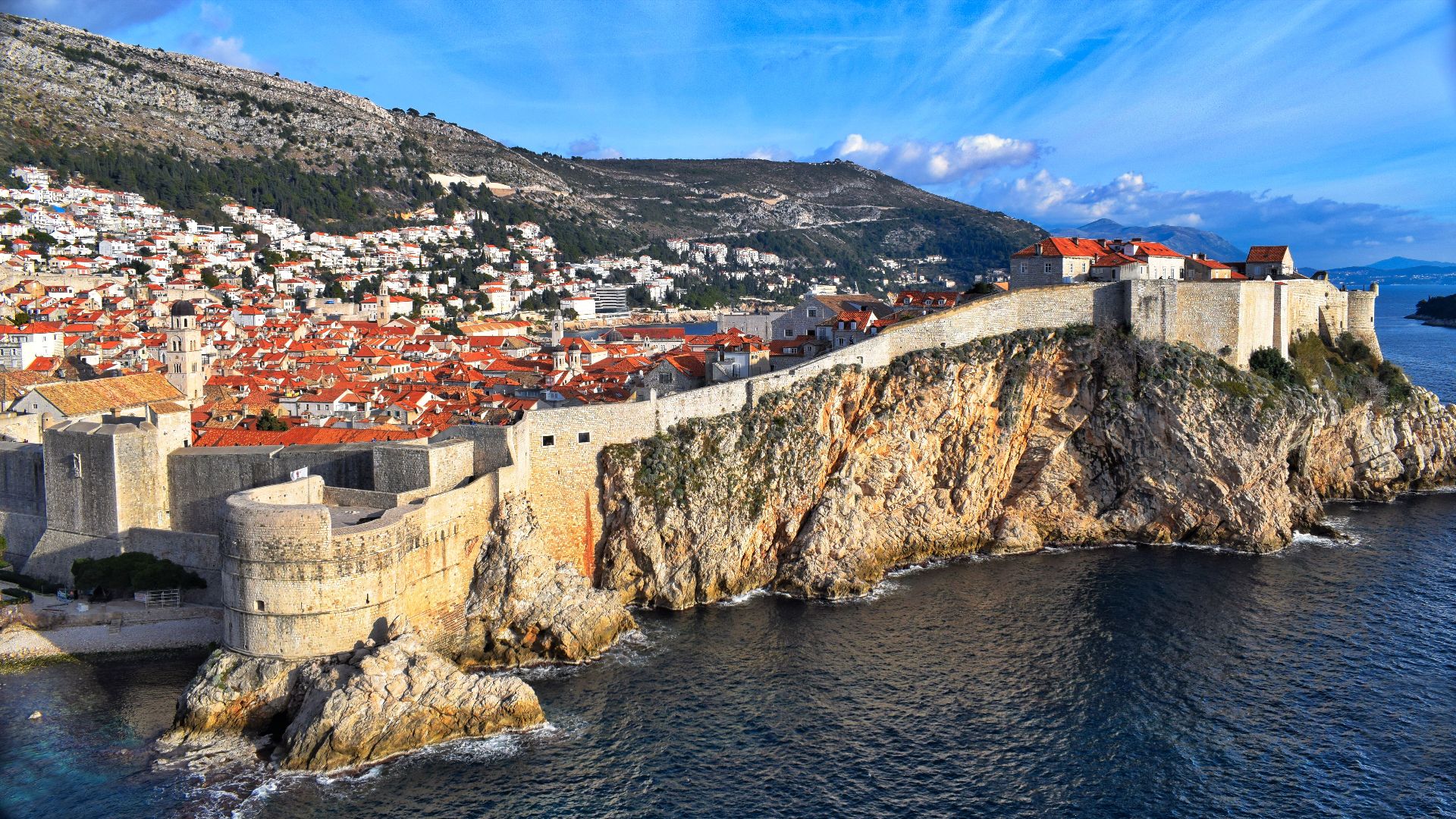 Miroslav.vajdic, Wikimedia Commons
Iceland's Blue Lagoon: An Industrial Byproduct Becomes A Luxury Attraction
Iceland's Blue Lagoon looks like a natural geothermal wonder, but its origins are closely connected to industrial development. The milky-blue water began accumulating near the Svartsengi geothermal power plant during the 1970s after mineral-rich water formed pools in the surrounding lava field. Local bathing gradually evolved into organized facilities, scientific research, and a major wellness tourism business. What began as an unexpected consequence of geothermal energy production became one of Iceland's best-known visitor attractions.
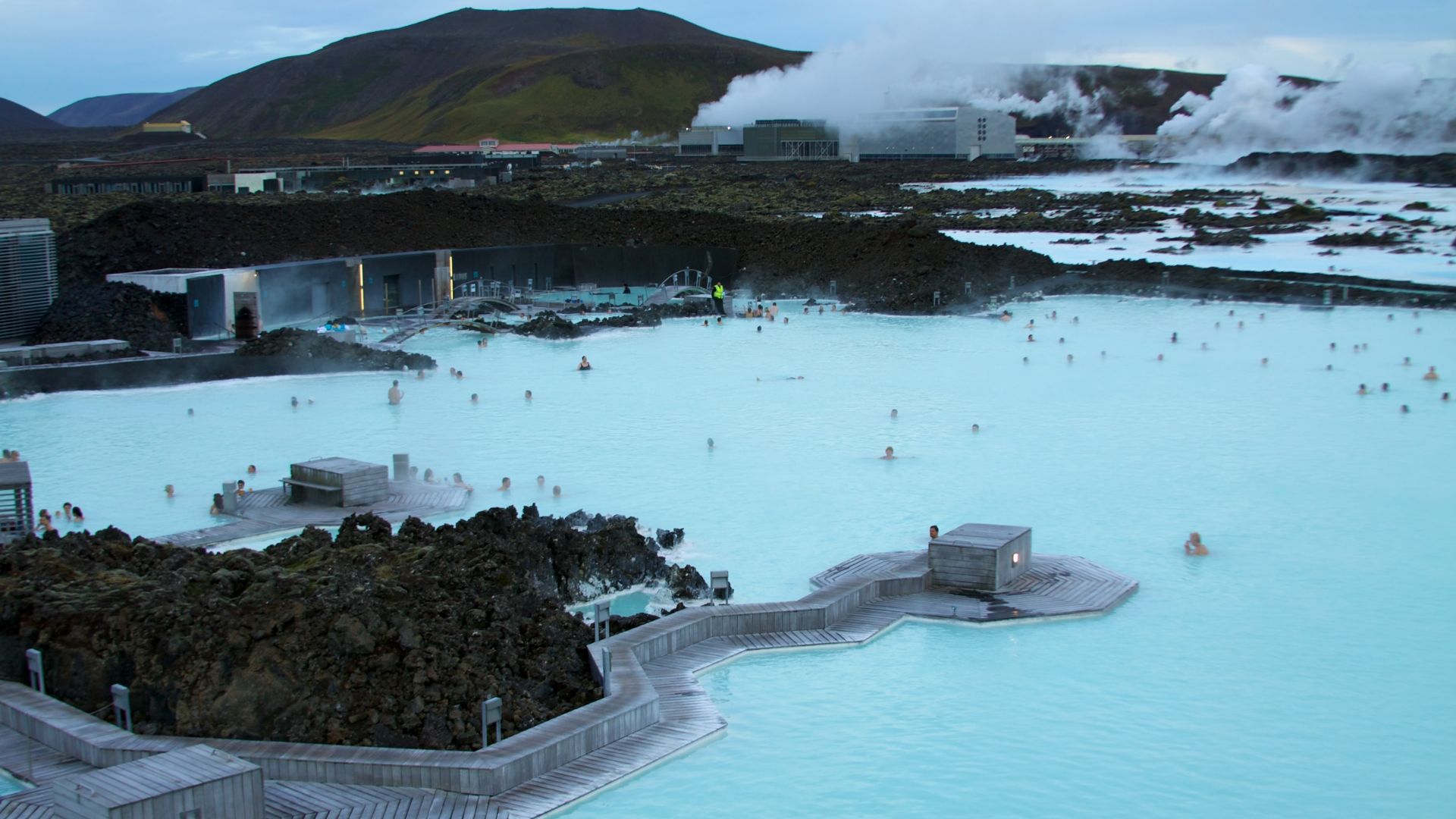 McKay Savage from London, UK, Wikimedia Commons
The Vacation Destinations Of Tomorrow May Look Completely Different
These destinations demonstrate that tourism can transform places in ways few early visitors could have imagined. New infrastructure and investment can make remote areas more accessible, while overcrowding and environmental damage can threaten the attractions that originally made them famous. Some destinations are now restricting visitor access, restoring damaged ecosystems, or rethinking how tourism should operate. For travelers, the lesson is that famous places are constantly evolving, and experiencing them responsibly matters more than ever.
You May Also Like:
Seemingly Normal Things Americans Do That Confuse Visitors From Other Countries
Once-Famous Vacation Destinations That Have Almost Disappeared From Travel Guides