Two Tiny Stones Could Rewrite Human History
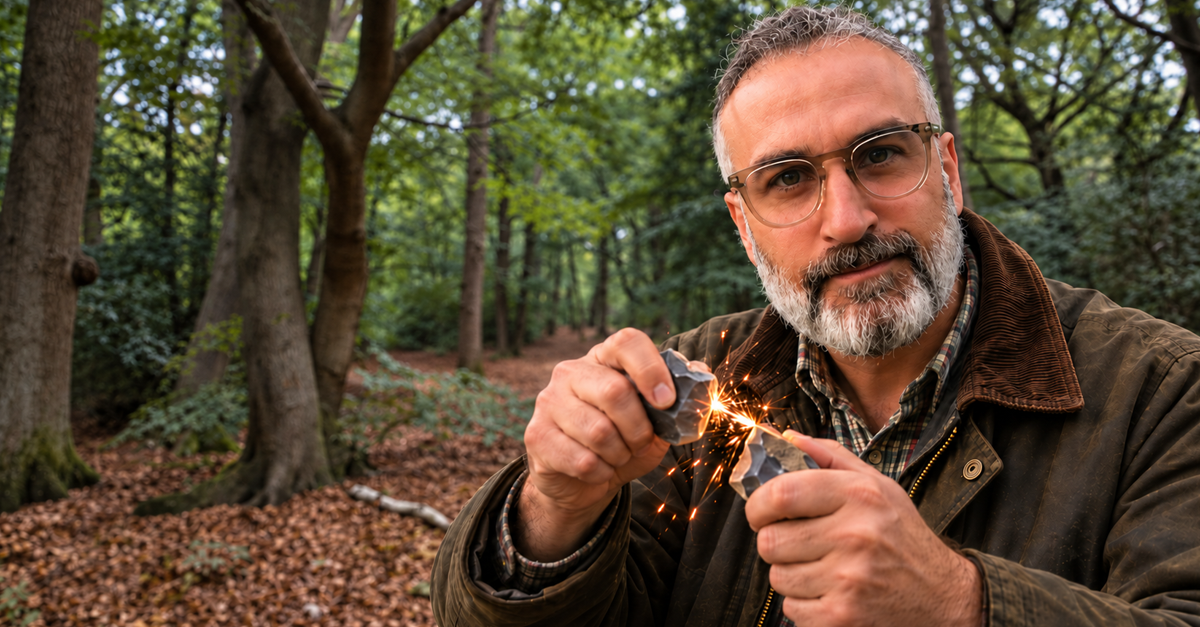
Scientists digging in England uncovered two tiny pieces of rock that could change everything we know about humanity's relationship with fire. The fragments are roughly 400,000 years old, and researchers believe they prove our ancient relatives could start fires 350,000 years earlier than previously demonstrated. Even more astonishing, the people responsible weren't modern humans.
So what made these two little stones such an extraordinary discovery?
The Discovery Happened In Rural England
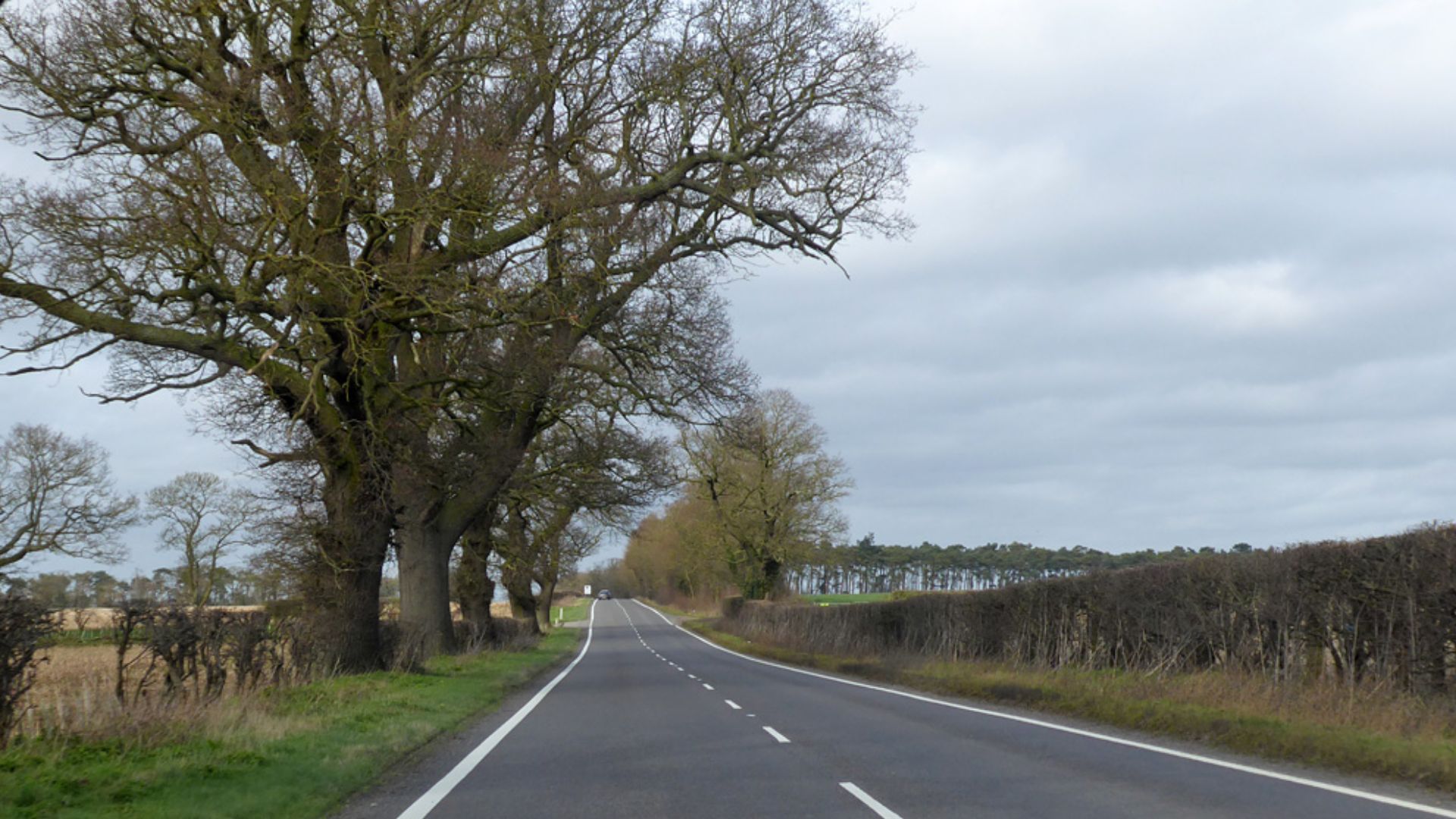
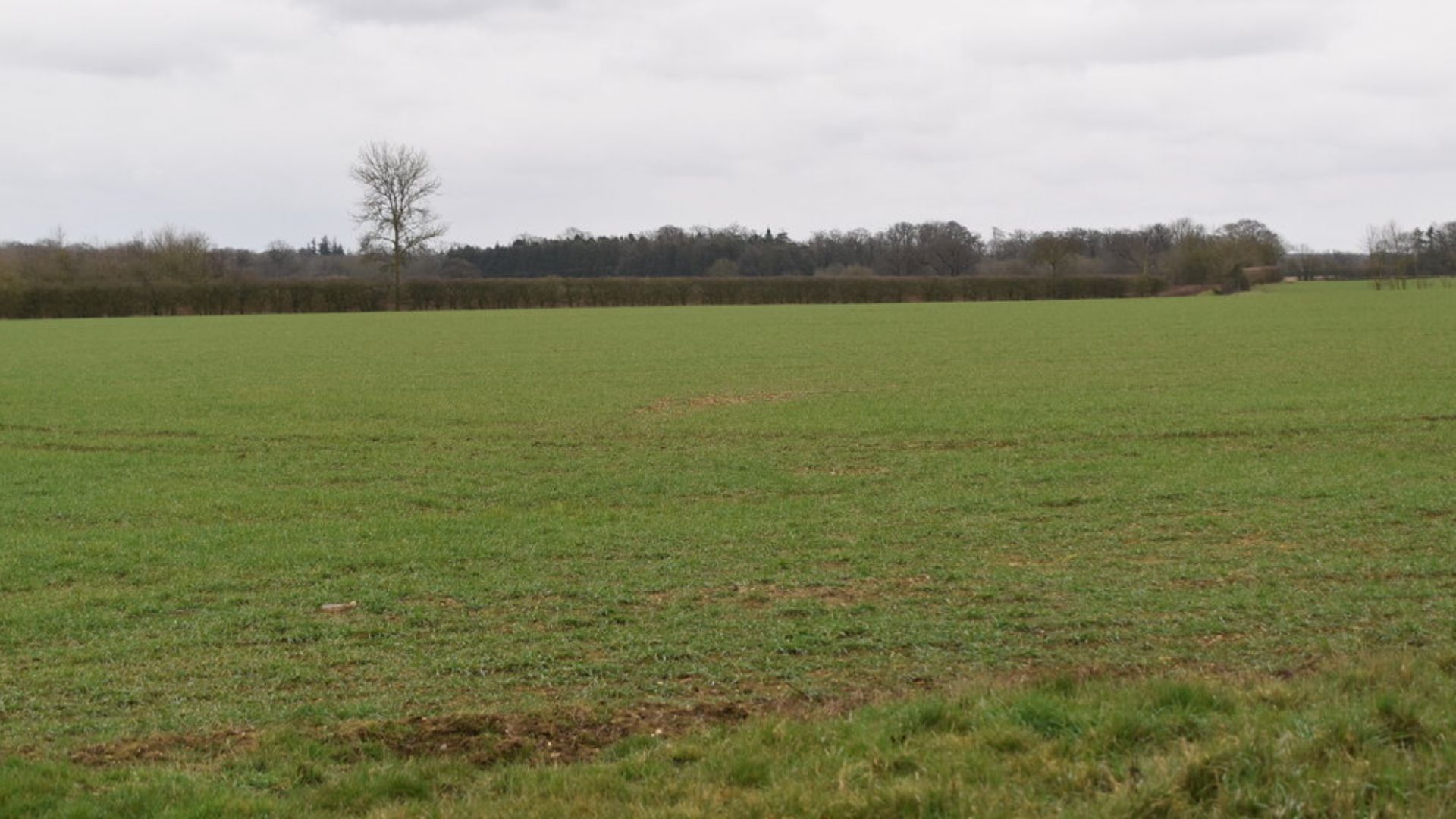
The breakthrough came from Barnham, a quiet village in Suffolk, eastern England. Archaeologists were investigating a disused clay pit containing evidence of prehistoric human activity. Beneath the ground lay traces of a landscape occupied around 400,000 years ago. What researchers uncovered there would challenge decades of archaeological thinking.
 Robin Webster , Wikimedia Commons
This Site Had Been Hiding Secrets For Generations
Barnham's archaeological importance was recognized in the nineteenth century, when clay workers uncovered ancient animal remains and flint tools. Researchers investigated the site in the late 1980s before major excavations resumed in 2013. Those investigations revealed evidence of repeated prehistoric occupation. But the most important discovery was still waiting underground.
 James St. John, Wikimedia Commons
England Was Almost Unrecognizable Back Then
Around 400,000 years ago, Barnham sat beside a spring-fed lake surrounded by grassland and open woodland. Elephants, deer, bison, and even macaque monkeys inhabited the region. The environment offered water, food, and other resources that attracted early humans. Archaeologists gradually reconstructed this lost world through the fossils and tools buried beneath it.
 Bernard Spragg. NZ from Christchurch, New Zealand, Wikimedia Commons
The First Evidence Came From Stone Tools
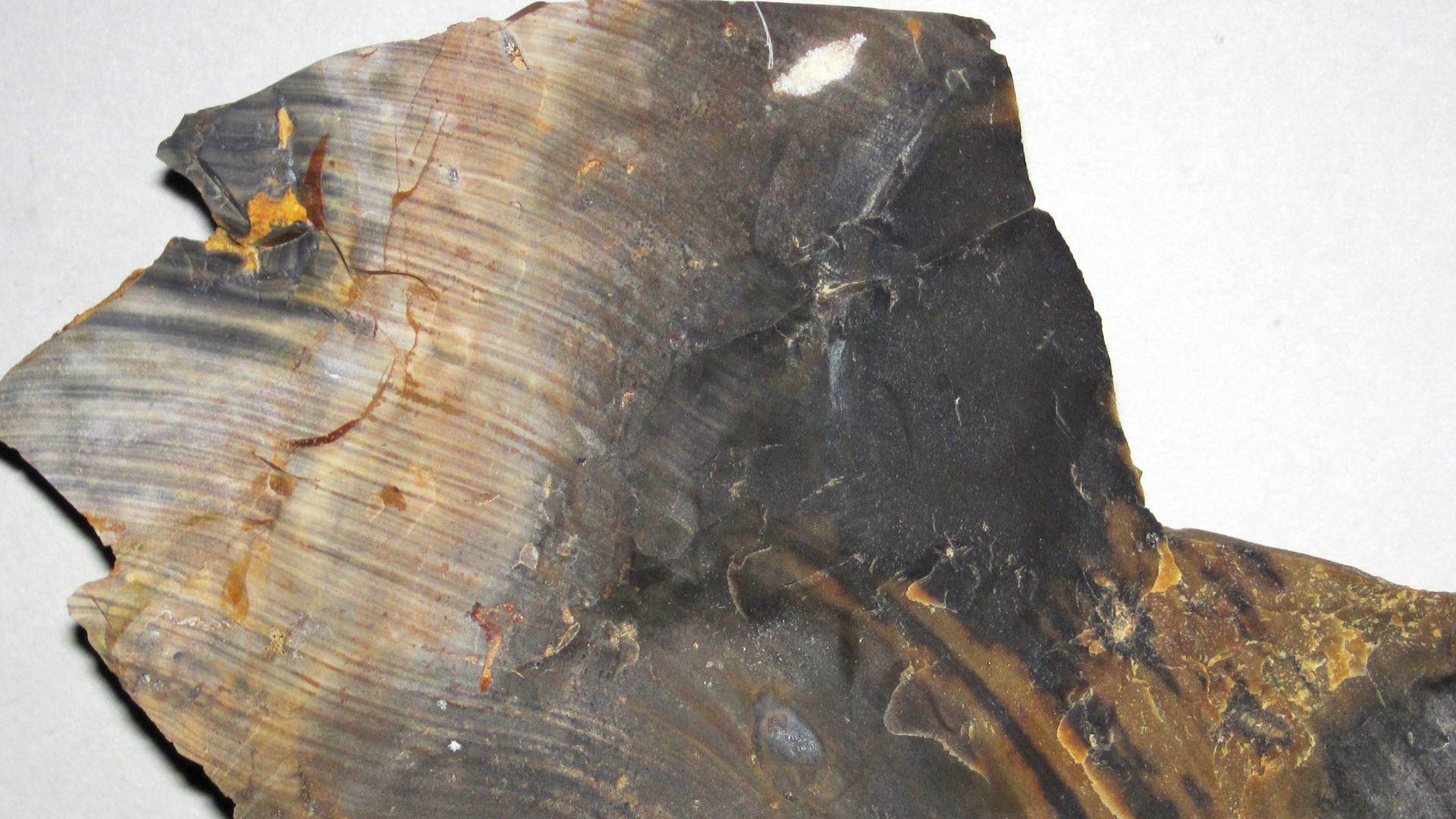
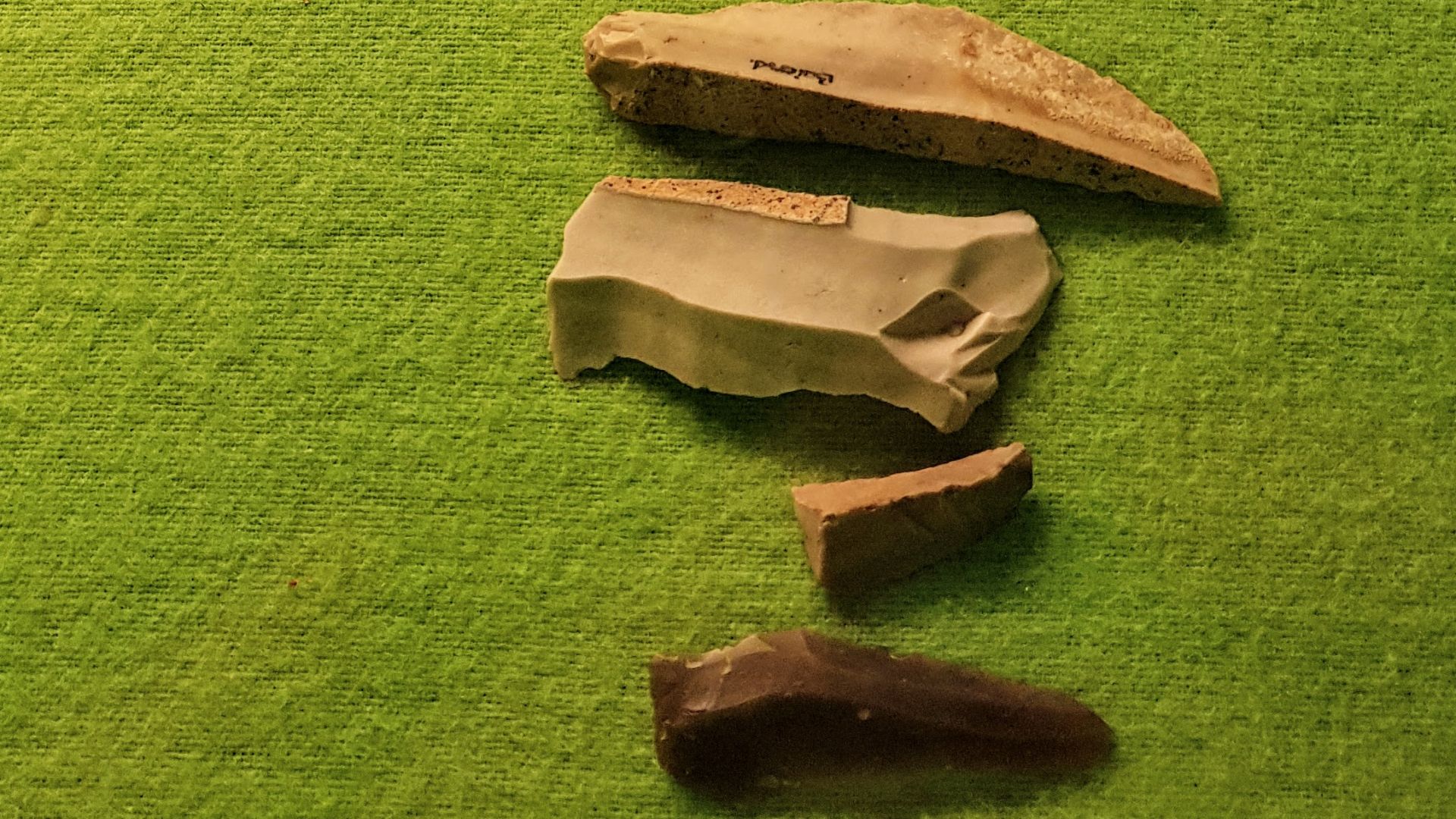
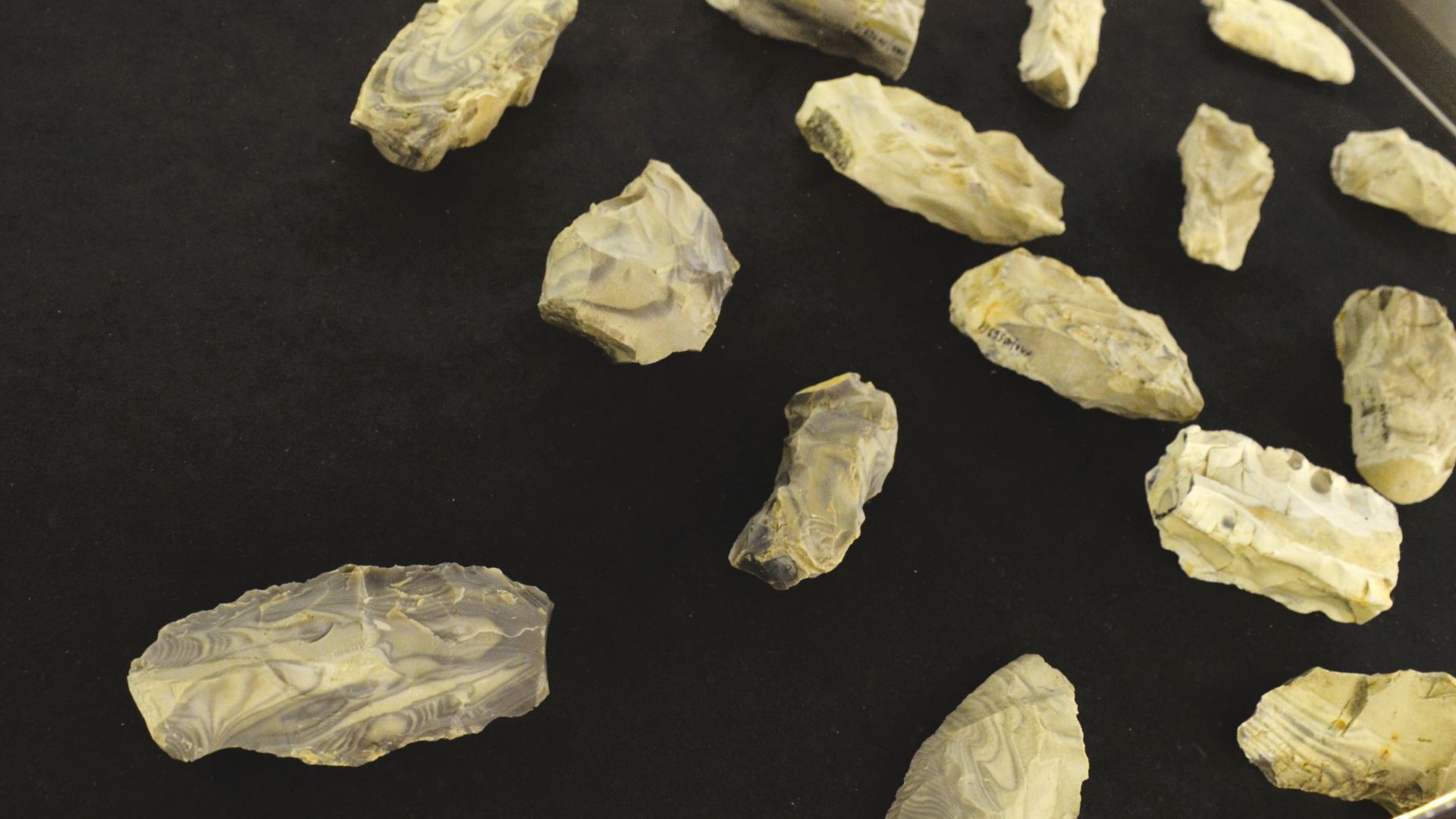
Researchers uncovered two distinct traditions of flint toolmaking at Barnham. Earlier inhabitants produced relatively simple flakes, while later visitors crafted more sophisticated handaxes. These carefully shaped tools required considerable skill and planning. Their presence showed that ancient humans had returned to this landscape over different periods.
Then Two Tiny Stones Changed Everything
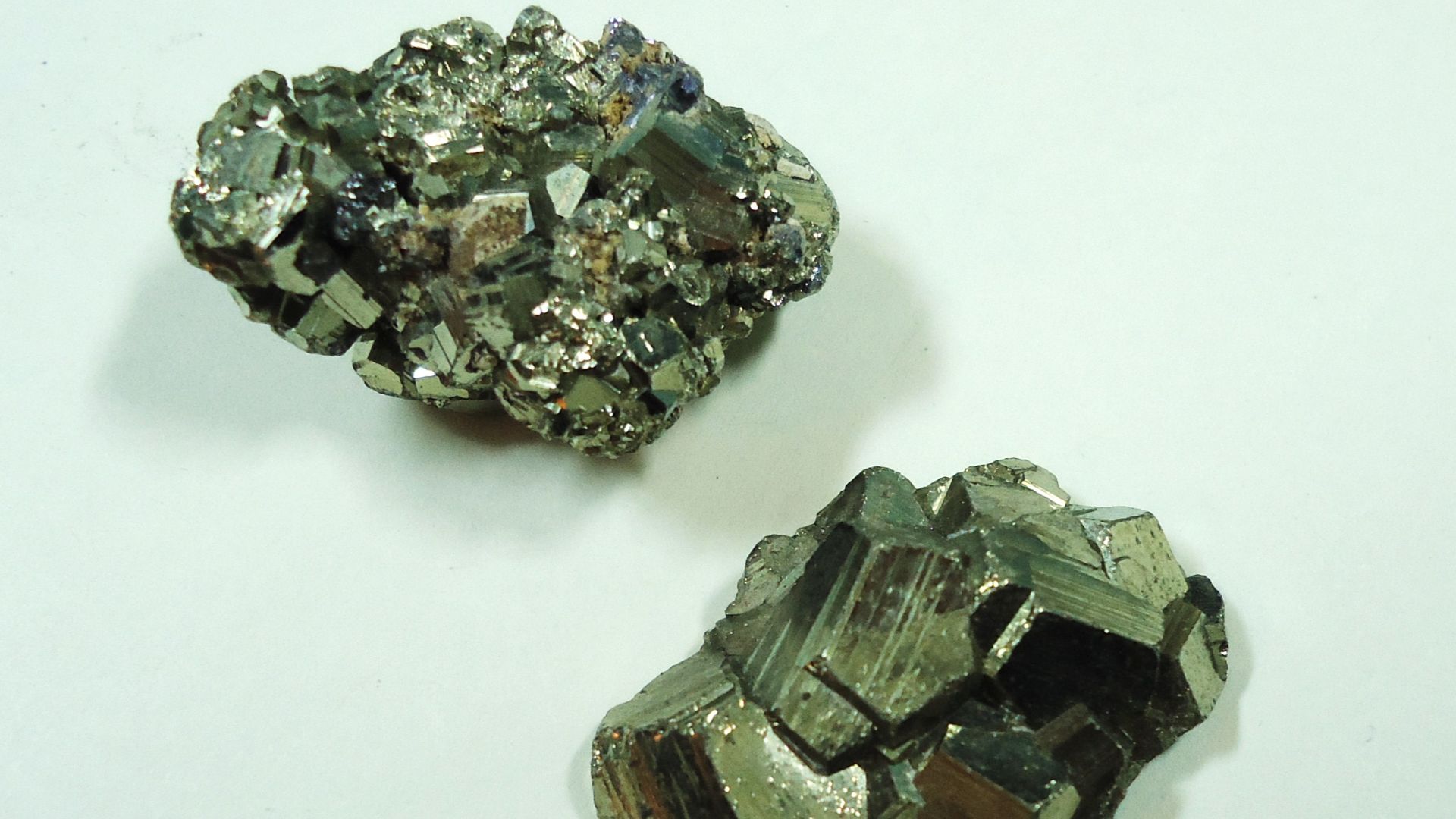
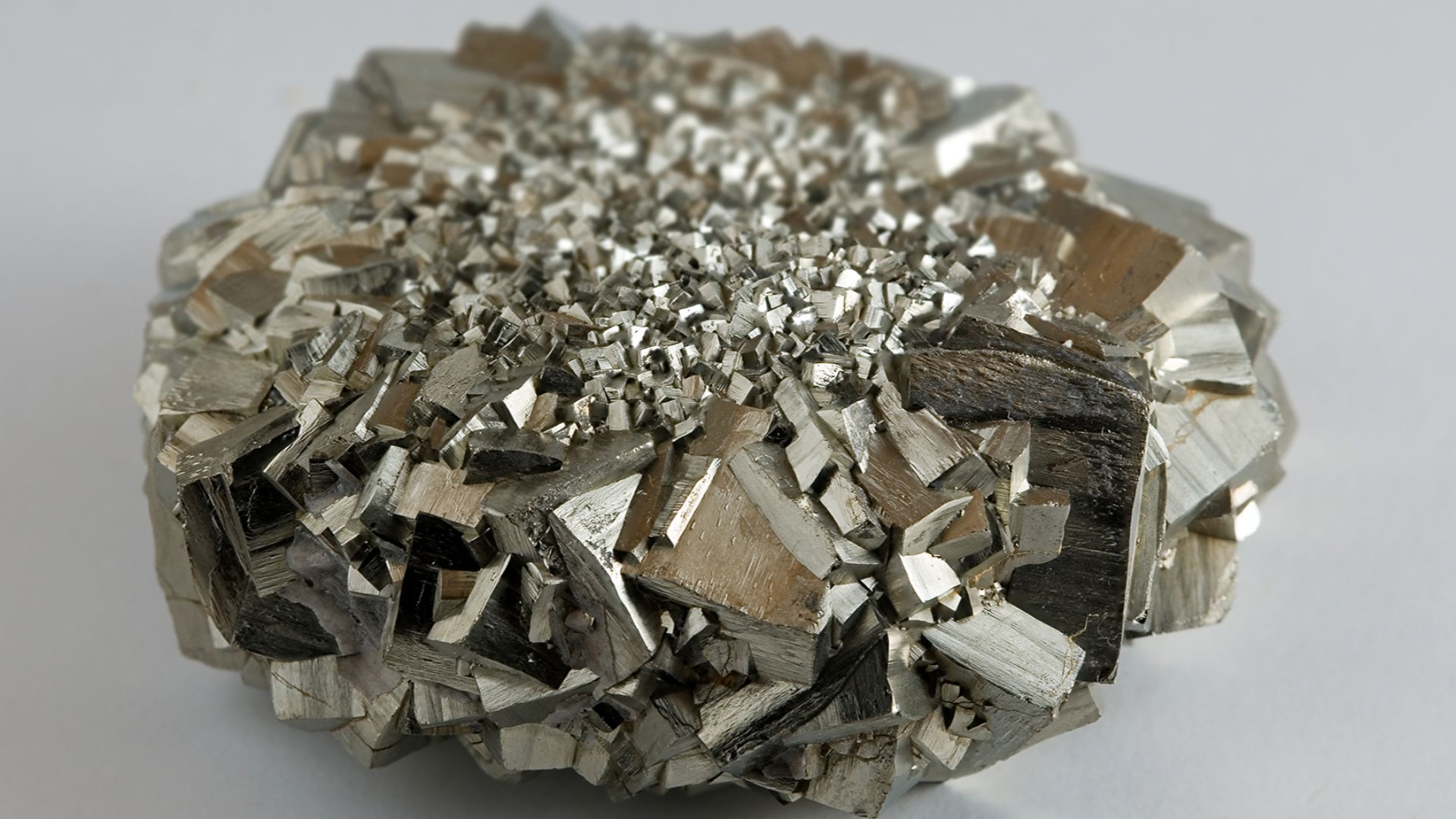
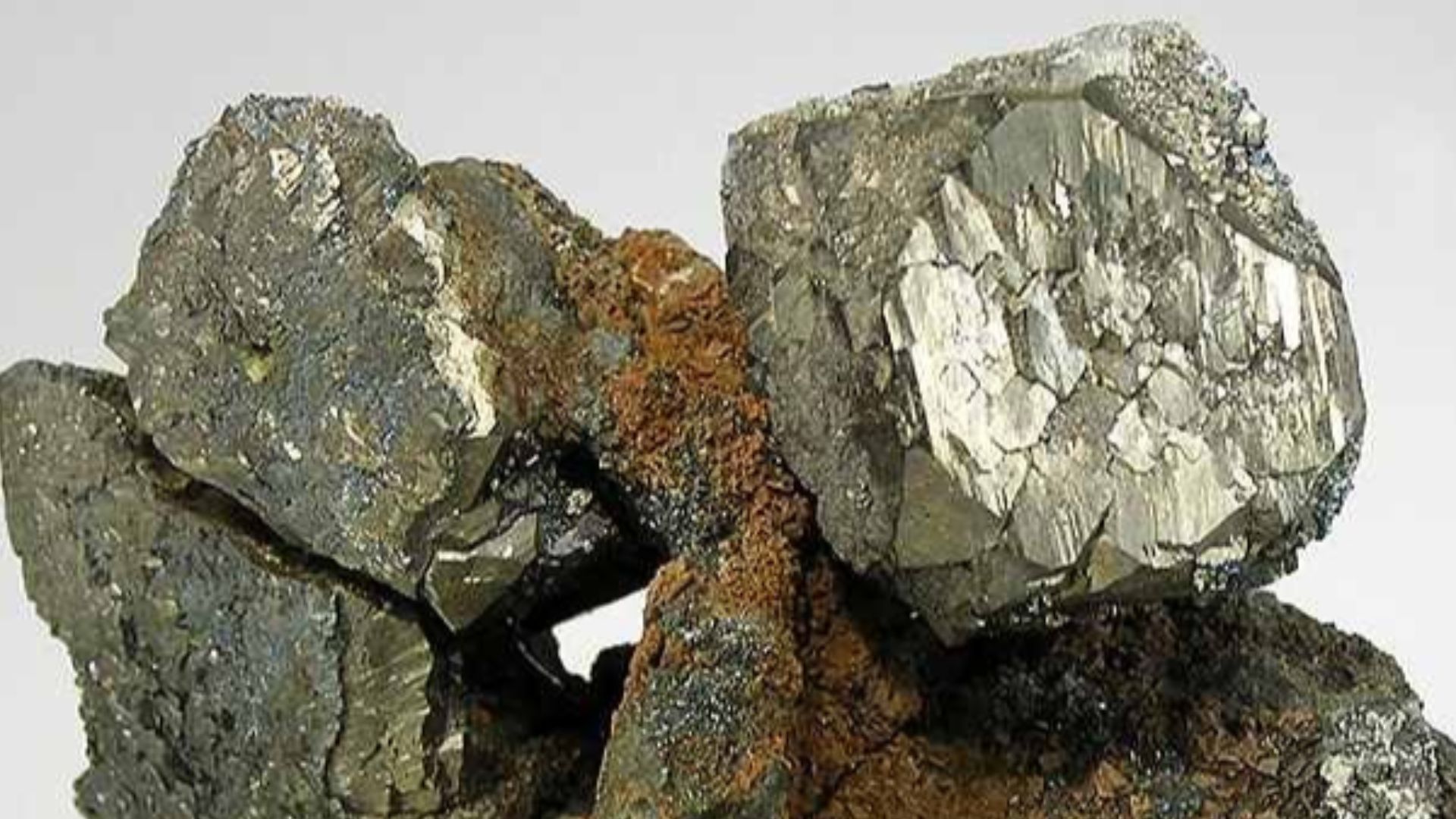
Among the ancient remains, archaeologists discovered two fragments of a mineral called iron pyrite. Each measured roughly two centimeters, making them easy to overlook. But pyrite has a remarkable property: when struck against flint, it can produce sparks capable of igniting tinder. Suddenly, the researchers had a possible clue to how prehistoric people started fires.
 Mauro Cateb, Wikimedia Commons
The Stones Were Better Known As Fool's Gold
Pyrite is sometimes called fool's gold because of its metallic, gold-like appearance. Unlike actual gold, however, it can produce hot sparks when struck against suitable stone. Ancient people in later prehistoric periods used pyrite and flint to ignite fires. The Barnham discovery suggested that humans may have mastered this same technique hundreds of thousands of years earlier than previously demonstrated.
 JJ Harrison (https://www.jjharrison.com.au/), Wikimedia Commons
There Was Something Strange About Their Location
The pyrite fragments weren't simply lying among naturally abundant local minerals. Geological investigations revealed that pyrite was extremely rare in this part of Suffolk. Researchers had examined more than 121,000 stones from 26 sites without identifying another piece. That suggested the fragments at Barnham might have been deliberately carried there by prehistoric humans.
 N Chadwick , Wikimedia Commons
But The Stones Weren't The Only Clue
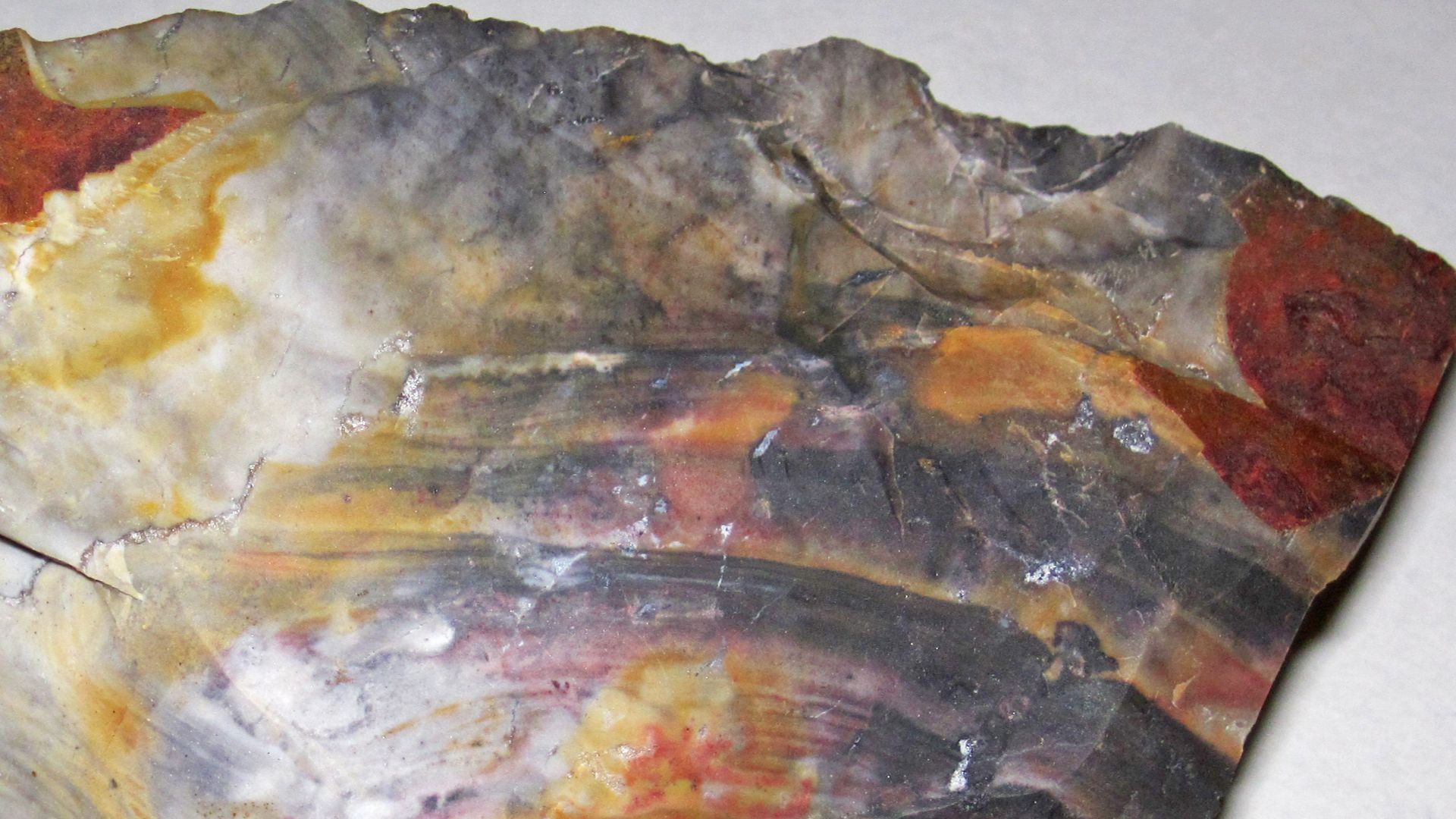
Archaeologists also discovered clusters of flint tools showing unmistakable signs of intense heating. Some were reddened, cracked, or shattered, suggesting they had been exposed to fire. Their distribution was particularly interesting because the damaged pieces formed concentrated patches. This suggested that something unusual had happened in specific locations.
 James St. John, Wikimedia Commons
The Ground Had Been Scorched Too
Researchers identified ancient sediments that had been altered by intense heat. Scientific testing indicated that some deposits had experienced temperatures exceeding 700°C. Those temperatures were sufficient to bake the ground and damage nearby flint. The findings pointed toward the remains of powerful fires burning on the prehistoric land surface.

These Fires Had Burned More Than Once
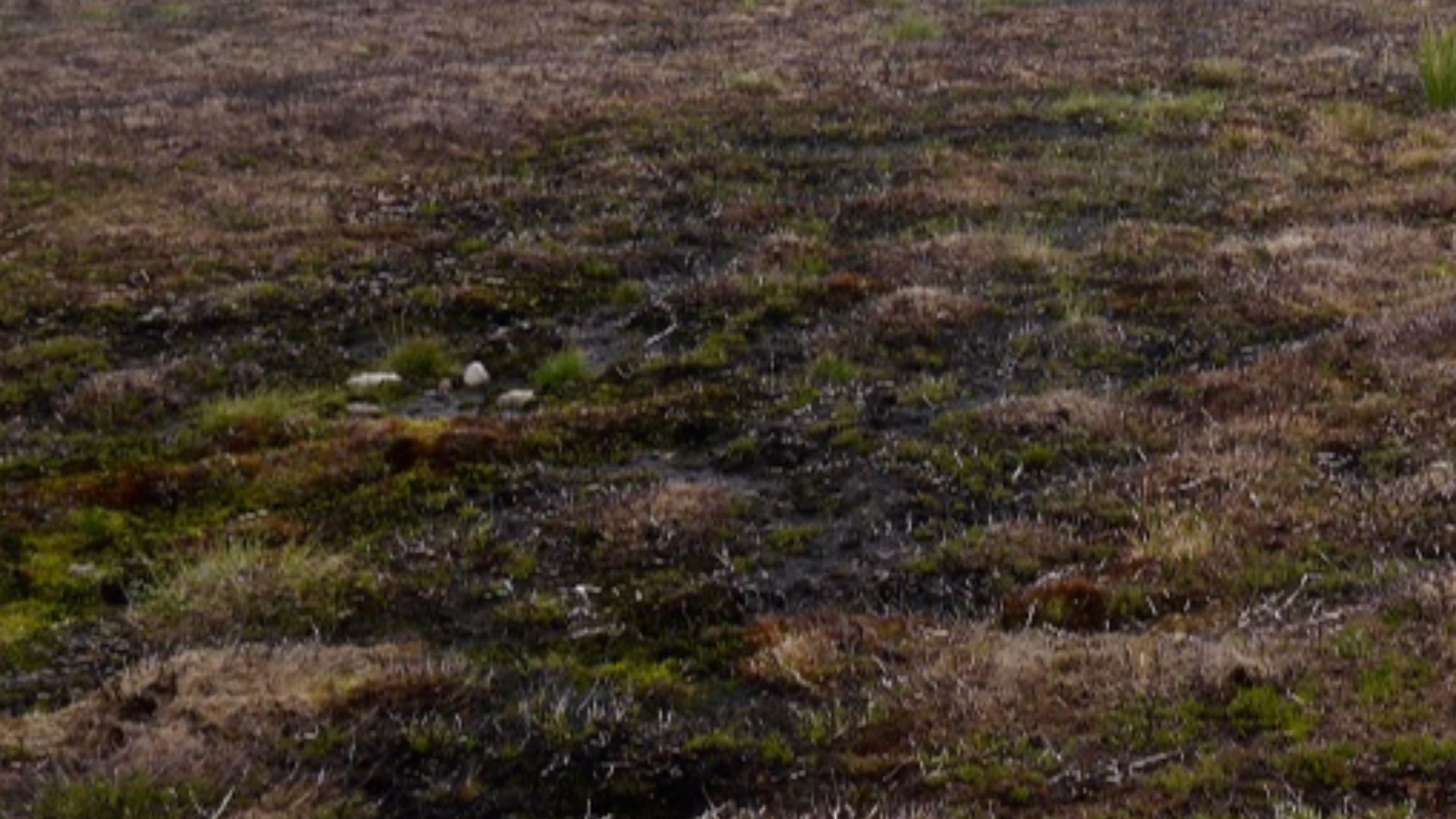
Further analysis revealed evidence of repeated heating in the same general area. That was important because a single burned patch might have resulted from an accidental natural fire. Repeated burning near concentrations of human-made tools offered a stronger explanation. Archaeologists increasingly suspected they were examining ancient hearths used by prehistoric inhabitants.
 Richard Webb , Wikimedia Commons
Using Fire And Making Fire Were Two Different Things
Scientists have long known that early humans benefited from fire, but using it didn't necessarily mean they could create it. Ancient populations might have collected burning branches from naturally occurring wildfires and kept them alight. That would provide heat without requiring any knowledge of ignition. Learning to produce flames whenever needed represented a much greater technological achievement.

Humans Had Already Used Fire For A Million Years
Evidence from African archaeological sites indicates that early humans were using fire more than one million years ago. But those discoveries don't conclusively establish that people could ignite fires themselves. Identifying the difference between maintaining natural flames and deliberately producing them has challenged researchers for decades. That's what made the evidence from Barnham so significant.
 Maria12345678, Wikimedia Commons, Modified
Three Pieces Of Evidence Came Together
The researchers now had scorched ground, heat-damaged flint tools, and two fragments of pyrite. Individually, none could conclusively demonstrate deliberate fire-making. Together, however, they formed a much stronger case. The findings suggested that ancient humans had brought pyrite to Barnham and used it to produce sparks near their hearths.
Scientists Spent Years Investigating The Discovery
Led by Nick Ashton and Rob Davis of the British Museum, researchers spent years examining the archaeological and geological evidence. Their findings, published in Nature on December 10, 2025, involved experts from several institutions. The study presented what researchers described as the earliest compelling evidence of deliberate human fire-making.

The Timeline Suddenly Changed By 350,000 Years
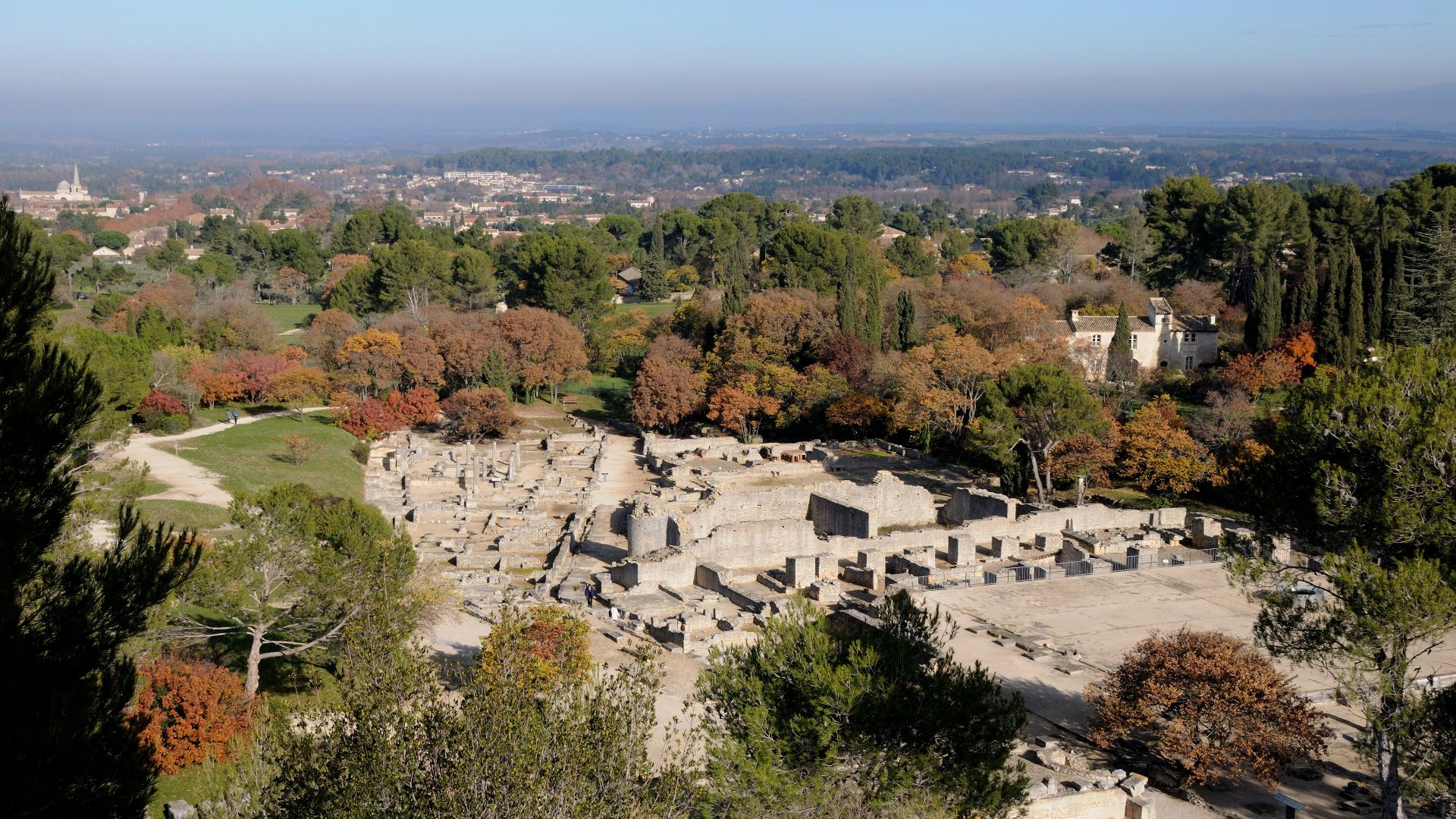
Before Barnham, some of the strongest archaeological evidence of deliberate fire-making came from sites in France dating to roughly 50,000 years ago. There, researchers had identified Neanderthal stone tools bearing traces consistent with striking pyrite. The Barnham discoveries suggested that comparable fire-making knowledge existed around 400,000 years ago. That pushed the known timeline back by approximately 350,000 years.
 Josep M. Gracia, Wikimedia Commons
But Not Everyone Is Completely Convinced
The discovery offers compelling evidence, but some archaeologists remain cautious. Researchers found pyrite fragments near ancient hearths, rather than direct proof of how the fires were started. Archaeologist Wil Roebroeks called the evidence circumstantial, despite praising the research. The findings are significant, but the debate isn't entirely settled.

Who Was Actually Starting These Fires?
Perhaps the most surprising part of the discovery is that modern humans weren't responsible. Our species had not yet reached Britain when the Barnham fires burned. Researchers suspect the fire-makers belonged to an early Neanderthal population or another ancient human group. Unfortunately, no human fossils from the relevant deposits have confirmed their identity.

Another English Discovery Offered A Clue
At Swanscombe in Kent, archaeologists previously discovered human skull fragments dating to approximately the same broad period. Those remains are generally associated with early Neanderthals. Natural History Museum scientist Chris Stringer suggested that similar people could have occupied Barnham. Without human fossils from the Suffolk site, however, their identity remains uncertain.

These Ancient Humans Had Remarkable Skills
If the researchers are correct, Barnham's inhabitants possessed sophisticated knowledge of natural materials. They would have needed to understand how pyrite and flint interacted, recognize suitable tinder, and turn small sparks into flames. These abilities required practice and practical experience. The discovery suggests that such knowledge may have existed much earlier in the human family than previously demonstrated.
Fire Could Have Changed Life In Cold Britain
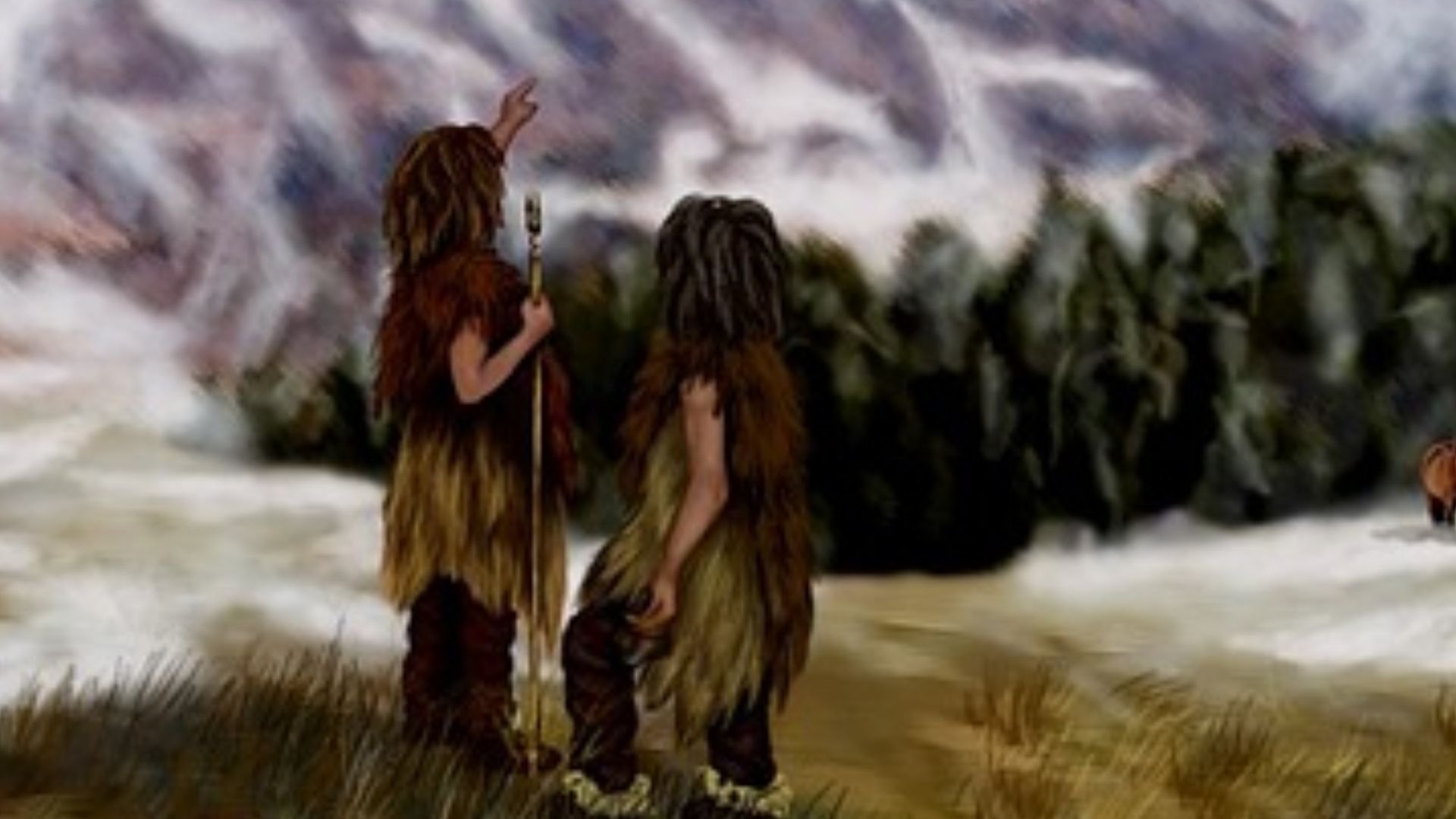
Britain's climate fluctuated dramatically during this period, sometimes making the region difficult for early humans to inhabit. Being able to start fires would have provided warmth, light, and protection from predators. More importantly, people no longer needed to wait for lightning or wildfires to obtain flames. That independence could have made survival in colder environments considerably easier.
Cooking May Have Been The Greatest Advantage
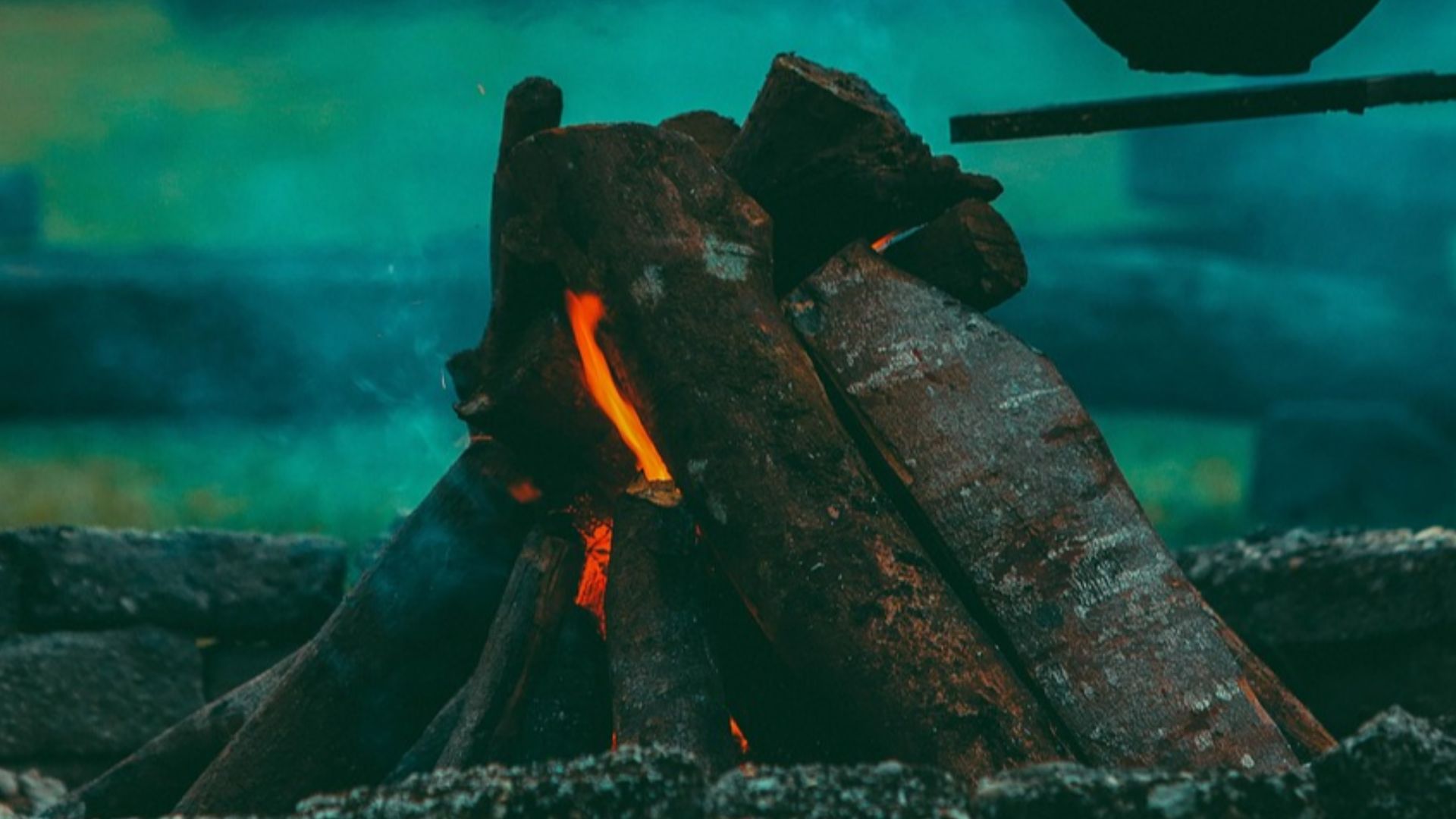
The ability to make fire also transformed the possibilities for preparing food. Cooking meat can make it easier to digest, while heating certain plant foods reduces harmful substances. These advantages could have expanded the range of foods available to early humans. Although Barnham doesn't directly prove that people cooked there, dependable fire-making would have made cooking much more practical.

It May Have Helped Our Brains Develop
Scientists have long investigated the connection between cooked food and human brain evolution. Cooking can increase the energy available from food, potentially helping support larger, energy-demanding brains. The Barnham discovery places sophisticated fire-making within a period of important developments in human cognition. Researchers believe these changes may have been connected, although the precise relationship remains uncertain.

Ancient Campfires Were Probably Social Hubs
Fire may also have transformed how early humans spent their evenings. Instead of losing valuable activity time after sunset, groups could gather around flames to work, communicate, and share knowledge. Researchers believe these gatherings may have encouraged cooperation and social learning. The discovery suggests that campfires could have played an important role in prehistoric community life.
 athree23, Wikimedia Commons, Enhanced
Working Near The Flames
At Barnham, concentrations of flint flakes and tools were discovered near the ancient hearth areas. This suggests people were manufacturing or working on stone tools close to the fires. Such locations may have provided opportunities for experienced individuals to demonstrate skills to others. The arrangement offers a rare glimpse of everyday activity hundreds of thousands of years ago.
 athree23, Wikimedia Commons, Enhanced
Fire Could Have Inspired Other Technologies
Learning to generate intense heat opened possibilities beyond cooking and warmth. Fire can transform natural materials, including substances used to attach stone tools to wooden handles. Researchers have identified increasingly sophisticated woodworking and adhesive technologies elsewhere during the Middle Pleistocene. Although these activities weren't demonstrated at Barnham, dependable fire-making could have supported similar innovations.

These May Not Have Been The First Human-Made Fires
Despite the discovery's importance, researchers cannot say that fire-making was actually invented at Barnham. The site provides the earliest compelling archaeological evidence currently identified, but the skill could have existed long before these particular fires burned. Earlier evidence may simply have disappeared or remain undiscovered. Future excavations could push the timeline even further back.

Two Tiny Stones Changed Everything
Until recently, the strongest evidence of deliberate fire-making dated back around 50,000 years. Now, two tiny pyrite fragments suggest ancient humans mastered the skill 350,000 years earlier. The discovery challenges what we know about early Neanderthals and prehistoric technology. Sometimes, the smallest finds reveal the biggest secrets of our past.
 Robert M. Lavinsky, Wikimedia Commons
You May Also Like:
Archaeologists Discovered A 1,600-Year-Old Roman Guardian Spirit Buried Beneath Hadrian's Wall
Archaeologists In Britain Unearthed A 2,000-Year-Old War Trumpet—And It May Be Connected To Boudicca