Ancient Tourists Loved Bringing Something Home
Long before souvenir shops sold refrigerator magnets and postcards, travelers across the Roman world were collecting reminders of places they had visited. Archaeologists have uncovered decorated glass bottles, miniature monuments, engraved drinking vessels, and religious keepsakes connected to famous destinations. Some were affordable objects, while others were expensive commissions that showed off the owner's experiences. Together, these discoveries reveal that the desire to remember a special journey is hardly a modern invention.
Hadrian's Wall Had Its Own Souvenir Collection
One of the most remarkable examples comes from Hadrian's Wall, the Roman frontier monument built across northern Britain beginning in AD 122. Archaeologists have identified decorated bronze vessels bearing the names of forts along the wall, making them recognizable as ancient geographical keepsakes. English Heritage has even displayed several examples in an exhibition devoted to the history of souvenirs. These objects suggest that the frontier was something people wanted to commemorate long before it became a modern tourist attraction.
 Steven Fruitsmaak, Wikimedia Commons
The Rudge Cup Was An Expensive Reminder
The Rudge Cup, discovered in Wiltshire, England, in 1725, is a small bronze vessel dating to approximately AD 130. Its decoration includes the names of forts along Hadrian's Wall and a stylized representation of the frontier. English Heritage believes it may have been specially commissioned for a high-ranking soldier or civil official stationed there. Rather than an inexpensive tourist trinket, this was probably a prestigious possession connected to an important place.

A Tiny Cup Preserved The Names Of Roman Forts
What makes the Rudge Cup especially valuable is the inscription running around its exterior. It records five fort names, including Aballava, Uxelodunum, Camboglanna, and Banna. Beneath the lettering, its repeated decorative pattern evokes the wall's defensive structures. The cup preserved geographical information that would become useful to historians studying the Roman frontier centuries later.
 Frame Stock Footage, Shutterstock
Another Souvenir Traveled All The Way To France
The Amiens Patera, a Roman bronze vessel discovered in Amiens, France, carries an inscription closely resembling the one on the Rudge Cup. It lists several Hadrian's Wall forts, including an additional name not found on the Rudge example. English Heritage has identified it as the most widely traveled of the three known inscribed souvenir vessels associated with the wall. Its discovery demonstrates how objects commemorating a particular frontier could eventually end up far beyond Britain.
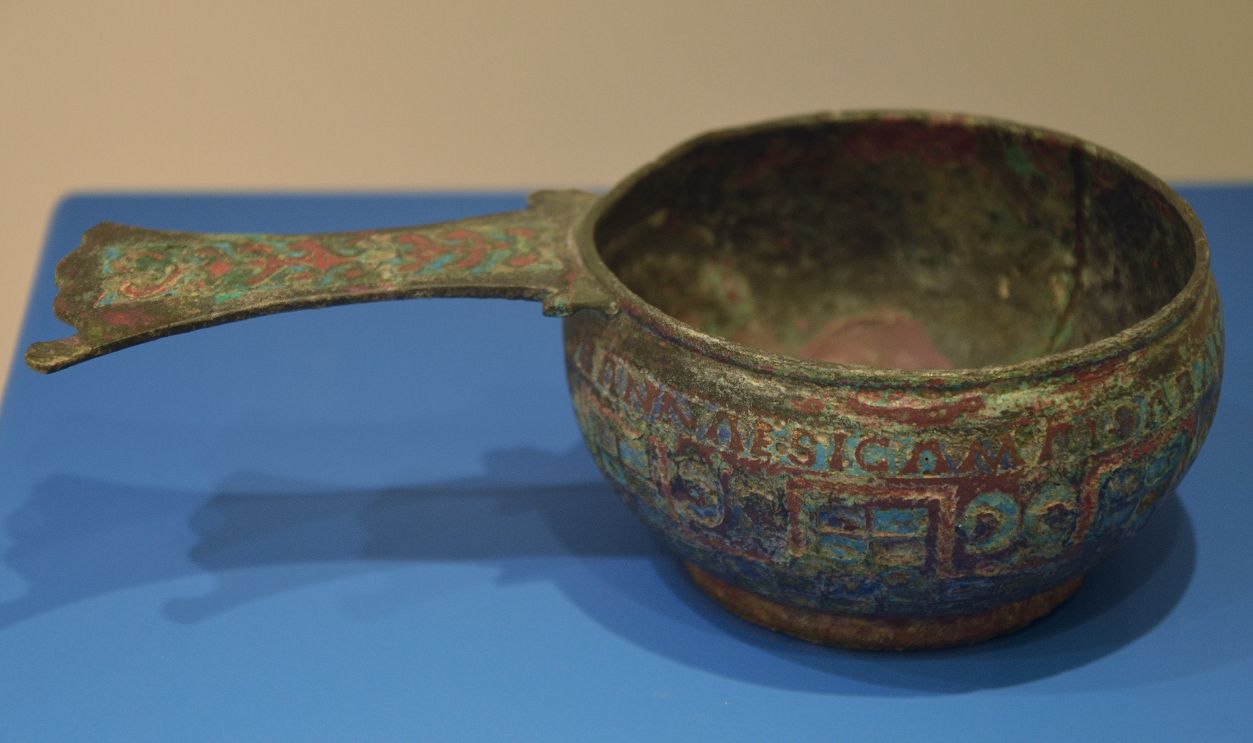
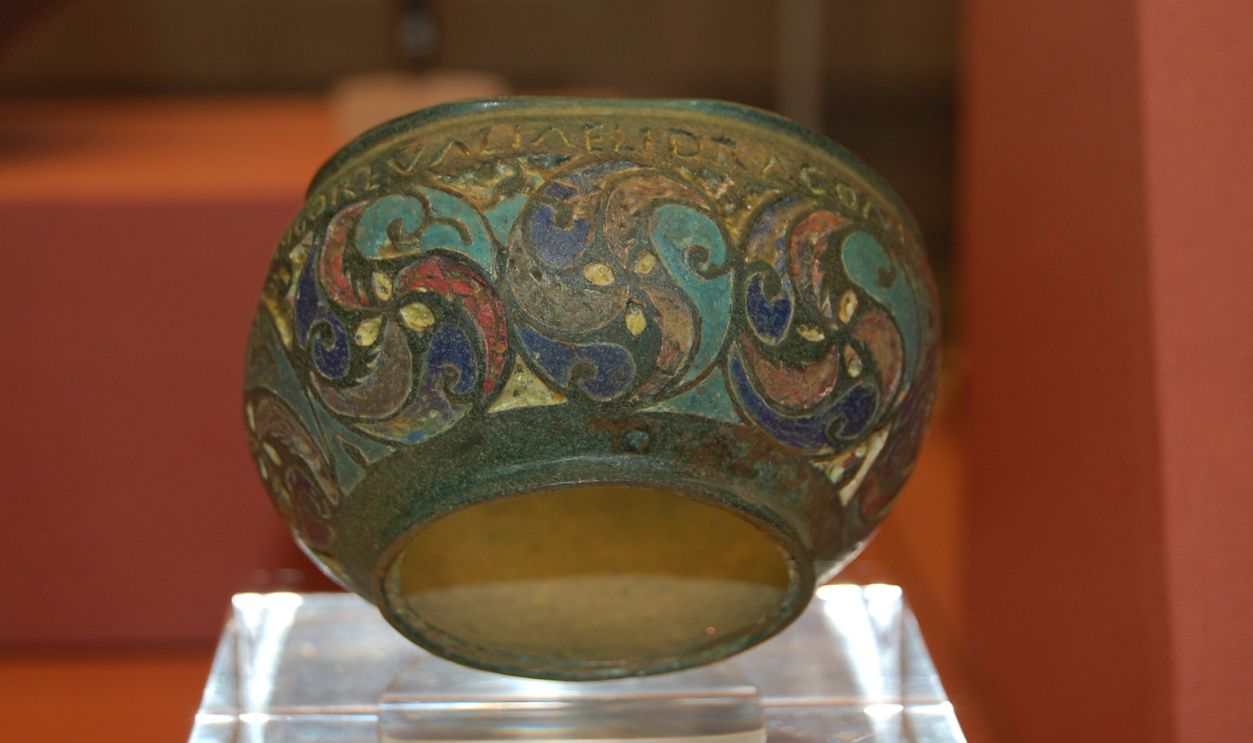
The Staffordshire Moorlands Pan Had Colorful Decorations
Another remarkable discovery is the Staffordshire Moorlands Pan, a small Roman bronze vessel decorated with colored enamel. Its inscription records forts associated with Hadrian's Wall, while its design makes it one of the most distinctive surviving examples of this souvenir tradition. The vessel belongs to a group of decorated bronze pans and cups associated with the Roman frontier. Its combination of practical form, colorful craftsmanship, and geographical lettering made it much more than ordinary tableware.
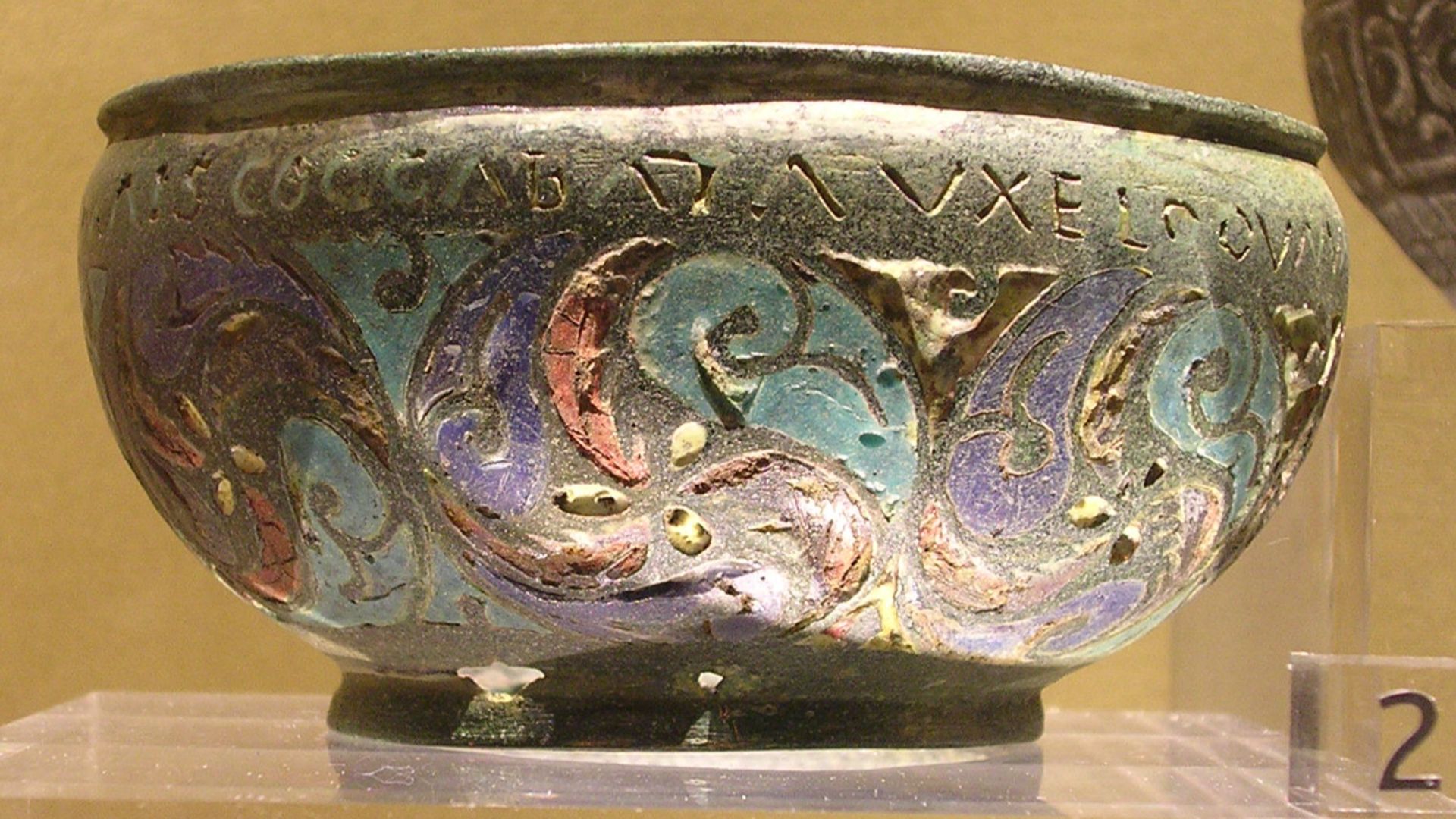
Roman Souvenirs Were Sometimes Made For Drinking
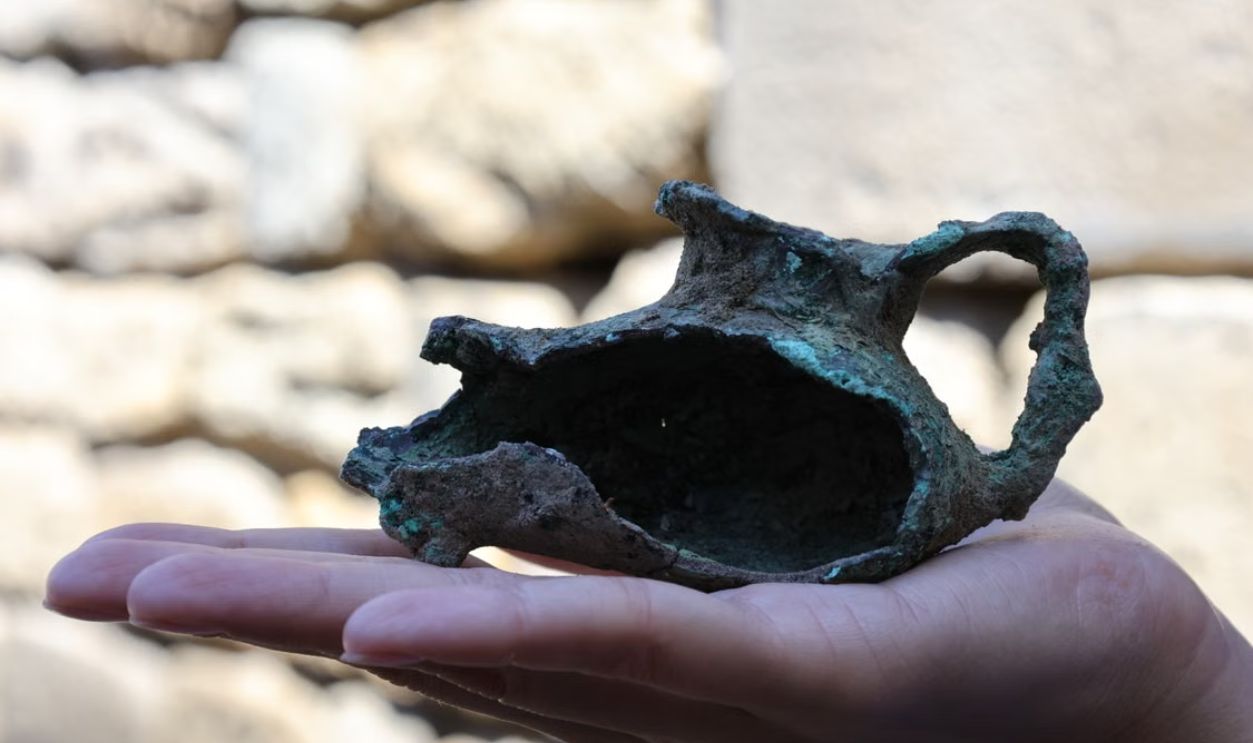
The bronze cups and pans associated with Hadrian's Wall were not necessarily intended to sit untouched on shelves. English Heritage explains that this general type of small decorated vessel was often used for drinking spiced wine. They typically consisted of separately cast components, including a bowl, handle, and base. A Roman owner could therefore enjoy a drink from an object that also recalled an important destination.
 Portable Antiquities Scheme, Flickr
Not Every Frontier Keepsake Needed An Inscription
The Winterton Pan and Brougham Patera resemble the decorated vessels associated with Hadrian's Wall, although they do not carry the same lists of fort names. English Heritage included them in its exhibition of ancient souvenirs because of their connections to this wider tradition of fine Roman metalwork. Their presence shows why archaeologists must consider an object's design, context, and inscriptions before identifying its original purpose. Some pieces clearly commemorate places, while others leave more room for interpretation.
Roman Vacationers Collected Pictures Of Famous Cities
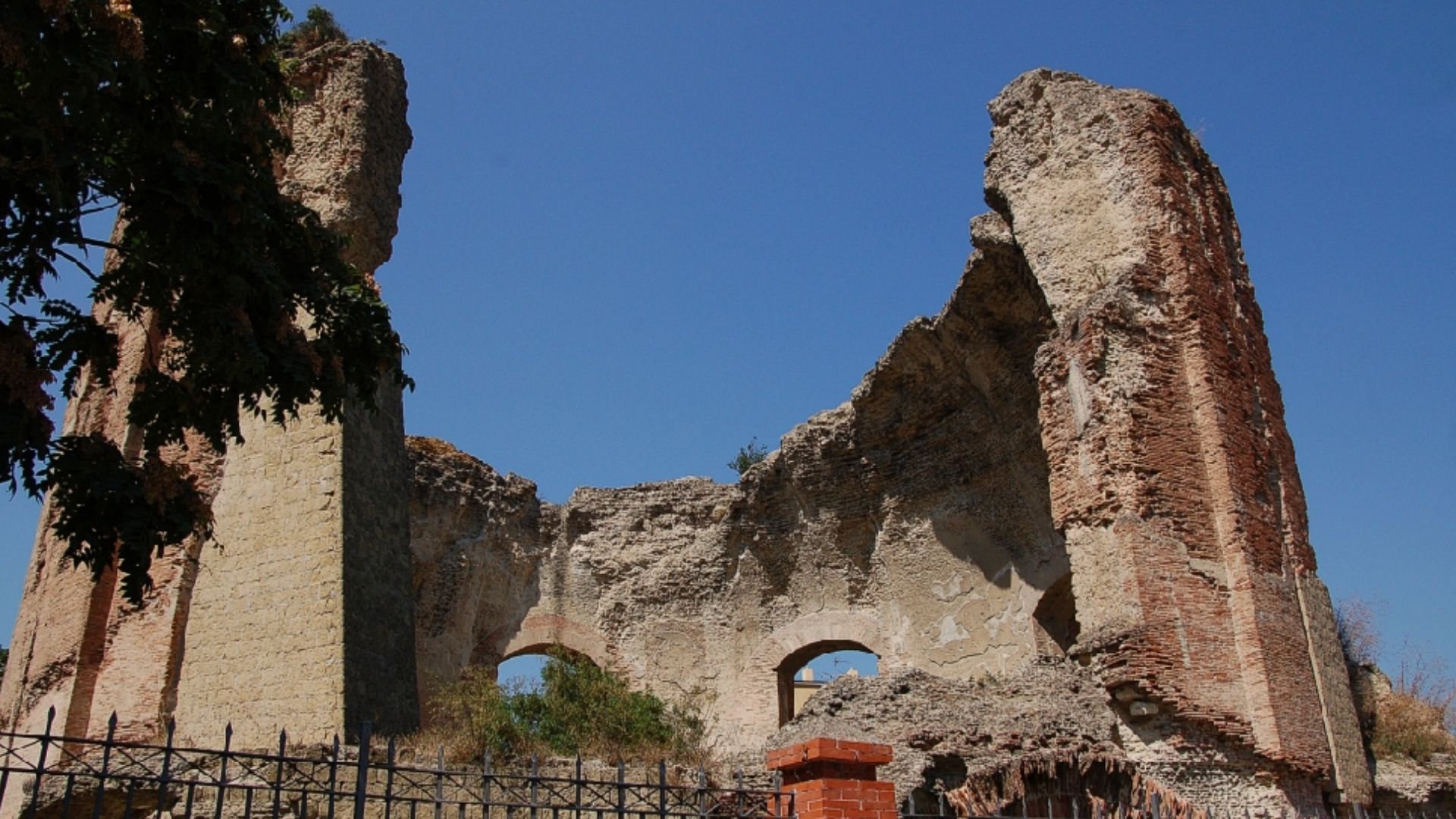
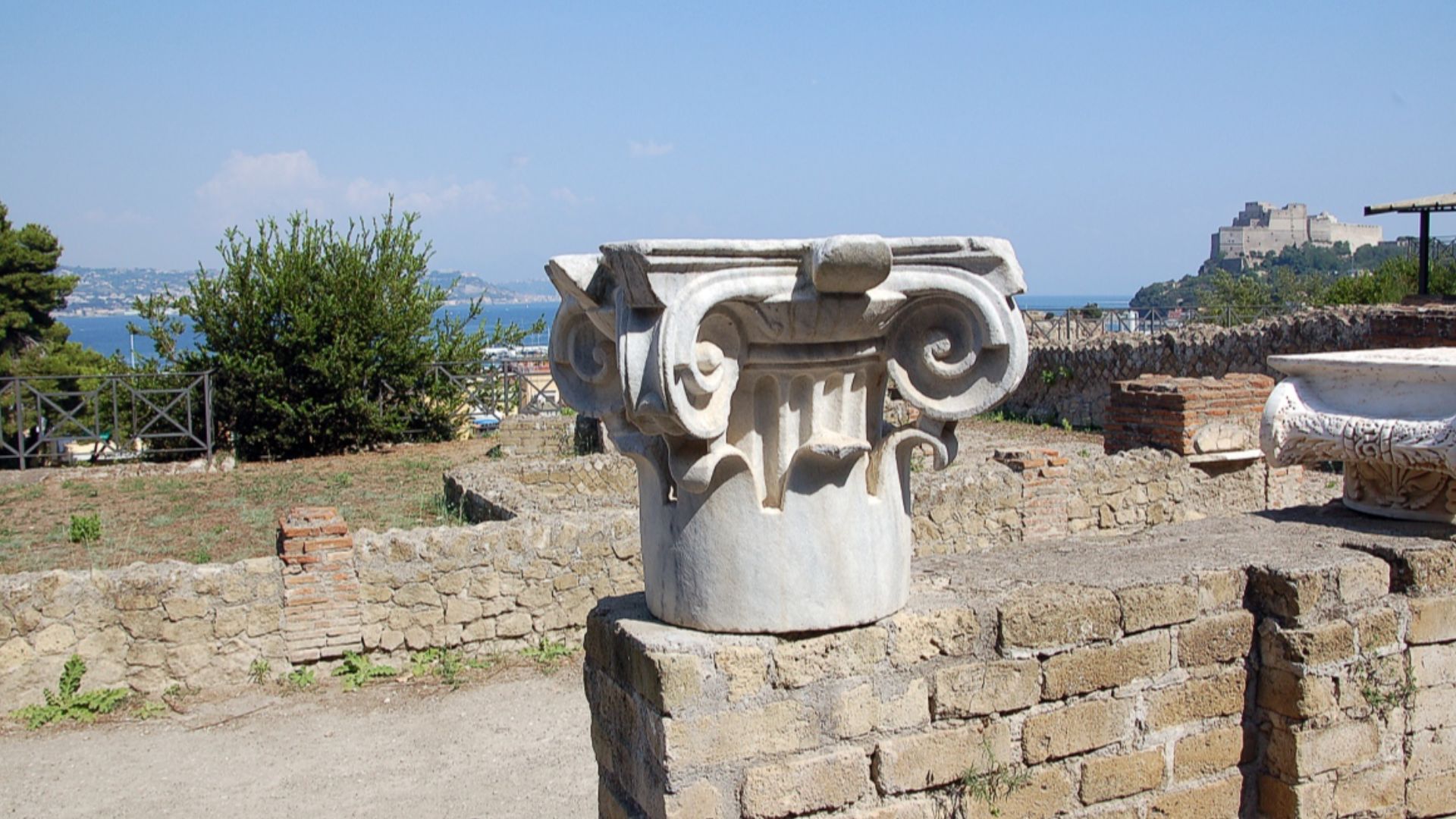
The souvenir tradition extended far beyond Britain's northern frontier. In Roman Italy, glassmakers produced vessels engraved with views of Puteoli and Baiae, two important cities on the Bay of Naples. These bottles depicted recognizable urban landmarks and celebrated the destinations themselves. They offered something surprisingly familiar to modern travelers: a portable picture of a place worth remembering.
Baiae's Waterfront Appeared On Glass Bottles
One surviving bottle at the Corning Museum of Glass shows buildings and waterfront structures associated with ancient Baiae. Dating to approximately AD 275 to 325, it features carefully engraved architectural details and identifying inscriptions. The vessel was discovered near ancient Populonia in Italy, far from the destination pictured on its surface. It provides a remarkable example of how Roman travelers could carry an image of a fashionable coastal destination home with them.
Some Souvenirs Even Included A Good-Luck Message
The Baiae bottle at the Corning Museum carries the Latin inscription "ANIMA FELIX VIVAS" near its upper decoration. The phrase expresses a wish for a happy life, adding a personal touch to the architectural imagery below. Its combination of a cheerful message and recognizable destination resembles the appeal of modern souvenir merchandise. The bottle celebrated not only a particular place but also the positive feelings associated with it.
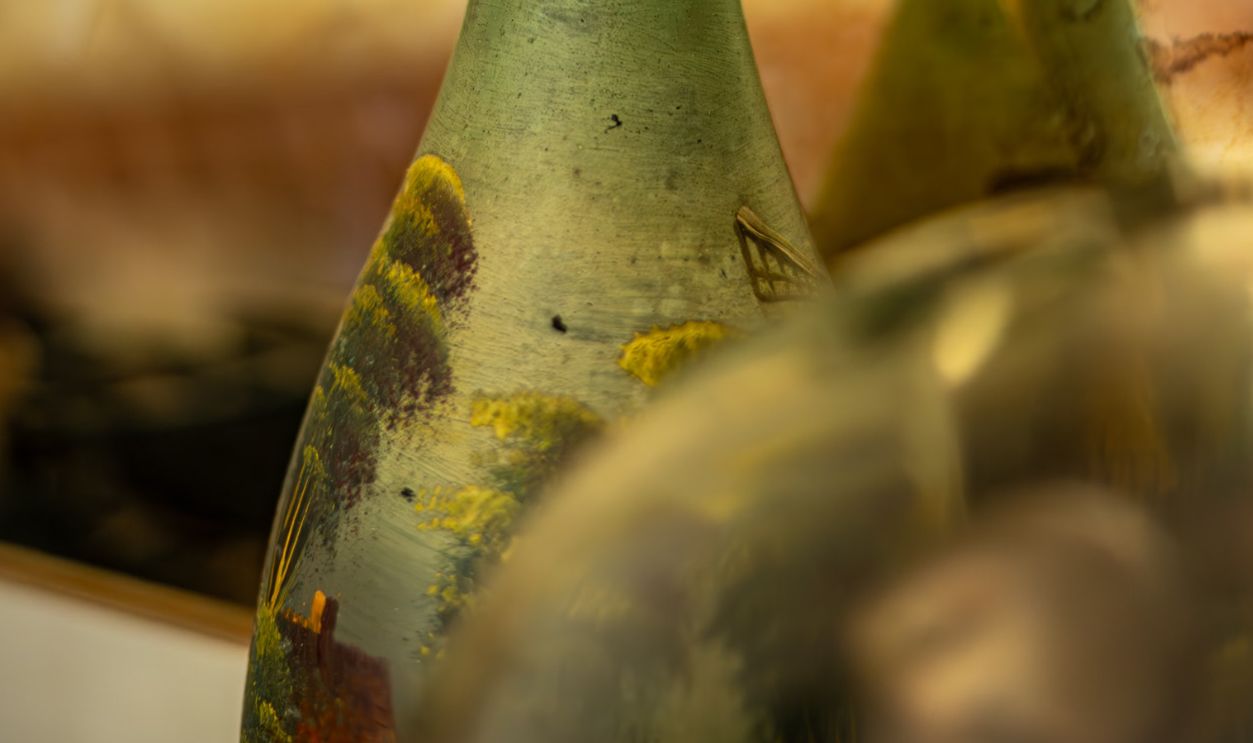
Puteoli Had Its Own Glass Souvenirs
Nearby Puteoli, now Pozzuoli, also appeared on engraved glass flasks during the later Roman Empire. Archaeologist Maggie L. Popkin has studied these objects and the way their images emphasized prominent buildings associated with the city's Roman identity. The surviving examples belong to a recognizable tradition of portraying urban destinations on portable glassware. They reveal how a city's architecture could become part of the merchandise associated with visiting it.
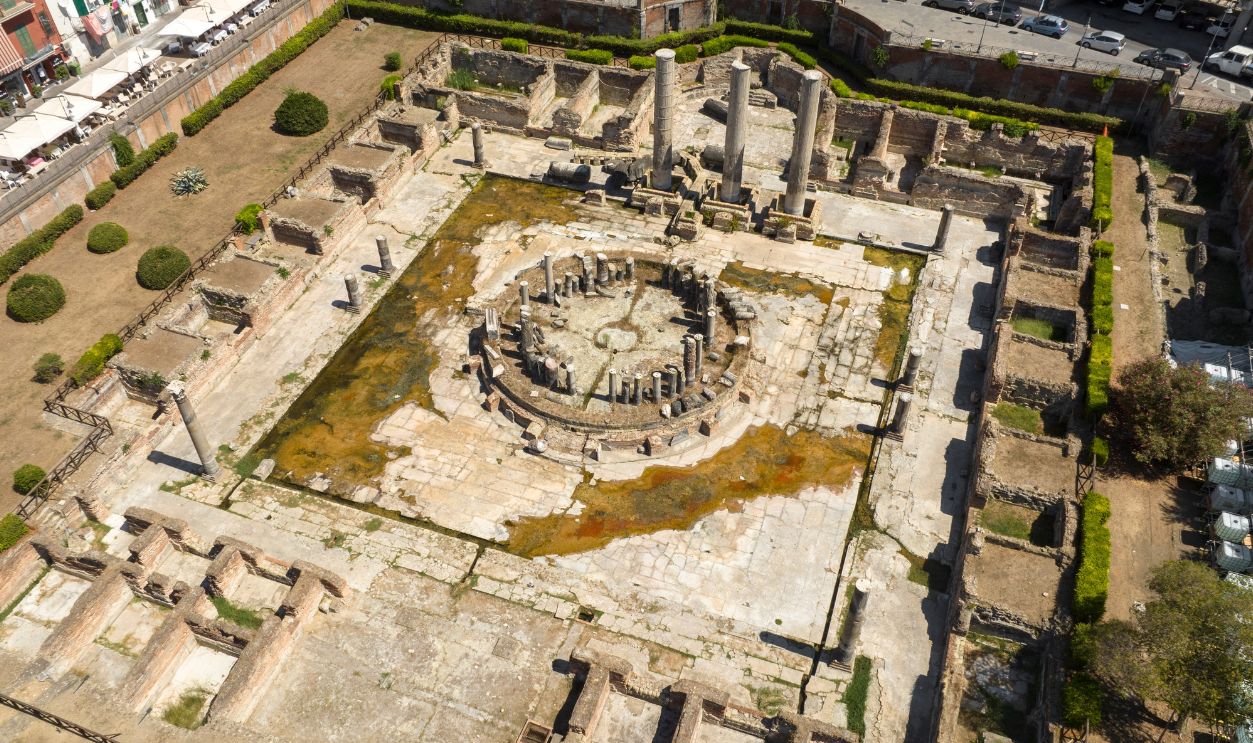
Glass Was The Perfect Ancient Travel Keepsake
Popkin's research suggests that glass offered an appealing balance between luxury and affordability for Roman souvenir buyers. It was attractive enough to display while remaining suitable for producing recognizable decorated vessels. The material was also associated with the cities of Puteoli and Baiae, strengthening its connection to the destinations. These bottles show that ancient souvenirs could be valued for their craftsmanship as well as their pictures.
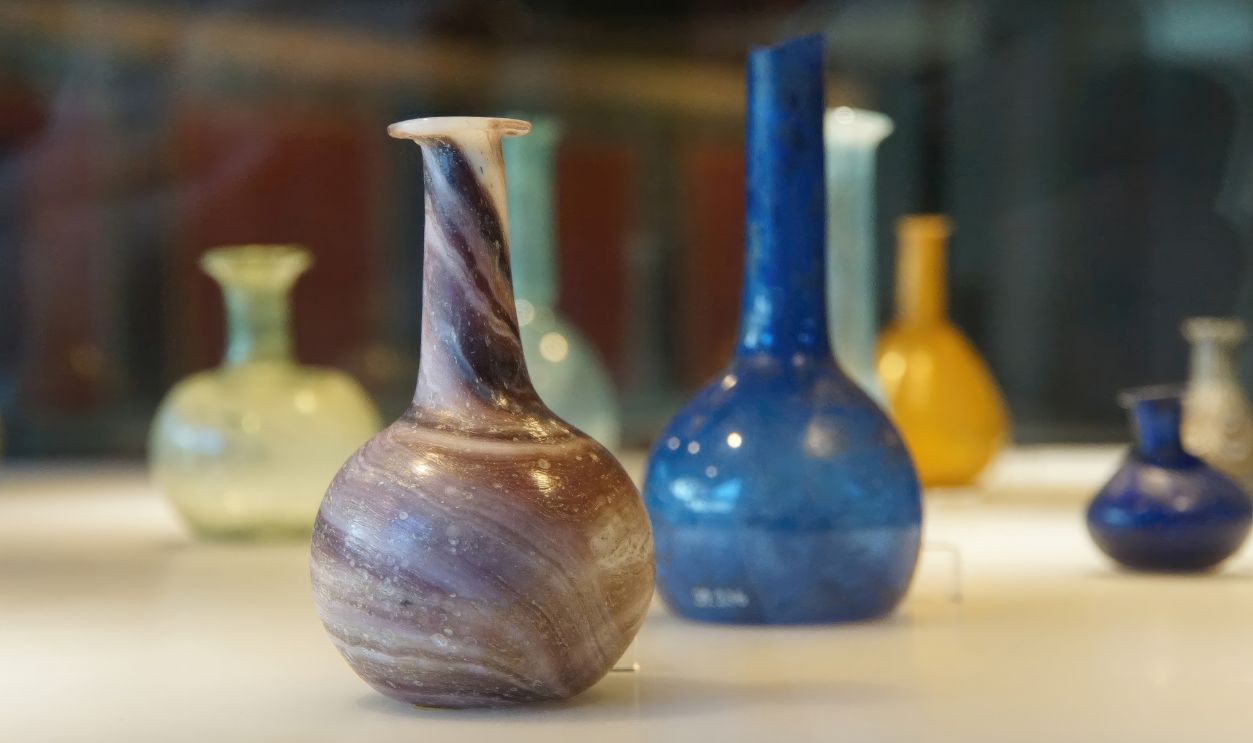
Souvenirs Sometimes Became Family Treasures
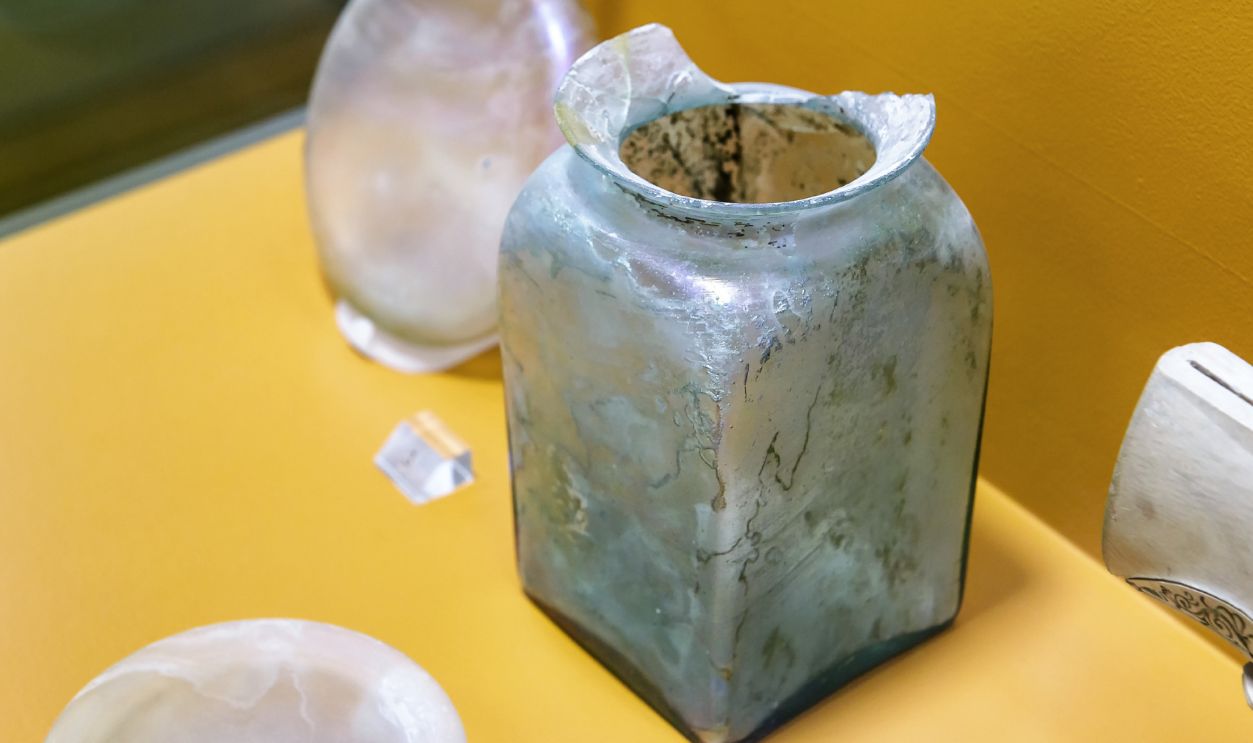
Roman souvenir bottles did not necessarily lose their significance once their owners returned home. Archaeological research has connected the Puteoli and Baiae flasks with domestic decoration, religious offerings, and burial contexts. Some vessels therefore continued to have meaning long after their original purchase. A keepsake that began as a reminder of a journey could eventually become part of someone's household or final resting place.
 Viacheslav Lopatin, Shutterstock
Gladiator Fans Bought Their Own Memorabilia
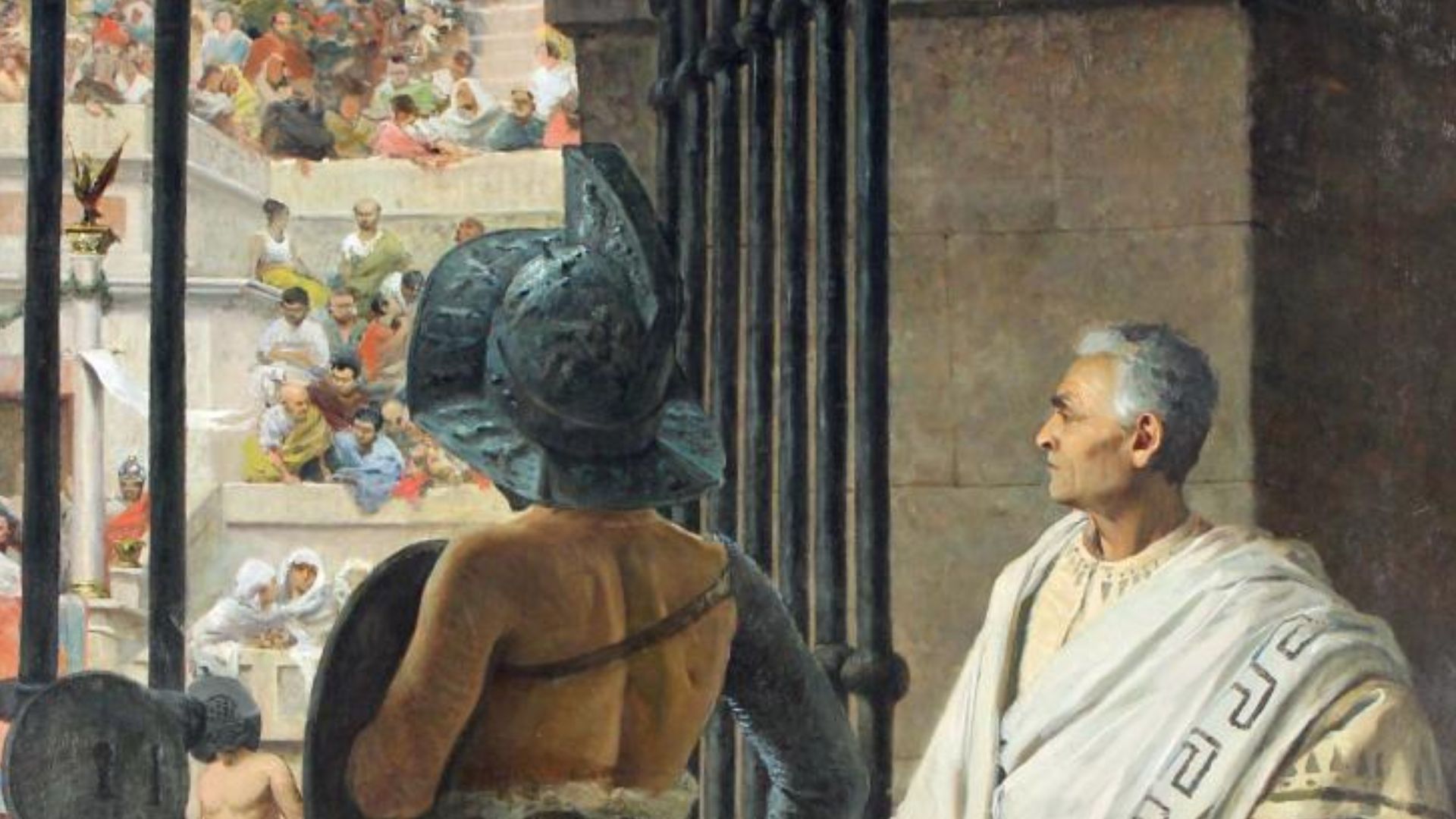
Ancient Roman travelers were interested in more than architecture and famous cities. Spectators attending gladiatorial contests could encounter objects decorated with scenes of their favorite entertainment. The Metropolitan Museum of Art preserves a glass cup dating to approximately AD 50 to 80 that depicts pairs of fighting gladiators. The museum identifies such vessels as possible souvenirs of popular arena spectacles.
 Nicolao Landucci, Wikimedia Commons
Famous Gladiators Had Their Names On Cups
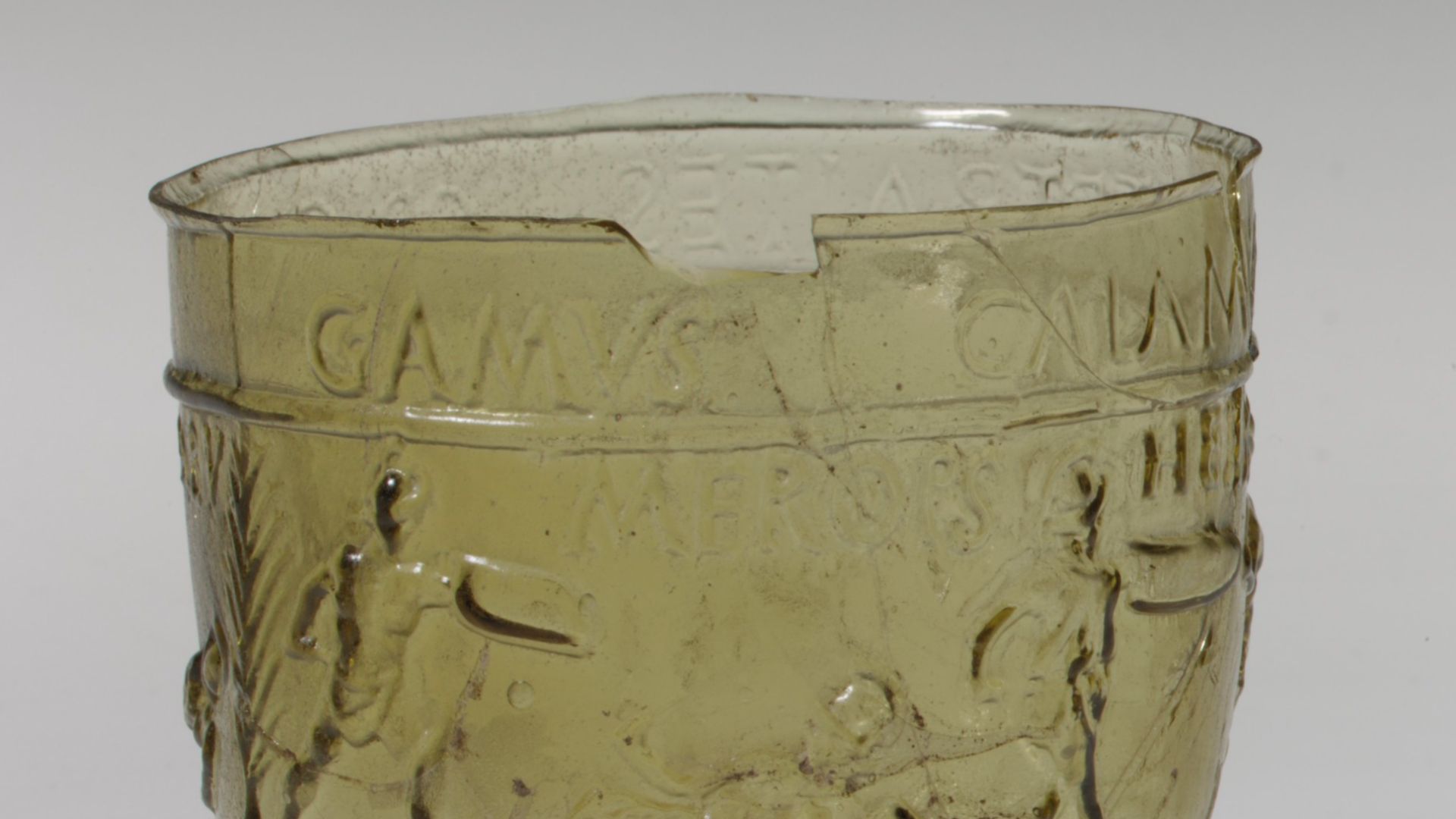
The Metropolitan Museum's gladiator cup includes Latin inscriptions identifying the fighters represented in its decoration. Among the names are Spiculus, Columbus, Hermes, and Tetraites, with some corresponding to gladiators known from the early imperial period. The scenes show different combatants and their equipment, turning the drinking vessel into a miniature record of arena entertainment. For an ancient fan, owning such a cup offered a way to celebrate the personalities associated with the games.
Ancient Sports Merchandise Could Be Mass-Produced
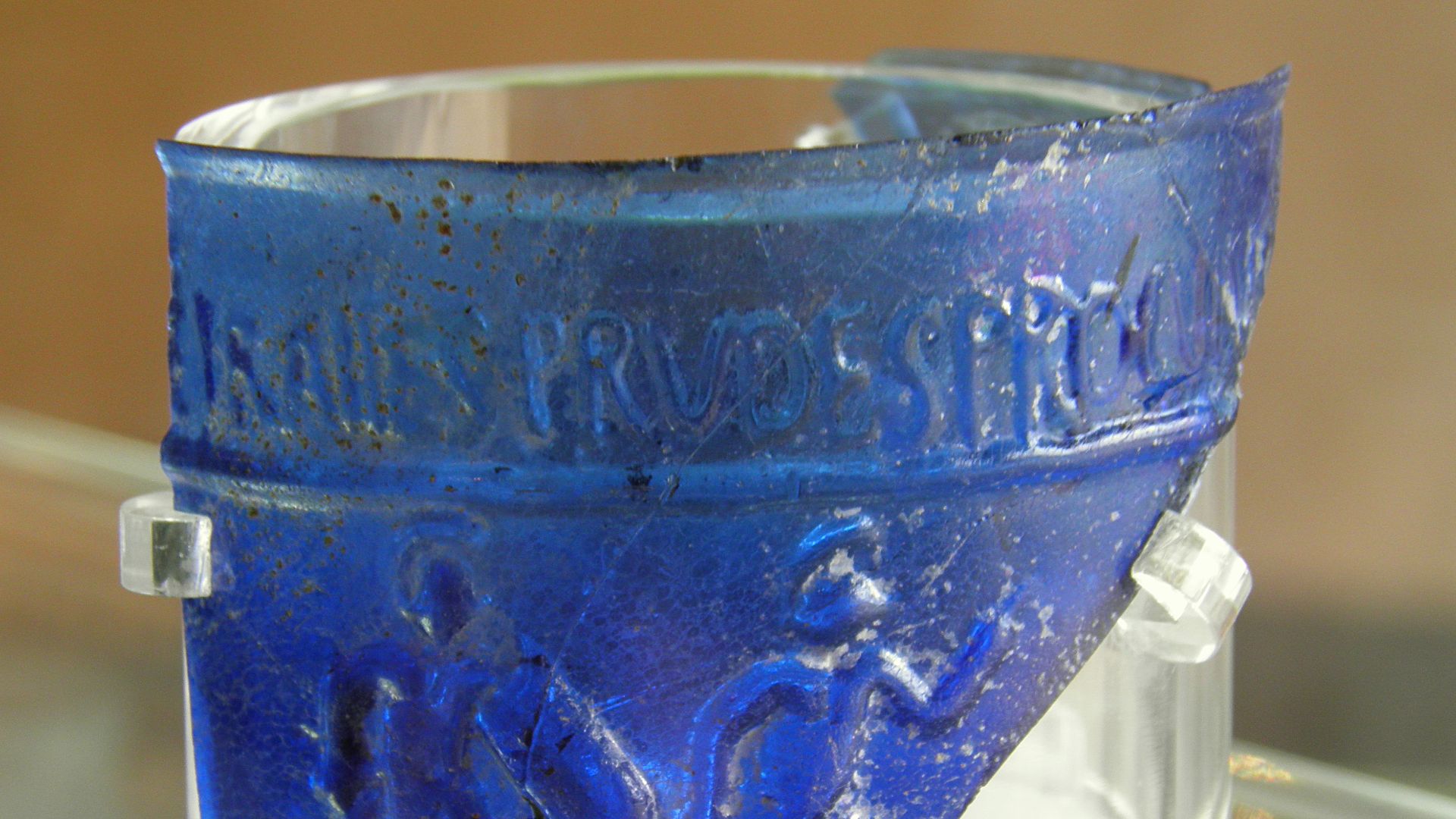
Roman glassmakers used molds to manufacture decorated drinking vessels efficiently. The Corning Museum of Glass preserves a sports cup from approximately AD 50 to 100 that was produced using this technique. Its relief decoration features gladiatorial imagery of the kind that attracted enormous audiences across the Roman world. Although not every surviving cup can be traced to a particular event, these objects demonstrate how sporting images became popular consumer products.
 Carole Raddato from FRANKFURT, Germany, Wikimedia Commons
Chariot Racing Had Its Own Souvenir Cups
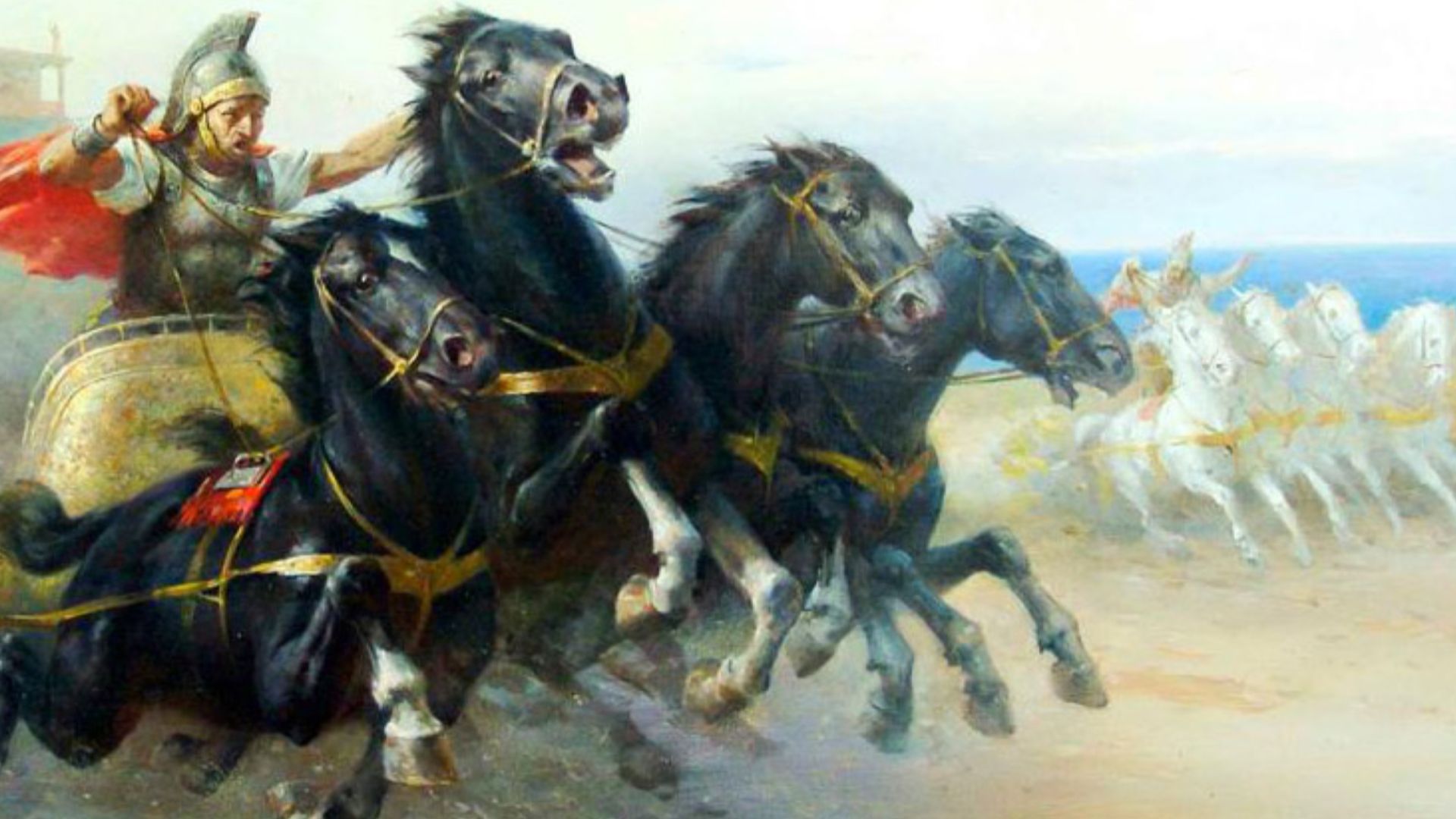
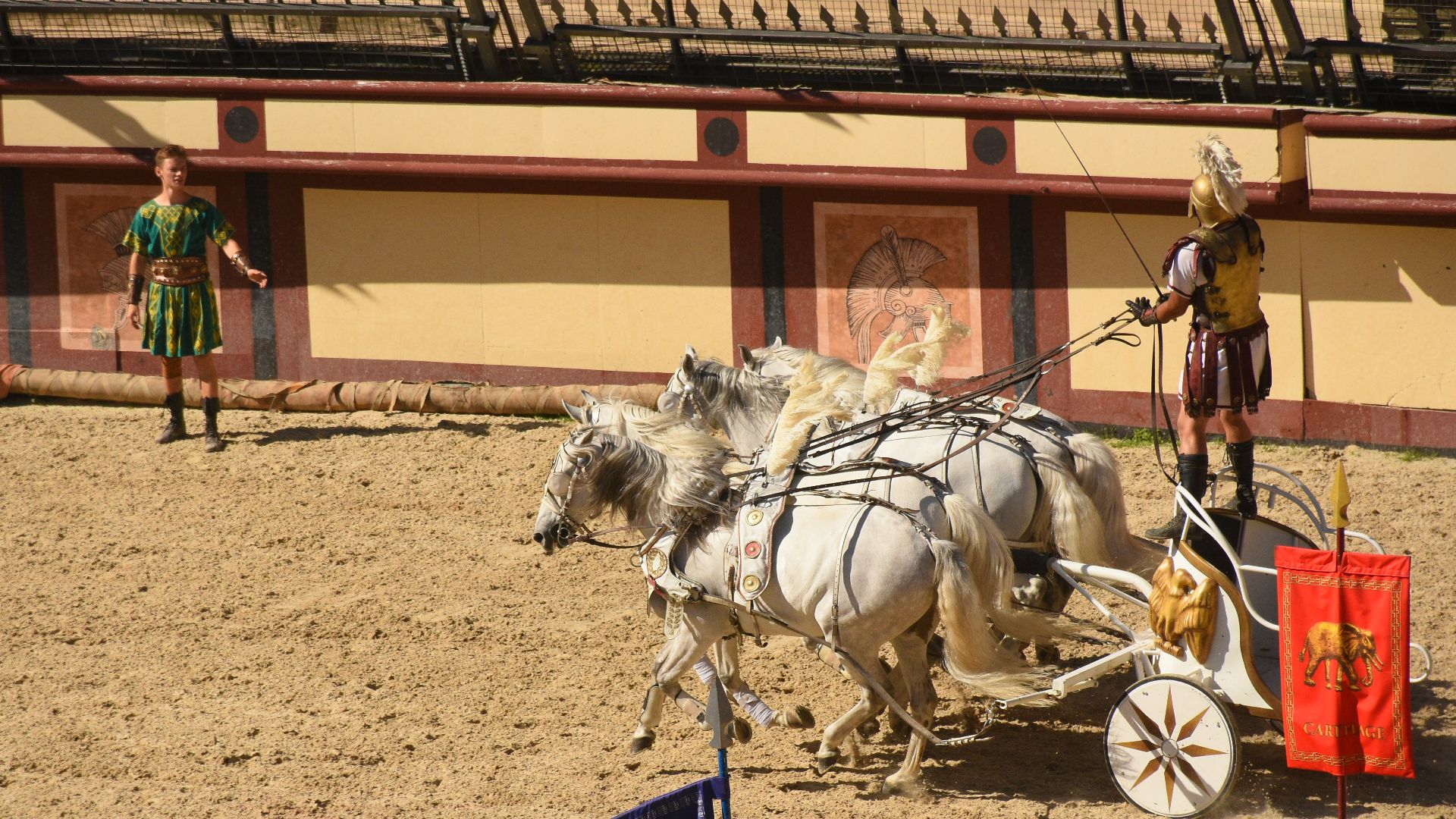
Gladiators were not the only Roman sporting celebrities whose images appeared on merchandise. The Corning Museum of Glass holds a first-century chariot cup decorated with four racing teams and inscriptions identifying competitors. The vessel also includes architectural details associated with a Roman circus. It allowed an owner to enjoy the excitement of a chariot race through a miniature scene wrapped around an everyday object.
 Victor Michailovich Semernev, Wikimedia Commons
One Glass Cup Captured The Action Of A Race
Fragments of another chariot-racing cup were excavated in Colchester, England, in 1976. Dating to approximately AD 60 or 61 through the late 70s, the glass vessel depicts a victorious driver with a four-horse team, victory wreath, and palm frond. Colchester Archaeological Trust describes its decoration as a sequence that becomes visible as the cup is rotated. The object transformed the movement and spectacle of racing into a portable visual story.
Roman Fans Even Remembered Their Favorite Horses
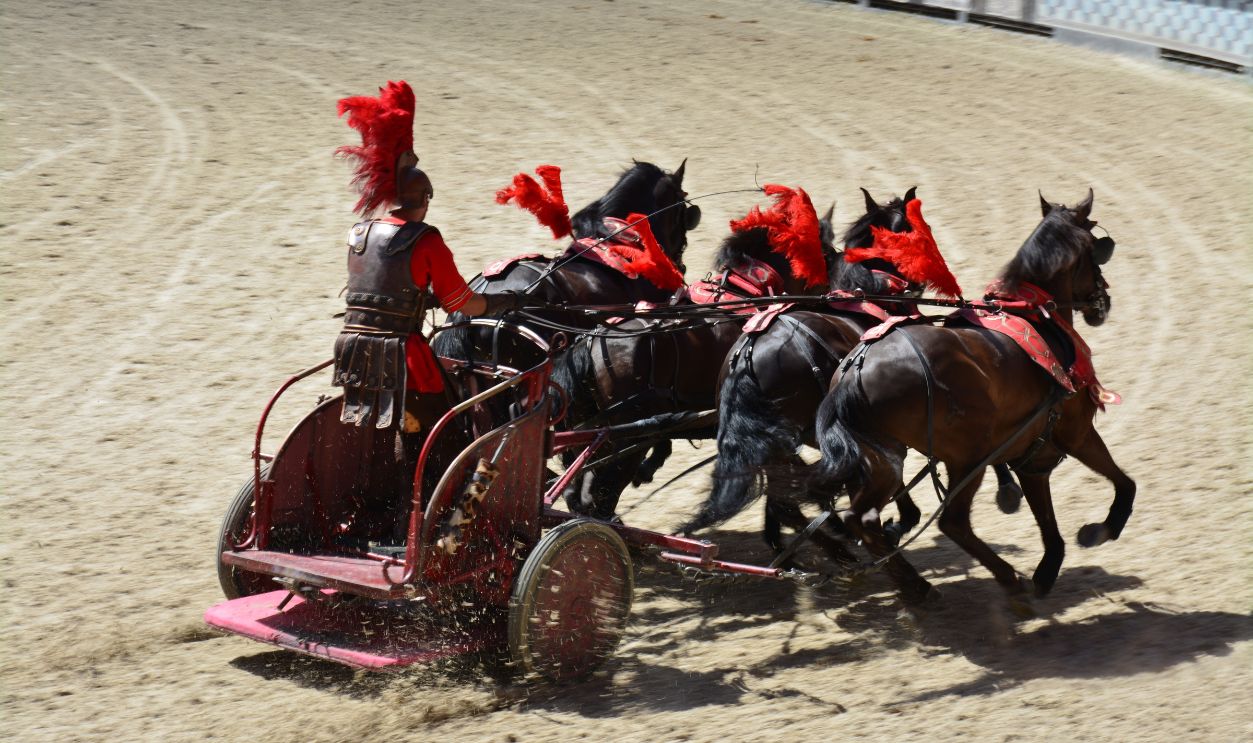
A fourth-century glass beaker at the Metropolitan Museum of Art commemorates a victorious charioteer named Eutychides. Its Greek inscription also identifies three of his horses as Arethousios, Neilos, and Pyripnous. The vessel includes a racing chariot and architectural features associated with the circus setting. It is striking evidence that Roman sporting memorabilia could celebrate individual animals as well as their human drivers.
Some Sports Souvenirs Were Surprisingly Luxurious
A third-century Roman glass fragment at the Metropolitan Museum shows a victorious charioteer surrounded by elaborate gold decoration. The surviving base includes a four-horse chariot, a victory wreath, and inscriptions naming the competitor Trasinicus. Unlike simpler mold-blown sports cups, this object used gold foil enclosed between layers of glass. It demonstrates how images of popular entertainment could appear on objects made with particularly expensive decorative techniques.
 Amaury Laporte, Wikimedia Commons
Antioch's Famous Statue Became A Perfume Bottle
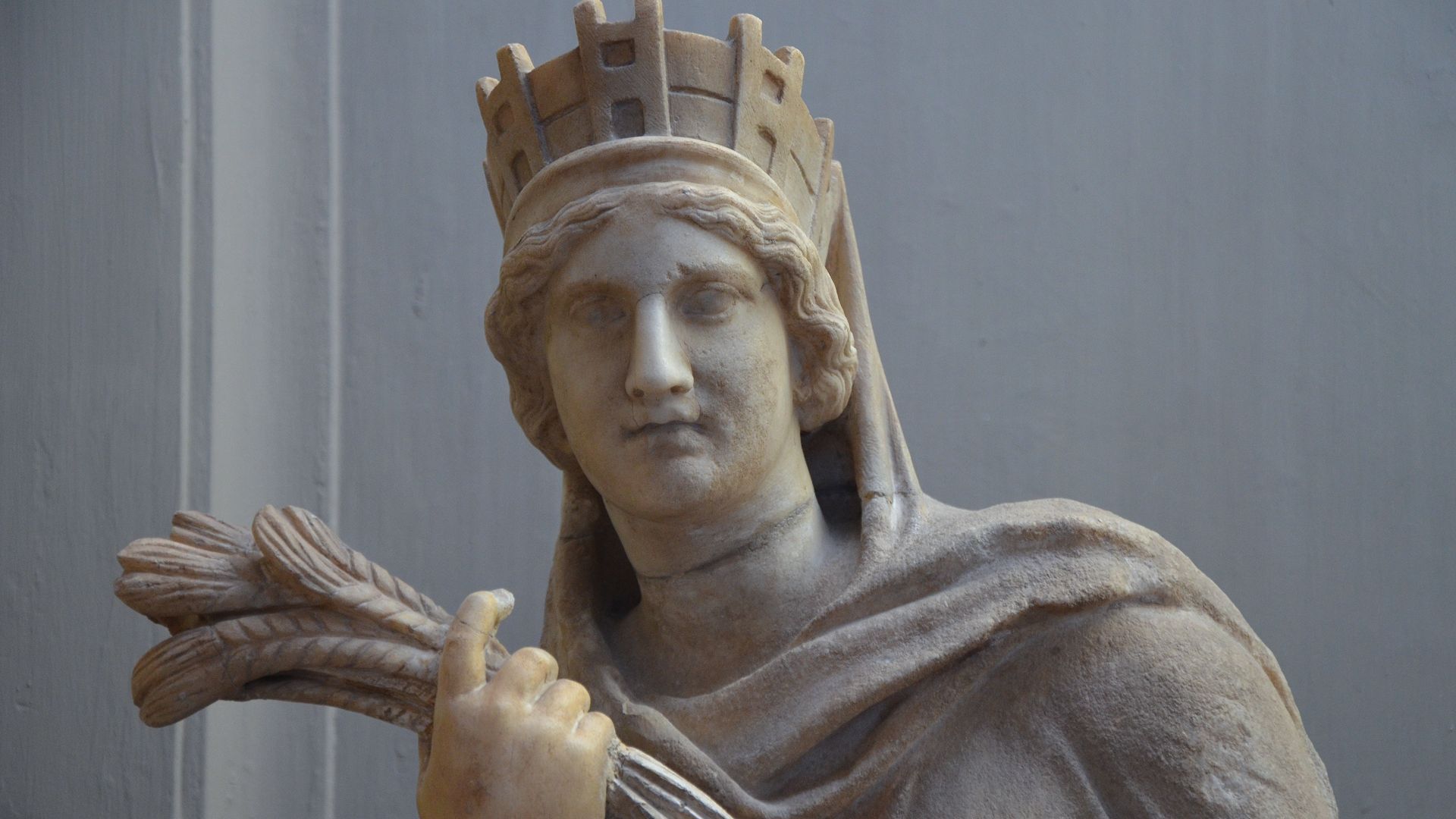
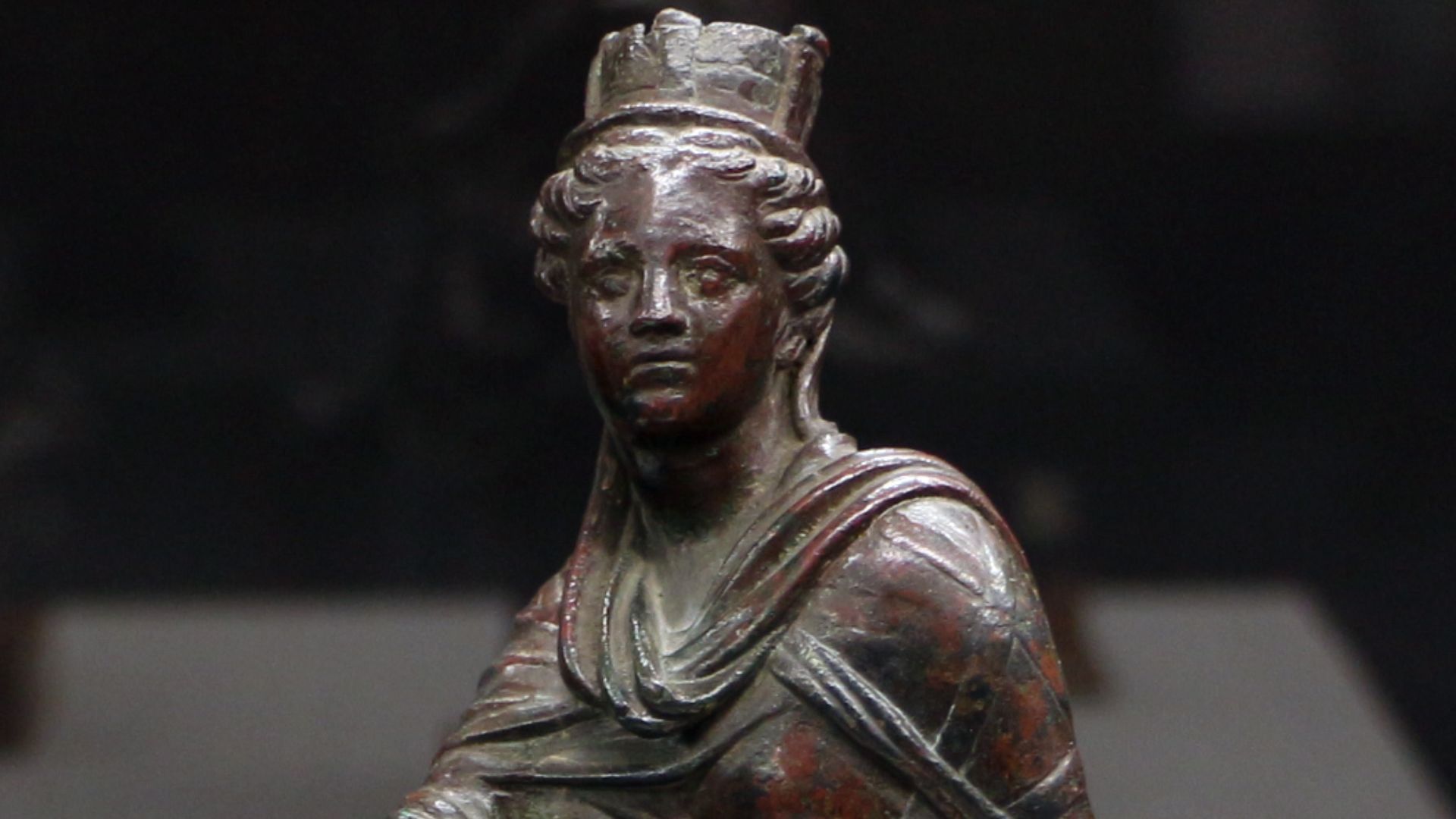
In ancient Antioch, a celebrated statue of the goddess Tyche became the inspiration for a distinctive type of souvenir. Glassmakers produced perfume bottles shaped like the seated goddess, whose image symbolized the city. Examples dating to the second and third centuries AD survive today, including one in the Yale University Art Gallery. These miniature versions allowed people to own a recognizable representation of Antioch without purchasing an expensive sculpture.
 Following Hadrian, Wikimedia Commons
Miniature Bronze Statues Traveled Across The Empire
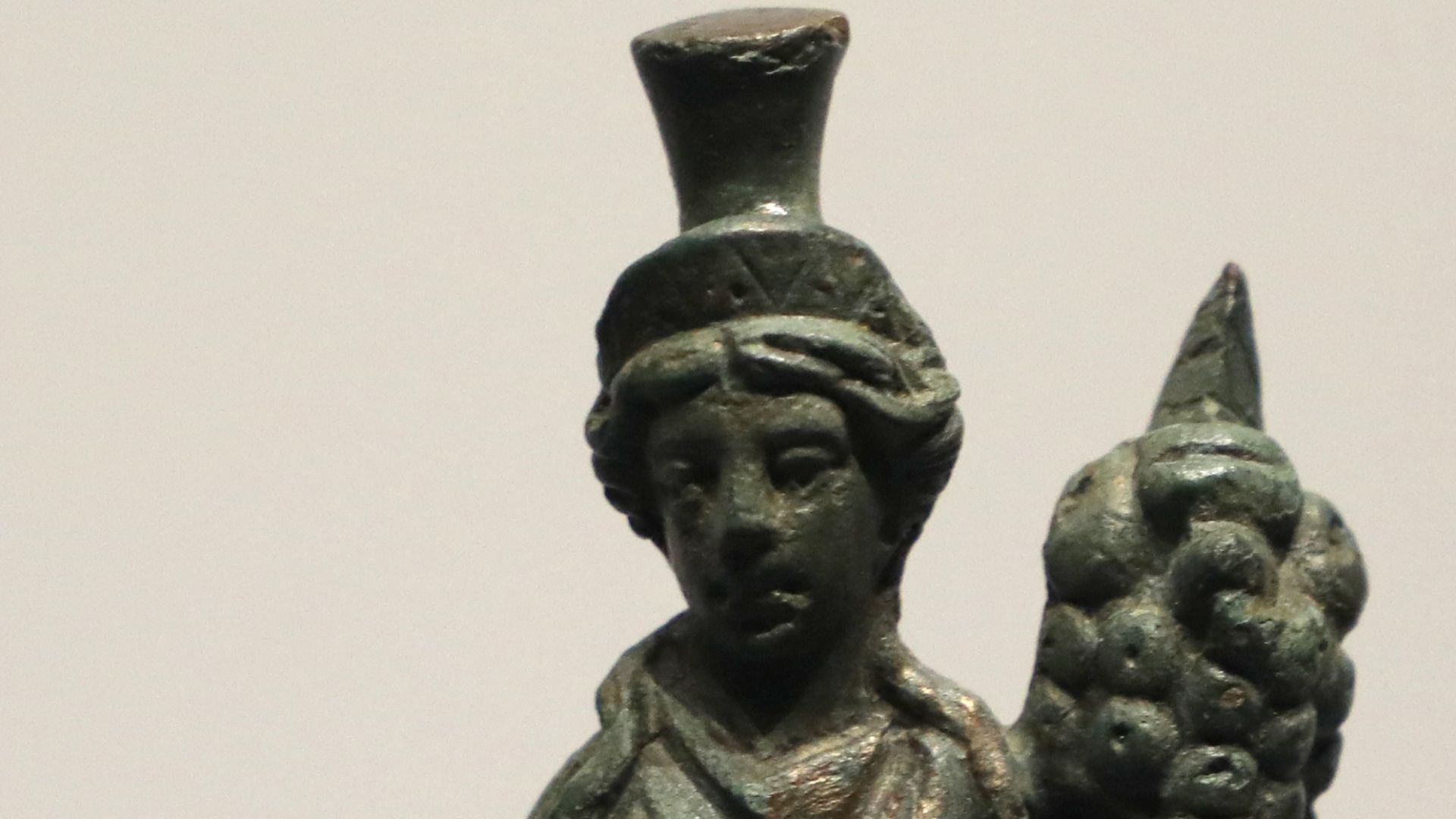
The Tyche of Antioch was also reproduced as small bronze figurines, some manufactured and marketed in the western Roman provinces. These objects preserved the statue's recognizable seated figure and distinctive crown. Archaeologist Maggie Popkin explains that reproductions helped spread knowledge of famous monuments to people who might never visit them. A miniature statue could therefore serve as both a decorative possession and a connection to a distant city.
Athens Sold Souvenirs Of Its Most Famous Goddess
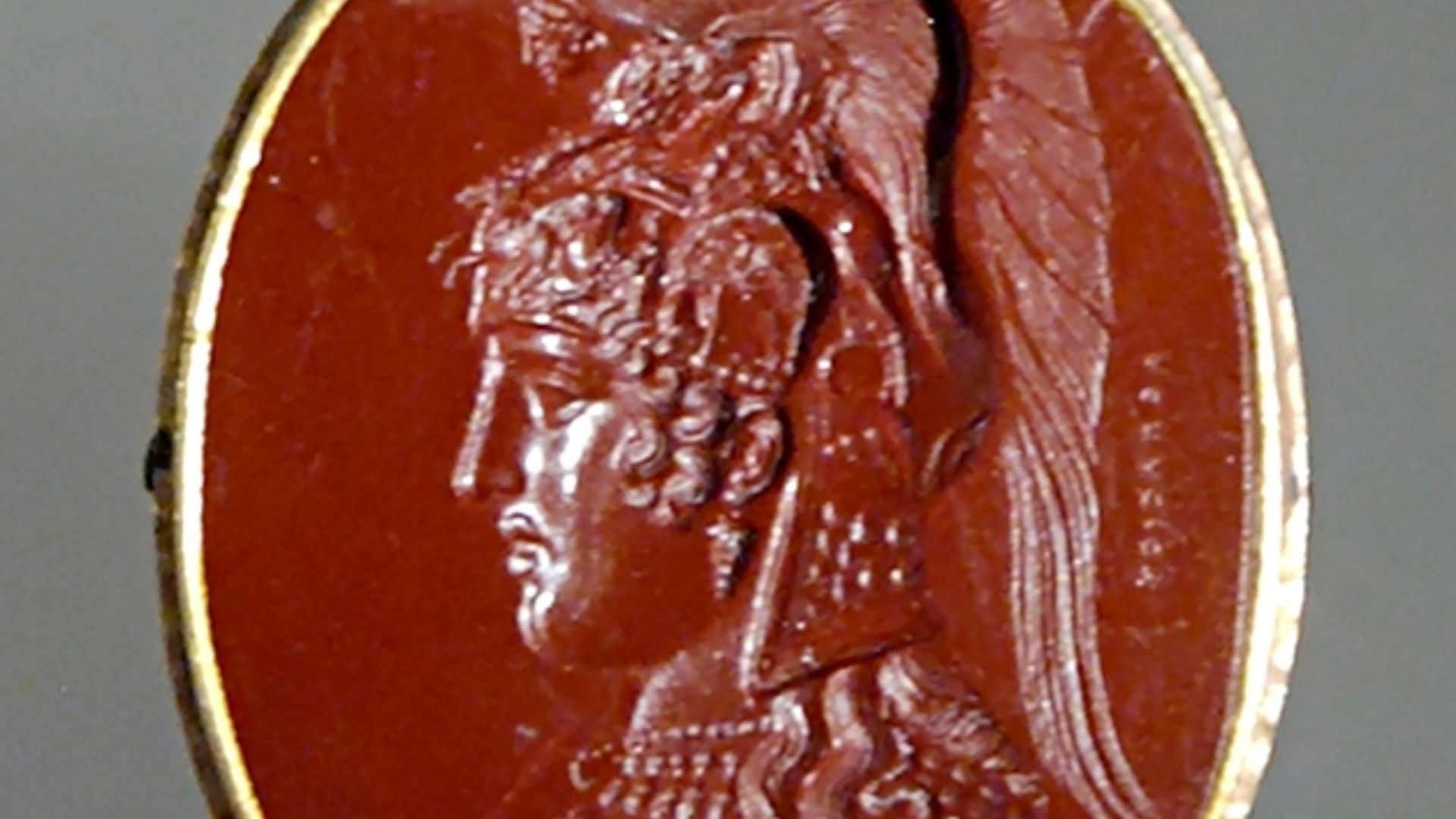
Visitors to ancient Athens could purchase objects inspired by the celebrated Athena Parthenos statue. According to Popkin's research, these included commemorative plaques, decorated lamps, and miniature terracotta reproductions of the statue's shield. The original monumental sculpture was made by Phidias for the Parthenon during the fifth century BC. Centuries later, smaller representations allowed Roman-era visitors and admirers to take home an image of one of Athens' most important cultural landmarks.
Aphrodite Inspired An Ancient Souvenir Industry
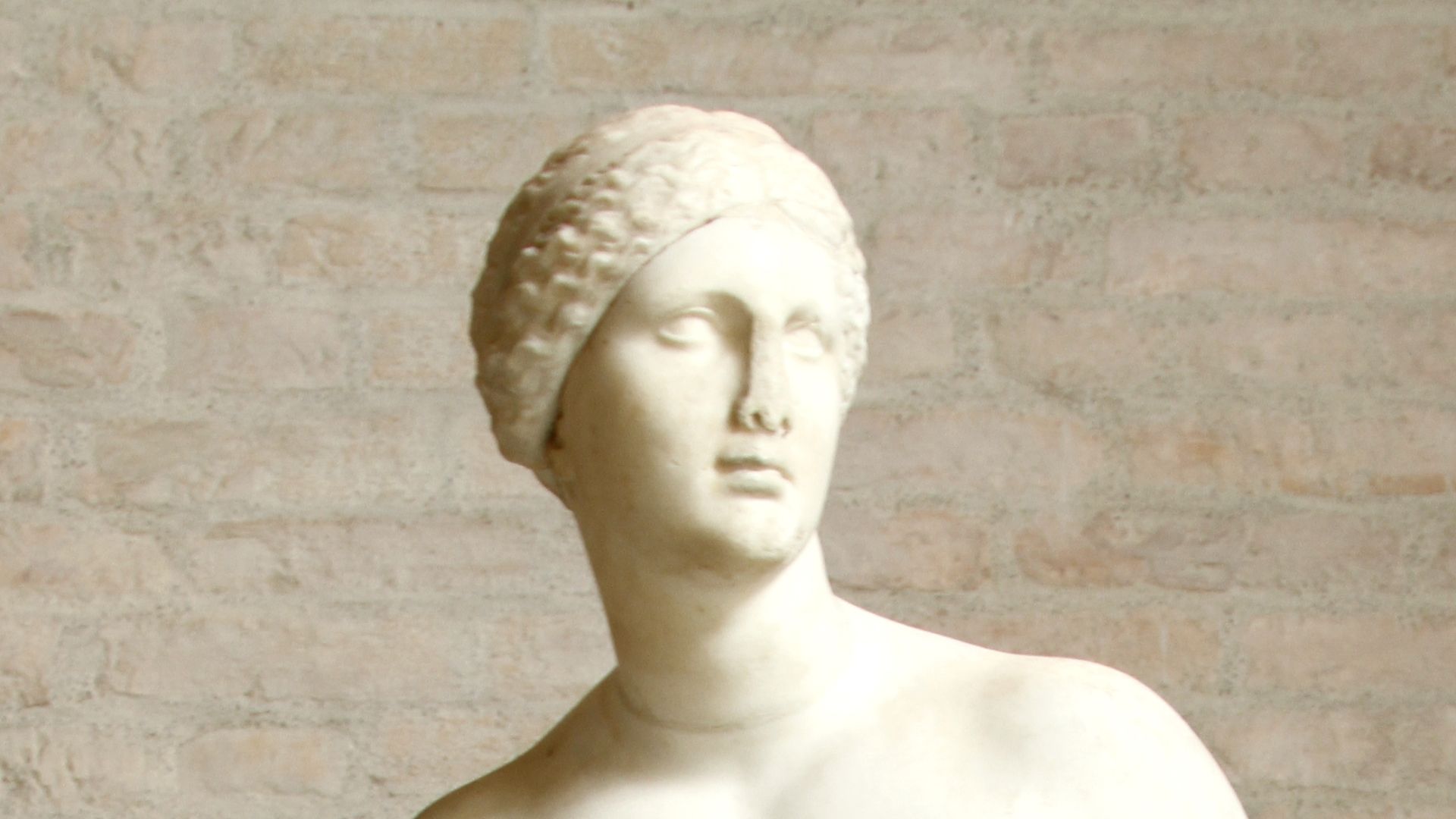
The famous Aphrodite of Knidos, created by the Greek sculptor Praxiteles, also inspired miniature reproductions. Local potters at Knidos, in what is now Turkey, produced souvenirs representing the celebrated statue. Its image became recognizable well beyond the sanctuary where the original stood. These objects show that the appeal of famous artworks as travel keepsakes existed long before modern museum gift shops.
Some Travelers Wanted A Sacred Reminder
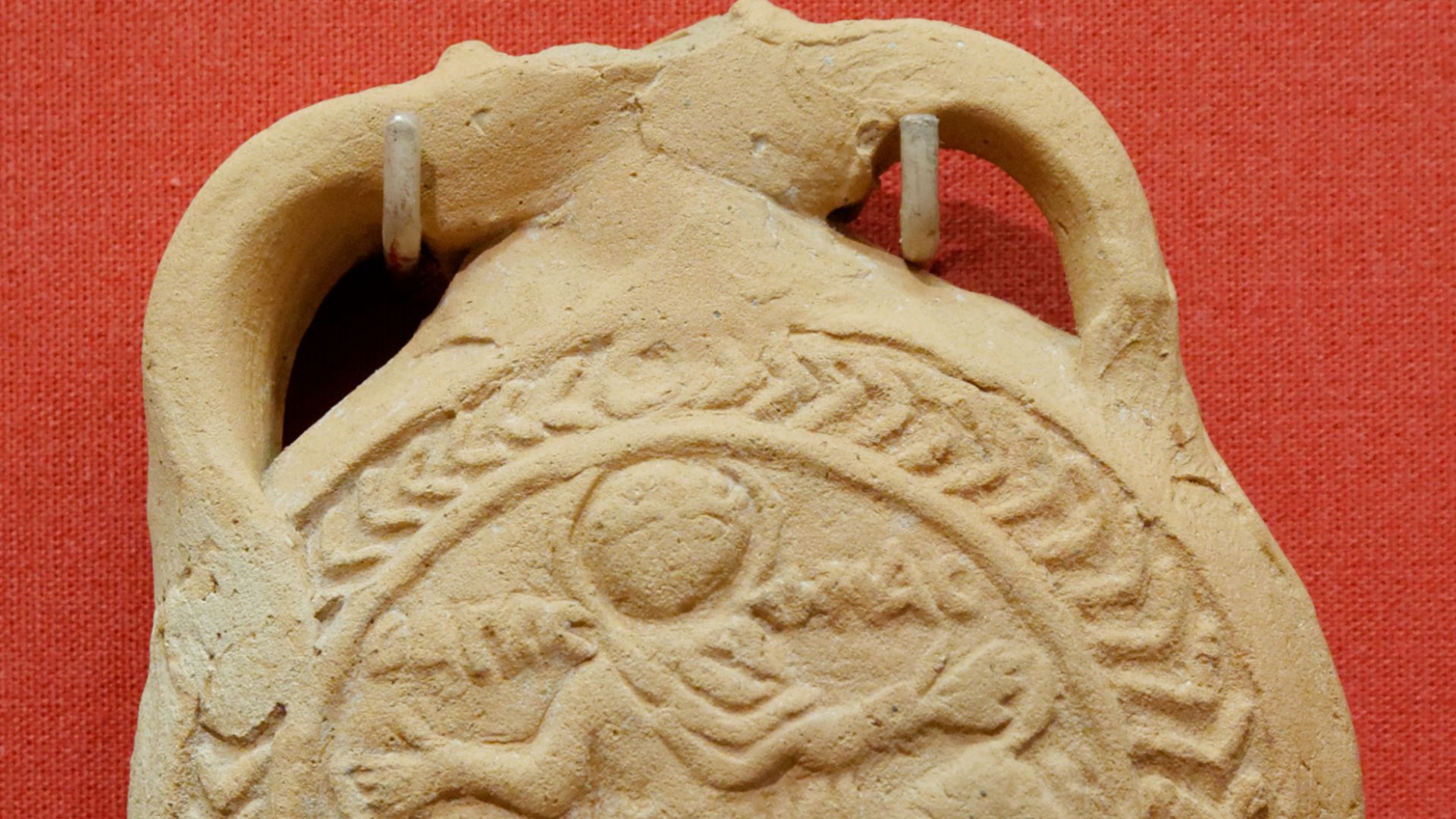
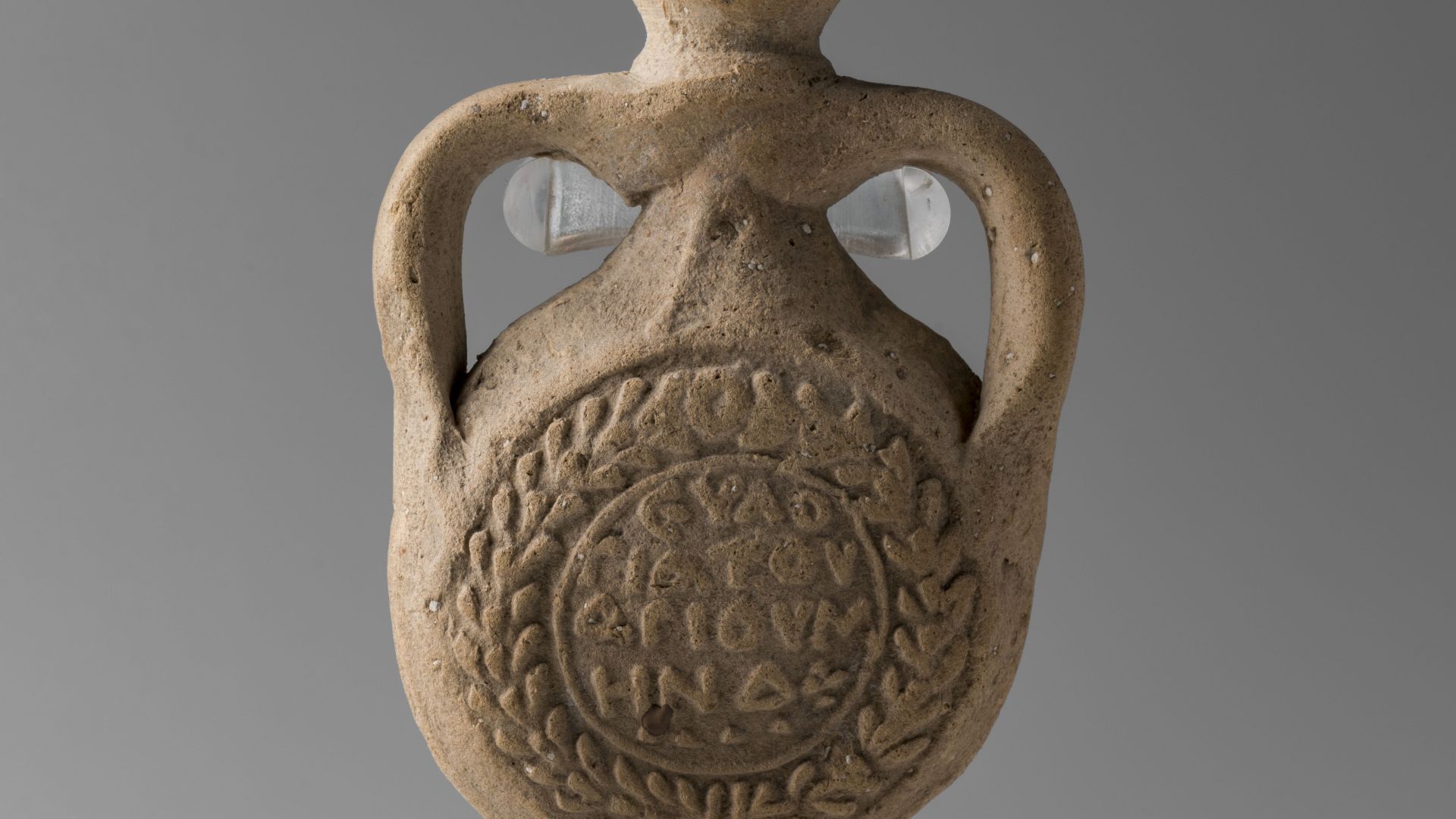
Religious journeys created another important market for portable keepsakes, particularly during late antiquity. Pilgrims visiting the shrine of Saint Menas in Egypt could acquire small ceramic flasks associated with the holy site. These vessels were intended to carry water or oil connected with the pilgrimage experience. They demonstrate how souvenirs could preserve spiritual significance alongside memories of a destination.
 Marie-Lan Nguyen
, Wikimedia Commons
Saint Menas Flasks Traveled Across The Mediterranean
The Metropolitan Museum of Art preserves a Saint Menas flask dated between the late sixth and mid-eighth centuries, placing it in the late antique and early medieval tradition that followed the classical Roman Empire. The molded vessel depicts the saint between two camels associated with the story of his burial. Archaeologists have found many similar flasks across the Mediterranean, demonstrating the shrine's widespread influence. Their popularity reveals how religious travelers helped distribute recognizable images far beyond their original places of production.
 Marco Chemello (WMIT), Wikimedia Commons
The Most Important Souvenir Was The Memory
The surviving objects reveal a remarkably varied souvenir culture across the Roman world and its late antique successor societies. Some people valued representations of famous buildings, while others collected images of athletes, religious figures, or celebrated works of art. Archaeologists cannot always determine whether a particular object was purchased during a journey, received as a gift, or acquired through trade. Even with that uncertainty, these discoveries show how strongly people valued portable reminders of places, experiences, and cultural identities, much as travelers still do today.
 Francesco Bini, Wikimedia Commons
You May Also Like:
The American Road Trips That Canadians Are Secretly Jealous Of
Which U.S. States Do Other Americans Travel To The Most?
Seemingly Normal Things Americans Do That Confuse Visitors From Other Countries