Humans Have Already Seen The Climate Get Very Ugly
Modern humans have survived volcanic winters, century-long droughts, sudden freezes, brutal heat waves, megafloods, and rainfall failures that helped empty entire cities. Some happened before written history, while others occurred recently enough to have photographs. This ranking weighs deaths, geographic reach, duration, displacement, and damage to food supplies, with the most devastating combination saved for last.

#25. The 2021 Pacific Northwest Heat Dome
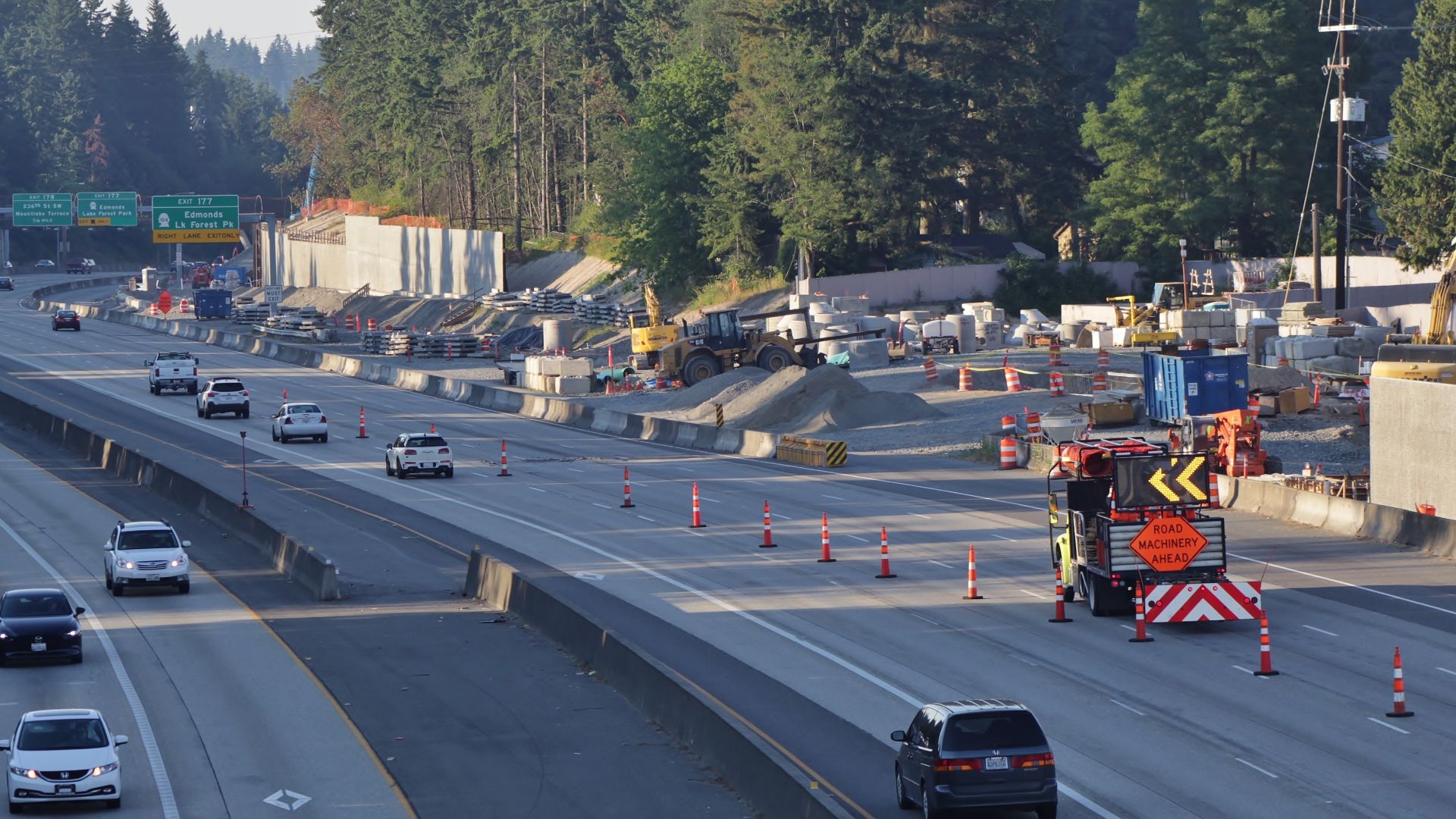
In June 2021, western Canada and the northwestern United States experienced temperatures that seemed almost impossible for the region. Lytton, British Columbia, reached 49.6°C, or 121.3°F, while British Columbia later recorded 619 heat-related deaths during the event. That is the kind of temperature Canadians generally expect to read about somewhere much farther south.
 SounderBruce, Wikimedia Commons
#24. Australia's Black Summer
Australia's 2019–2020 bushfire season followed extraordinary heat and severe drought. Up to 19 million hectares burned, 33 people died, and around 3,094 homes were destroyed. Researchers commissioned by WWF estimated that nearly 3 billion vertebrate animals were killed, injured, displaced, or otherwise affected. Calling it a rough fire season does not quite cover it.
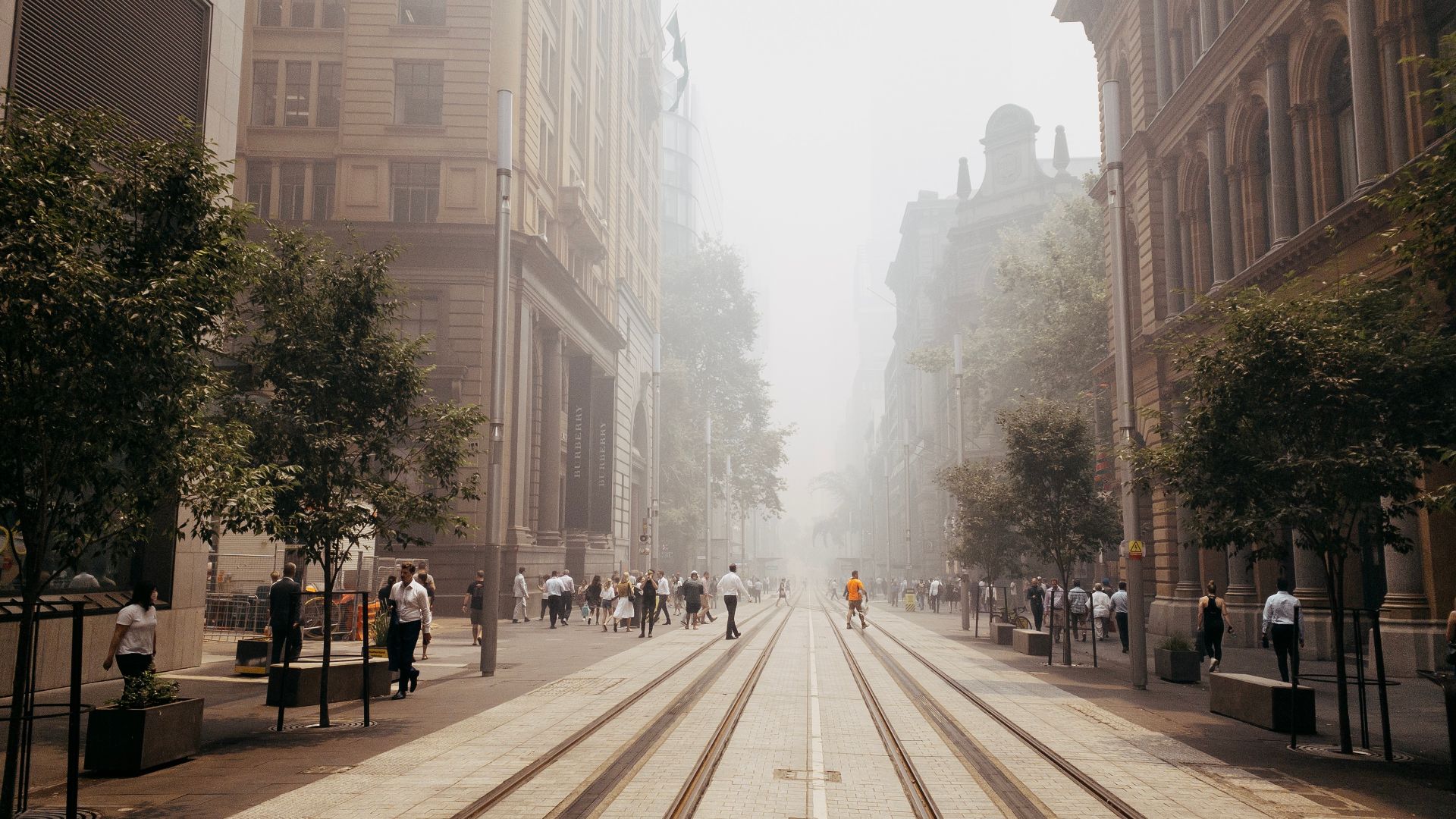 VirtualWolf from Sydney, Australia, Wikimedia Commons
#23. Libya's 2023 Flood Catastrophe
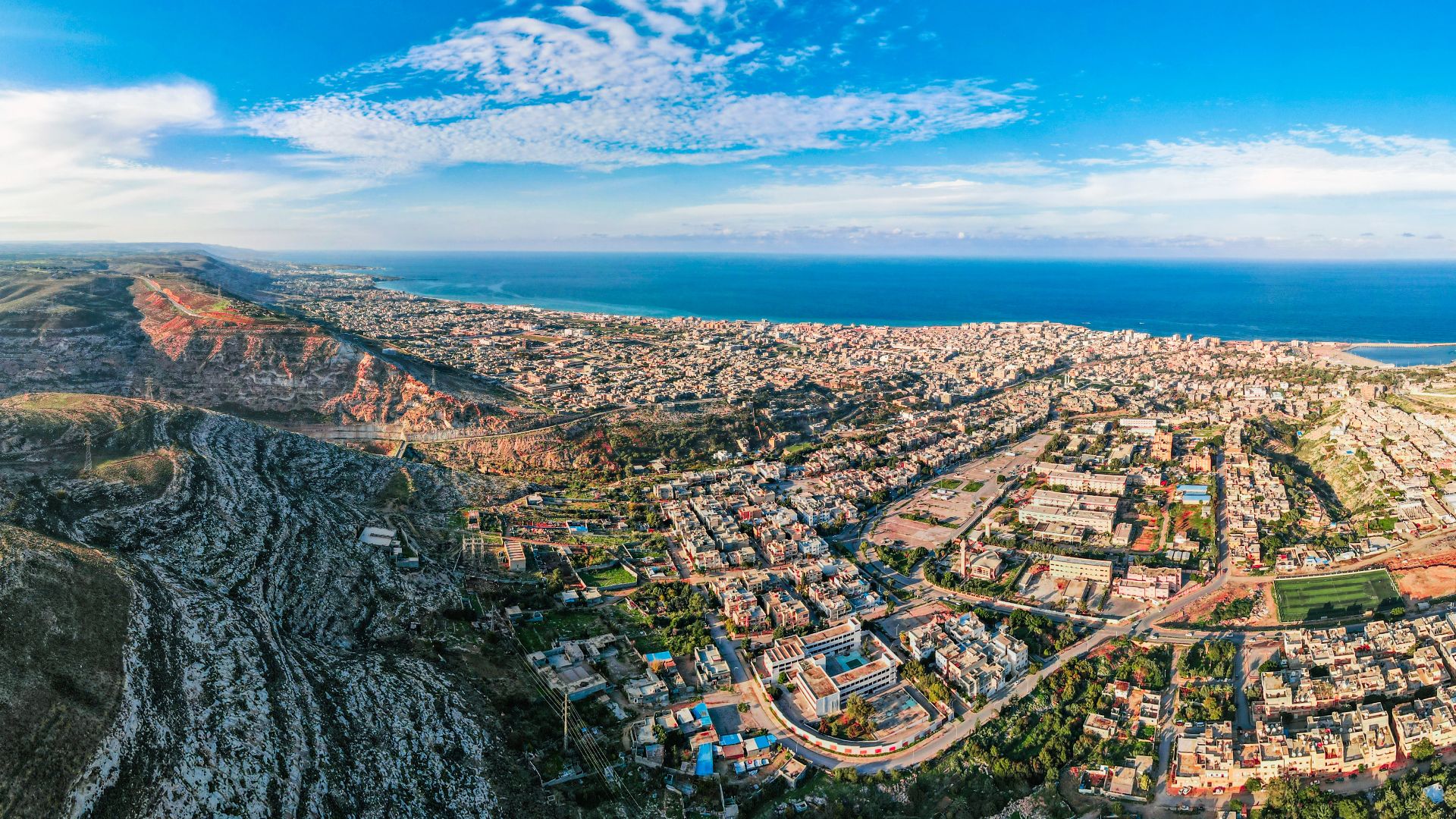
Storm Daniel struck northeastern Libya in September 2023, producing extraordinary rainfall and catastrophic flooding. At Al-Bayda, 414.1 millimeters of rain fell in 24 hours. In Derna, the failure of two dams sent floodwater through the city, and the World Meteorological Organization reported at least 4,700 confirmed deaths, with thousands still missing at the end of 2023.
#22. Pakistan's 2022 Mega-Flood
Pakistan's 2022 floods affected roughly 33 million people and killed more than 1,730. The World Bank estimated that physical damage and economic losses together exceeded $30 billion, while more than 8 million people were displaced. Entire communities ended up surrounded by water that stubbornly refused to leave.
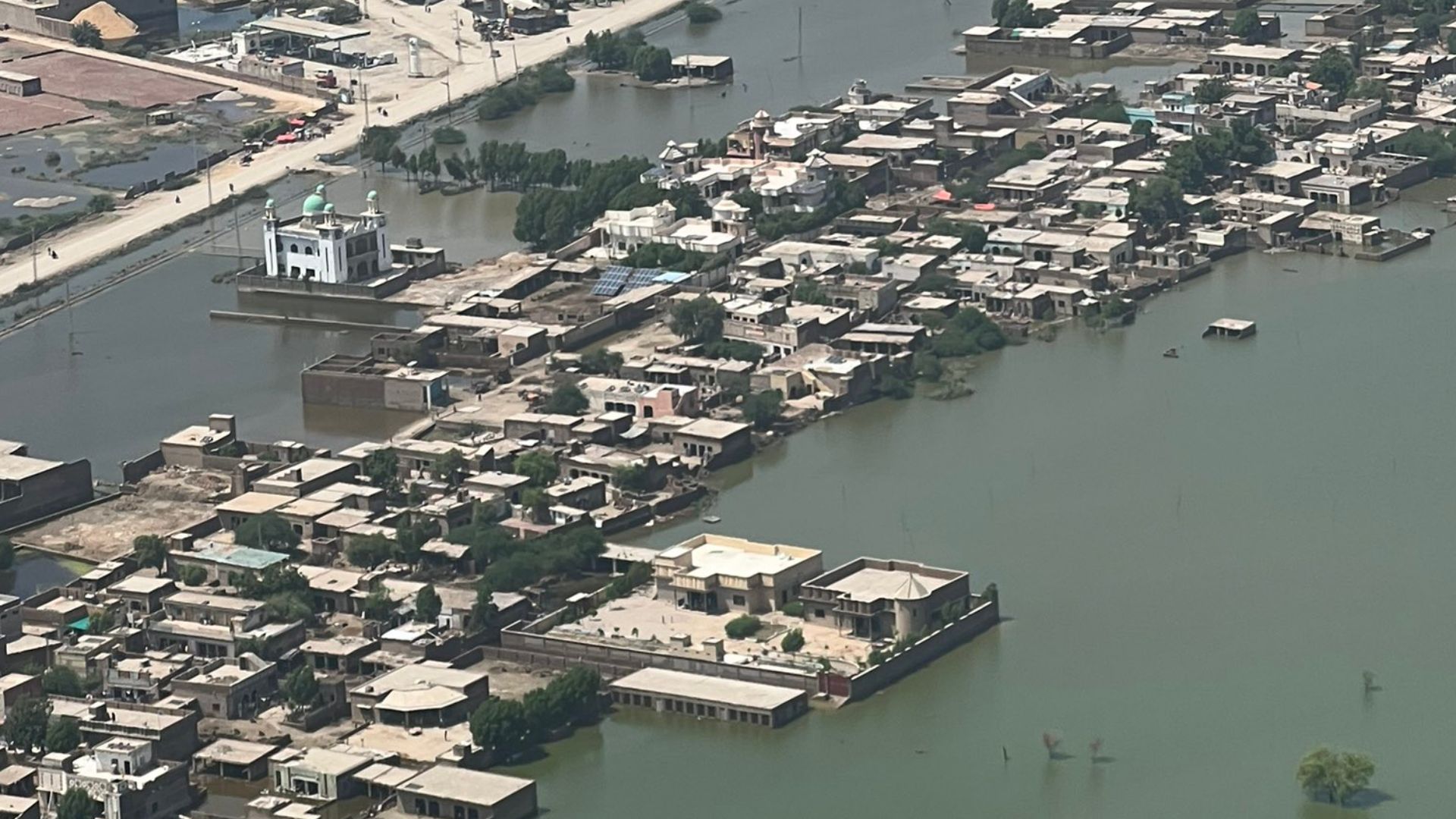 Ali Hyder Junejo, Wikimedia Commons
#21. America's 1988 Drought And Heat Wave
The 1988 drought struck much of the United States and devastated agriculture across the country's interior. NOAA has estimated damages at about $20 billion in 1988 dollars, while thousands of excess deaths were associated with the accompanying heat. Crop yields plunged, rivers dropped, and America's farming regions were reminded just how quickly dependable weather can stop being dependable.
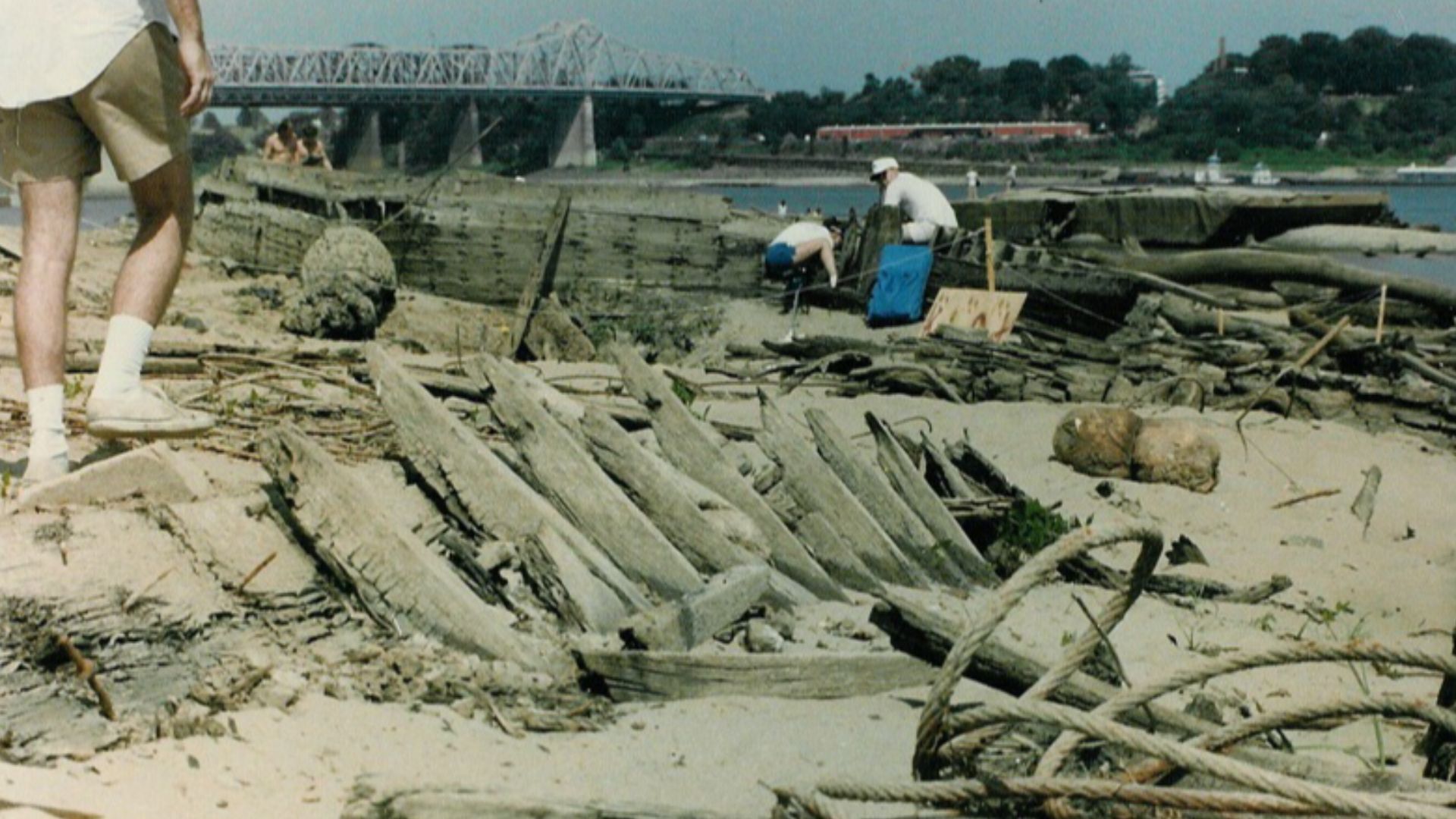 Gary Bridgman, Wikimedia Commons
#20. The 2010 Russian Heat Wave
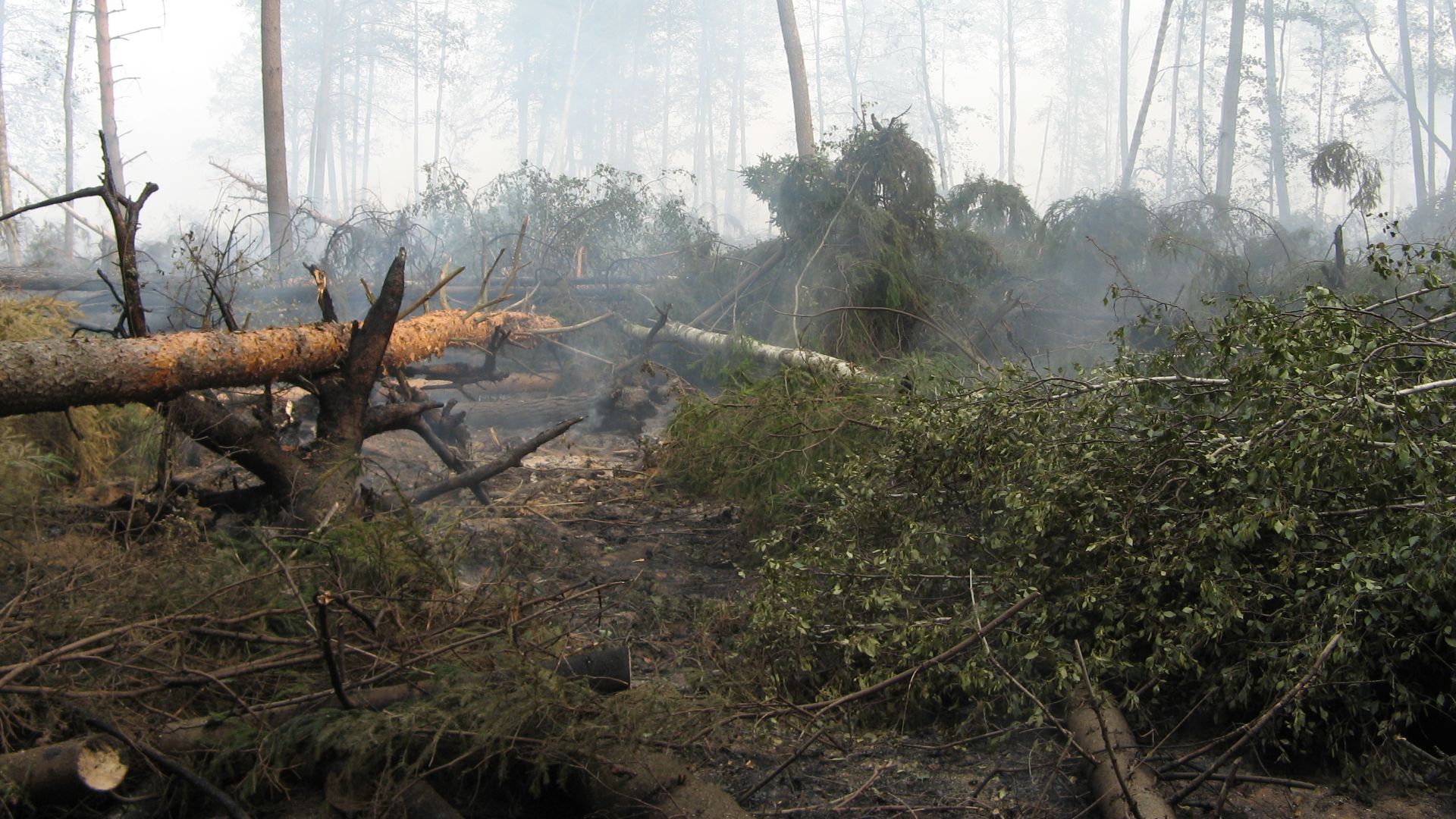
Western Russia endured an extraordinary 44-day heat wave in 2010. The World Health Organization estimates that it was associated with about 56,000 excess deaths. Temperatures across broad areas ran several degrees above normal, wildfires and peat fires spread smoke across cities, and Moscow experienced unprecedented heat.
#19. Europe's 2022 Heat Wave
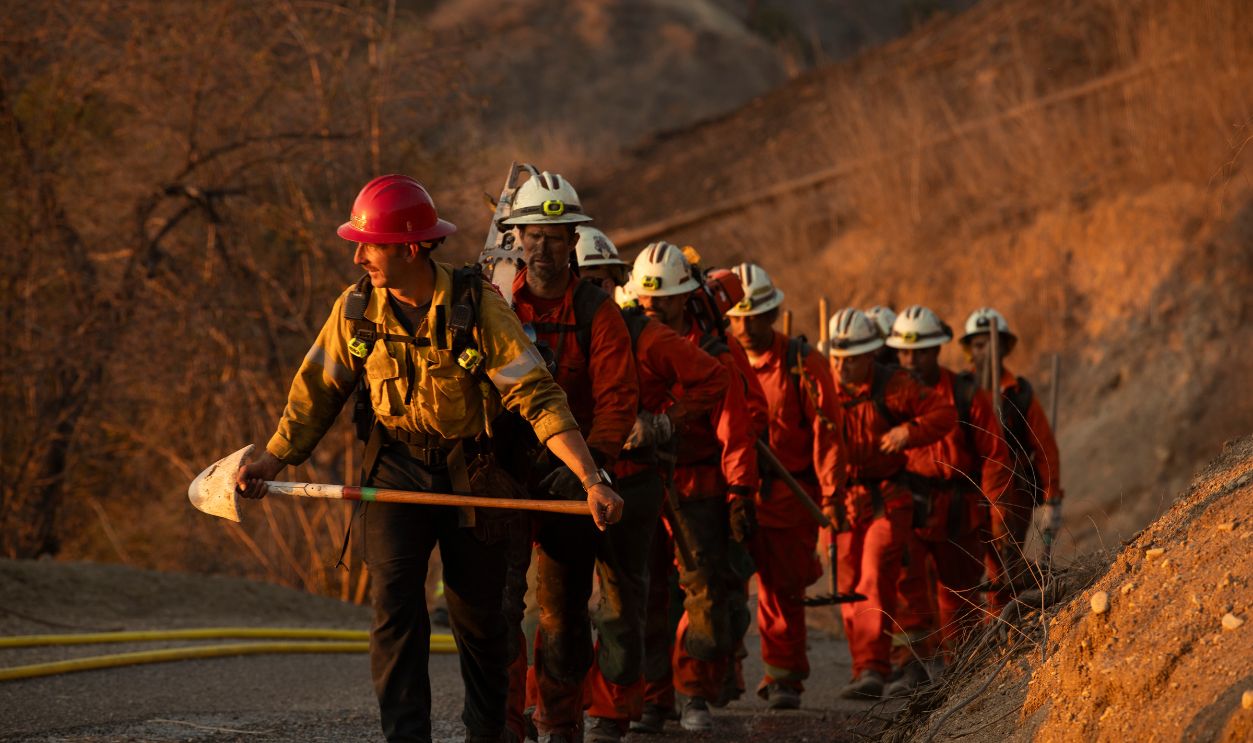
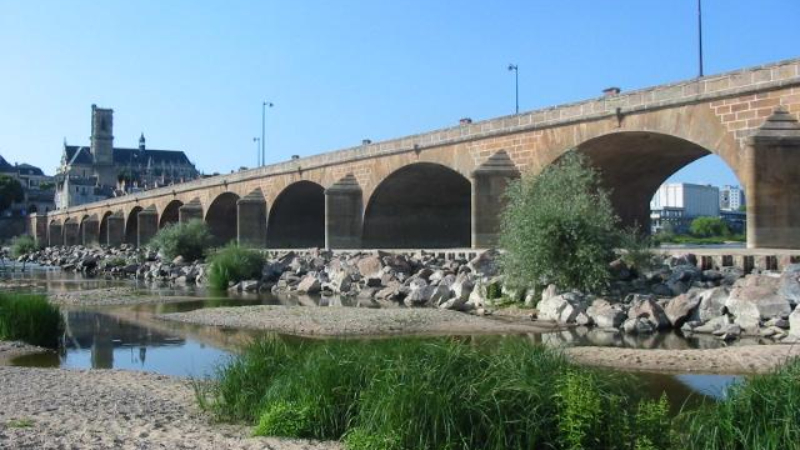
Europe endured another brutal summer in 2022, with intense heat, drought, wildfires, and unusually low river levels. Researchers estimated approximately 61,672 heat-related deaths during the summer. Unlike a hurricane or flood, extreme heat can look deceptively ordinary from a photograph, even while producing an enormous death toll.
#18. Europe's 2003 Heat Wave
The summer of 2003 remains one of Europe's deadliest modern weather disasters. The World Health Organization cites roughly 70,000 deaths associated with the June-to-August heat. France was especially badly affected, but the crisis stretched across western and central Europe and exposed how vulnerable wealthy countries could still be to sustained extreme temperatures.
 Cypris, CC BY-SA 3.0, Wikimedia Commons
#17. The American Dust Bowl
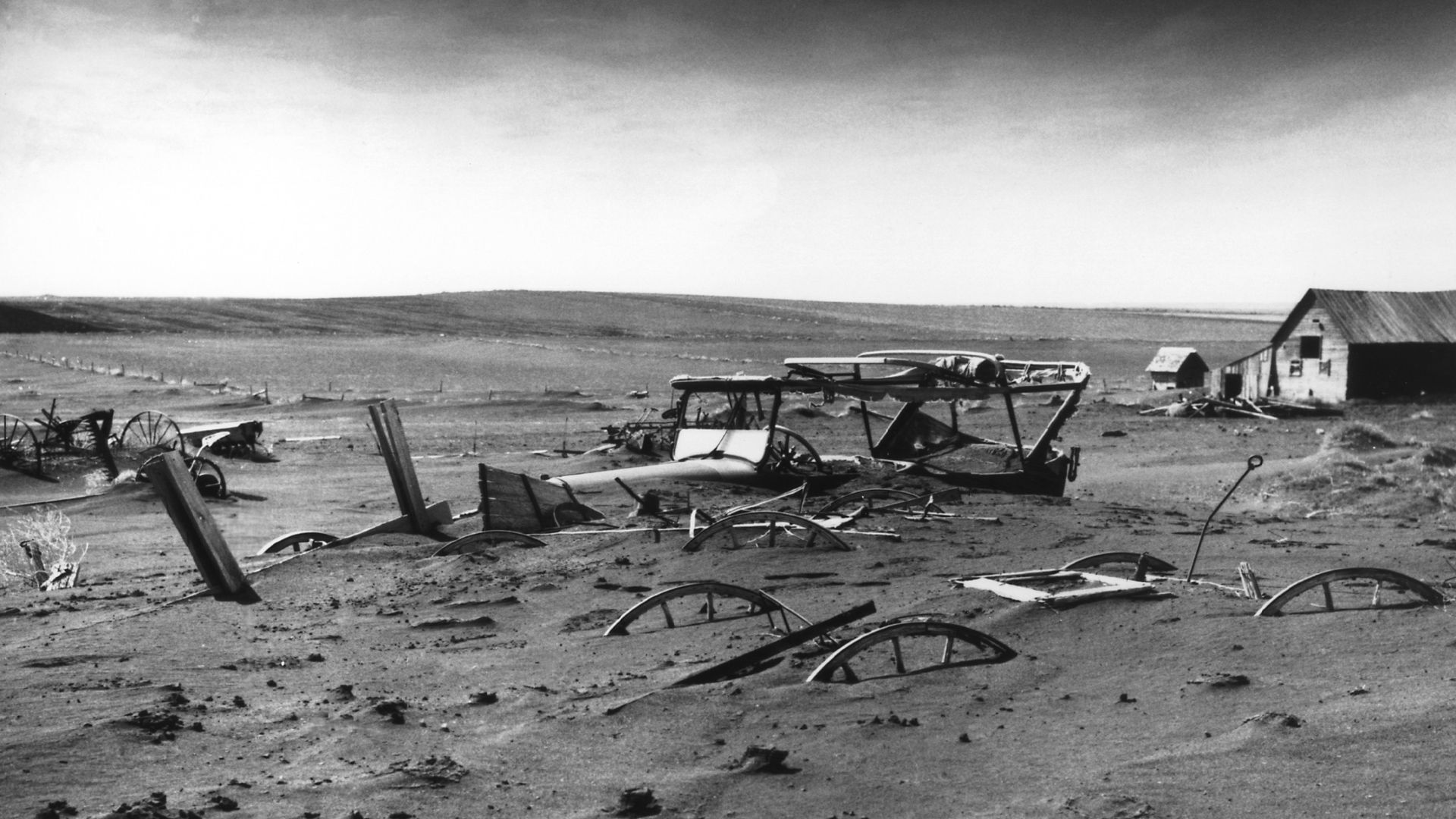
During the 1930s, drought collided with damaging farming practices across the Great Plains. At its broadest, drought affected roughly 60% of the United States, agricultural production fell about 17%, and around 2.5 million people left affected states. Those famous walls of blowing dust were not simply dramatic photographs. They represented farms, livelihoods, and topsoil literally disappearing.
#16. The Great Sahel Drought
The Sahel suffered persistent drought from the late 1960s through subsequent decades. Nature reported that famine associated with the 1972–1975 phase caused roughly 600,000 deaths, although other assessments give different totals depending on geography and methodology. The broader drought crisis also displaced millions and devastated livestock across the region.
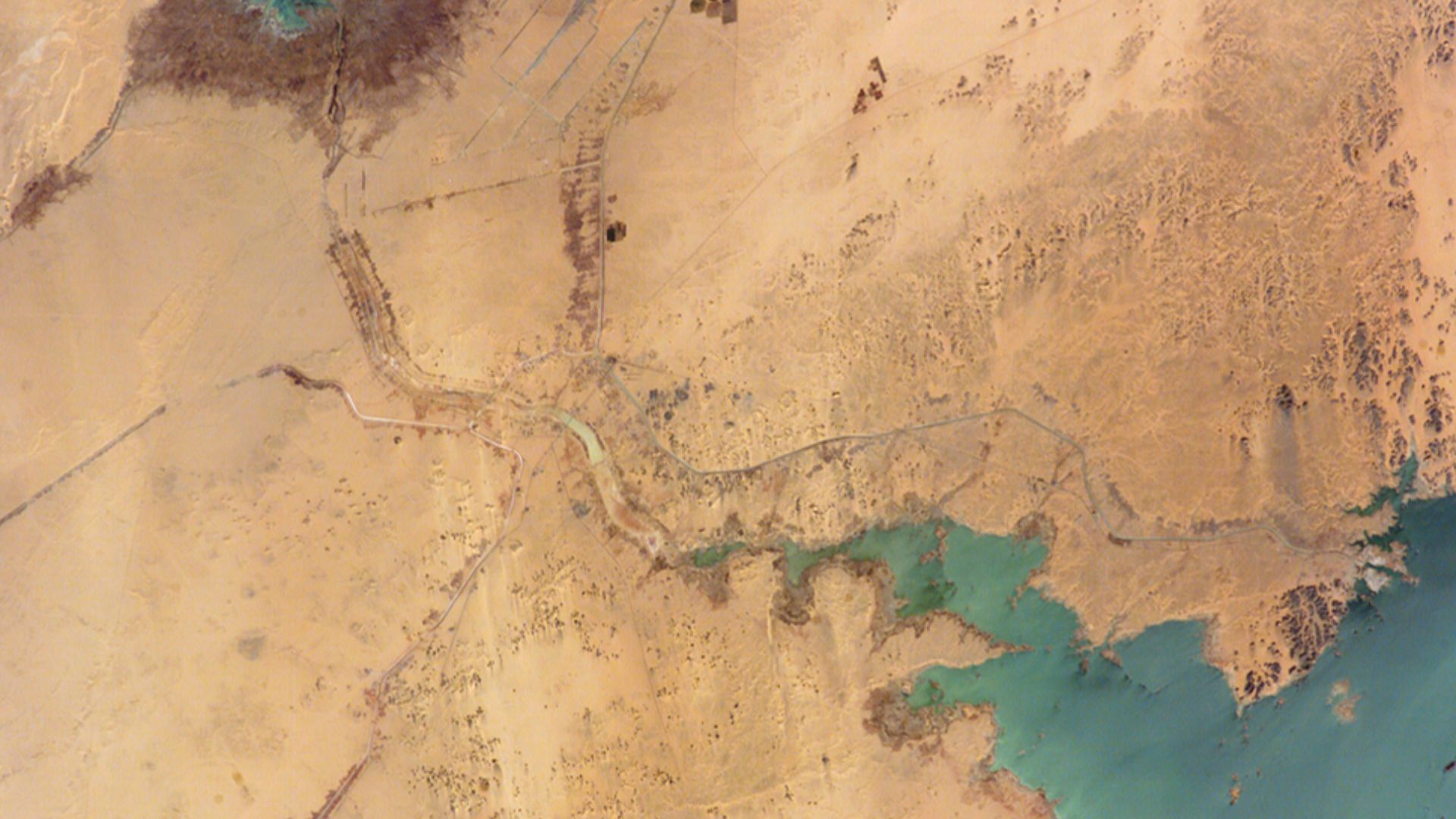
#15. The 2011 Horn Of Africa Drought
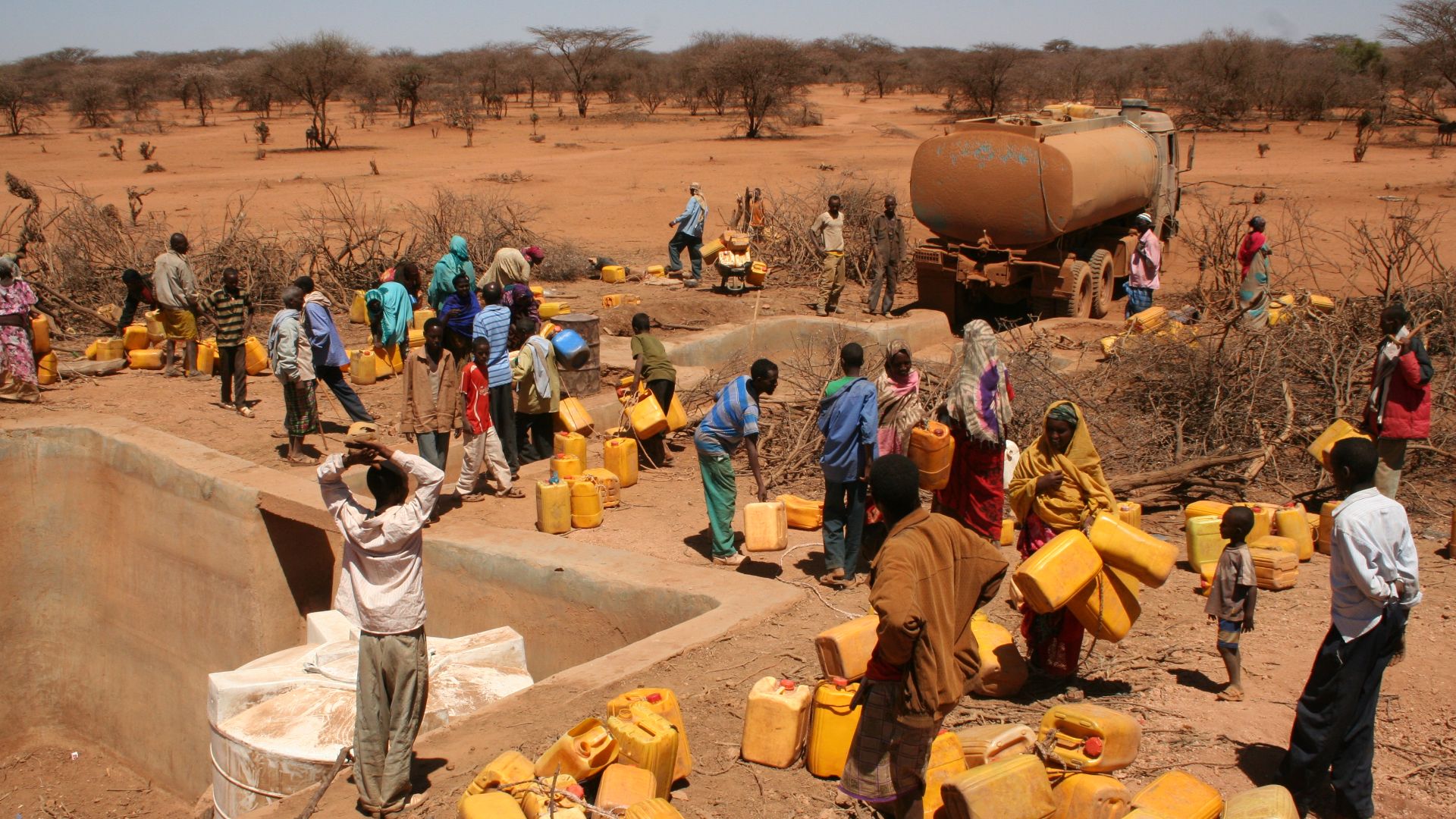
Failed rainy seasons pushed Somalia and neighboring regions into a devastating food crisis beginning in 2010. A later UN-backed study estimated approximately 258,000 deaths in Somalia between October 2010 and April 2012, with children under five accounting for about half. Drought was central to the crisis, but conflict, poverty, food prices, and restricted humanitarian access made the consequences much worse.
#14. Ethiopia's 1980s Famine And Drought
Drought contributed to disastrous crop failures in Ethiopia during the early 1980s, but climate alone does not explain what followed. War, forced displacement, government policy, poverty, and problems getting aid to affected populations magnified the catastrophe. Estimates vary substantially, but the famine killed hundreds of thousands of people. This was a climate shock colliding with human decisions in the worst possible way.
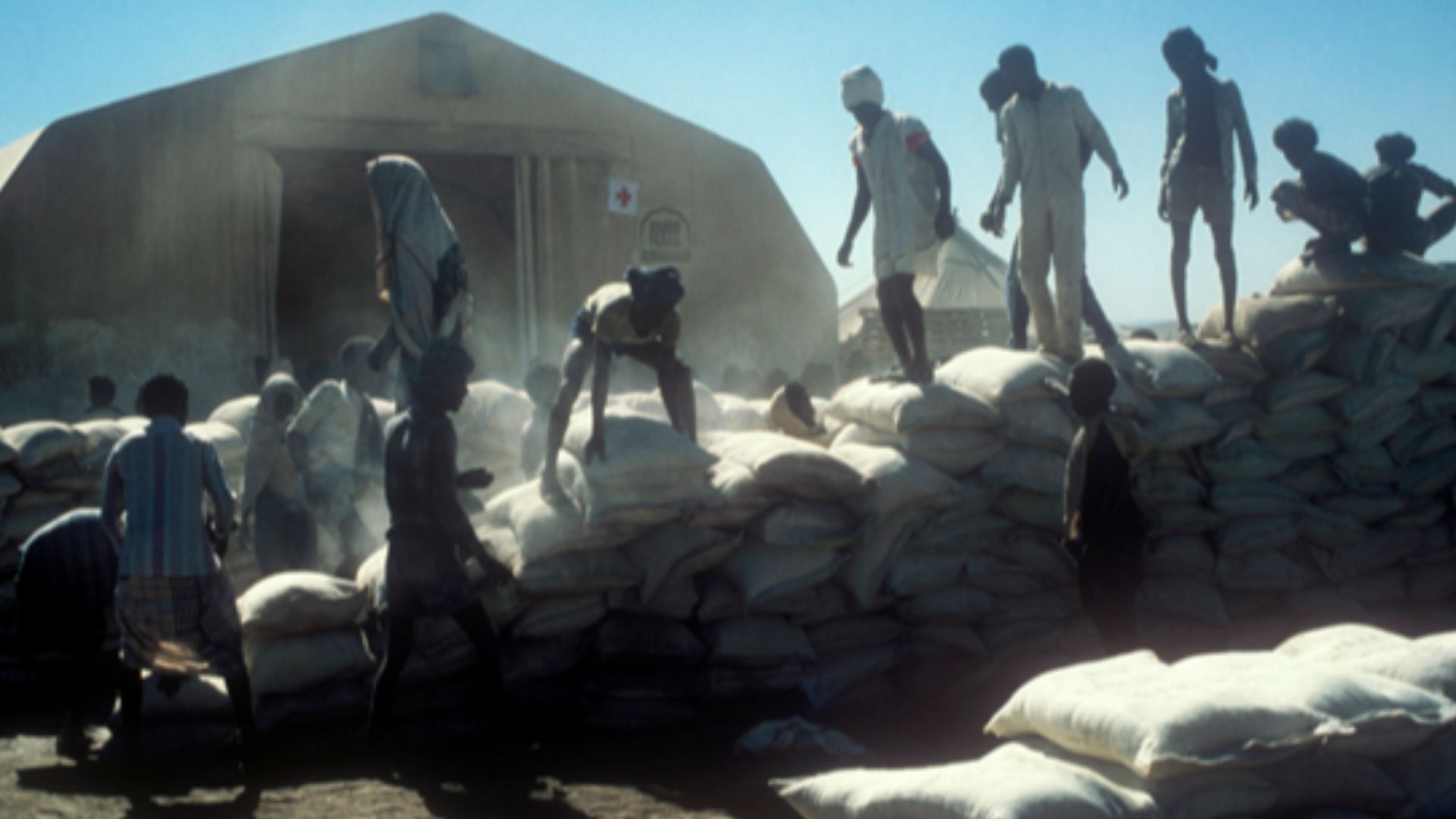 British Red Cross., Wikimedia Commons
#13. The Drought That Hit The Hittite Empire
Ancient tree rings from central Anatolia reveal three consecutive years of unusually severe drought from approximately 1198 to 1196 BCE. The timing coincides closely with the collapse of the Hittite Empire. Researchers stress that drought did not single-handedly destroy the Hittites, but repeated harvest failures could have overwhelmed food storage and other systems already under pressure.
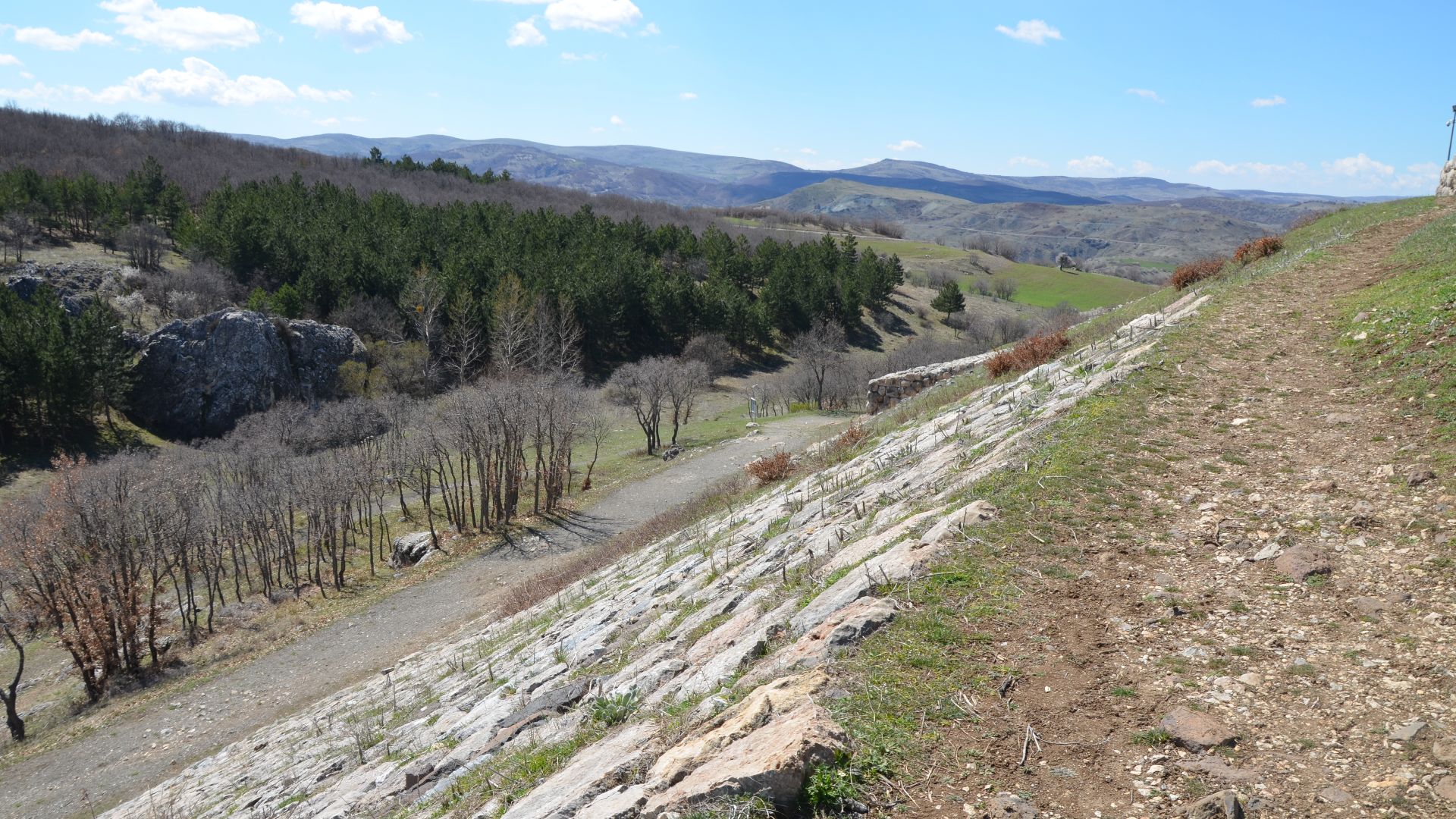 Carole Raddato from FRANKFURT, Germany, Wikimedia Commons
#12. The 4,200-Year Climate Crisis
Around 4,200 years ago, prolonged drought struck parts of Asia and the Middle East during a period of major social change. A cave record from northern India identified a 230-year interval of increased drought frequency, with separate multi-decadal dry episodes. Researchers increasingly caution that this was not one perfectly synchronized global megadrought, which makes the reality more complicated than older textbook versions suggested.
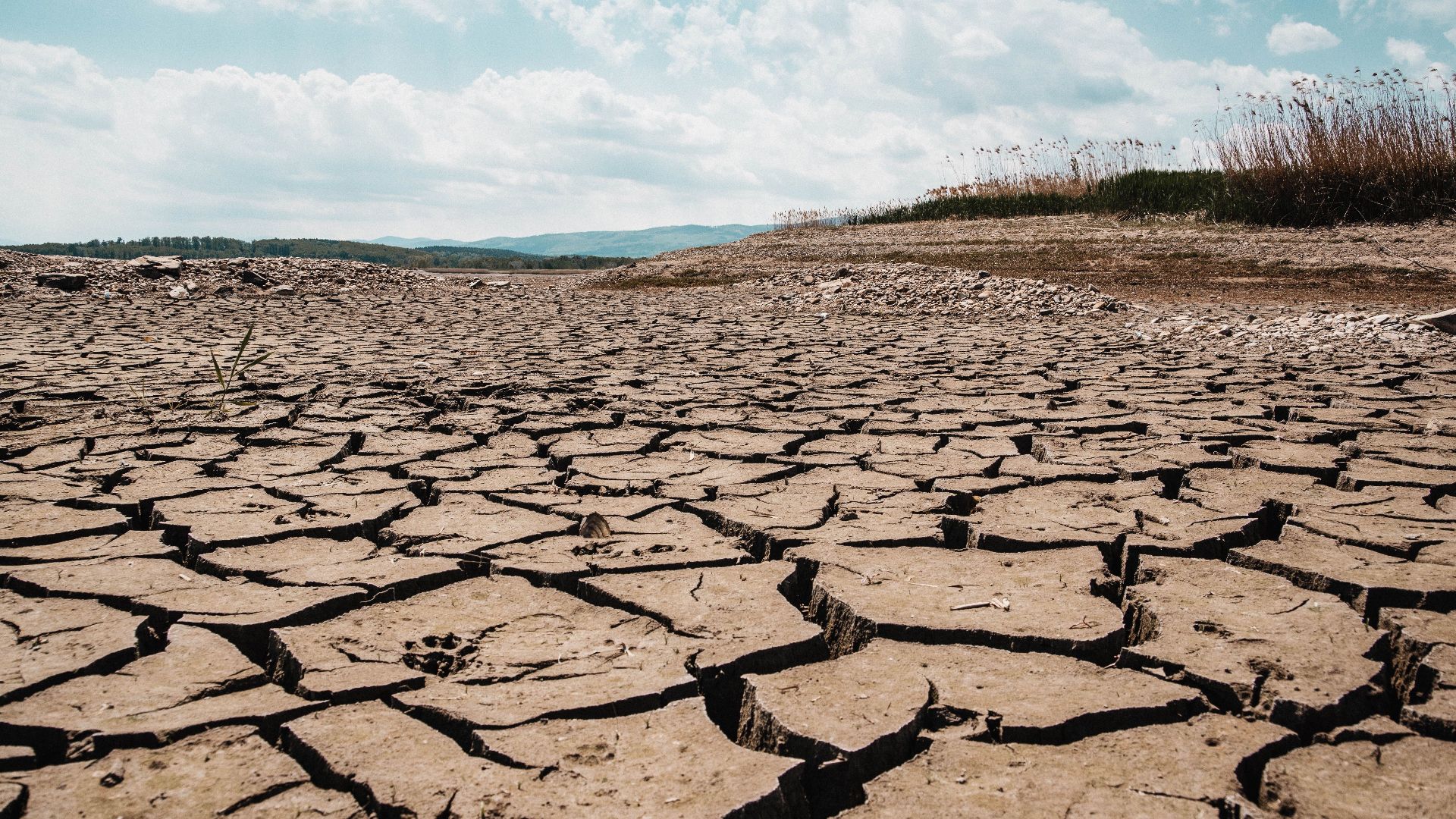
#11. The 8,200-Year Cold Shock
Roughly 8,200 years ago, a huge release of glacial meltwater into the North Atlantic disrupted ocean circulation and triggered abrupt cooling. Greenland temperatures fell by more than 2°C, while the main event lasted roughly 160 years. Early farming communities had to adapt to shifts in rainfall, temperature, vegetation, and growing seasons that lasted far longer than any one human lifetime.
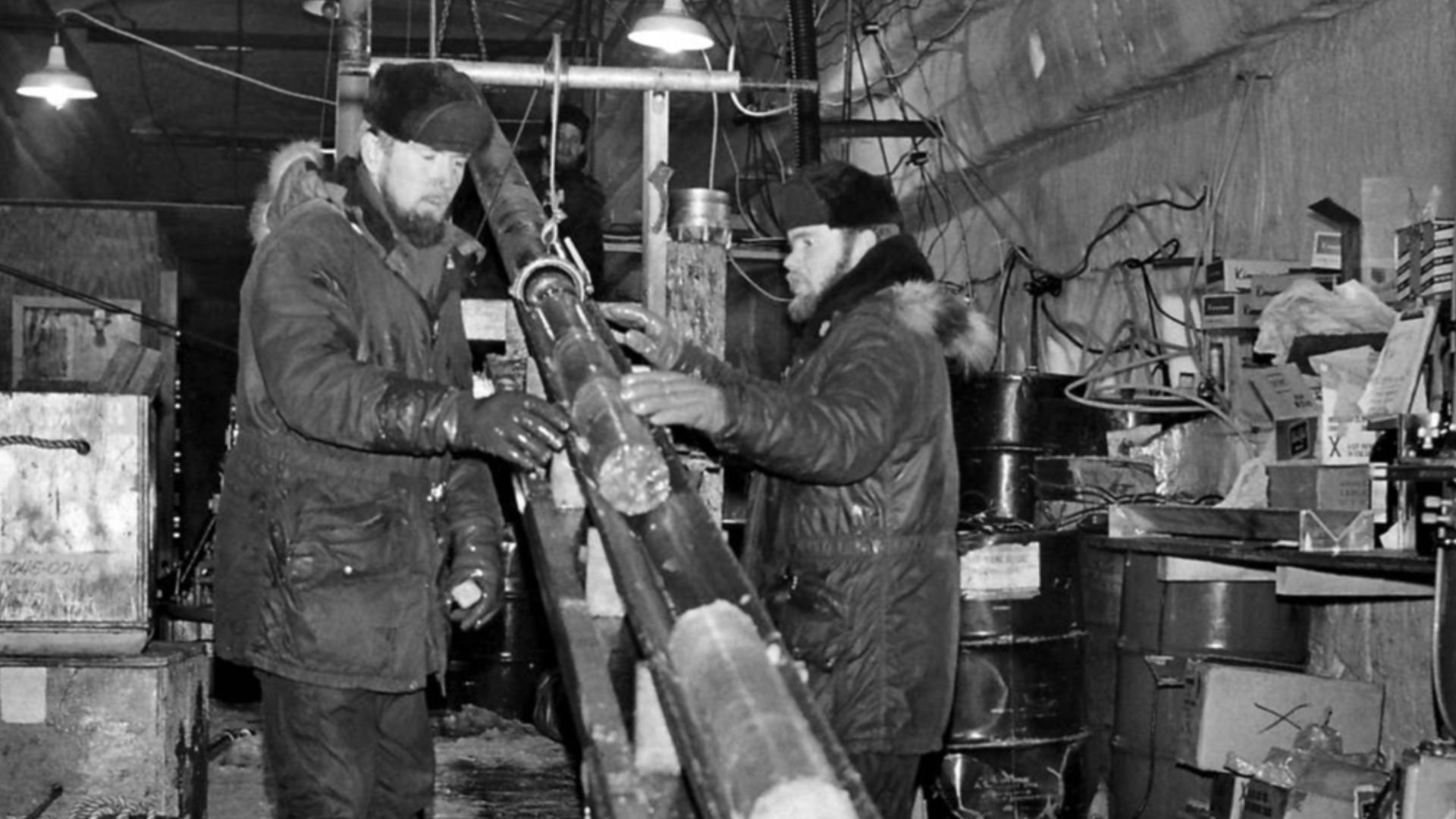 Cold Regions Research and Engineering Laboratory (U.S.), Wikimedia Commons
#10. The Younger Dryas
Around 12,850 years ago, Earth's gradual warming after the Ice Age suddenly reversed across much of the Northern Hemisphere. The Younger Dryas lasted approximately 1,200 years, ending around 11,650 years ago. Recent archaeological research from northwestern Europe suggests the extremely cold early phase coincided with substantial population decline in that region.
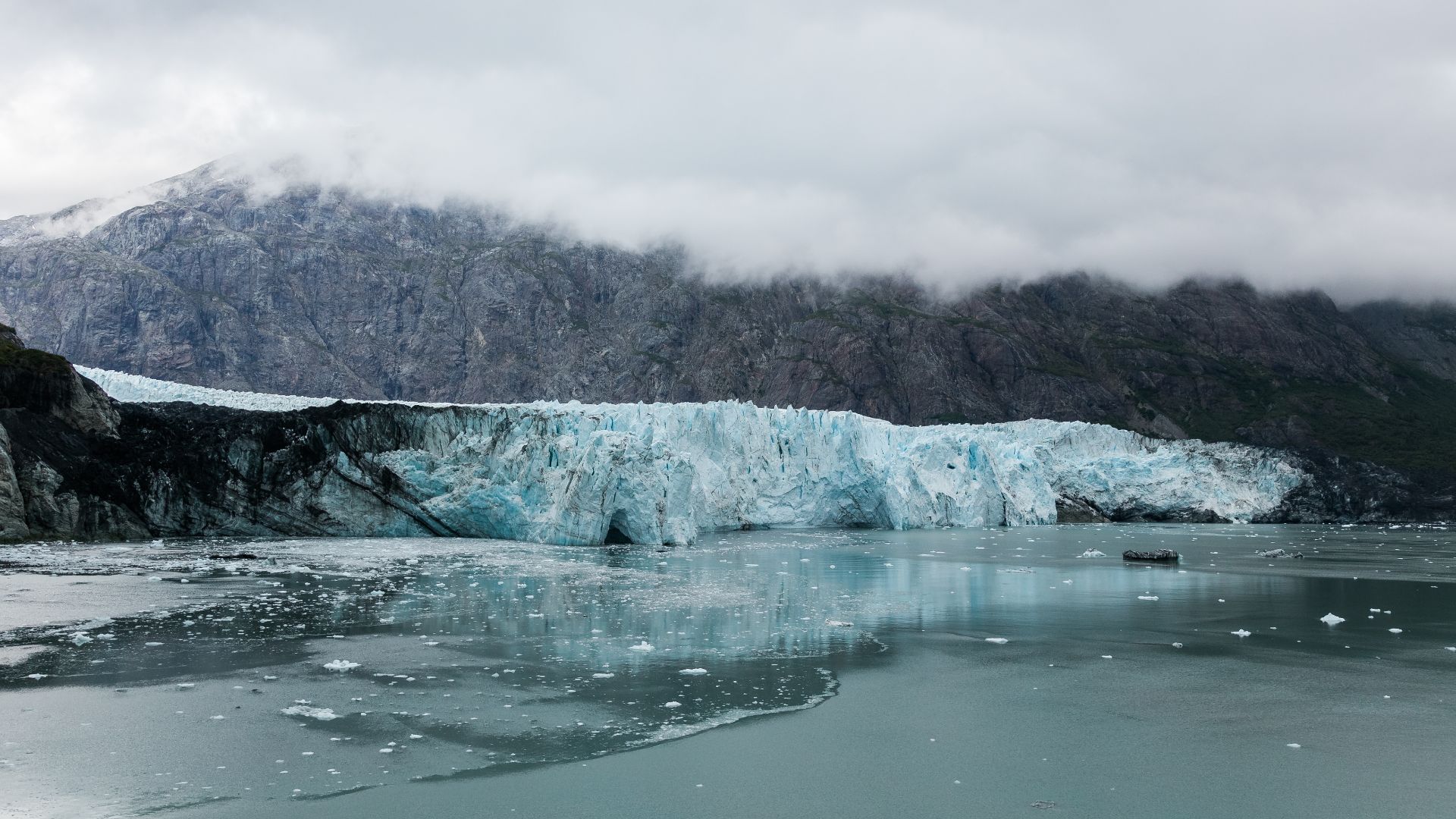 Diego Delso, Wikimedia Commons
#9. The Toba Super-Eruption
About 74,000 years ago, the Toba volcano in present-day Indonesia produced one of the largest known eruptions of the Quaternary period. The eruption certainly caused enormous environmental disruption, but the once-popular idea that it nearly exterminated humanity is no longer strongly supported. Archaeological evidence from India shows human occupation continuing across the eruption. Humans apparently endured something enormous without conveniently vanishing from the record.
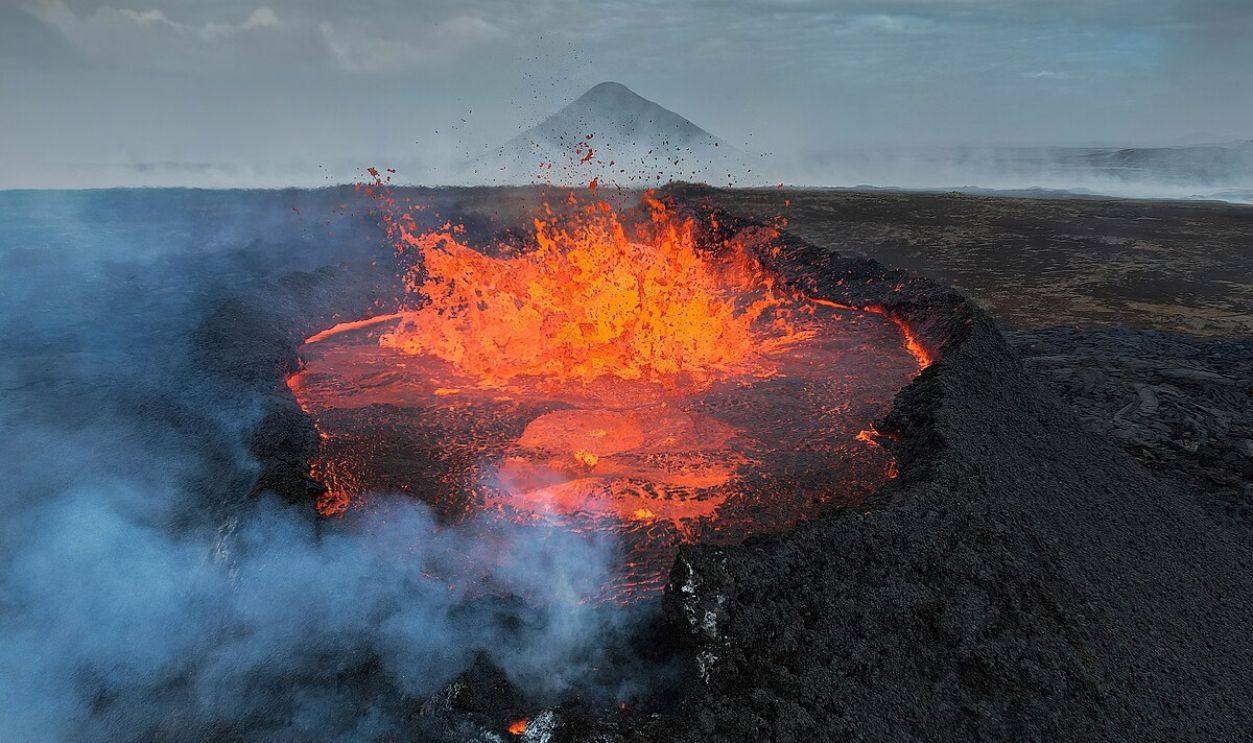 Giles Laurent, CC BY 4.0, Wikimedia Commons
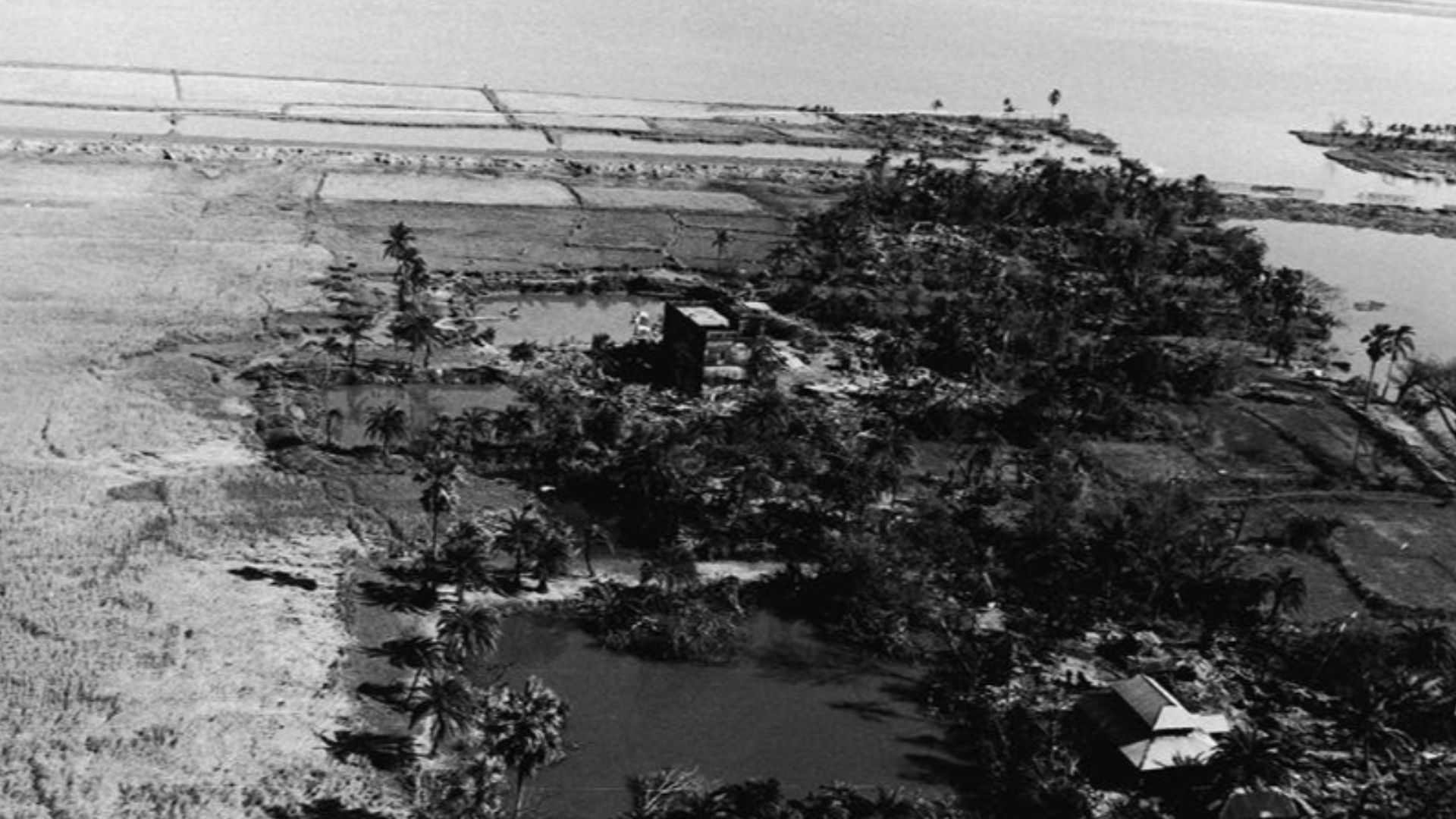
#8. The 1970 Bhola Cyclone
In November 1970, the Bhola cyclone drove an enormous storm surge into low-lying communities around the Bay of Bengal, particularly in what is now Bangladesh. Estimates generally place the death toll between 300,000 and 500,000, making it one of the deadliest tropical cyclones in recorded history. In some communities, a huge share of the population was simply swept away.
 Express Newspapers/Getty Images, Wikimedia Commons
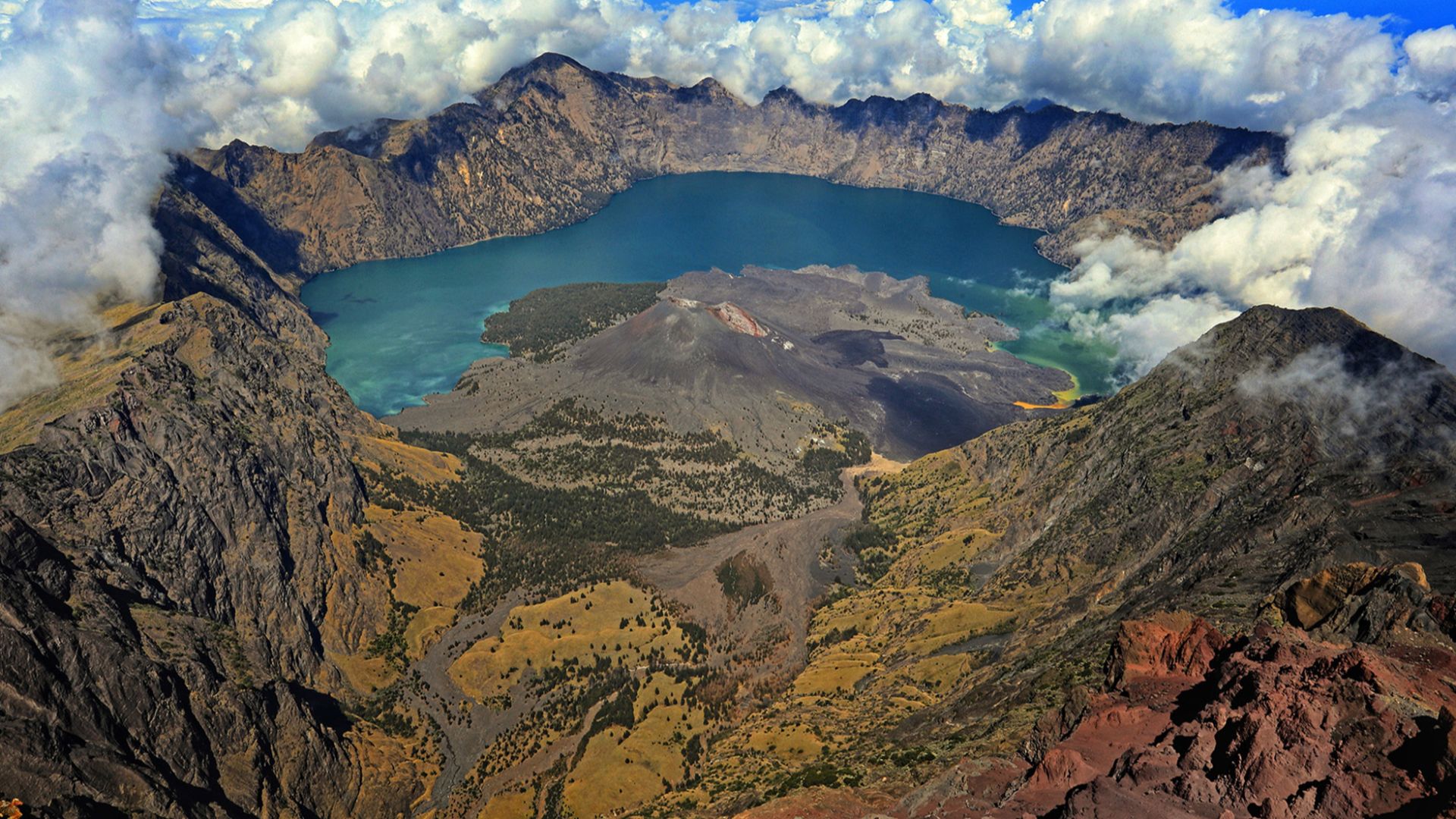
#7. The 1257 Samalas Eruption
Indonesia's Samalas volcano erupted in 1257 with a Volcanic Explosivity Index of 7, expelling more than 40 cubic kilometers of dense magma. Ice cores record an enormous sulfur signal, and 1258 and 1259 experienced some of the coldest Northern Hemisphere summers of the past millennium. Researchers say the eruption worsened existing crises and famines rather than single-handedly causing them.
 Arifin Al Alamudi, Wikimedia Commons
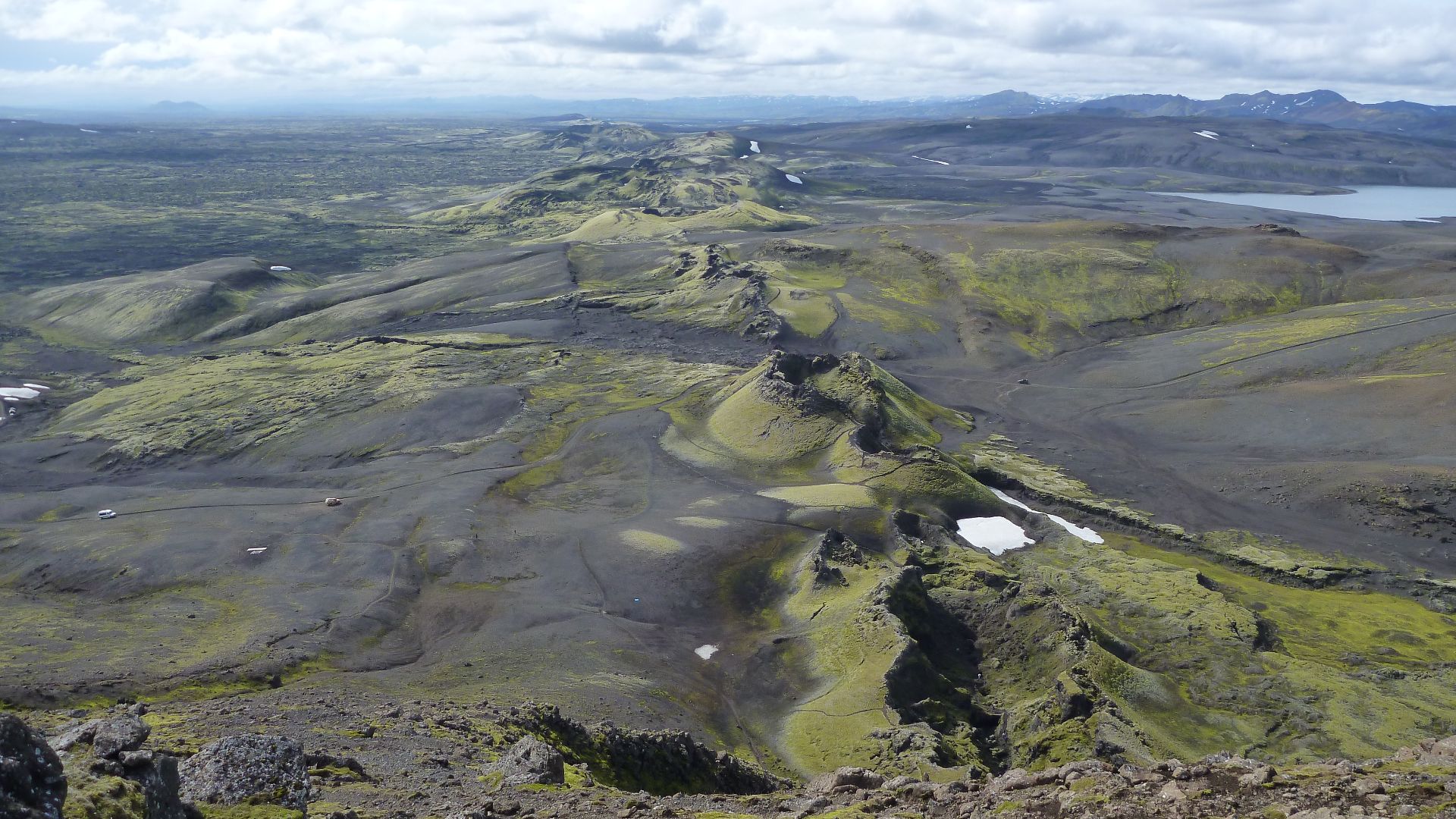
#6. The 1783–1784 Laki Eruption
Iceland's Laki fissure began erupting in June 1783 and kept going for months, releasing enormous quantities of sulfur-rich gases. Toxic pollution damaged vegetation and livestock, while famine followed. Roughly 20% of Iceland's population died in the years following the eruption, and about 60% of grazing livestock were lost. The volcanic haze also spread across much of Europe.
 Anne Schöpa, Wikimedia Commons
#5. The Great Famine Of 1315–1322
Northern Europe entered a nightmare in 1315 as relentless rain, flooding, cool temperatures, livestock disease, and repeated harvest failures battered food supplies. The crisis continued for years, and some historical estimates suggest as much as 10% of the population in parts of northern Europe died. One ruined harvest was survivable. Several in a row became something entirely different.
 Patrick Alexander, Wikimedia Commons
#4. The Volcanic Nightmare Of 536 And 540
Historical accounts describe mysteriously dim sunlight beginning in 536 CE, and scientific evidence points to major volcanic eruptions that loaded the atmosphere with climate-cooling particles. Another large eruption followed around 540. The result was exceptional Northern Hemisphere cooling, crop failures, and food shortages. The exact magnitude and duration varied by region, so researchers remain cautious about treating the entire period as one uniform global freeze.
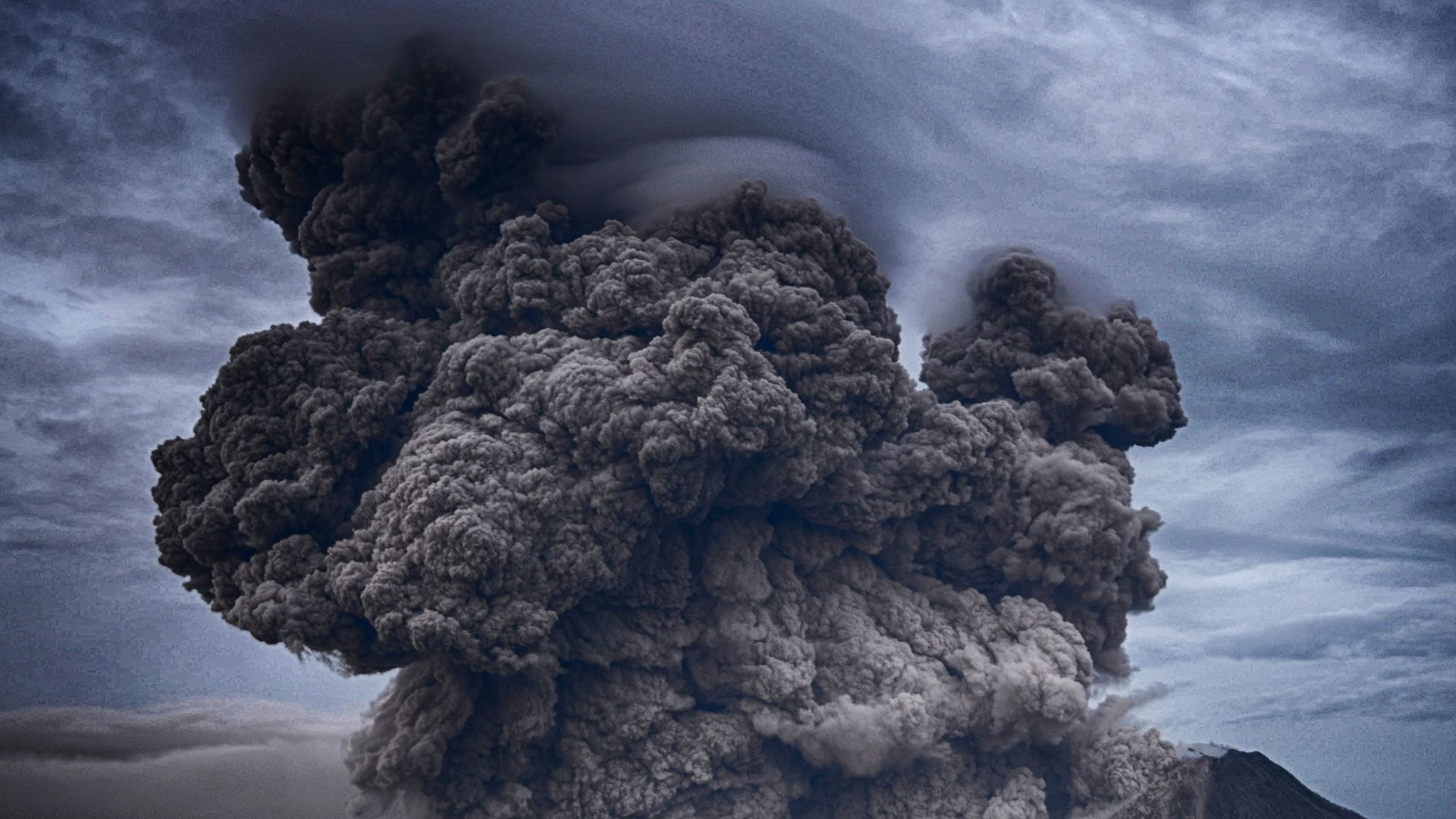
#3. Tambora And The Year Without A Summer
Mount Tambora exploded in April 1815 in one of the most powerful eruptions of the past millennium. The eruption and its immediate aftermath killed tens of thousands in Indonesia, while atmospheric aerosols helped cool the following year. 1816 became the “Year Without A Summer,” bringing crop failures and food shortages across parts of Europe and North America. USGS lists about 92,000 deaths associated with Tambora, with starvation accounting for much of the toll.
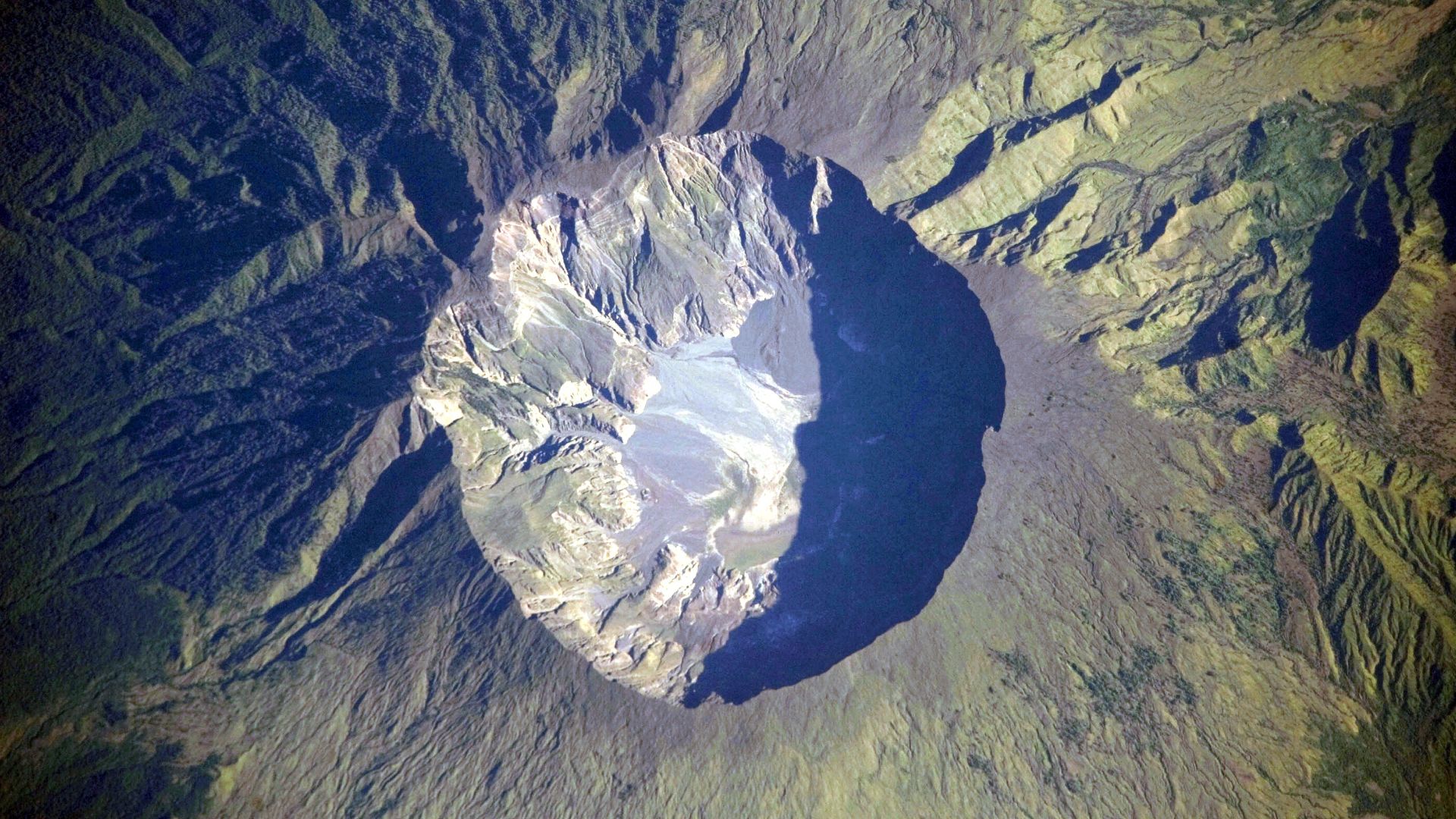 This image was taken by the NASA Expedition 20 crew., Wikimedia Commons
#2. The 1931 China Floods
In 1931, extraordinary rainfall and swollen rivers produced one of the most devastating flood disasters ever recorded. The Yangtze, Huai, and other river systems overflowed across enormous areas. Estimates of the death toll vary dramatically because some count only immediate deaths while others include later famine and disease. Historical estimates range from hundreds of thousands into the millions, while tens of millions of people were affected. The uncertainty itself tells you how enormous the catastrophe was.
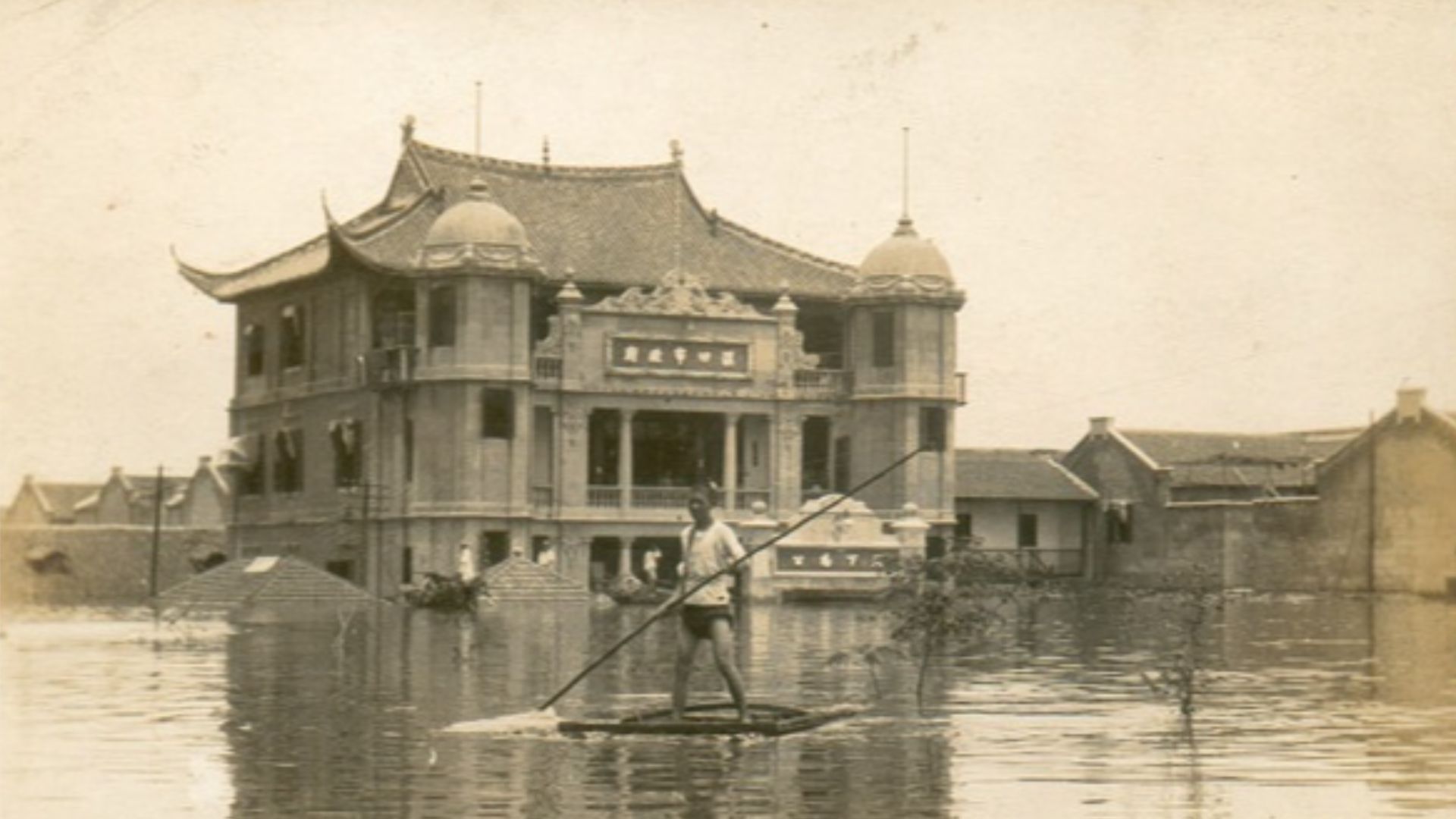 Sina Blog "Alumni of Wuhan No.1 High School" , Wikimedia Commons
#1. The Global Drought And Famines Of 1876–1878
The climate disaster of 1876–1878 stretched across continents. A powerful El Niño and related ocean-atmosphere conditions disrupted monsoon rainfall and contributed to severe drought in India, China, Brazil, Africa, and elsewhere. Nature summarizes the crisis as causing more than 5 million deaths in India and roughly 30 million worldwide, although individual historical datasets produce different totals.
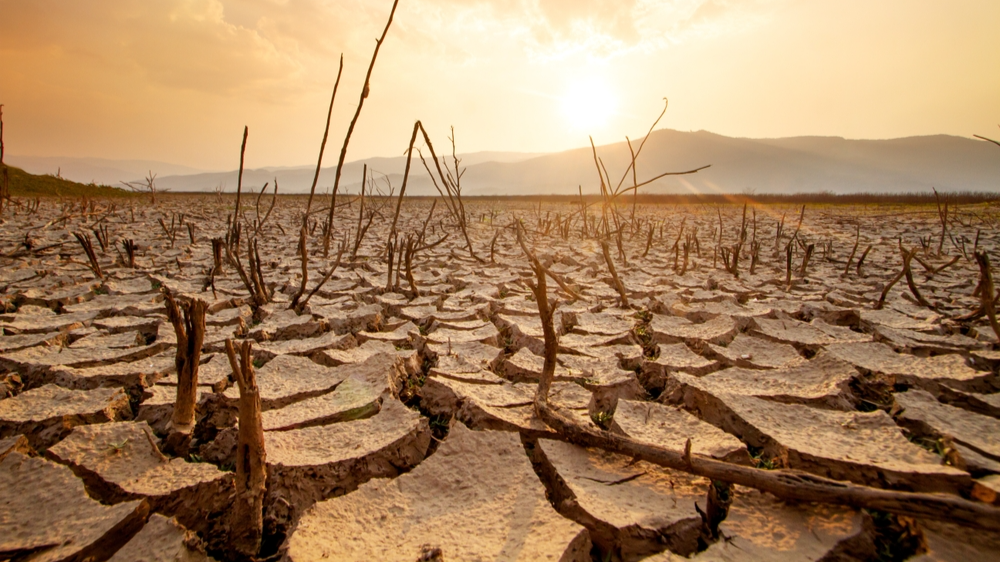
The Worst Part Wasn't Just The Weather
The 1876–1878 crisis ranks first here because of its extraordinary geographic reach and enormous human toll. Drought destroyed harvests, but climate alone did not determine who died. Poverty, colonial rule, food pricing, trade, inadequate relief, and political decisions turned environmental stress into mass famine.
That distinction matters throughout this list. Weather and climate can start a disaster, but human vulnerability often determines whether it becomes an inconvenience, a crisis, or one of history's great catastrophes.
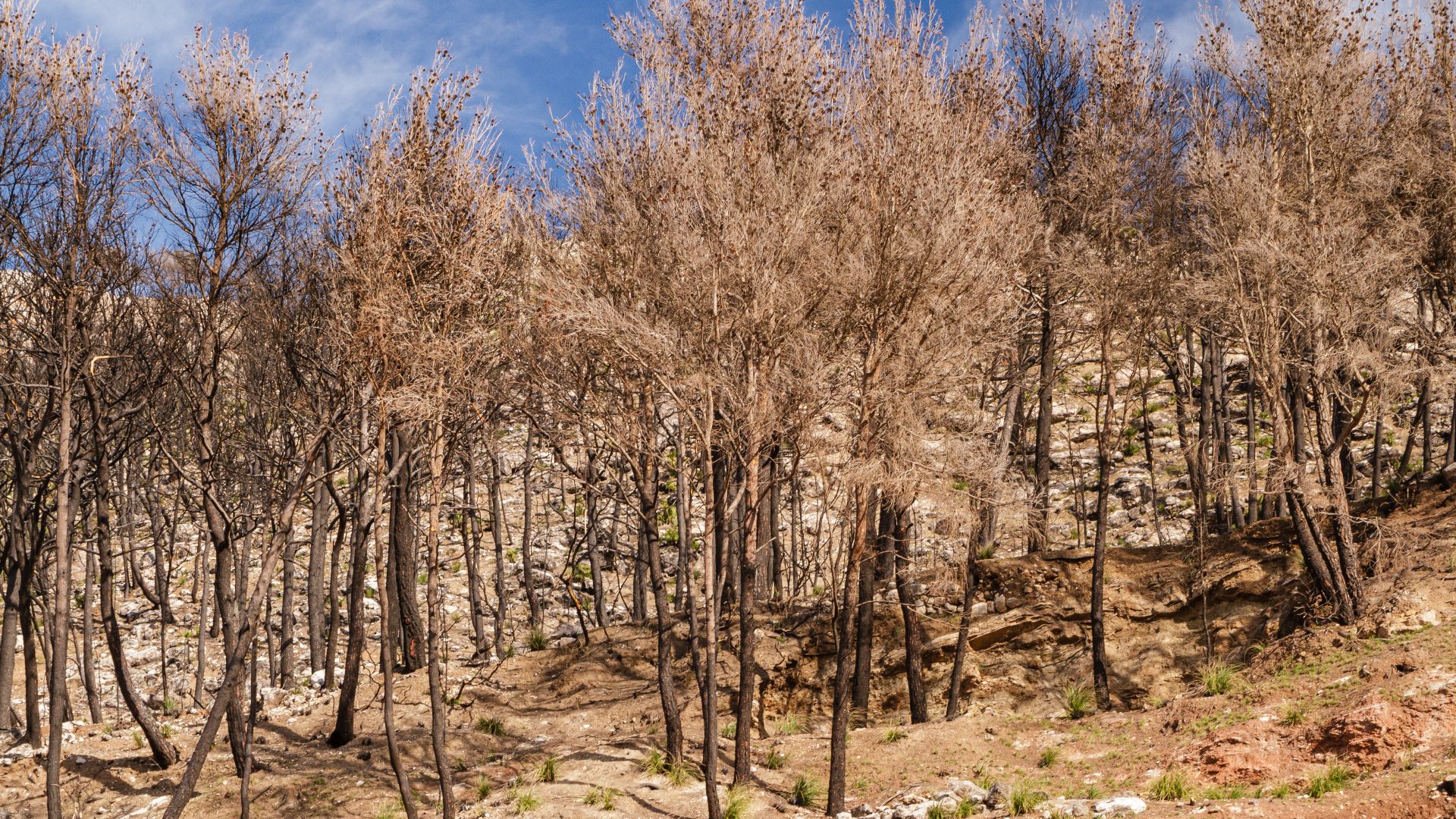 Friedrich Haag, Wikimedia Commons
You May Also Like: