The World's Most Ambitious Moving Jobs
Moving an entire house across town sounds complicated enough. Now imagine dismantling a centuries-old castle, shipping its stones across an ocean, and rebuilding it thousands of miles away. From medieval monasteries to traditional Japanese homes, these historic buildings have traveled astonishing distances, often with remarkable results.
 Royal Museums Greenwich, Wikimedia Commons
Agecroft Hall: England To Virginia
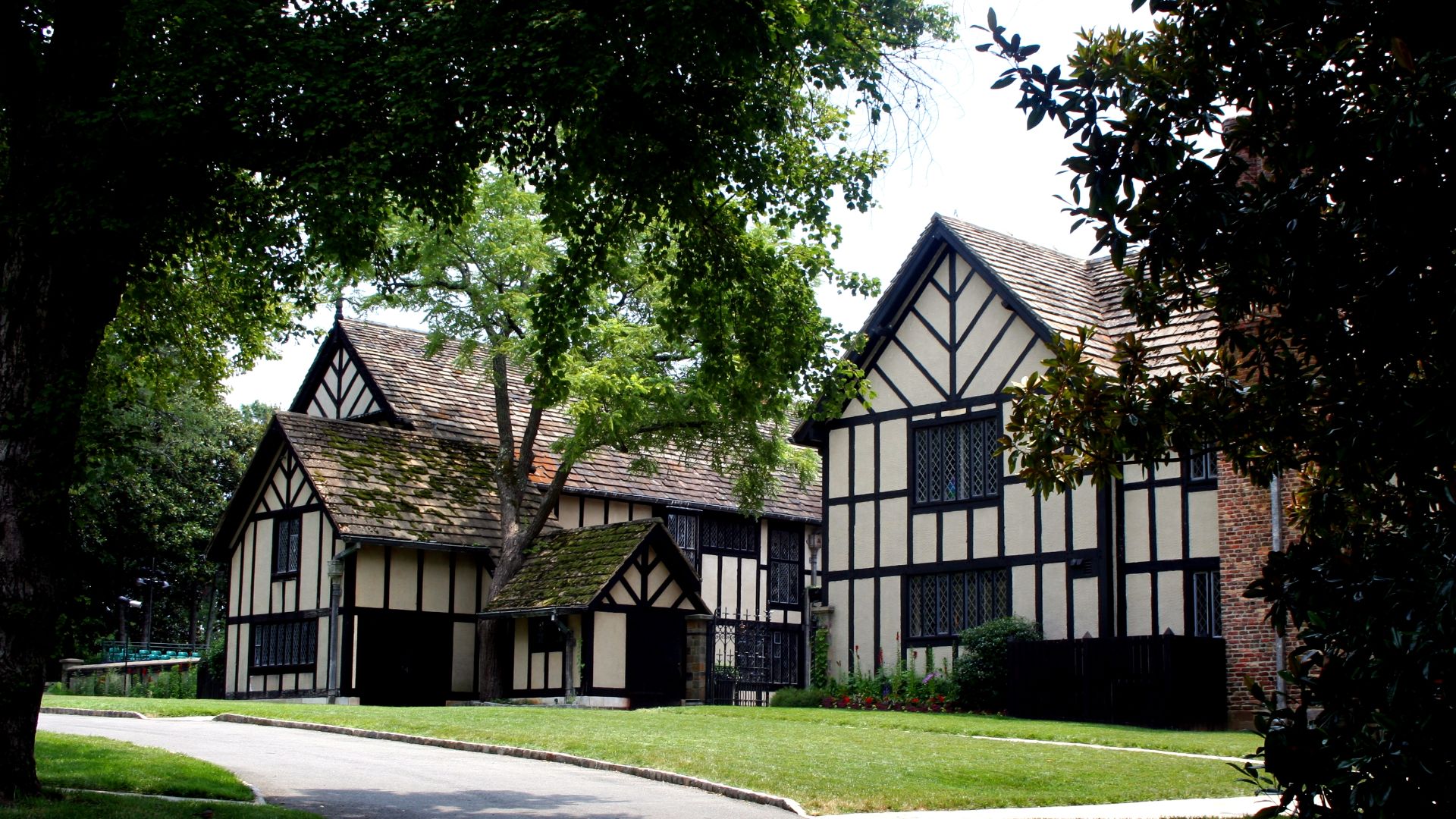
Originally standing in Lancashire, England, Agecroft Hall was purchased by American businessman Thomas C. Williams Jr. in 1925. Workers dismantled its historic timbers and stonework before shipping them across the Atlantic. The Tudor manor was reconstructed in Richmond, Virginia, with several modern adaptations.
 phoebe reid, Wikimedia Commons
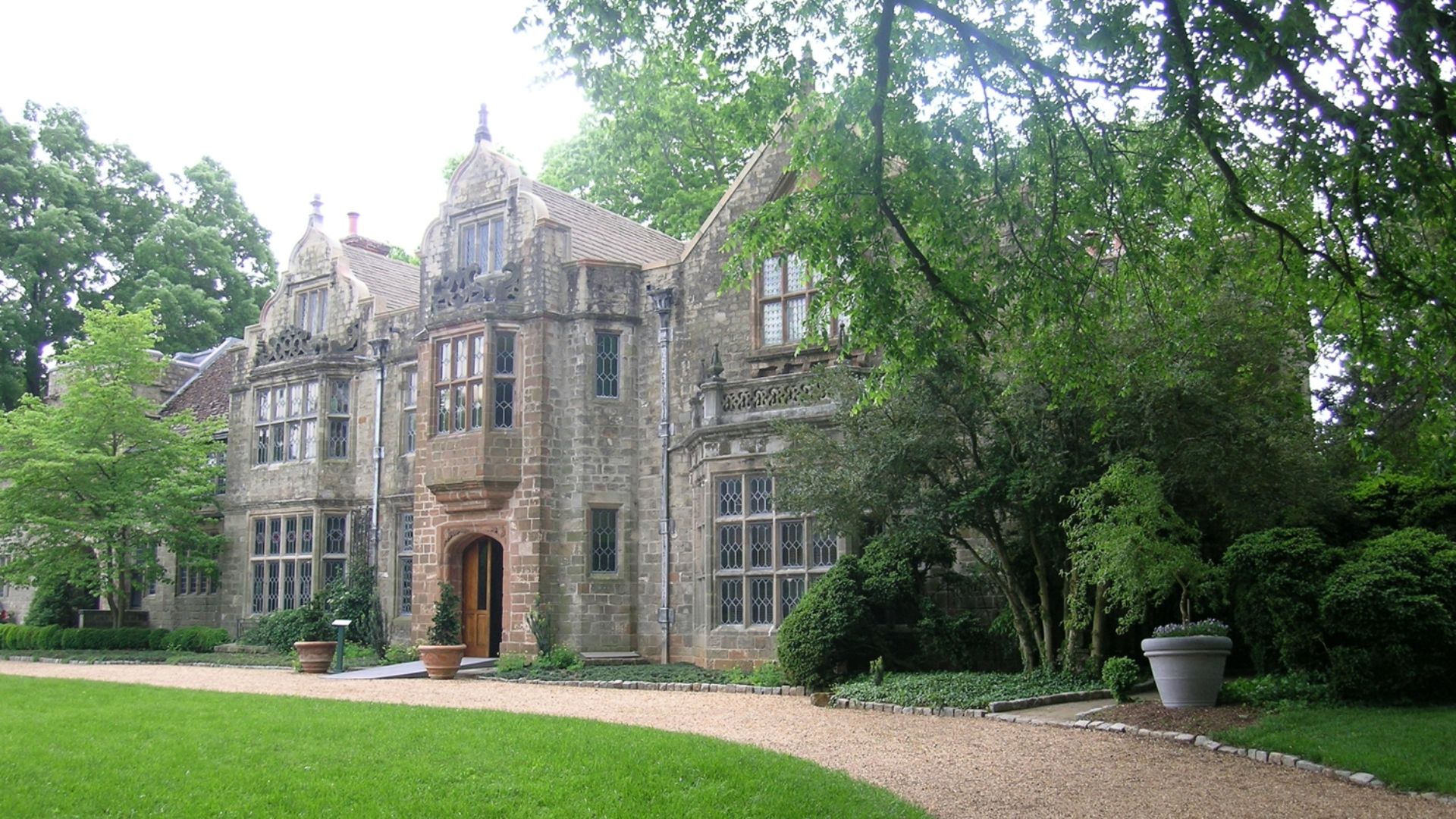
Virginia House: England To Virginia
Richmond received another English architectural treasure when Alexander and Virginia Weddell purchased portions of Warwick Priory in 1925. The historic building materials crossed the Atlantic and became part of Virginia House, completed in 1928. Its design combines authentic Tudor-era elements with twentieth-century construction.
 Jennifer M. Guild, Media Relations Specialist, Virginia Historical Society, Wikimedia Commons
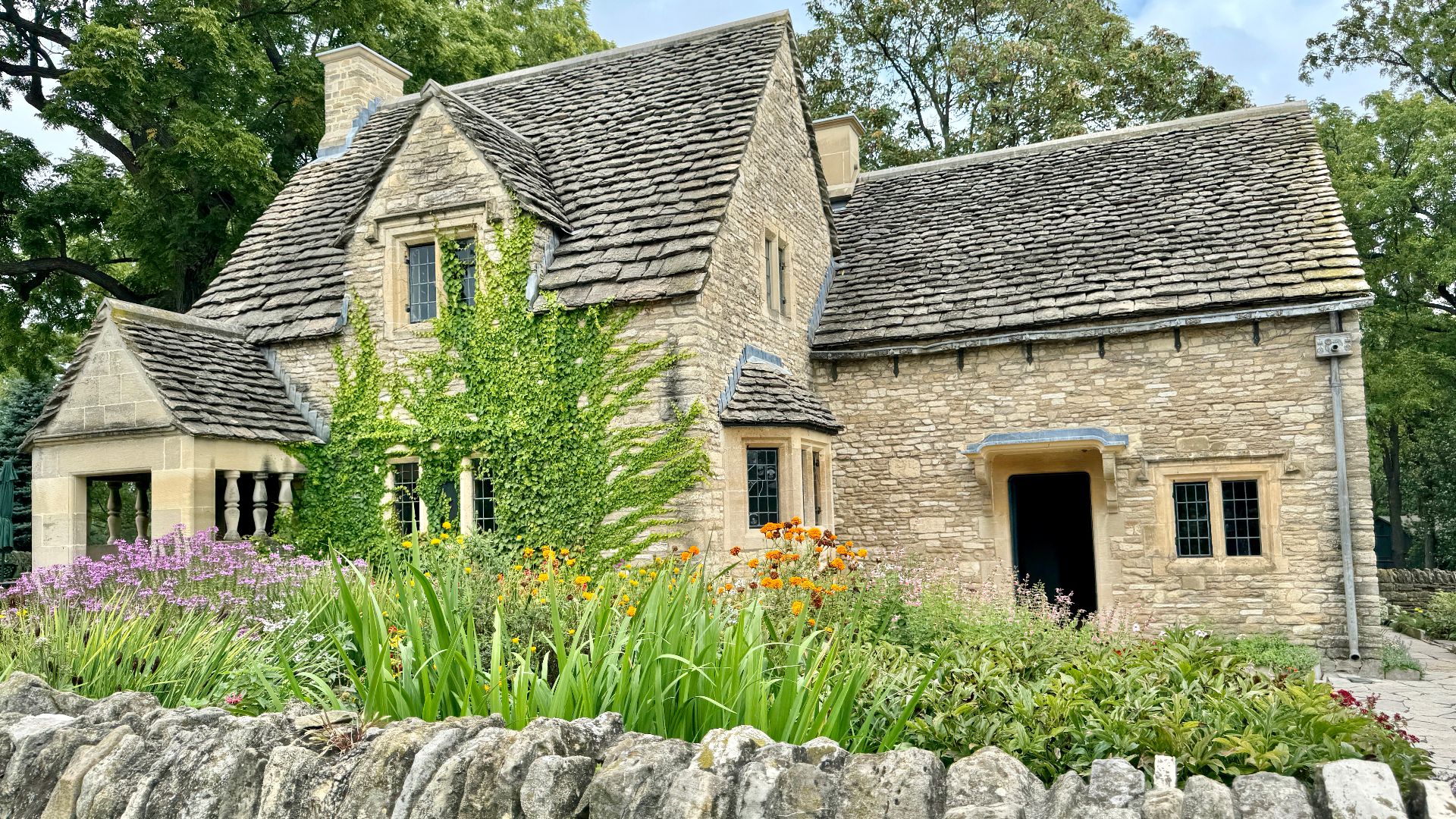
Cotswold Cottage: England To Michigan
Henry Ford admired England's picturesque Cotswolds so much that he purchased an old stone cottage. In 1930, workers dismantled the building and its accompanying structures for shipment to America. Nearly 500 tons of materials crossed the Atlantic before being reconstructed at Greenfield Village.
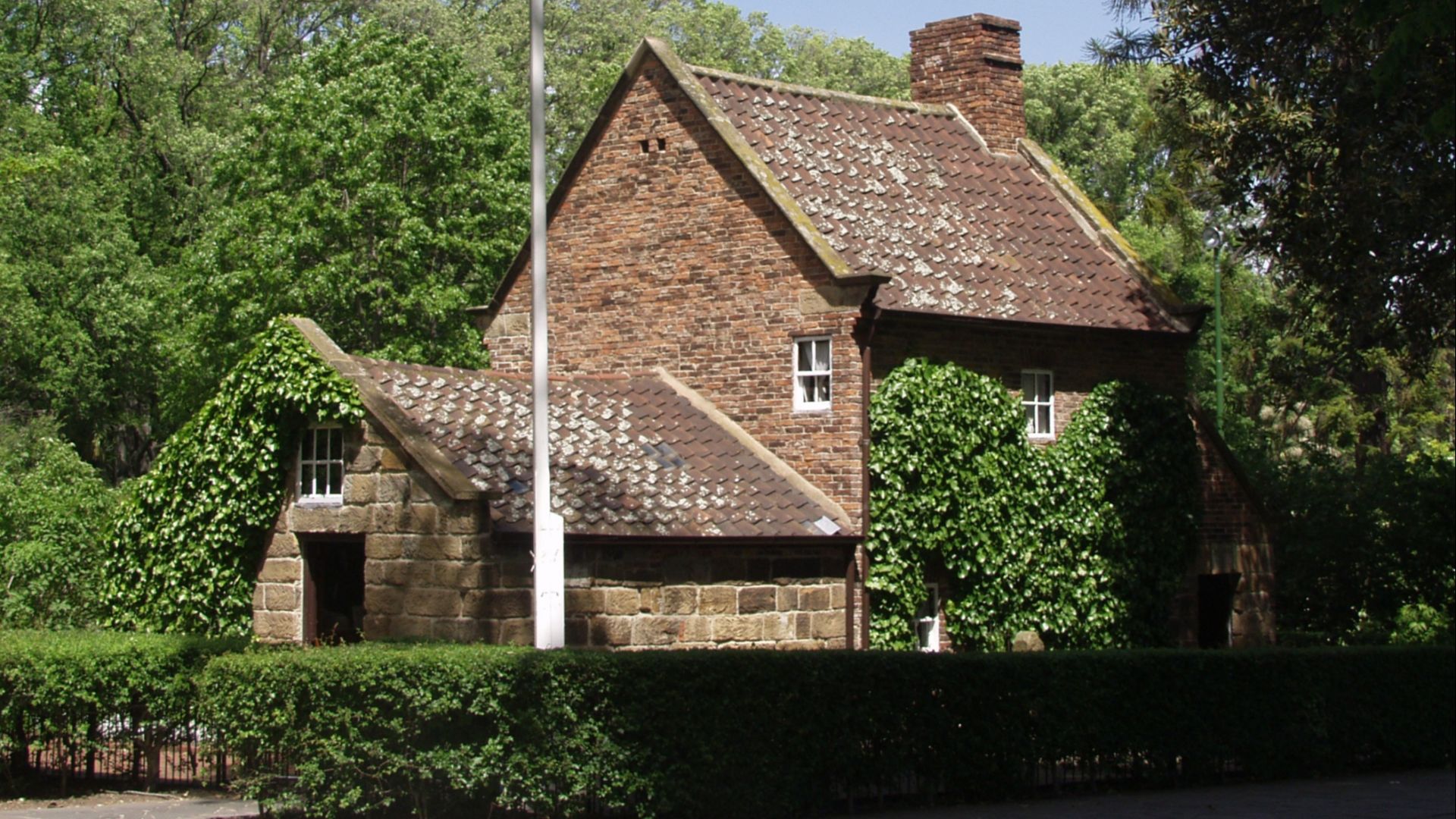
Cook's Cottage: England To Australia
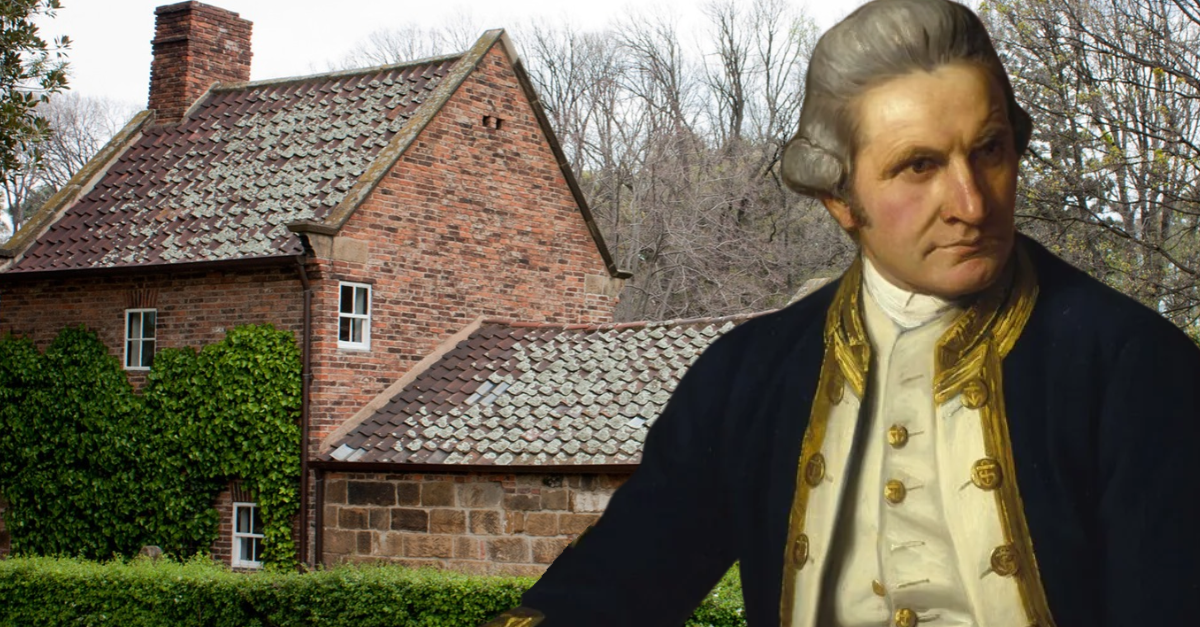
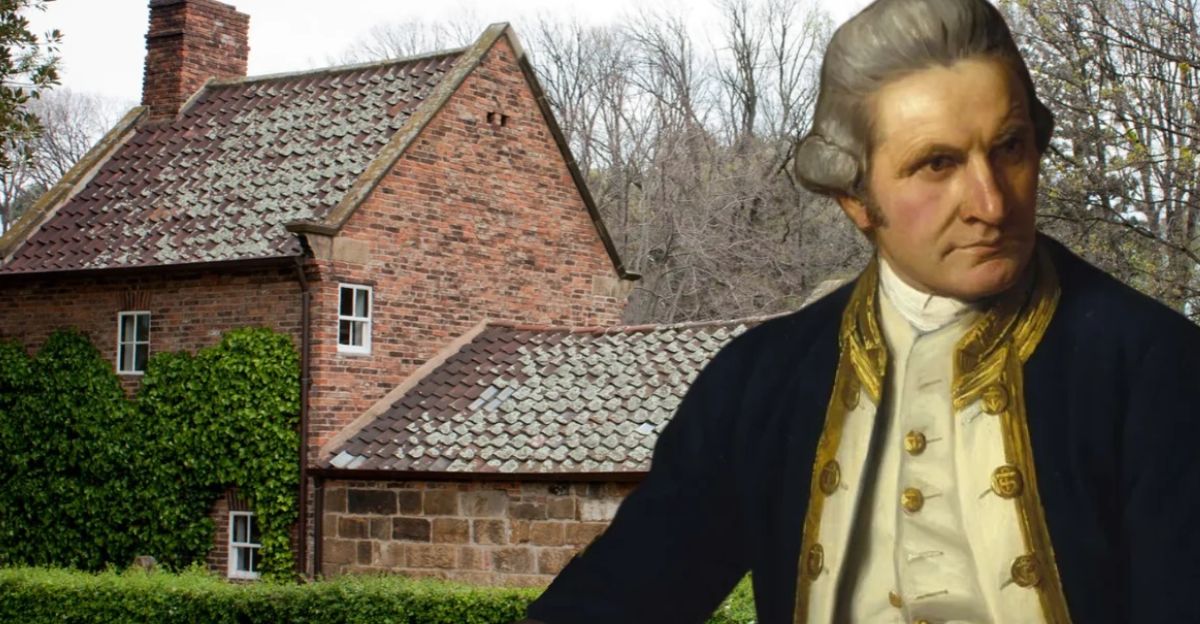
Built in Yorkshire in 1755 by Captain James Cook's parents, this modest cottage made an extraordinary journey in 1934. Each brick was numbered before shipment to Melbourne. Reassembled in Fitzroy Gardens, the building remains a popular attraction, although Cook himself probably never lived there.
 CloudSurfer at English Wikipedia, Wikimedia Commons
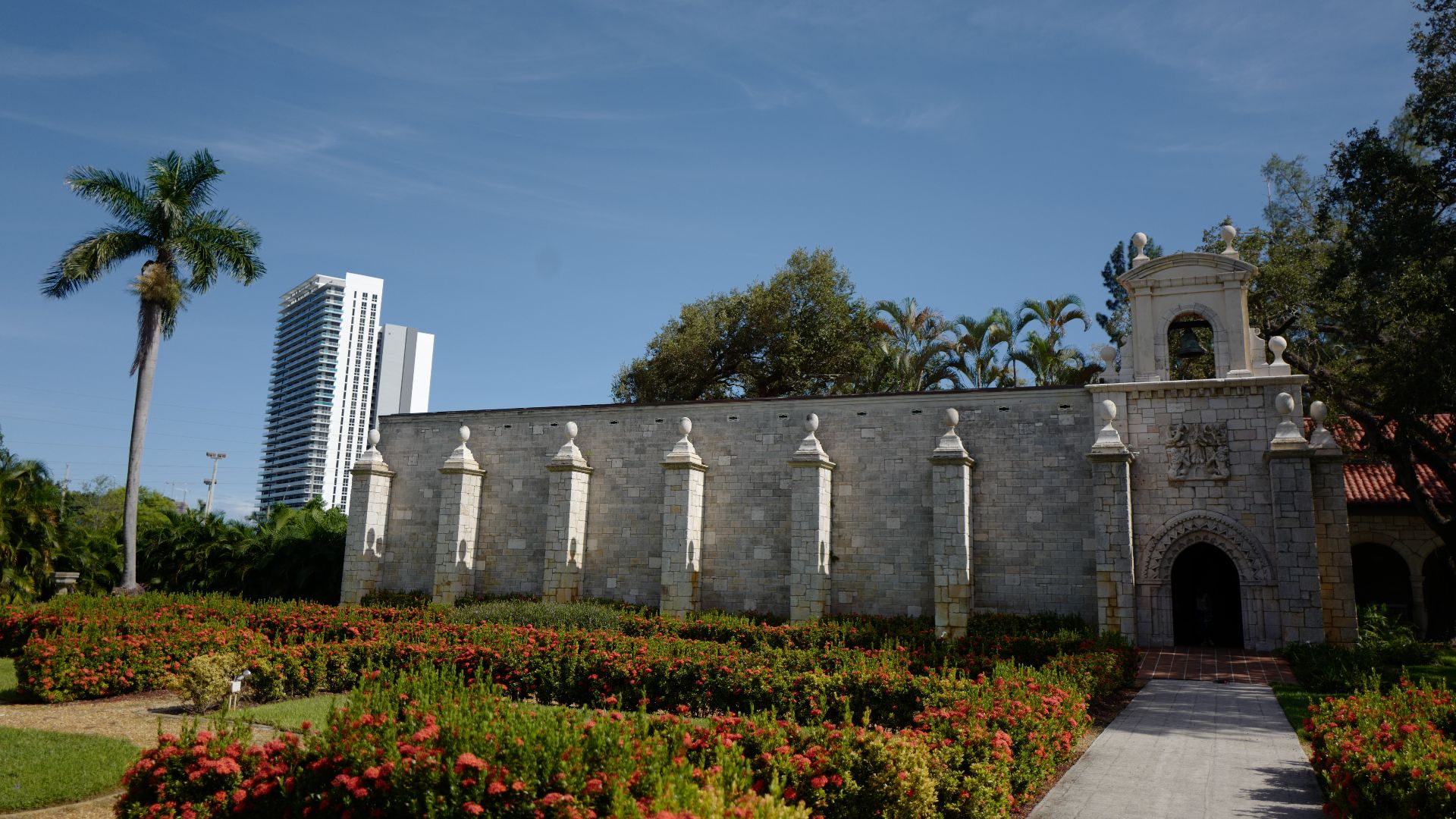
The Ancient Spanish Monastery: Spain To Florida
Construction of this monastery began in Spain in 1133. William Randolph Hearst purchased its cloisters and outbuildings in 1925, shipping approximately 11,000 crates to America. After decades in storage, the medieval stonework was reconstructed in North Miami Beach during the 1950s.
 David H Dennis, Wikimedia Commons
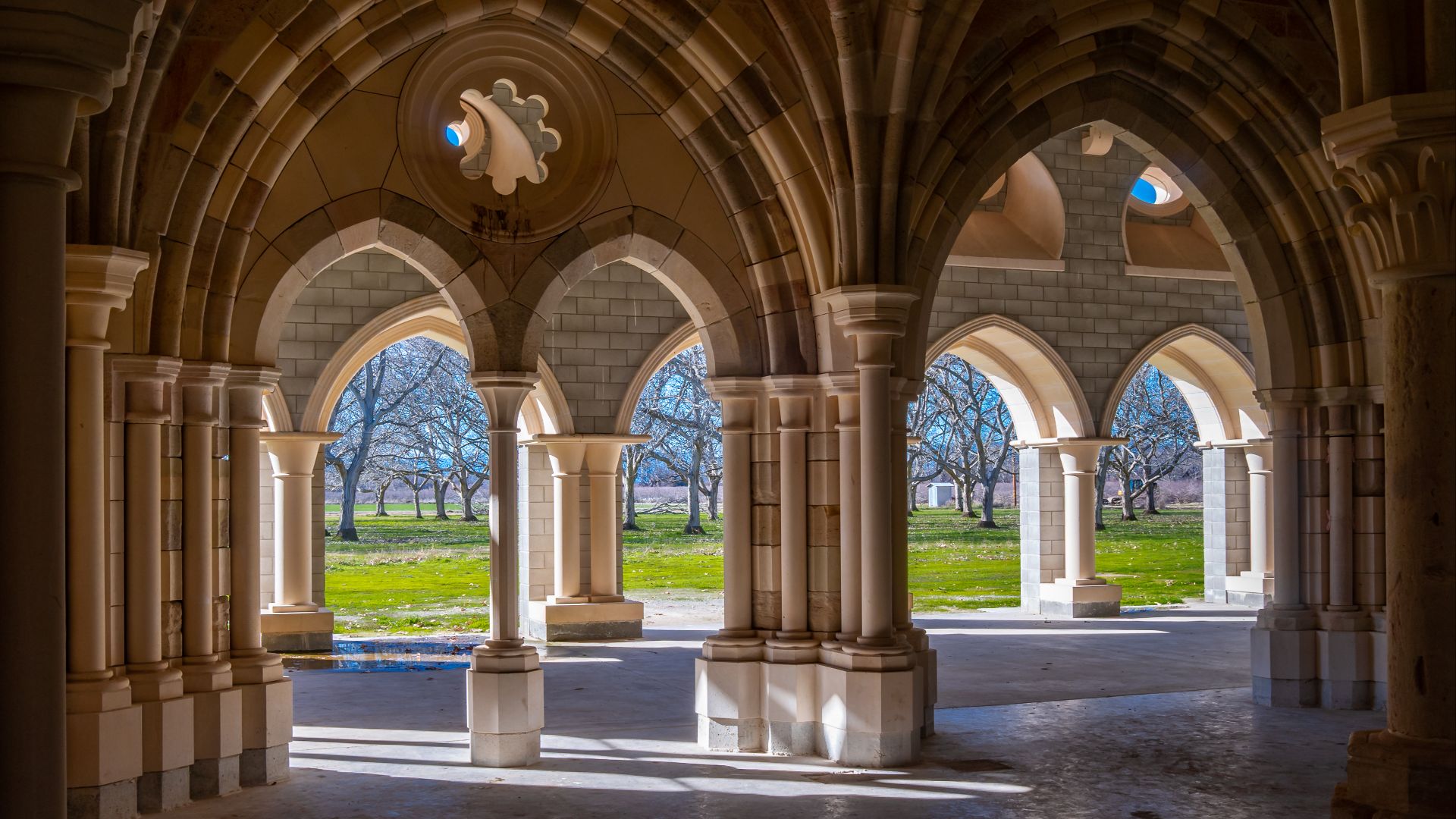
Santa María De Óvila: Spain To California
Hearst also purchased architectural sections of Santa María de Óvila, a medieval Spanish monastery. Its stones reached California in the 1930s but remained largely unused for decades. Eventually, the chapter house was reconstructed at New Clairvaux Abbey in Vina, with restoration completed in 2013.
 Frank Schulenburg, Wikimedia Commons
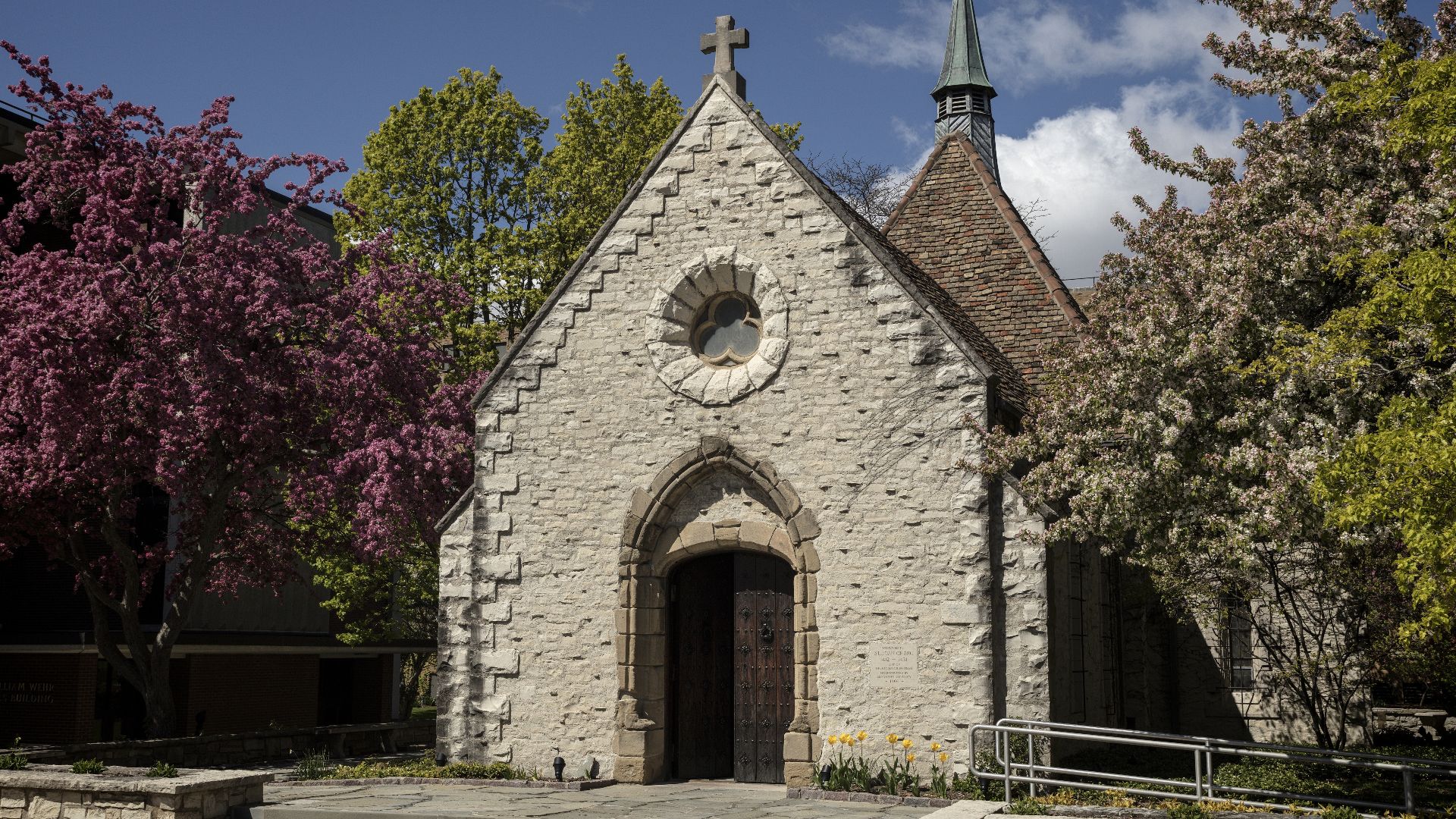
St. Joan Of Arc Chapel: France To Wisconsin
This fifteenth-century French chapel was dismantled and shipped to a Long Island estate in the 1920s. Decades later, its owners donated the structure to Marquette University. Workers carefully transported its stones to Milwaukee, where the reconstructed chapel opened in 1966.
 Leroy Skalstad, Wikimedia Commons
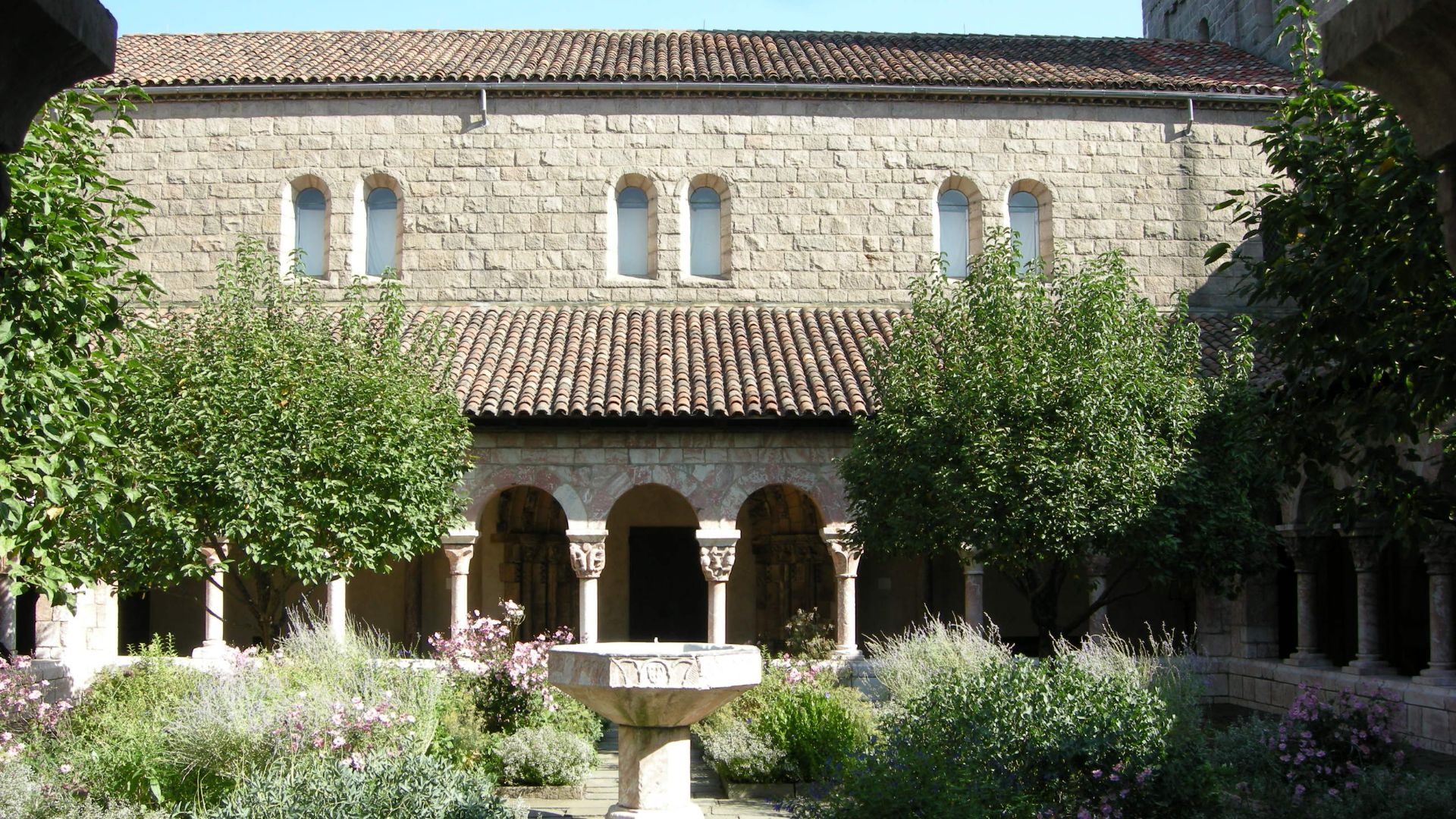
Cuxa Cloister: France To New York
The medieval monastery of Saint-Michel-de-Cuxa in France supplied magnificent marble columns and carved capitals to New York's Met Cloisters. These twelfth-century elements were incorporated into a reconstructed courtyard. Although its surrounding walls are modern, much of the historic stonework is authentic.
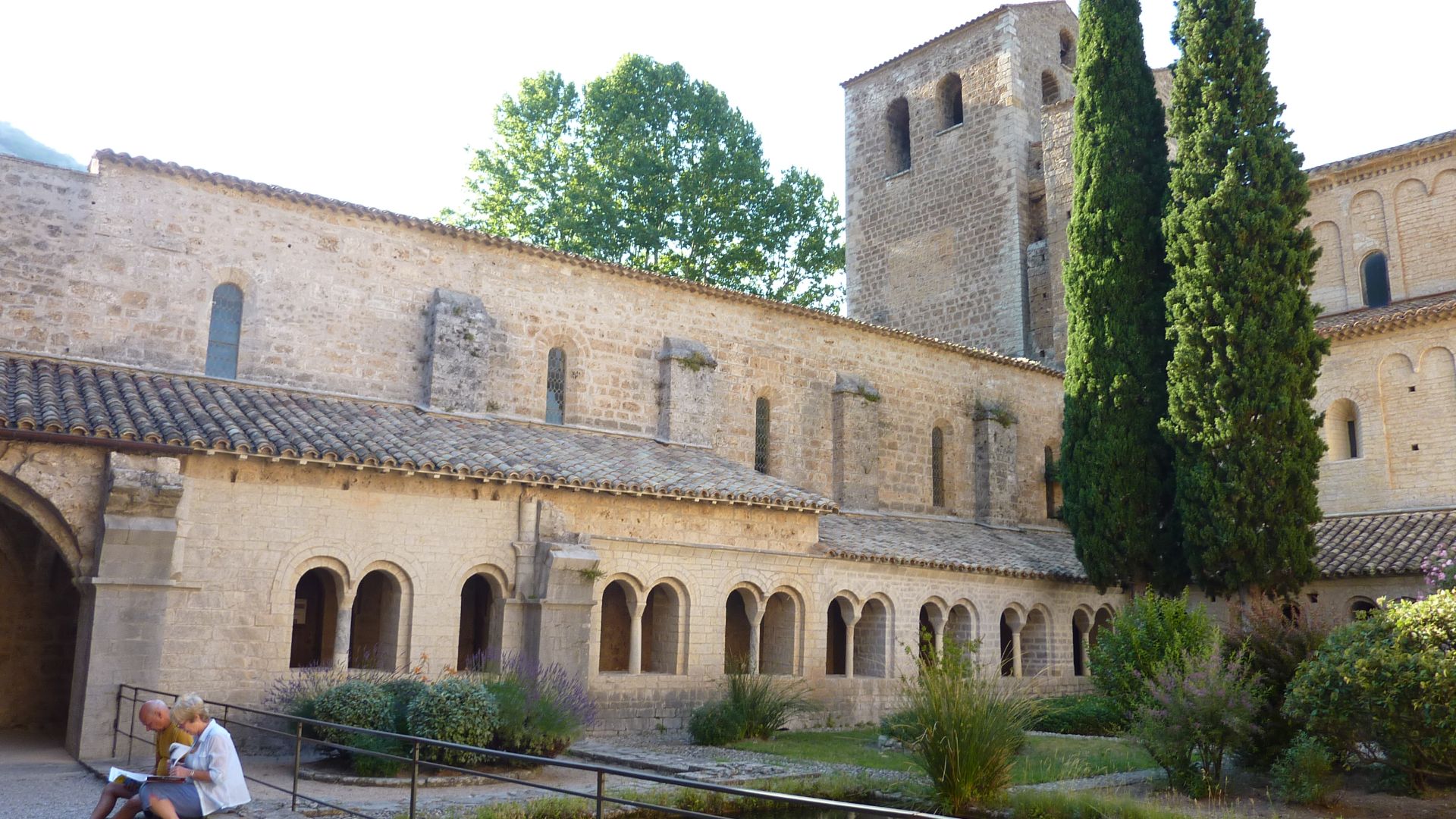
Saint-Guilhem Cloister: France To New York
The Benedictine monastery of Saint-Guilhem-le-Désert once featured an elaborate two-story cloister. After its architectural pieces became dispersed, American collectors acquired numerous surviving fragments. Today, reconstructed sections appear at The Met Cloisters, protected by a skylight installed during a 2003 renovation.
 Henri MOREAU, Wikimedia Commons
Fuentidueña Apse: Spain To New York
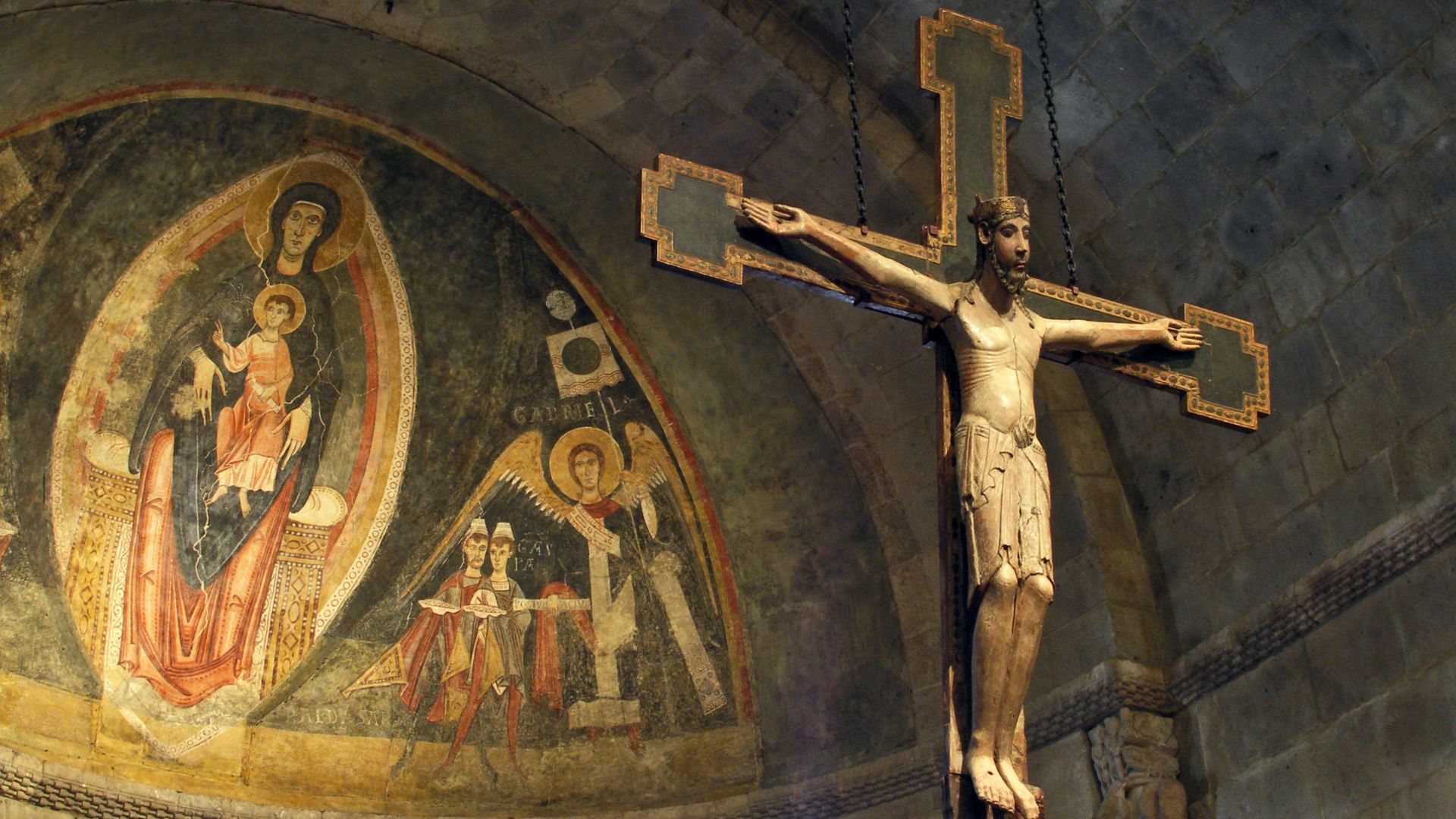
An extraordinary medieval chapel section traveled from Spain to Manhattan during the 1950s. Workers dismantled the twelfth-century Romanesque apse into approximately 3,300 numbered stones. Reconstruction at The Met Cloisters began in 1958 and finished in 1961 under an agreement with Spain.
 Ron Sterling, Wikimedia Commons
Temple Of Dendur: Egypt To New York
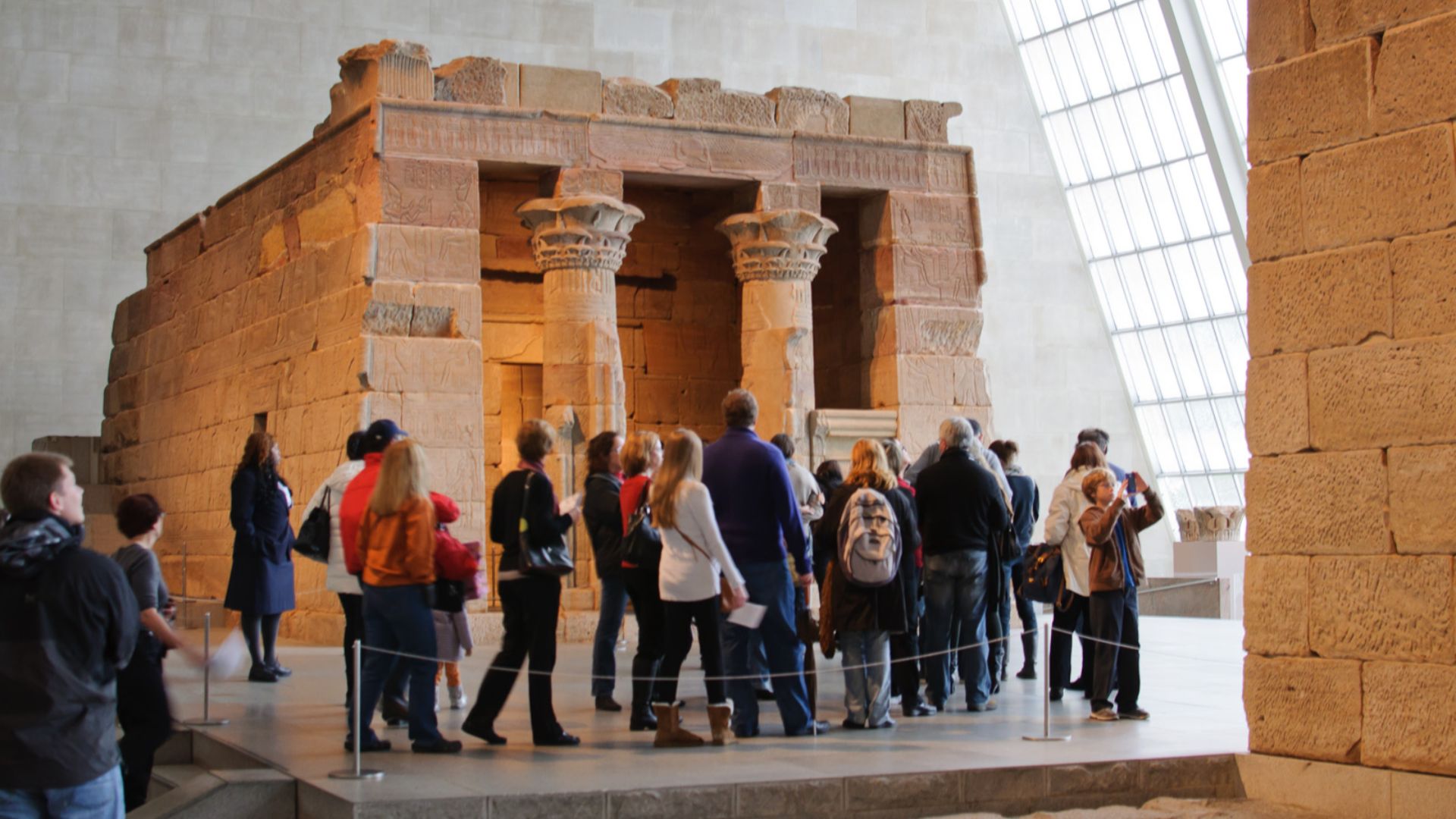
The Temple of Dendur faced flooding during construction of Egypt's Aswan High Dam. Egypt subsequently presented the ancient monument to the United States. Its blocks crossed the Atlantic aboard a freighter in 1968, and the reconstructed temple opened at New York's Metropolitan Museum in 1978.
 InSapphoWeTrust from Los Angeles, California, USA, Wikimedia Commons
Temple Of Taffeh: Egypt To The Netherlands
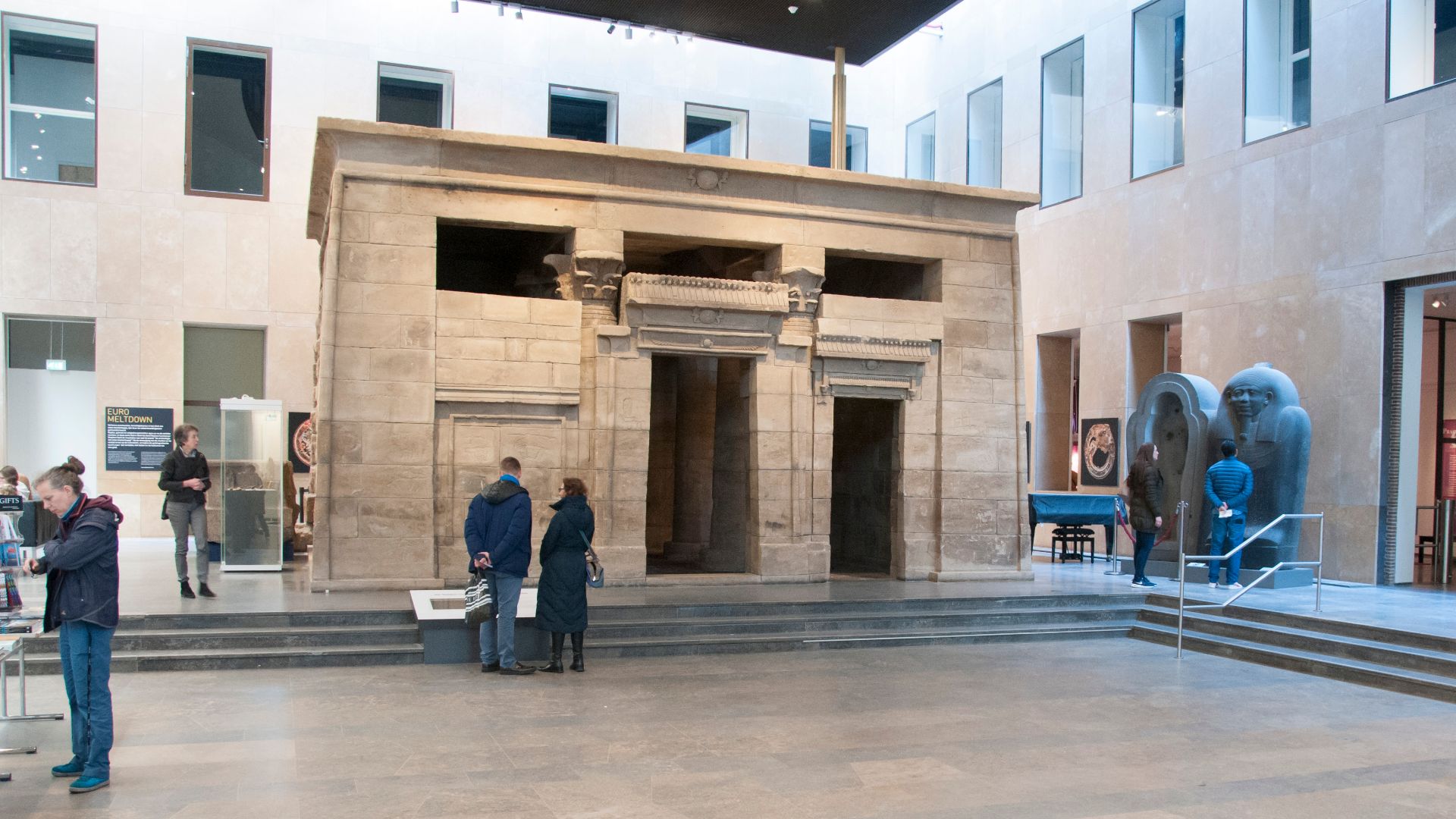
Another Egyptian monument found a surprising European home after the international campaign to preserve Nubian antiquities. The approximately 2,000-year-old Temple of Taffeh was dismantled and transported to Leiden. Its reconstructed stone walls and columns now occupy the Rijksmuseum van Oudheden's entrance hall.
Yin Yu Tang: China To Massachusetts
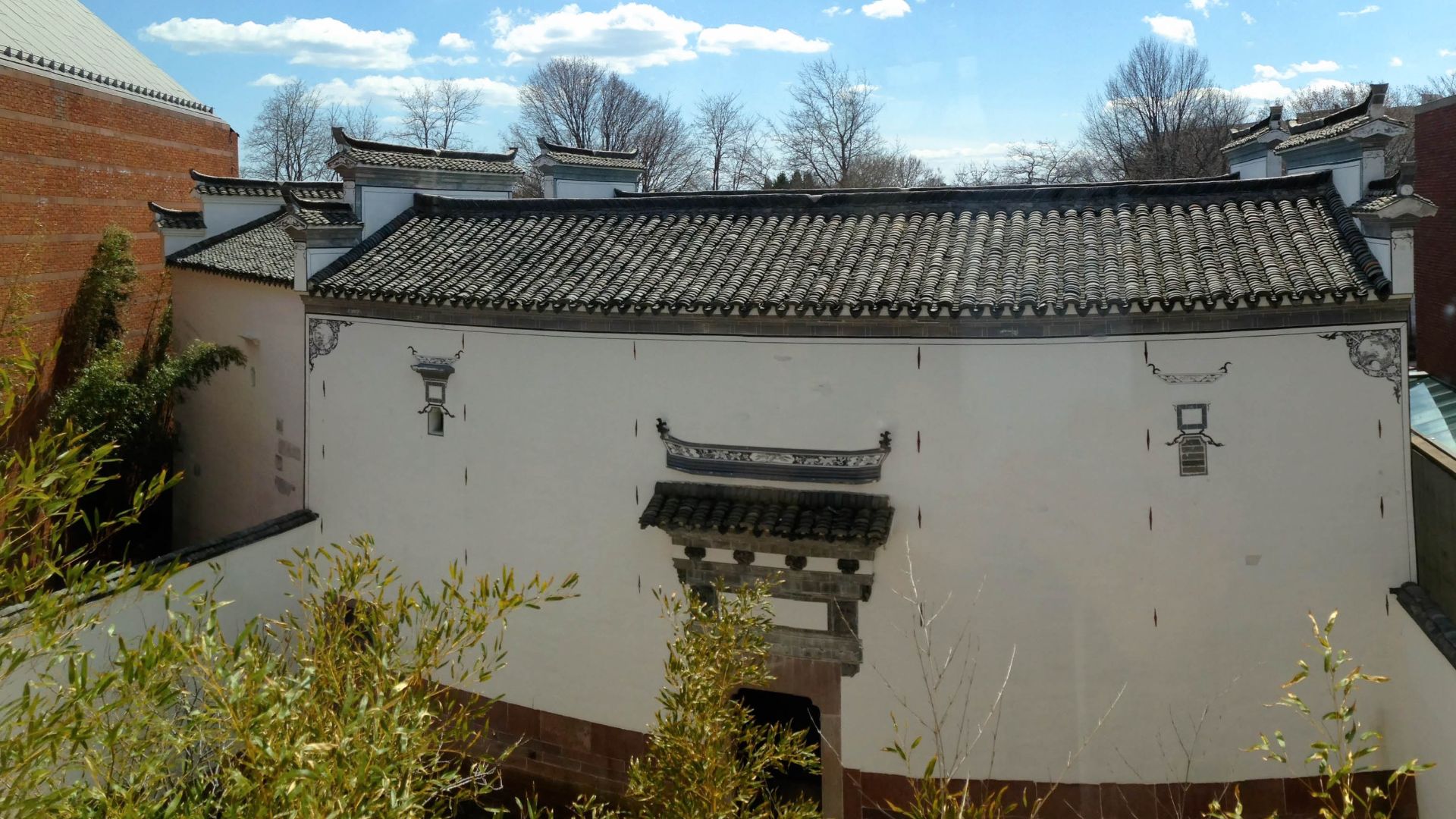
For more than two centuries, Yin Yu Tang housed generations of one Chinese family. During the 1990s, preservation specialists dismantled the traditional residence and shipped its components to Massachusetts. The reconstructed house opened at Salem's Peabody Essex Museum in 2003.
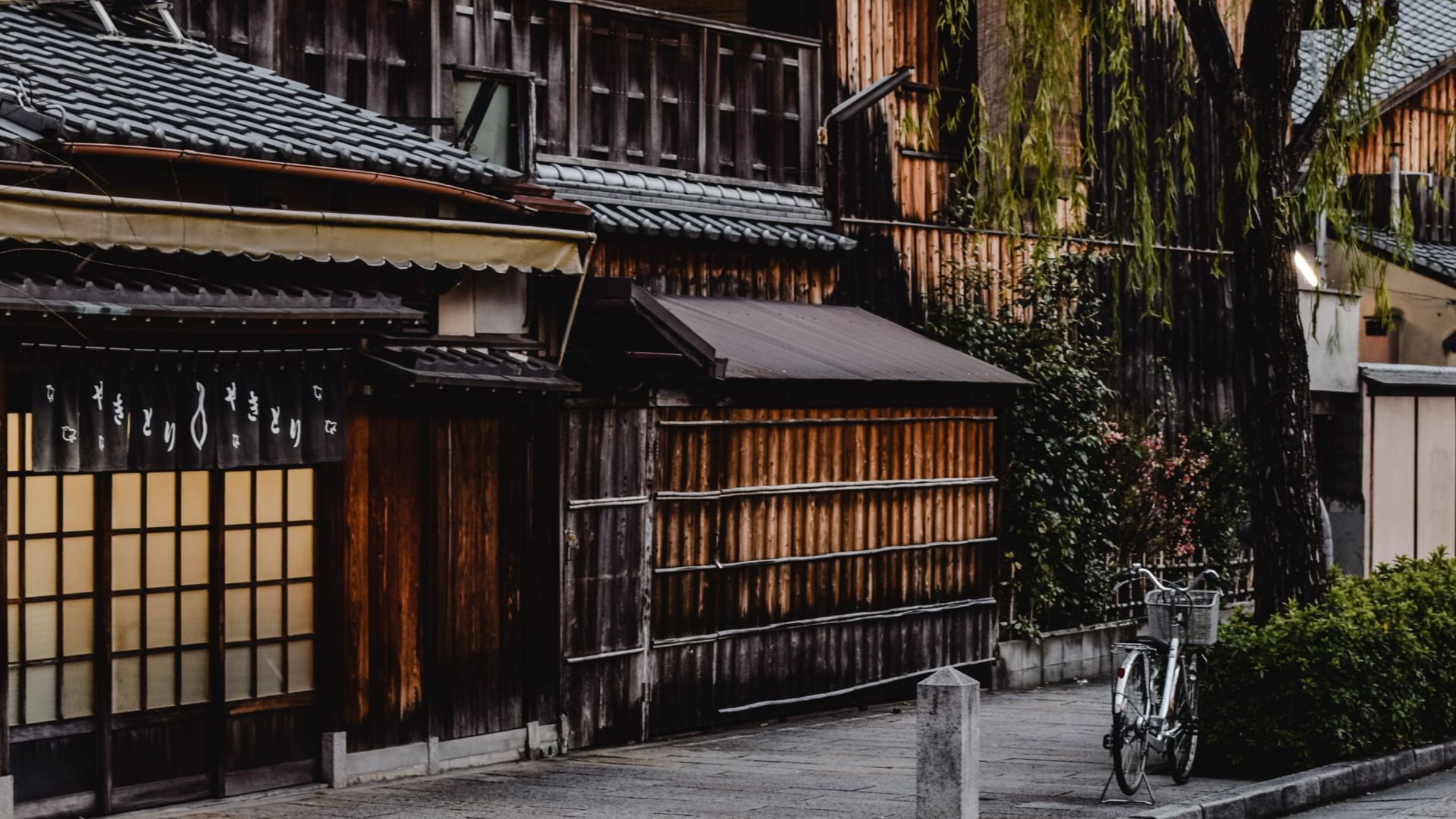
Kyo No Machiya: Japan To Boston
Boston Children's Museum contains an authentic nineteenth-century Japanese townhouse. Originally belonging to a Kyoto silk merchant's family, the building was presented to Boston in 1979. Japanese carpenters reconstructed the house inside the museum, where it opened to visitors in 1980.
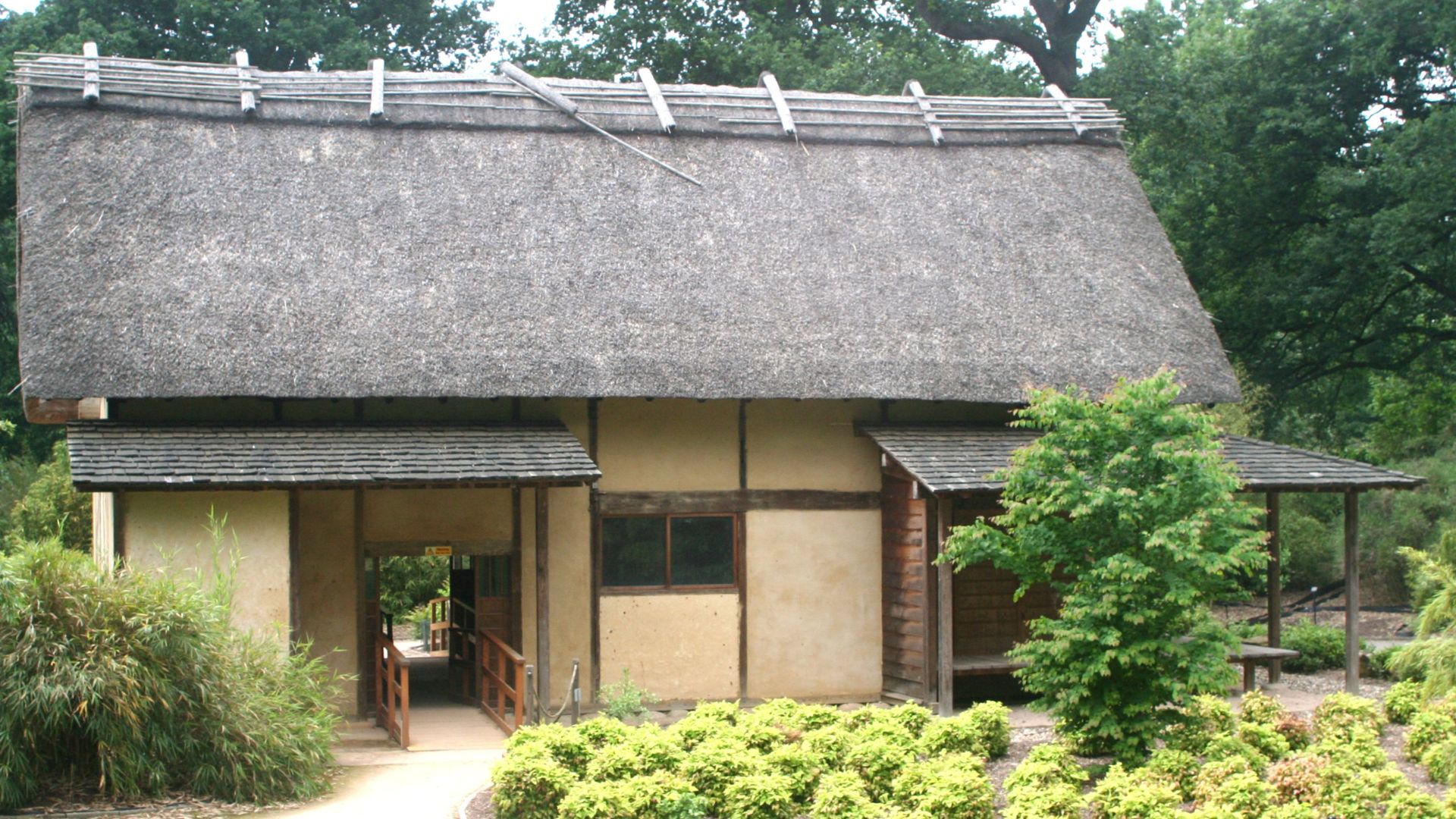
Kew's Minka House: Japan To England
A traditional Japanese farmhouse from Okazaki City traveled to London's Kew Gardens in 2000. Its wooden framework arrived in numbered sections, allowing Japanese carpenters to reconstruct the main structure. British builders completed its walls, and the relocated house became part of Kew's Bamboo Garden.
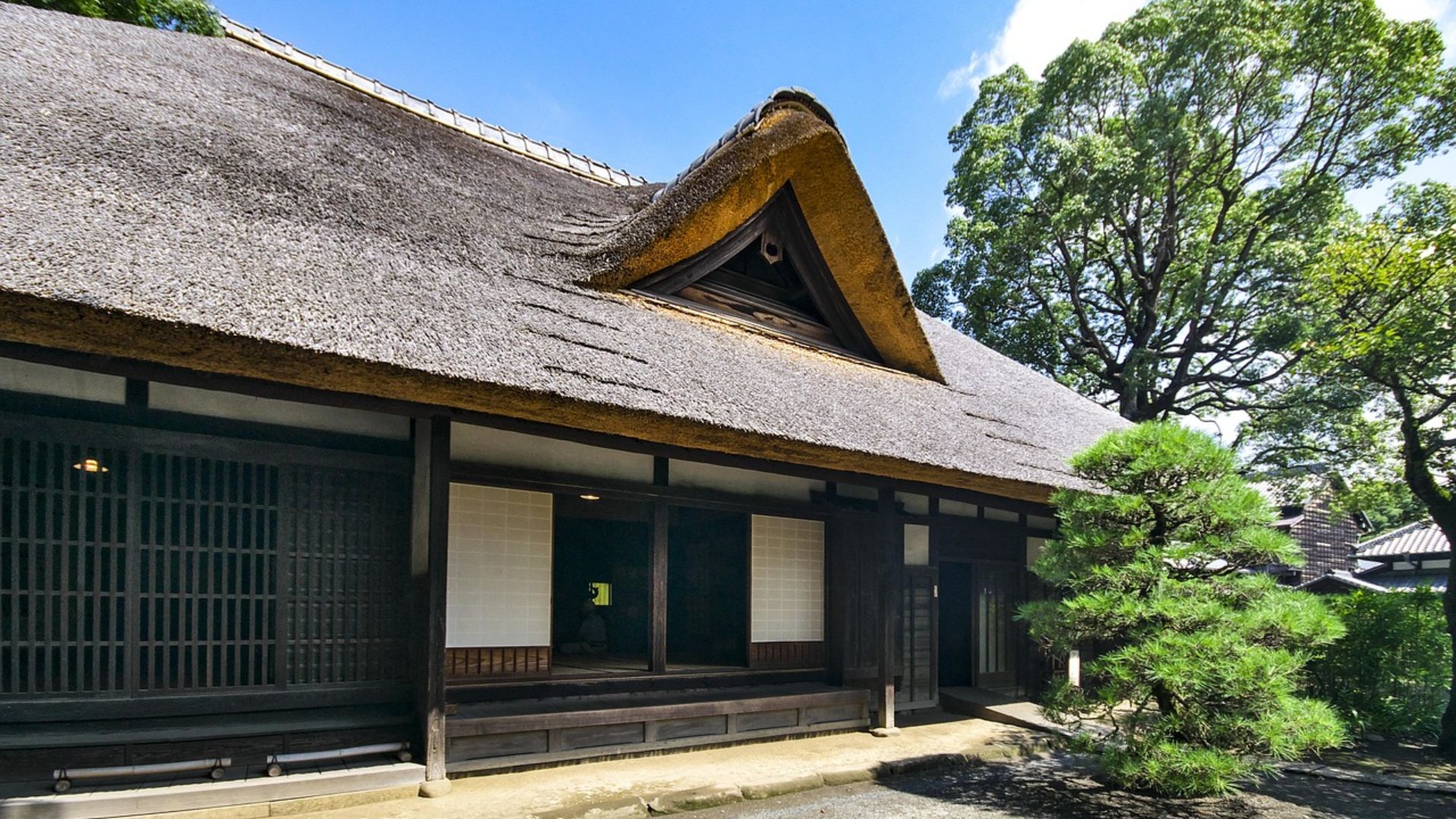
Belmont Minka: Japan To Massachusetts
A roughly 300-year-old Japanese farmhouse began another life in Belmont, Massachusetts. Its timber structure was dismantled, restored in Japan, and shipped across the Pacific in twelve containers in 2023. The reconstructed farmhouse now adjoins an existing American residence.
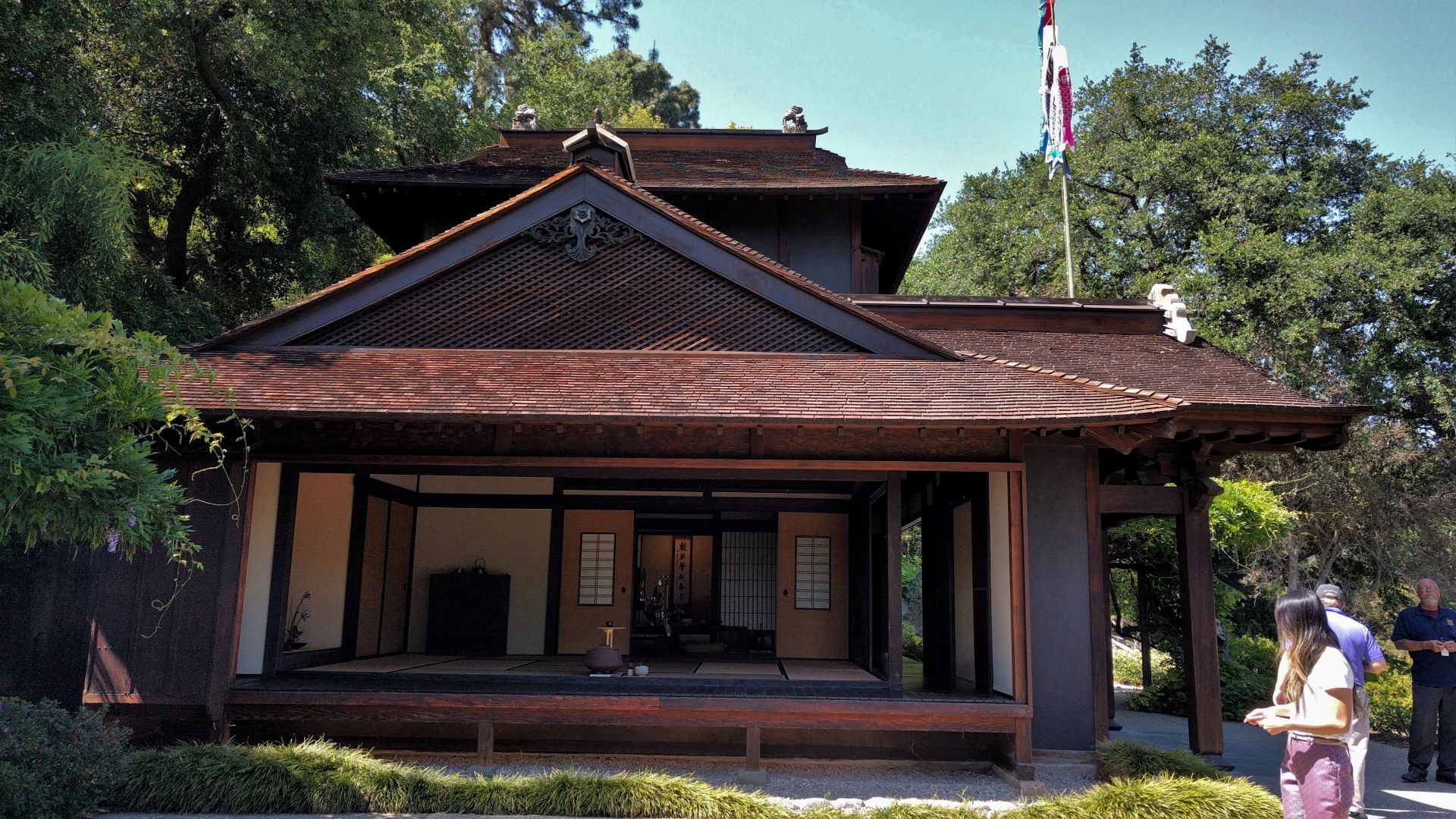
Huntington's Japanese House: Japan To California
Around 1904, architectural elements manufactured in Japan arrived in Pasadena for a commercial Japanese garden. Henry Huntington purchased the resulting structure in 1911 and relocated it to his estate. Today, the historic house remains a centerpiece of Huntington's Japanese Garden.
 cultivar413, Wikimedia Commons
Shōya House: Japan To California
Built around 1700, this Japanese residence originally stood in Marugame. It was dismantled in 2018 and shipped to California the following year. Following extensive restoration and reconstruction, the Shōya House opened at the Huntington Library's Japanese Garden in October 2023.
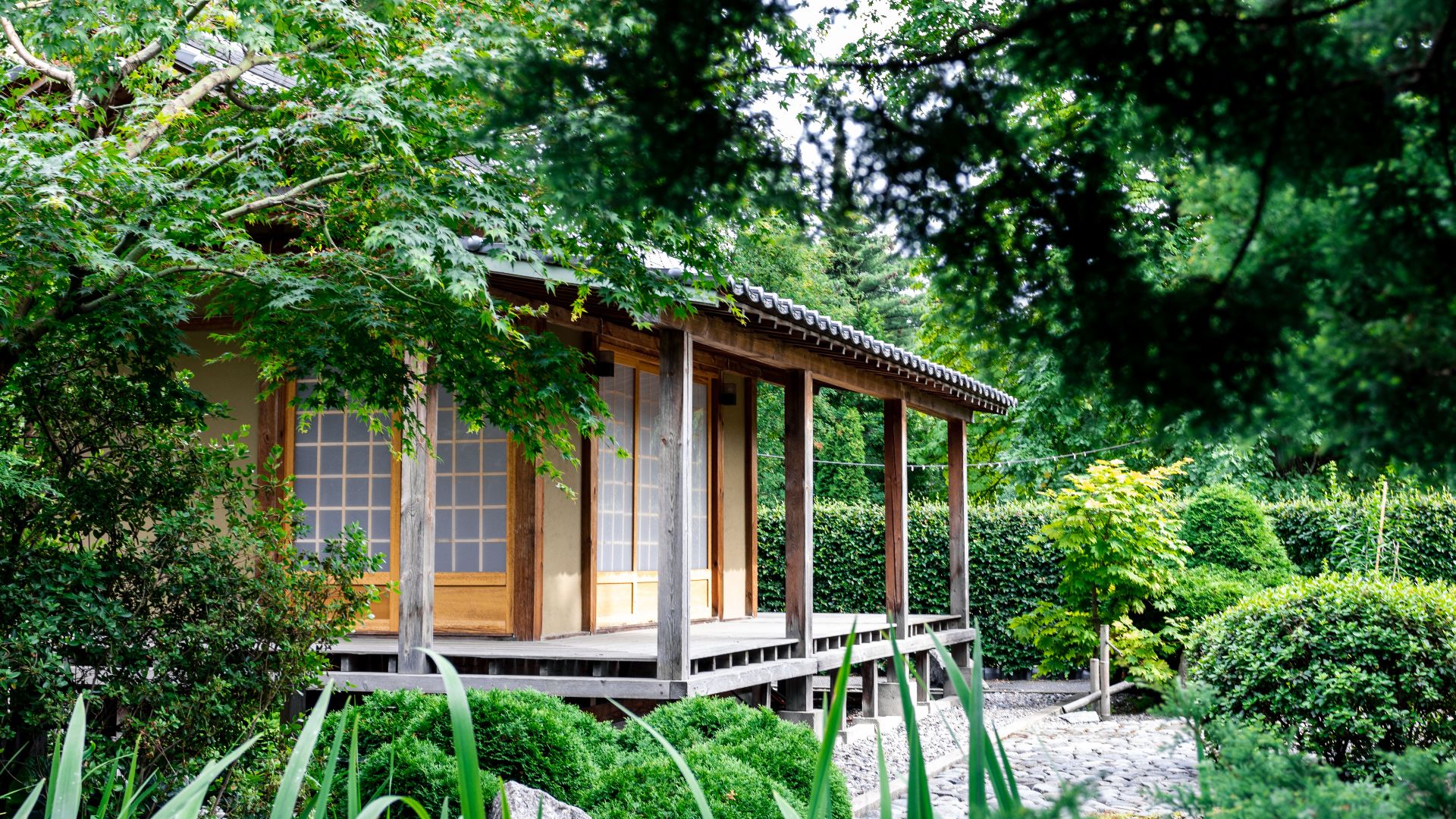
Shofuso: Japan To Pennsylvania
Built in Nagoya in 1953, Shofuso demonstrates traditional Japanese architectural craftsmanship. Its components traveled to New York for an exhibition at the Museum of Modern Art. Following that exhibition, the house was relocated and reconstructed in Philadelphia's Fairmount Park in 1958.
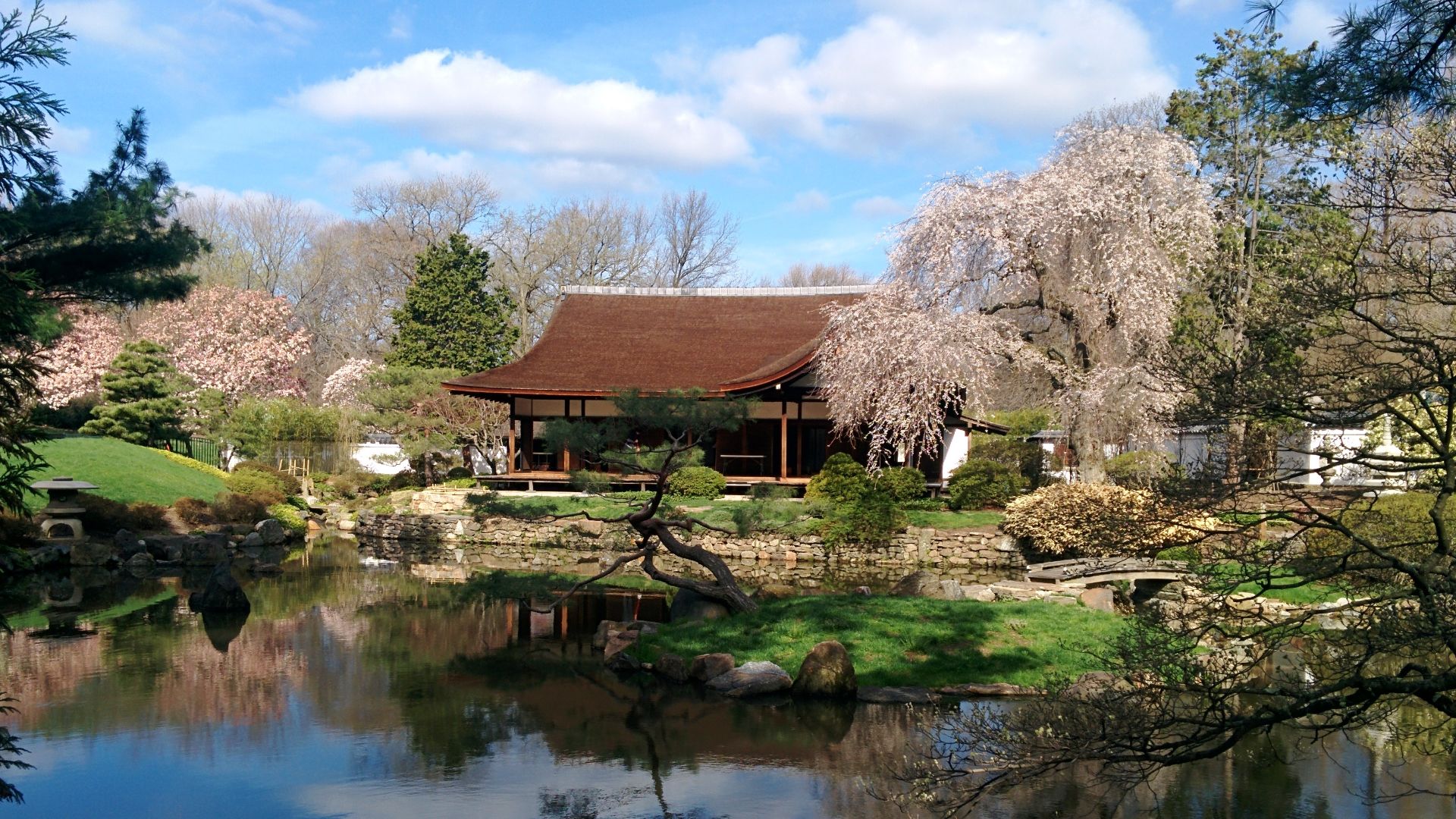 Matsukazeso, Wikimedia Commons
Swedish Cottage: Sweden To New York
Central Park's charming Swedish Cottage was originally constructed in Sweden. It crossed the Atlantic for Philadelphia's 1876 Centennial Exhibition before eventually reaching Manhattan. Originally designed to demonstrate Swedish woodworking, the historic building now houses a marionette theater.
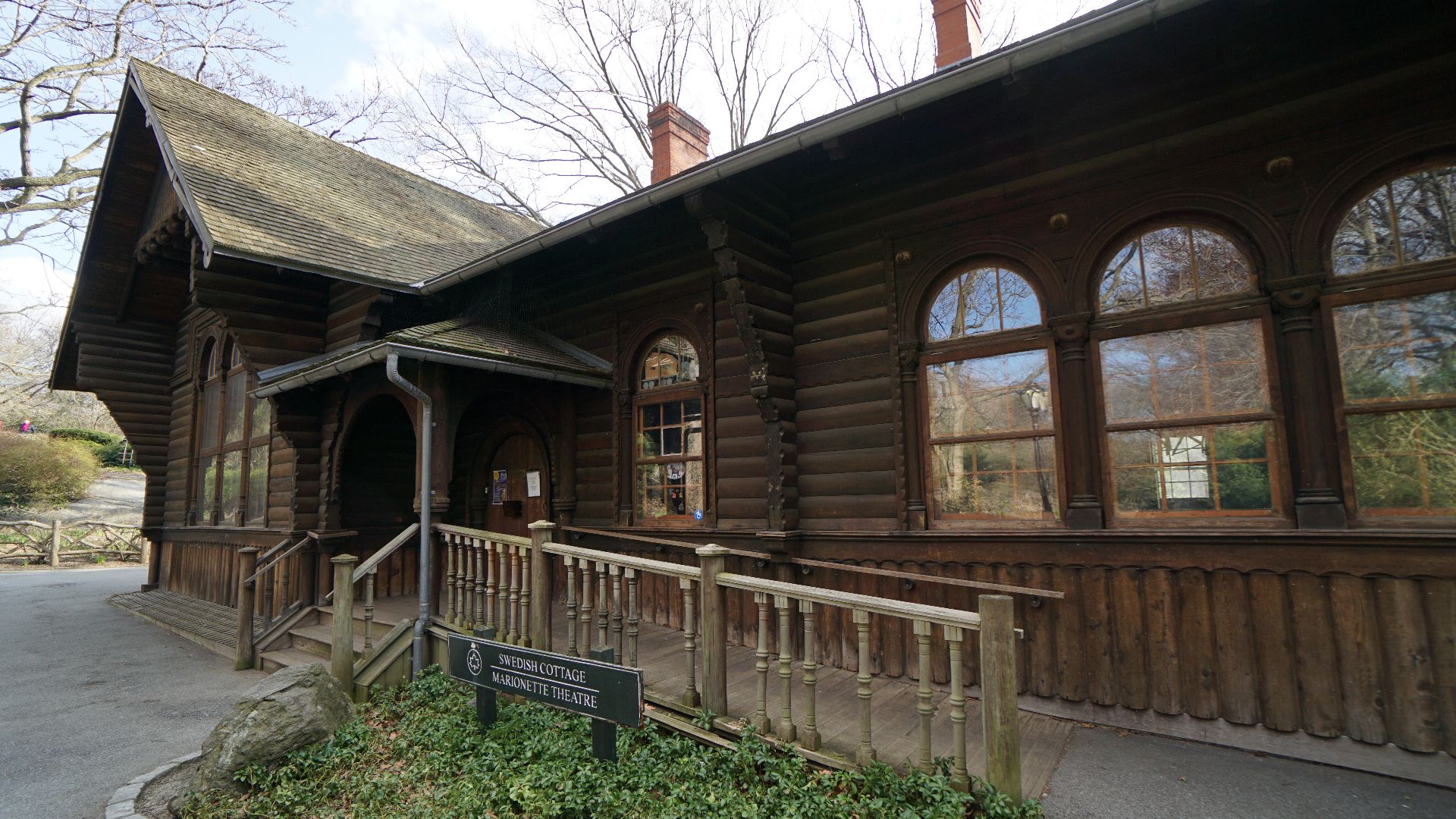 Marcus Bornestav, Wikimedia Commons
Swedish Pavilion: Sweden To Kansas
Architect Ferdinand Boberg designed this distinctive pavilion for the 1904 St. Louis World's Fair. Prefabricated near Stockholm, it was dismantled and shipped across the Atlantic. After the exhibition, the building moved to Lindsborg, Kansas, where it survives as a museum landmark.
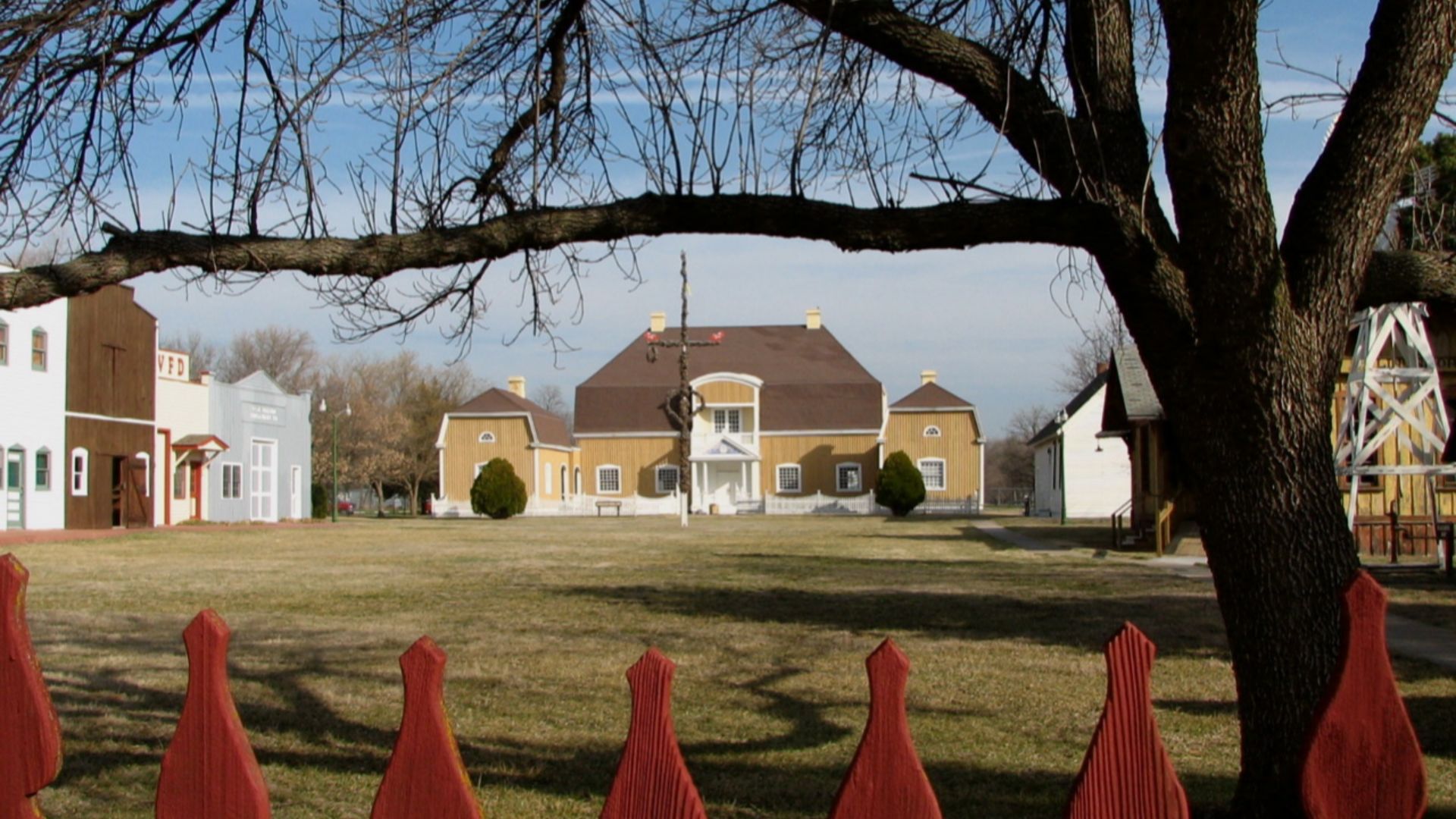 mom and dad, Wikimedia Commons
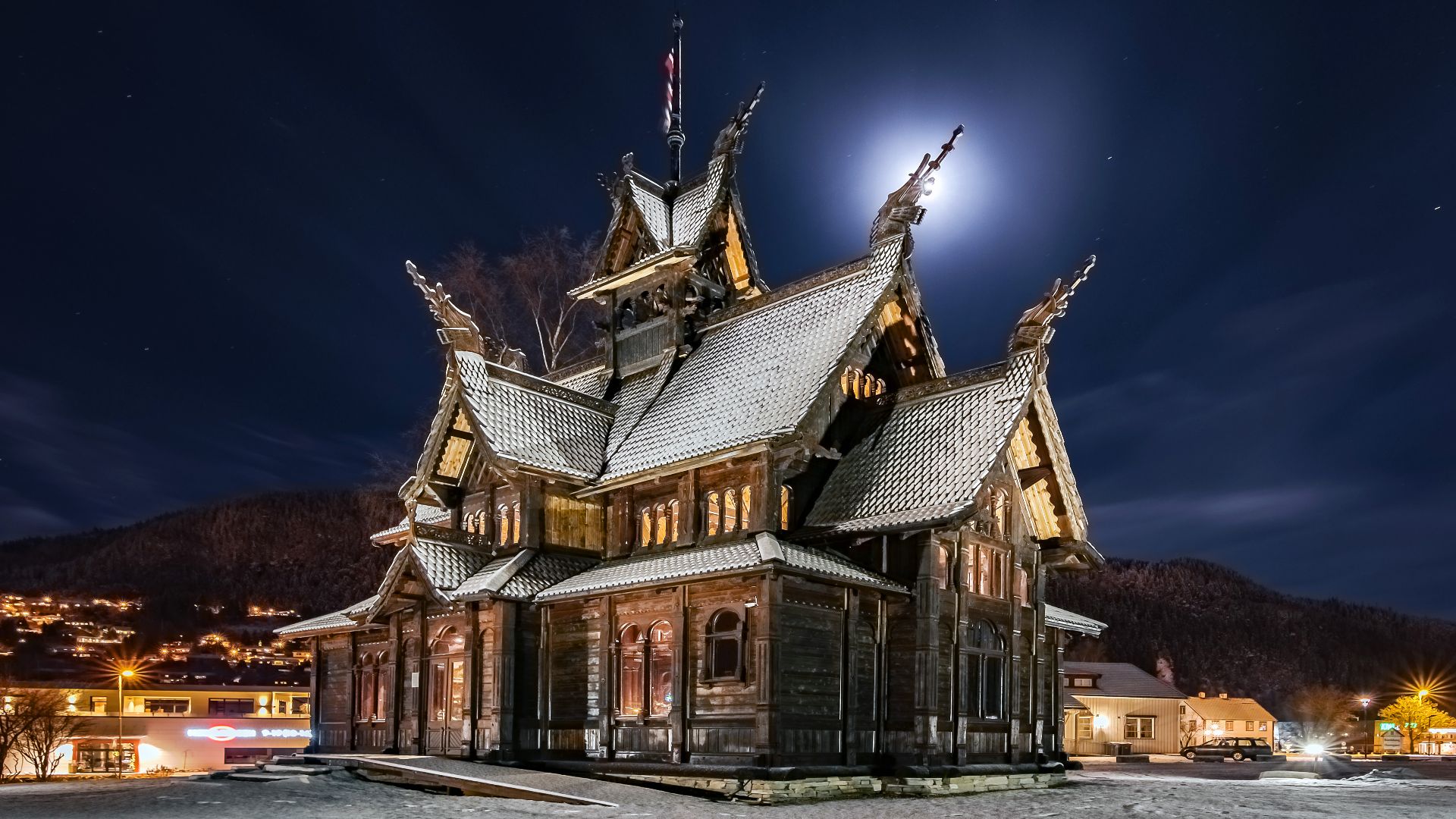
Norway Building: Norway To America And Back
Norway's pavilion for Chicago's 1893 World's Fair resembled a traditional stave church. Manufactured in Norway and shipped in sections, it subsequently moved around Wisconsin. In 2015, the historic structure returned to Norway, where it was restored and reopened in 2017.
 Hjallisenemine, Wikimedia Commons
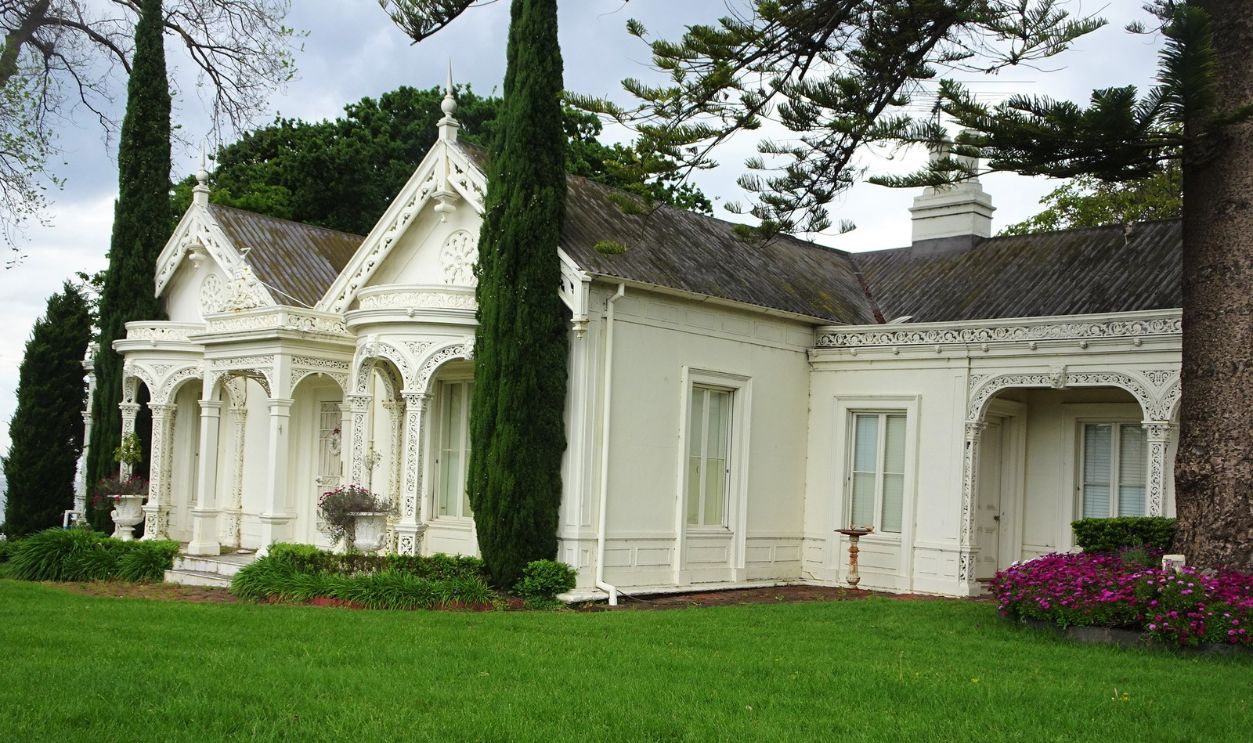
Corio Villa: Scotland To Australia
Geelong's extraordinary Corio Villa arrived from Scotland as a collection of prefabricated cast-iron components in 1855. Its intended purchaser had died, leaving the shipment unclaimed. Alfred Douglass eventually acquired the materials and assembled the ornate residence overlooking Corio Bay in 1856.
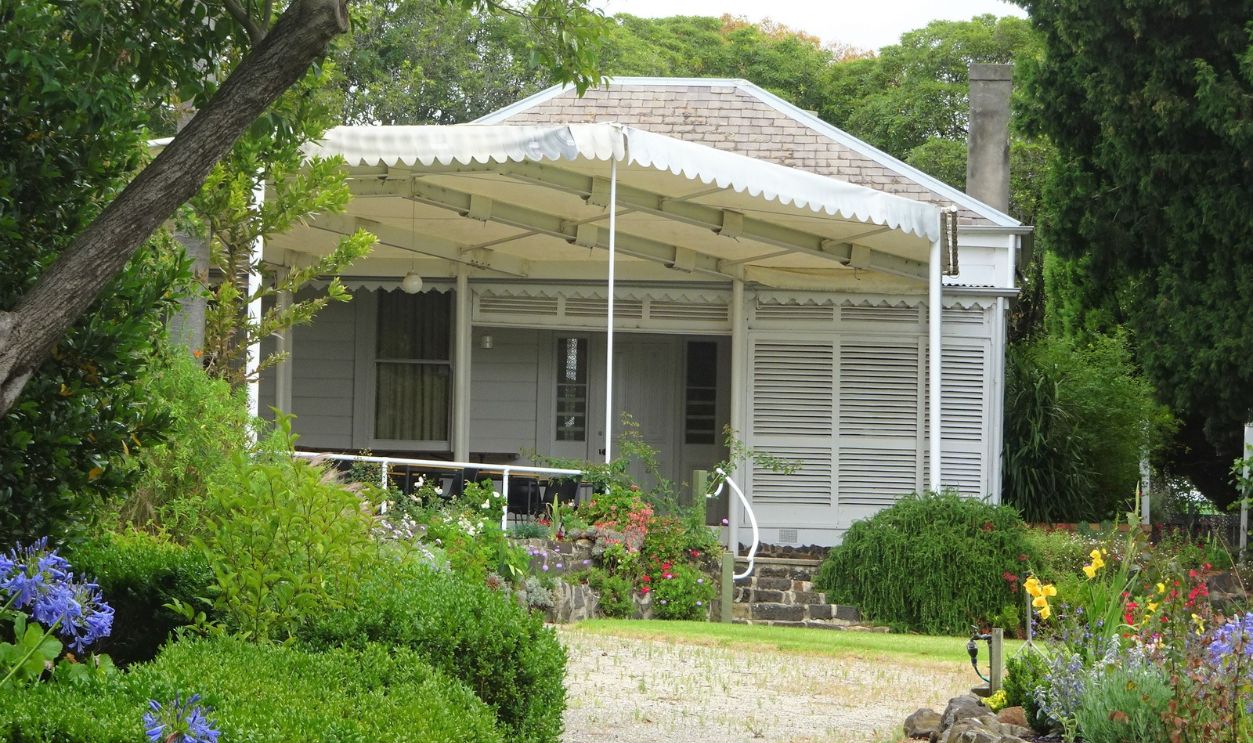
The Heights: Germany To Australia
Another remarkable Geelong residence began as a prefabricated house imported from Germany. Assembled in 1854 for businessman Charles Ibbotson, The Heights later underwent substantial alterations. Today, its historic buildings, gardens, and preserved 1930s interiors form a National Trust heritage attraction.
You May Also Like:
Haunting Relics From The Ancient Past That We Honestly Think Would Have Been Better Off Left Buried
Historic U.S. Routes That Predate The Interstate Highway System
Countries That Existed For Less Than A Year, But Still Made Their Mark