Here Today, Gone Tomorrow
Some countries barely had time to design a flag before disappearing from the map. Throughout history, revolutions, collapsing empires, and independence movements have produced nations that survived only months, weeks, or even days. Some were genuinely independent, while others were provisional or unrecognized republics. Yet their brief existence sometimes changed borders, inspired independence movements, or left symbols that survive today. These are some of history's most fascinating short-lived states.
 Meschanov Anton, Shutterstock Images
United Belgian States (1790)
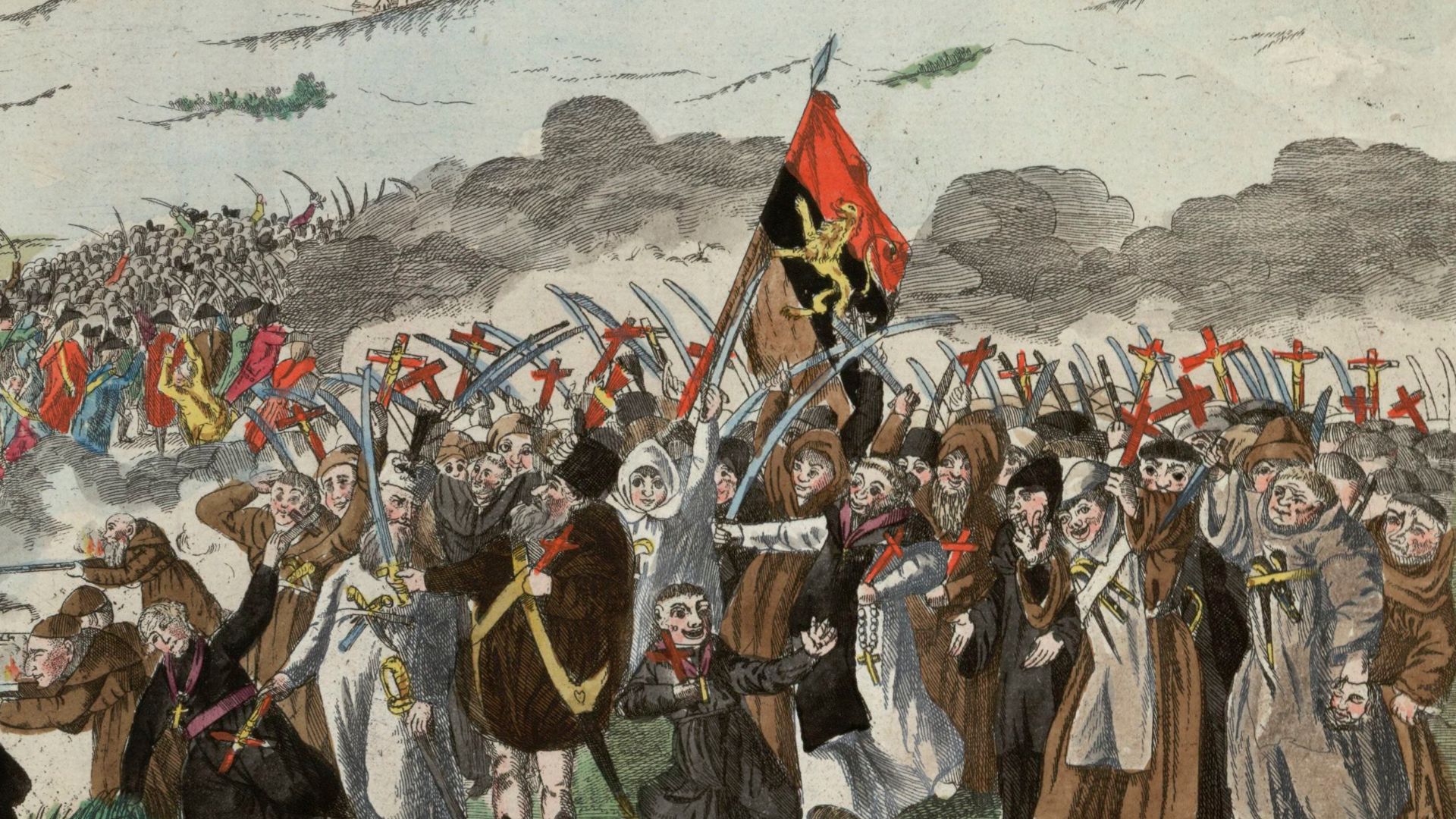
Long before modern Belgium emerged, nine provinces broke from Austrian rule and formed the United Belgian States in January 1790. Their confederation lasted roughly eleven months before Austrian forces returned. The experiment helped establish a shared Belgian identity.
 Heinrich van der beeck, Wikimedia Commons
Republic Of Connacht (1798)
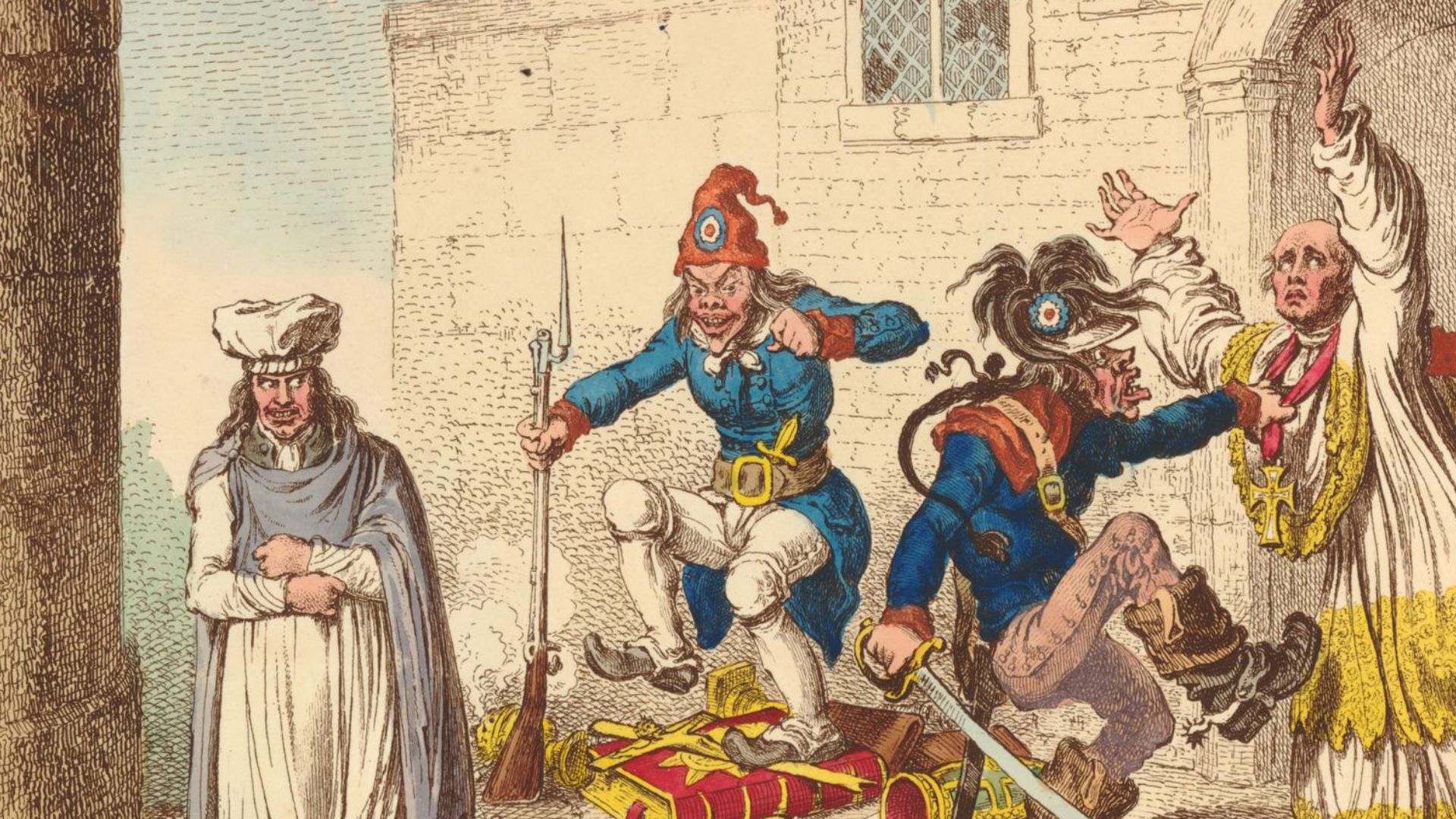
Ireland briefly had a revolutionary republic in its western province of Connacht during the 1798 rebellion. French troops under General Jean Joseph Humbert helped establish the breakaway administration after victory at Castlebar. British forces defeated the revolutionary army in September.
Parthenopean Republic (1799)
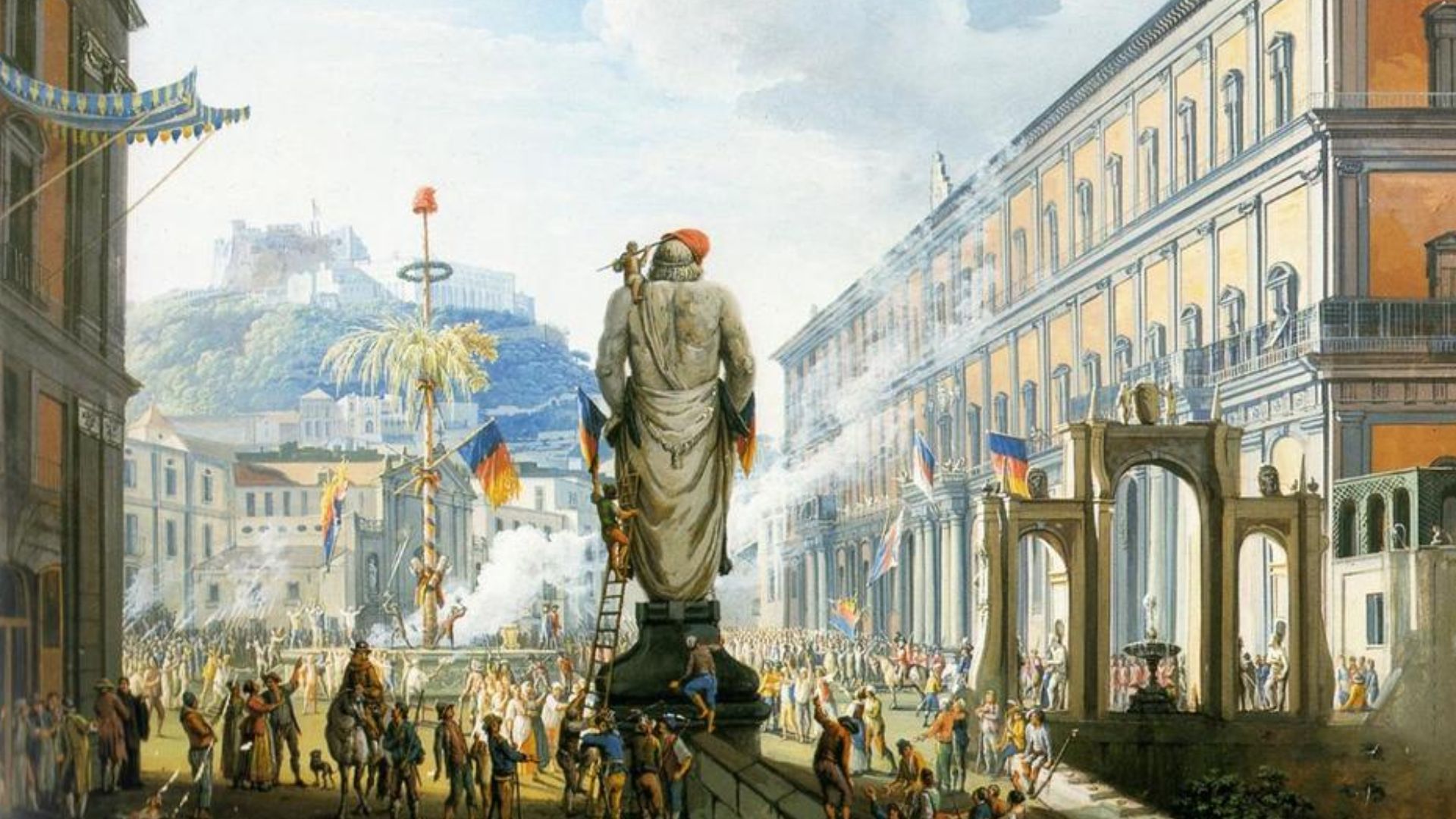
Naples became the center of a revolutionary experiment when French forces helped establish the Parthenopean Republic in January 1799. Republican intellectuals embraced new political ideals, but royalist forces reclaimed the city by June. Its collapse ended a remarkably ambitious experiment.
 Guiscard? / Saviero (Xavier) della Gatta? (active 1777-1828), Wikimedia Commons
Republic Of West Florida (1810)
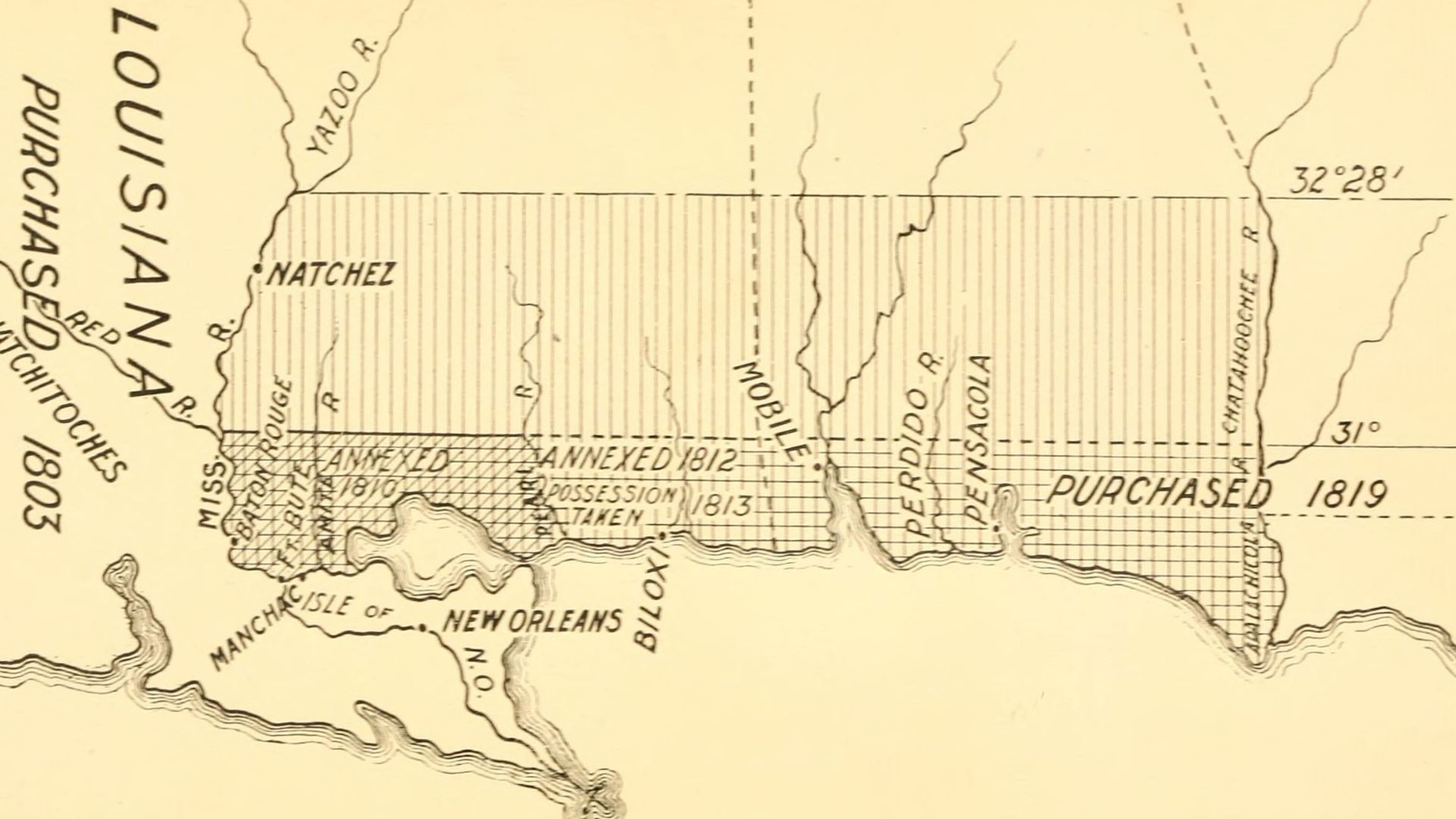
In September 1810, settlers rebelled against Spanish rule around Baton Rouge and established the Republic of West Florida. The tiny country adopted its own government and flag. American authorities incorporated the territory into Louisiana's expanding frontier that December.
 Chambers, Henry E. (Henry Edward), 1860-1929, Wikimedia Commons
California Republic (1846)
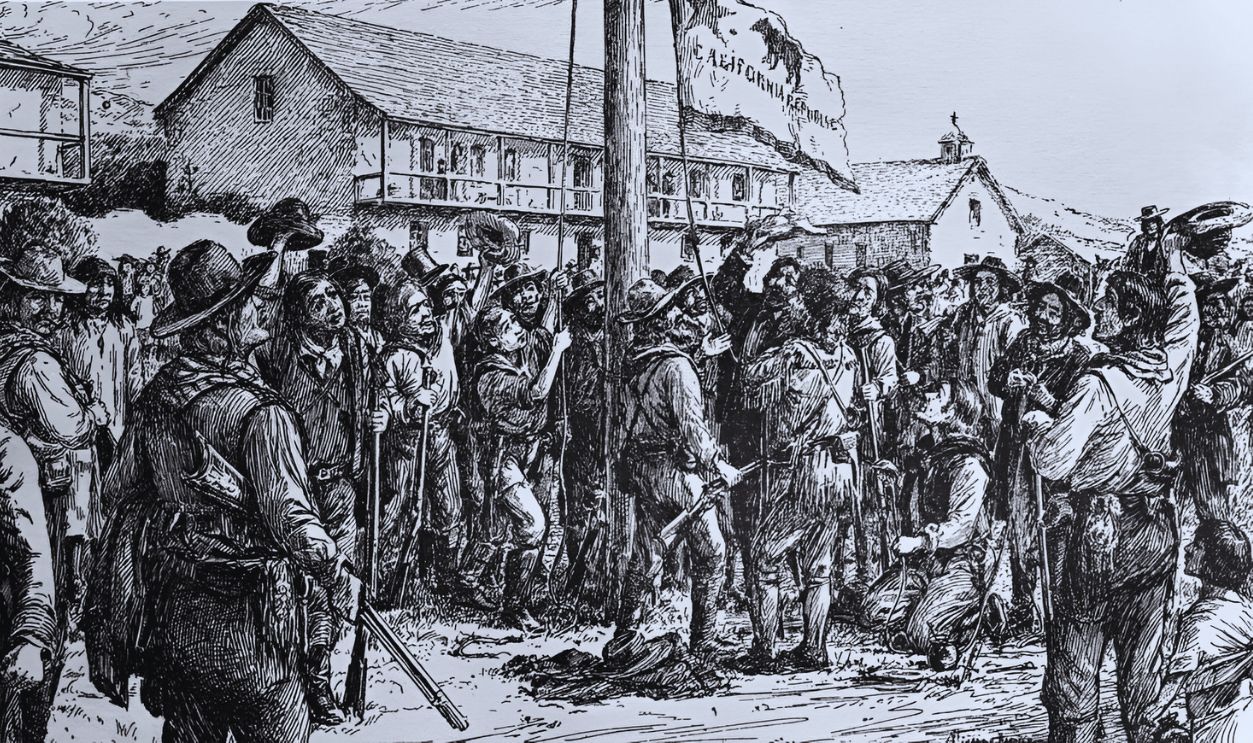
California's independence movement lasted just 25 days. American settlers seized Sonoma in June 1846 and raised a homemade flag featuring a grizzly bear. The republic disappeared in July, but its famous bear survived on California's modern state flag.
 Charlies Pierce, Wikimedia Commons
Roman Republic (1849)
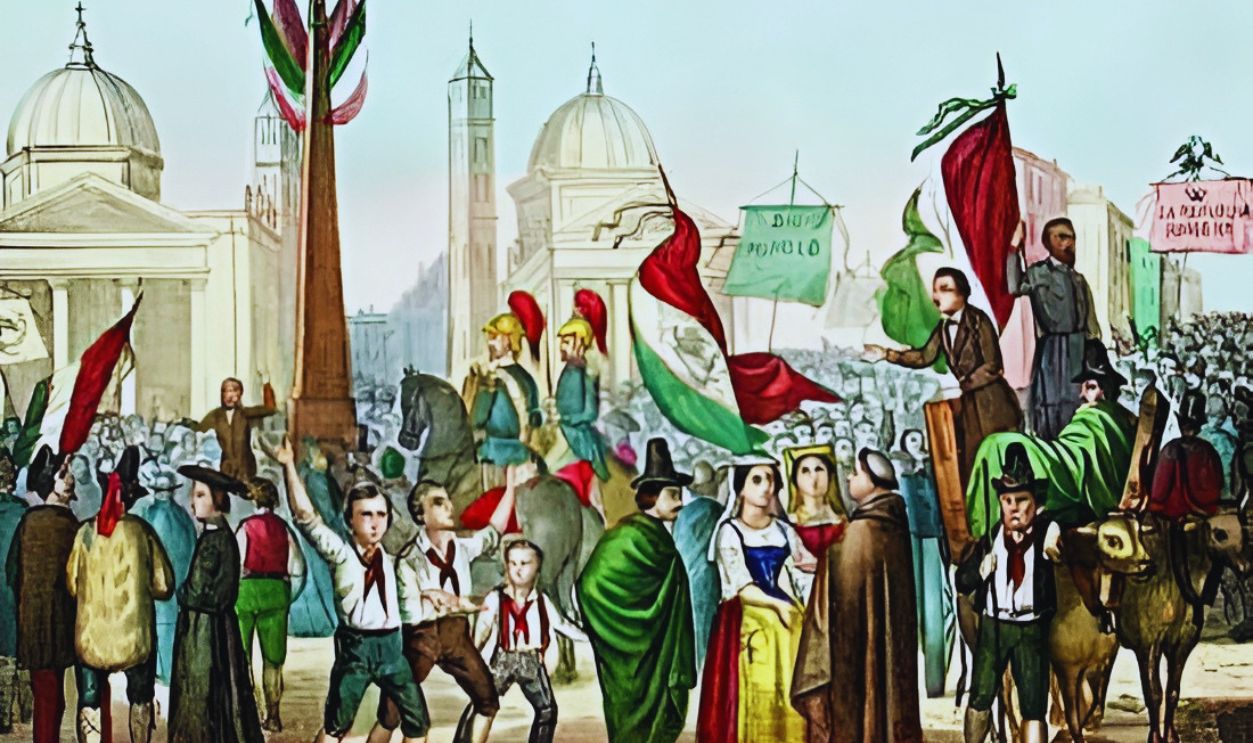
Rome briefly became a republic after Pope Pius IX fled the city. Giuseppe Mazzini emerged as a leading figure, advocating democratic government and Italian unity. French intervention ended the republic in July 1849, but its constitution remained influential.
 Litografia Rossetti, Milano, Wikimedia Commons
Republic Of Ezo (1869)
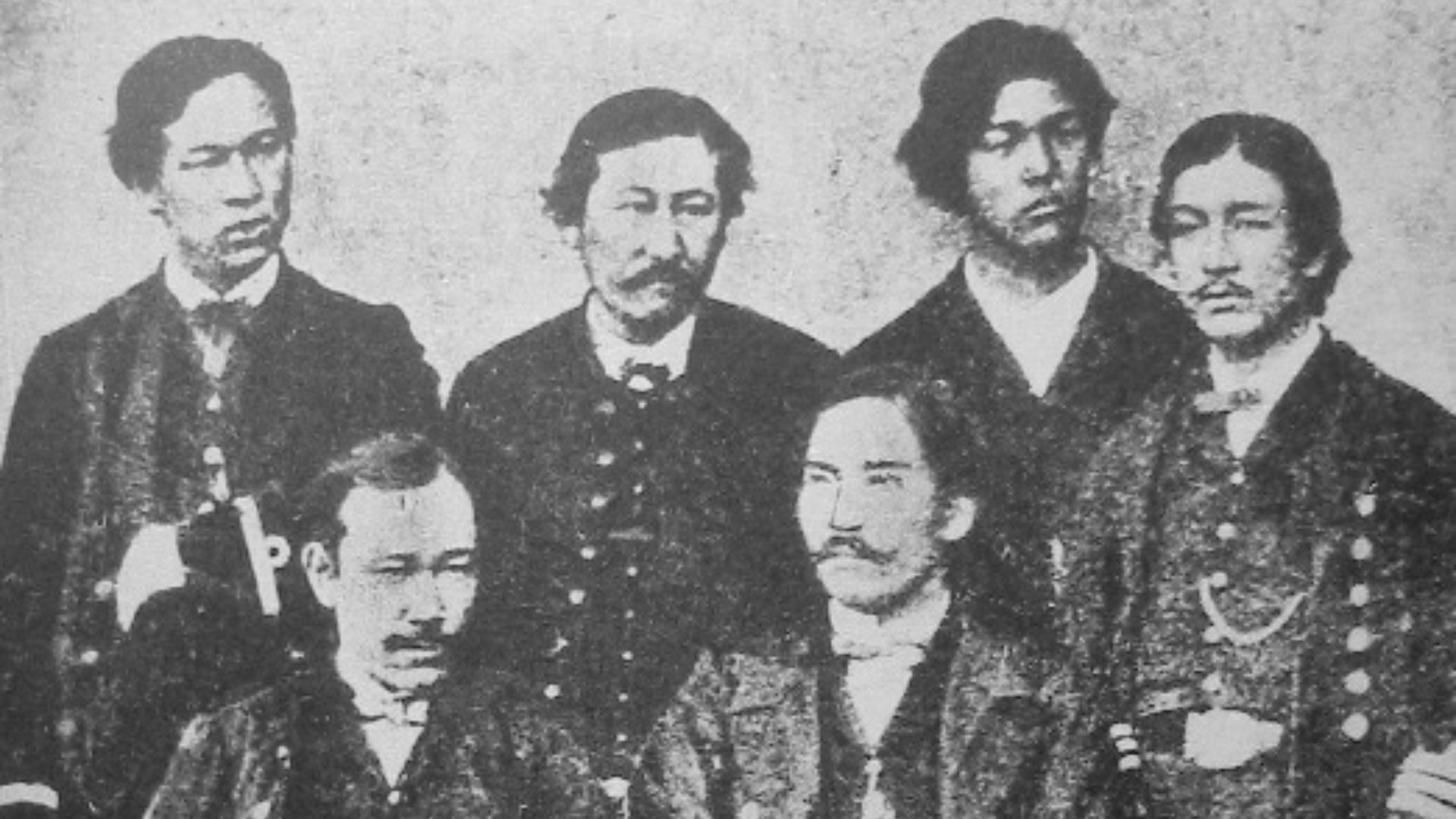
Former supporters of Japan's Tokugawa government established the Republic of Ezo on Hokkaido in 1869. Enomoto Takeaki was elected its leader, an unusual arrangement in Japanese politics. Imperial forces defeated the breakaway government after approximately five months.
 Andy king50, Wikimedia Commons
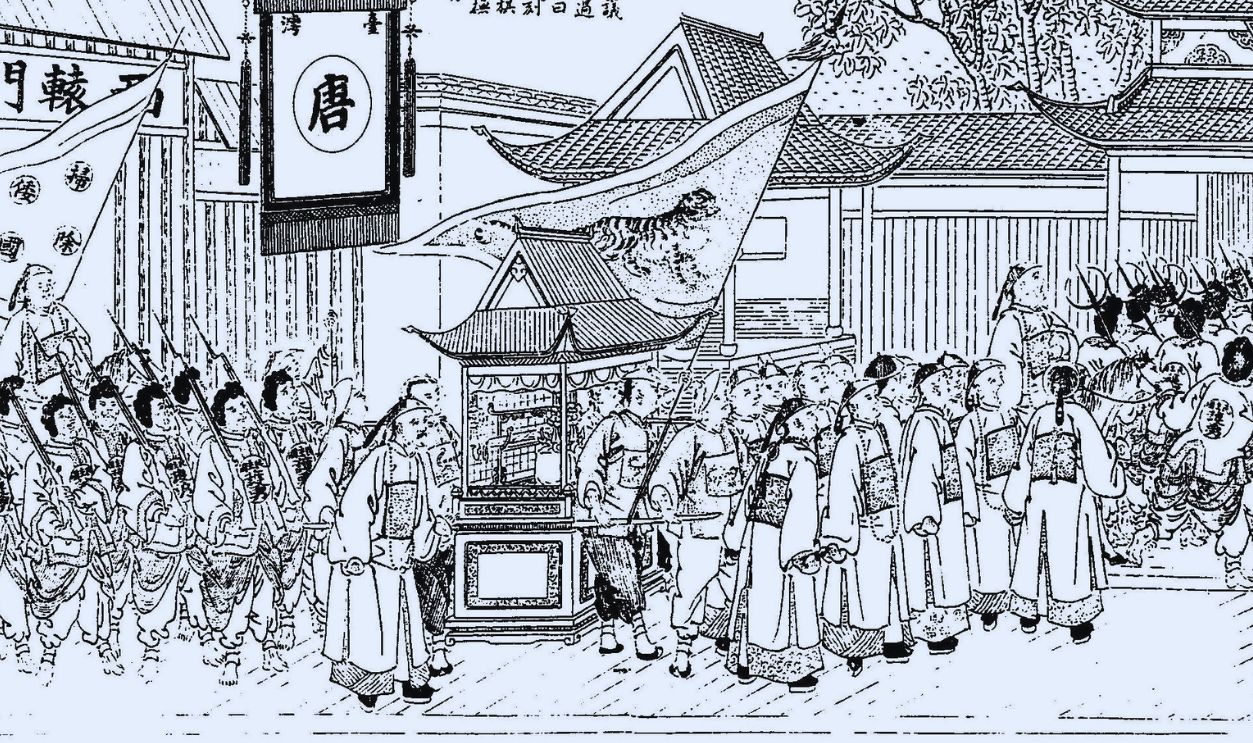
Republic Of Formosa (1895)
When China ceded Taiwan to Japan, local leaders proclaimed the Republic of Formosa in May 1895. The government introduced a tiger flag and issued its own postage stamps. Japanese forces ended the republic by October, but its symbols remain historically significant.
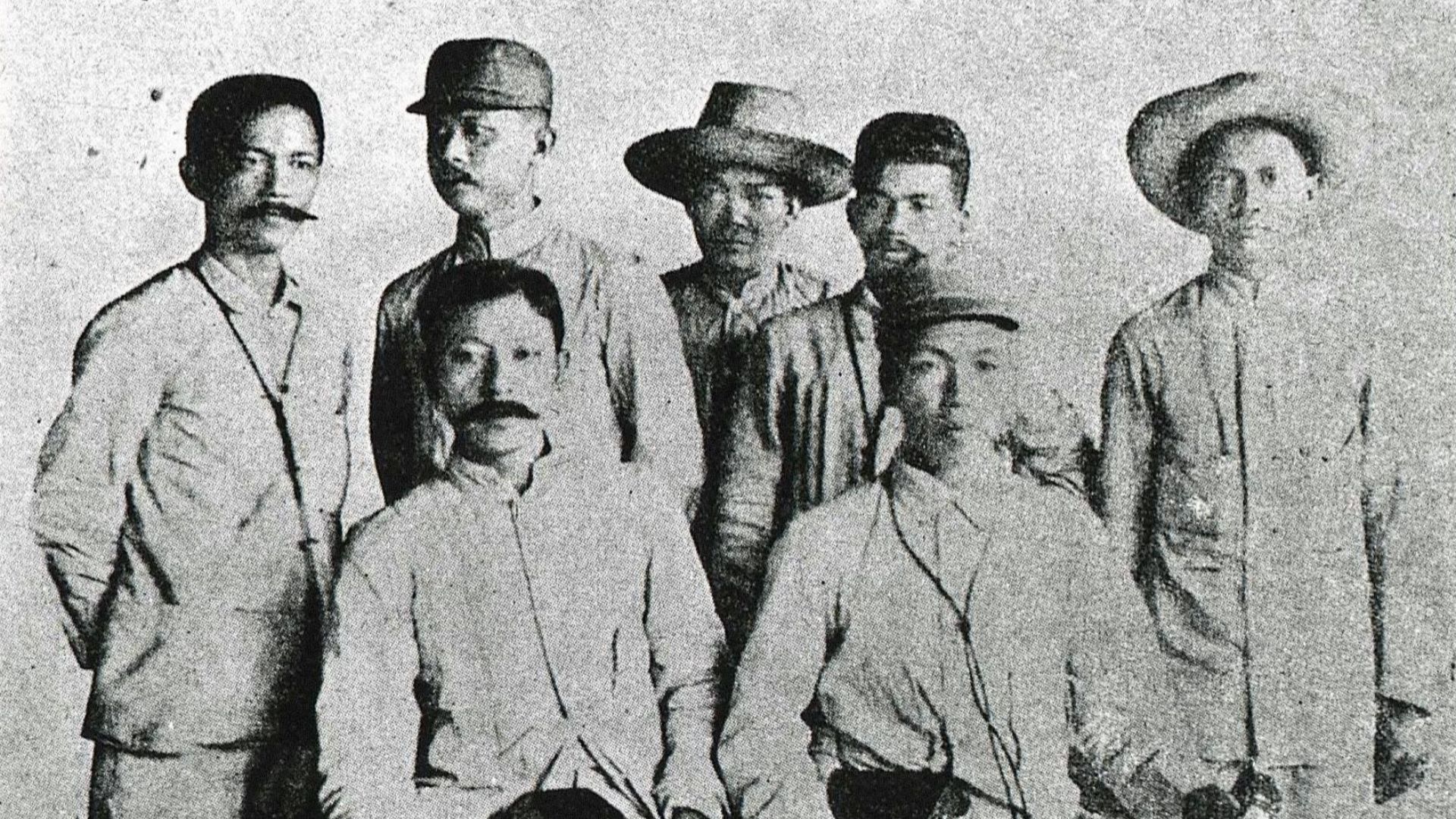
Republic Of Biak-Na-Bato (1897)
Filipino revolutionaries under Emilio Aguinaldo established the Republic of Biak-na-Bato in 1897. Its provisional constitution represented an important step toward independence from Spain. A December peace agreement ended the revolutionary government, although the independence movement continued.
 Manuel Arias Rodríguez, Wikimedia Commons
Independent State Of Acre (1899–1900)
A Spanish-born adventurer named Luis Gálvez proclaimed the Independent State of Acre in July 1899. The rubber-rich territory was claimed by Bolivia but populated heavily by Brazilians. Brazil ended the republic in March 1900, eventually acquiring Acre in 1903.
 Martimssilveira, Wikimedia Commons
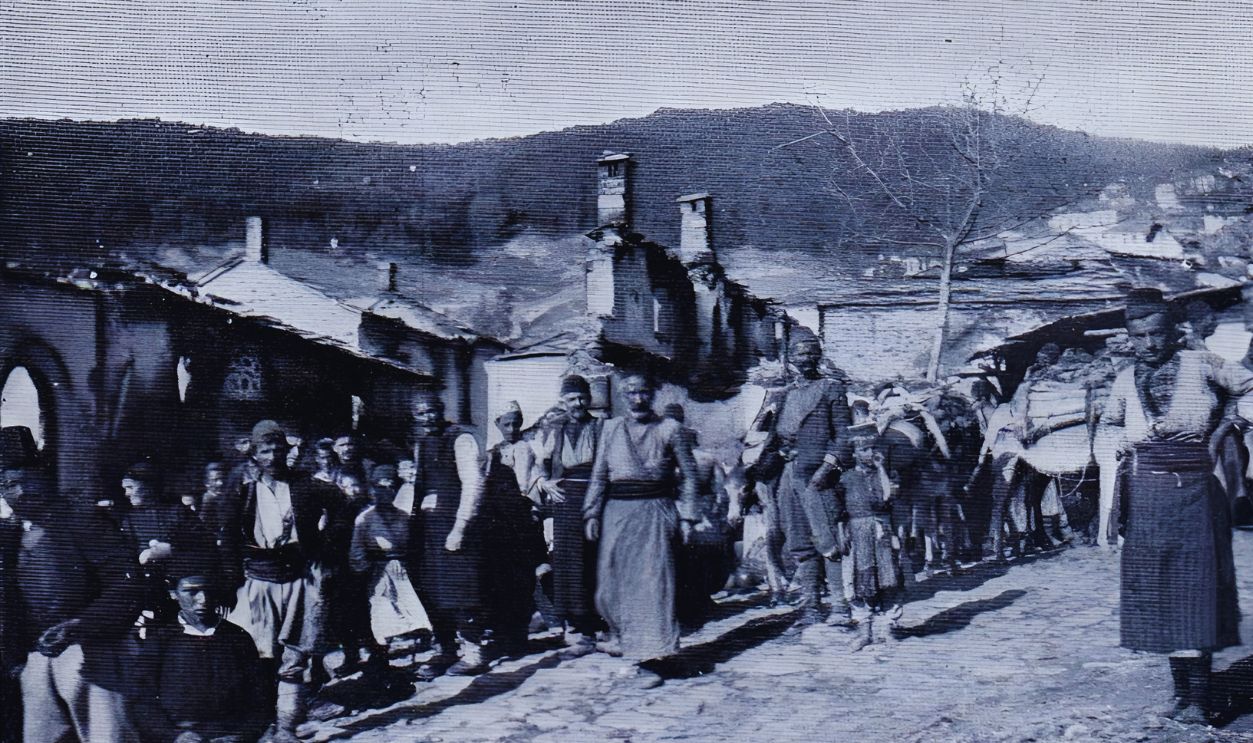
Republic Of Kruševo (1903)
During an uprising against Ottoman rule, revolutionaries established the Republic of Kruševo in present-day North Macedonia. It survived just ten days in August 1903. Despite its brevity, the republic established governing councils and became a celebrated symbol of Macedonian independence.
 Richards, Louise Parker, Wikimedia Commons
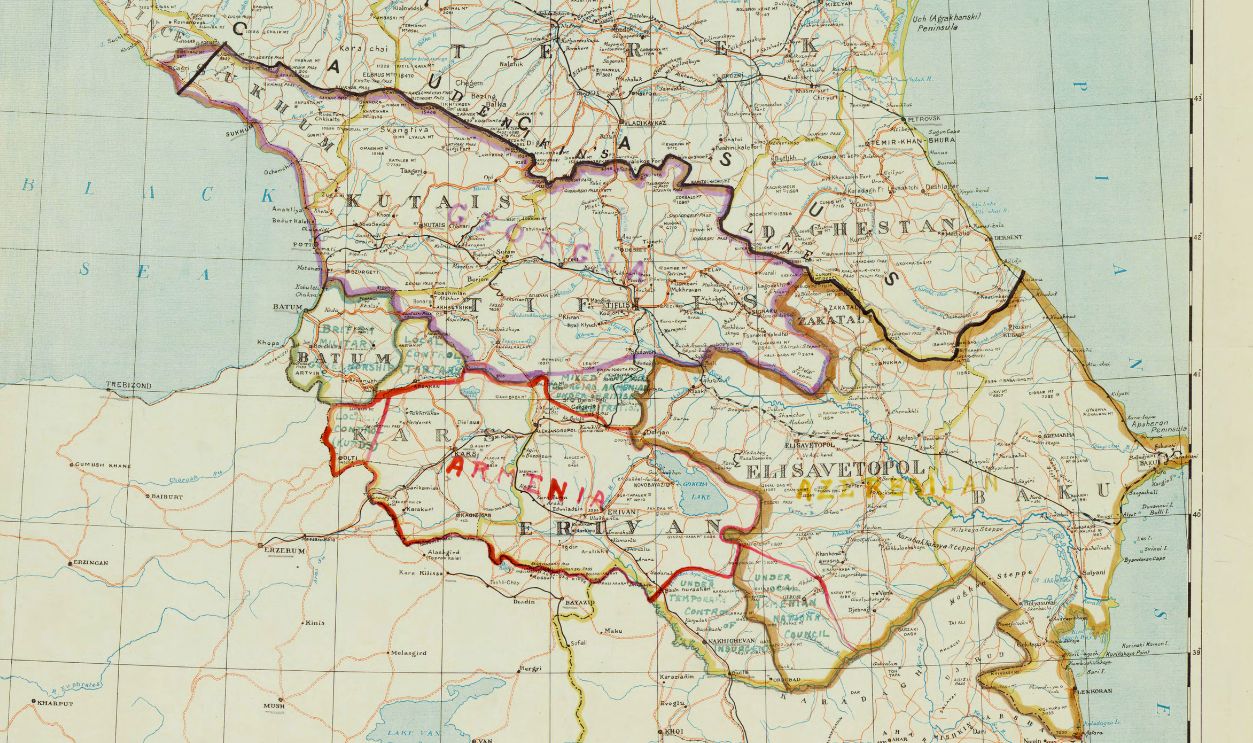
Transcaucasian Democratic Federative Republic (1918)
Georgia, Armenia, and Azerbaijan briefly belonged to one independent federation after the Russian Empire collapsed. Established in April 1918, the Transcaucasian Democratic Federative Republic survived approximately five weeks. Its dissolution produced three separate republics that pursued their own political futures.
 Great Britain. Army. Royal Engineers. Field Survey Co., 8th, Wikimedia Commons
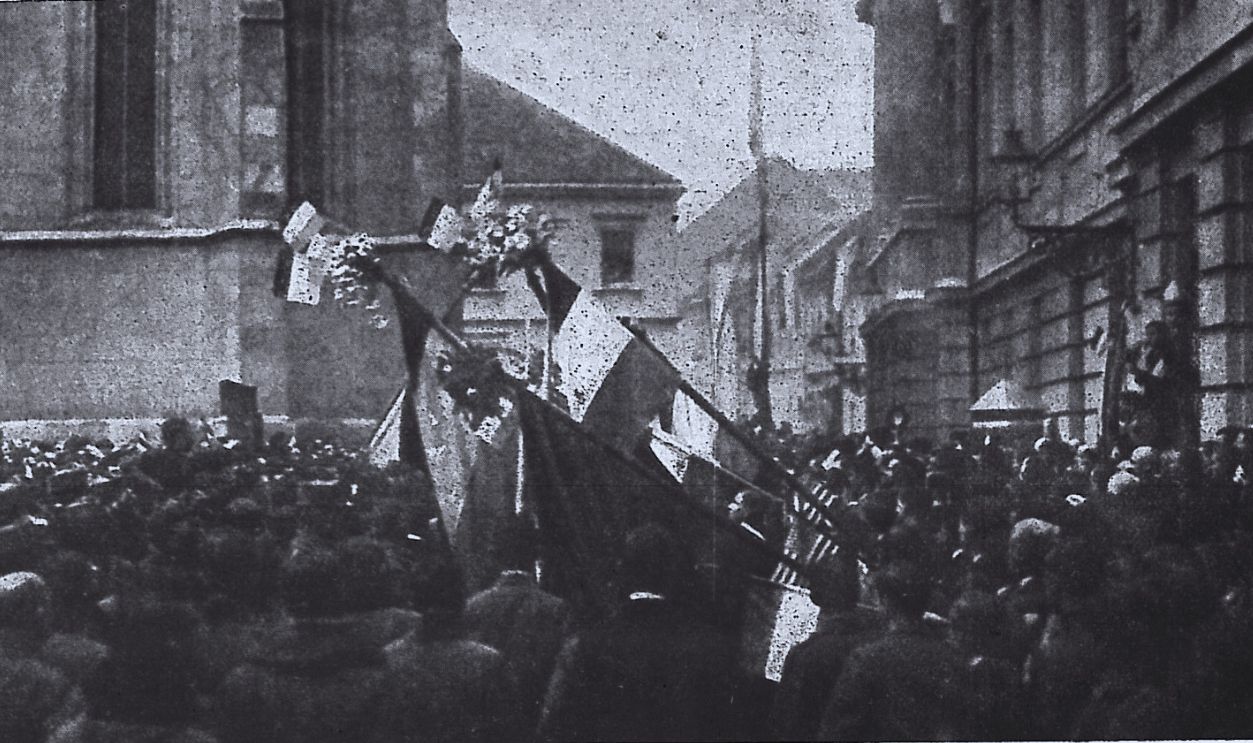
State Of Slovenes, Croats And Serbs (1918)
As Austria-Hungary collapsed in October 1918, its southern Slavic territories proclaimed an independent state headquartered in Zagreb. The new government survived just 33 days. On December 1, it united with Serbia to establish the Kingdom of Serbs, Croats and Slovenes.
 Unknown author, Wikimedia Commons
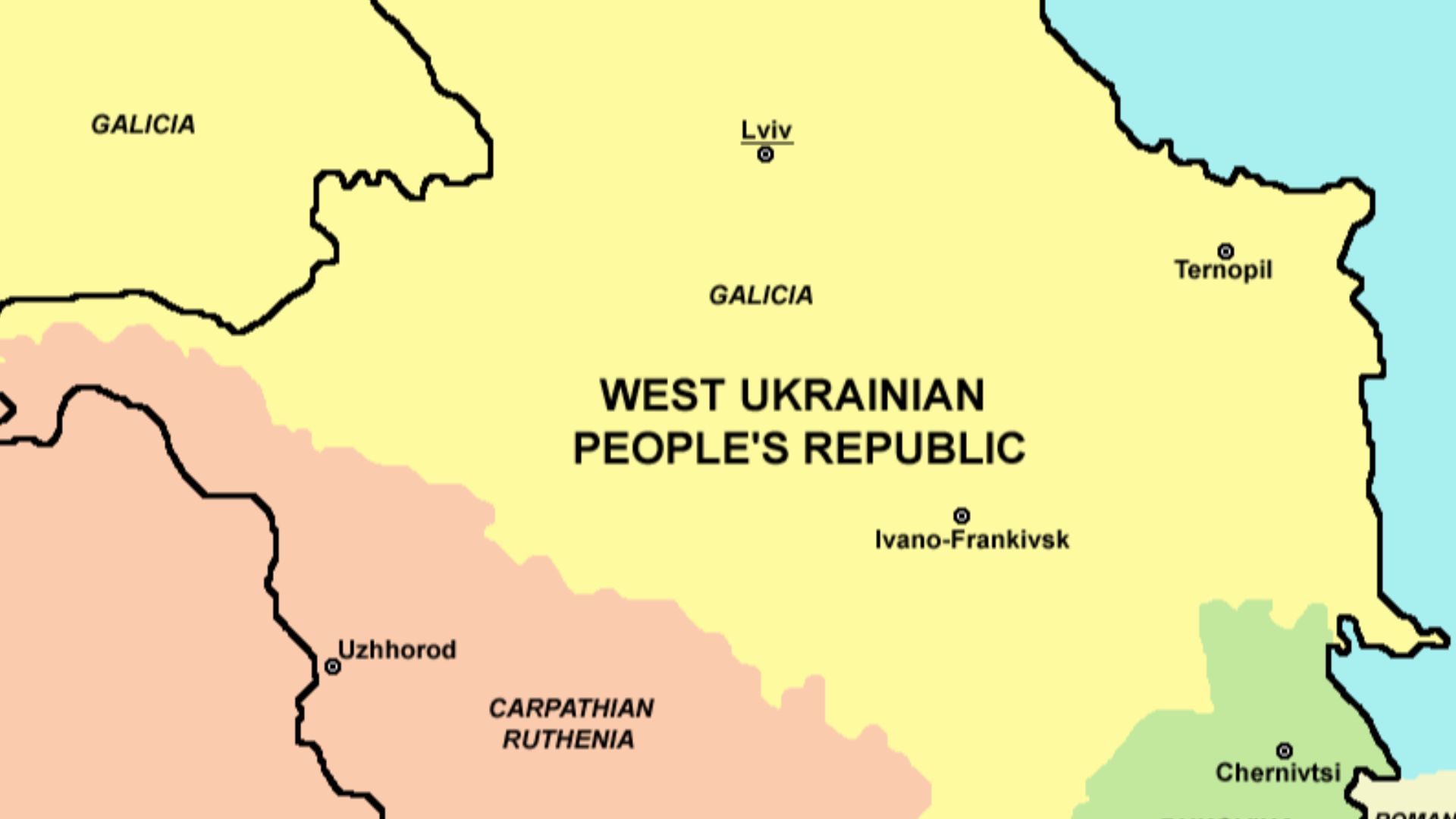
West Ukrainian People's Republic (1918–1919)
The collapse of Austria-Hungary allowed Ukrainian leaders around Lviv to establish their own republic in November 1918. They pursued union with the Ukrainian People's Republic, formally proclaimed in January 1919. Conflict with Poland eventually displaced the government from its territory.
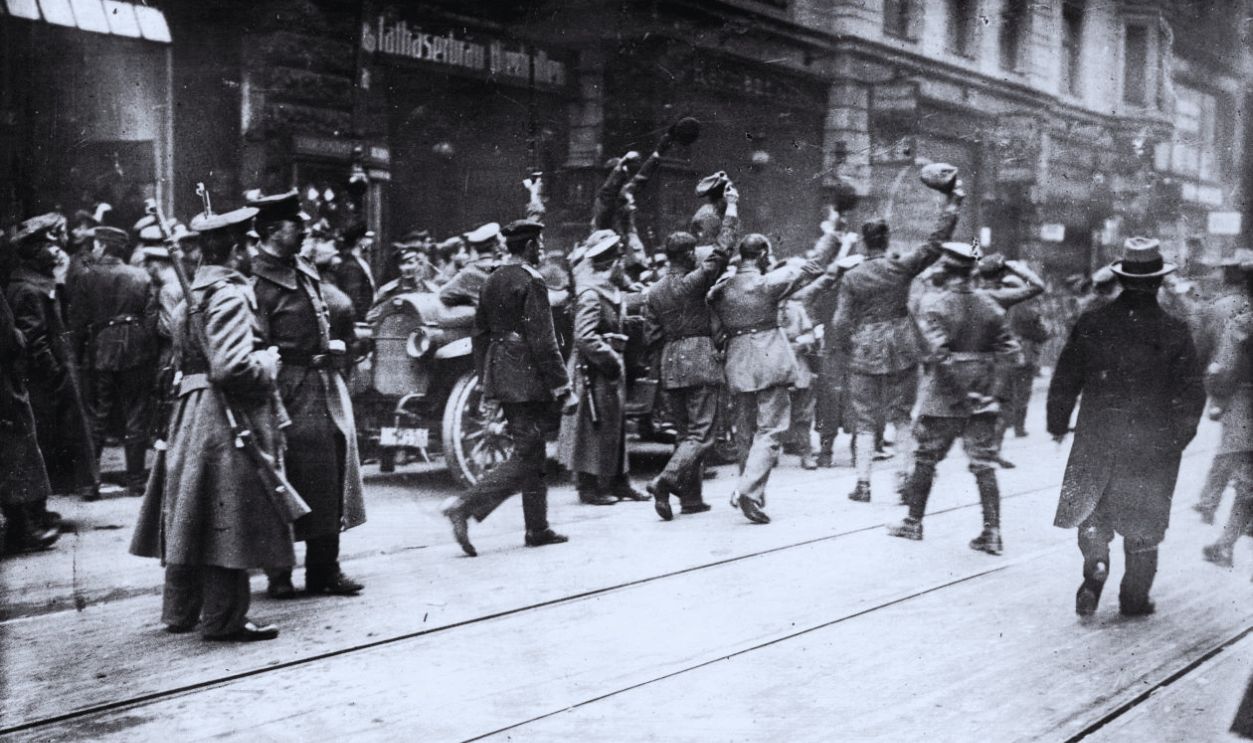
Bavarian Soviet Republic (1919)
Munich briefly became the capital of a revolutionary Soviet republic in April 1919. Its leaders attempted to establish government through workers' councils rather than conventional parliamentary institutions. German government troops reclaimed Munich in May, ending the experiment after several turbulent weeks.
 Unknown Author, Wikimedia Commons
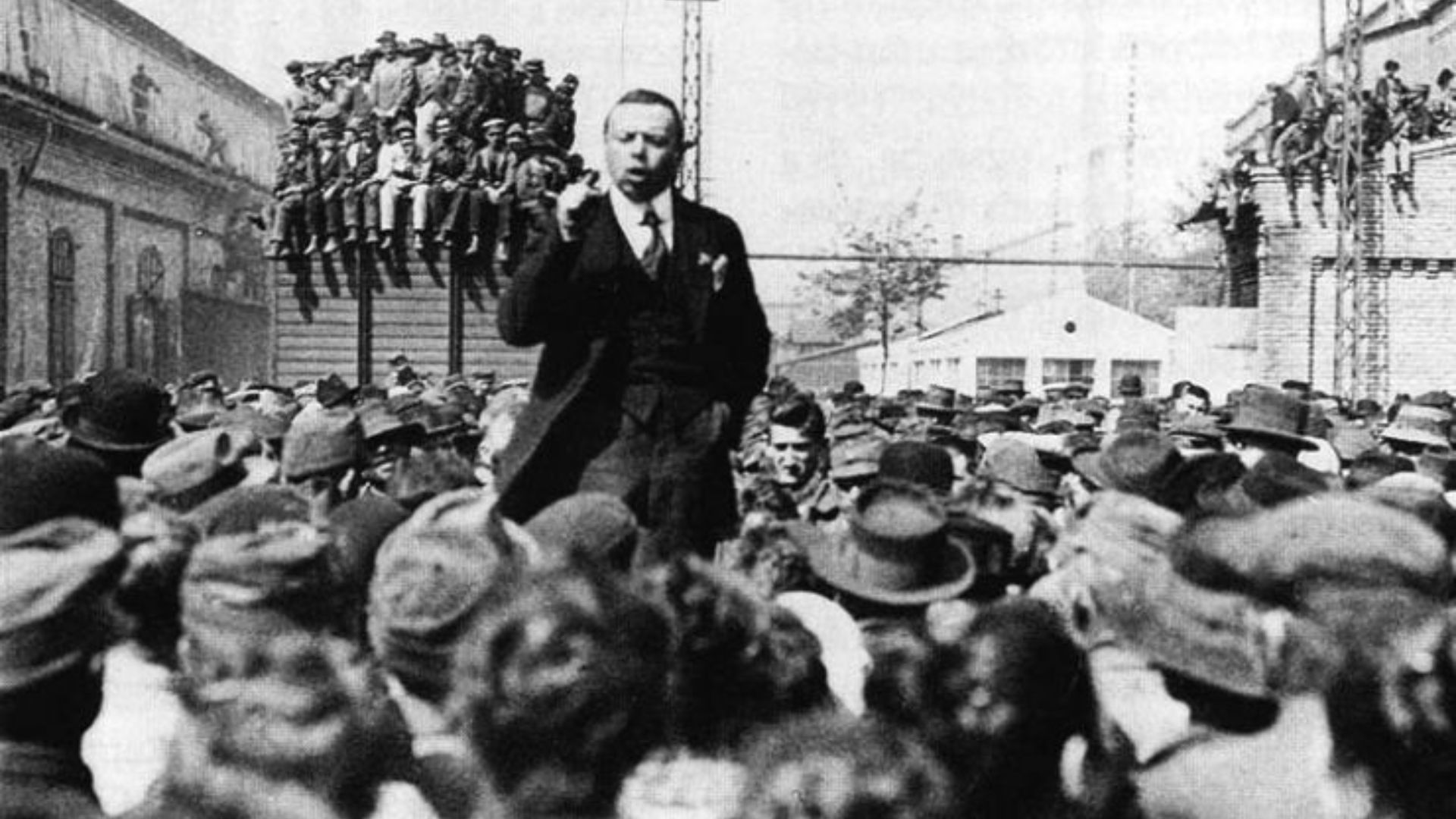
Hungarian Soviet Republic (1919)
Hungary experienced 133 days of revolutionary government between March and August 1919. Associated with Béla Kun, the Hungarian Soviet Republic pursued sweeping political changes while confronting military and domestic challenges. Its short existence became a deeply contested chapter in Hungarian history.
 Hungarian photographer, Wikimedia Commons
Syrian Arab Kingdom (1920)
In March 1920, Syrian nationalists proclaimed an independent kingdom with Faisal as monarch. Their ambitions included representative government and national independence. French forces defeated Faisal's troops that July, ending the kingdom but leaving an important legacy for Syrian nationalism.
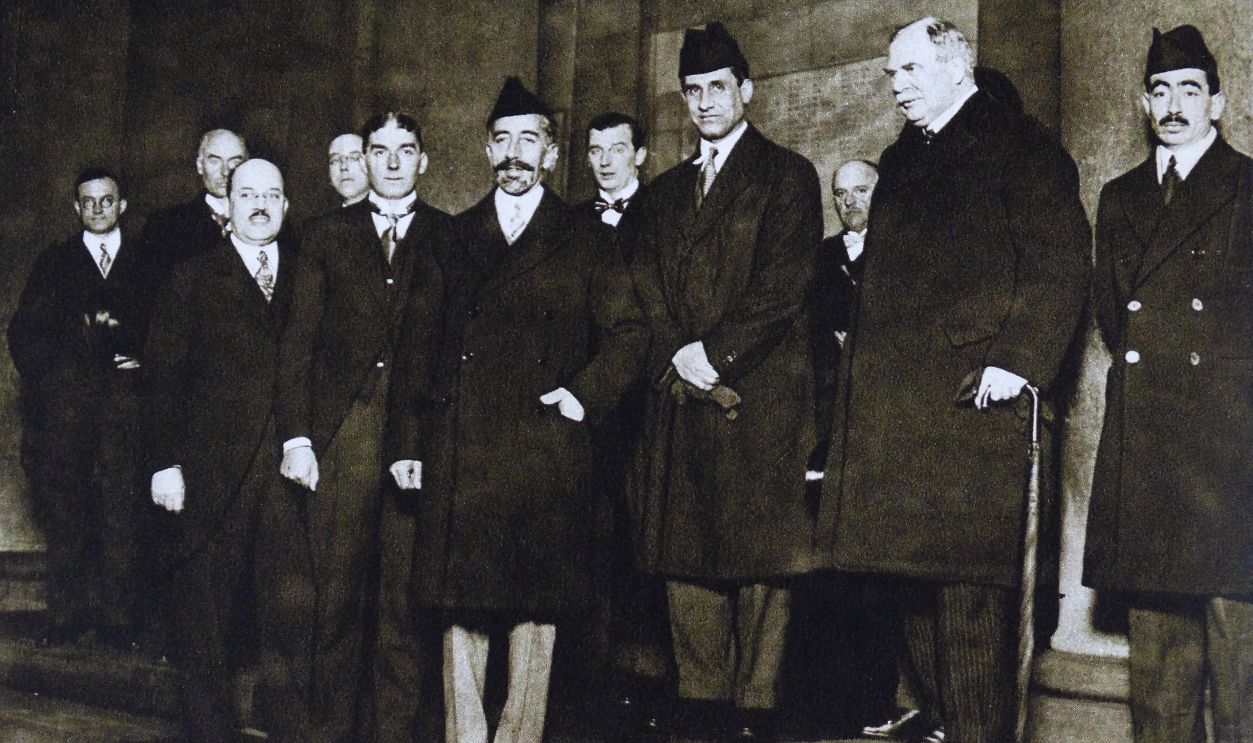
Italian Regency Of Carnaro (1920)
Poet Gabriele D'Annunzio proclaimed the Regency of Carnaro in Fiume, now Rijeka, in September 1920. Its extraordinary constitutional charter blended revolutionary proposals with dramatic nationalism. Italian forces ended the unrecognized regime that December, leaving a controversial political legacy.
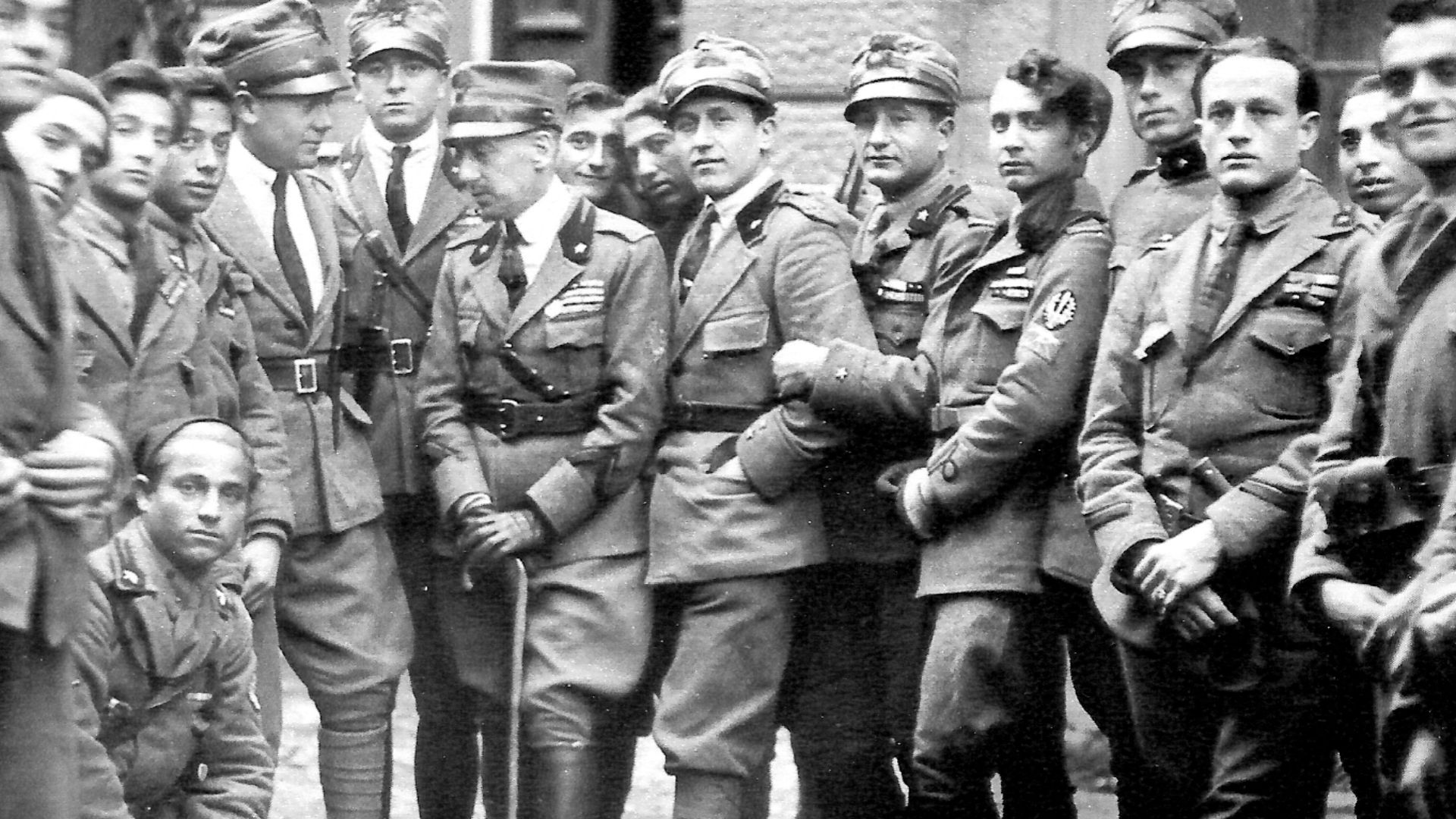
State Of Hatay (1938–1939)
Hatay emerged as a separate state in September 1938, amid competing Turkish and Syrian claims to the territory. It established its own parliament and president. The government lasted until June 1939, when Hatay joined Turkey, reshaping the region's political boundaries.
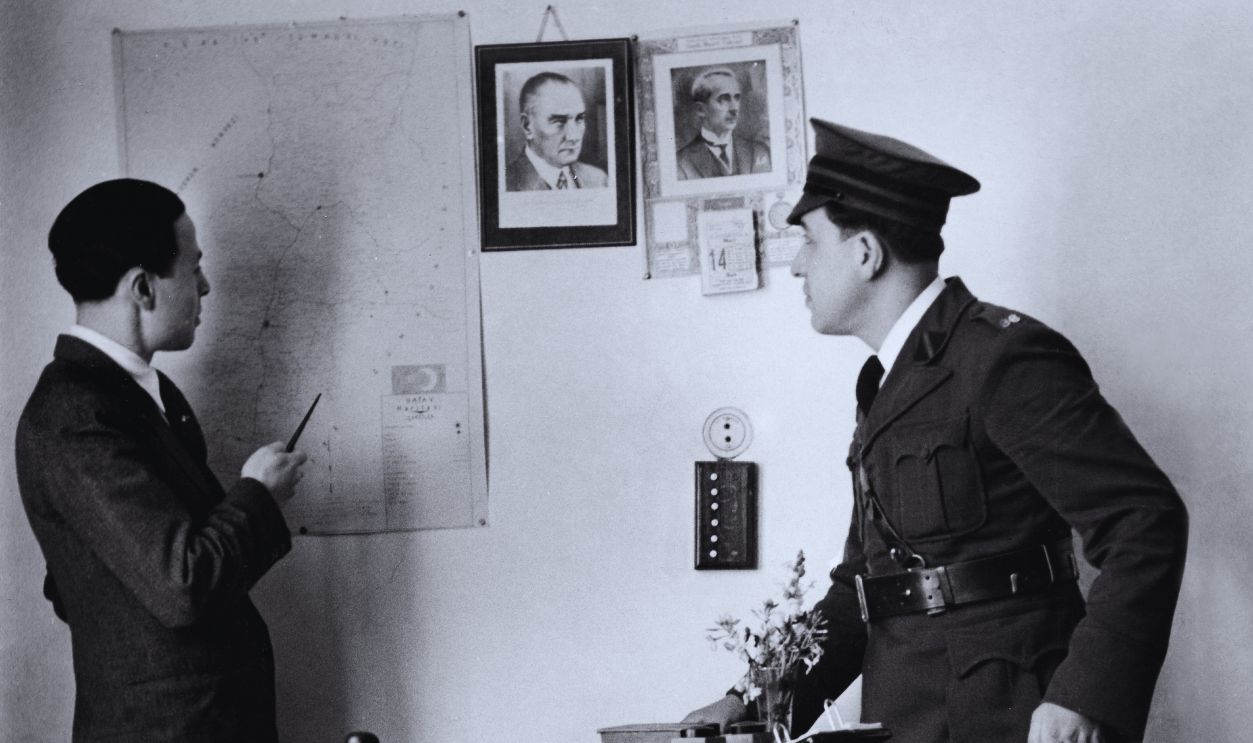 ullstein bild Dtl., Getty Images
Carpatho-Ukraine (1939)
Carpatho-Ukraine declared independence in March 1939 as Czechoslovakia disintegrated. Its assembly adopted a constitution and elected Avhustyn Voloshyn president. Hungarian forces quickly occupied the territory, ending an independence attempt that had lasted only days but became an enduring historical symbol.
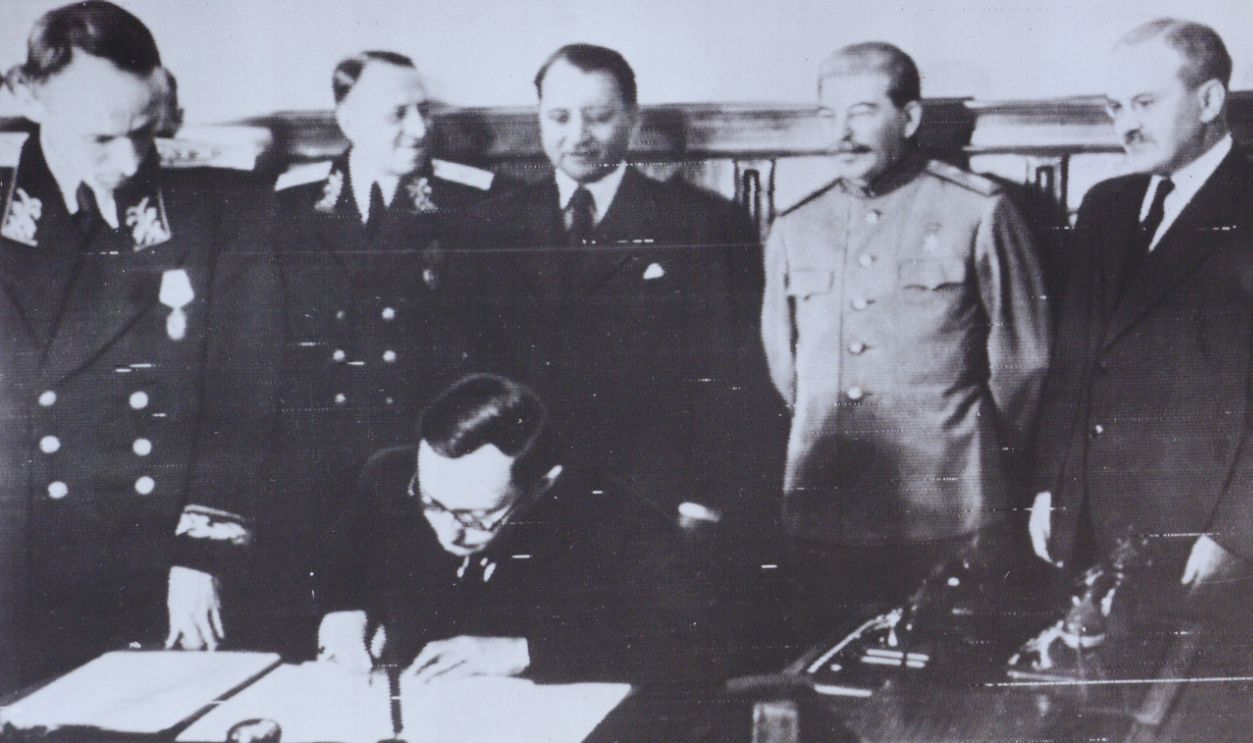 Associated Press/ Archival by La Presse, Wikimedia Commons
Republic Of Mahabad (1946)
The Kurdish Republic of Mahabad emerged in northern Iran in January 1946 under Qazi Muhammad. It promoted Kurdish-language education and cultural institutions while receiving Soviet support. Iranian forces ended the republic that December, but its national symbols remained influential.
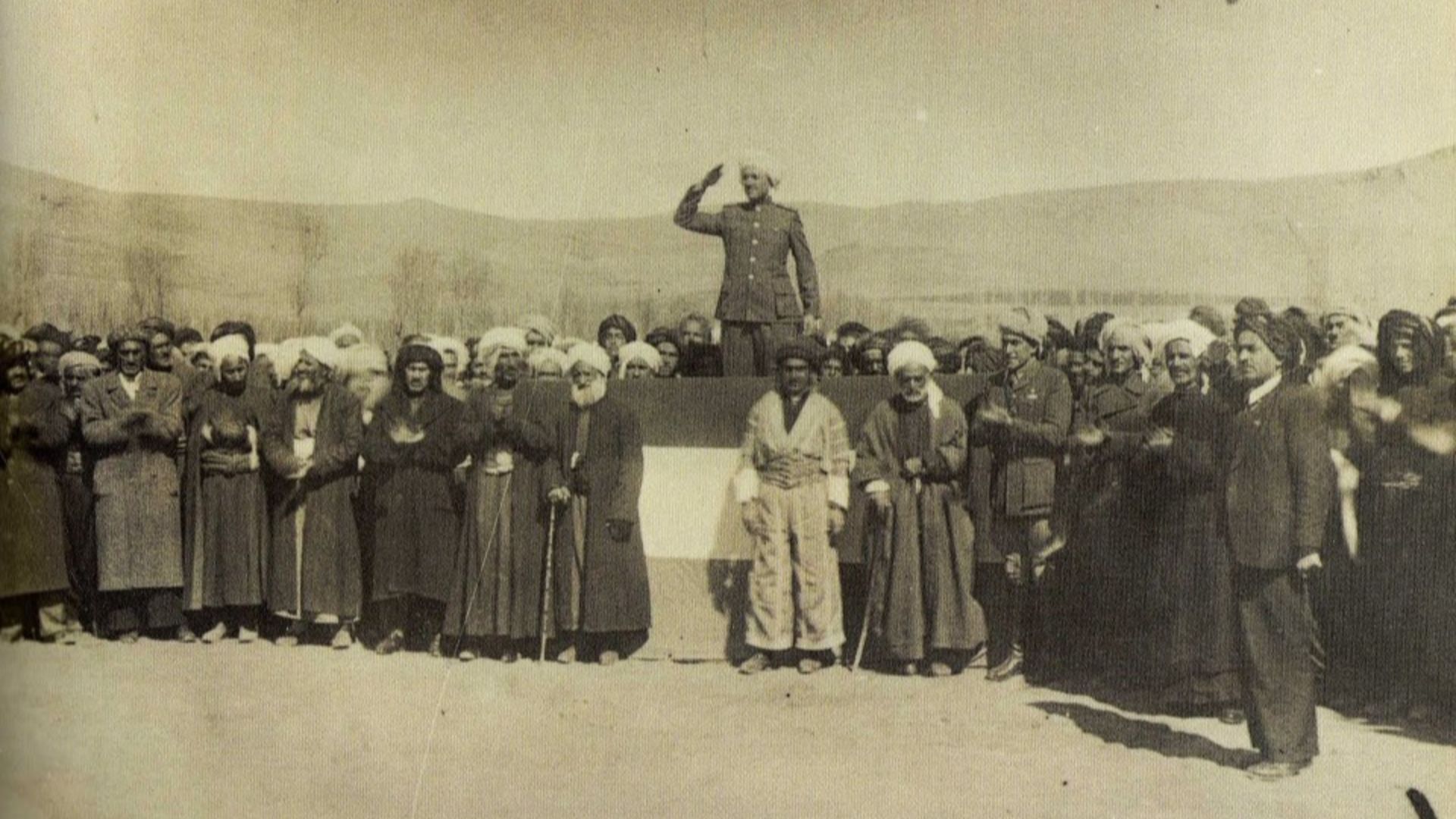 The Foundation For Kurdish Library and Museum, Wikimedia Commons
State Of Somaliland (1960)
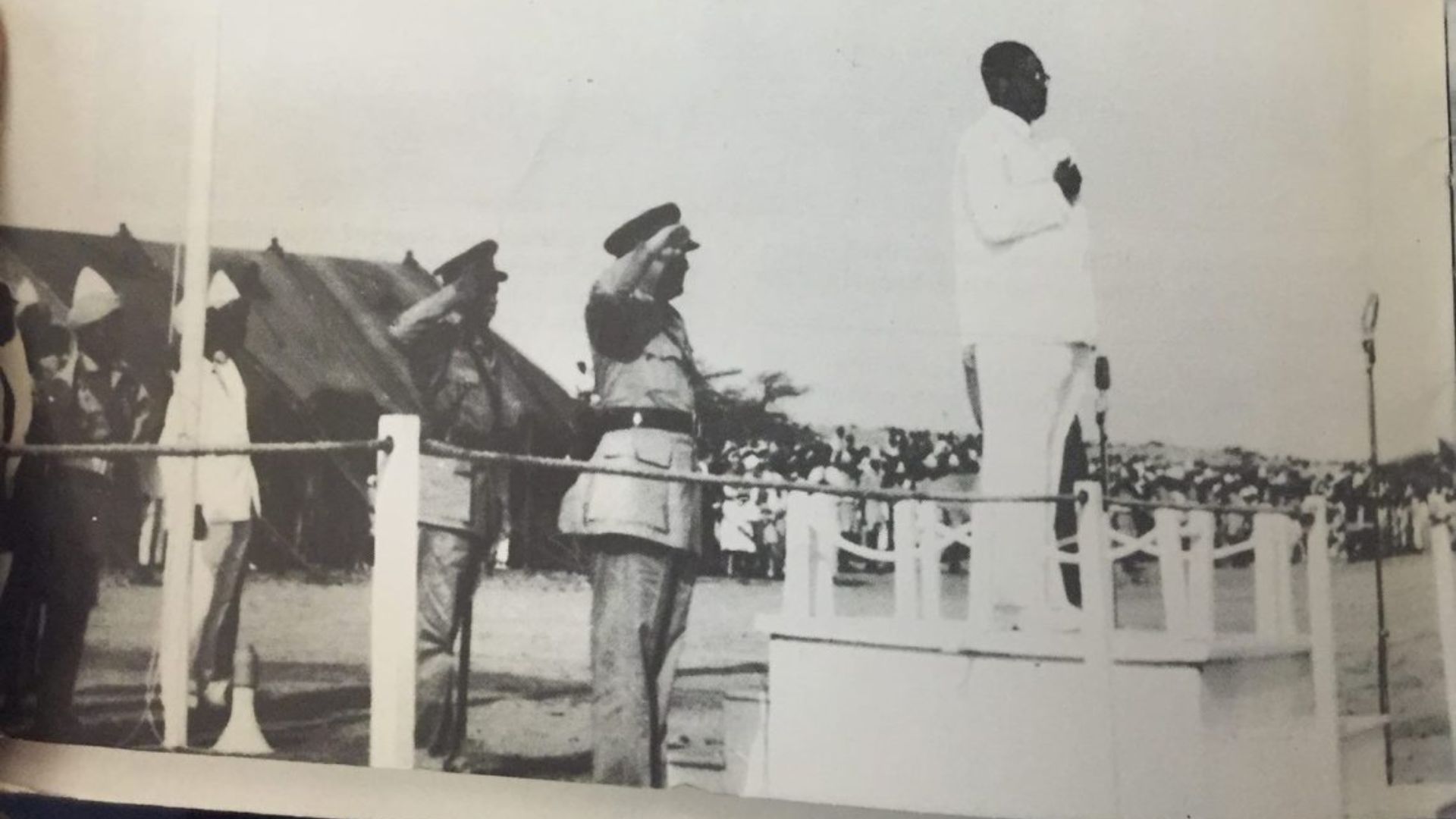
The State of Somaliland became independent from Britain on June 26, 1960. Five days later, it united with the former Italian-administered territory to establish the Somali Republic. That brief period of separate independence remains central to Somaliland's subsequent sovereignty claims.
 Unknown author, Wikimedia Commons
People's Republic Of Zanzibar (1964)
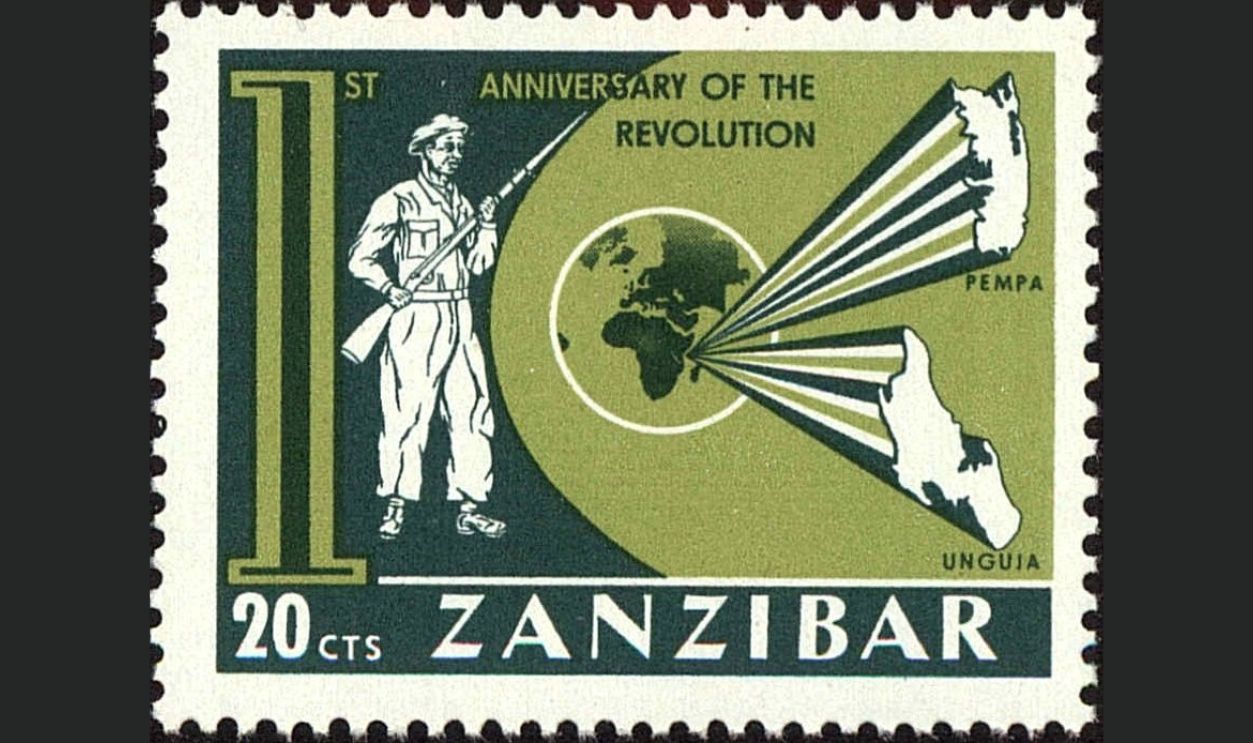
Following a January 1964 revolution, Zanzibar became a people's republic led by Abeid Karume. The new government survived until April 26, when it united with Tanganyika. Their merger eventually produced modern Tanzania, while Zanzibar retained considerable local administrative autonomy.
 Post of Zanzibar, Wikimedia Commons
Republic Of Benin (1967)
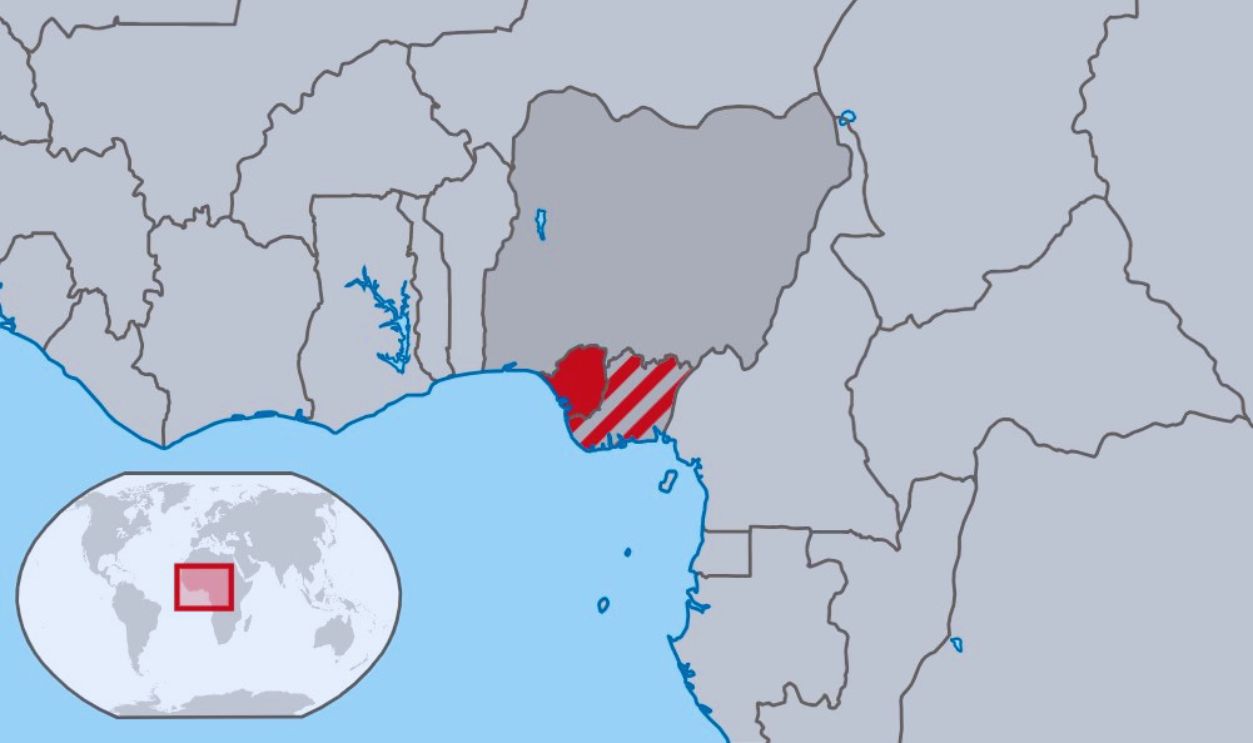
This was not the modern country of Benin. During Nigeria's civil conflict, a military commander proclaimed an autonomous Republic of Benin in the Mid-Western Region on September 20, 1967. Nigerian federal troops reclaimed Benin City within hours of the declaration.
 Sprucecopse, Wikimedia Commons
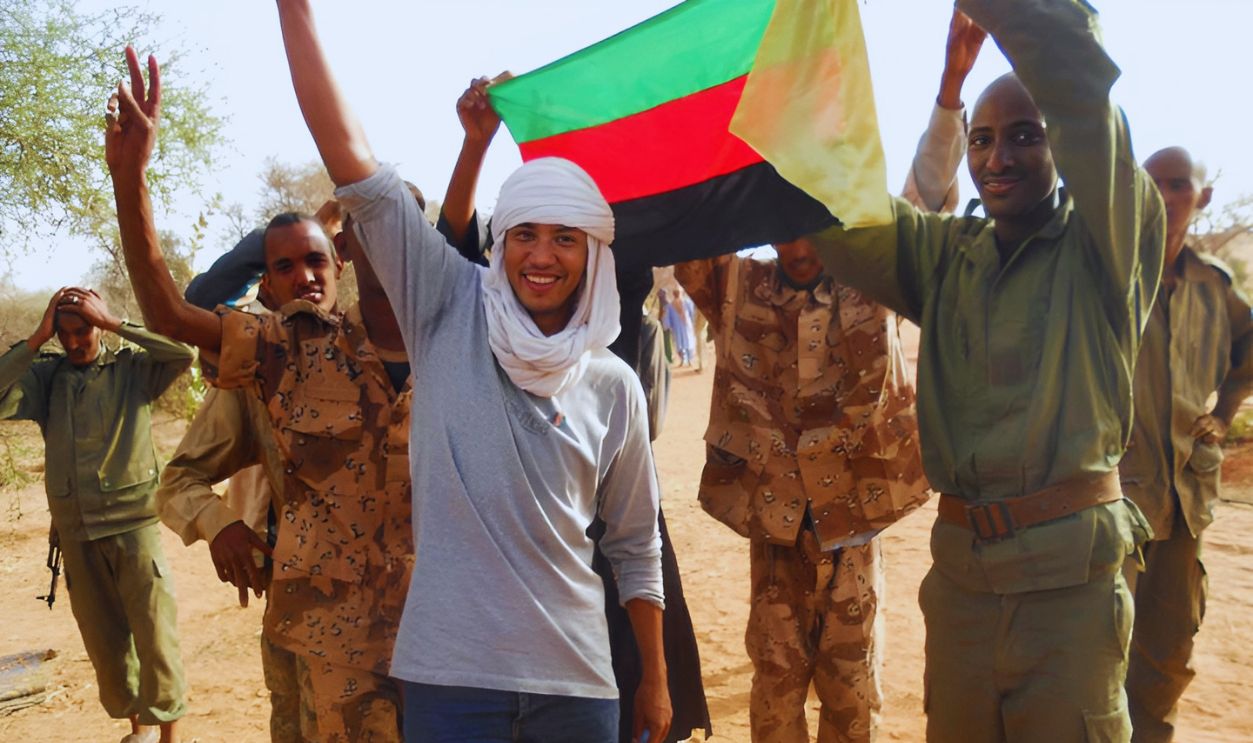
Independent State Of Azawad (2012)
Tuareg separatists proclaimed Azawad's independence from Mali in April 2012 after taking control of northern territory. Foreign governments rejected the declaration, and rival militant groups soon challenged the separatists. The unsuccessful independence attempt highlighted unresolved grievances in northern Mali.
You May Also Like:
The Strange History Of The Bermuda Triangle
The Horrifying Story Of The Prinzessin Victoria Luise, The First Cruise Ship