The Rocks That Moved Themselves
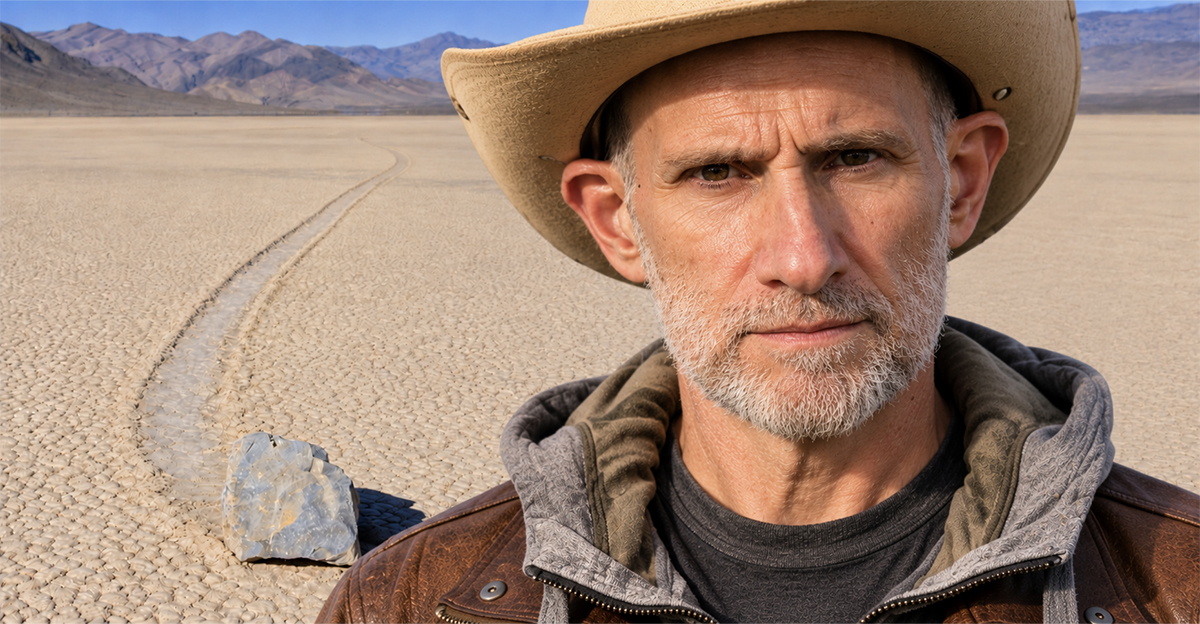
Deep inside California's Death Valley National Park, enormous rocks were mysteriously traveling across a dry lakebed, leaving long trails behind them. Nobody had ever witnessed the stones moving, and some weighed hundreds of pounds. For decades, scientists struggled to explain the phenomenon. Then, in 2014, researchers revealed the astonishingly simple answer: a rare combination of shallow water, thin ice, and gentle winds.
 WK Lai, Shutterstock; Lgcharlot, Wikimedia Commons
A Desert Full Of Mysteries
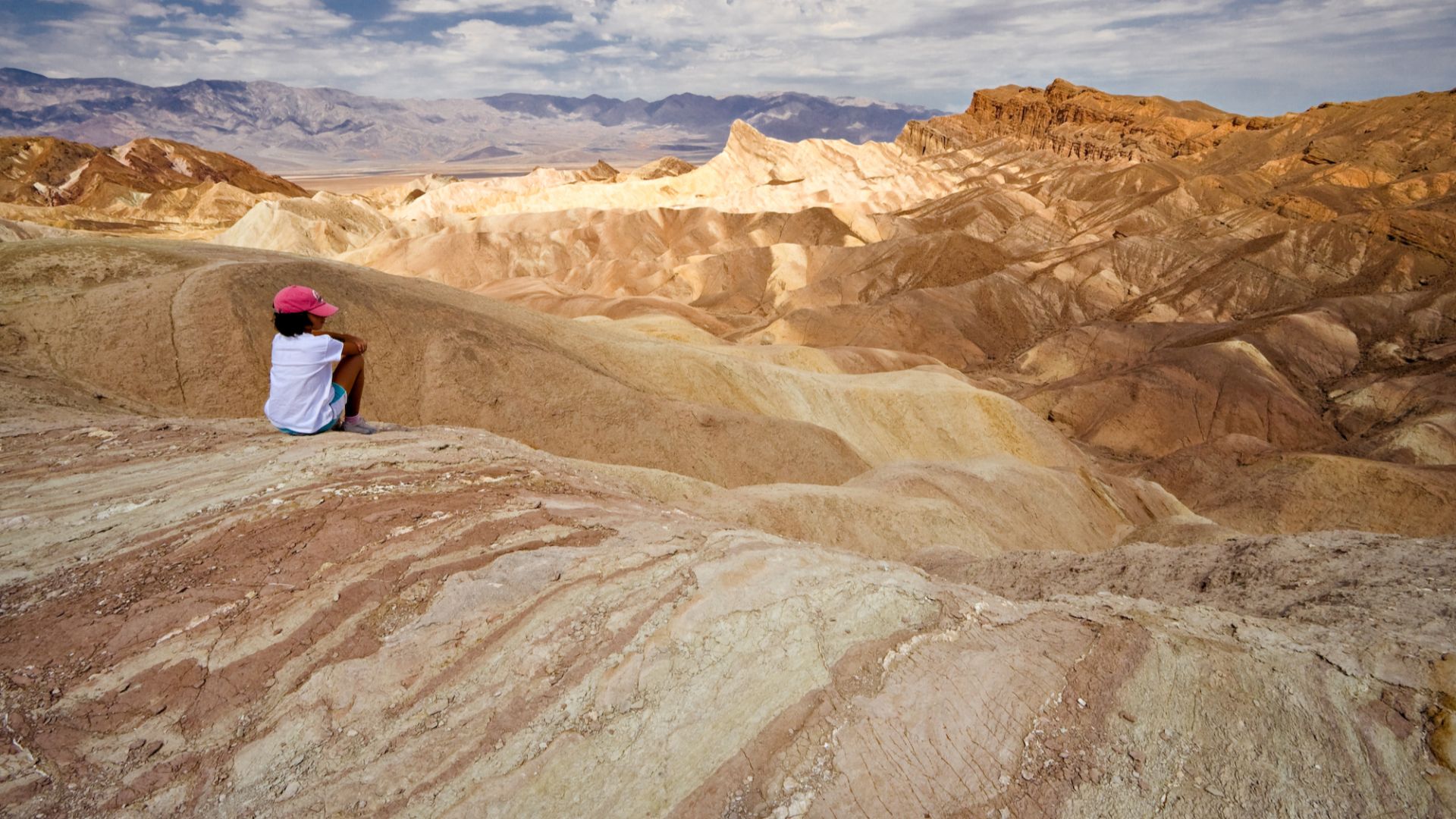
Death Valley is famous for its extreme heat, spectacular landscapes, and bizarre geological formations. But one of its strangest attractions lies in a remote northern section of the park. Here, surrounded by rugged mountains, an ancient lakebed called Racetrack Playa became the setting for a mystery that would puzzle geologists for generations. The evidence was impossible to ignore, even though the mysterious activity itself remained unseen.
 Luca Galuzzi (Lucag), Wikimedia Commons
Welcome To Racetrack Playa
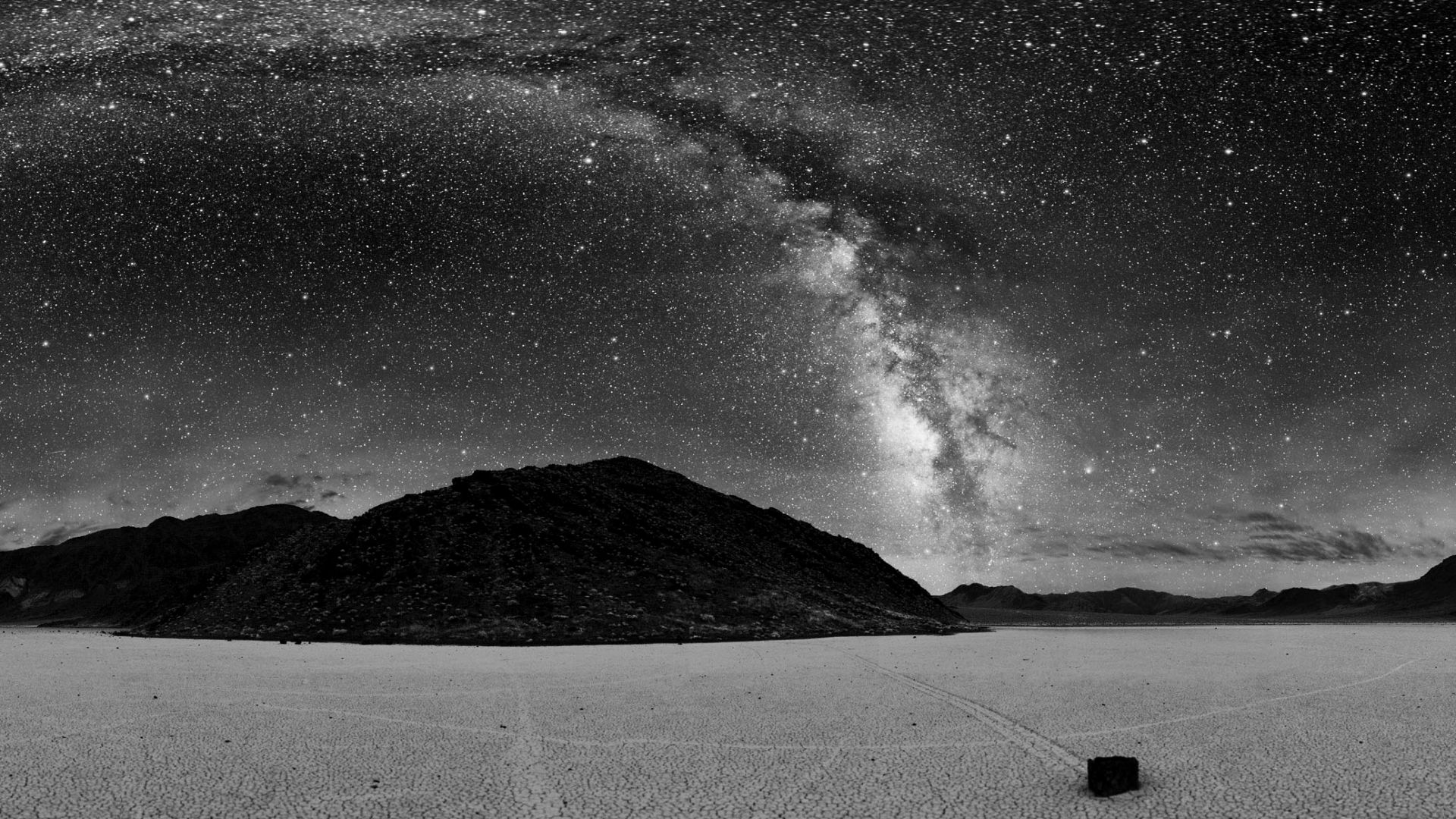
Racetrack Playa is an exceptionally flat, dry lakebed approximately three miles long and two miles wide, situated more than 3,700 feet above sea level. Its surface consists of hardened mud that cracks into distinctive geometric patterns. Despite Death Valley's reputation for scorching temperatures, the playa's elevation means winter nights can become surprisingly cold. That seemingly insignificant detail would eventually prove crucial to solving the mystery.
 Original: Dan Duriscoe, for the en:U.S. National Park Service., Wikimedia Commons
The Stones Left Evidence
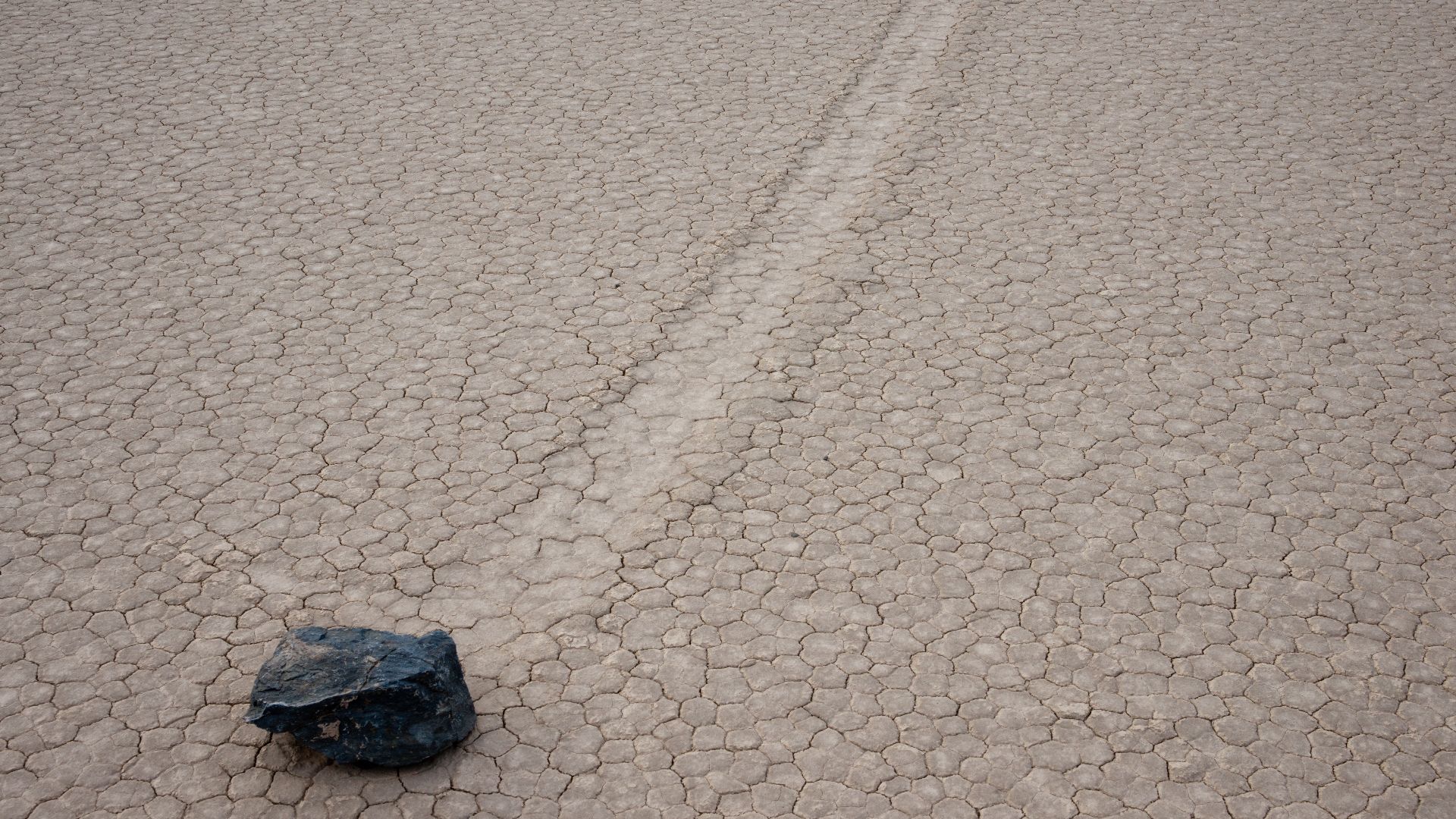
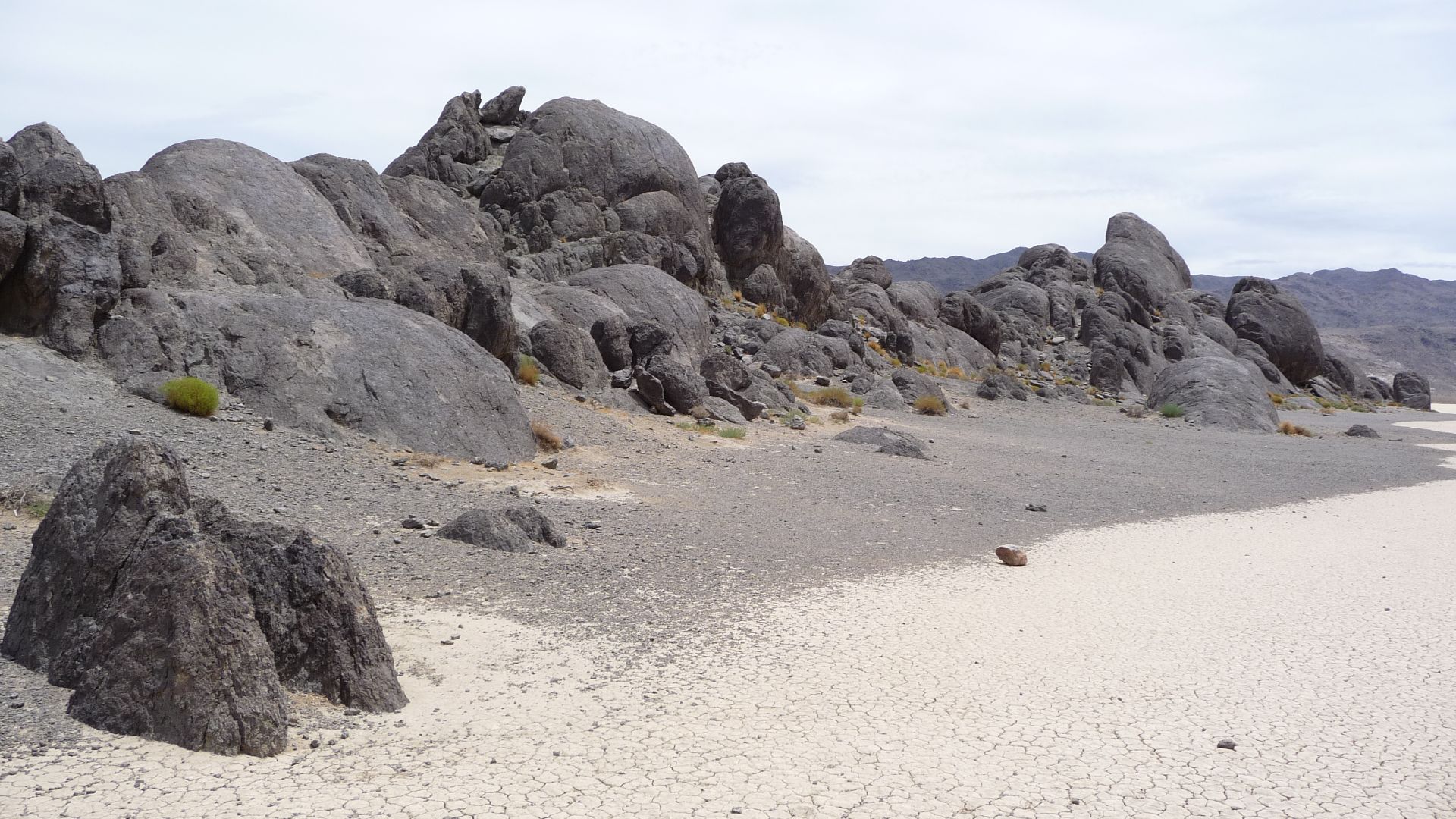
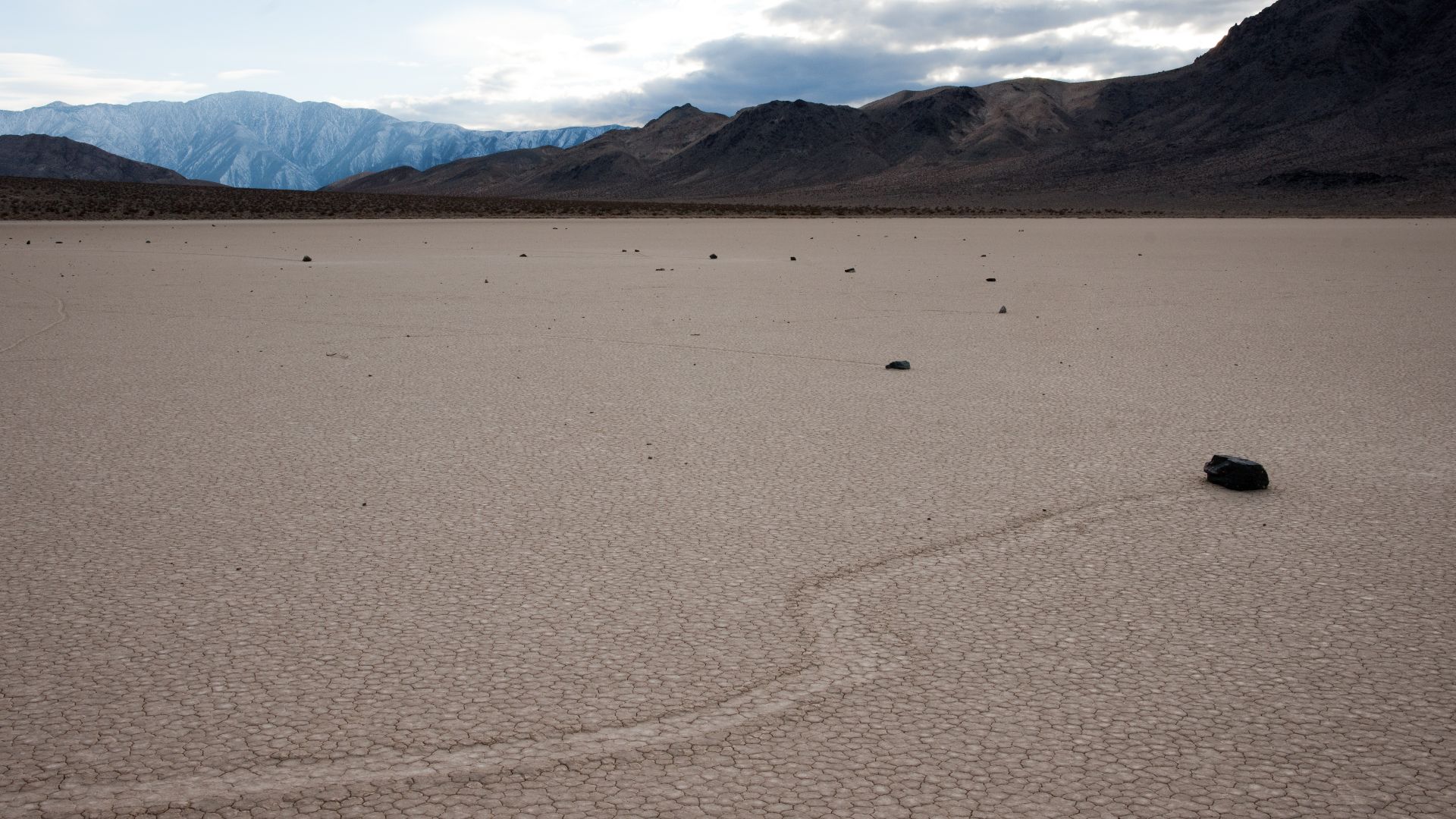
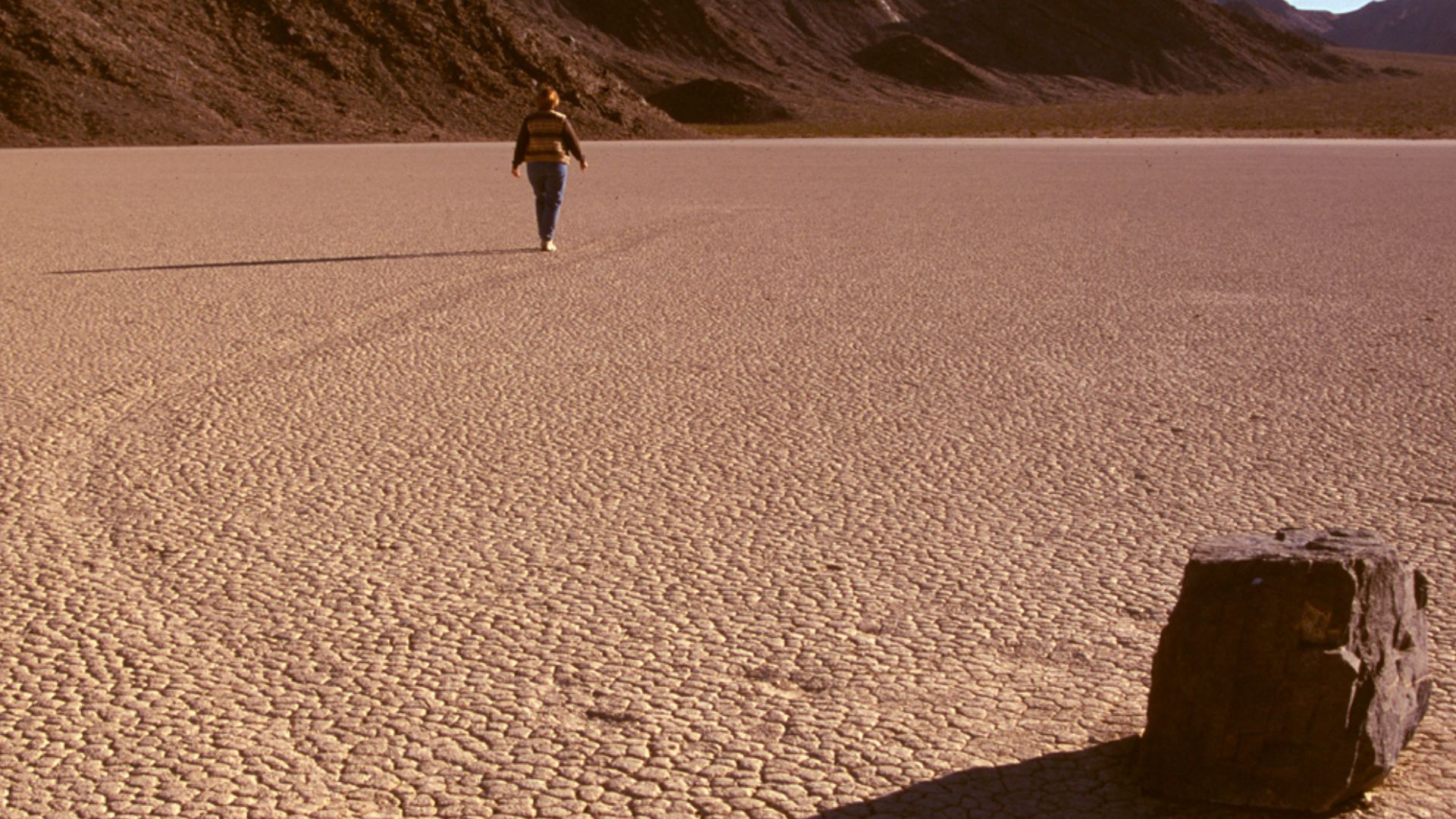
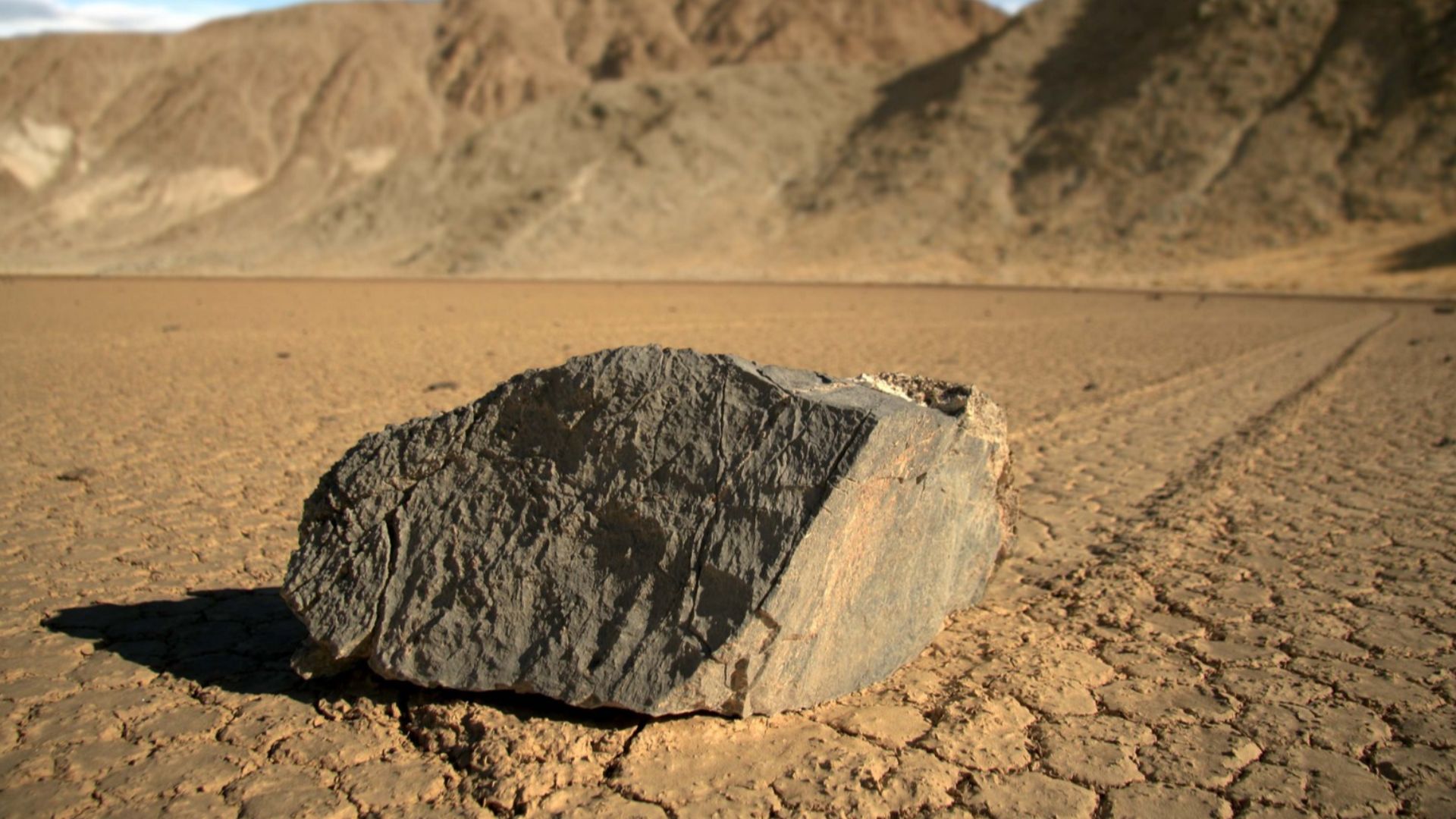
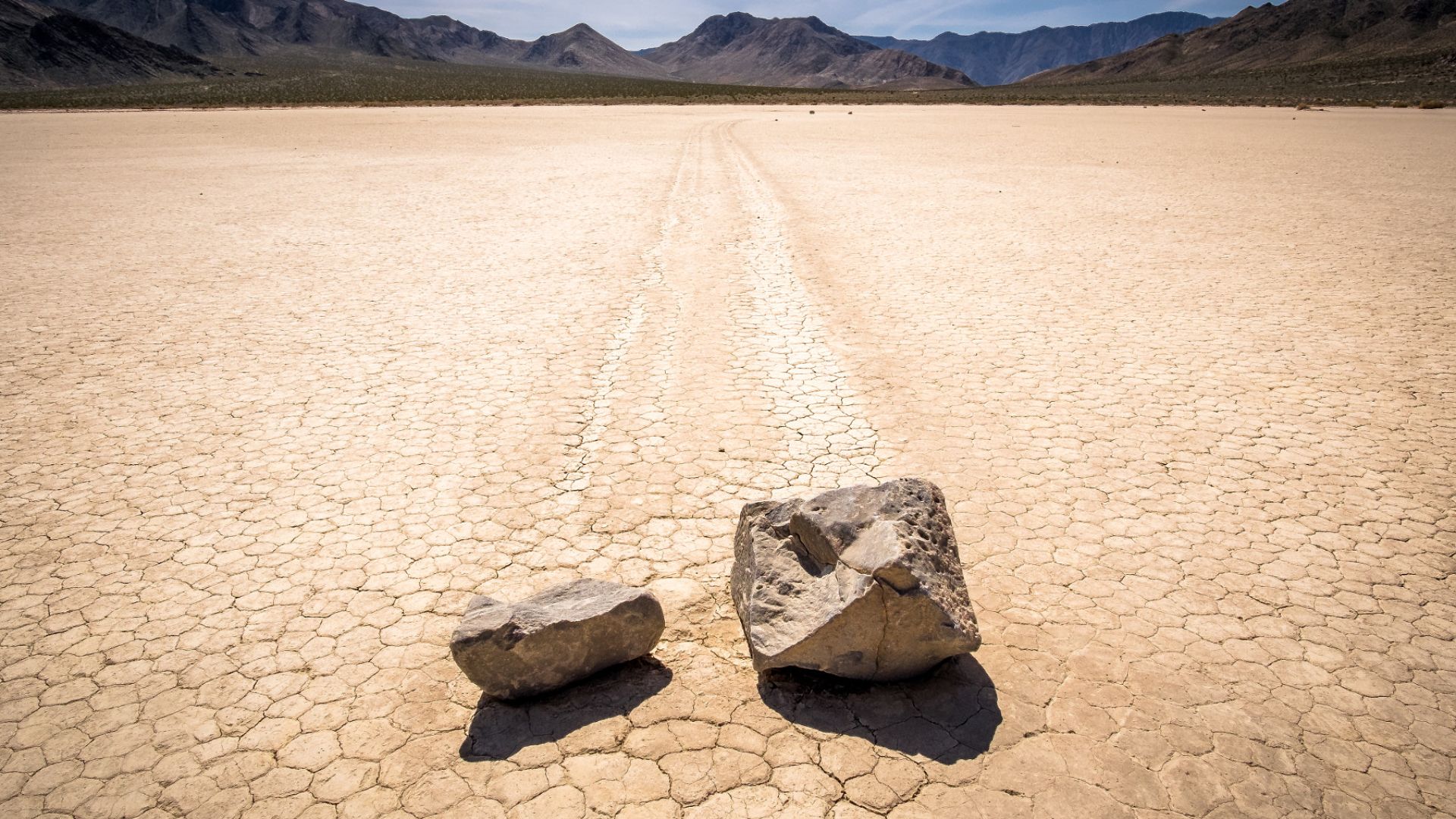
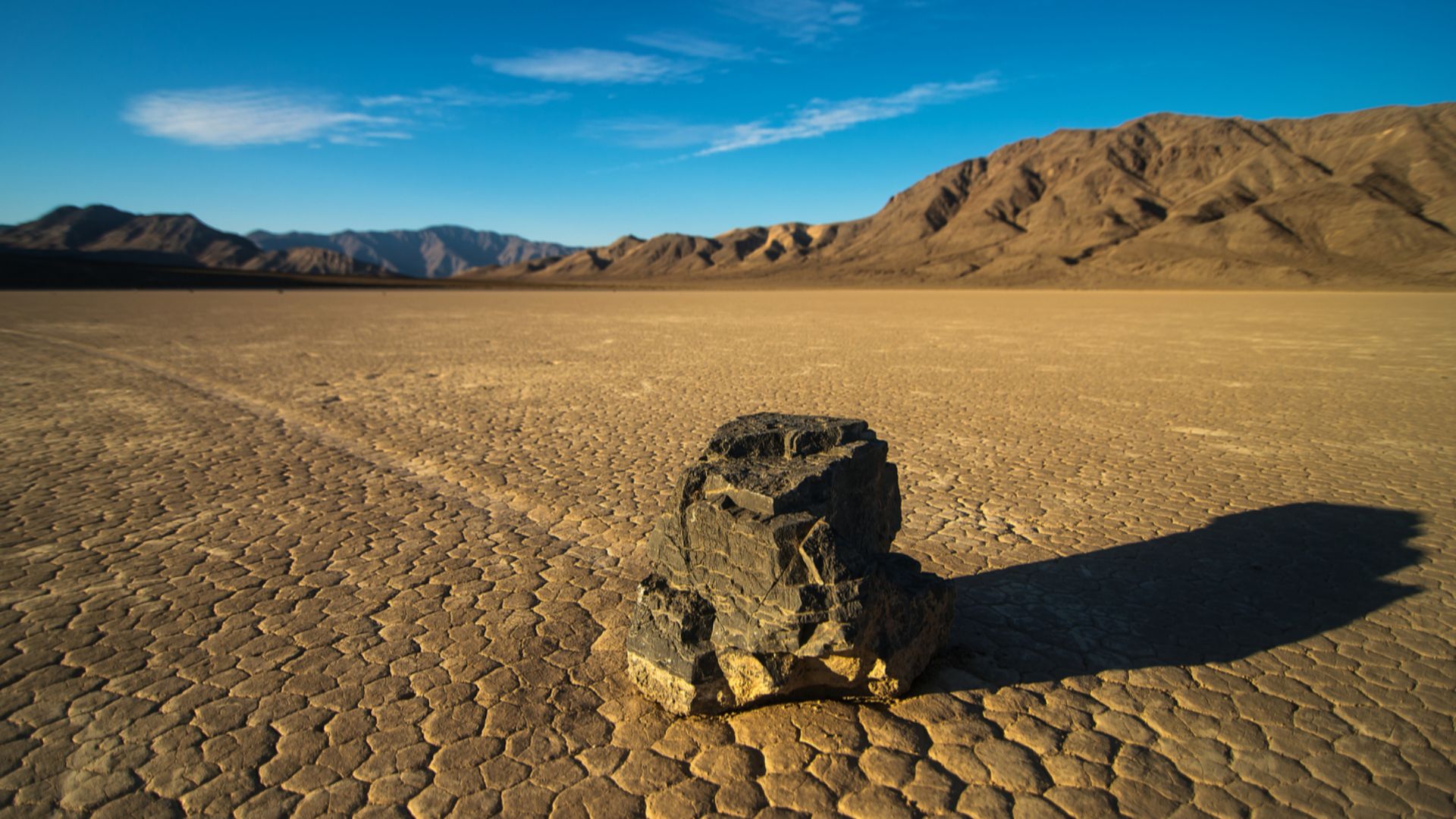
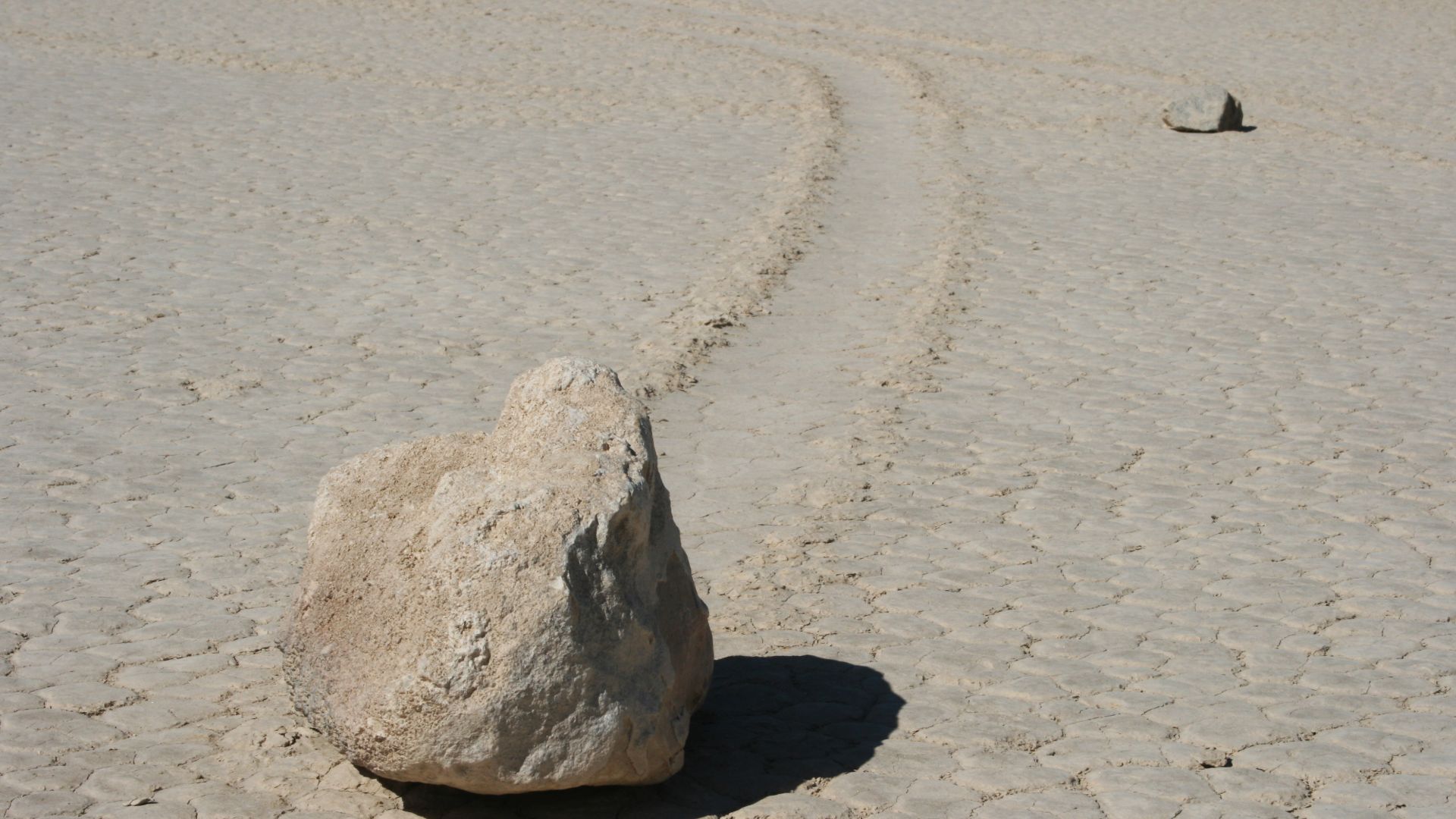
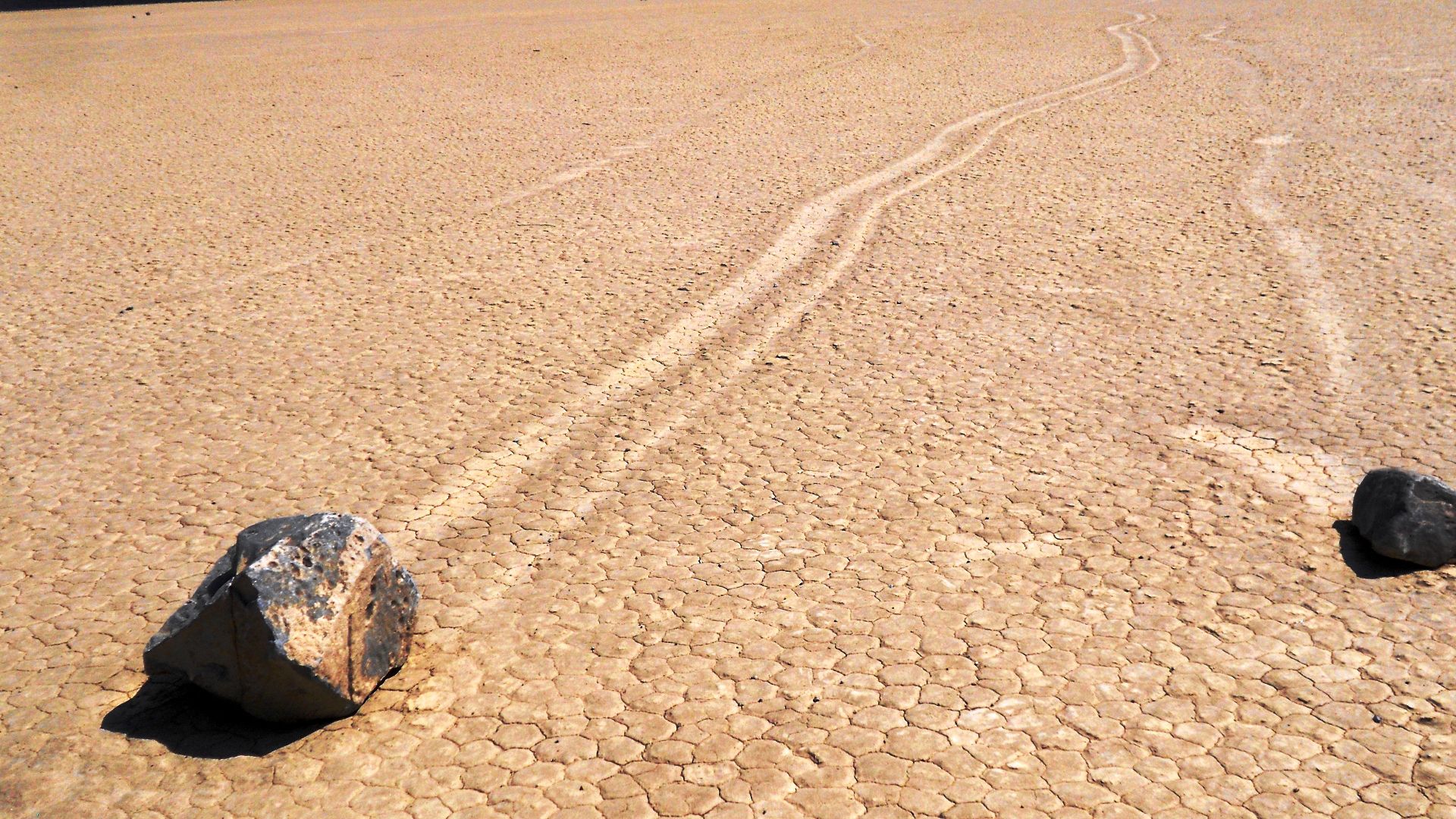
Scattered across the playa were hundreds of rocks, many accompanied by long grooves carved into the hardened mud. Some tracks extended hundreds of feet, while others curved, zigzagged, or changed direction abruptly. Occasionally, several rocks left remarkably similar trails running alongside one another. It looked as though someone had dragged the stones across the desert, but there were no footprints or obvious signs of human interference.
 Jason Hickey, Wikimedia Commons
Some Weighed 700 Pounds
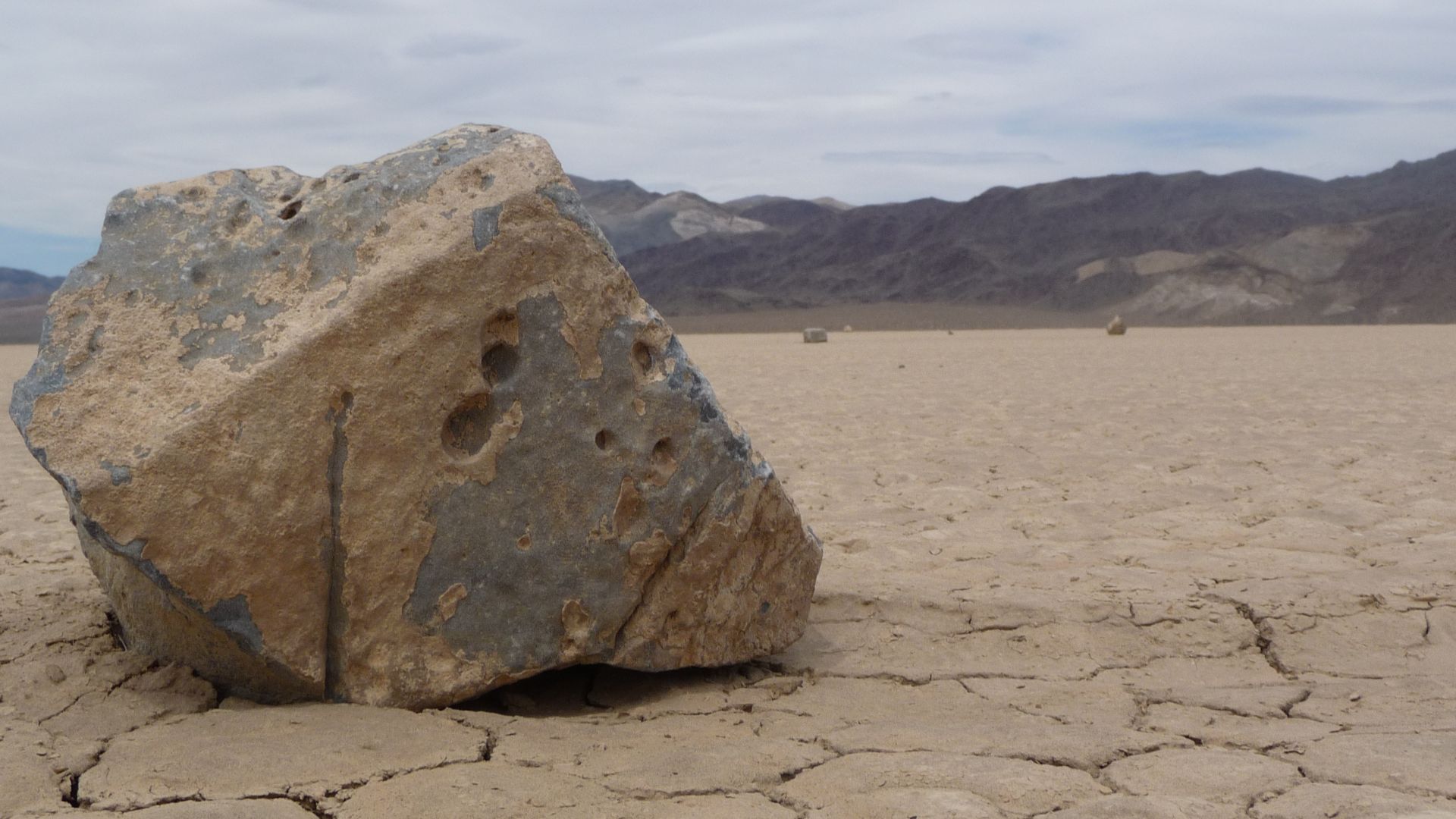
The most astonishing detail was the size of the moving stones. While many were relatively small, some weighed as much as 700 pounds. These weren't pebbles that could easily be blown across the ground. They were substantial rocks that appeared to have traveled considerable distances without anyone touching them. The heavier specimens made the mystery especially difficult to explain, because moving them required forces that weren't immediately apparent.
 Daniel Mayer (mav), Wikimedia Commons
Nobody Ever Saw Them Move
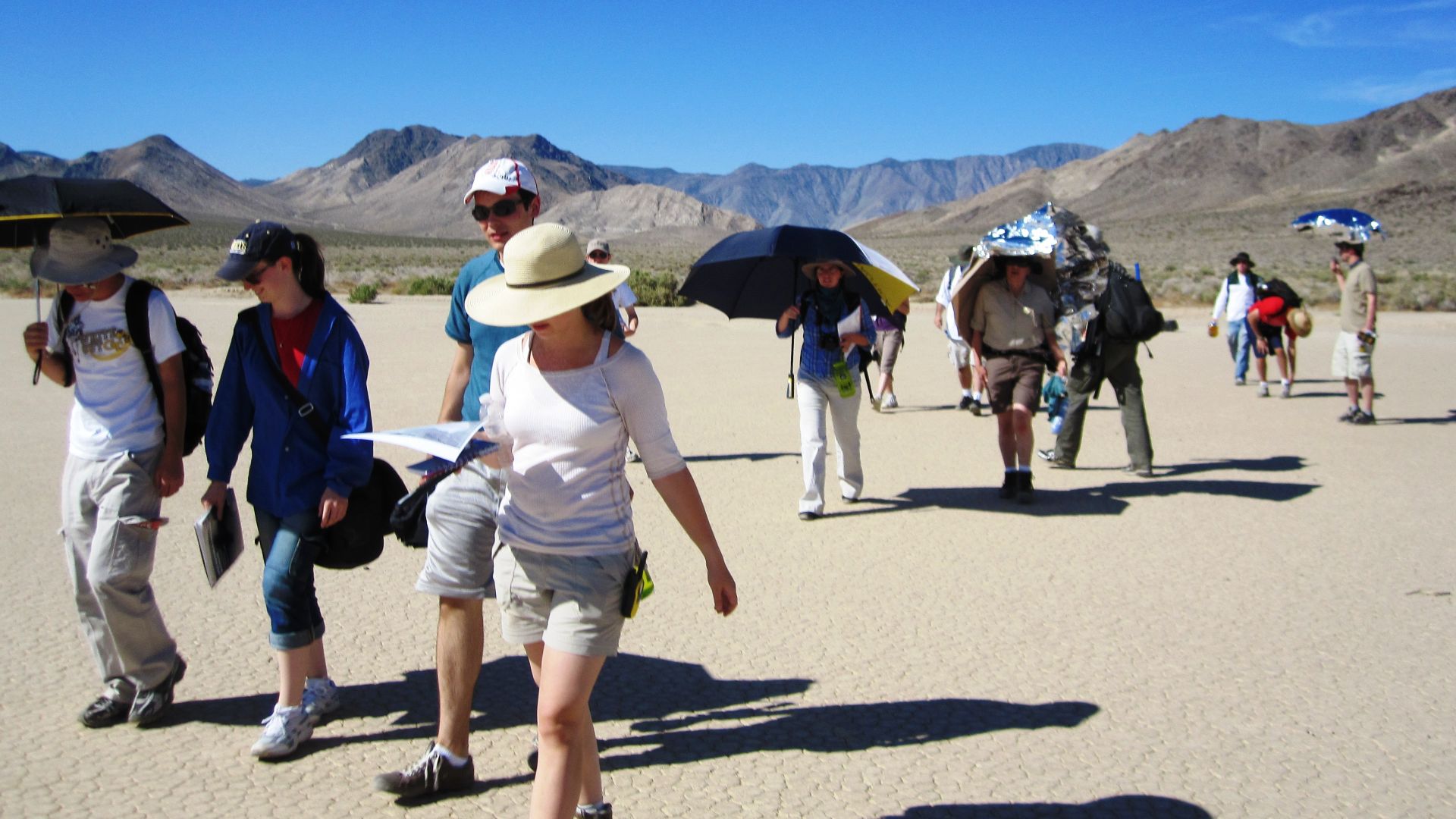
For decades, visitors and scientists could examine the tracks but couldn't catch the stones in motion. The rocks might remain stationary for years, sometimes more than a decade, before mysteriously changing position. Researchers would return to find fresh trails where none had existed previously. Whatever was happening appeared to occur during brief, unpredictable periods, making direct observation extraordinarily difficult.
 NASA Goddard Space Flight Center from Greenbelt, MD, USA, Wikimedia Commons
Scientists Began Investigating
The moving rocks entered the geological literature in 1948, when geologists Jim McAllister and Allen Agnew described the phenomenon. Their observations helped transform a local curiosity into a scientific puzzle. Researchers began examining the stones, studying the playa's surface, and considering what natural forces might explain their movement. The obvious suspects were wind and water, but neither initially seemed capable of accounting for everything.
 NASA Goddard Space Flight Center from Greenbelt, MD, USA, Wikimedia Commons
The Wind Theory Emerged
One early explanation suggested that powerful desert winds pushed the rocks across the playa. Death Valley experiences strong gusts, and the lakebed's open surface offers little protection from them. Scientists reasoned that sufficiently strong winds might move stones across wet, slippery mud. But the theory raised an awkward question: how could ordinary wind gusts shift rocks weighing hundreds of pounds?
 Jason Hickey, Wikimedia Commons
The Mud Might Be Slippery
Researchers also considered the possibility that rain transformed the playa into a slippery surface. Although Death Valley receives very little precipitation, occasional storms can temporarily flood the lakebed. When the water evaporates, the mud hardens again, preserving any tracks left behind. Perhaps the stones moved while the ground was wet, then appeared impossibly heavy once the mud dried.
 Unknown authorUnknown author or not provided, Wikimedia Commons
Hurricane-Force Winds Seemed Necessary
Calculations suggested that moving some of the larger rocks through wind pressure alone could require extraordinarily powerful gusts. This made the simplest version of the wind theory difficult to accept. Although Death Valley is famous for extreme weather, the necessary winds seemed unlikely to occur regularly enough to explain the trails. Scientists increasingly suspected that some additional mechanism was helping the rocks move.
 Trialsanderrors, Wikimedia Commons
Could Dust Devils Explain Everything?
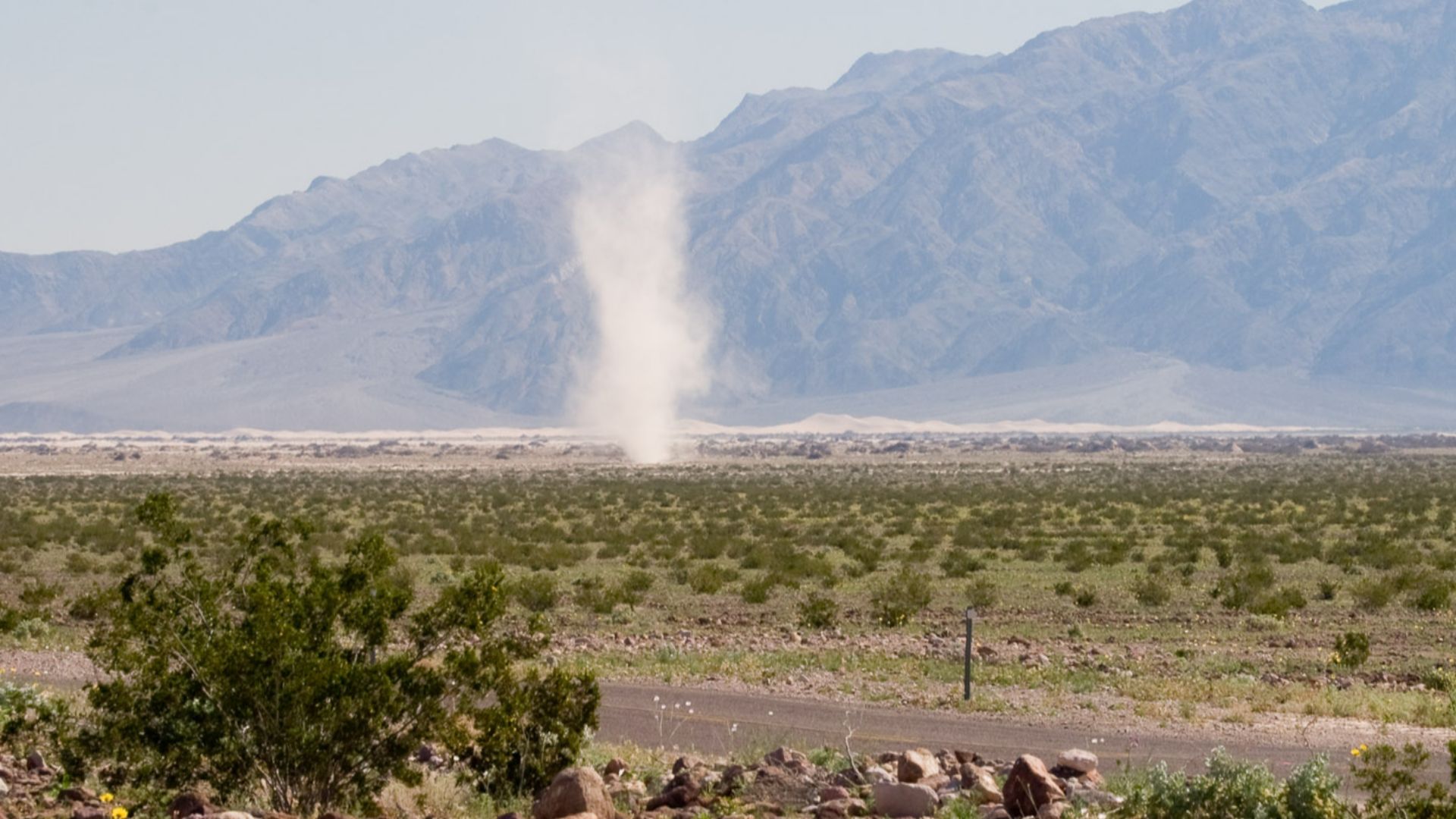
Another possibility involved dust devils, the spinning columns of air that occasionally sweep across desert landscapes. These miniature whirlwinds can lift dust and debris, and researchers wondered whether they might generate enough localized force to shift rocks. But the explanation struggled to account for long, nearly parallel tracks produced by several stones. Something appeared to be moving groups of rocks in a coordinated fashion.
 Greg Willis from Denver, CO, usa, Wikimedia Commons
Ice Became A Suspect
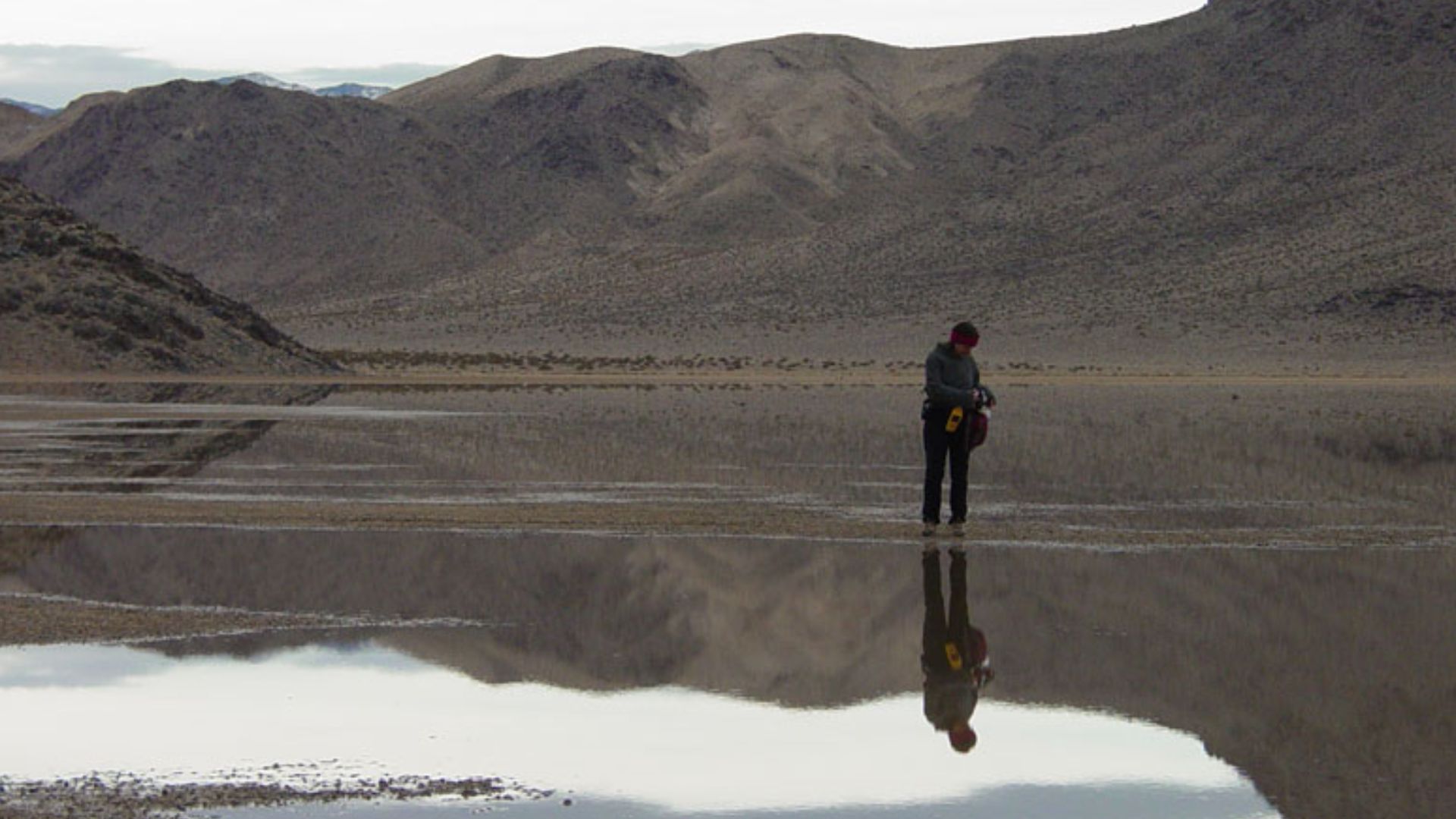
The idea that ice might be involved wasn't new. Despite the desert setting, Racetrack Playa sometimes experiences freezing winter temperatures. Researchers proposed that rocks could become trapped in sheets of ice when shallow floodwater froze. If wind subsequently moved the ice, the stones might travel with it. This theory offered a potential explanation for the synchronized tracks, but exactly how the ice worked remained uncertain.
Researchers Watched For Years
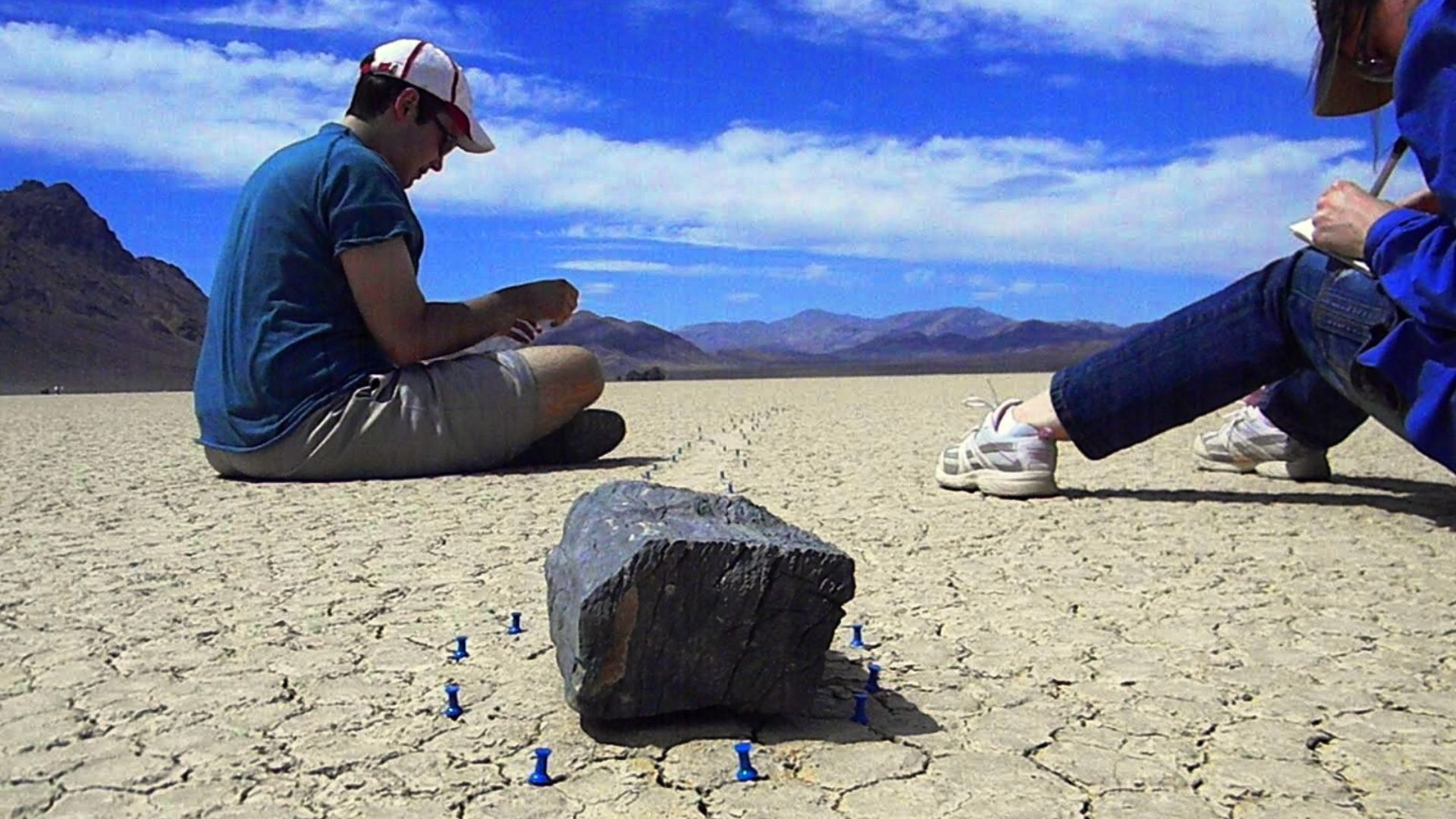
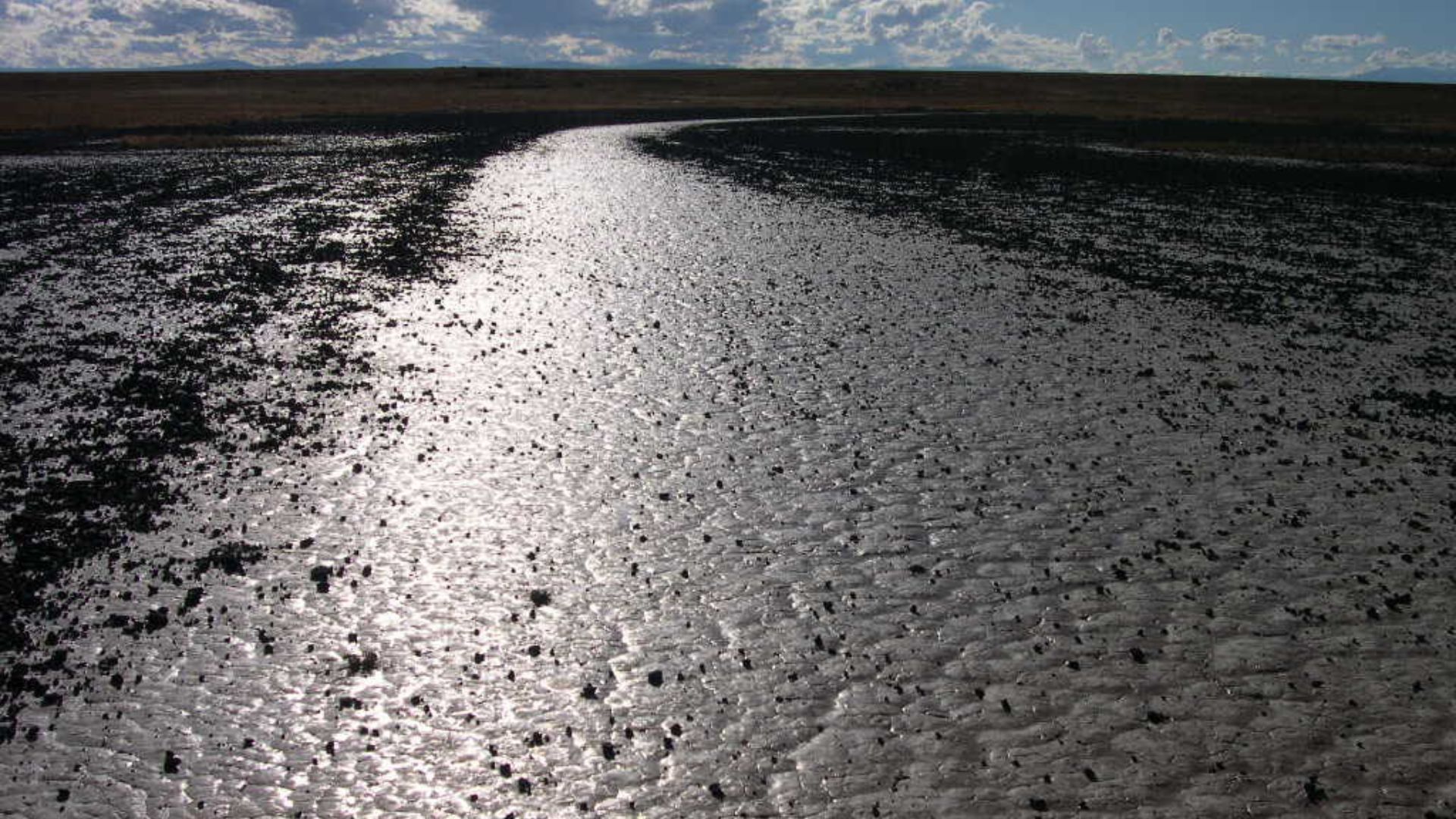
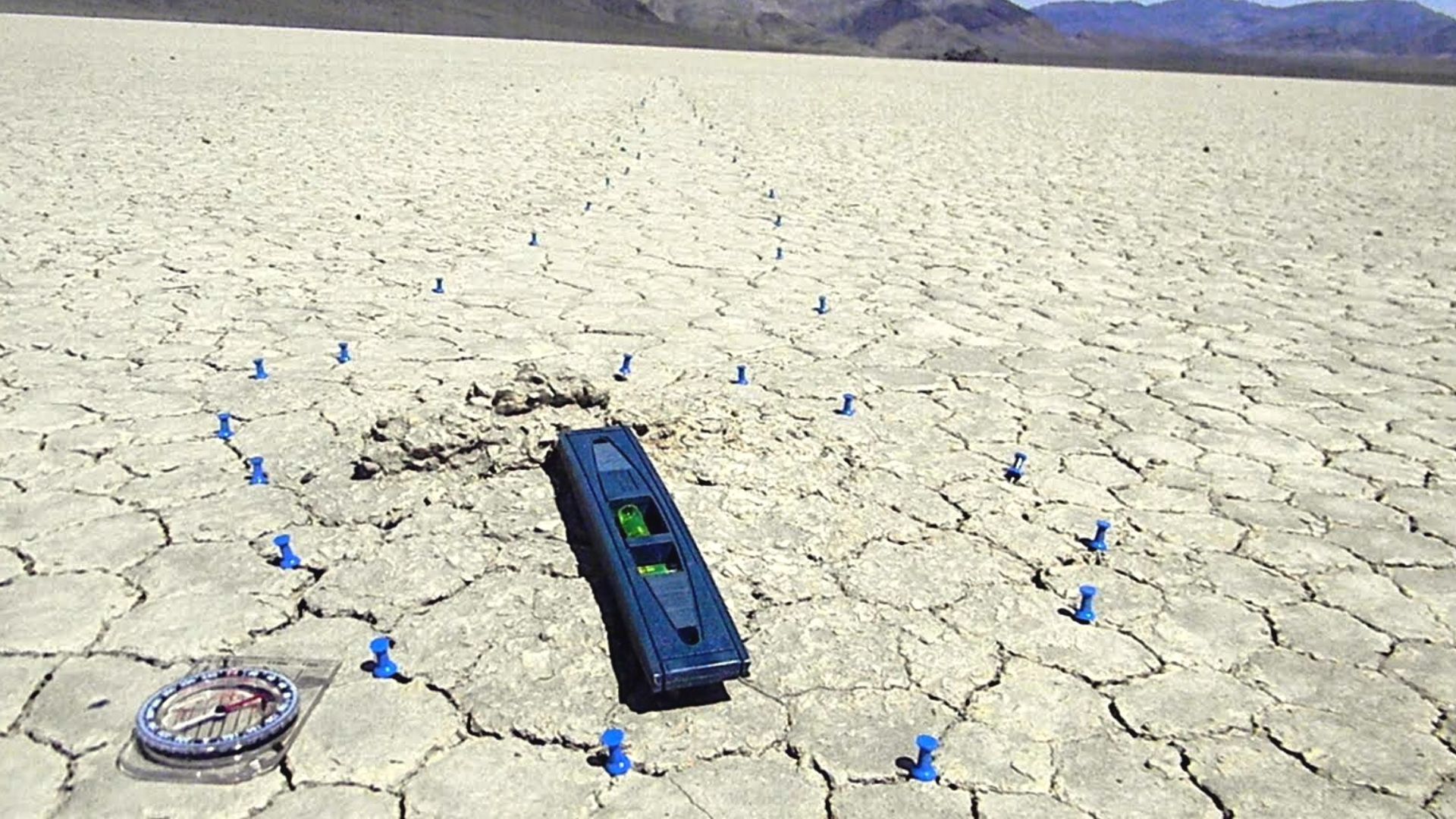
In the late 1960s and 1970s, geologists Robert Sharp and Dwight Carey conducted a systematic study of the sailing stones. They marked and monitored individual rocks, recording changes in their positions over several years. Their observations confirmed that the stones really moved and sometimes followed complicated paths. However, the researchers still couldn't witness the process directly, leaving the mechanism open to debate.
 Thayne Tuason, Wikimedia Commons
The Ice Theory Faced Challenges
Sharp and Carey's observations complicated the idea that large ice sheets simply carried groups of rocks together. Some stones moved while nearby ones remained stationary, and others followed different trajectories. The researchers considered whether wind could push stones over saturated mud without ice. Their work showed how difficult it was to explain every observed trail using a single, straightforward mechanism.
 Giuseppe Milo, Wikimedia Commons
A New Generation Investigated
During the 1990s, geologist Paula Messina began using increasingly sophisticated mapping technology to study Racetrack Playa. Working with Phil Stoffer of the U.S. Geological Survey, she documented rock positions and trails using differential GPS. Their research produced detailed maps of the phenomenon, allowing scientists to compare the shapes and directions of individual tracks. But even this technological advance couldn't reveal precisely when or how the stones moved.
 NASA Goddard Space Flight Center from Greenbelt, MD, USA, Wikimedia Commons
The Tracks Offered Clues
Messina's research demonstrated that the trails weren't as random as they initially appeared. Their orientations and shapes offered clues about the forces acting on the rocks. Some tracks ran nearly parallel, while others diverged or curved dramatically. The evidence suggested that wind patterns played an important role, but it remained unclear whether wind acted directly on the stones or through another material.
 National Park Service / Kurt Moses, Wikimedia Commons
A Laboratory Experiment Helped
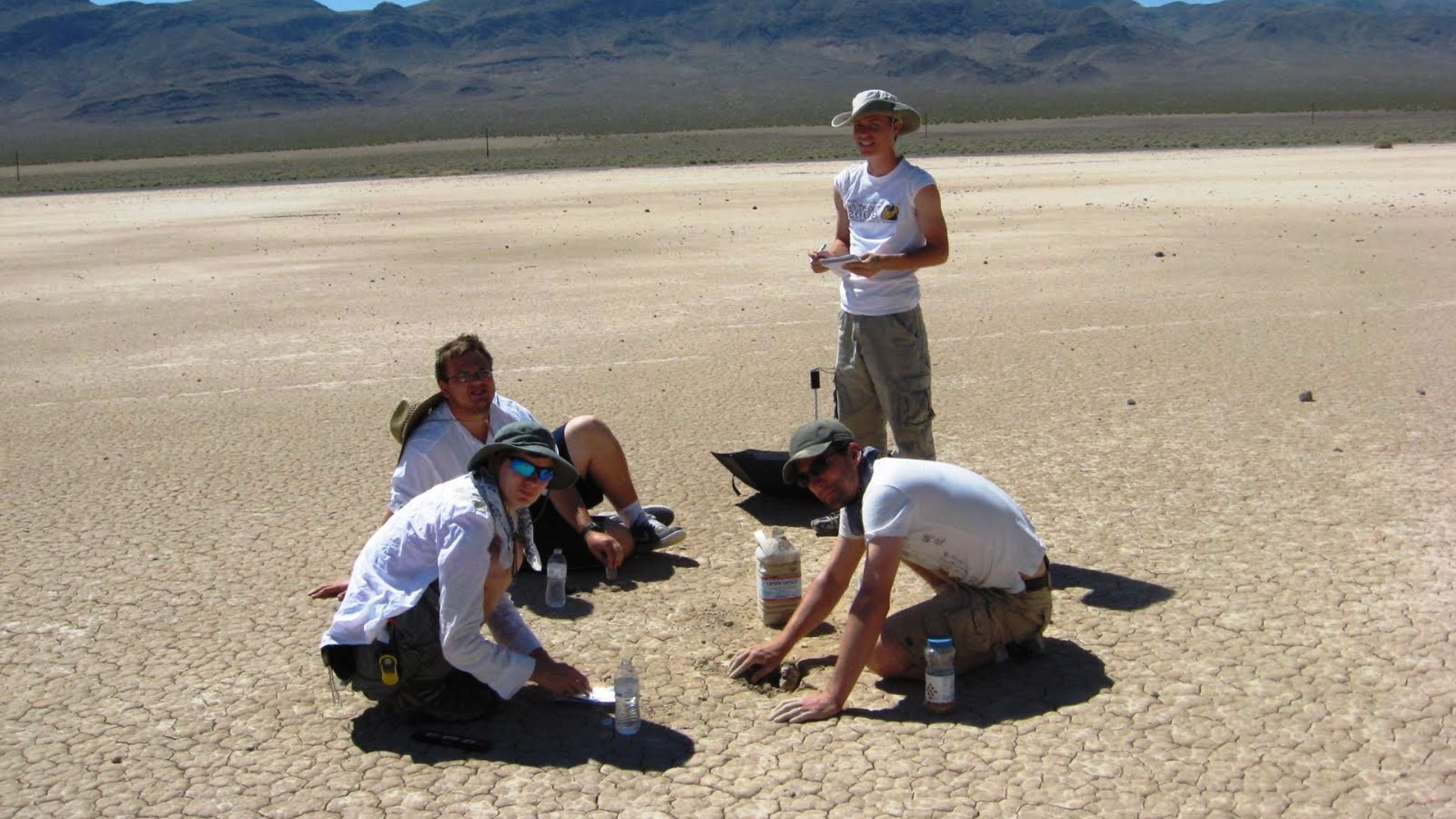
In 2011, planetary scientist Ralph Lorenz and colleagues published research demonstrating that ice could help move rocks across a flooded surface. Their experiments supported the idea that freezing conditions might make stone movement possible without extraordinary winds. The findings strengthened interest in ice-based explanations, although they didn't establish exactly what happened at Racetrack Playa. To settle the question, someone would have to observe the rocks moving naturally.
 NASA Goddard Space Flight Center from Greenbelt, MD, USA, Wikimedia Commons
Two Cousins Took On The Mystery
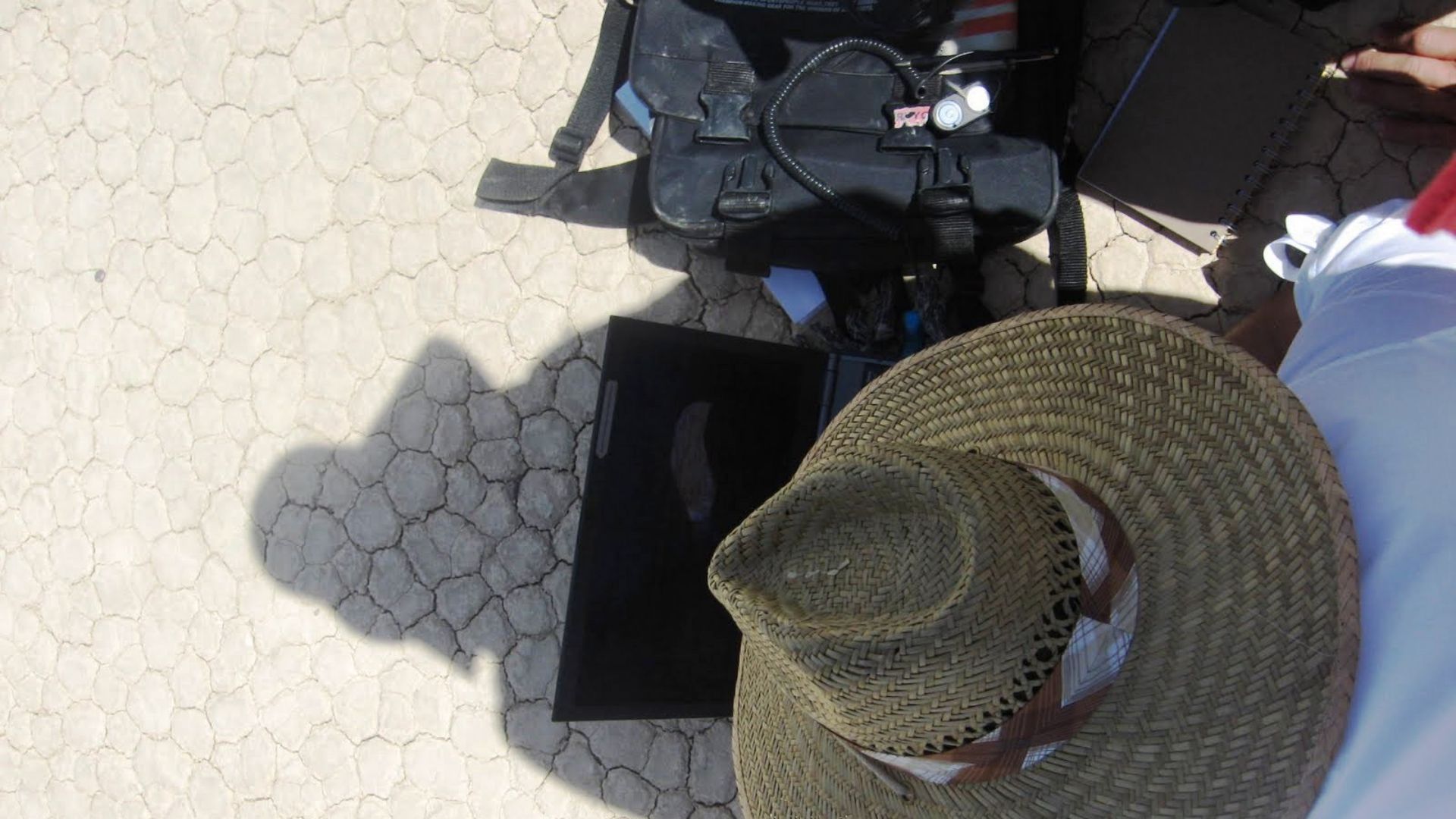
The breakthrough came through an ambitious experiment organized by cousins Richard Norris, a paleobiologist at the Scripps Institution of Oceanography, and James Norris, an engineer. Working with colleagues including Ralph Lorenz, Jib Ray, and Brian Jackson, they developed a plan to monitor the stones remotely. Rather than waiting beside the lakebed indefinitely, they would install instruments capable of recording movement whenever it occurred.
 NASA Goddard Space Flight Center from Greenbelt, MD, USA, Wikimedia Commons
They Built Instrumented Rocks
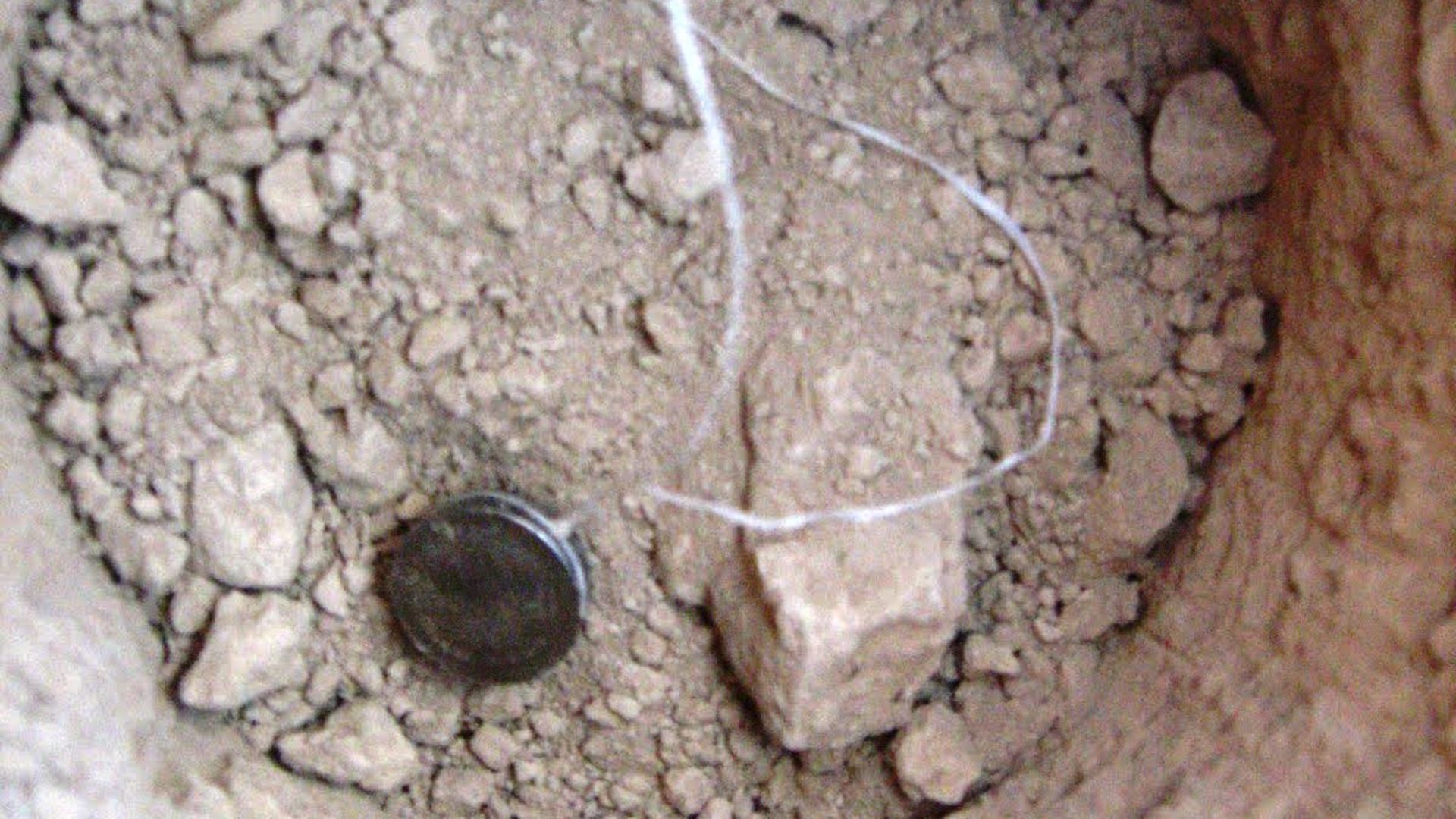
The researchers received permission from the National Park Service to place 15 specially prepared rocks on the playa. Because altering the existing stones wasn't permitted, they brought in similar rocks from elsewhere. Each experimental stone contained a custom-built, motion-activated GPS device. The equipment would record the stone's movements, allowing the researchers to reconstruct its journey even if nobody happened to be watching.
 Daniel Mayer (mav), Wikimedia Commons
Cameras Watched The Desert
The team also installed a sophisticated weather station and time-lapse cameras. These instruments recorded temperature, wind, precipitation, and changing conditions on the playa. The experiment began in winter 2011, but there was no guarantee that anything would happen. Since some stones remained stationary for a decade or longer, the researchers understood that they might spend years collecting data without witnessing a single movement.
 NASA Goddard Space Flight Center from Greenbelt, MD, USA, Wikimedia Commons
Then The Desert Flooded
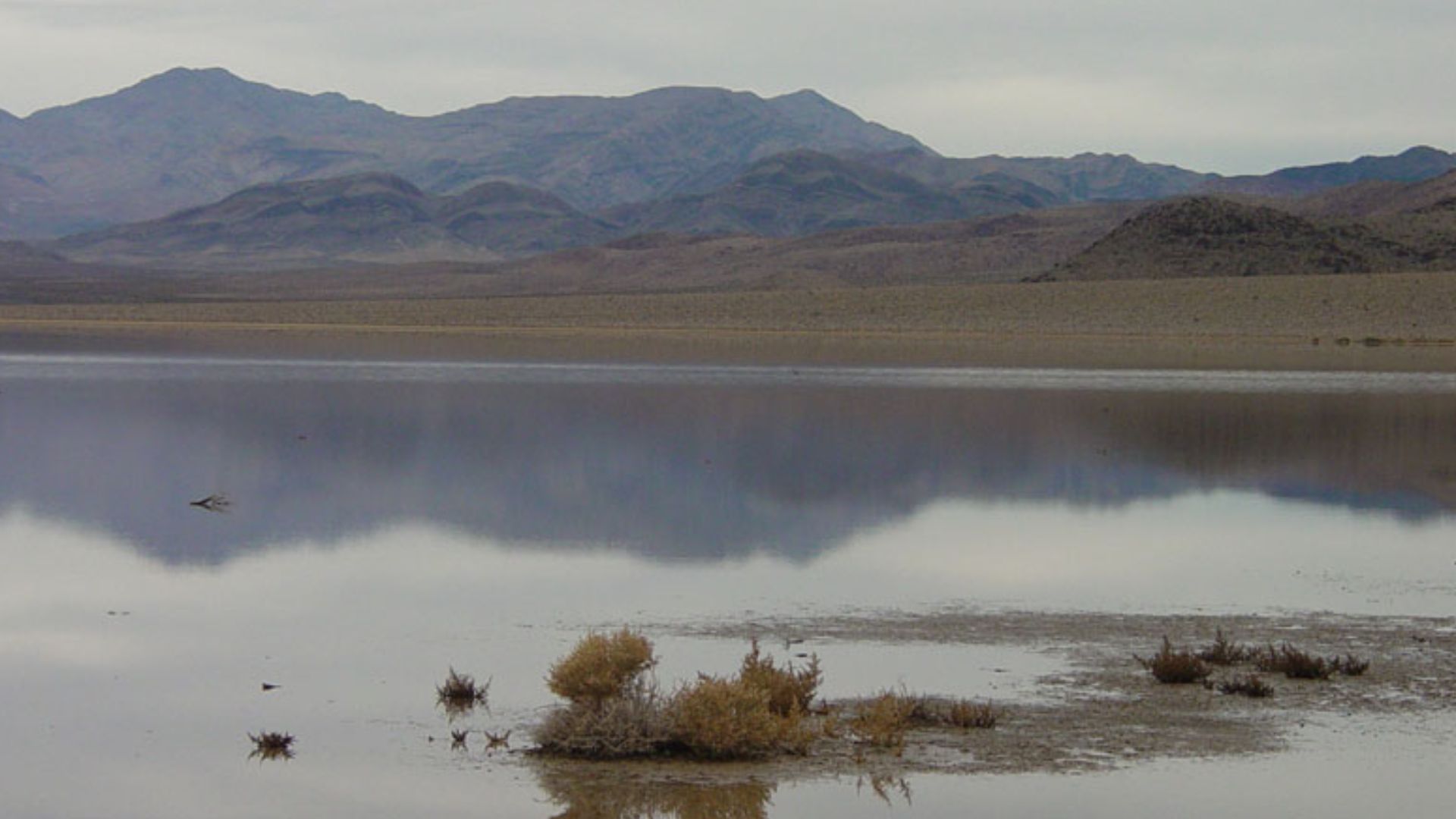
In late 2013, an unusual combination of rain and snow transformed Racetrack Playa. A shallow pool formed across part of the normally dry lakebed, creating conditions the researchers had been waiting for. When Richard and James Norris arrived in December, they discovered water covering the playa. Temperatures were cold enough for the surface to freeze overnight. Suddenly, the mysterious stones had the ingredients necessary to begin moving.
December 20 Changed Everything
On December 20, 2013, the researchers witnessed something extraordinary. As the morning sun warmed the playa, thin sheets of ice began breaking apart and drifting across the shallow water. The ice pushed against nearby rocks, causing them to slide slowly across the muddy bottom. More than 60 stones moved during the event. After decades of speculation, scientists were finally watching the famous sailing stones in action.
The Ice Was Surprisingly Thin
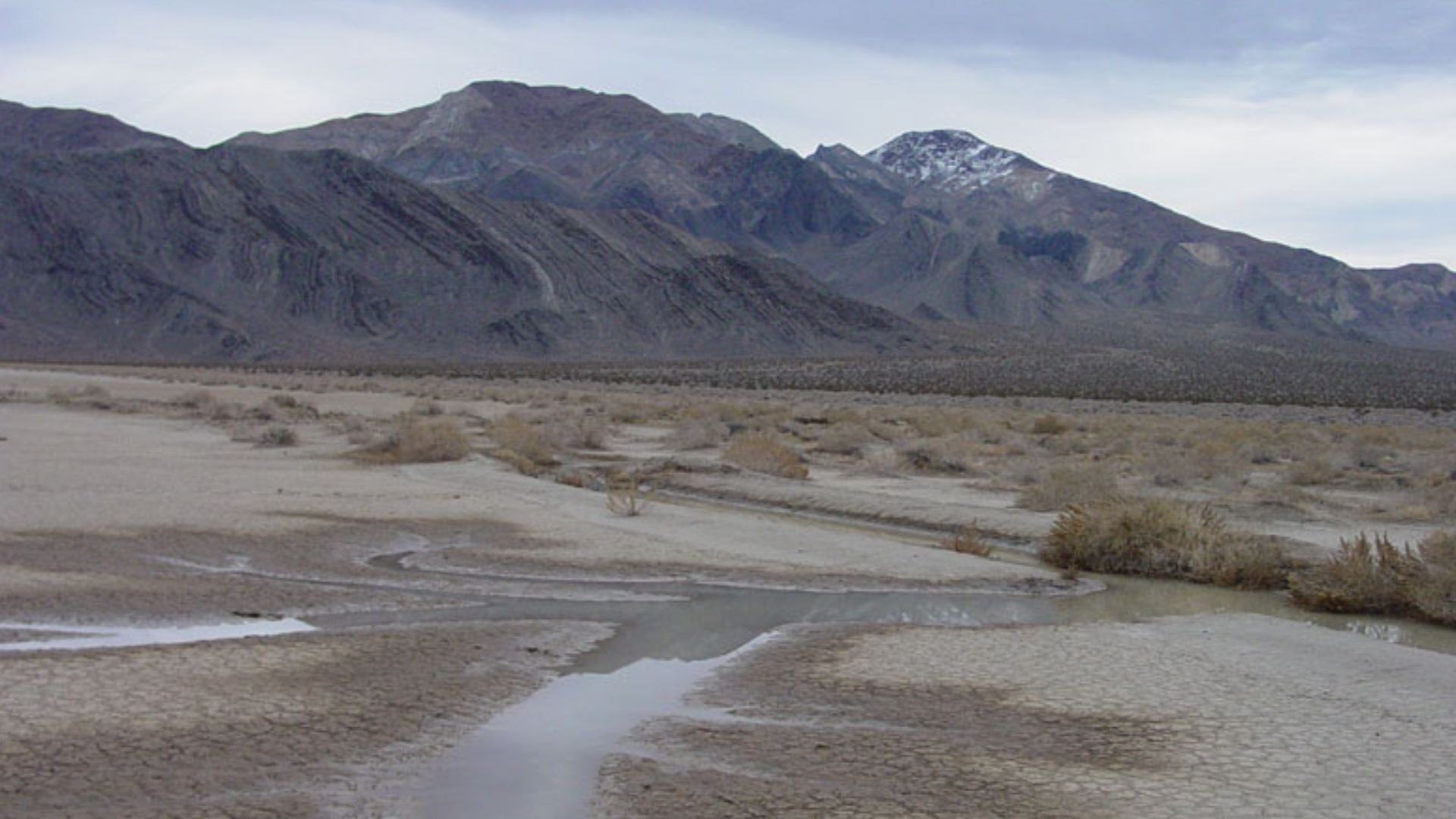
The most remarkable discovery was how little ice was required. Instead of the thick, heavy sheets envisioned by some earlier theories, the researchers observed ice only about three to six millimeters thick. Gentle winds pushed large floating panels across the water, and the panels pressed against exposed rocks. The ice didn't need to lift the stones. It simply applied enough horizontal force to make them slide.
The Rocks Barely Moved
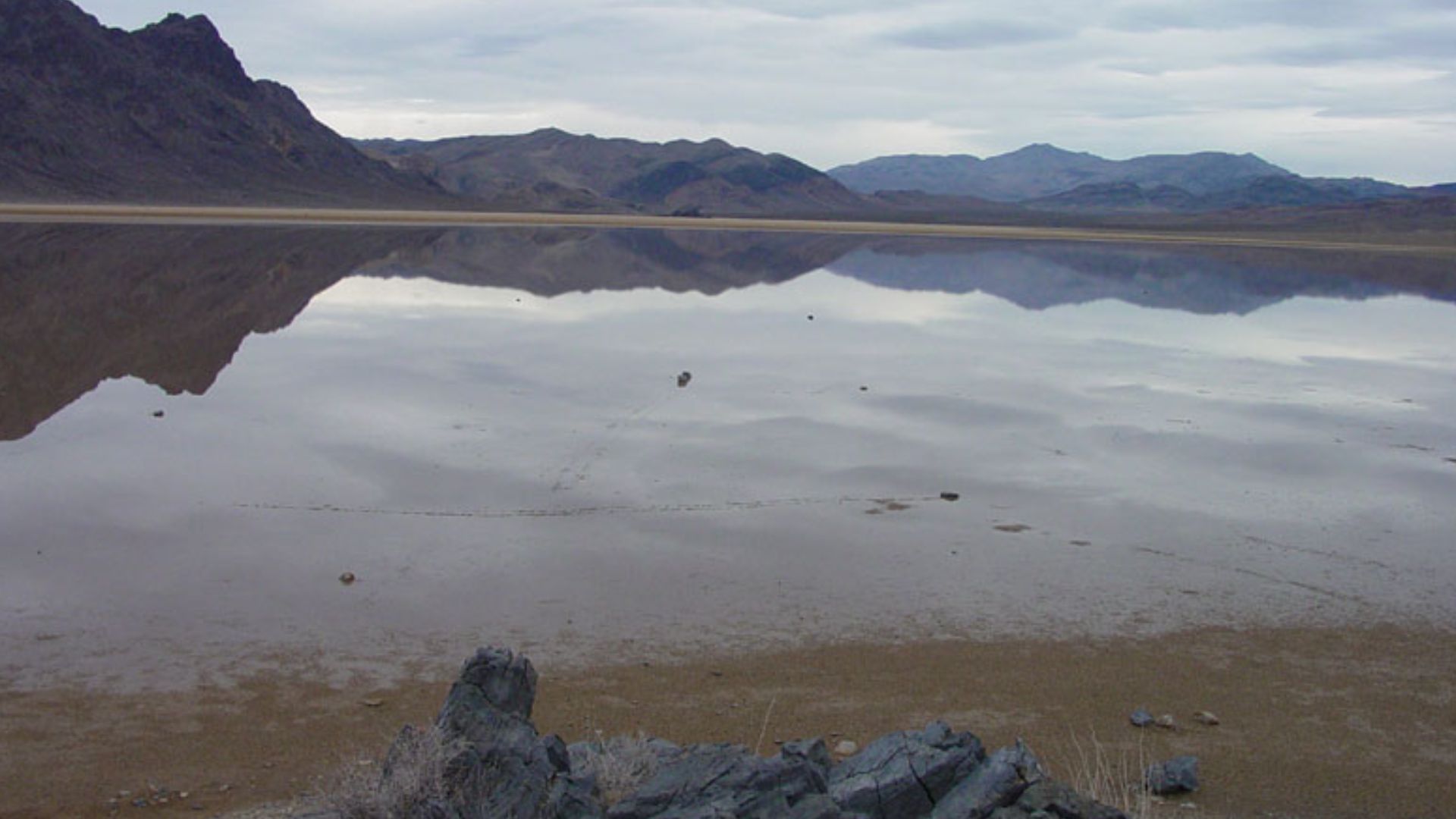
The stones weren't racing across the desert. Researchers recorded speeds of roughly two to six meters per minute, slow enough to be almost imperceptible without a stationary reference point. Some rocks moved for only a few seconds, while others continued for as long as 16 minutes. The gentle movement helped explain why nobody had previously recognized the phenomenon, even when conditions might have allowed it to occur.
 Alisha Vargas from Reno, NV, US, Wikimedia Commons
GPS Confirmed The Discovery
The GPS-equipped rocks provided independent confirmation of what the researchers witnessed. During movement events between December 2013 and January 2014, some instrumented stones accumulated travel distances of up to 224 meters. Photographs and weather measurements supported the GPS records, establishing a clear relationship between shallow water, melting ice, wind, and rock movement. For the first time, scientists had direct observations and measurements explaining the mysterious trails.
The Mystery Was Finally Solved
On August 27, 2014, the researchers published their findings in the scientific journal PLOS ONE. The paper, titled "Sliding Rocks on Racetrack Playa, Death Valley National Park: First Observation of Rocks in Motion," provided compelling evidence for the ice-driven mechanism. The discovery overturned the idea that exceptionally powerful winds were necessary. Instead, ordinary breezes could move substantial stones when several unusual environmental conditions occurred together.
 Raymond M. Coveney, …, Wikimedia Commons
The Stones Still Fascinate Visitors
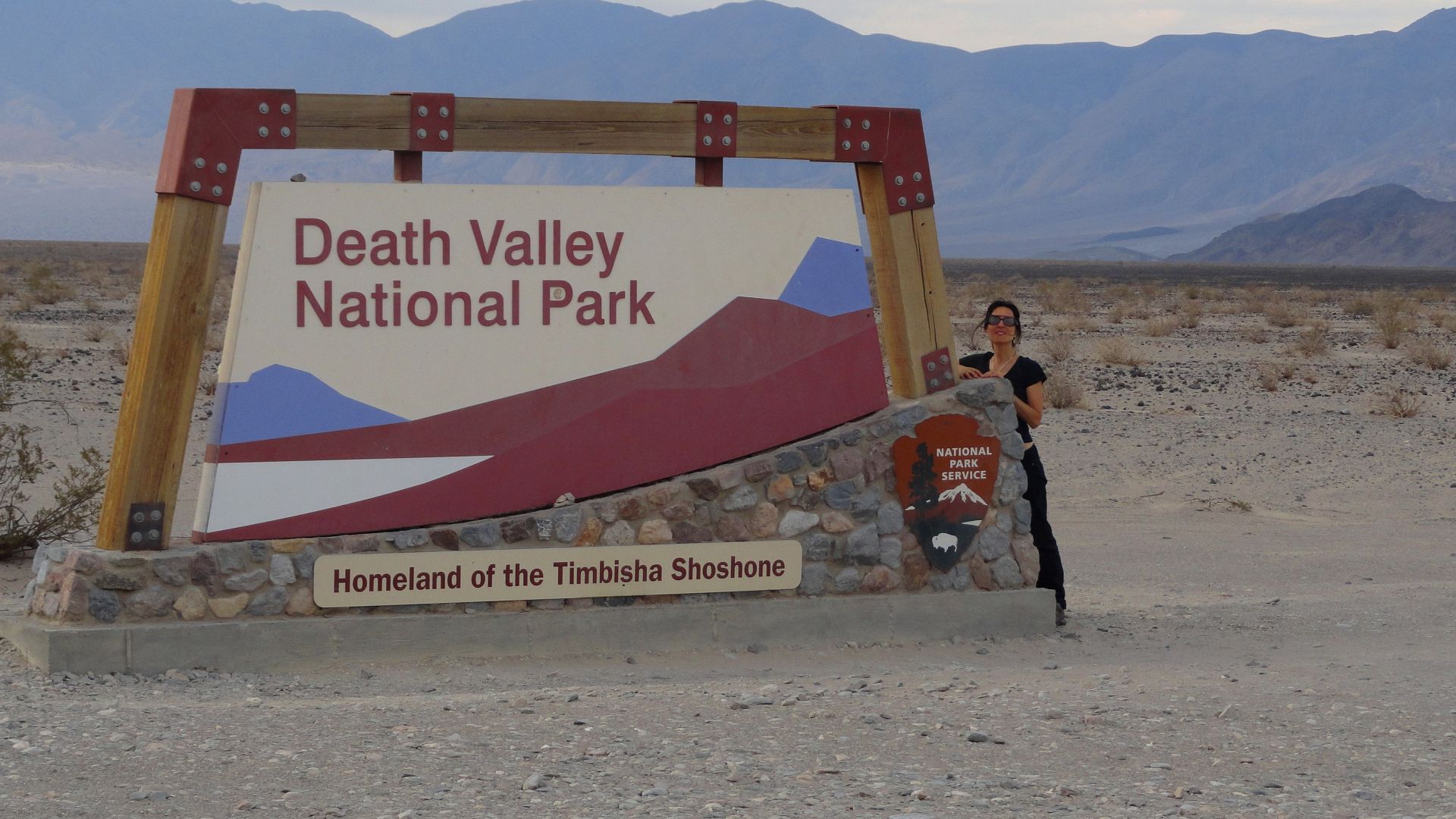
Today, Racetrack Playa remains one of Death Valley's most extraordinary destinations. Visitors can examine the stones and their mysterious-looking trails, although witnessing the movement live remains exceptionally unlikely. The National Park Service prohibits driving onto the playa, moving rocks, or walking across its muddy surface when wet. The scientific explanation hasn't diminished the spectacle. If anything, knowing that thin ice and gentle wind can move enormous stones makes the phenomenon even more remarkable.
 Fabio Achilli from Milano, Italy, Wikimedia Commons
You May Also Like:
Desert Survival Stories That Prove Even Experienced Tourists Still Underestimate Heat