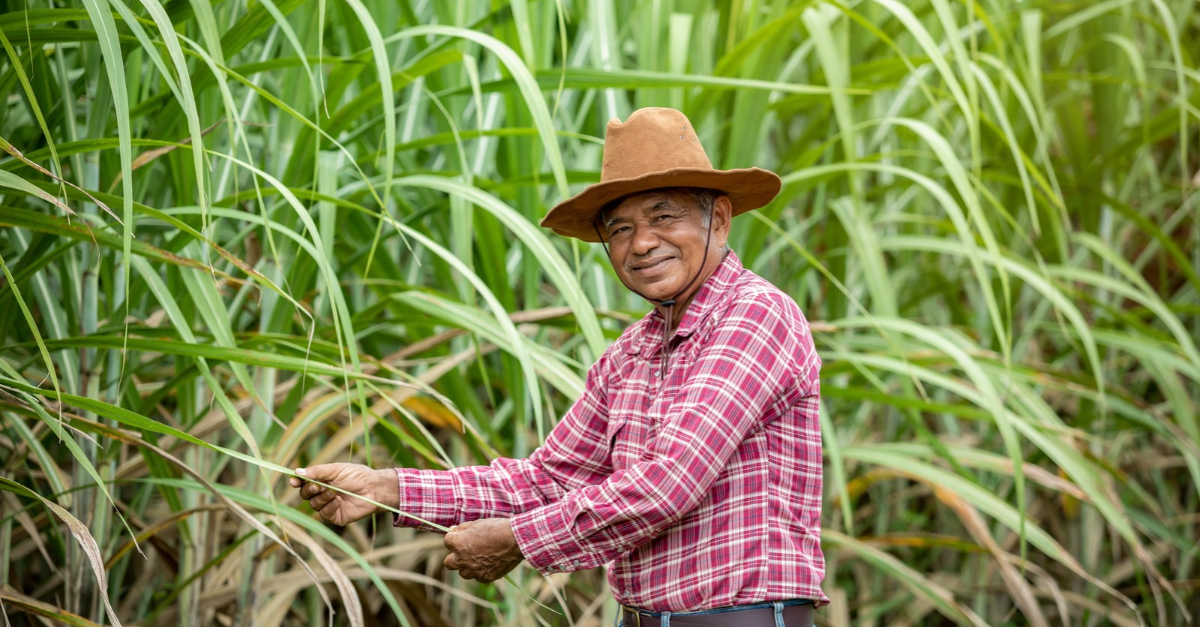
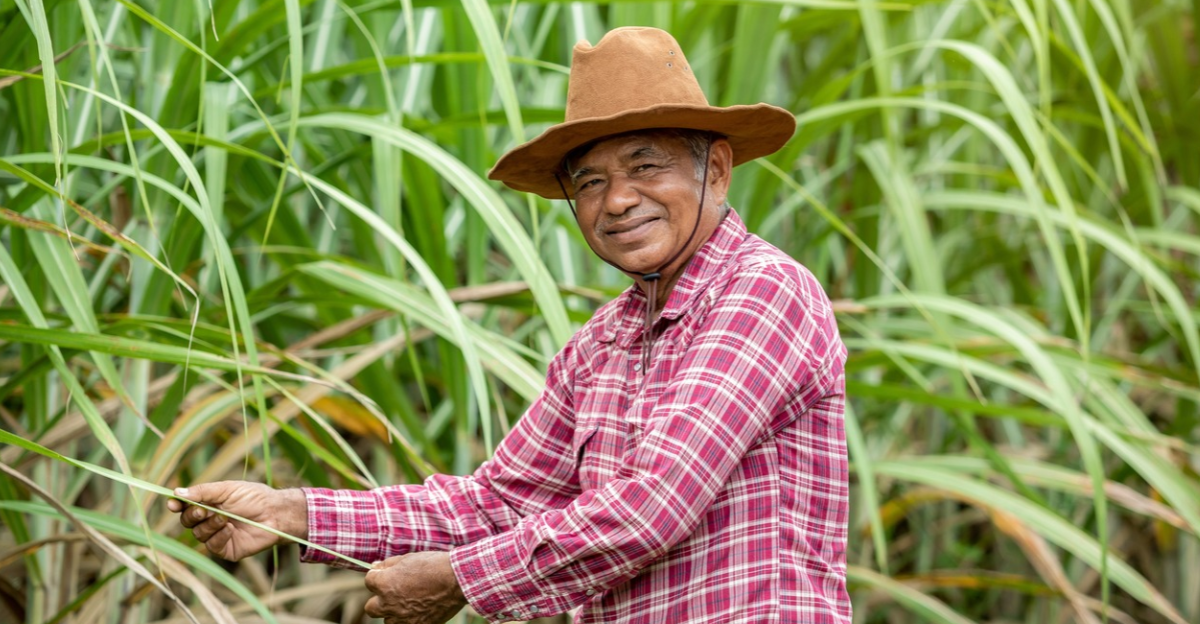
Before The Beaches, There Was Big Business
Today, these islands are famous for gorgeous beaches, luxurious resorts, and unforgettable vacations. But long before tourists arrived with suitcases and sunscreen, many had completely different economic priorities. From mining valuable minerals to producing everyday household goods, their earlier industries helped shape the destinations millions of travelers enjoy today.
Aruba, Caribbean: Oil Refining
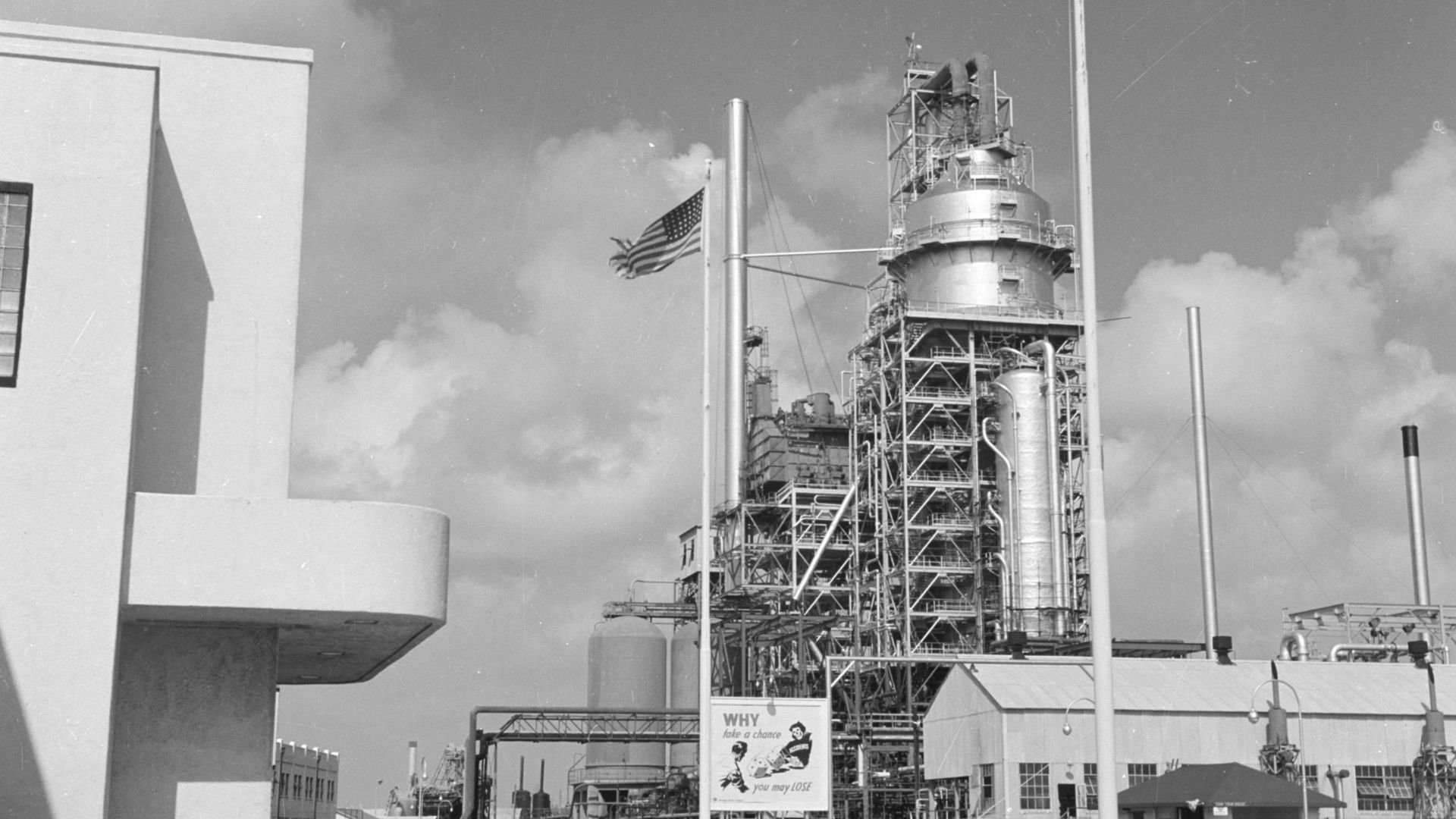
Aruba may be synonymous with beach vacations today, but its economy once revolved around petroleum. The Lago refinery opened in 1924 and became a major employer. When it closed in 1985, Aruba accelerated its transition toward tourism, transforming the island's economic future.
 Willem van de Poll, Wikimedia Commons
Bonaire, Caribbean Netherlands: Salt Production
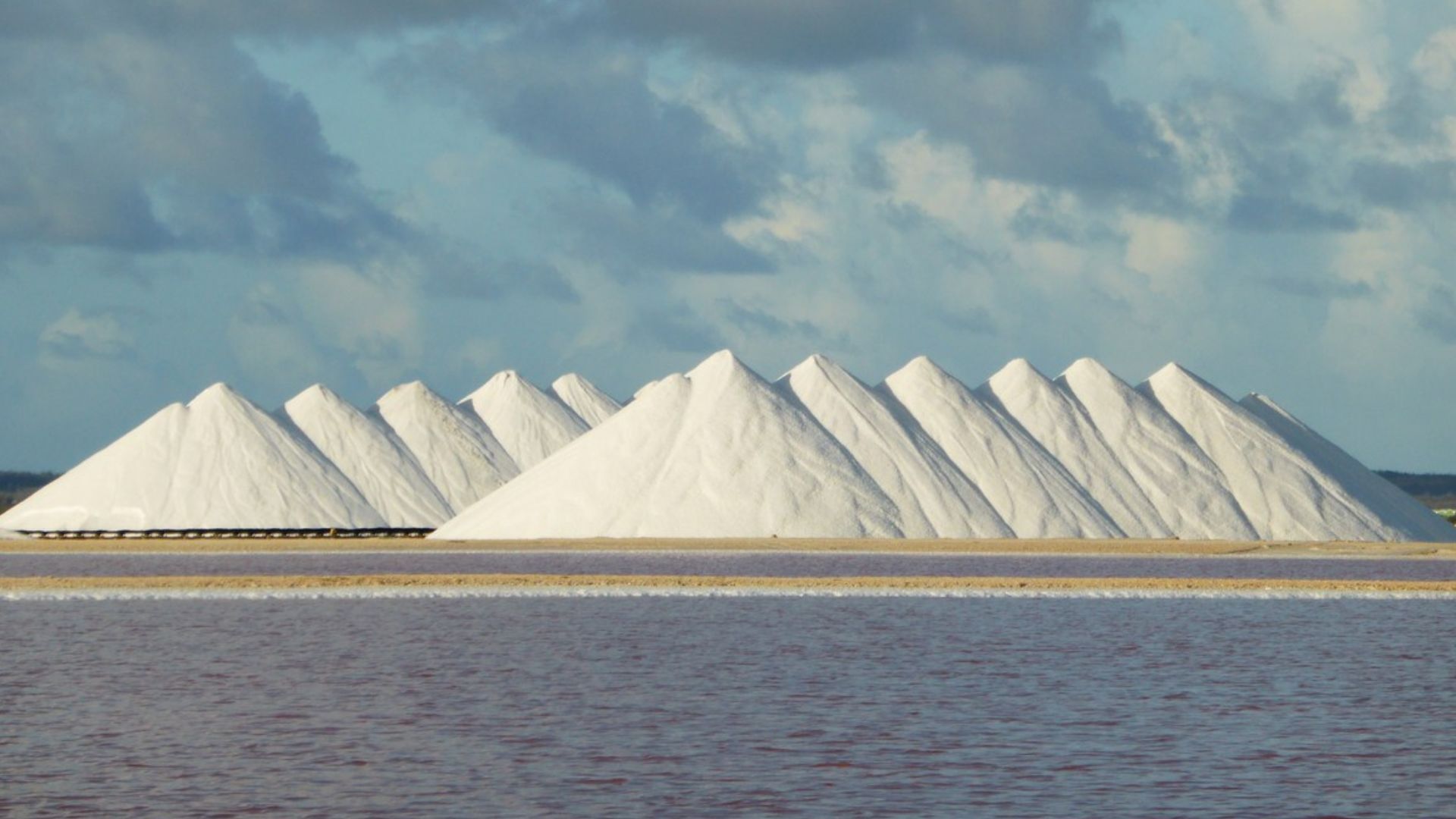
Long before Bonaire attracted divers from around the world, salt was central to its economy. Dutch colonial authorities developed salt production, relying heavily on enslaved workers. The industry continues today, and enormous white salt piles remain among the island's most recognizable landmarks.
 Paul Arps from The Netherlands, Wikimedia Commons
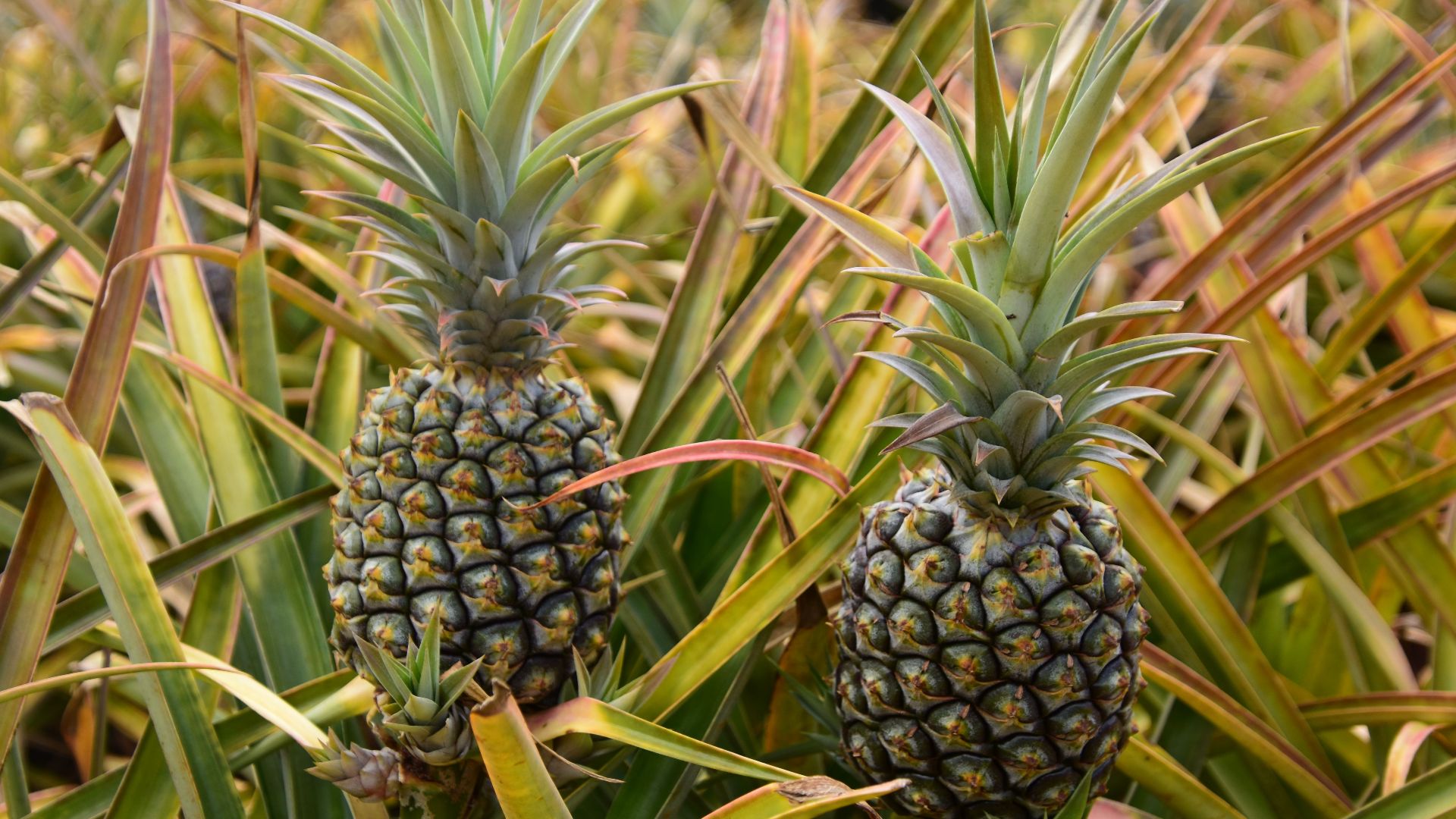
Lanai, Hawaii: Pineapple Plantations
Lanai's luxury resorts occupy an island once dominated by pineapple cultivation. Its Palawai Basin was home to some of the world's largest pineapple plantations. Although commercial pineapple production eventually ended, the island's agricultural past remains visible in its landscape and former plantation community.
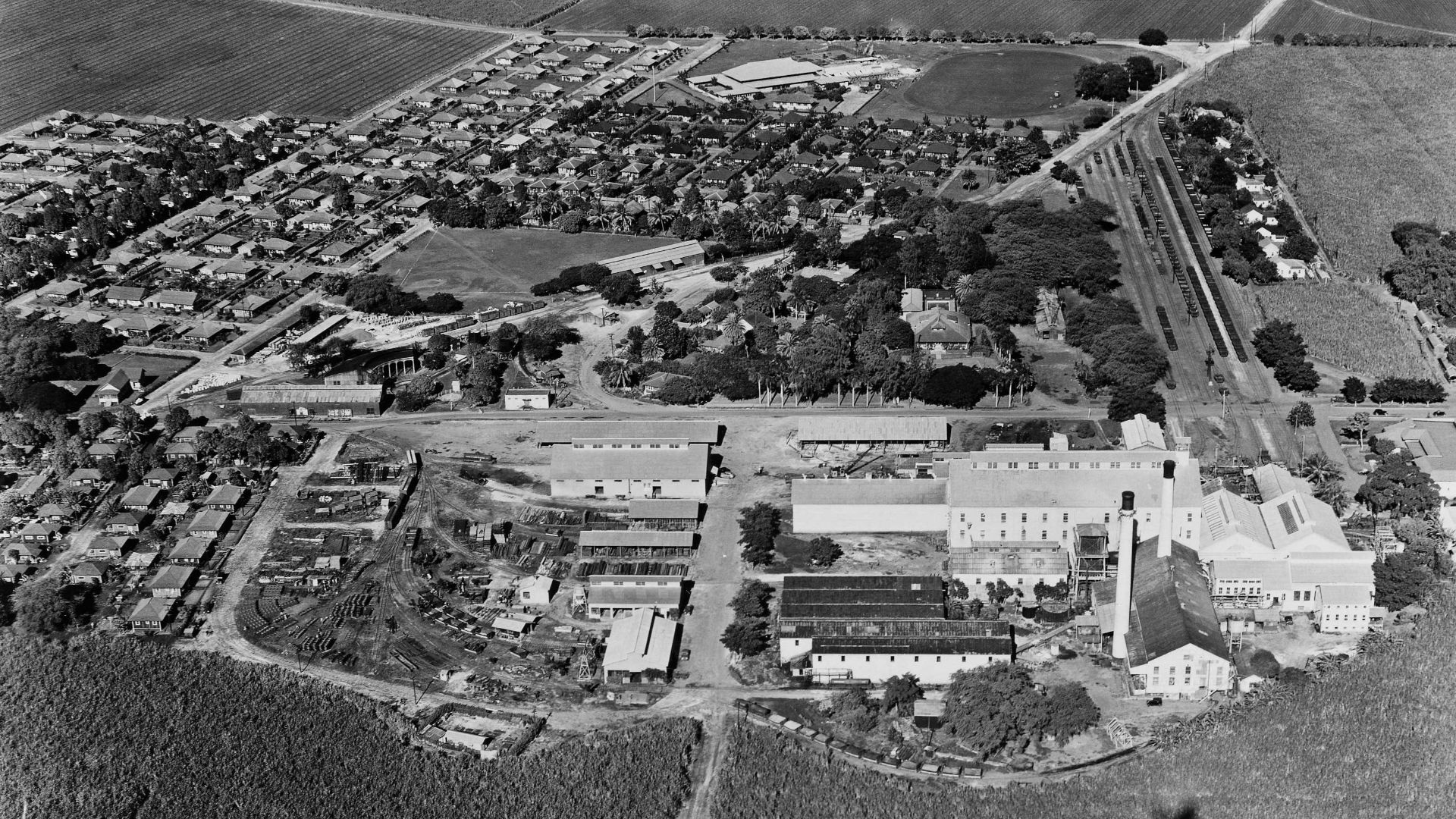
Maui, Hawaii: Sugar Manufacturing
Maui's tropical beauty once shared the spotlight with an enormous sugar industry. Plantations shaped communities, employment, and even the island's irrigation infrastructure. Hawaii's last large commercial sugar plantation, Hawaiian Commercial & Sugar Company, closed on Maui in December 2016, ending a remarkable agricultural chapter.
 81st Air Base Group, Wikimedia Commons
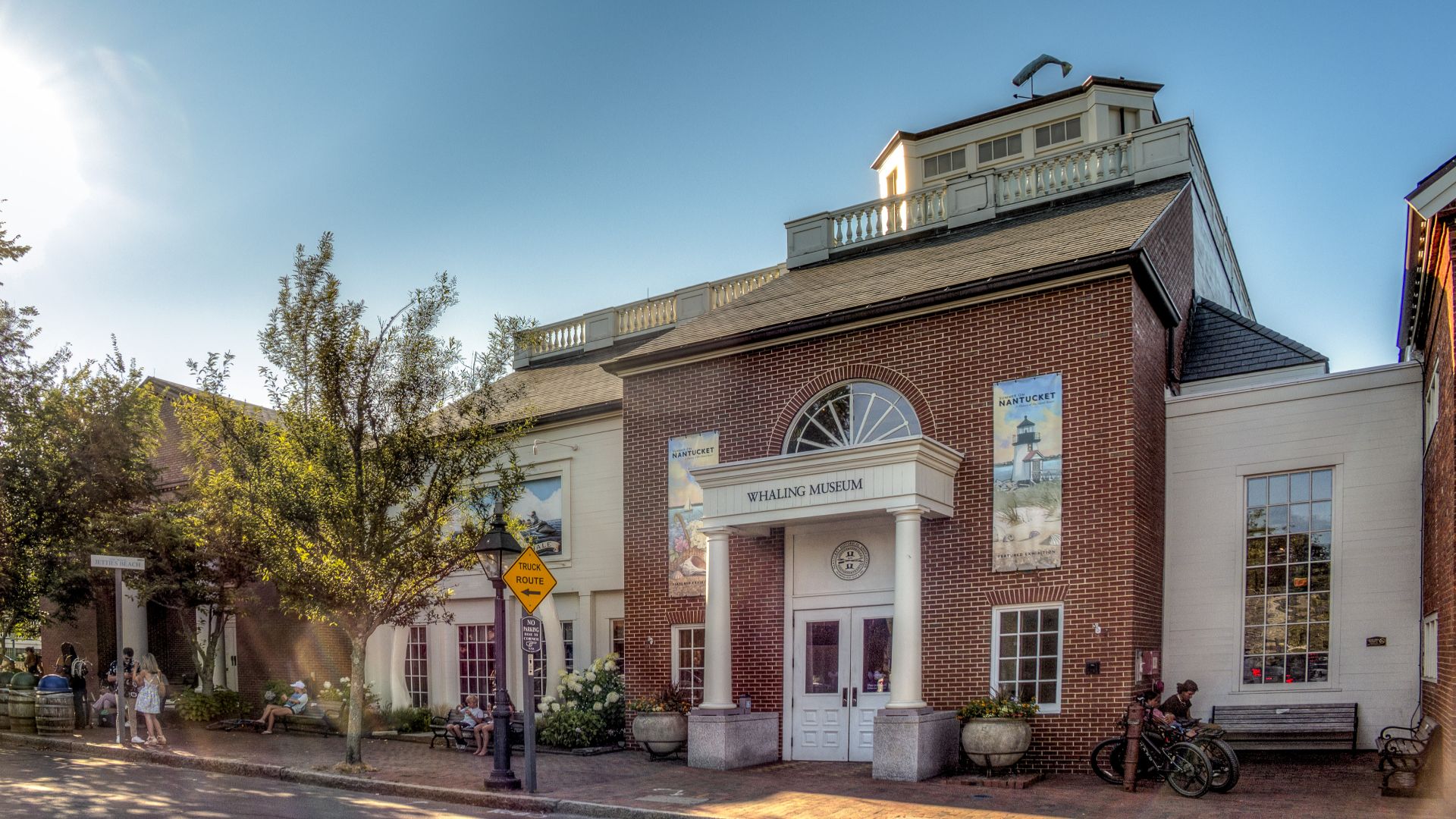
Nantucket, Massachusetts: Whaling
Nantucket's historic streets and expensive summer homes conceal a very different maritime past. During the early nineteenth century, the island was a leading whaling port. Its industry eventually declined as larger vessels favored deeper harbors elsewhere, leaving behind an extraordinary collection of maritime history.
 Kenneth C. Zirkel, Wikimedia Commons
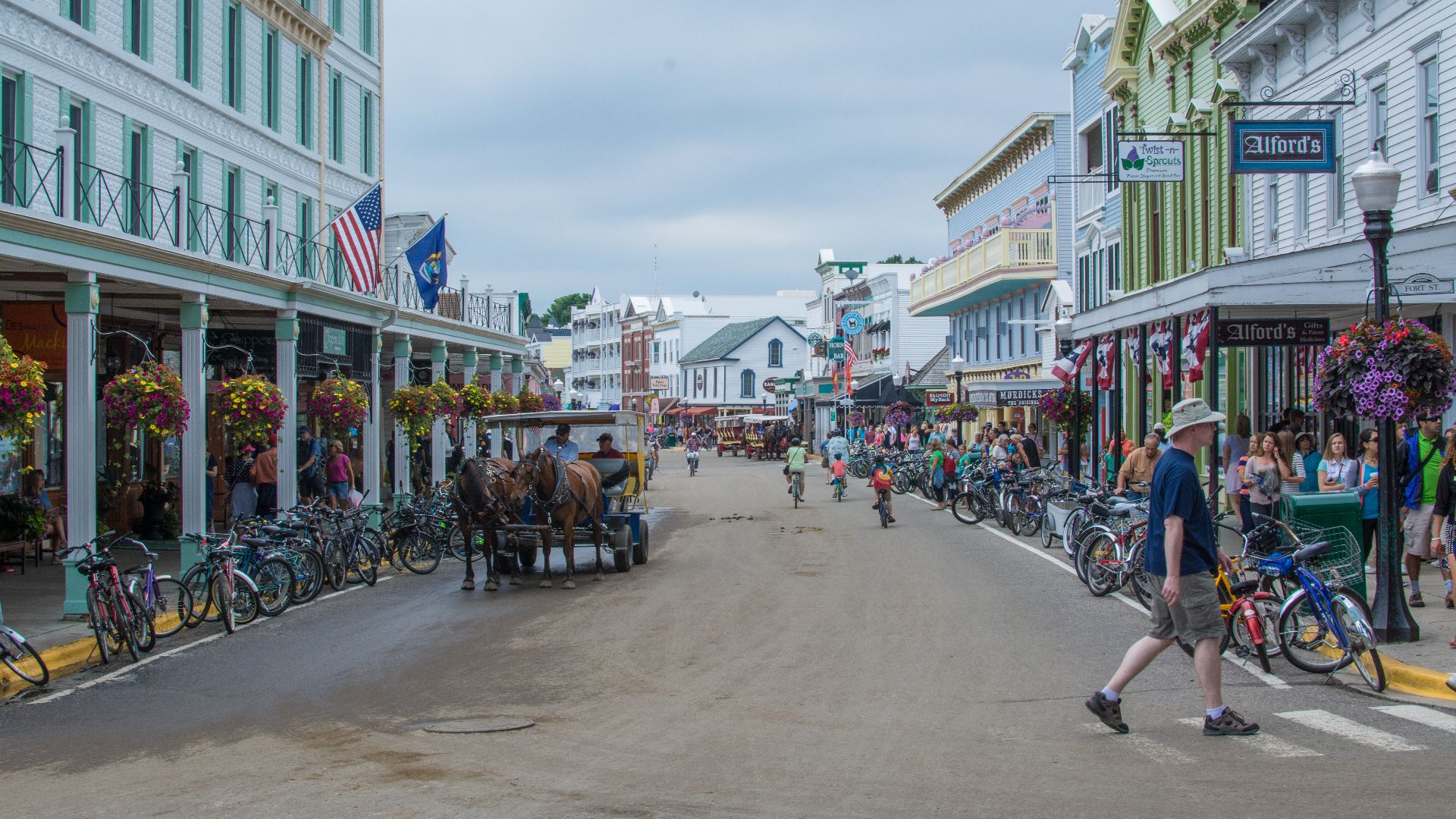
Mackinac Island, Michigan: Fur Trading
Mackinac Island attracts visitors with horse-drawn carriages and historic charm. Before becoming a fashionable summer destination, however, it was one of the Great Lakes region's most important fur-trading centers. The American Fur Company's operations helped establish its commercial importance long before modern tourism arrived.
Key West, Florida: Shipwreck Salvaging
Key West's lively waterfront once supported a thriving business recovering cargo from stranded ships. Salvagers retrieved valuable merchandise from vessels that encountered the dangerous Florida reefs. Mallory Square served as a storage and auction center, making maritime misfortune an important source of local prosperity.
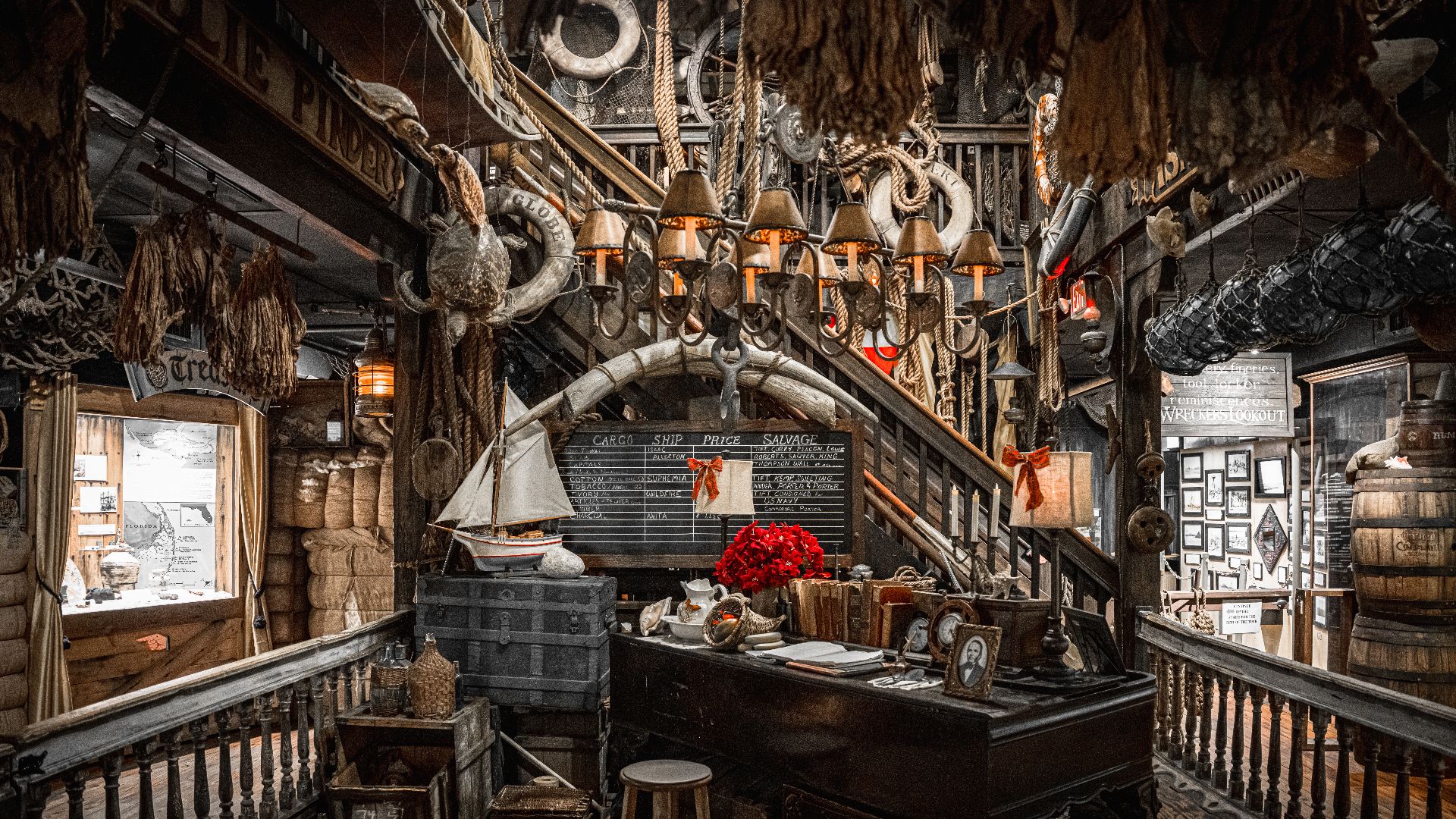 Sergiy Galyonkin from Raleigh, USA, Wikimedia Commons
Bermuda: Onion Exporting
Bermuda's pink-sand beaches have replaced an unexpectedly humble historical claim to fame: onions. During the nineteenth century, farmers exported enormous quantities to American markets. The trade was so influential that Bermuda earned the nickname "The Onion Patch," a piece of agricultural history still celebrated locally.
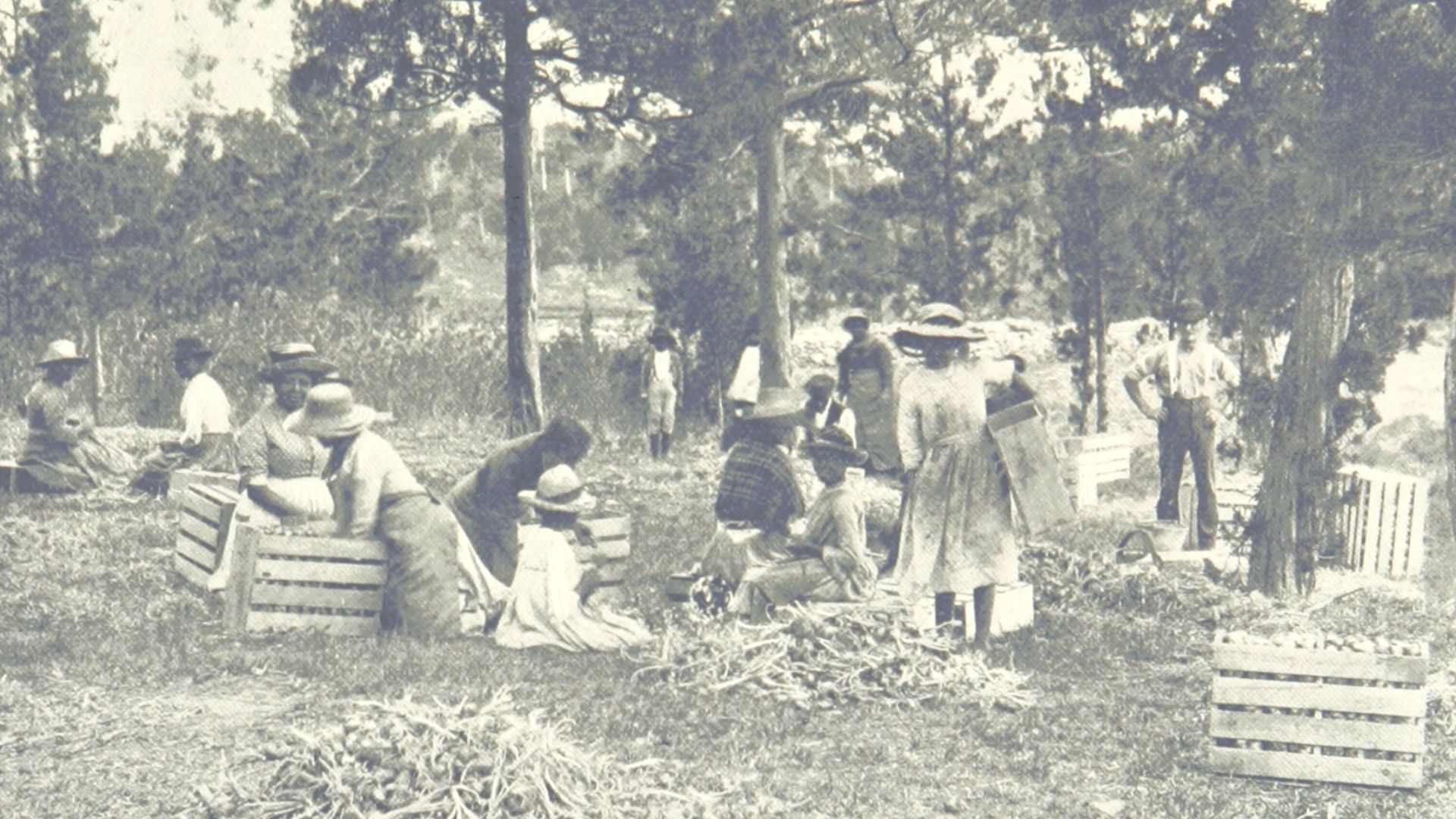 Metilsteiner, Wikimedia Commons
St Kitts, Caribbean: Sugar Plantations
St Kitts spent centuries producing sugar rather than catering to vacationers. Sugar estates dominated its landscape and developed into substantial agricultural and industrial operations. The government finally ended sugar production in July 2005, closing an industry that had shaped the island's economy for generations.
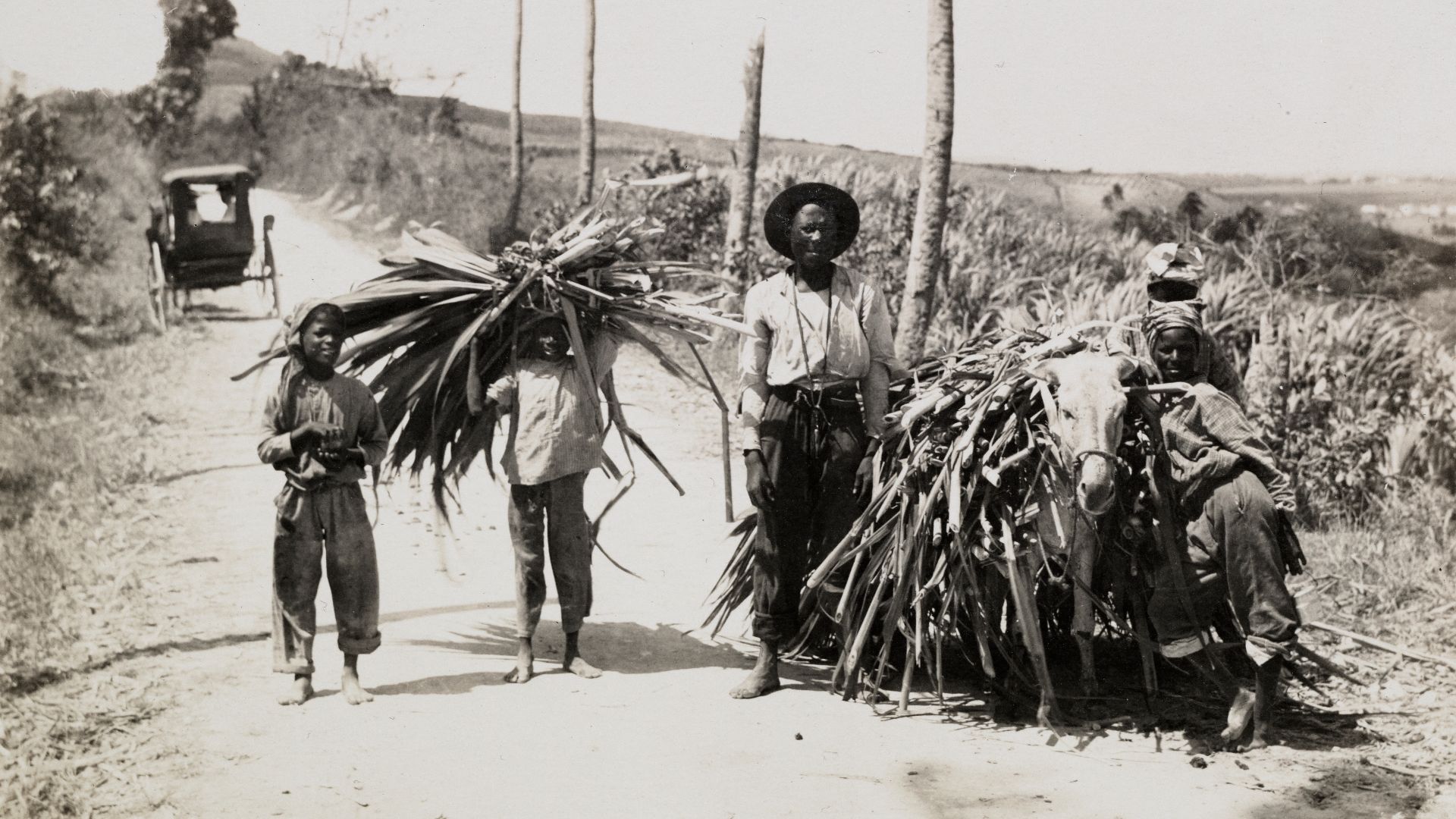 John Lee / Nationalmuseet, Wikimedia Commons
Grenada, Caribbean: Nutmeg Production
Grenada's tropical scenery now attracts vacationers, but spices established much of its international reputation. Nutmeg became an especially important export, earning the country its famous Spice Island nickname. Agriculture remains significant, although tourism and other services now play much larger economic roles.
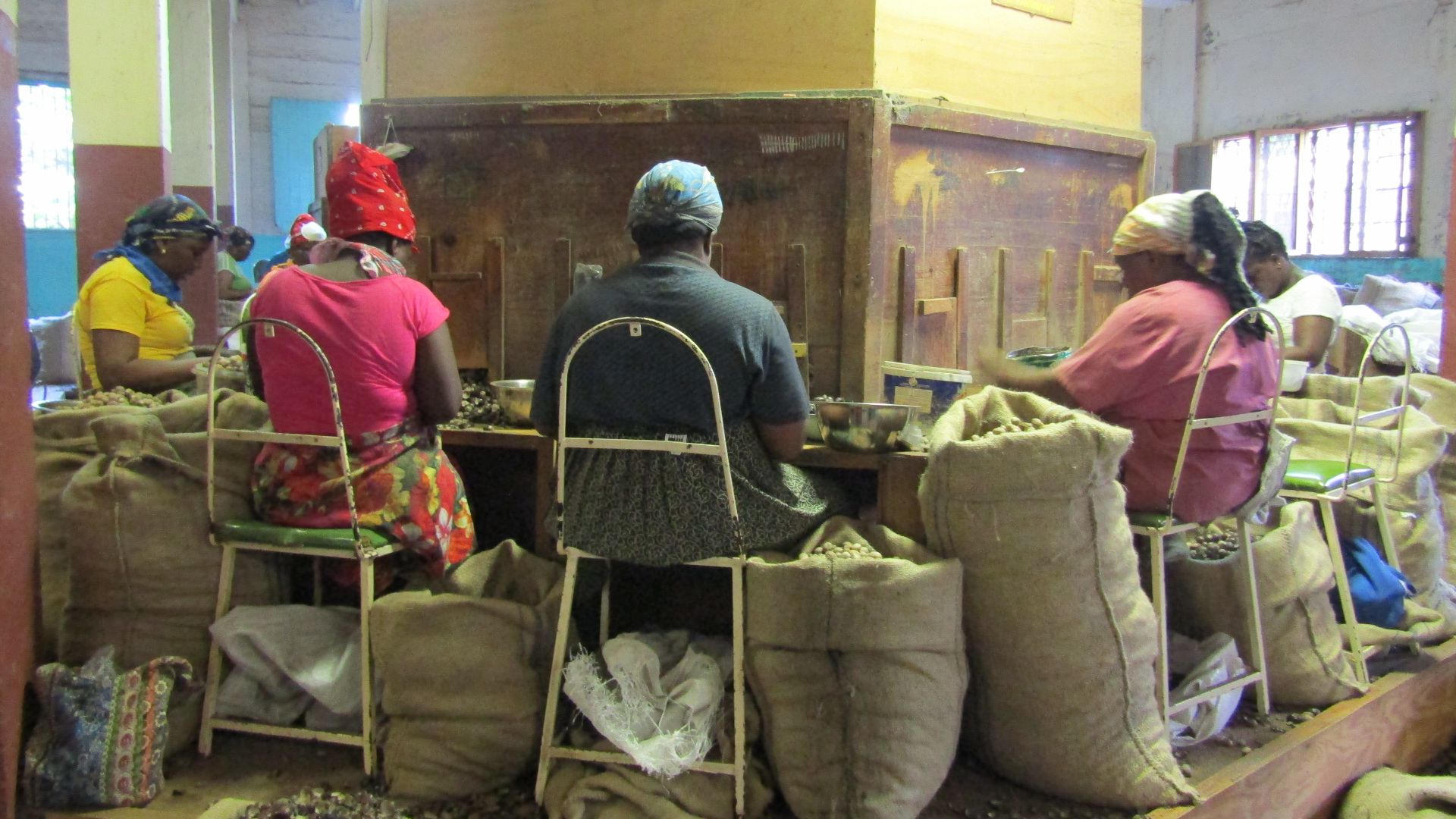
Zanzibar, Tanzania: Clove Plantations
Zanzibar's historic architecture and beaches attract visitors from across the globe. During the nineteenth century, however, clove plantations generated considerable wealth under Omani rule. The industry depended heavily on enslaved labor, and its profits influenced the development of Stone Town and the surrounding islands.
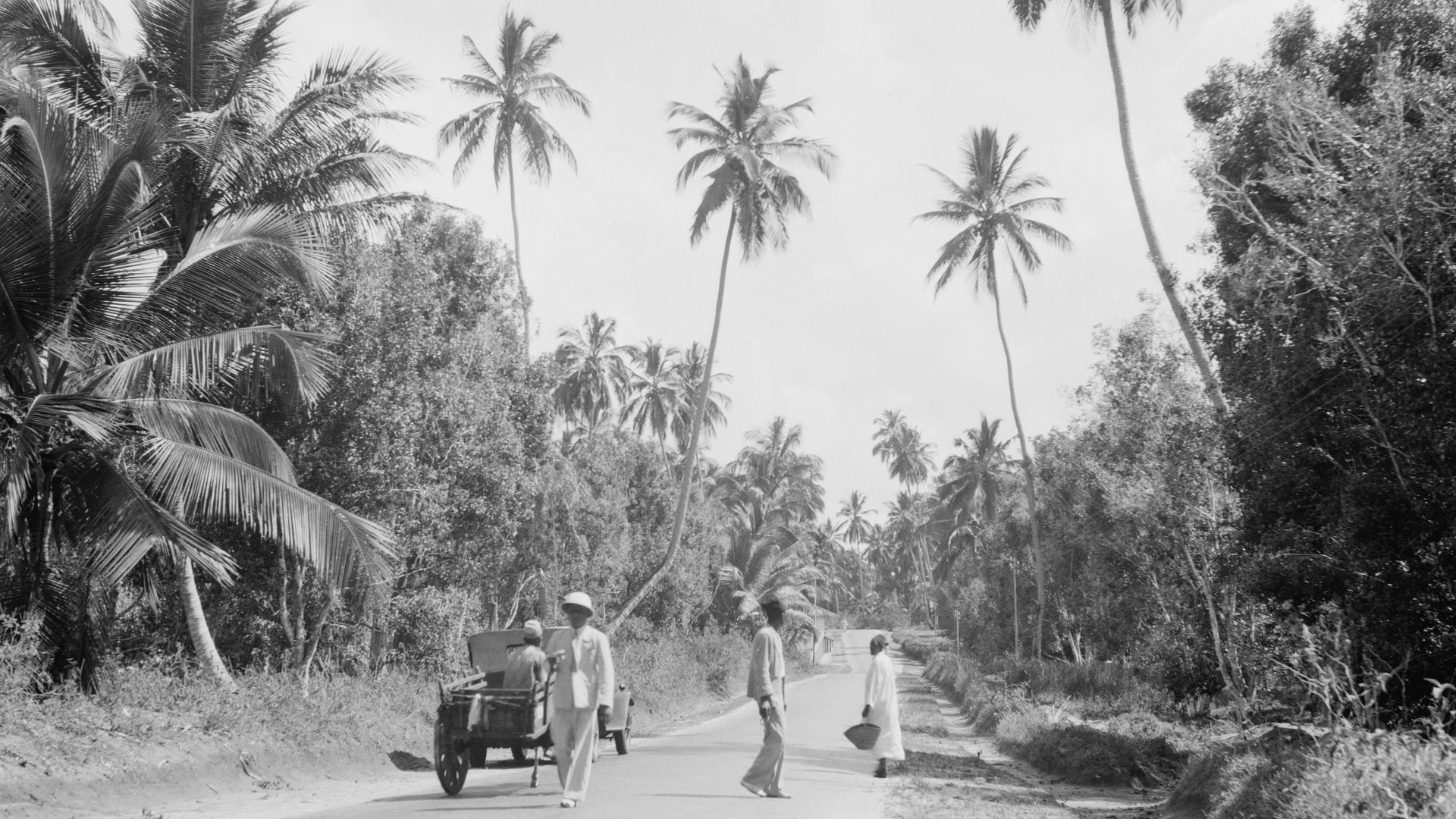 Matson Collection, Wikimedia Commons
Mauritius, Indian Ocean: Sugar Mills
Mauritius once operated an extraordinary network of sugar factories. During the mid-nineteenth century, the island had 259 sugar mills processing locally grown cane. Sugar production continues on a smaller industrial footprint, while former factories now preserve the history behind this once-dominant economic activity.
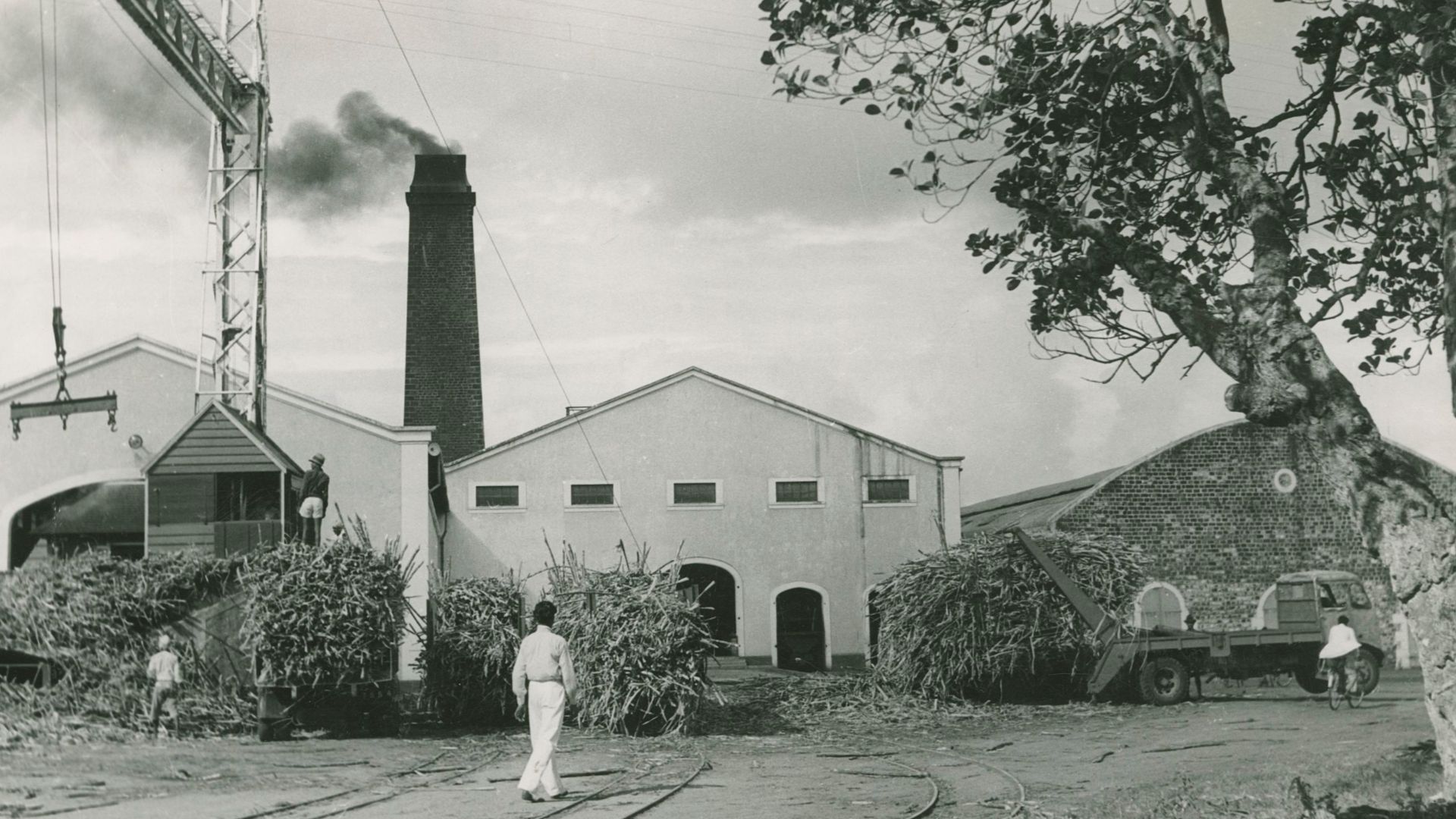 Unknown authorUnknown author, Wikimedia Commons
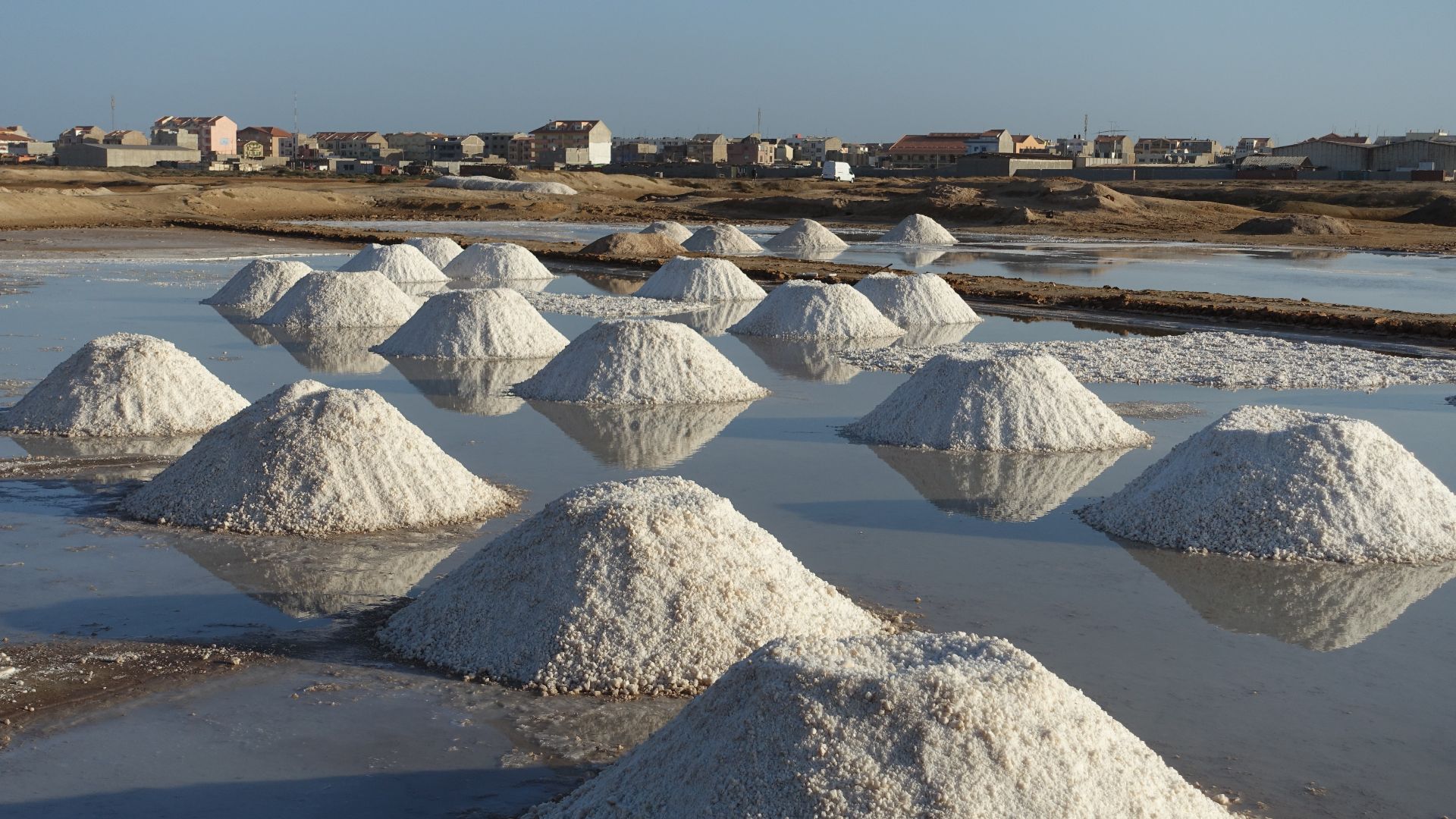
Sal, Cape Verde: Salt Mining
Sal's name provides an enormous clue about its industrial past. The island historically depended on salt extraction, particularly at Pedra de Lume, where saltworks operated inside a volcanic crater. As tourism expanded during the late twentieth century, beaches and resorts gradually overtook salt as economic attractions.
Madeira, Portugal: Sugar Production
Before Madeira became famous for mountain scenery and oceanfront vacations, sugarcane helped generate considerable wealth. During the sixteenth century, the island developed an international reputation for producing sugar, sometimes called white gold. Historic mills still demonstrate an industry that influenced Madeira's development.
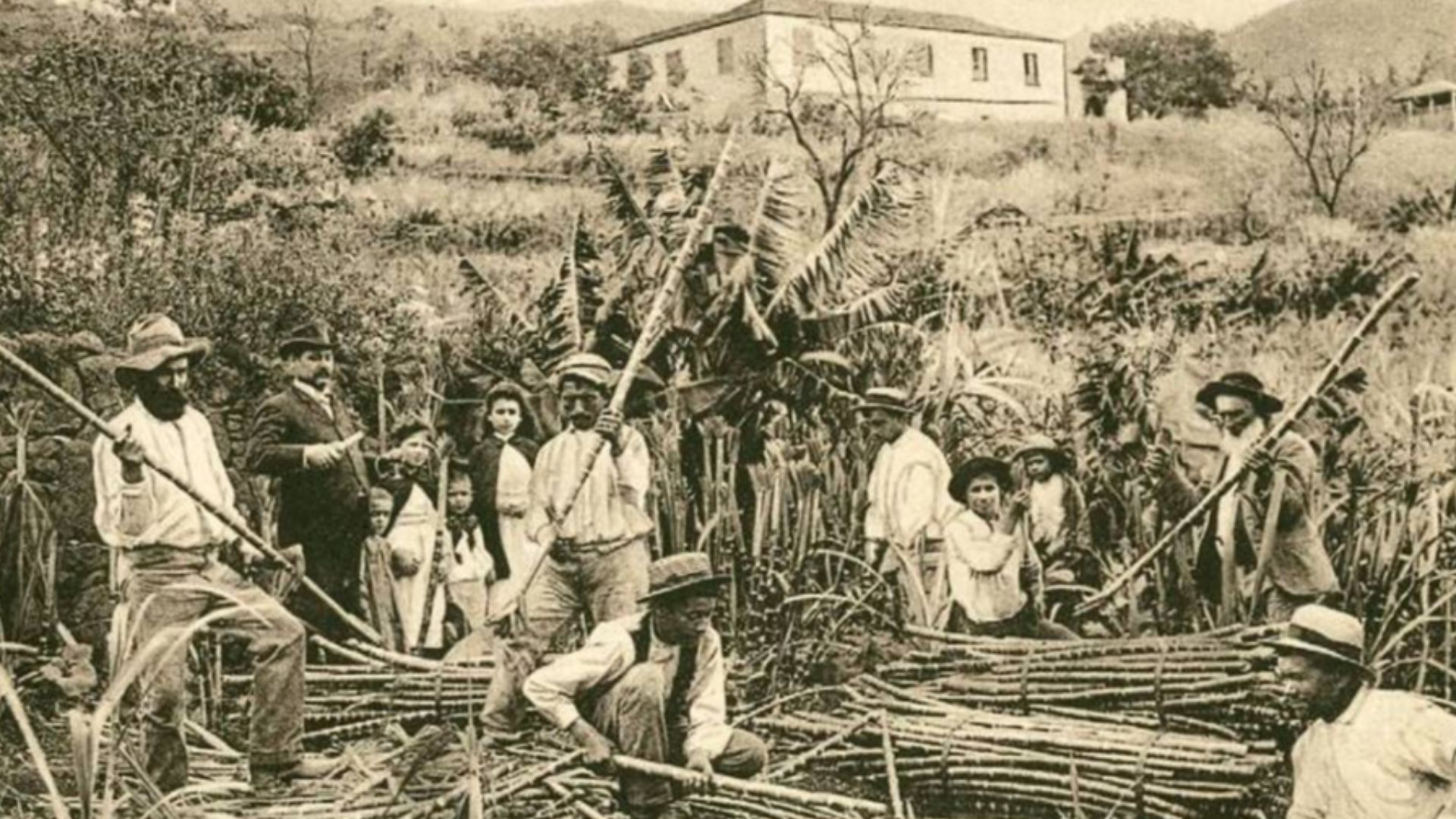 Joaquim Augusto de Sousa, Wikimedia Commons
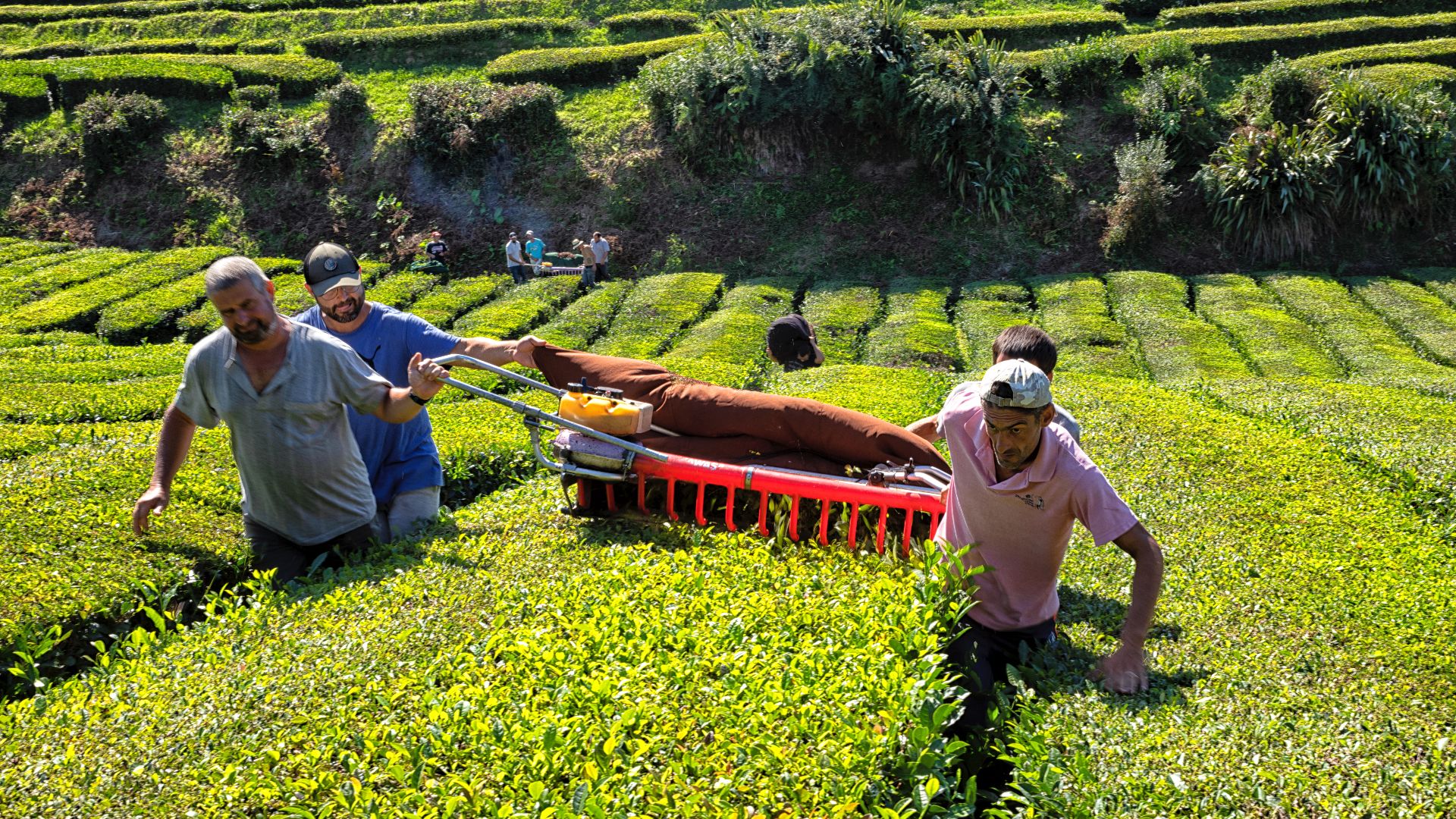
São Miguel, Azores: Tea Production
São Miguel's volcanic lakes attract nature lovers, but its agricultural history includes an unusual European industry. Tea cultivation developed during the nineteenth century, and traditional factories remain operational. Visitors can discover how this Atlantic island became closely connected with a crop generally associated with Asia.
 Otávio Nogueira from Fortaleza, BR, Wikimedia Commons
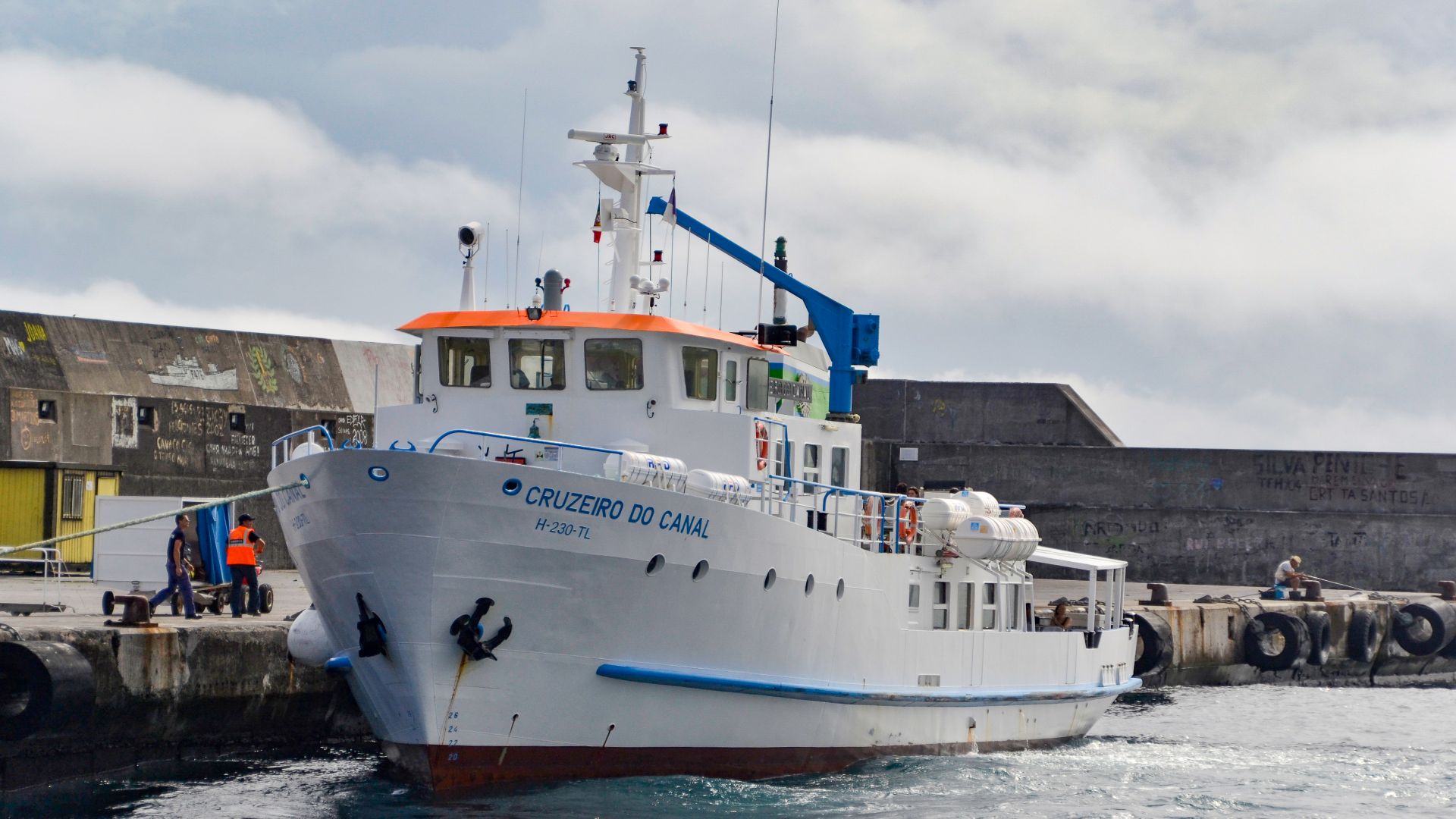
Pico, Azores: Whaling
Pico's dramatic volcanic scenery now appeals to hikers and whale watchers. Earlier generations depended partly on commercial whaling and the processing of whale products. The island's Whaling Industry Museum occupies a former factory that produced oil, flour, and vitamins, preserving this difficult maritime history.
 Photographer: Mosbatho , Wikimedia Commons
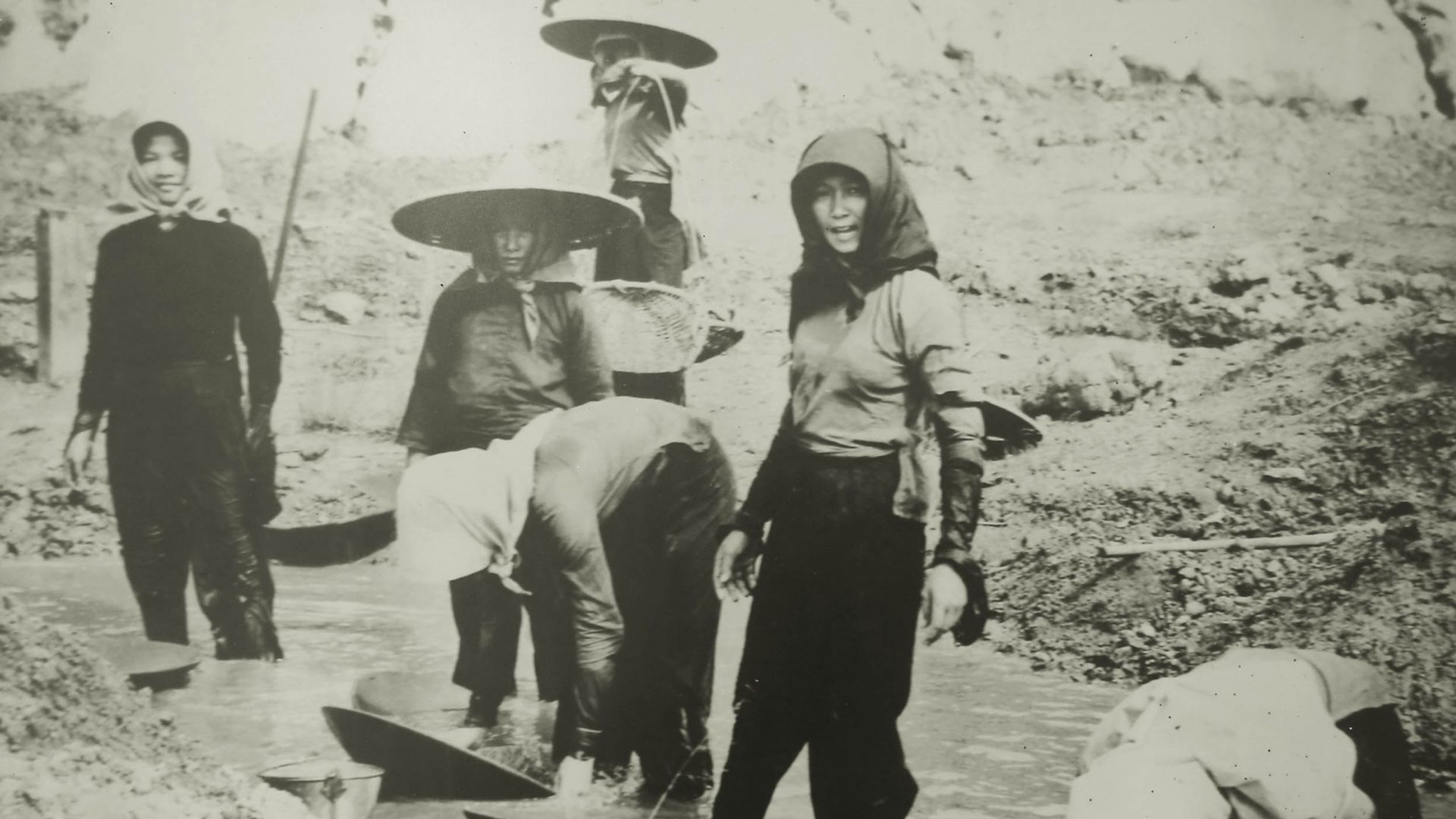
Phuket, Thailand: Tin Mining
Phuket's transformation from mining center to tourist destination is remarkable. Tin extraction generated substantial wealth during the nineteenth and early twentieth centuries, attracting workers and traders. Many elaborate buildings in Phuket Old Town reflect fortunes created by an industry that preceded the island's resort boom.
 Unknown authorUnknown author, Wikimedia Commons
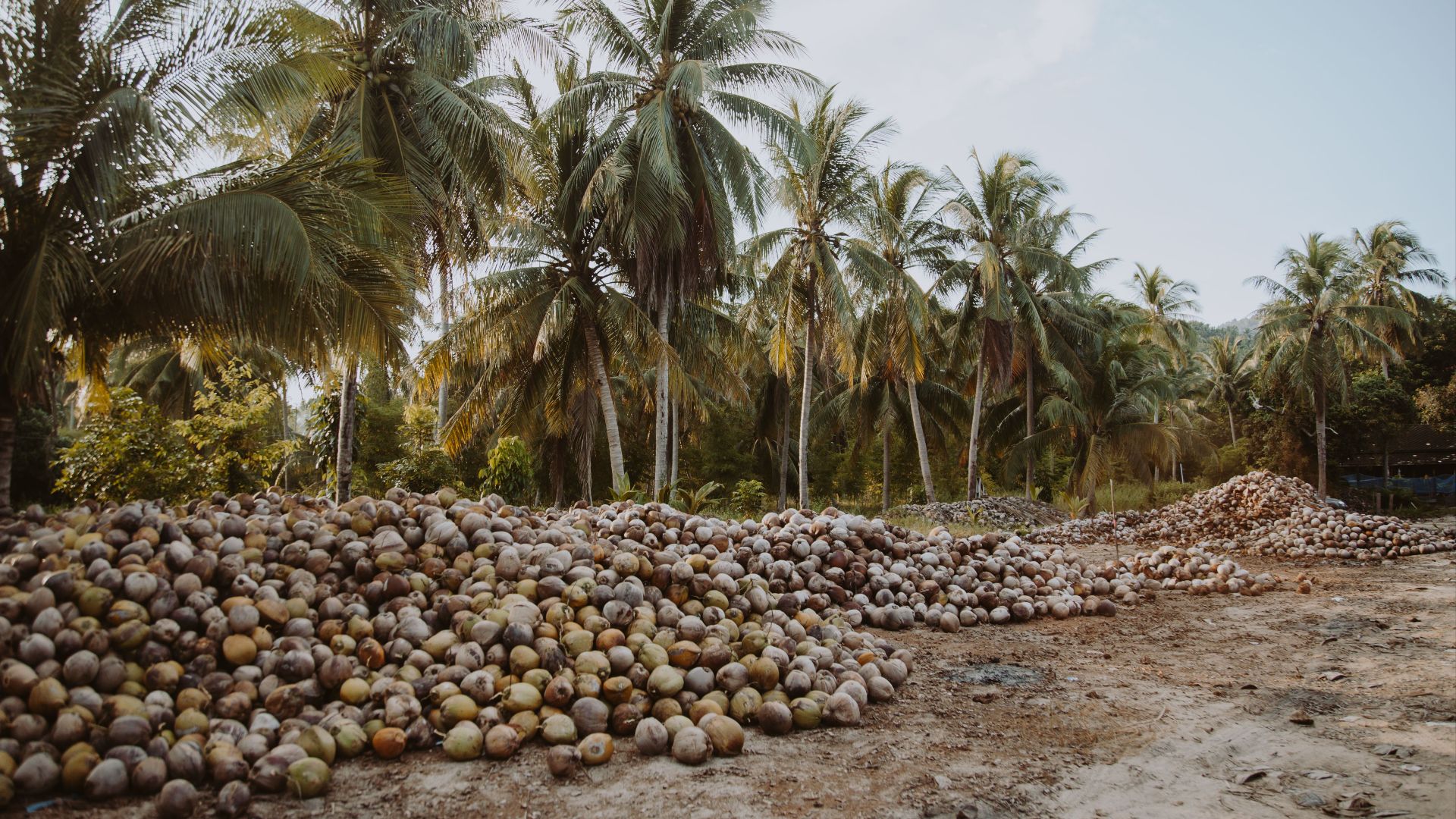
Koh Samui, Thailand: Coconut Farming
Before beachfront villas and luxury hotels appeared, Koh Samui's economy depended heavily on coconuts. Plantations supported local families for generations, with coconut products traded beyond the island. Tourism eventually transformed coastal property values, although coconut cultivation remains part of the island's identity.
Jeju Island, South Korea: Mandarin Oranges
Jeju's volcanic landscapes now attract countless visitors, but citrus cultivation has deep historical roots. Mandarin oranges were traditionally prized enough to be presented to Korean royalty. Commercial cultivation later expanded, and Jeju's orchards remain important reminders of the island's long agricultural heritage.
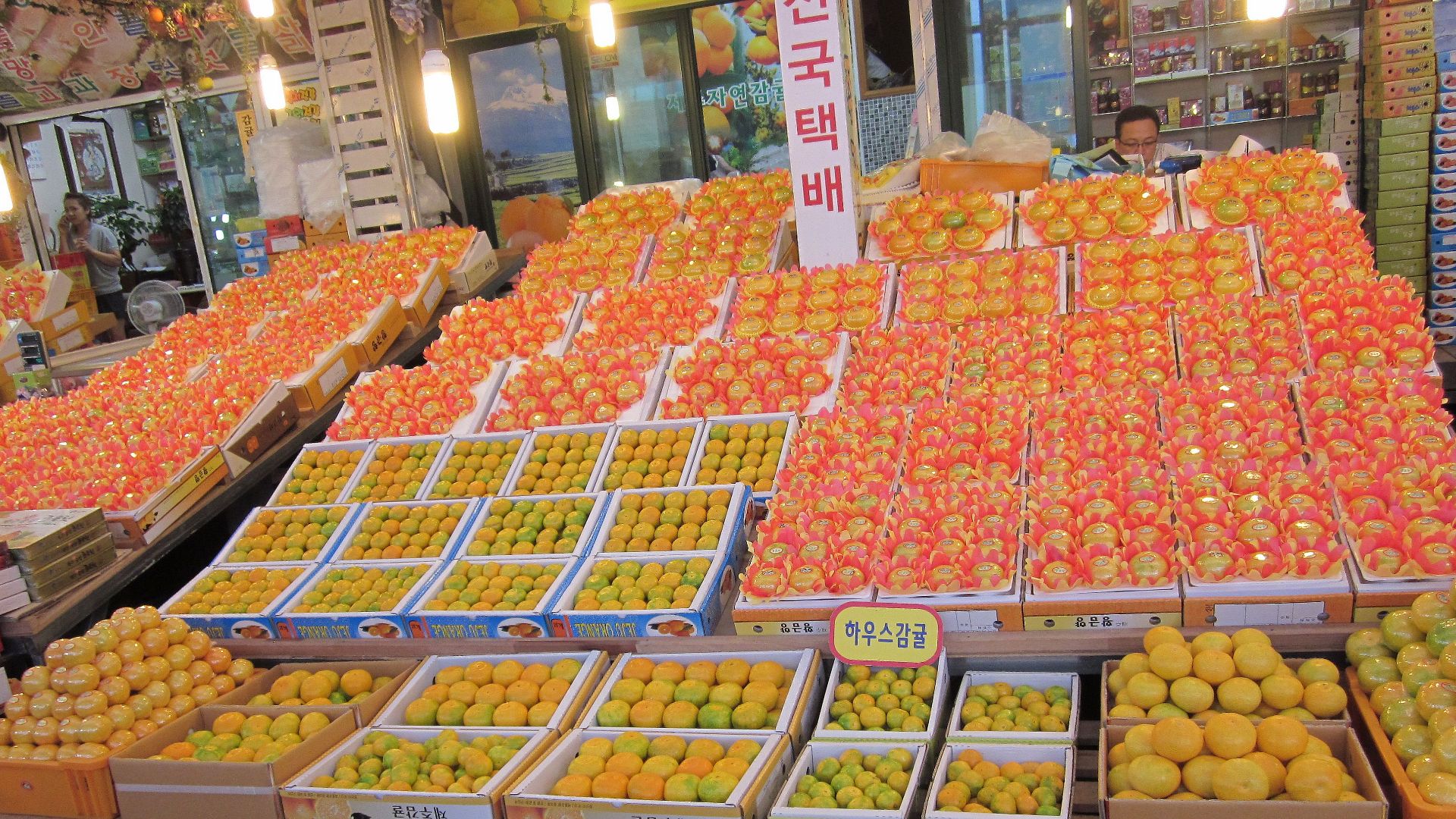 pictures Jettcom, Wikimedia Commons
Paros, Greece: Marble Quarrying
Paros was internationally important long before its beaches attracted summer vacationers. Its exceptionally fine white marble was prized by ancient sculptors and builders. Quarrying created enormous wealth, and surviving underground galleries reveal the industrial foundations of an island now celebrated for Mediterranean beauty.
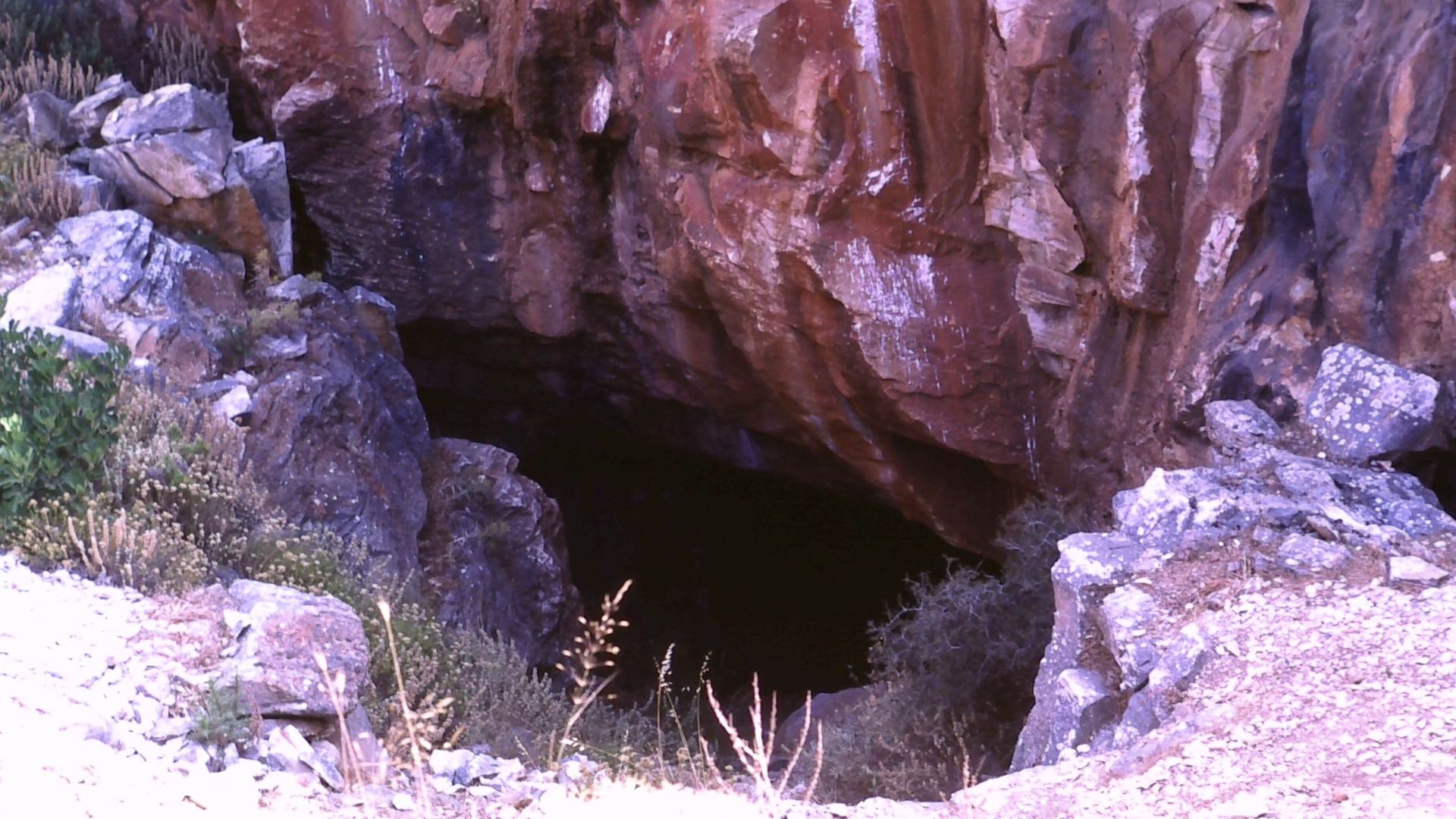 Kim Traynor, Wikimedia Commons
Milos, Greece: Obsidian Mining
Milos is famous for colorful beaches and striking volcanic formations, but its mineral wealth once attracted traders. Obsidian extraction began during prehistoric times, supplying material for tools. Mining subsequently expanded into other minerals, and industrial production remains an important part of the island's economy.
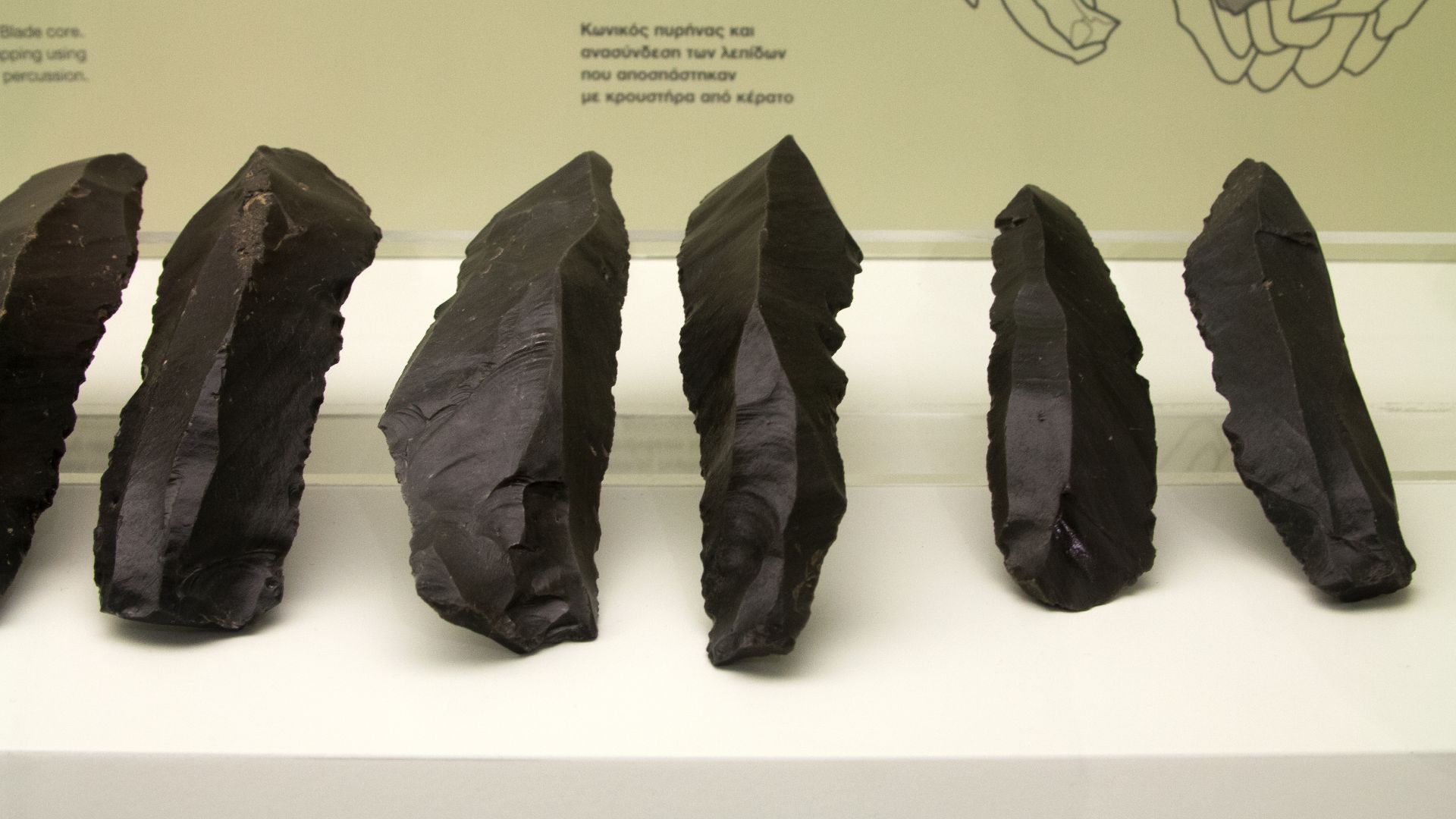
Naxos, Greece: Emery Mining
Naxos offers sandy beaches and traditional villages, but its mountainous interior contains another attraction: emery deposits. This naturally occurring abrasive mineral has been extracted since prehistoric times. Mining contributed to the island's economic history, creating an industrial tradition far older than its modern tourism industry.
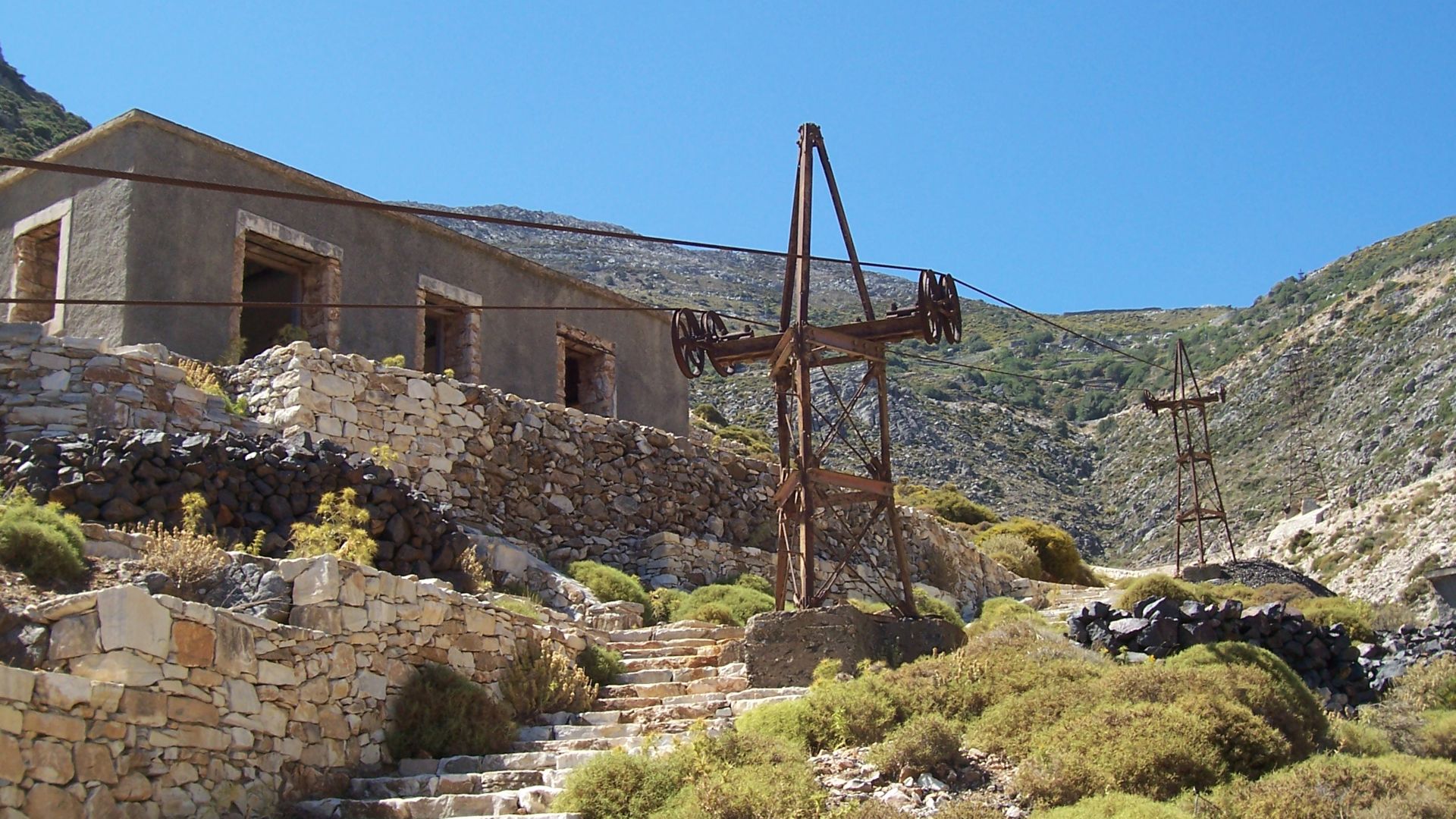 Dr. Peter Tzeferis, Wikimedia Commons
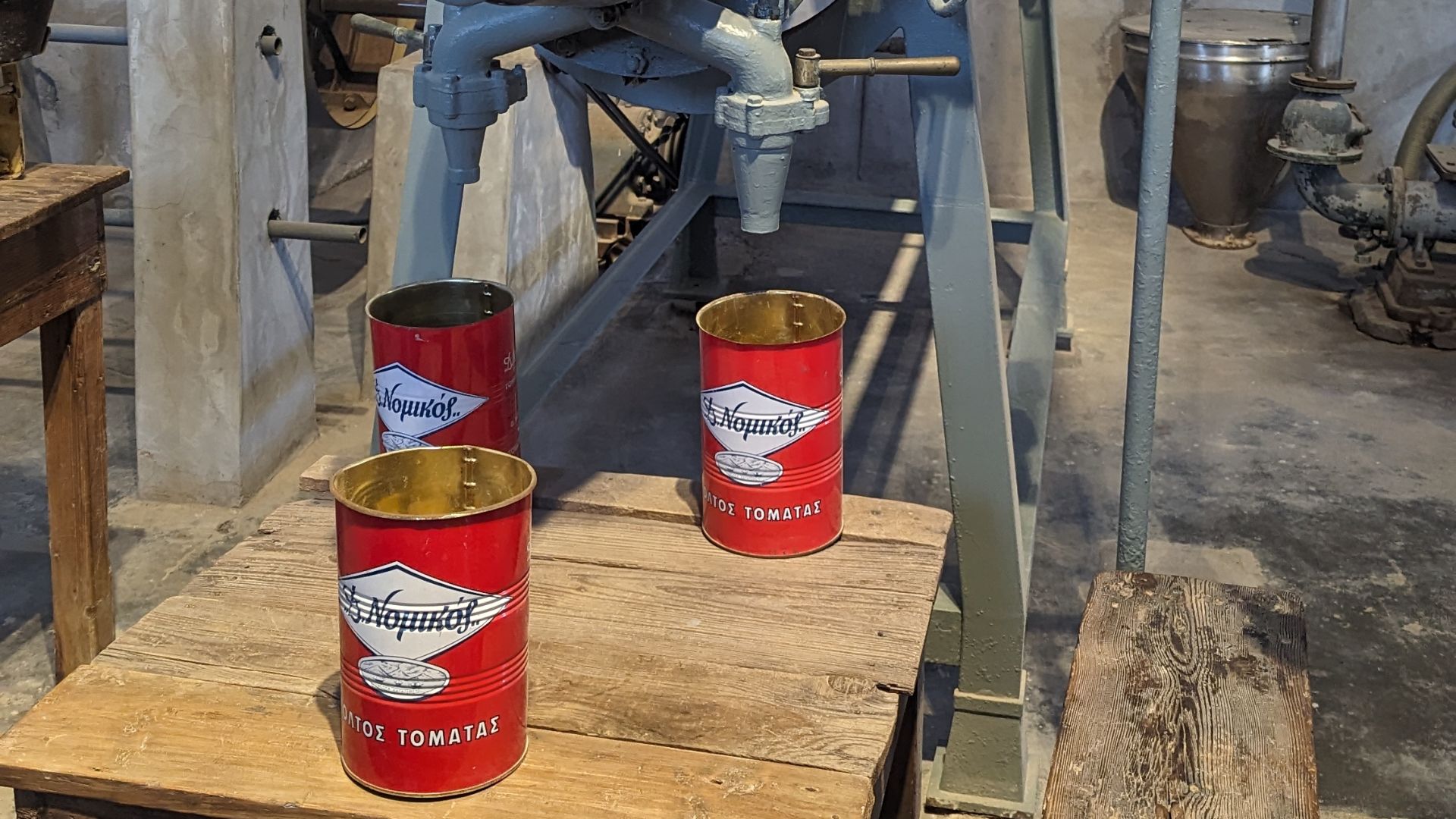
Santorini, Greece: Tomato Processing
Santorini's famous sunsets conceal a surprisingly industrious agricultural past. The island once operated numerous tomato-processing factories, with nine functioning during the 1950s. As tourism expanded, production declined, and the former Nomikos factory at Vlychada eventually became a museum celebrating this unusual history.
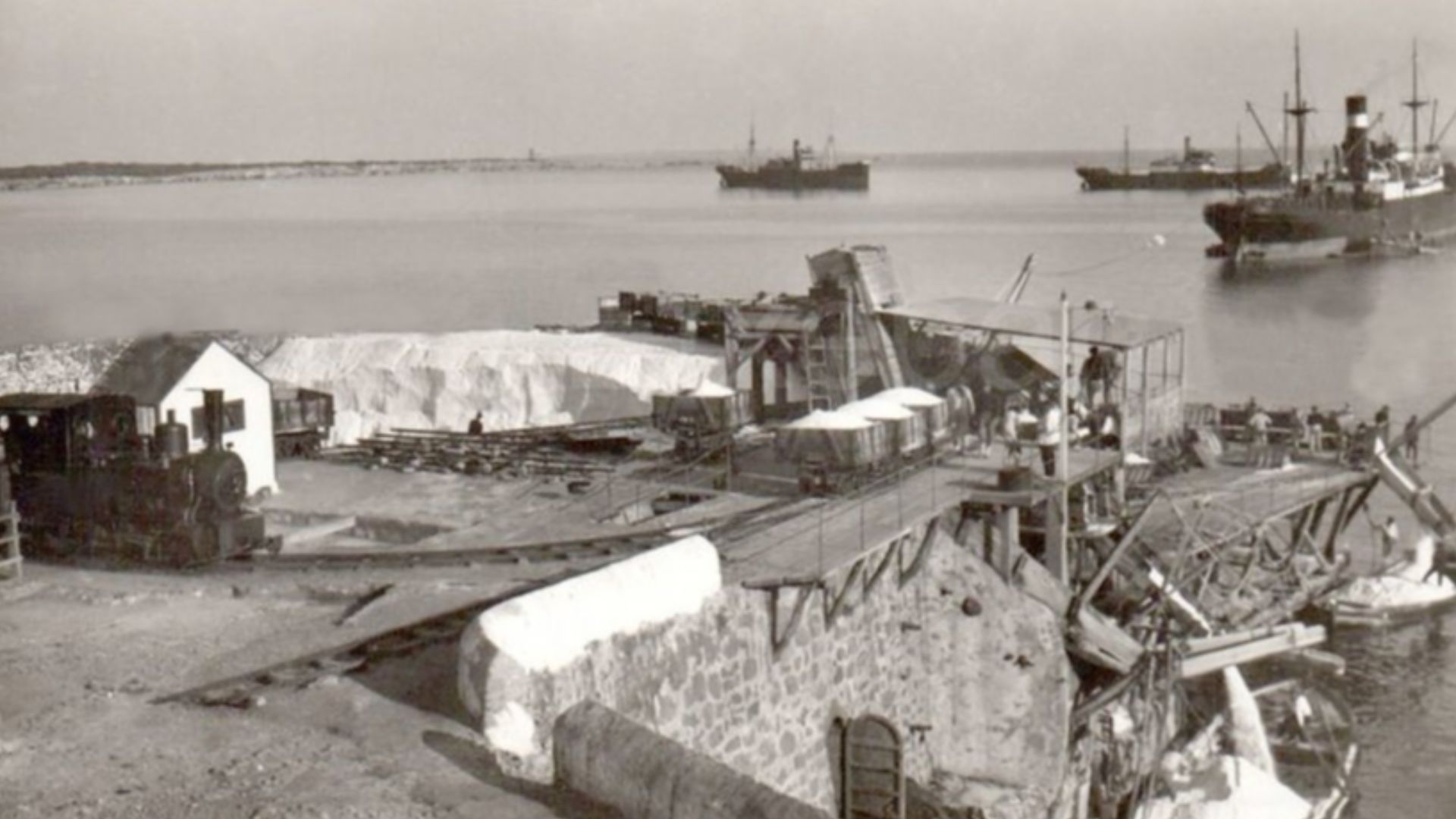
Ibiza, Spain: Salt Harvesting
Ibiza's international reputation once had nothing to do with its nightlife. Salt extraction was historically one of the island's most important industries, supporting generations of workers. Production dates back to antiquity, and the surviving Ses Salines saltworks preserve a centuries-old economic tradition.
 Unknown photographer
Collection: Joseba Etxebarrieta, Wikimedia Commons
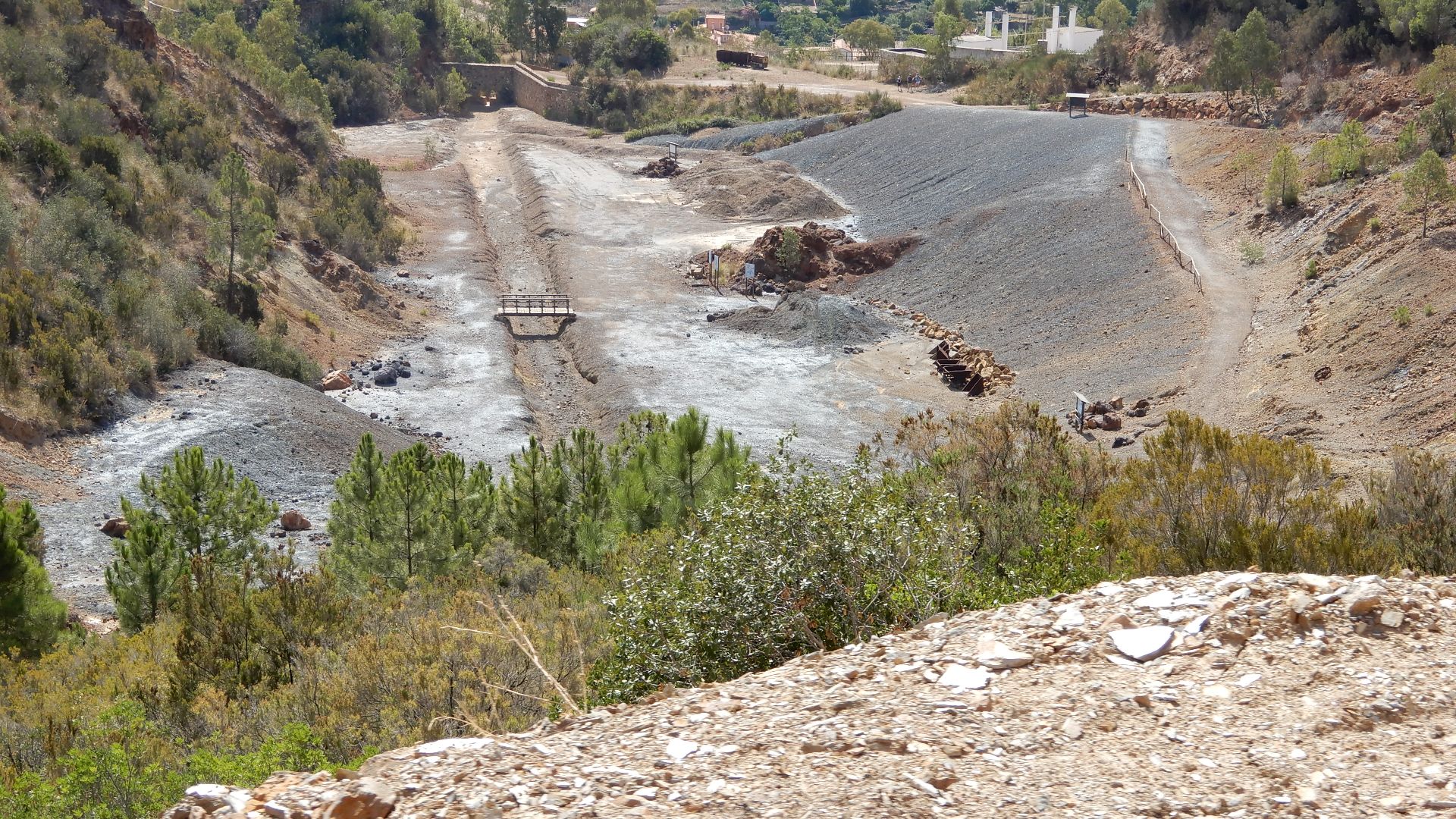
Elba, Italy: Iron Mining
Elba's beaches and picturesque villages draw visitors to the Tuscan Archipelago, but iron ore once defined its economic importance. Mining began during ancient Etruscan times and continued into the twentieth century. Today, former mining landscapes and museums preserve evidence of that industrial heritage.
You May Also Like:
Historic U.S. Routes That Predate The Interstate Highway System
Sources: 1, 2, 3, 4, 5, 6, 7, 8, 9, 10