Invisible Life Forms
Something strange has been hiding inside ordinary stone for eons. Not fossils or cracks, but intricate patterns embedded in the stone. Scientists followed those patterns across continents and realized the rocks were showing them a new biological story that no one knew existed before.
 Tjeerd Wiersma from Amsterdam, The Netherlands, CC BY 2.0, Wikimedia Commons, Modified
Initial Discovery
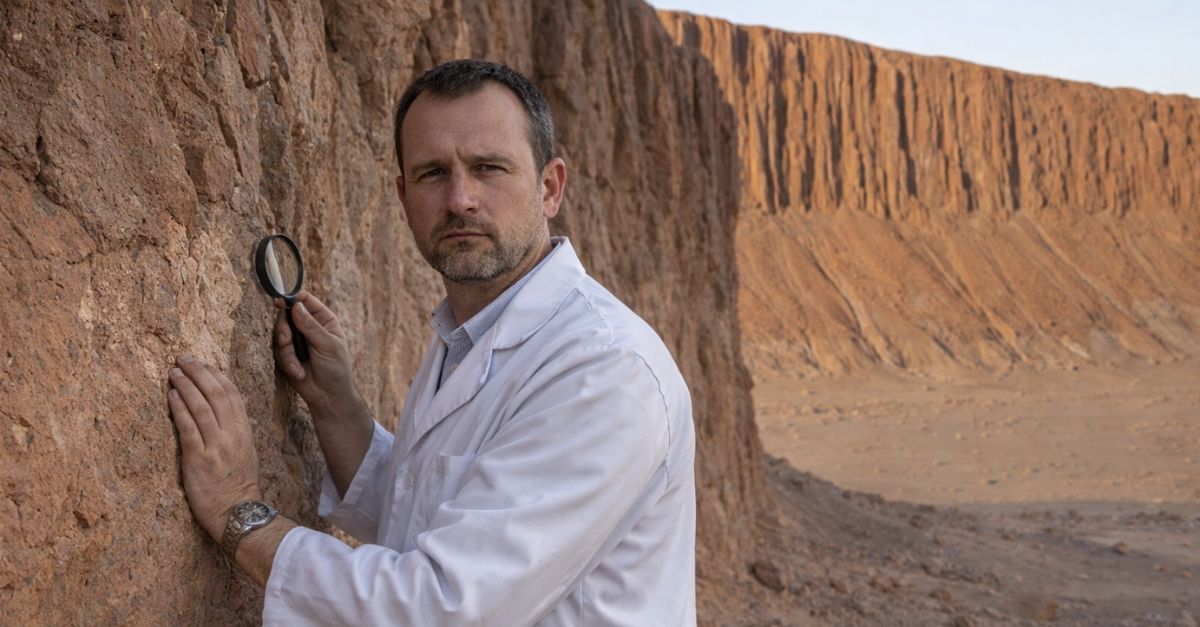
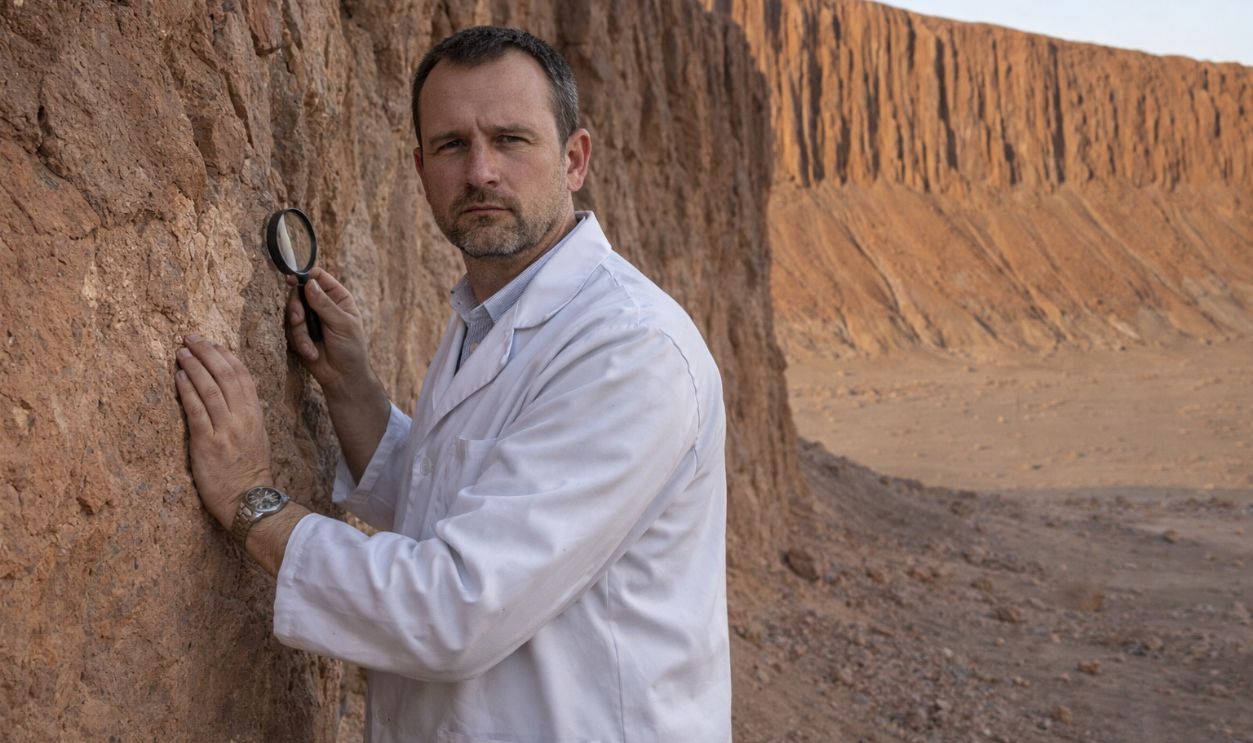
Professor Cees Passchier stumbled upon something bizarre in Namibian marble 15 years ago. The geologist from Johannes Gutenberg University Mainz was studying ancient rock formations to understand how continents collided millions of years ago. Instead, he found tiny tubes running through the stone in eerily perfect parallel lines.
 Hp.Baumeler & Matthias Bruhin, Wikimedia Commons
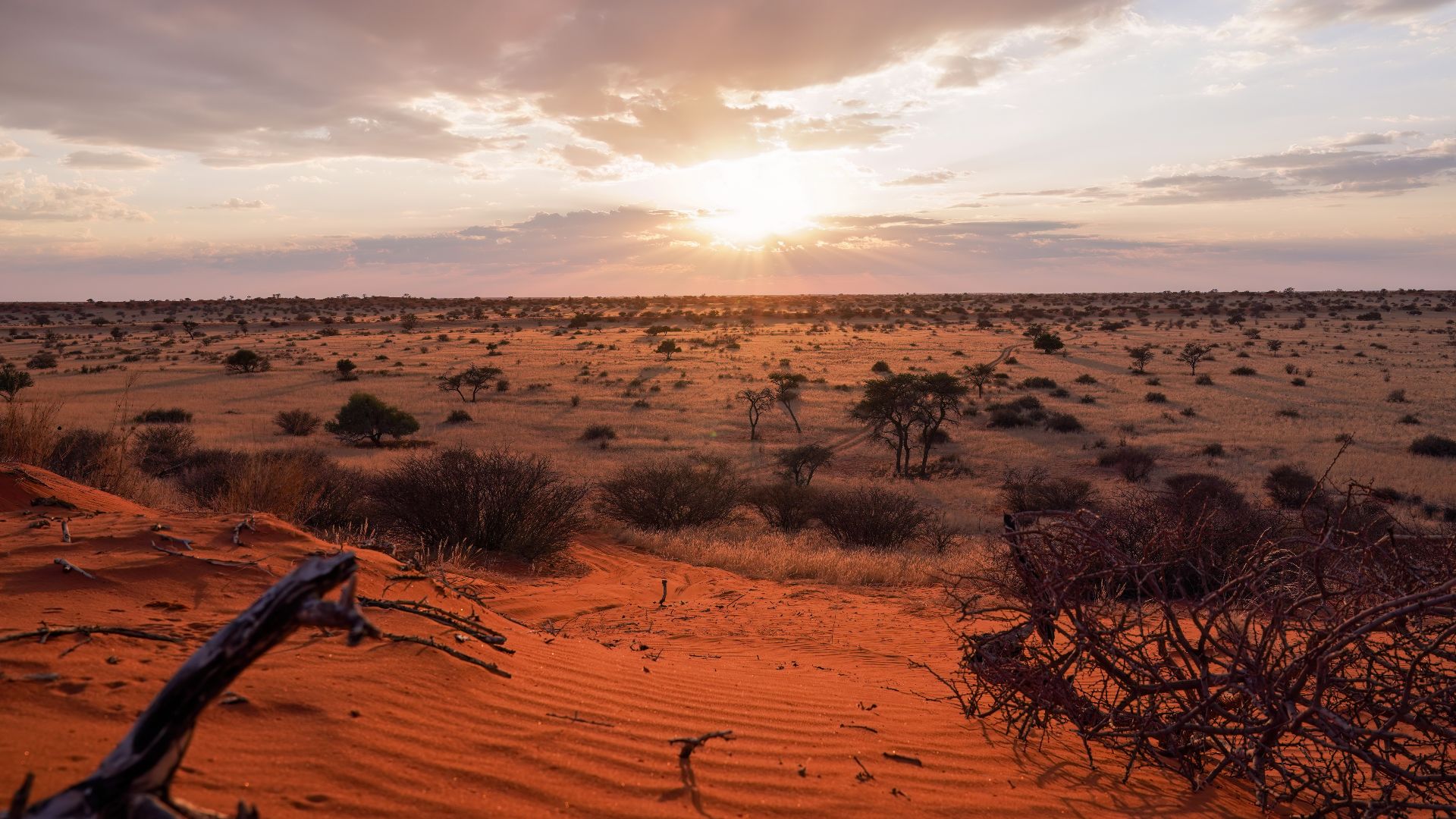
Namibian Desert
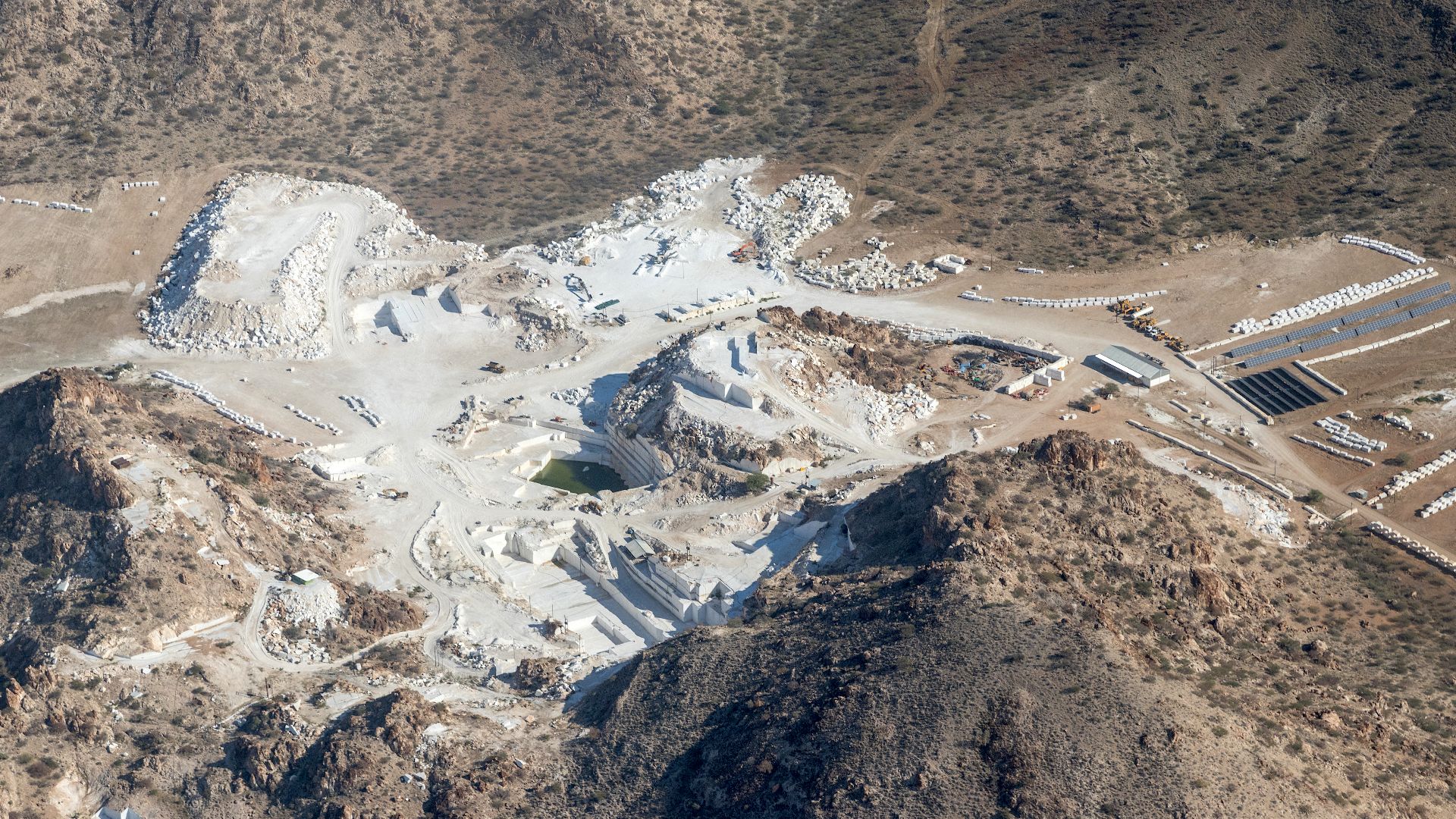
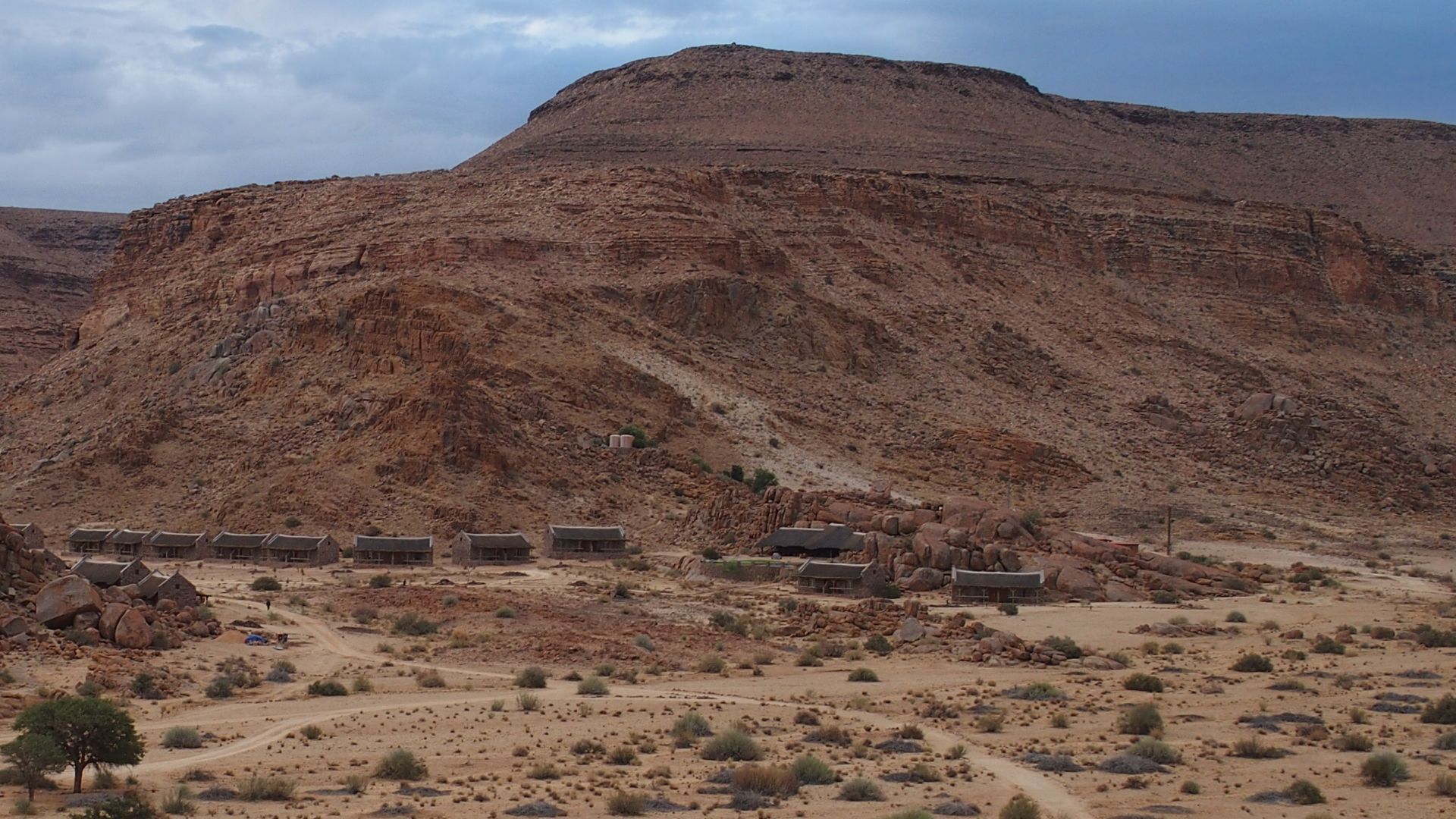
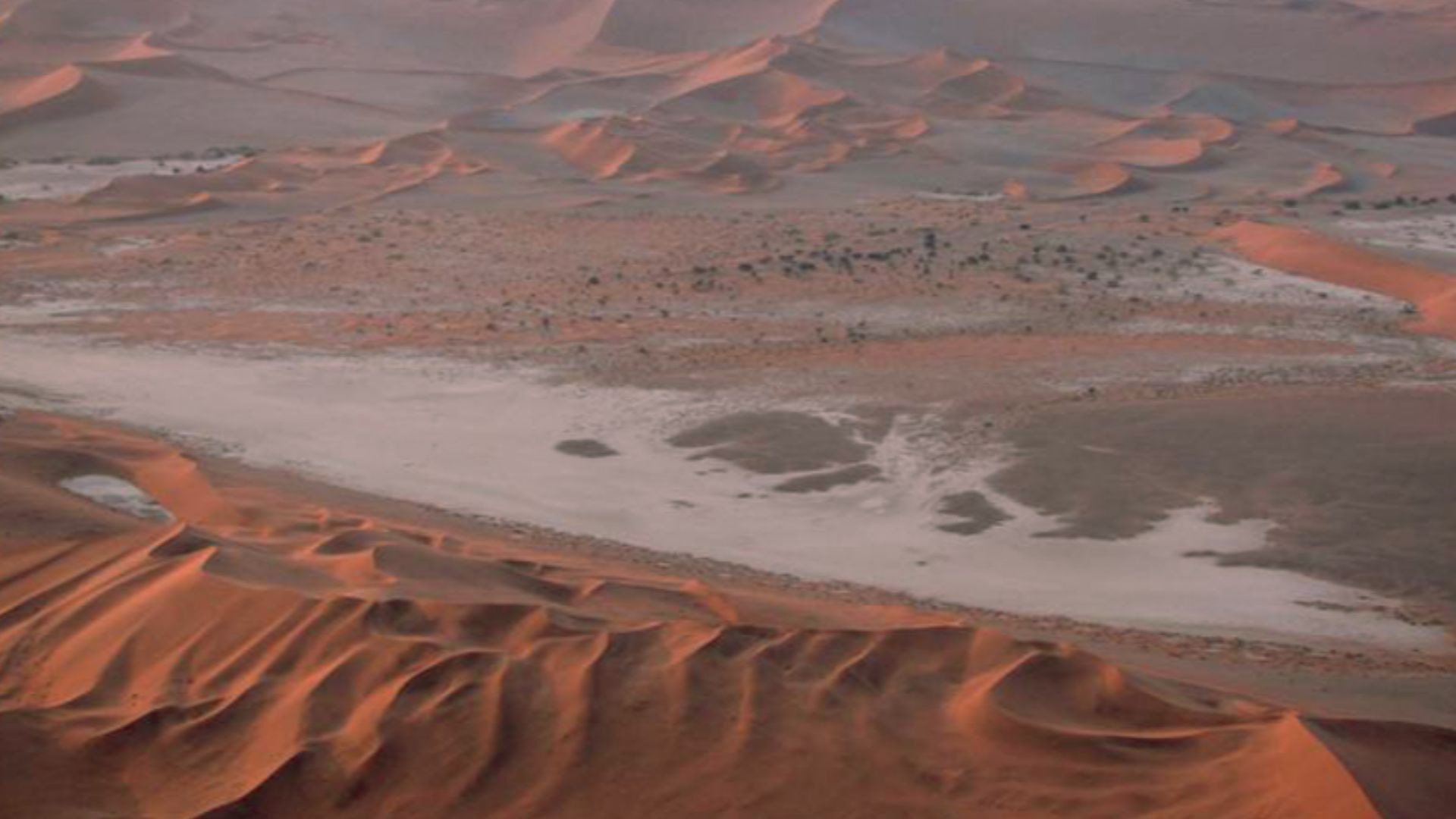
The harsh, arid landscape of Namibia's desert holds secrets about a time when Earth looked completely different. Here, erosion has exposed ancient marble outcrops that once formed deep beneath primordial oceans during the assembly of the supercontinent Gondwana, roughly 500 to 600 million years ago.
 Giles Laurent, Wikimedia Commons
Unusual Structures
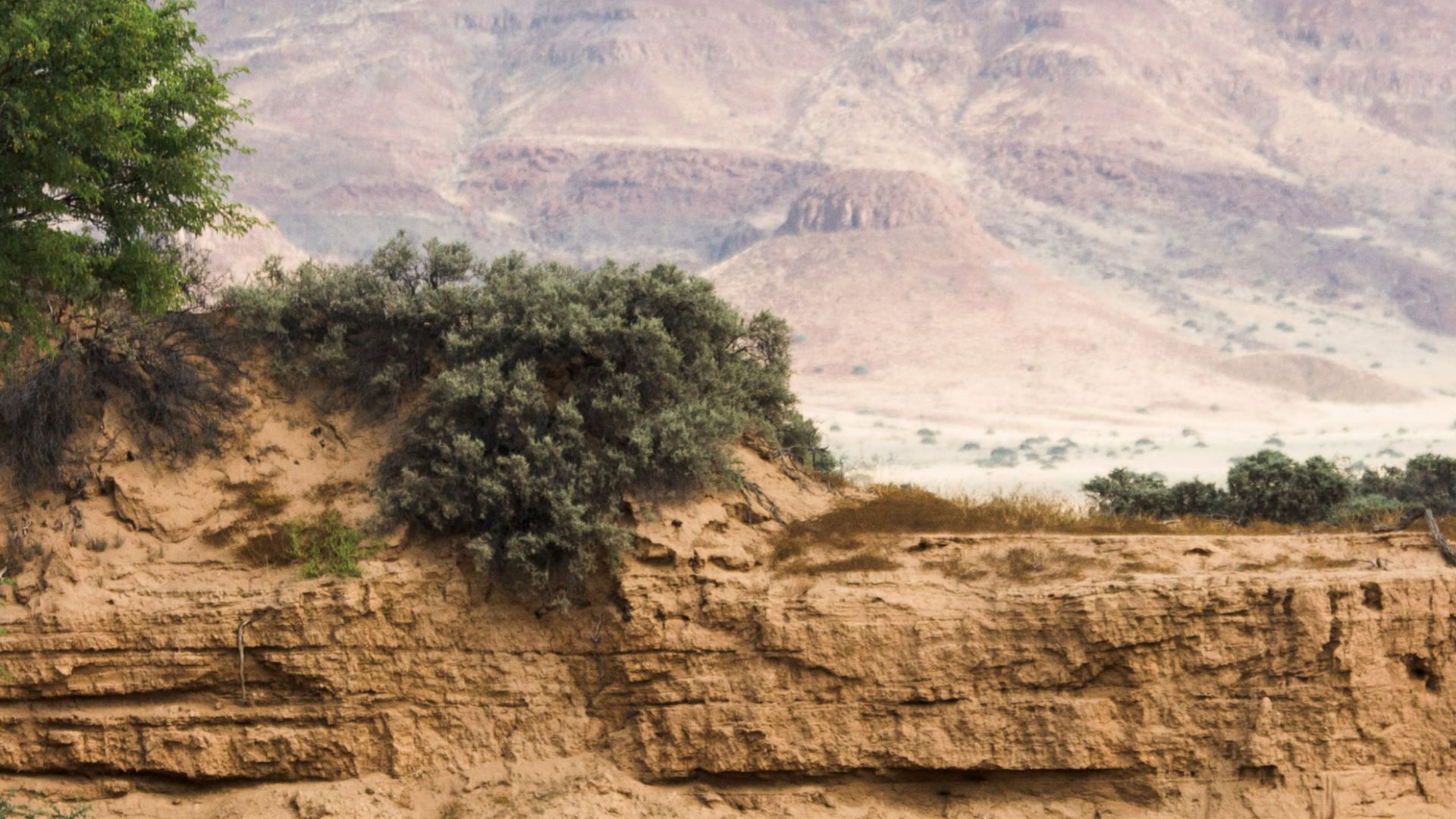
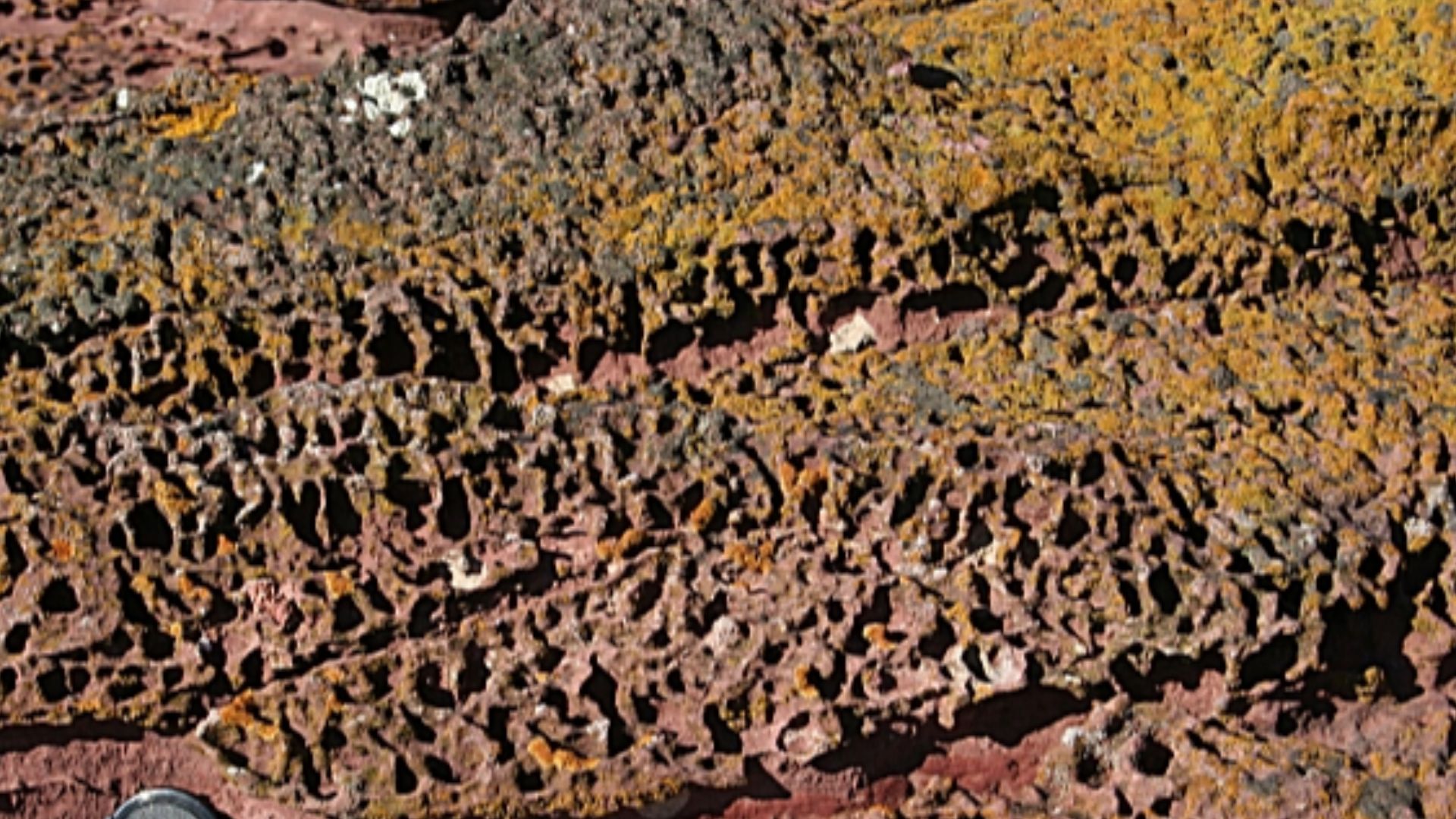
Imagine tunnels so small you'd need a microscope to appreciate them—each barely half a millimeter wide but stretching up to three centimeters long. These micro-burrows aren't randomly scattered but arranged in disciplined bands that extend up to ten meters across rock faces. What makes them truly strange is their uniformity.
 Greg Willis from Denver, CO, usa, Wikimedia Commons
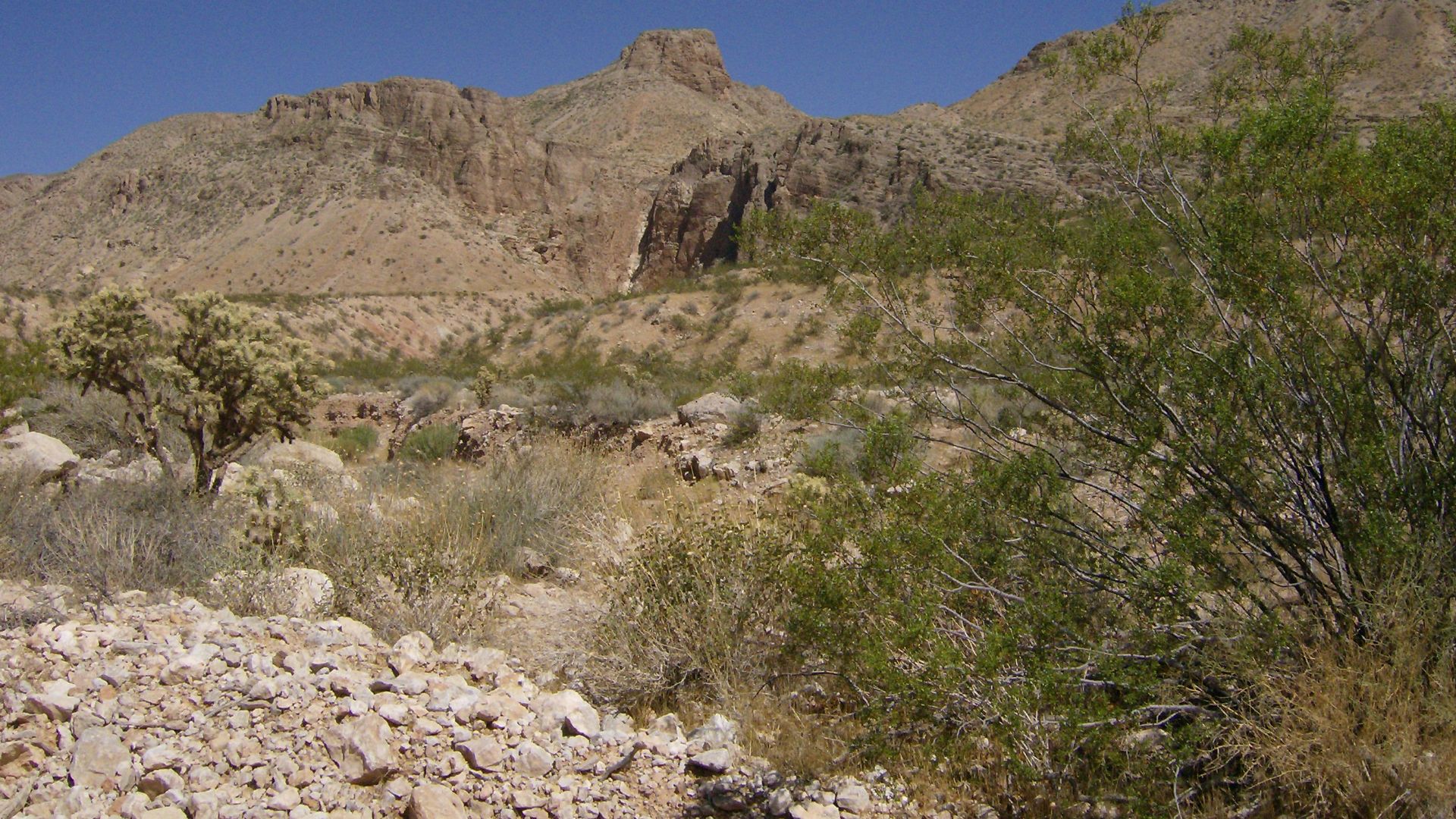
Not Geological
Every known weathering mechanism was systematically ruled out. Chemical processes can't explain the microstructural details researchers observed. The team's conclusion, published in the Geomicrobiology Journal in February 2025, was unavoidable: "These tubes are clearly not the result of a geological process," Passchier stated with scientific certainty.
Biological Evidence
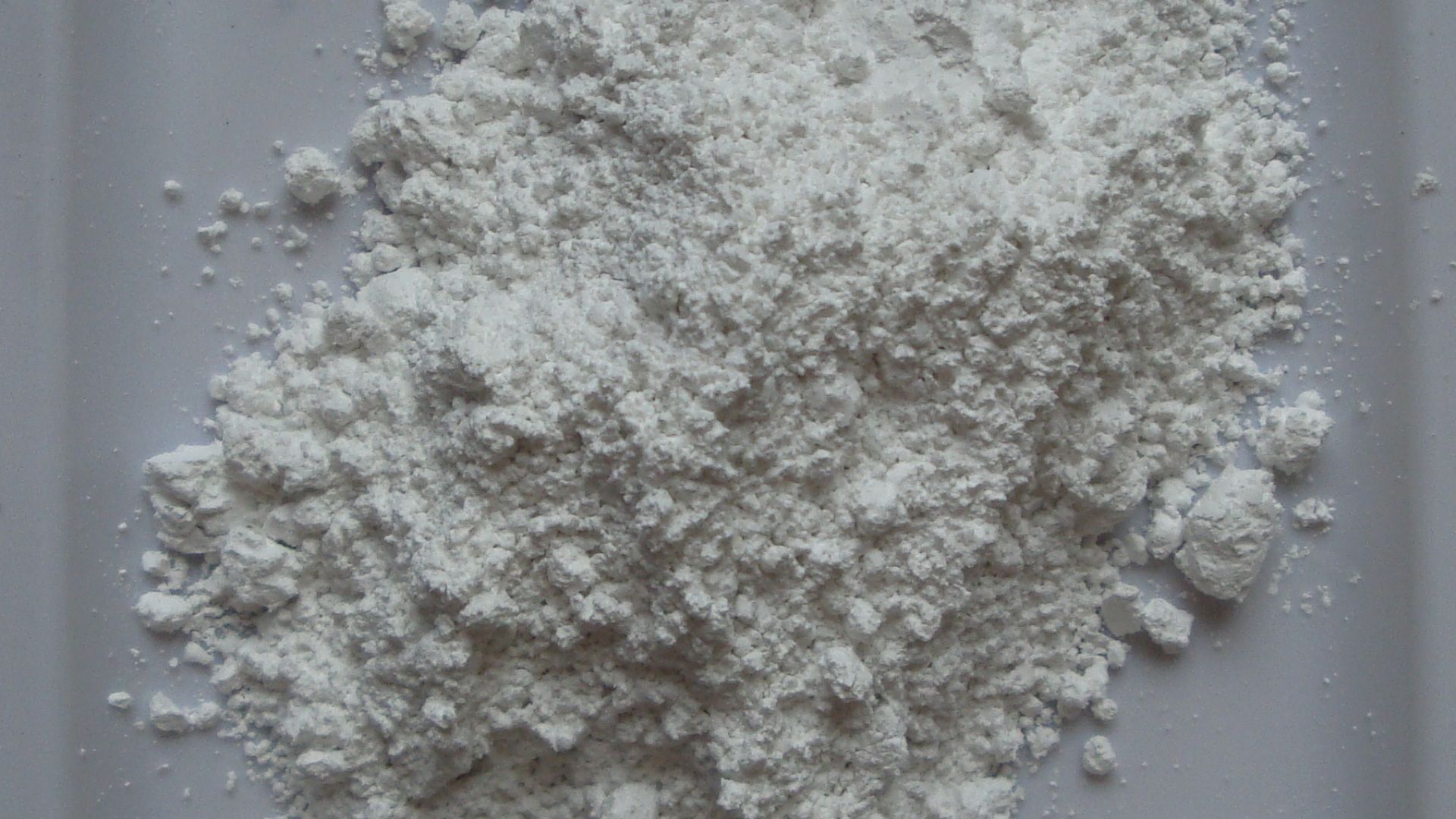
Inside the tunnels, researchers discovered fine powder filled each tube—pure calcium carbonate, the main ingredient of marble itself. More importantly, traces of biological material clung to the tunnel walls, though maddeningly, no DNA or proteins survived the immense passage of time.
 Hardcoreraveman, Wikimedia Commons
Micro-Burrow Characteristics
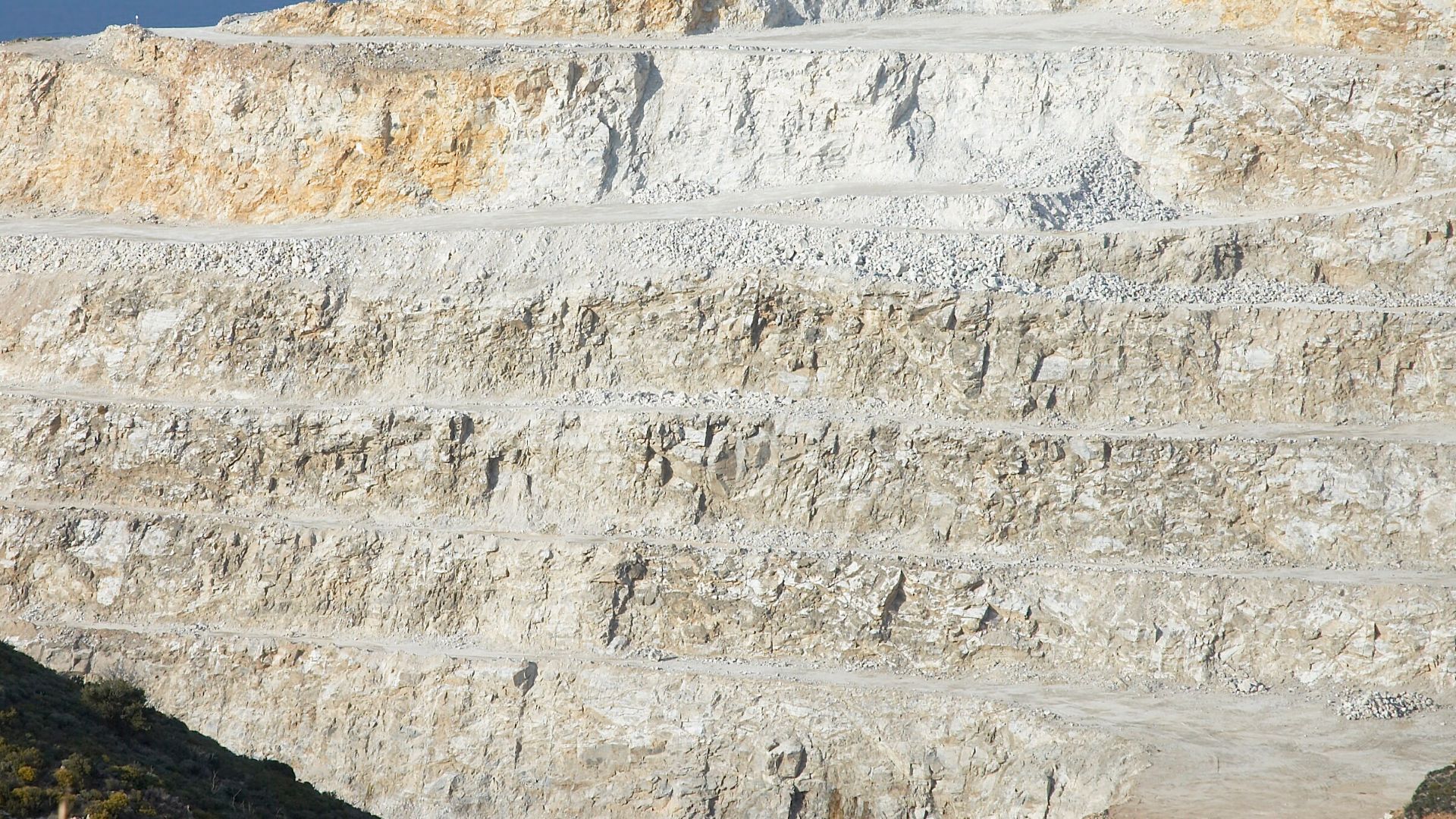
The architecture of these tunnels reveals deliberate biological activity. Each burrow maintains a consistent diameter throughout its length, suggesting controlled excavation rather than random dissolution. Some formations show calcrete crusts at their edges, mineral deposits that form in semi-arid climates when water evaporates.
 Wouter Hagens, Wikimedia Commons
Parallel Arrangement
The most striking feature is their collective organization. Like soldiers in formation, these micro-burrows line up vertically. This parallel arrangement suggests either coordinated colonial behavior or identical environmental responses from countless individual organisms. The precision is unsettling.
Saudi Arabia
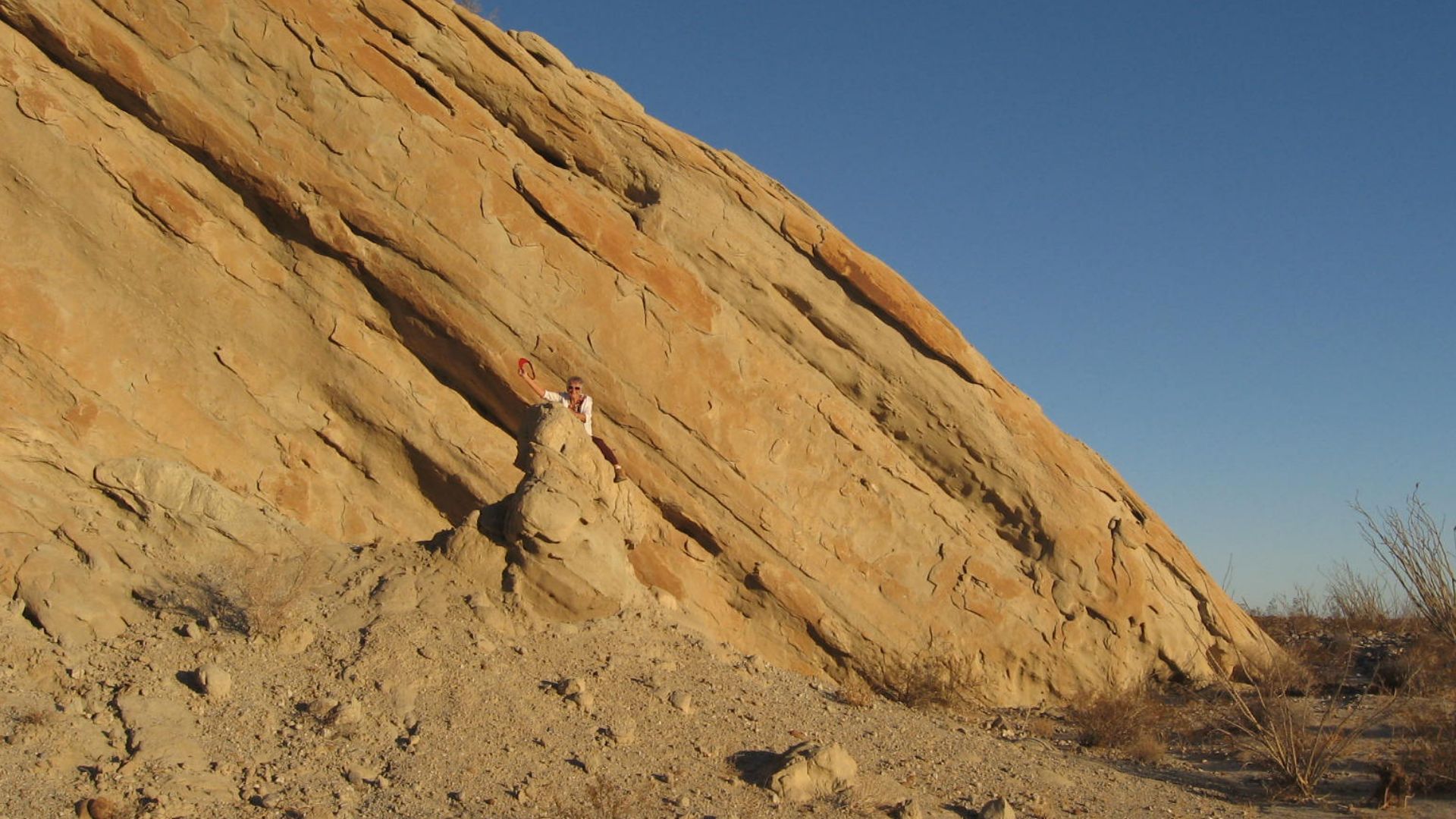
Passchier's team found identical structures in marble samples from the Saudi Arabian desert, thousands of miles east of Namibia. Despite the geographic separation, the Saudi micro-burrows matched Namibian specimens in size, shape, and parallel arrangement. Different deserts, same mysterious architect, suggesting whatever crafted them once existed across vast regions.
 Remotehiker, Wikimedia Commons
Oman Findings
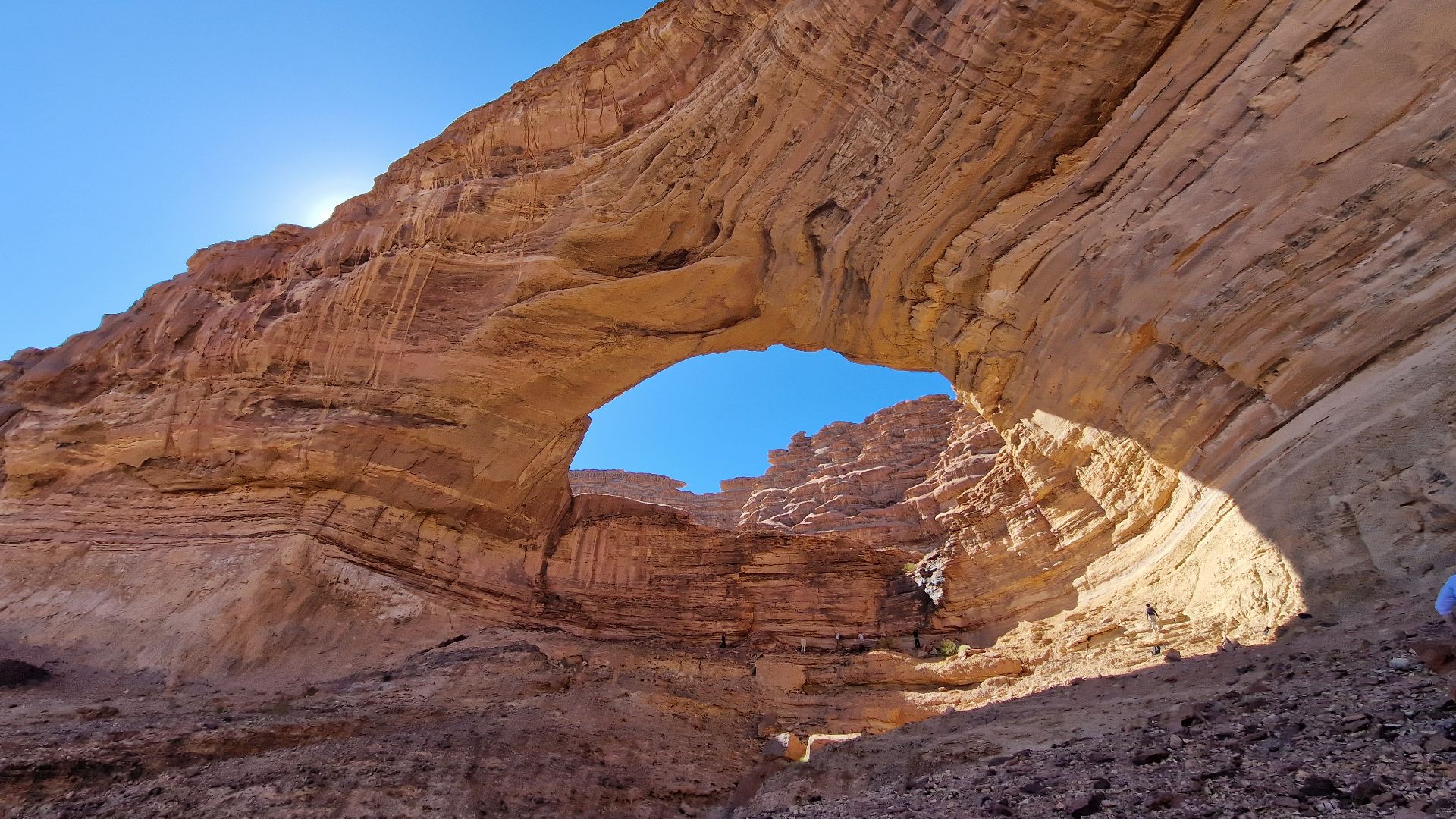
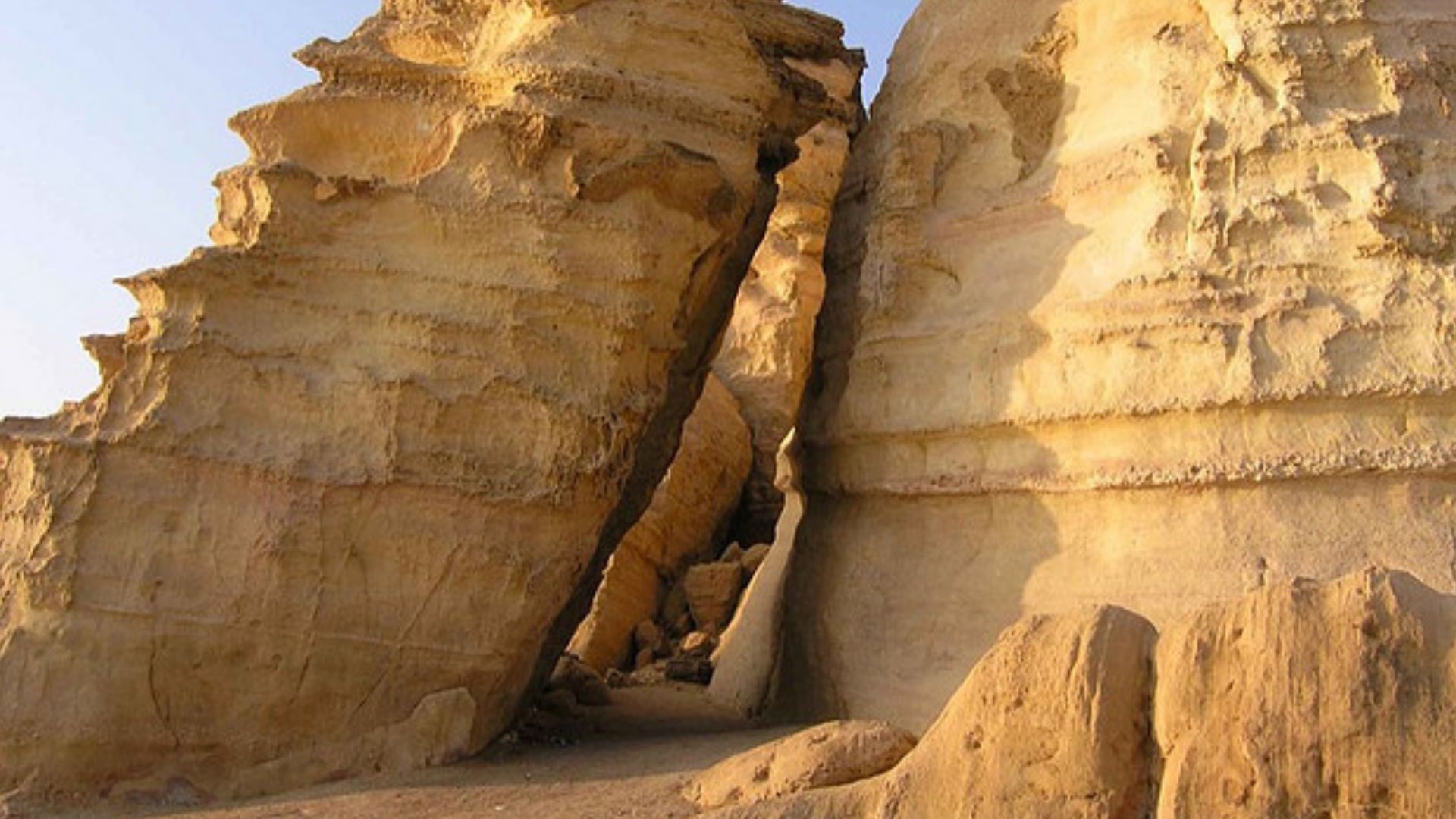
Limestone outcrops in Oman revealed the third major location for these enigmatic tunnels. Unlike the marble-hosted burrows in Namibia and Saudi Arabia, Oman's structures appeared in sedimentary limestone. This discovery expanded the mystery: the creature could apparently bore through different calcium carbonate-based stones.
 Mary Paulose from Muscat, Oman, Wikimedia Commons
Cross-Continental Pattern
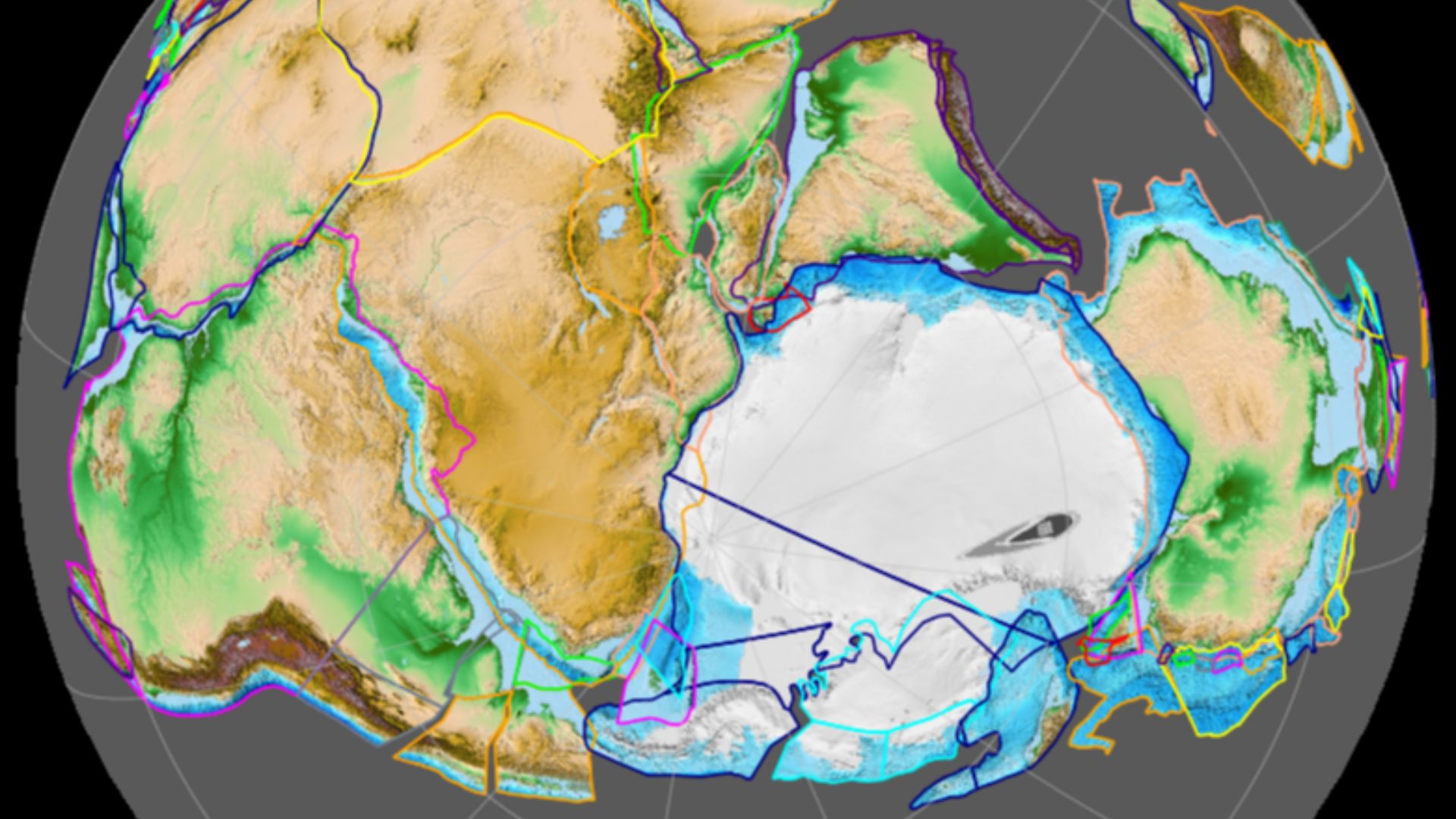
Three locations across two continents, Africa and the Arabian Peninsula, share these identical micro-burrows. Millions of years ago, before tectonic forces tore them apart, Namibia, Saudi Arabia, and Oman were neighbors in the ancient supercontinent Gondwana. The organism responsible apparently thrived across this massive landmass.
 Fama Clamosa, Wikimedia Commons
Calcium Carbonate
The tunnels were filled with telltale powder or calcium carbonate in its purest form. This chalky residue offers important clues about the organism's feeding strategy. Researchers believe the mysterious life form bored through marble and limestone specifically to access nutrients locked within the calcium carbonate matrix.
 Martyn Poliakoff, Wikimedia Commons
Tunnel Formation
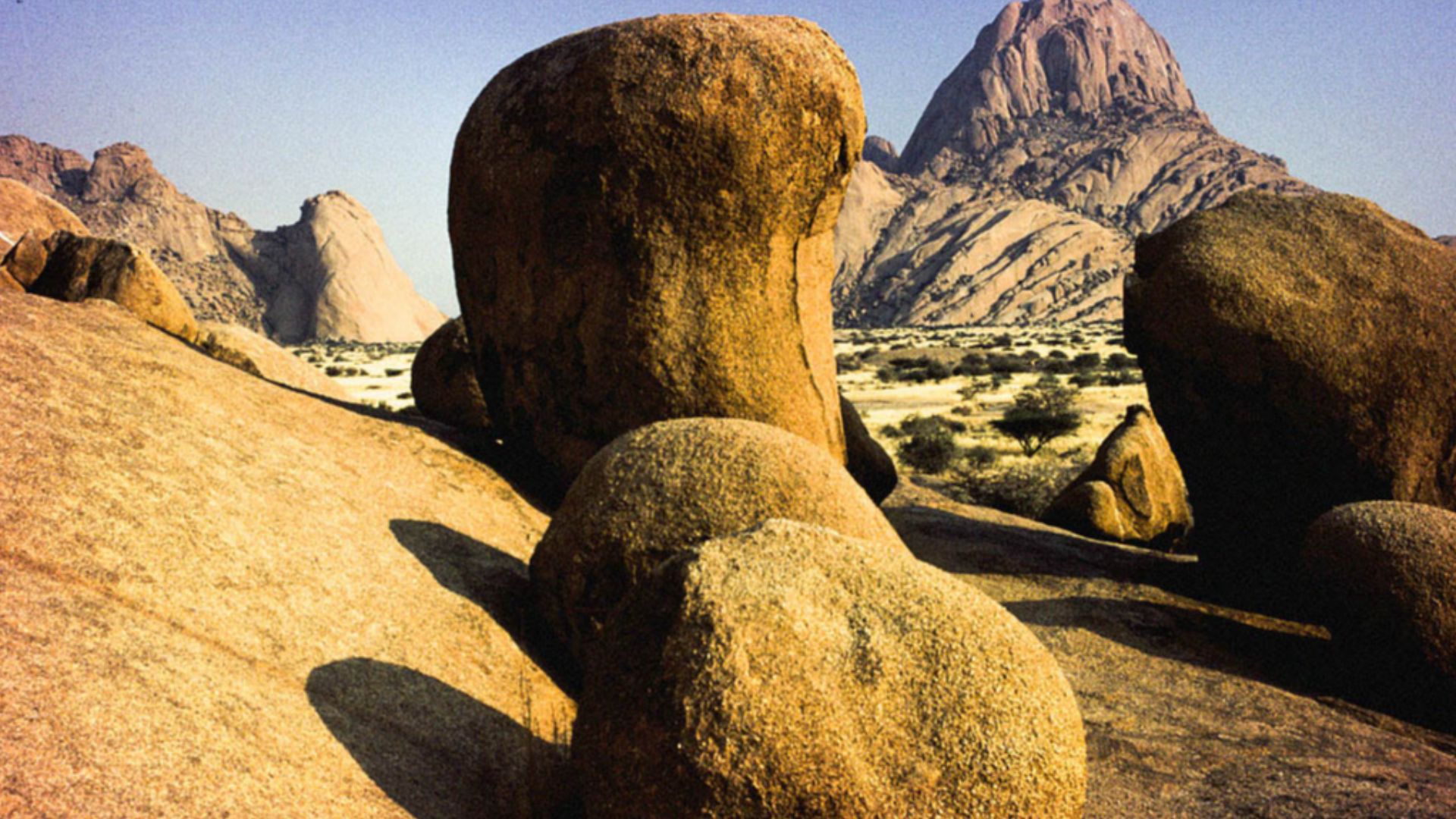
Biochemical warfare likely explains how something conquered solid stone. The organism probably secreted acids capable of slowly dissolving rock, simultaneously creating living space and releasing nutrients. Water was absolutely essential—biological growth is impossible without it, as the research team emphasized in their Geomicrobiology Journal publication.
 Reinhard Hurt, Wikimedia Commons
Endolithic Organisms
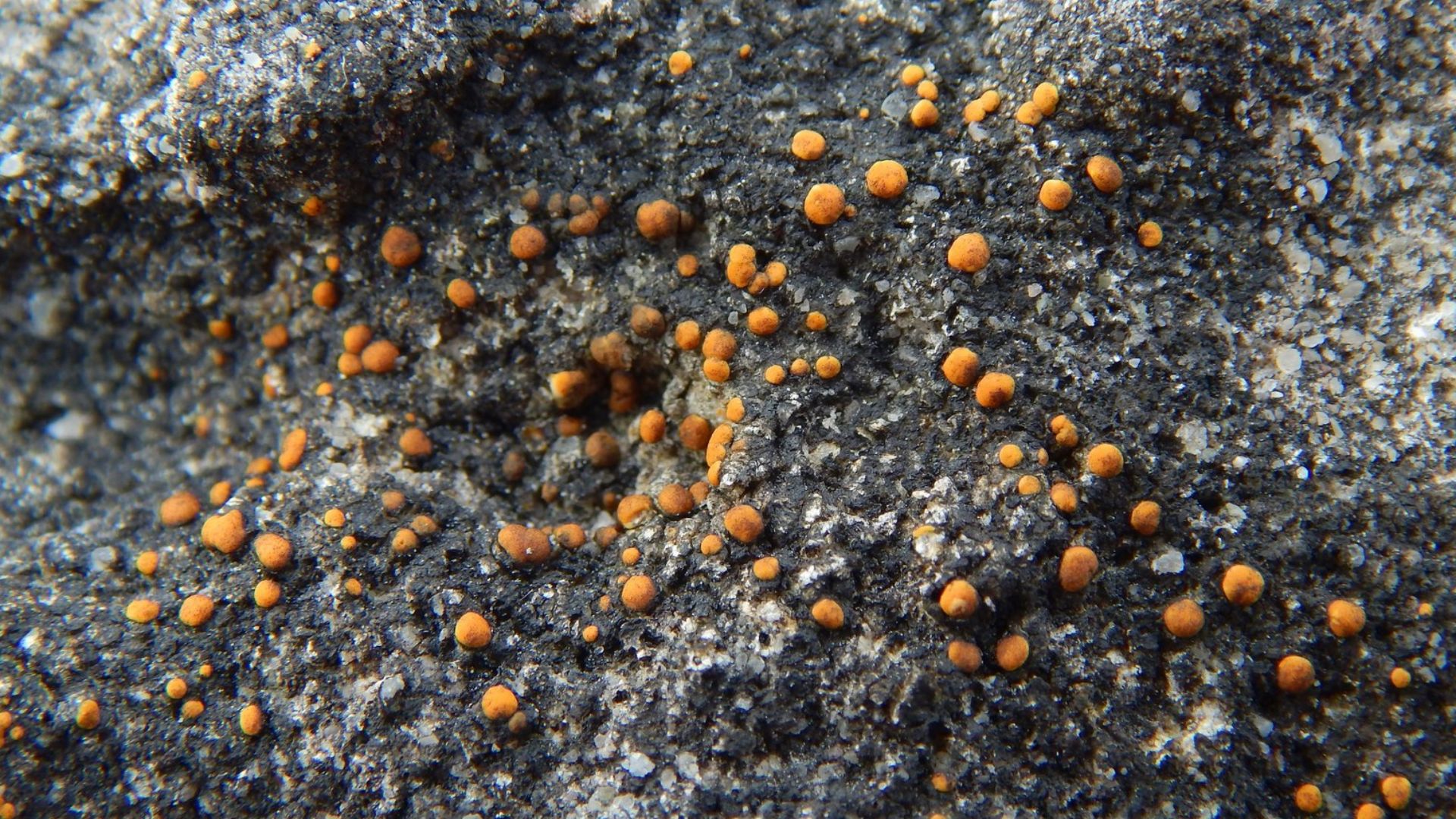
Bacteria, fungi, and lichens have mastered survival in Earth's most inhospitable corners, including inside rocks themselves. These specialized life forms obtain energy and nutrients directly from minerals, thriving without sunlight in complete darkness. Antarctica's frozen deserts, the Atacama's hyper-aridity, and deep ocean trenches all harbor rock-dwelling communities.
 Lairich Rig , Wikimedia Commons
Rock-Dwelling Life
The mystery deepens because Passchier's tunnels penetrate deep inside the rock, far from any light. Whatever created them had to survive in perpetual darkness, extracting everything needed for life from stone alone. This eliminates photosynthetic organisms like algae and cyanobacteria, which require sunlight.
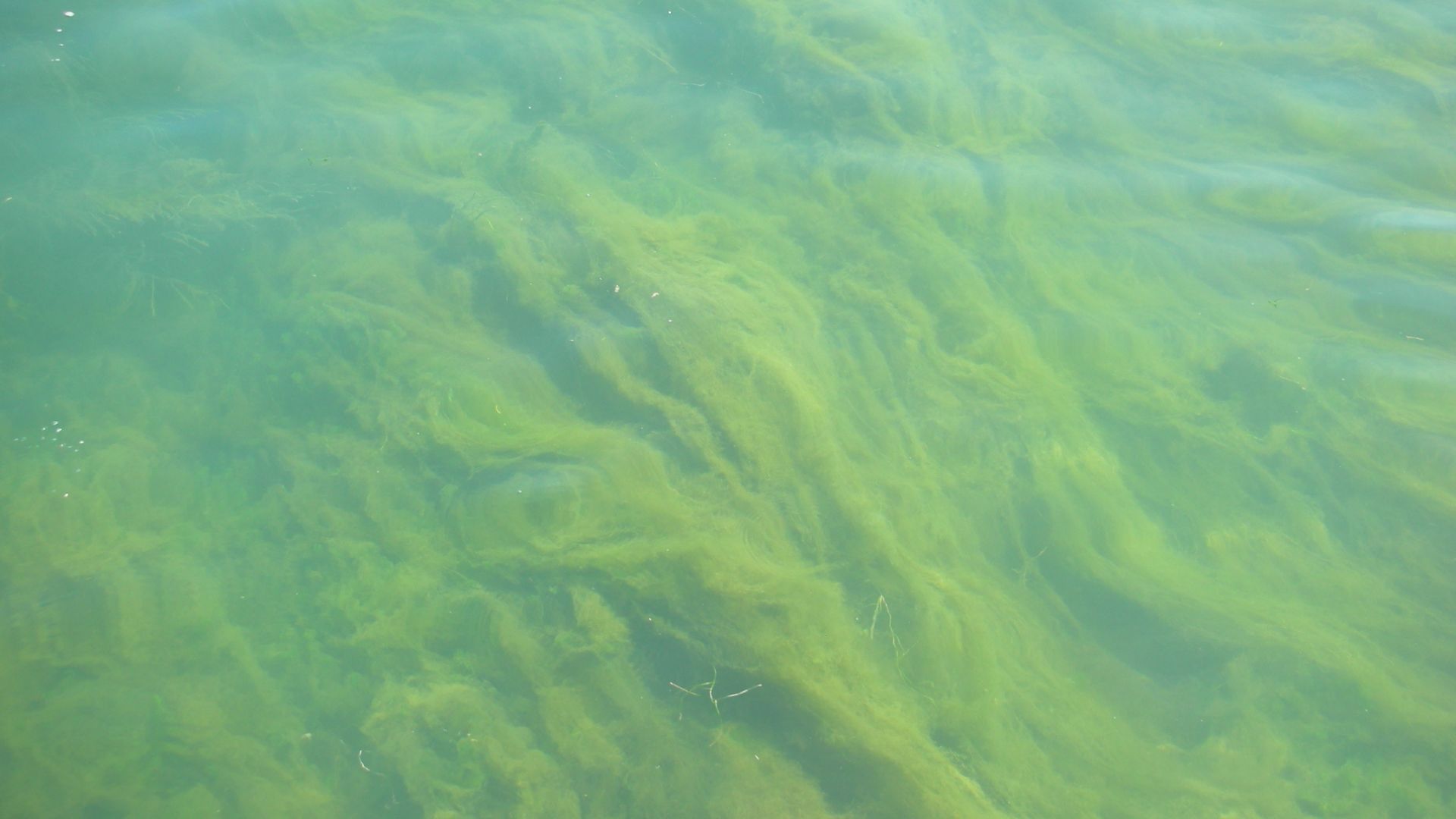 NOAA Great Lakes Environmental Research Laboratory, Wikimedia Commons
Ancient Age
Dating these structures places them between one and three million years old, formed during the Pleistocene epoch when Earth cycled through dramatic ice ages. Mammoths roamed northern continents while our earliest human ancestors walked African savannas. The climate in these now-barren deserts was different then.
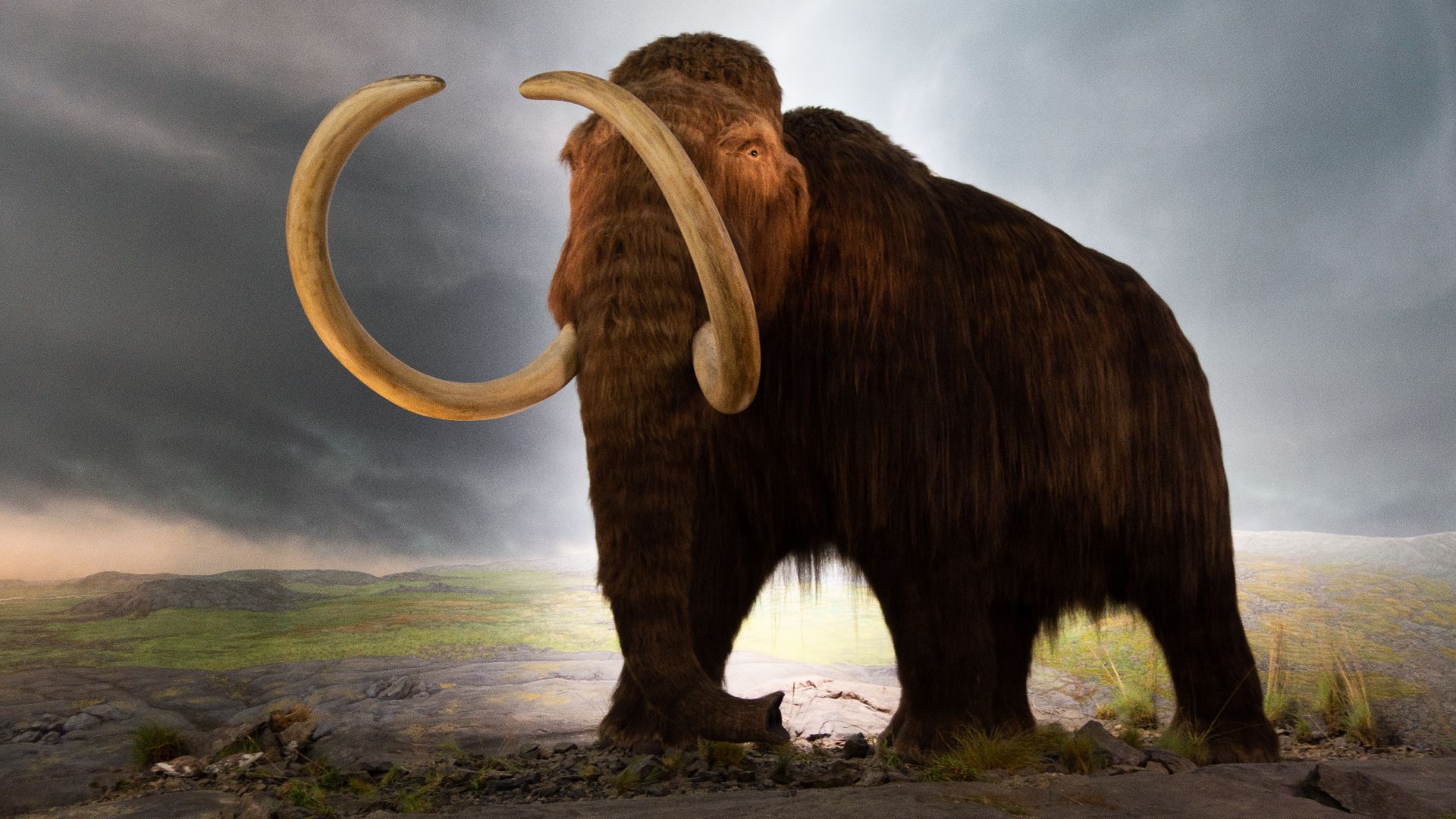 Thomas Quine, Wikimedia Commons
Missing DNA
The specimens proved too ancient for modern molecular analysis. No DNA fragments survived, no proteins remained intact, as time had degraded every molecule that could identify the architect. This absence frustrates researchers because genetic material would instantly reveal whether the organism belongs to a known species or represents something entirely novel.

Extinction Question
"We don't currently know whether this is a life form that has become extinct or is still alive somewhere," Passchier admitted. The organism might have vanished when climates shifted, unable to adapt as rain became scarce and deserts expanded. Alternatively, descendants could be boring through rocks right now.
 Diego Delso, Wikimedia Commons
Humid Climate
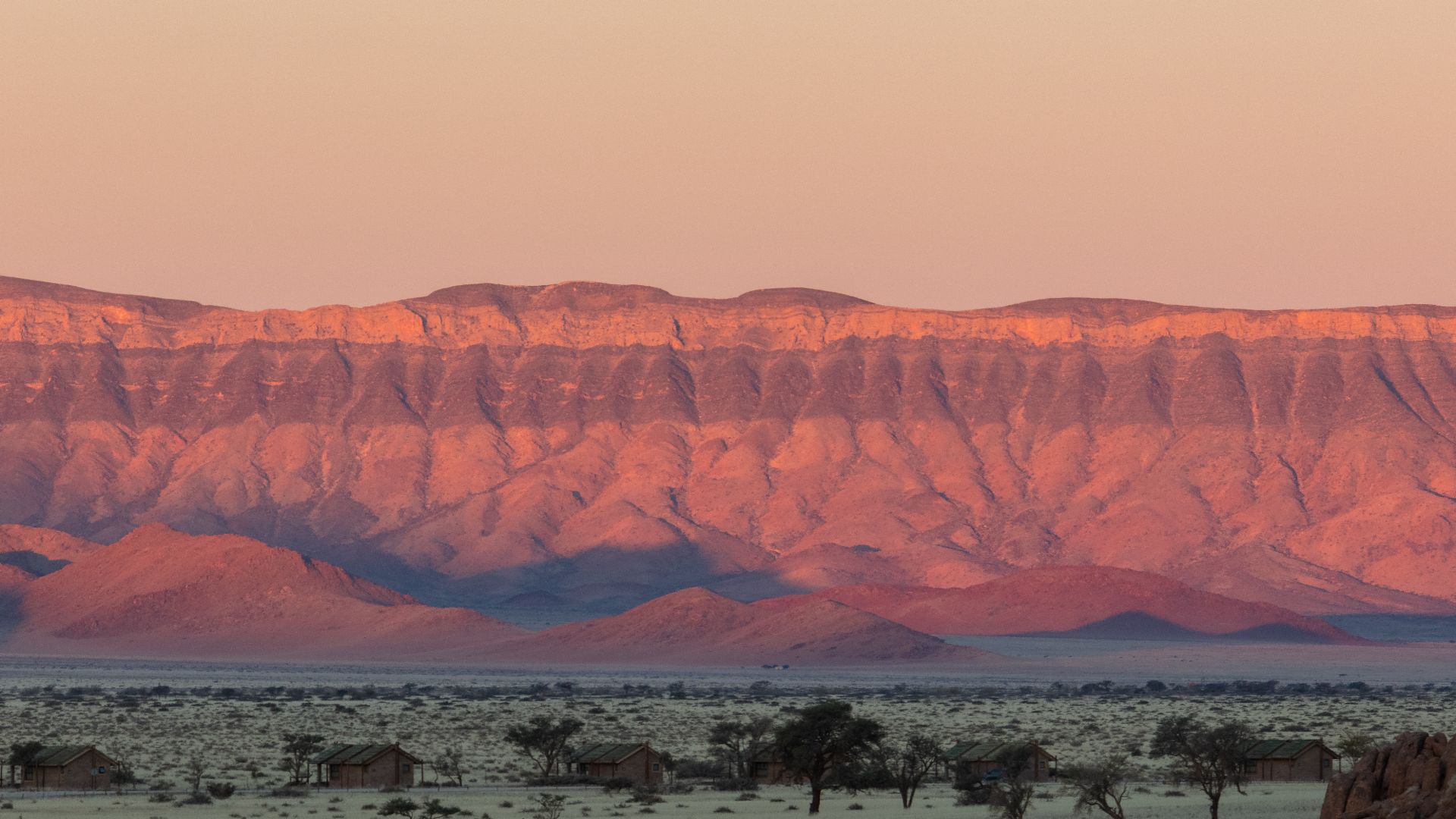
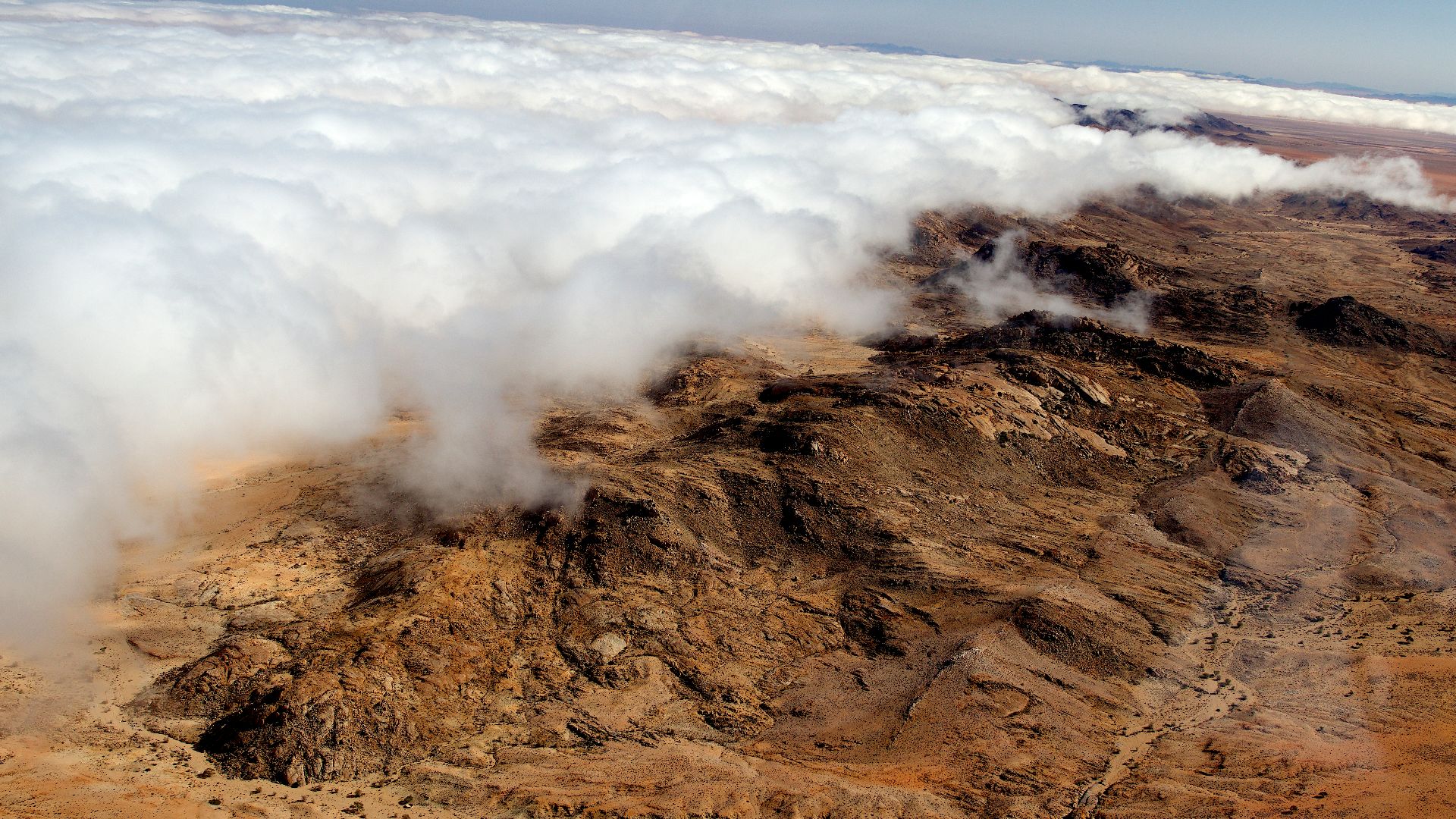
The deserts hosting these micro-burrows experience occasional rain showers and dense coastal fog today, but past conditions were substantially wetter. Evidence suggests that the tunnels formed during pluvial periods, which extended wet phases that punctuated the last million years, across Southern Arabia and Africa.
 Matthias Bruhin & Hp.Baumeler, Wikimedia Commons
Gondwana Research
Passchier spent 25 years studying Namibia's geological history, focusing on reconstructing how ancient landmasses assembled into the supercontinent Gondwana. His work examines rock structures to understand continental collisions that occurred 500 to 600 million years ago.
Carbon Cycle
This mysterious life form could play an unexpected role in Earth's carbon budget. When microorganisms dissolve calcium carbonate, they release carbon that had been locked in stone, potentially returning it to the atmosphere as CO2. "This form of life could be important for the global carbon cycle," Passchier emphasized.
 Jon Sullivan, Wikimedia Commons
Global Implications
Understanding these micro-burrows matters beyond pure scientific curiosity. If similar organisms actively dissolve carbonate rocks worldwide today, they're participants in planetary-scale processes regulating atmospheric chemistry and climate stability. Carbonate weathering serves as a critical carbon sink over geological timescales, removing CO2 from the atmosphere through chemical reactions.
 Anne Burgess, Wikimedia Commons
Scientific Mystery
What makes this discovery thrilling is the fundamental uncertainty. "Is it a known form of life or a completely unknown organism?" Passchier wondered aloud. The micro-burrows don't match patterns created by any documented endolithic species. Their distinctive parallel arrangement, specific size parameters, and cross-continental distribution suggest something special.
 Heyheyuwb at English Wikipedia, Wikimedia Commons
Published Research
The peer-reviewed study "Subfossil Fracture-Related Euendolithic Micro-burrows in Marble and Limestone" appeared in Geomicrobiology Journal on February 27, 2025. Co-authors included Passchier, Wassenaar, and colleagues Nora Groschopf, Anne Jantschke, and Regina Mertz-Kraus from Johannes Gutenberg University Mainz's Institute of Geosciences.
 Schiplagerheide, Wikimedia Commons
Ongoing Investigation
The scientific community now faces an intriguing challenge: identifying an organism known only by its architectural legacy. "It is essential that the scientific community becomes aware of it," Passchier urged, hoping publicity will attract specialists in geomicrobiology, microbial genomics, and extreme environment biology.
 Bratchykova Yuliia, Wikimedia Commons