The Desert Can Look So Harmless
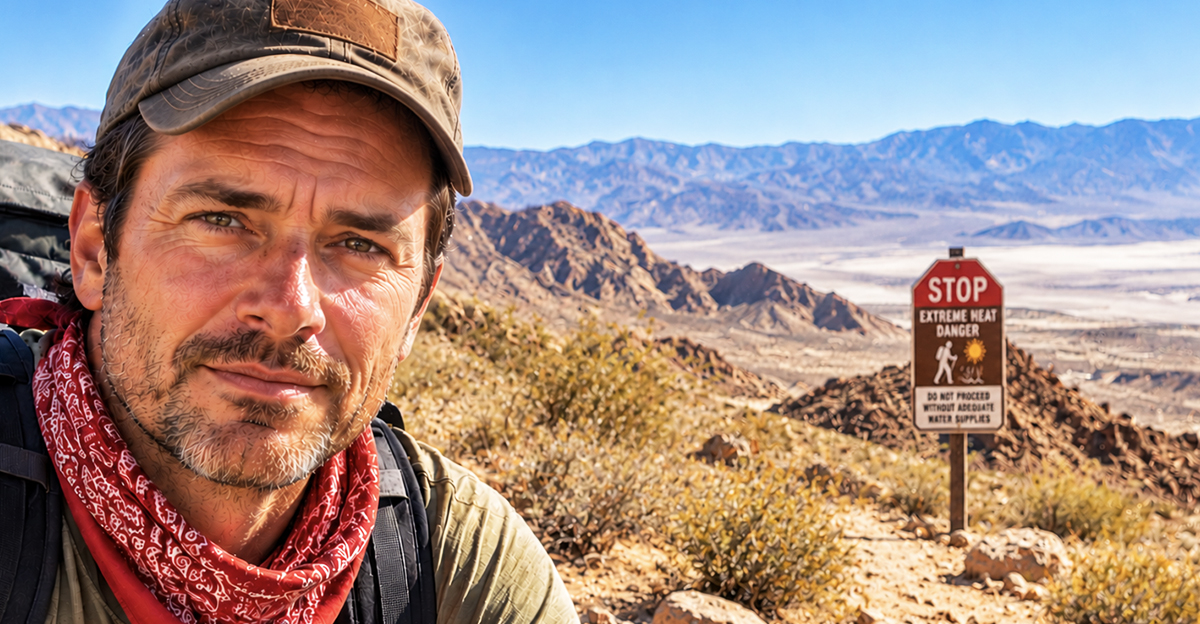
The desert has a dangerous talent for looking harmless. A beautiful hiking trail, a scenic drive, or a short detour can turn into a fight for survival when temperatures soar and water runs out. Even seasoned travelers have discovered that experience offers little protection against extreme heat. These real-life stories reveal how quickly a desert adventure can go wrong—and how narrow the margin between rescue and tragedy can be.
A Morning Hike Goes Wrong
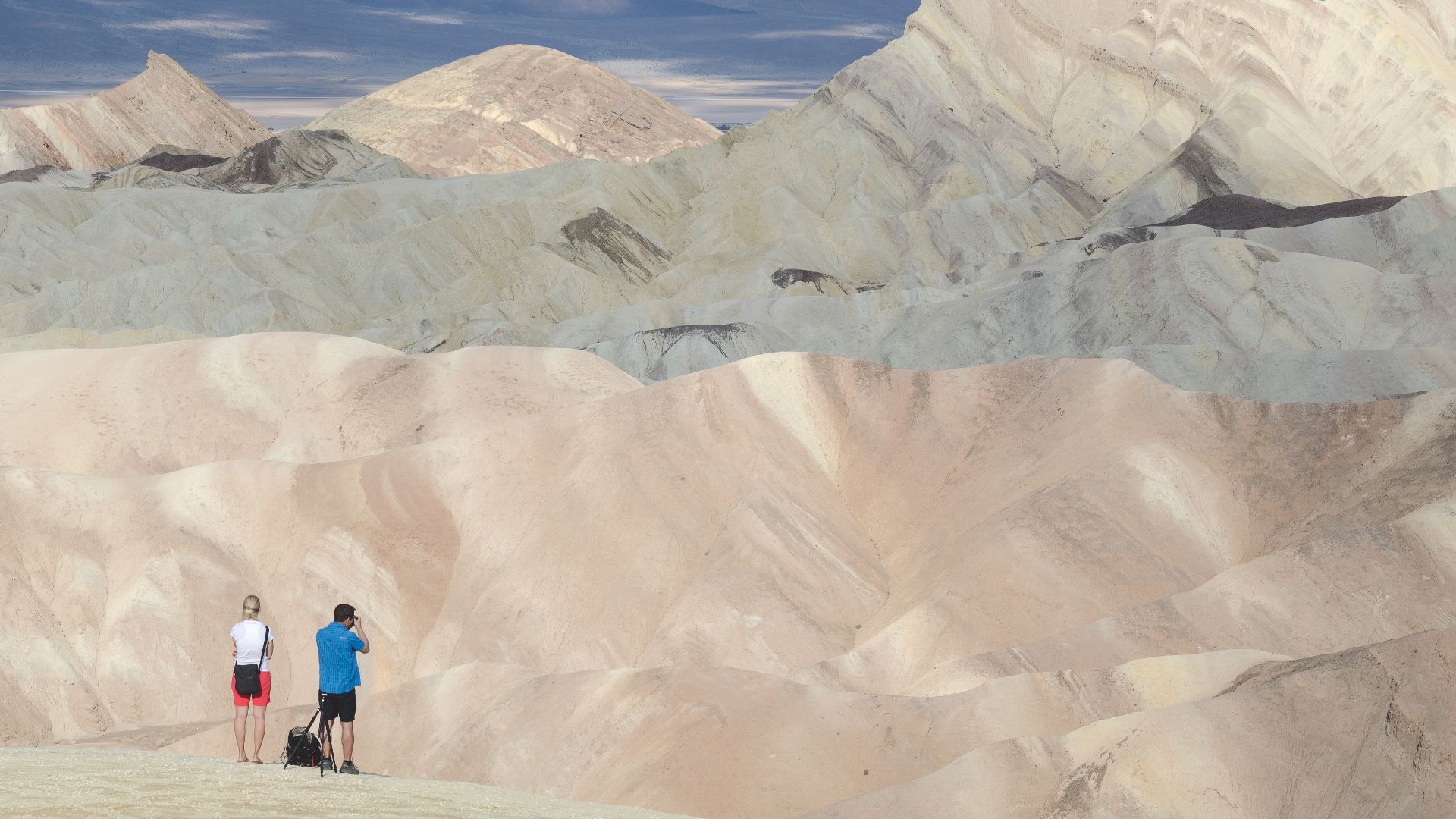
On July 18, 2024, a man and woman began hiking the Badlands Loop near Zabriskie Point in California's Death Valley National Park. It was around 9:30 in the morning, but temperatures were already approximately 110°F. They apparently expected a manageable outing. Instead, they became lost, turning a desert hike into a dangerous ordeal as the temperature continued to climb.
She Could No Longer Walk
As the couple struggled through the Badlands, the woman developed symptoms of heat illness and eventually became unable to continue. Her companion left her behind and returned to the Zabriskie Point parking area to summon help. Fortunately, other visitors assisted with the rescue. The incident showed how quickly a routine morning excursion can become a medical emergency when hikers underestimate the heat.
 Alisha Vargas from Reno, NV, US, Wikimedia Commons
An Experienced Hiker's Ambitious Climb
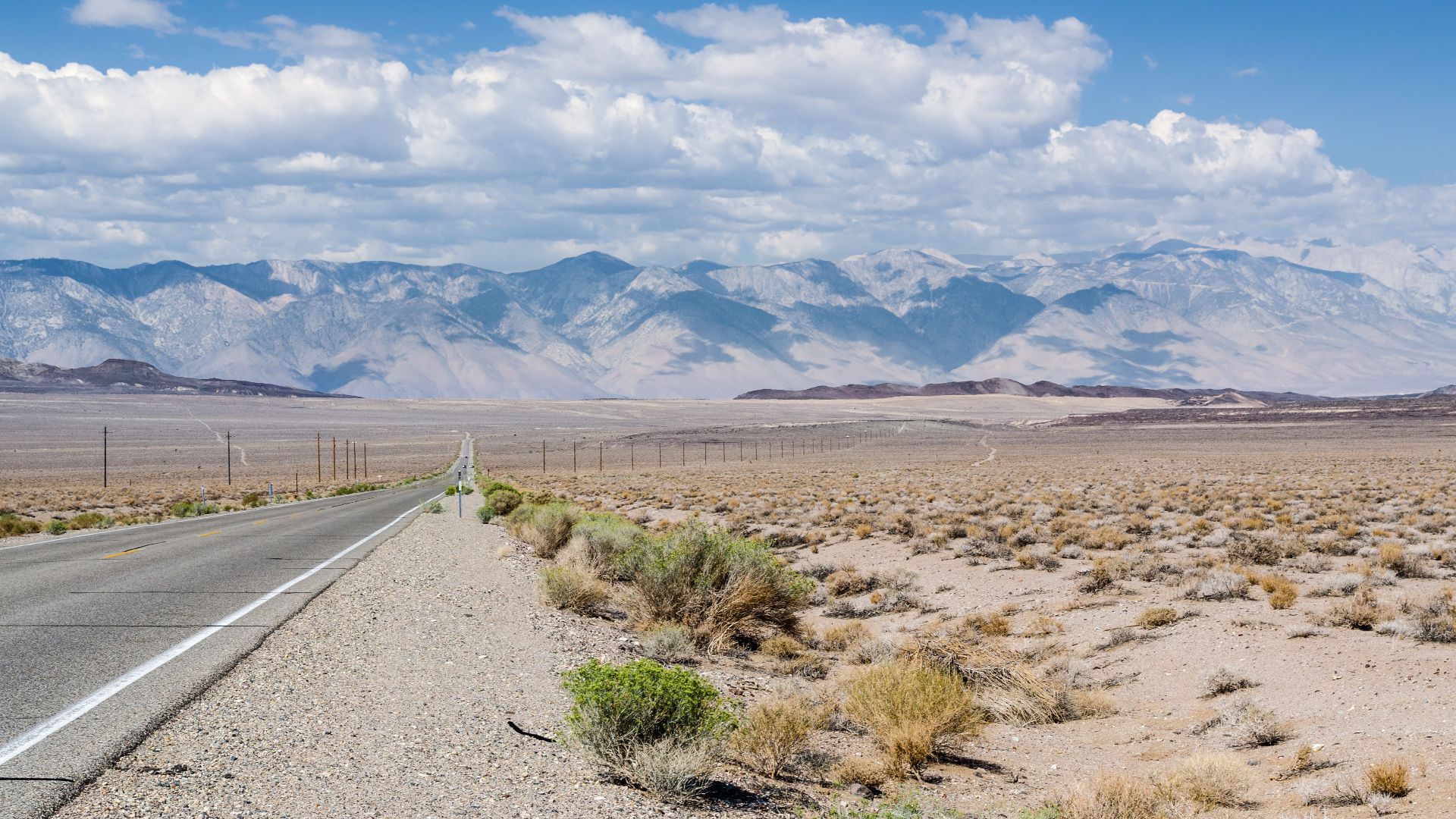
In August 2024, an employee at Death Valley's Panamint Springs Resort attempted a demanding hike to the summit of Panamint Butte. He departed at 4 am, crossed Panamint Valley, and climbed approximately 4,600 feet. By noon, he had reached the summit after covering more than eight miles. Despite his familiarity with the area and early start, the most dangerous part of his adventure still lay ahead.
The Descent Became A Nightmare
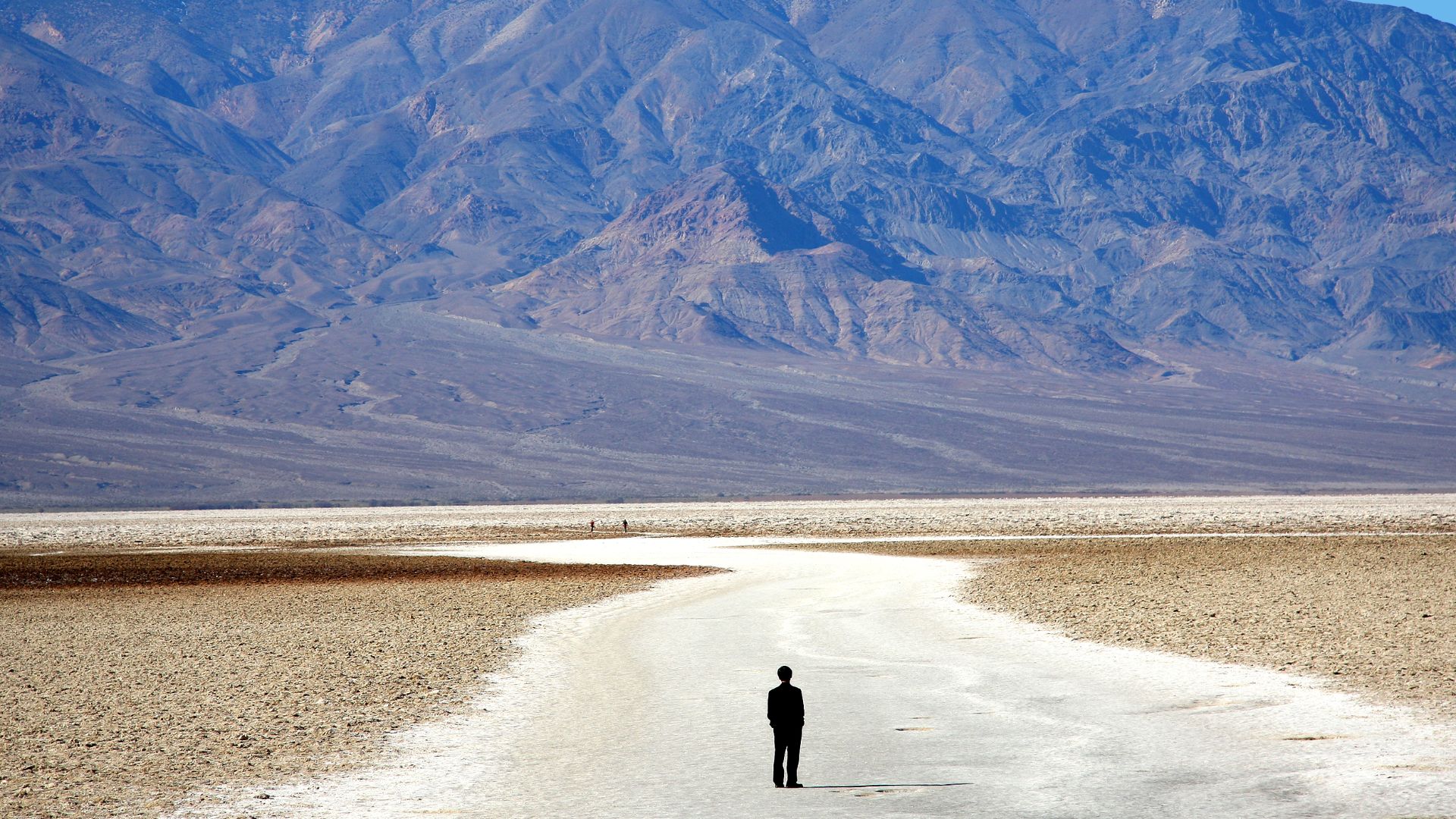
The hiker considered descending through a canyon but encountered a steep drop requiring climbing equipment he didn't have. Forced to retrace his route, he ran out of water around 4:30 pm. Dehydration and exhaustion overwhelmed him, and he reportedly lost consciousness before sliding down a rocky slope. When he regained consciousness, he was bruised, disoriented, and facing the prospect of spending the night in the desert.
 Photographersnature, Wikimedia Commons
A Distress Signal Saved Him
At approximately 6 pm, the Panamint Butte hiker activated the SOS feature on his Garmin device. Rescue teams struggled to arrange helicopter assistance, and a Navy aircraft was delayed by a technical problem. Finally, at around 11:15 pm, a helicopter reached him. His ordeal showed that even someone familiar with Death Valley can underestimate the combined effects of distance, elevation, difficult terrain, and extreme heat.
 SAC Andy Masson, Wikimedia Commons
A Couple Runs Out Of Water
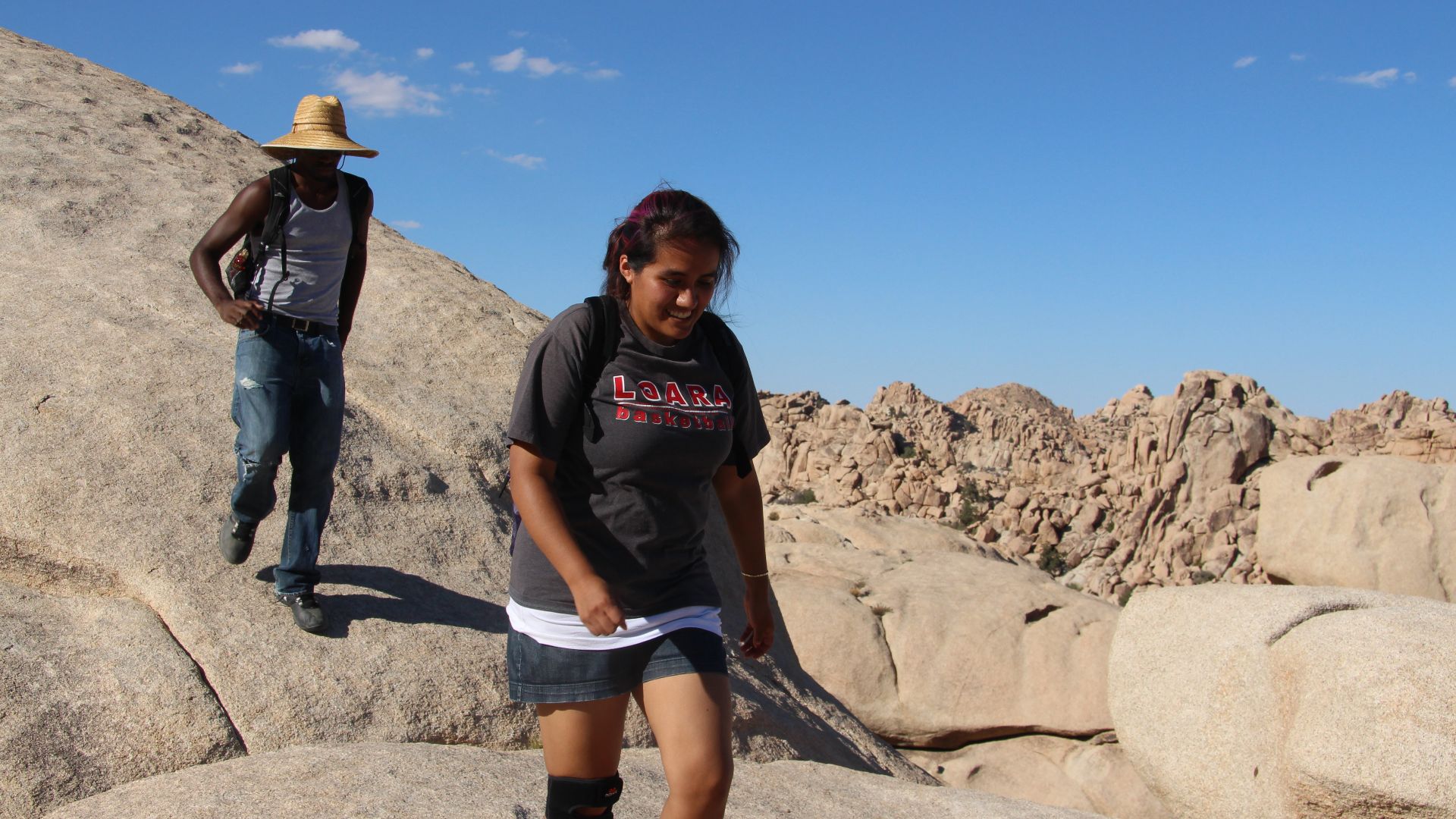
In June 2024, a couple hiking near Joshua Tree National Park found themselves in serious trouble as temperatures climbed to approximately 100–105°F. The pair had been exploring the Painted Canyon area when their water supply ran out. The woman became dehydrated and too weak to continue. Her boyfriend called emergency services, beginning a desperate rescue operation in an exposed landscape where shade was almost nowhere to be found.
 Joshua Tree National Park, Wikimedia Commons
He Became Her Shade
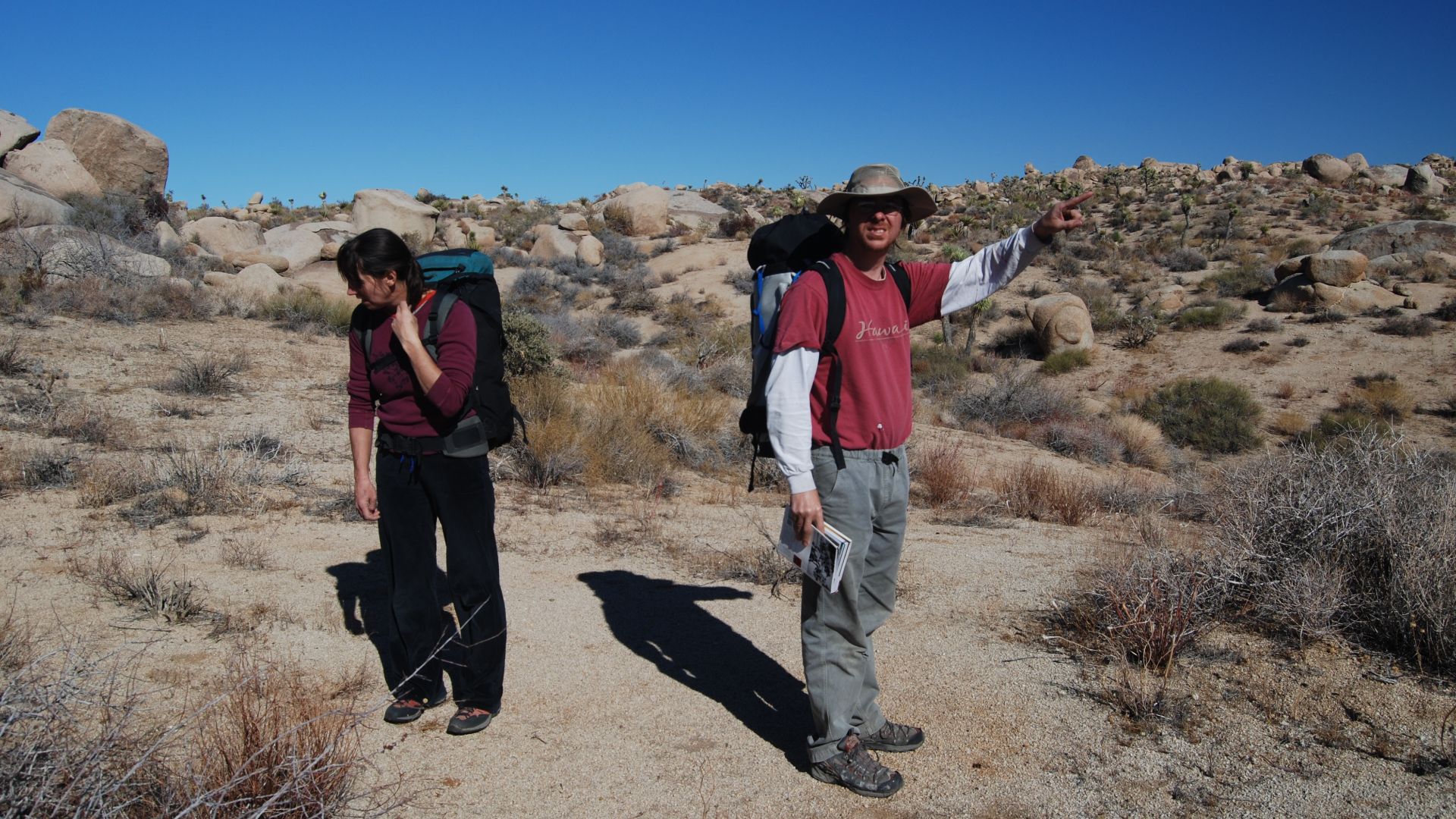
When rescuers located the couple in a dry creek bed, they discovered the man using his own body to shield his girlfriend from the relentless sunshine. Helicopter footage captured the extraordinary scene. Both hikers were hoisted to safety, and the woman was flown to a hospital for treatment. Their experience illustrated a frightening truth: even a relatively short desert excursion can become life-threatening when you don't bring enough water.
 Jarek Tuszyński, Wikimedia Commons
Six Motorcyclists Enter Death Valley
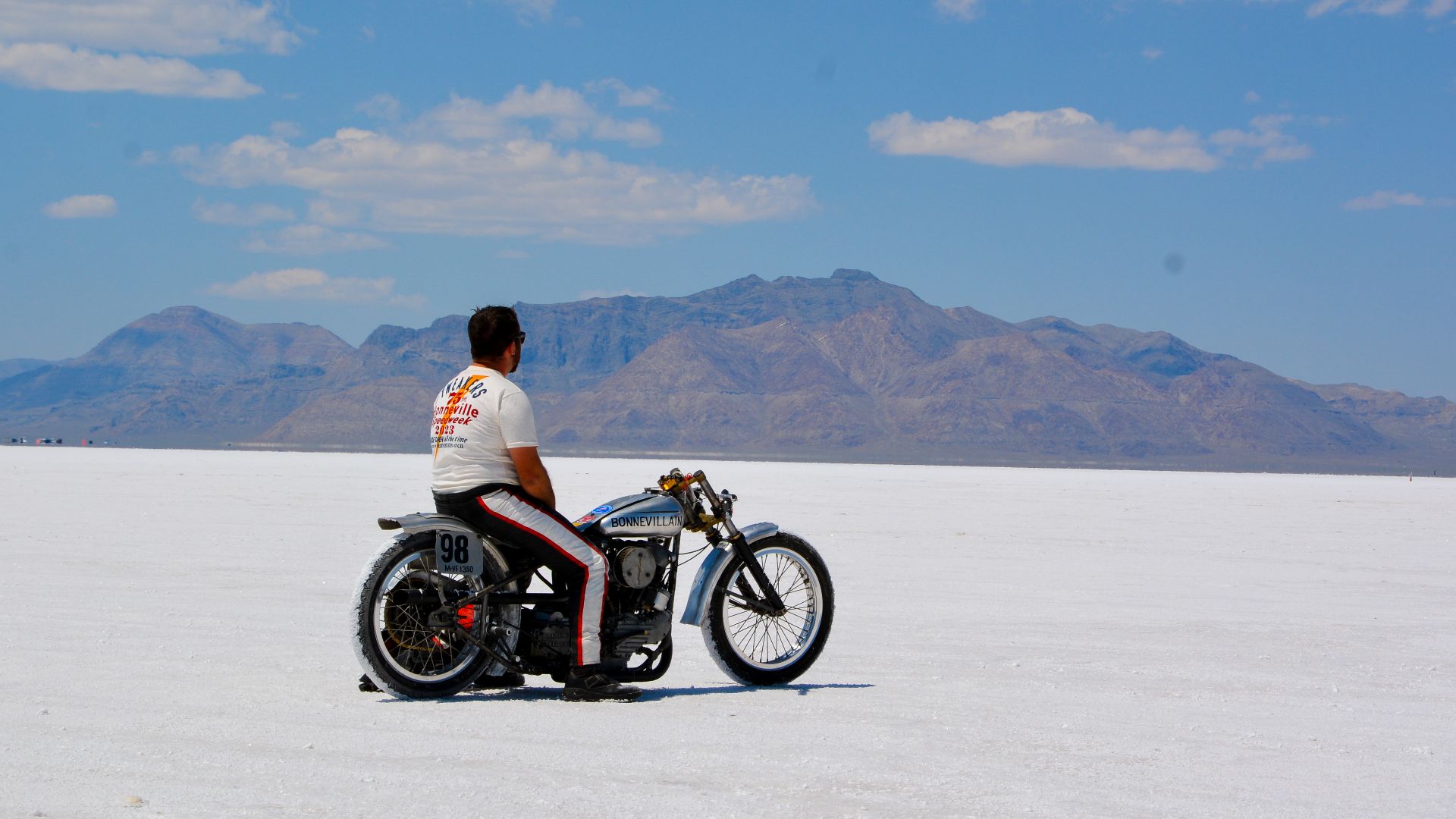
On July 6, 2024, six German visitors were traveling through Death Valley on motorcycles when temperatures reached extraordinary levels. Near Badwater Basin, several riders began experiencing serious heat-related problems. The day's recorded high was approximately 128°F. Motorcycles offered little protection from the scorching conditions, and the group's remote location made obtaining emergency assistance especially difficult. What began as a sightseeing ride ended in tragedy.
The Heat Grounded Rescue Helicopters
One motorcyclist succumbed from heat exposure, while another lost consciousness and required hospital treatment. Good Samaritans transported several riders approximately 19 miles to Furnace Creek. But the temperature was so extreme that medical helicopters could not safely respond directly to the scene. The surviving riders received varying levels of medical assistance. The incident revealed a particularly frightening desert danger: extreme heat can incapacitate not only travelers but also the aircraft needed to rescue them.
A Family Stranded In The Simpson Desert
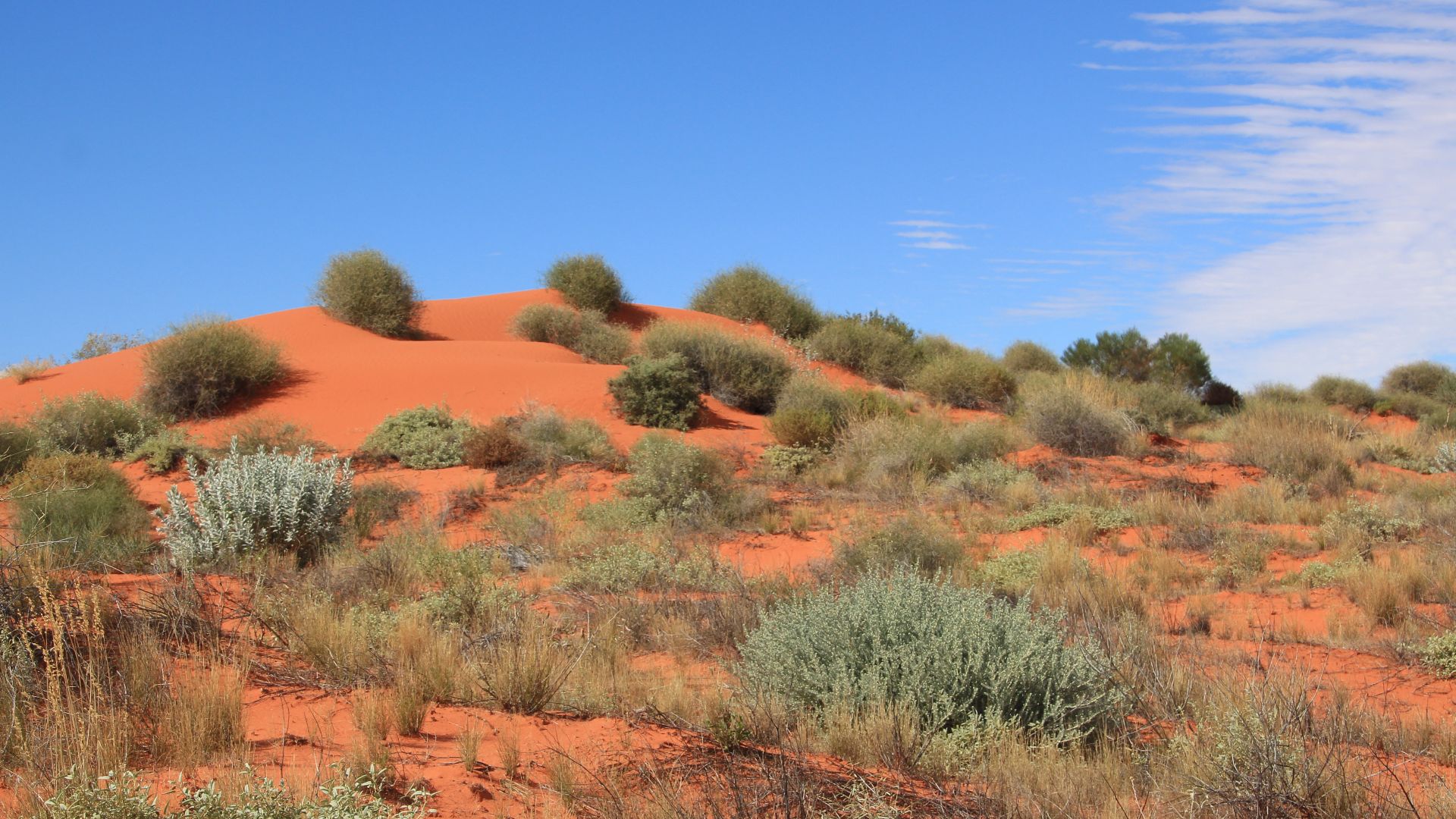
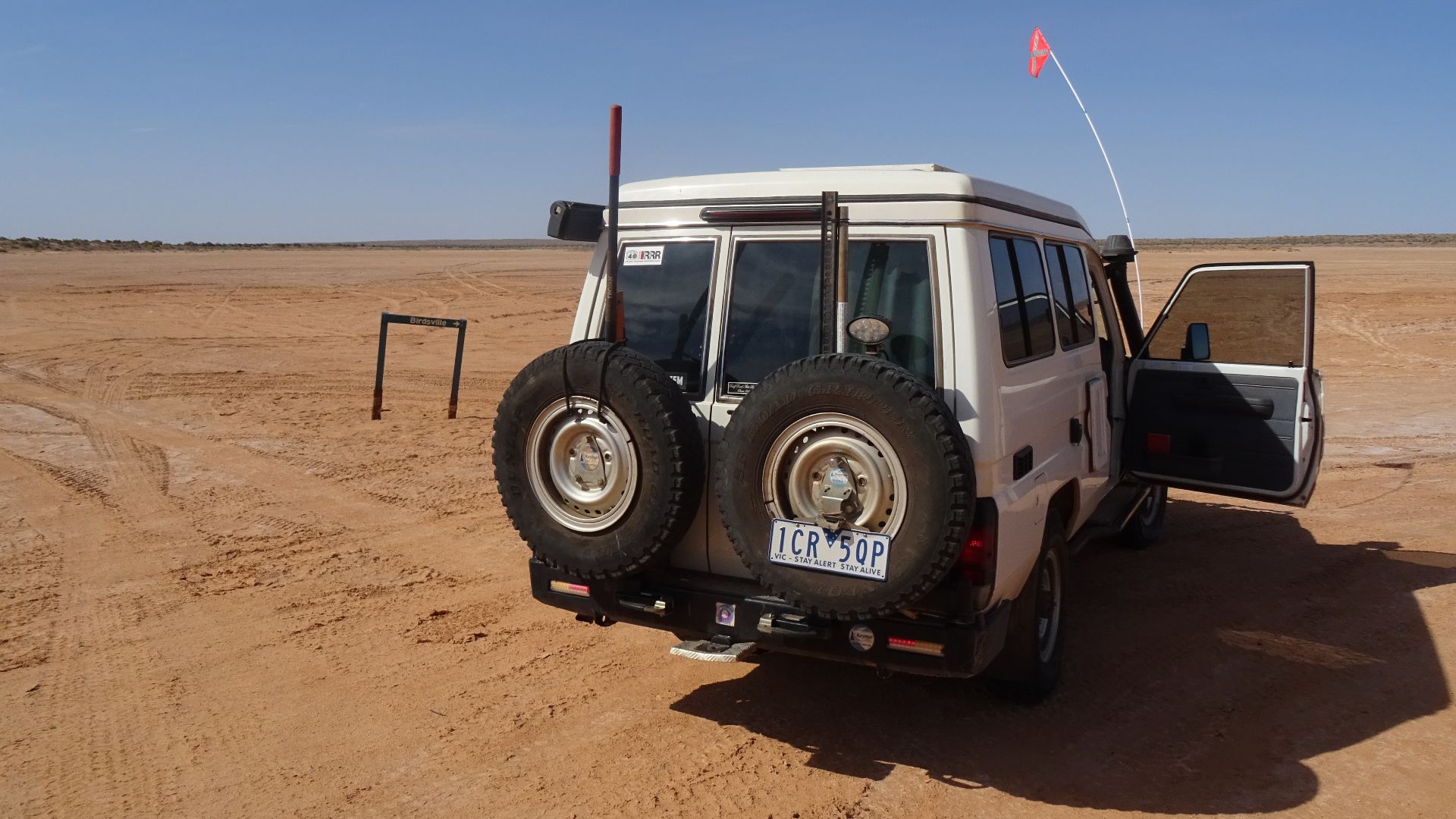
Ori and Lindsey Zavros were experienced road travelers who had spent about a year exploring Australia with their children, Zoe and Zane. In November 2021, their customized campervan became bogged in the remote Simpson Desert after heavy rainfall made roads impassable. They were approximately 150 kilometers northeast of Oodnadatta. Although flooding caused their predicament, the family knew rising desert temperatures could make a prolonged wait increasingly dangerous.
Five Days Waiting For Rescue
The Zavros family activated an emergency beacon and remained with their vehicle. As the days passed, rescuers dropped emergency supplies, including a satellite phone, allowing them to communicate with authorities and relatives. With temperatures forecast to exceed 104°F, remaining stranded indefinitely was becoming a worrying prospect. After five days, the family was airlifted to safety. Their experience proved that even well-equipped desert travelers can be trapped by unexpectedly changing conditions.
 Ian Cochrane from Melbourne, Australia, Wikimedia Commons
A Wrong Turn In Australia
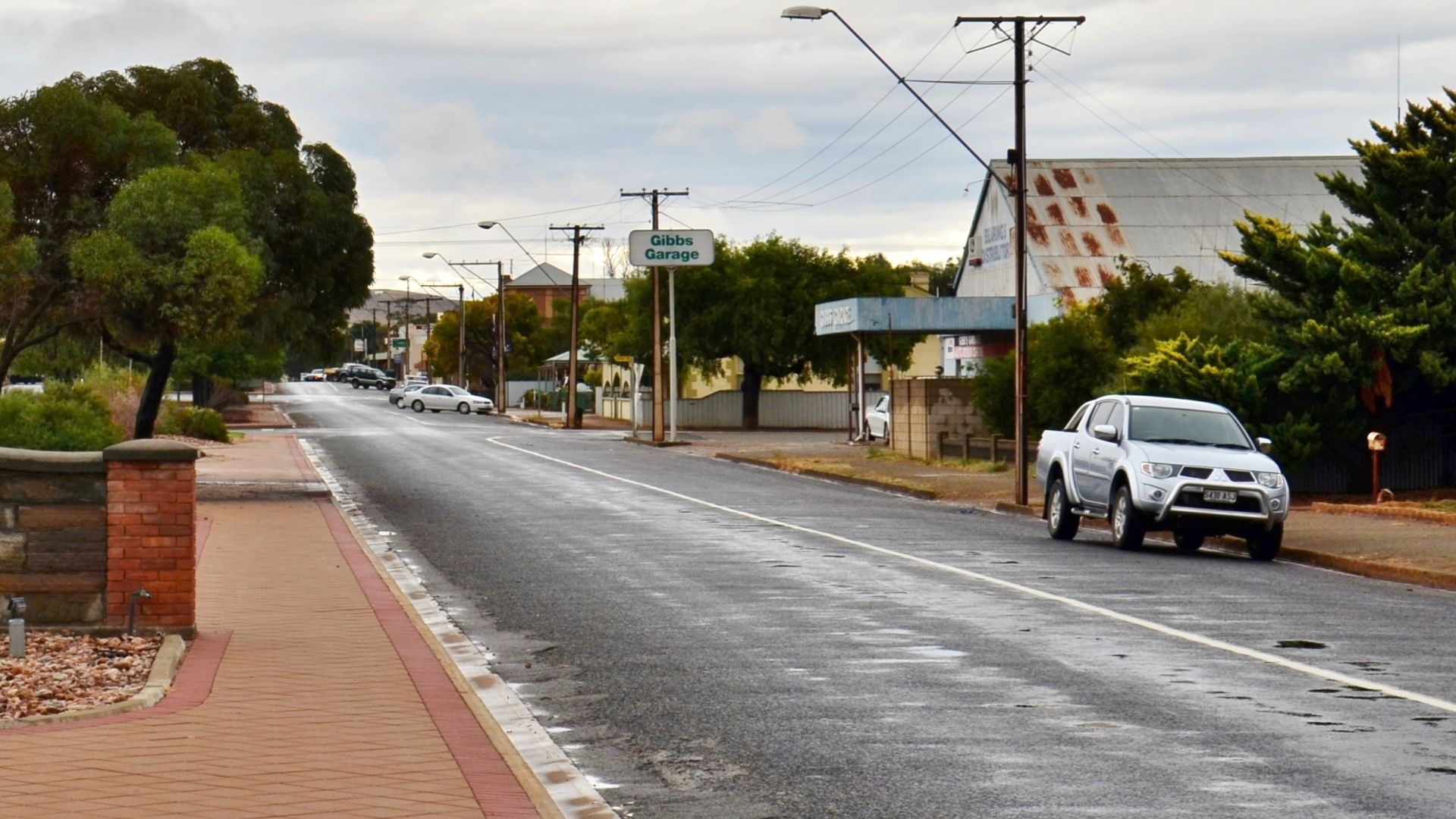
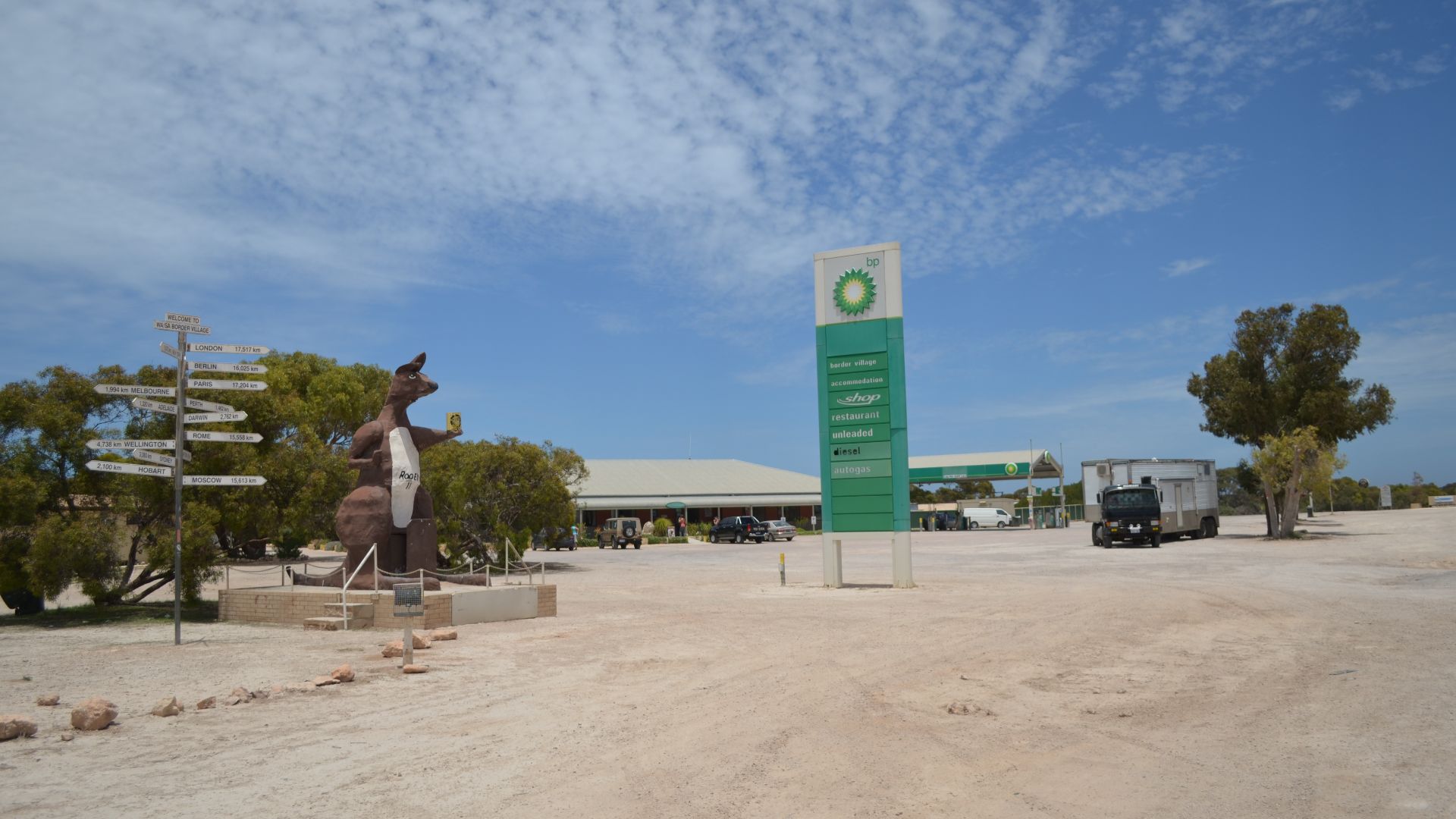
In April 2021, a 38-year-old Chinese tourist and his female companion became bogged on a remote track near the Northern Territory–South Australia border. Their trouble began when they misinterpreted a sign and took the wrong route. After becoming stranded, the man decided to leave their vehicle and search for help. It seemed like a reasonable decision, but he was about to discover how difficult navigating the Australian outback could be.
Thirty-Five Kilometers From Safety
The man wandered through the outback for two days, repeatedly changing direction and retracing his steps. His companion remained with the vehicle and was discovered by another motorist, prompting a major search. Eventually, rescuers found him at a remote outstation approximately 35 kilometers from the car. He was dehydrated, exhausted, and suffering from sore feet. Police emphasized that separating from the vehicle had complicated the rescue and exposed him to unnecessary danger.
Three Tourists Walk Into The Heat
In April 2012, two South Korean tourists and a Chinese traveler became stranded after their vehicle bogged down in Australia's Finke Gorge National Park. Fearing nobody would find them, they abandoned the car and walked approximately 16 kilometers along a riverbed. Temperatures reached around 104°F. Despite the exhausting journey, police eventually located the three travelers as they were returning toward their vehicle. Remarkably, all were found in good condition.
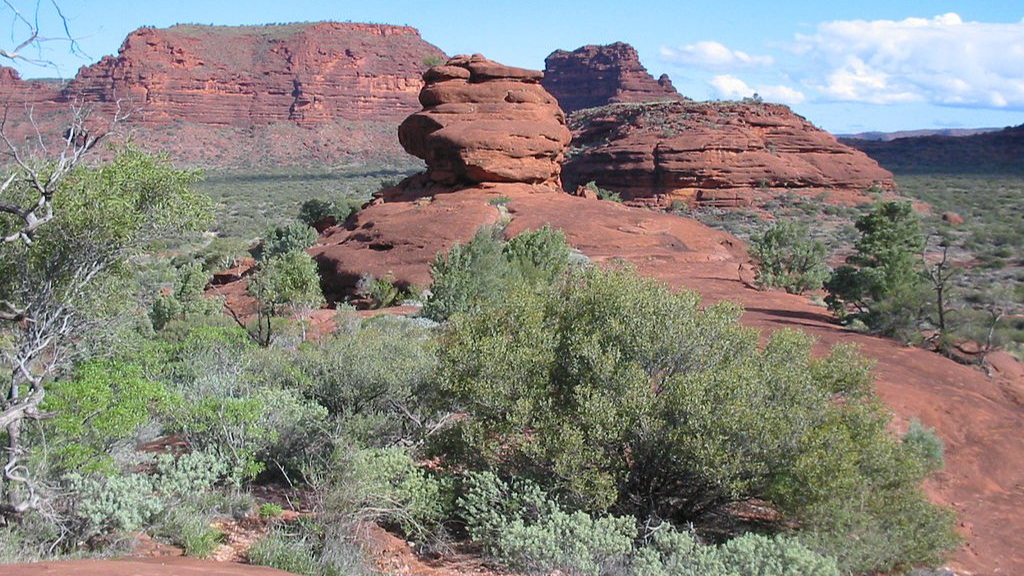 Cgoodwin, CC BY 3.0, Wikimedia Commons
Why Staying Put Matters
The Finke Gorge tourists survived, but police stressed that walking away from a stranded vehicle is generally dangerous in remote Australian conditions. A vehicle offers shade, shelter, and a much larger target for search aircraft. Travelers who begin walking may unknowingly move away from the areas rescuers are searching. The tourists' decision was understandable, but their successful rescue shouldn't disguise the enormous risks of crossing exposed desert terrain in 104°F heat.
Four Tourists Vanish In Death Valley
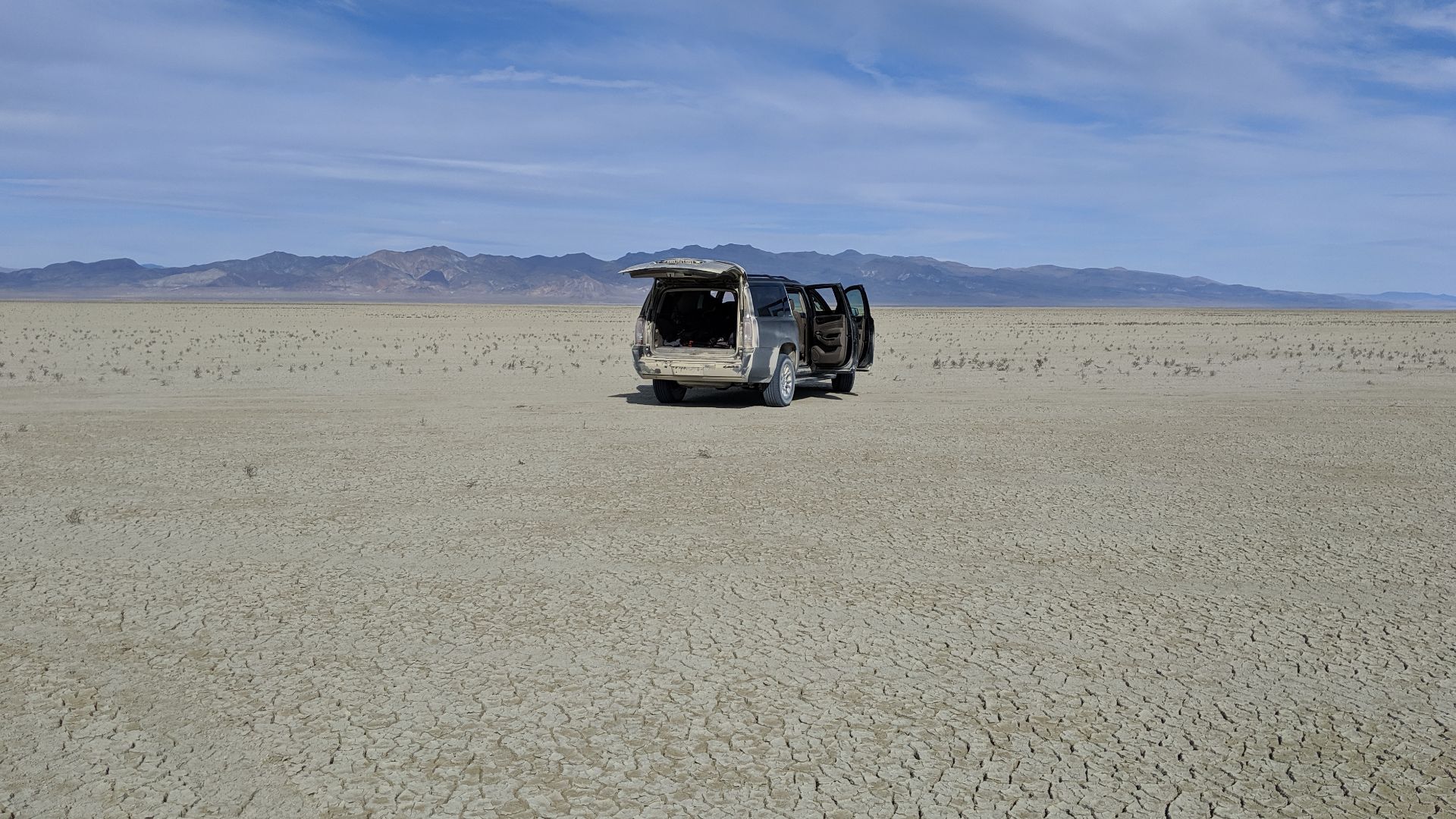
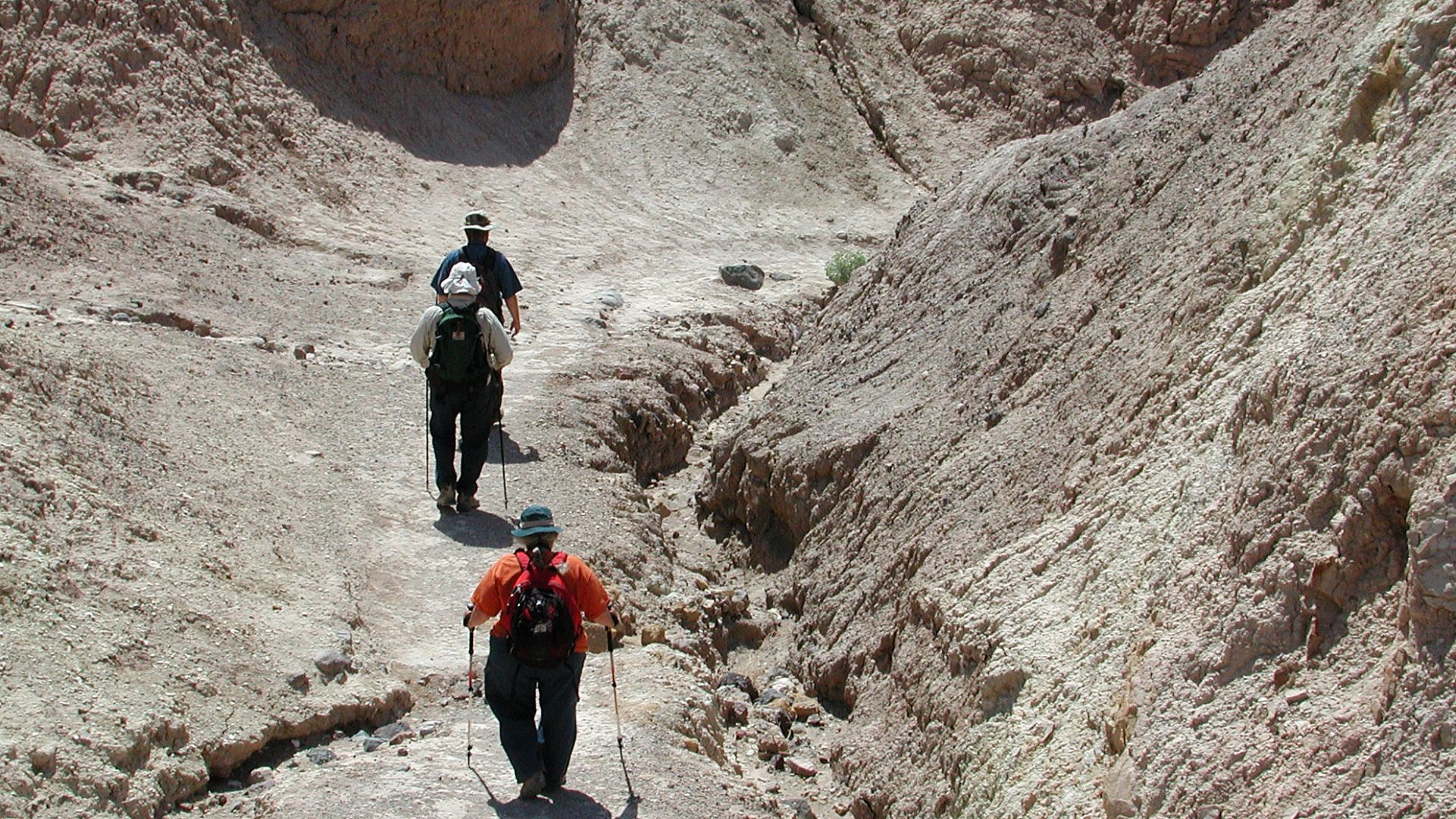
In July 1996, four German tourists, including two children, disappeared while traveling through Death Valley. Their rental van was eventually discovered stranded in a remote wash, but extensive searches failed to locate the missing family. The disappearance became one of the park's most haunting mysteries. Their decision to drive into an isolated section of desert left them far from dependable roads, water, and assistance during one of the hottest times of year.
A Mystery Lasting Thirteen Years
For years, experienced desert searchers tried to determine what had happened to the German visitors. In November 2009, search-and-rescue volunteers Tom Mahood and Les Walker discovered human remains and personal belongings in a remote area south of the abandoned van. The discovery helped resolve a mystery that had persisted for more than thirteen years. Although the precise circumstances of the tourists' final hours remain uncertain, their disappearance demonstrates the terrible consequences of becoming stranded in inaccessible desert country.
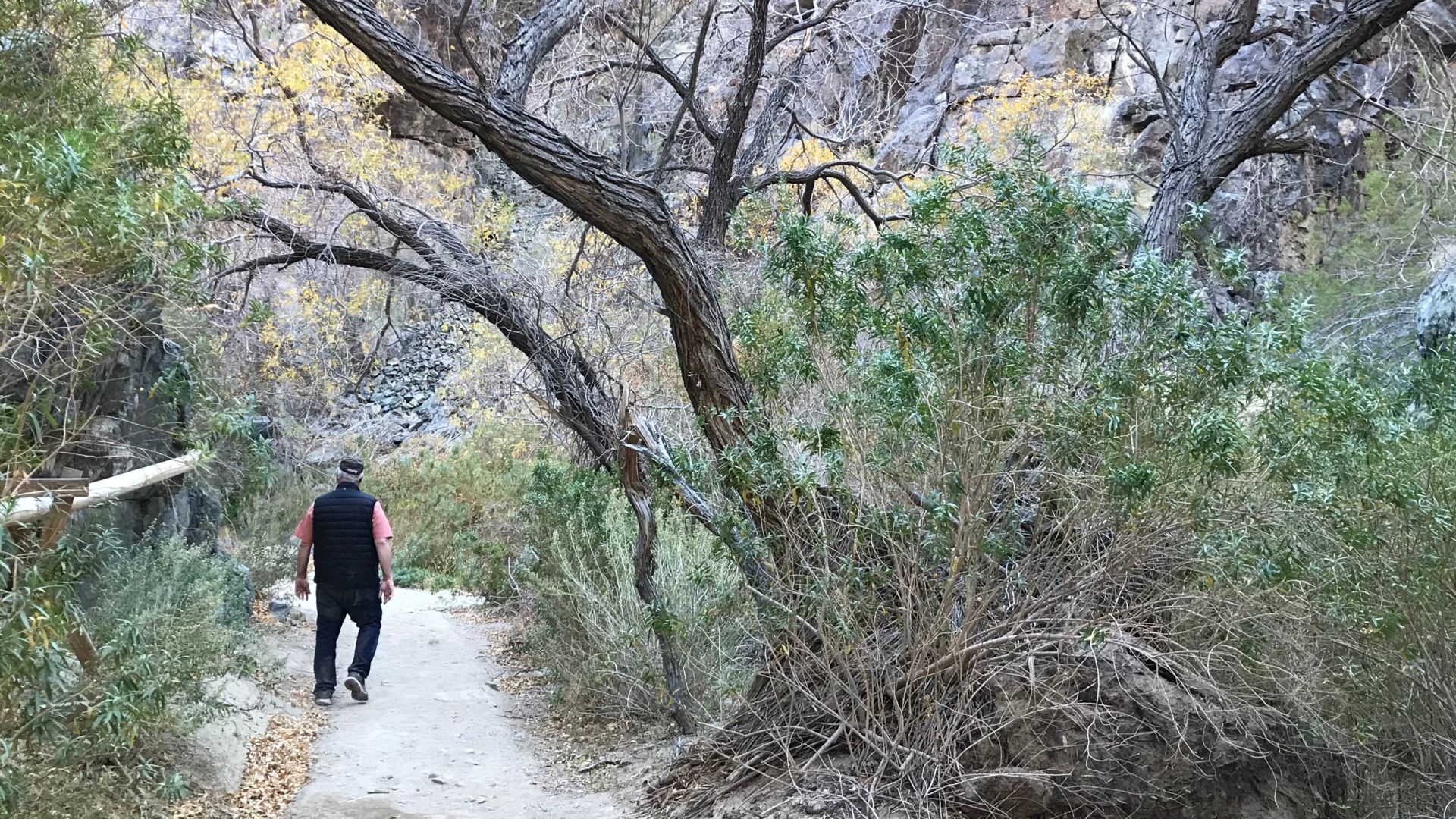 Tracie Hall from Orange County, us, Wikimedia Commons
A Veteran Outdoorsman Takes A Hike
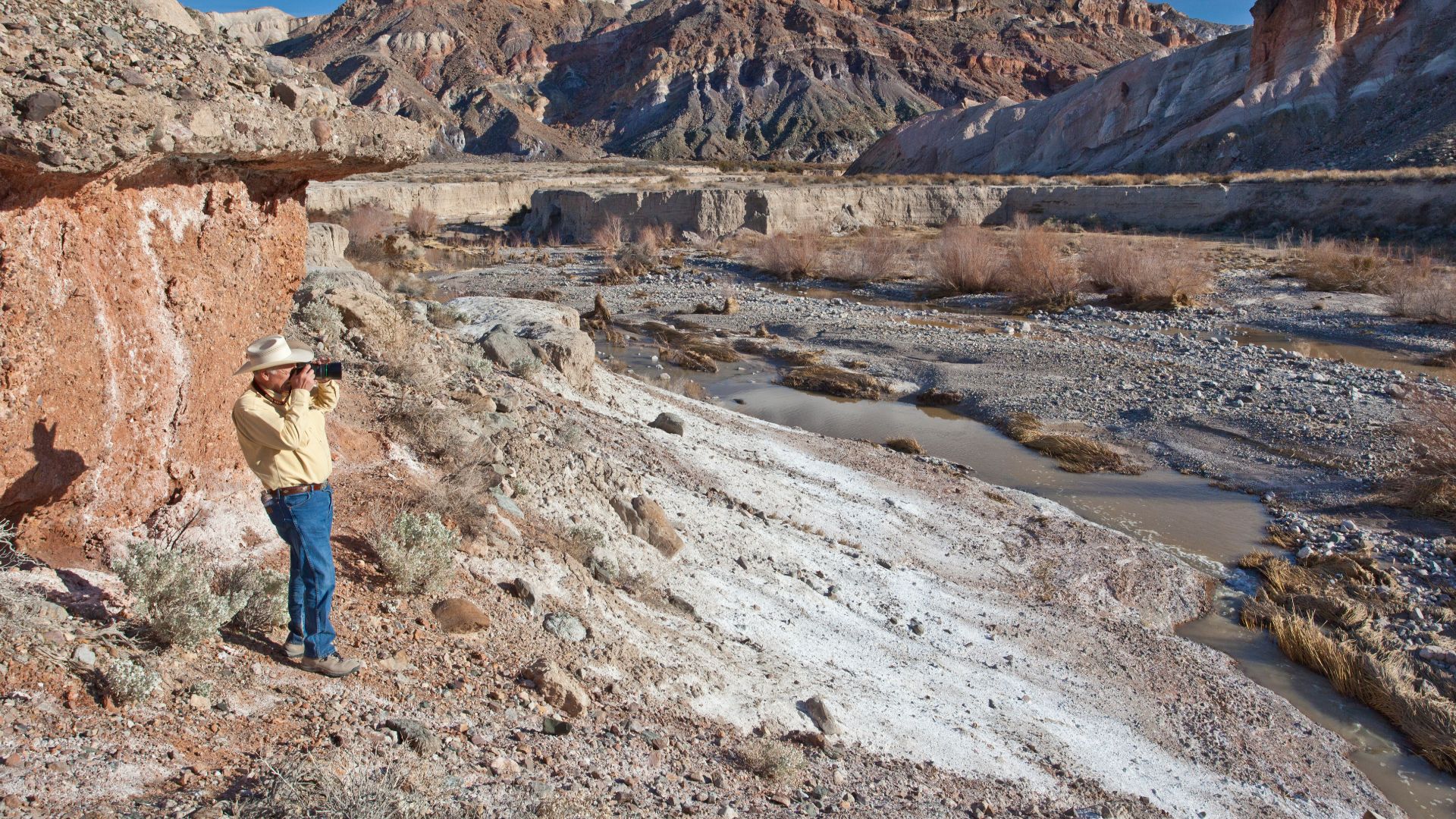
Steve Curry, a 71-year-old California resident, loved hiking, climbing, and outdoor adventure. In July 2023, he traveled to Death Valley during an intense heat wave, determined to experience its extraordinary landscape. He completed a demanding hike between Golden Canyon and Zabriskie Point despite dangerously high temperatures. Curry wasn't someone unfamiliar with strenuous outdoor activity. Nevertheless, his experience and enthusiasm couldn't protect him from the physical effects of the desert heat.
 mypubliclands, Wikimedia Commons
His Final Desert Adventure
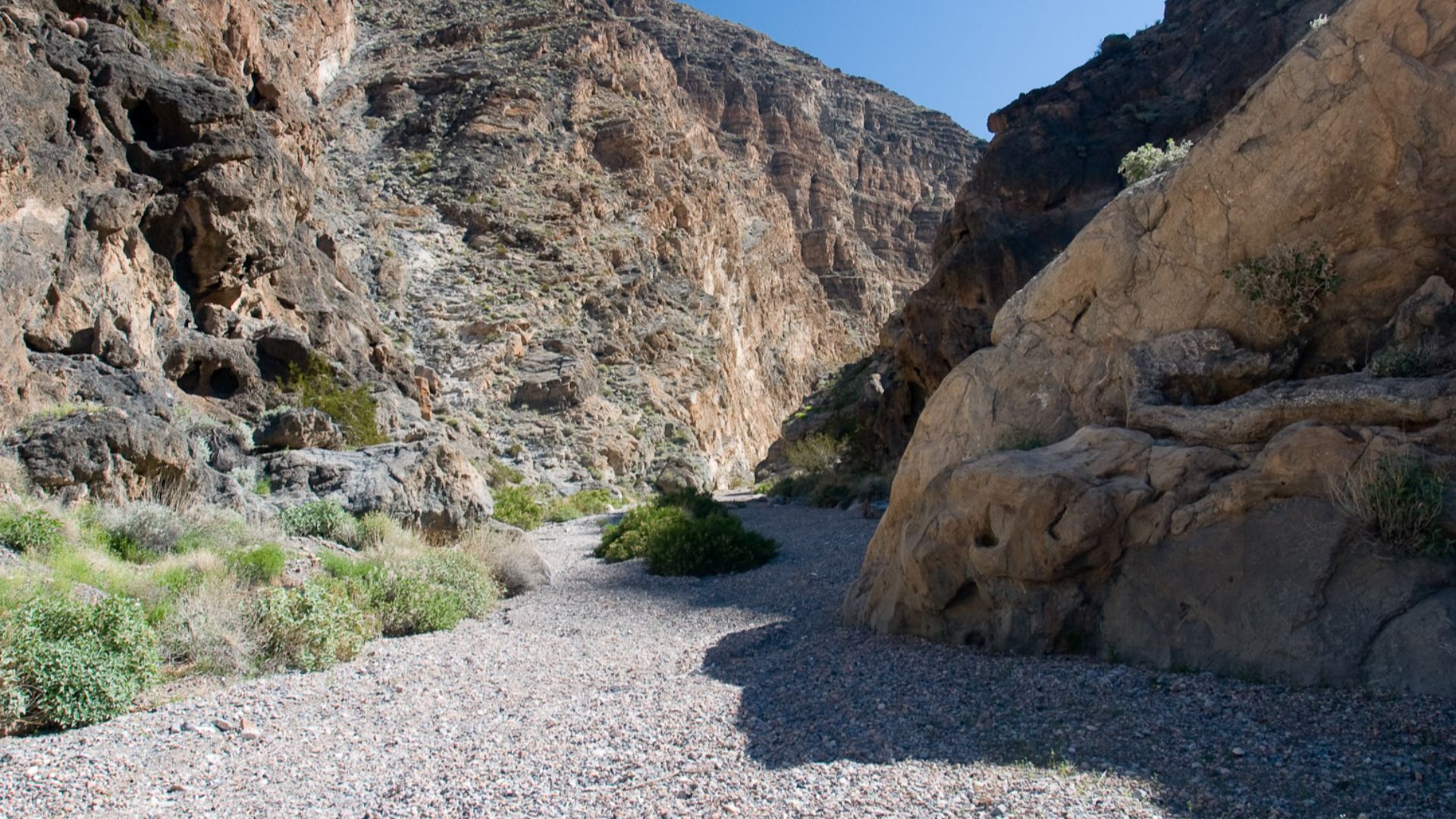
After completing his hike, Curry collapsed and soon expired from what officials believed were heat-related causes. The tragedy attracted considerable attention because he had been photographed hiking through Death Valley shortly before that. His wife later described how much he had loved outdoor adventures. The incident offered a sobering reminder that physical fitness, determination, and years of experience cannot eliminate the danger posed by extreme temperatures.
 Greg Willis from Denver, CO, usa, Wikimedia Commons
A Short Walk Ends Tragically
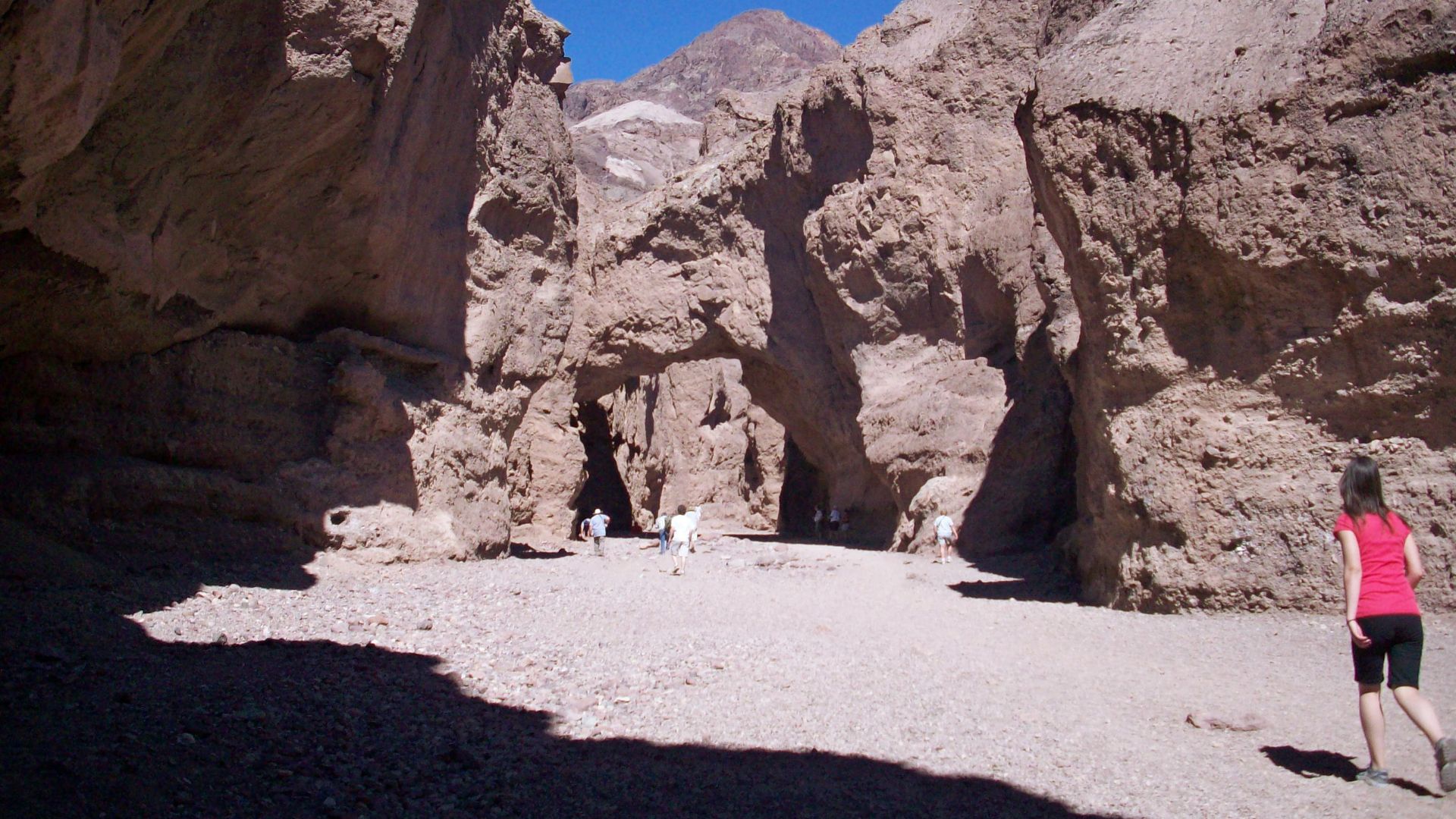
On August 1, 2024, 57-year-old Peter Robino visited the Natural Bridge Trailhead in Death Valley. Temperatures reached approximately 119°F that afternoon. After returning from the trail, witnesses noticed that Robino appeared confused and was struggling to respond coherently. He entered his vehicle but drove over a 20-foot embankment at the edge of the parking lot. Bystanders rushed to help, unaware that his condition was already critical.
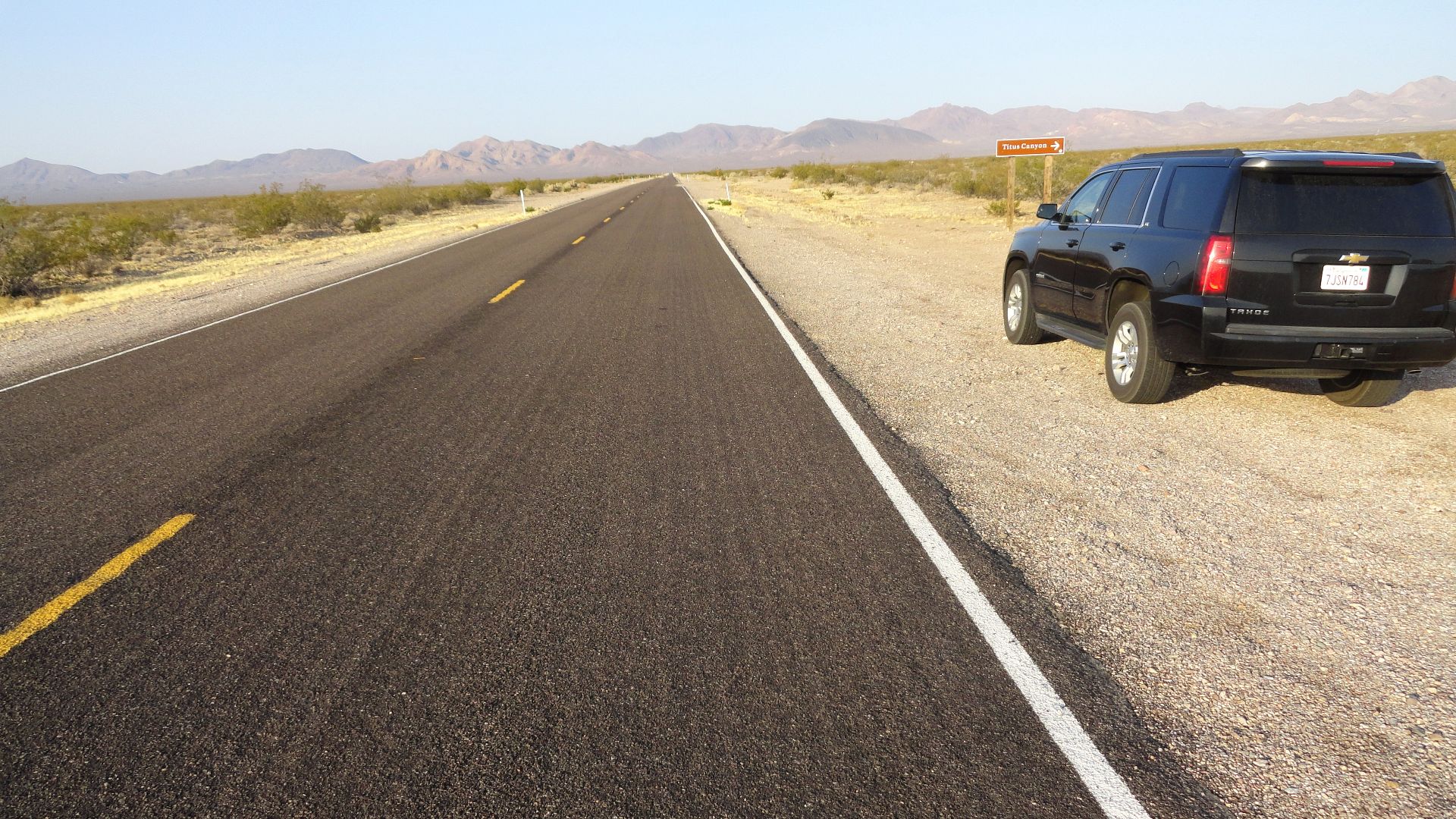 Fabio Achilli from Milano, Italy, Wikimedia Commons
When Heat Affects Judgment
Witnesses helped Robino return to the parking area and provided shade while emergency responders were summoned. Tragically, he stopped breathing before park rangers arrived, and resuscitation efforts were unsuccessful. An autopsy determined hyperthermia as the cause. Park officials emphasized that overheating can cause confusion, irritability, and impaired coordination. The case illustrates why heat illness is especially dangerous: victims may lose the ability to recognize their own deteriorating condition.
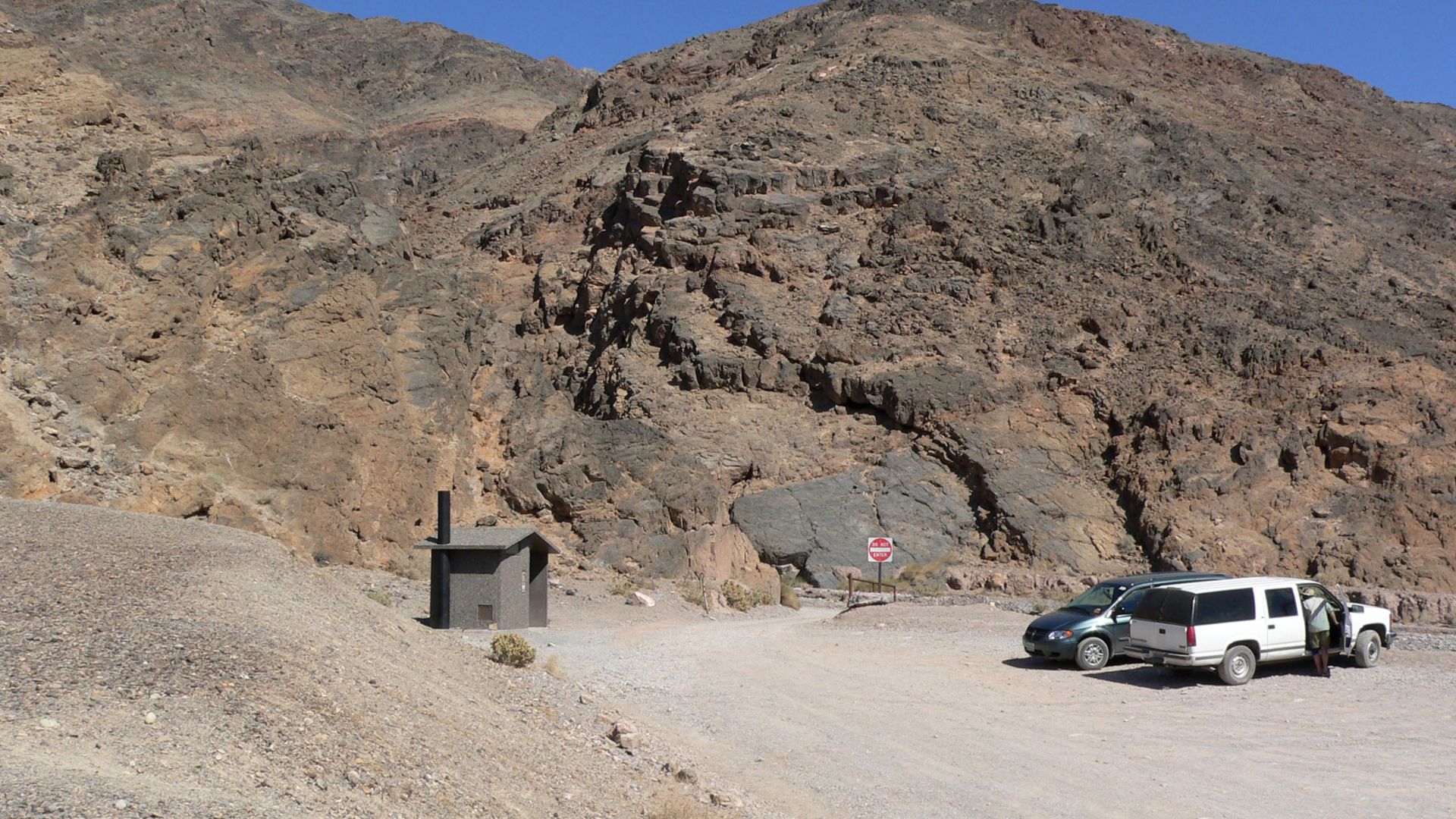
Grand Canyon's Dangerous Descent
In June 2026, an 18-year-old hiker attempted a day trip from the Grand Canyon's South Rim to the Colorado River and back. On June 3, emergency personnel received reports that he was experiencing heat-related symptoms along the Bright Angel Trail below Havasupai Gardens. Rangers located him in a remote area near Garden Creek, approximately 30 feet below the trail. Despite a coordinated helicopter rescue effort, he lost his life. The incident demonstrated the danger of descending into the canyon's increasingly hot interior.
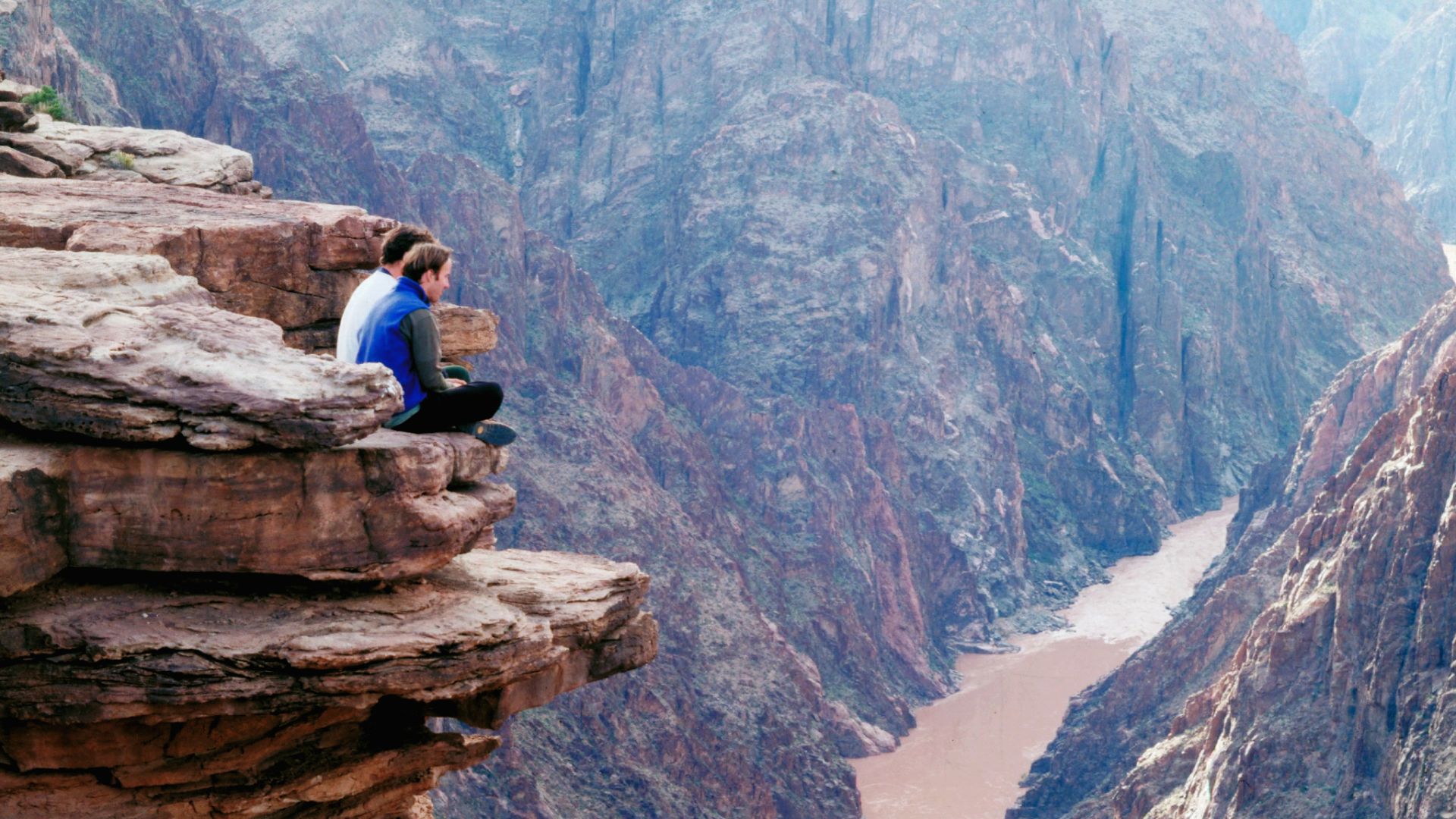 National Park Service Digital Image Archives, Wikimedia Commons
Three More Lives Lost
The same month brought further tragedy. On June 12, a 72-year-old man perished after an apparent heat-related illness on the South Kaibab Trail. Four days later, a 67-year-old man and a 68-year-old woman both lost their lives during a trip on the North Kaibab Trail, with heat illness suspected. Park officials warned that inner-canyon temperatures could exceed 109°F even in the shade. The deaths underscored how unforgiving the Grand Canyon becomes during summer.
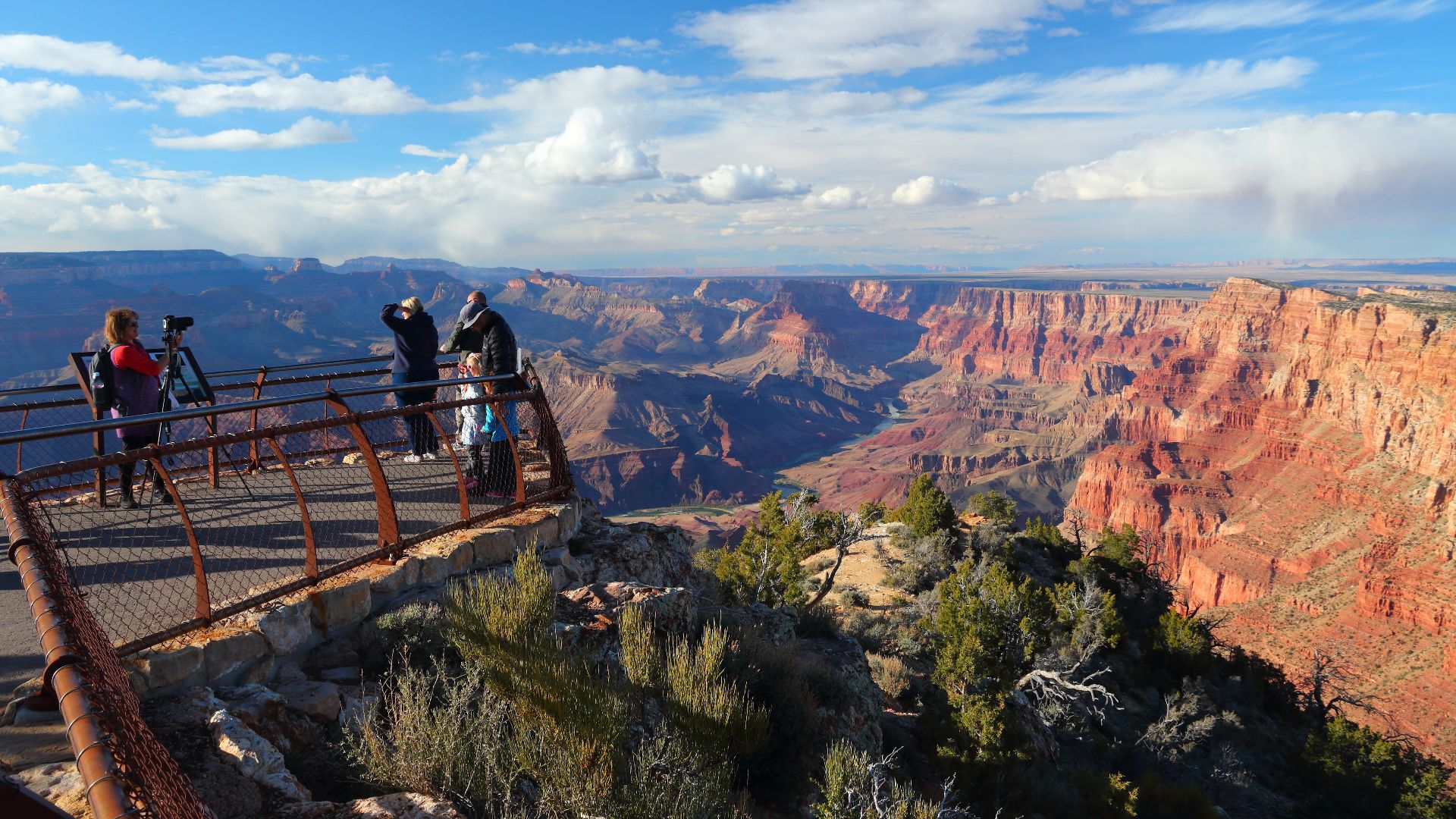 Marek Ślusarczyk (Tupungato) Photo portfolio, Wikimedia Commons
Three Days Without Water
In March 2024, three men became stranded when their vehicle bogged down in remote Queensland, Australia. With no reliable phone reception, they wandered through the outback searching for assistance. One man eventually walked approximately 24 kilometers trying to obtain a signal. The group spent three days lost without food or water before a rescue helicopter located them. Their ordeal demonstrated how quickly a vehicle problem can turn into a desperate struggle when travelers leave established routes.
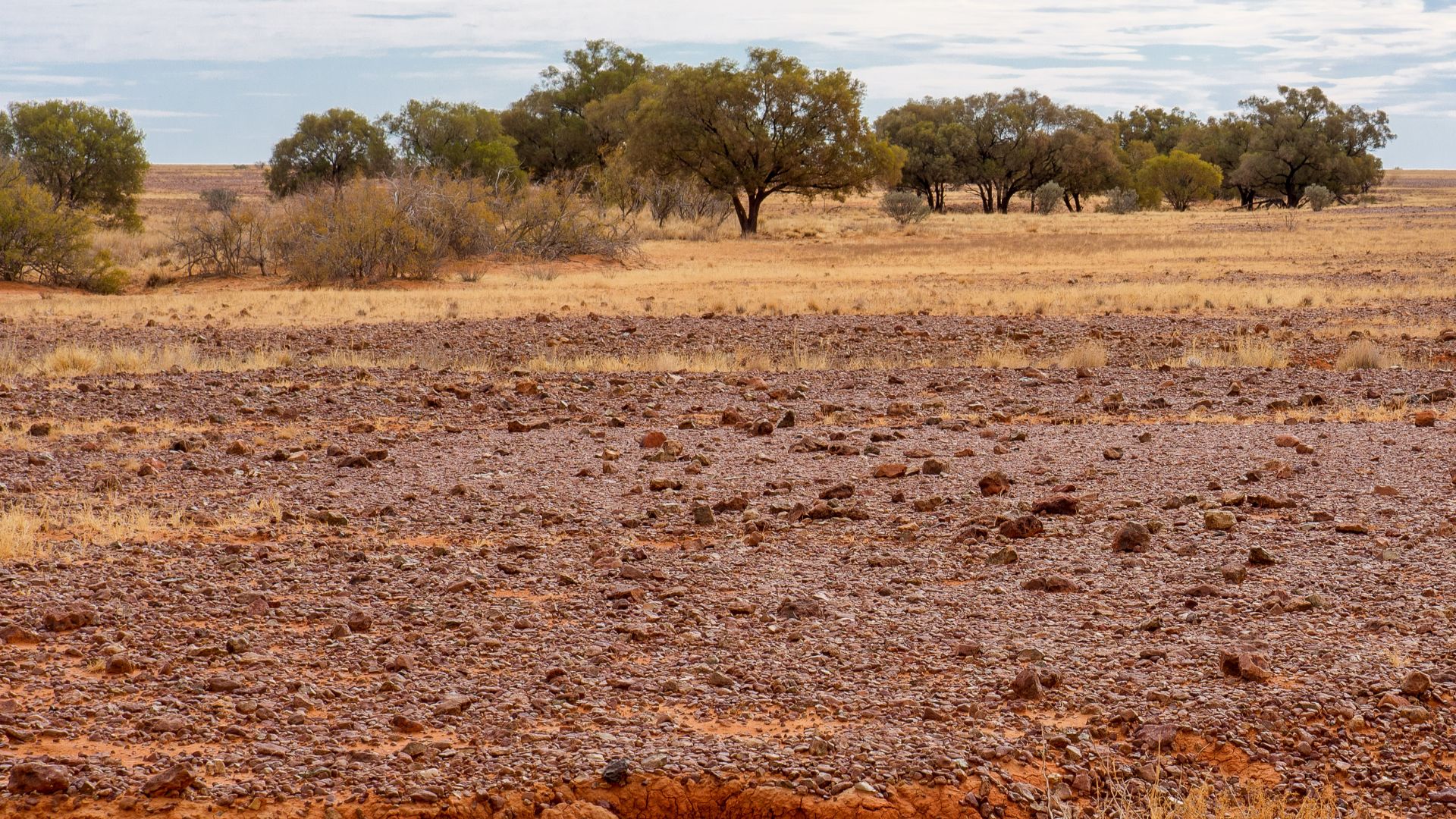 David Elliott, Wikimedia Commons
A Helicopter Finally Arrives
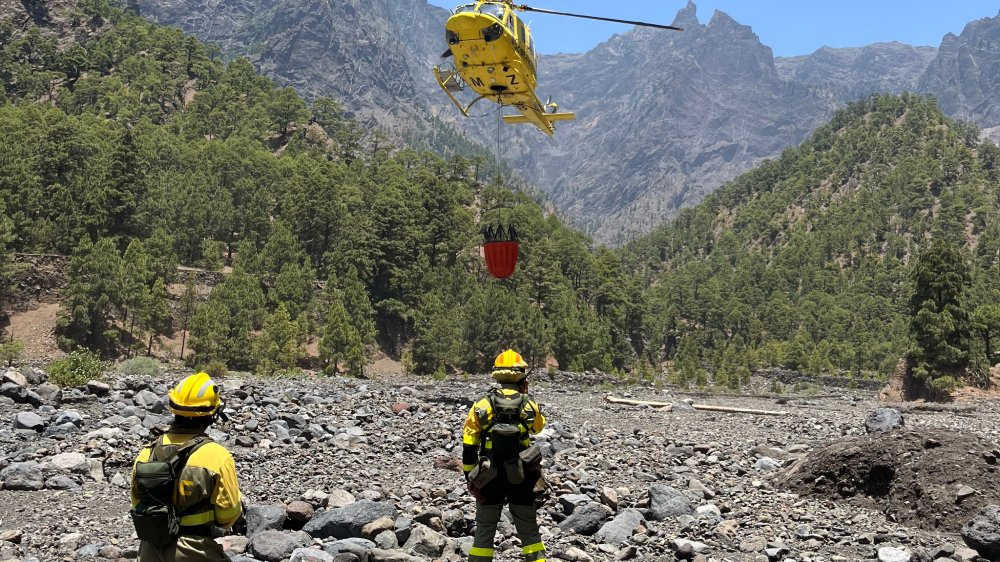
Rescuers eventually airlifted all three Queensland travelers to Mount Isa Hospital, where they underwent medical assessment. One of the men had existing medical conditions that added to concerns about the group's welfare. Their survival was fortunate, particularly after several days without dependable water supplies. The case illustrates the importance of carrying emergency communications equipment, adequate provisions, and a clear travel plan when exploring remote desert regions.
The Desert Always Has Advantages
These stories involve experienced adventurers, ordinary tourists, families, and travelers who simply made a wrong turn. Some survived because they carried emergency beacons, stayed with their vehicles, or received timely assistance. Others were not so fortunate. The common lesson is that desert heat doesn't care how confident or experienced someone feels. Avoiding midday exertion, carrying adequate water, checking conditions, and turning back early can make the difference between a memorable adventure and a fatal mistake.
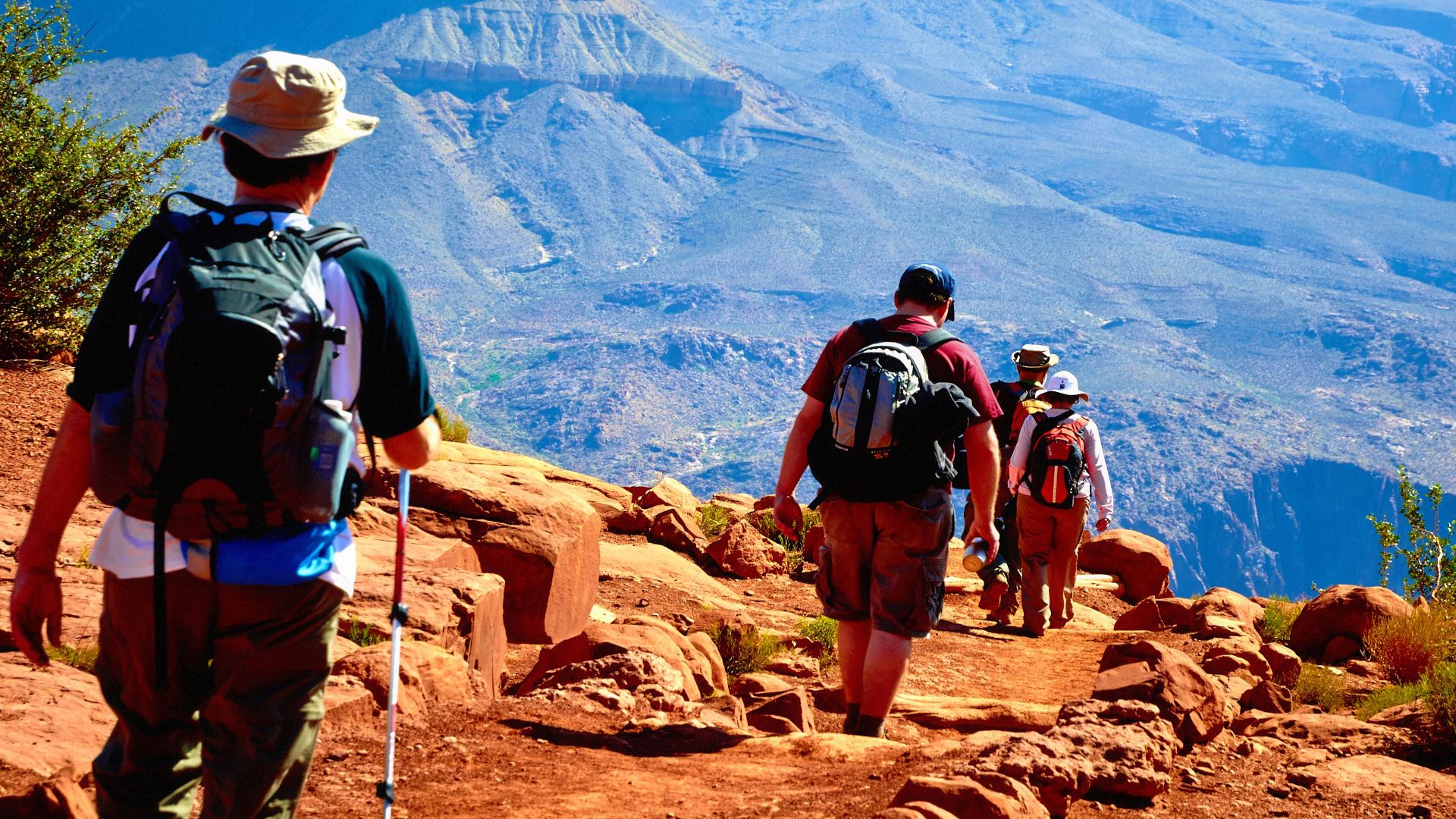 Moyan Brenn from Italy, Wikimedia Commons
You May Also Like:
America's Most Dangerous Camping Destinations
Photos Of The Sand Dwellers Who Live In Temperatures Above 120°F
Famous American Hiking Trails With Dark Stories Behind Their Most Beautiful Views