A Remarkable Discovery Hidden Beneath The Ice
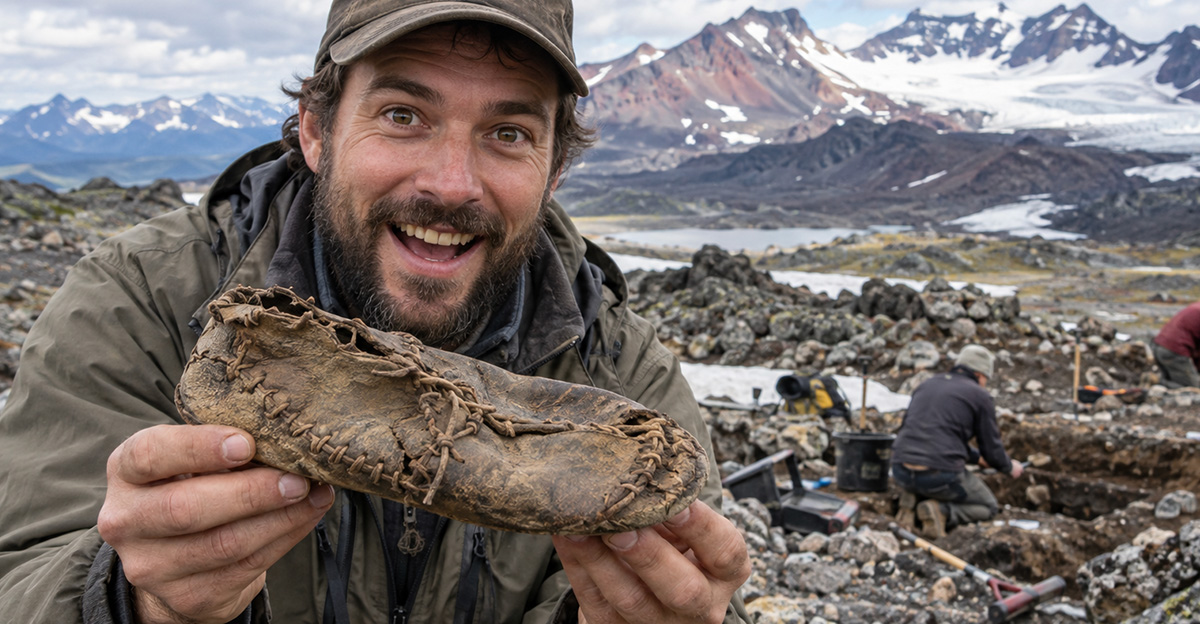
Imagine losing your favorite pair of shoes, only for someone to discover them 6,200 years later. That's essentially what may have happened in British Columbia, where archaeologists uncovered a remarkable piece of stitched animal hide. The ancient find could offer fascinating evidence of how Indigenous people protected their feet thousands of years ago.
An Ancient Secret Beneath The Mountains
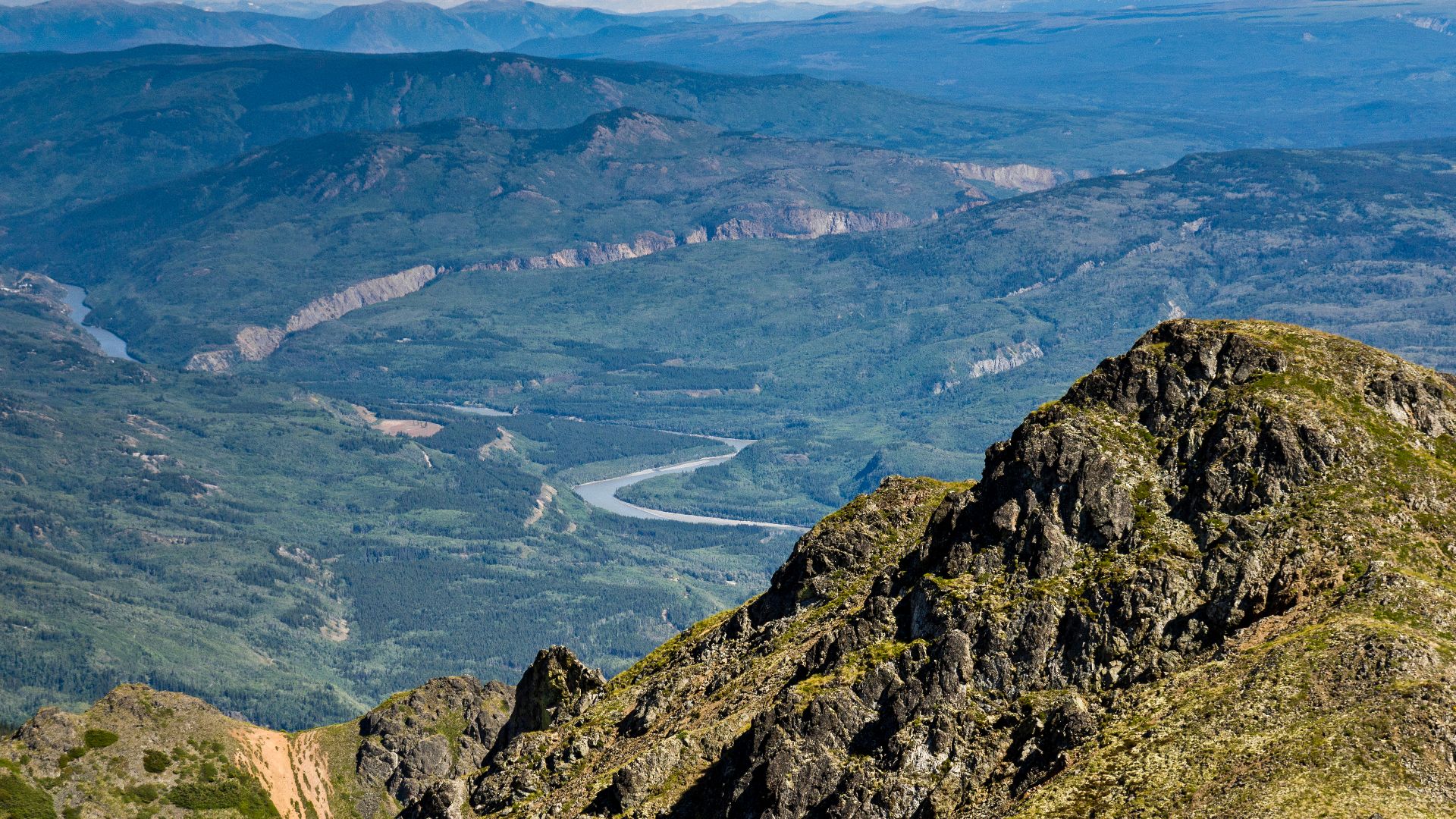
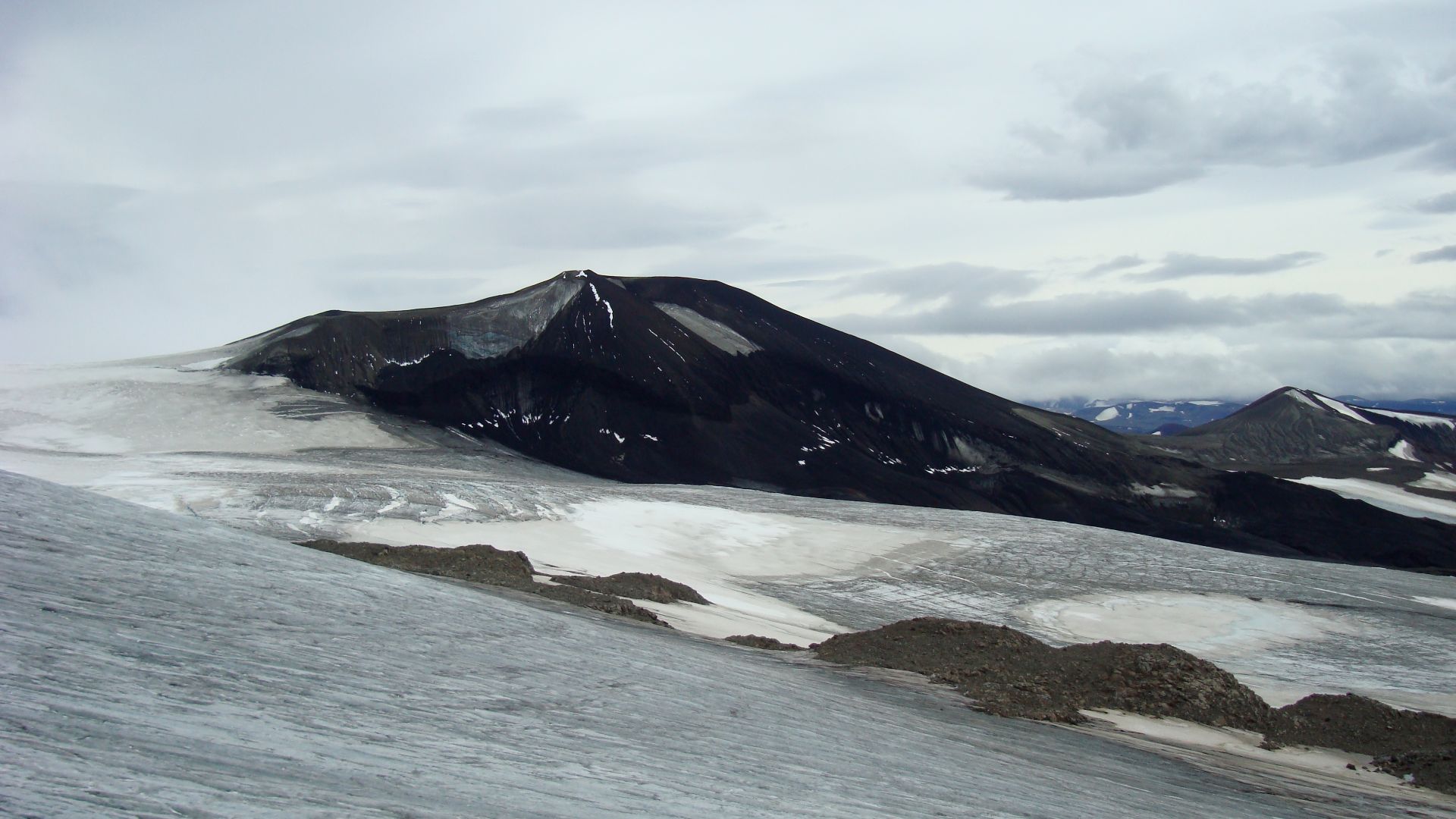
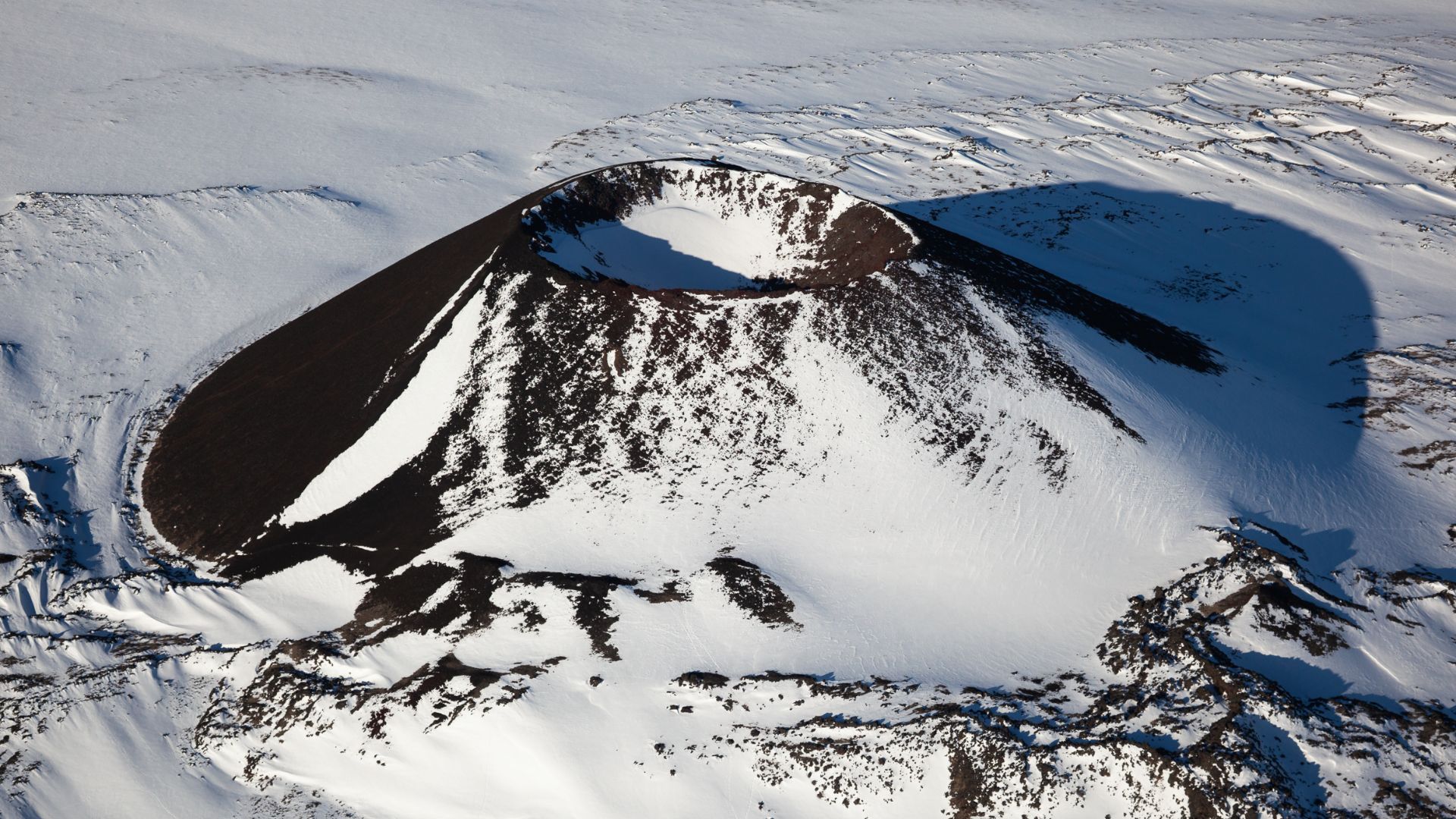
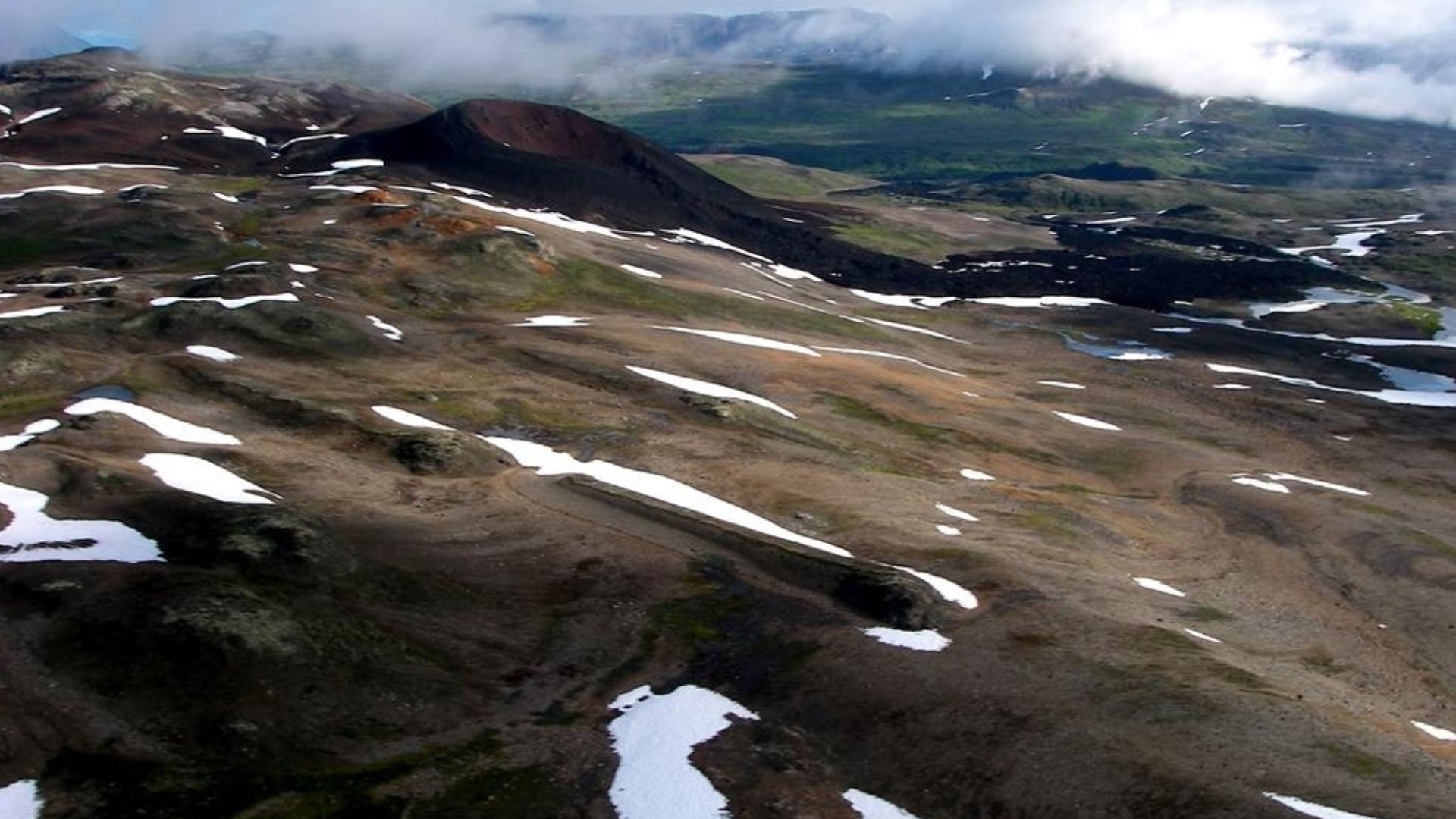
The discovery occurred in Mount Edziza Provincial Park, a rugged volcanic region in northern British Columbia. For thousands of years, this mountainous landscape has been visited by Indigenous communities. However, researchers weren't expecting melting ice to reveal such an extraordinary collection of objects, including something that looked suspiciously like ancient footwear.
 Ethan Reitz, Wikimedia Commons
The Ice Was Hiding Something Extraordinary
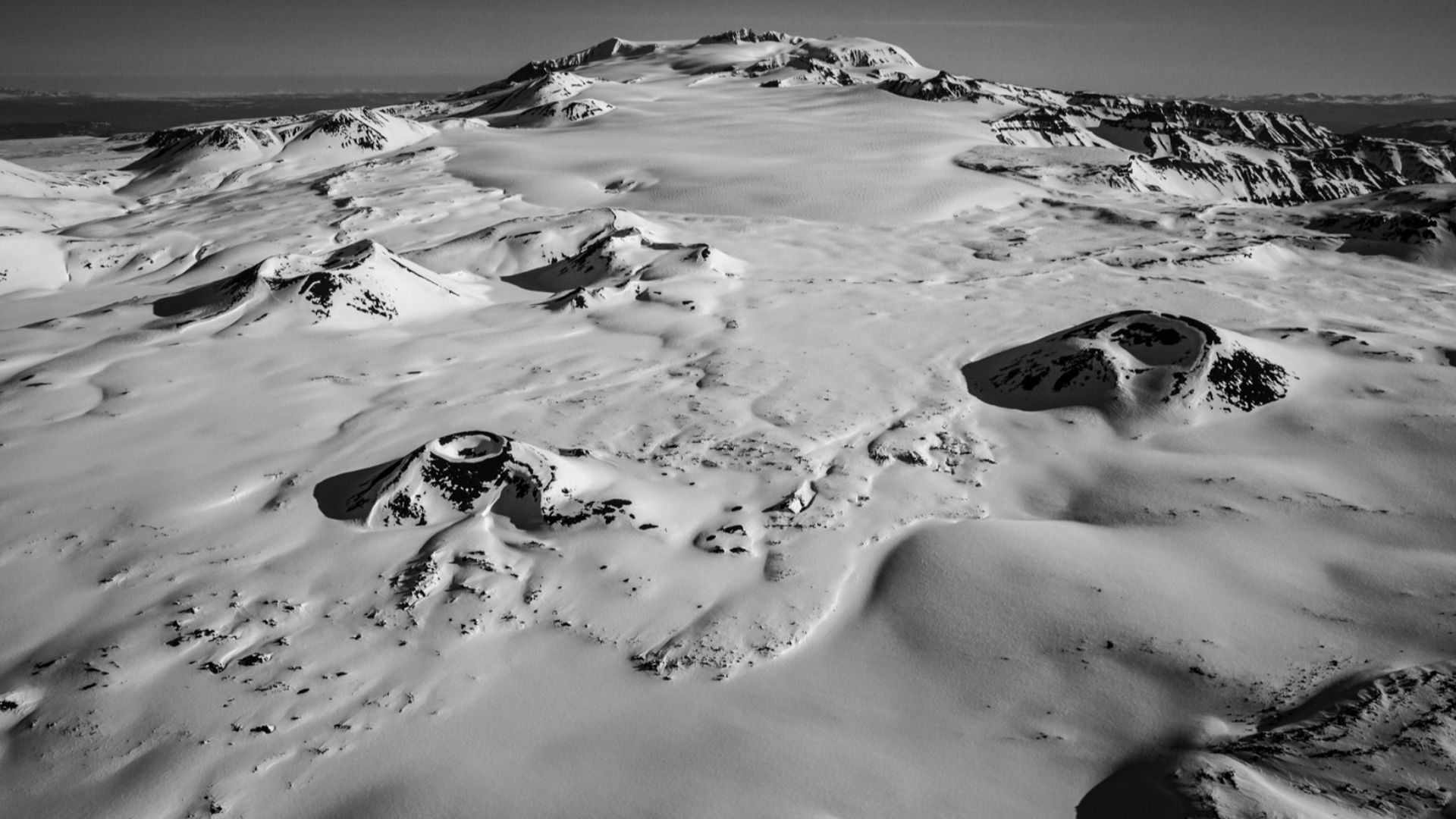
During archaeological surveys of melting ice patches, researchers discovered dozens of objects that had remained remarkably well preserved. Unlike stone tools, materials such as leather, bark, and wood usually disappear over time. Yet the icy conditions had protected these everyday belongings, preserving a remarkable glimpse into ancient life.
 Jagged Ridge Imaging, Wikimedia Commons
A Piece Of Leather Changed Everything
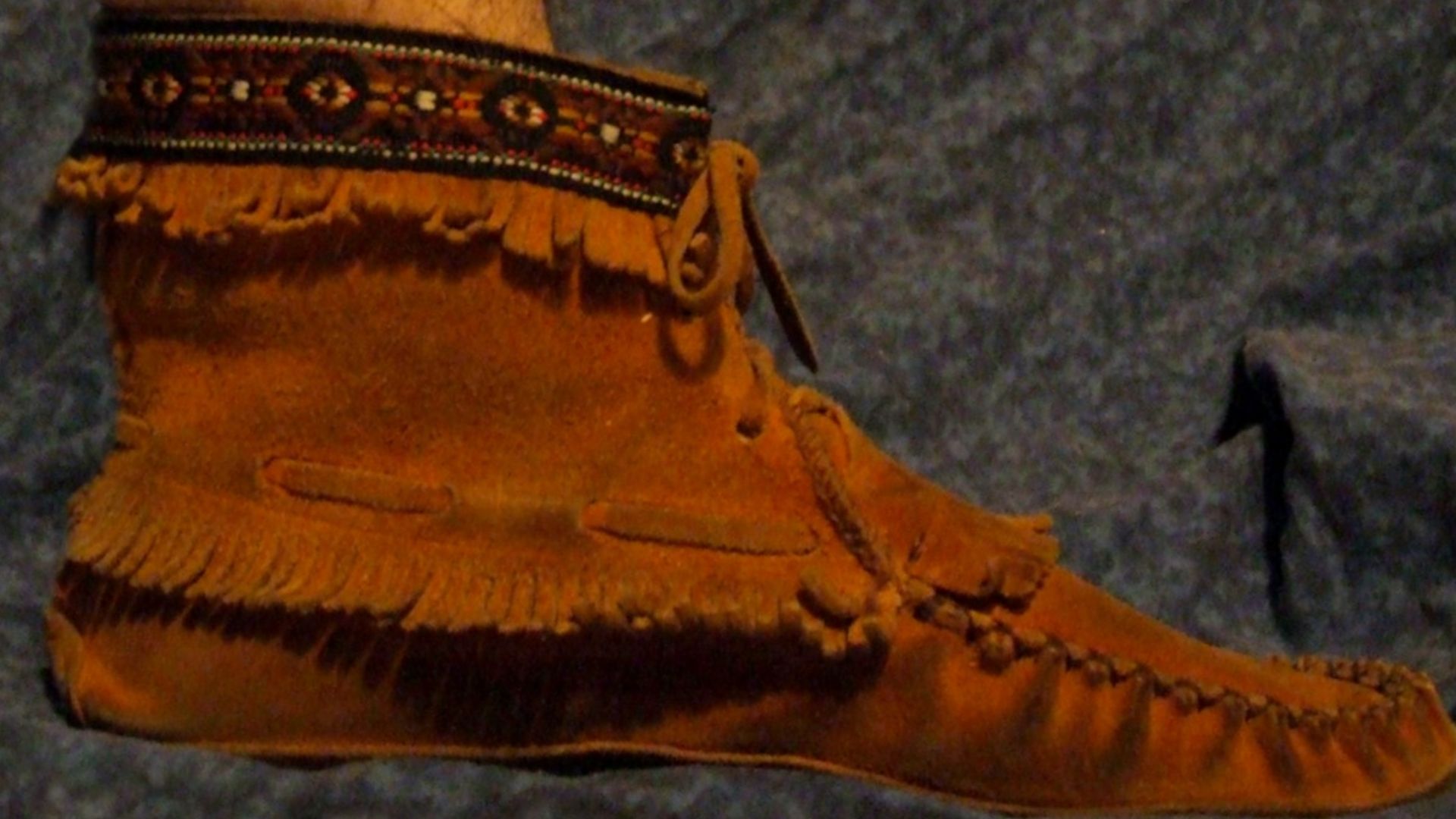
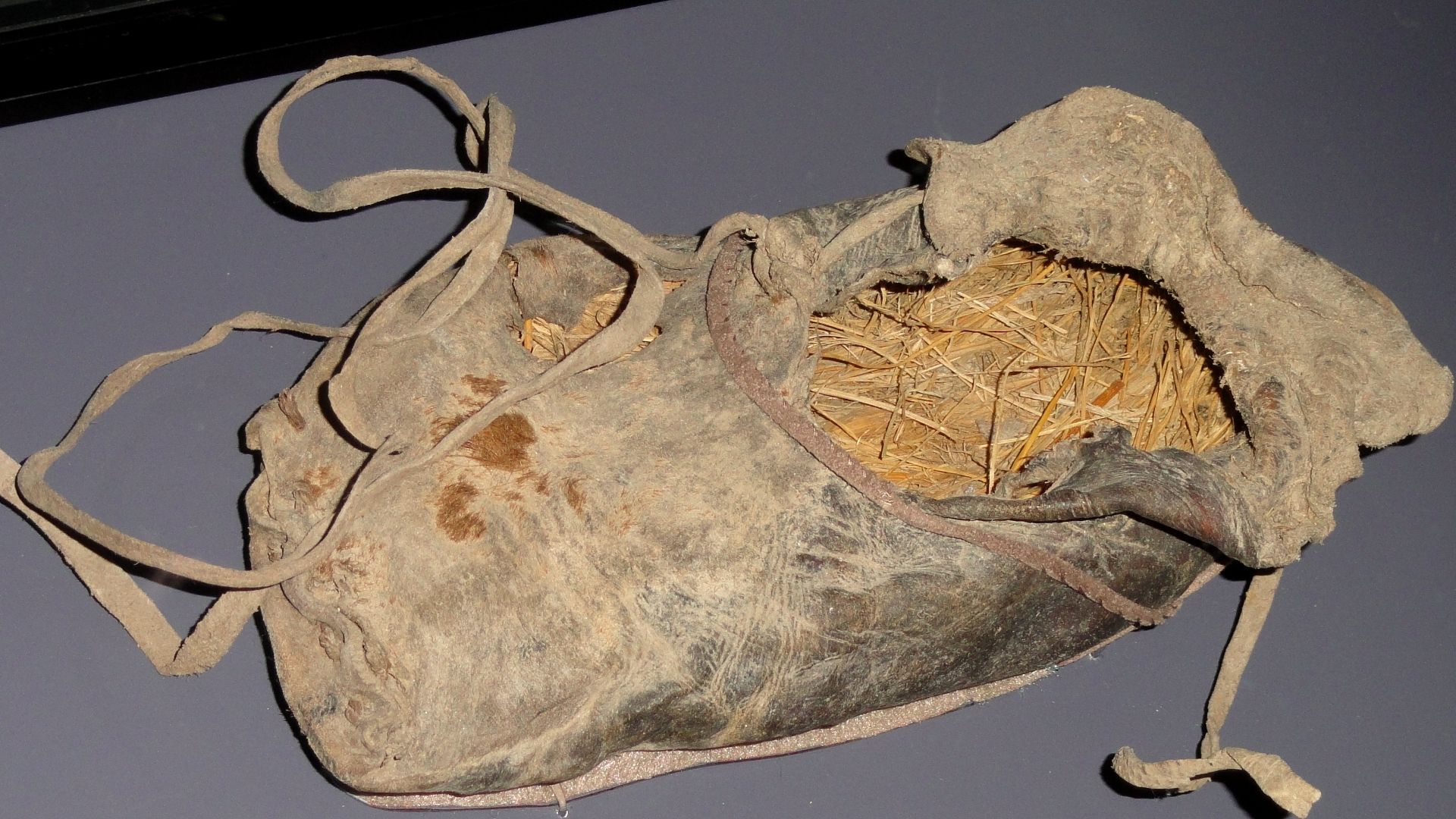
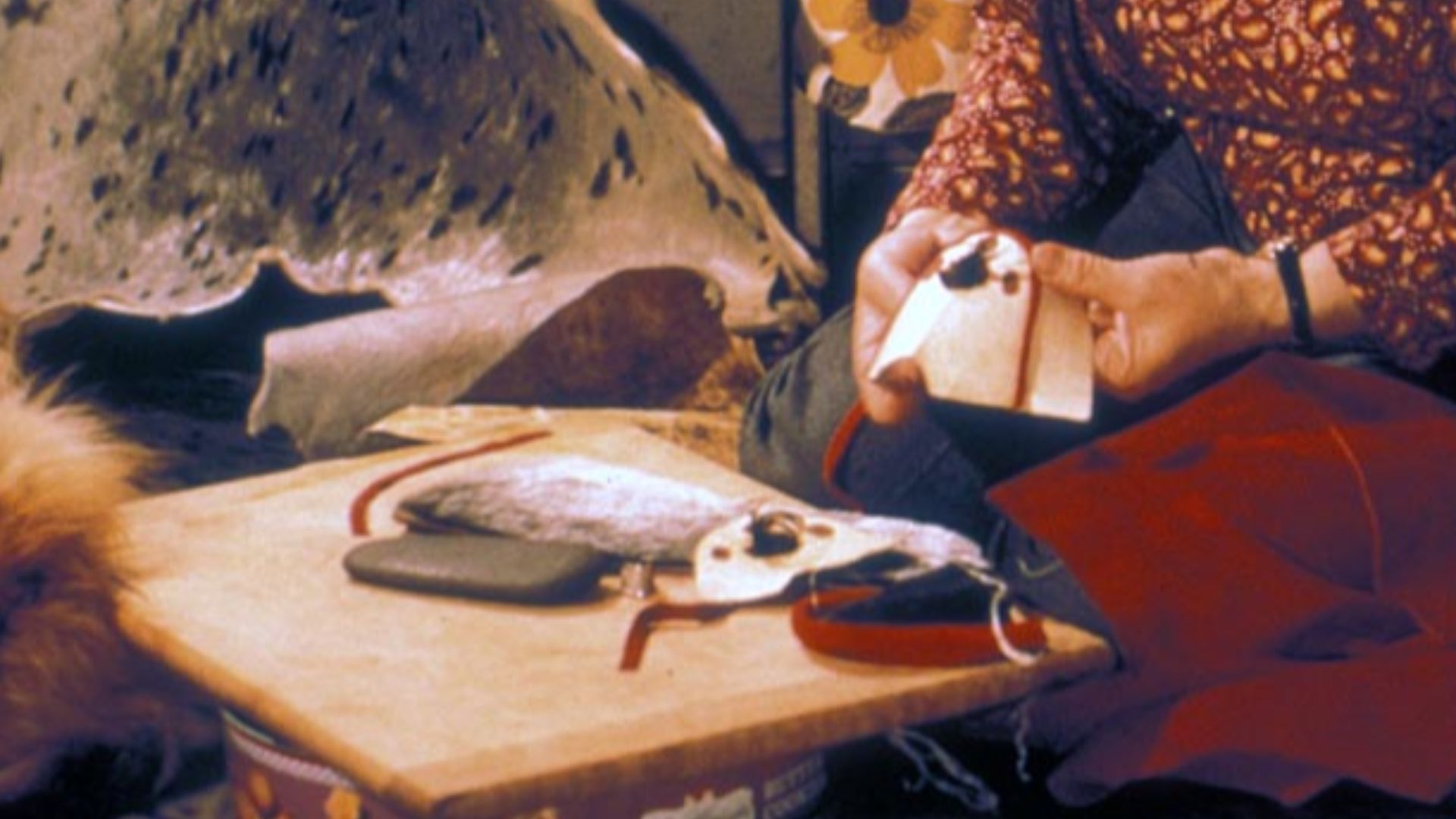
Among the discoveries was a small piece of animal hide bearing unmistakable signs of stitching. Radiocarbon dating placed the artifact at approximately 6,200 years old. What made it particularly interesting wasn't simply its age, but the possibility that it had once formed part of a boot or moccasin-like shoe.
 The original uploader was Sherurcij at English Wikipedia., Wikimedia Commons
Could This Really Be An Ancient Shoe?
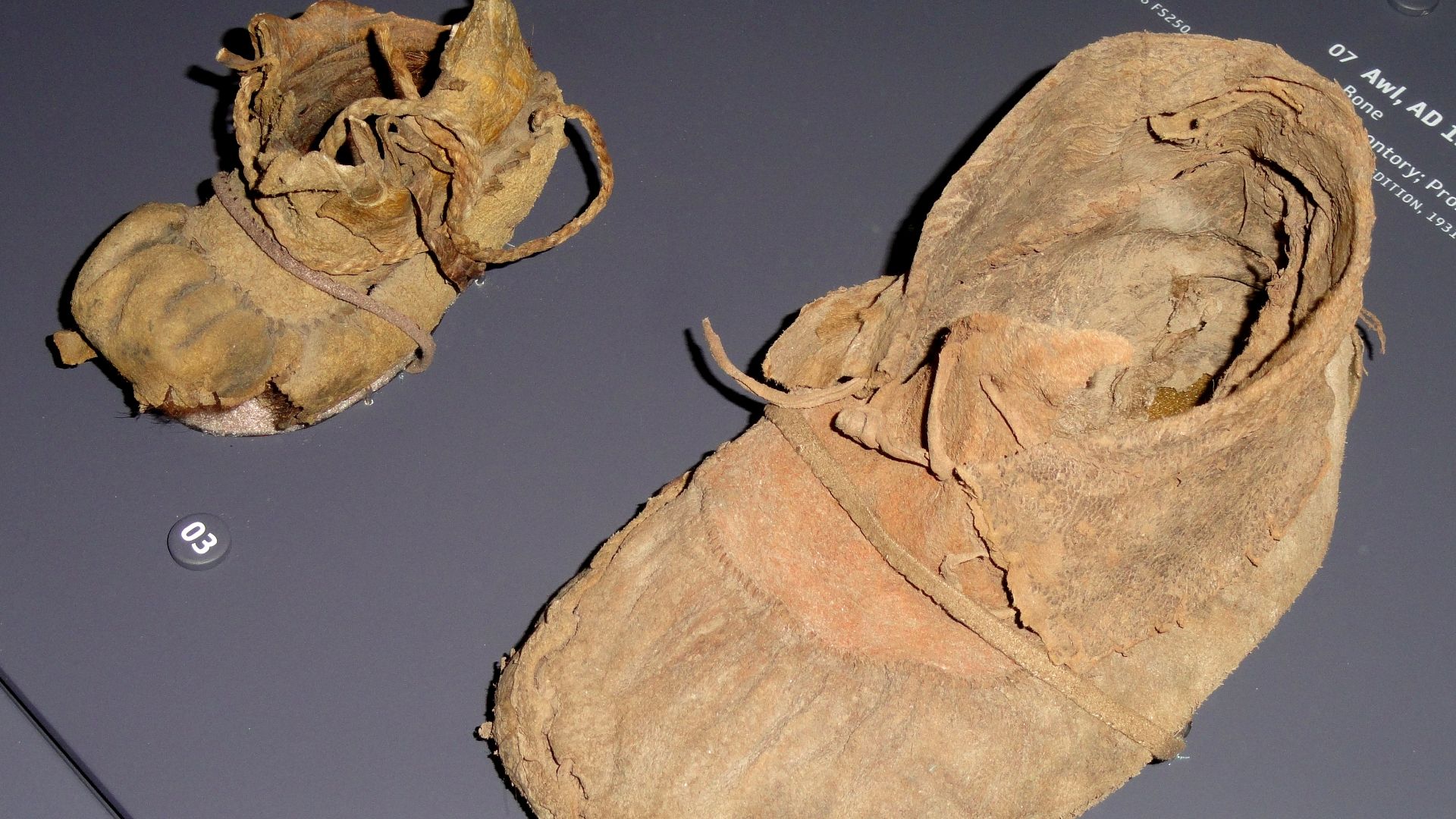
Researchers believe the stitched hide may represent part of an ancient boot, although identifying its exact original shape remains difficult. Thousands of years of preservation and damage can leave clothing fragments looking unfamiliar. Nevertheless, the stitching and construction suggest that someone deliberately shaped and joined animal skins to create a useful object.
The Stitching Was Surprisingly Sophisticated
Perhaps the most impressive feature was the stitching itself. The artifact contained evidence of joined hide and knotted sinew, demonstrating careful workmanship. This wasn't simply an animal skin wrapped around someone's foot. It suggested a more sophisticated understanding of how different pieces of material could be combined into durable equipment.

Ancient People Knew Their Materials
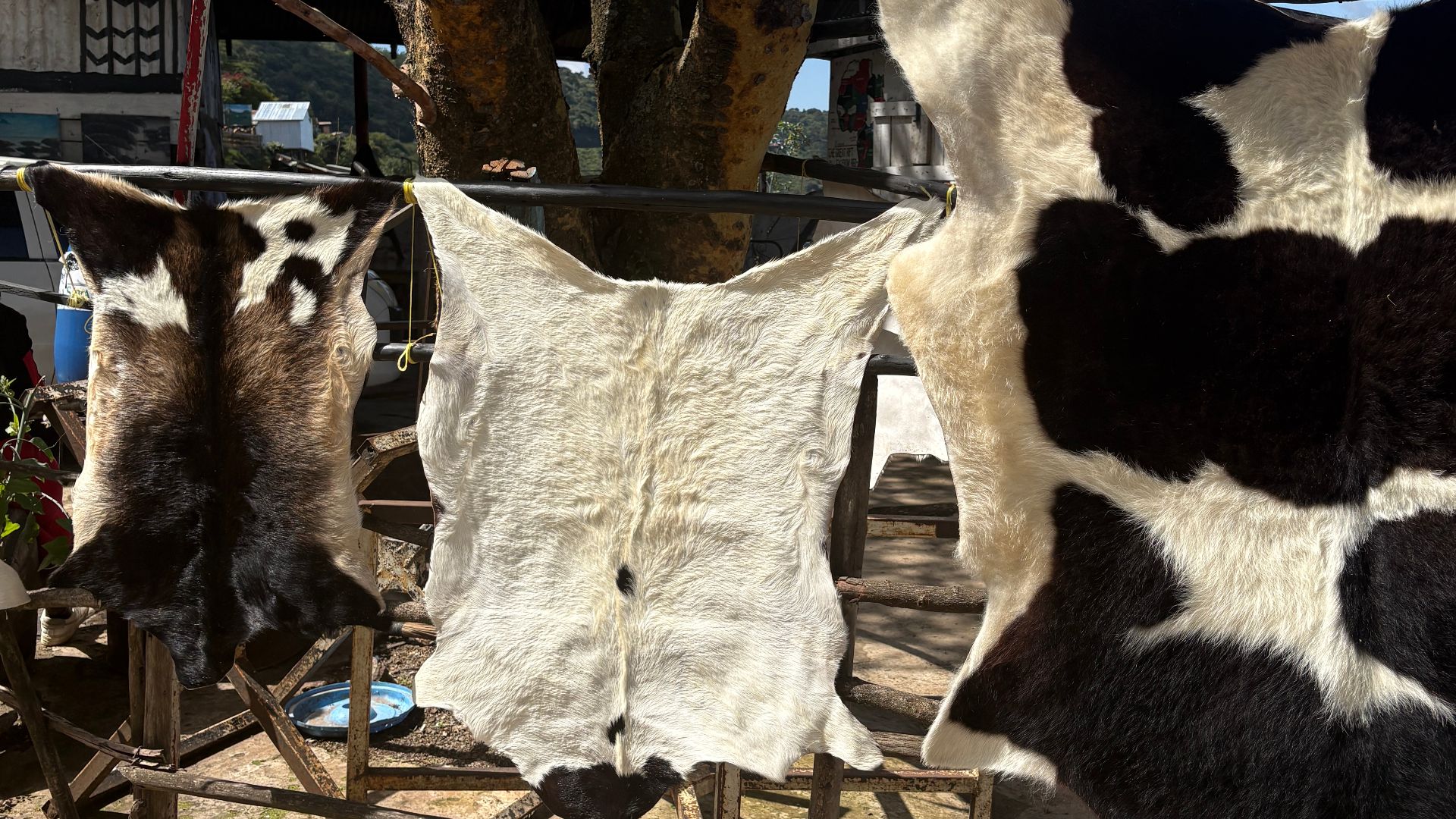
Animal hides offered prehistoric communities a versatile resource for clothing, containers, and protective coverings. Different thicknesses could serve different purposes, while sinew provided strong natural thread. The Mount Edziza discovery suggests its makers understood these properties and possessed the practical skills needed to create carefully stitched objects.
Why Footwear Would Have Been Essential
Anyone who has walked across sharp volcanic rock understands the importance of sturdy shoes. Mount Edziza's landscape includes rough terrain, exposed stone, and challenging weather conditions. For ancient travelers moving through these mountains, protective footwear would have been enormously useful, reducing injuries and making difficult journeys more manageable.
These Mountains Were No Easy Walk
Mount Edziza isn't exactly a pleasant afternoon stroll through the neighborhood. Its volcanic terrain, elevated plateaus, and unpredictable mountain weather present serious challenges. Ancient travelers visiting the region would have needed equipment suited to their surroundings. The possible boot offers a tantalizing glimpse of how they might have prepared.
But There Is An Important Catch
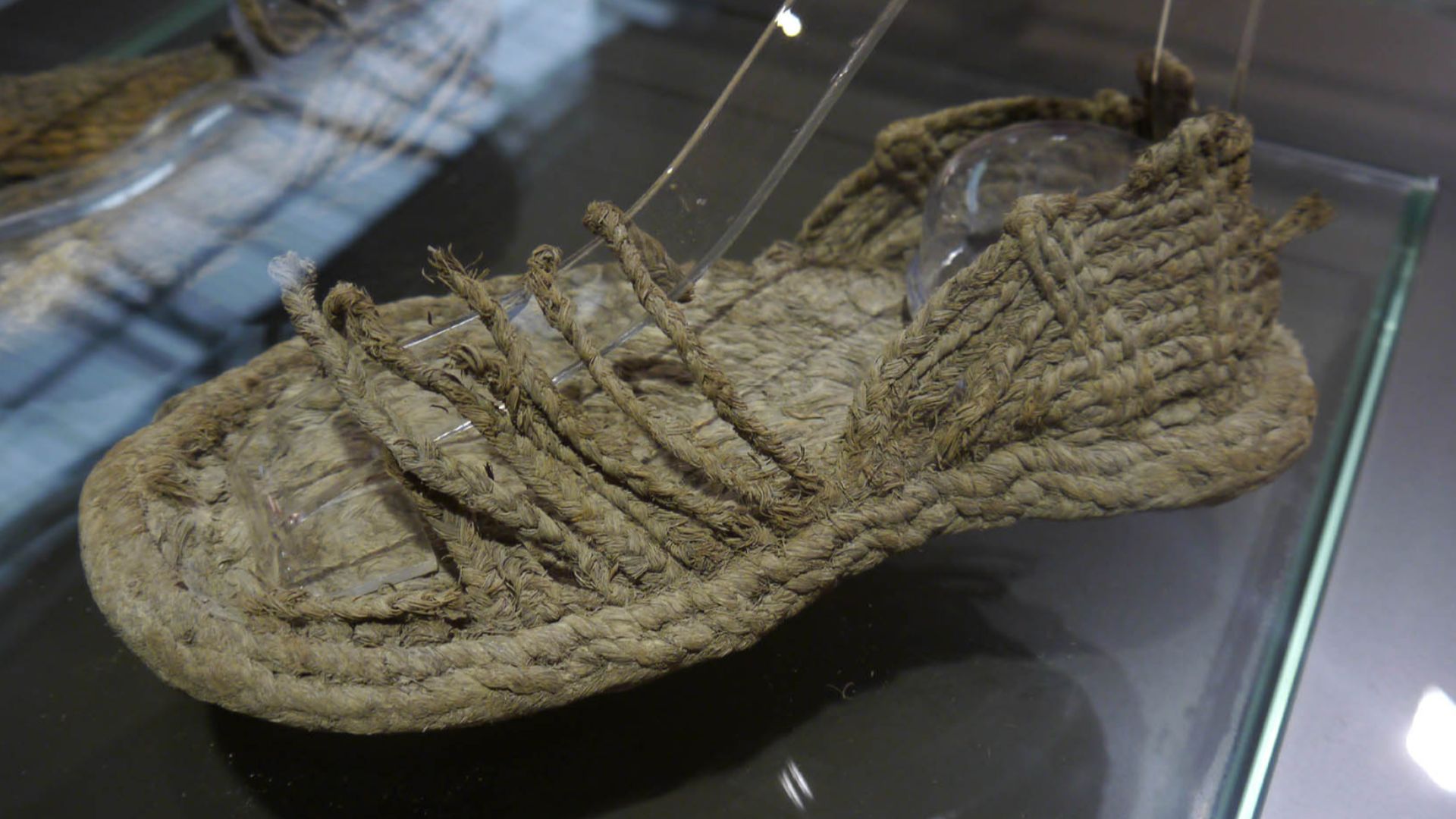
Although the discovery is exciting, it doesn't establish when humans first invented shoes. Evidence of ancient footwear exists elsewhere, including much older examples of preserved sandals. What makes this particular artifact important is its location, preservation, and possible connection to Indigenous clothing traditions in northwestern North America.
 Nanosanchez, Wikimedia Commons
The Discovery Was Part Of Something Bigger
The stitched hide wasn't discovered alone. Archaeologists documented approximately 56 perishable artifacts across nine melting ice patches in the Mount Edziza region. Together, these objects provided a remarkable record of activities stretching back approximately 7,000 years, making the area an unusually valuable source of archaeological information.
A 5,300-Year-Old Ice Pick Appeared
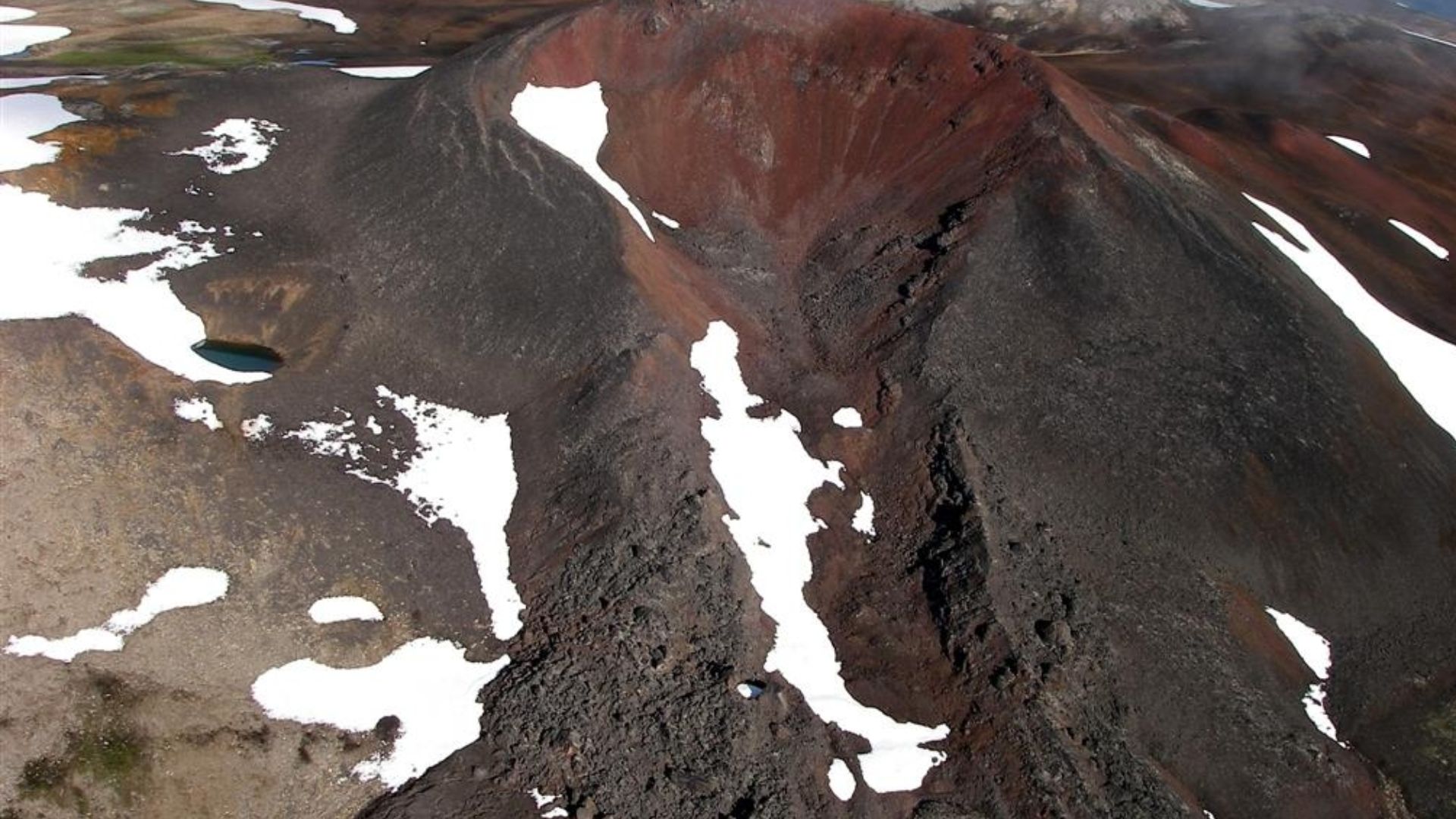
Another discovery was an antler implement approximately 5,300 years old, interpreted as a possible ice pick. The object demonstrated how ancient people transformed naturally available materials into practical tools. Its presence also suggested that navigating and working in the mountain environment required specialized knowledge passed down through generations.
 Gary Todd from Xinzheng, China, Wikimedia Commons
Researchers Found Ancient Walking Sticks
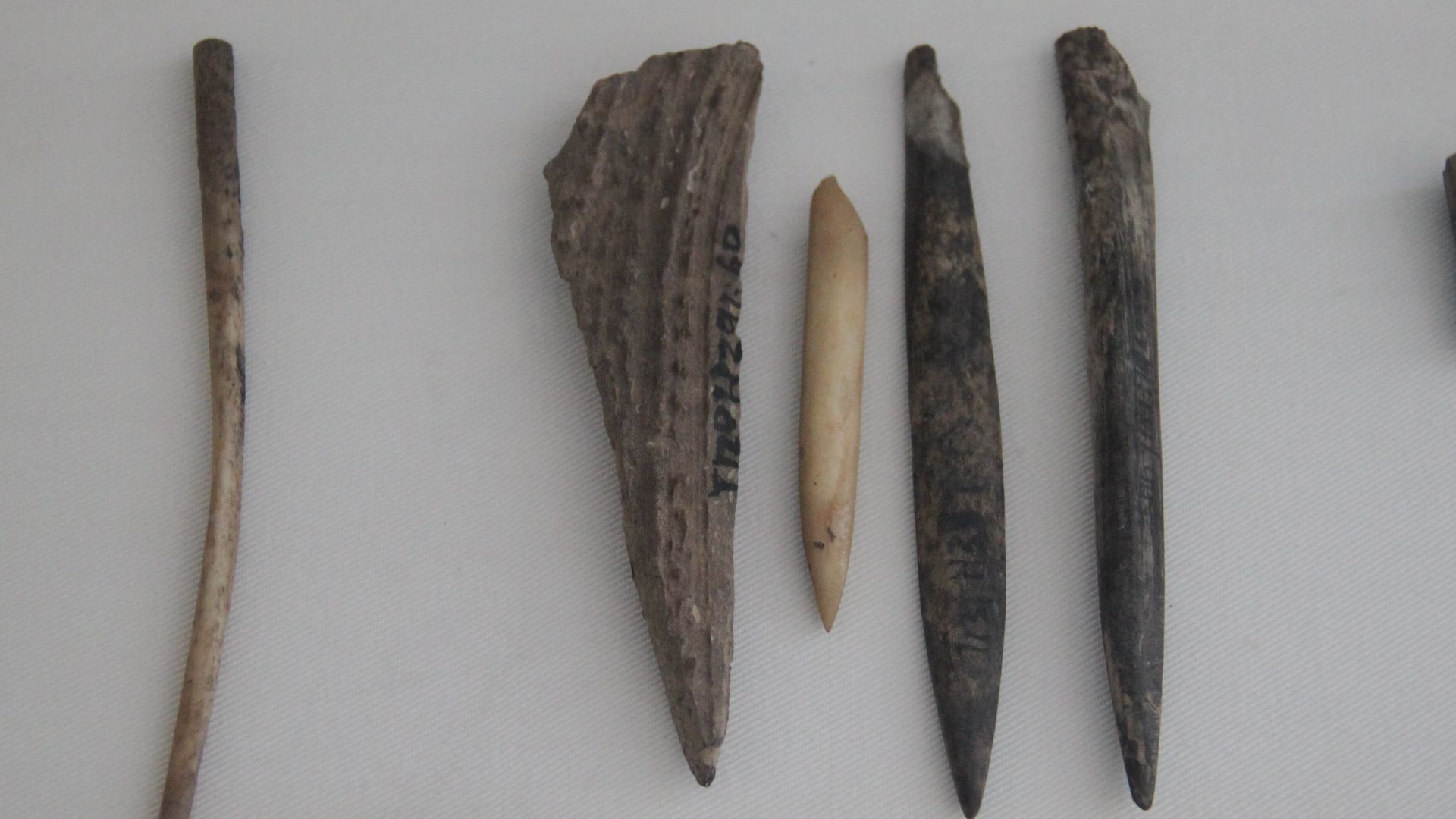
Among the objects were wooden walking staffs that may have helped travelers cross difficult terrain. Such seemingly ordinary objects rarely survive for thousands of years. Their preservation is especially valuable because they reveal the everyday equipment people carried, rather than just the stone weapons and tools usually recovered from archaeological sites.
A Birch Bark Container Survived
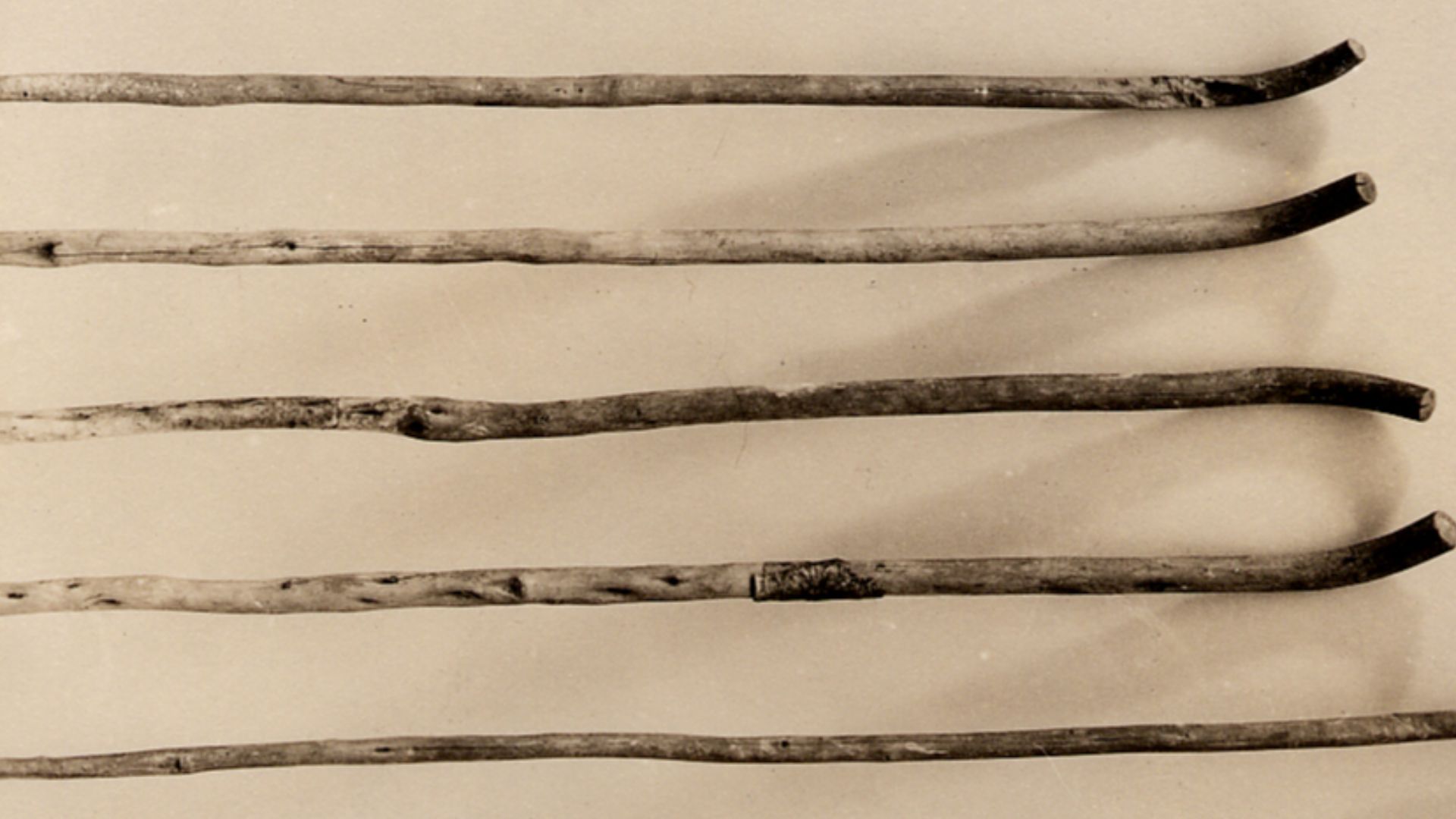
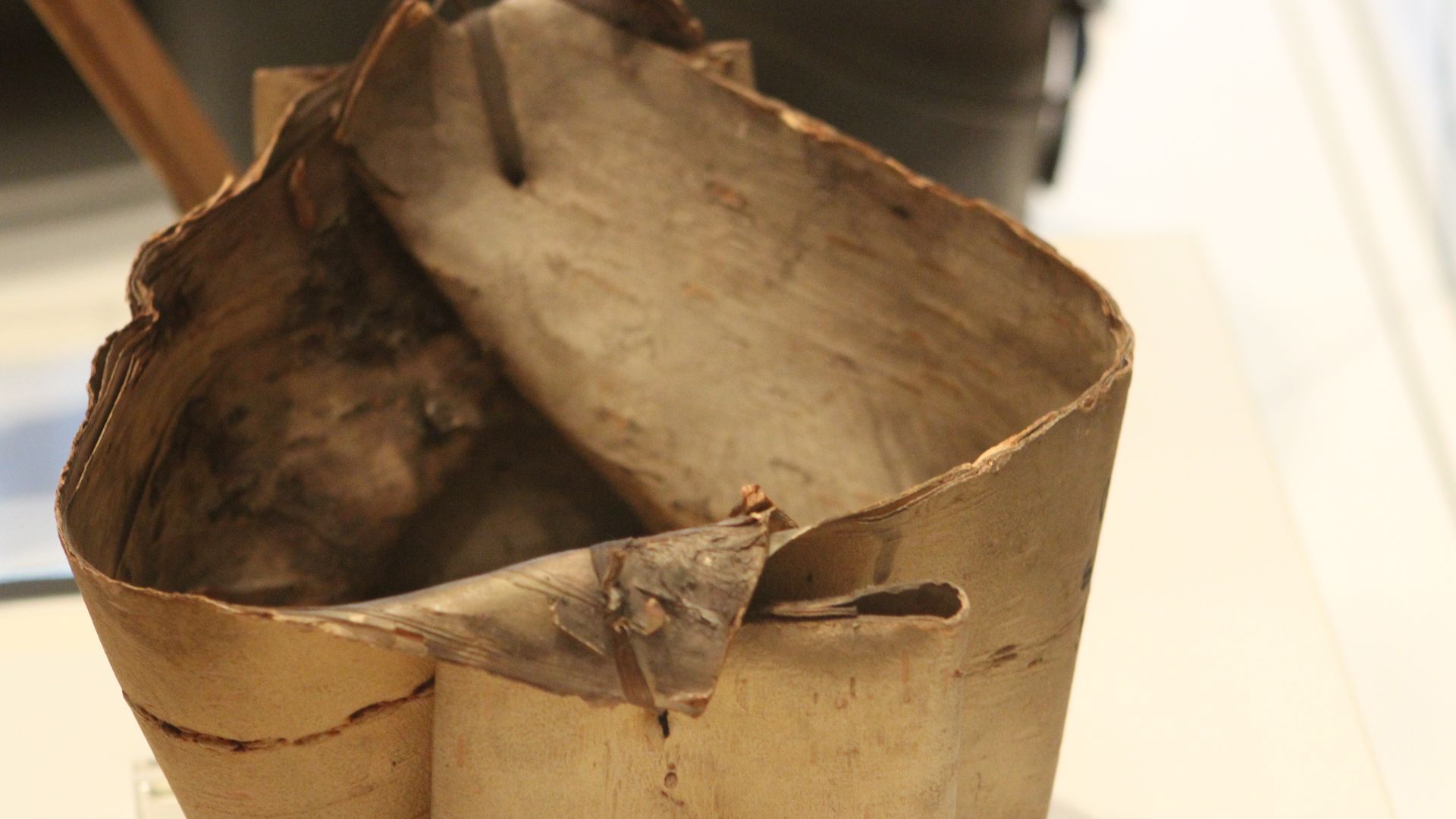
Archaeologists also identified a stitched birch bark container approximately 2,000 years old. Birch bark is lightweight, flexible, and useful for carrying materials. Finding such a container alongside other ancient belongings suggests that visitors to these mountains weren't simply passing through empty-handed. They arrived with equipment adapted to their activities.
 Jason Zhang, Wikimedia Commons
An Even Stranger Discovery Emerged
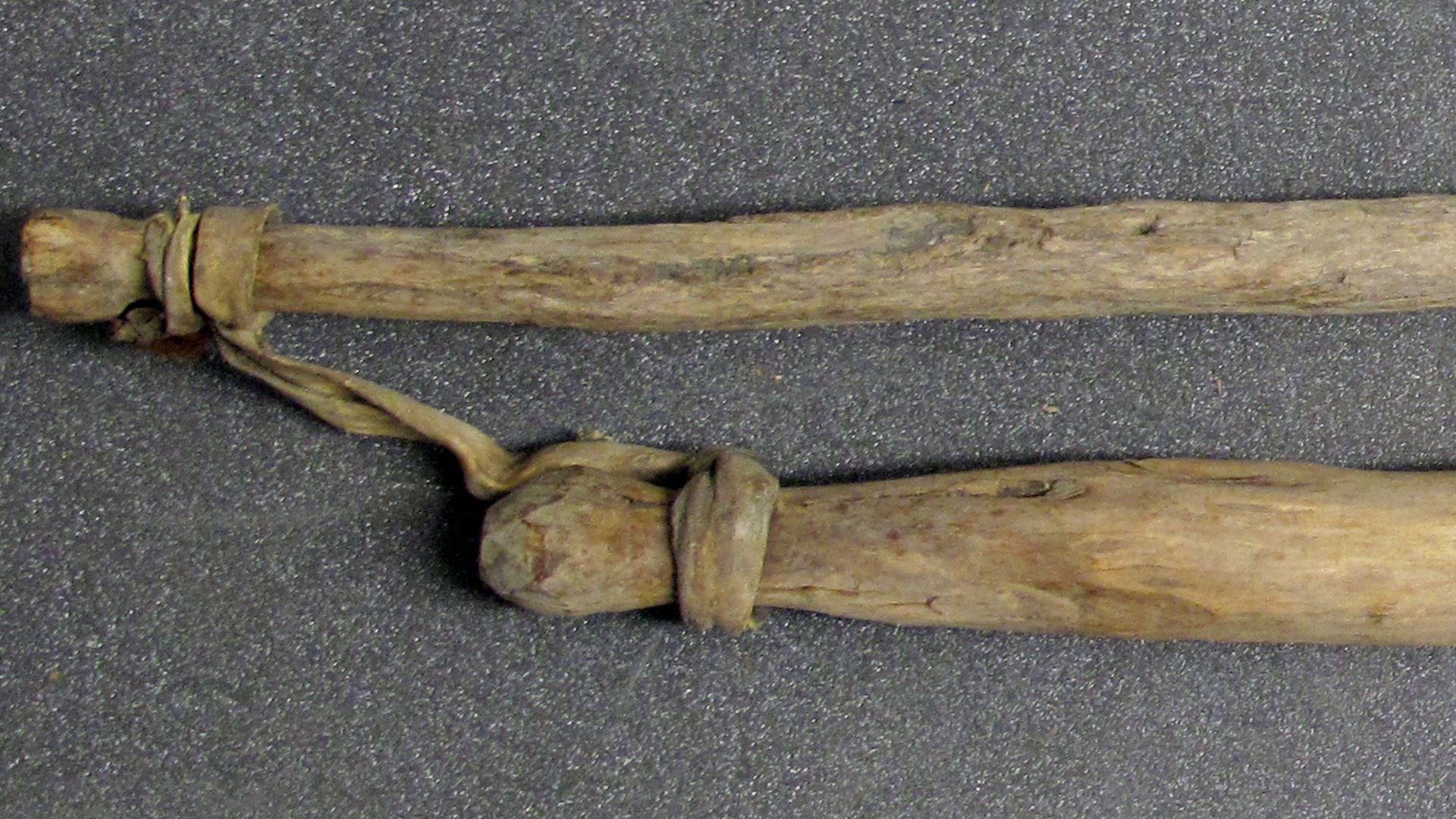
One particularly intriguing find consisted of two sticks wrapped in animal hide, dating to approximately 3,000 years ago. Their exact purpose remains uncertain, but the unusual combination of materials highlights ancient creativity. These objects remind researchers that prehistoric communities possessed technologies far more varied than the surviving archaeological record usually suggests.
 Unknown authorUnknown author, Wikimedia Commons
The Mountains Were Famous For Something Else
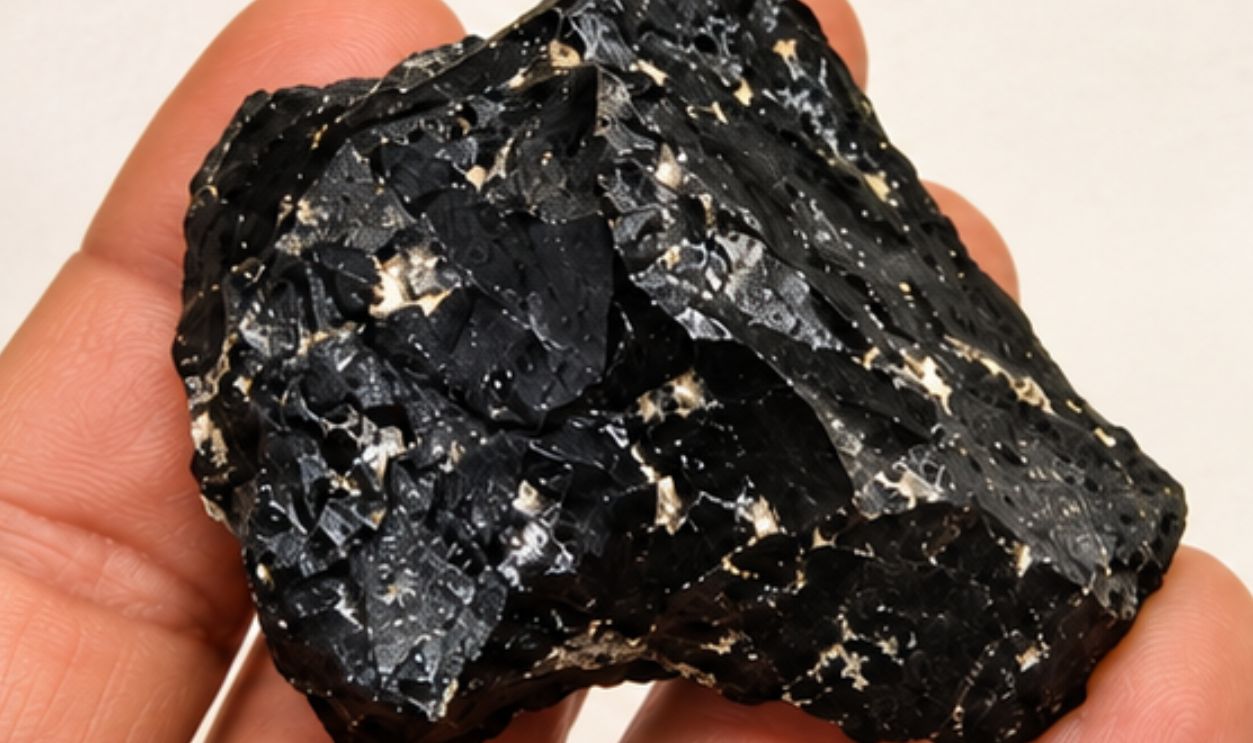
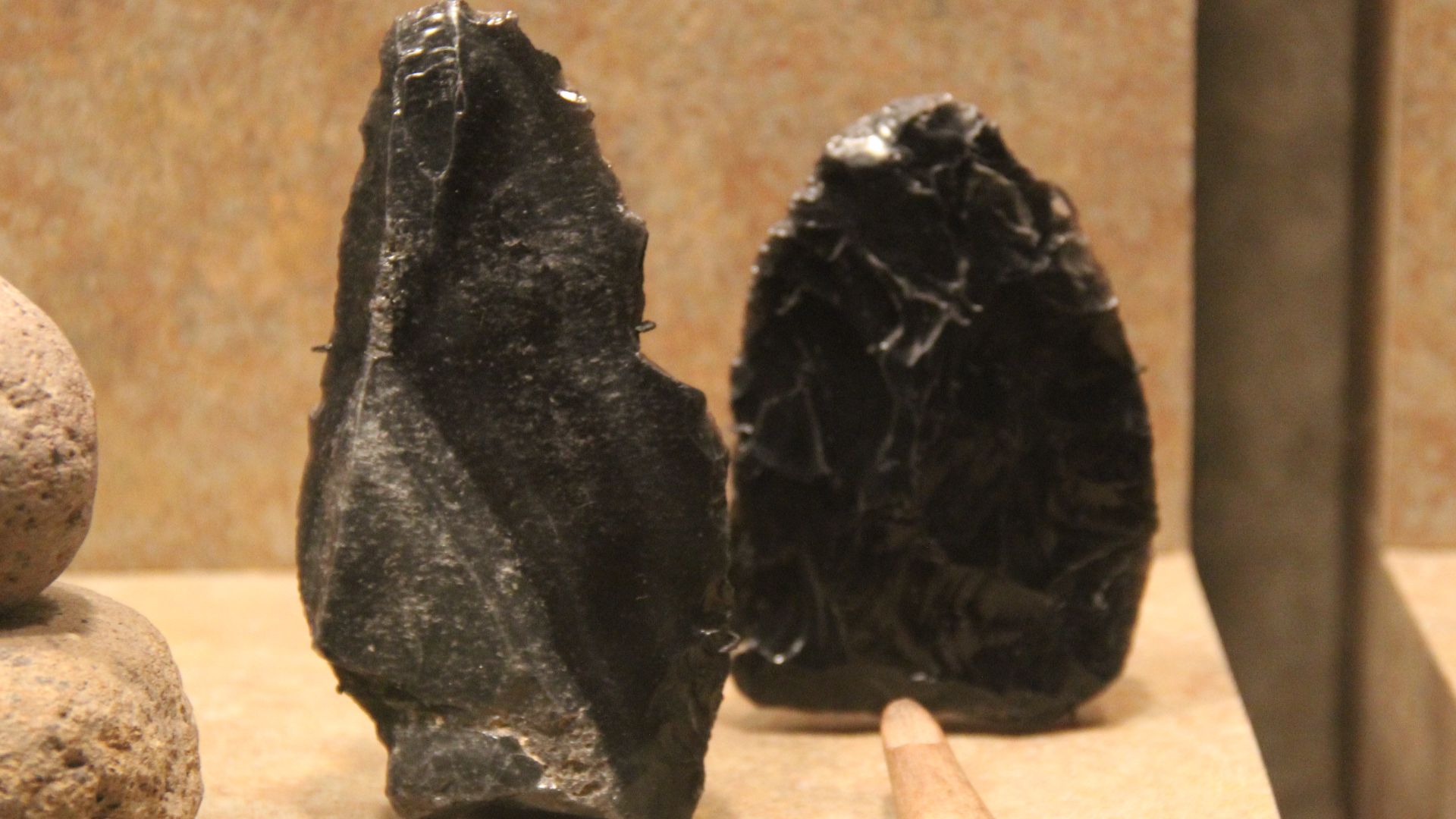
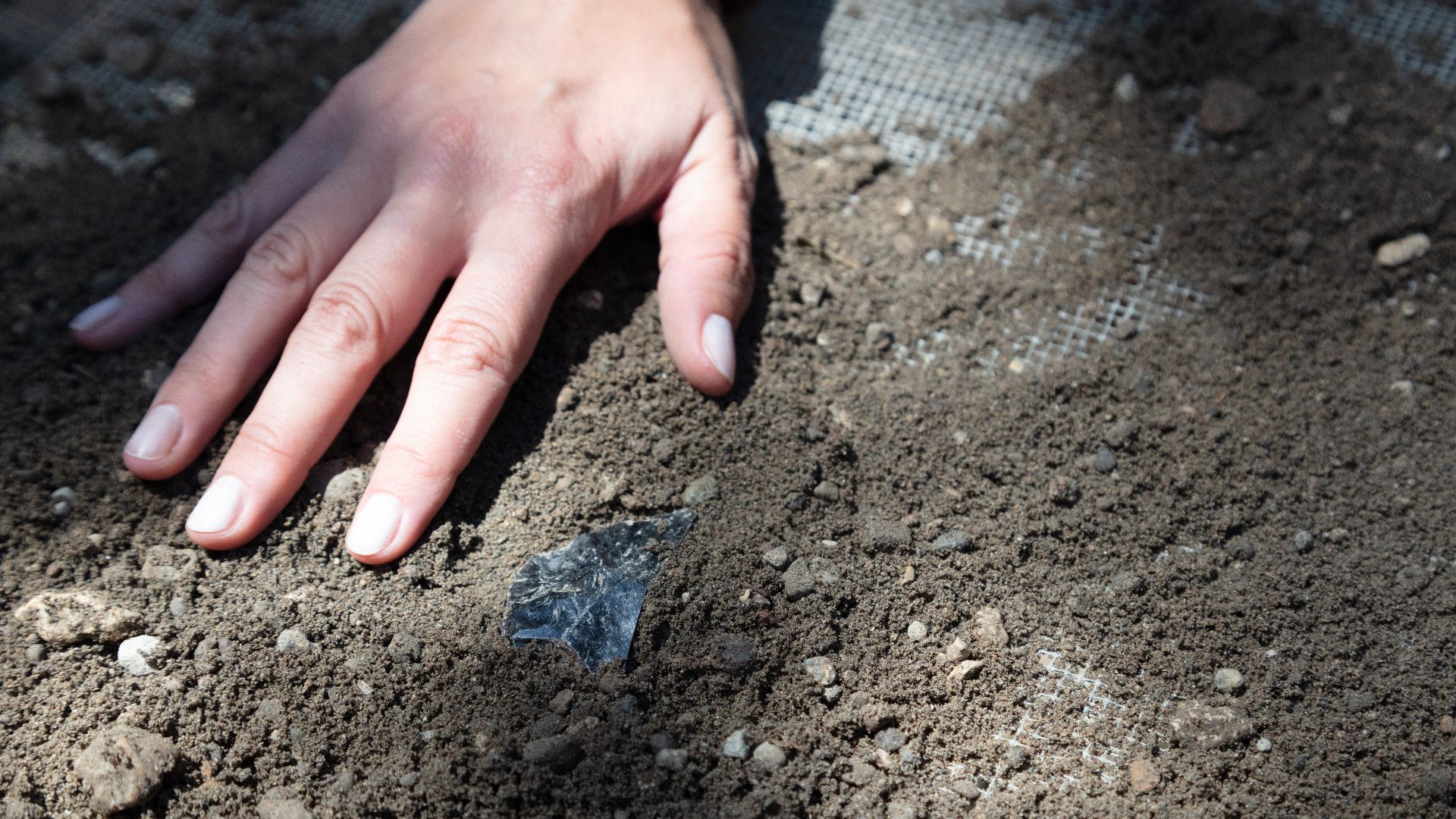
Long before the stitched hide attracted attention, Mount Edziza was known for its extensive obsidian deposits. Obsidian is natural volcanic glass that can fracture into exceptionally sharp edges. Indigenous communities valued it for making cutting tools and projectile points, turning this remote volcanic landscape into an important resource-gathering destination.
 Unknown author, Wikimedia Commons, Enhanced
Obsidian Was An Ancient Treasure
Today, we might admire obsidian for its glossy black appearance. Thousands of years ago, its practical value was considerably more important. Carefully fractured obsidian could produce razor-sharp cutting edges, making it excellent for hunting equipment and other tools. Access to reliable sources was valuable to communities throughout the surrounding region.
 Gary Todd from Xinzheng, China, Wikimedia Commons
Ancient Travelers Came Here Repeatedly
The enormous quantities of obsidian fragments, unfinished tools, and worked stone demonstrate that people returned to Mount Edziza repeatedly over thousands of years. These weren't necessarily isolated visits by wandering hunters. The archaeological evidence points toward sustained knowledge of the landscape and established traditions of gathering valuable volcanic materials.
 Yellowstone National Park, Wikimedia Commons
The Tahltan Connection Runs Deep
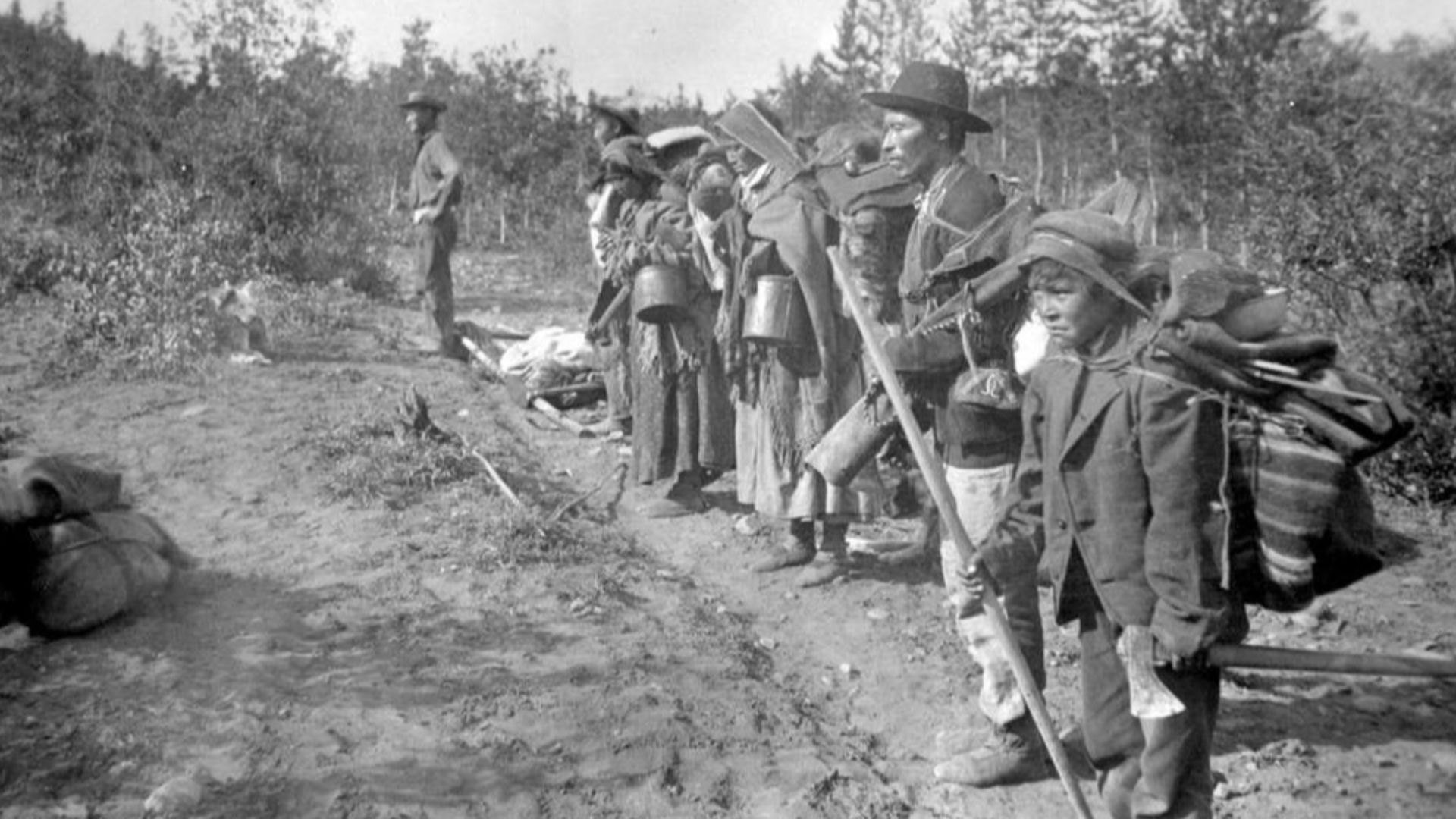
Mount Edziza lies within Tahltan Territory, where the Tahltan people maintain a deep ancestral relationship with the landscape. The mountains have long provided resources, travel routes, and places for traditional activities. The discoveries help illuminate the remarkable history of Indigenous land use in a region that remains culturally significant today.
 Andrew Jackson Stone, Wikimedia Commons
Indigenous Communities Helped Explore The Past
The research involved collaboration with Tahltan participants, including initiatives connecting young people with ancestral places. One project, known as Obsidian Discoveries Tahltan Tene Mehodihi, brought participants into the mountains to explore archaeological landscapes. Their involvement helped connect scientific discoveries with Indigenous knowledge, community learning, and cultural heritage.
The Ice Was Acting Like A Time Capsule
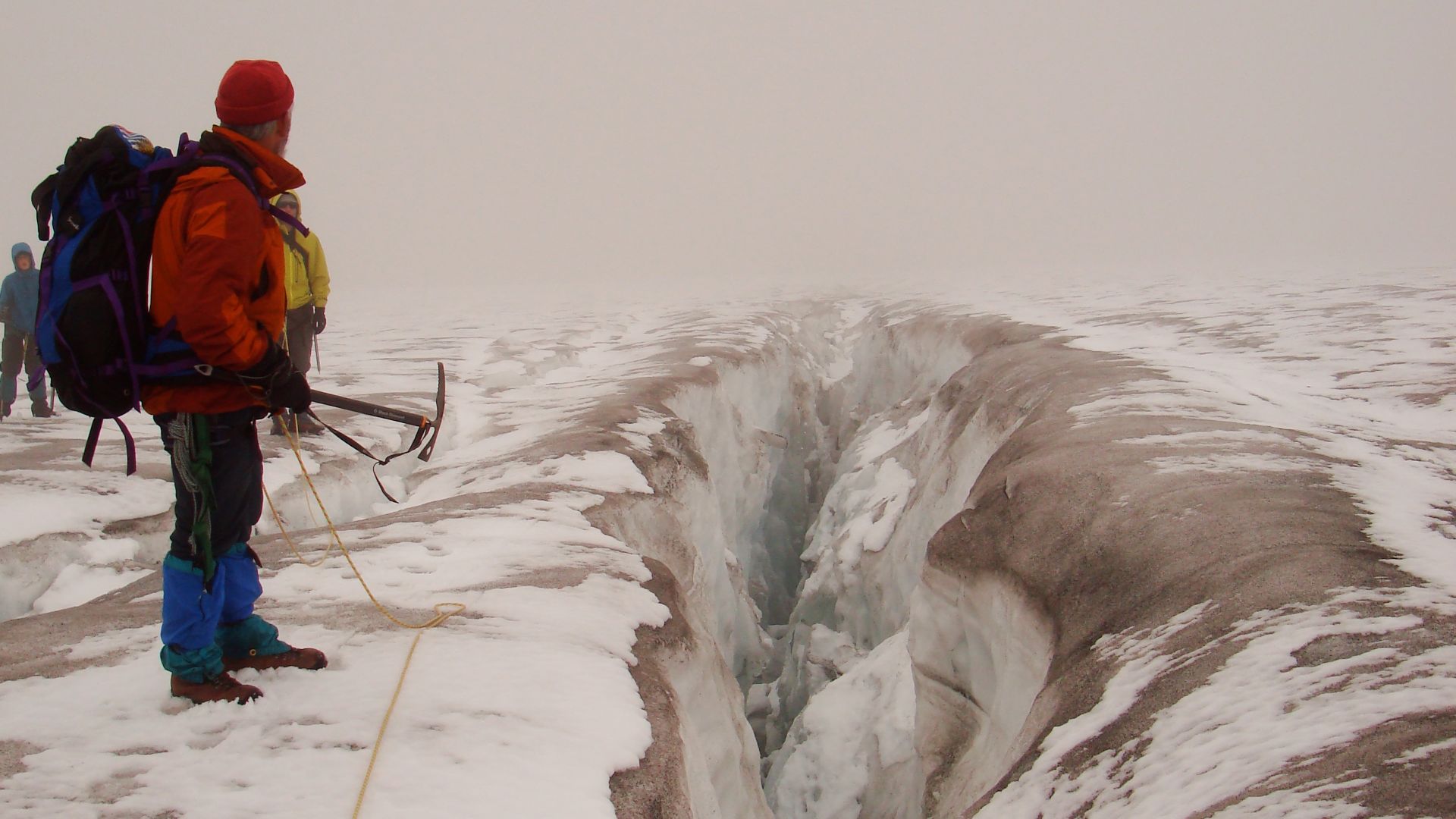
Ordinarily, leather and other organic materials decay relatively quickly when exposed to moisture, microorganisms, and changing temperatures. Persistent mountain ice can slow these processes dramatically. At Mount Edziza, the frozen environment protected fragile objects that otherwise might have vanished, preserving details of ancient technology rarely encountered by archaeologists.
 John Scurlock, Wikimedia Commons
Melting Ice Revealed The Treasures
Ironically, the discoveries became accessible because the ice protecting them was shrinking. Rising temperatures have caused alpine ice patches in many regions to retreat, exposing ancient materials. Archaeologists can examine these objects once they emerge, but exposure also creates a race to recover them before weather and natural decay cause irreversible damage.
 John Scurlock, Wikimedia Commons
Scientists Had To Act Quickly
Recovering fragile organic artifacts requires considerable care, especially after thousands of years in frozen conditions. Once exposed, ancient leather, wood, and bark can deteriorate rapidly. Researchers therefore documented and collected the Mount Edziza objects before transferring them to a museum environment where their condition could be carefully controlled.
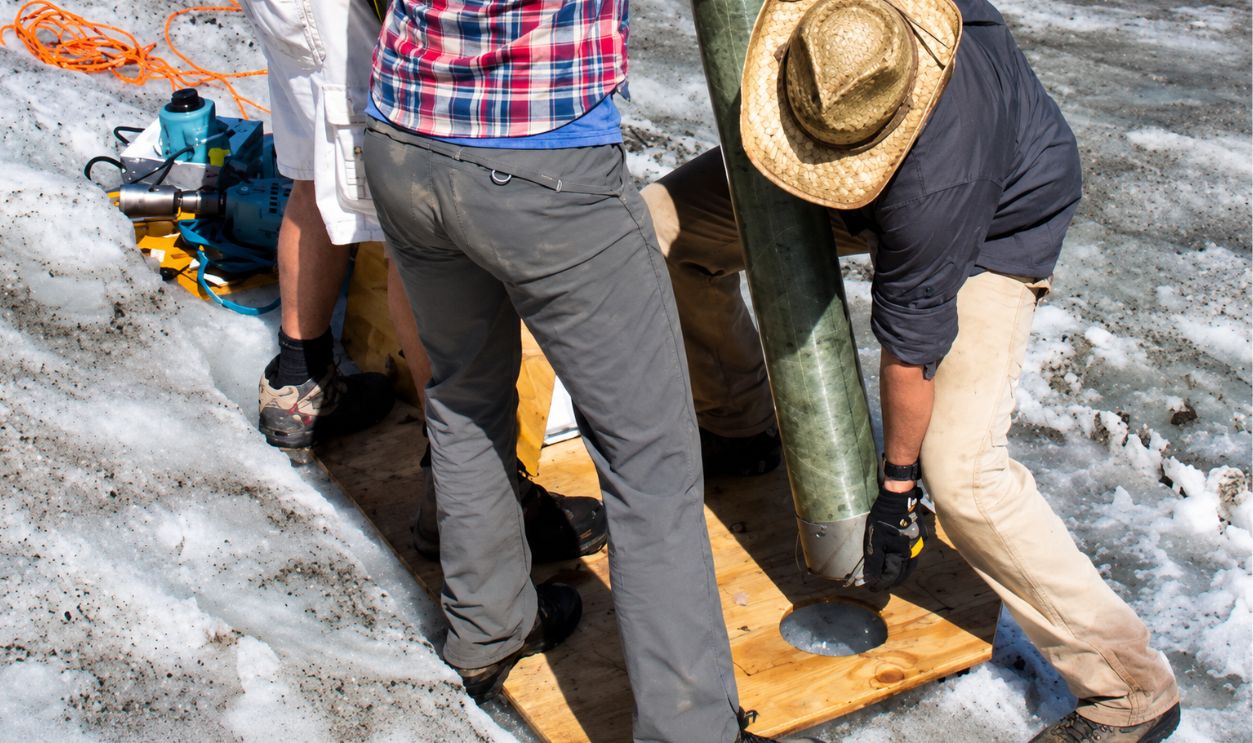 Chris Boyer – U.S. Geological Survey from Reston, VA, USA, Wikimedia Commons, Enhanced
The Artifacts Were Taken For Preservation
The recovered objects were transported for climate-controlled conservation and further examination. Specialists can study their construction, materials, and preservation while protecting them from additional damage. For something as delicate as a 6,200-year-old stitched hide, careful conservation is essential to keeping the artifact available for future generations.

Scientists Used Radiocarbon Dating
Researchers used radiocarbon dating to establish the ages of selected organic artifacts. The published study reported dates for 13 perishable objects, covering approximately 7,000 years. These measurements helped establish that the finds represented repeated human activity across many generations, rather than belongings abandoned during a single prehistoric expedition.

A Small Discovery With Enormous Implications
The possible boot illustrates something archaeologists increasingly recognize: ancient technology wasn't limited to dramatic stone weapons or impressive structures. Everyday necessities demanded considerable ingenuity. Making protective footwear required knowledge of animals, materials, stitching, and human movement, all skills that would have helped people navigate challenging environments.
An Ancient Footprint That Still Matters
The 6,200-year-old stitched hide may never reveal the identity of the person who made or wore it. Nevertheless, it offers a remarkably personal connection to ancient life in British Columbia. Beneath the melting ice, archaeologists found evidence of practical ingenuity, skilled craftsmanship, and people adapting to their surroundings thousands of years ago.
You May Also Like:
Exciting New Animal Experiments Are Changing What Archaeologists Think About Ancient Tools
Famous American Hiking Trails With Dark Stories Behind Their Most Beautiful Views