
We Keep Finding Planets, But Still No Life
Scientists have now confirmed more than 6,000 planets beyond our solar system. Some are rocky, some may have water, and a few look surprisingly familiar. Yet Earth is still the only world known to host life. The more planets astronomers find, the stranger that silence becomes.

The Question Has Completely Changed
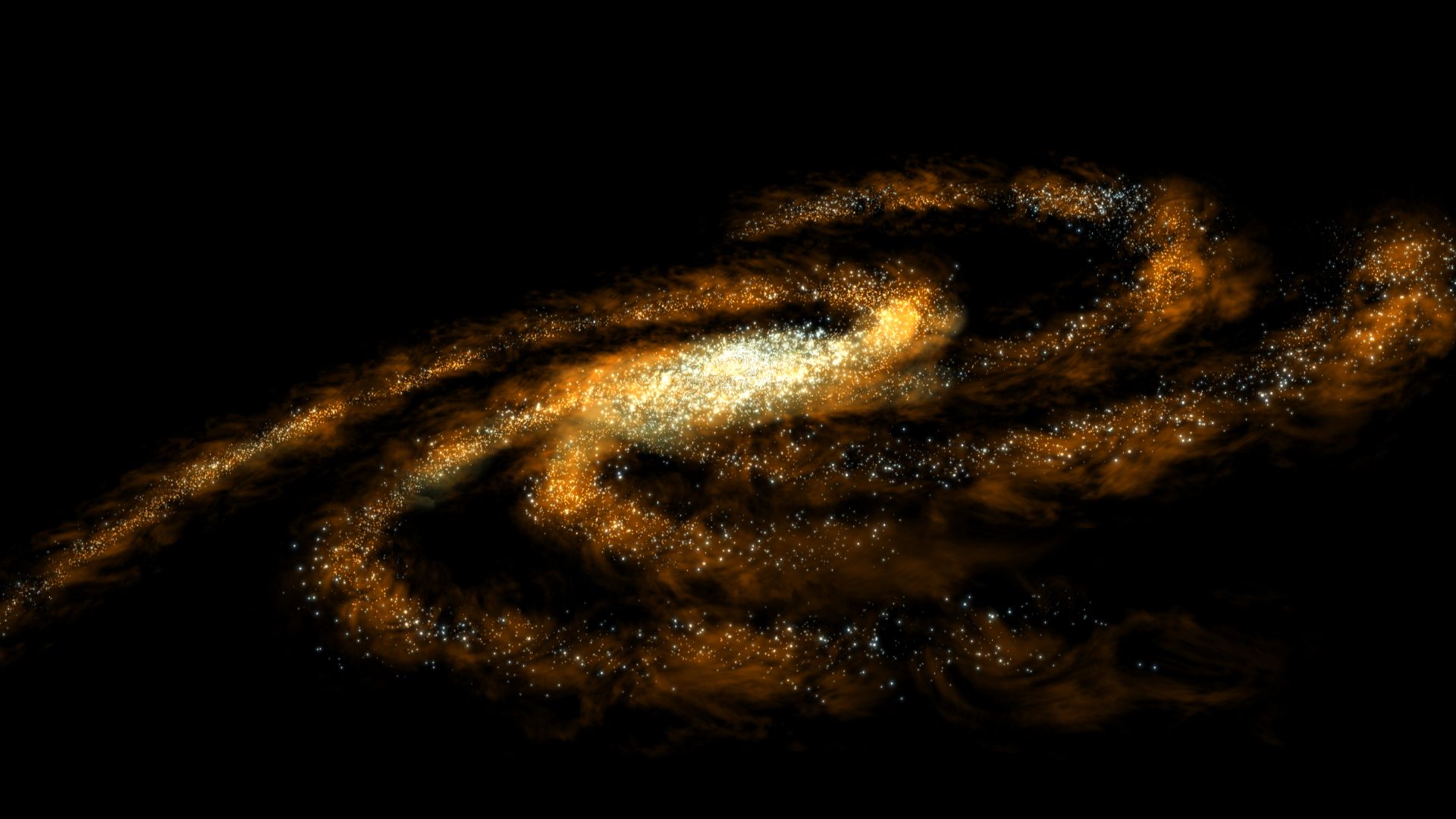
A few decades ago, scientists did not even know whether planets around Sun-like stars were common. Now we know planetary systems are widespread across the Milky Way. NASA announced its 6,000th confirmed exoplanet in September 2025. The question is no longer whether other planets exist, but how many could truly resemble Earth.
Finding Planets Was The Easy Part
NASA’s Kepler mission showed that planets are extraordinarily common. One analysis estimated that roughly half of Sun-like stars could host a rocky planet capable of supporting surface liquid water under the right conditions. That does not mean half have another Earth. It does mean promising real estate may be everywhere.
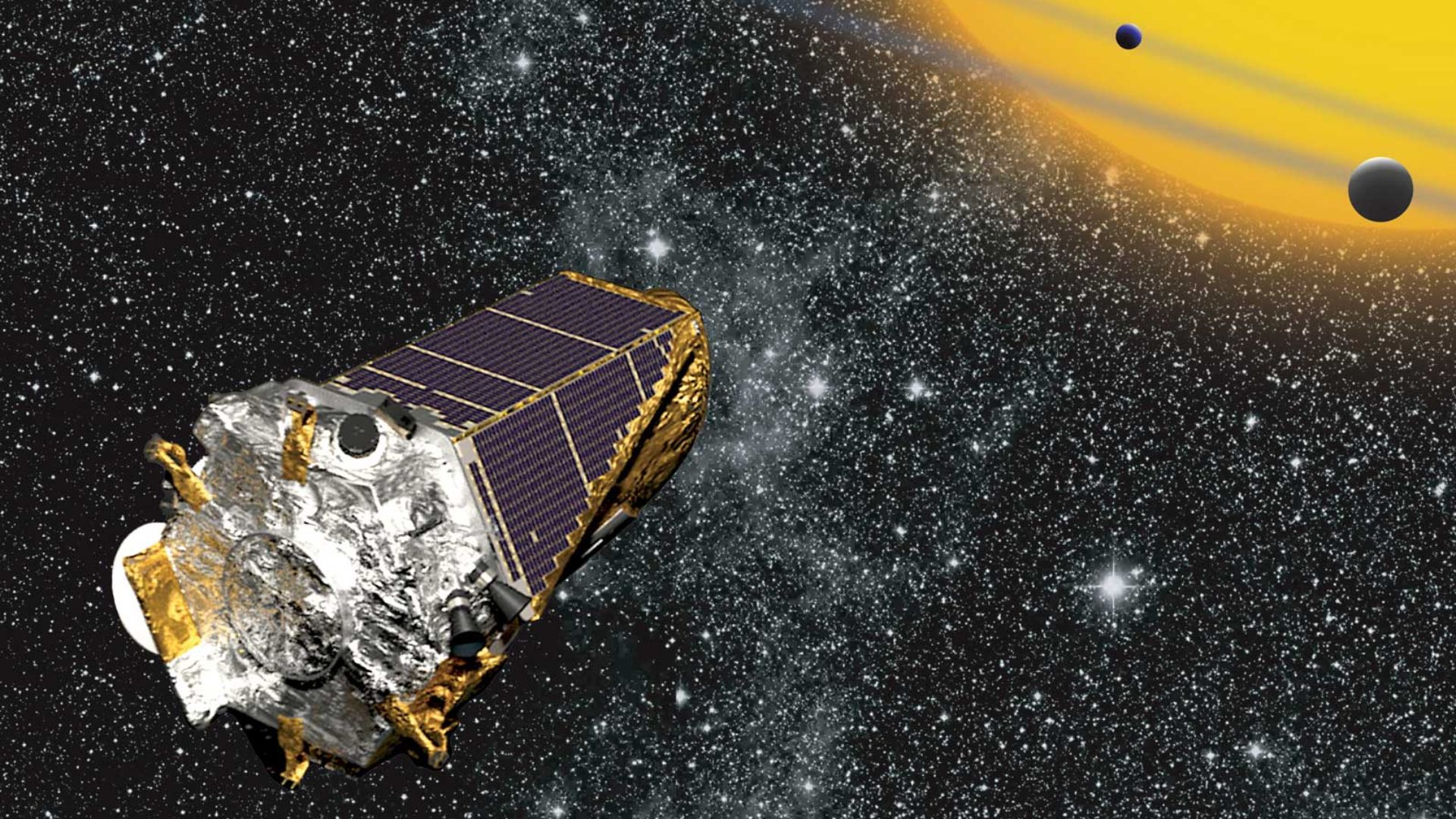 NASA Ames/ W Stenzel, Wikimedia Commons
The Goldilocks Zone Is Only The Start
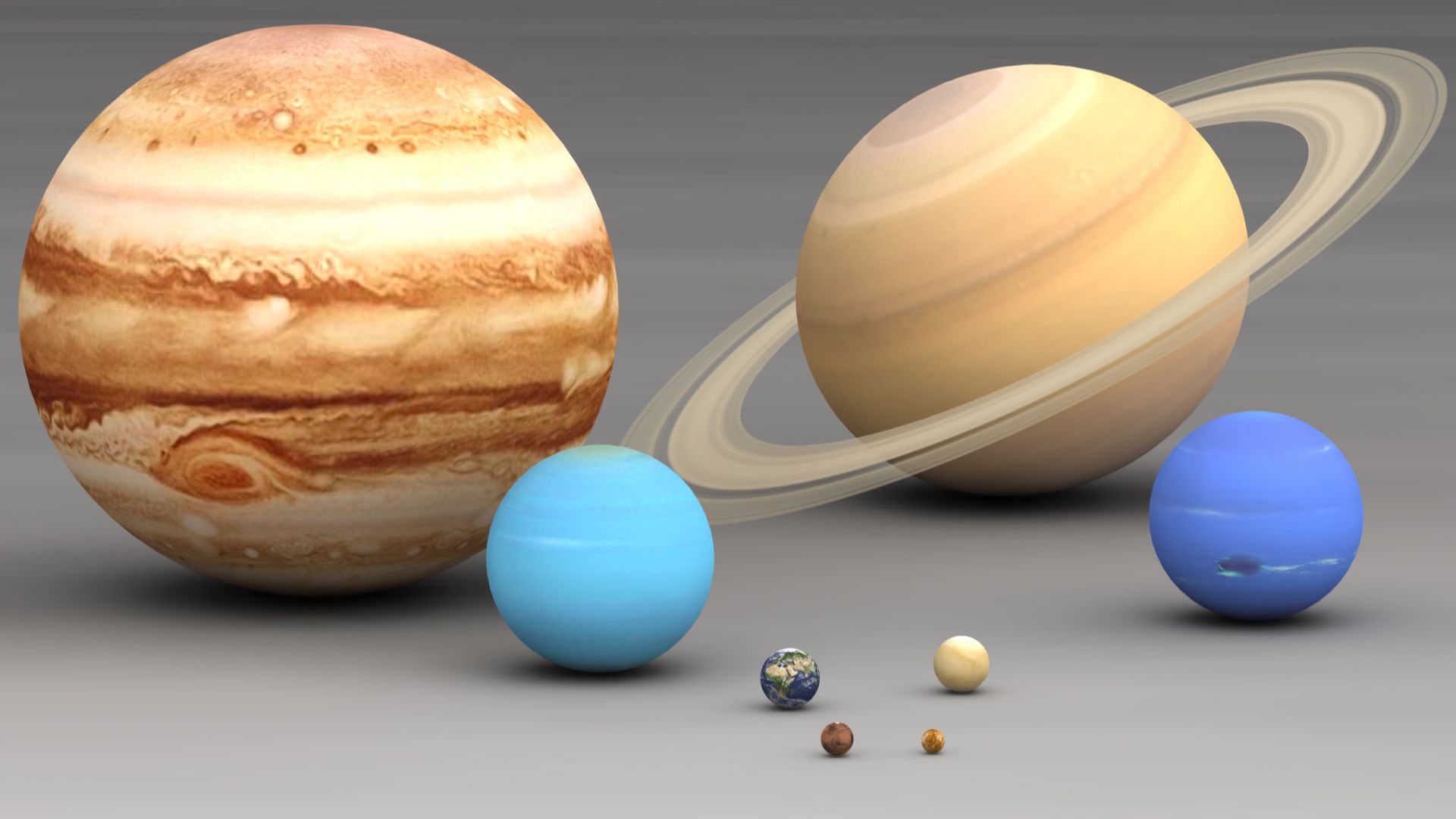
Astronomers call the region where liquid water could exist the habitable zone. But simply sitting inside it does not make a planet habitable. Atmosphere, mass, orbit, chemistry, and stellar activity all matter. Venus and Mars show just how misleading distance alone can be.
 NASA/JPL-Caltech, Wikimedia Commons
Some Scientists Think Earth Hit The Jackpot
The Rare Earth hypothesis argues that simple life may be common while complex life is exceptionally rare. Scientists Peter Ward and Donald Brownlee popularized the idea in their 2000 book Rare Earth. Their argument centers on the unusual combination of conditions that helped complex life survive here. The real question is whether that full recipe is common anywhere else.
Earth Needed More Than Water
Earth has remained suitable for life through enormous changes in climate, atmosphere, and solar output. Its active geology also moves material between the planet’s interior and surface. Researchers have argued that these deep processes can strongly influence long-term habitability. A planet can look promising from space while behaving very differently underneath.
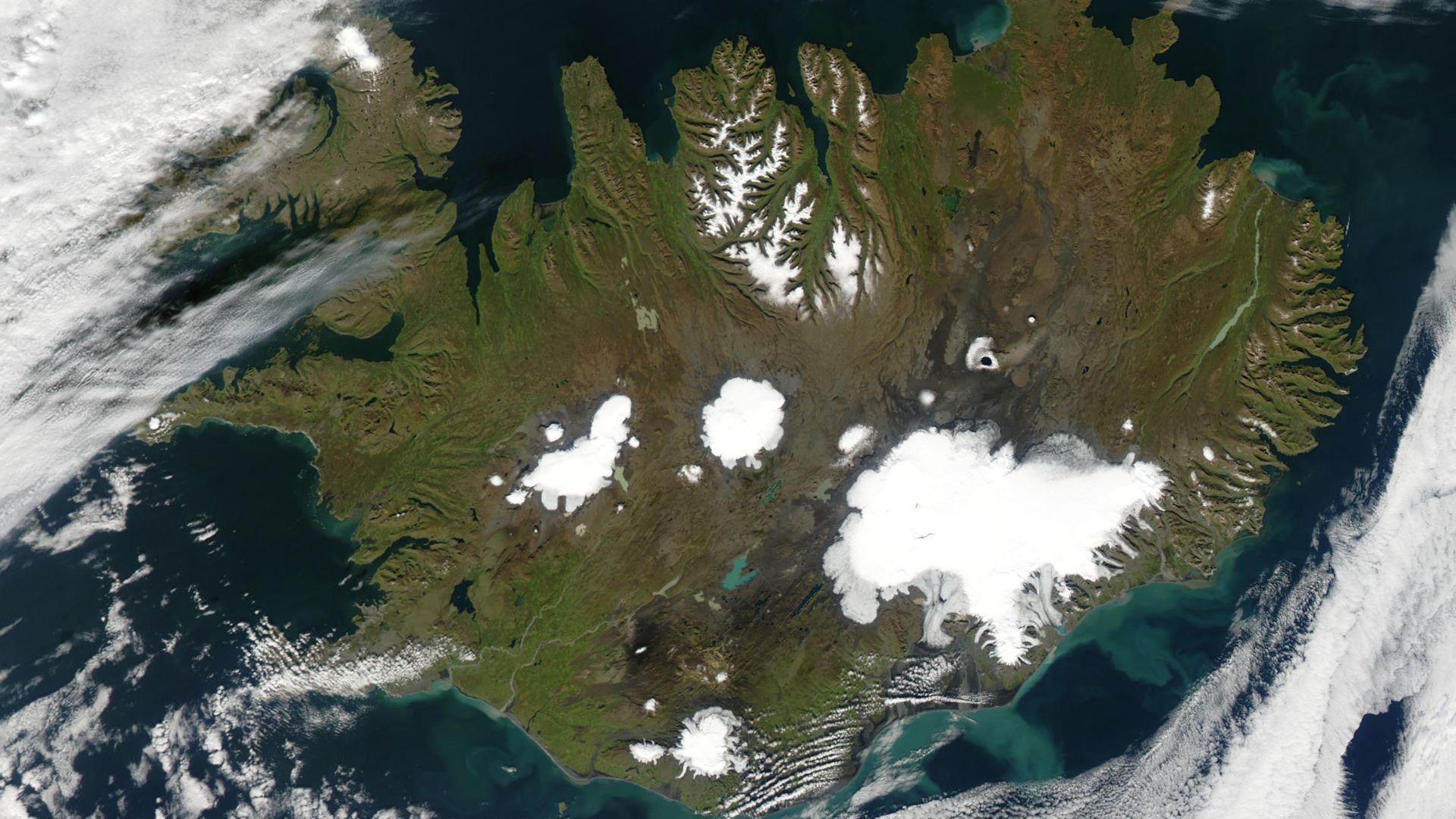 Jacques Descloitres, MODIS Rapid Response Team, NASA/GSFC, Wikimedia Commons
Plate Tectonics Could Be Critical
On Earth, plate tectonics contributes to the long-term carbon cycle and helps regulate climate. Some researchers argue this may be important for keeping conditions stable over billions of years. Others have modeled planets without Earth-style tectonics that could still remain temperate. Even this supposed requirement remains unsettled.
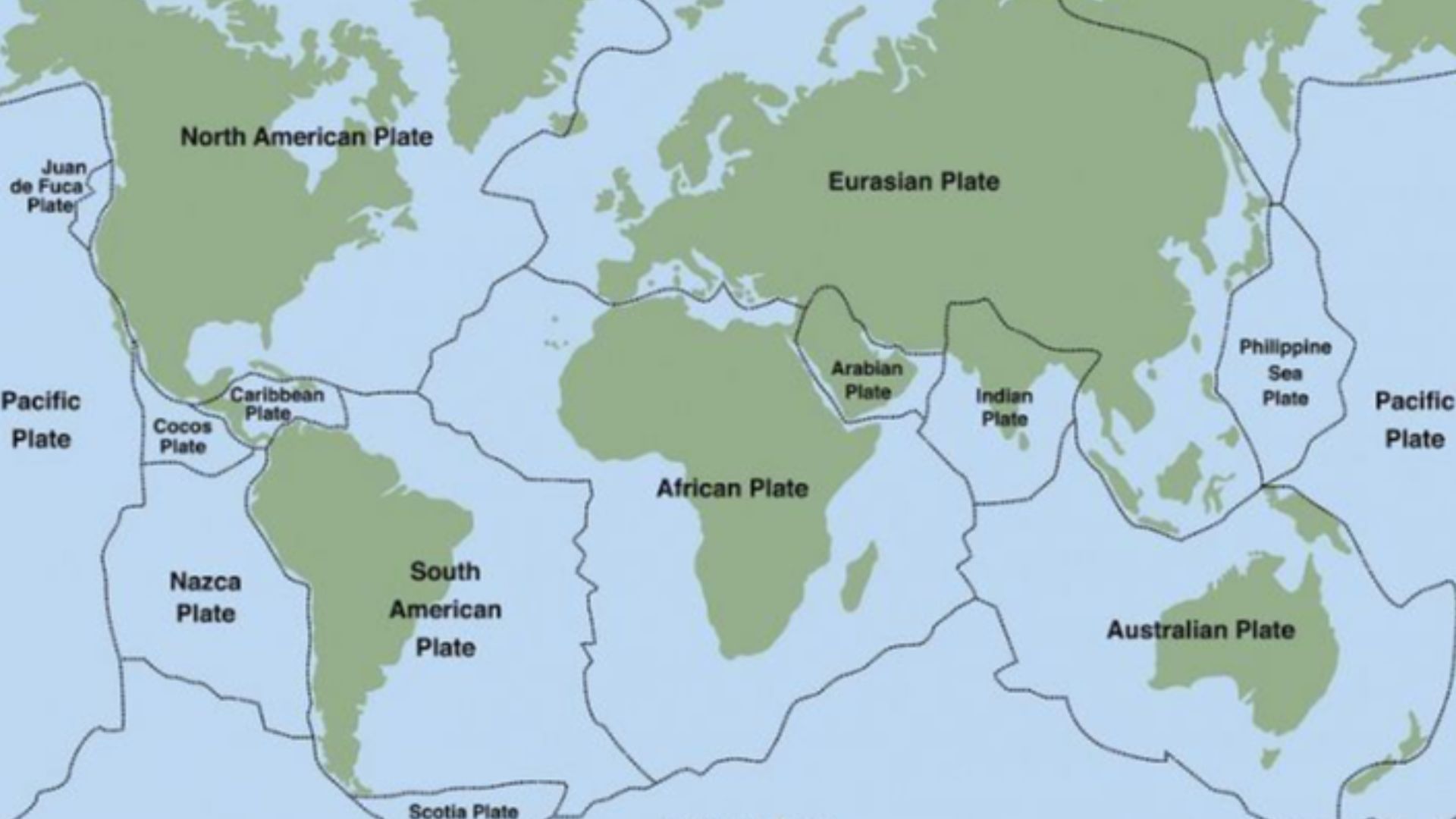 Fathimahazara, Wikimedia Commons
Then There Is Our Giant Moon
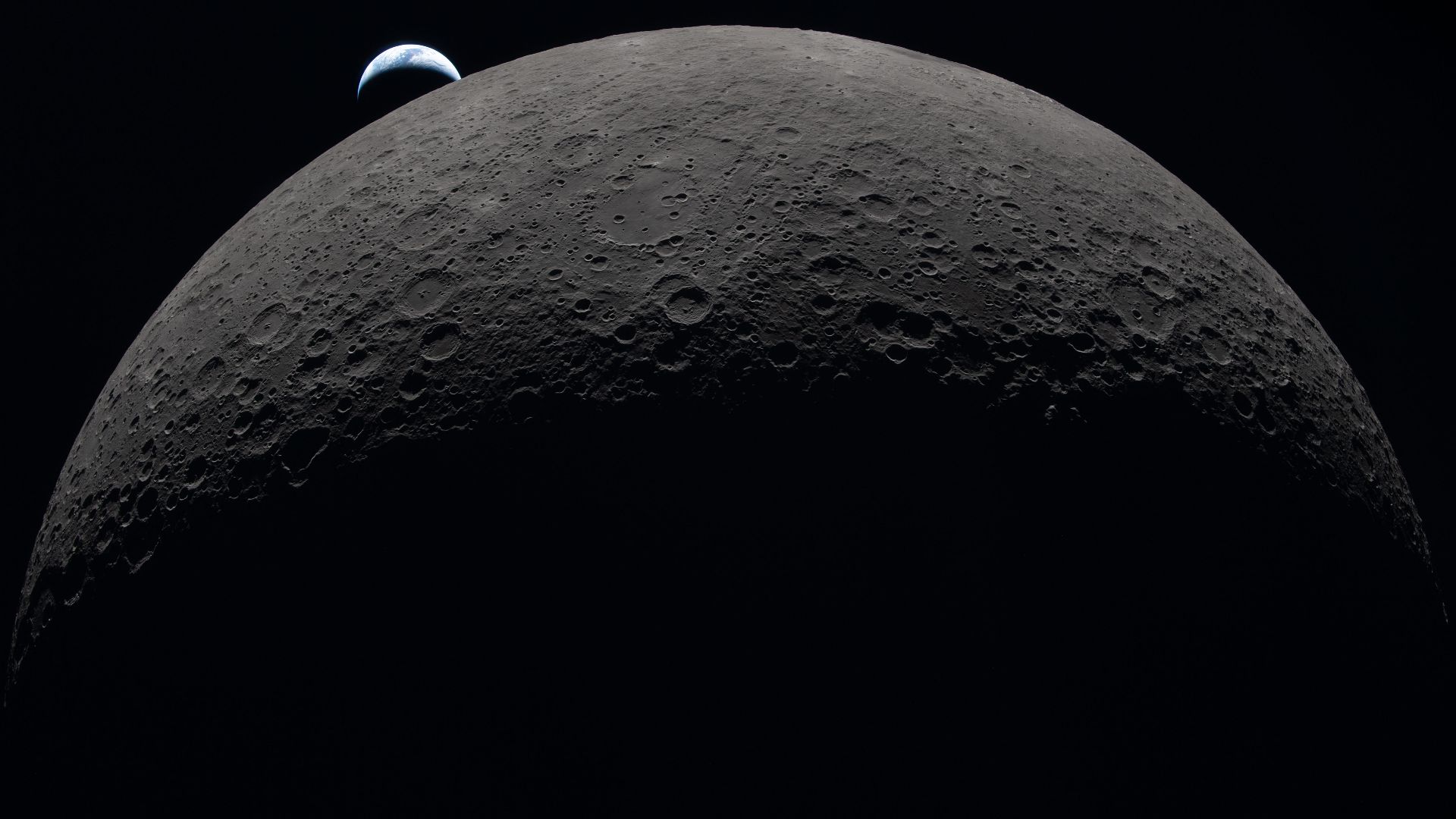
Earth has an unusually large moon compared with the planet itself. The Moon helps limit changes in Earth’s axial tilt, contributing to relatively stable climate patterns. That has sometimes been cited as another habitability advantage. Scientists still debate how essential large moons really are.
Our Orbit Matters Too
A planet’s tilt, rotation, and orbit all affect how sunlight reaches its surface. NASA-funded simulations published in 2025 showed how these factors can change the amount of land where life might thrive. Two rocky planets receiving similar amounts of starlight could still have very different climates. Habitable zone does not mean habitable world.
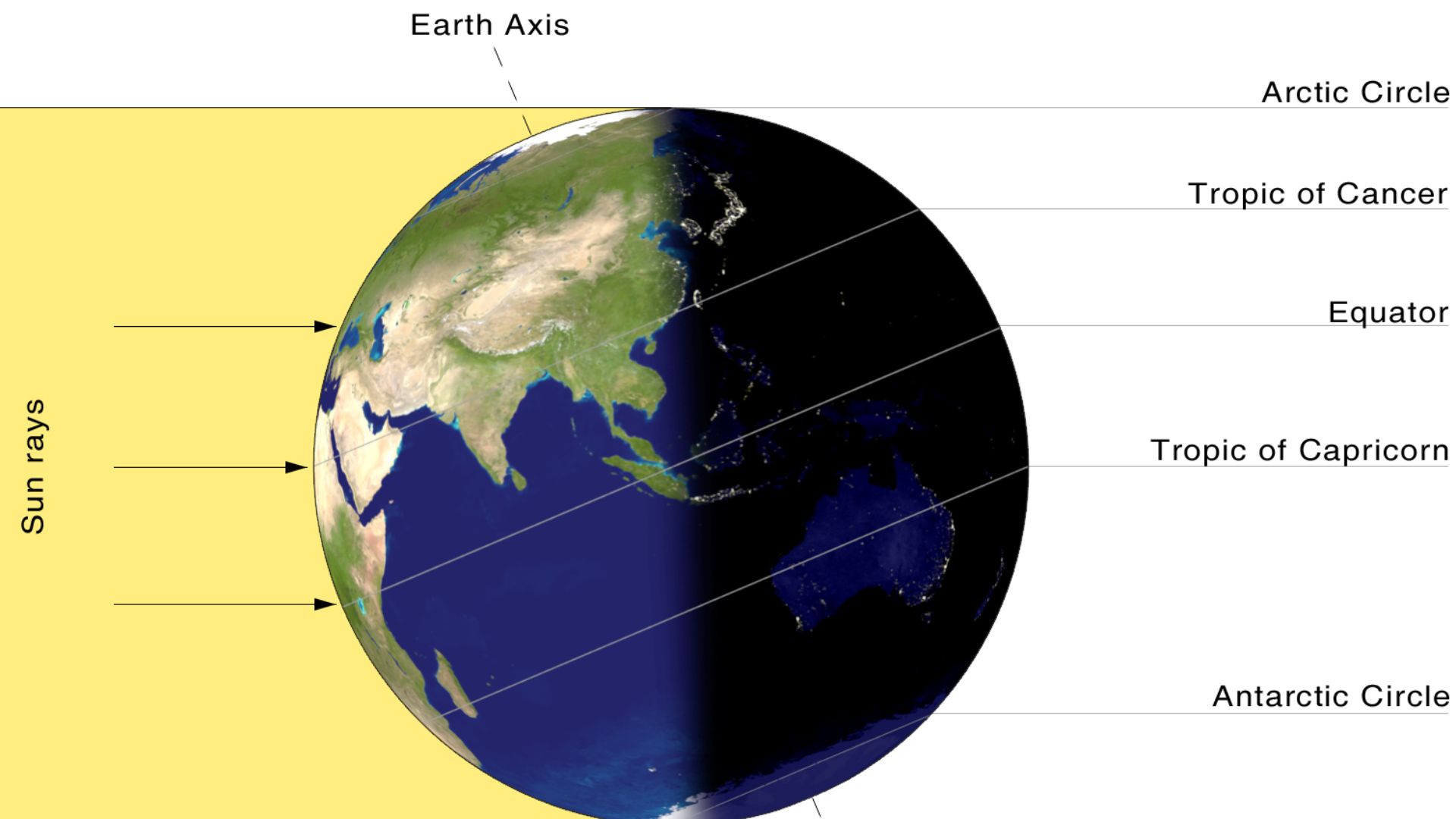 Image by Przemyslaw Blueshade Idzkiewicz, Wikimedia Commons
Earth Was Not Always Friendly
For much of its history, Earth would have looked hostile to modern humans. Early on, the atmosphere contained very little free oxygen. A major rise came roughly 2.4 billion years ago during the Great Oxidation Event. Complex life appeared much later.
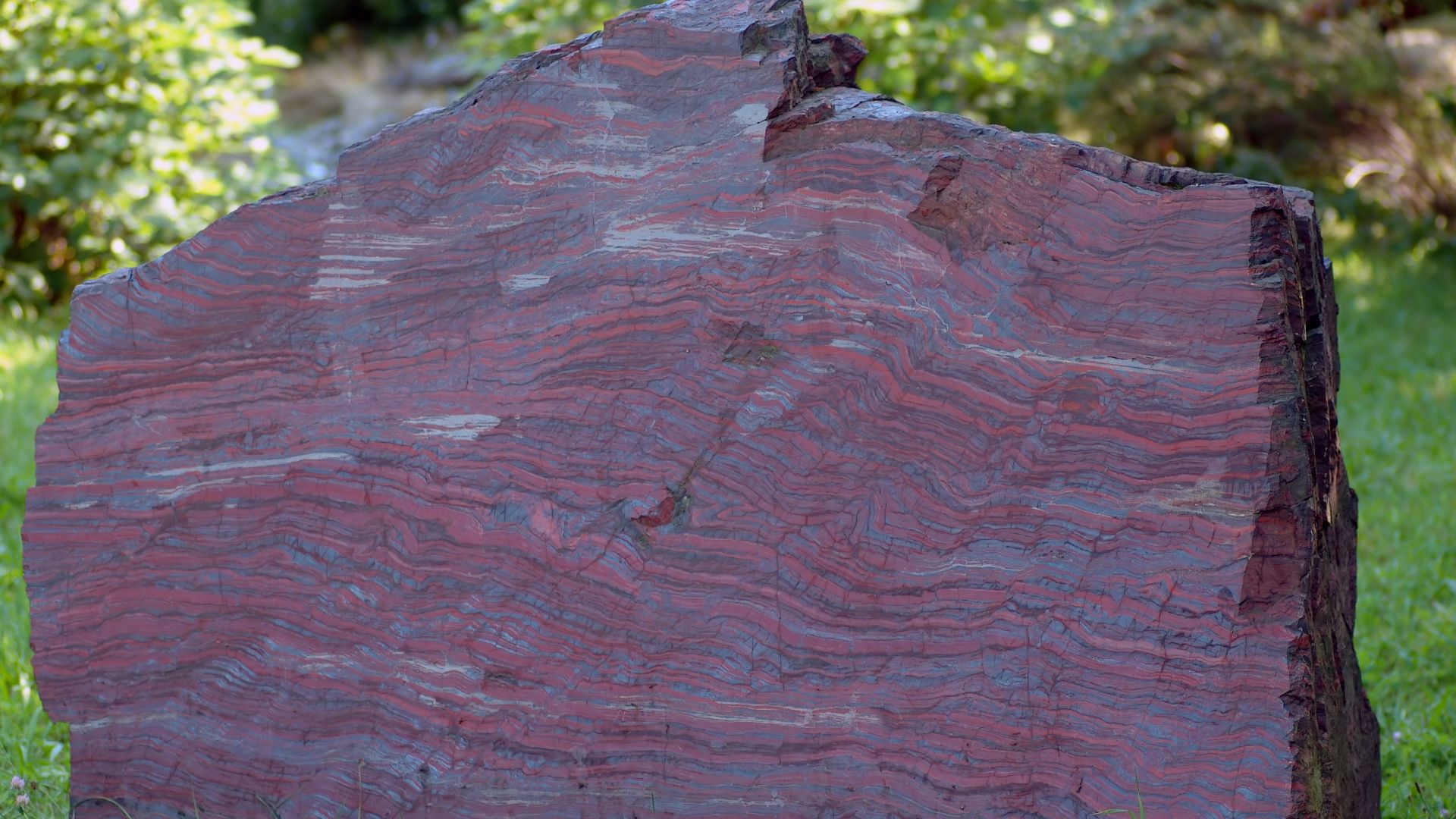 Andre Karwath aka Aka, Wikimedia Commons
Complex Life Took Its Time
Single-celled organisms existed on Earth billions of years before animals appeared. The earliest known life dates back roughly 3.5 billion years, while recognizable multicellular animals arrived far later. That delay matters when scientists estimate how common intelligent life might be. A planet can be alive for billions of years without producing technology.
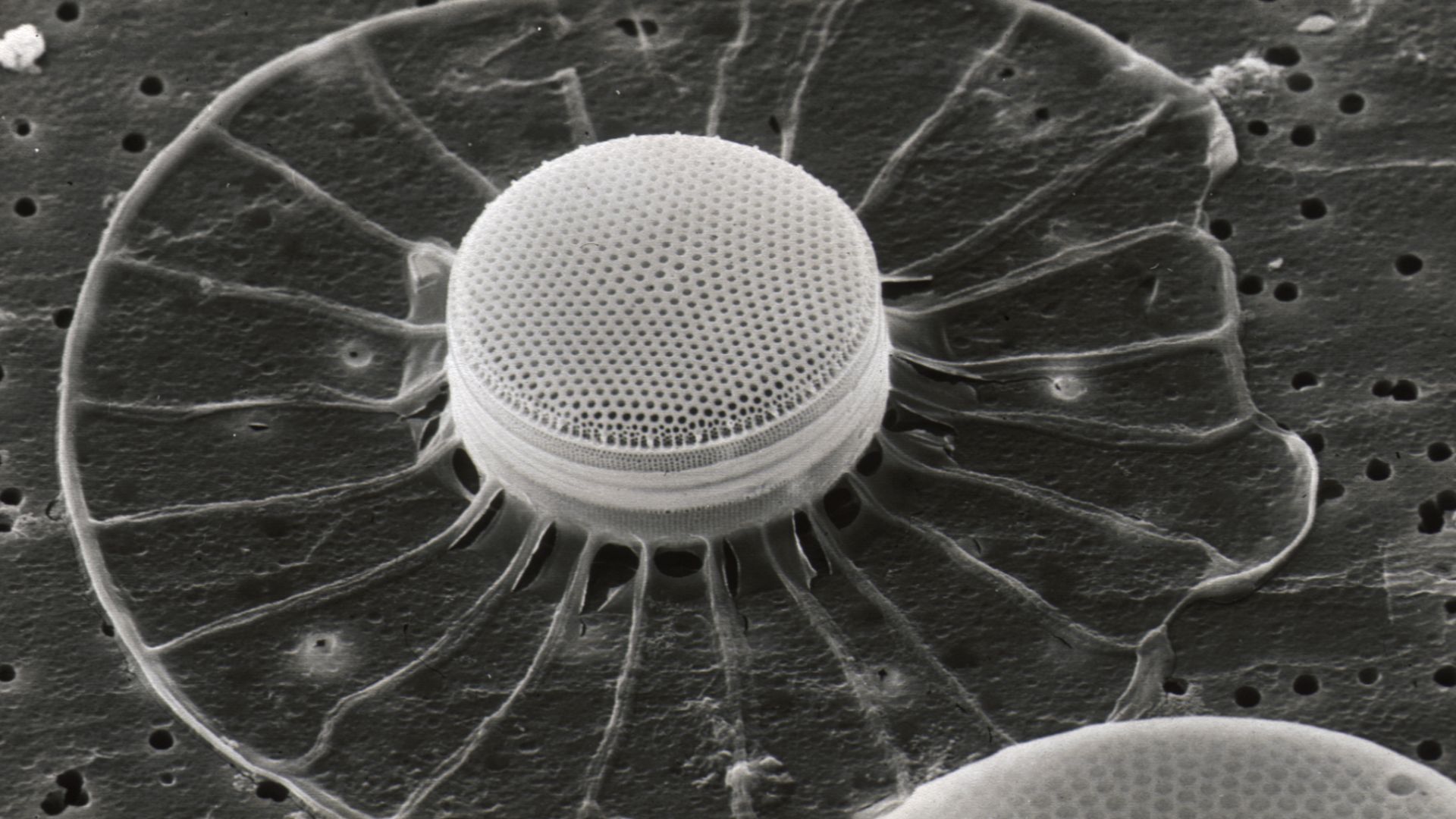 CSIRO, CSIRO, Wikimedia Commons
But Life May Start Surprisingly Fast
There is another way to read Earth’s history. Geological evidence suggests life appeared relatively early once conditions became suitable. That raises the possibility that biology may emerge readily when water, chemistry, energy, and stability line up. The problem is that scientists still have only one example.
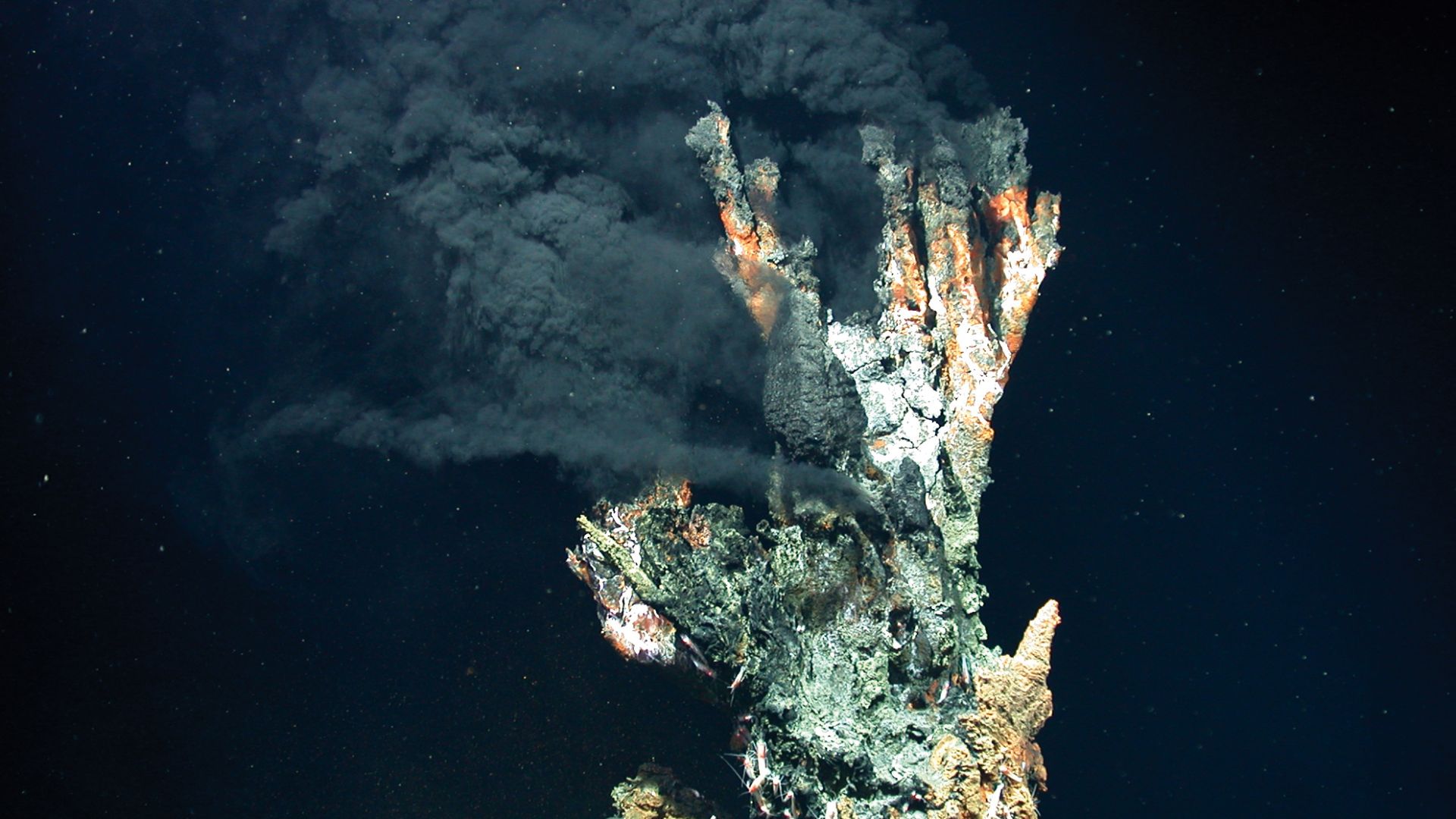 MARUM − Zentrum fur Marine Umweltwissenschaften, Universitat Bremen, Wikimedia Commons
Earth Life Keeps Expanding The Rules
Organisms live in scorching springs, beneath glaciers, inside rocks, in acidic environments, and around deep-sea vents. Some microbes can even tolerate radiation levels that would be lethal to humans. These extremophiles have forced scientists to broaden their definition of habitable. A world does not need to look comfortable to us to support life.
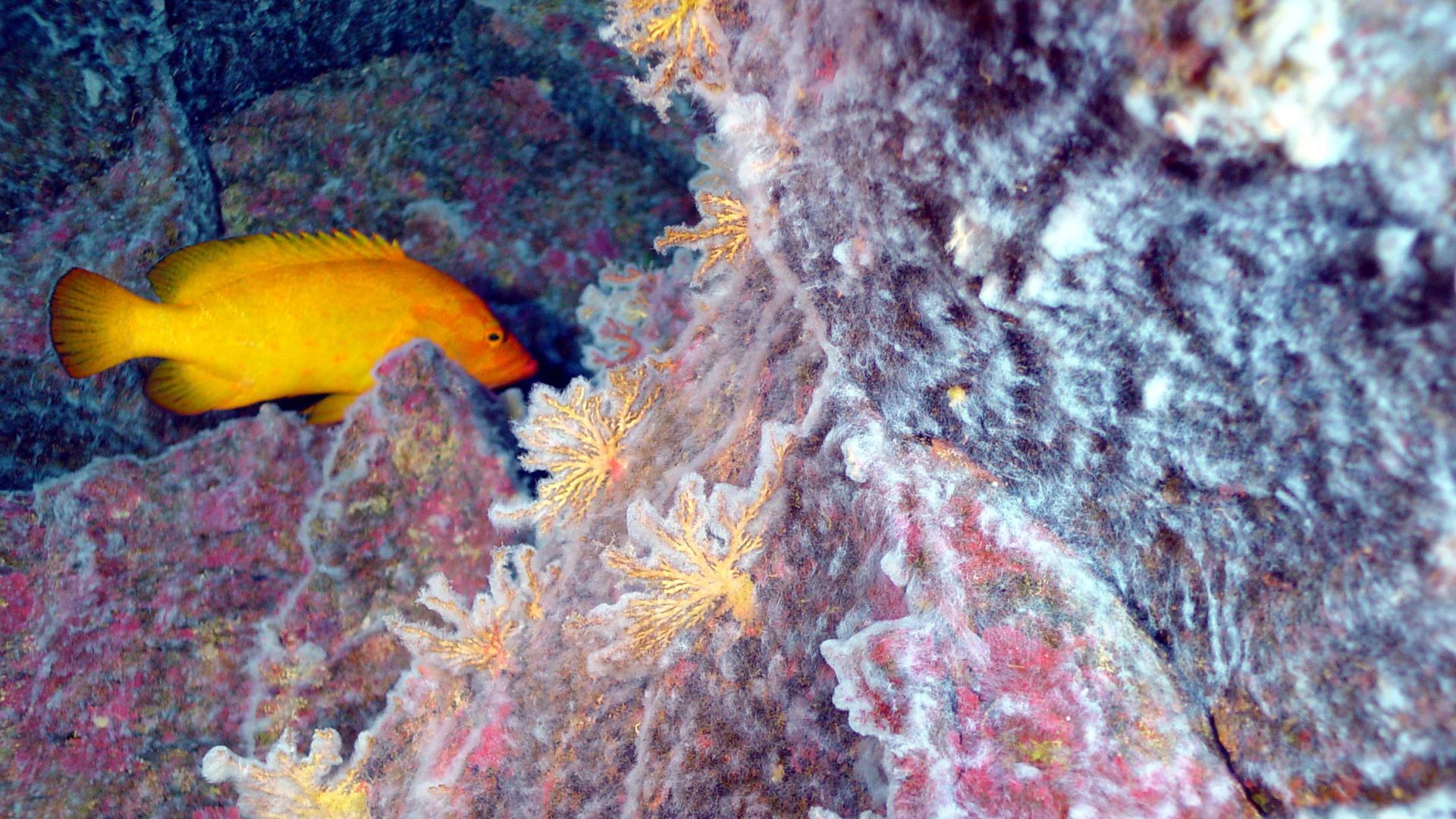 Image courtesy of Submarine Ring of Fire 2004 Exploration, NOAA Vents Program., Wikimedia Commons
Our Solar System Makes Things Messier
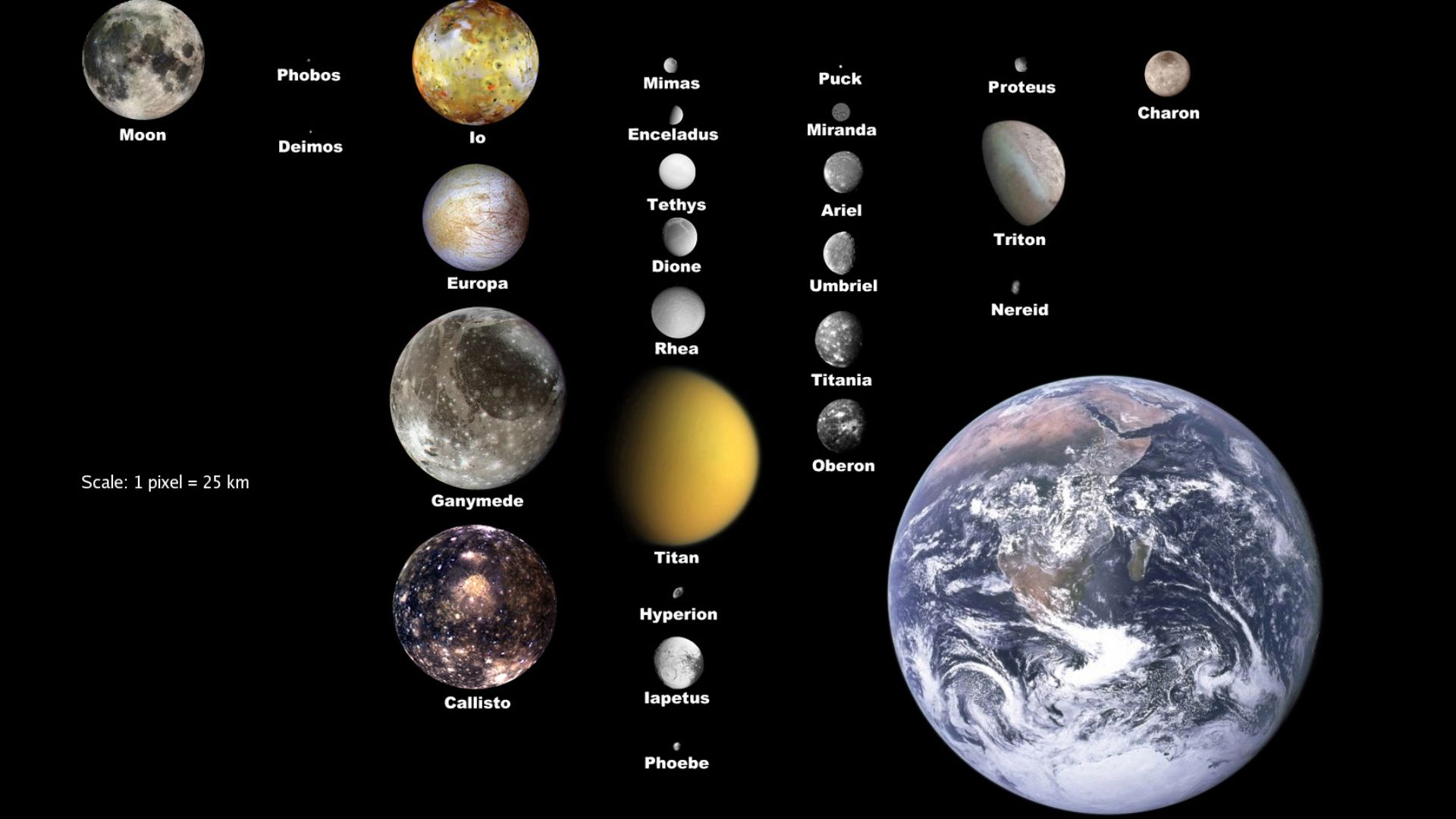
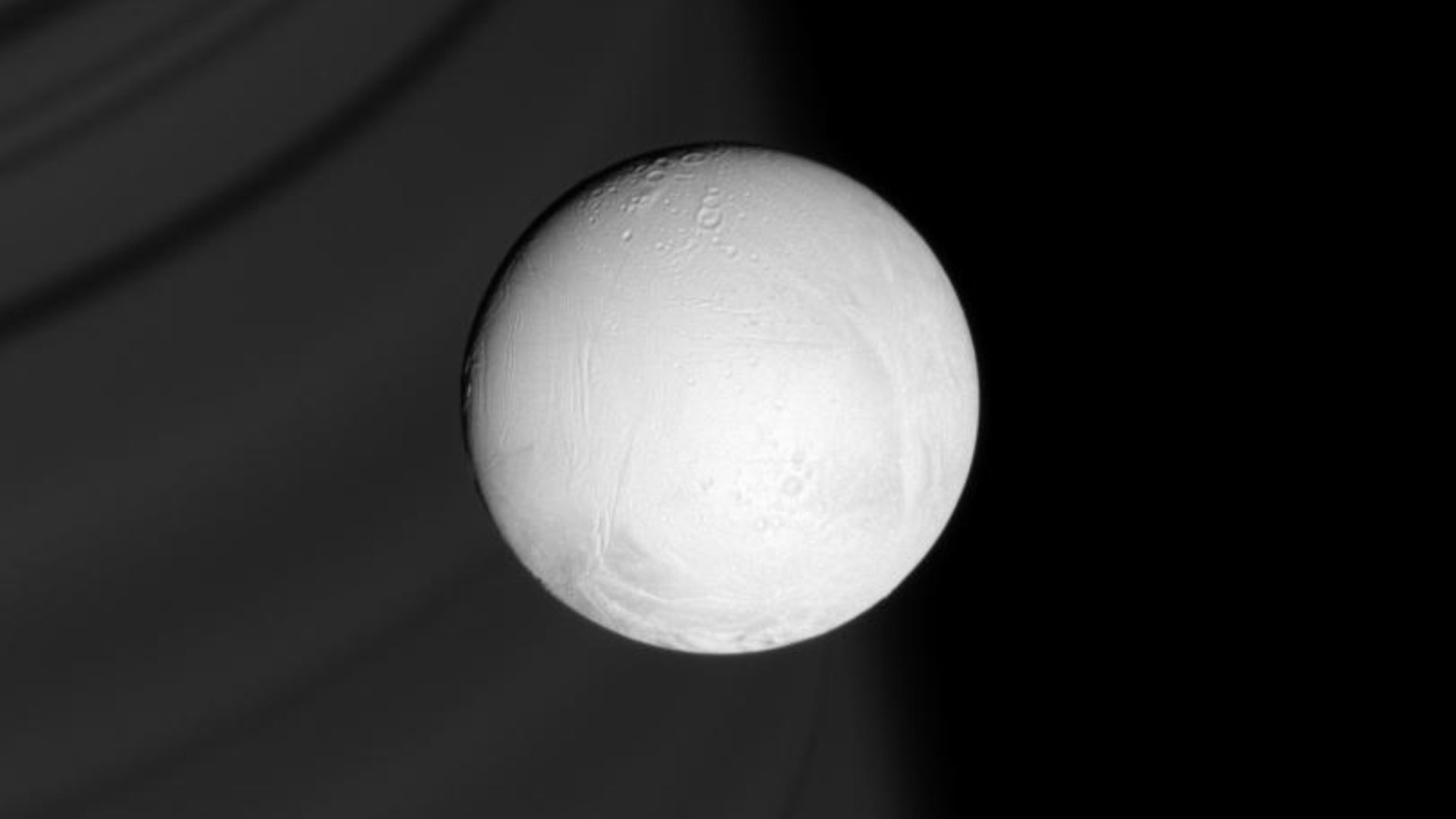
Scientists do not need to leave our solar system to find potentially habitable environments. Mars once had rivers and lakes. Europa appears to hide a vast salty ocean beneath its ice. Enceladus is even more intriguing because material from its underground ocean erupts directly into space.
Enceladus Keeps Getting Better
NASA’s Cassini spacecraft flew through Enceladus’ plumes and detected water, salts, organics, and molecular hydrogen. Scientists later identified phosphorus in ice grains originating from the hidden ocean. Further studies have revealed increasingly complex organic chemistry. None of this proves life exists there, but the ingredients are hard to ignore.
 NASA/JPL/Space Science Institute, Wikimedia Commons
Mars Just Added More Fuel
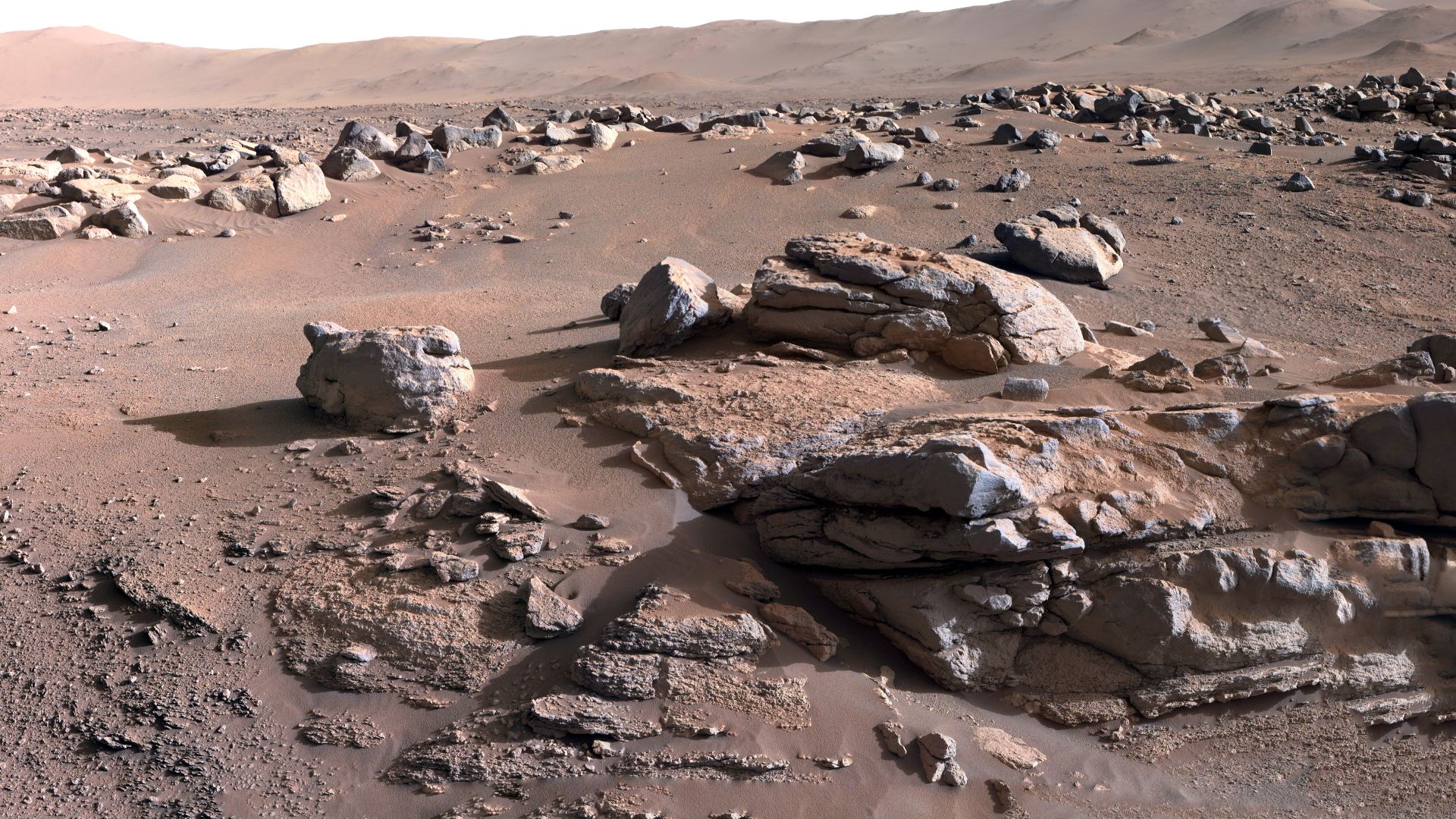
In September 2025, NASA announced that Perseverance had examined a Martian rock containing potential biosignatures. The sample came from an ancient river environment in Jezero Crater. Some features could be consistent with past microbial activity. NASA stressed that nonbiological explanations still need to be ruled out.
 Andrea Luck, Wikimedia Commons
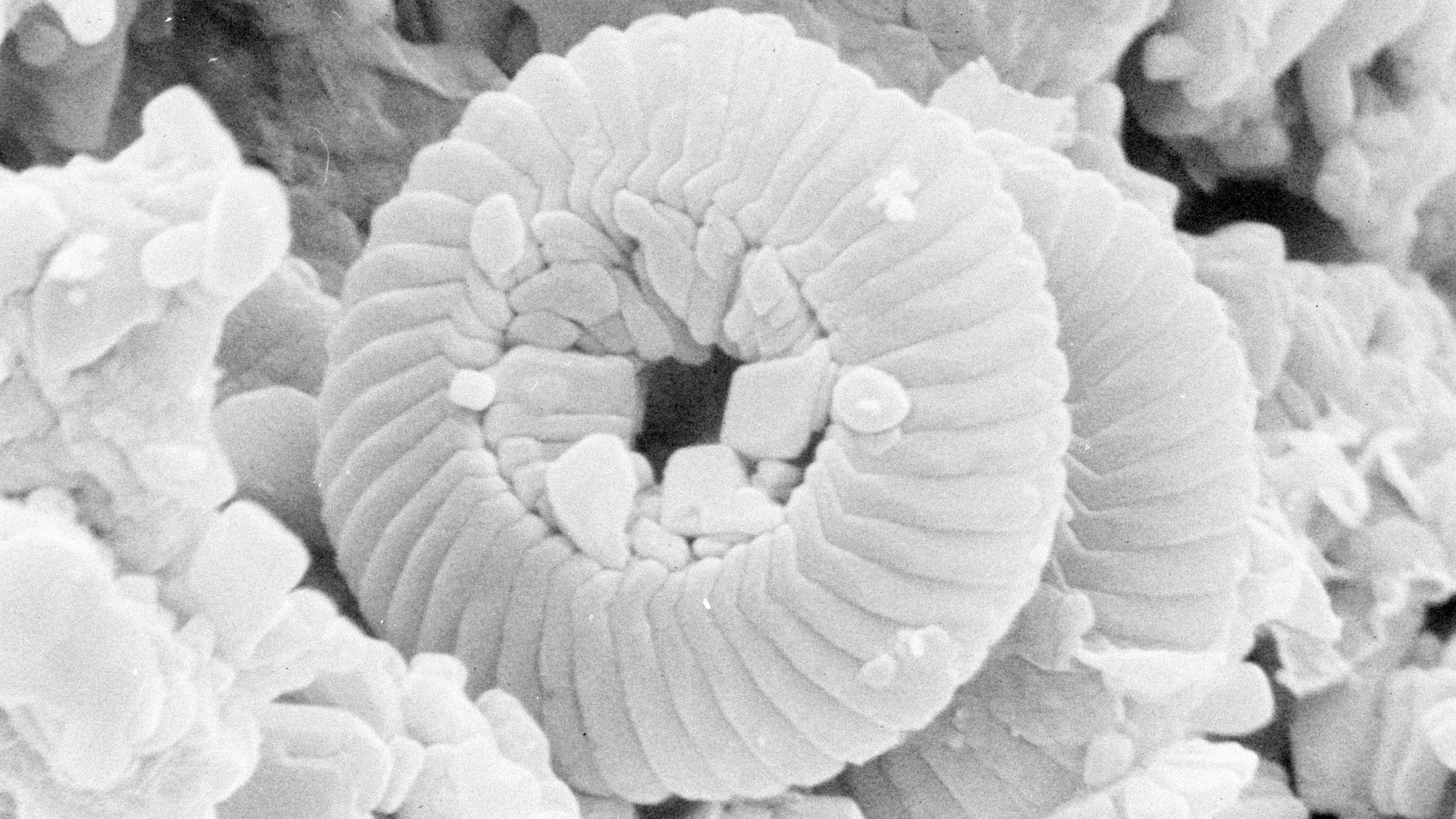
A Biosignature Is Not Proof
Scientists use the term “potential biosignature” very carefully. It describes something that could have a biological explanation but might also come from chemistry or geology. Nature can mimic signs associated with life. An intriguing signal starts the debate rather than ending it.
 Hannes Grobe (talk), Alfred Wegener Institute, Wikimedia Commons
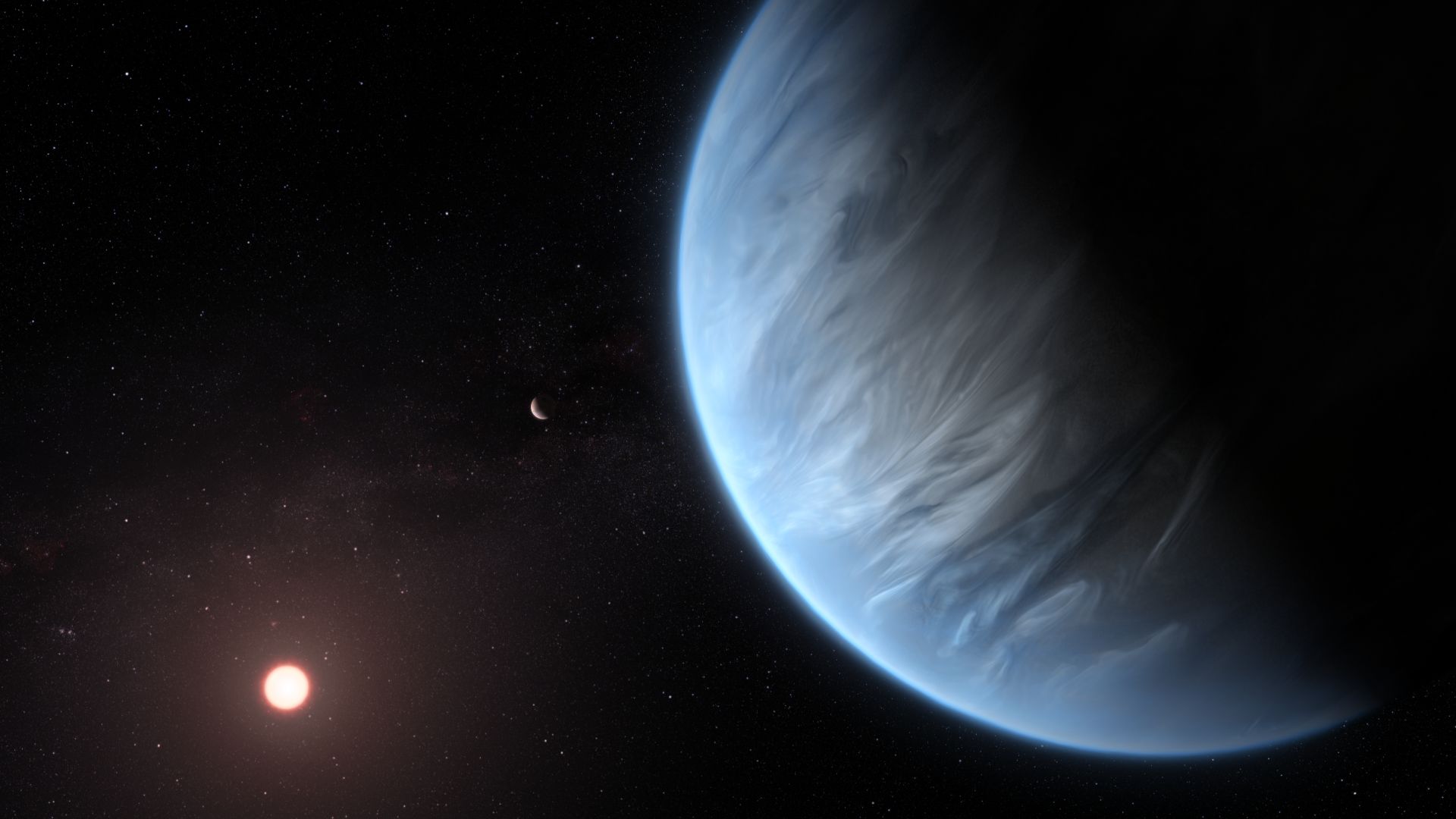
K2-18 B Became A Flashpoint
K2-18 b lies roughly 120 light-years away and has become one of the most debated exoplanets. In April 2025, a Cambridge-led team reported possible signs of dimethyl sulfide and dimethyl disulfide in its atmosphere. On Earth, DMS is strongly linked with biological activity. The finding immediately made headlines.
 /Hubble, M. Kornmesser, Wikimedia Commons
Then Other Scientists Pushed Back
Other astronomers quickly challenged the interpretation. They questioned whether the molecules could be confidently separated from other compounds and whether the signal was strong enough. A later analysis found no statistically significant evidence for DMS or DMDS. The disagreement became a perfect example of how difficult alien-life claims are to prove.
 NASA/dima_zel, Wikimedia Commons
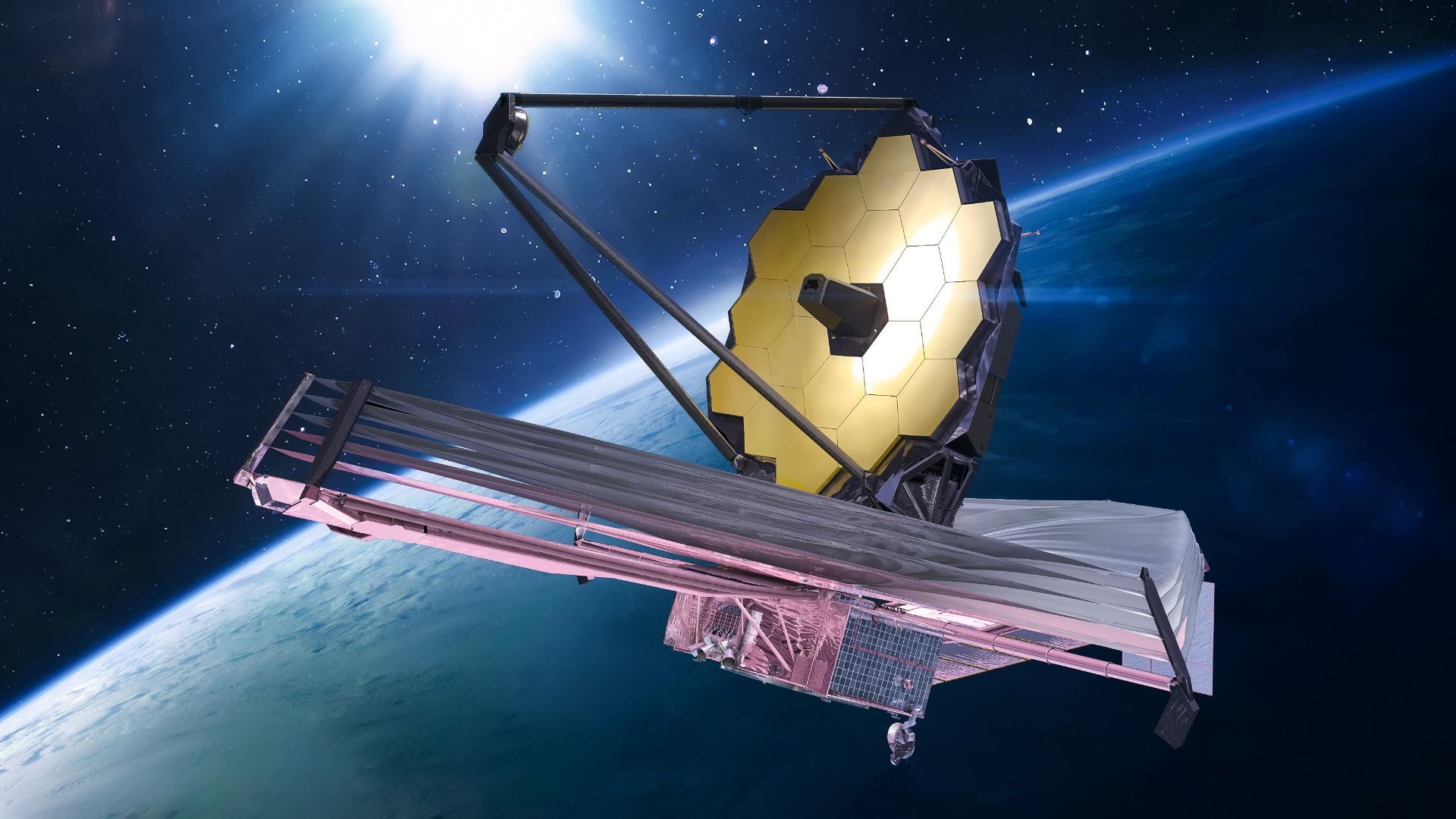
Webb Is Showing How Hard This Is
The James Webb Space Telescope can study light passing through some exoplanet atmospheres and search for chemical fingerprints. In practice, the signals are extremely faint. Stellar activity, clouds, and instrument limits can complicate the data. Small rocky planets are especially difficult targets.

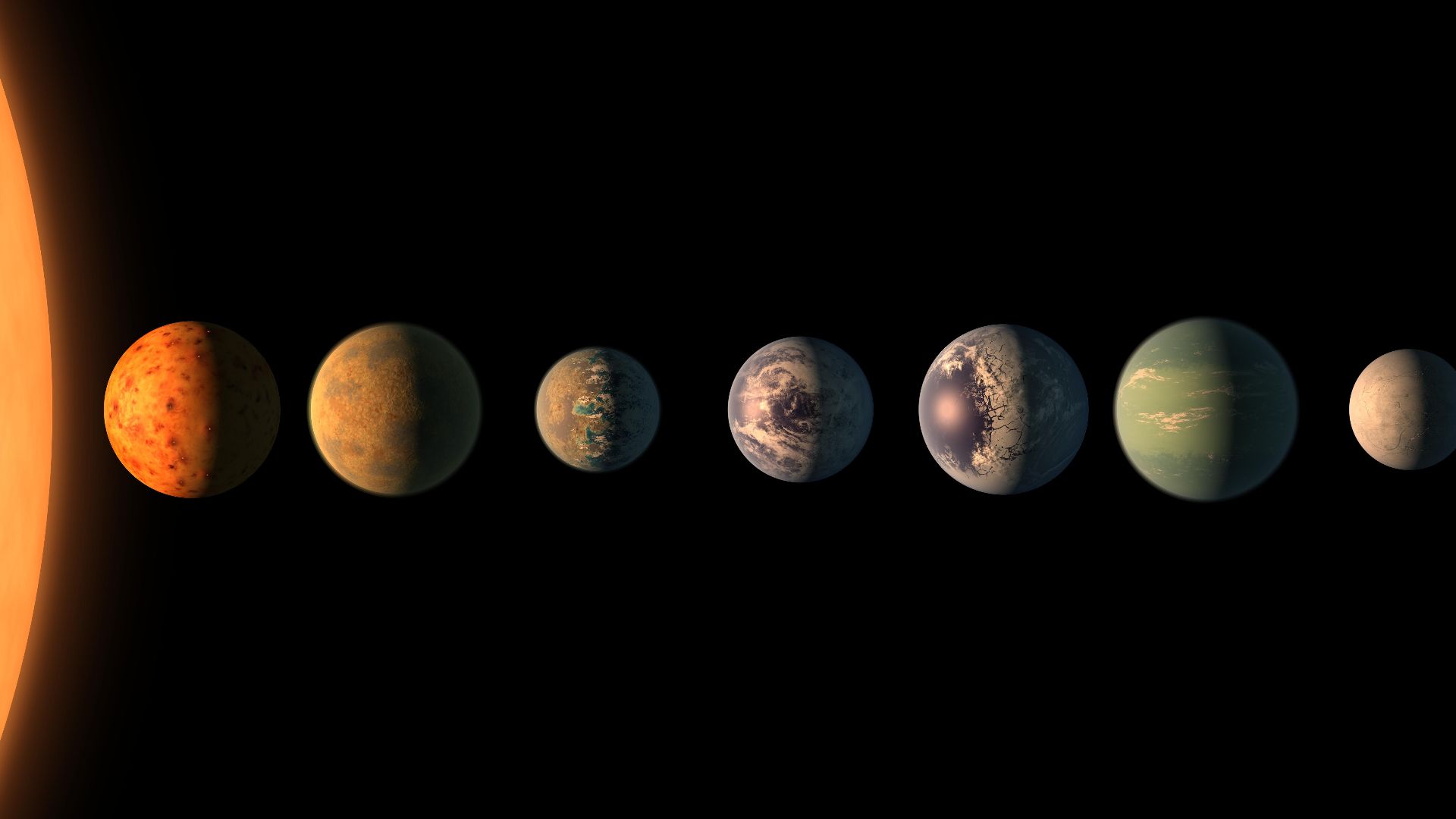
TRAPPIST-1 Is Giving Reality Checks
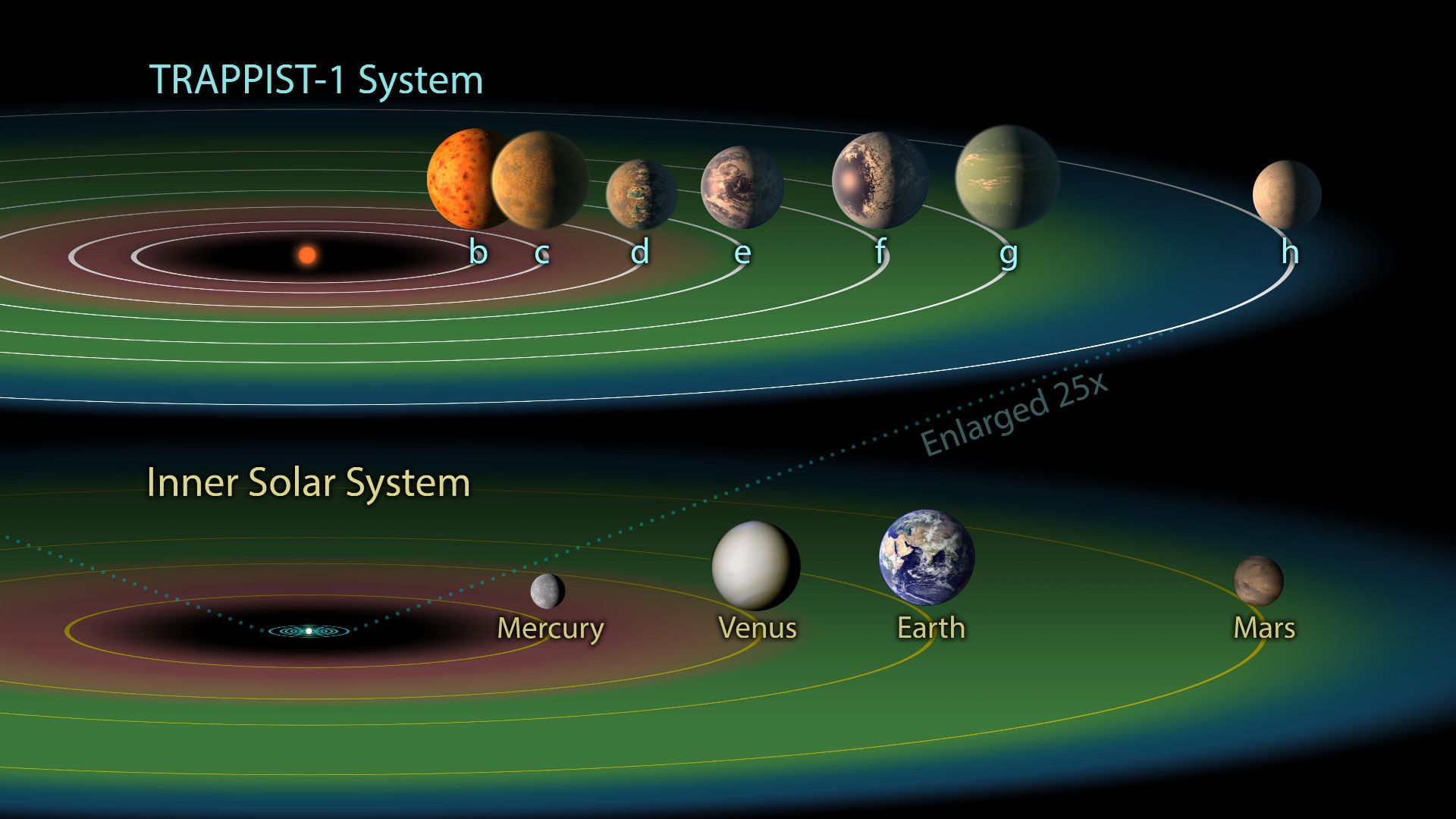
The TRAPPIST-1 system contains seven roughly Earth-sized planets about 40 light-years away. Several drew huge attention because of their locations near the star’s habitable zone. Webb observations have since ruled out some atmospheric possibilities for the inner worlds. Others remain unresolved.
 NASA/JPL-Caltech , Wikimedia Commons
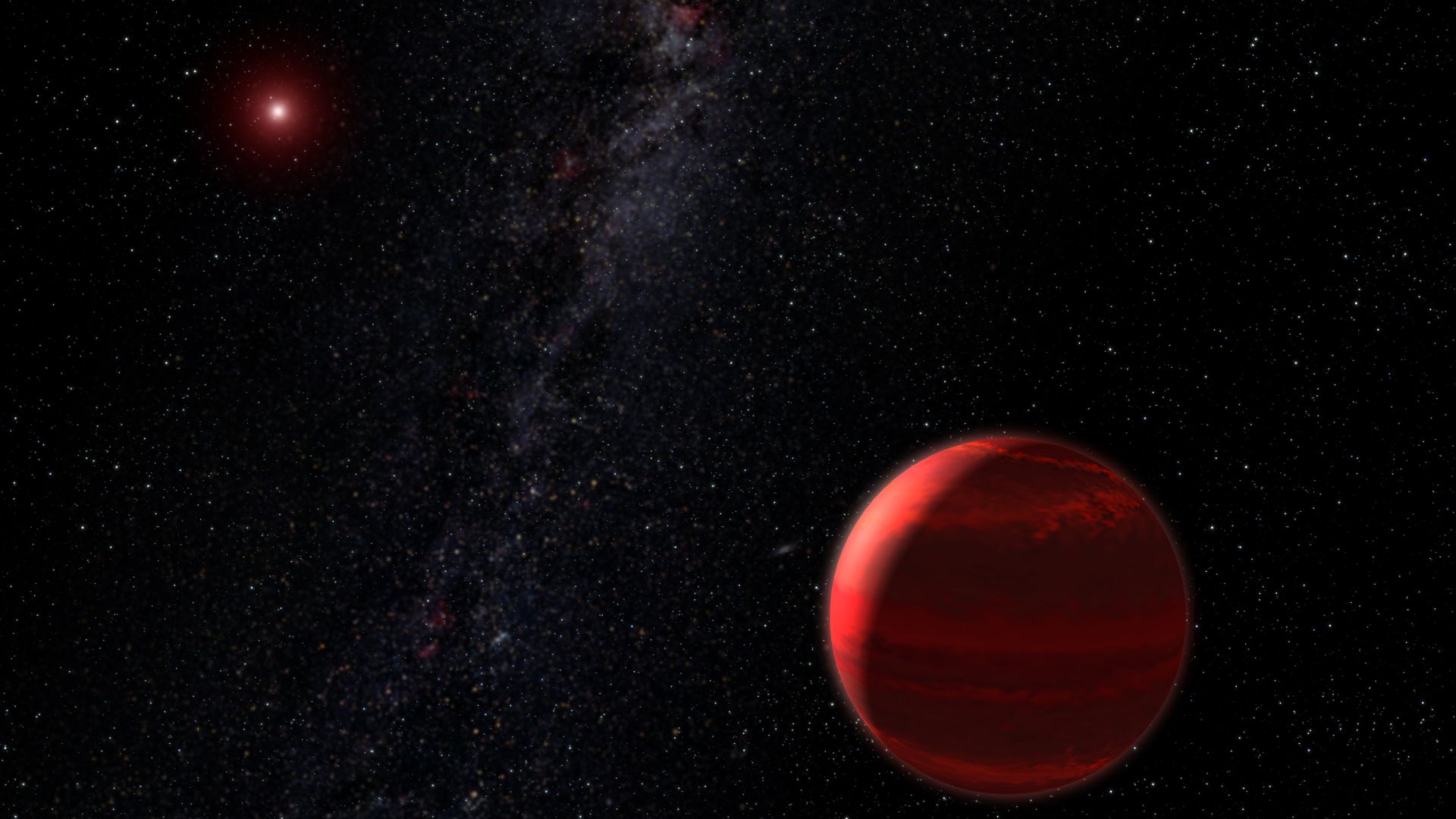
Red Dwarfs Bring Their Own Problems
Red dwarfs are the most common stars in the Milky Way, making their planets especially important. But many can produce powerful flares, especially when young. Their habitable-zone planets orbit very close to them and can receive intense radiation. That could make maintaining an atmosphere much harder.
 NASA, ESA and G. Bacon (STScI), Wikimedia Commons
The Silence Still Bothers Scientists
If life and habitable planets are common, why have we detected no technological civilization? That tension is known as the Fermi paradox. Scientists have searched for radio signals, optical flashes, and other potential technosignatures. So far, none has been confirmed.
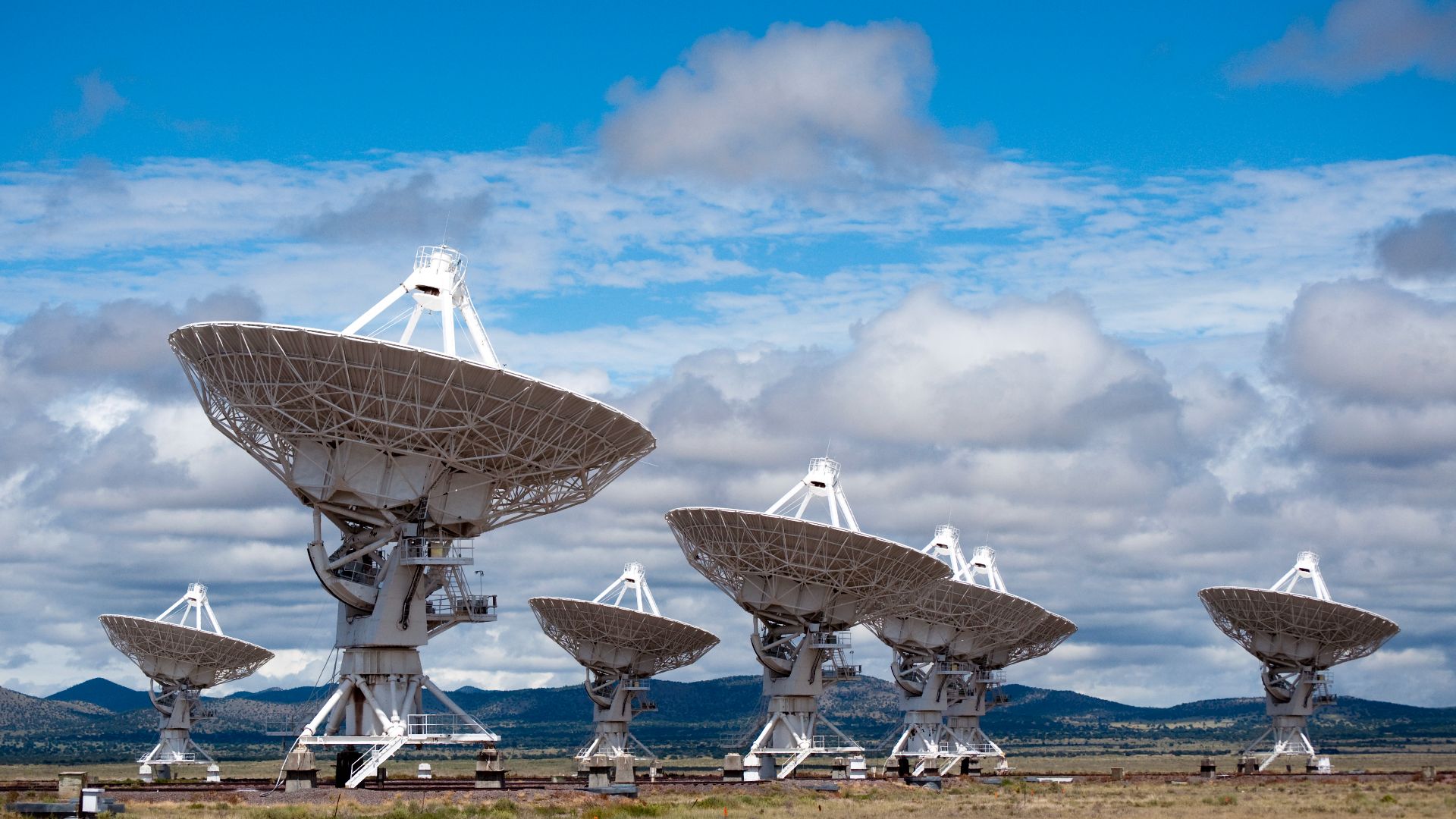
The Drake Equation Shows The Problem
Astronomer Frank Drake created his famous equation in 1961 to estimate how many detectable civilizations might exist. Some astronomical terms are now better understood because we know planets are common. The biological and technological terms remain almost completely uncertain. One unknown number can change the answer dramatically.
 NRAO/AUI/NSF, Wikimedia Commons
Maybe Life Is Common But Intelligence Is Rare
Microorganisms dominated Earth for most of its inhabited history. Technological intelligence appeared extremely late. That leaves open the possibility that microbial life could be widespread while civilizations are rare. Finding even simple life elsewhere would immediately transform the debate.
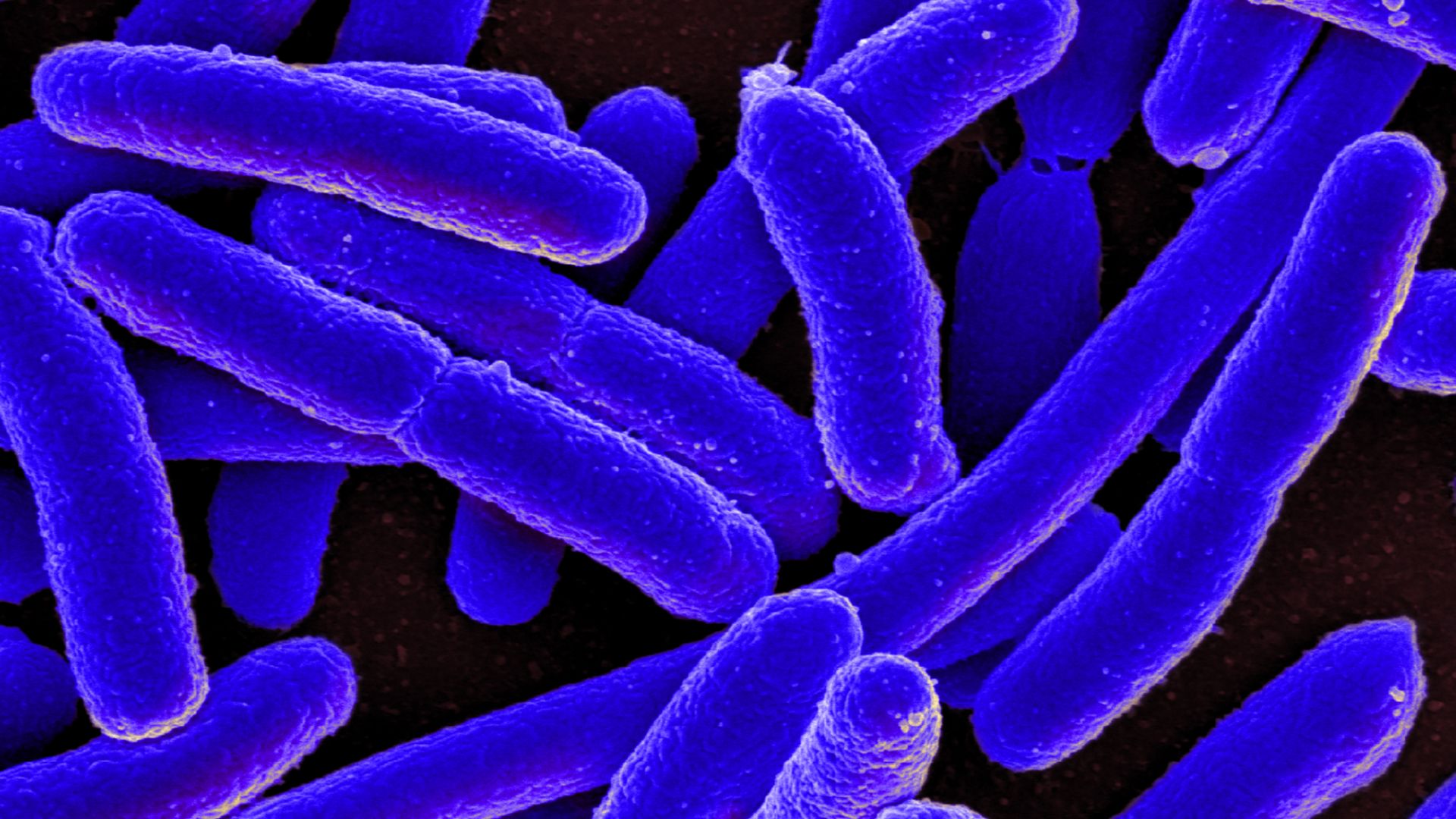
Maybe We Have Barely Looked
There is also a simpler explanation for the silence. Space is enormous, signals may be weak or brief, and SETI searches have covered only a fraction of the possible sky and frequencies. Alien technology might also look nothing like what humans expect. A limited search cannot prove the galaxy is empty.
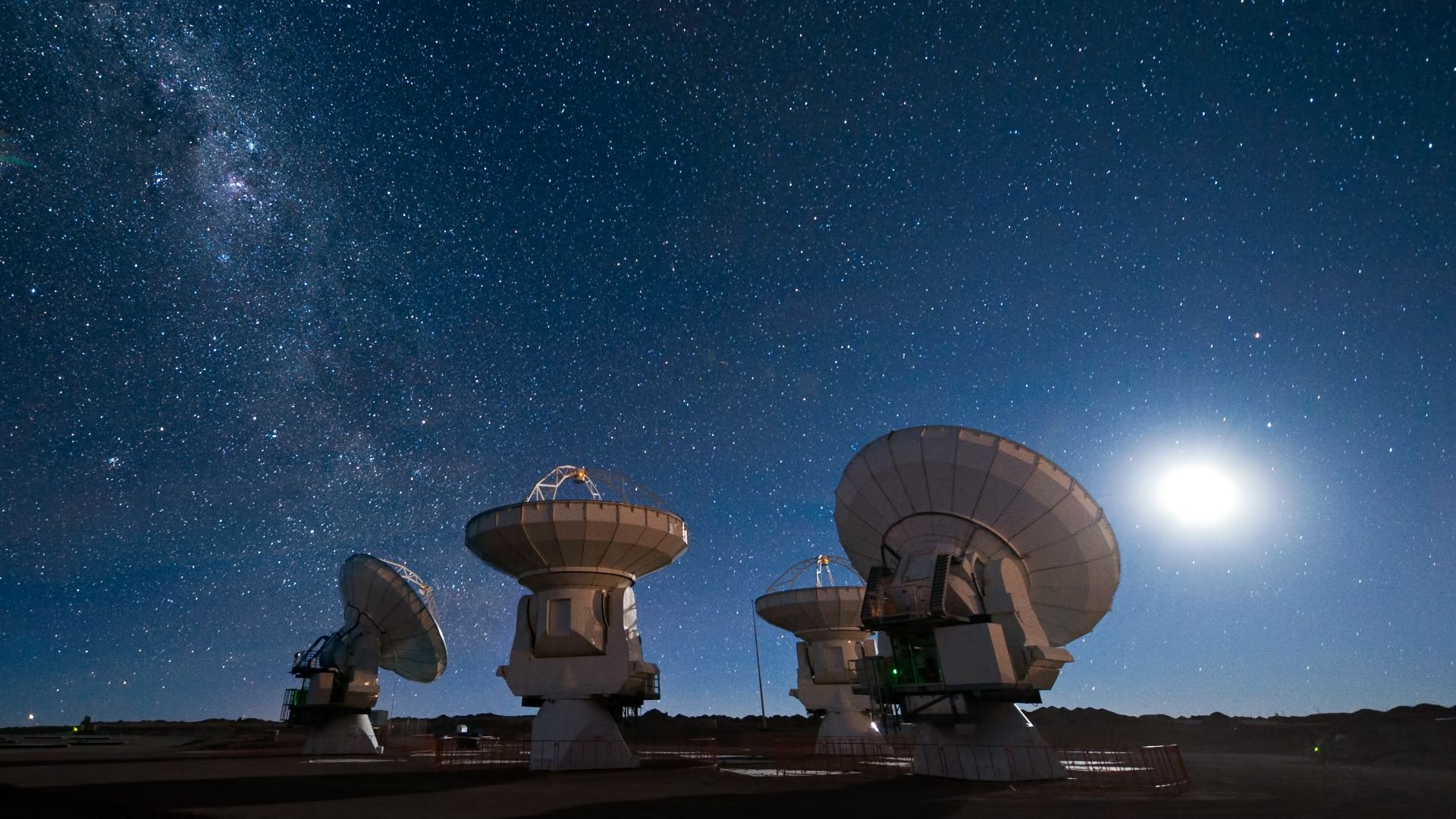 ESO/Jose Francisco Salgado (josefrancisco.org), Wikimedia Commons
The Next Telescopes Could Change Everything
NASA is developing the Habitable Worlds Observatory to directly image potentially Earth-like planets around Sun-like stars and study their atmospheres. NASA selected technology proposals for the project in January 2026. The Nancy Grace Roman Space Telescope should also expand our understanding of distant planetary systems. Astronomy is moving closer to studying actual Earth analogues.
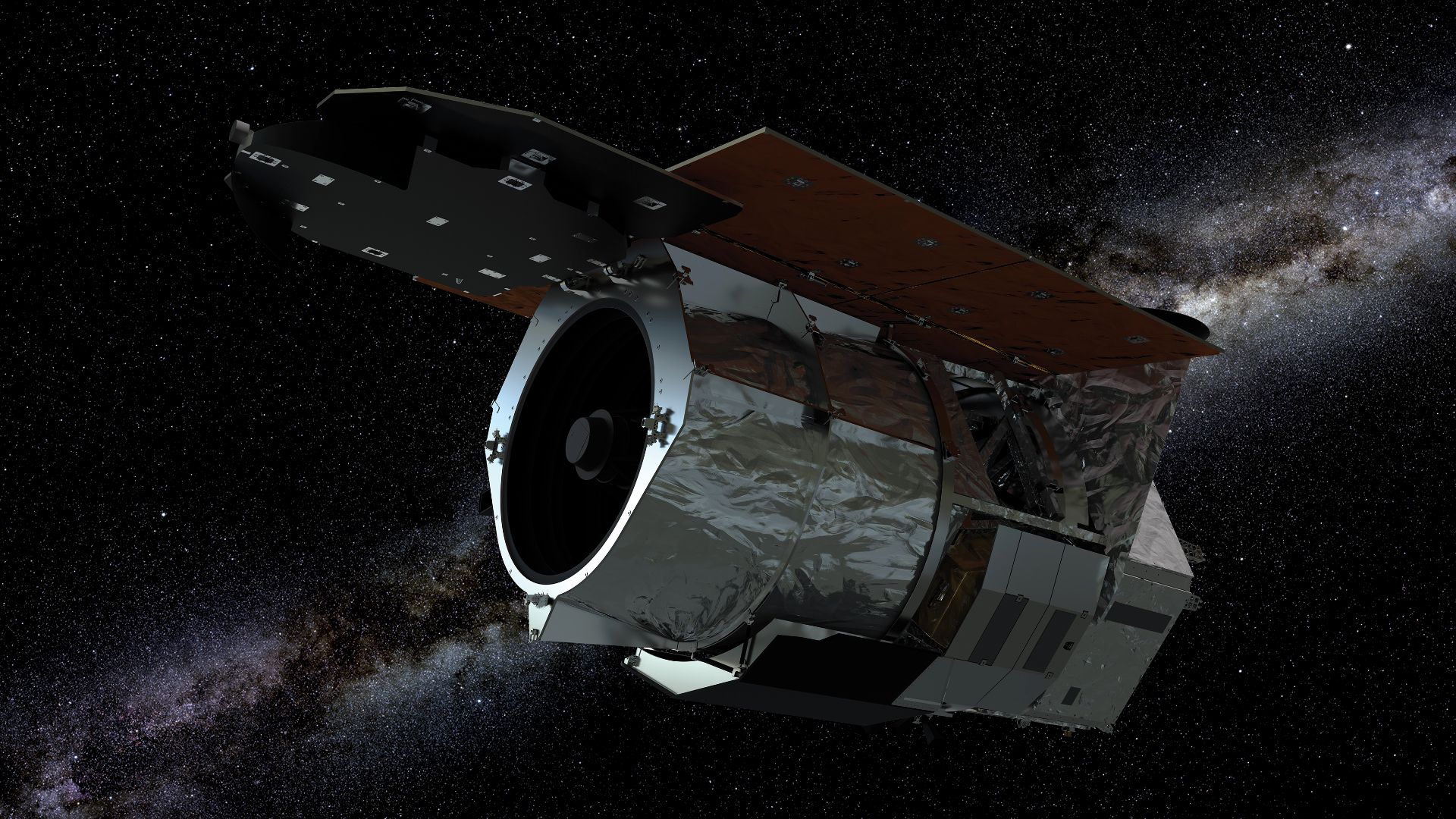 IMAGE: NASA, NASA-GSFC, Wikimedia Commons
Earth May Be Rare, Lonely, Or Neither
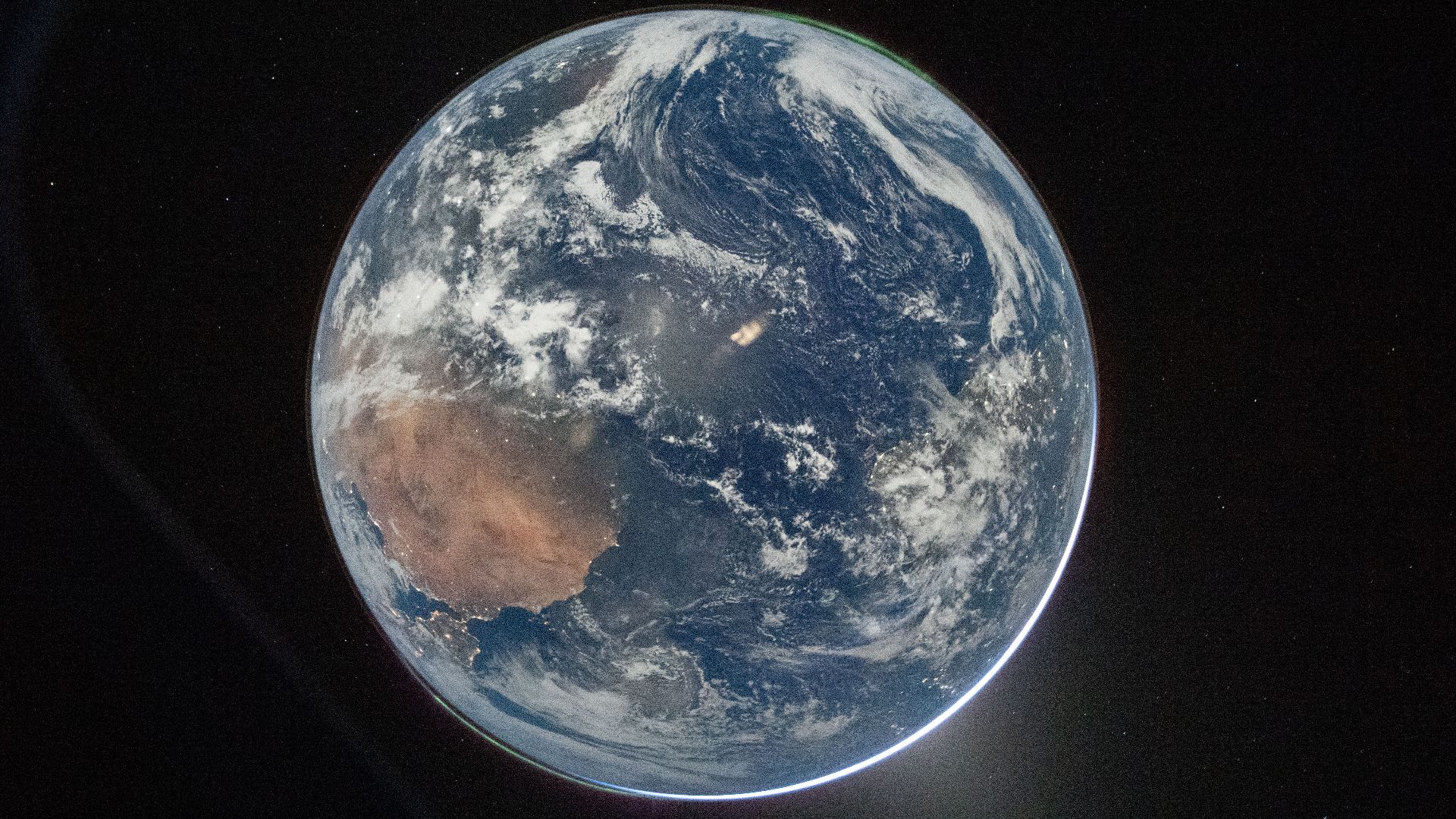
Science still cannot tell us which answer is right. Planets are abundant, potentially habitable environments appear in surprising places, and life on Earth is remarkably adaptable. Yet no extraterrestrial organism or civilization has ever been confirmed. The universe keeps giving scientists reasons for optimism and doubt at the same time.
 Reid Wiseman/NASA, Wikimedia Commons
You May Also Like:
NASA scientists found the building blocks of life inside an asteroid sample returned to Earth.
Scientists Are Looking For Alien Civilizations In A Way That Sounds Like Science Fiction