

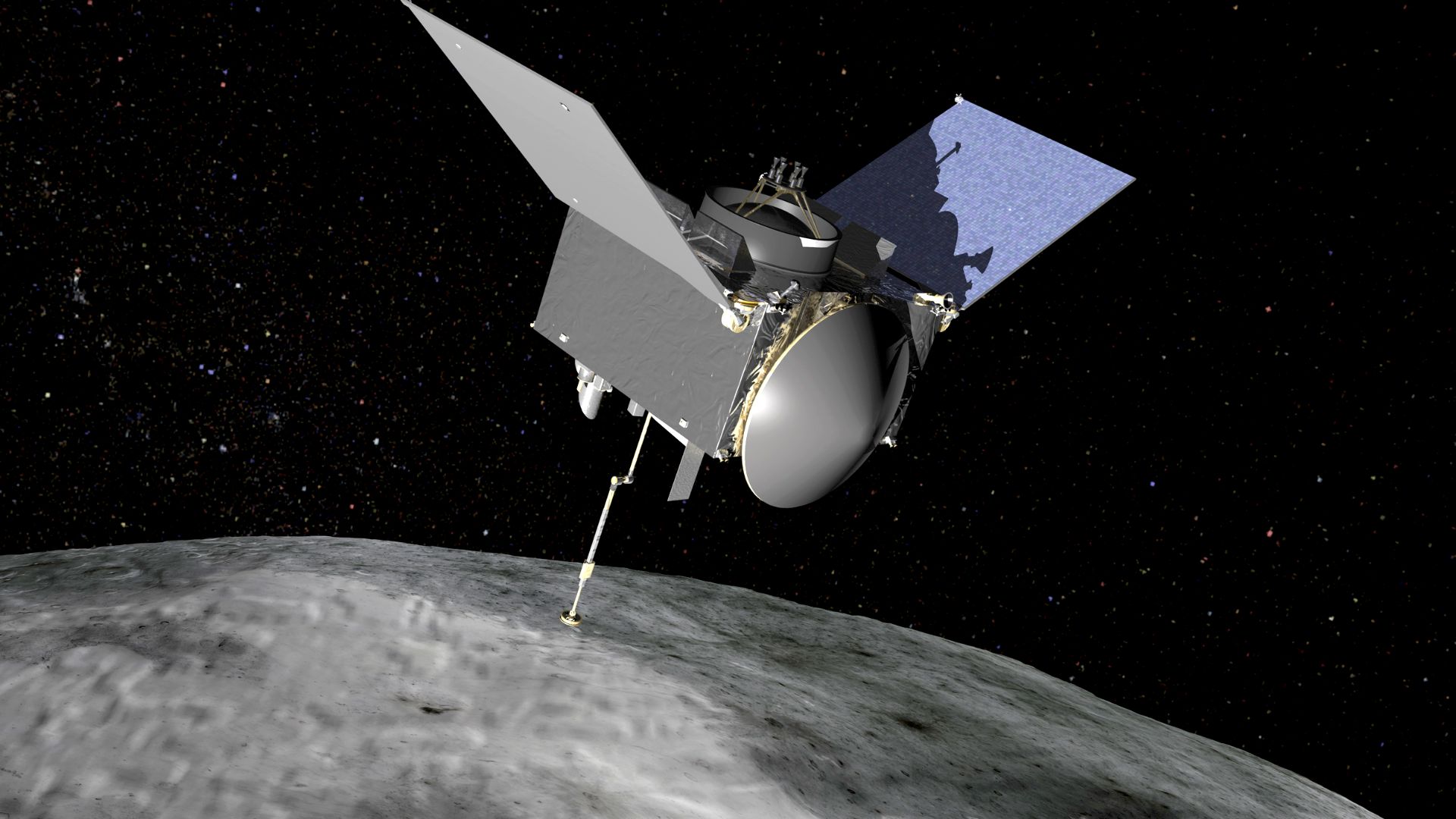
An Asteroid’s Remarkable Cargo
A pristine sample from asteroid Bennu has delivered a remarkable collection of compounds connected with life on Earth. Amino acids, nucleobases, ammonia, sugars, and evidence of ancient salty water are helping scientists investigate how life’s raw ingredients formed and how widely they may be distributed.
 Public Domain, Wikimedia Commons
A Long-Planned Mission
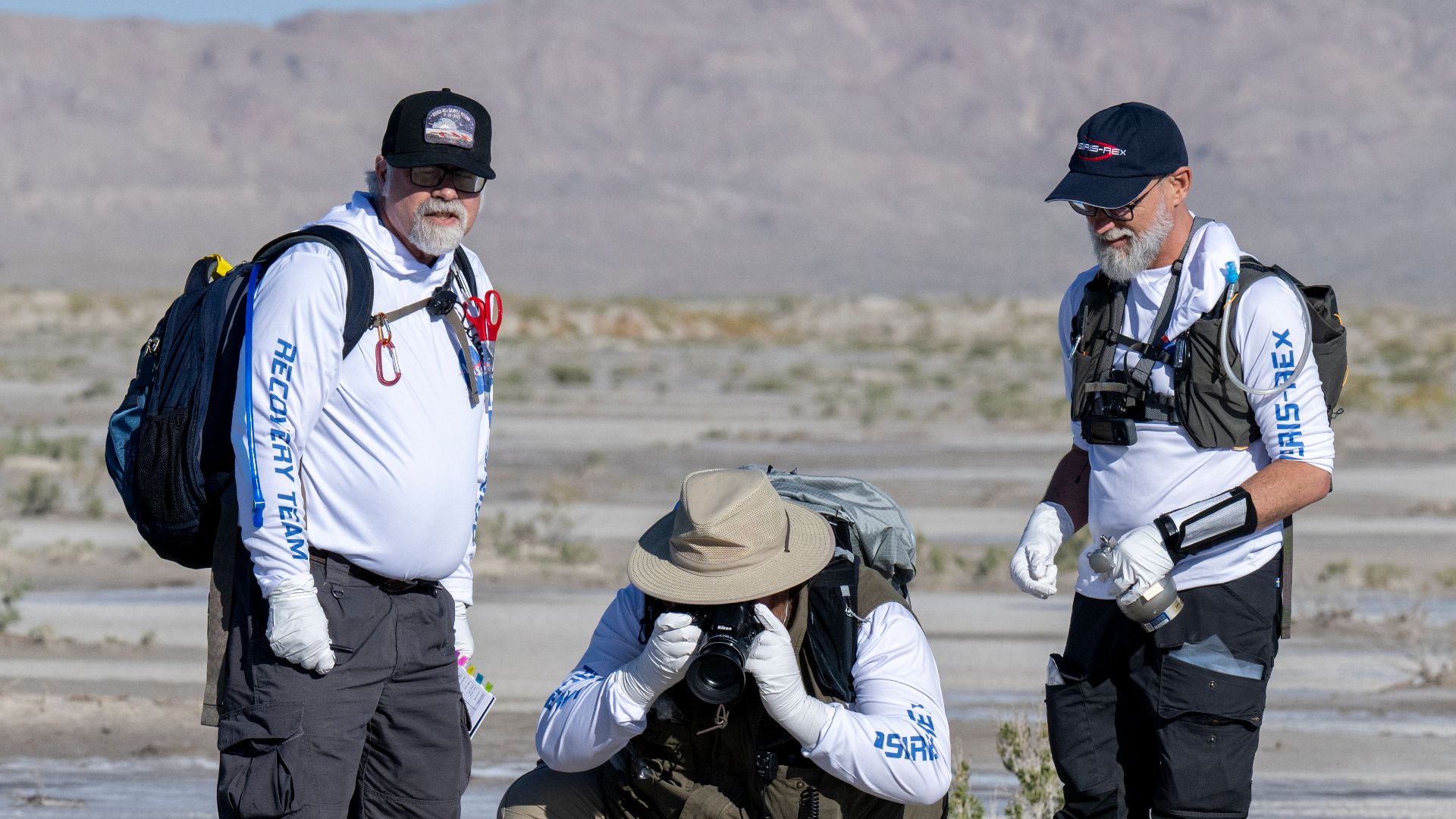
OSIRIS-REx was selected in 2011 after years of planning and collaboration involving hundreds of team members. The spacecraft launched in 2016 and reached Bennu in 2018, beginning the close examination of an asteroid described by researchers as a time capsule from the early solar system.
Bringing Bennu Home
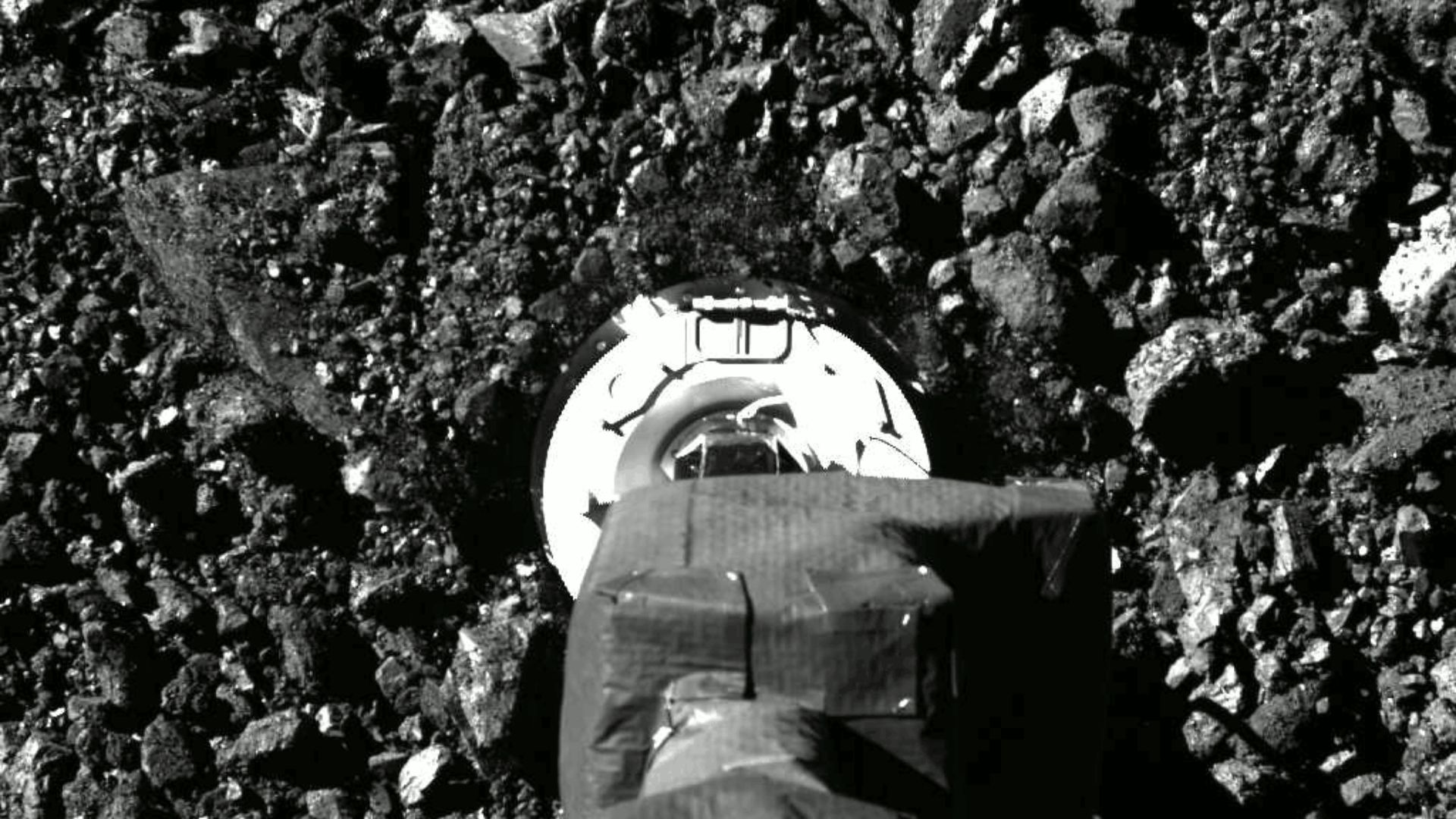
NASA’s OSIRIS-REx became the agency’s first mission to retrieve material from an asteroid and return it to Earth. After gathering Bennu’s surface material in space, the mission ultimately delivered 4.29 ounces, or 121.6 grams, more than twice its original 60-gram goal.
 NASA/Goddard/University of Arizona, Wikimedia Commons
A Carefully Protected Sample
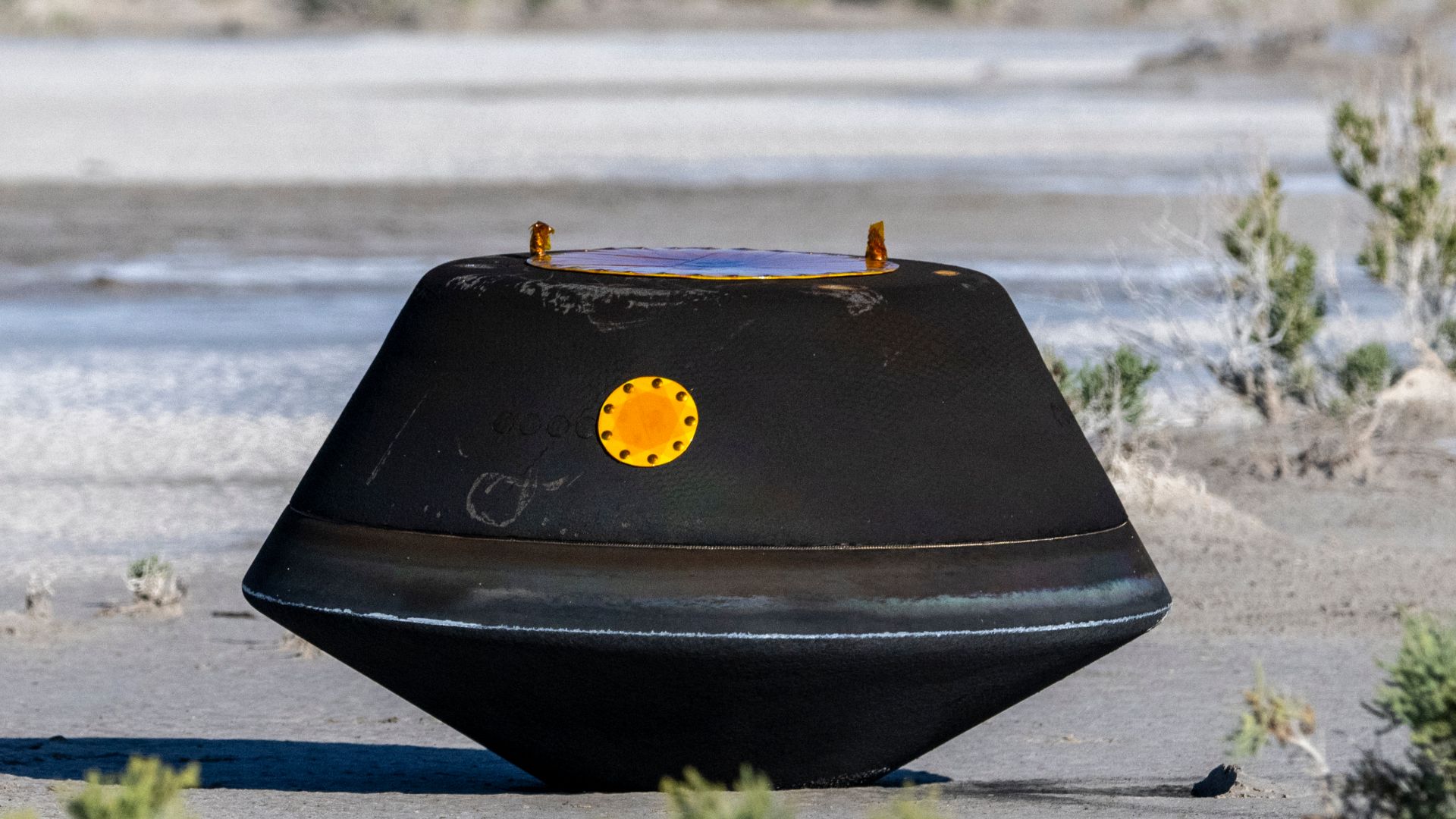
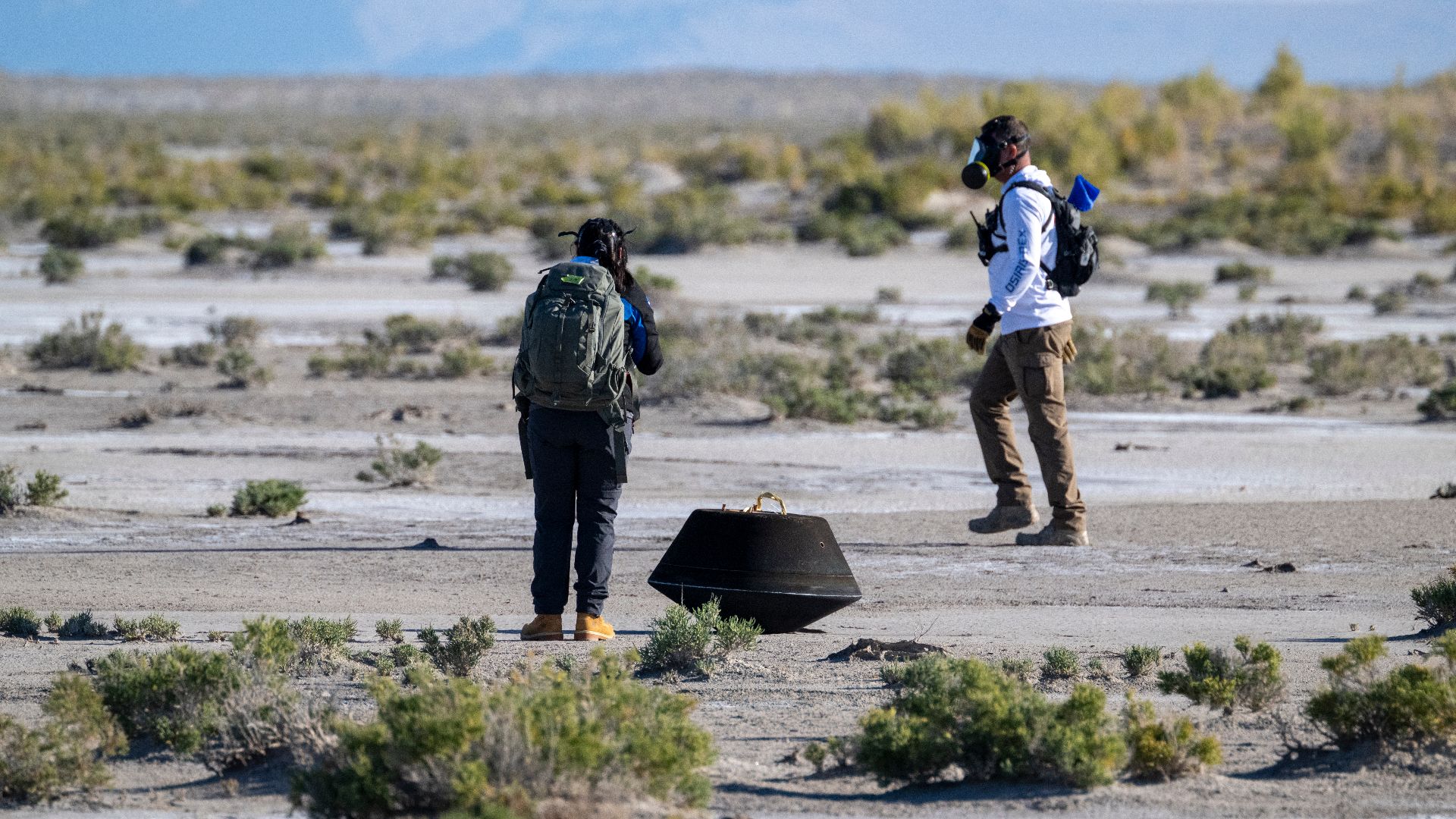
The asteroid material traveled home inside a protective capsule, preserving dust and rock in a virtually unaltered state. Unlike meteorites, which can be damaged or contaminated during passage through Earth’s atmosphere, Bennu’s material gave scientists a pristine sample for examining delicate organics, minerals, and isotopes.
 NASA/Keegan Barber, Wikimedia Commons
The Sample Arrives
The material was delivered to Earth in September 2023, opening a new phase of laboratory research. Scientists around the world began studying the carefully curated grains, while NASA emphasized contamination control, storage, and curation because the tiny chemical clues could easily be altered by Earth’s environment.
 NASA/Keegan Barber, Wikimedia Commons
Seventy-Two Crucial Hours
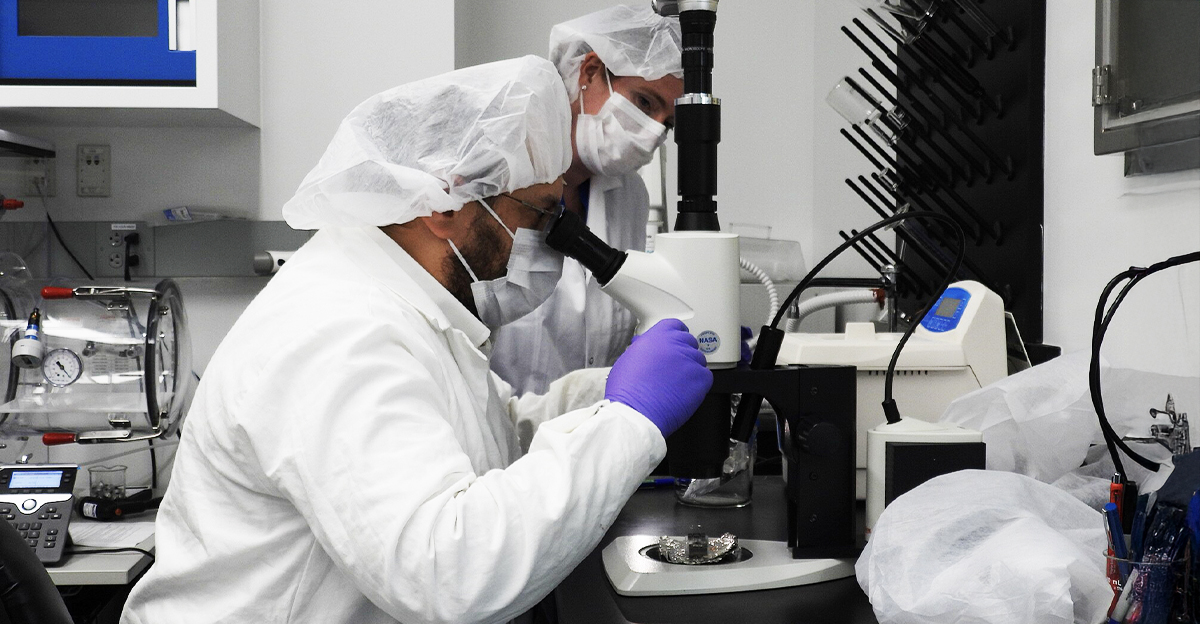
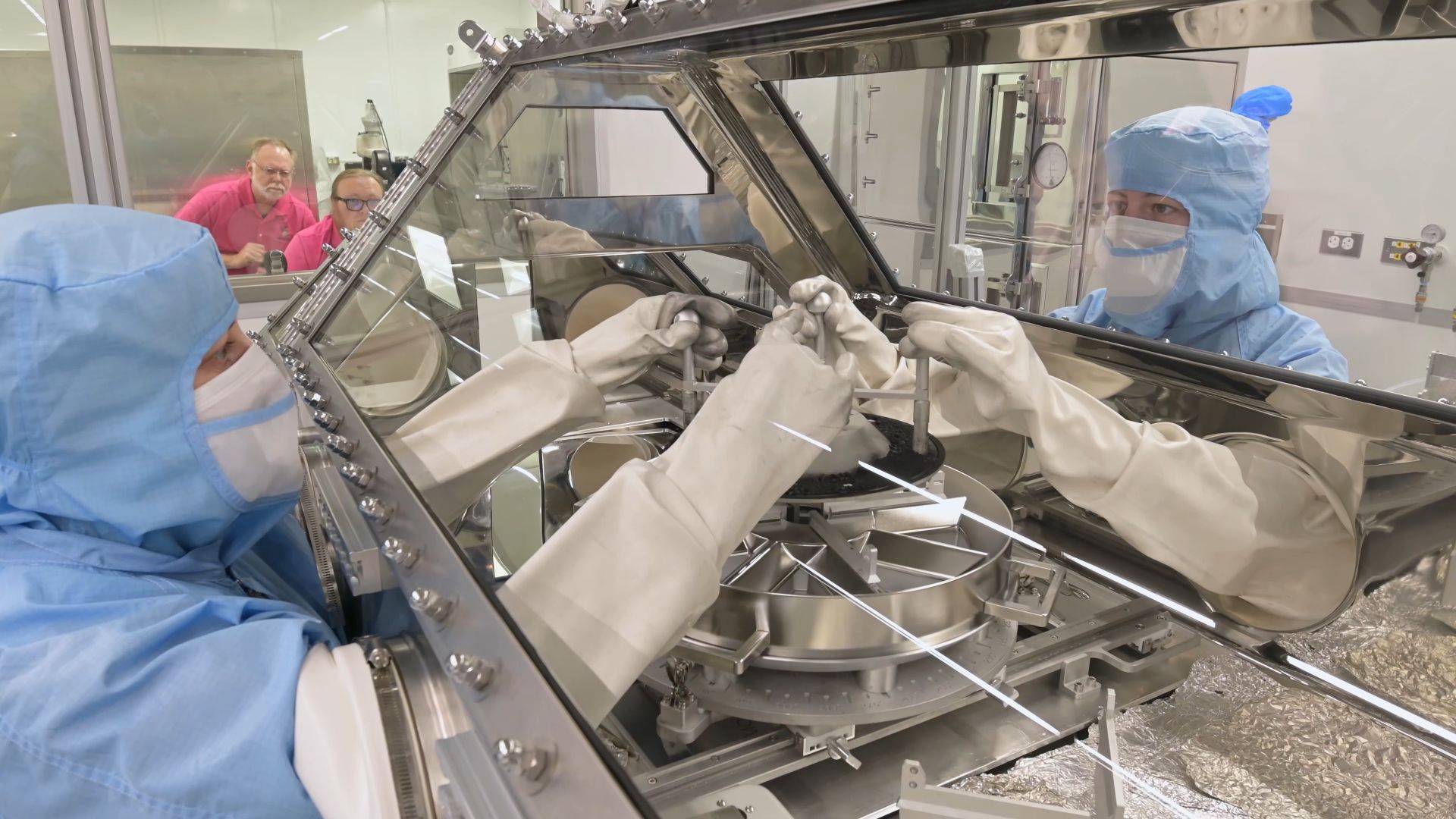
Michelle Thompson, an associate professor at Purdue University, was among the first nine lead investigators examining the material. Thompson and her colleagues were given 72 hours to conduct initial measurements and analyses, applying expertise in how extraterrestrial bodies and their chemistry respond to space environments.
The First Major Findings
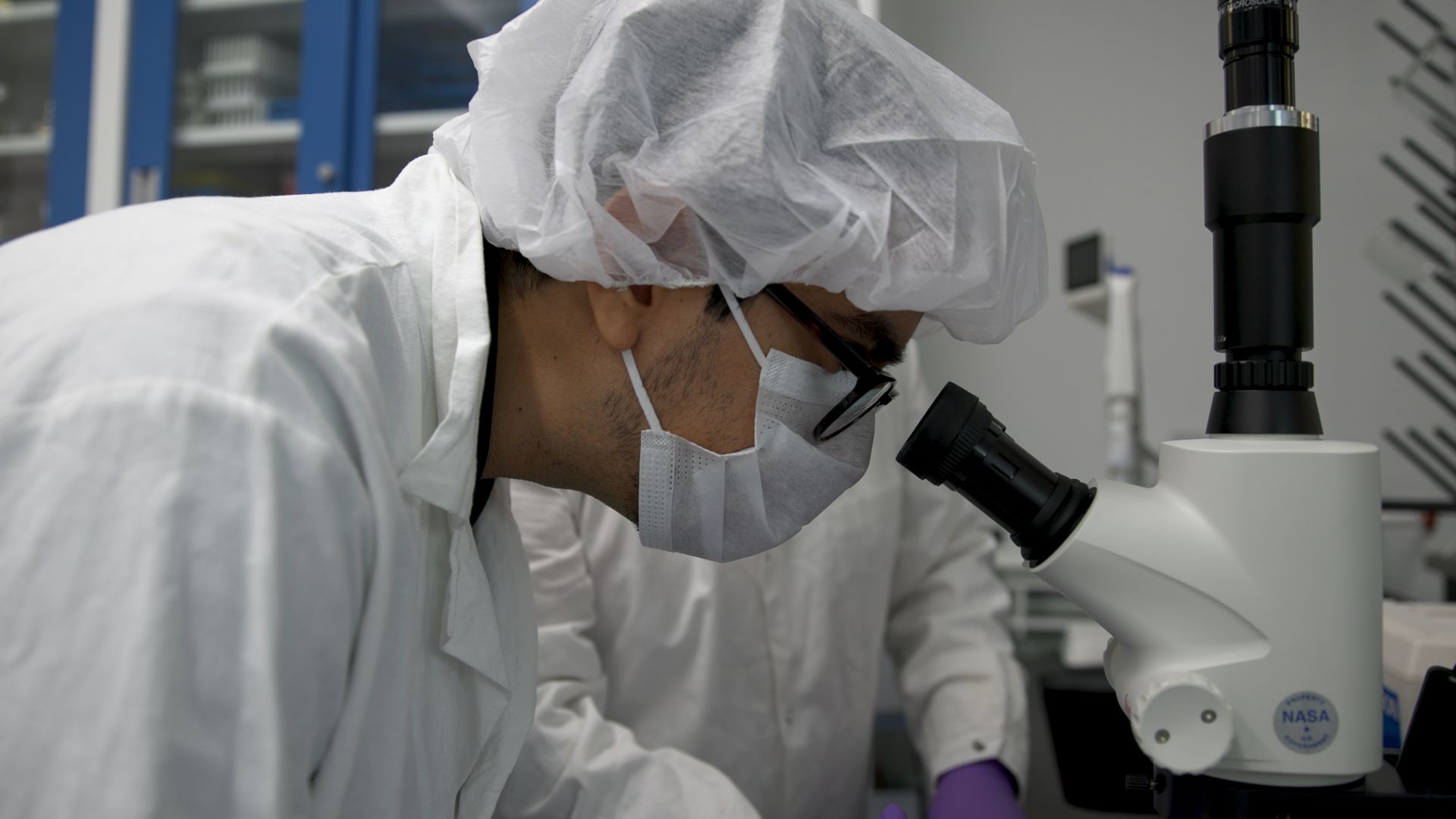
In January 2025, researchers reported the first in-depth analyses of Bennu’s minerals and molecules. The results revealed compounds that are crucial to terrestrial biology alongside evidence of a long-vanished salty environment where those ingredients could have interacted and undergone increasingly complex chemical reactions.
Fourteen Essential Amino Acids
Among the most significant discoveries were 14 of the 20 amino acids used by life on Earth to build proteins. Scientists also identified 19 additional amino acids not used by terrestrial life, demonstrating the considerable chemical diversity preserved within the asteroid’s ancient material.
 NASA Goddard Space Flight Center / James Tralie, Wikimedia Commons
The Genetic Alphabet Appears
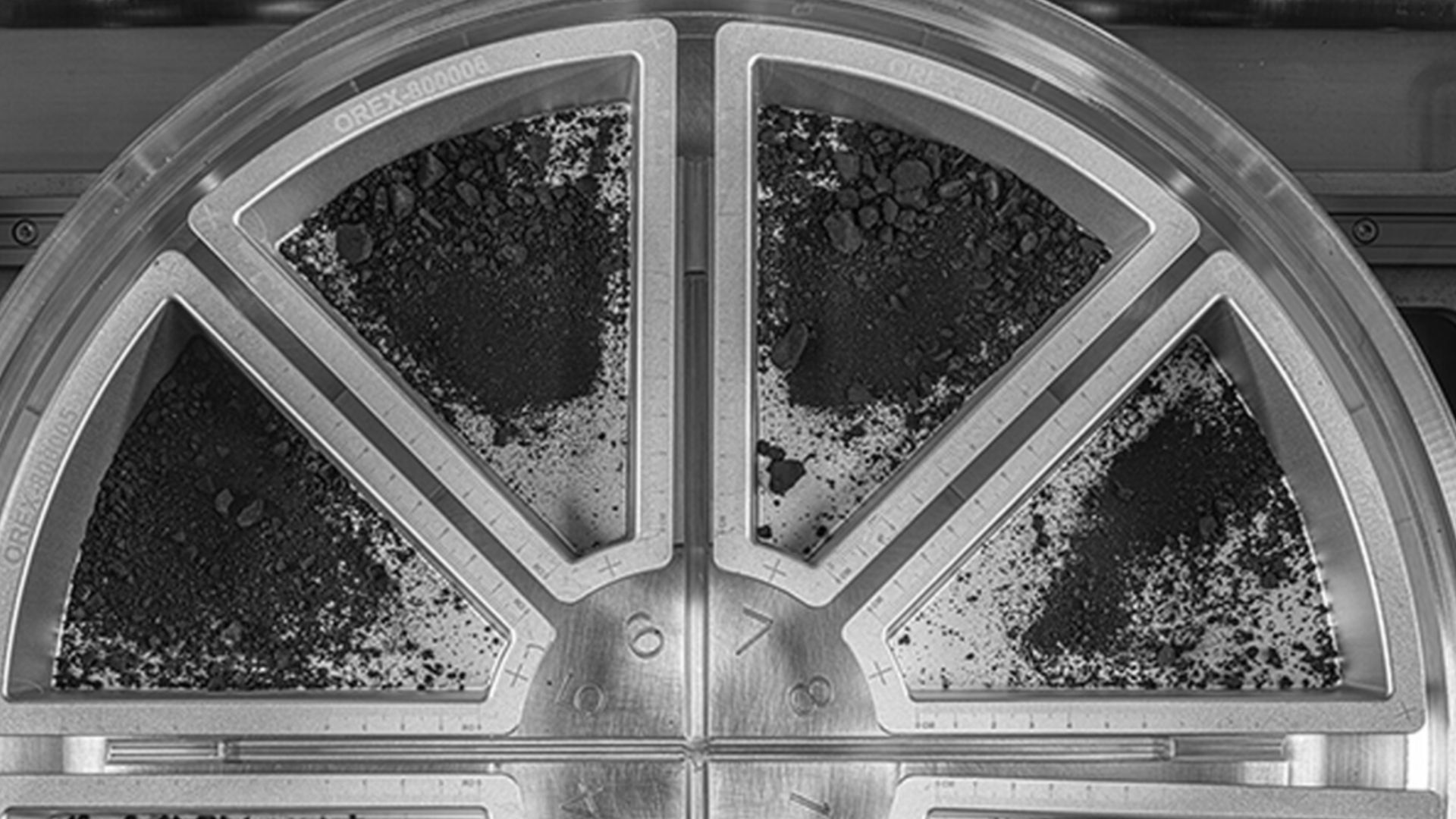
Researchers also found all five nucleobases used by life on Earth to store and transmit genetic instructions through molecules including DNA and RNA. Together with the amino acids, their presence made Bennu a remarkably rich repository of chemical ingredients associated with fundamental biological processes.
 Dante S. Lauretta et. al., Wikimedia Commons
Ammonia In Abundance
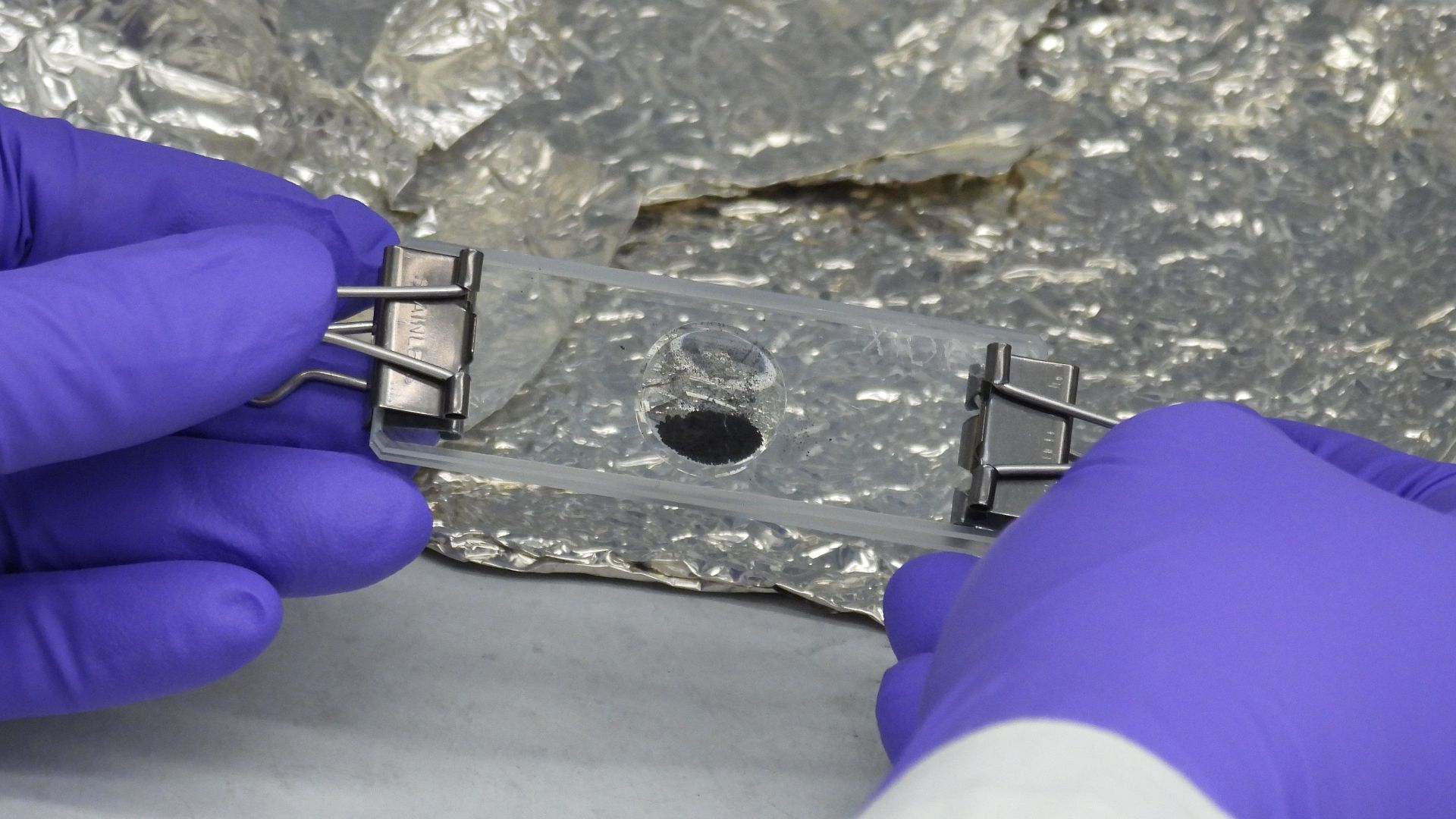
The samples contained exceptionally high abundances of ammonia, another important chemical discovery. Ammonia can react with formaldehyde, which researchers also detected in Bennu material, to create complex molecules including amino acids under suitable conditions. Linked into long chains, amino acids form proteins.
 NASA Goddard Space Flight Center / Molly Wasser, Wikimedia Commons
An Ancient Salty Environment
Tim McCoy of the Smithsonian’s National Museum of Natural History and Sara Russell of London’s Natural History Museum led research into Bennu’s ancient environment. Their colleagues identified 11 minerals produced as salty water evaporates over long periods and leaves solid crystals behind.
 Ubiquity Press, CC BY 3.0, Wikimedia Commons, Modified
Thousands Of Watery Years
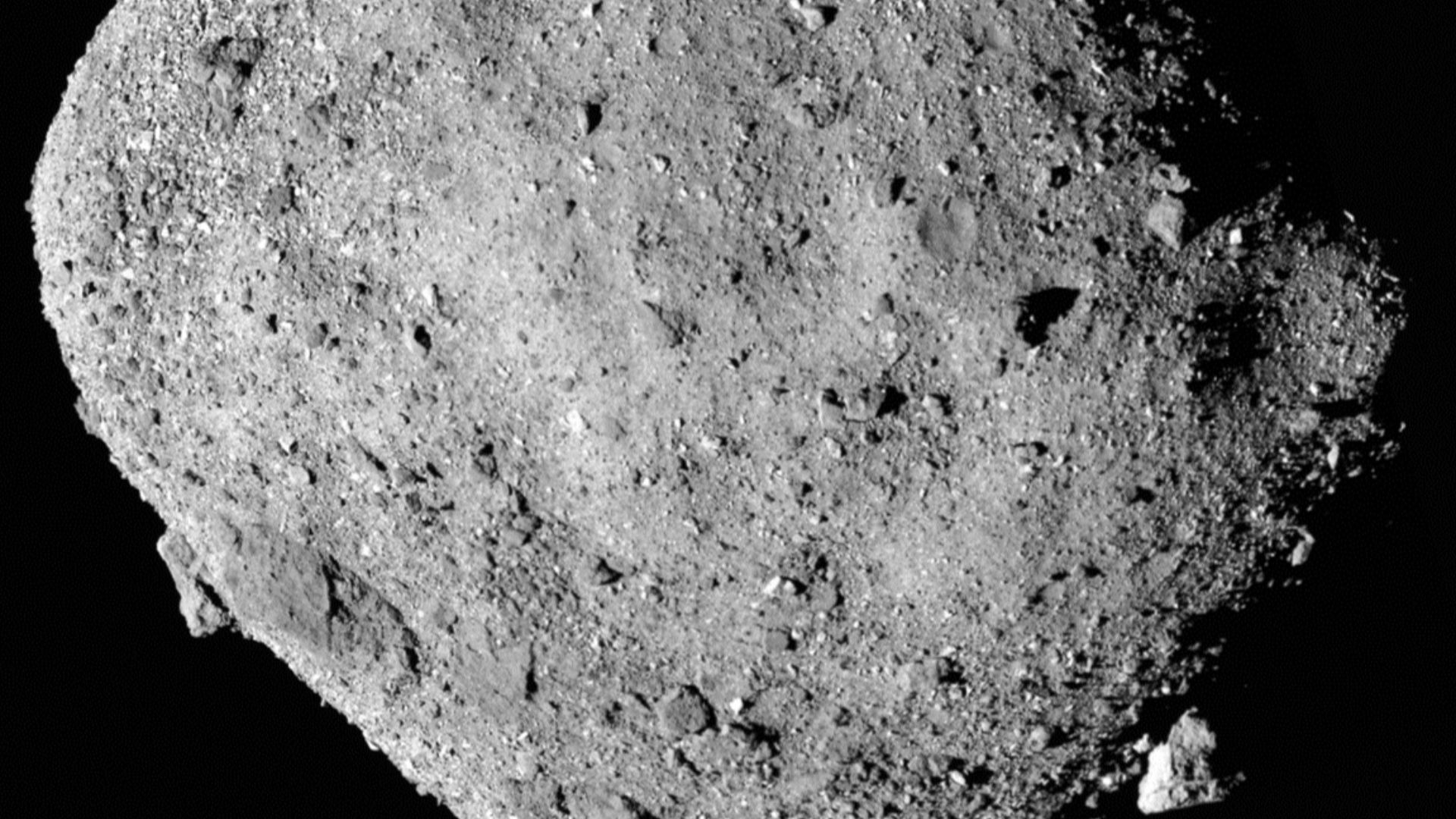
The mineral collection preserved evidence of an evaporation process that could have continued for thousands of years or longer. Scientists had previously found some evaporite minerals in meteorites, but Bennu provided an unusually complete set, including trona, never previously discovered in an extraterrestrial sample.
 NASA/Goddard/University of Arizona, Wikimedia Commons
Water And Earth’s Origins
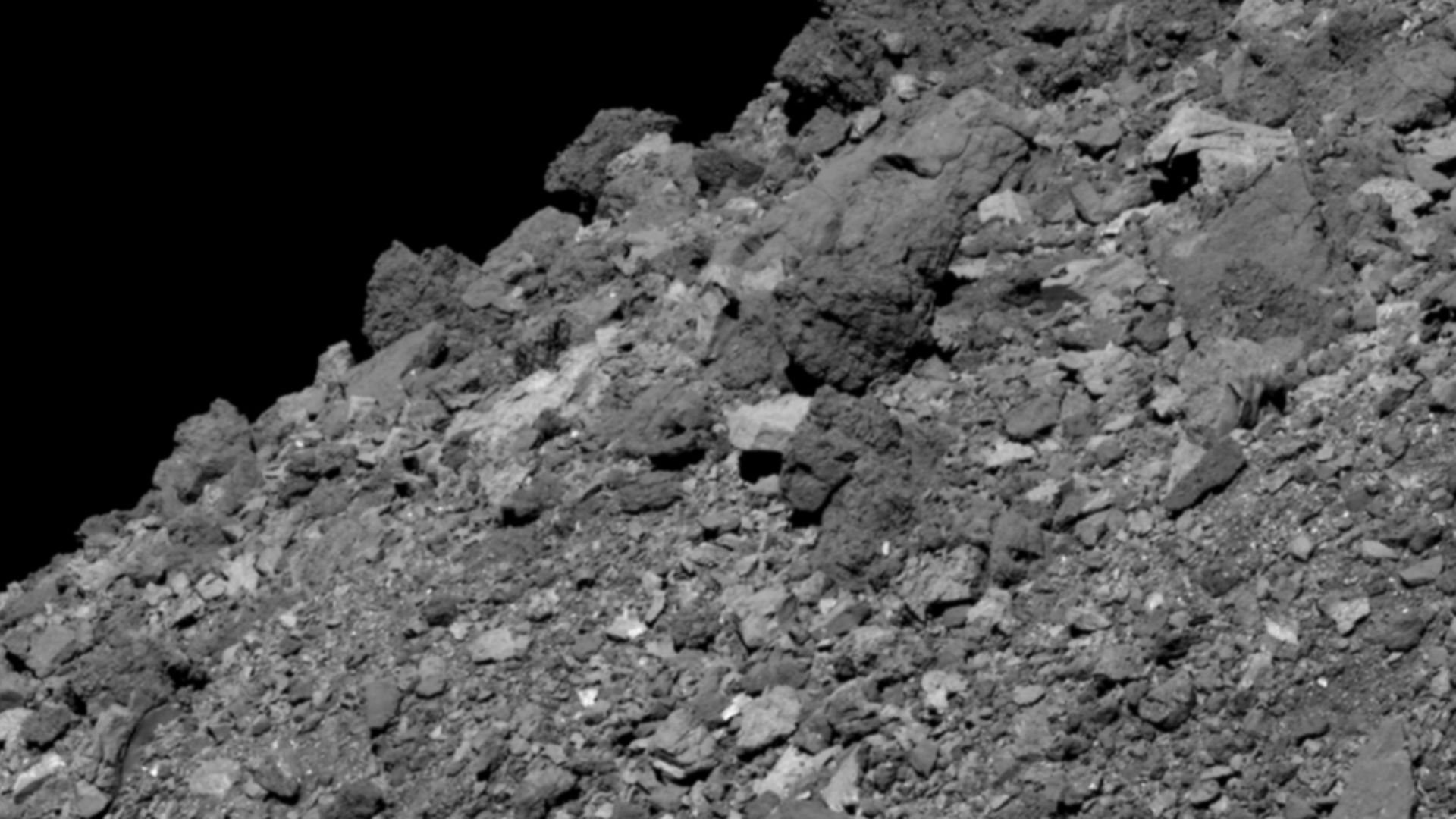
Bennu also contained minerals bearing traces of water. Michelle Thompson said scientists still lack a definitive explanation for how Earth acquired all its water. Measuring water incorporated within Bennu’s minerals can indicate how much water existed around the solar system as planets were forming.
Sugars Join The List
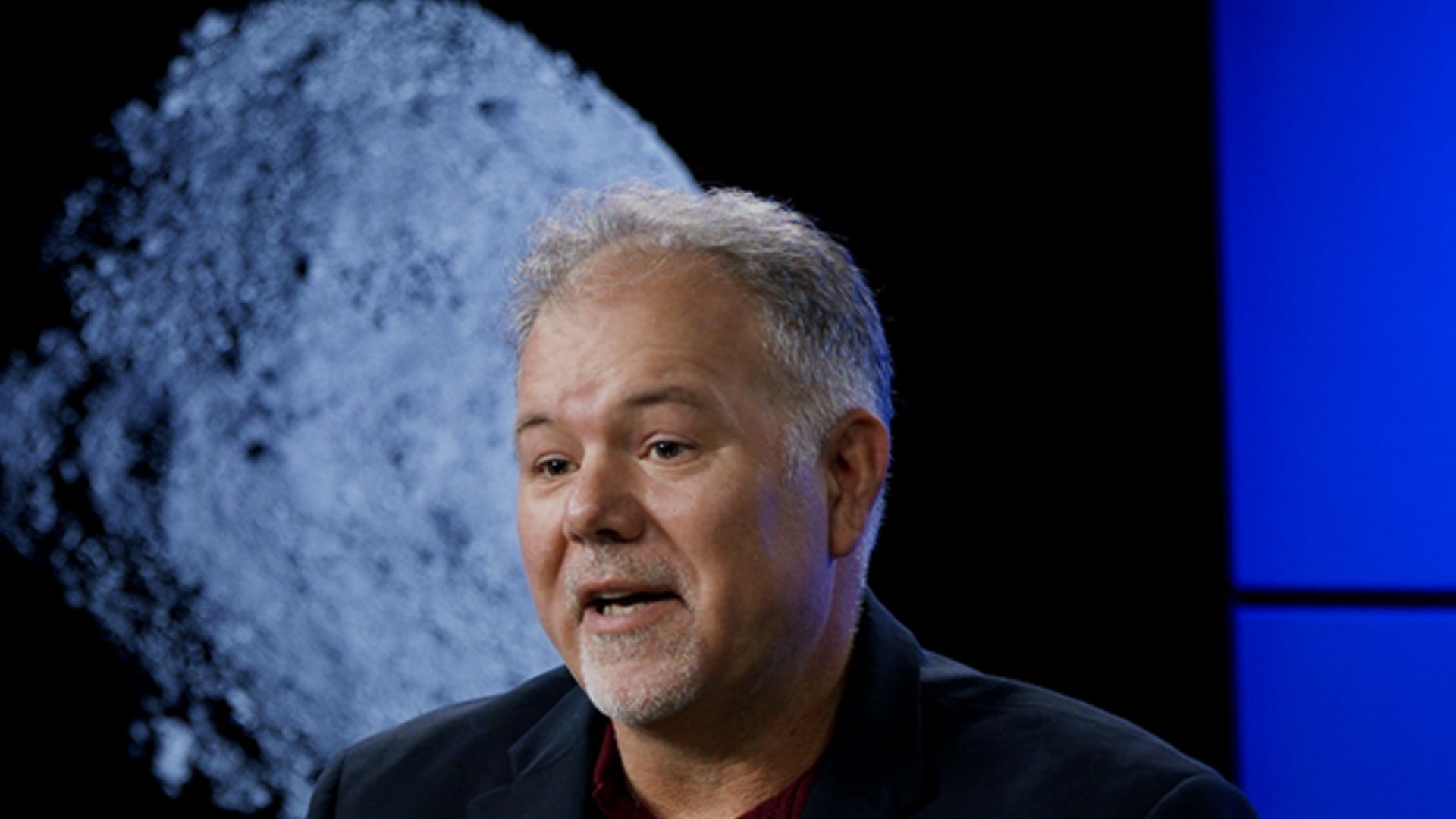
In December 2025, NASA announced another major discovery. A team led by Yoshihiro Furukawa of Tohoku University found ribose and glucose in Bennu. Glucose had never previously been identified in an extraterrestrial sample, while ribose is an essential structural component of RNA.
A Clue About RNA
Researchers found ribose but not deoxyribose, potentially supporting the RNA world hypothesis. That proposal suggests early life relied on RNA for information storage and chemical reactions. Furukawa noted that nucleobases and phosphates had already been found, meaning Bennu contained every component needed to form RNA.

An Ancient Energy Source
Glucose added another intriguing dimension to the findings. The sugar is one of the most common energy sources used by terrestrial life. Its identification in Bennu represents the first evidence that this important source of biological energy was also present during the solar system’s early history.
 CactiStaccingCrane, Wikimedia Commons
Mysterious Space Gum
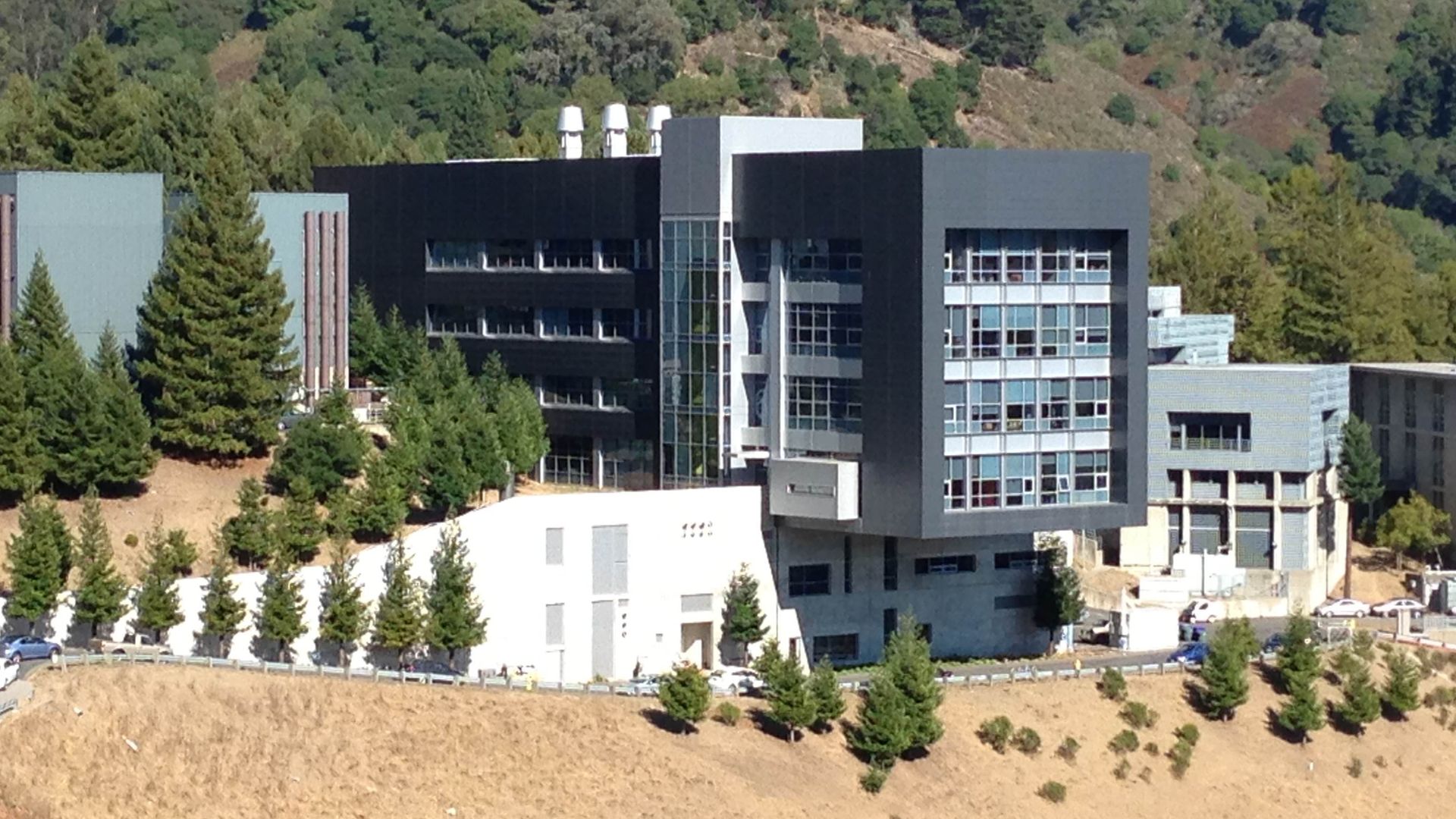
Scott Sandford of NASA’s Ames Research Center and Zack Gainsforth of the University of California, Berkeley, led another investigation. Their team discovered an ancient gum-like material rich in nitrogen and oxygen that had never previously been observed in extraterrestrial rocks.
 NASA Headquarters / NASA/Keegan Barber, Wikimedia Commons
Molecular Blacksmithing Begins
Researchers selected unusual carbon-rich grains using an infrared microscope. They reinforced one particle with ultrathin platinum layers, welded a tungsten needle onto it, lifted the grain, and shaved the fragment with a focused charged-particle beam, preparing it for extremely detailed chemical examination.

A Thousand Times Thinner
The particle was reduced until it was one thousand times thinner than a human hair. Researchers then examined it with electron microscopy at Berkeley Lab’s Molecular Foundry and X-ray spectroscopy at the Advanced Light Source, whose sensitive beams enabled exceptionally detailed chemical analysis.
A Cold Birthplace
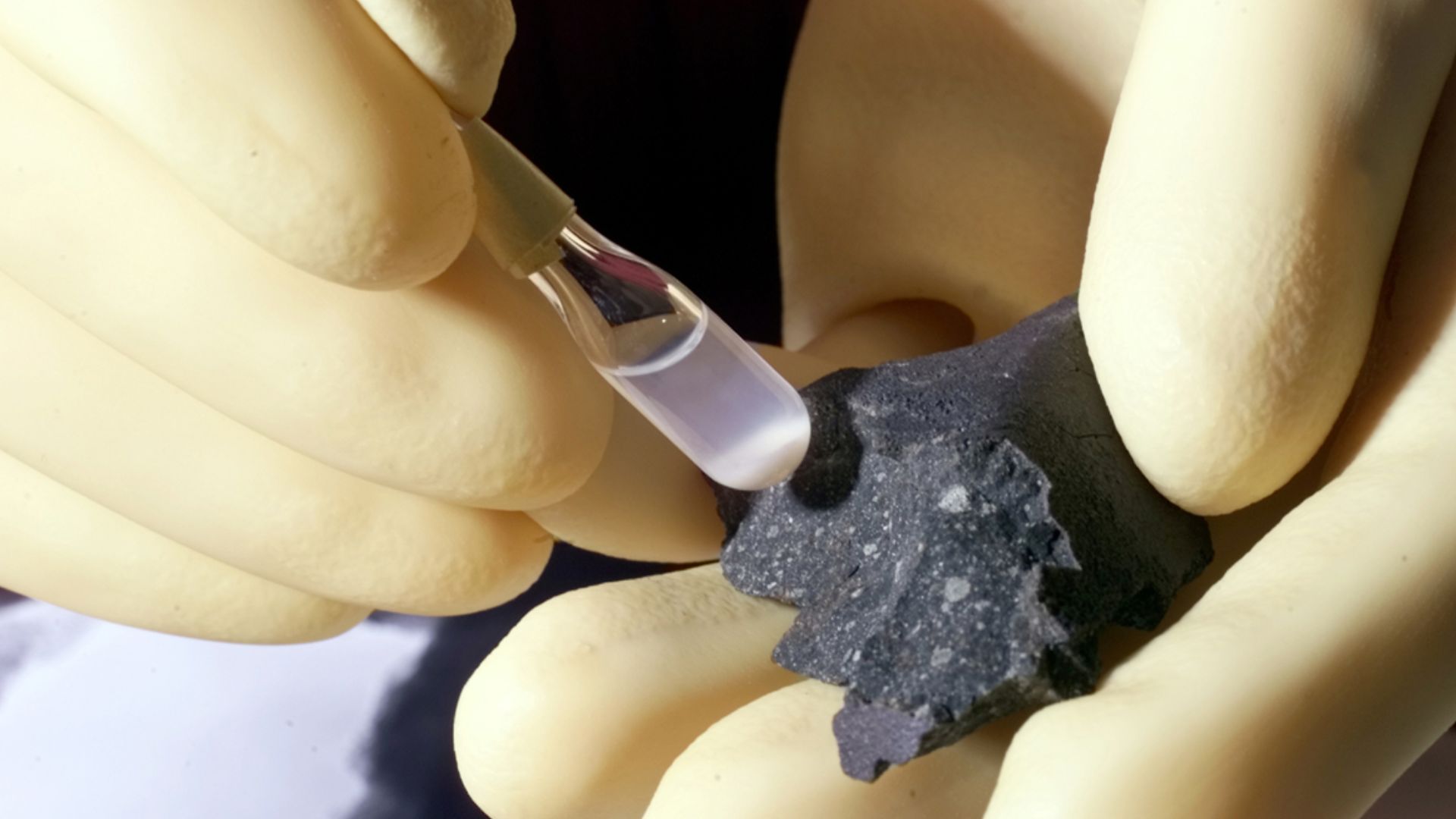
Further research reported in 2026 examined the isotopic composition of Bennu’s amino acids. Allison Baczynski and her colleagues concluded that they formed through a different pathway from amino acids in the Murchison meteorite, apparently started out in a cold, icy environment far from the young Sun.
Beyond The Snow Line
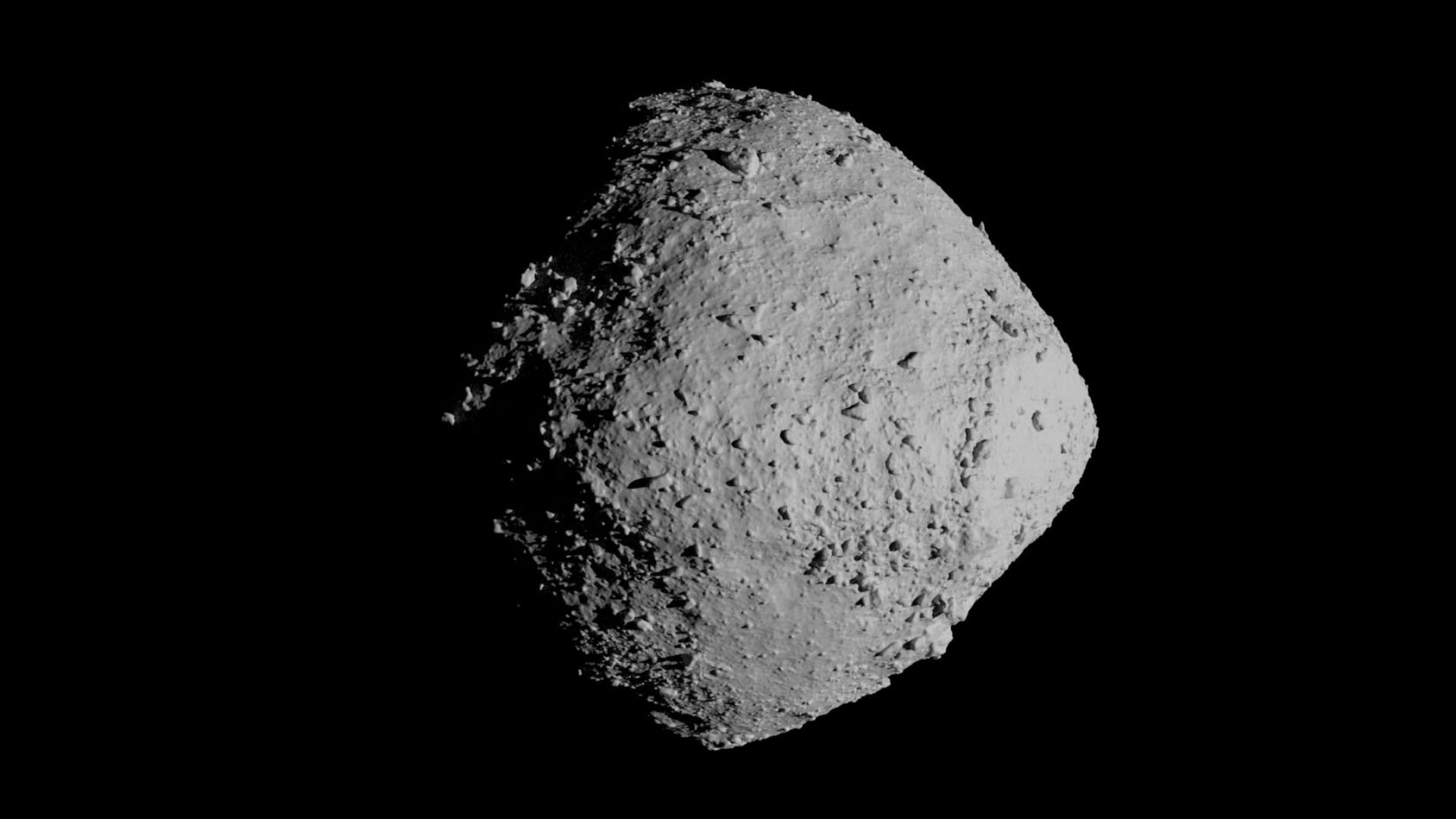
Baczynski said the isotopic evidence indicates that Bennu’s amino acids formed in cold, icy conditions. Other OSIRIS-REx evidence suggests Bennu’s parent body probably formed beyond the solar system’s snow line, where water was frozen and chemical reactions proceeded differently from warmer regions.
The Handedness Mystery
Amino acids can occur in left-handed and right-handed forms. Earthly life overwhelmingly uses left-handed amino acids, yet Bennu contained equal mixtures. Researchers also found unexpectedly different nitrogen isotope values in the two forms of glutamic acid, creating another mystery for future investigation.
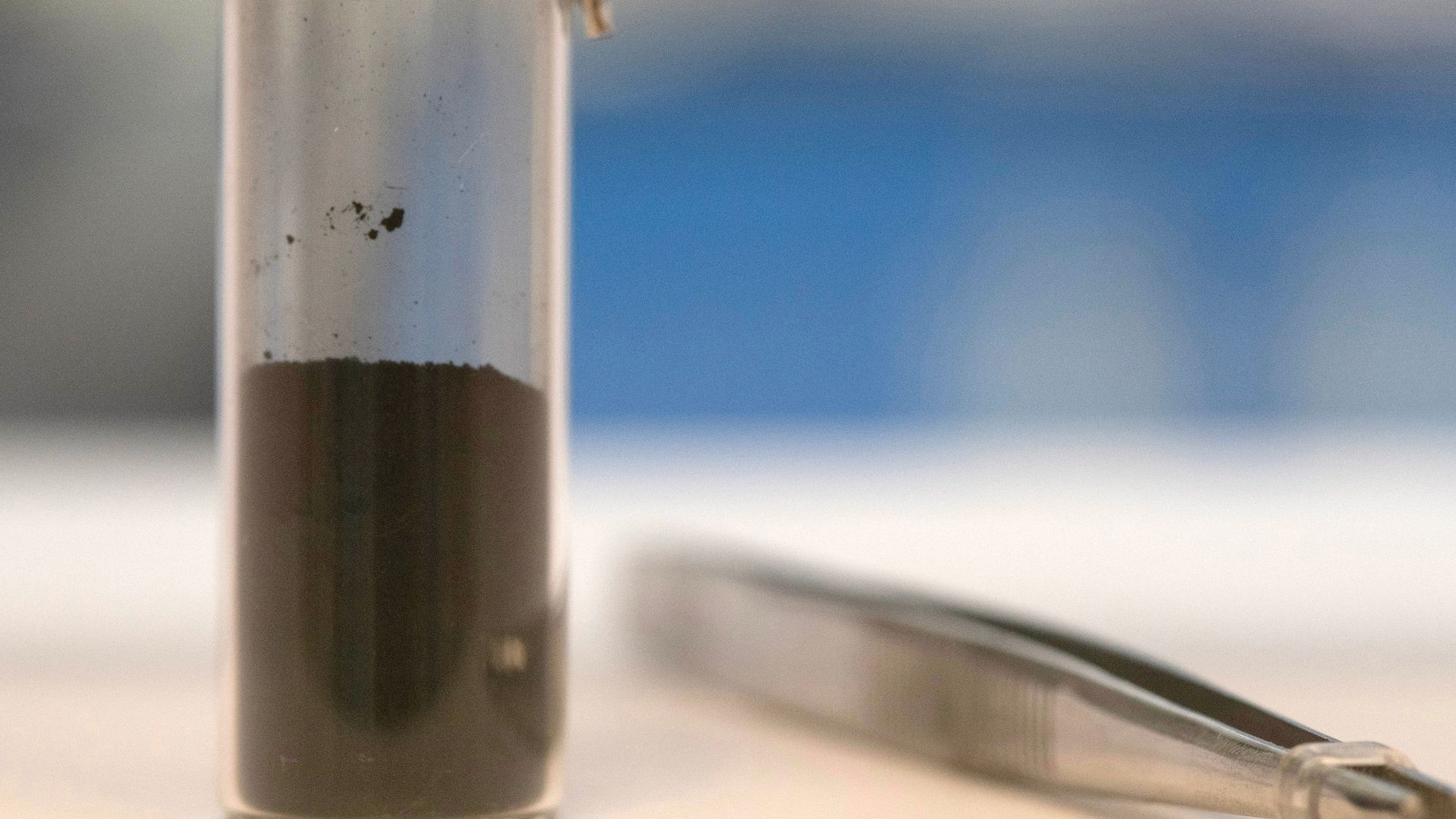 NASA Goddard Space Flight Center, Wikimedia Commons
What This Means
The findings do not demonstrate that life existed on Bennu. Instead, they show that important biological building blocks can arise in diverse environments. Baczynski said this broadens the possible locations where scientists might search for life, because prebiotic chemistry may operate under more conditions than expected.
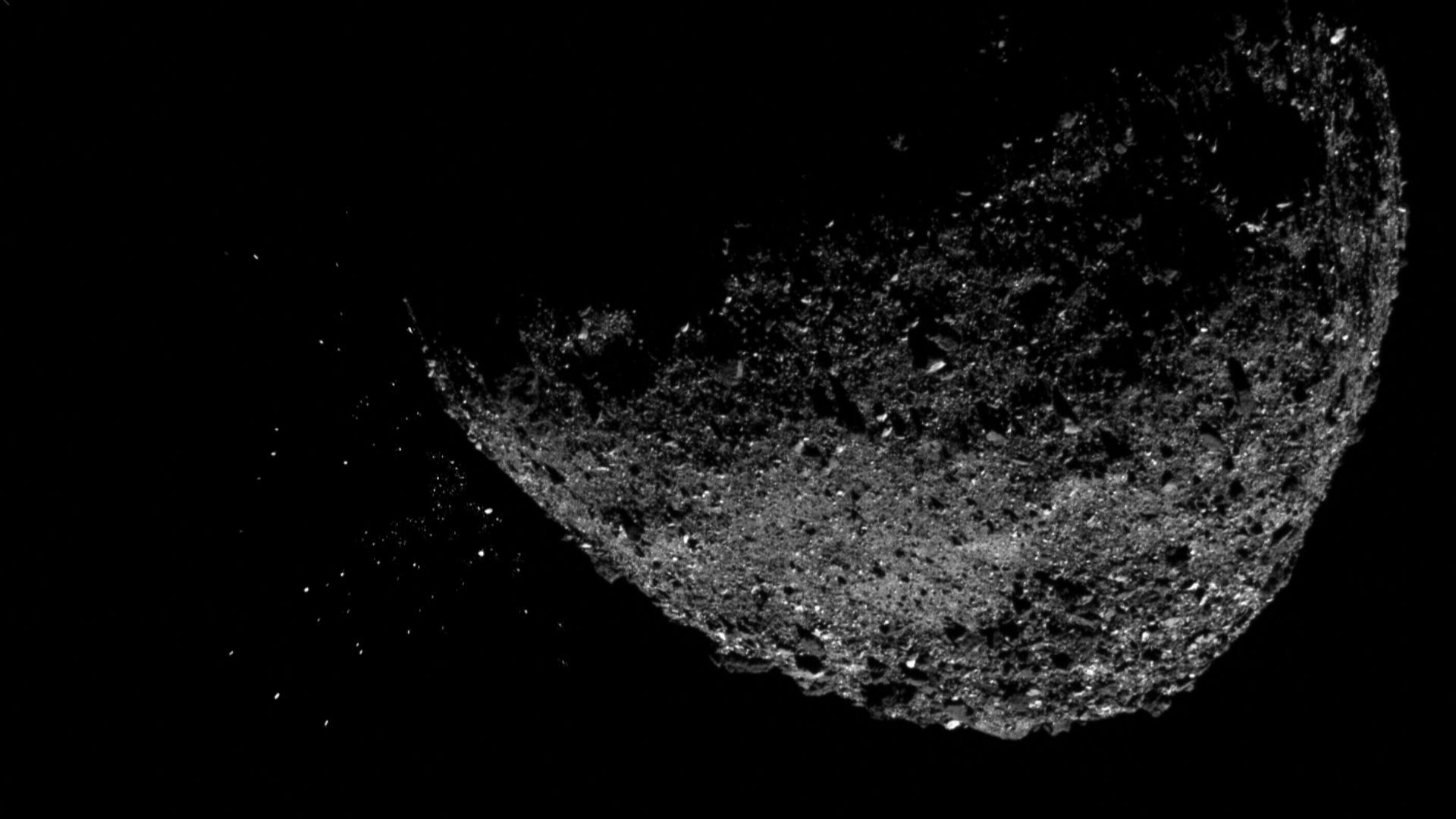 NASA/Goddard/University of Arizona/Lockheed Martin, Wikimedia Commons
A Team Effort
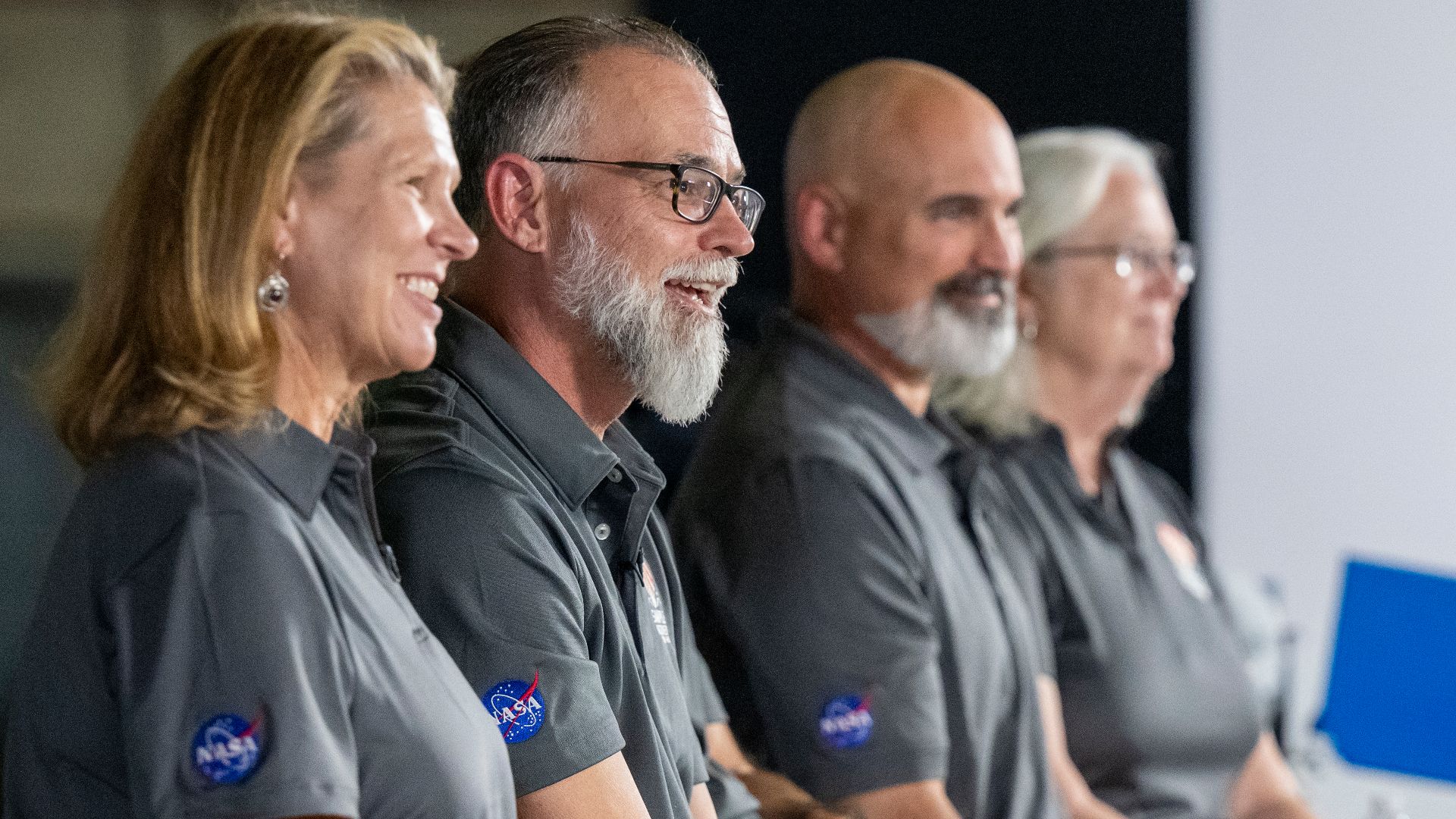
Danny Glavin and Jason Dworkin helped lead the organic-compound research, while McCoy and Russell investigated Bennu’s mineral environment. Dante Lauretta of the University of Arizona served as principal investigator, with NASA Goddard managing the mission and Johnson Space Center handling sample curation.
 NASA Headquarters / NASA/Keegan Barber, Wikimedia Commons
Bennu Keeps Giving Answers
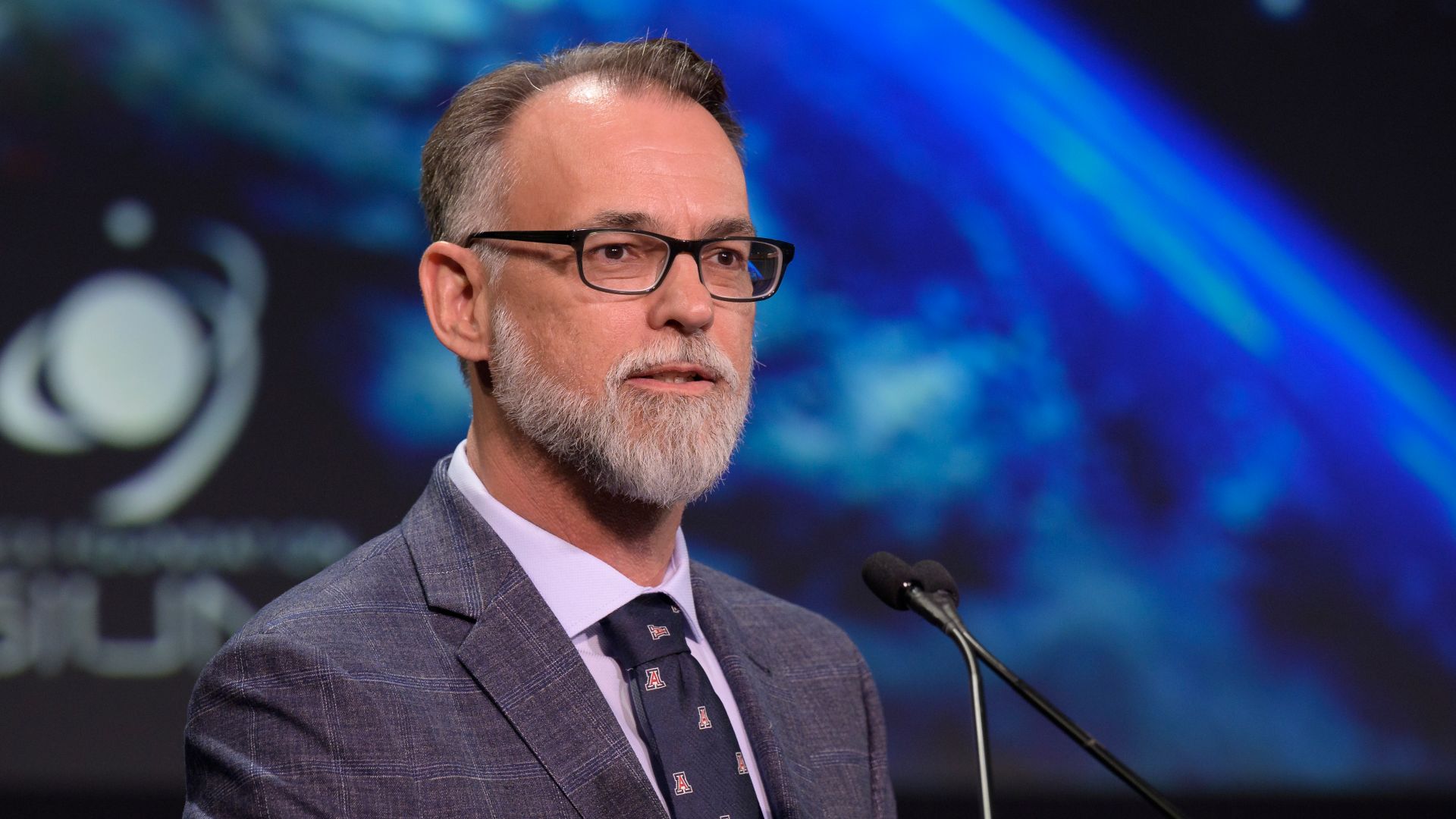
Researchers continue examining Bennu’s limited but extraordinarily valuable material, including the strange gum-like substance and unresolved isotopic mysteries. The growing results suggest that asteroids may have delivered important chemical ingredients to early Earth while giving scientists pristine evidence about environments dating from the solar system’s beginnings.
 Bill Ingalls, Wikimedia Commons
You May Also Like:
Scientists Just Identified The 30 Places Most Likely To Contain Alien Life—Ranked
NASA researchers detected a mysterious signal from deep space that repeats every 44 minutes.
NASA Scientist Says “Radical Mundanity” Could Explain Why Aliens Haven’t Contacted Us Yet






.jpg#/media/File:Jason_Dworkin_Examines_Asteroid_Bennu_Sample_(DSCN0135).jpg)
