The Silence Might Be Telling Us Something
For decades, many scientists assumed that if intelligent life existed elsewhere in the universe, we would have seen some sign of it by now. Yet so far, nothing. No confirmed signals. No spacecraft. No clear evidence of advanced life anywhere nearby.
But one NASA astrophysicist believes he may know why, and his so-called “radical mundanity” theory points to a possibility most people probably haven’t even considered.
A Question Scientists Have Asked For Decades
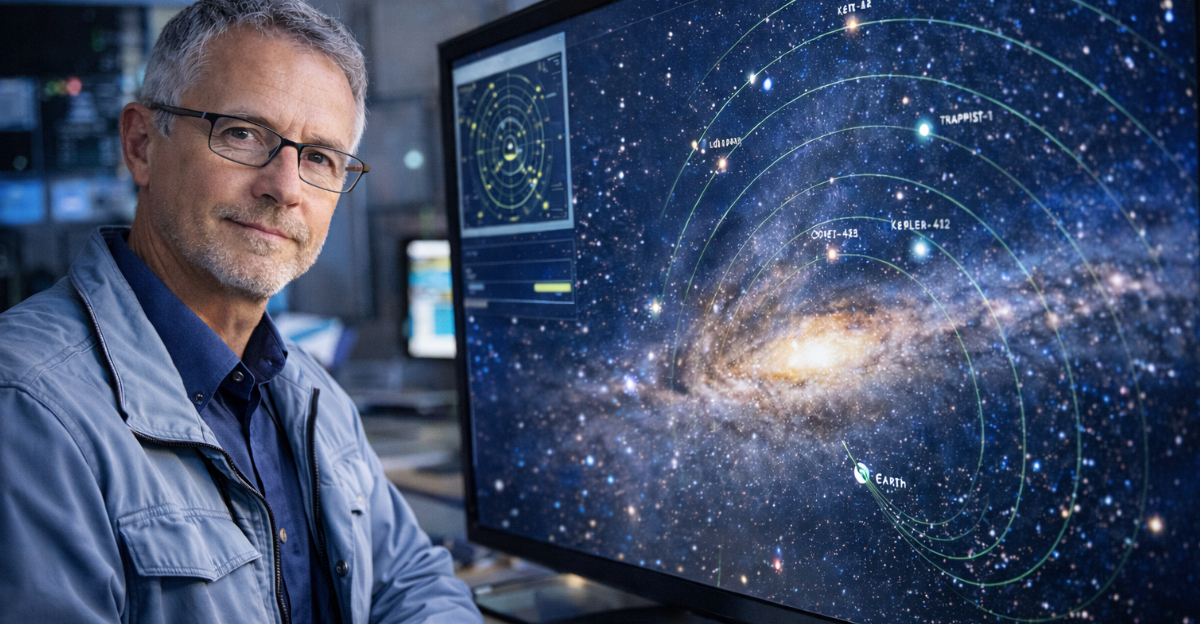
In 1950, physicist Enrico Fermi asked a simple question during a lunch conversation with colleagues: if intelligent life should be common in the universe, where is everybody? Our galaxy alone contains an estimated 100–400 billion stars, many with planets capable of supporting life.
 Department of Energy-Office of Public Affairs, restored by Yann, Wikimedia Commons
The Famous Fermi Paradox
That contradiction—between the enormous number of stars and the lack of alien contact—became known as the Fermi Paradox. Modern estimates suggest around 300 million potentially habitable planets may exist in the Milky Way alone, which makes the cosmic silence even more puzzling.
Scientists Have Proposed Many Explanations
Over the decades, scientists have proposed dozens of ideas to explain the paradox. Some theories suggest civilizations destroy themselves. Others propose aliens avoid contact. A few even speculate advanced societies might quietly observe younger worlds like Earth without revealing themselves.
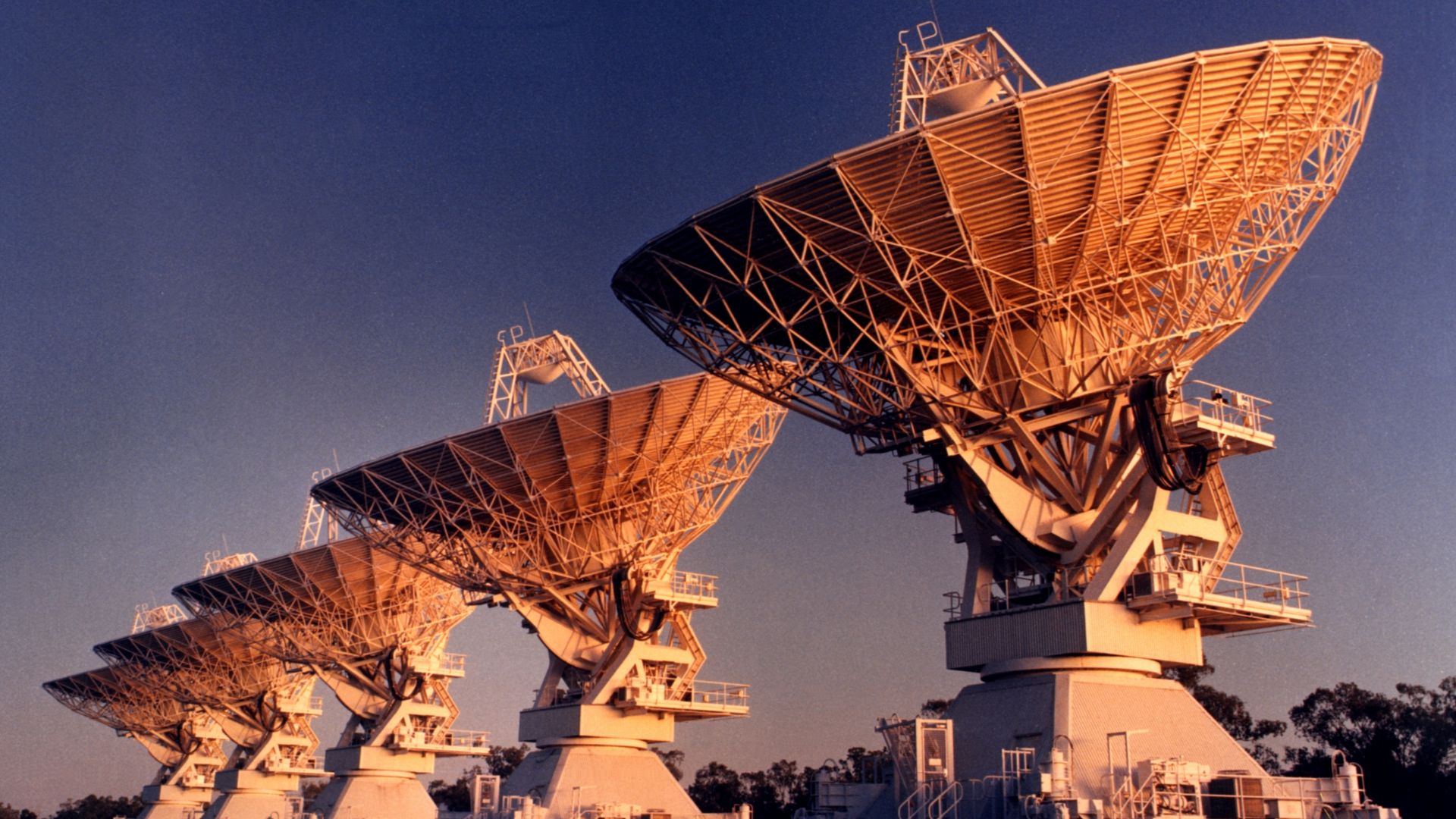 John Masterson, CSIRO, Wikimedia Commons
A NASA Astrophysicist Offered Another Idea
NASA astrophysicist Dr. Robin Corbet has proposed a very different explanation. Instead of assuming something dramatic is happening in the universe, his idea begins with a much simpler possibility.
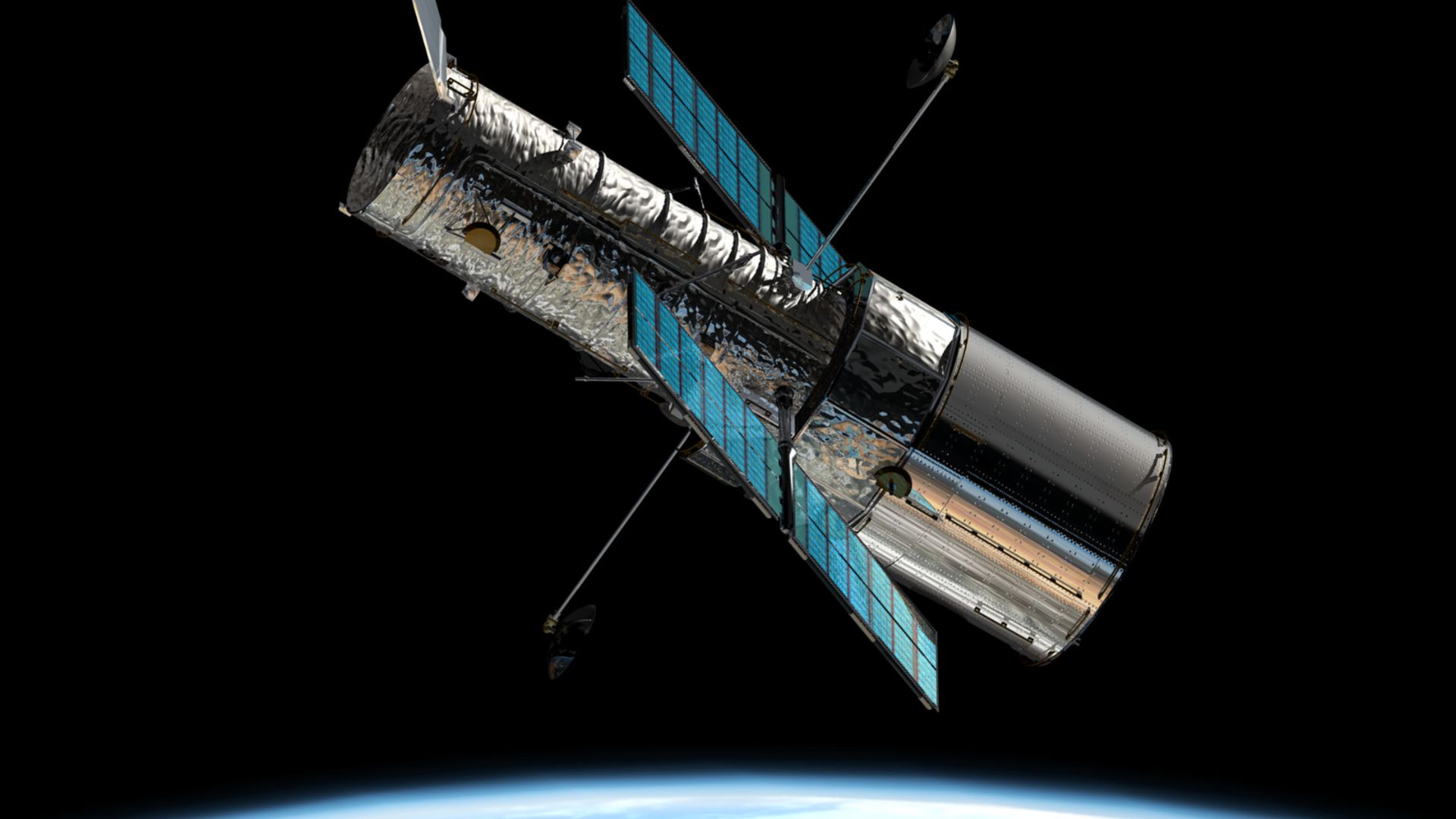
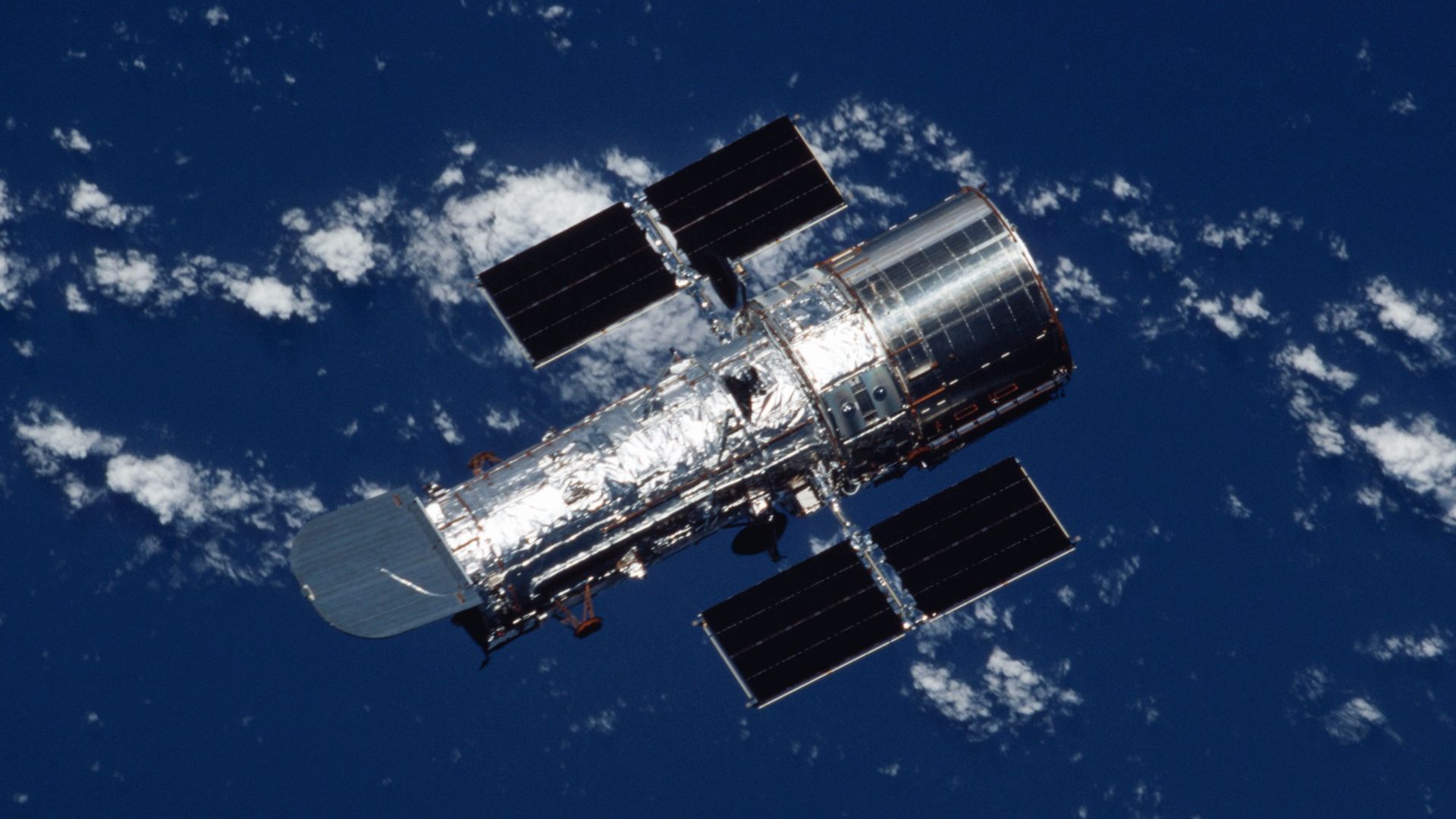 NASA Hubble Space Telescope, Wikimedia Commons
The Theory Called “Radical Mundanity”
Corbet has referred to this concept as “radical mundanity.” Despite the dramatic name, the idea itself is surprisingly straightforward. It suggests the universe may simply behave in a very ordinary way—and that what we’re experiencing on Earth might actually be typical.
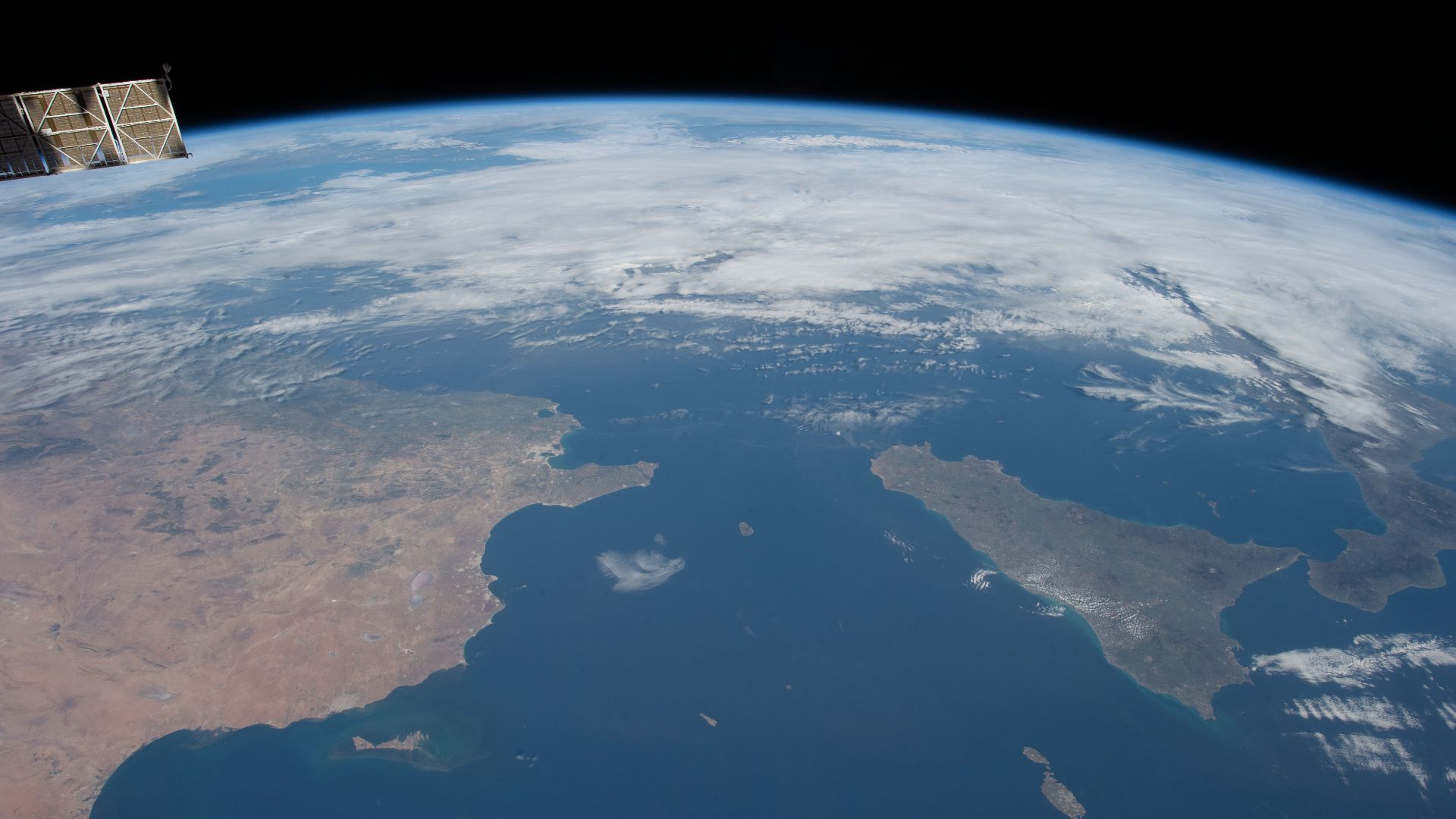 Earth Science and Remote Sensing Unit, NASA Johnson Space Center, Wikimedia Commons
What “Radical Mundanity” Means
The theory proposes that nothing unusual is happening at all. Intelligent life might simply be rare, civilizations may be widely separated, and communication across space could be extremely difficult. If those conditions are normal, the quiet universe might be exactly what scientists should expect.
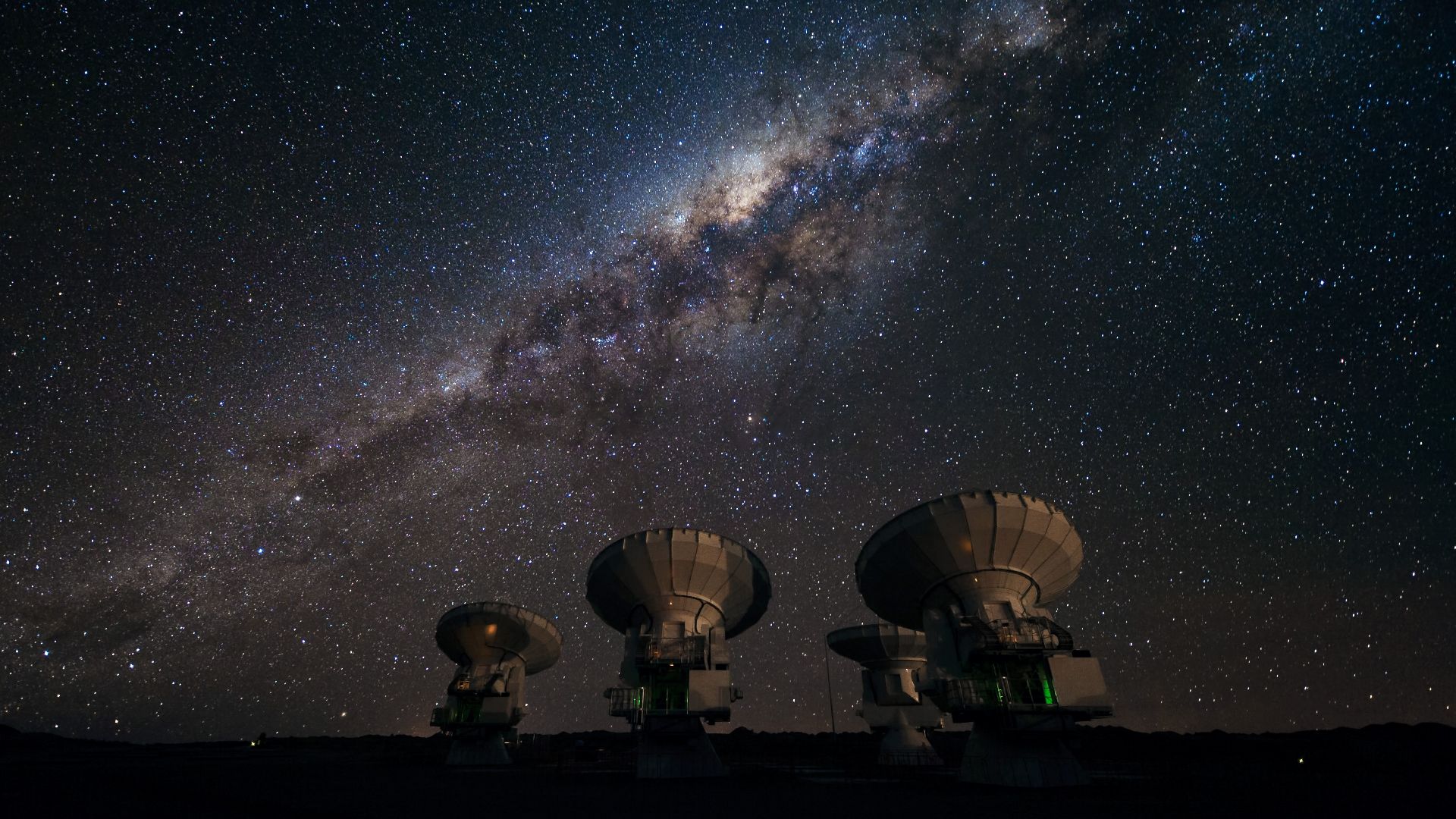 ESO/Jose Francisco Salgado (josefrancisco.org), Wikimedia Commons
The Milky Way Is Enormous
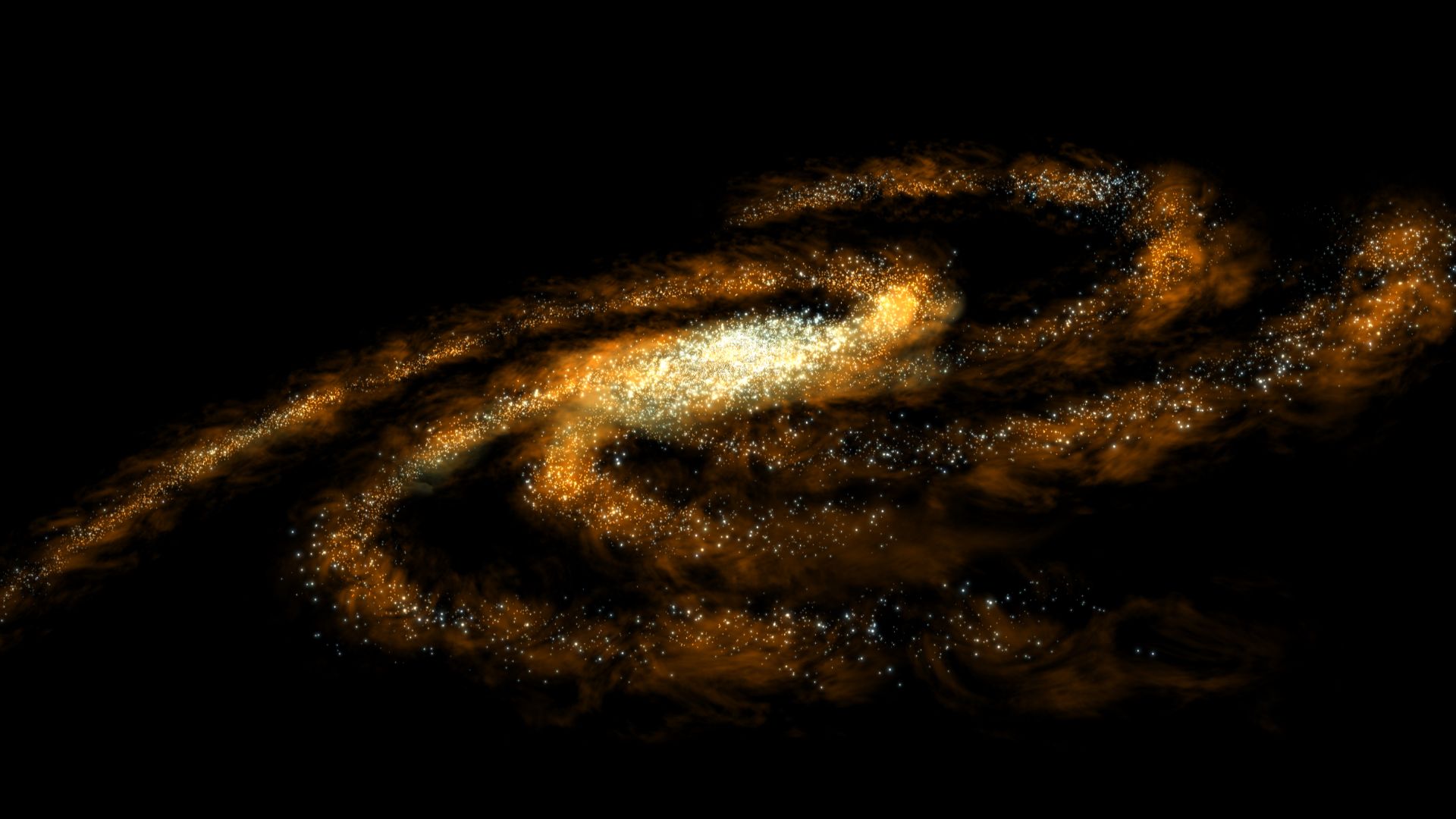
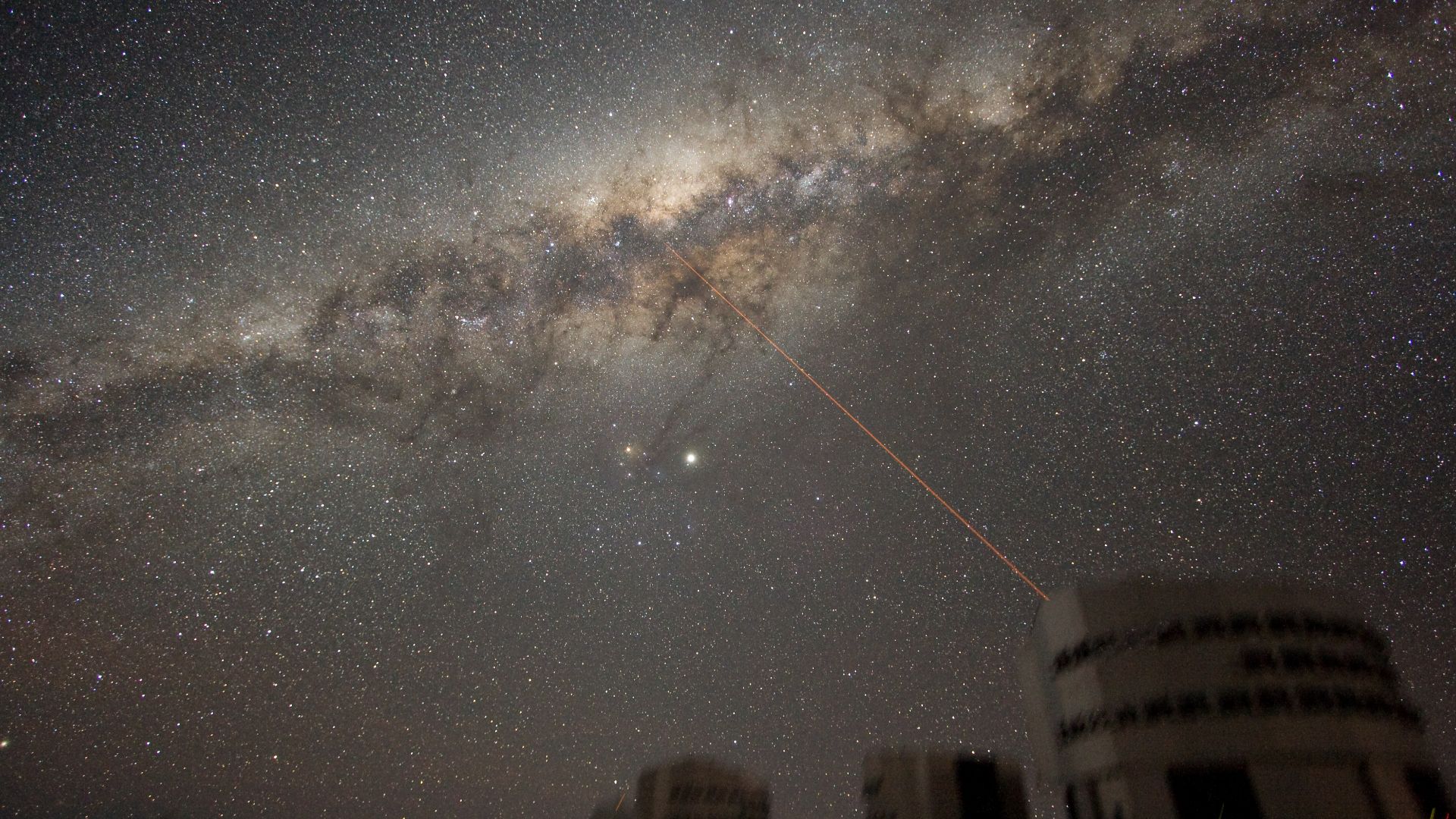
The Milky Way galaxy alone stretches roughly 100,000 light-years across and contains hundreds of billions of stars. Even if many of those stars host planets, the distances between them are staggering, making encounters between civilizations incredibly unlikely.
Distance Alone Could Prevent Contact
Even signals traveling at the speed of light take years—or thousands of years—to cross the galaxy. Two intelligent civilizations might exist at the same time yet remain completely unaware of each other simply because their signals haven’t reached one another.
 ESO/Y. Beletsky, Wikimedia Commons
Radio Signals Fade Over Distance
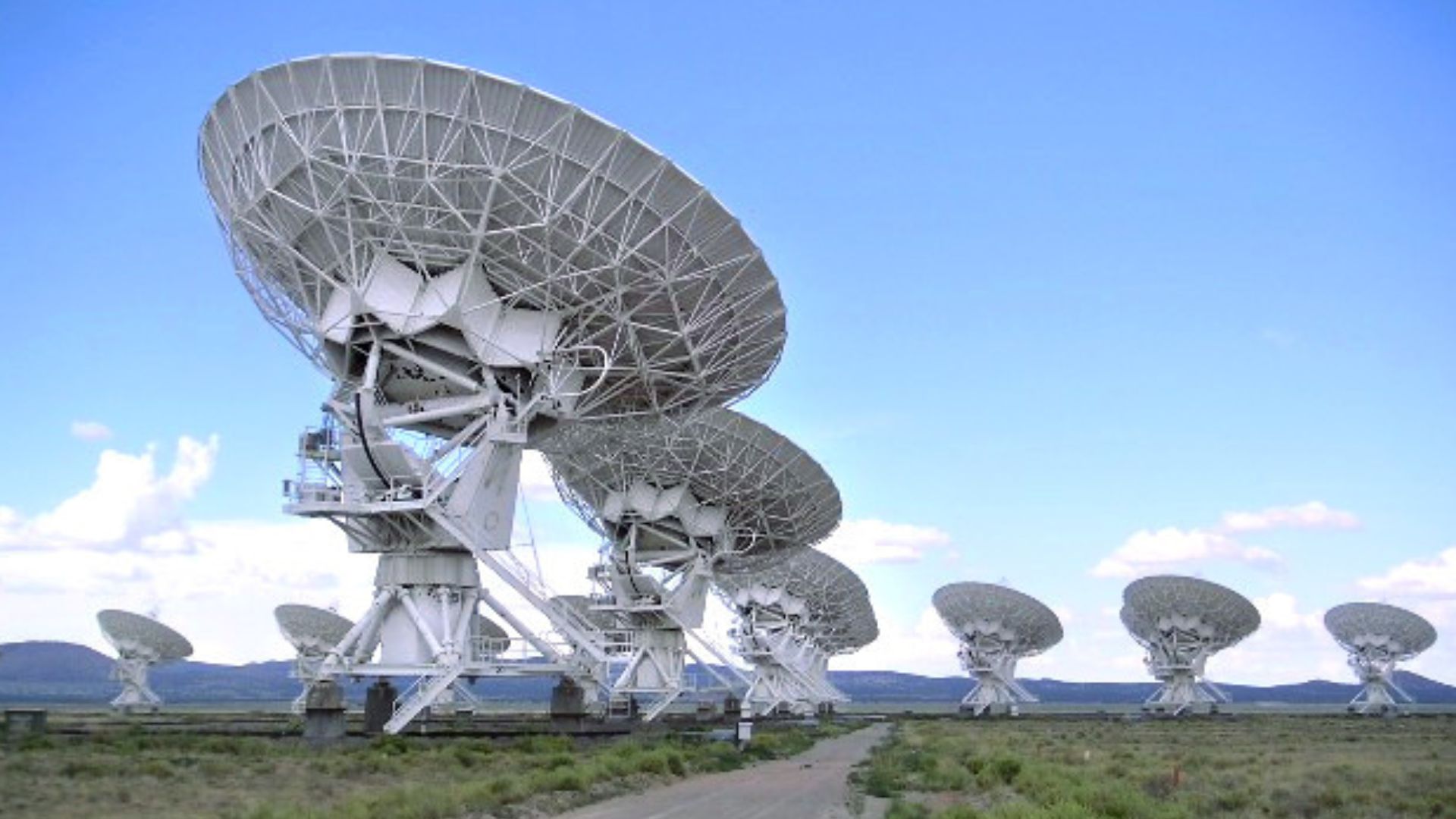
Radio waves, the type of signals scientists often search for, weaken as they spread through space. After traveling thousands of light-years, many signals become indistinguishable from cosmic background noise. That makes detecting distant civilizations far more difficult than it sounds.
Humanity Has Only Been Broadcasting Briefly
Humans have been sending strong radio signals into space for just over a century. Compared with the age of the universe, that’s essentially nothing. Another civilization would have to be relatively nearby—and listening at the right moment—to detect us.
 Seattle Municipal Archives from Seattle, WA, Wikimedia Commons
SETI Has Only Been Searching Since The 60s
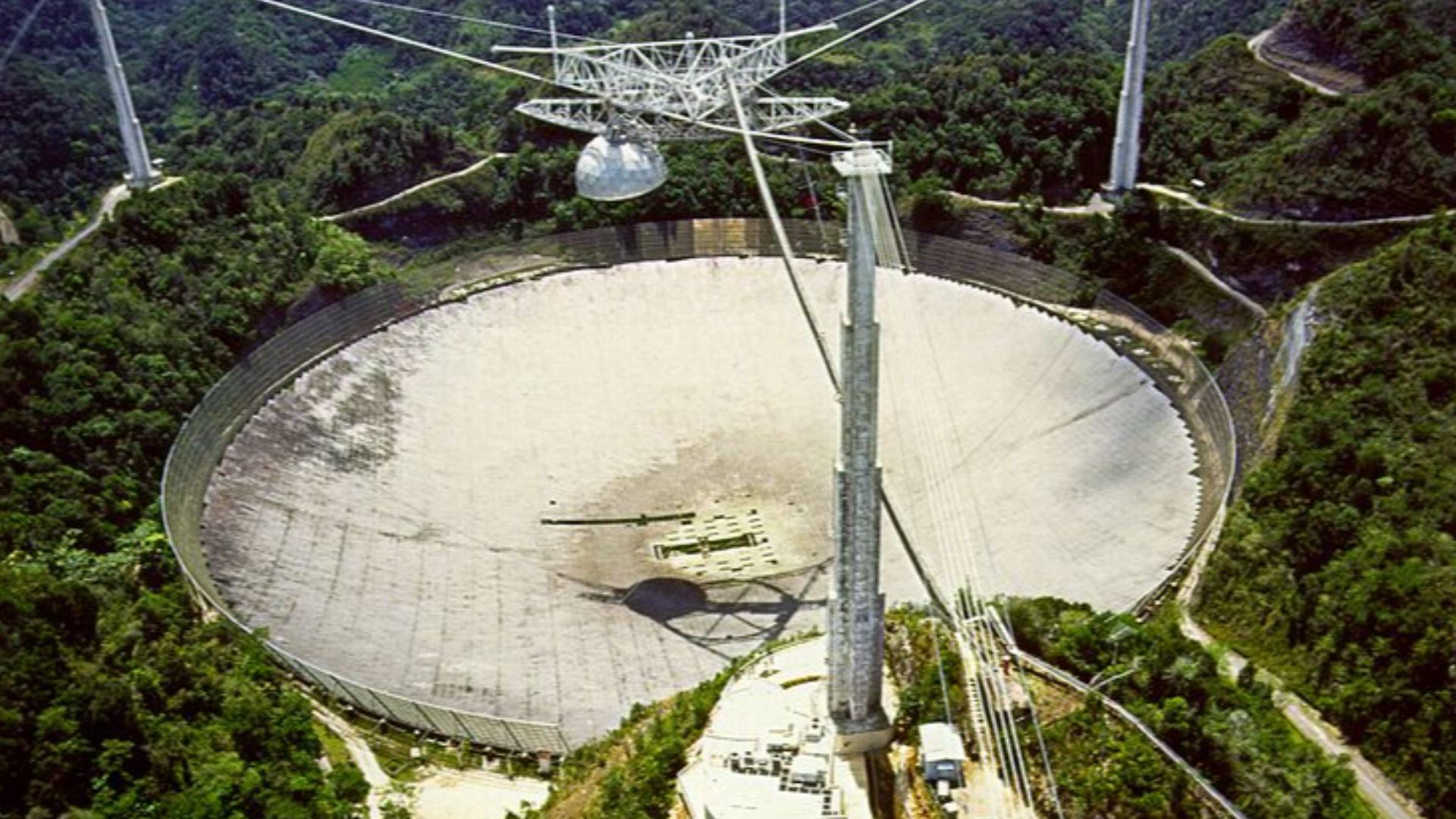
The scientific search for extraterrestrial intelligence, known as SETI, began in the early 1960s. Since then, astronomers have monitored only a tiny fraction of the galaxy’s stars and radio frequencies, meaning the search has barely scratched the surface.
 H. Schweiker/WIYN and NOAO/AURA/NSF, Wikimedia Commons
Intelligent Life Might Be Extremely Rare
Another possibility is that intelligent life simply doesn’t emerge very often. While microbial life may exist on many planets, evolving complex organisms capable of building technology might require an unusually long chain of biological events.
![Taken by Apollo 8 crewmember Bill Anders on December 24, 1968, at mission time 075:49:07 [8] (16:40 UTC), while in orbit around the Moon, showing the Earth rising for the third time above the lunar horizon. The lunar horizon is approximately 780 kilometers from the spacecraft. Width of the photographed area at the lunar horizon is about 175 kilometers. [9] The land mass visible just above the terminator line is west Africa. Note that this phenomenon is only visible to an observer in motion relative to the lunar surface. Because of the Moon's synchronous rotation relative to the Earth (i.e., the same side of the Moon is always facing Earth), the Earth appears to be stationary (measured in anything less than a geological timescale) in the lunar](https://www.factinate.com/storage/app/media/splashtravels/2026/3/10/177314257790d7c79ce9c397e14144b0a360fb649a5a2d8699.jpg) NASA/Bill Anders, Wikimedia Commons
NASA/Bill Anders, Wikimedia Commons
Earth Took Billions Of Years
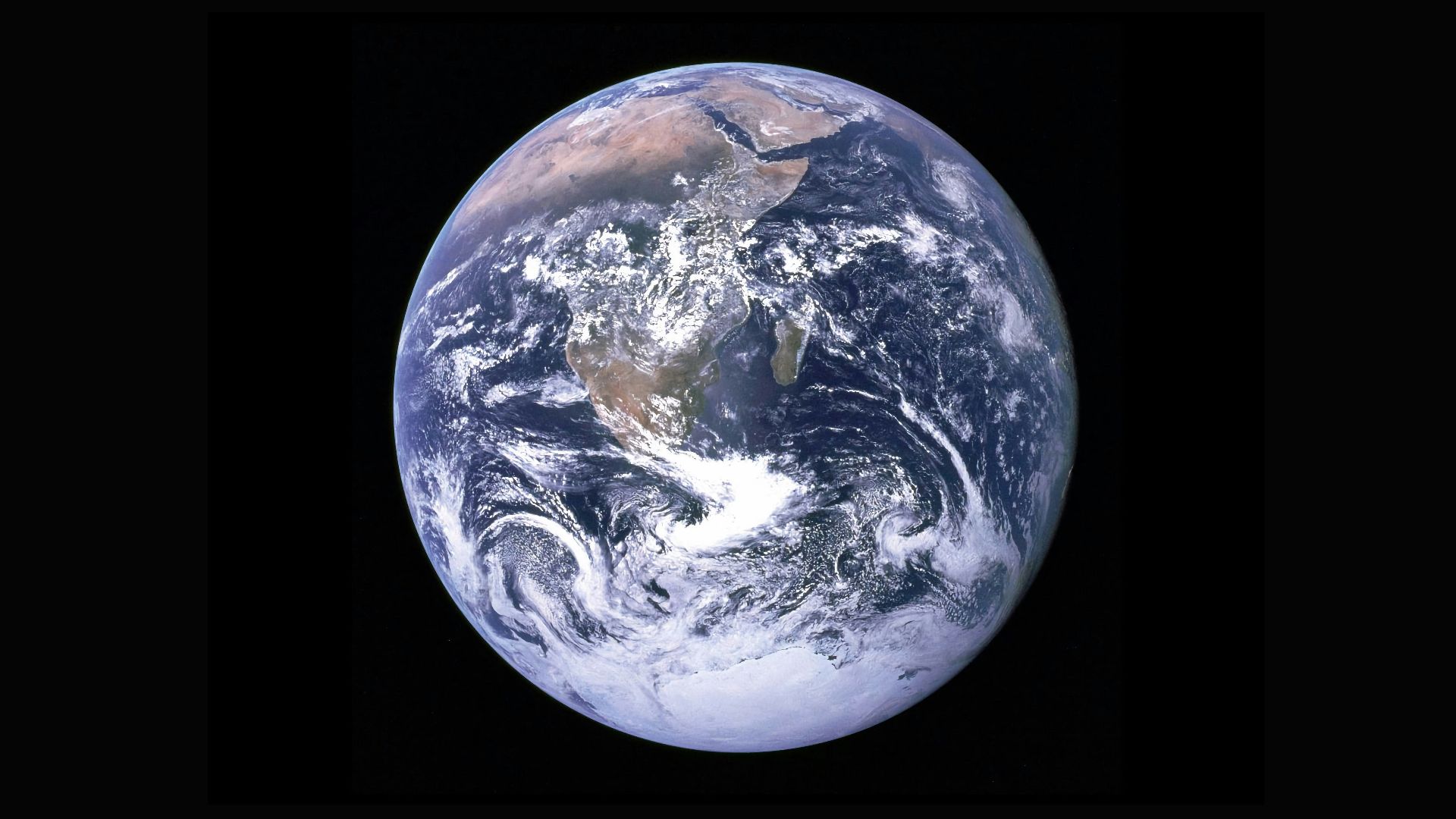
On Earth, simple life appeared relatively early, but intelligent life took much longer. Our planet formed about 4.5 billion years ago, yet humans capable of building advanced technology appeared only within the last few hundred thousand years.
Technology Might Be Even Rarer
Even when intelligent species evolve, they may not develop advanced technology. Many life forms could exist in stable ecosystems without ever inventing tools, electronics, or communication systems powerful enough to broadcast across interstellar space.
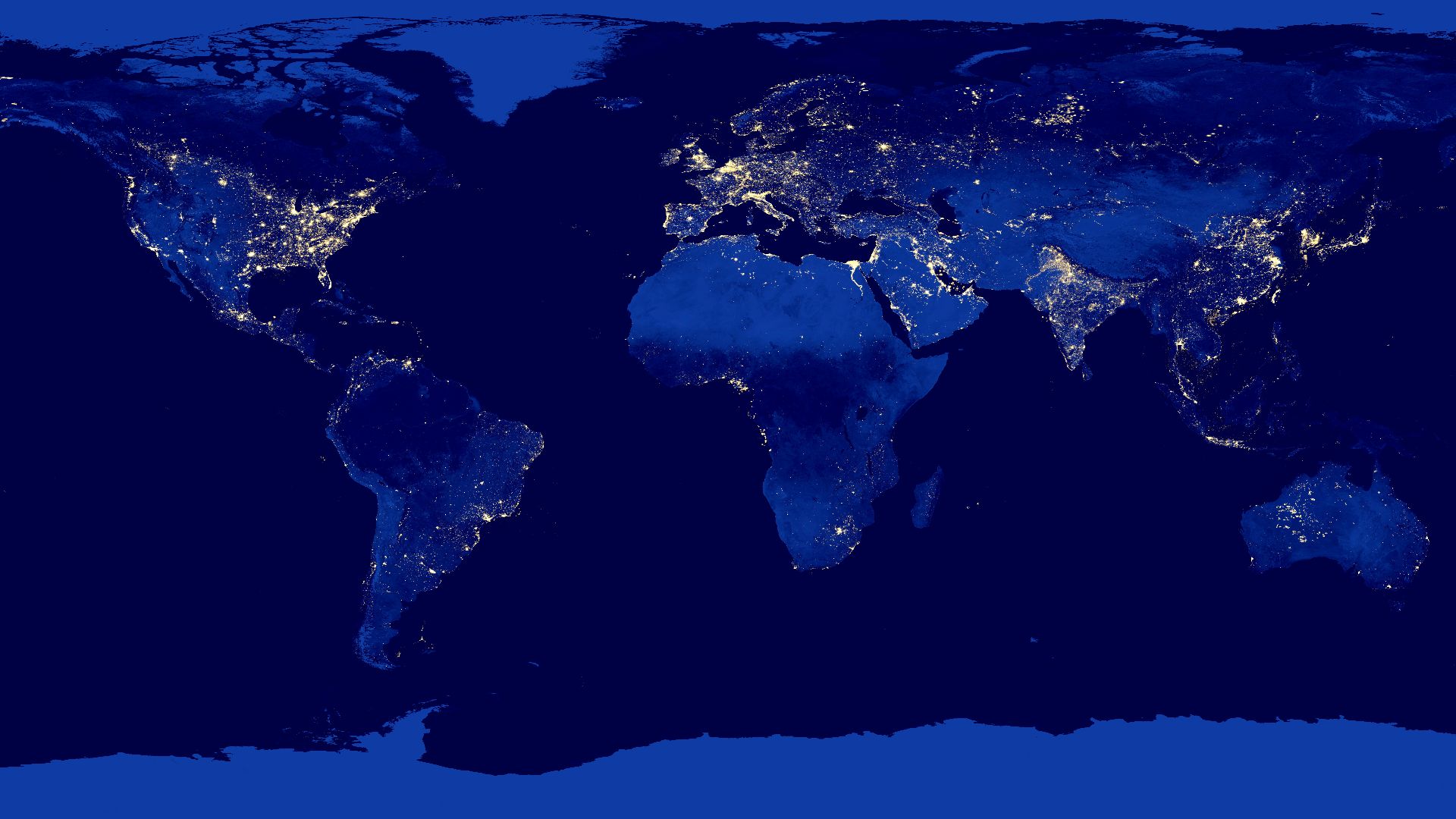 NASA Earth Observatory, Wikimedia Commons
Civilizations May Not Last Long
Another factor could be the lifespan of technological societies. If civilizations tend to collapse, stagnate, or destroy themselves after only a few thousand years, the odds of two existing at the same time become much smaller.
 Pedro Szekely at https://www.flickr.com/photos/pedrosz/, Wikimedia Commons
Timing Could Be The Real Problem
Civilizations may also appear at very different points in cosmic history. One planet might develop technology millions of years before another. By the time the second civilization emerges, the first may have already disappeared.
Aliens Might Not Use Radio
It’s also possible that advanced civilizations don’t use radio communication at all. They may rely on technologies humans haven’t invented or even imagined yet. If so, our current search methods could simply be looking for the wrong signals.
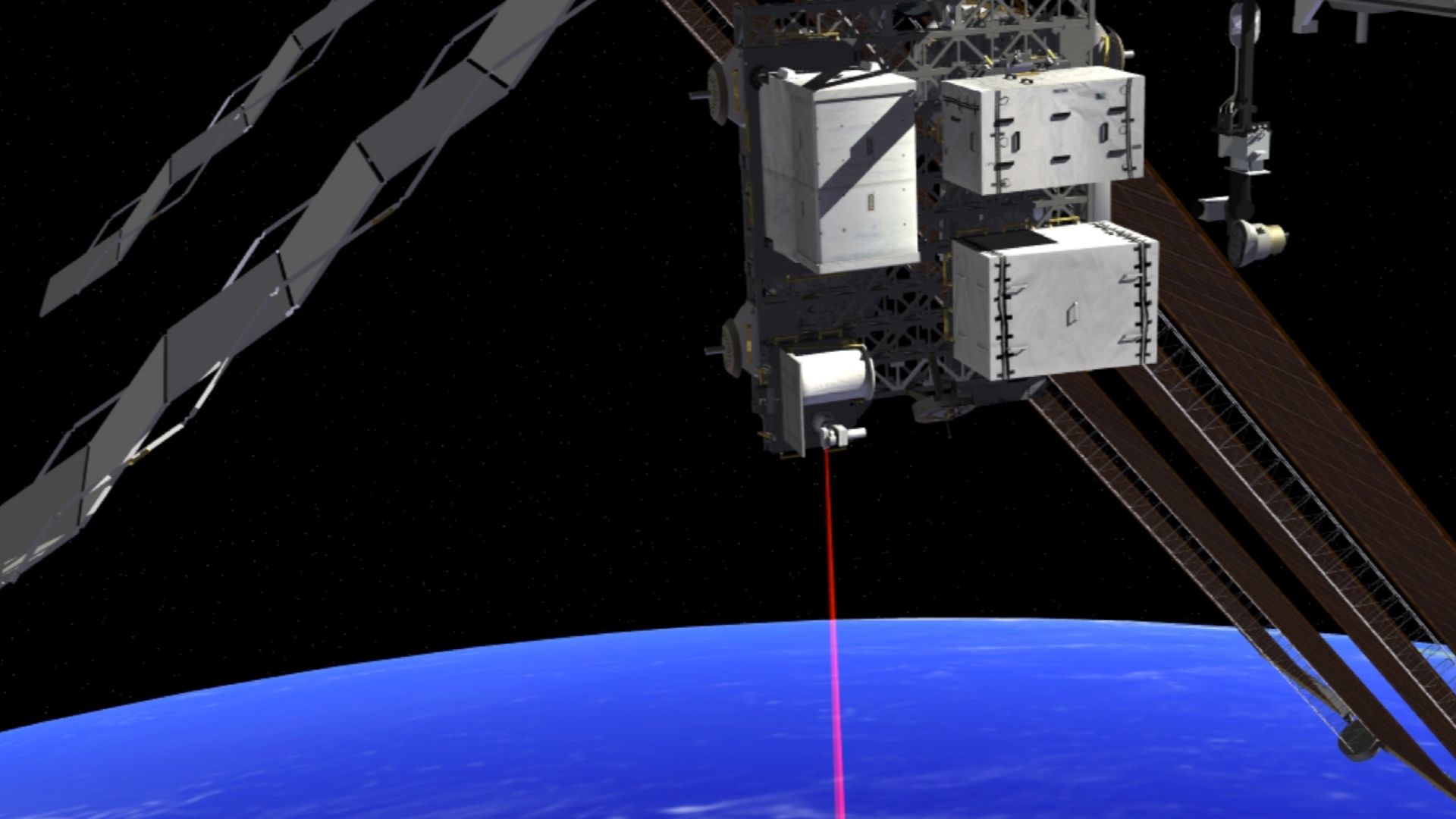 NASA/Jet Propulsion Laboratory, Wikimedia Commons
Traveling Between Stars Is Extremely Difficult
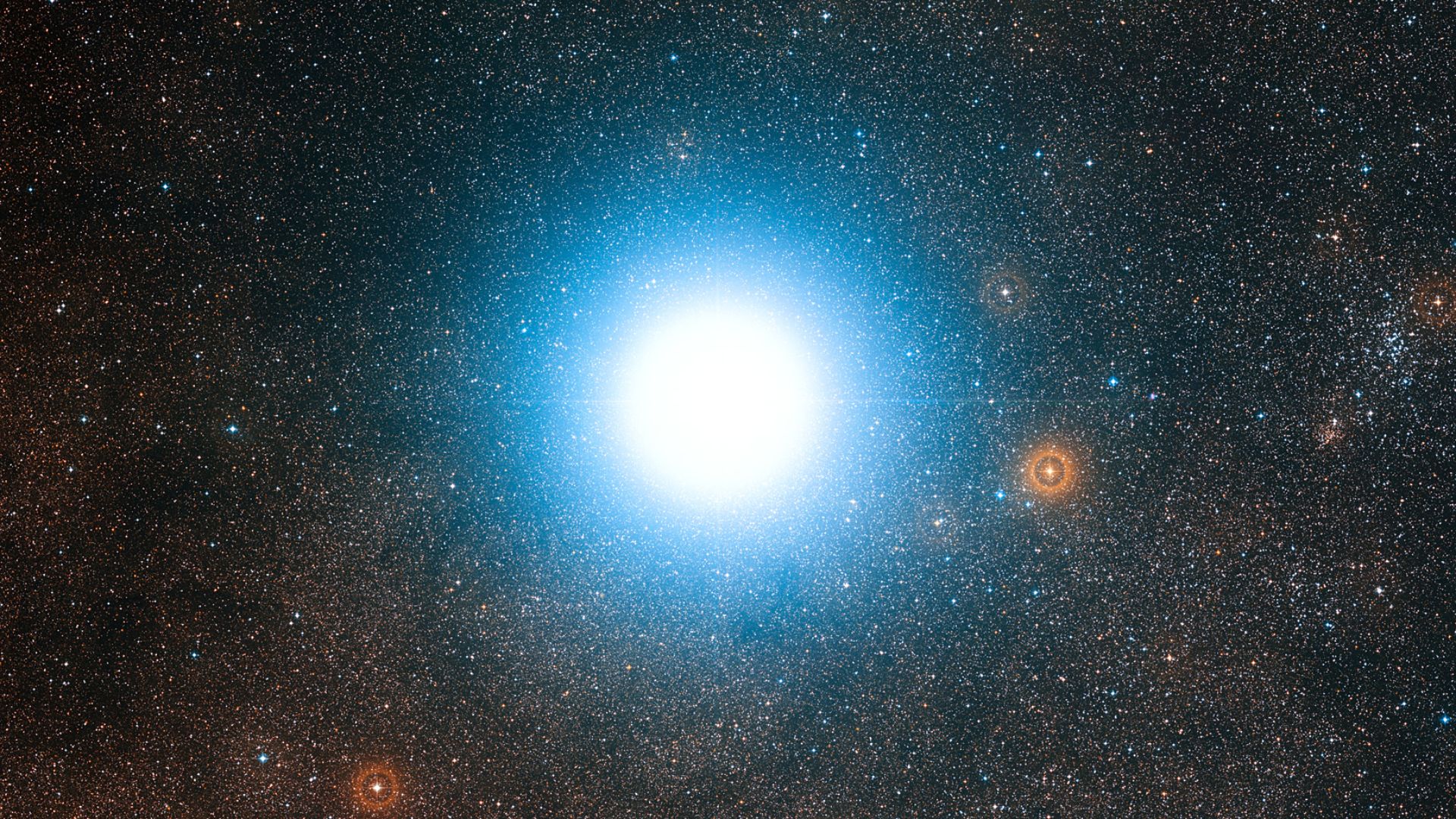
Interstellar travel presents another massive challenge. The nearest star system, Alpha Centauri, sits about 4.37 light-years away. Even spacecraft traveling faster than anything humans have built would still need thousands of years to reach many nearby stars.
Colonizing The Galaxy Would Take Ages
Some scientists estimate that a civilization capable of steady expansion could spread through the Milky Way over millions of years. But that process requires enormous resources, long-term stability, and technology far beyond what we currently possess.
Humanity May Simply Be Early
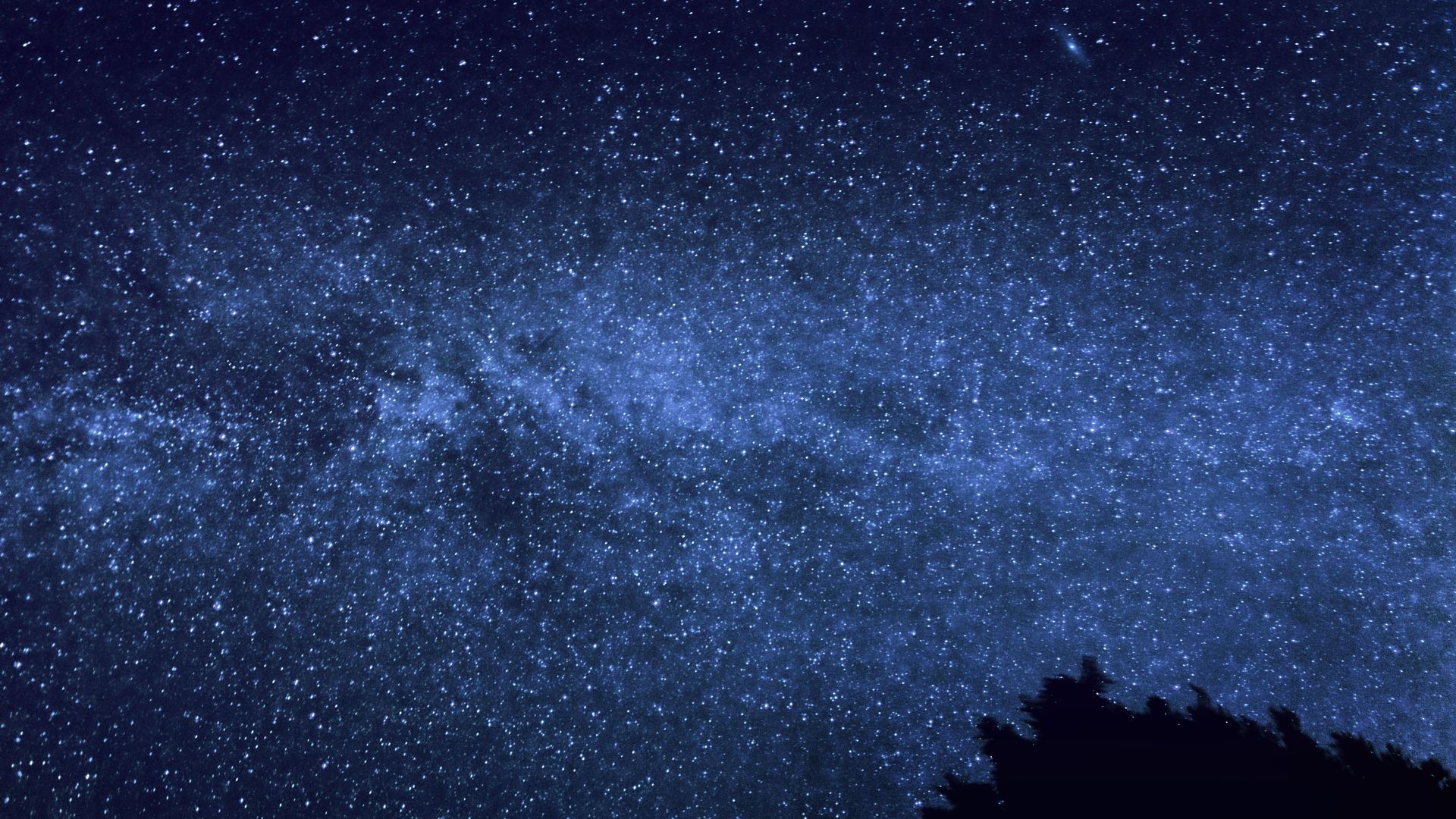
Another intriguing possibility is that humanity may be among the earlier intelligent civilizations to appear. The universe is about 13.8 billion years old, and astronomers estimate it may contain as many as two trillion galaxies, leaving enormous stretches of cosmic time and space where other civilizations could eventually emerge.
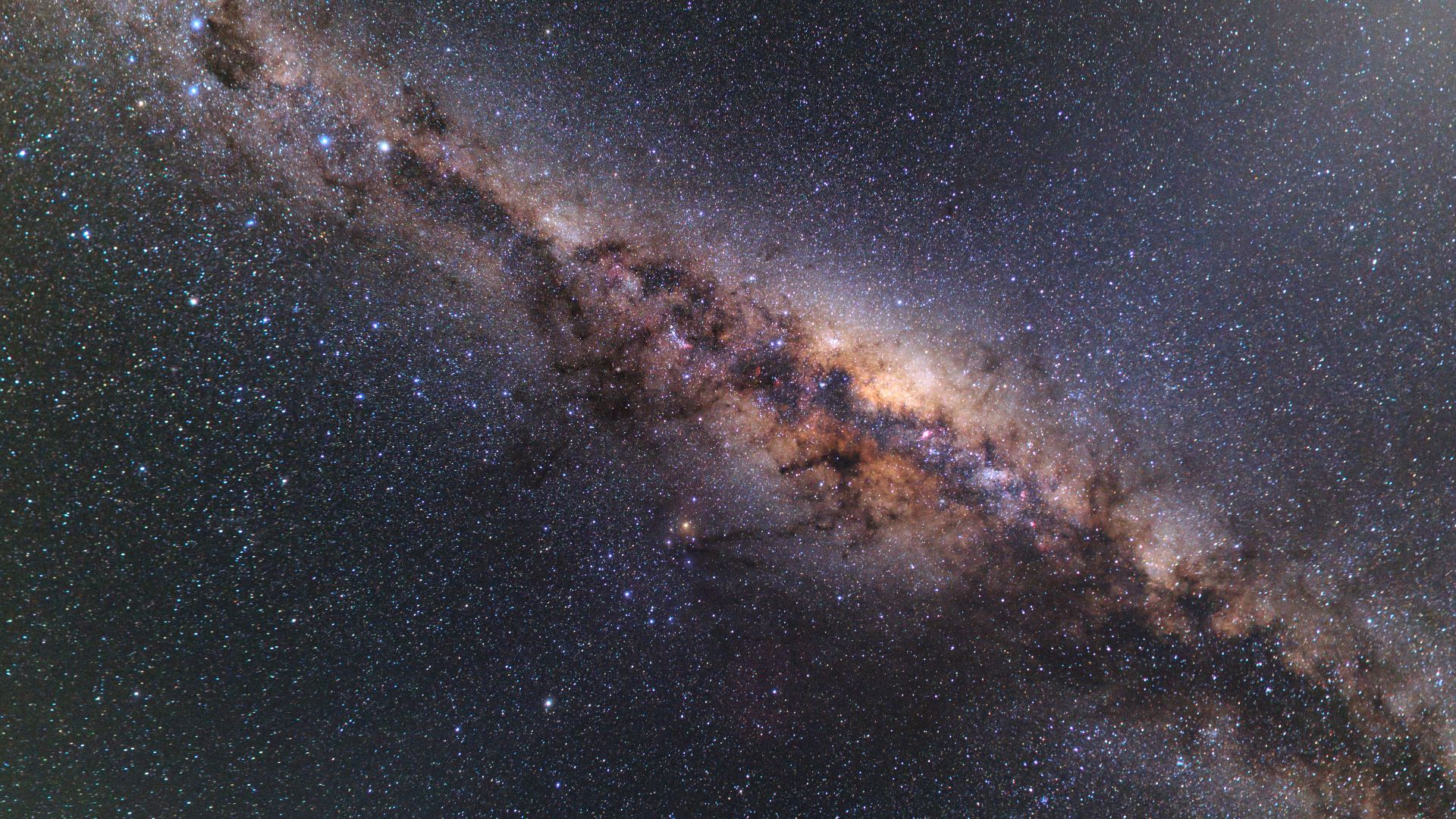 ESO/B. Tafreshi (twanight.org), Wikimedia Commons
A Quiet Universe May Be Normal
If radical mundanity is correct, the universe may not be hiding alien civilizations at all. Instead, huge distances, rare intelligence, and short-lived technological societies could naturally produce a galaxy that appears quiet—at least for now.
You Might Also Like:
The Nicest People In America Live In These States, According To The Data
The Immovable Ladder Hasn’t Budged Since 1728—And No One Is Allowed To Touch It
They Sealed 8 Humans Inside A “Fake Earth” For Two Years—And It Didn’t Go As Planned