A Ladder Frozen In Time
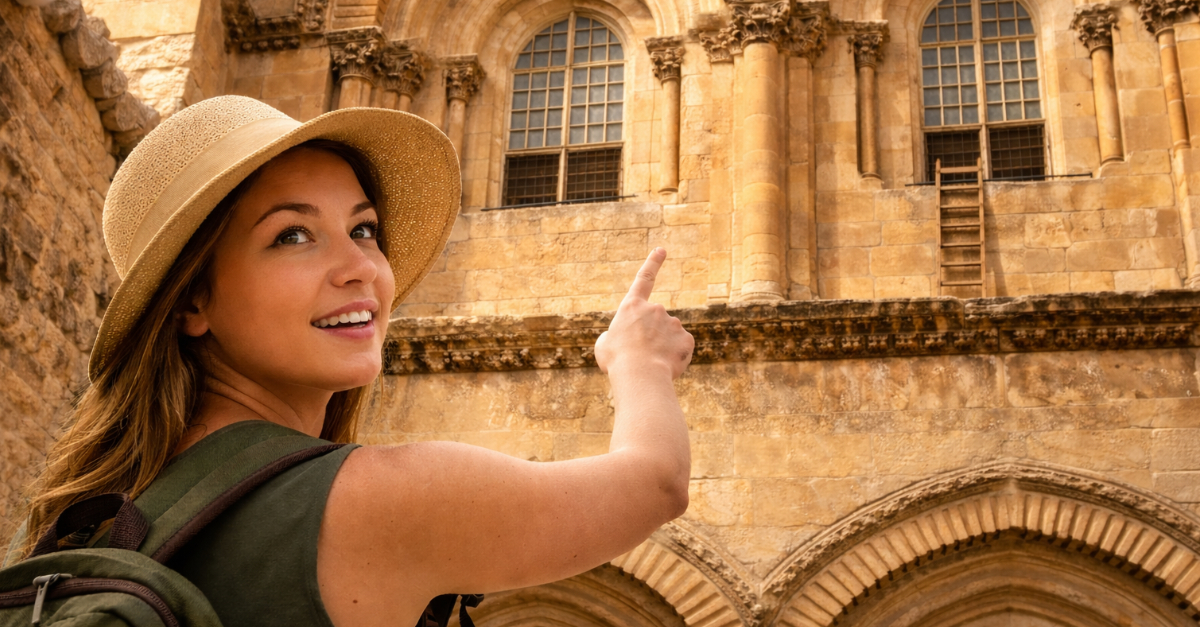
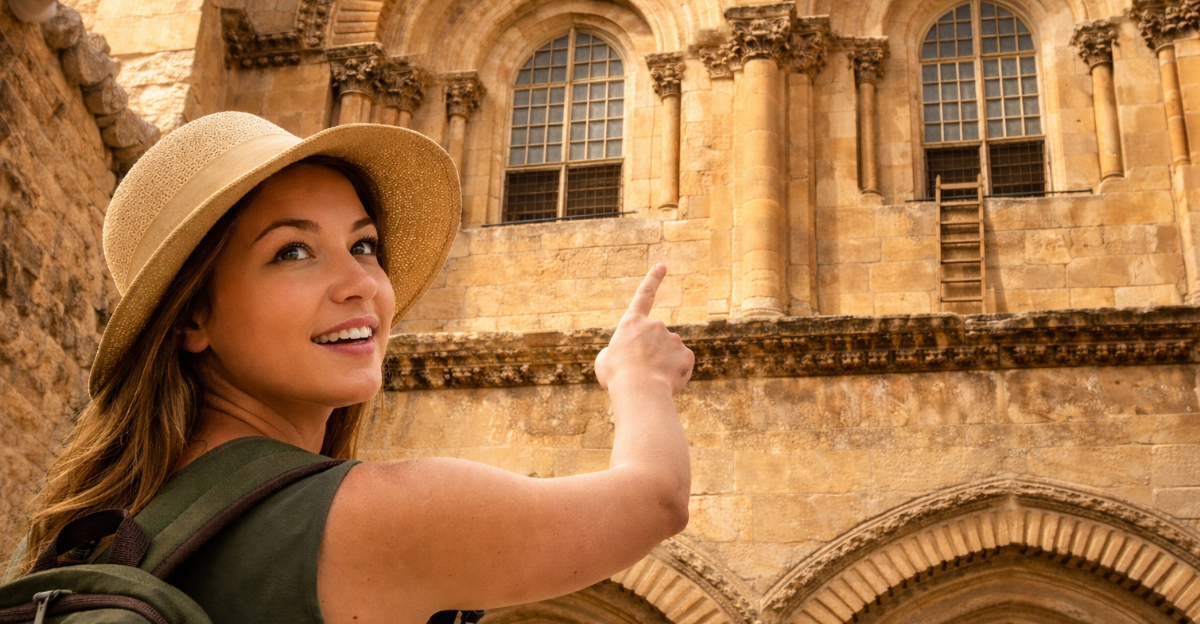
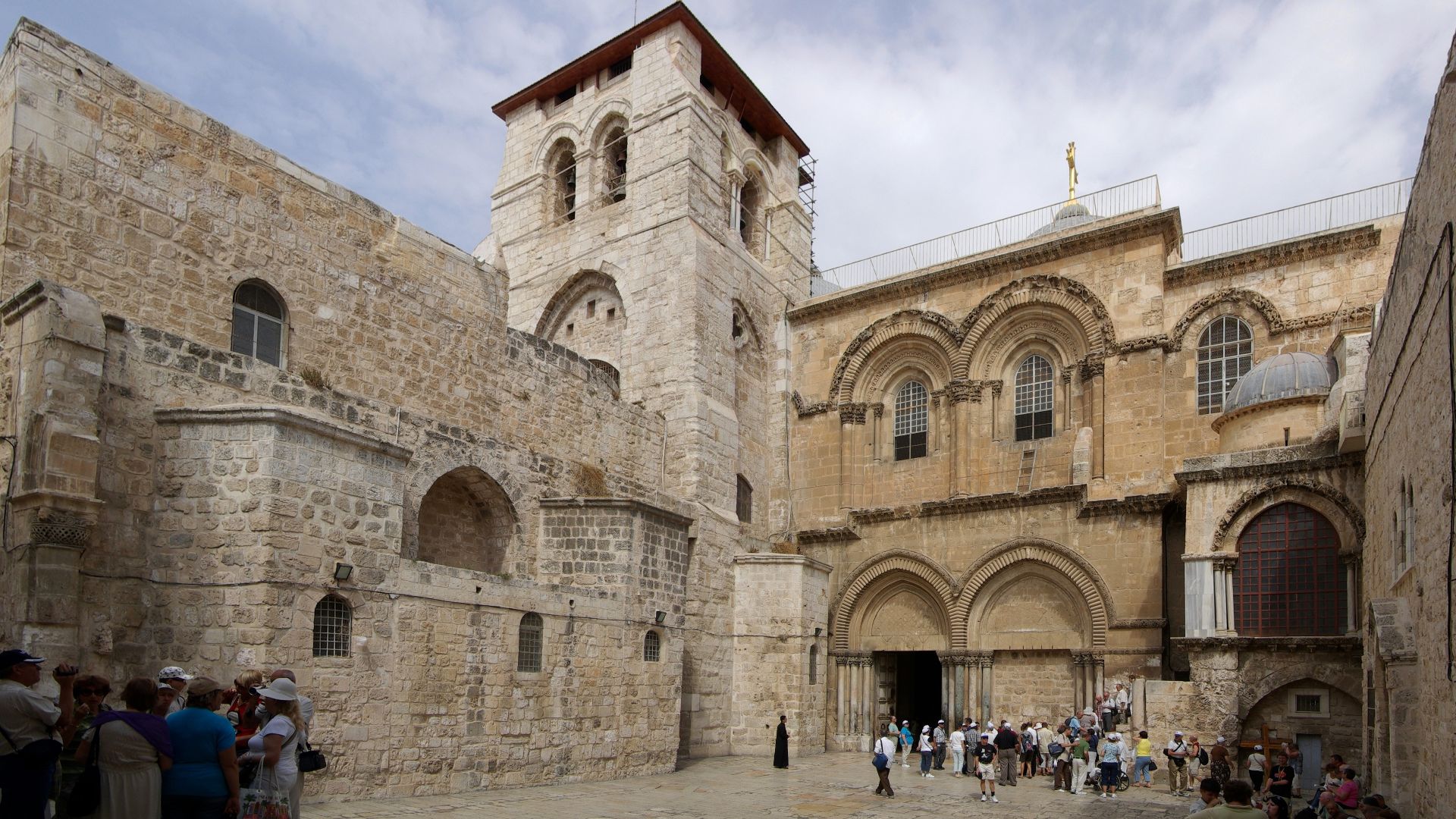
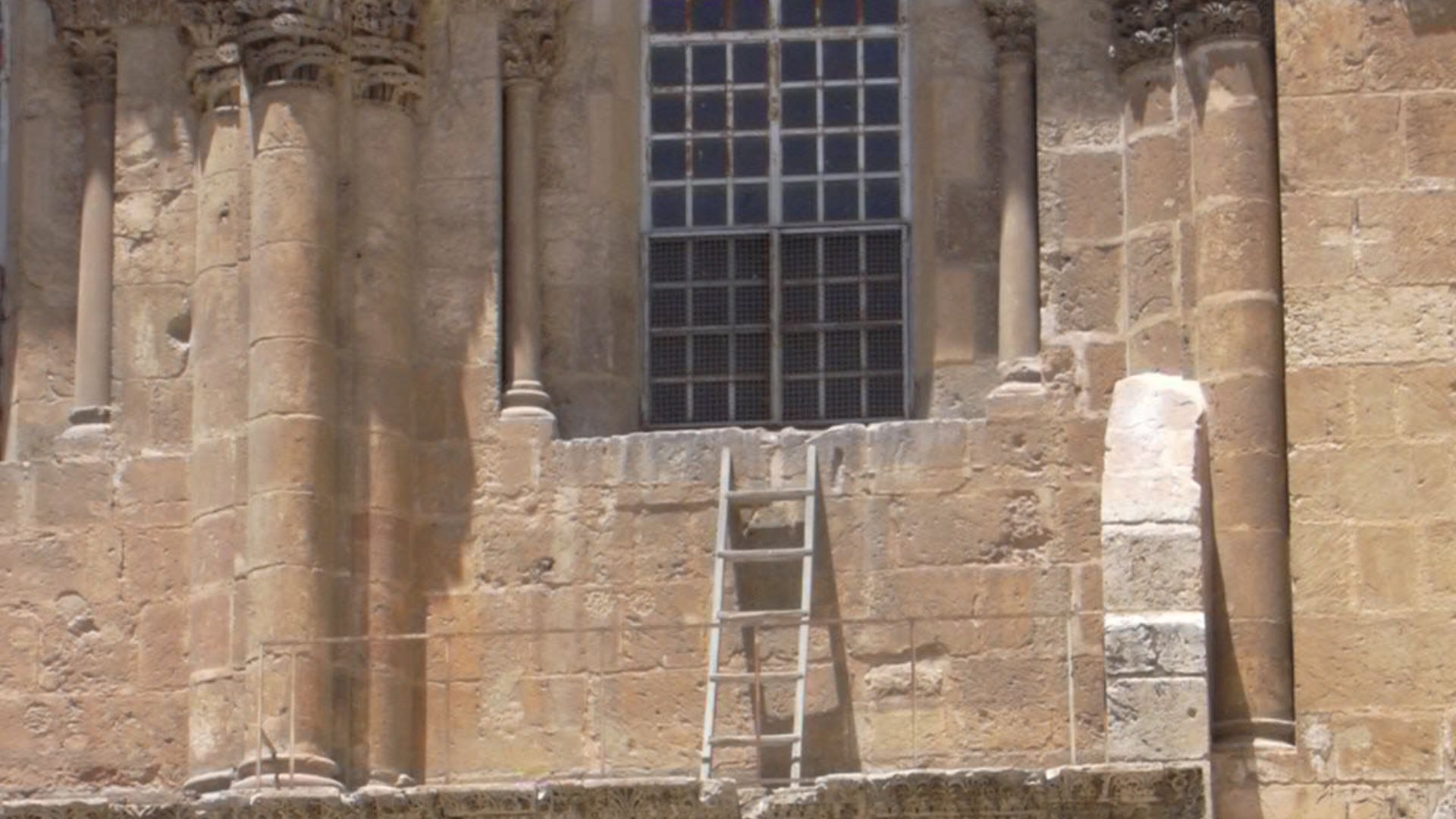
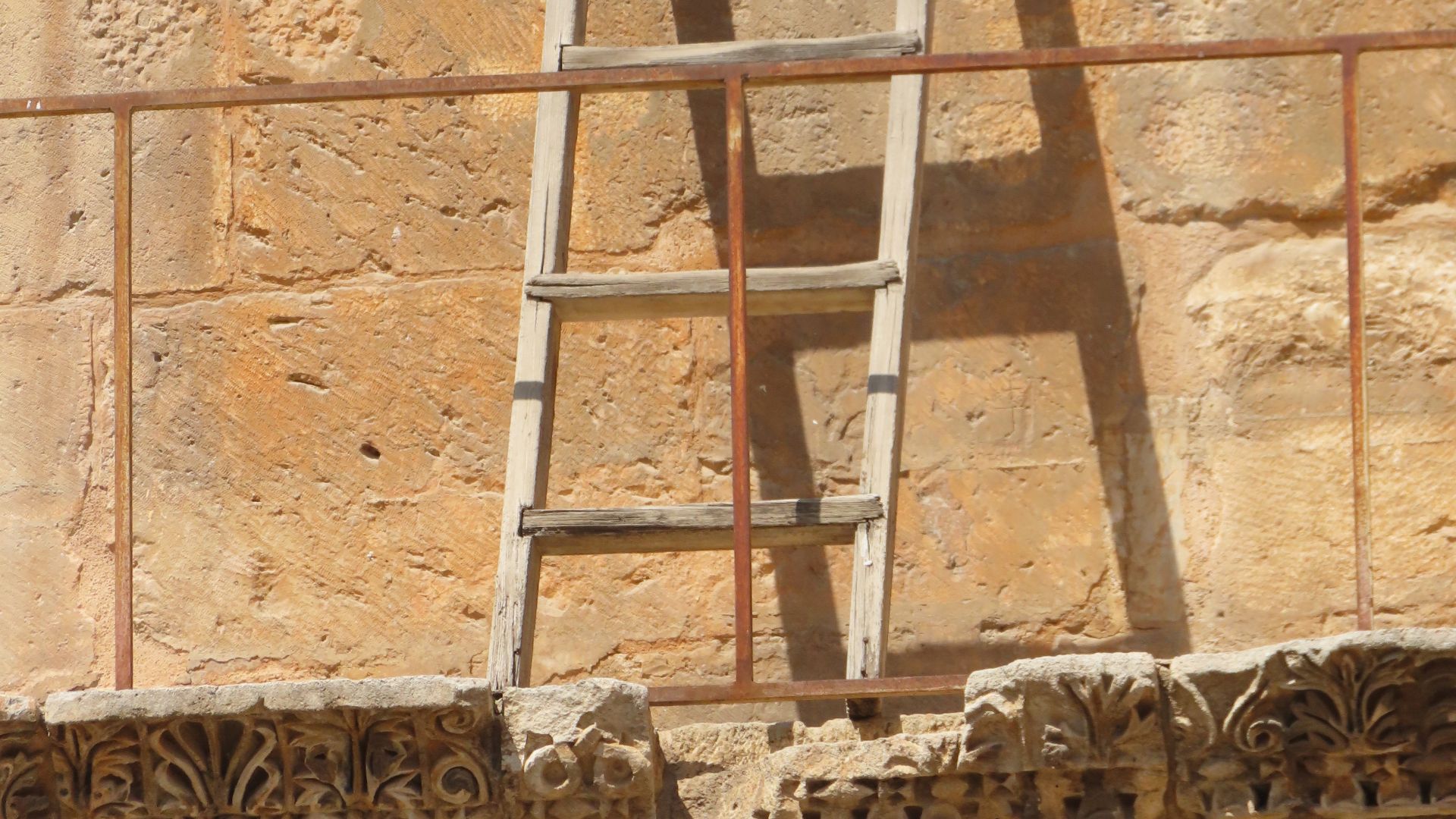
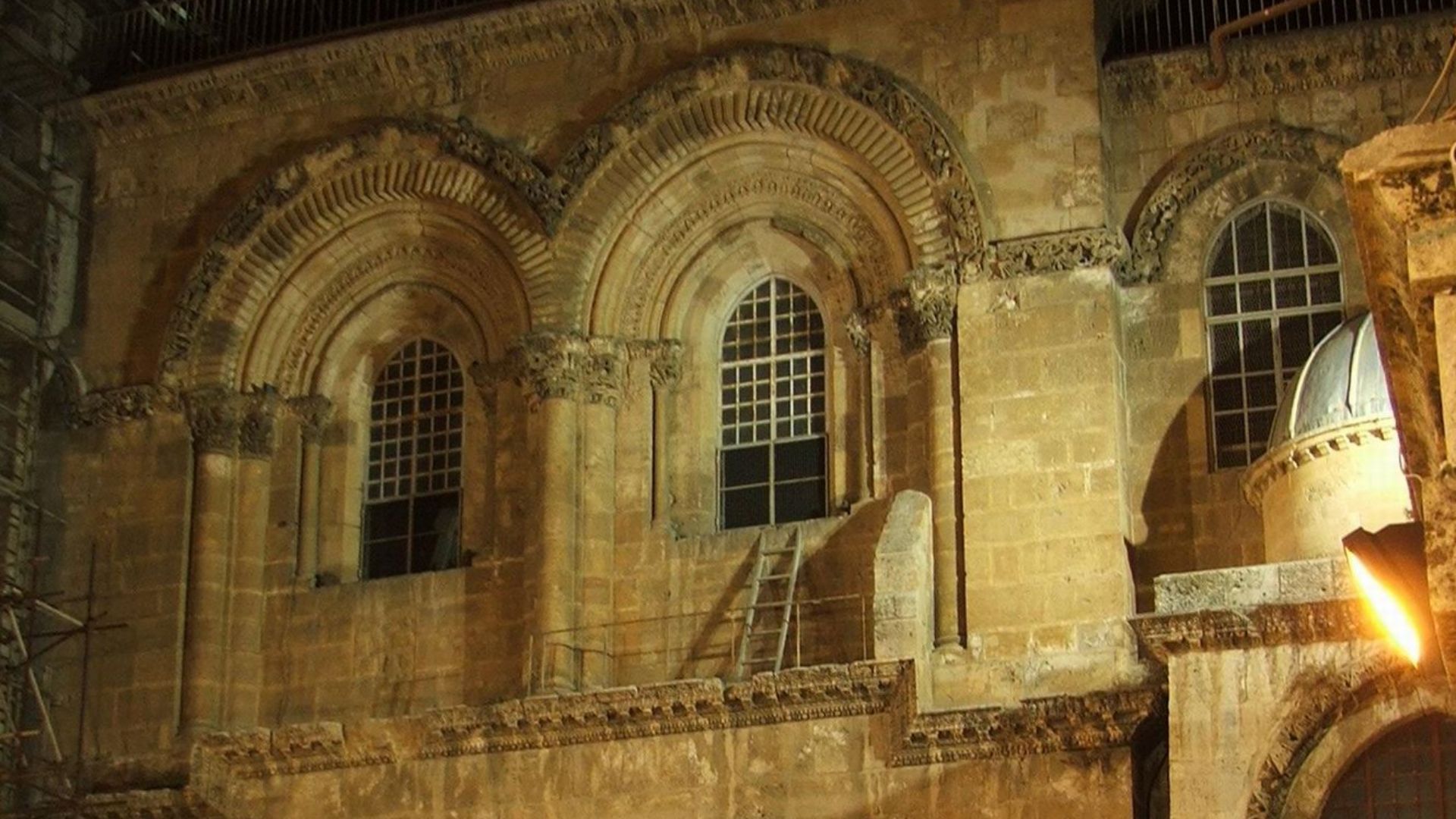
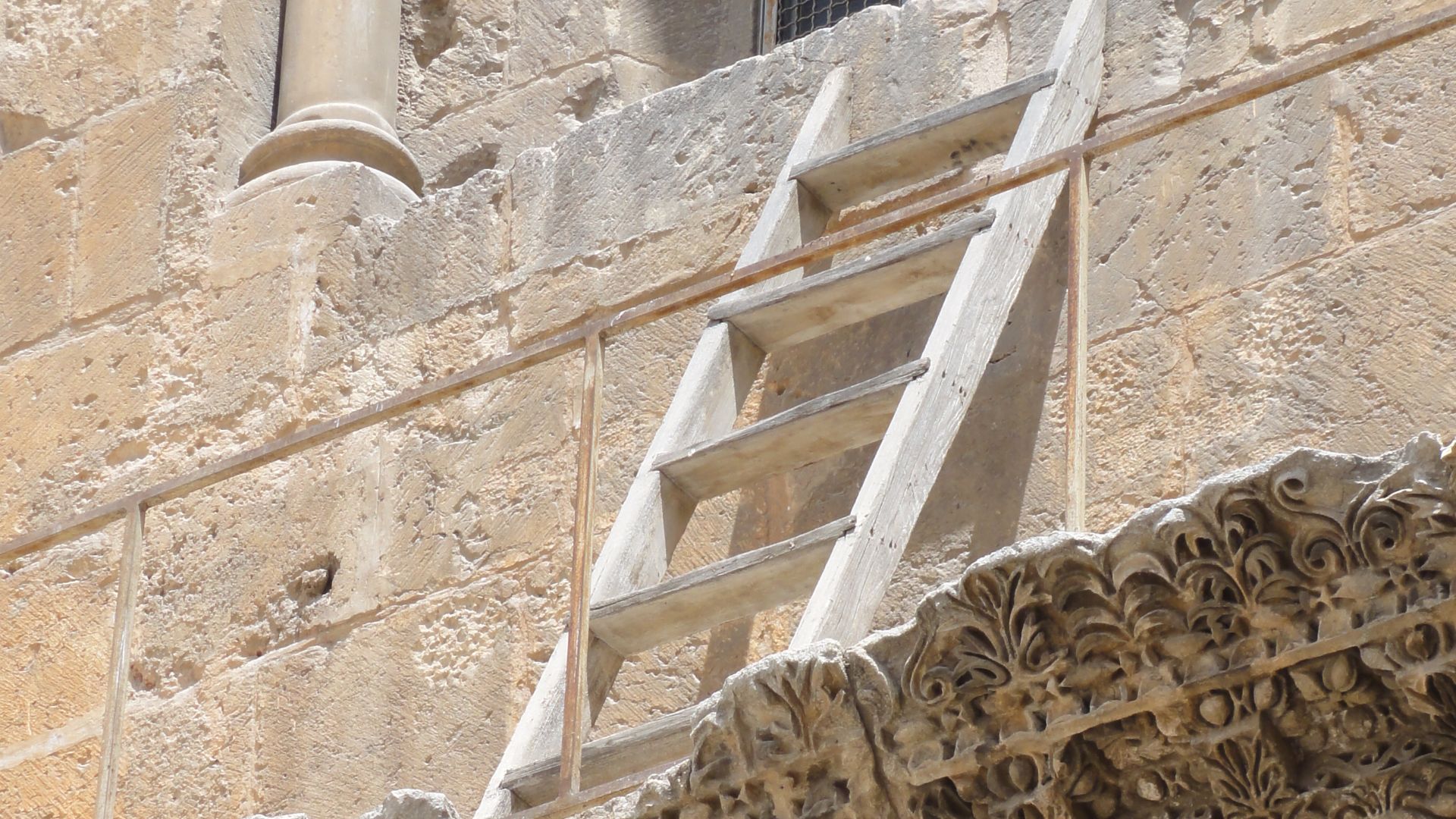
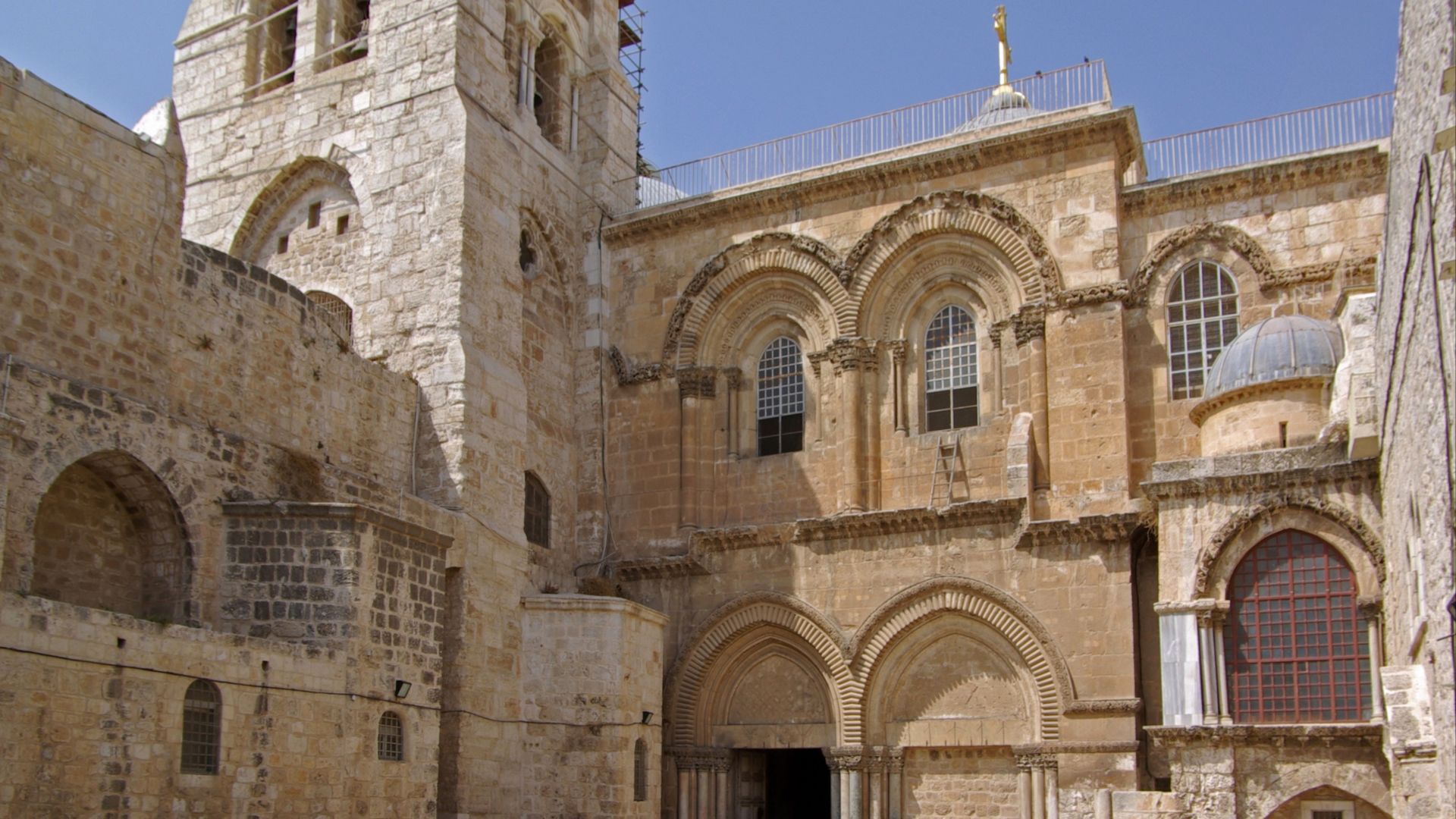
Above the entrance to one of Christianity’s holiest churches sits a small wooden ladder. It looks ordinary. It isn’t. That ladder hasn’t moved since 1728—and it can’t be moved unless six Christian denominations all agree. For nearly 300 years, no one has.
One Of Christianity’s Holiest Sites
The Church of the Holy Sepulchre dates back to around 335 AD, built under Roman Emperor Constantine. Many Christians believe it marks both Golgotha, where Jesus was crucified, and the site of his burial. It is one of the most sacred locations in Christianity.
 Berthold Werner, Wikimedia Commons
Six Groups Share One Church
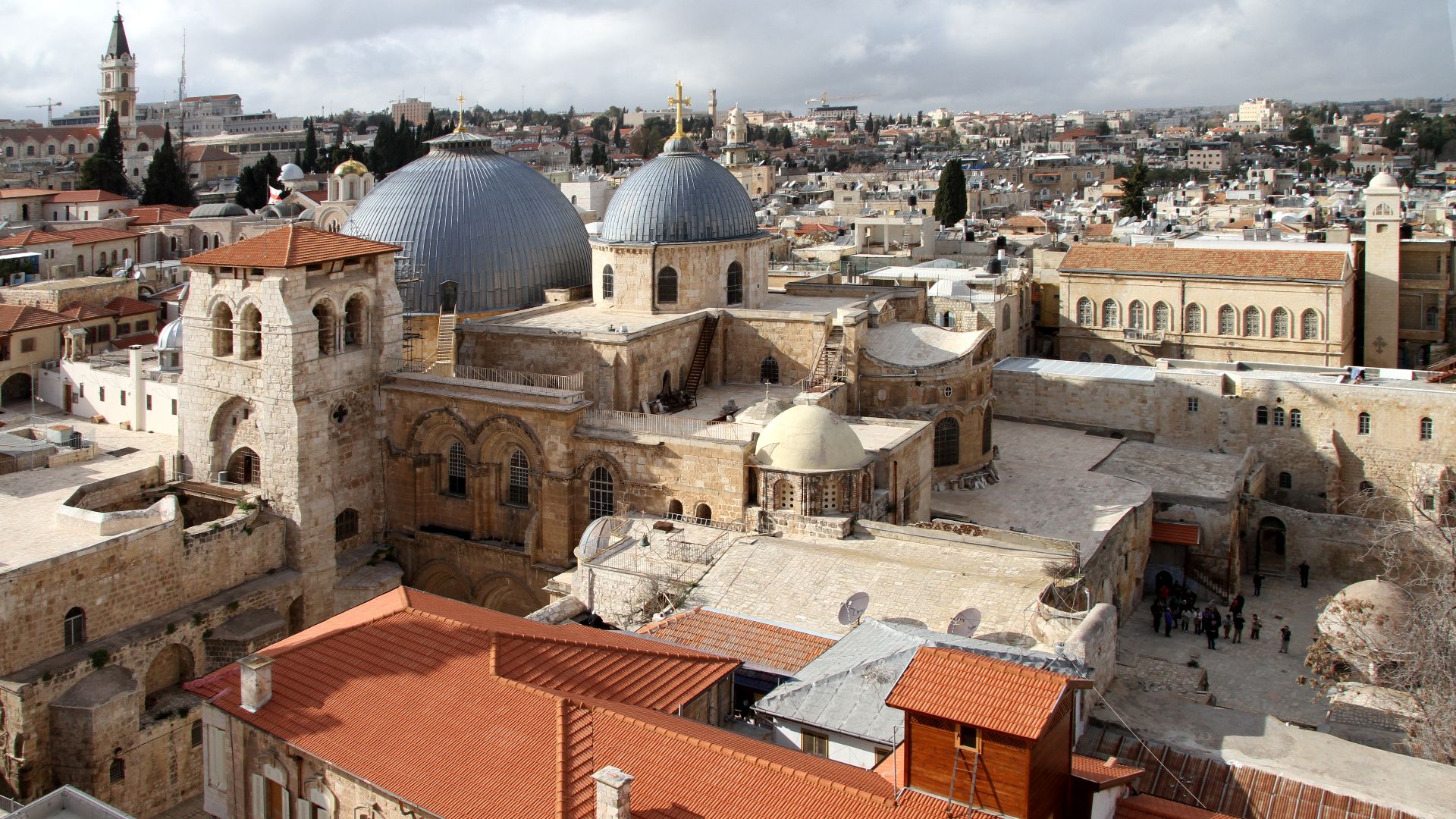
The church is jointly controlled by six denominations: Greek Orthodox, Roman Catholic (Franciscan), Armenian Apostolic, Coptic Orthodox, Syriac Orthodox, and Ethiopian Orthodox. Each controls specific chapels, altars, and worship times. Authority is divided with extreme precision.
 Gerd Eichmann, Wikimedia Commons
Centuries Of Rivalry
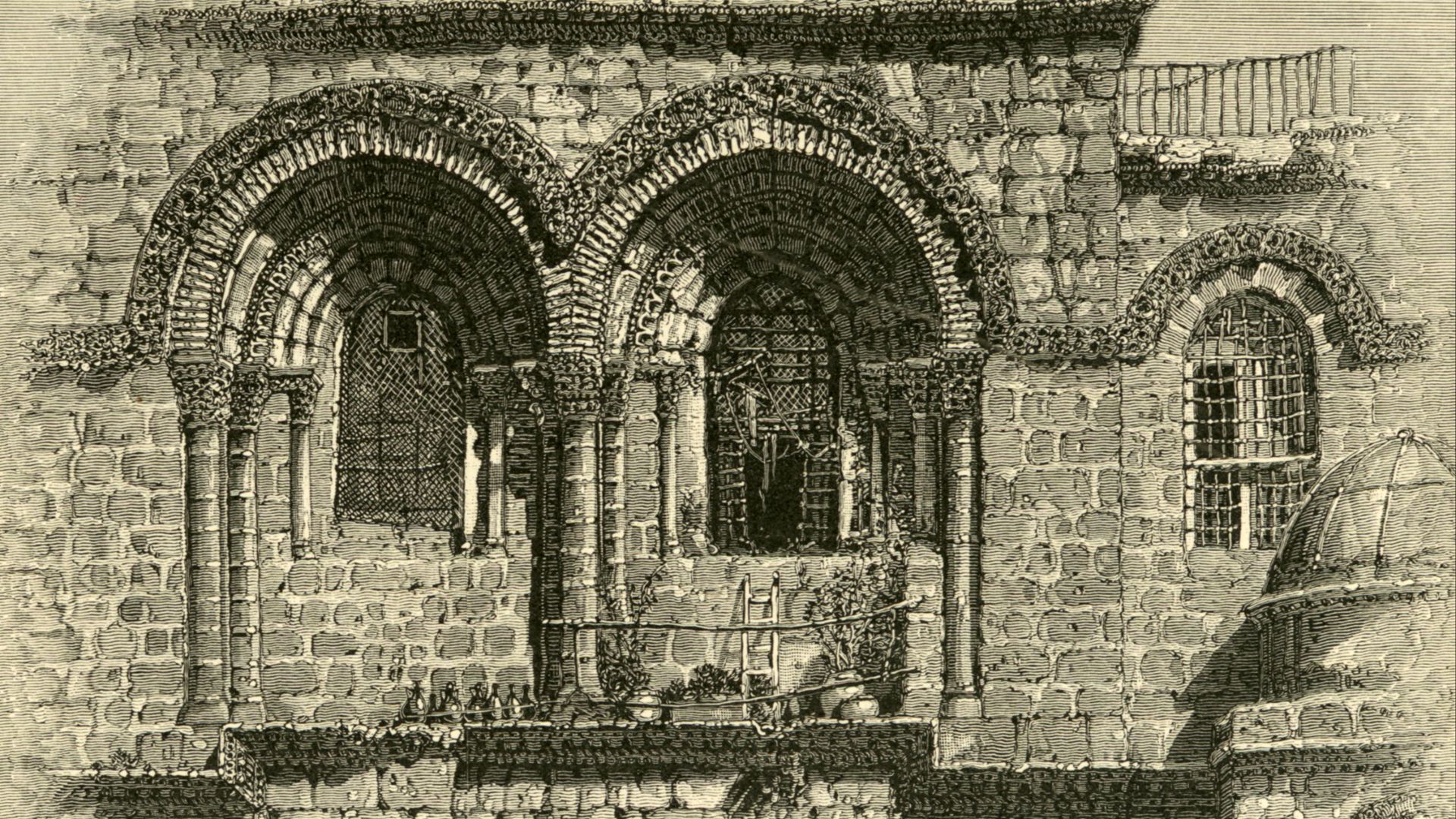
These groups haven’t always cooperated smoothly. Disputes over territory, cleaning rights, ceremonial routes, and even minor repairs have sparked arguments for centuries. The ladder became an accidental symbol of that fragile balance of power.
 Wilson, Charles William, Sir (1836-1905), Wikimedia Commons
The Ottoman Status Quo
In 1852, the Ottoman Empire formalized what’s known as the Status Quo arrangement. It froze the ownership and usage rights of the church exactly as they existed at that time. No changes to shared areas could be made without unanimous agreement.
 Harbiye Askeri Müzesi, Wikimedia Commons
But The Ladder Is Older
An engraving from 1728 clearly shows a ladder in the same position above the church entrance. That’s why historians use 1728 as the last confirmed date it was freely moved. By the time the Status Quo was formalized, it was already stuck.
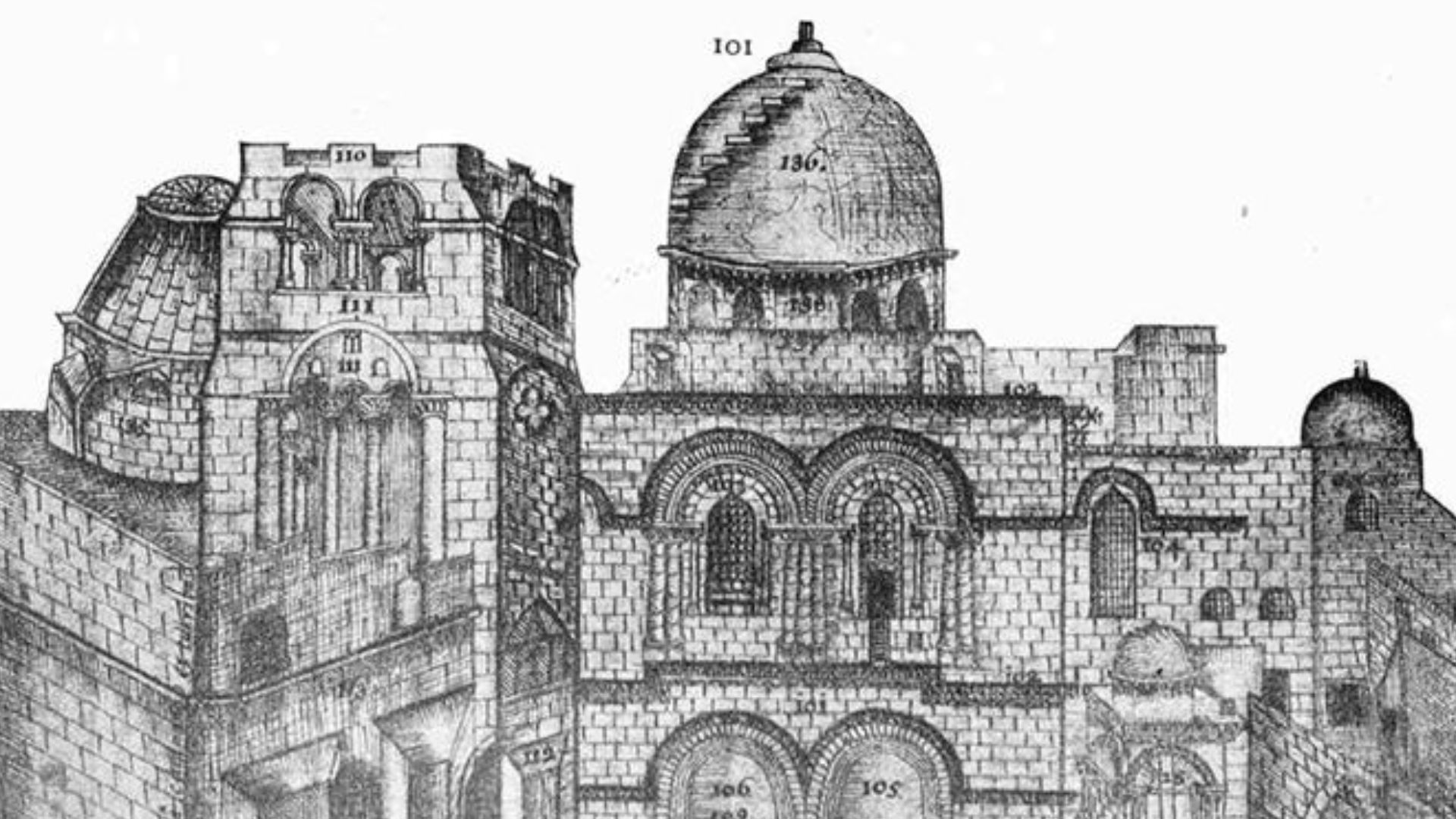 Fr. Elzear Horn at 1728, Wikimedia Commons
Why Was It There?
Most historians believe Armenian monks used the ladder to access upper windows for cleaning or maintenance. Because the window sits in a disputed section of the façade, leaving the ladder there eventually became the safest political option.
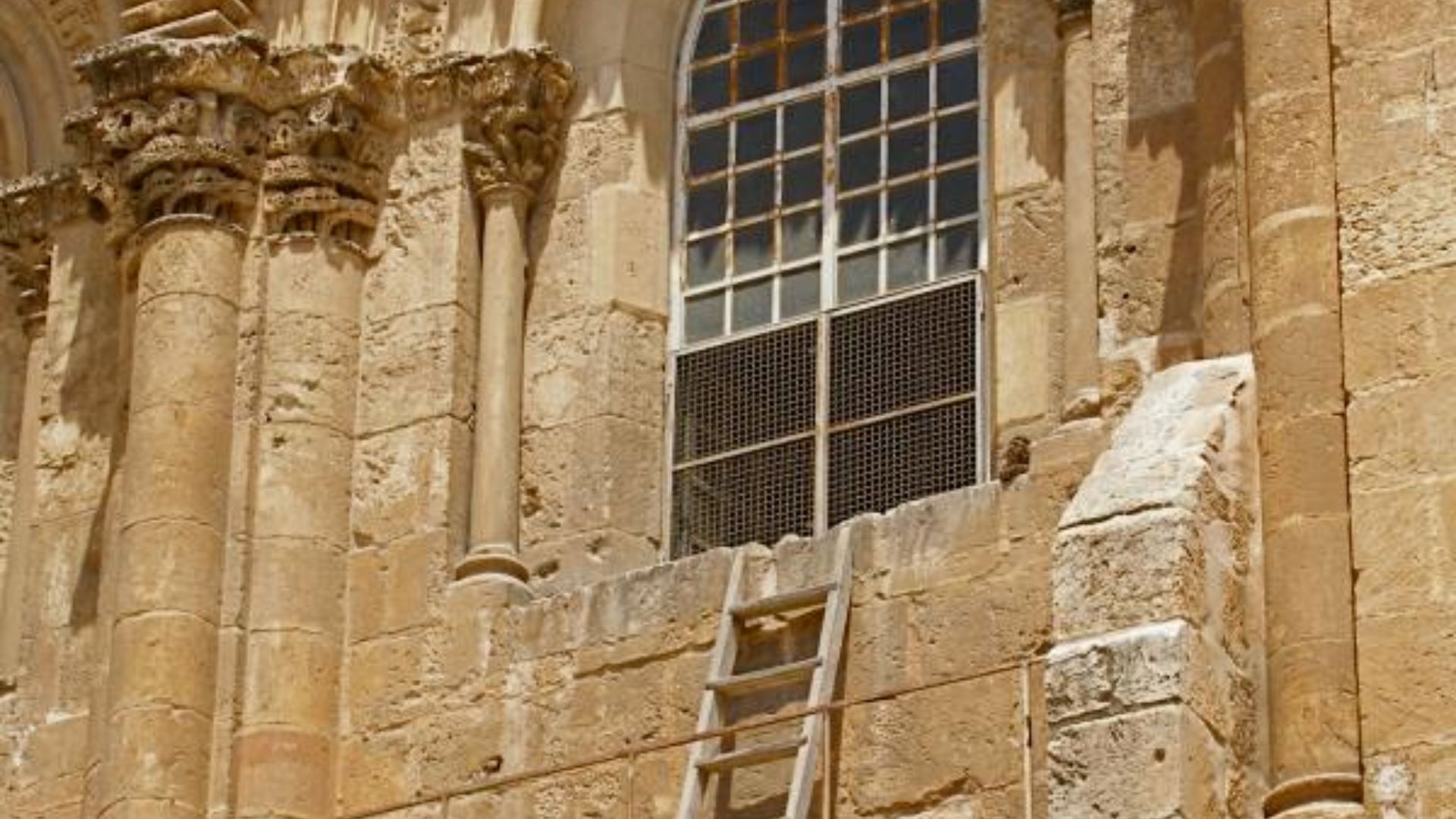 Seetheholyland.net, Wikimedia Commons
Why It Can’t Just Be Removed
Under the Status Quo, even small alterations in shared spaces require approval from all six denominations. Moving the ladder—even temporarily—could be interpreted as asserting control over that section of the church. So no one touches it.
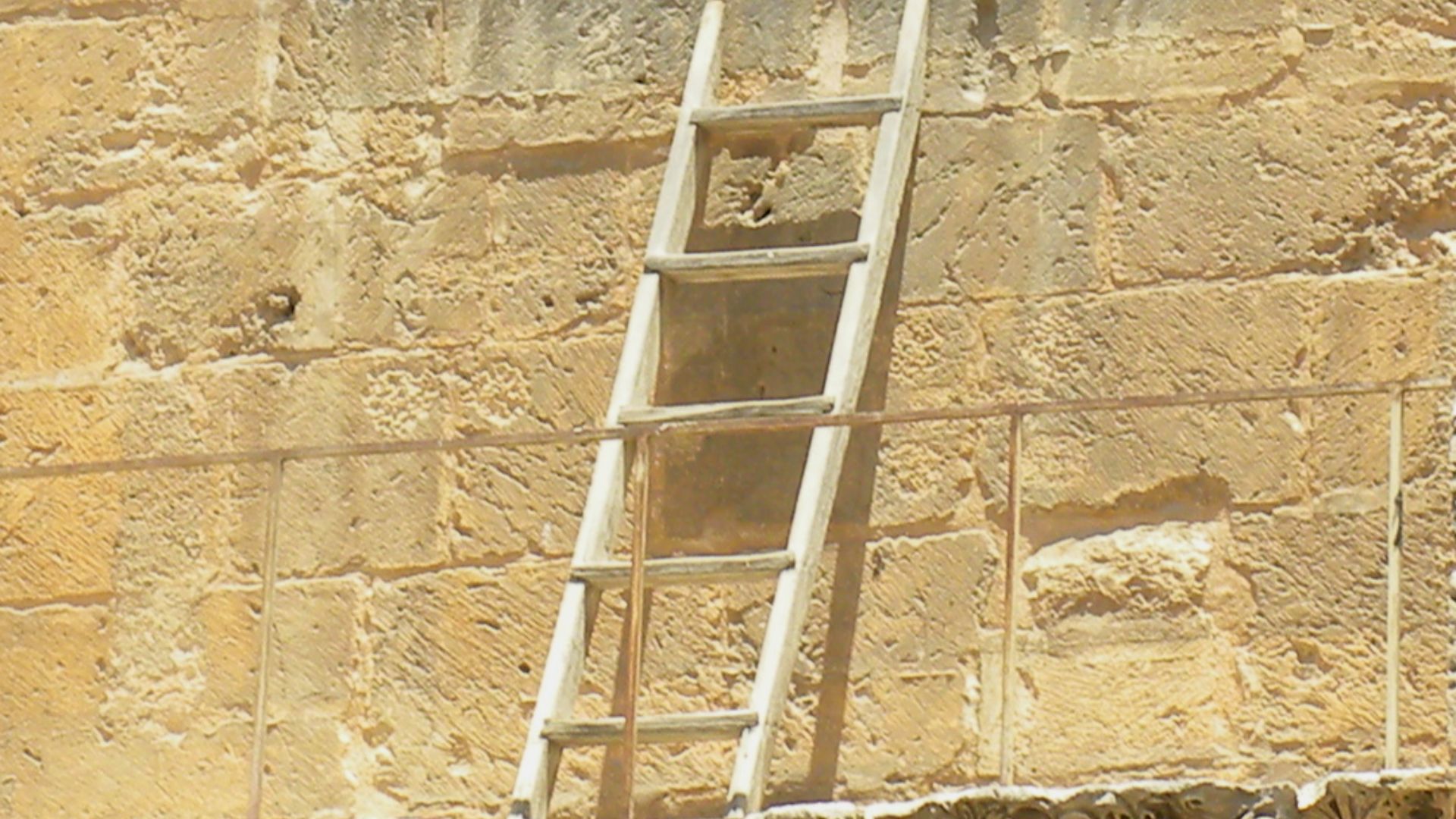 Wilson44691, Wikimedia Commons
It Survived Empires
Since 1728, Jerusalem has been ruled by the Ottoman Empire, the British Mandate, Jordan, and now Israel. Wars have erupted, borders have shifted, and governments have changed. The ladder has remained exactly where it is.
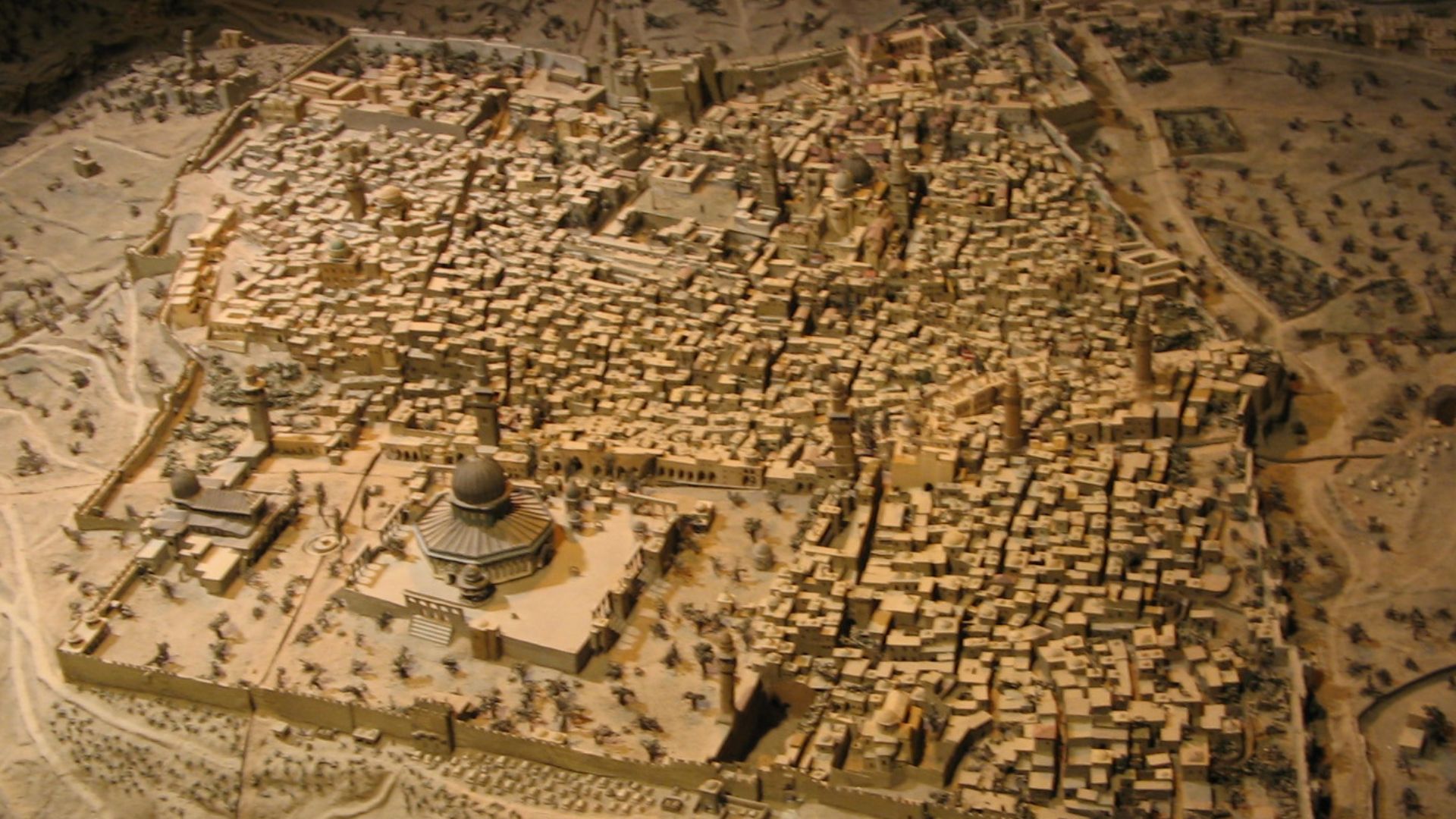 Участник:Russianname, Wikimedia Commons
Even Renovations Didn’t Move It
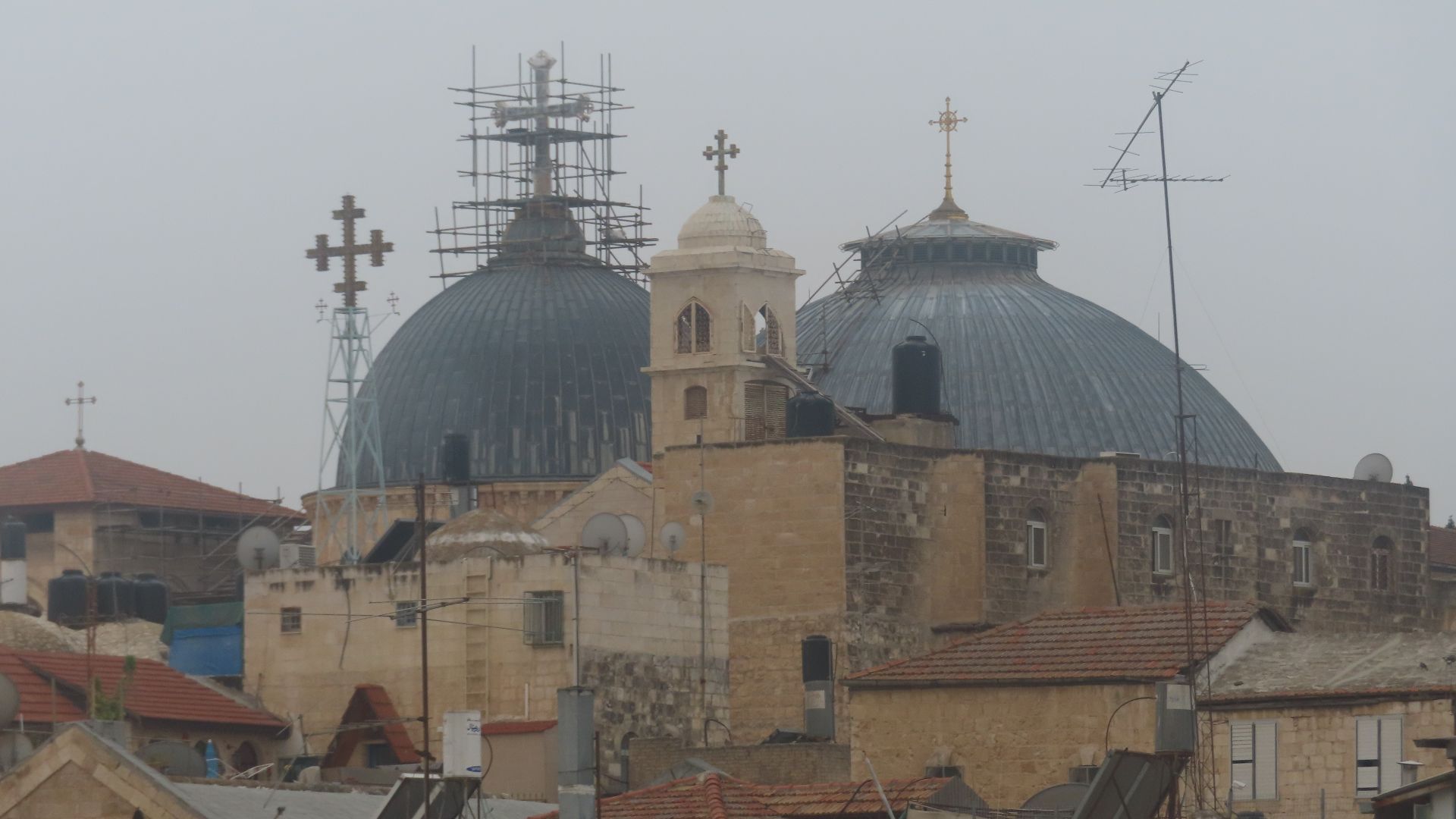
The church has undergone major repairs, including the high-profile restoration of the Edicule in 2016–2017. Despite scaffolding, structural work, and international oversight, the ladder remained in place throughout the renovations.
A Symbol Of Stalemate
Scholars often refer to it as the Immovable Ladder. It represents the delicate power-sharing agreement inside the church—where cooperation is required but rarely simple. The ladder has become a quiet symbol of both unity and division.
Disputes Have Turned Physical
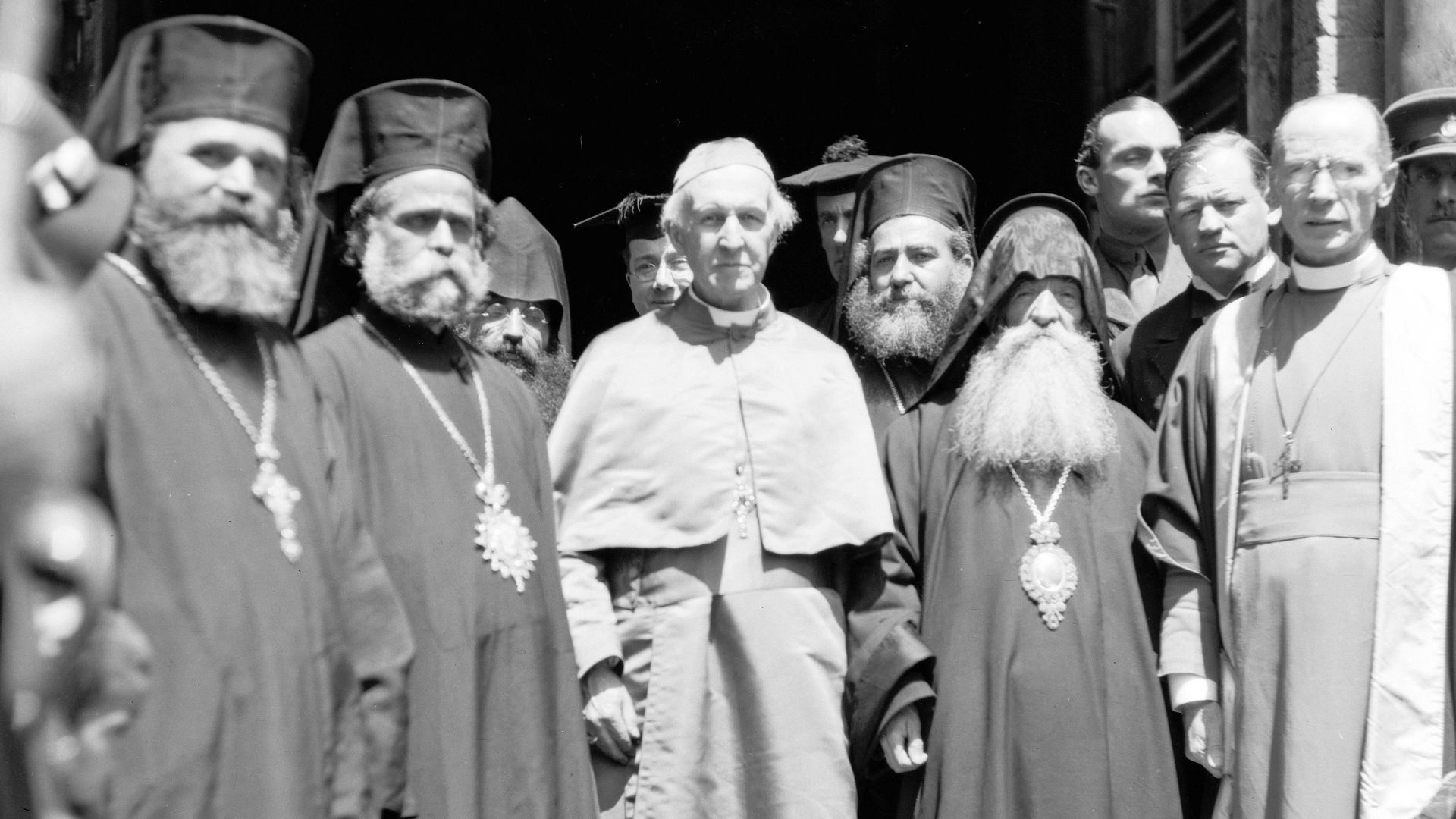
Tensions inside the church aren’t just historical footnotes. In 2008, a disagreement between Greek and Armenian clergy during a ceremony reportedly escalated into a physical altercation. Even minor perceived violations of territory can trigger conflict.
 G. Eric and Edith Matson Photograph Collection, Wikimedia Commons
Yes, It Has Moved—Briefly
Despite the legend, the ladder has shifted a few times in modern history. In 1997 and again in 2009, it was reportedly moved temporarily before being returned to its traditional position. Each incident sparked immediate controversy.
The 2009 Incident
In 2009, someone moved the ladder overnight without authorization. Israeli police investigated, and church leaders quickly restored it to its previous location. Even a small adjustment required diplomatic-level discussions among the denominations.
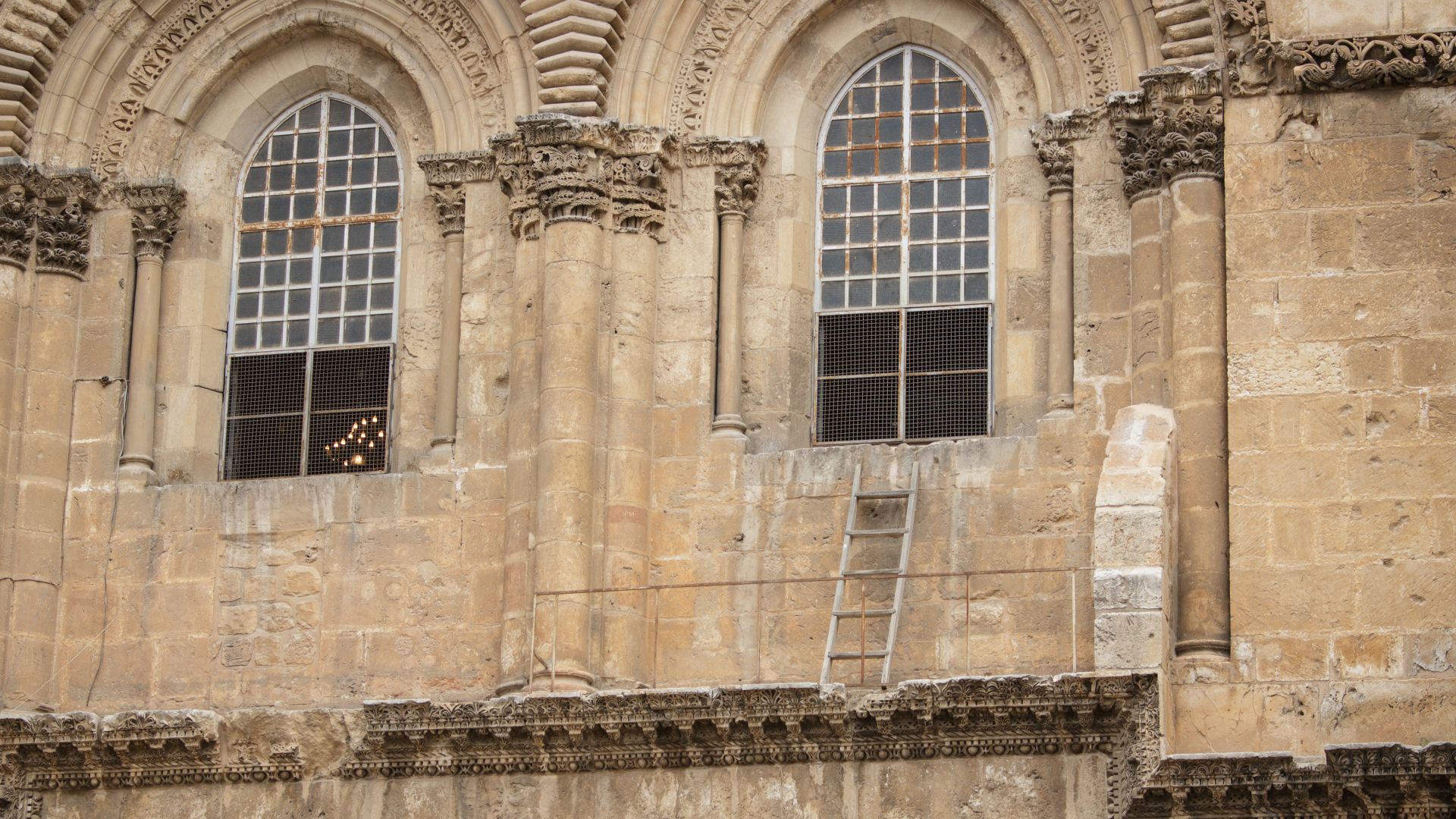 Matthew Delaney, Wikimedia Commons
Precision Down To The Inch
The Status Quo governs more than the ladder. Cleaning schedules, prayer times, and even access to stairways are carefully regulated. There have been reports of monks sweeping only their assigned sections—leaving visible dividing lines in shared areas.
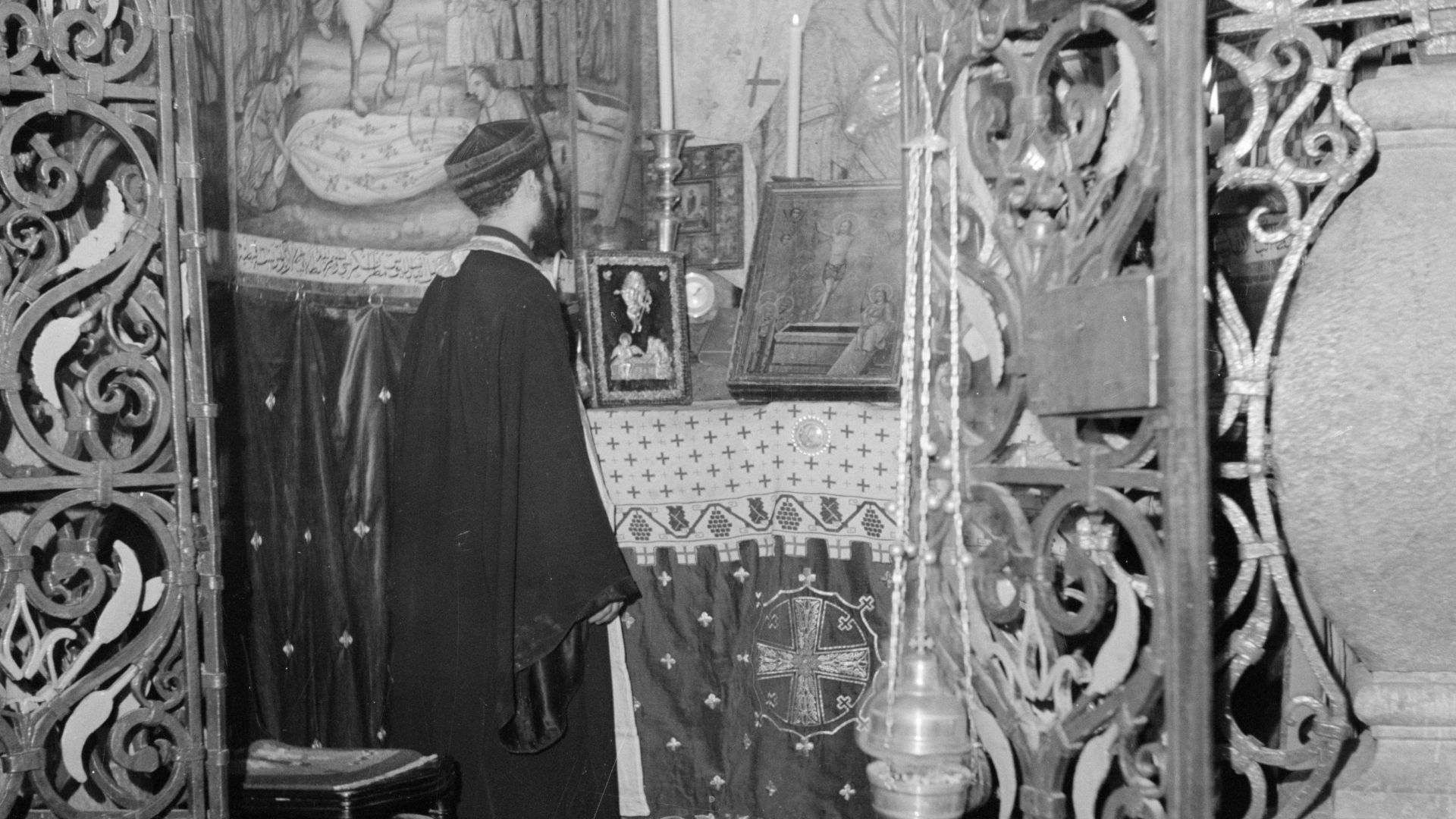 Willem van de Poll, Wikimedia Commons
Even The Keys Are Shared Differently
In another unusual tradition, the main keys to the church have been held by a Muslim family for centuries. This arrangement dates back to medieval times and continues today as a neutral solution between the Christian groups.
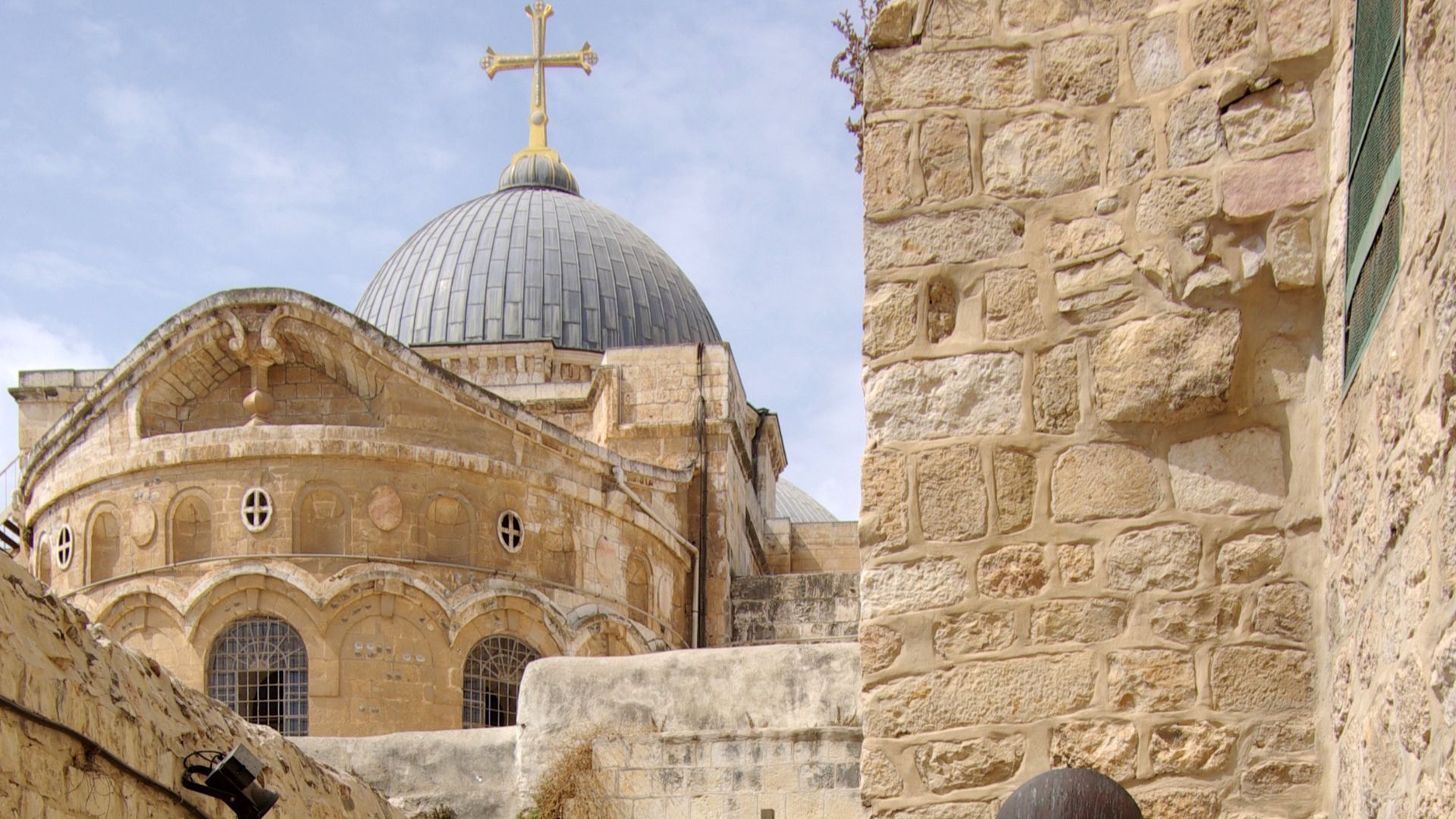 Berthold Werner, Wikimedia Commons
Why Agreement Is So Difficult
Each denomination fiercely protects its historical rights. Agreeing to move the ladder could set a precedent that affects other disputed areas. In a building where every stone carries religious and political weight, precedent matters.
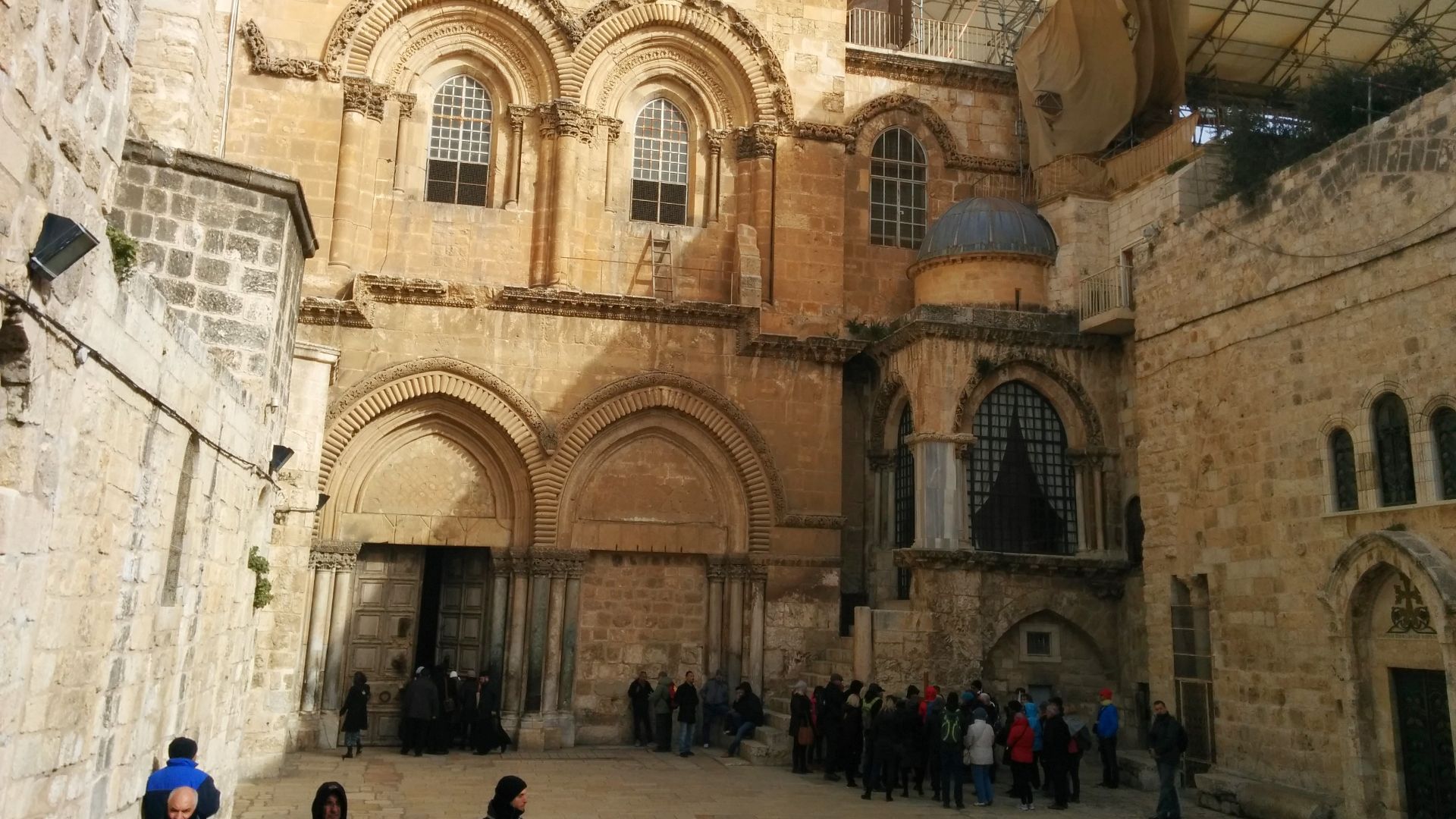
A Global Curiosity
The ladder has become one of the church’s most photographed details. Tourists often search for it above the entrance, surprised that such a small object carries centuries of religious and diplomatic significance.
 Hynek Moravec, Wikimedia Commons
A Quiet Lesson In Power
The ladder demonstrates how fragile shared authority can be. Six Christian denominations maintain a carefully balanced arrangement inside one sacred building. Disturbing even a minor detail could upset that balance.
 User:Mattes, Wikimedia Commons
Could It Ever Be Moved?
Technically, yes. If all six denominations agreed unanimously, the ladder could be relocated at any time. But after nearly 300 years in the same spot, leaving it untouched has become the simplest solution.
 Berthold Werner, Wikimedia Commons
You Might Also Like:
A Harvard scientist claims he has found the exact location of heaven.
Scientists Say These "Alien Mummies" Aren’t Human—But The Full Story Is Even Weirder