The Bodies That Broke the Internet
They’re small. They’re mummified. They don’t look human. And once images of them hit the internet, everything exploded. Some people saw proof of extraterrestrial life. Others saw a hoax. What scientists found next didn’t settle the debate—it complicated it.

Where the Mummies Came From
The remains are associated with Peru’s Nazca region and circulated through private collectors and independent researchers—not a documented archaeological excavation. The story gained major global attention in 2017, with promoters also claiming the specimens were found earlier, but without verifiable provenance.
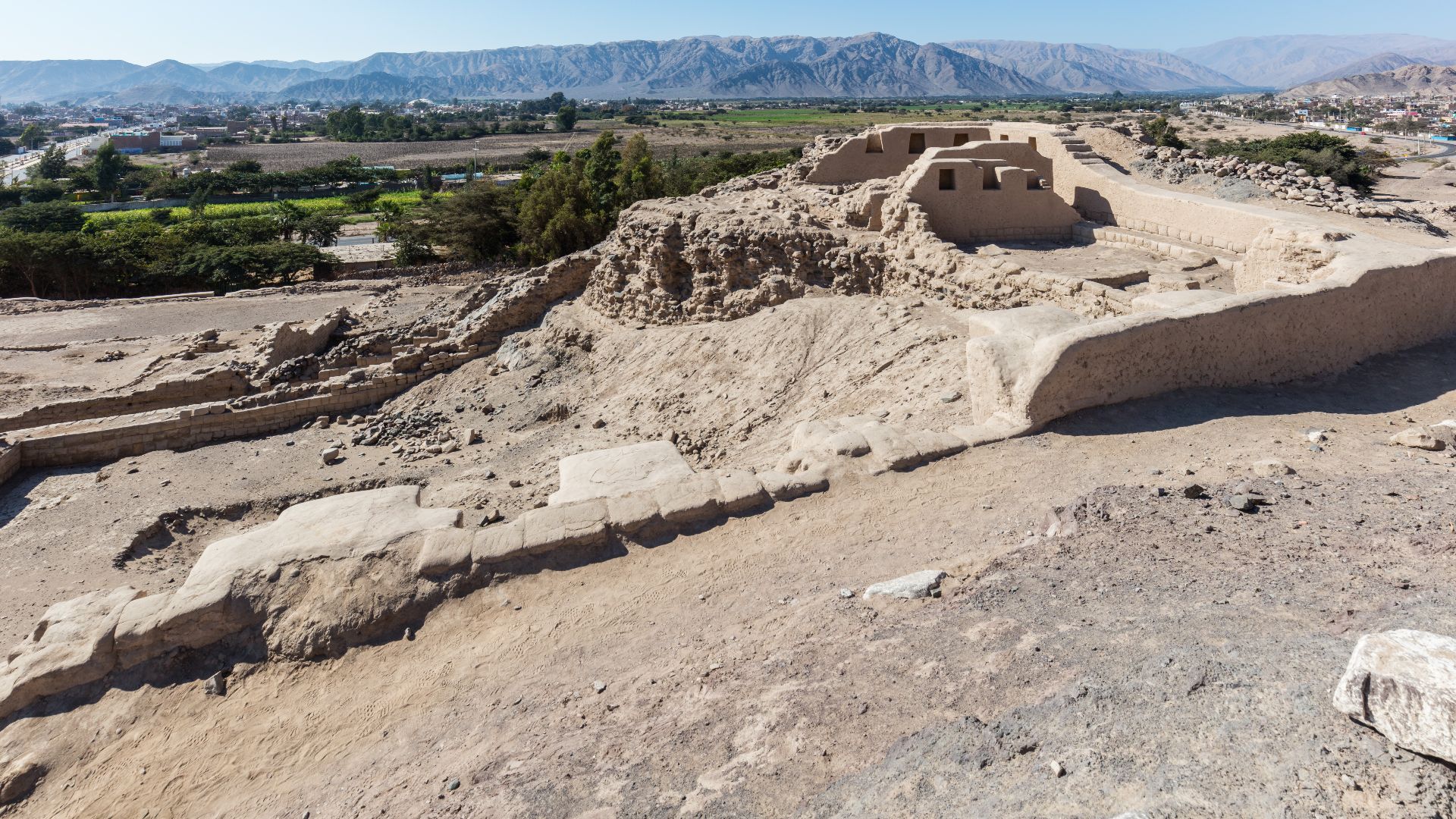 Diego Delso, Wikimedia Commons
Why They Look So Unsettling
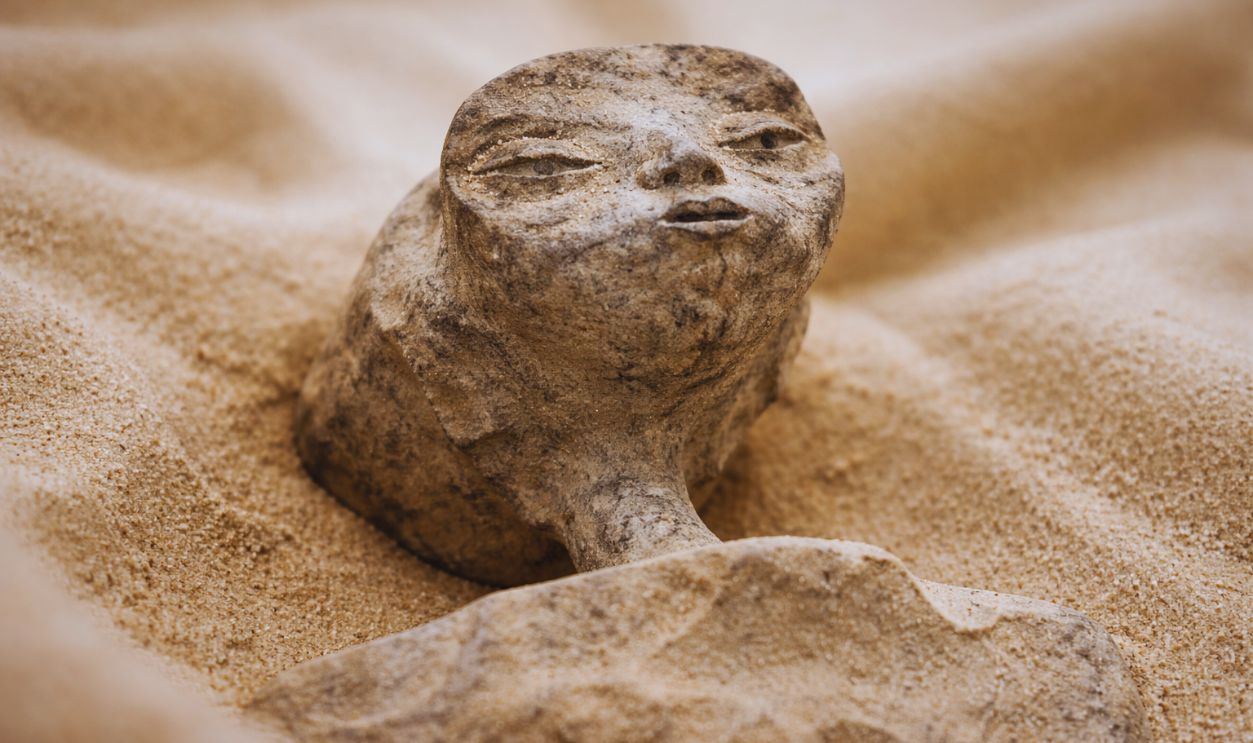
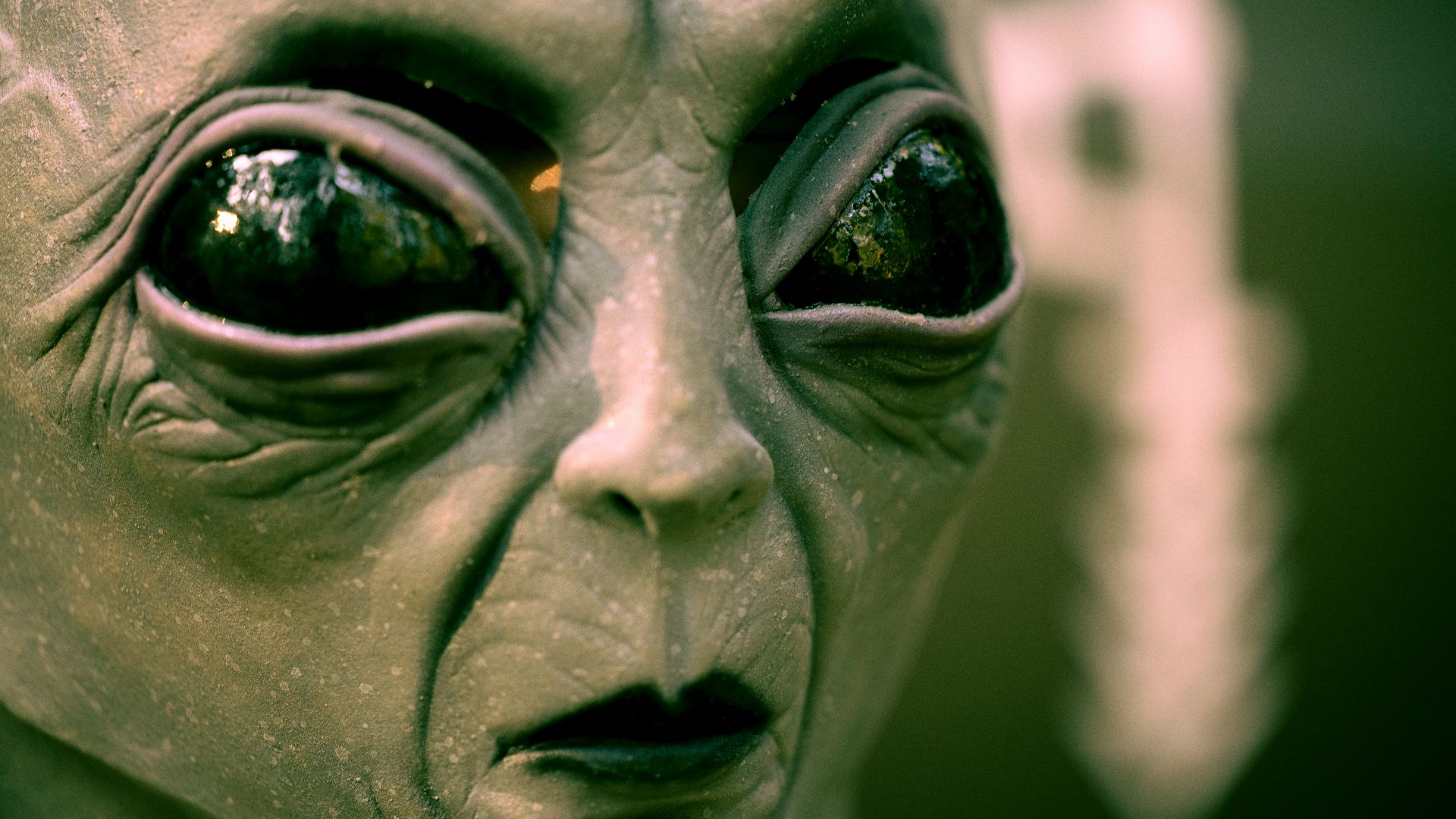
Each body has an elongated skull, a small torso, and three long fingers on each hand. At first glance, they resemble classic sci-fi aliens more than any known human remains. That visual shock is a big reason the story spread so fast.
The Claims That Went Viral
Supporters claimed CT scans showed non-human anatomy and that DNA tests proved the bodies weren’t Homo sapiens. Some even described them as a previously unknown intelligent species. Headlines followed fast—long before any peer-reviewed confirmation.

The Mexico Congress Moment
On September 13, 2023, the mummies were presented during a hearing in Mexico’s Congress focused on UAP/UFO topics. The setting looked official, but it wasn’t scientific validation—lawmakers don’t peer-review evidence, and the claims were not independently confirmed at the hearing.
What Scientists Checked First
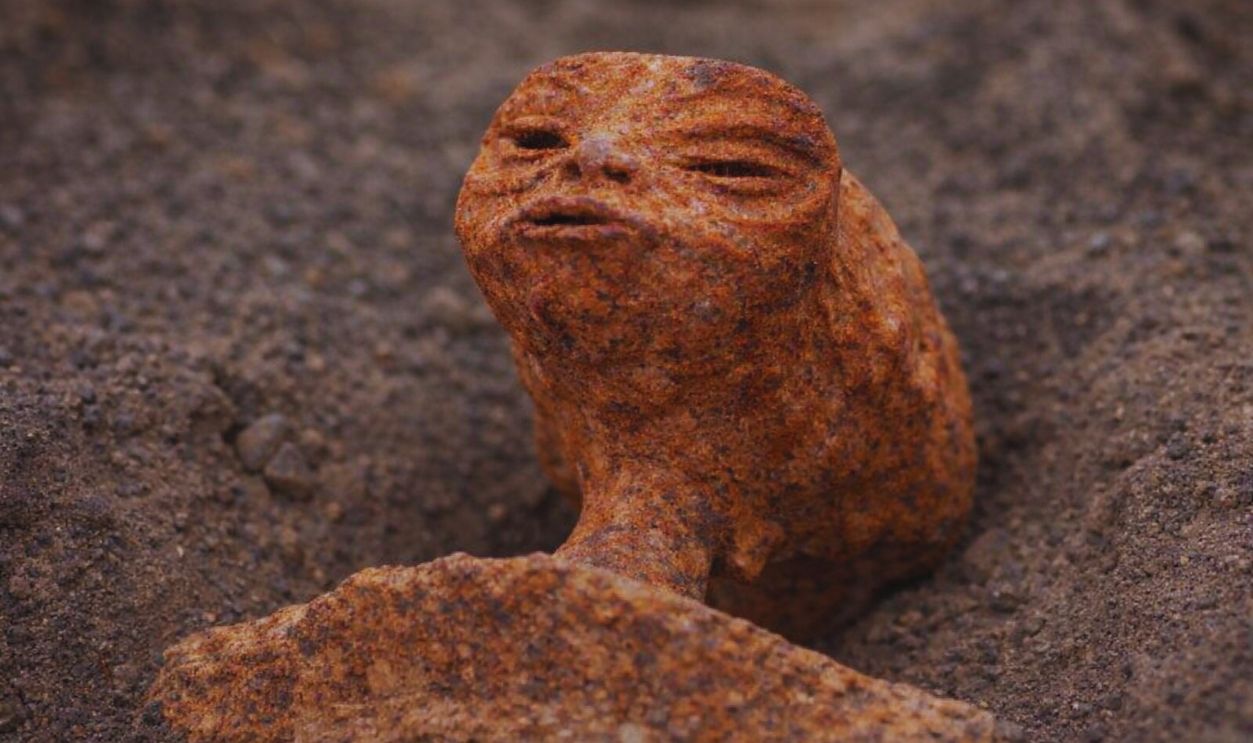
Independent researchers focused on imaging. Critics pointed out skeletal and joint issues inconsistent with a functional organism—fueling the argument that parts may be assembled or modified rather than naturally evolved.
 National Cancer Institute, Unsplash
The DNA Confusion
DNA samples did show mixed results—but that wasn’t proof of aliens. Scientists pointed out contamination, degraded material, and incomplete sequencing. In ancient remains, unknown or messy results can reflect sample quality and handling rather than a new species.
 National Cancer Institute, Unsplash
A Key Expert Response
Skeptics and scientists who reviewed the broader saga have repeatedly warned that dramatic claims arrived before verifiable methods—especially because the evidence hasn’t been established through mainstream peer-reviewed publication.

The Three-Finger Problem
Hands became a focal point. Critics noted missing or inconsistent bone structures and questioned whether the anatomy could function as a living hand—one of the reasons many experts suspect manipulation or assembly.

Similar Claims, Same Outcome
This wasn’t the first time non-human remains linked to this story drew heavy skepticism. Major science coverage has pointed out that earlier iterations were criticized as mixtures of parts with anatomical inconsistencies.
Who Assembled the Mummies?
No verified individual or group has been identified. The remains didn’t come from a controlled archaeological excavation, leaving no chain of custody. That absence alone alarms experts—because without provenance, it’s impossible to confirm when, where, or by whom the bodies were altered.

What Experts Say Happened
Peruvian forensic archaeologist Flavio Estrada has publicly rejected the extraterrestrial framing, saying the objects were not aliens or a new species and describing them as assembled using materials including human and animal bones.
 Screenshot from Resident Alien, NBCUniversal (2021–2025)
Why Would Someone Do This?
Peruvian paleontologist Rodolfo Salas-Gismondi has described the specimens as recently manufactured objects made with animal and human bones, highlighting how sensational presentation can outpace proper scientific process.

Peru’s Official Position
Peruvian authorities have said similar figures tied to the broader story were not extraterrestrial and described them as constructed objects involving human and animal bones and other materials—raising cultural heritage and potential anti-looting concerns.
Why Peer Review Matters
None of the headline-making alien claims have been established through widely recognized, independent peer-reviewed publication. That’s crucial. Peer review is how findings are challenged, replicated, and validated.

Why “Not Human” Doesn’t Mean Alien
Scientists agree on one thing: not human is a very low bar. Modified remains, composites, or degraded samples can all fall outside normal human variation—without involving extraterrestrial life.
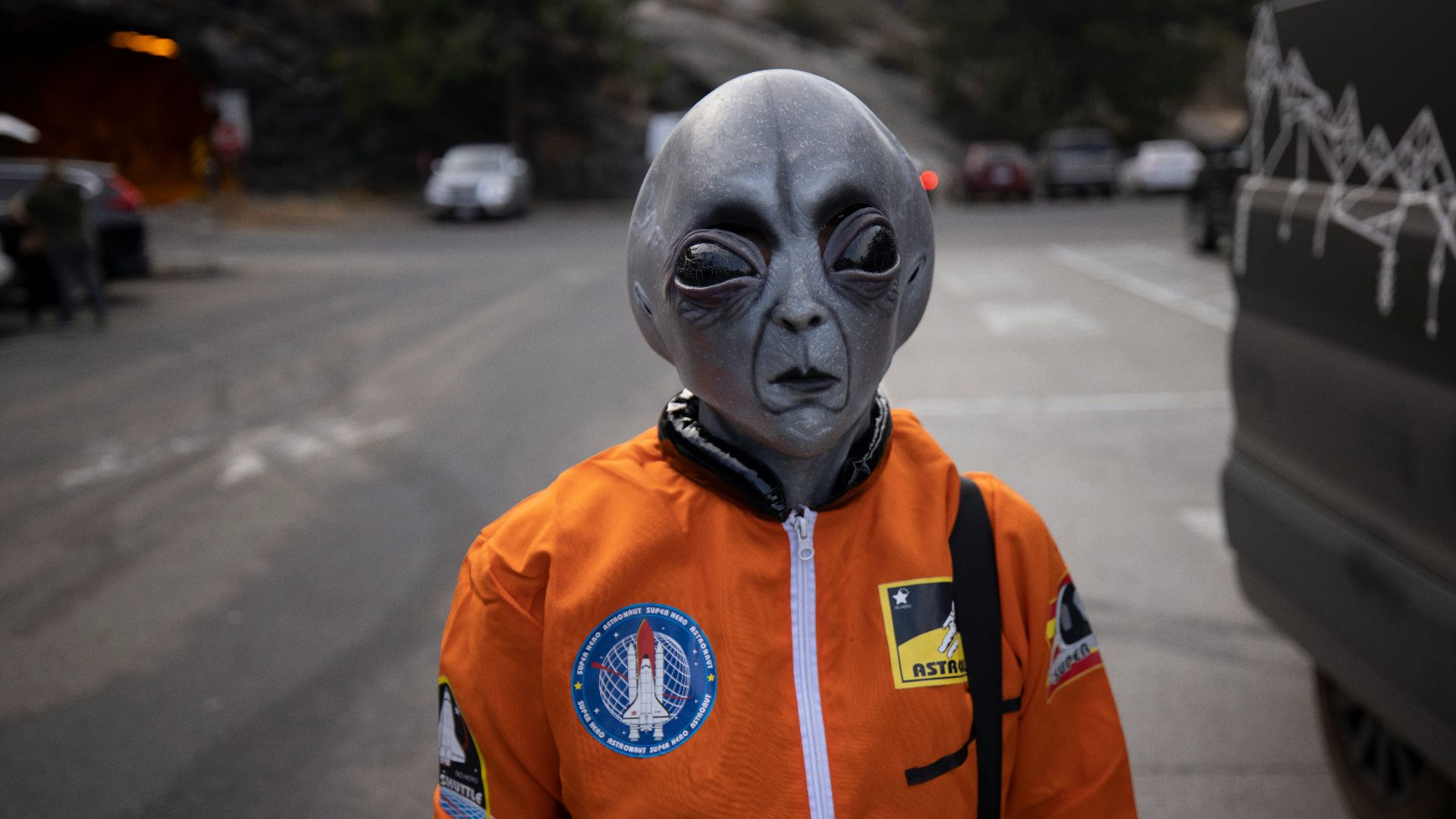
The Role of Spectacle
High-profile presentations, dramatic scans, and bold language helped the story spread faster than the science. The venue and visuals made it feel settled to many viewers, even as scientists voiced skepticism.
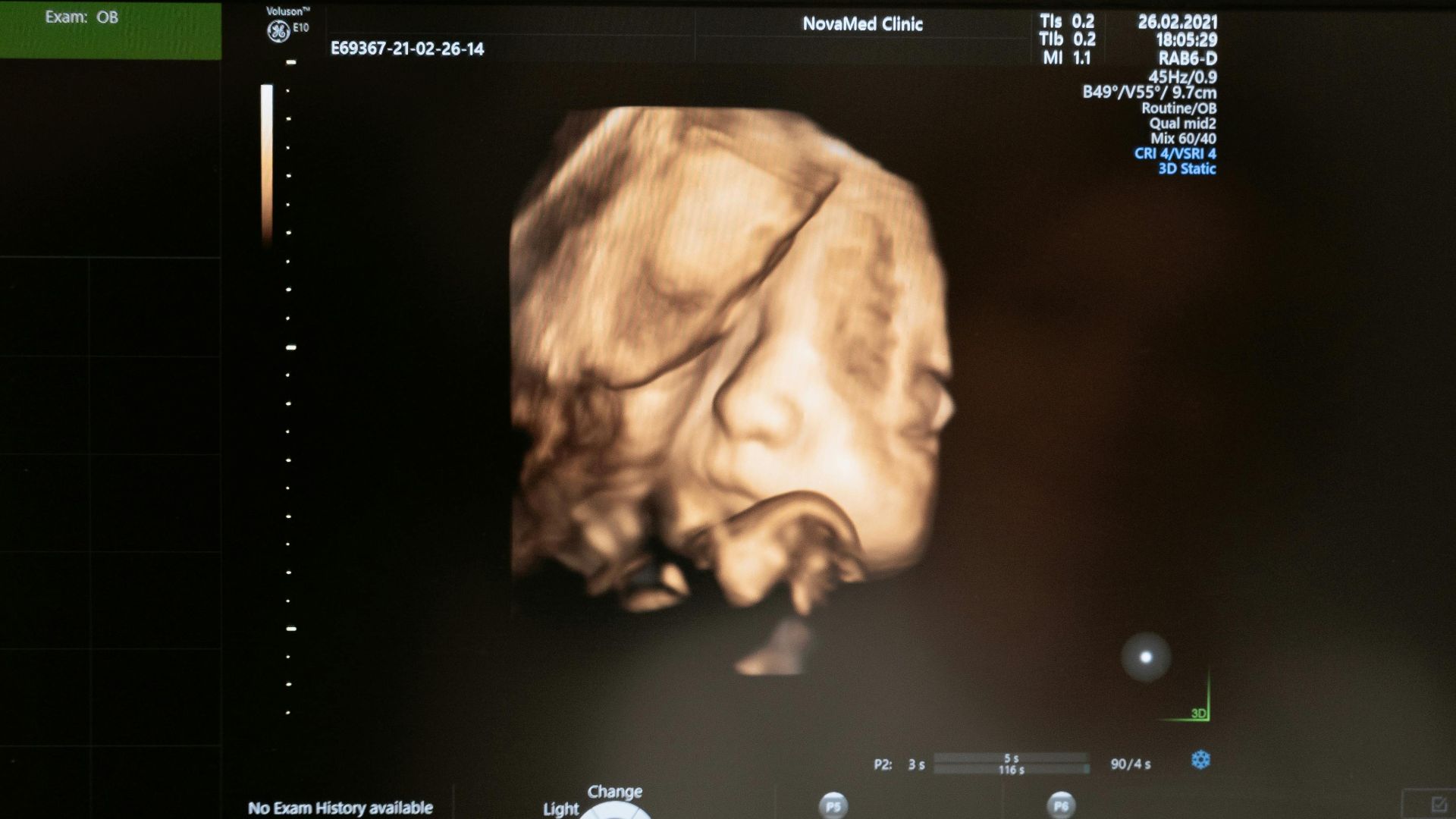
The Ethical Backlash
Many archaeologists were disturbed. If human remains were used—even partially—altering and displaying them for attention or profit raises serious ethical concerns, especially in regions with long histories of grave looting.
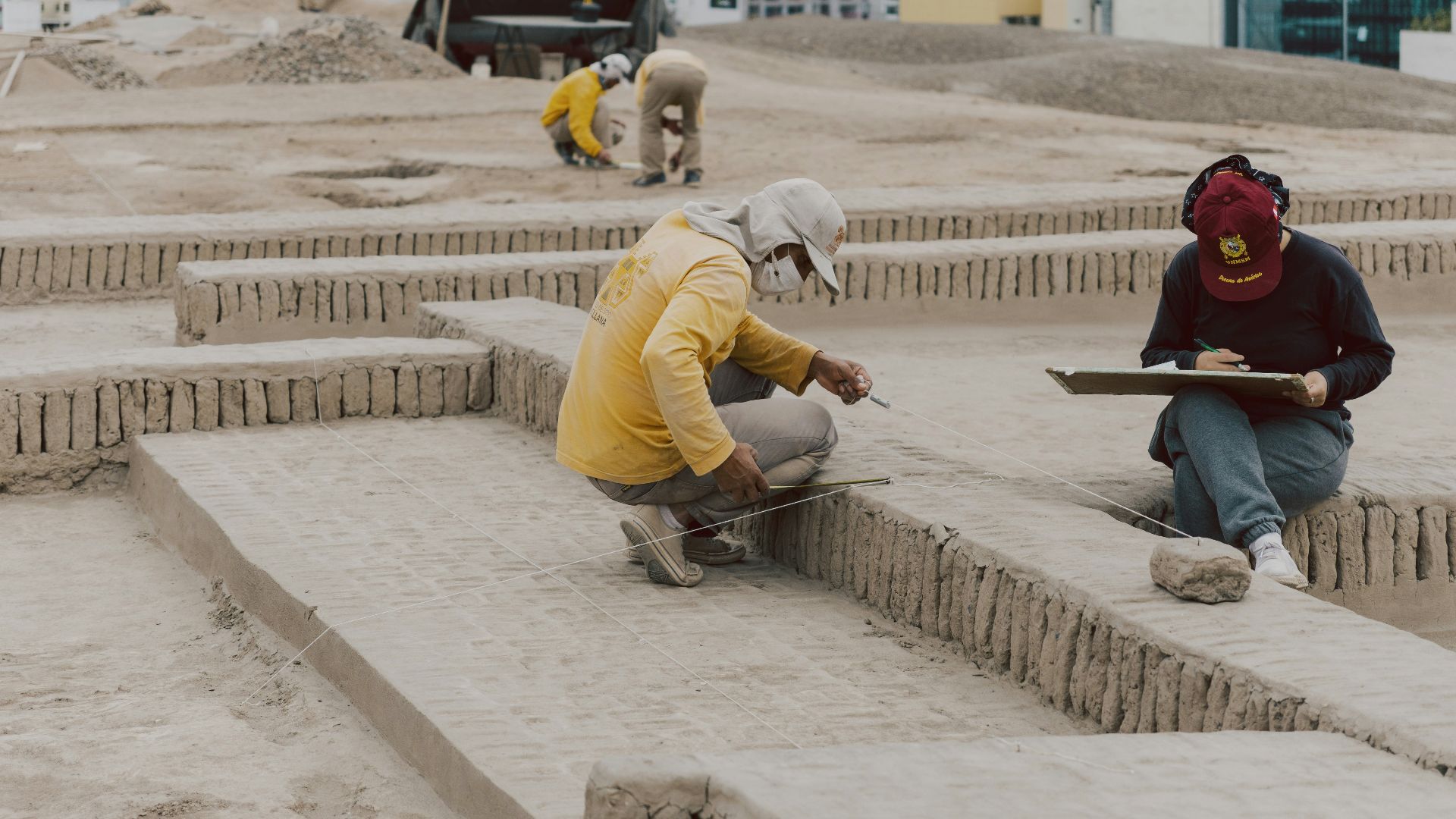
Why People Want This to Be Real
Alien discoveries promise answers to big questions about humanity’s place in the universe. And once a story lodges itself online, debunking rarely travels as far as the original claim.
What No One Disputes
The bodies exist as physical objects being shown and discussed. But the strongest expert pushback is that the current evidence does not support an alien origin, and that manipulation or assembly is a plausible explanation.
Why the Story Won’t Die
Strange visuals plus official-looking stages create lasting doubt. Once an idea lodges itself online, debunking rarely travels as far as the original claim.

The Real Scientific Takeaway
This case isn’t about aliens. It’s about provenance, methods, and how easily science can be presented out of context—especially when extraordinary claims are made without transparent excavation records.
 National Institute of Allergy and Infectious Diseases, Unsplash
What Would Change Minds
Clear excavation records. Transparent DNA sequencing with independent replication. Open access to imaging and samples for outside experts. Until then, scientists say there’s no reason to rewrite biology—or prepare for first contact.
Mystery vs. Reality
The Nazca mummies may never fully fade from pop culture. But for now, the weirdest part isn’t what they are—it’s how quickly speculation outran evidence, and how hard it is to put that genie back in the bottle.
You Might Also Like: