
A Discovery That Defies Geography
Archaeologists were stunned when fragments carrying Hittite-style cuneiform were identified inside a cave in the Czech Republic. The discovery seems totally out of place geographically and historically. Dating and stylistic analysis would seem to suggest a connection to the Late Bronze Age Hittite world, which now raises serious questions about how such material ended up so far outside the Middle East where it originated.
 modified from Wikimedia commons; Factinate
Cave Of Mystery
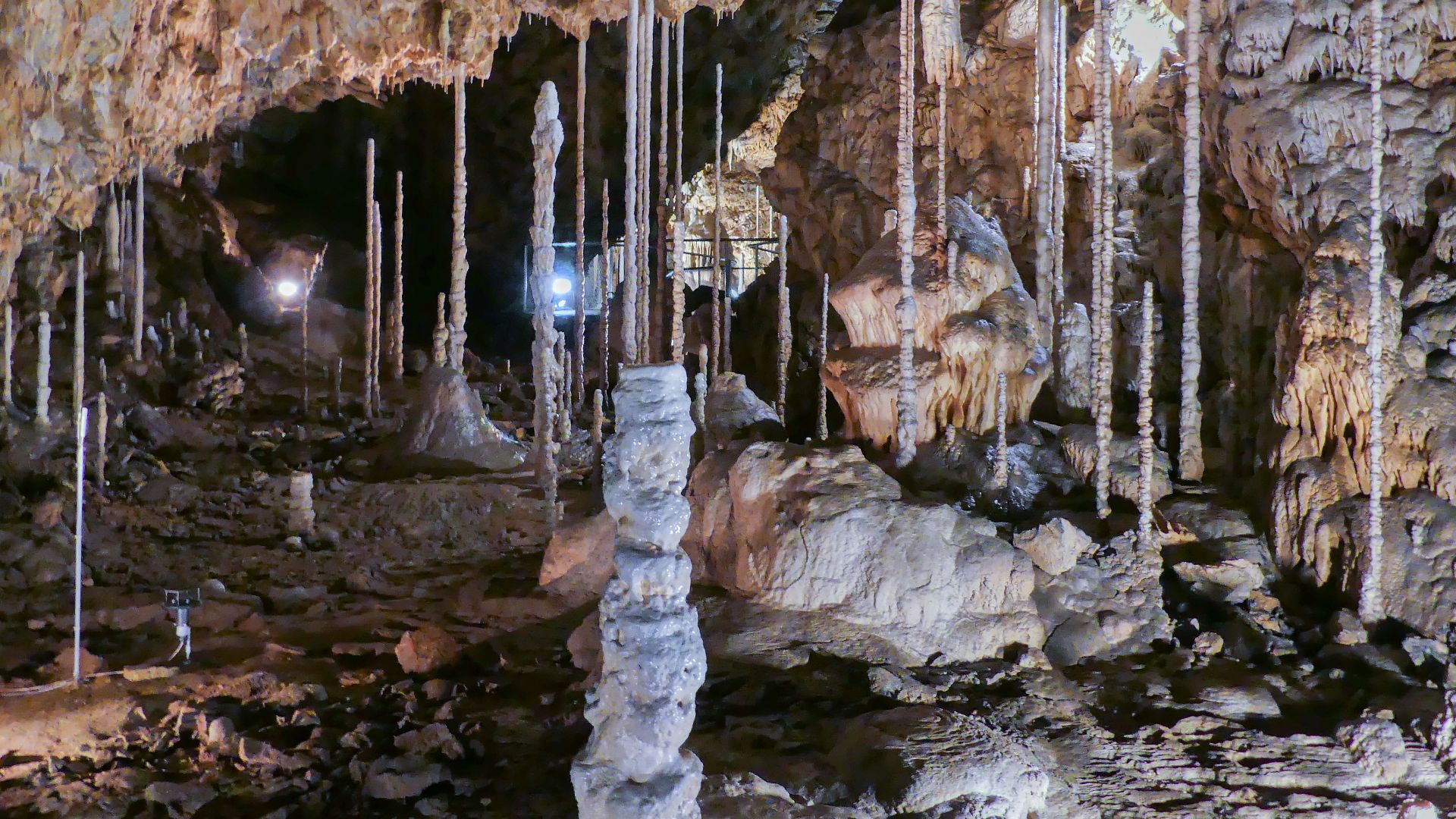
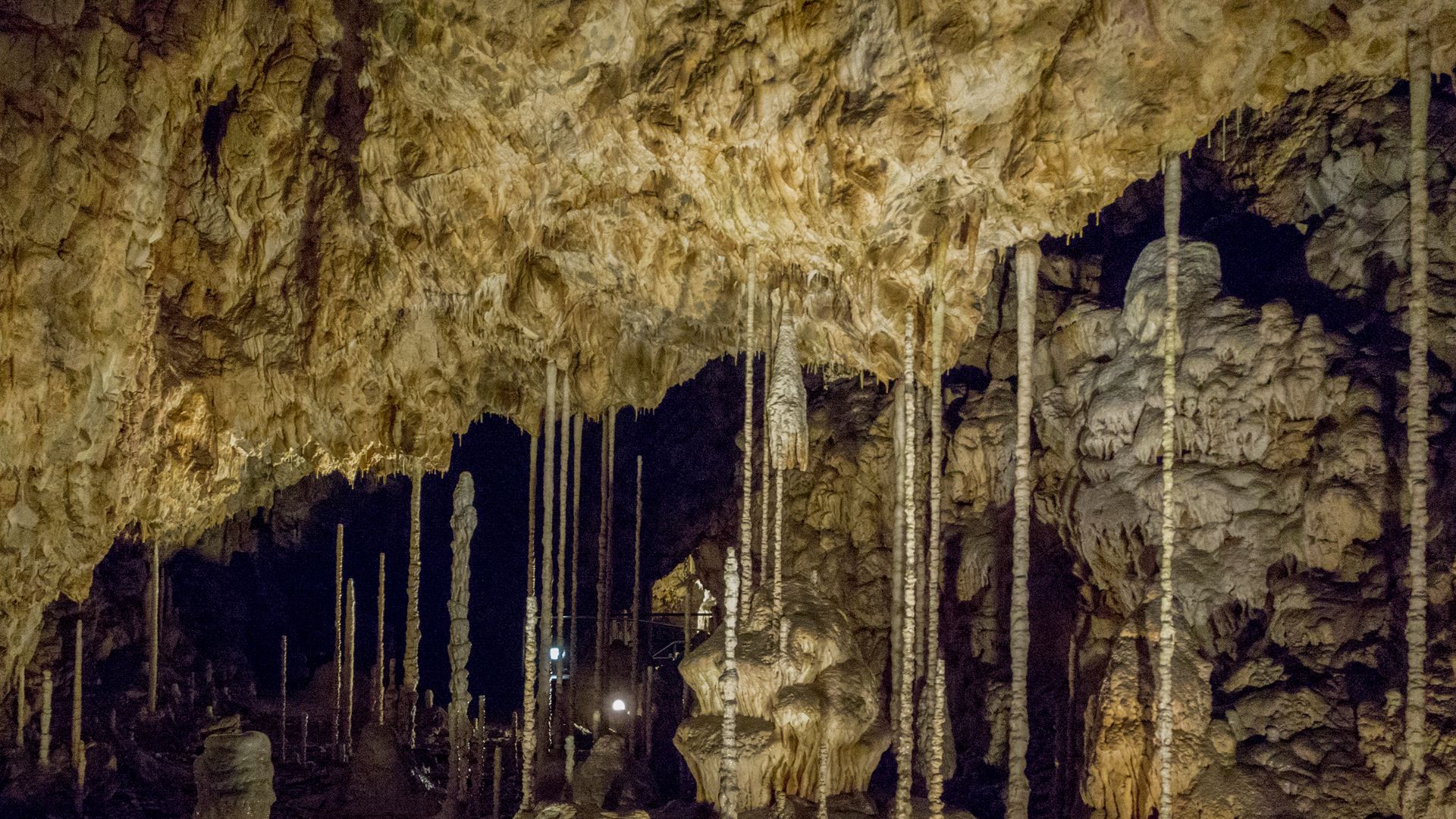
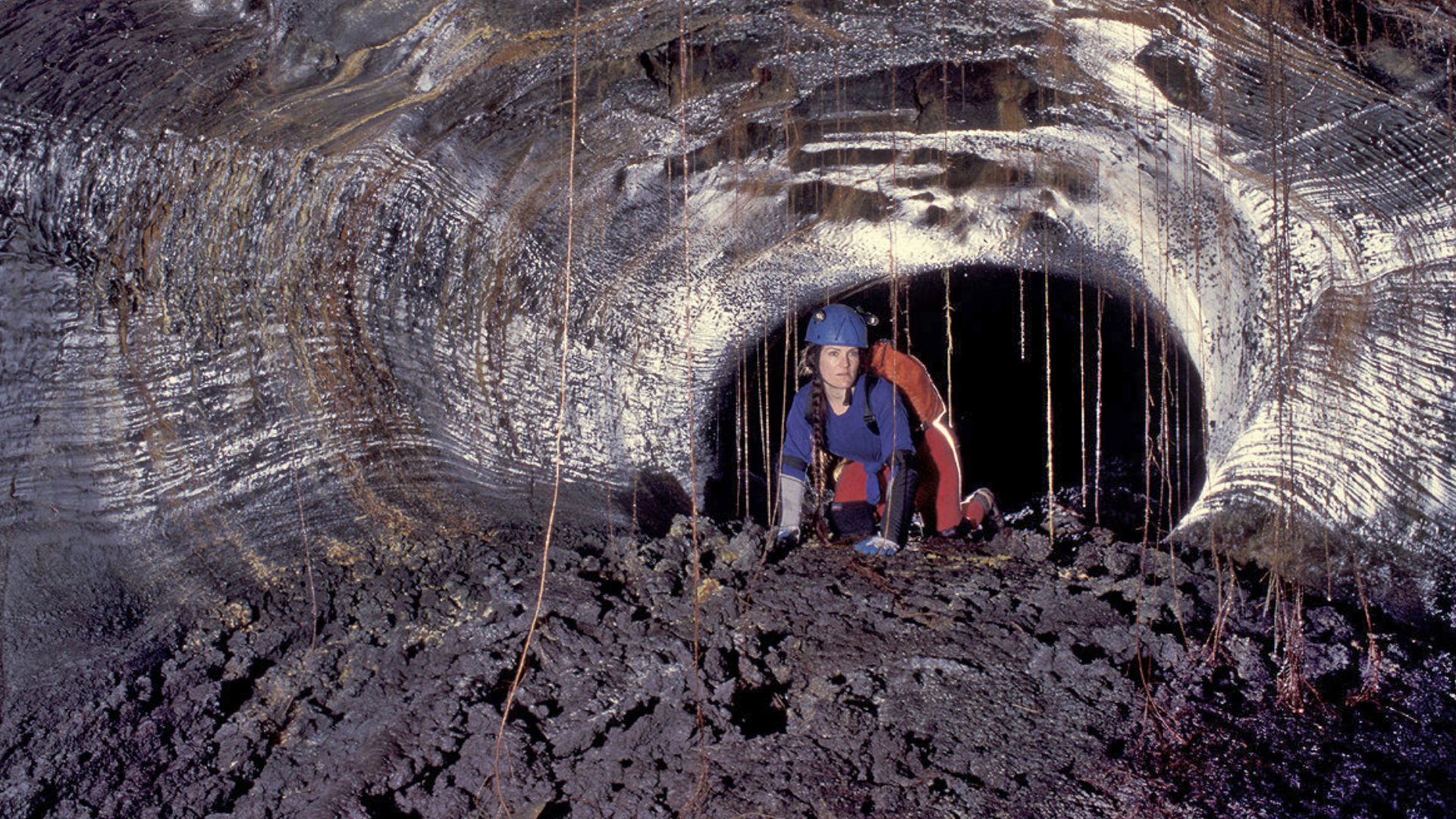
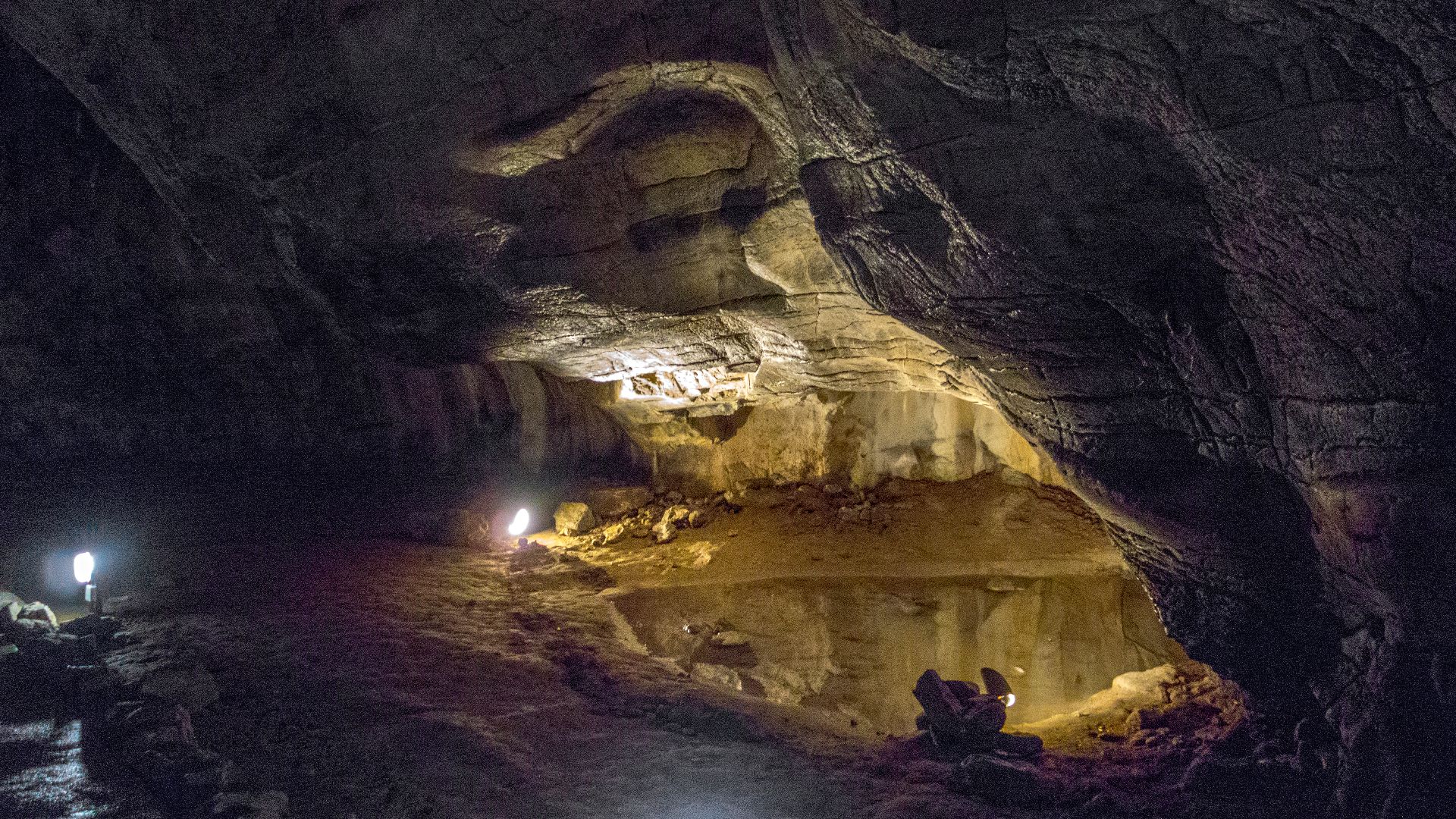
The fragments were retrieved in Katerinska Cave, part of the Moravian Karst cave system. This cave has long been known for its bustling human activity back in prehistoric times, but never for Near Eastern writing systems. Its deep chambers and difficult access make the presence of such inscribed material especially mystifying.
 Martin Culek, Wikimedia Commons
What Exactly Was Found
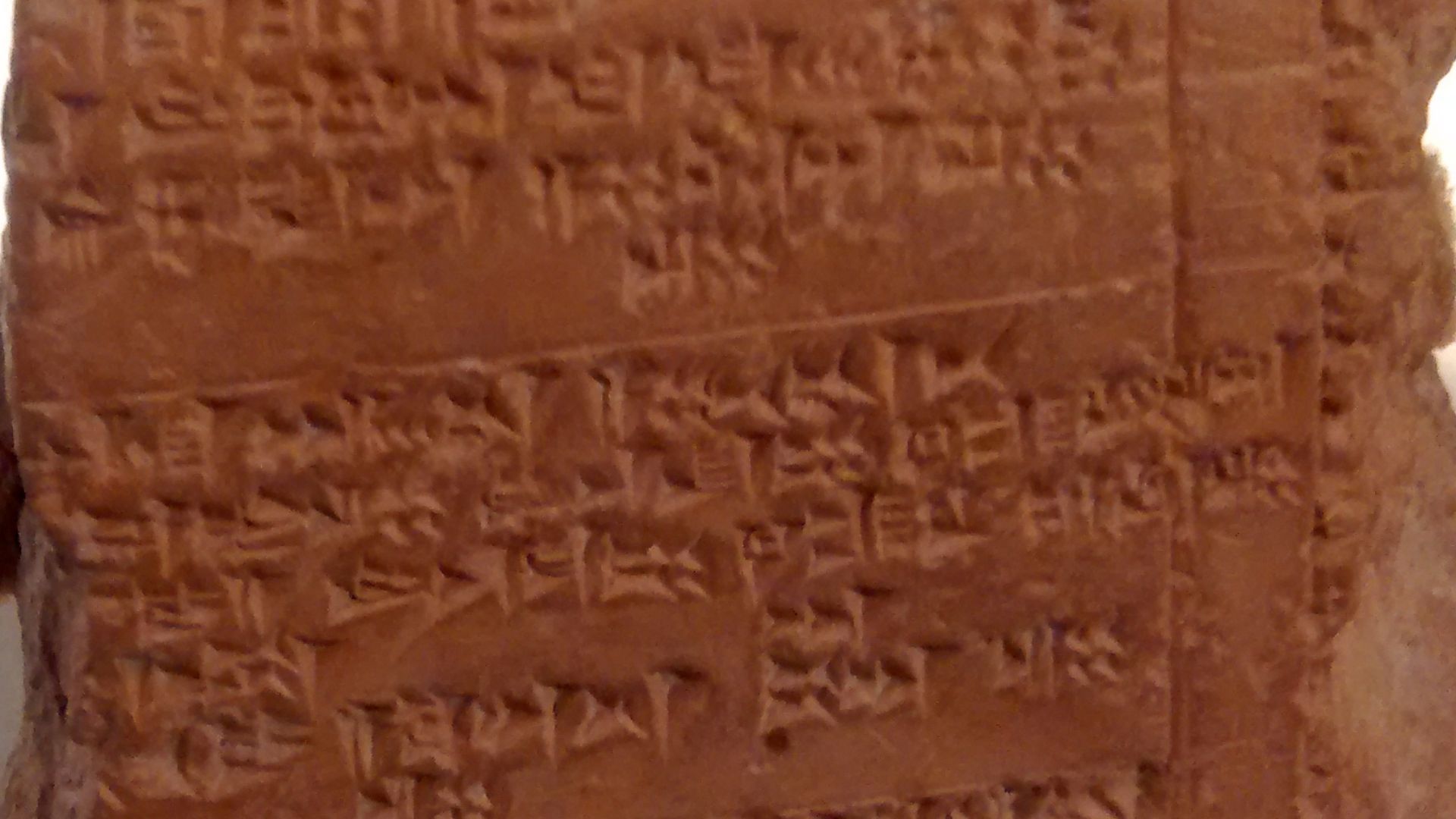
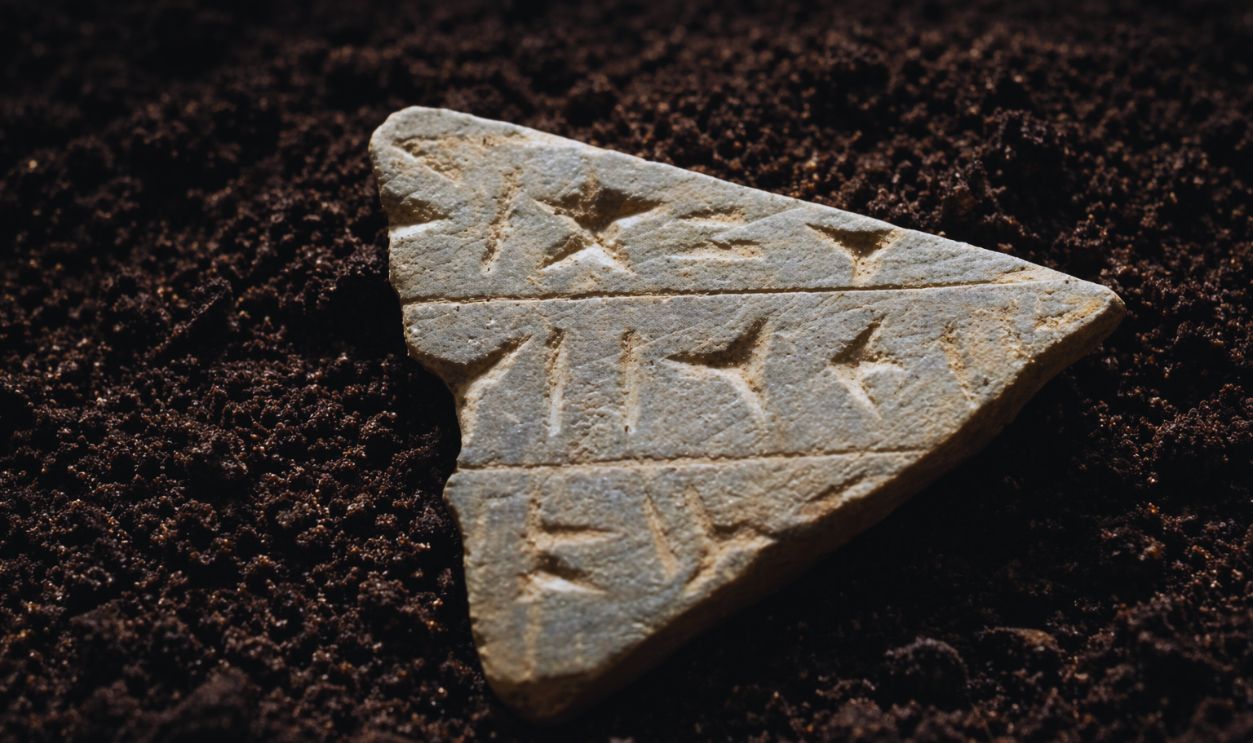
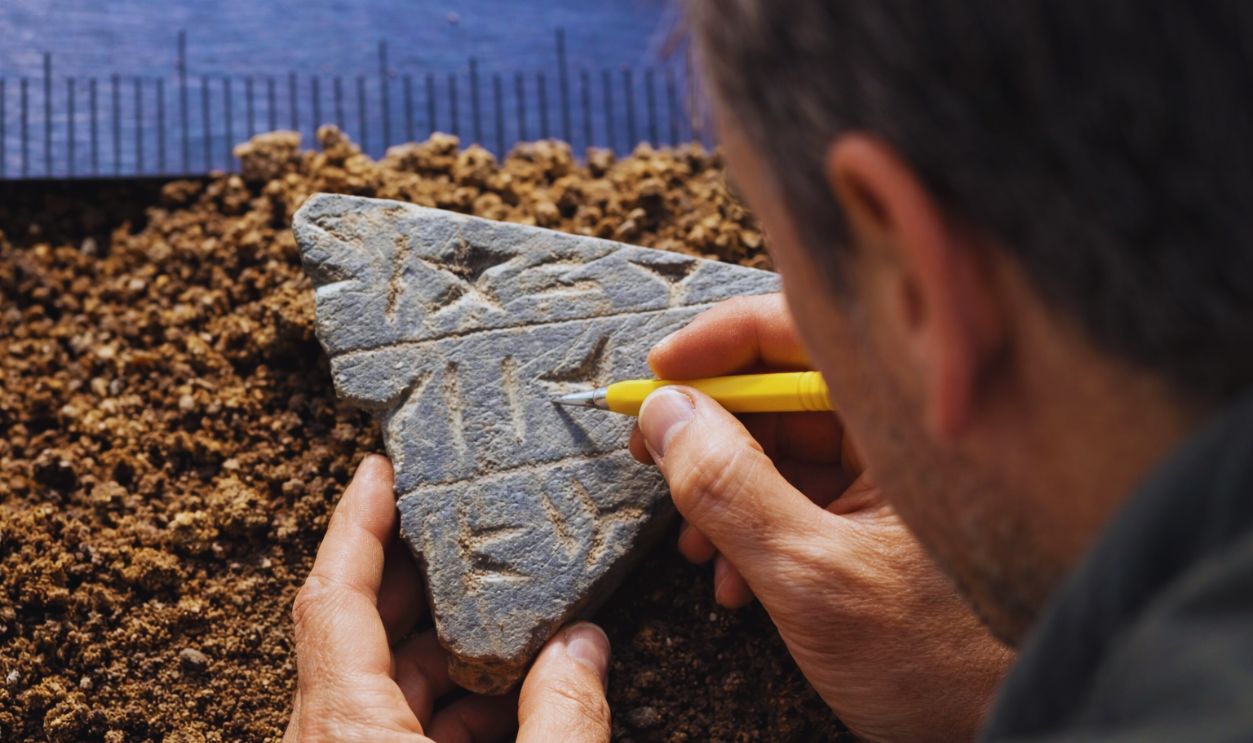
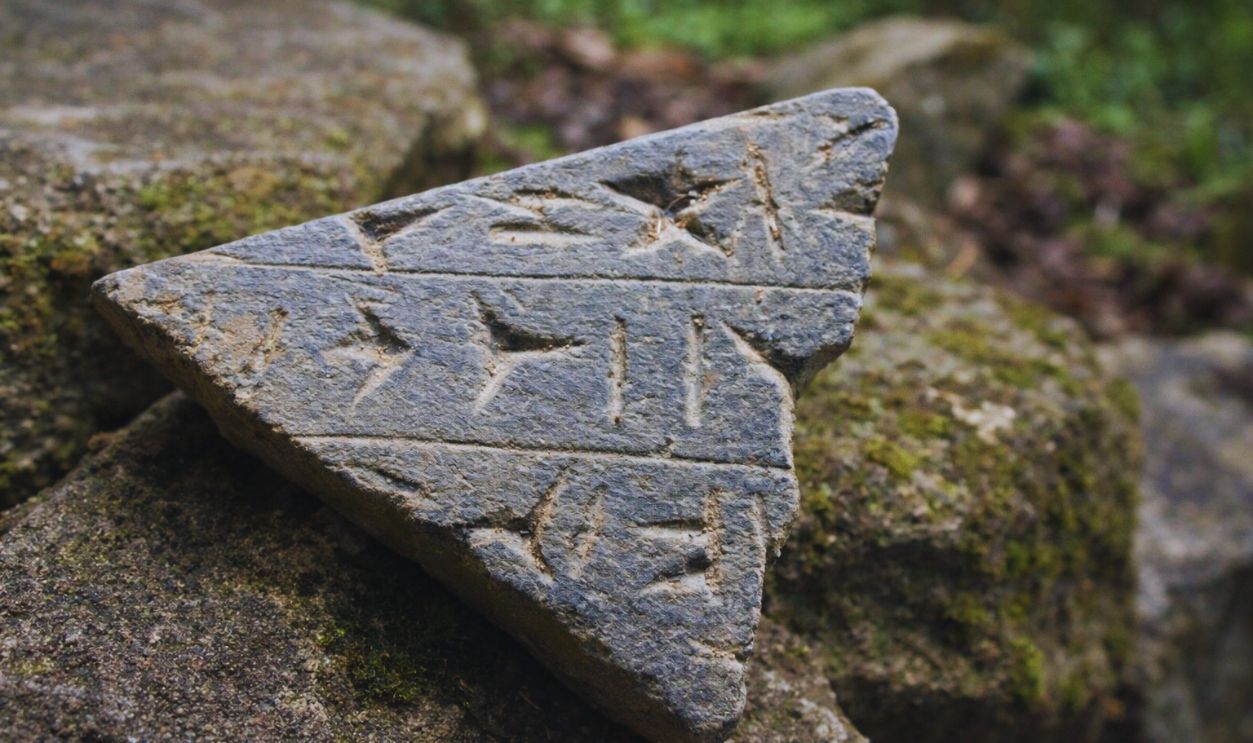
Researchers pinpointed several stone fragments bearing wedge-shaped impressions consistent with Hittite cuneiform. While these are incomplete, the markings closely resemble Bronze Age Anatolian administrative or ritual tablets. The fragments are exactly what that word implies, not intact tablets, which suggests breakage either before it was placed in the cave or through later disturbance while lying in the cave.
 Mx. Granger, Wikimedia Commons
The Task: To Identify Hittite Cuneiform
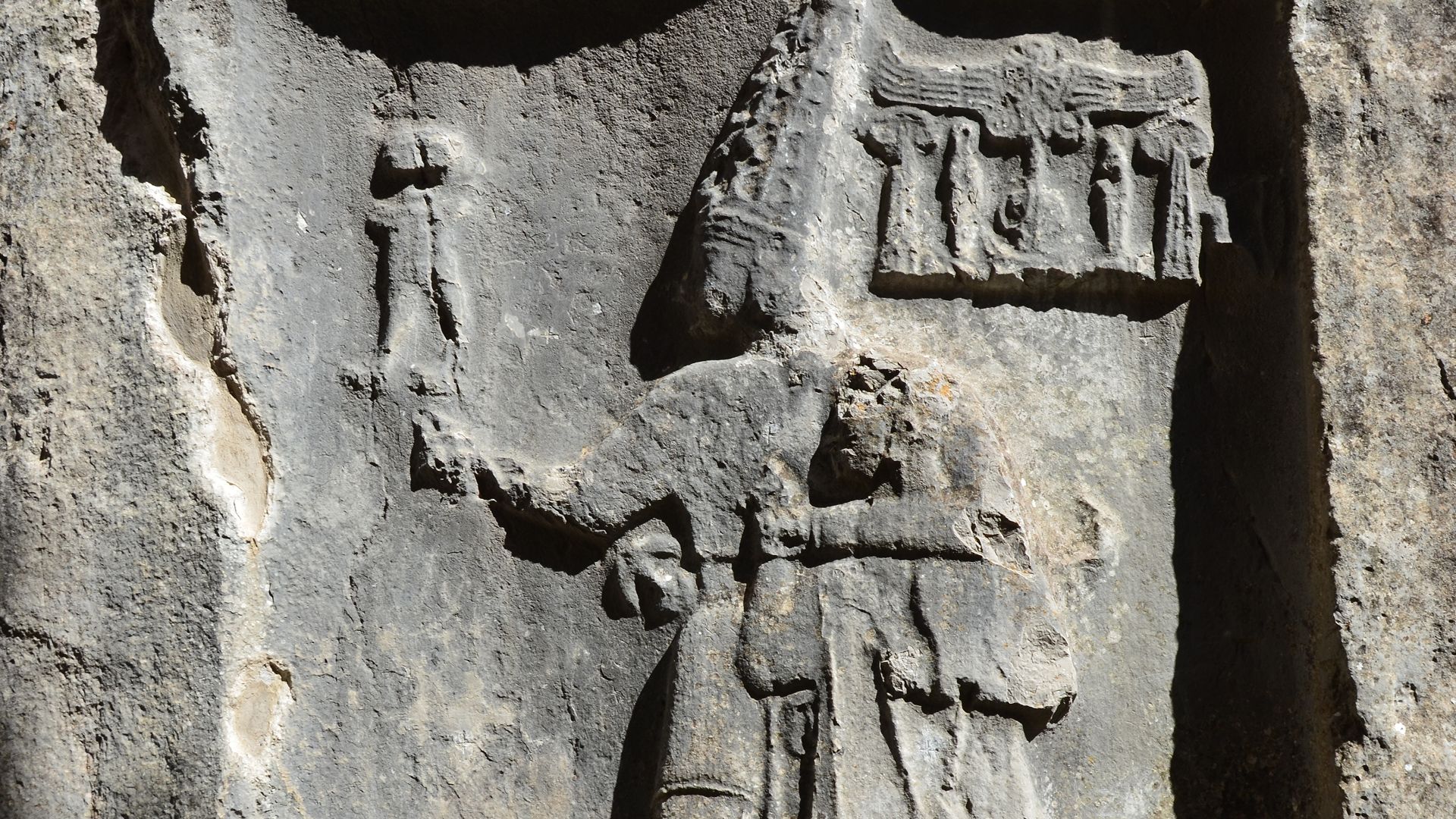
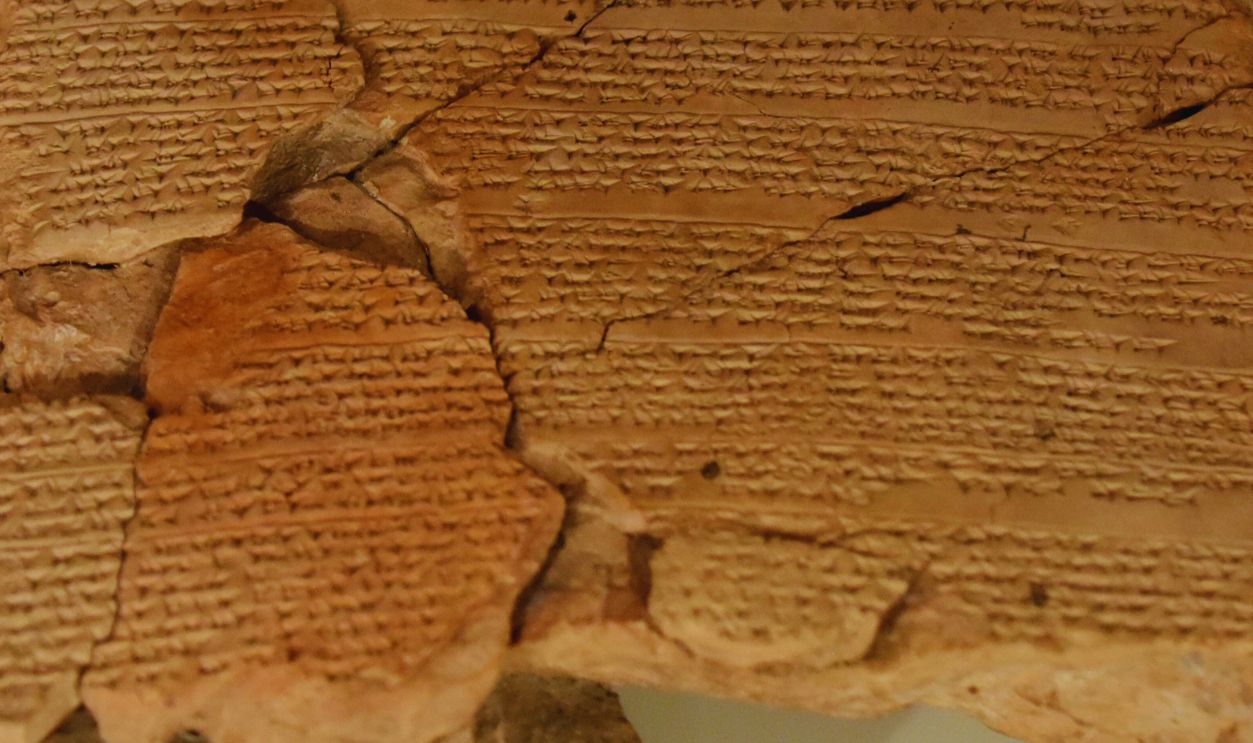
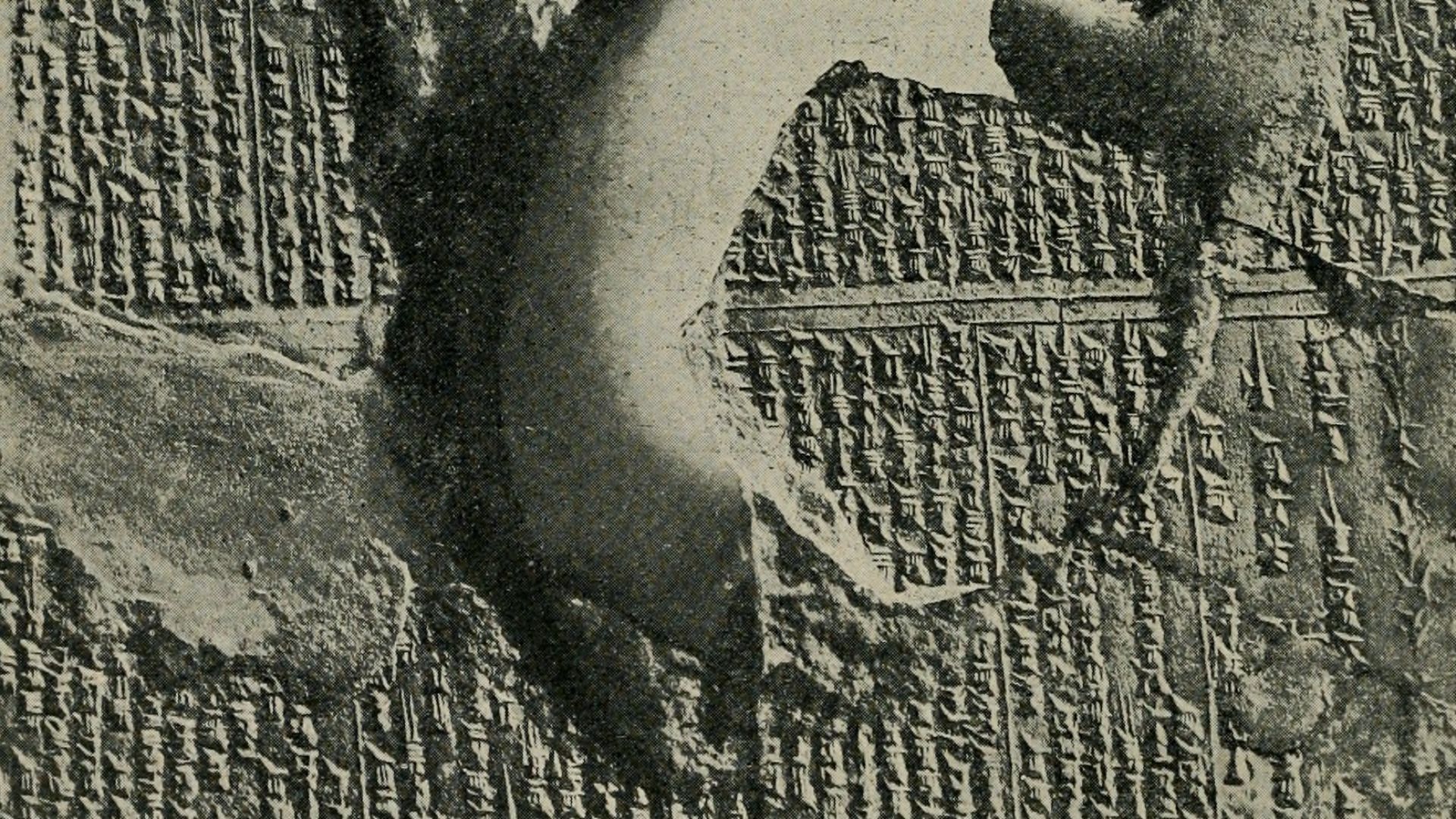
The script style matches texts associated with the Hittite Empire, which flourished in what is now Syria and southern Turkey between roughly 1600 and 1200 BC. Hittite cuneiform is distinct from Mesopotamian Akkadian forms. These features are what allow specialists to rule out local imitation or medieval forgery early on in the analysis.
 Carole Raddato from FRANKFURT, Germany, Wikimedia Commons
Finding The Fragments
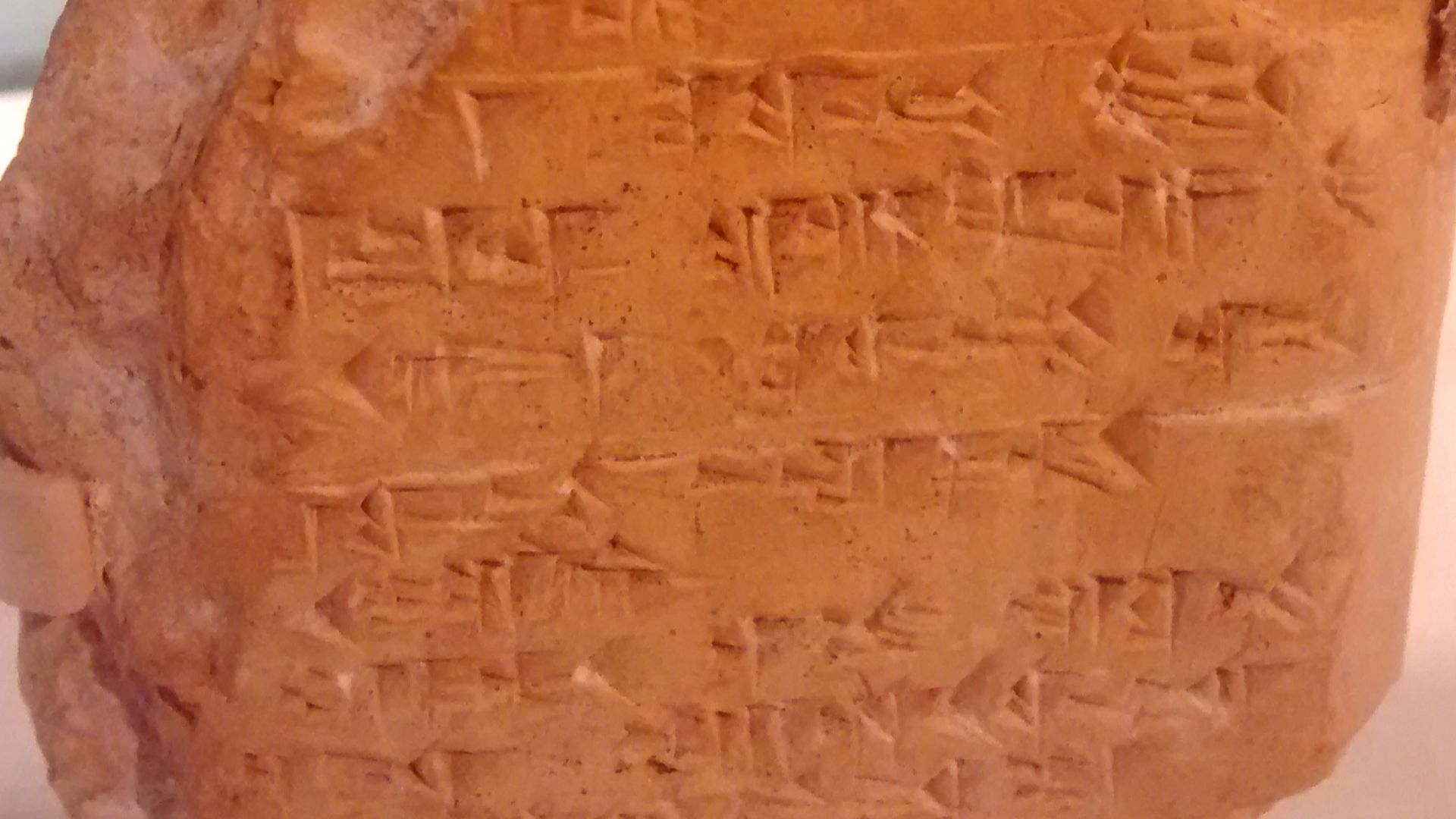
The discovery was made during systematic archaeological documentation of the cave, and not through looting or random tourists rummaging around. Researchers observed unusual carvings and markings on stone surfaces, which prompted them to take a closer look. Laboratory analysis later confirmed that some of the markings were deliberate cuneiform impressions.
 Mx. Granger, Wikimedia Commons
The Cave’s Other Treasures
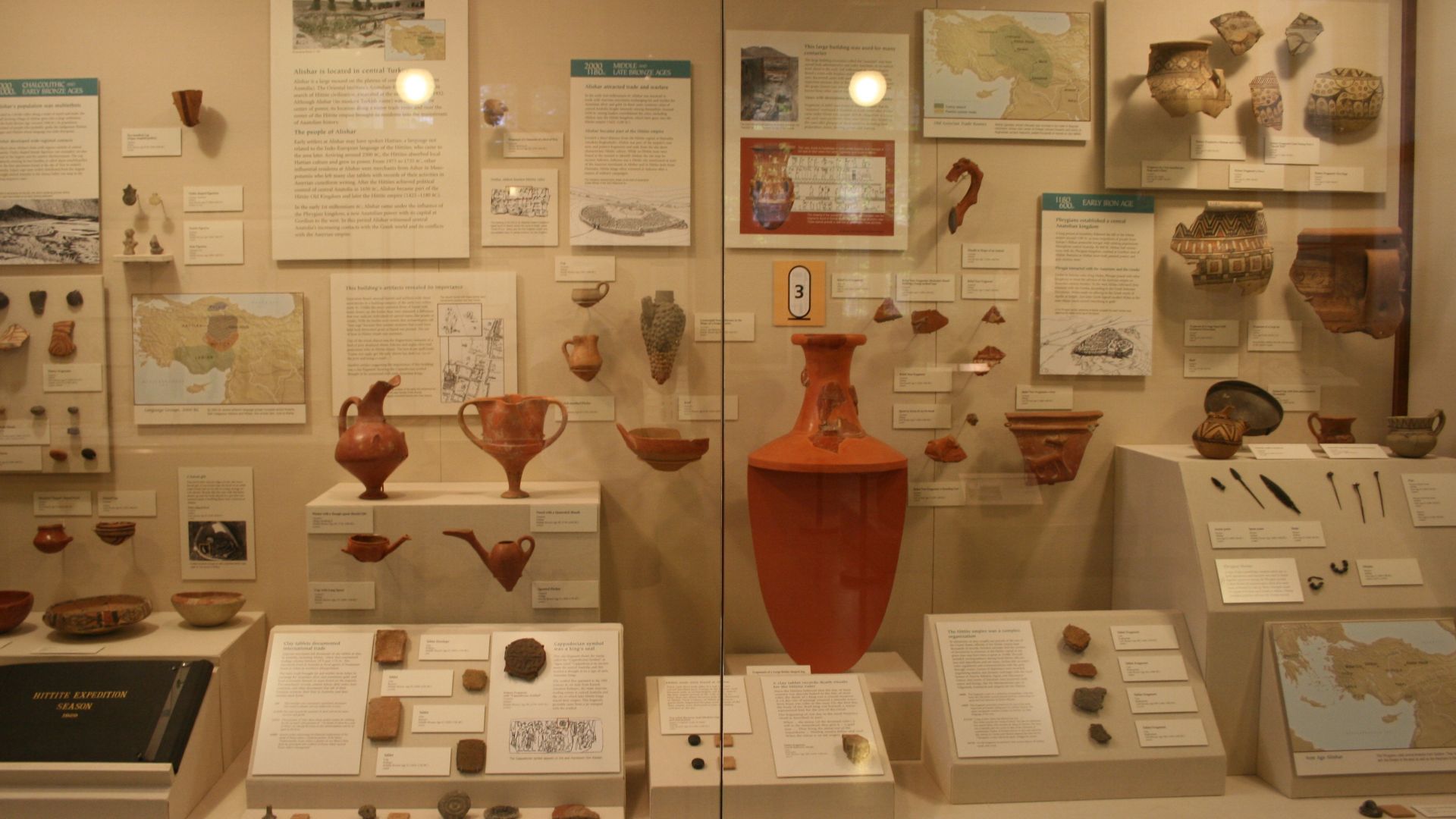
Alongside the cuneiform fragments, archaeologists dug up ancient ornaments and artifacts dating back thousands of years. These include personal items far older than the Hittite period, which indicates long-term repeated use of this cave across millennia. The finds are fascinating, but they complicate efforts to date the Hittite fragment’s arrival.
 Gary Todd from Xinzheng, China, Wikimedia Commons
The Location Is Problematic
The Hittite world was centered in Anatolia in the Middle East, hundreds of kilometers from Central Europe. No known trade routes or diplomatic exchanges link Hittite scribal centers with the prehistoric tribal communities of central and eastern Europe. This makes direct transmission extremely difficult to explain.
 Pudelek (Marcin Szala), Wikimedia Commons
Ruling Out Modern Hoax Theories
Initial skepticism naturally centered on whether the fragments were no more than modern intrusions. Geological context, patina development, and tool mark analysis all argue against a hoax. The inscriptions show age-consistent weathering, making it unlikely that the artifacts were placed there recently, according to investigators.
 Richard Mortel from Riyadh, Saudi Arabia, Wikimedia Commons
A Traveling Object?
One possibility is that the fragment originated elsewhere and moved over long distances gradually through trade, gift-giving, or conflict. Ancient objects often traveled far from their place of origin, though a cuneiform tablet fragment ending up in a cave in eastern Europe seems like it would be an exceptionally rare event.
A Ritual Or Symbolic Deposition
Some researchers suggest that the cave location implies symbolic or ritual deposition. Caves frequently held sacred significance across cultures. Some long-ago person could have placed that fragment there intentionally as a rare and powerful foreign object rather for anything that was written on it.
 Jerzy Strzelecki, Wikimedia Commons
Could They Read The Inscription?
It remains unclear whether anyone locally could read the script on the fragment when it was deposited. The markings may have been admired as mysterious symbols rather than meaningful text. This suggests that the local Europeans placed symbolic value on the fragment rather than using the information written on it.
Challenge Of Dating The Fragment
Stone tablets can’t be radiocarbon dated, which means researchers have to rely on the object’s context and comparative epigraphy. The fragment’s presence among materials spanning thousands of years of time greatly complicates the process of precise dating of when it entered the cave.
 Internet Archive Book Images, Wikimedia Commons
Implications For Bronze Age Mobility
If the fragment did arrive during the Hittite period when it was originally made, it suggests wider movement of people and objects than has ever been previously documented. This level of mobility would challenge our established ideas about physical connectivity and communication between Anatolia and Central Europe during the Late Bronze Age period.
 Archibald Henry Sayce, Wikimedia Commons
Cave Usage In Europe
This discovery requires that we do a total re-evaluation of European caves as potential repositories for unexpected materials. Rather than isolated local use, some caves may have accumulated large collections of fascinating and fantastic objects obtained through complex and as-yet poorly understood ways.
 Dave Bunnell / Under Earth Images, Wikimedia Commons
Scholarly Debate Is Underway
Grizzled veterans of archaeology emphasize the need to exercise caution as further testing continues. Microscopic analysis and regional comparisons of these fragments are underway. The find has already prompted renewed outbursts of squabbling amongst various factions of archaeology with respect to how confidently we can nail down the ancient cultural boundaries that we thought we had already figured out.

What The Fragment Doesn’t Prove
The discovery doesn’t demonstrate a Hittite settlement or population within Central Europe. There is no supporting architecture or any other material culture to support that notion. Instead, the find points to an isolated object whose long strange journey remains unexplained.
 TurkishHistory, Wikimedia Commons
Media Attention And Public Fascination
Public interest surged after reports of the discovery of the cuneiform in a Czech cave. Archaeologists always warn the gullible public against jumping to such sensational conclusions, stressing that extraordinary discoveries require careful interpretation grounded in evidence, not wild speculation.

Possibility Of An Unknown Path
Some researchers entertain the possibility that the fragment’s journey may never be fully reconstructed or explained. Thousands of years of movement and disturbance leave gaps no excavation can fill, but recognizing those limits is itself a step forward in understanding the difference between what we can and can’t know.

The True Importance Of The Discovery
This fragment of a cuneiform tablet disrupts our neat and tidy historical assumptions. It goes to show how a single artifact can reveal unexpected complexity in ancient networks. Now scholars are forced to admit that long distance connections may have operated in ways that aren’t yet fully understood.
More Questions Than Answers
Rather than closing a chapter on a long-forgotten time, the Katerinska Cave discovery opens the door to a whole lot of new and unsettling questions. How the fragment arrived in the cave, who or what carried it, and why it was deposited there remain unresolved, making the discovery both maddeningly frustrating but also incredibly significant.
 Jerzy Strzelecki, Wikimedia Commons
You May Also Like:
One Of The The Oldest Stories Ever Told: The Reign Of Gilgamesh