A Generation of Things
A lot of things Baby Boomers used to rely on are quietly disappearing (and some not so quietly). Not changing—disappearing. And while younger generations might assume newer is always better, there’s a long list of items, habits, everyday conveniences, and “normal” parts of life that Millennials are really going to miss when they’re gone…even if they don’t realize it yet.

Buying A Home On A Single Income
A house, a yard, maybe even kids—all on one salary. That was achievable for many Boomers. Today, even dual-income households struggle to break into the housing market—unless one of those incomes is “parents helped with the down payment.”

A Middle Class That Felt More Reachable
For many Boomers, the middle class wasn’t just a concept—it was attainable with a steady job. Today, the definition hasn’t changed much… but getting there feels a lot harder than it used to.

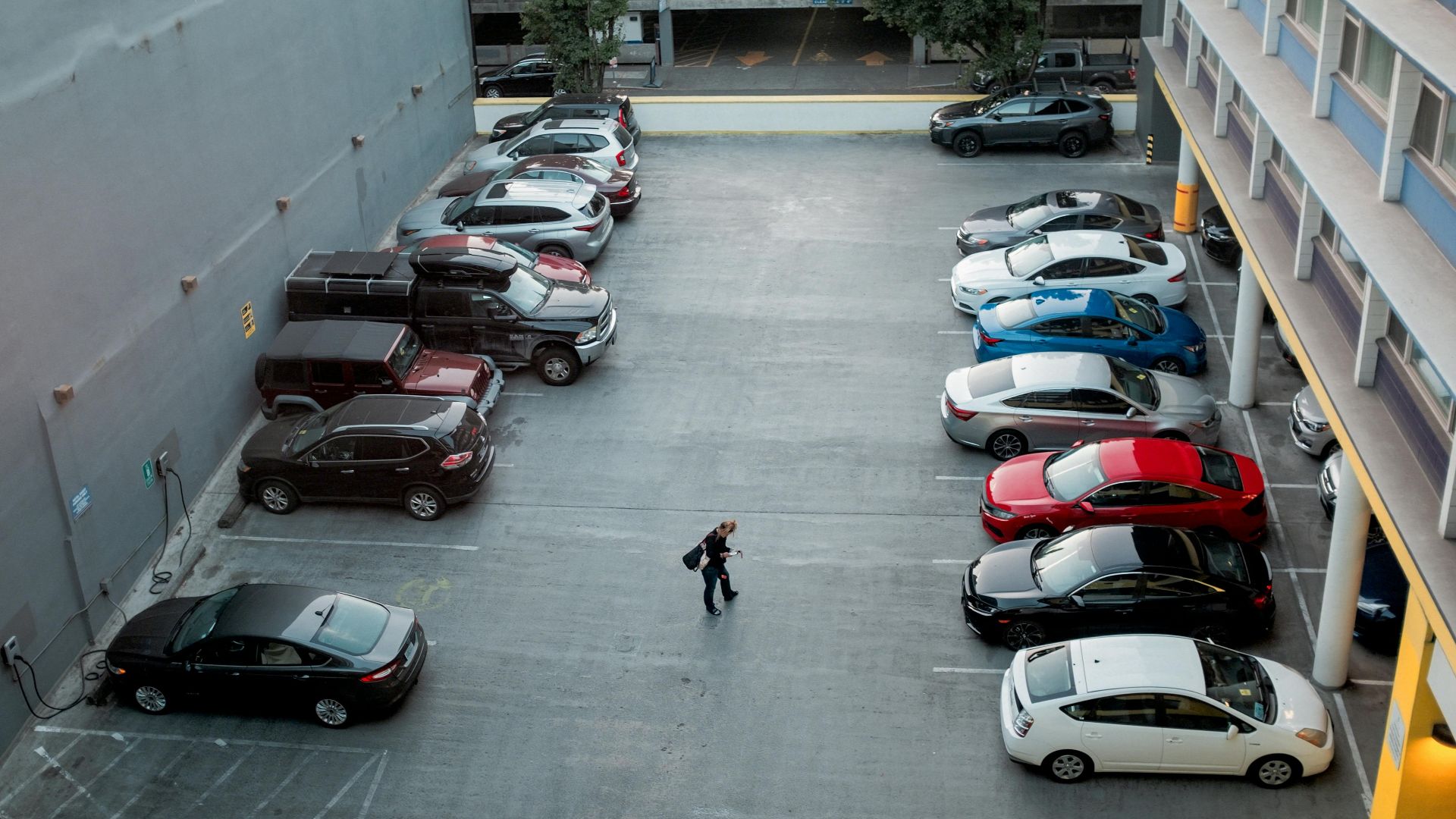
Free Parking (Or At Least Cheap Parking)
This one sounds small—but it adds up fast. Boomers remember when parking was easy and often free. Now it’s meters, apps, surge pricing, and somehow a $22 charge for being there 47 minutes.
Affordable College (Without Lifelong Debt)
Boomers could often pay for college with part-time work or modest loans. Tuition has since exploded, leaving Millennials with record-breaking debt. The same degree now comes with a very different financial reality—plus a monthly payment that follows you longer than some relationships.

The Numbers Behind Student Debt
Millennials are carrying over $1.7 trillion in student loan debt in the U.S. alone. The average borrower owes tens of thousands, and many are still paying it off well into their 30s and 40s. For Boomers, that kind of long-term financial drag just wasn’t the norm.

Jobs You Could Stay In For Decades
Staying with one company for 20–30 years used to be normal—and often rewarded. Boomers built entire careers under one roof. Today, job-hopping is the norm, not always by choice. Staying 3–5 years can feel like a long run—and not always because you want it to be.

Pensions That Actually Paid You To Retire
Boomers were among the last generation to widely benefit from traditional pensions—guaranteed income for life after retirement. Most Millennials? They’re on their own with 401(k)s and market risk. The shift puts far more pressure on individuals to get retirement right… or pay for it later.

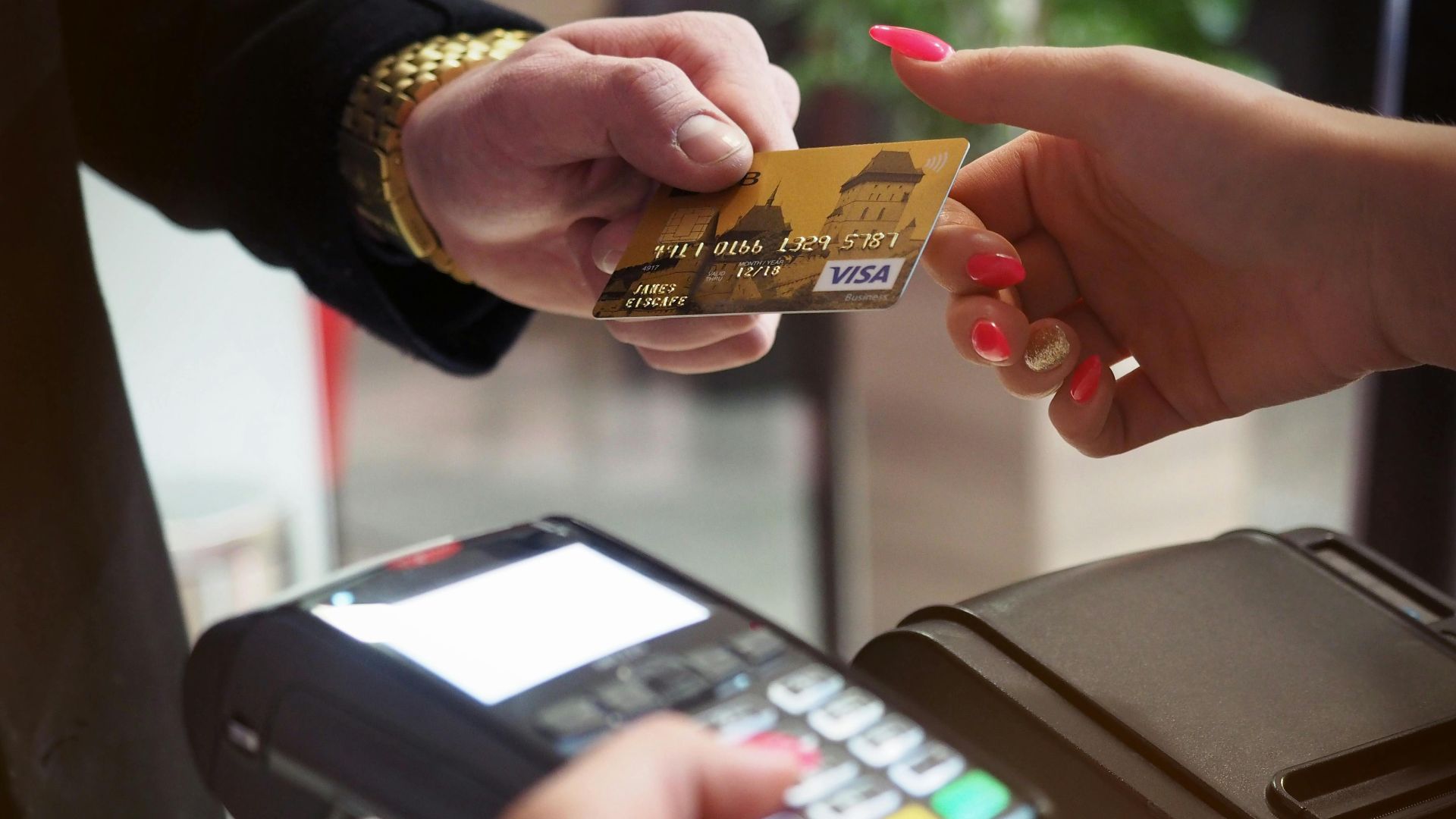
Cash As A Default
Boomers relied heavily on cash—and budgets were often more tangible because of it. Millennials live in a digital payment world where spending can feel abstract. Which is great—until you check your account and have no memory of where $87 went.
Privacy That Was Easier To Maintain
Boomers lived most of their lives without being constantly tracked, logged, or analyzed. Millennials traded that for convenience. And at this point, your phone probably knows where you are before you do.

Local Businesses That Knew Your Name
Mom-and-pop shops used to be everywhere. Boomers grew up with local hardware stores, diners, and family-run services. Now, chains and online giants dominate. Convenience won—but something more personal disappeared with it.

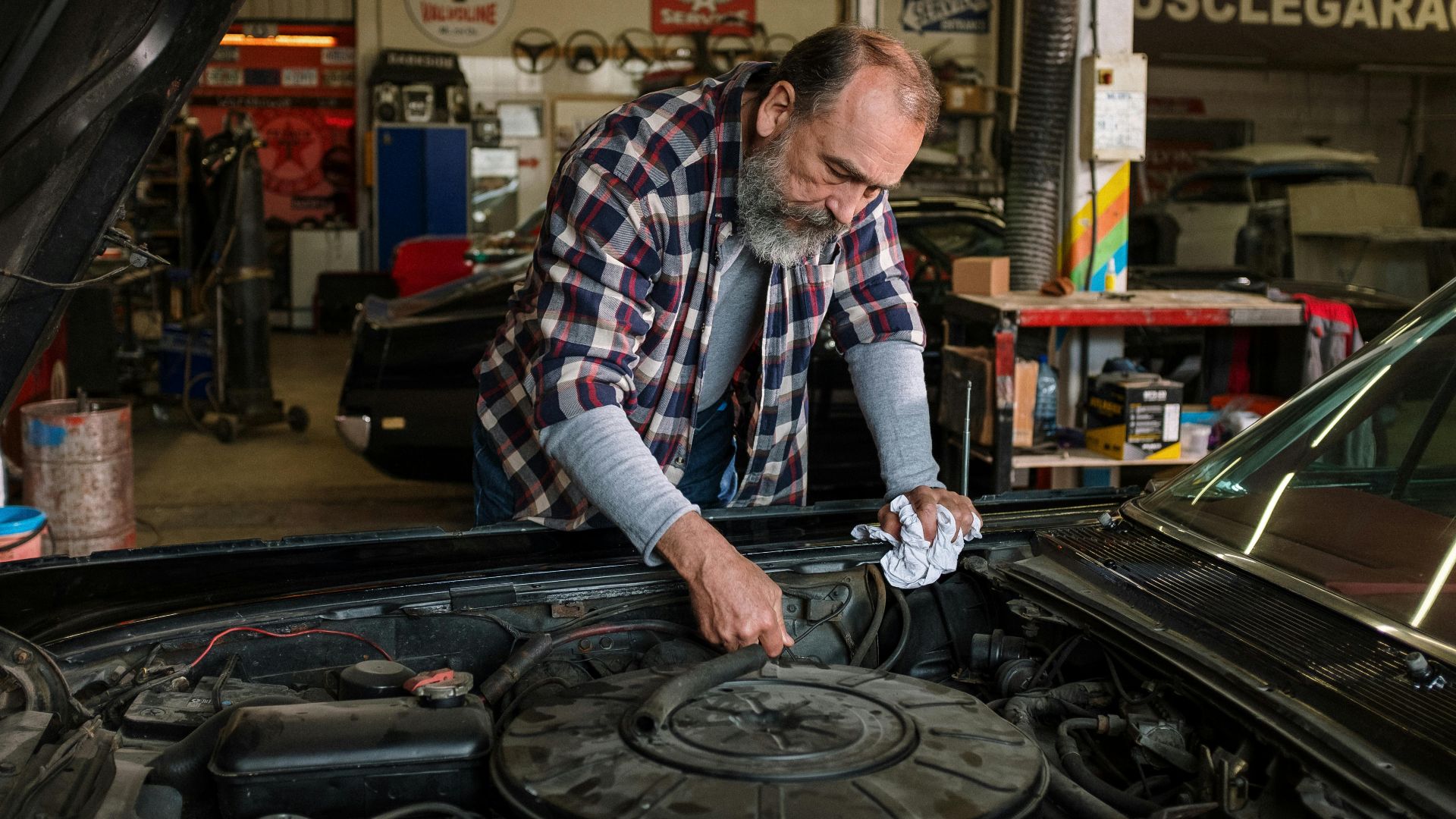
Fixing Things Instead Of Replacing Them
From appliances to cars, Boomers were more likely to repair what they owned. Today, many products aren’t even built to be fixed. Half the time you can’t even open the thing without a special screwdriver and a YouTube tutorial.
Company Loyalty That Went Both Ways
Employers once rewarded loyalty with raises, benefits, and long-term security. Boomers expected it—and often got it. Millennials learned quickly that loyalty isn’t always returned the same way.

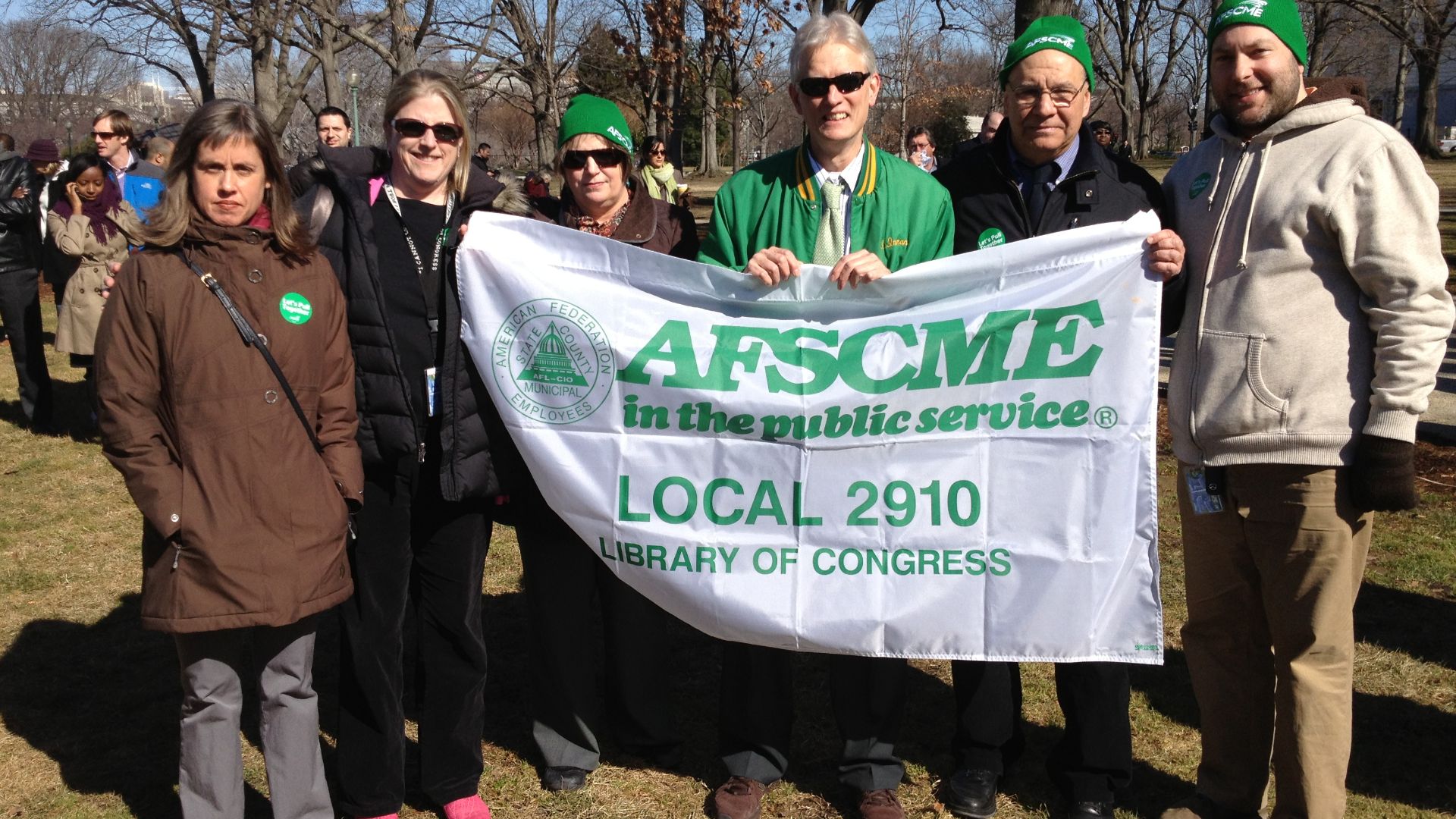
Stronger Union Presence
Union membership was significantly higher during much of the Boomer era, helping secure wages and protections. Today, fewer workers have that backing, and negotiating power often feels weaker as a result.
Affordable Healthcare Through Employment
Employer-based healthcare used to feel more stable and predictable. Costs have surged, coverage has shifted, and Millennials are navigating a much more complicated—and expensive—system.

Defined Career Paths
Boomers often followed clearer career ladders—entry level, mid-level, senior. Today’s paths are less linear, with more pivots, side hustles, and uncertainty about what “moving up” even looks like.
Clear Boundaries Between Work And Home
Work stayed at work a lot more. When Boomers left for the day, that was it. Millennials carry work in their pocket 24/7. “Logging off” is more of a suggestion now than an actual boundary.

In-Person Everything
From banking to booking travel, Boomers did most things face-to-face. Millennials gained speed and convenience online—but lost human interaction and, sometimes, real accountability when things go wrong.

Neighbors Who Actually Knew Each Other
Communities felt tighter. People borrowed tools, watched each other’s kids, and talked regularly. That sense of local connection has weakened in many places. Now it’s more like recognizing someone from your building and both pretending you didn’t.

Owning Music, Movies, And Media
Boomers bought records, tapes, and DVDs—they owned what they paid for. Millennials stream everything, which means access can disappear overnight. You don’t own it—you’re just renting it indefinitely and hoping it doesn’t disappear next month.
Simpler Financial Systems
Boomers dealt with fewer apps, subscriptions, and hidden fees. Today’s financial life can feel like managing a dozen platforms at once—each with its own rules, costs, and fine print. At this point you need a dashboard just to track your dashboards.
The Housing Gap By The Numbers
Home prices in many markets have far outpaced income growth over the past few decades. In the U.S., median home prices are now several times higher than median household income—making entry far harder than it was for Boomers at the same age.

Retirement That Actually Meant Stopping Work
Retirement used to be a clear finish line. Many Boomers fully stepped away from work. Millennials are increasingly expecting to work longer—or indefinitely in some form—just to stay financially secure. “Retirement” is starting to sound more like working… just slightly less.

Slower, More Predictable Pace Of Change
Technology evolved during the Boomer era—but not at today’s speed. Millennials are constantly adapting to new platforms, tools, and systems. By the time you figure one out, there’s already an update… and a new password requirement.

Repairable Relationships With Institutions
Whether it was banks, employers, or government systems, Boomers often had more trust in institutions—and clearer ways to deal with them. That trust has eroded, and navigating those systems feels more complicated now.
The Expectation That Things Would Improve
Boomers largely came of age during a period of economic expansion and upward mobility. The assumption was that each generation would do better than the last. Millennials aren’t as convinced. For a lot of people, the goal quietly shifted from “doing better” to just “not falling behind.”

A Version Of Stability That’s Hard To Replace
It wasn’t perfect. It wasn’t fair to everyone. But there was a level of predictability in how life worked—career, home, retirement—that’s harder to find now. And that stability is one of the biggest things disappearing.

What Replaces It Isn’t Always Better
Millennials gained flexibility, access, and technology—but often traded away security, simplicity, and long-term guarantees. It’s not a clean upgrade. It’s a trade-off—and it’s not always clear who actually got the better end of that deal.

The Real Shift Isn’t Just Generational
This isn’t just about Boomers leaving—it’s about systems changing. The rules of work, money, and daily life have been rewritten. And Millennials are living in the version that came after.

And That’s Why This Hits Harder Than It Seems
Because it’s not just nostalgia. It’s a reminder that some things didn’t evolve—they disappeared. And the version replacing them asks more, gives less, and leaves less room for error.
You Might Also Like:
What The World Still Loves About America, According To New Surveys