Rewriting The Story Of Humanity's First Journey Into Europe
For generations, archaeologists believed they had a fairly clear timeline for when the first humans entered Europe. According to the traditional picture, early human ancestors slowly expanded out of Africa, crossed into the Middle East, and gradually spread westward into Europe as climates became more favorable. But a series of discoveries over the past few years has forced researchers to rethink that timeline, transforming our understanding of one of the greatest migrations in human history.
The Long Journey Out Of Africa
The story begins in Africa, where the earliest members of the human family evolved more than two million years ago. Species such as Homo erectus gradually expanded beyond Africa into parts of Asia and the Middle East, following animals, rivers, and changing climates. For decades, researchers believed Europe remained largely unoccupied until these early humans developed more advanced technology and could better cope with colder environments.
 Tim Evanson, Wikimedia Commons
The Old Timeline
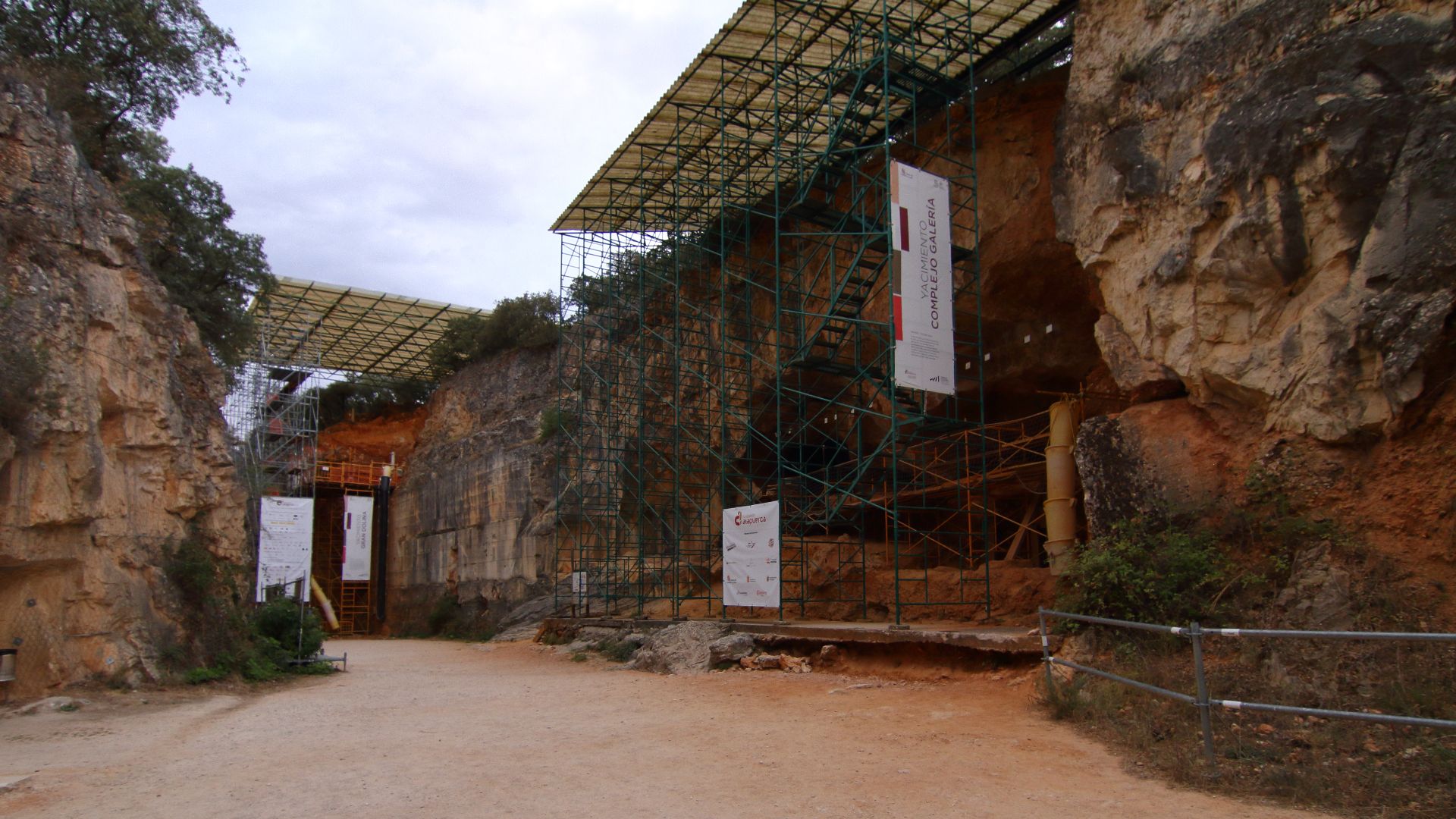
Until recently, many archaeologists believed the earliest sustained human occupation of Europe dated to roughly 1.2 million years ago, with famous sites such as Atapuerca in Spain providing the oldest widely accepted evidence. Europe was thought to be a difficult destination because its colder winters presented challenges that early humans had not yet learned to overcome.
Ukraine Changed Everything
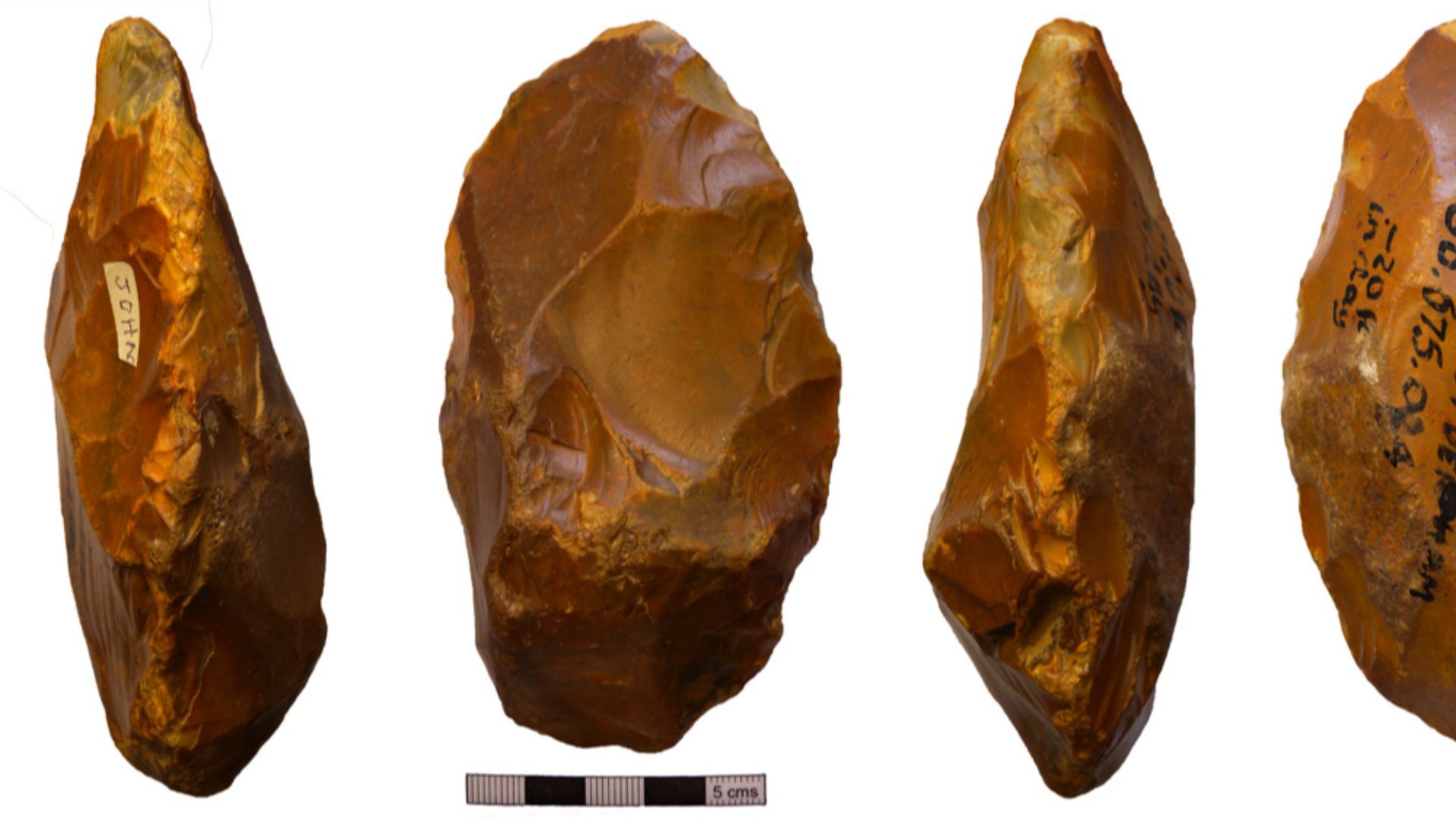
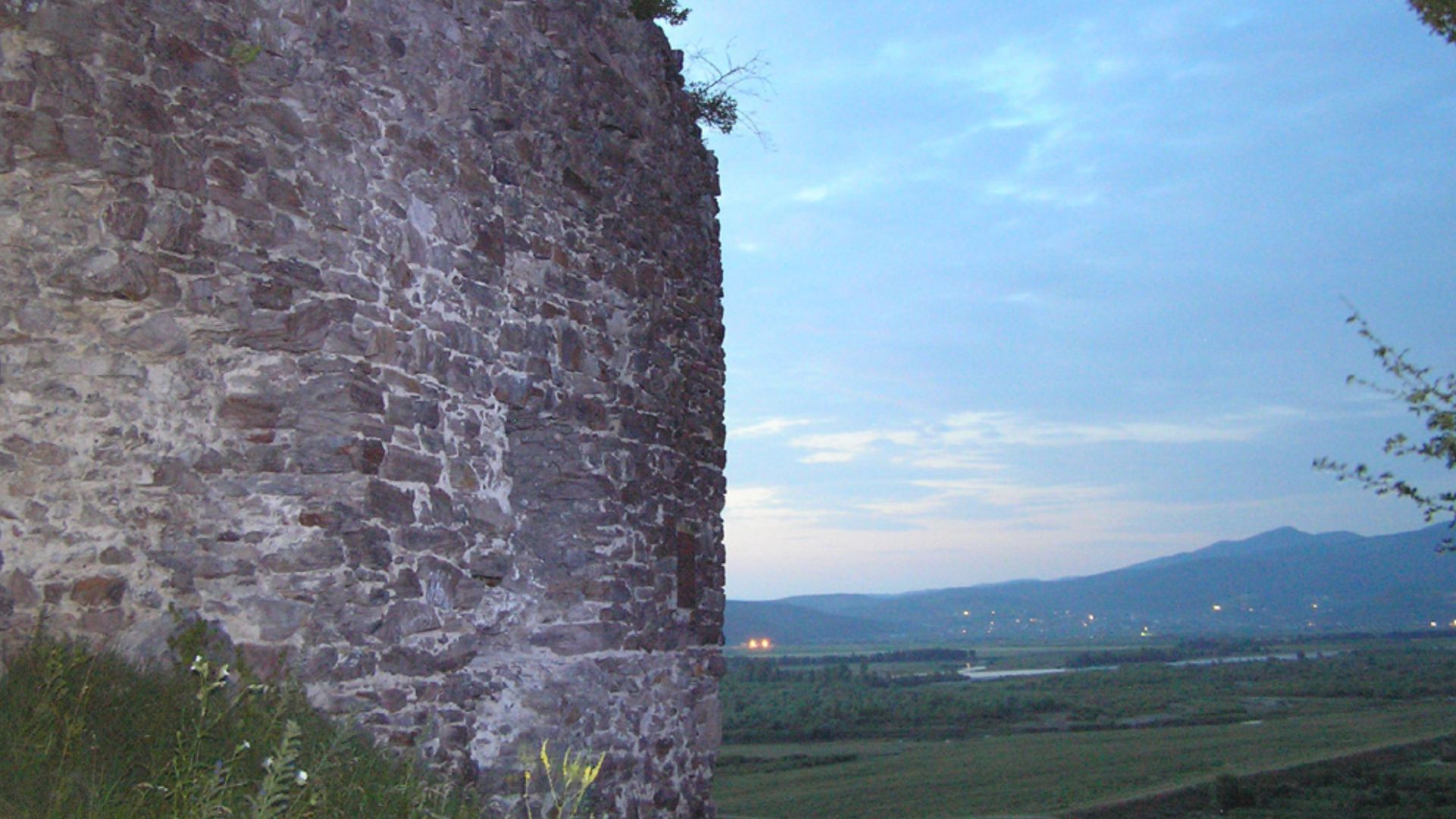
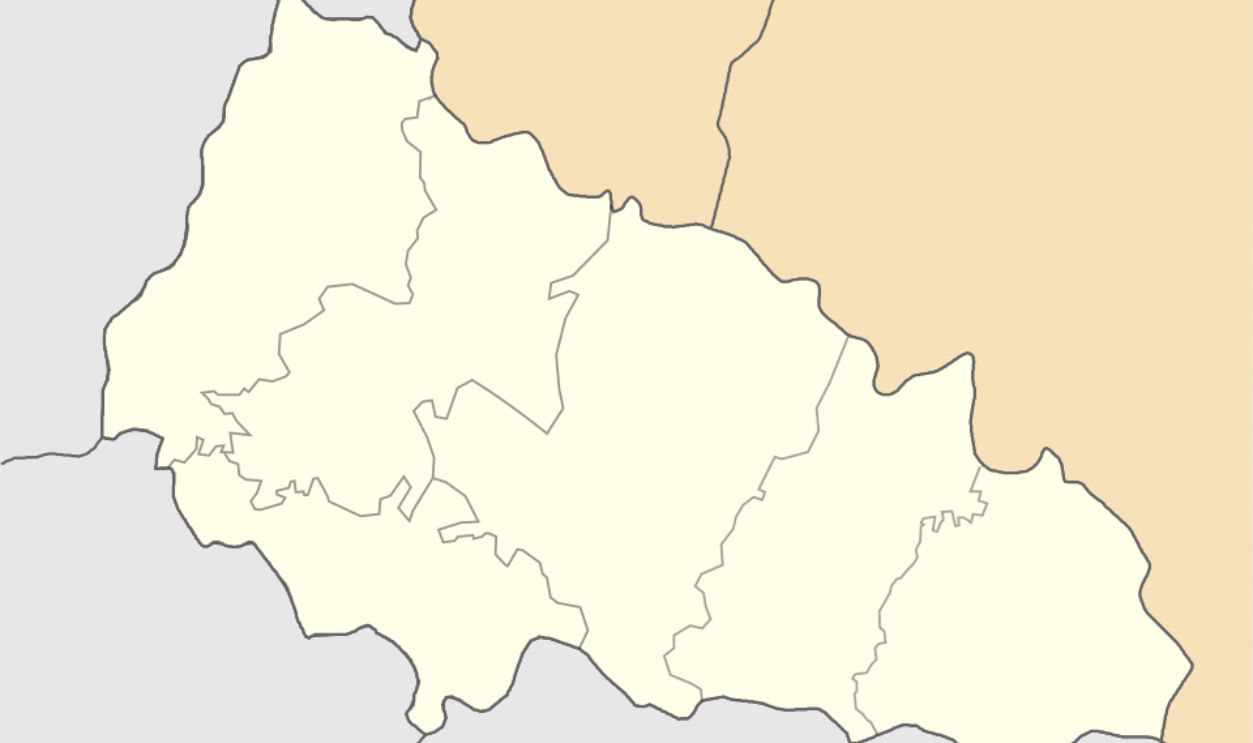
That timeline changed dramatically with discoveries at Korolevo in western Ukraine. Stone tools excavated there decades ago were recently dated using advanced cosmogenic dating techniques, revealing that they are approximately 1.4 million years old. This makes them the oldest securely dated evidence of early humans anywhere in Europe, pushing the arrival of humanity on the continent back by hundreds of thousands of years.
 Norfolk County Council, Emma Whitcombe, 2010-08-03 13:23:24, Wikimedia Commons
A Quarry Became One Of Europe's Most Important Sites
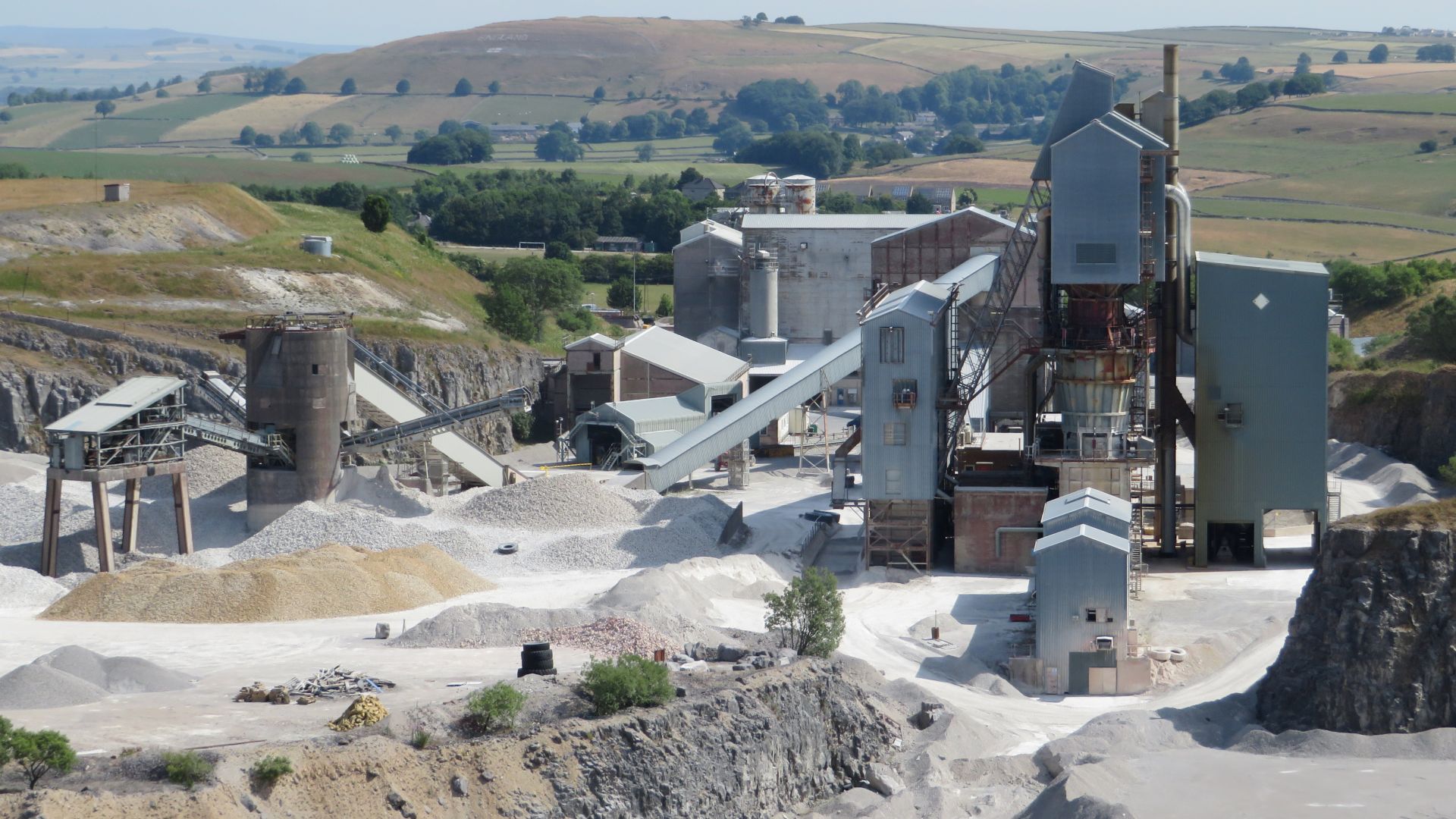
The Korolevo artifacts were originally discovered during excavations in the 1970s inside a volcanic quarry. At the time, archaeologists recognized their importance but lacked precise dating methods. Only with modern scientific techniques were researchers able to determine just how old the tools actually were, turning an already significant site into one of Europe's most important archaeological discoveries.
 Gareth James , Wikimedia Commons
Who Made The Tools?
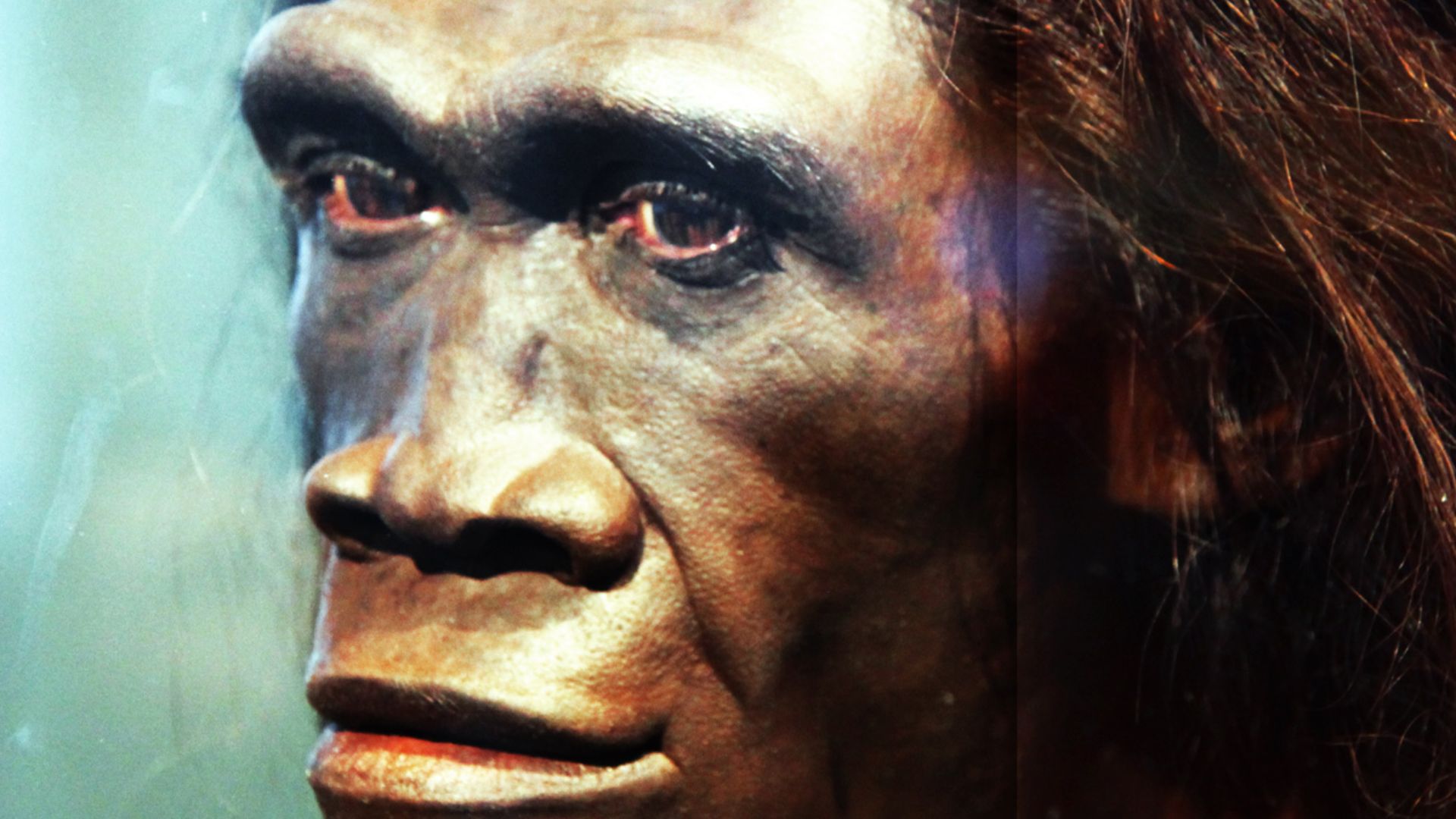
No human fossils have been found alongside the stone tools, so archaeologists cannot identify the toolmakers with complete certainty. However, based on their age and technology, researchers believe they were most likely produced by Homo erectus. This species was one of humanity's greatest pioneers, becoming the first known human ancestor to spread across much of Africa and Eurasia.
 Neanderthal Museum, Wikimedia Commons
Living Farther North Than Anyone Expected
One reason the Korolevo discovery attracted so much attention is its location. Western Ukraine sits considerably farther north than many other early human sites. Until recently, many researchers assumed humans could not survive in such seasonal climates until much later. The discovery suggests that early humans were already adapting to colder environments far earlier than expected.
 Petro Vlasenko, Wikimedia Commons
They Did It With Surprisingly Simple Tools
The tools themselves are relatively simple flakes and chopping implements made from volcanic rock. They lack the sophistication of much later technologies, yet they were effective enough for butchering animals, processing hides, and carrying out everyday survival tasks. Their simplicity makes the discovery even more impressive because it shows early humans could thrive without highly advanced equipment.
 Unknown authorUnknown author or not provided, Wikimedia Commons
Europe Was A Tough Place To Live
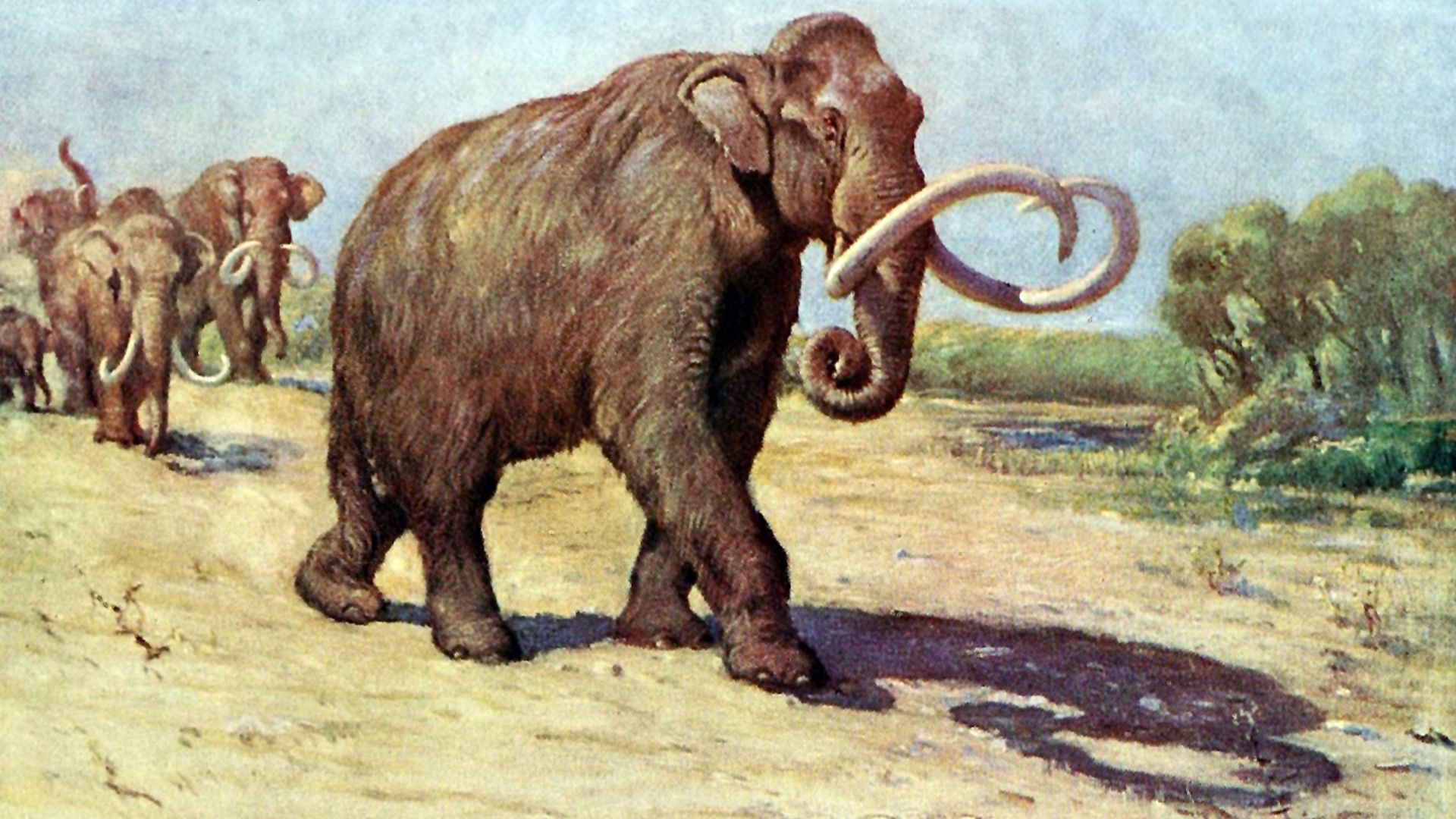
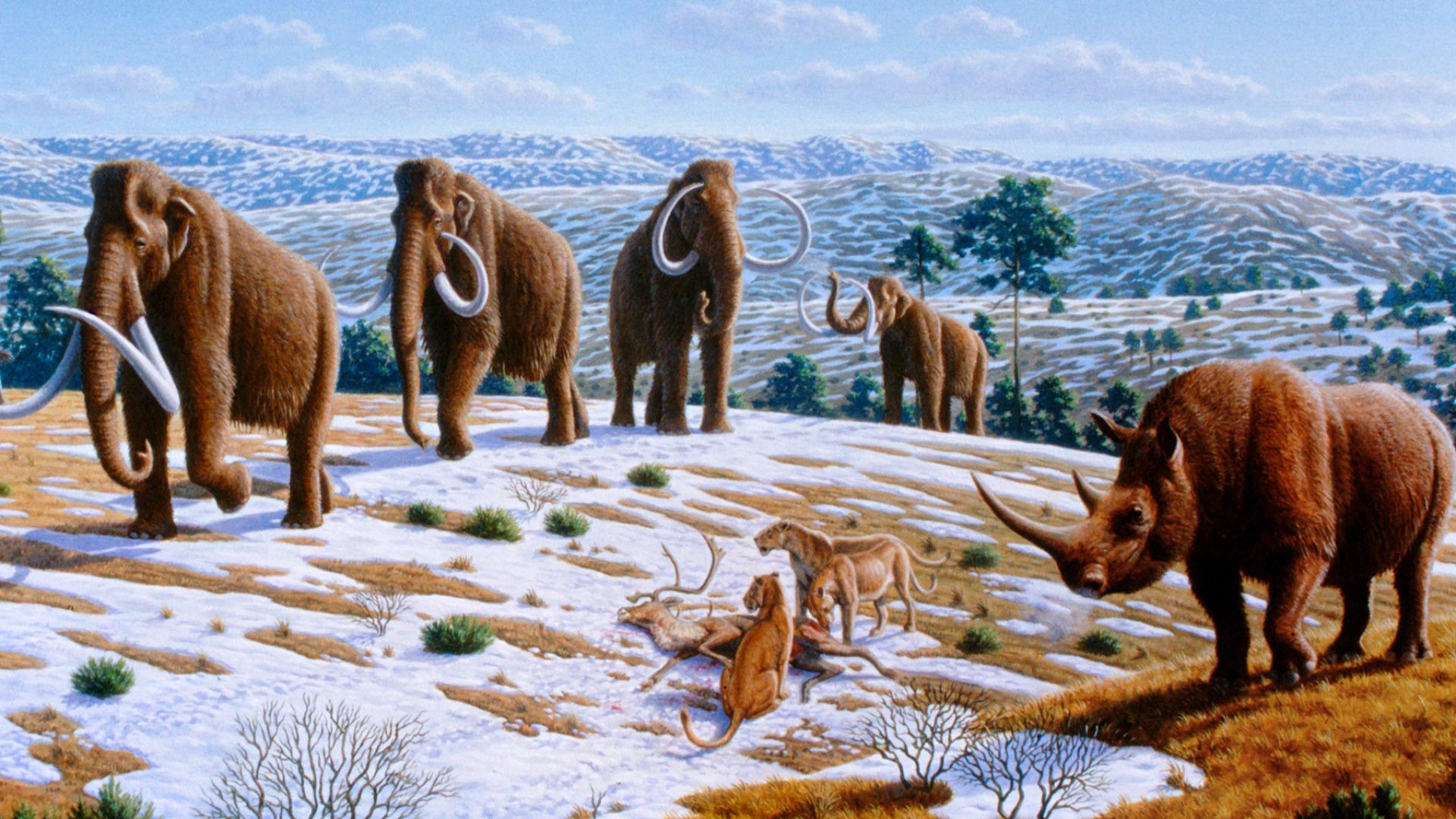
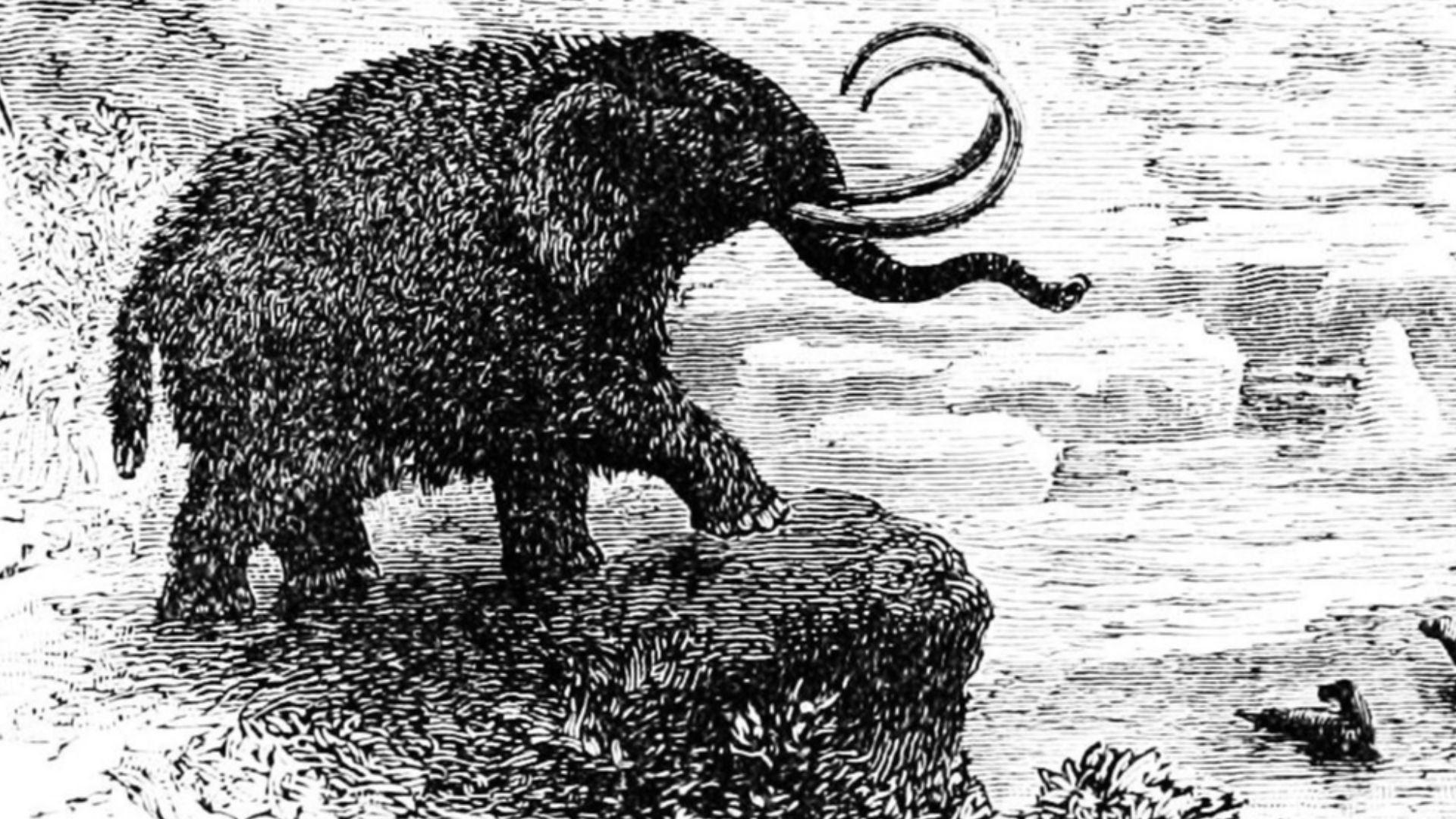
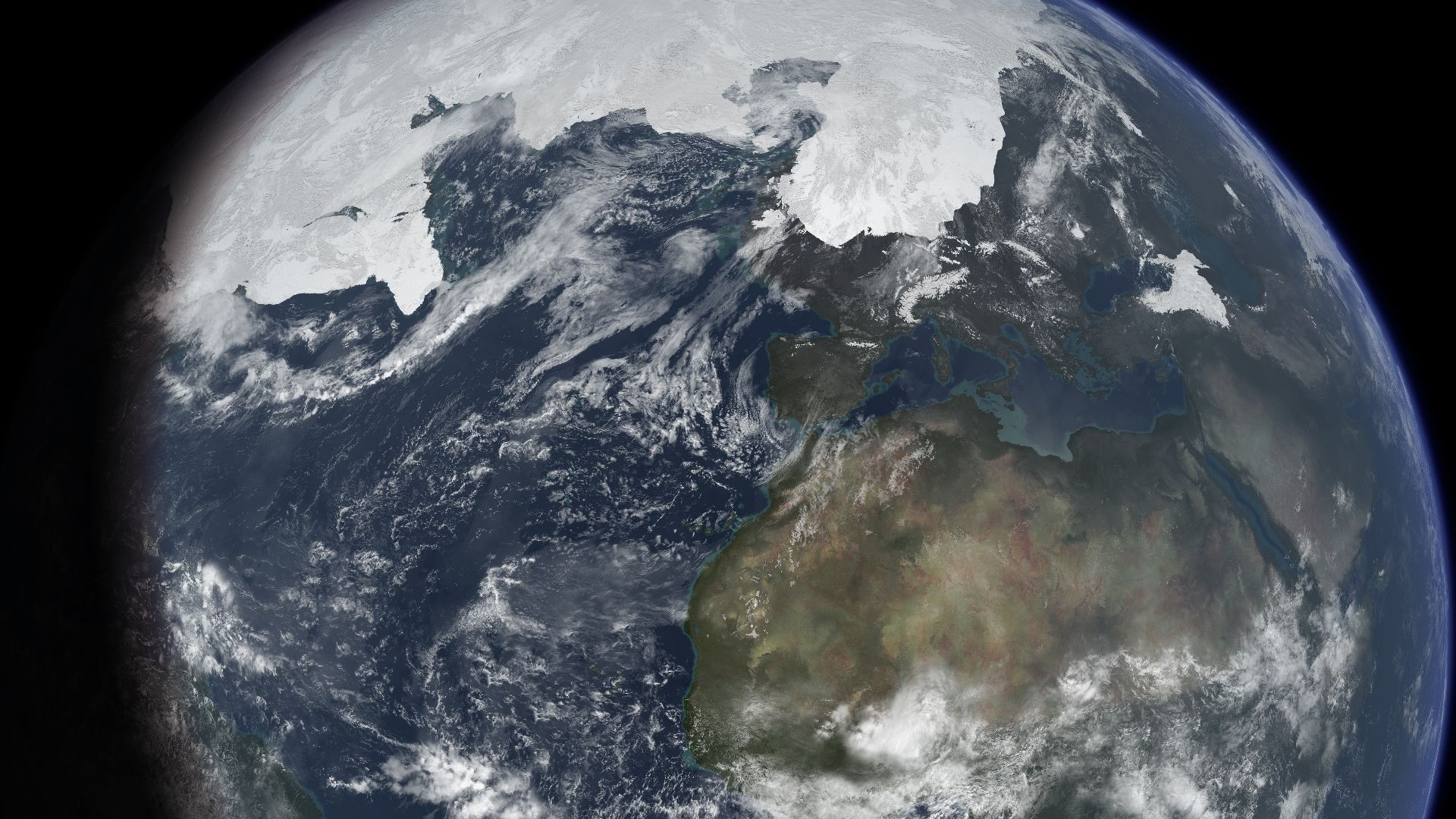
Europe during the early Ice Age was not an easy destination. Temperatures fluctuated dramatically as glaciers expanded and retreated, transforming landscapes over thousands of years. Dense forests alternated with open grasslands, while large mammals such as mammoths, rhinoceroses, giant deer, and saber-toothed cats roamed the continent. Early humans entering Europe had to adapt to rapidly changing environments unlike those they had previously encountered.
 Charles Robert Knight, Wikimedia Commons
Following The Animals
Many researchers believe these early migrations followed large herds of grazing animals. Rather than setting out to explore unknown territory, early humans likely moved gradually alongside the food sources they depended upon. As herds expanded into new environments during warmer periods, human groups followed them into Europe.
 Mauricio Anton, Wikimedia Commons
Fire May Have Changed Everything
One of the biggest questions surrounding Europe's first inhabitants is how they survived the cold. Many archaeologists suspect that controlled fire played an essential role, allowing people to stay warm, cook food, and extend their range into northern climates. Although direct evidence of fire at the earliest sites remains limited, many researchers believe mastery of fire was one of the key innovations that made these migrations possible.
 Jakub Halun, Wikimedia Commons
Modern Humans Arrived Much Later
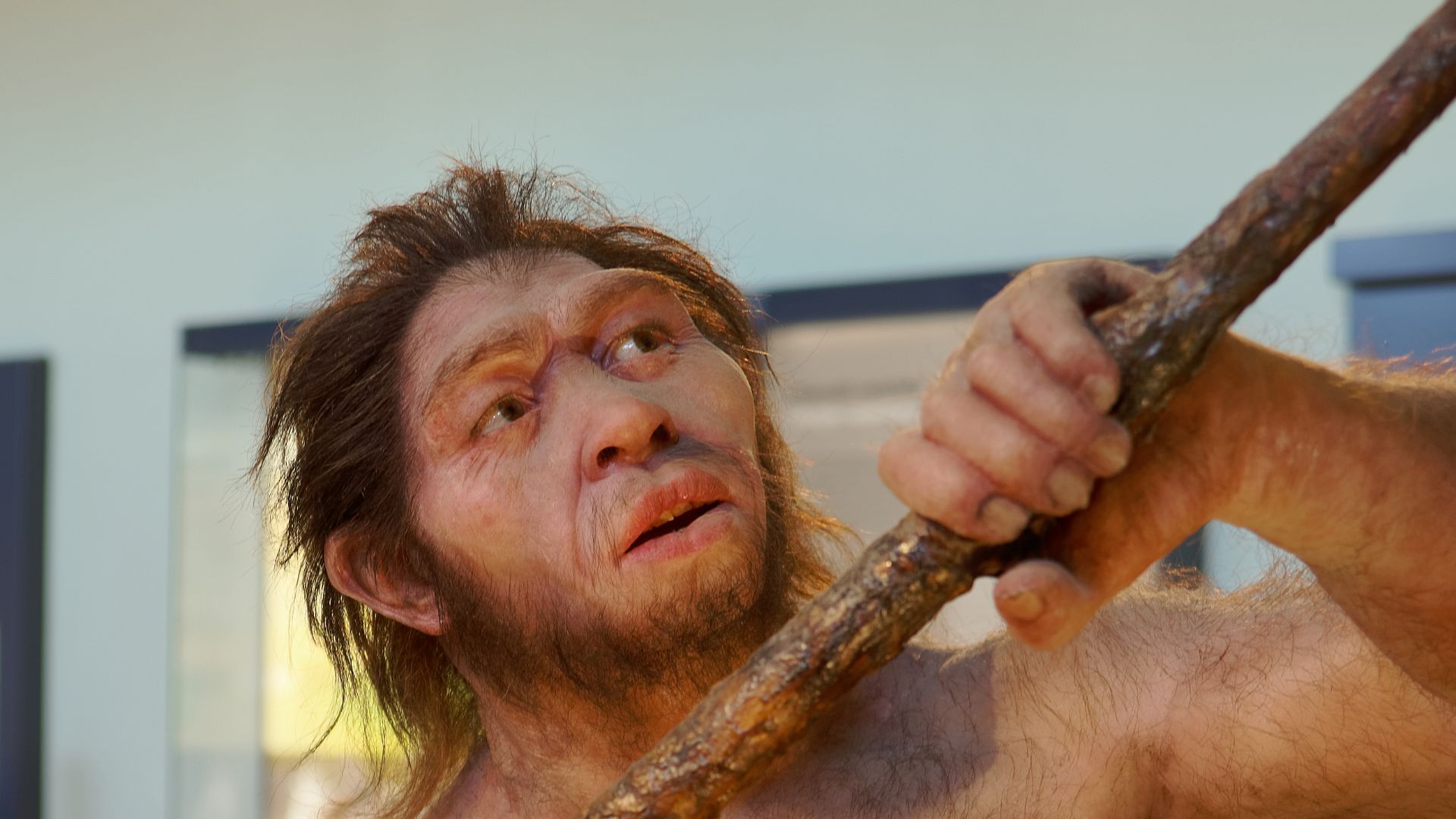
The first Europeans were not Homo sapiens but much earlier human relatives. Modern humans would not reach Europe until roughly 45,000 years ago, arriving hundreds of thousands of years after Homo erectus and long after Neanderthals had become established across much of the continent. For a brief period, modern humans and Neanderthals even shared parts of Europe before the latter eventually disappeared.
 Neanderthal-Museum, Mettmann, Wikimedia Commons
Evidence Of An Earlier Overlap
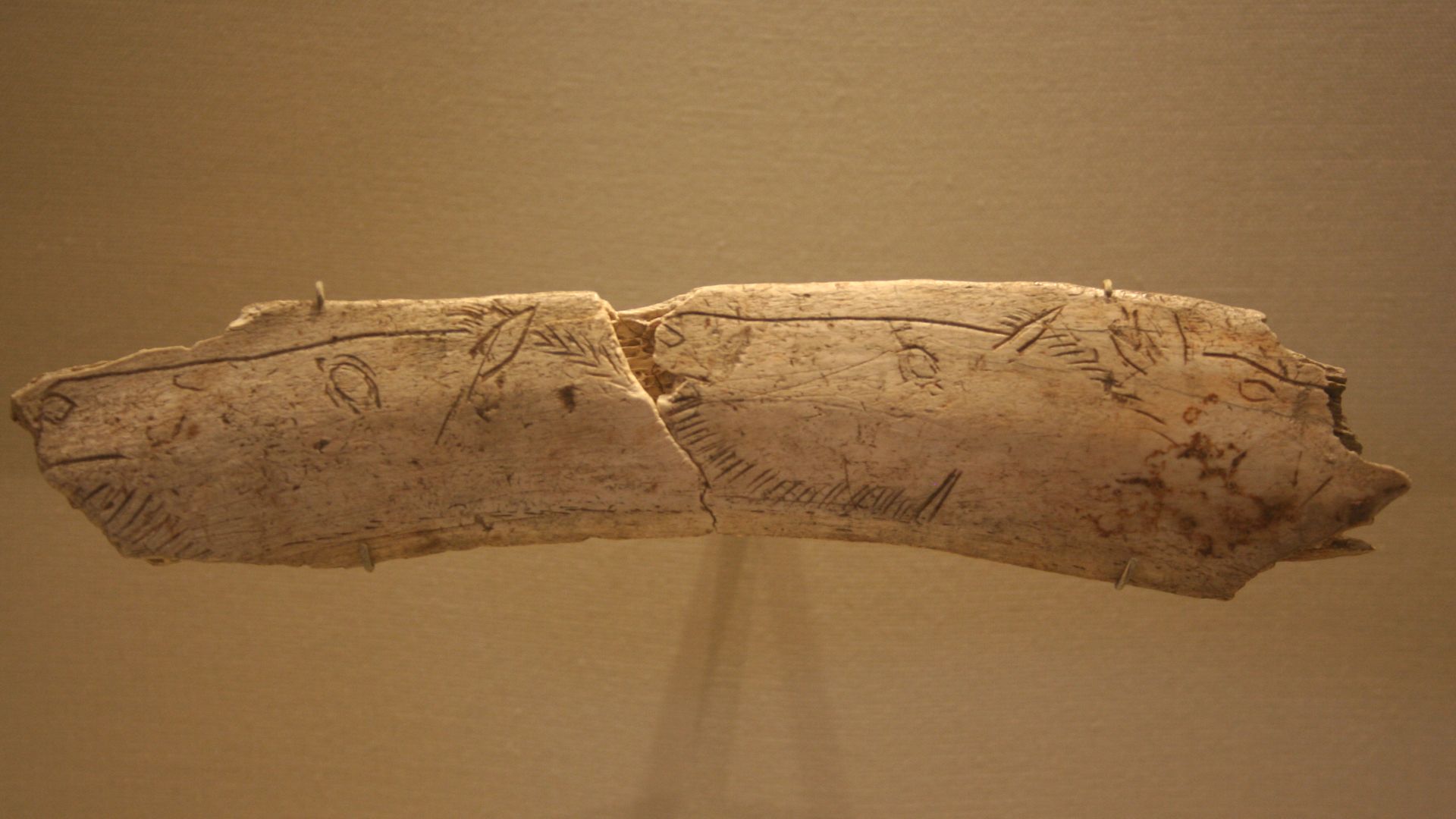
Recent discoveries have complicated that picture as well. Archaeologists studying mysterious Ice Age artifacts have found evidence suggesting that modern humans and Neanderthals may have overlapped in Europe earlier than previously believed. Some stone tool industries appear to contain features associated with both groups, raising new questions about when and where these populations encountered one another.
Did They Meet Peacefully?
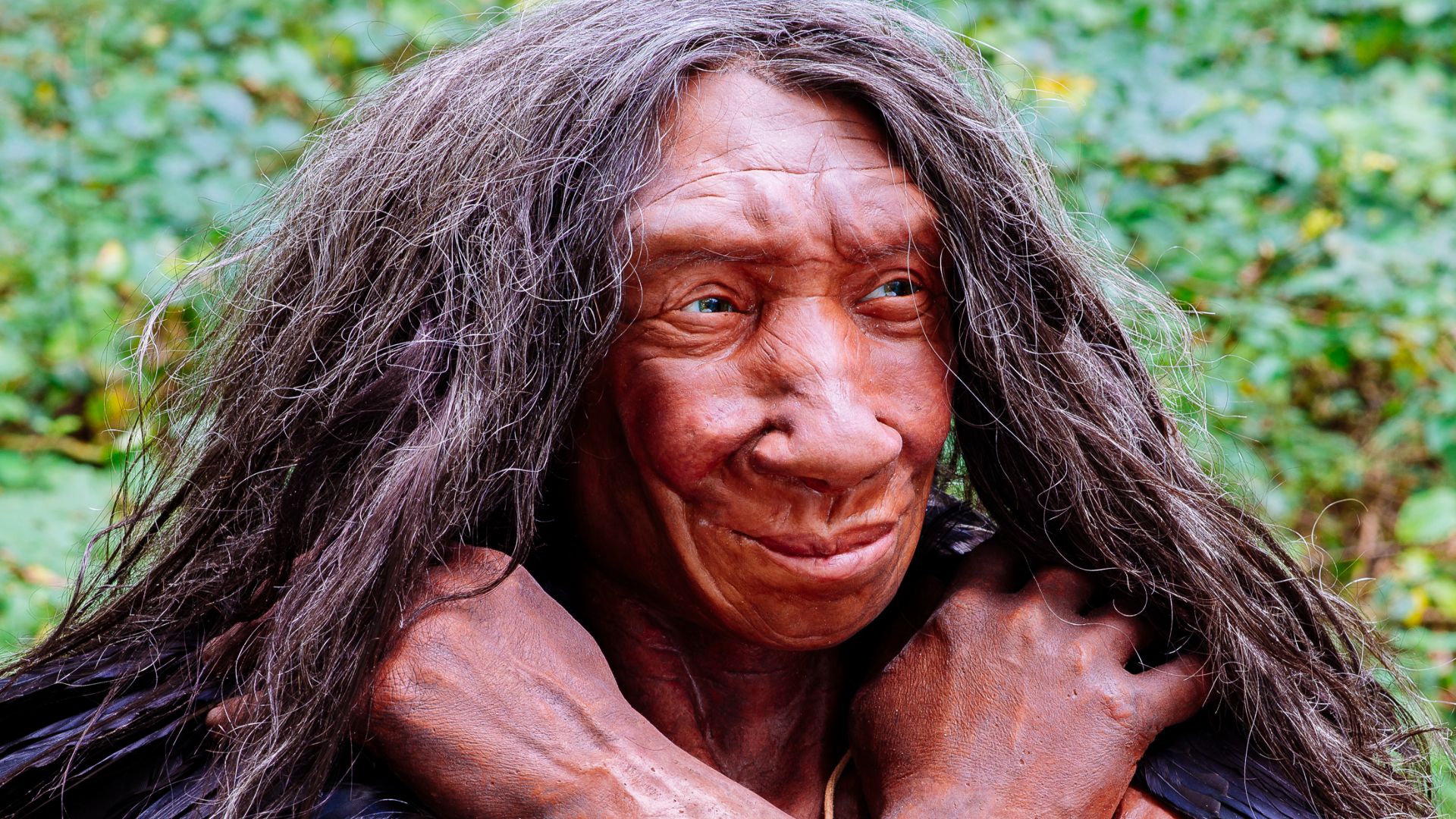
Scientists are still debating exactly how modern humans and Neanderthals interacted. Ancient DNA shows the two groups interbred, meaning at least some encounters were peaceful enough to produce families. At the same time, competition for territory and resources almost certainly occurred as both populations occupied similar landscapes across Europe.
 Neanderthal-Museum, Mettmann, Wikimedia Commons
Climate Controlled Everything
Climate repeatedly opened and closed migration routes into Europe. During warmer periods, forests expanded and animals spread northward, creating opportunities for humans to follow. During colder glacial periods, advancing ice sheets forced both people and animals into southern refuges where they waited for conditions to improve before expanding again.
 Unknown authorUnknown author, Wikimedia Commons
Returning After The Ice
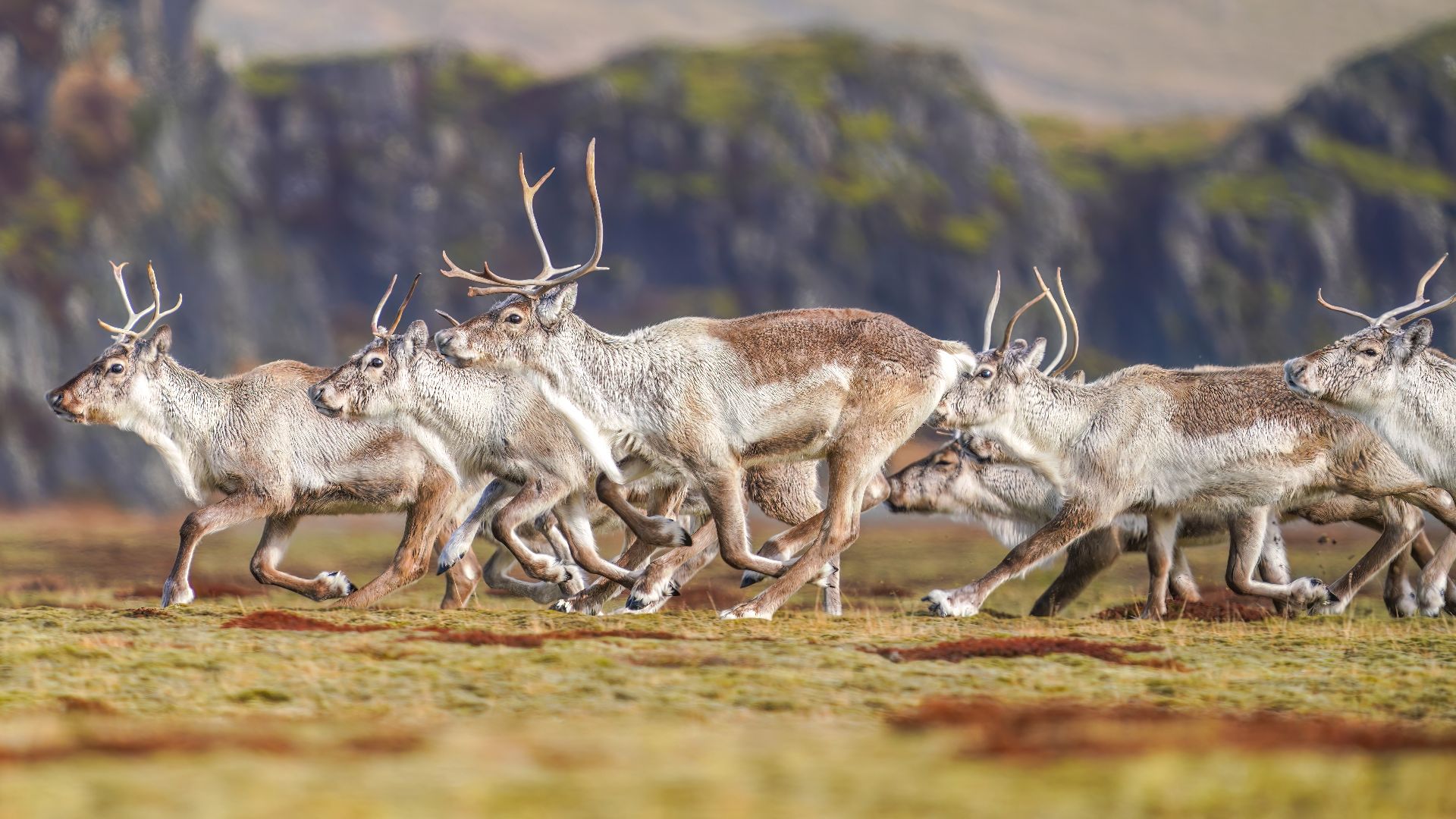
Even after the last Ice Age ended, Europe was not immediately repopulated. New research suggests humans returned to Britain around 15,200 years ago, nearly 500 years earlier than scientists had previously believed. As temperatures rose and glaciers retreated, hunter-gatherers followed herds of reindeer and horses into landscapes that had only recently become habitable once again.
 Giles Laurent, Wikimedia Commons
Every Discovery Changes The Map
Sites like Korolevo demonstrate how quickly our understanding of early human migration can change. A single new date or a handful of stone tools can completely reshape migration timelines that archaeologists accepted for decades. Rather than following one simple route, it now appears that multiple waves of human populations entered Europe at different times under different climatic conditions.
Ancient Technology Keeps Improving
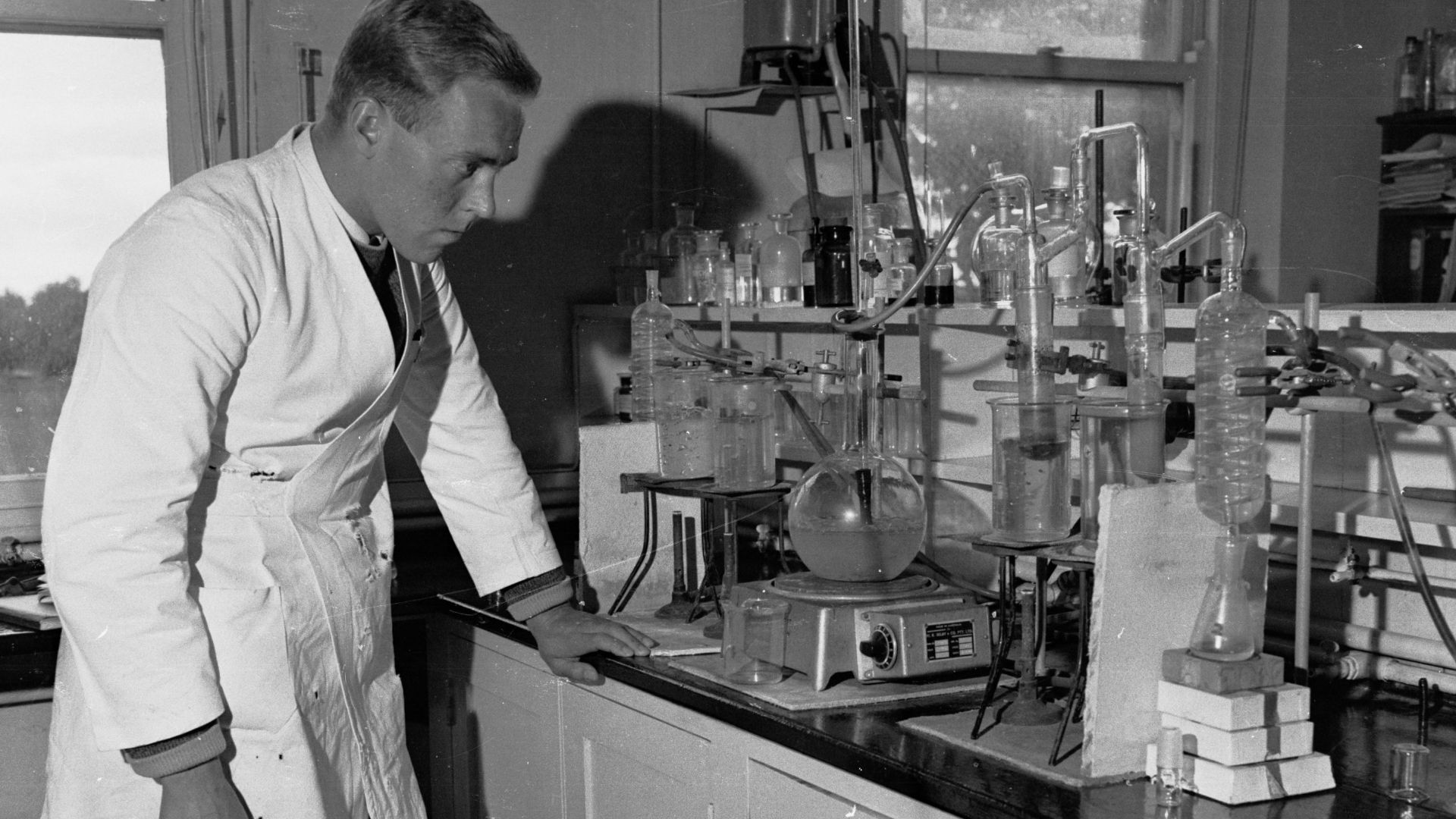
One reason these discoveries are happening now is because archaeological dating techniques have improved dramatically. Researchers can now use methods based on cosmic-ray exposure, microscopic sediment analysis, and advanced geochemistry to determine ages far more accurately than was possible even twenty years ago. Old discoveries are often becoming just as important as new excavations because they can now be reanalyzed with modern technology.
 UCL Institute of Archaeology, Wikimedia Commons
Europe's Earliest People Were Remarkably Adaptable
Perhaps the biggest lesson from these discoveries is that early humans were far more adaptable than researchers once believed. They survived cold climates, followed migrating animals across unfamiliar landscapes, developed effective stone tools, and gradually spread across an entire continent long before the appearance of modern civilization. Their success laid the foundation for every human population that would later call Europe home.
 Werner Ustorf], Wikimedia Commons
There Are Still Big Questions To Answer
Despite these remarkable discoveries, many mysteries remain. Scientists still do not know exactly how many separate migration waves entered Europe, how often populations disappeared during harsh climate swings, or how different human species interacted when their territories overlapped. Every newly discovered site has the potential to answer some of those questions while creating entirely new ones.
 State Government Photographer, Wikimedia Commons
The Story Is Still Being Rewritten
The first people to reach Europe were pioneers in every sense of the word. They crossed unfamiliar landscapes, adapted to harsh Ice Age climates, and survived in environments that many scientists once thought were beyond their capabilities. Discoveries from Ukraine and elsewhere are showing that this incredible journey began much earlier than anyone imagined, forcing archaeologists to rethink one of the most important chapters in human history. With every new excavation and every improvement in dating technology, the story of Europe's first inhabitants becomes richer, more complex, and even more fascinating than before.
You May Also Like:
New research suggests Neanderthals didn’t just survive the Ice Age, they rebuilt after it.