From A Frozen Alpine Murder Mystery To A Fresh Loaf Of Bread
Few archaeological discoveries have captured the public imagination quite like Ötzi the Iceman. Since hikers stumbled across his frozen body high in the Alps in 1991, the 5,300-year-old mummy has become one of the most studied human remains ever discovered. And now, more than three decades after his discovery, Ötzi has delivered yet another surprise: scientists recently identified living ancient yeasts on and inside his remains and successfully used some of them to make sourdough bread.
The discovery is equal parts archaeology, microbiology, and baking experiment—and it’s opening up entirely new ways of studying ancient life.
 Andrea Solero/AFP via Getty Images
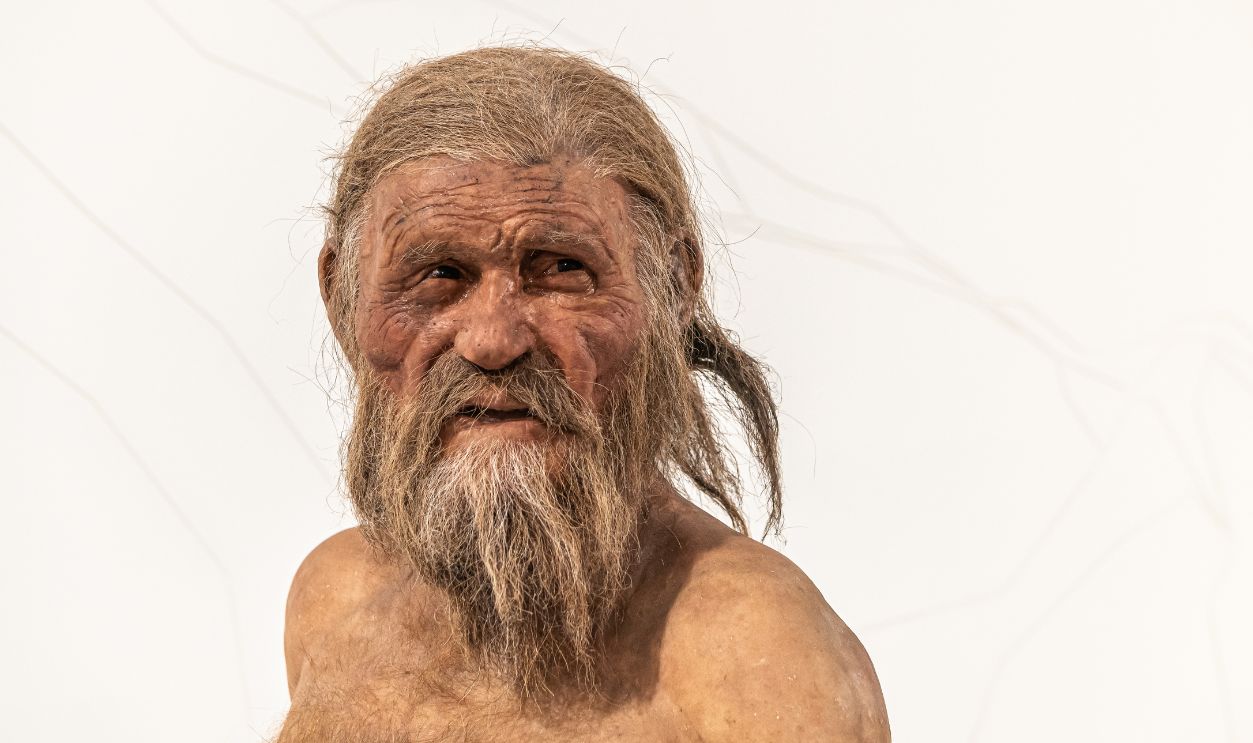
Meet Ötzi The Iceman
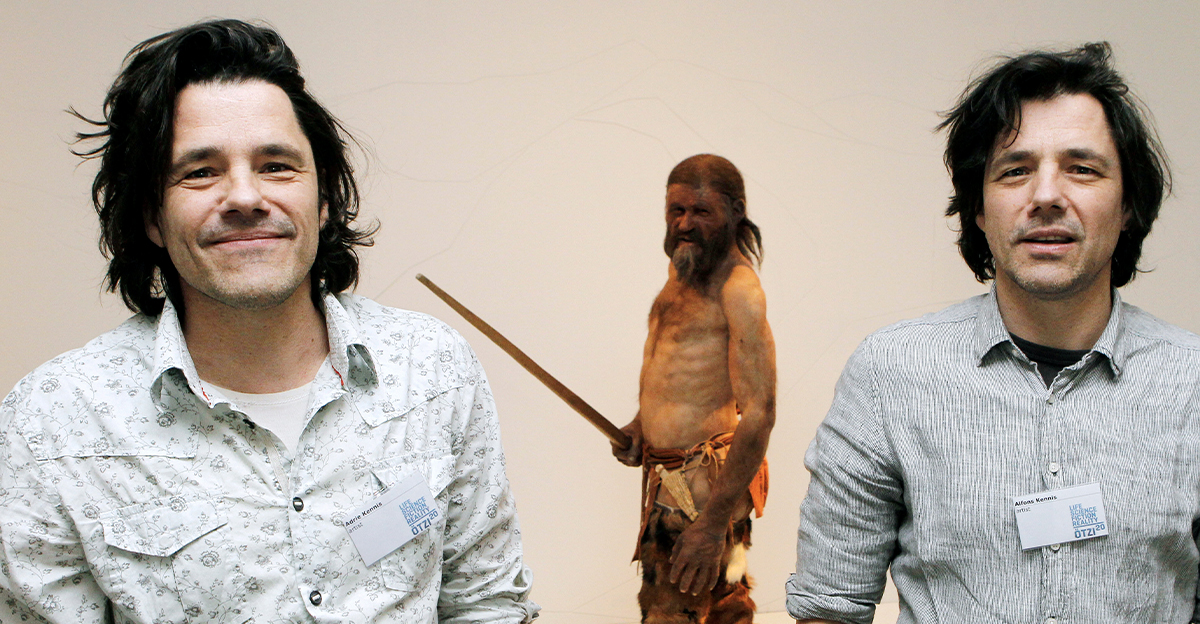
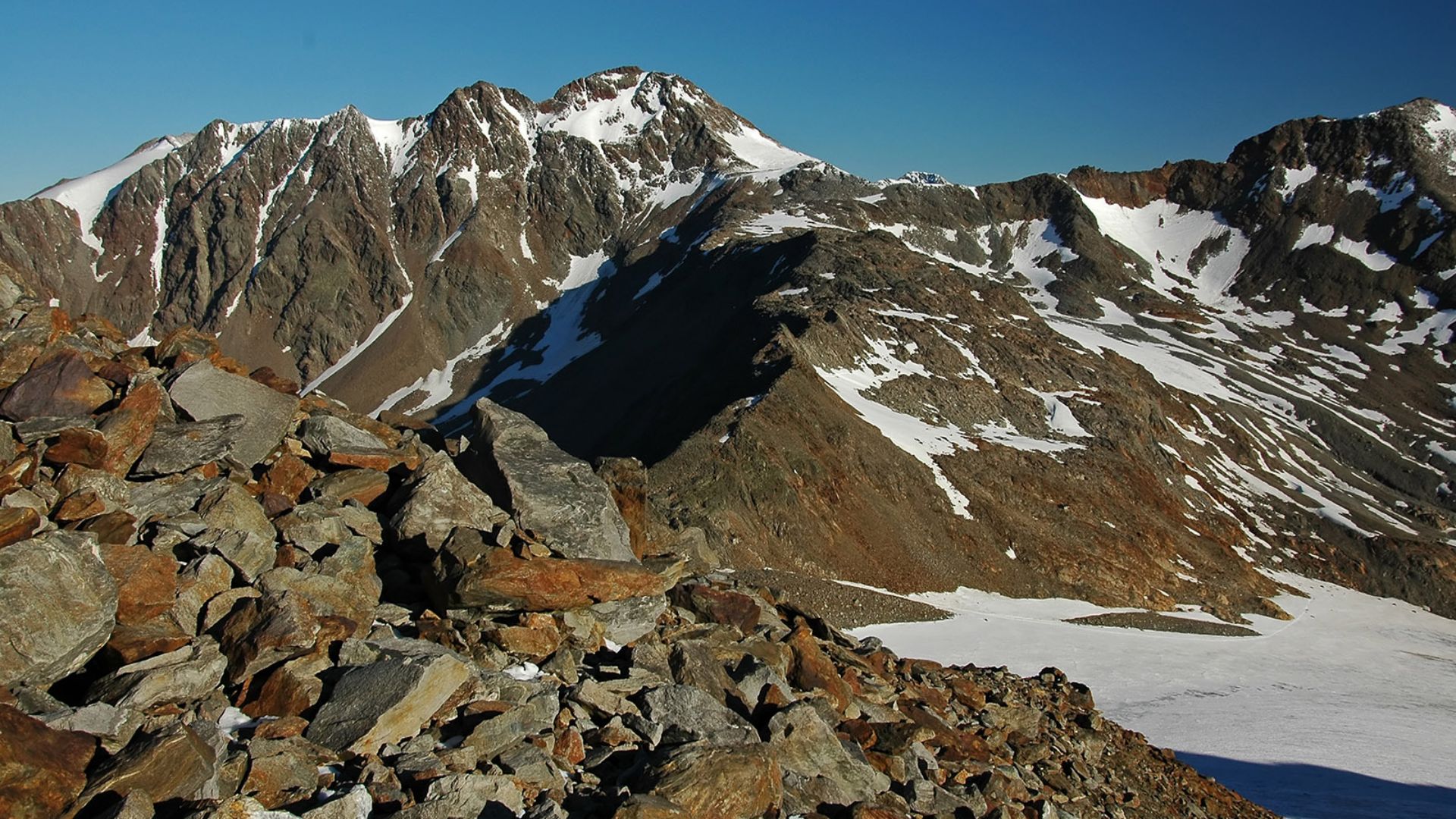
Ötzi is the naturally mummified remains of a man who lived during the Copper Age, between roughly 3350 and 3100 BCE. He died in the Ötztal Alps near the modern border between Austria and Italy and remained preserved in glacial ice for more than five millennia. Because of the conditions that surrounded his body, Ötzi became the oldest naturally preserved human mummy ever discovered in Europe.
The Discovery That Changed Archaeology
On September 19, 1991, two German hikers spotted what appeared to be a body emerging from melting ice. At first, authorities assumed they had found a recently deceased mountaineer. It quickly became clear that the remains were far older and far more significant. Scientists soon realized they were looking at one of the most important archaeological discoveries of the twentieth century.
A Perfectly Preserved Time Capsule
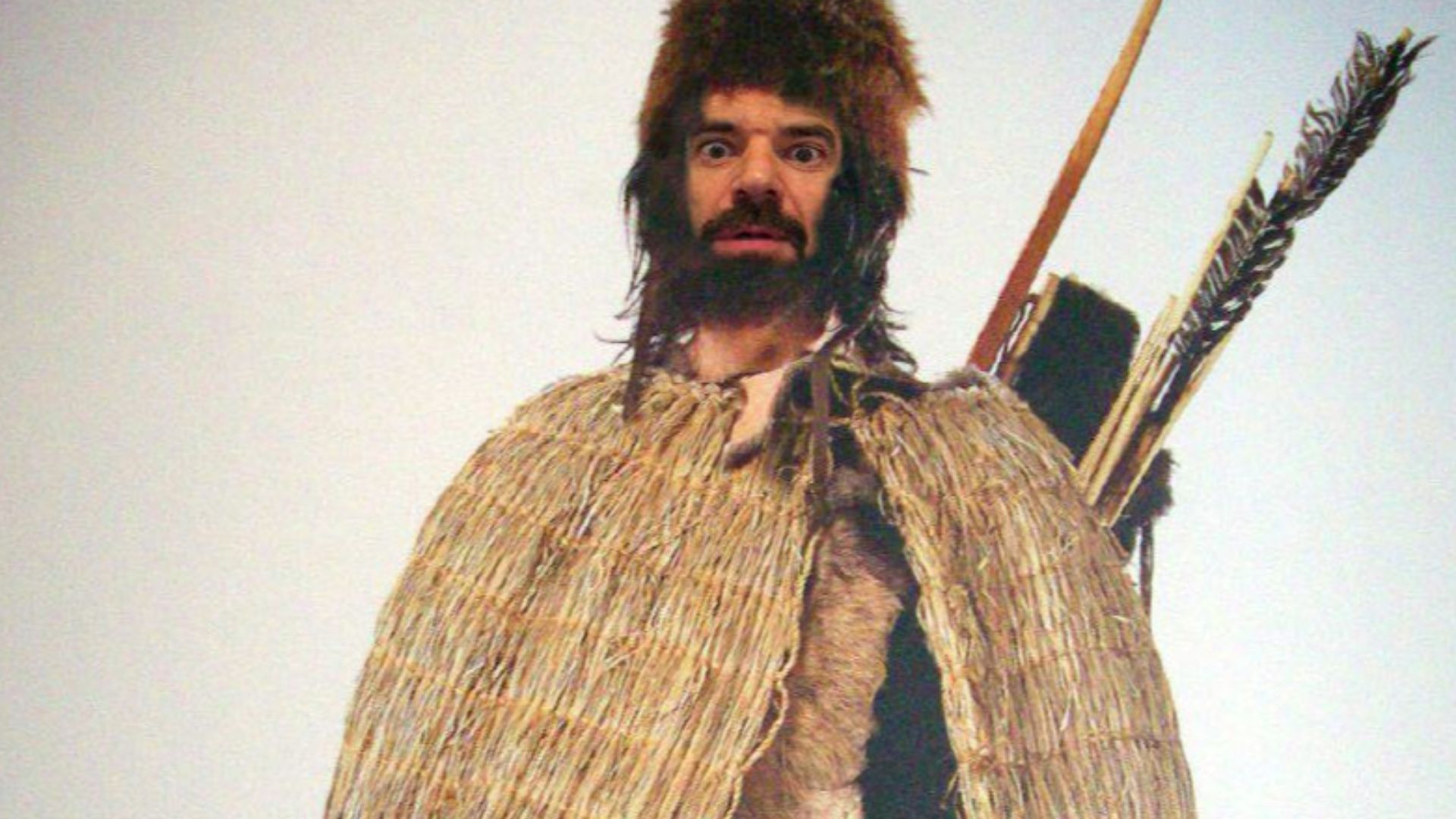
Unlike skeletons found in graves, Ötzi's body retained skin, organs, clothing, tools, and equipment. Archaeologists recovered a copper axe, a bow, arrows, clothing made from animal hides, and numerous personal belongings. Together, these objects provided an extraordinarily detailed look at daily life in Copper Age Europe.
 Melotzi5713, Wikimedia Commons
Scientists Never Stopped Studying Him
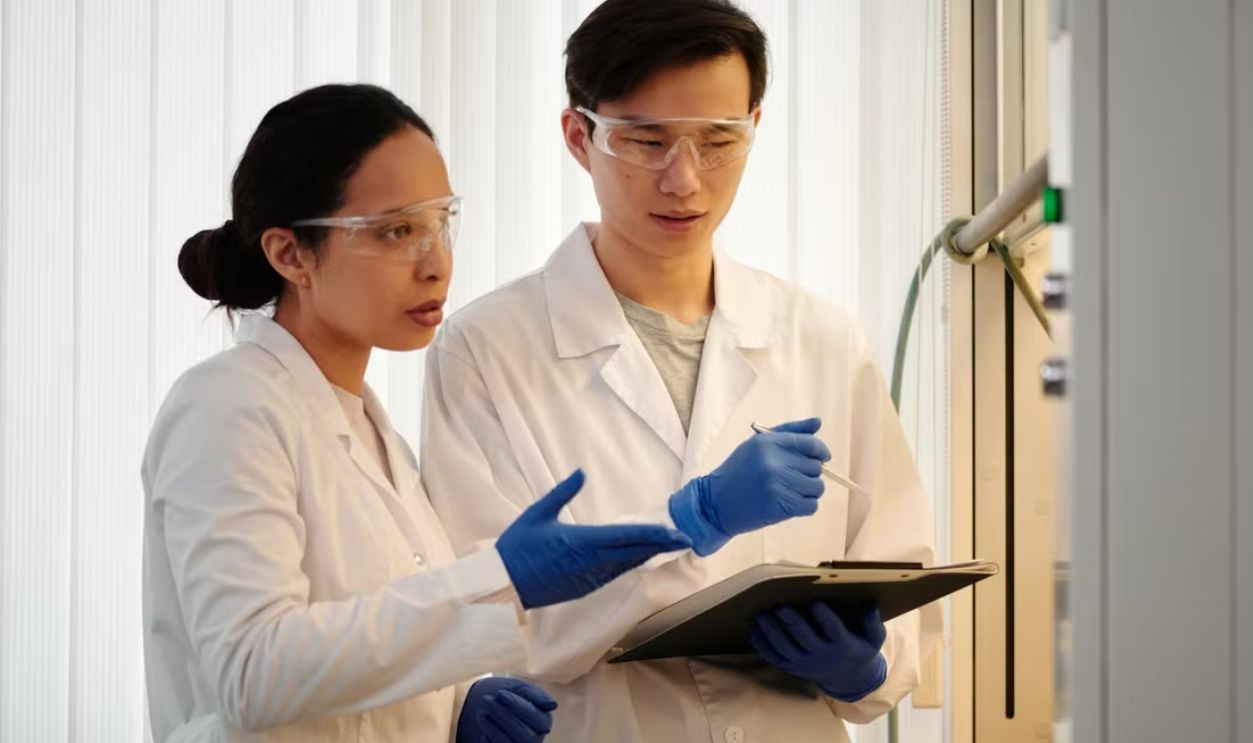
Over the years, Ötzi has become the subject of hundreds of scientific studies. Researchers have analyzed his DNA, stomach contents, clothing, tools, tattoos, and even microscopic particles trapped on his body. Few ancient humans have provided such a complete record of prehistoric life, making him one of archaeology's most valuable research subjects.
What Did Ötzi Eat?
One of the most fascinating discoveries came from the analysis of his stomach contents. Scientists found evidence that his final meals included meat from wild goats and deer, grains, and substantial amounts of fat. The diet suggests he deliberately consumed high-energy foods before heading into the mountains, perhaps anticipating a difficult journey.
 Rhoda Baer (Photographer), Wikimedia Commons
The World's Oldest Murder Mystery
Researchers once believed Ötzi may have succumbed to exposure in the mountains. Later examinations revealed a much more dramatic story. An arrowhead was found embedded in his shoulder, and additional injuries suggested he had been involved in a brutal confrontation shortly before his death. Today, many researchers believe Ötzi was slain, making his case one of the oldest known homicide investigations in human history.
 National Cancer Institute, Unsplash
His Tattoos Were Another Surprise
Ötzi's body contains more than 60 tattoos, making them the oldest known tattoos ever discovered on a human. Unlike decorative tattoos seen in many later cultures, these markings appear to correspond with joints and areas affected by pain or degeneration. Some researchers have suggested they may represent an early form of therapeutic treatment similar to acupuncture.
 Linda Bartlett (Photographer), Wikimedia Commons
A Frozen Laboratory
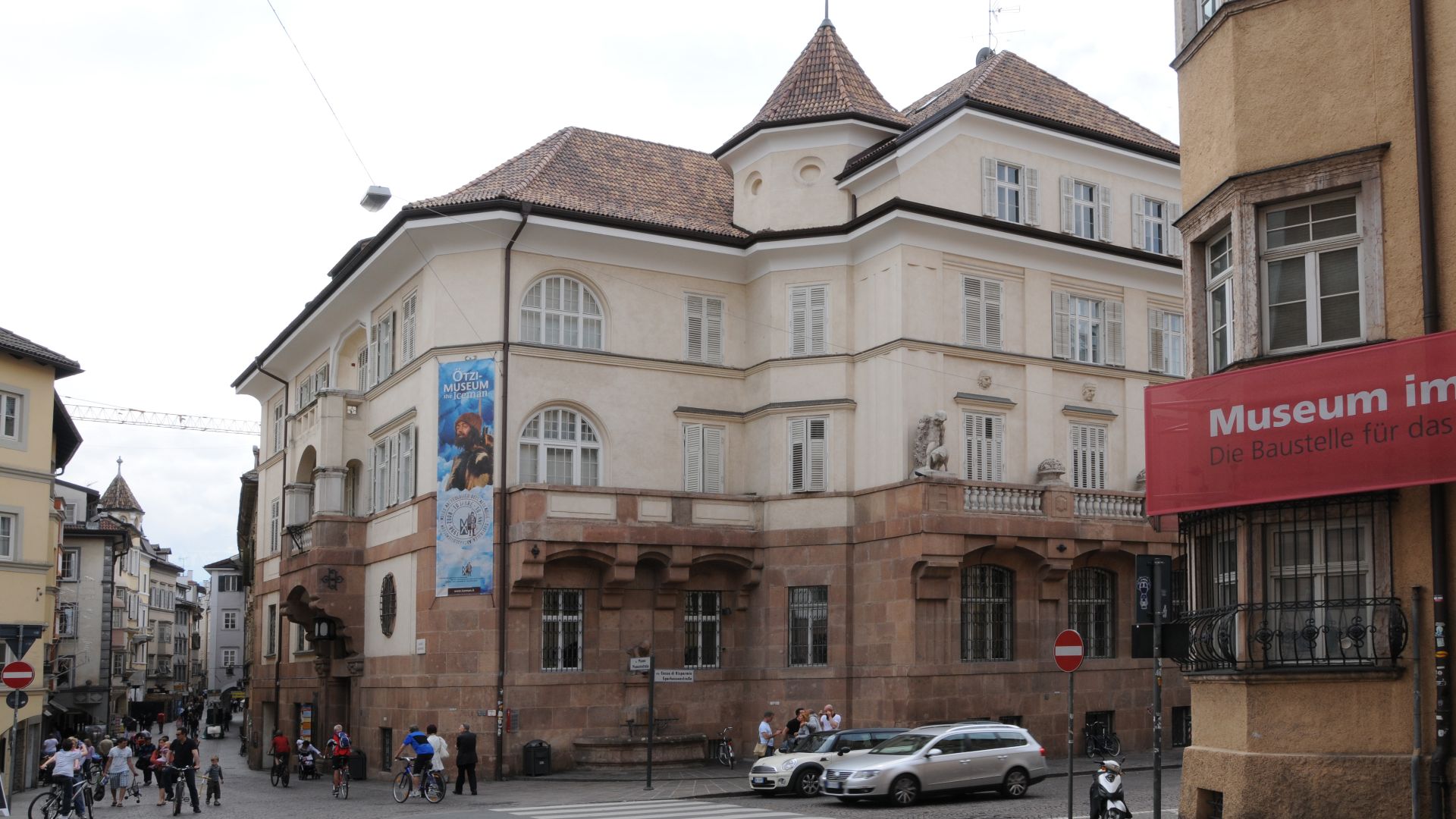
Today, Ötzi is housed at the South Tyrol Museum of Archaeology in Bolzano, Italy. His body is kept inside a specially designed cold chamber that recreates the glacial conditions that preserved him for thousands of years. This controlled environment allows scientists to continue studying him while minimizing deterioration.
 Hubert Berberich (HubiB), Wikimedia Commons
Looking Beyond Bones And Artifacts
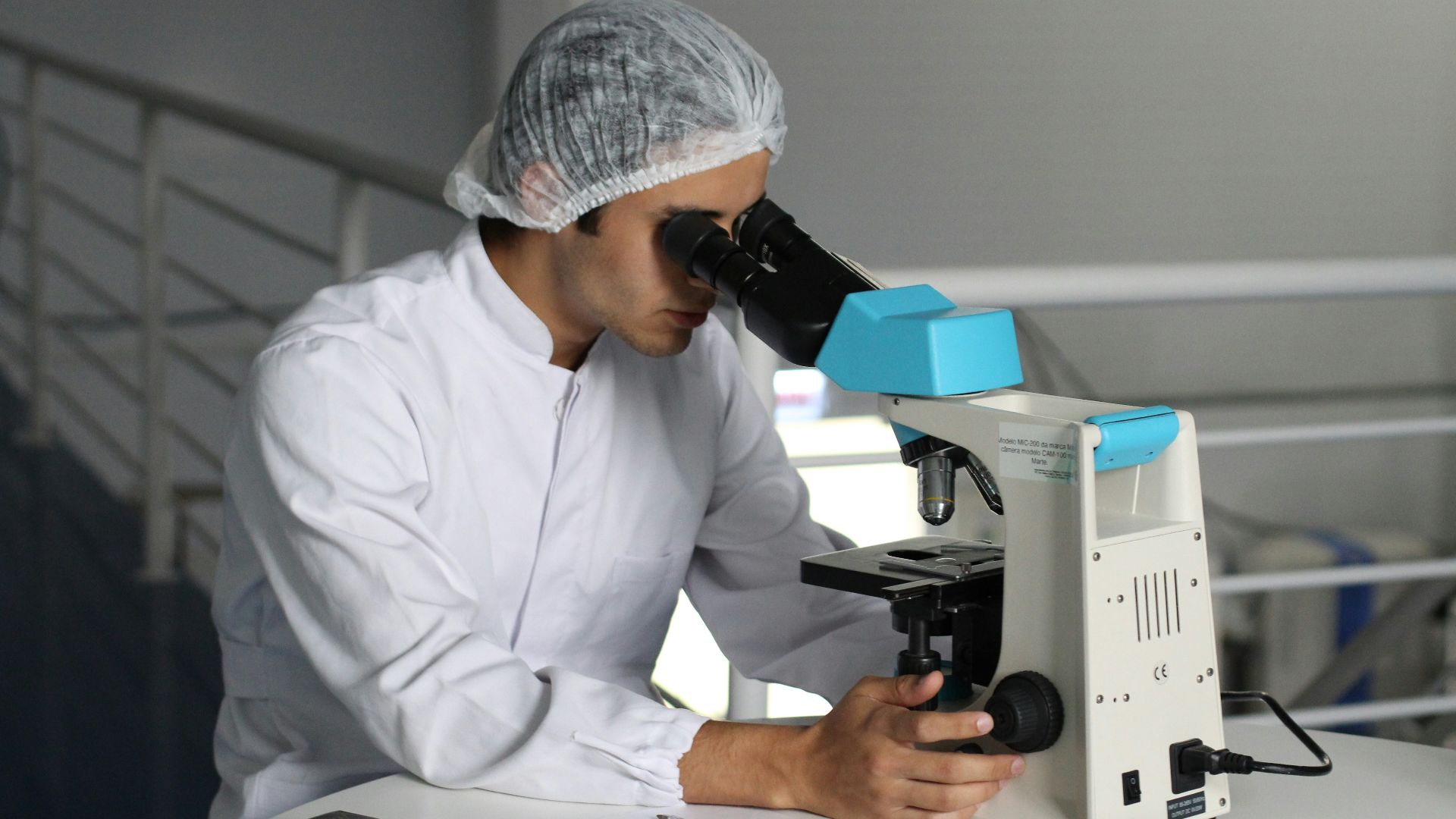
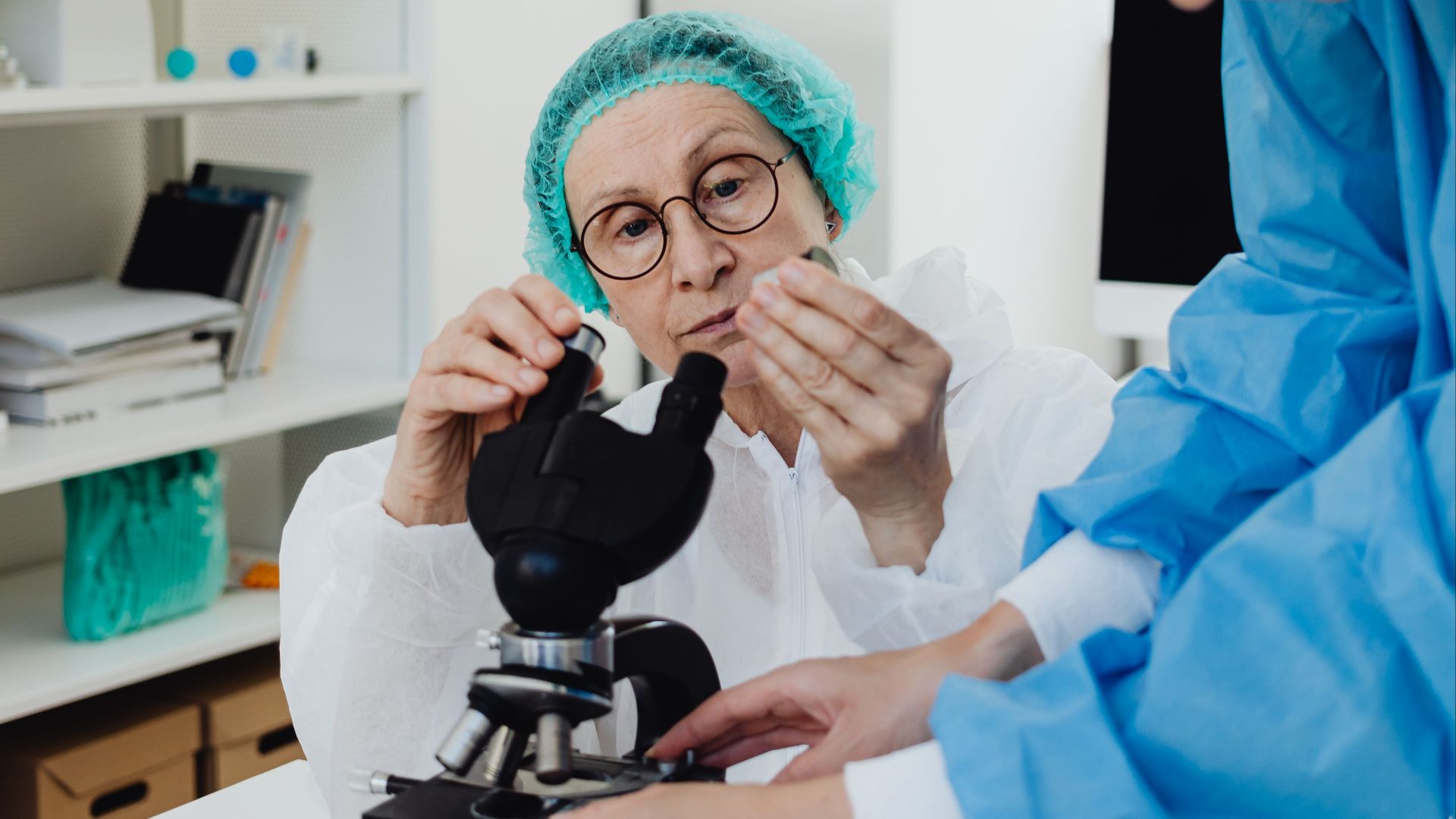
In recent years, researchers have increasingly focused on something much smaller than tools or weapons: microorganisms. Every human body hosts a vast ecosystem of bacteria, fungi, and yeasts. Scientists wondered whether traces of this ancient microbial world might still survive on Ötzi's remains.
The Search For Ancient Microbes
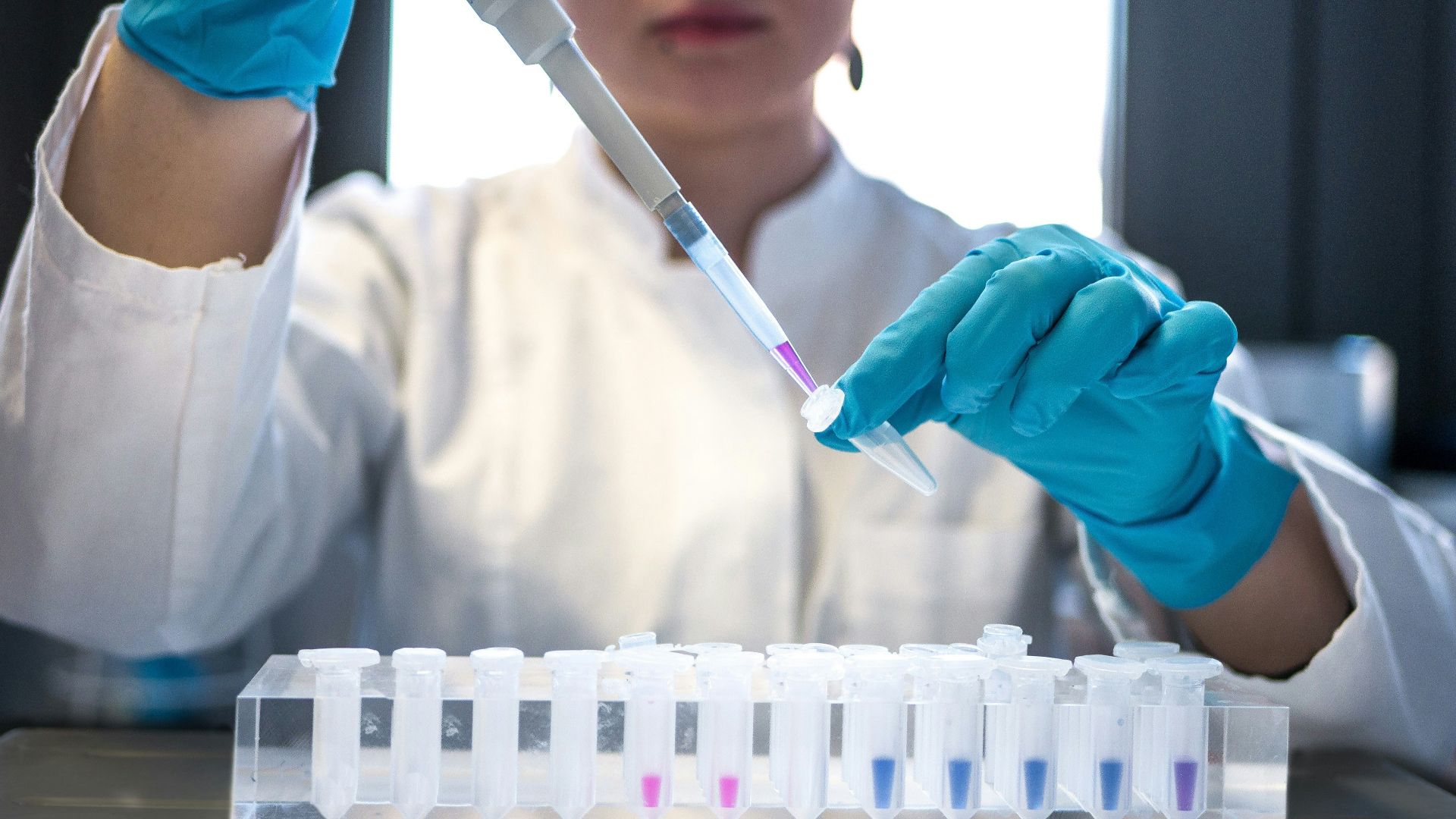
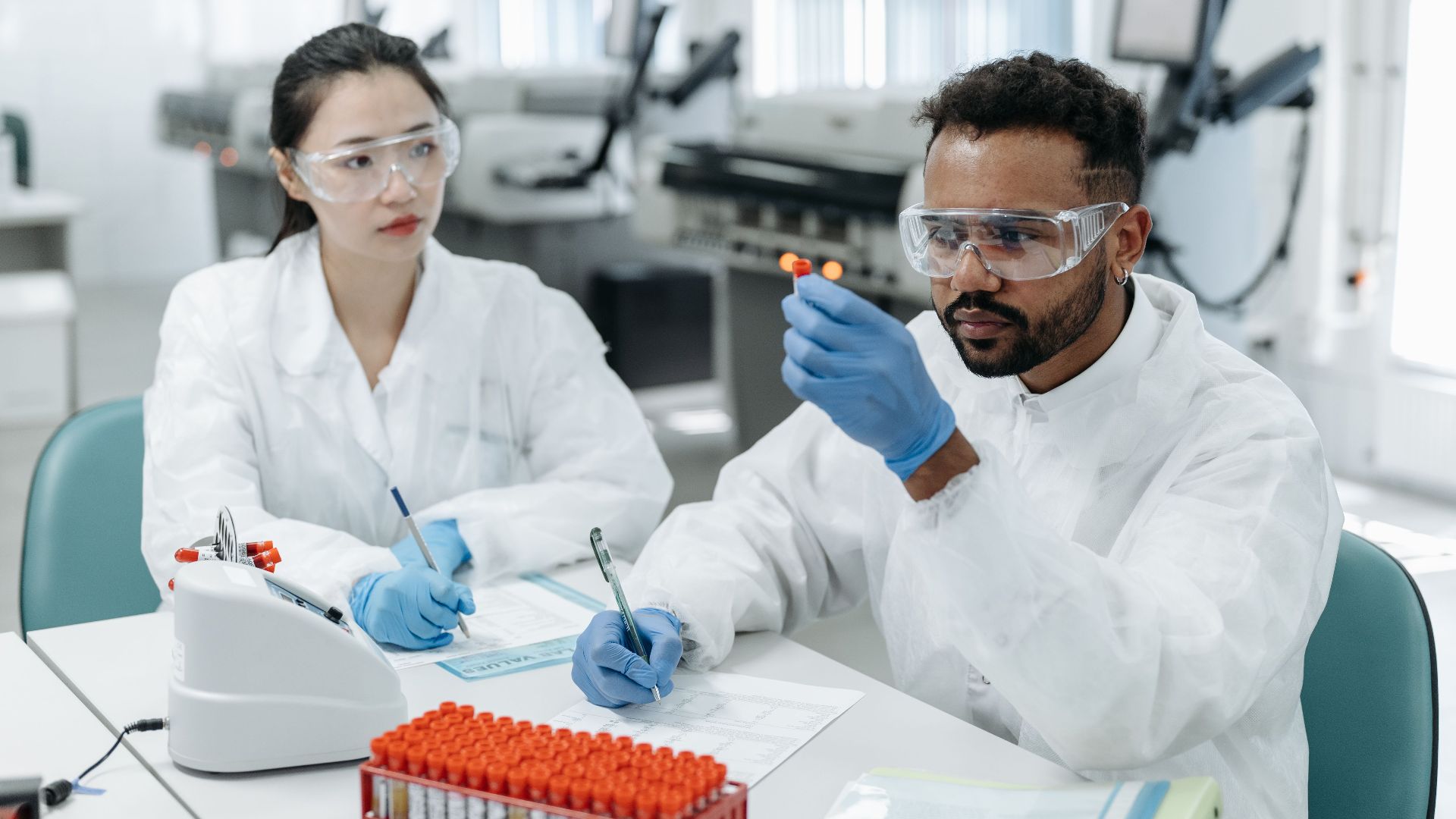
In 2019, researchers collected samples from Ötzi's skin, stomach contents, and the fluids surrounding his body. Their goal was to map the mummy's microbiome and determine whether any ancient microorganisms had survived. What they found exceeded expectations.
Living Yeasts After 5,000 Years
The team identified four species of cold-adapted yeast associated with Ötzi's remains. Even more remarkably, some of these yeasts were still viable. Despite spending thousands of years frozen and decades in a museum preservation chamber, they retained the ability to grow under laboratory conditions.
Not Everything Was Ancient
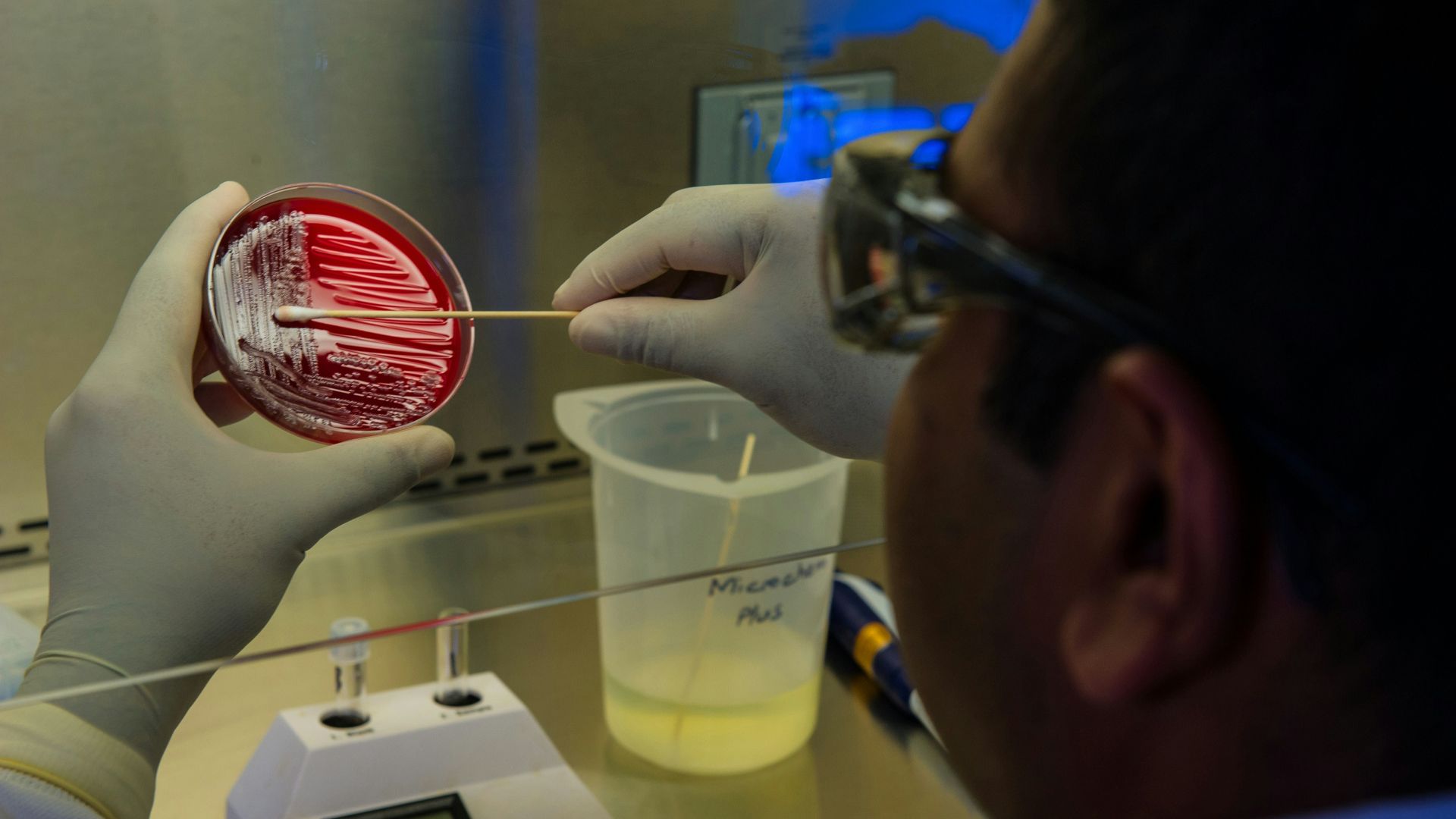
Researchers were careful to separate genuinely ancient microorganisms from modern contamination. Over the years, conservation efforts and scientific handling introduced modern microbes to the mummy. However, genetic analysis showed that several of the yeasts were distinct enough to be considered ancient survivors rather than recent arrivals.
 National Cancer Institute, Unsplash
Then Someone Had An Unusual Idea
Once scientists confirmed the yeasts could grow, they began thinking about possible applications. One obvious test involved fermentation. After all, yeast has been helping humans make bread and alcohol for thousands of years. The team decided to see whether these ancient microorganisms could still perform their traditional job.
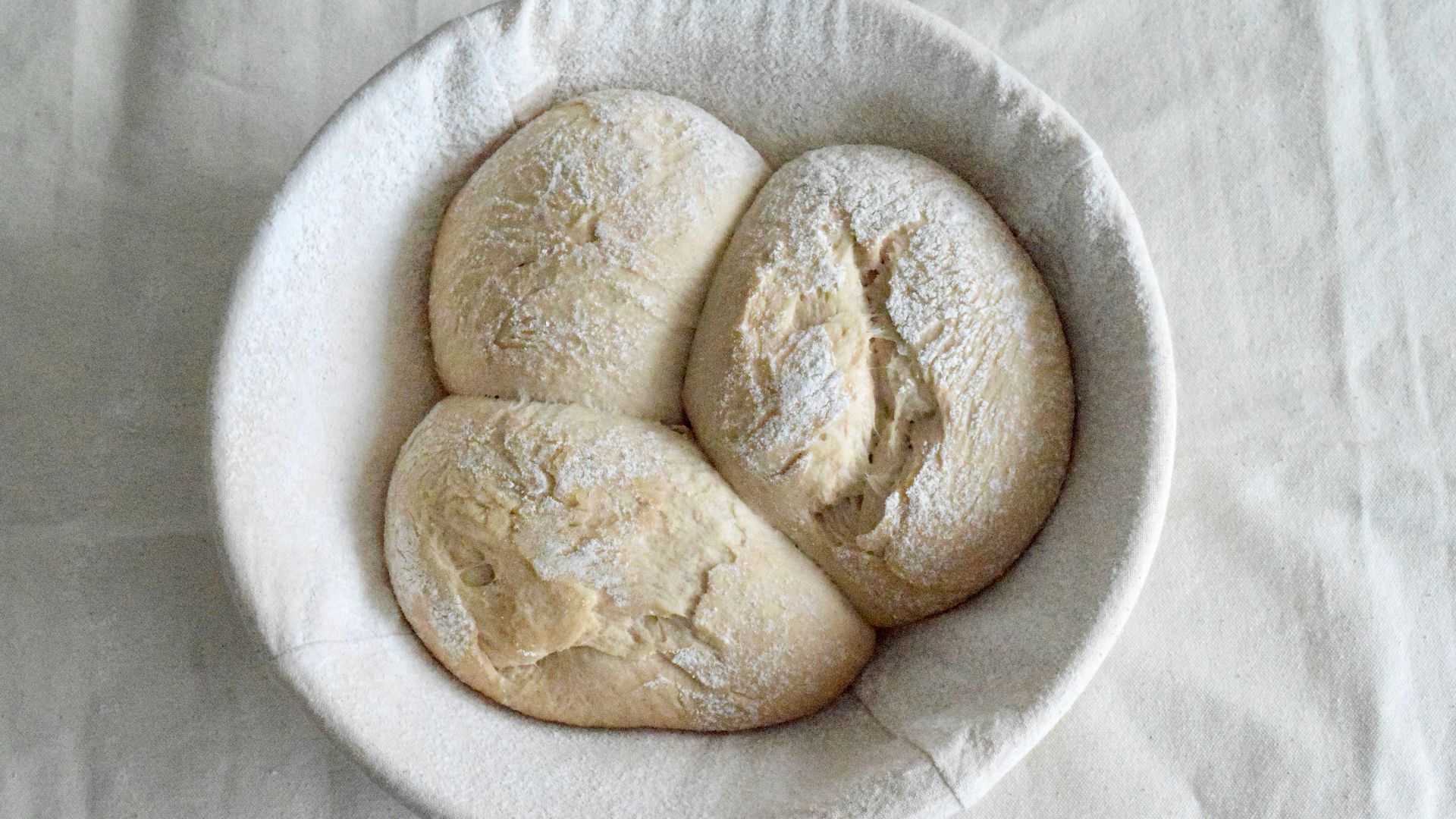
Ancient Yeast Meets Modern Sourdough
Researchers cultivated one of the yeast strains and used it to create a sourdough starter. To their surprise, the dough behaved much like modern sourdough cultures. Within roughly 24 hours, it rose successfully and produced a workable loaf of bread. According to researchers, the early results were encouraging despite being experimental.
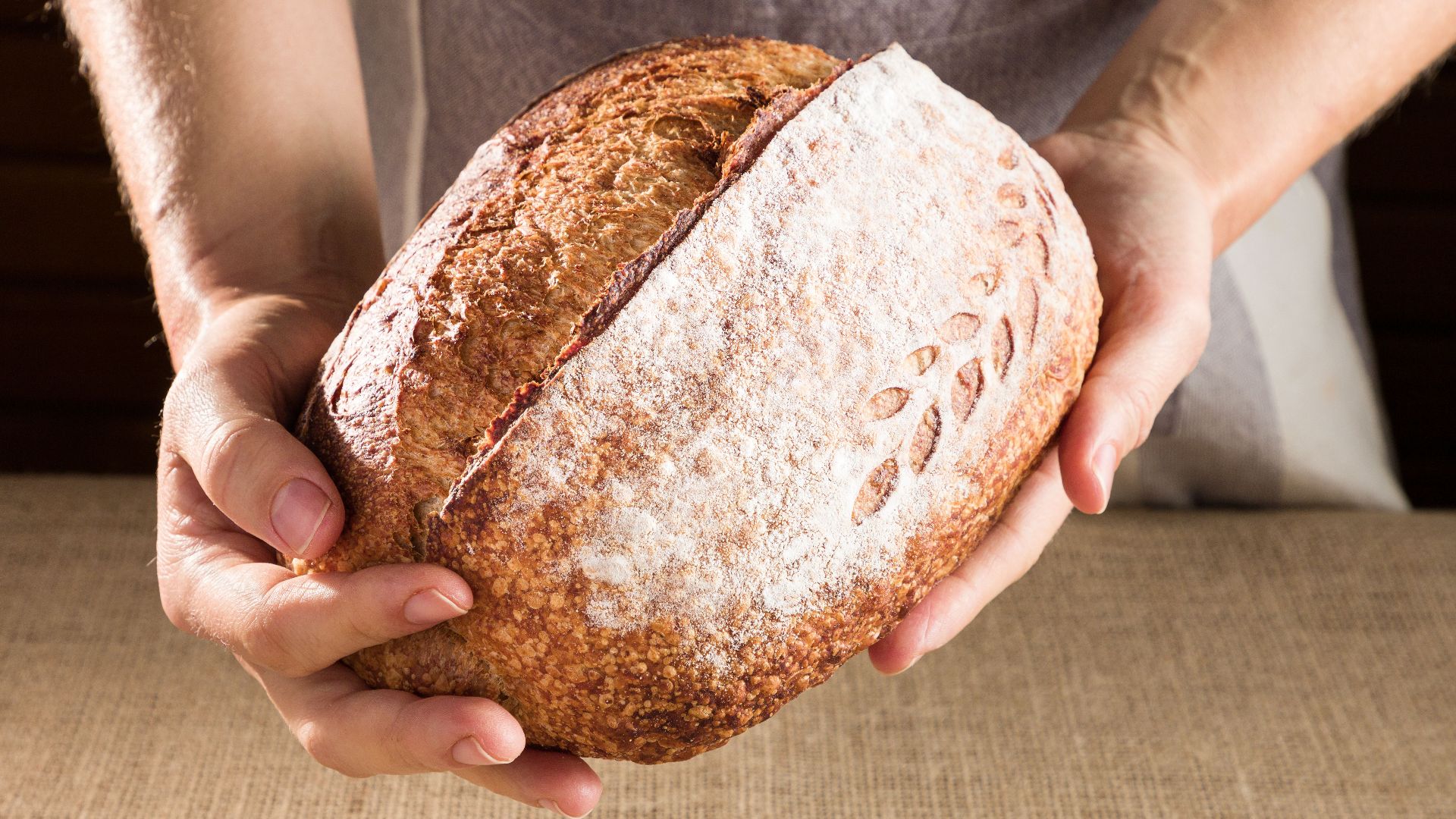 FRANCIANO PUHALES [FF8], Pexels
How Did The Bread Taste?
Scientists admitted that none of them were professional bakers, so the first loaf was far from perfect. Still, the experiment worked. One researcher described the result as "very, very good," suggesting that the ancient yeast remained surprisingly effective despite its age.
Beer Could Be Next
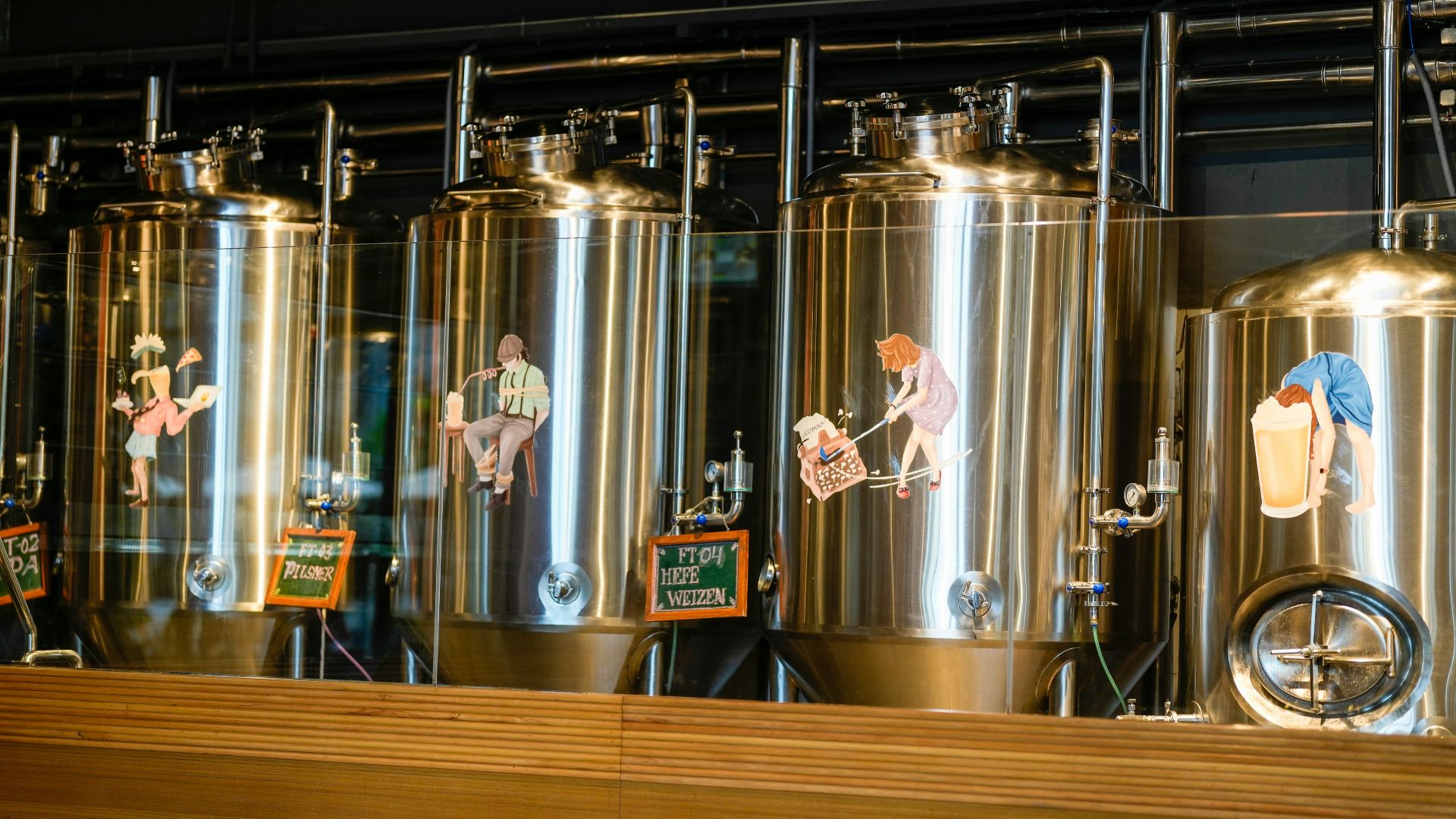
The bread experiment may only be the beginning. Researchers have already discussed future collaborations with brewing specialists to see whether the same yeasts could be used to produce beer. If successful, people may one day get the chance to taste products made with microorganisms linked to a man who lived before the pyramids were built.
Why The Discovery Matters
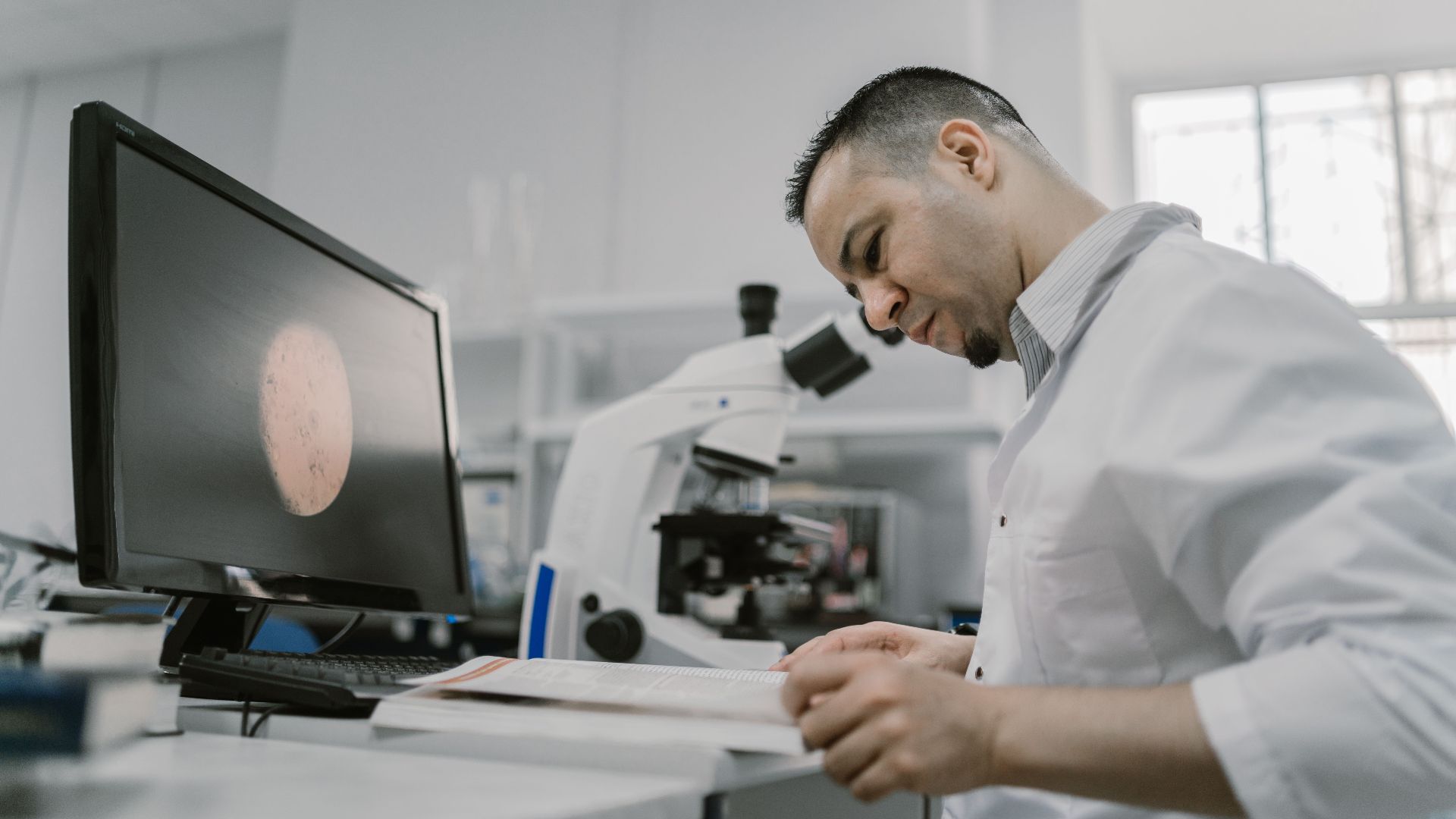
At first glance, making bread from ancient yeast sounds like a fun publicity stunt. In reality, the discovery has serious scientific value. These microorganisms provide a rare glimpse into ancient microbial ecosystems and how they have changed over thousands of years. Understanding these changes could help researchers study everything from human health to the history of food production.
What The Microbiome Reveals About The Past
The study also showed that parts of Ötzi's microbial community resemble populations found in some non-industrialized societies today. This suggests that modern lifestyles may have dramatically altered the microbes humans carry. Ancient microbiomes like Ötzi's could help researchers understand what has been lost during thousands of years of dietary and environmental change.
A Discovery No One Expected
When Ötzi was discovered in 1991, nobody imagined that scientists would one day be studying living yeasts preserved on his body. The find highlights how advances in technology constantly create new opportunities to revisit old discoveries. Artifacts and remains that seemed fully understood decades ago can suddenly reveal entirely new stories.
The Gift That Keeps On Giving
Few archaeological finds have contributed as much knowledge as Ötzi the Iceman. His body has transformed our understanding of Copper Age technology, health, diet, migration, and violence. Now it is helping scientists explore ancient microbiology and even experimental food science. More than 5,000 years after his death, Ötzi continues to surprise researchers in ways nobody could have predicted.
 Robert J Heath, Wikimedia Commons
Final Thoughts
The discovery of living yeast on Ötzi the Iceman's remains is one of those rare stories that manages to be both scientifically important and genuinely entertaining. On one level, it demonstrates the incredible preservation of one of the world's most famous mummies. On another, it offers researchers a unique opportunity to study ancient microorganisms that may still have practical uses today. Whether the future holds more sourdough, experimental beer, or entirely new scientific breakthroughs, one thing is clear: Ötzi remains one of archaeology's greatest gifts to science, and even after three decades of study, he is still rewriting the history books.
You May Also Like:
Scientists revealed the strongest evidence yet that life may have existed on Mars.