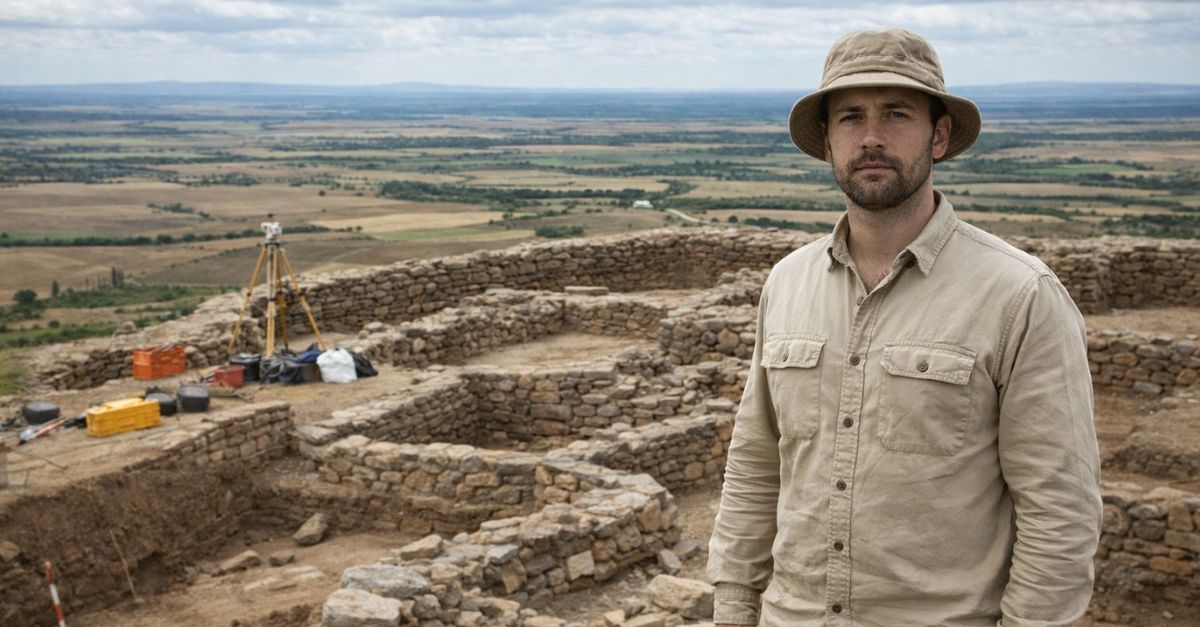
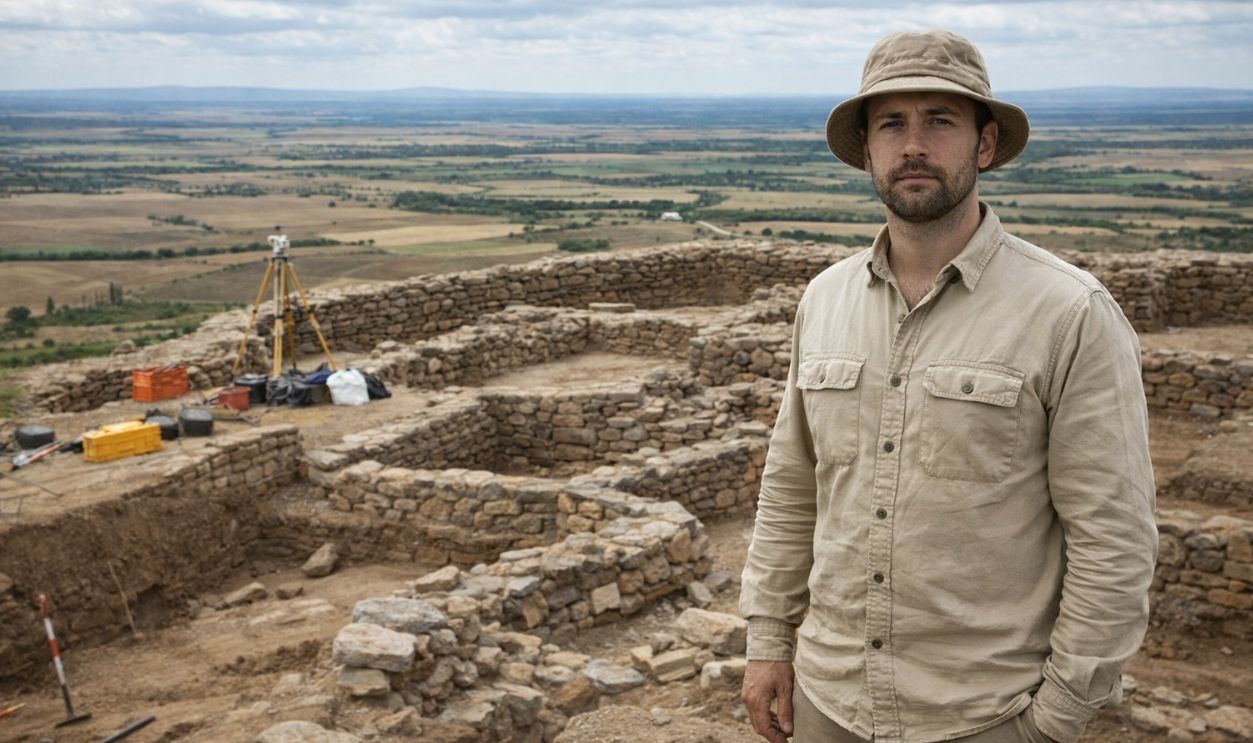
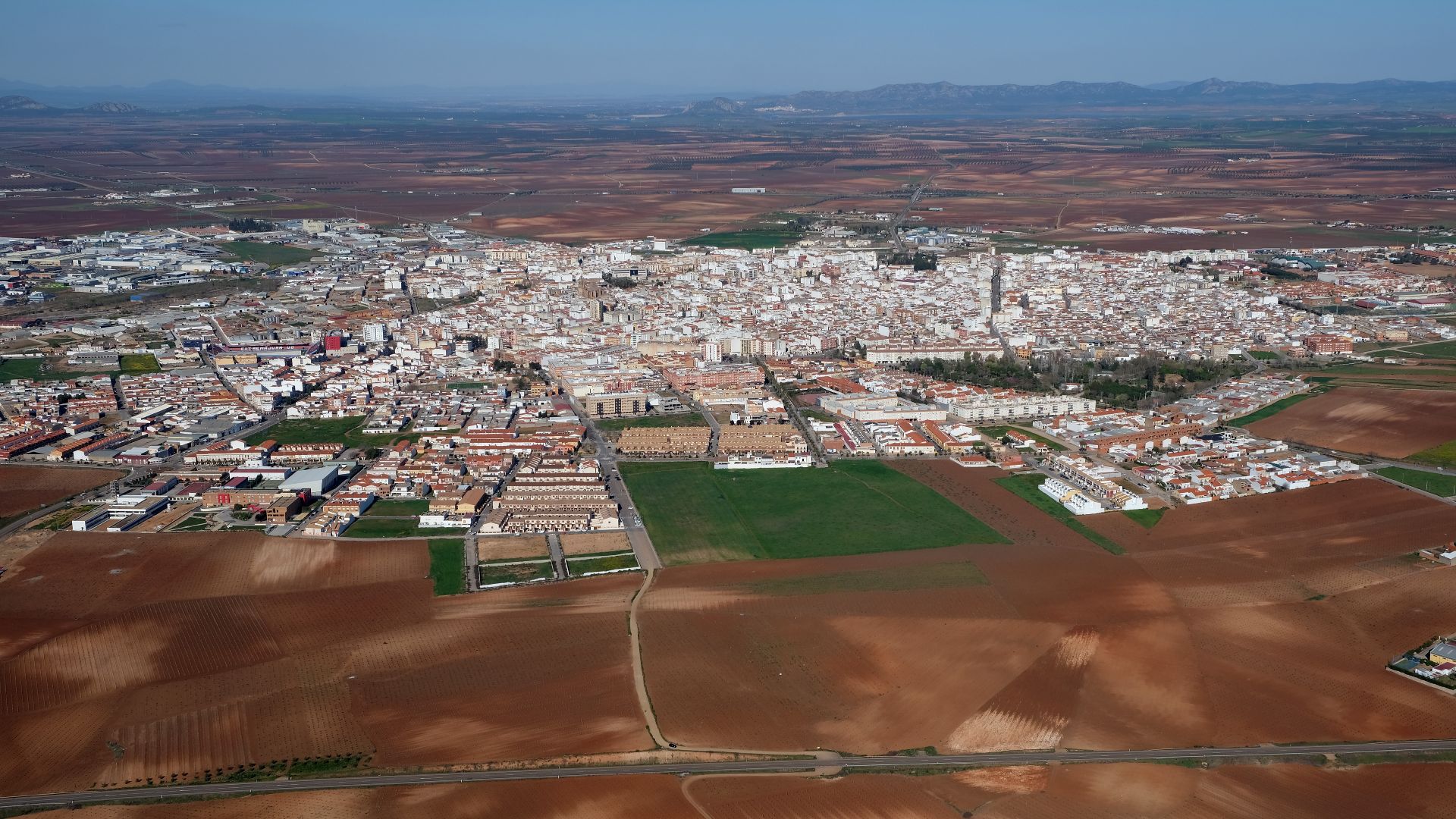
The rolling hills of southwestern Spain hide architectural ambitions that predate the pyramids. Ground-penetrating radar and aerial surveys recently revealed a substantial fortification system encompassing a single hilltop near Almendralejo, where Copper Age communities carved defensive earthworks into the terrain around 2900 BCE. Stone bastions jutted from strategic points along ridgelines, while Concentric ditches—some reaching up to 6.5 feet deep—encircled settlements commanding views across the Guadiana River basin. This wasn't a primitive village huddled behind crude barriers. Archaeological evidence points to sophisticated military engineering, coordinated labor forces involving a substantial community, and social hierarchies capable of organizing monumental construction projects that would have consumed years of communal effort.
Bastions Built For Bronze Age Battles
The fortress complex spans approximately 3.2 acres on a prominent hilltop, with survey data revealing at least 25 prominent bastions positioned at intervals along the perimeter walls. These projecting structures, semicircular in form, extended up to approximately 20 feet across, to create overlapping fields of fire where defenders could rain projectiles on attackers from multiple angles. Archaeologists from Tera SL identified concentrations of arrowheads clustered near bastion locations, suggesting these platforms served as ammunition depots during conflicts. The defensive ditches averaged up to 6.5 feet in depth and stretched up to 13 feet across. These required the excavation of substantial volumes of rock and earth.
Radiocarbon dating of charcoal samples from the lowest ditch layers places construction firmly in the Late Copper Age, aligning with the late Chalcolithic period preceding the widespread Beaker culture across Iberia. This timing aligns with a documented surge in fortified settlements throughout southern Spain, indicating escalating territorial disputes as populations grew and competition for agricultural land, water sources, and copper deposits intensified. The Guadiana basin's fertile floodplains and accessible copper outcrops made this region particularly valuable, and it transformed peaceful farming communities into militarized societies willing to invest massive resources in defensive infrastructure.
Engineering Ambition Carved In Stone And Soil
Construction techniques reveal an advanced understanding of military architecture and terrain manipulation. Builders positioned the fortress to exploit natural topography by placing walls along ridgelines that already provided elevation advantages while channeling attackers into kill zones where defenders held overwhelming tactical superiority. Geophysical surveys detected stone wall foundations averaging up to 5 feet in thickness at the base, constructed from locally quarried stone and adobe materials. Surveys identified remnants of wooden elements, such as doors, integrated with stone foundations, and this suggested composite defensive structures combining permanent masonry with renewable wooden elements that could be quickly repaired after assaults. The concentric ditch systems incorporated clever drainage engineering—subtle grading directed water away from inhabited areas while creating muddy obstacles that would bog down attackers attempting to cross.
The excavations also uncovered rock-cut ditch profiles that efficiently managed depth and material removal, with excavated earth piled on the inner side to create ramparts that further increased effective wall height. Labor investment, based on site complexity, suggests substantial organized effort over several years to complete the earthworks alone, not accounting for stone quarrying or wall construction, achievable only through centralized authority capable of coordinating workforce schedules, tool production, and food provisioning for laborers diverted from agricultural duties.
Copper's Curse And Cultural Upheaval
The fortress's existence illuminates darker aspects of technological progress during the Copper Age transition. Introduction of metal tools and weapons created unprecedented inequalities, as communities controlling copper sources accumulated wealth and military advantages over neighbors relying on stone implements. Recent excavations at similar Iberian sites recovered copper daggers, awls, and ornamental items exclusively from elite burials, demonstrating that metallurgical knowledge remained restricted to privileged classes. Violence markers on skeletal remains from this period increased dramatically—Cranial trauma consistent with blunt-force weapons appears in a significantly higher proportion of adult male burials from fortified settlements (up to 28% in some studies), compared to lower rates in earlier Neolithic contexts.
The Almendralejo fortress represents both protection and aggression, a monument to communities wealthy enough to mobilize labor for defense while simultaneously threatening neighbors who might covet their resources. Climate proxy data from pollen cores indicate this era experienced periodic droughts that stressed agricultural yields, likely intensifying resource competition and justifying the enormous investment in military infrastructure. The fortress stood for approximately four centuries before apparent abandonment around 2450 BCE, a period that coincided with broader settlement shifts as communities consolidated into larger, more defensible population centers that would eventually evolve into Bronze Age citadels that dominated Iberian terrain for the next millennium.
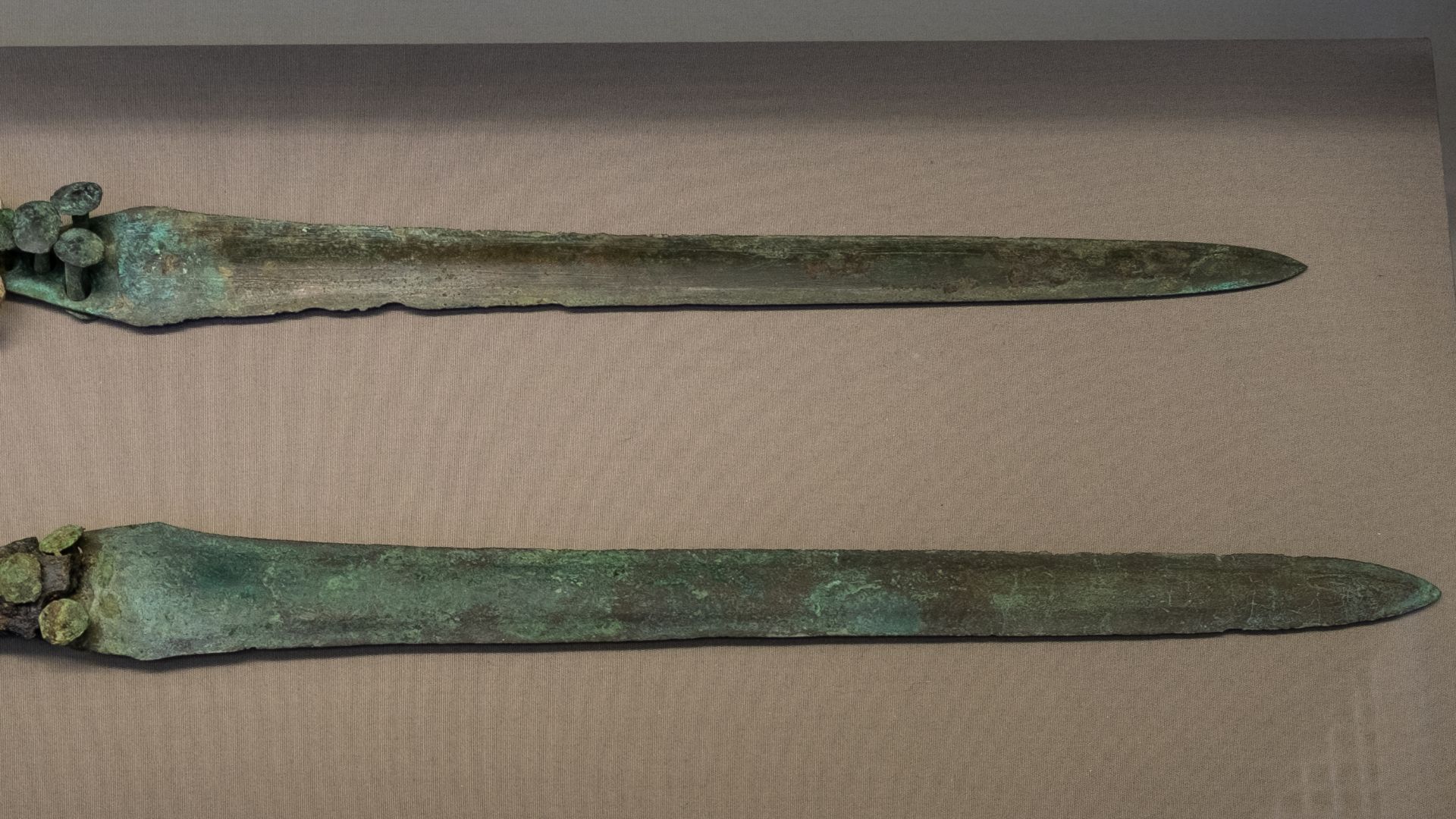 Anthony Huan, Wikimedia Commons