

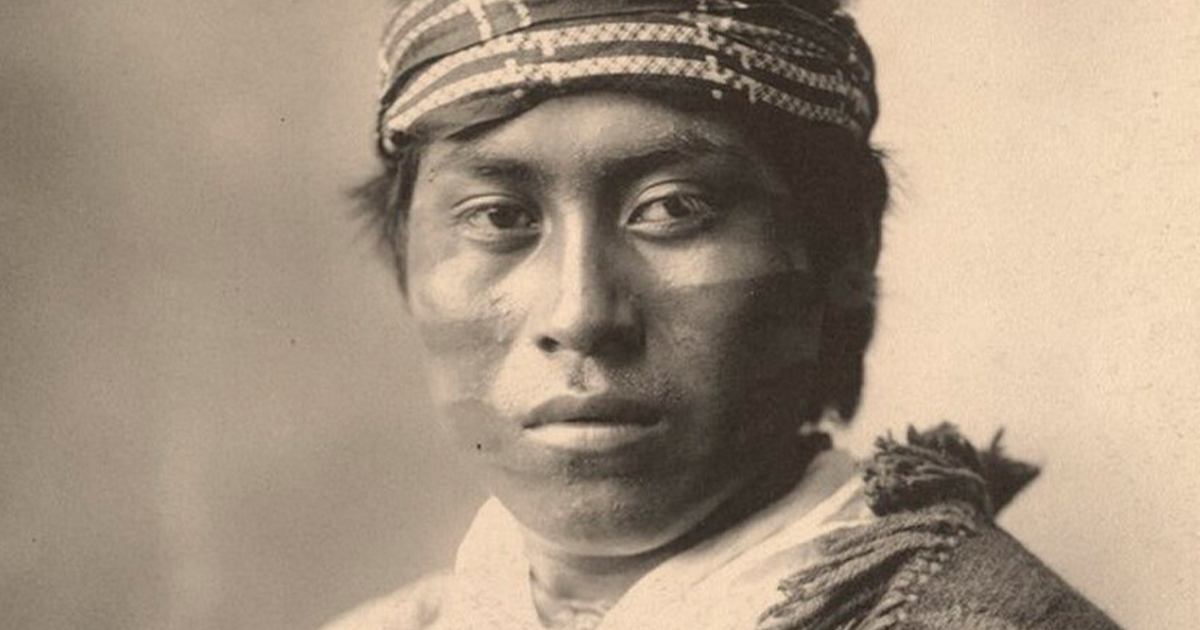
The Tribe That Built Homes Beneath Their Feet
The Ancestral Puebloans didn't just survive the deserts of the American Southwest—they mastered them. They built homes underground, farmed in a harsh climate, and eventually created villages inside towering cliffs. But the deeper archaeologists dug into their story, the more surprising it became.
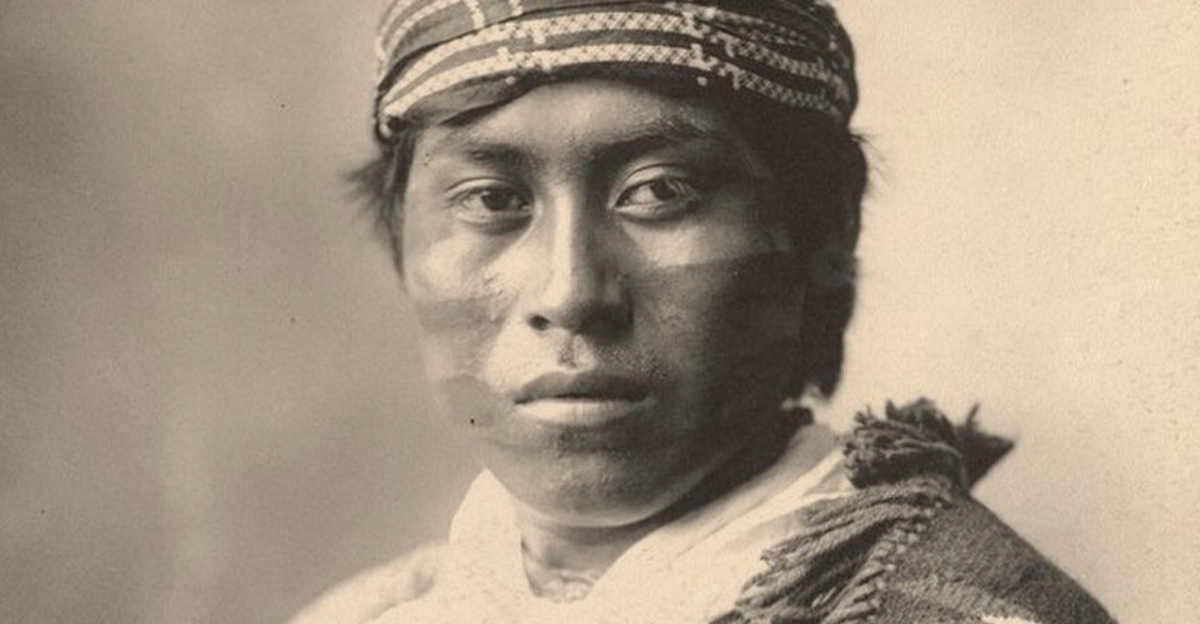 Boston Public Library, Wikimedia Commons
A Story That Begins More Than 1,500 Years Ago
The Ancestral Puebloans lived across parts of present-day Arizona, New Mexico, Utah, and Colorado. Their culture began taking shape around A.D. 500. Today, many Pueblo peoples, including the Hopi and Zuni, trace their ancestry back to these early communities.
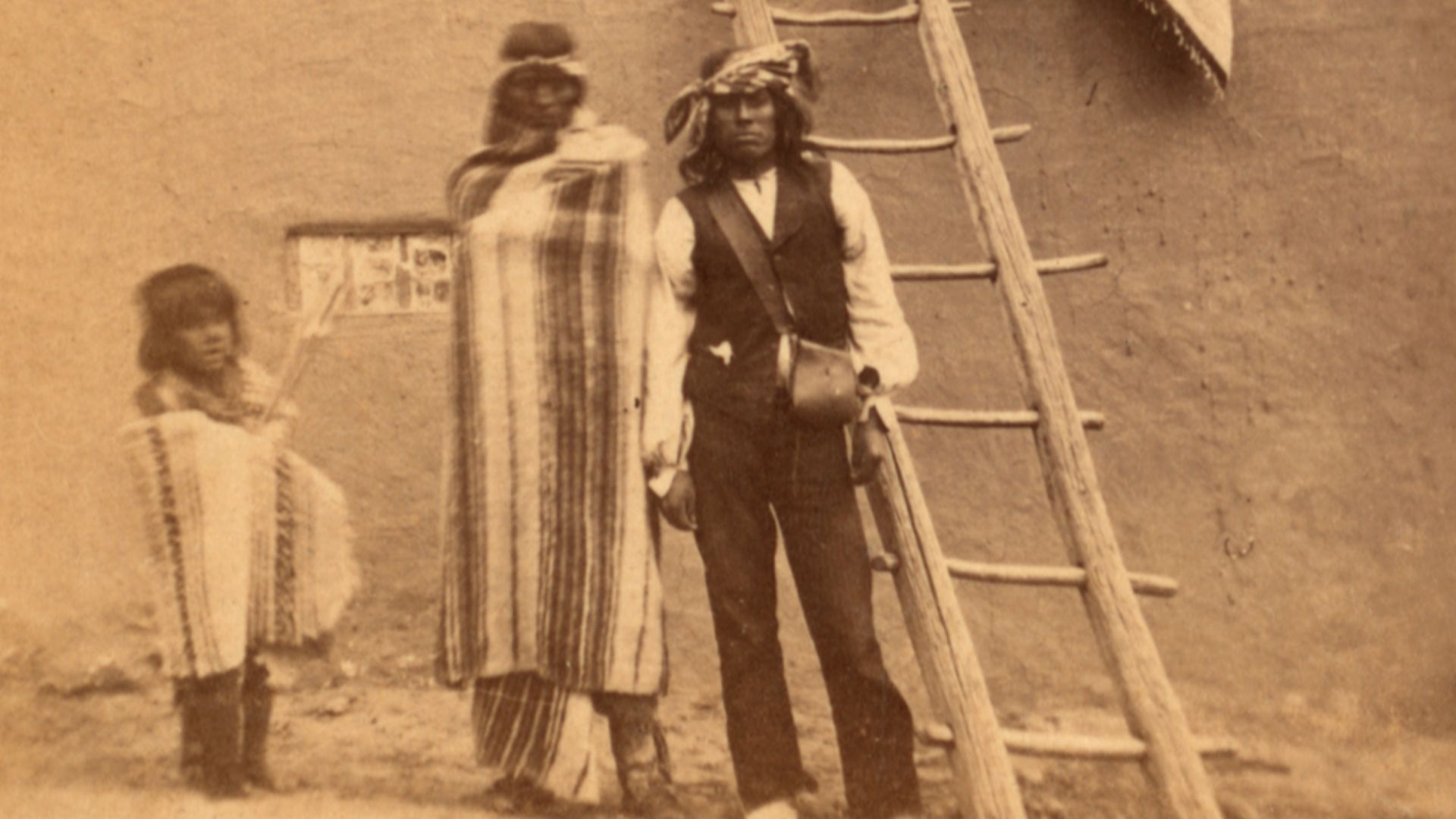 Continent Stereoscopic Company, Wikimedia Commons
Not Exactly Prime Real Estate
The American Southwest is beautiful, but it can also be unforgiving. Rain is unpredictable, summers are hot, and droughts are common. Most people would probably look at the landscape and keep moving. The Ancestral Puebloans looked at it and saw opportunity.
 Merikanto~commonswiki, Wikimedia Commons
Learning to Work With the Land
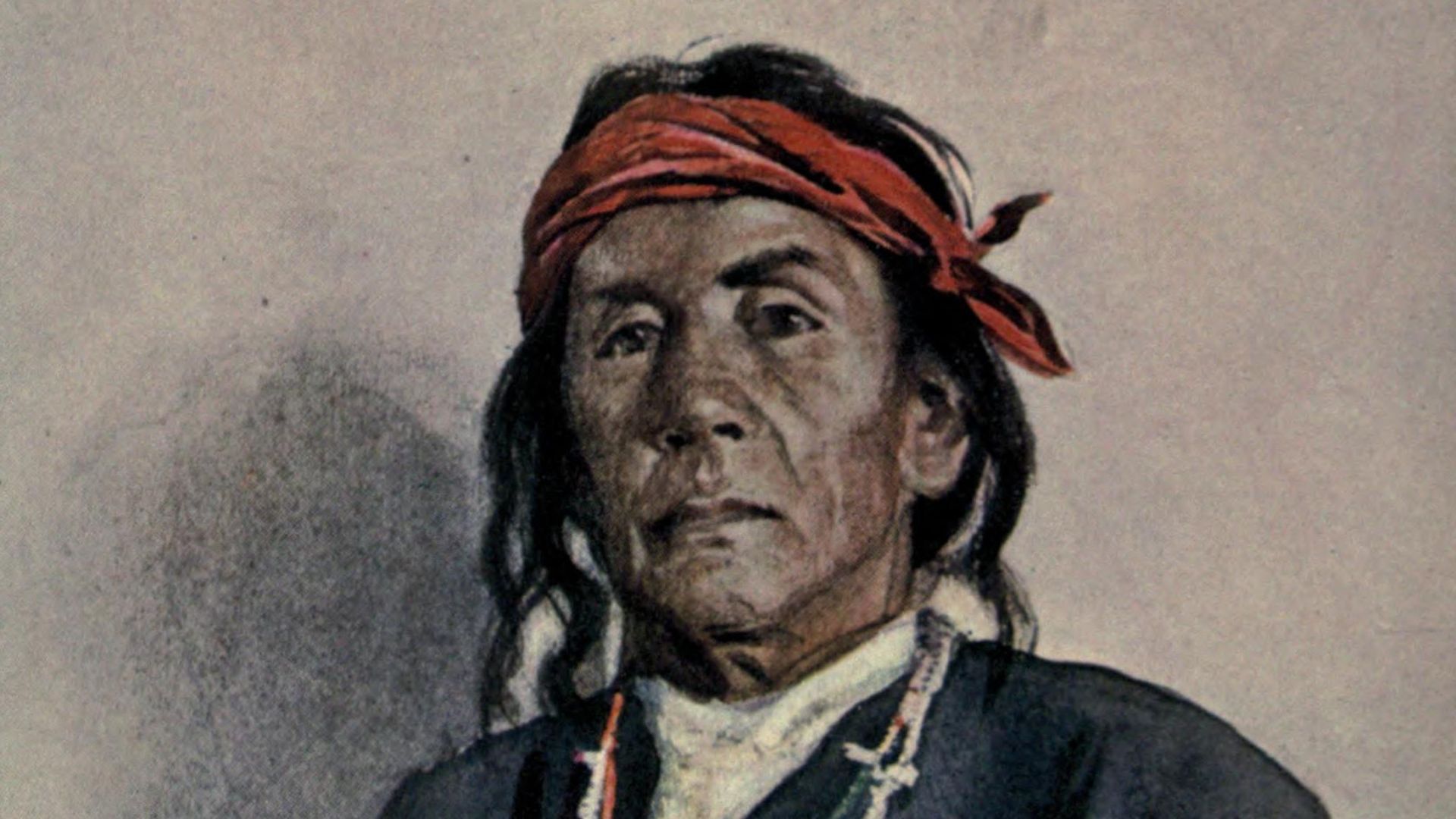
One reason they succeeded was because they adapted to their environment. Instead of trying to force the desert to change, they learned how to make the most of the resources around them. That decision shaped everything that followed.
 Maynard Dixon, Wikimedia Commons
The Crop That Changed Their Future
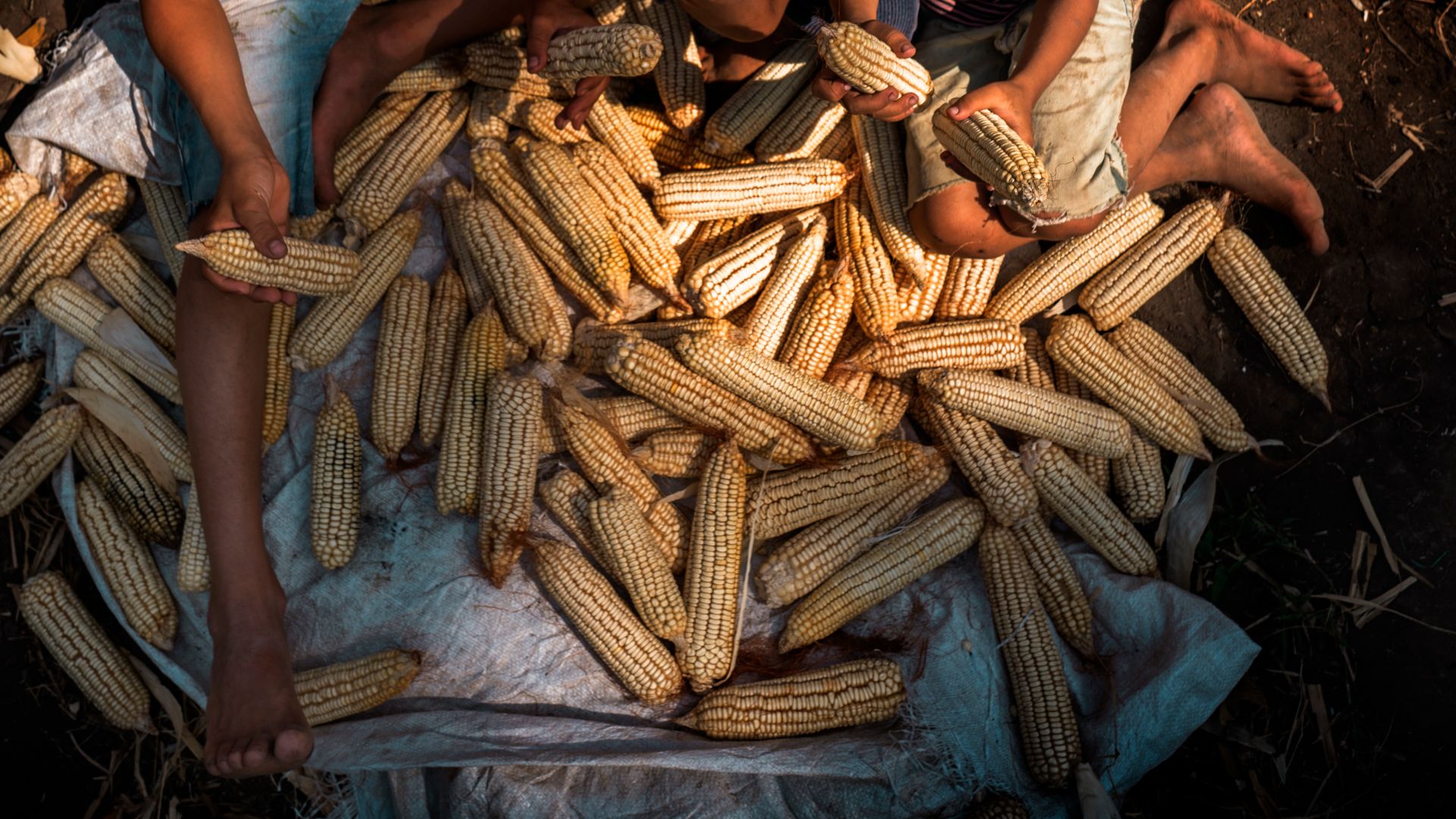
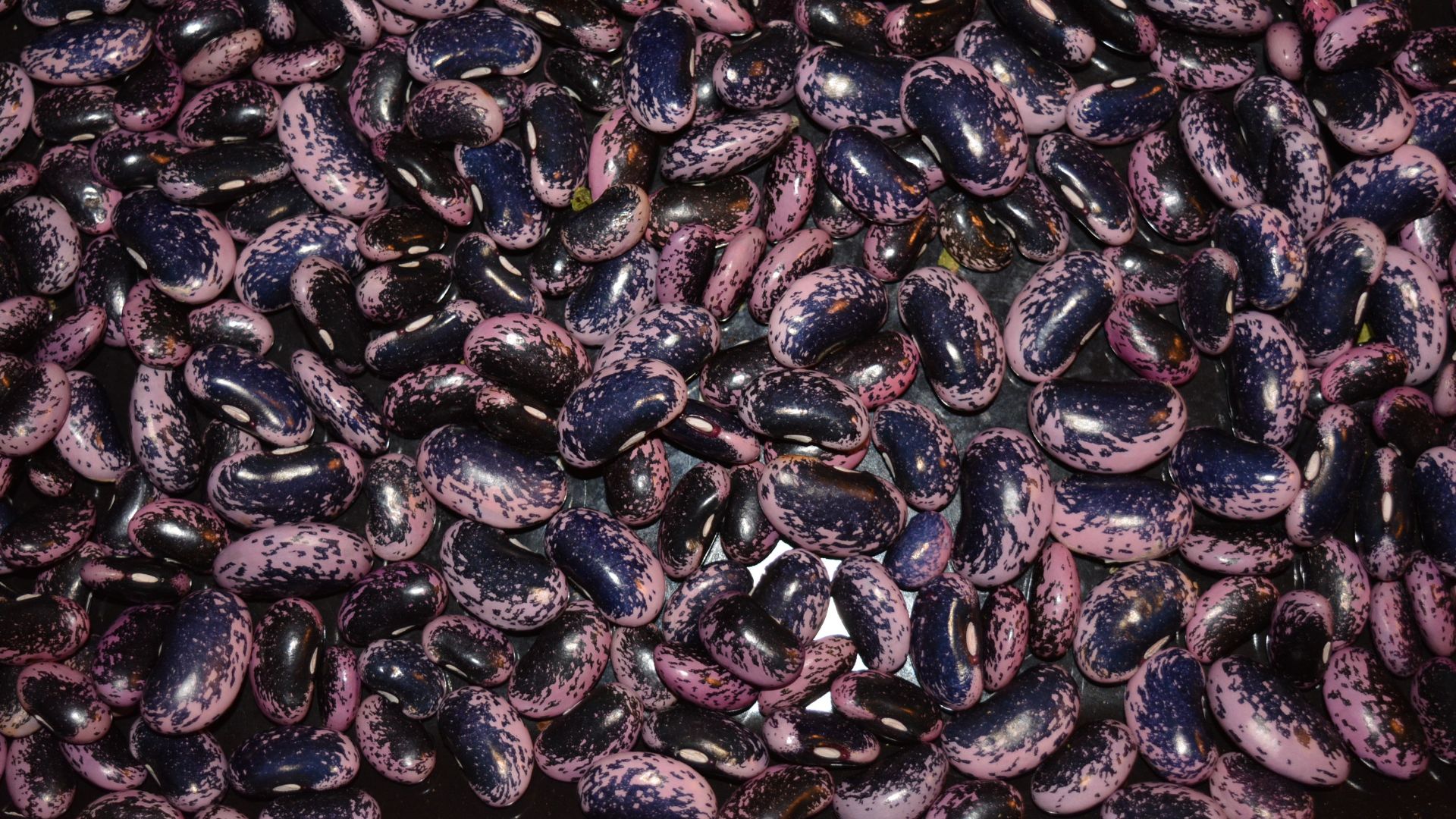
Corn became the foundation of Puebloan life. Families planted it, harvested it, stored it, and depended on it. Beans and squash were important too, but corn was the star of the show and helped support growing populations.
 Summering2018, Wikimedia Commons
Water Was Always on Their Minds
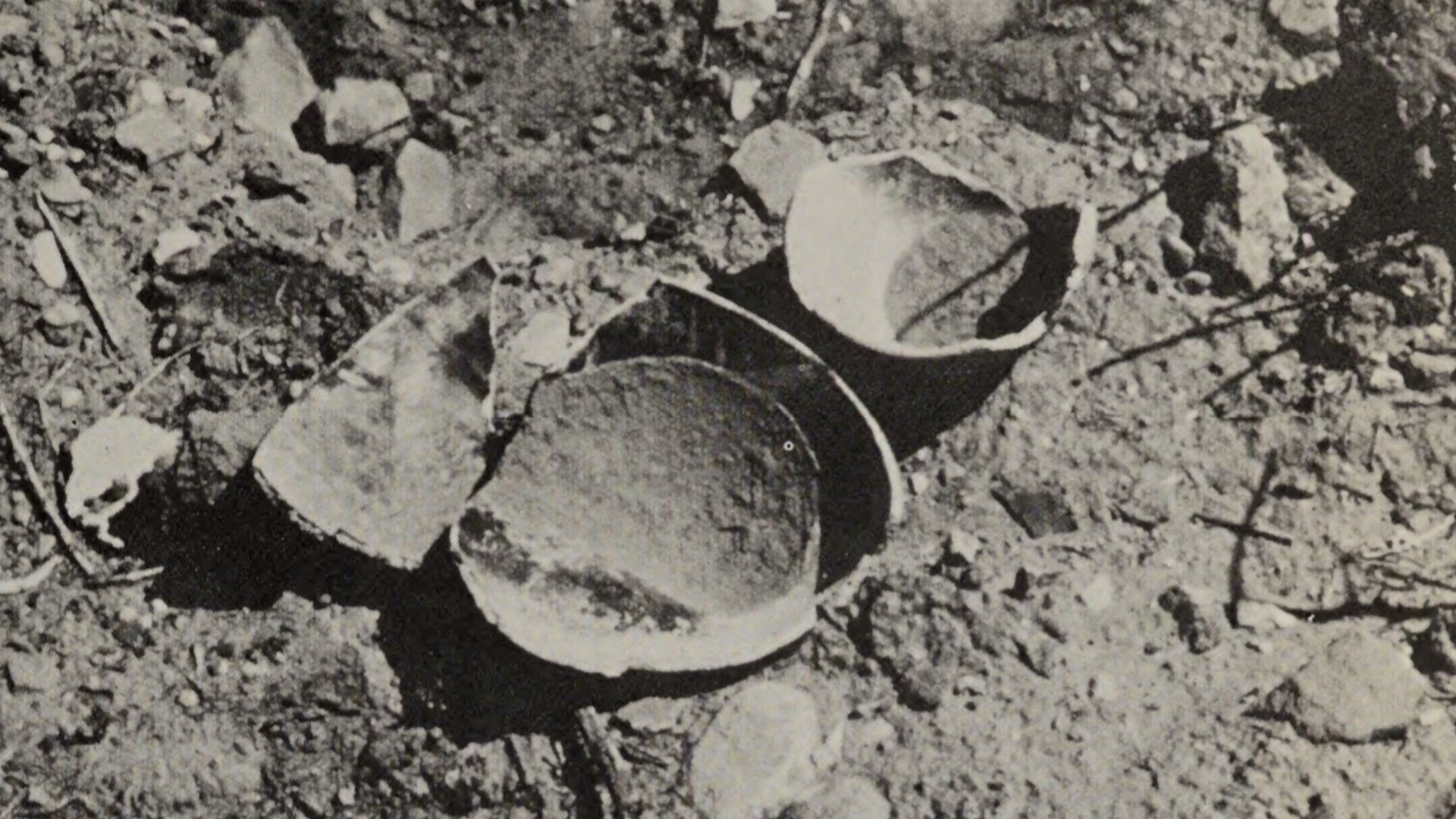
Today, most people get water by turning a faucet. The Ancestral Puebloans had to think much further ahead. They collected rainwater and carefully managed what they had because a dry year could quickly become a difficult year.
 U.S. Department of the Interior, Bureau of Land Management, Wikimedia Commons
Life Started Early
A typical day didn't begin with an alarm clock. It began with work. Fields needed tending, food needed preparing, and tools needed repairing. Everyone contributed in some way because survival depended on it.
 Boston Public Library, Wikimedia Commons
There Was No Such Thing as Fast Food
If someone wanted dinner, there wasn't a restaurant nearby. Corn had to be ground by hand using stone tools before it could be cooked. Every meal required effort long before anyone sat down to eat.
 Ken Lund from Las Vegas, Nevada, USA, Wikimedia Commons
What Was for Dinner?
Corn, beans, squash, wild plants, rabbits, deer, and turkey all appeared on the menu. Meals depended on the season and what was available. People relied on a combination of farming, hunting, and gathering to stay fed.
Building a Community
As farming became more successful, villages began growing larger. Families settled near one another, shared resources, and worked together. The result was a network of thriving communities spread across the Southwest.
 National Photo Company., Wikimedia Commons
Everyone Had a Job
Life wasn't about individual success. It was about helping the community survive. Some people farmed, others built homes, made tools, created pottery, or helped raise children. Cooperation wasn't optional—it was necessary.
 Internet Archive Book Images, Wikimedia Commons
Builders Without Hardware Stores
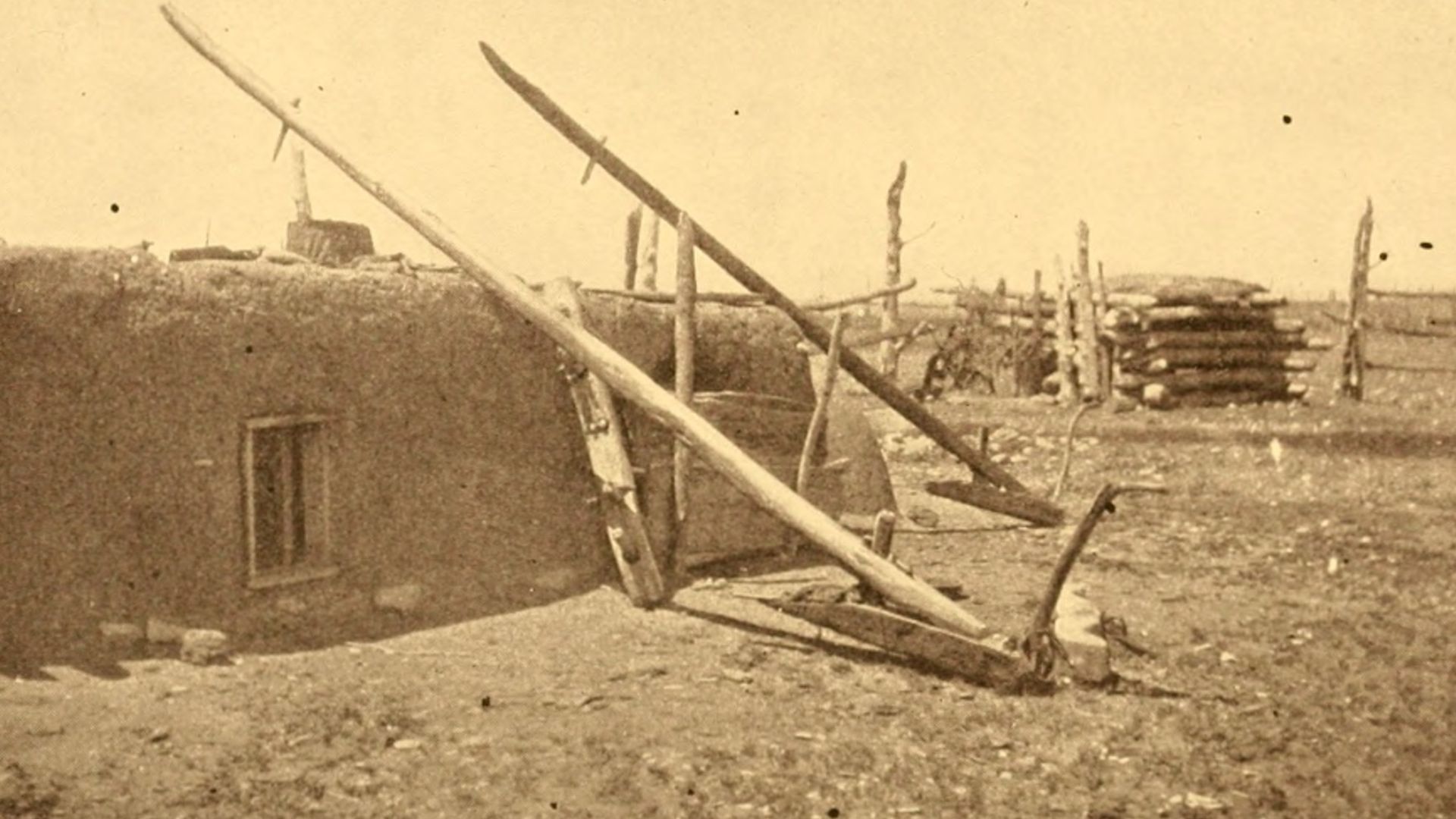
The Ancestral Puebloans became highly skilled builders. Using stone, wood, and adobe, they created homes and public buildings that still stand centuries later. Not bad for people who couldn't make a quick trip to the hardware store.
 Internet Archive Book Images, Wikimedia Commons
Artists in the Desert
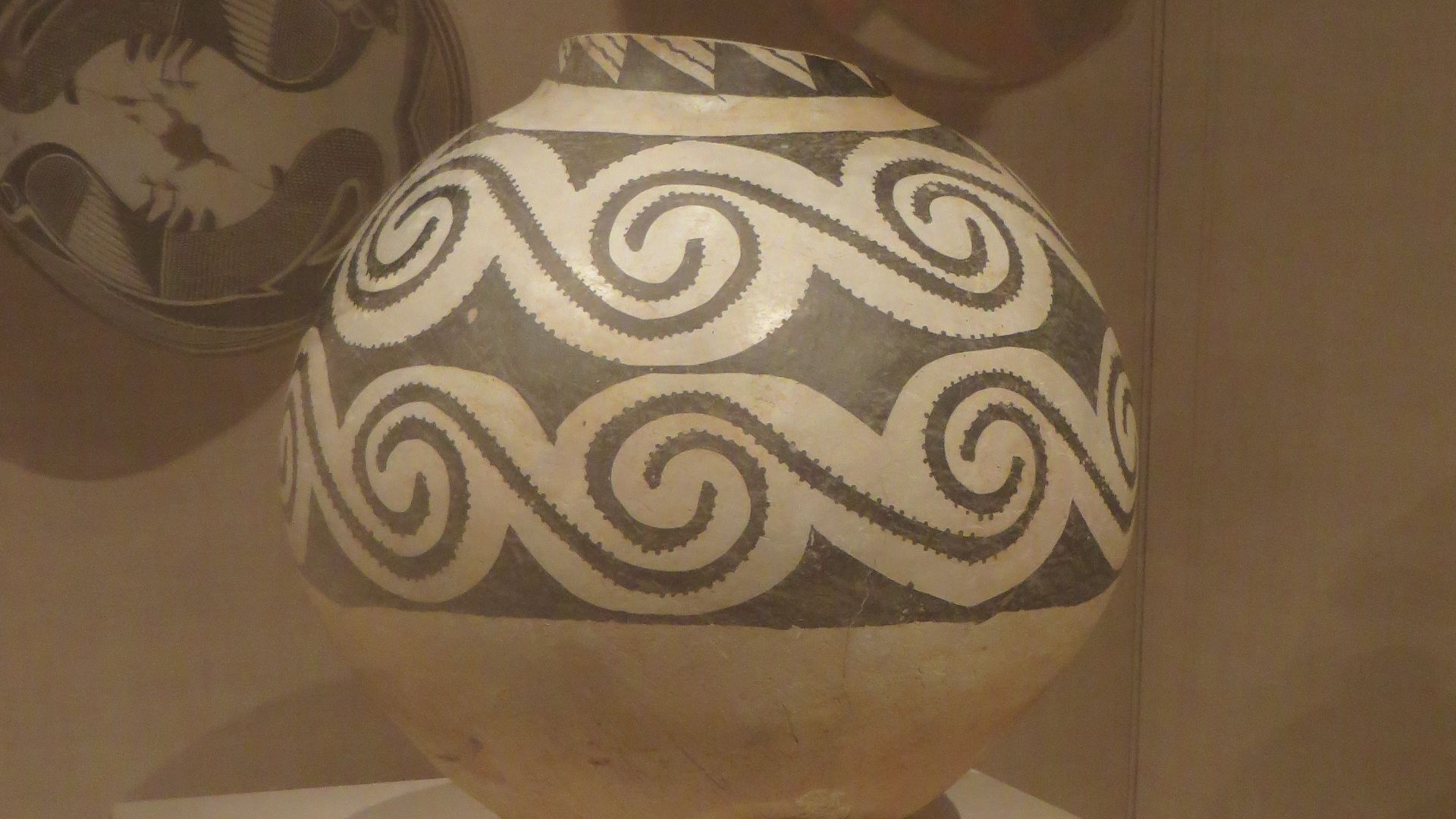
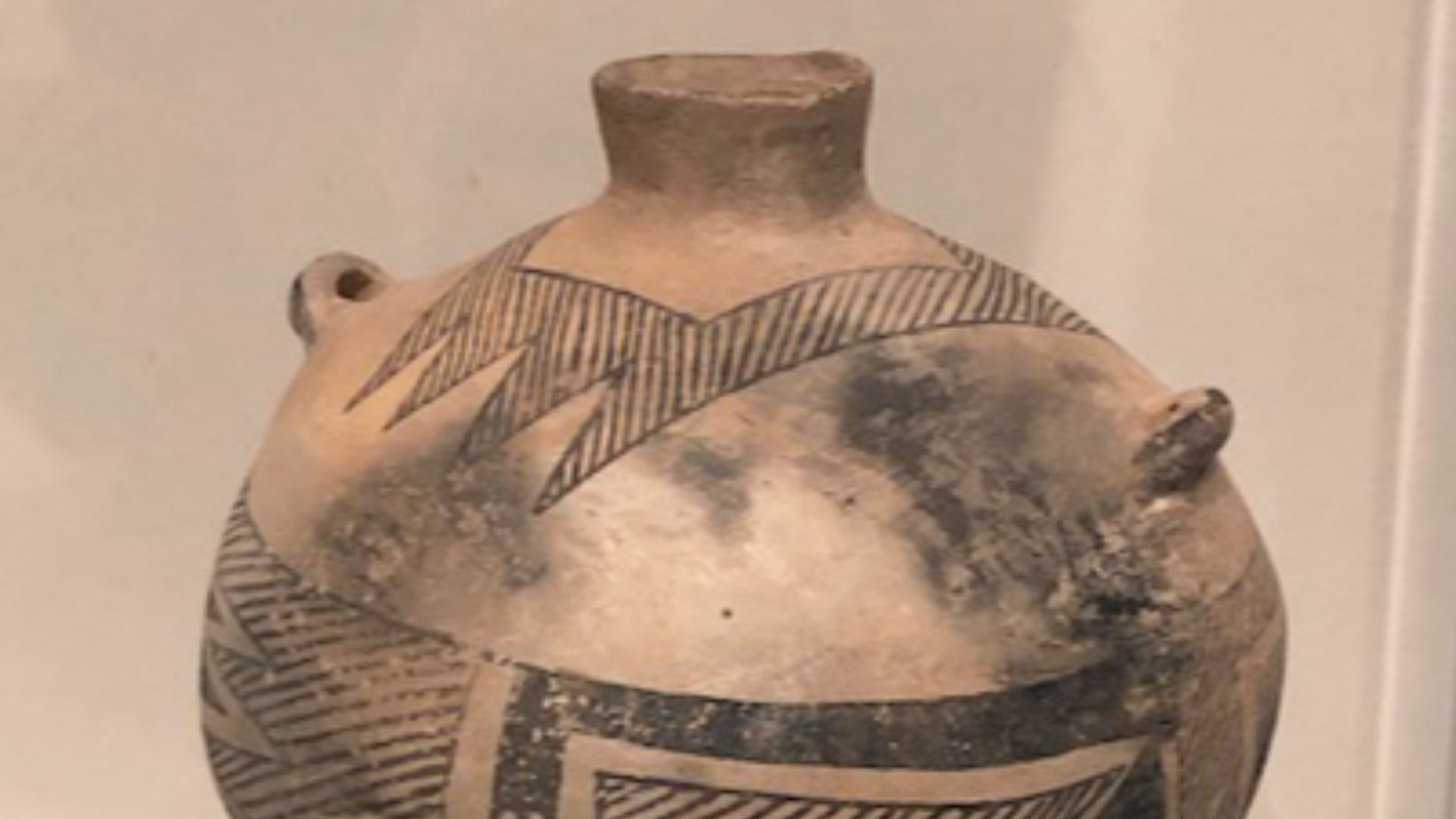
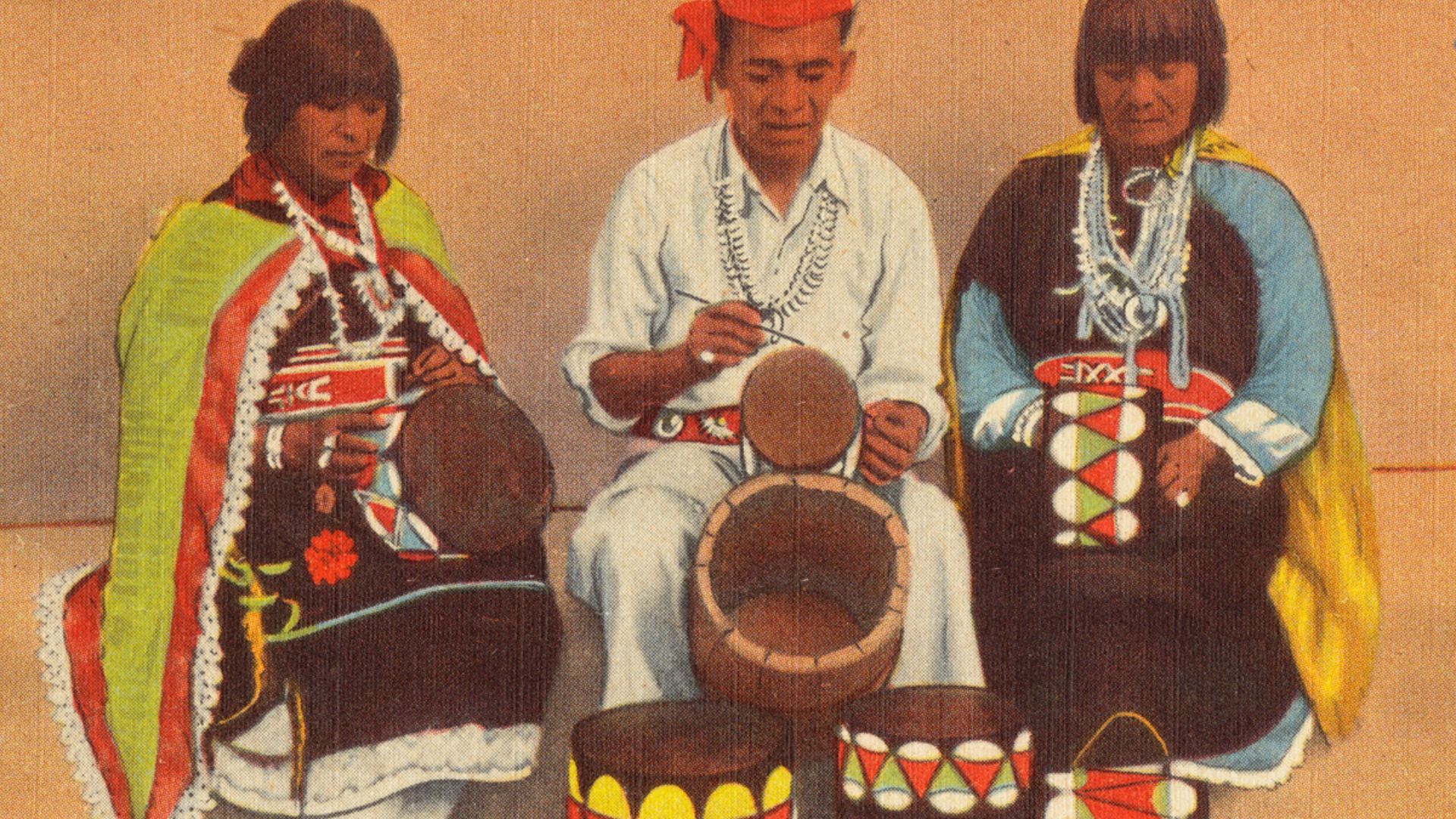
Survival wasn't their only focus. They also created beautiful pottery, baskets, jewelry, and artwork. Many of their black-and-white pottery designs remain some of the most recognizable artifacts from the ancient Southwest.
Trading Across Huge Distances
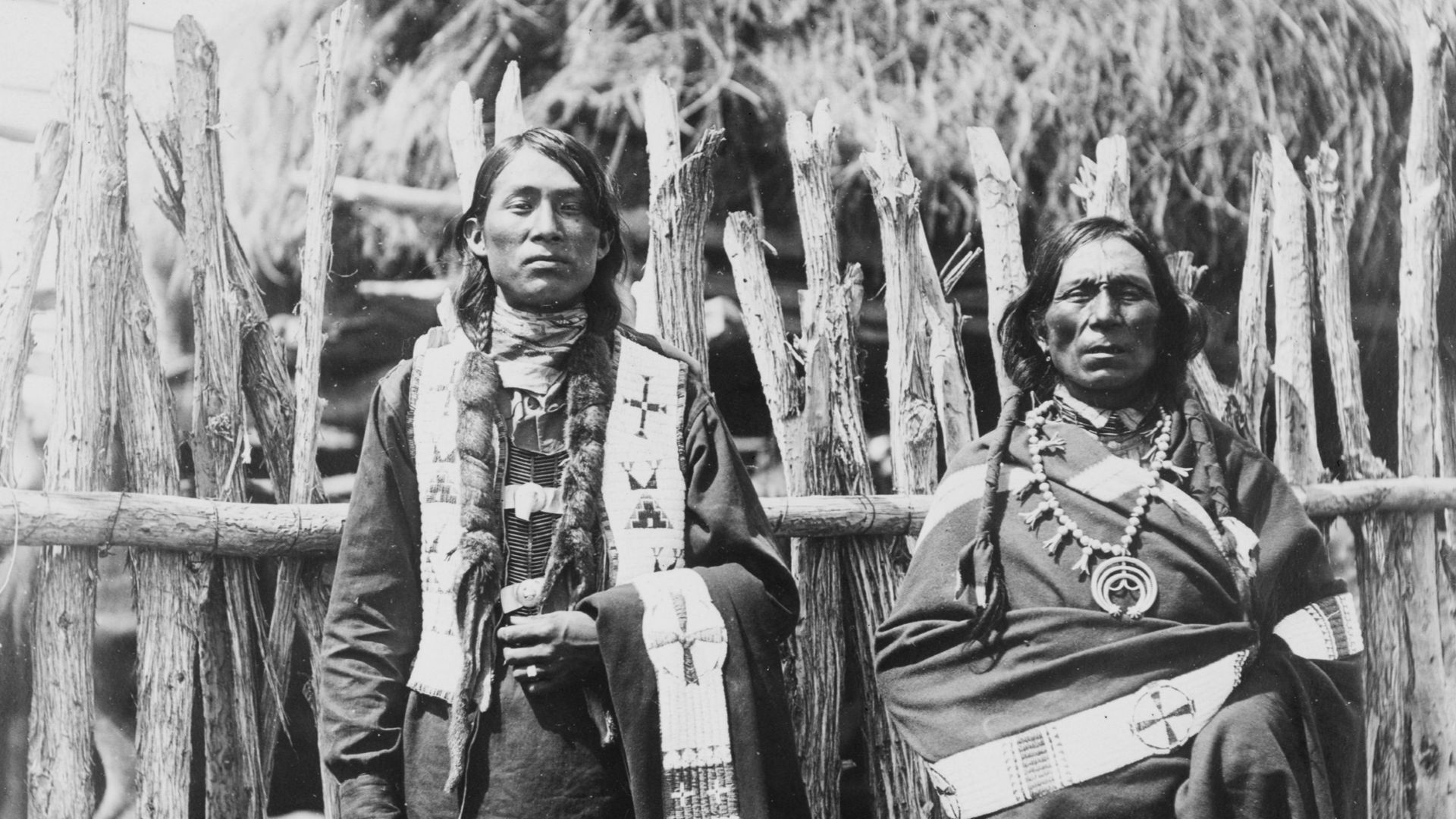
The Ancestral Puebloans were far more connected than many people realize. Archaeologists have found shells from coastal areas and colorful macaw feathers from Mexico. Those items traveled hundreds of miles through trade networks.
 Miscellaneous Items in High Demand, PPOC, Library of Congress, Wikimedia Commons
Chaco Canyon Takes Center Stage
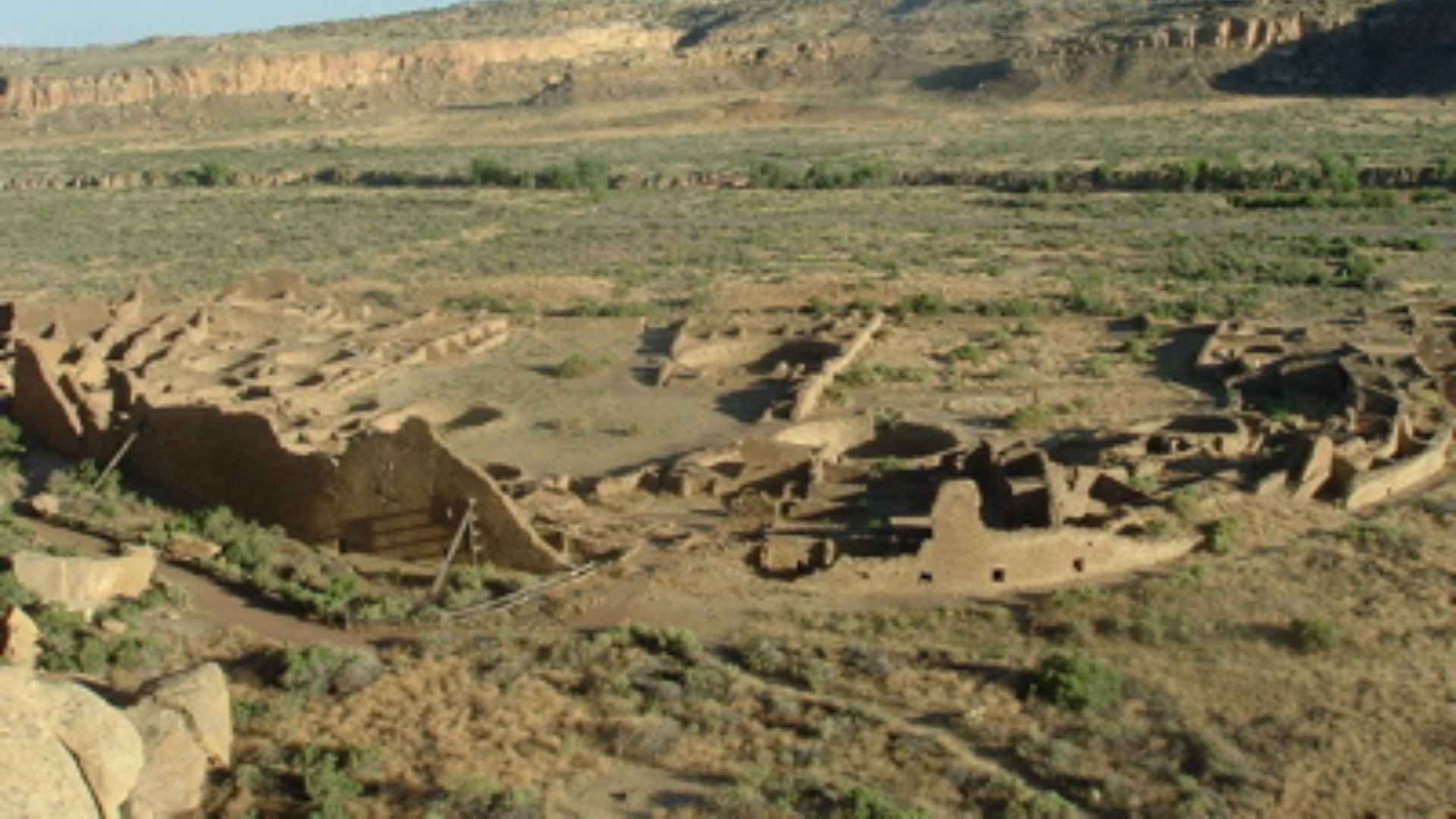
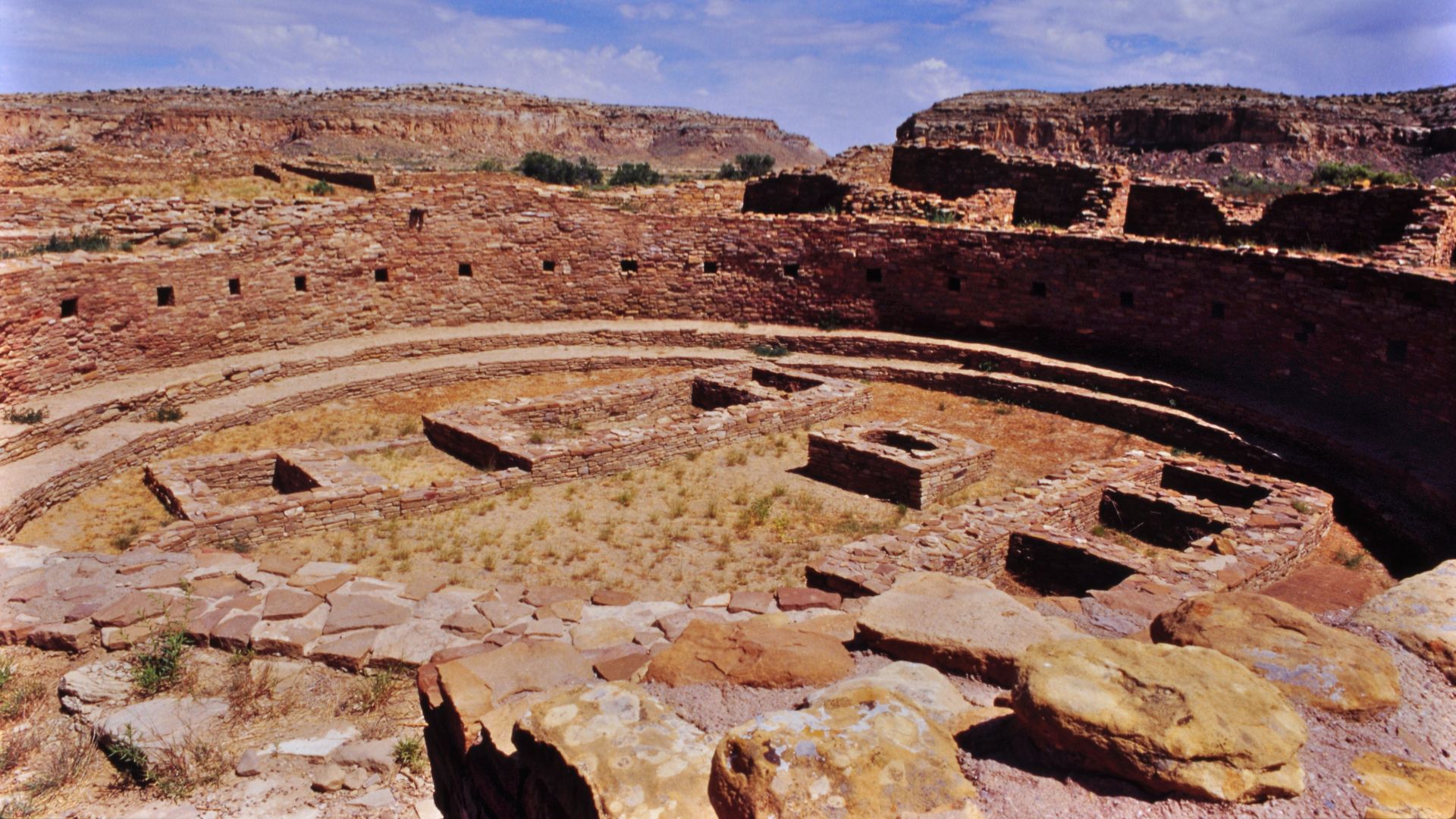
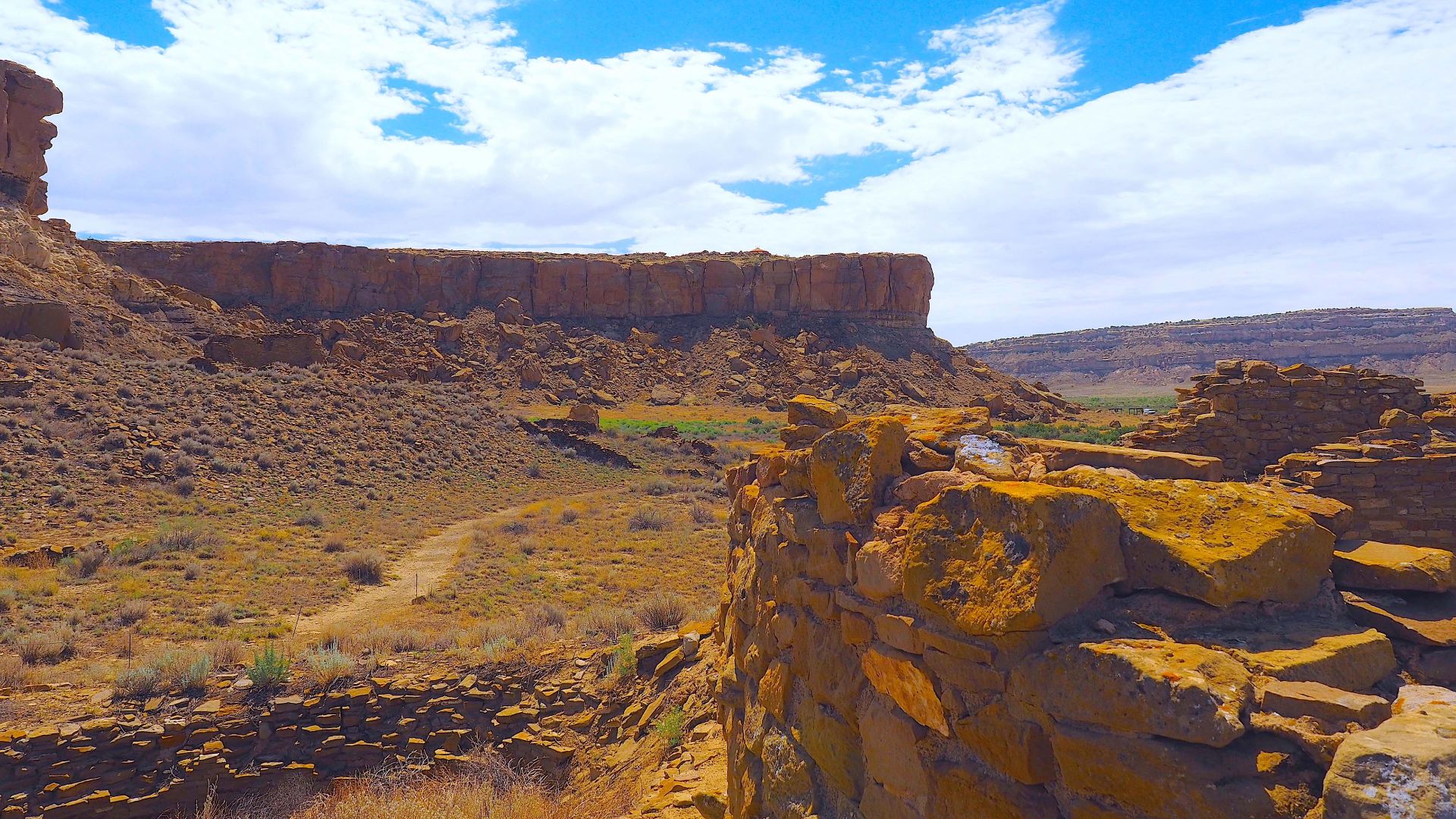
Between A.D. 850 and 1150, Chaco Canyon in present-day New Mexico became one of the most important places in the Southwest. Massive stone buildings known as Great Houses dominated the landscape and connected distant communities.
Roads Through the Desert
One of Chaco Canyon's greatest mysteries is its road system. Some roads stretched for miles across rugged terrain. Why build them? Researchers are still debating the answer, but they clearly required enormous planning and cooperation.
 AlisonRuthHughes, Wikimedia Commons
Family Came First
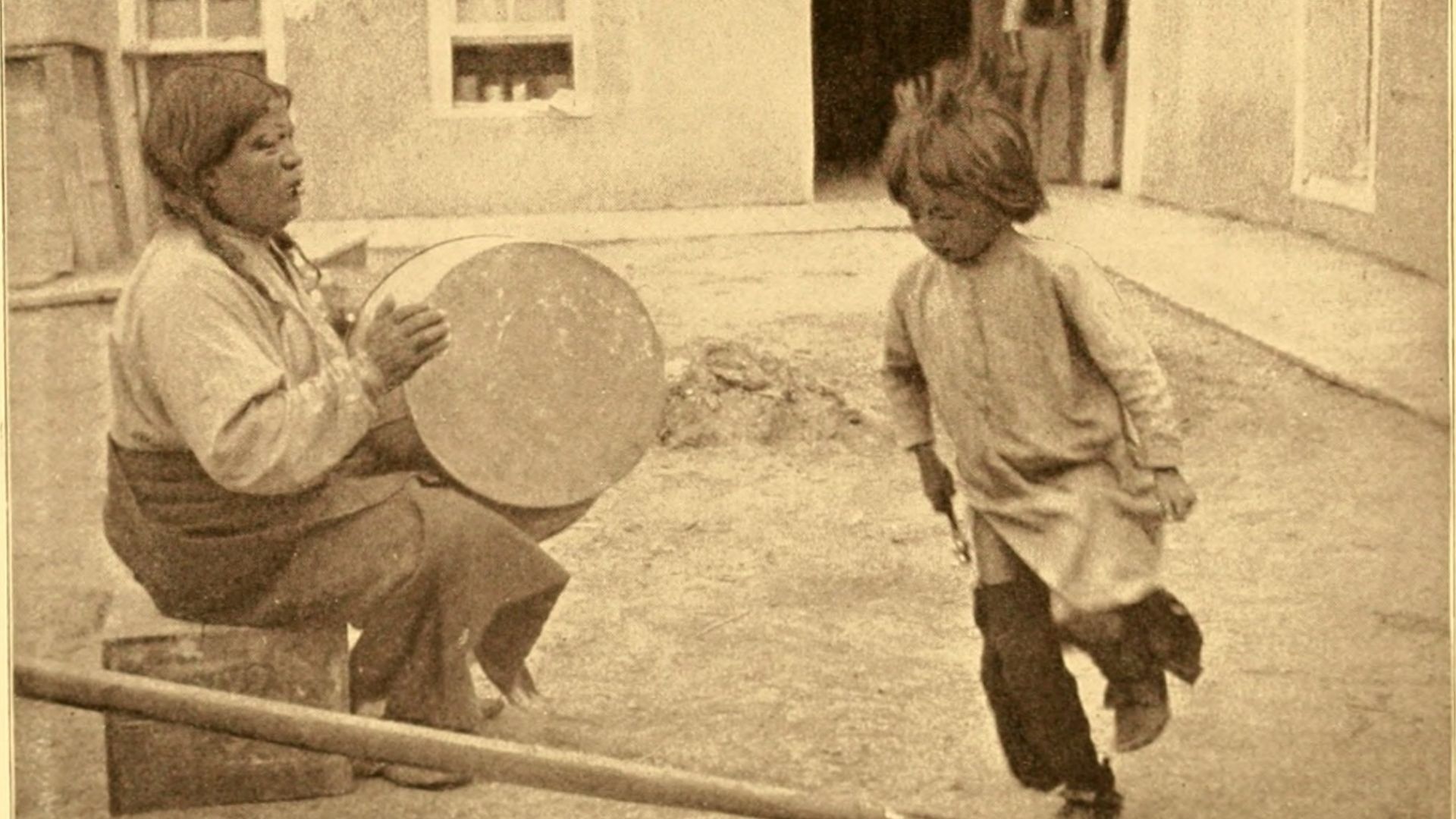
Family was at the heart of daily life. Children learned by watching adults, and knowledge was passed down through generations. The lessons learned from parents and grandparents helped communities survive for centuries.
 Internet Archive Book Images, Wikimedia Commons
Gathering Together
Many villages included circular ceremonial rooms called kivas. These spaces were used for gatherings, ceremonies, and important community events. If the village had an important discussion, chances are it happened in or around a kiva.
![Title: Pueblo Indians, Tesuqua [i.e., Tesuque], N.M.
Abstract/medium: 1 photograph : albumen on card mount ; photo 11.2 x 17.6 cm, on mount 12.6 x 20.2 cm.](https://www.factinate.com/storage/app/media/splashtravels/2026/7/1/17828986446ca7d1f6d6f4c97158553375c769a94c29d76927.jpg)
Life Wasn't Always Easy
Even successful communities faced challenges. Droughts, crop failures, and changing weather patterns could create serious problems. The Southwest rewarded preparation and punished complacency.
When the Weather Changed
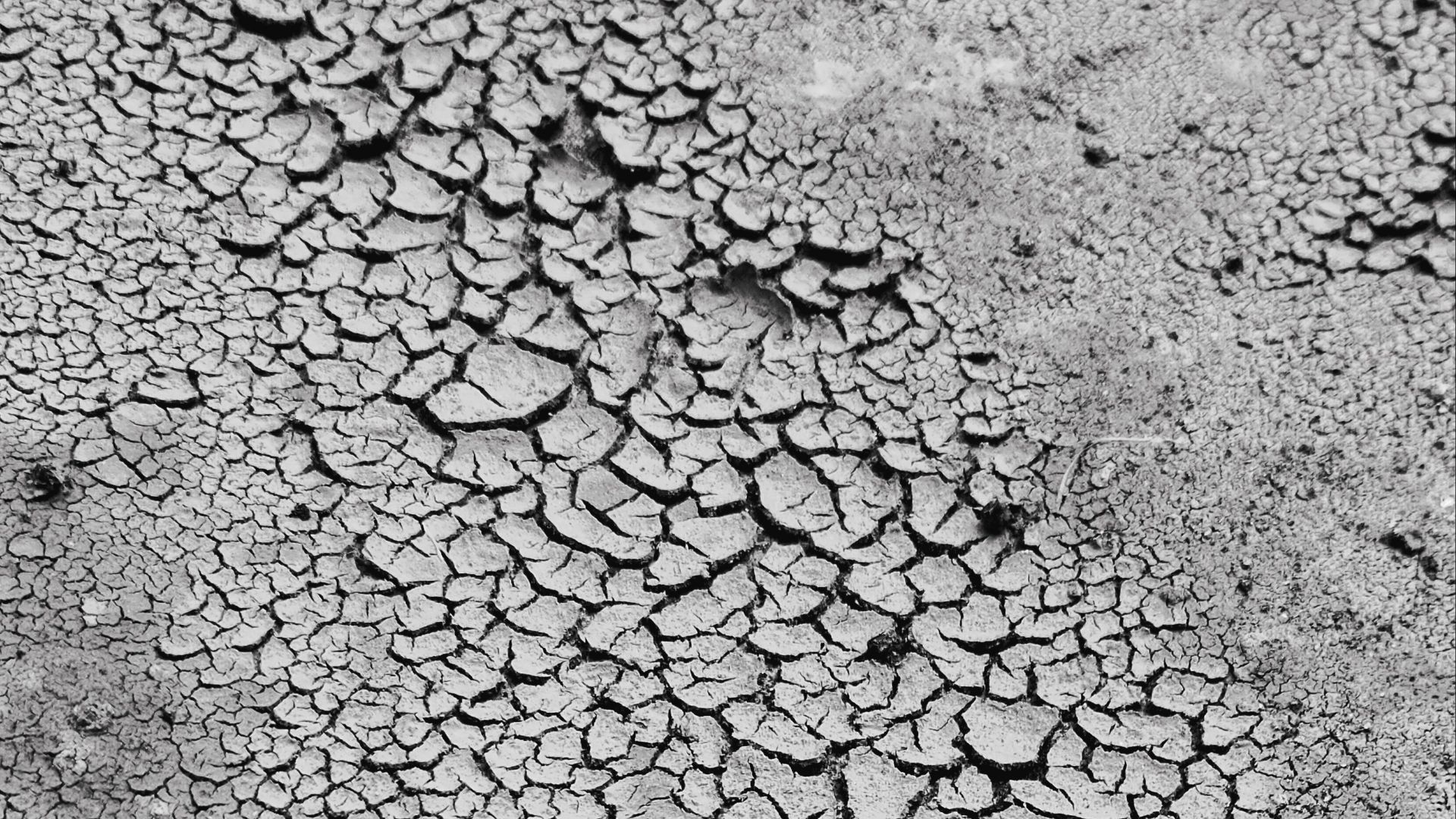
By the late 1200s, severe droughts affected much of the region. Crops became harder to grow, and water became less reliable. Families who had thrived for generations suddenly faced difficult choices.
The Great Move
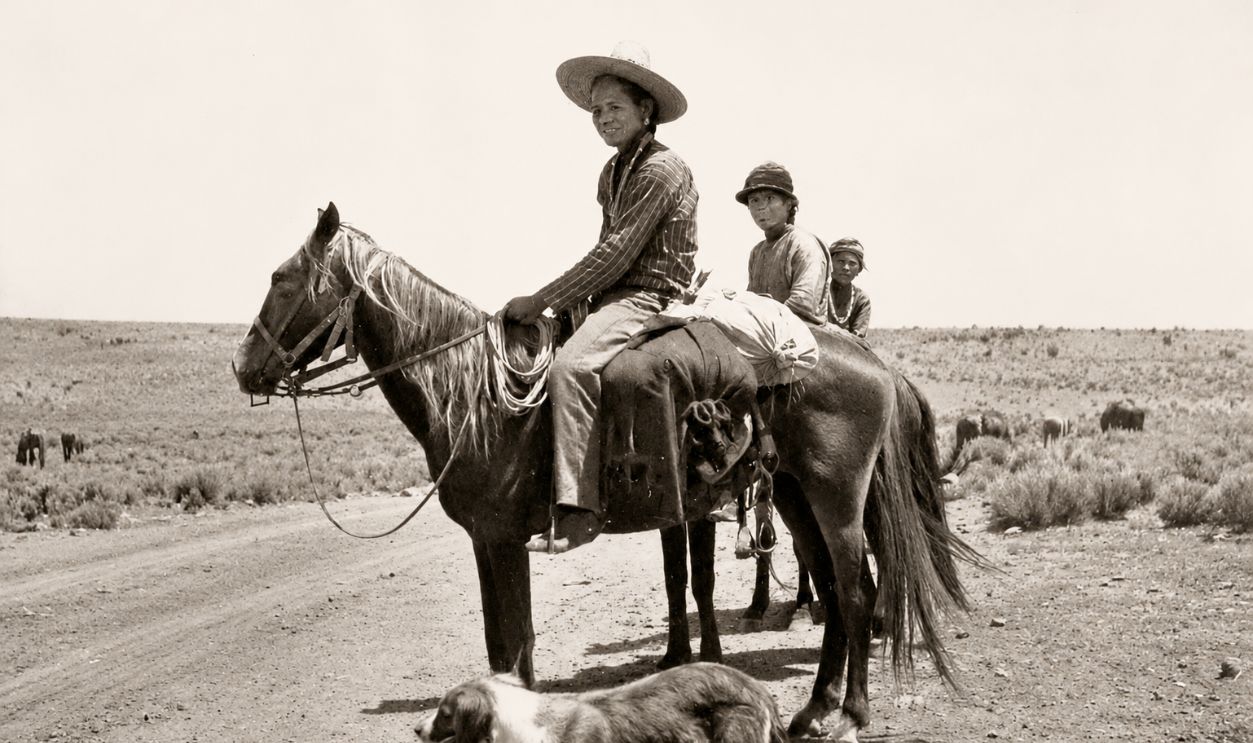
Many communities eventually relocated to areas with better access to water and farmland. Contrary to popular myths, the Ancestral Puebloans didn't mysteriously disappear. They moved, adapted, and carried their traditions with them.
 Internet Archive Book Images, Wikimedia Commons, Modified
Their Story Didn't End
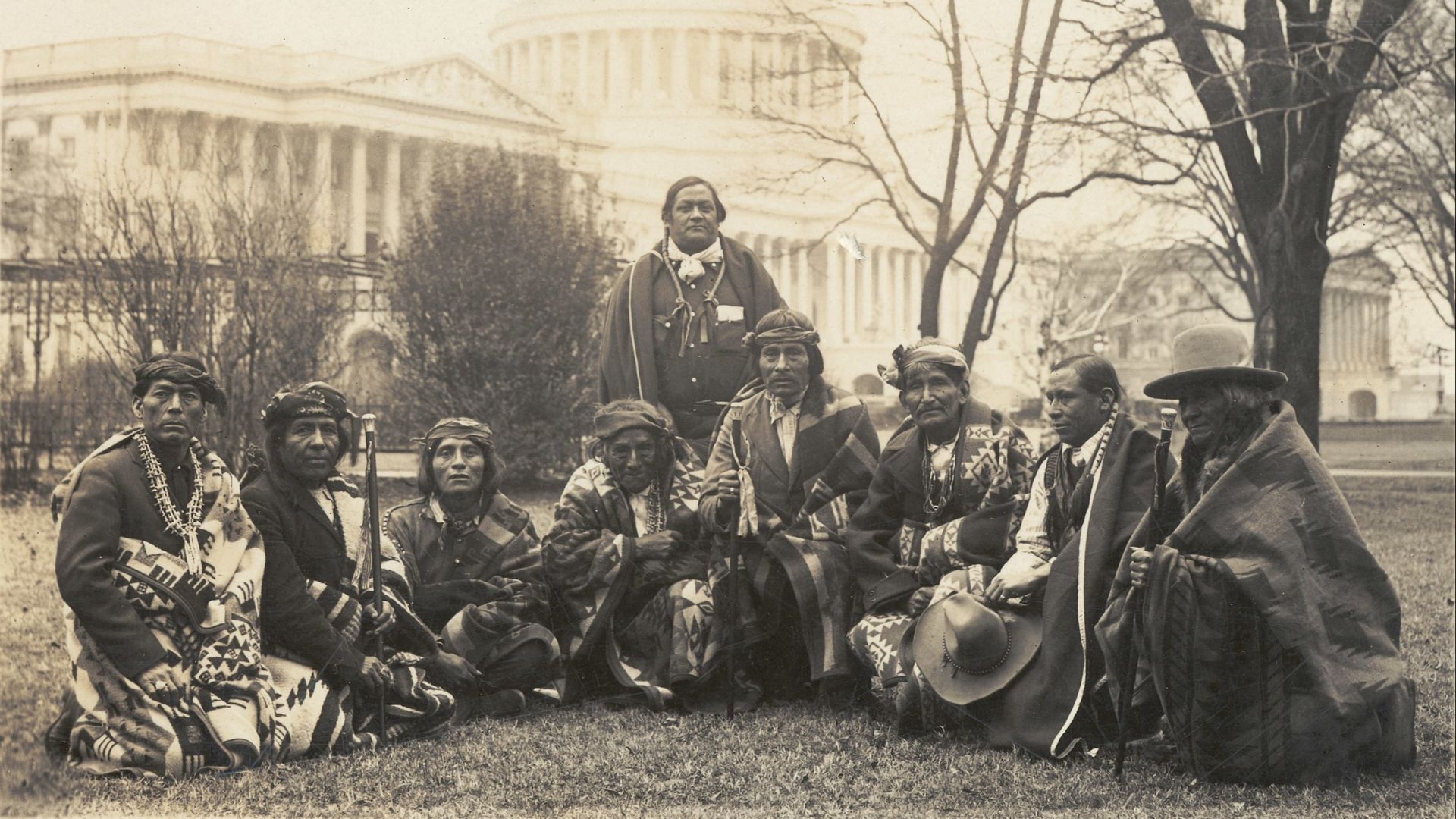
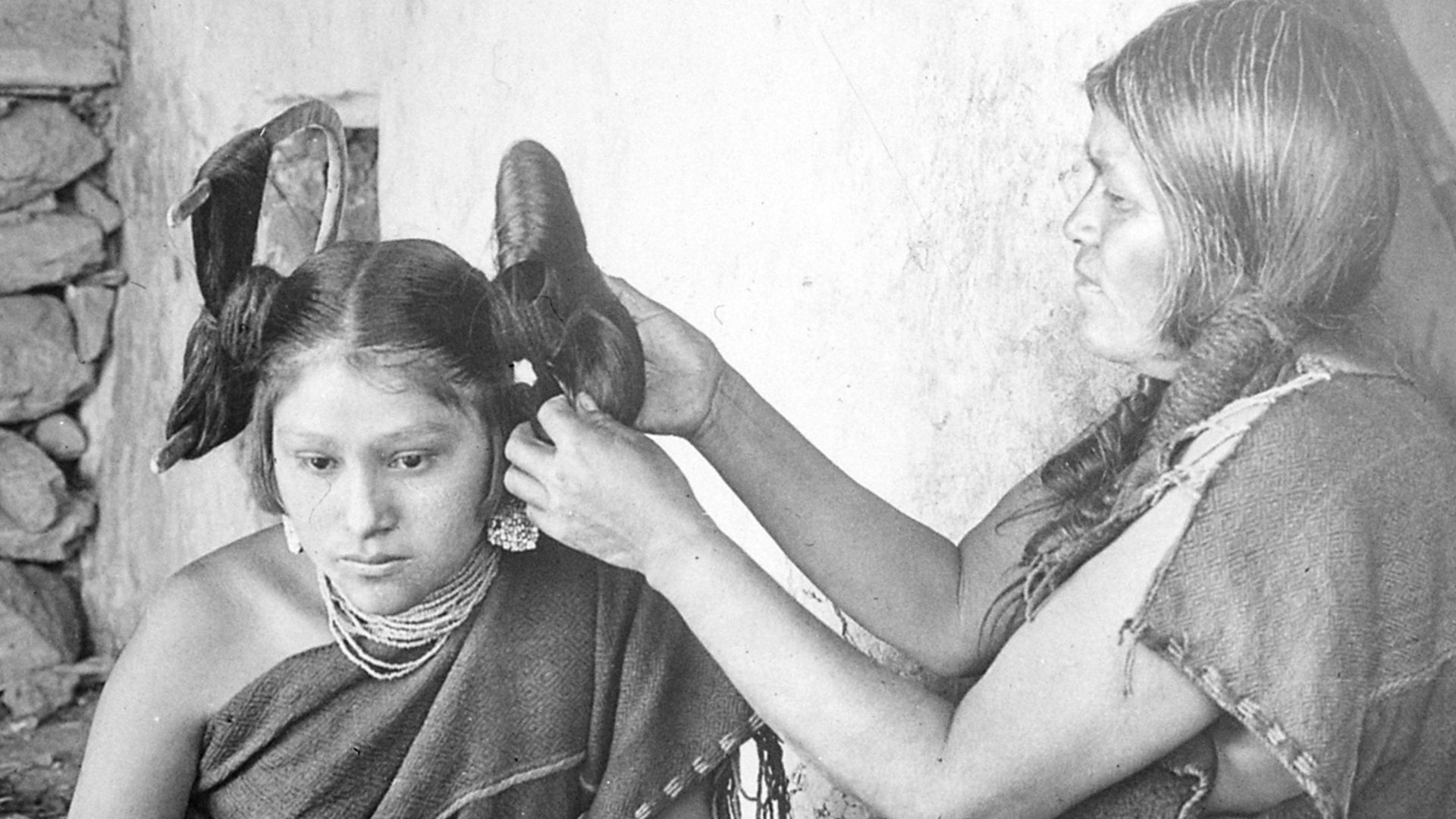
Modern Pueblo peoples, including the Hopi, Zuni, Acoma, and others, continue traditions connected to their ancestors. The culture evolved, but it never vanished.
 Henry Peabody, Wikimedia Commons
But Here's Where Things Get Interesting
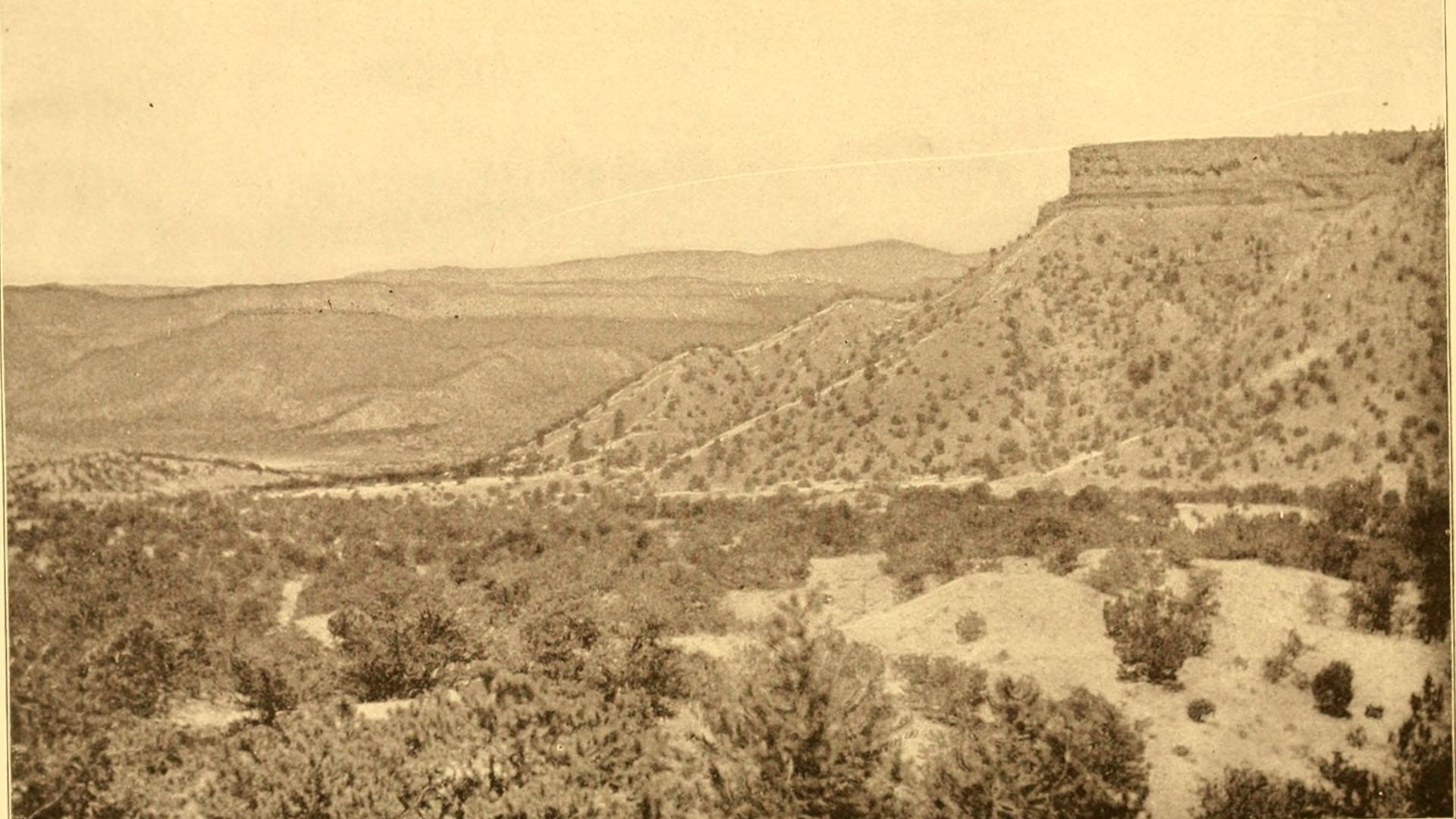
If the story ended there, it would already be impressive. A farming society survived for centuries in a difficult environment. But archaeologists eventually uncovered something that made the Ancestral Puebloans even more fascinating.
 Internet Archive Book Images, Wikimedia Commons
Homes Hidden Beneath the Ground
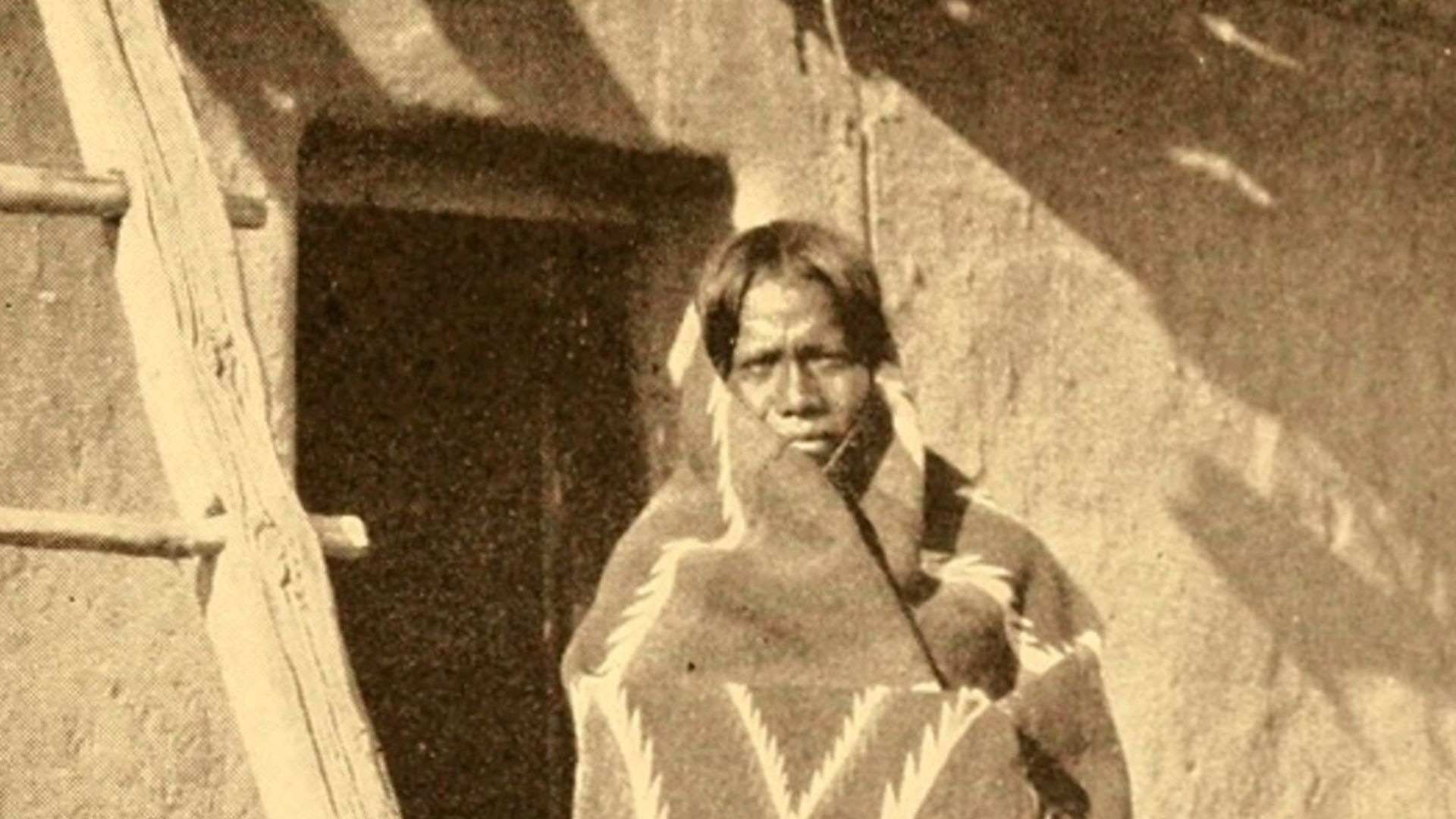
Long before the famous cliff dwellings appeared, many Puebloan families lived in pit houses built partly underground. From a distance, you might not even realize a home was there. Entire neighborhoods could blend into the landscape.
 Internet Archive Book Images, Wikimedia Commons
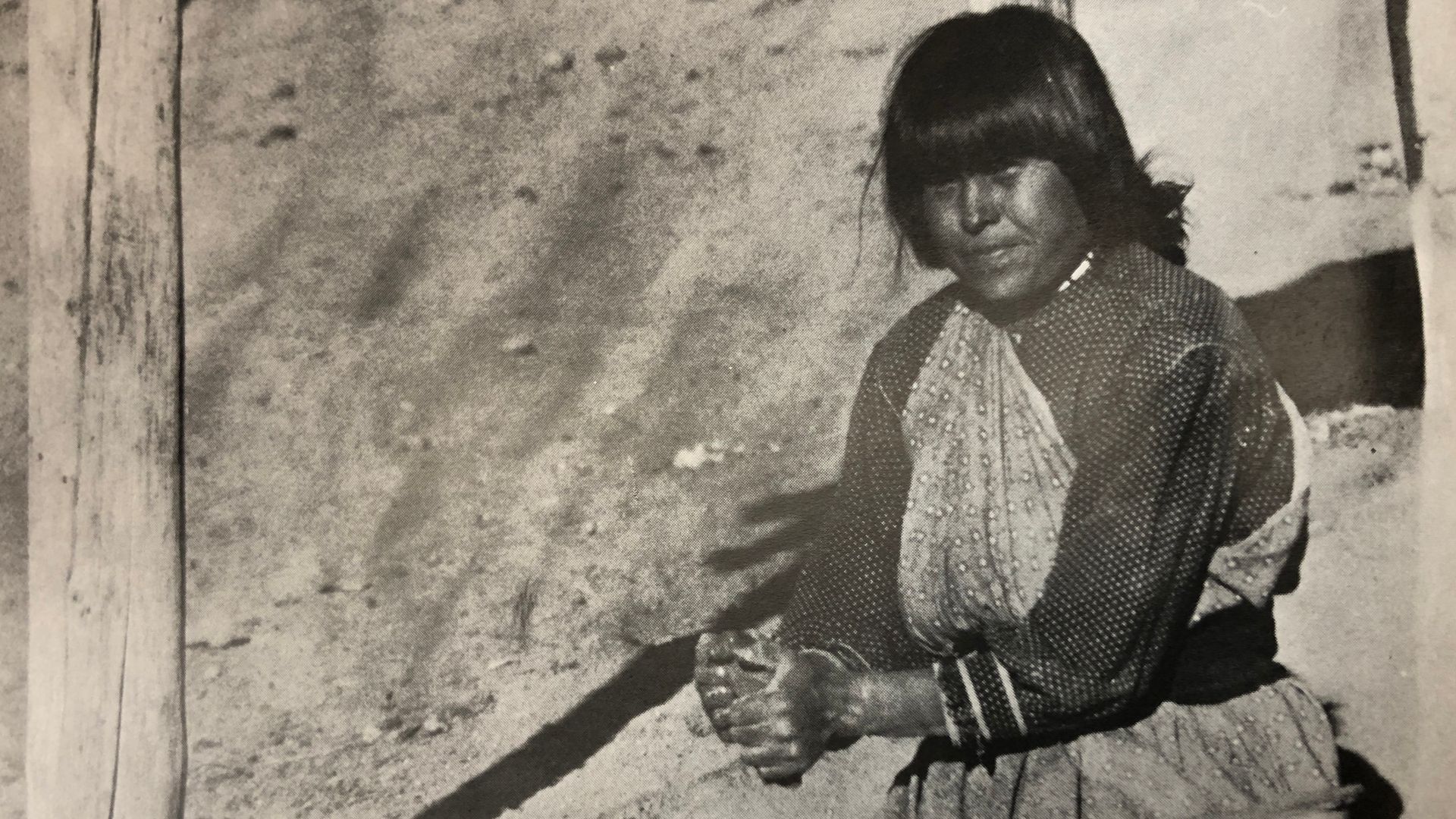
The World's Most Practical Air Conditioner
Why build underground? The answer was surprisingly simple. The surrounding earth helped keep homes cool during scorching summers and warmer during freezing nights. It was a smart solution centuries before anyone invented climate control.
 Unknown photographer, Wikimedia Commons
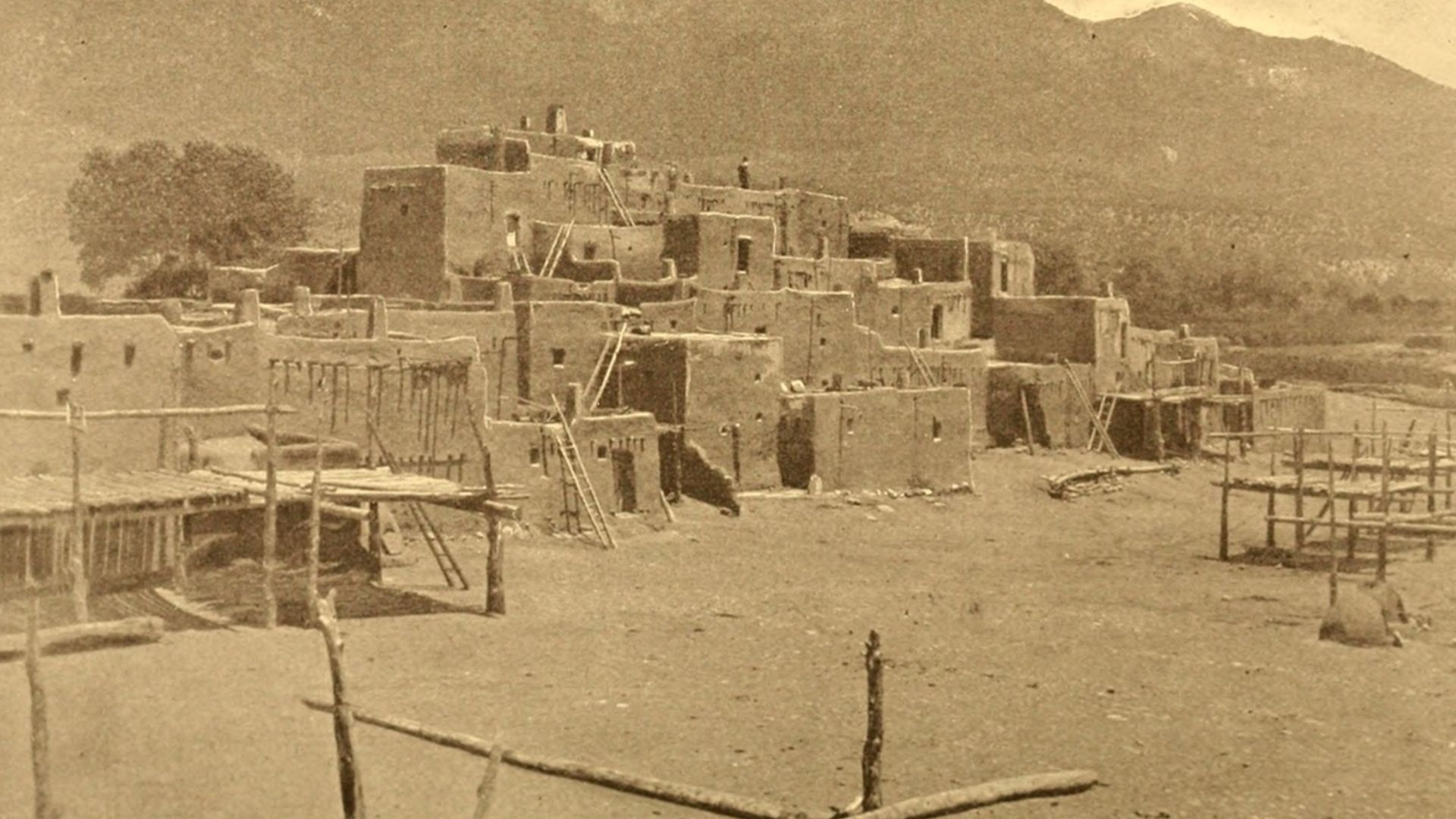
The Front Door Was on the Roof
Most people expect a house to have a front door. The Ancestral Puebloans had other ideas. Many pit houses were entered by climbing down a ladder through an opening in the roof, which probably made surprise visits a little less common.
 Internet Archive Book Images, Wikimedia Commons
Then They Took It Even Further
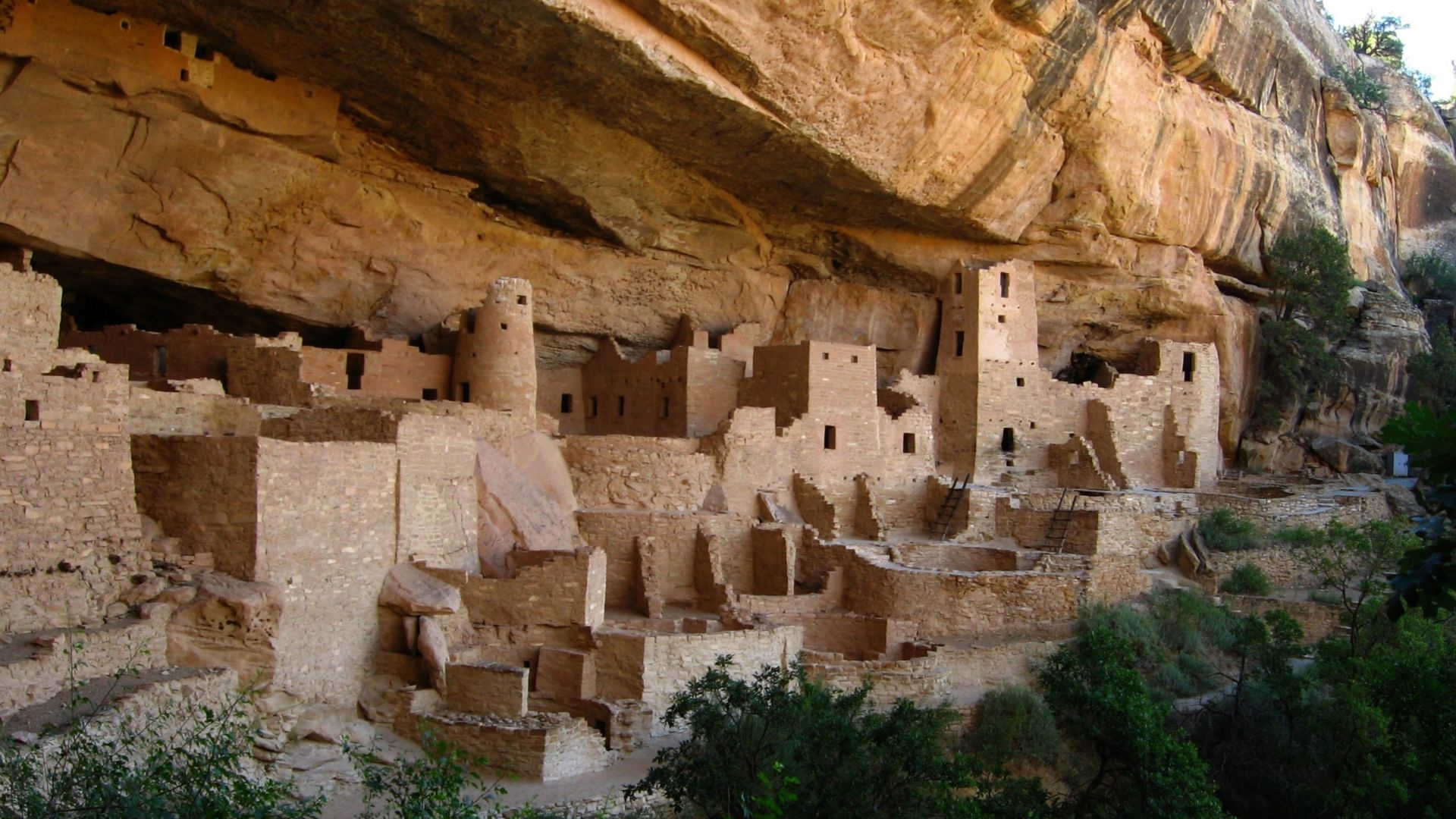
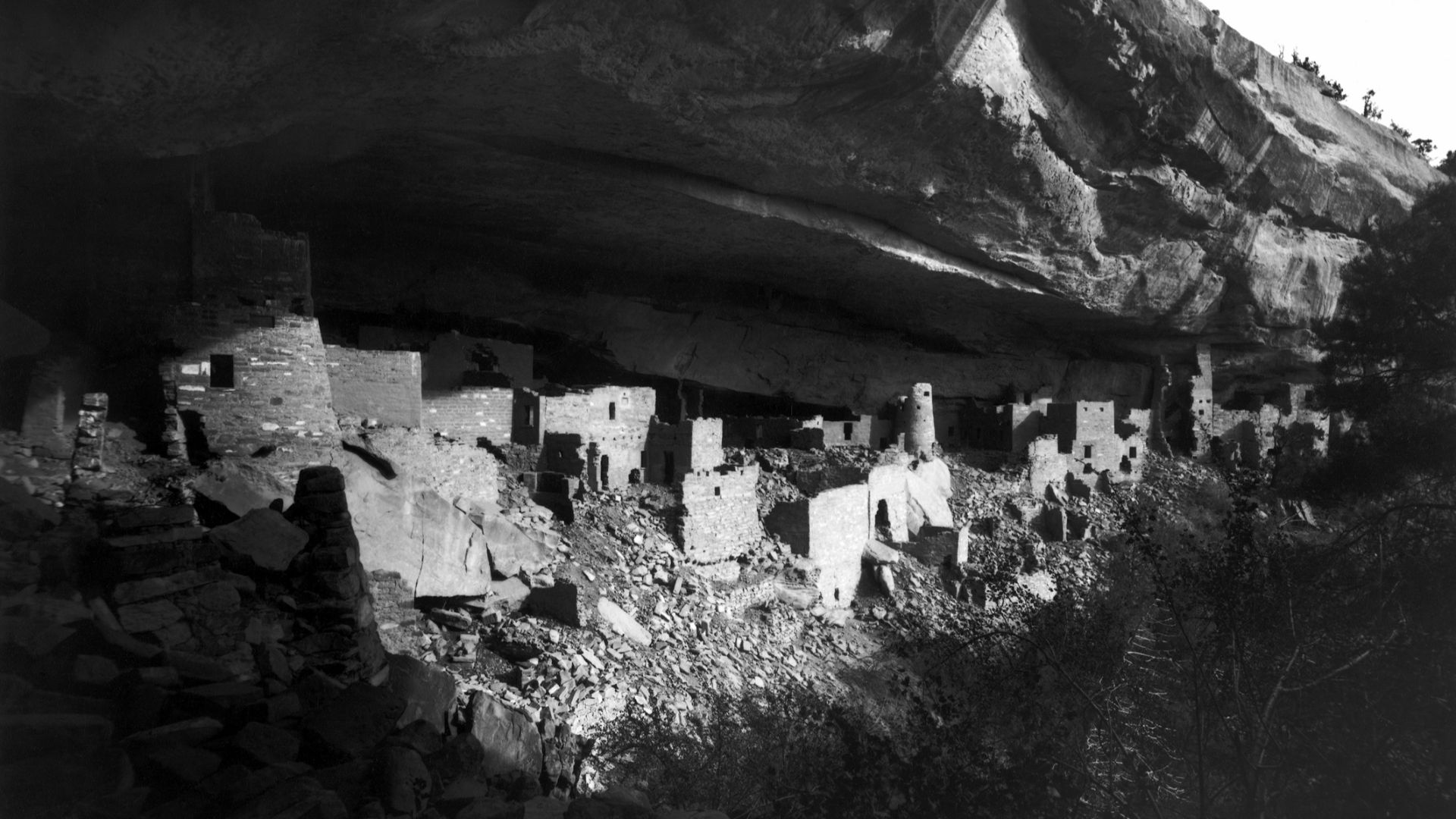
As impressive as the underground homes were, they weren't the final chapter. Around the late 1100s, some communities began building inside natural alcoves carved into canyon walls, creating settlements unlike anything else in North America.
A Neighborhood Inside a Cliff
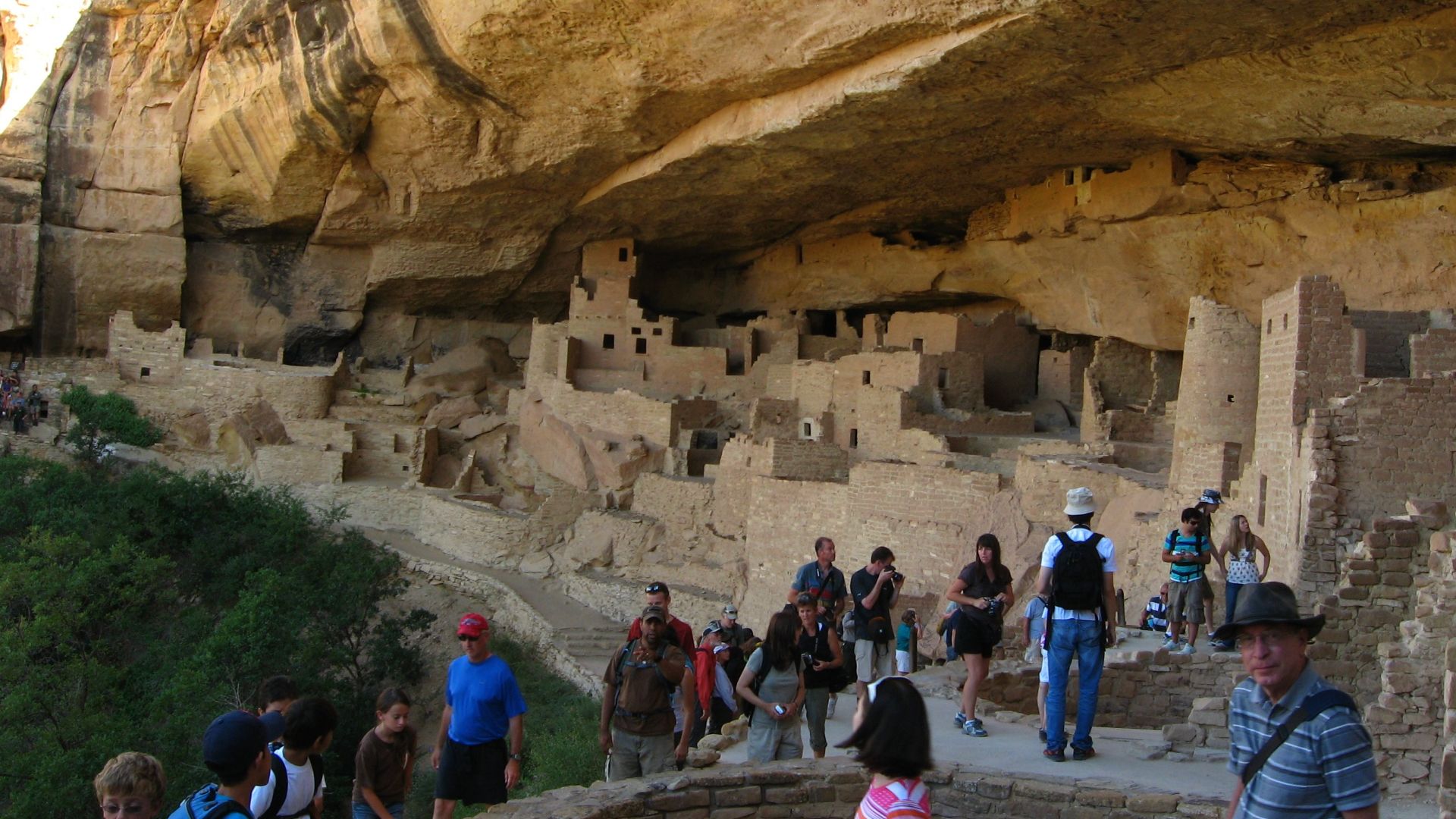
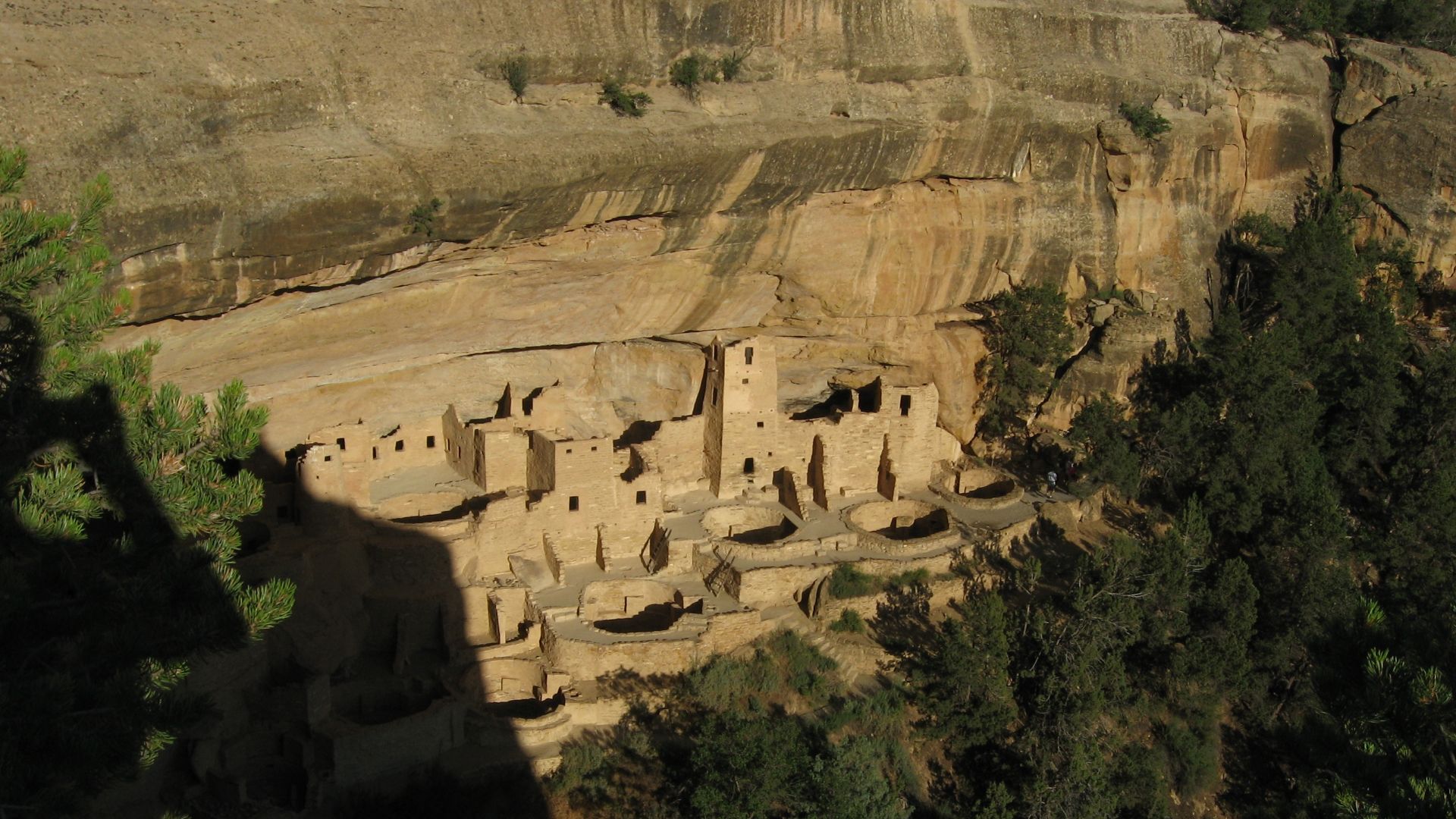
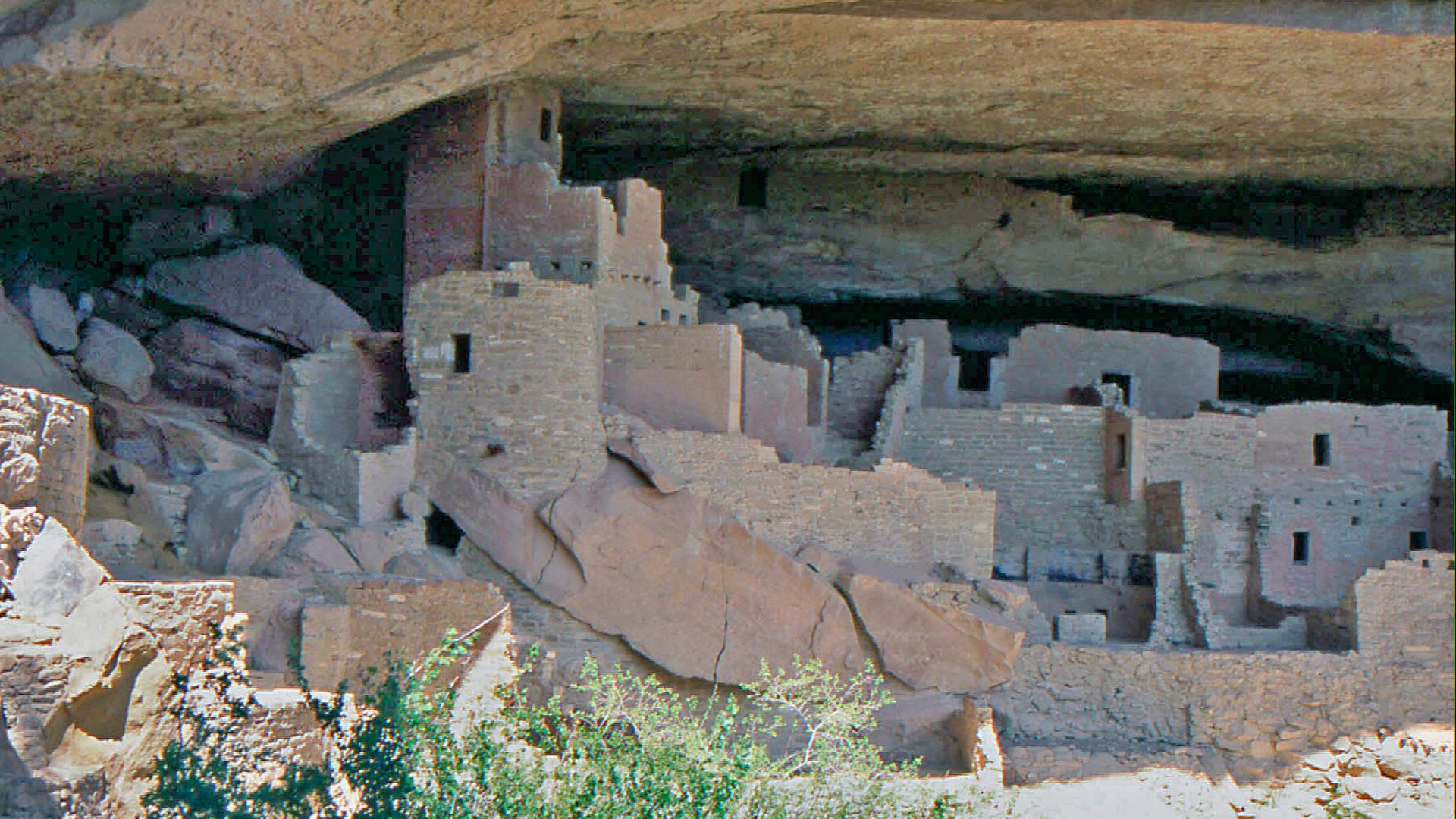
Mesa Verde's Cliff Palace, built around A.D. 1190, contained roughly 150 rooms and more than 20 kivas. Families cooked meals, raised children, stored food, and held ceremonies there. It wasn't just a collection of rooms—it was a thriving community built into stone.
 Ken Lund from Las Vegas, Nevada, USA, Wikimedia Commons
Why Live in a Cliff?
Archaeologists still debate the exact reasons. The cliffs offered protection from weather, helped regulate temperatures, and may have provided security during uncertain times. Whatever the reason, the result was one of the most remarkable building achievements in North American history.
 Ken Lund from Las Vegas, Nevada, USA, Wikimedia Commons
The Real Secret Was Never the Houses
The underground homes and cliff dwellings get most of the attention, and honestly, they deserve it. But the real story is about the people who built them. They adapted to a harsh environment, solved problems together, and created communities that lasted for centuries.
Maybe We've Been Measuring Progress All Wrong
Modern life often tells us that success means bigger homes, newer technology, and more possessions. The Ancestral Puebloans focused on strong communities, shared responsibility, and planning for future generations. Their priorities might sound surprisingly familiar to people searching for those same things today.
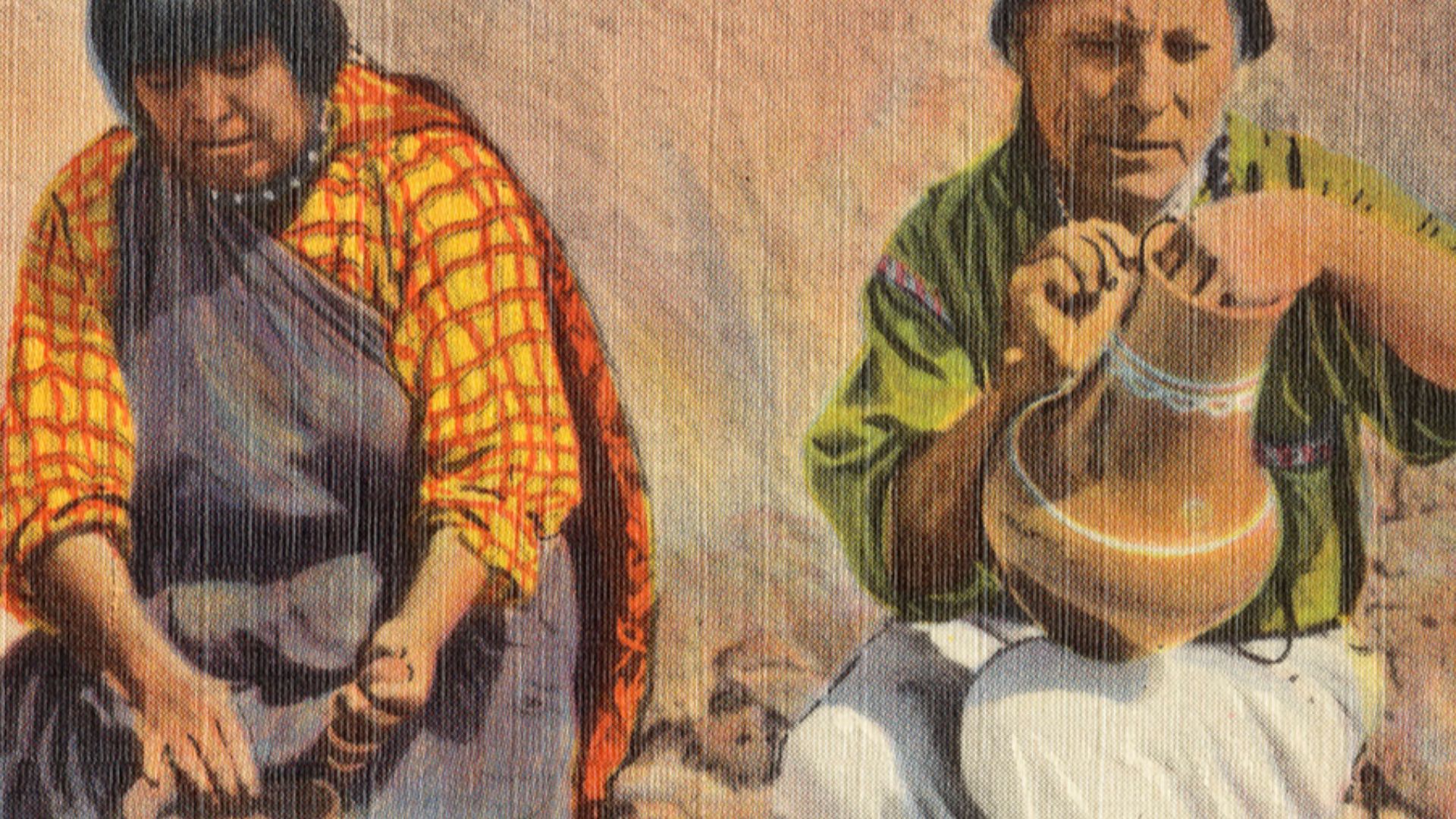
![Pueblo Indian
Production Date: Circa 1940
Source Type: Postcard [Decal]
Printer, Publisher, Photographer: Art-Lac Decal Publishing Company
Postmark: None
Collection: Steven R. Shook
Remark: Arthur Braunstein was granted a U.S. patent for this transferable](https://www.factinate.com/storage/app/media/splashtravels/2026/7/1/17828991707ed98a764fd752656c8d104abfd699e2be022fb0.jpg) Steve Shook from Moscow, Idaho, USA, Wikimedia Commons
Steve Shook from Moscow, Idaho, USA, Wikimedia Commons
What Modern Life Keeps Chasing
Today, many people spend years looking for a stronger sense of community and connection. The Ancestral Puebloans built those things into everyday life. Their story reminds us that some of the most valuable things people can create were never things at all.
In a world built for convenience, the Ancestral Puebloans remind us that resilience may be the most valuable thing a society can build.
 Boston Public Library, Wikimedia Commons
You May Also Like:
The Amazonian Tribe That Vanished Into The Jungle To Survive
The Jungle Tribe That Protects Themselves With Spears Dipped In Poison
Historical Photos Of The Tribe That Outsmarted Their Enemies

_(14802796623).jpg)