A Mummy With Homer Hidden In Its Wrappings
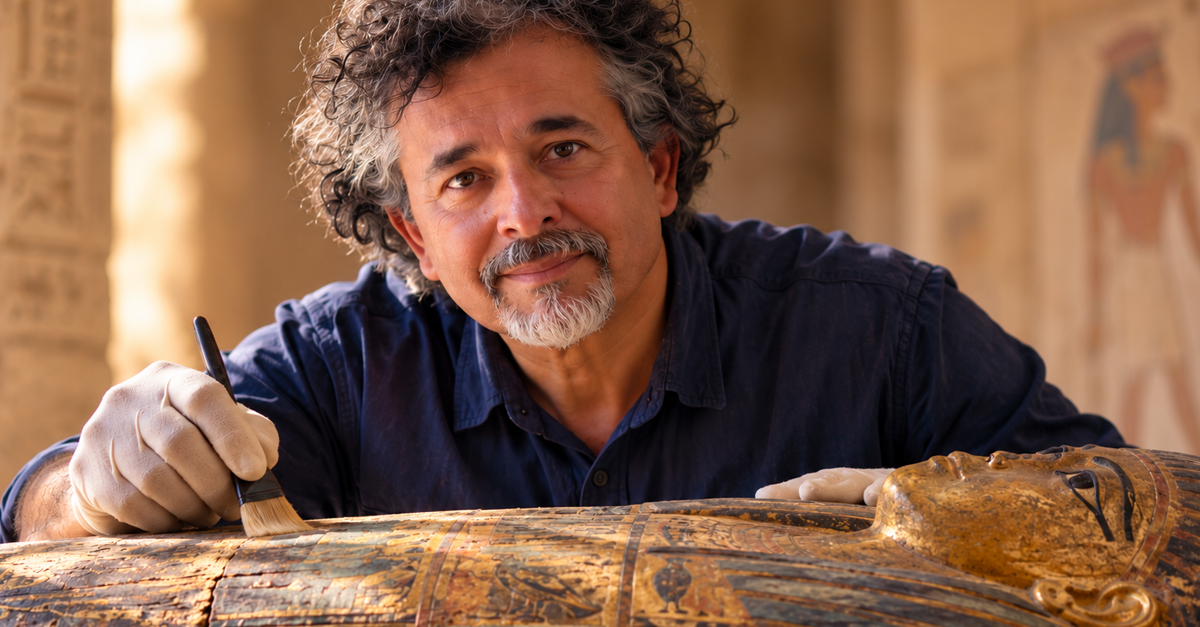
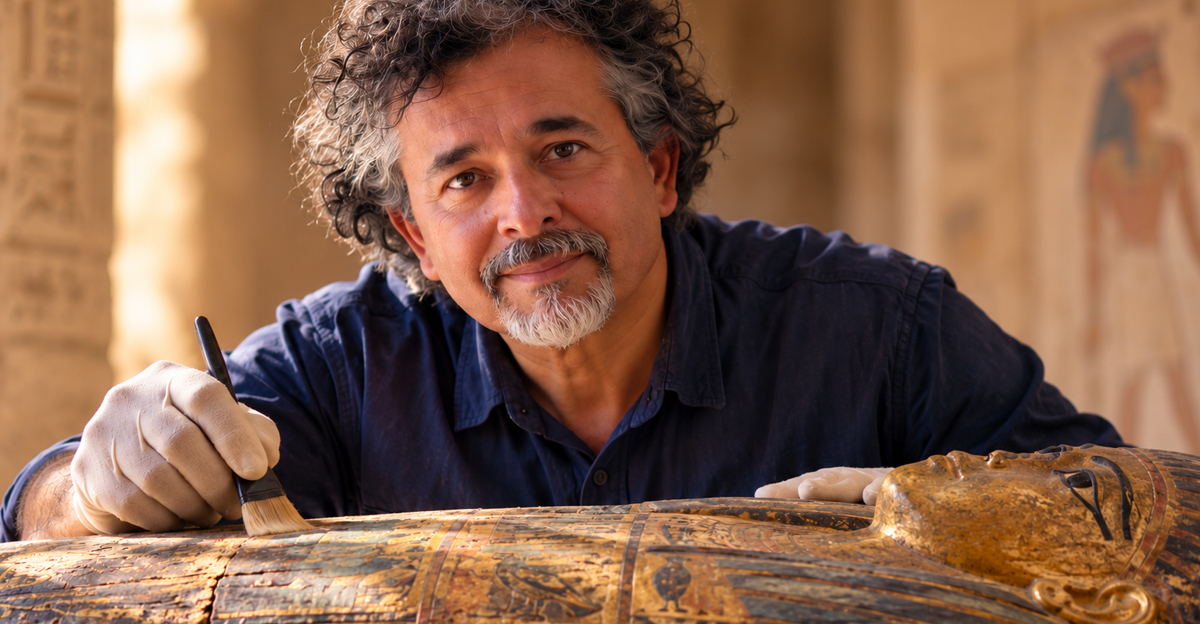
Archaeologists working in Egypt uncovered a mummy with something nobody expected to find among its wrappings: fragments of Homer’s Iliad. The ancient Greek text had been deliberately placed over the body during burial. Even at a site famous for ancient papyri, the discovery immediately stood out.
The Papyrus Was Part Of The Embalming
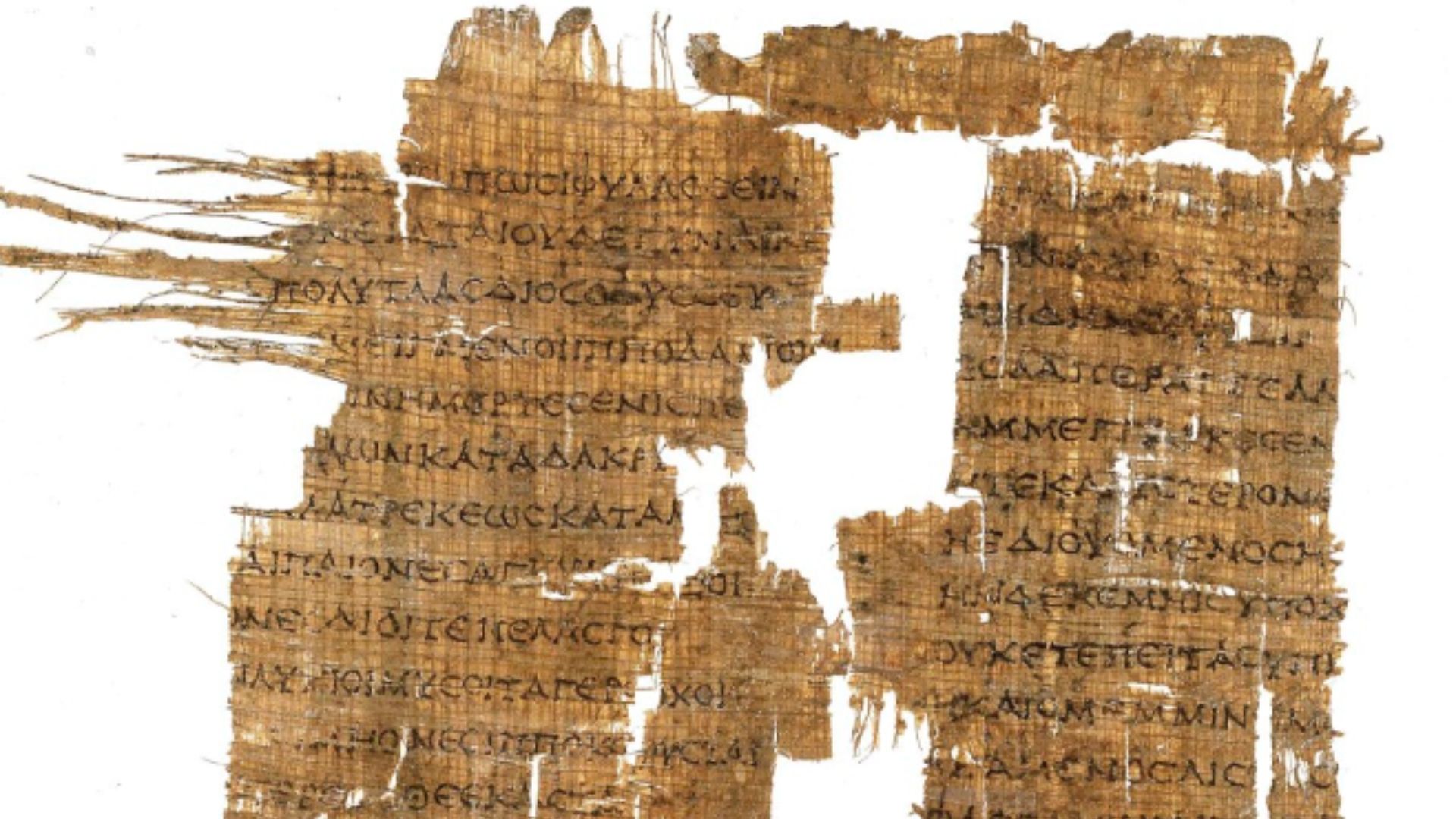
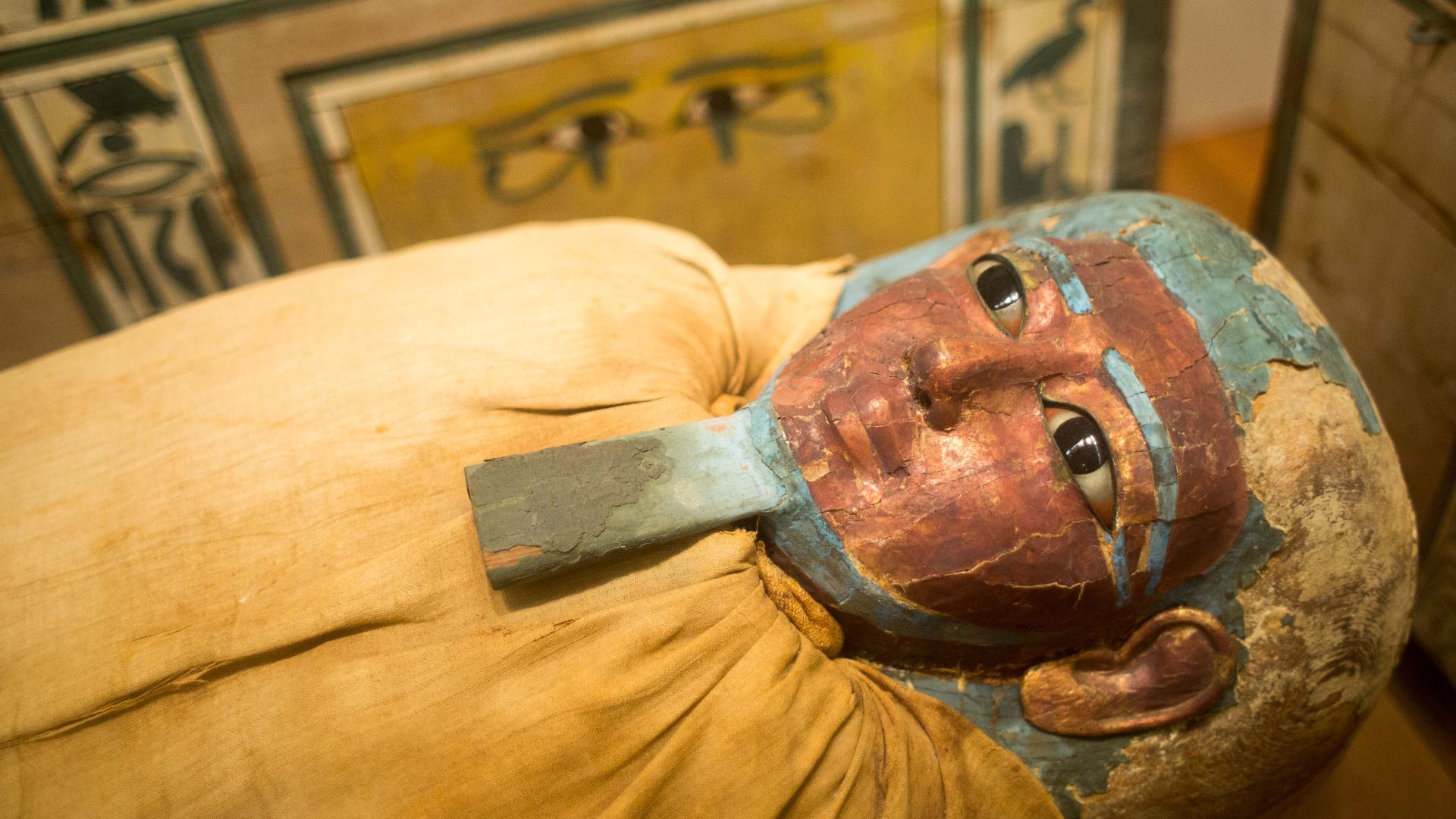
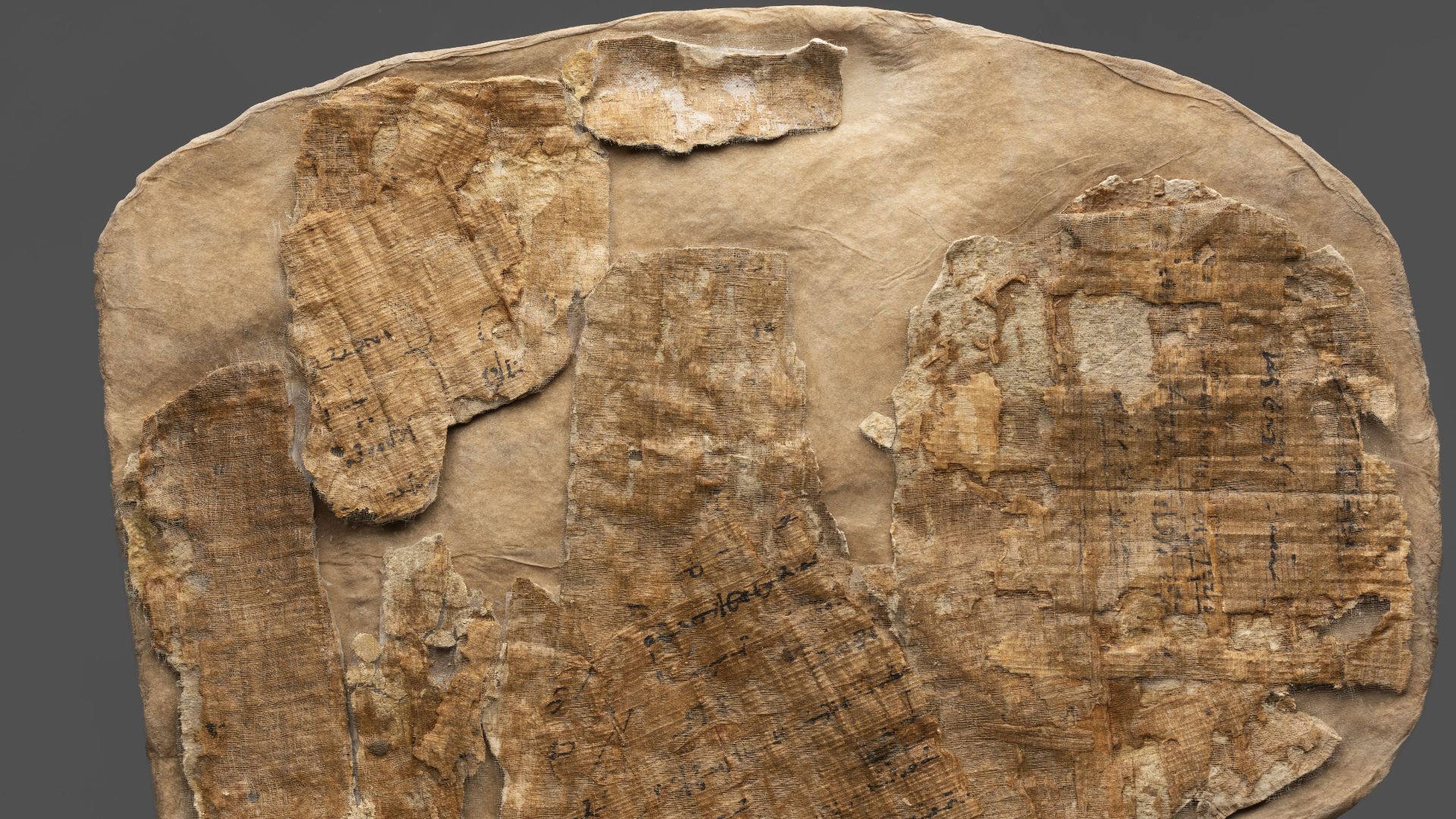
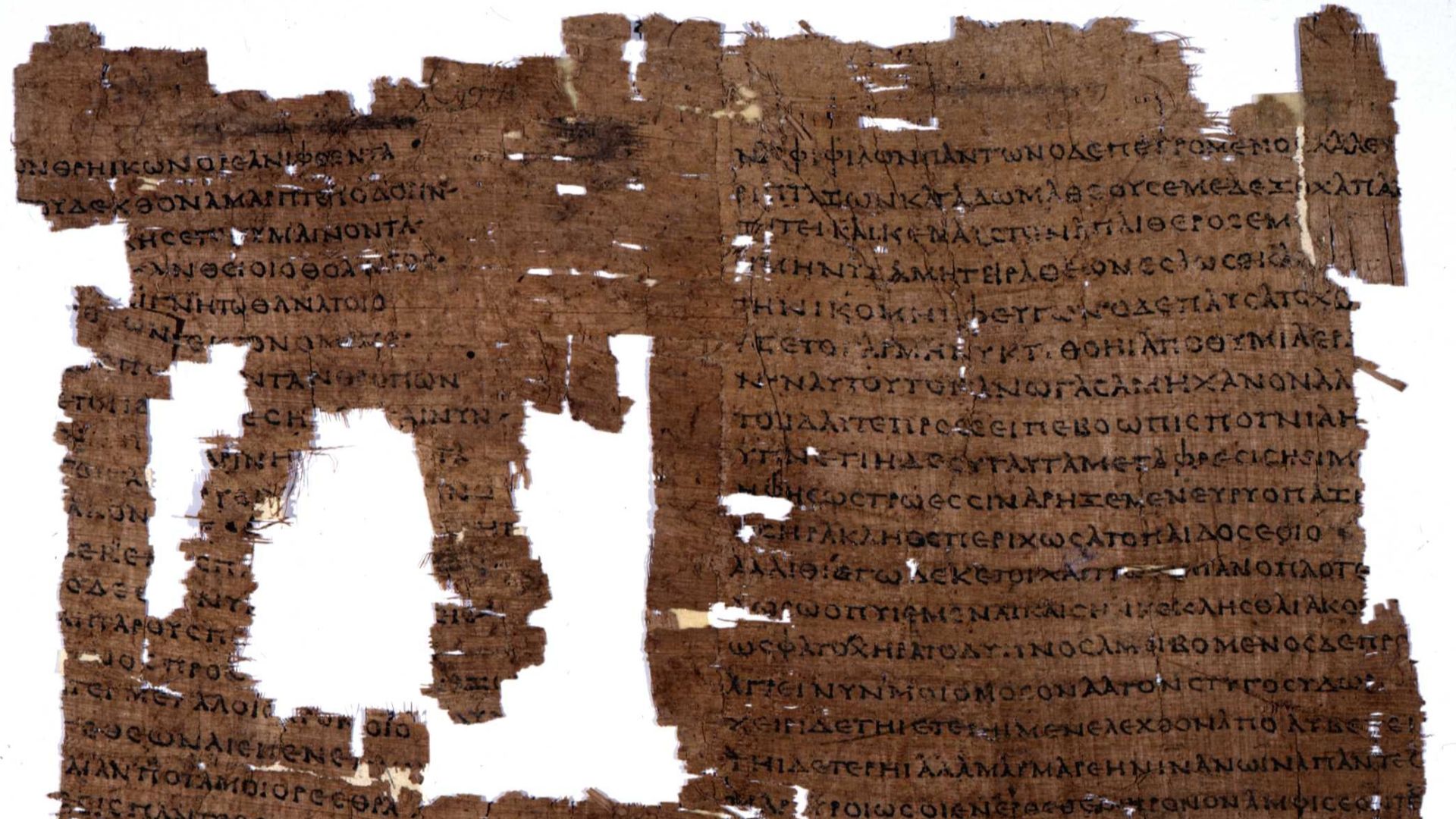
The papyrus was deliberately placed on the mummy’s abdomen during the embalming process. It sat beneath the outer wrappings rather than being used as simple packing material. Researchers believe its position shows the text was intentionally incorporated into the funerary ritual.
The Mummy Was About 1,600 Years Old
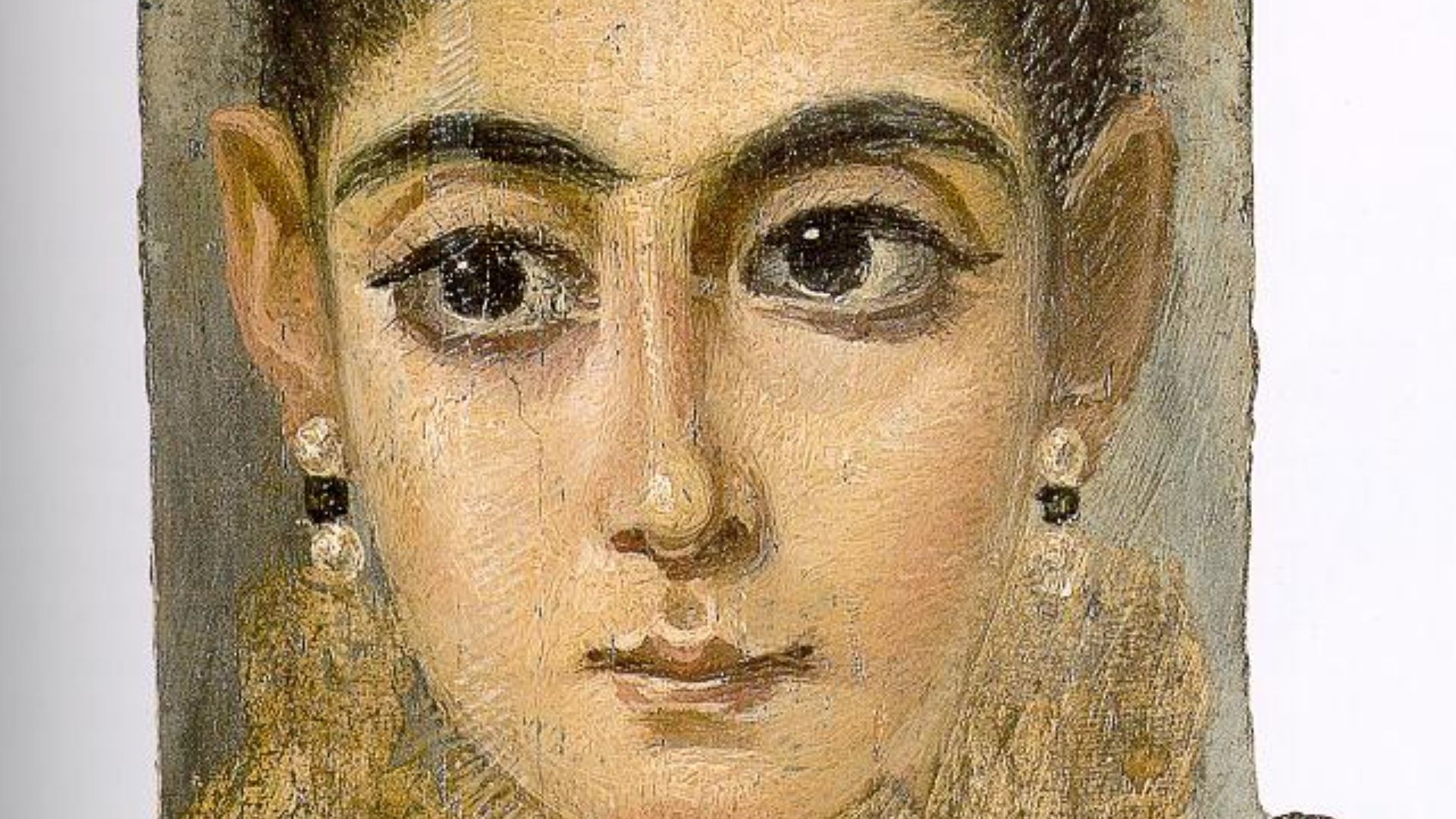
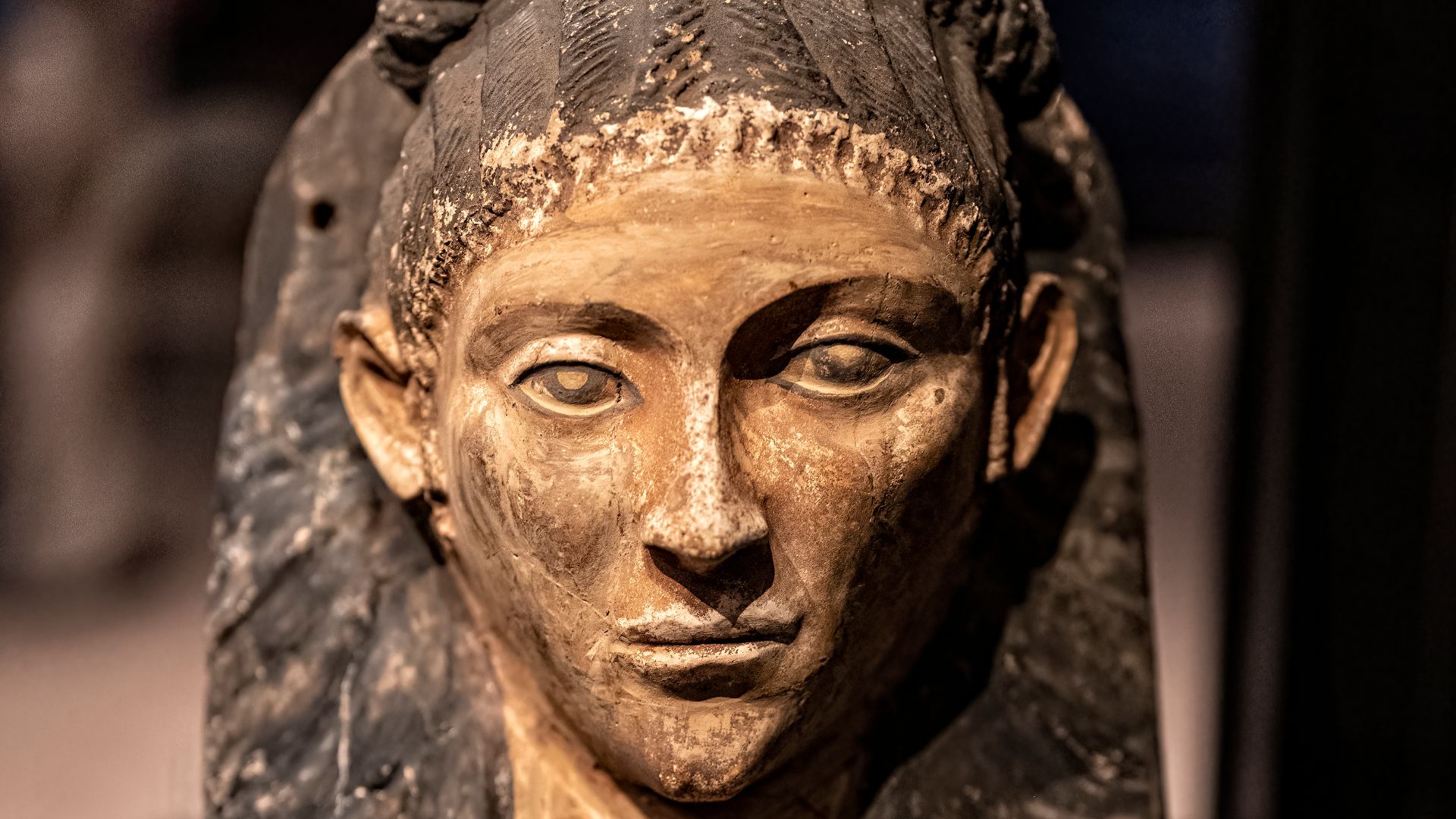
Researchers date the mummy to the Roman period in Egypt, roughly 1,600 years ago. By then, Egypt had spent centuries absorbing Greek and Roman influences alongside much older Egyptian traditions. That cultural mixture makes the appearance of Greek literature fascinating, but the way it was used was completely unexpected.
 Unknown authorUnknown author , Wikimedia Commons
The Find Came From Oxyrhynchus
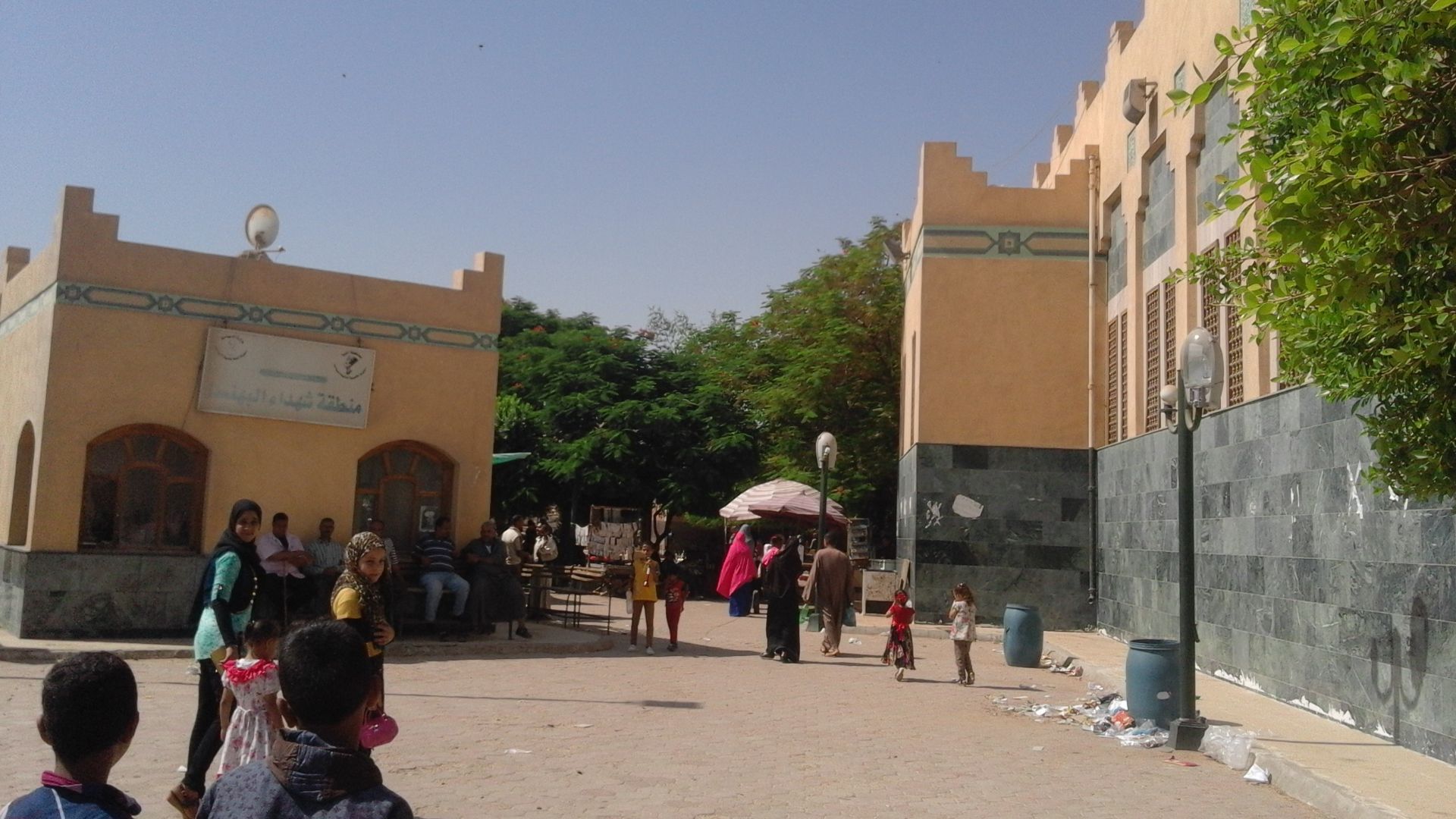
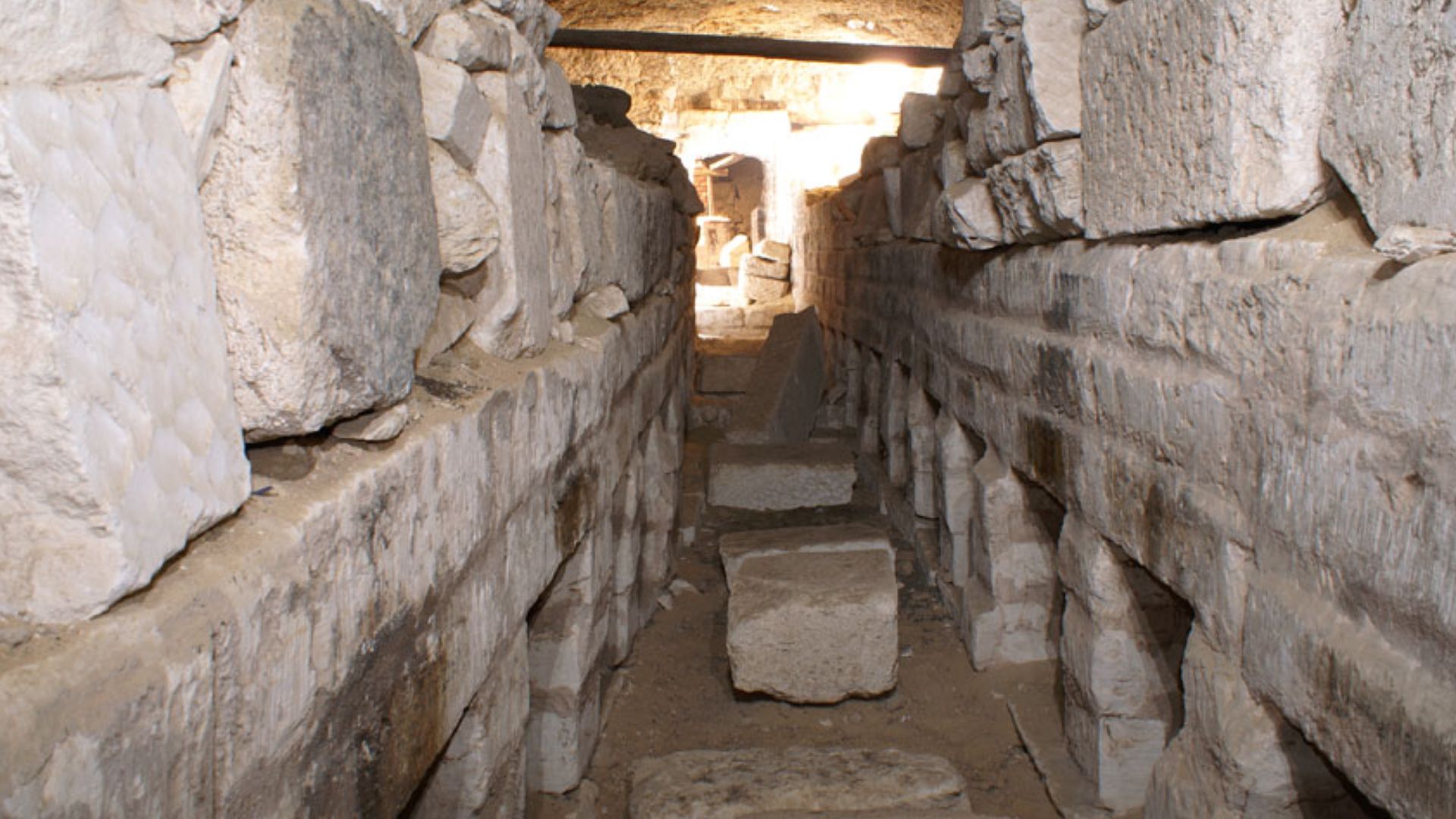
The mummy was discovered at ancient Oxyrhynchus, near the modern Egyptian town of Al Bahnasa. The site sits about 190 kilometers south of Cairo near the Bahr Yussef branch of the Nile. It was once one of the most important cities of Greco-Roman Egypt.
 Abdallah ali, Wikimedia Commons
Oxyrhynchus Is Famous For Ancient Writing
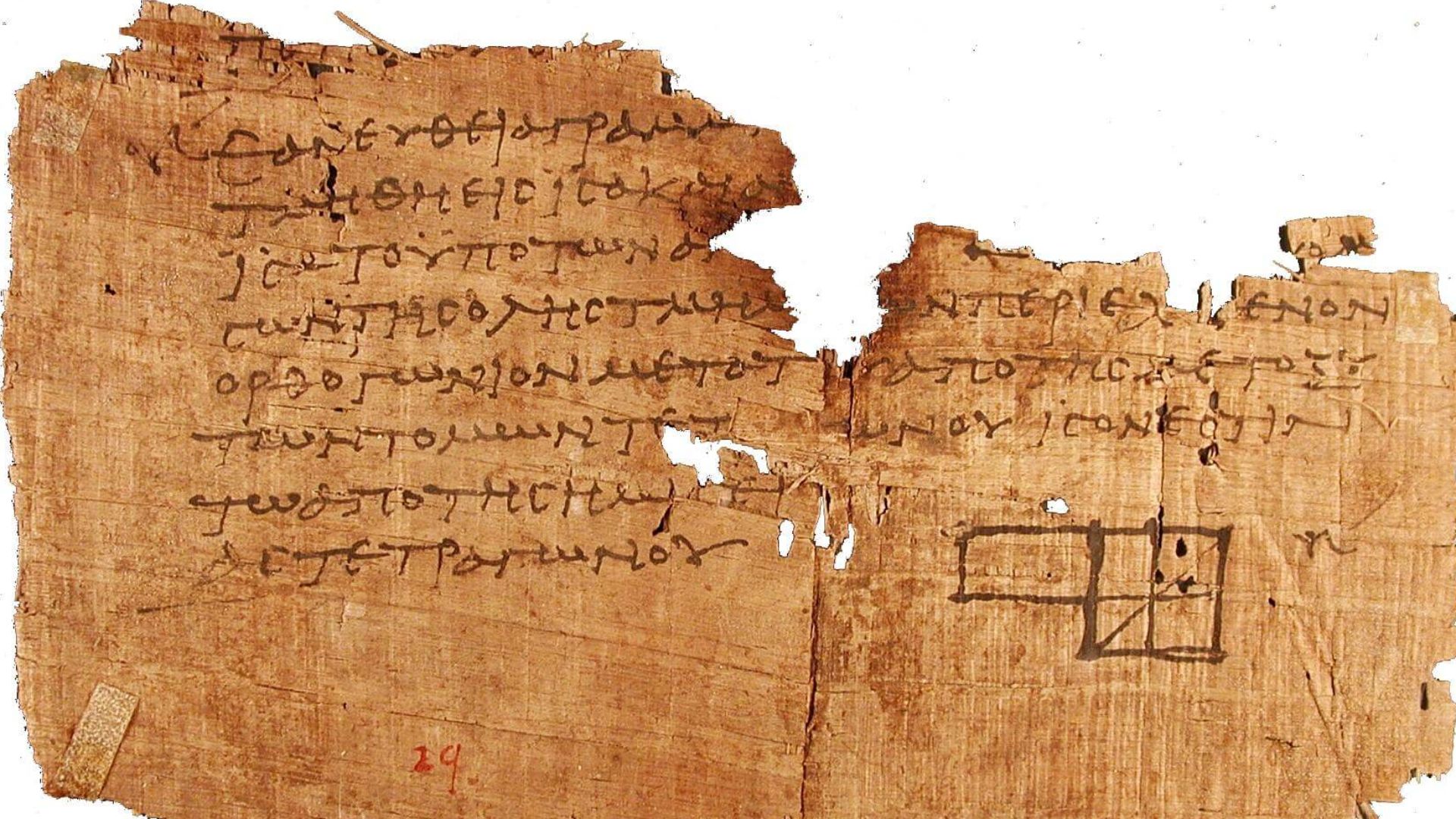
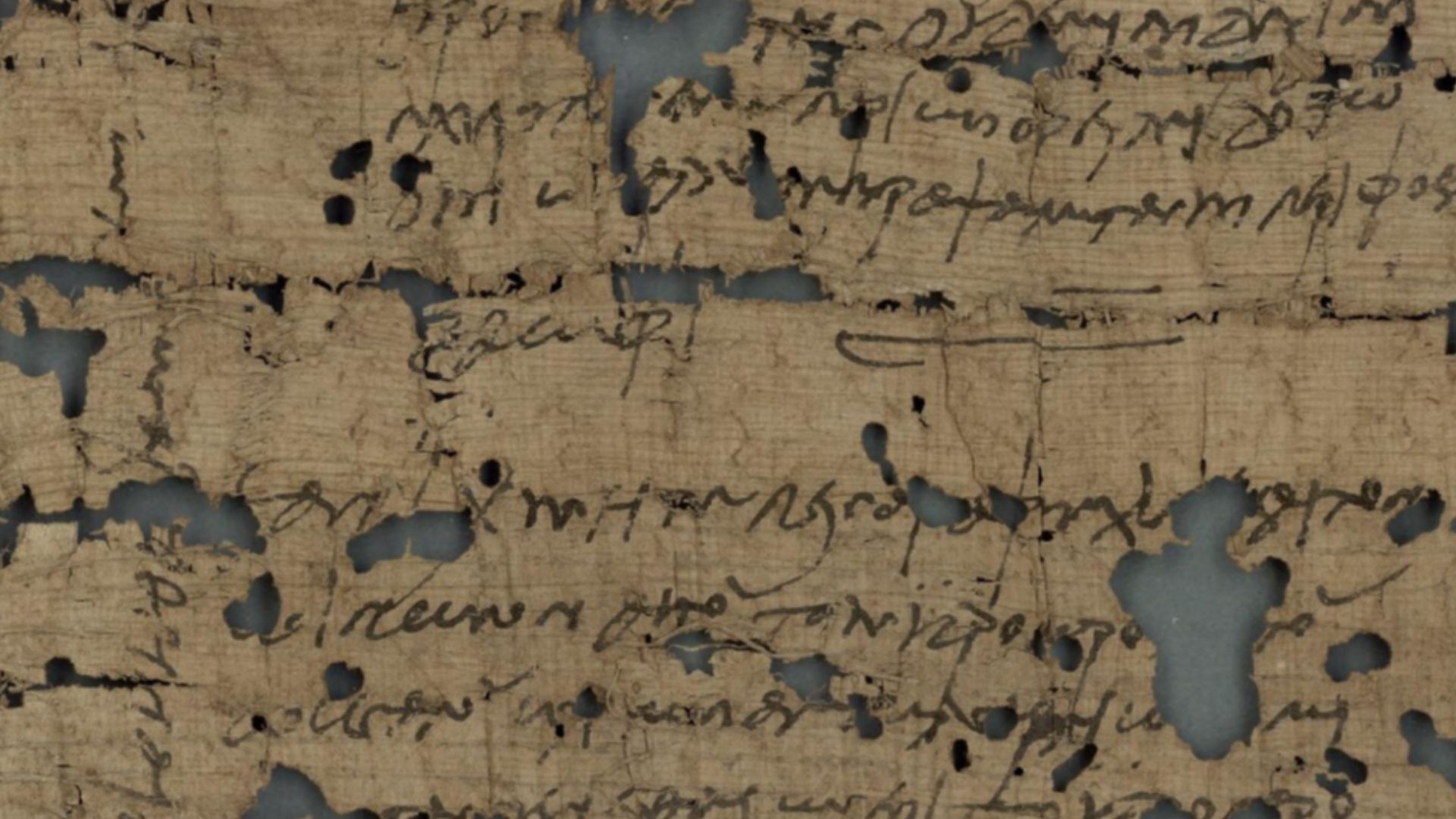
Oxyrhynchus has produced an extraordinary number of ancient papyri since excavations began there in the late 19th century. Researchers have recovered everything from everyday documents to major works of Greek literature. Finding another Greek text there was not unusual on its own.
Tomb 65 Held The Surprise
The mummy came from Tomb 65 in Sector 22 of the necropolis. Archaeologists uncovered it during excavations between November and December 2025. What rested on its abdomen immediately made this burial different from most others.
 Victorgrigas, Wikimedia Commons
Archaeologists Had Seen Something Similar Before
The Oxyrhynchus mission had already discovered Greek papyri placed on other mummies in similar ways. Those finds showed that written material could play a role in funerary preparations. Until this discovery, however, the contents of those papyri had been very different.
Those Other Texts Were Mostly Magical
Earlier Greek papyri incorporated into mummies contained primarily magical or ritual material. That made sense in a funerary setting, where written words could carry religious or protective meaning. The new papyrus broke that pattern completely.
 Marco Chemello (WMIT), Wikimedia Commons
This One Was Literature
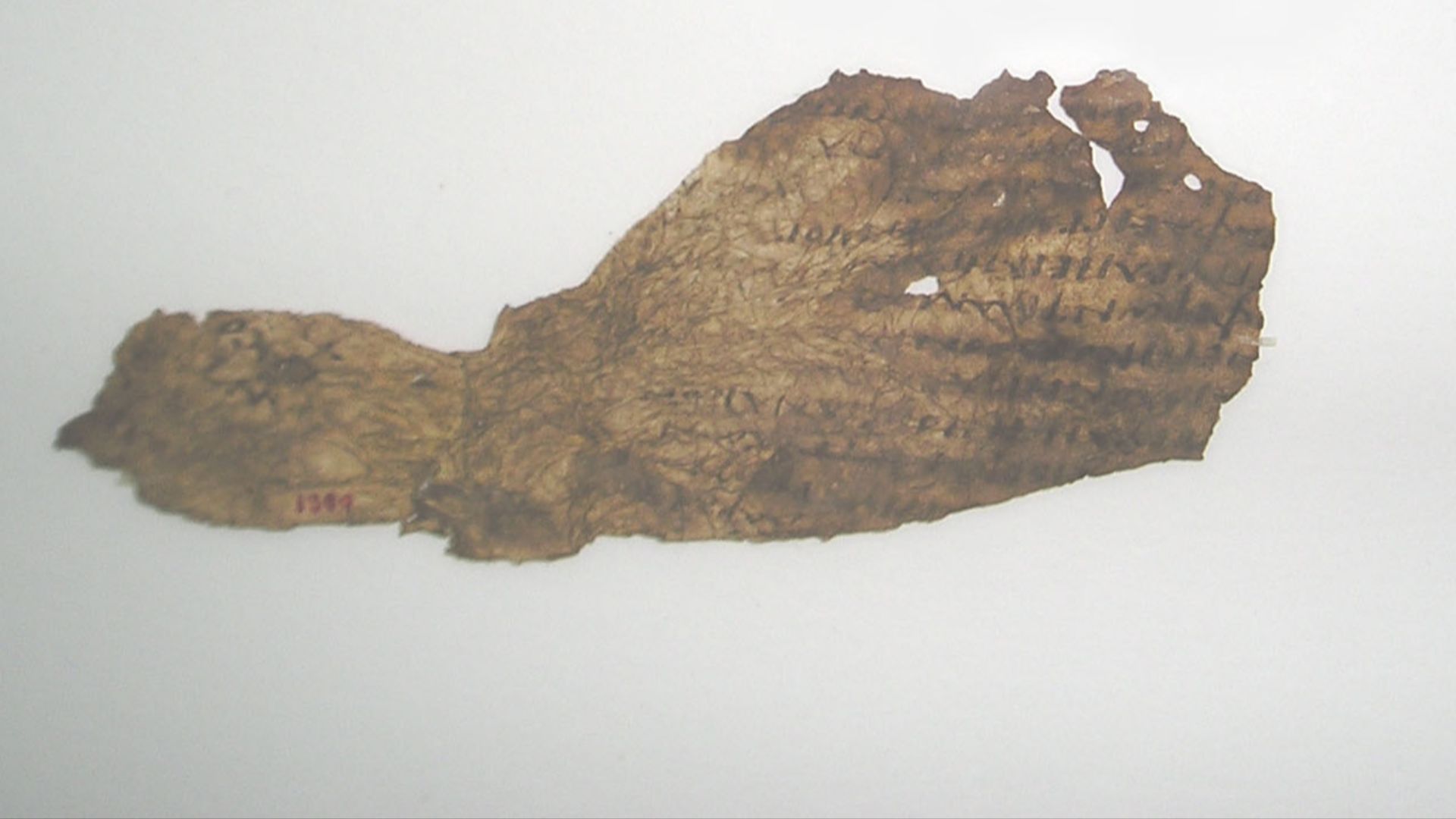
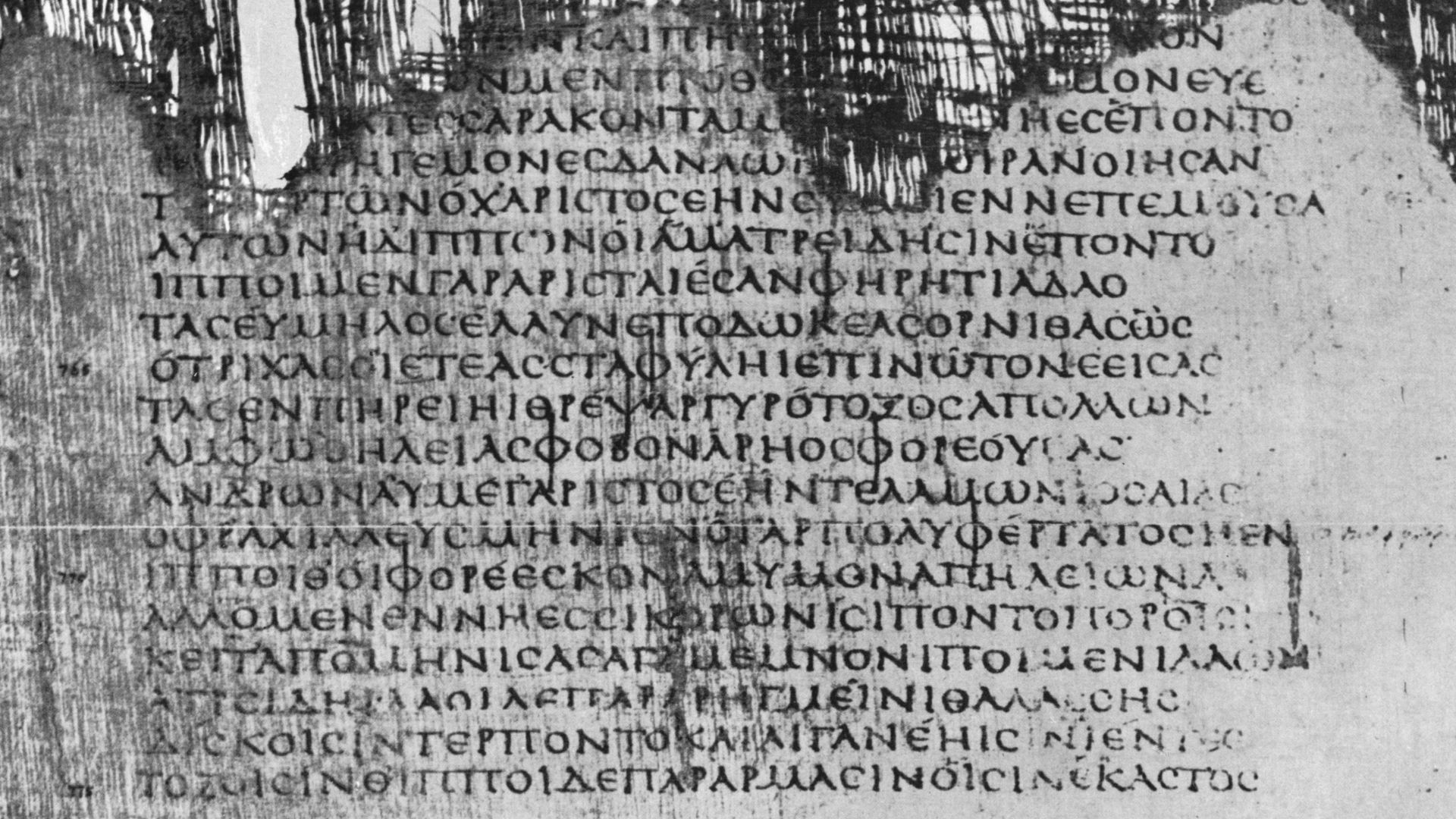
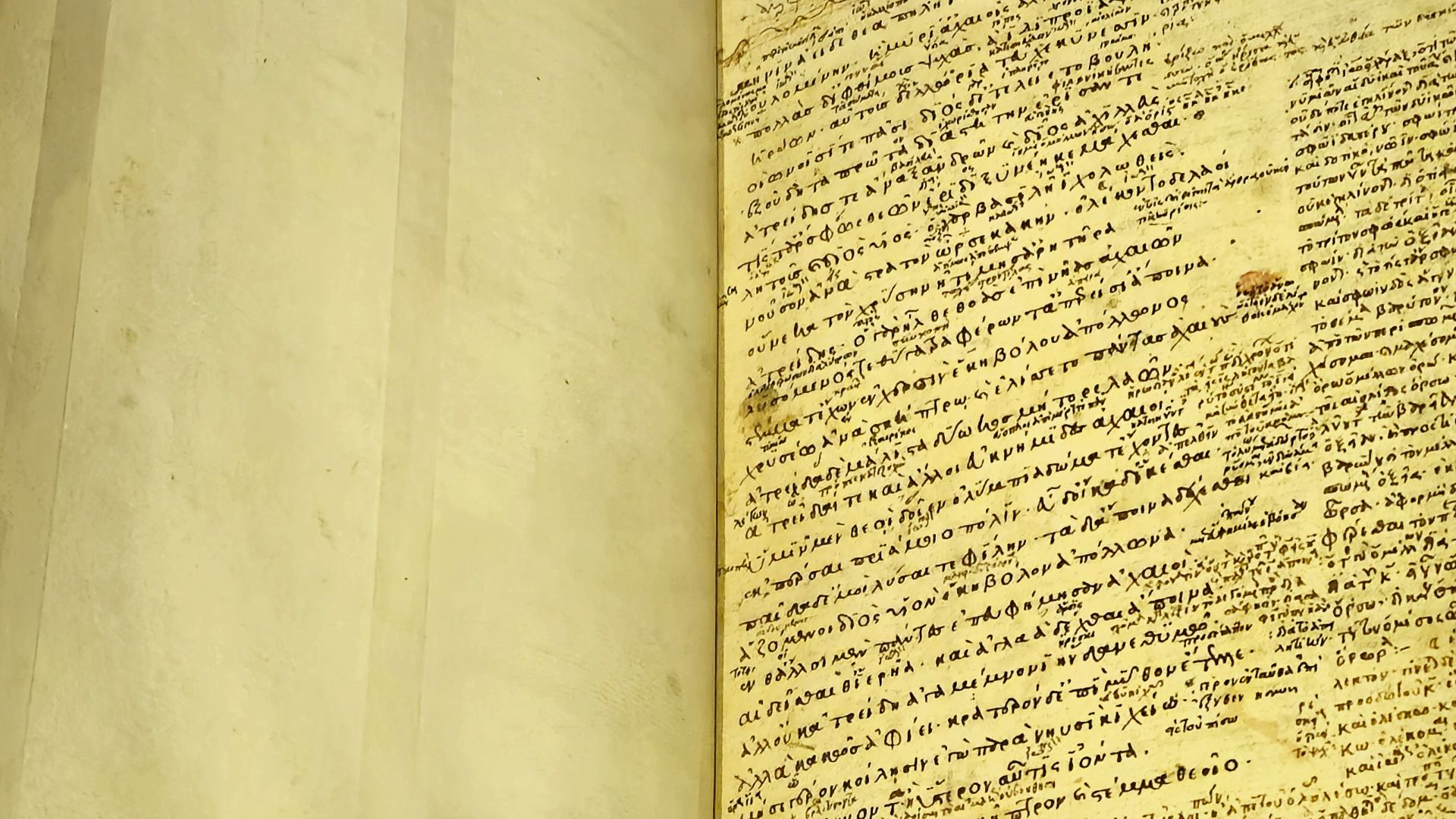
Instead of a magical formula or ritual text, researchers were looking at part of one of the most famous works ever written. The papyrus contained lines from Homer’s Iliad. According to the excavation team, no Greek literary work had previously been documented being deliberately used this way during embalming.
 Unknown authorUnknown author, Wikimedia Commons
The Team Studied It Months Later
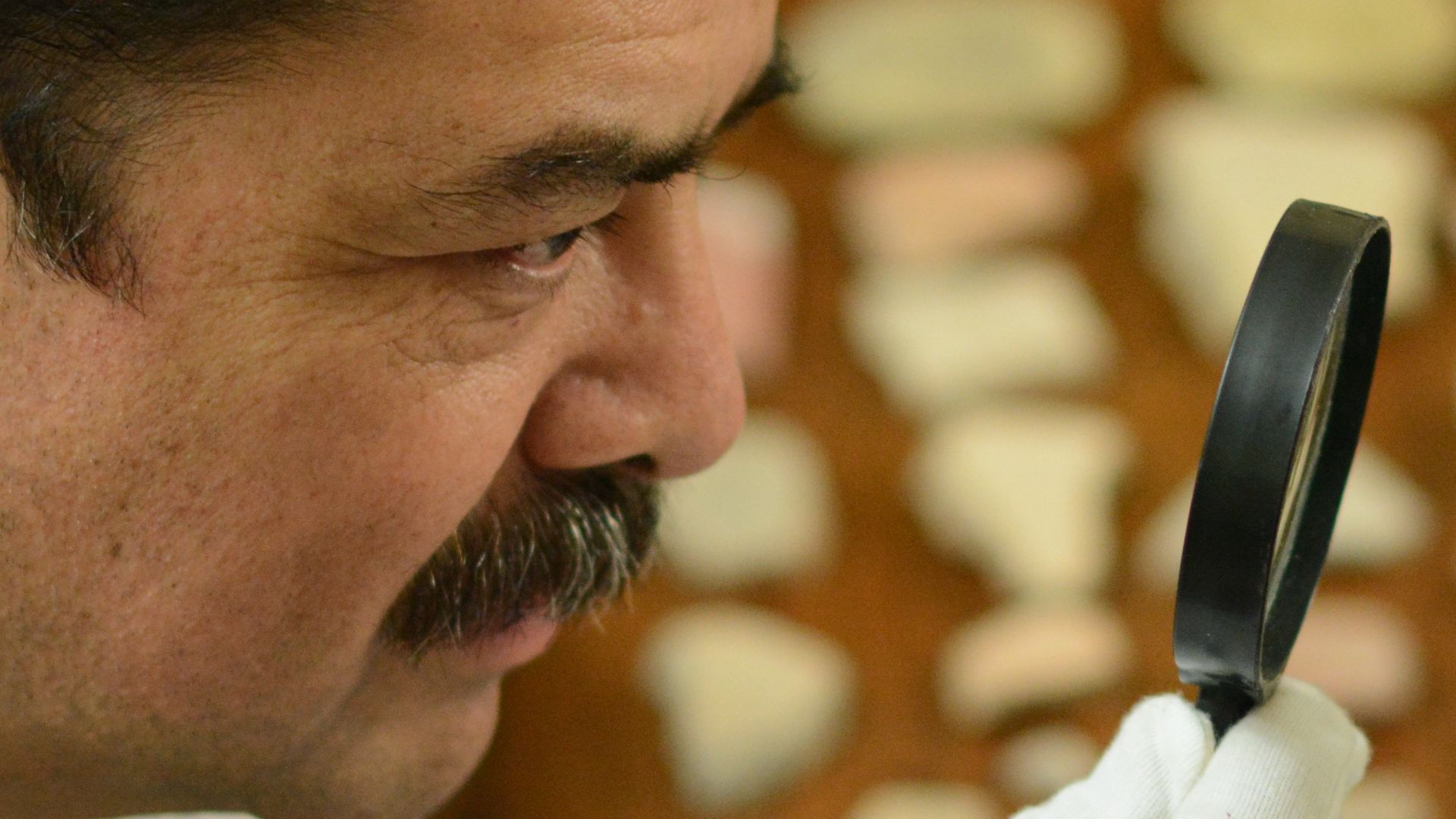
The fragile papyrus underwent closer study during a second research campaign in January and February 2026. Specialists carefully examined what remained of the ancient writing. Their work eventually revealed exactly which part of the Iliad had survived.
 Santabiblia, Wikimedia Commons
Several Experts Tackled The Puzzle
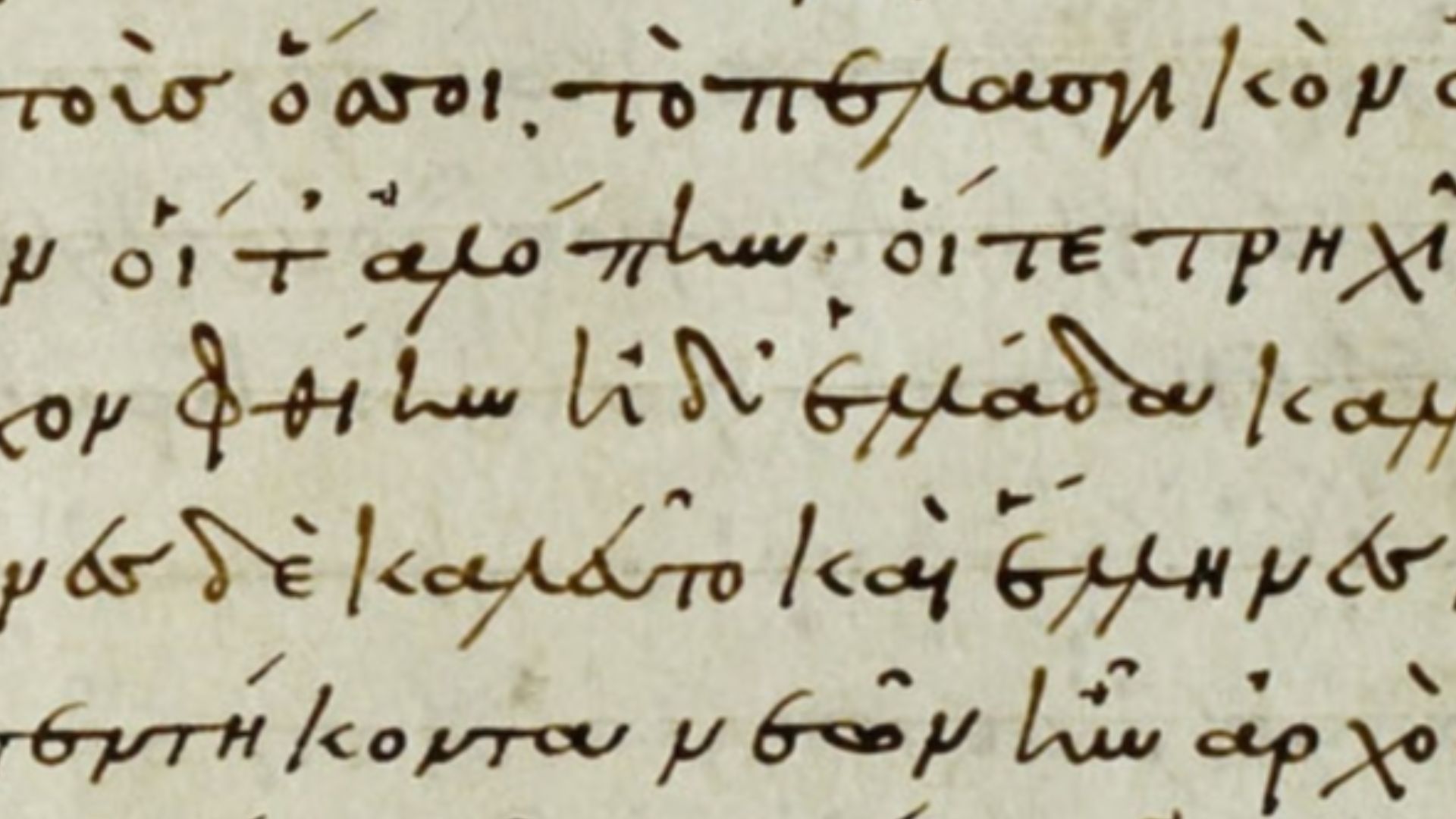
Conservator Margalida Munar, papyrologist Leah Mascia, and classical philologist Ignasi-Xavier Adiego worked on the document. Mascia deciphered the surviving Greek text, giving the team enough material to make an identification. Adiego then connected the fragment to a specific section of Homer.
 Unknown authorUnknown author, Wikimedia Commons
It Came From Book II
The surviving passage belonged to Book II of the Iliad. That book takes place as the Greek forces prepare for the continuing war against Troy. More specifically, the papyrus came from one of the epic’s most famous sections.
It Was The Catalogue Of Ships
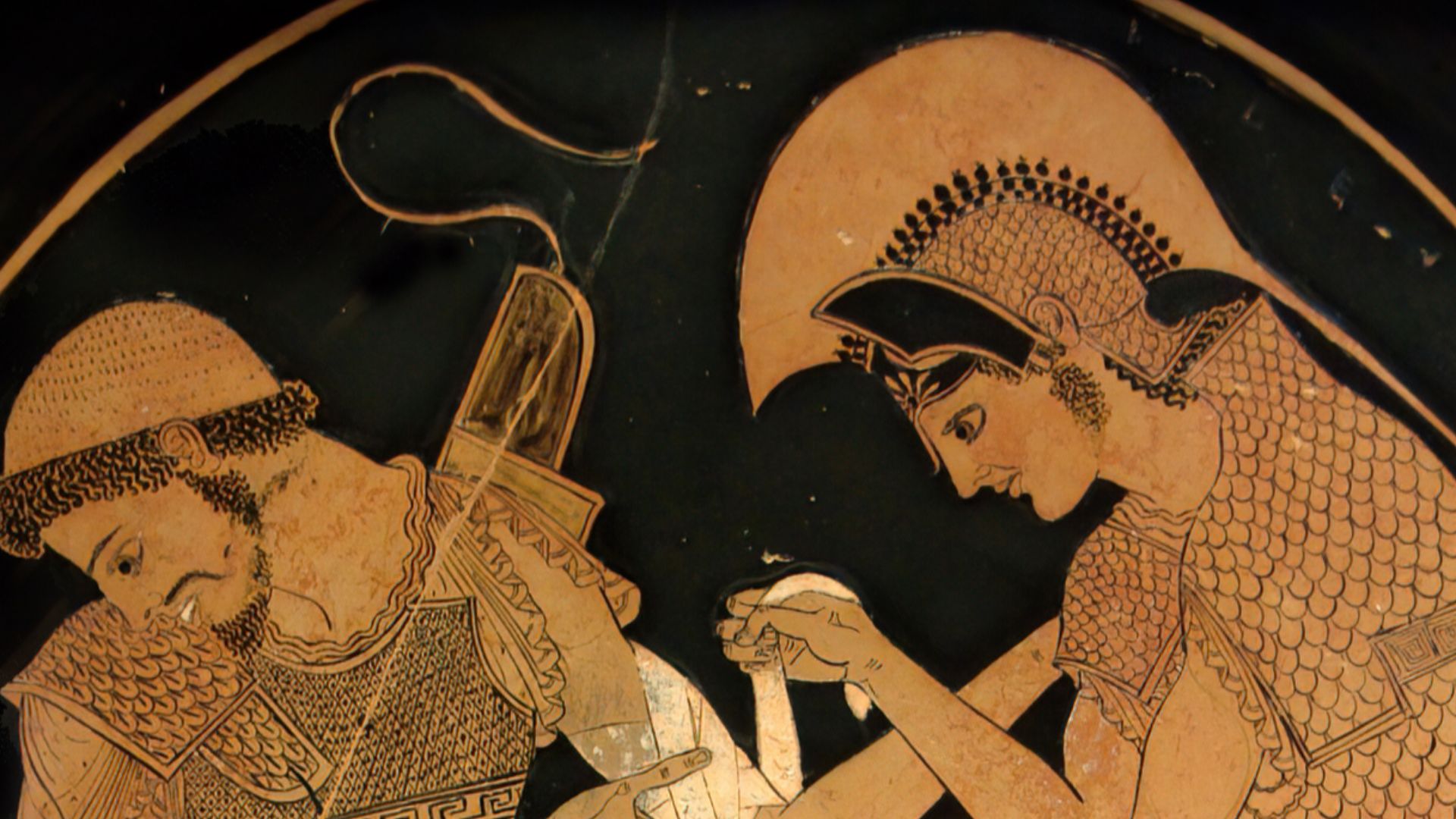
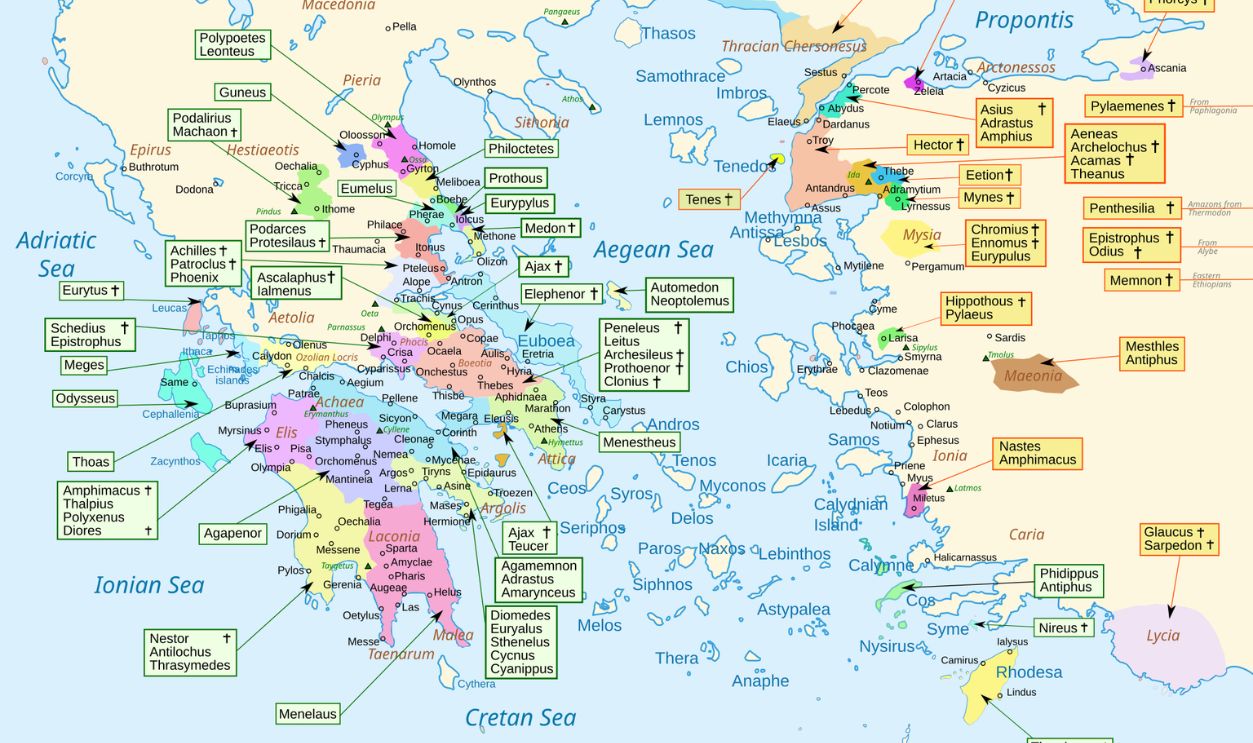
Researchers identified the passage as part of the “Catalogue of Ships.” The section lists the Greek contingents, leaders, and forces gathered for the Trojan War. It effectively turns a portion of the poem into an enormous roll call of the legendary Greek army.
The Passage Was Famous In Antiquity
The Catalogue of Ships became one of the best-known passages in the Iliad. Its long list tied numerous Greek places and peoples into the story of Troy. Finding part of that particular passage on an Egyptian mummy created a striking link between Greek literary culture and Egyptian funerary practice.
Homer Was Already Everywhere At Oxyrhynchus
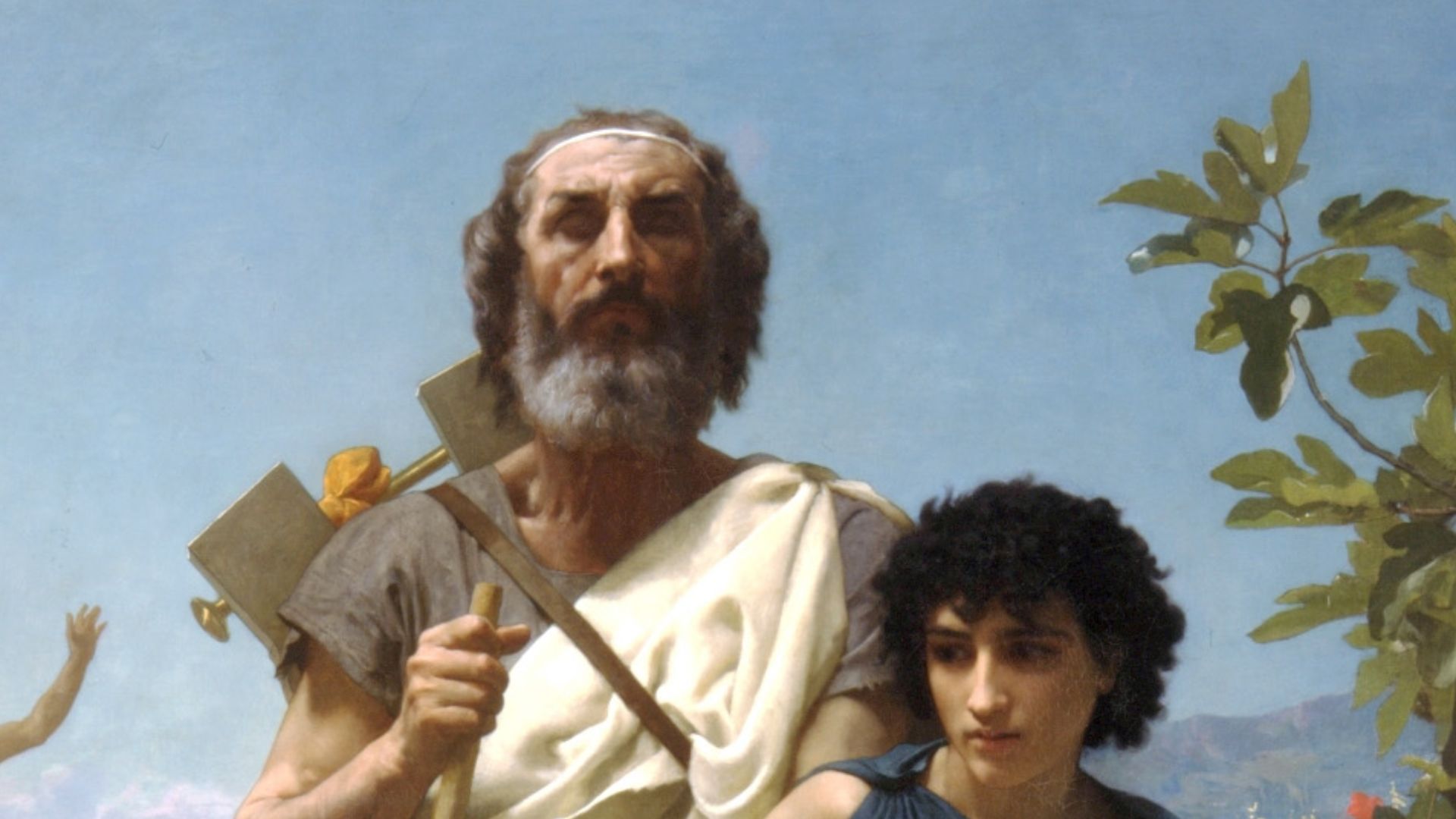
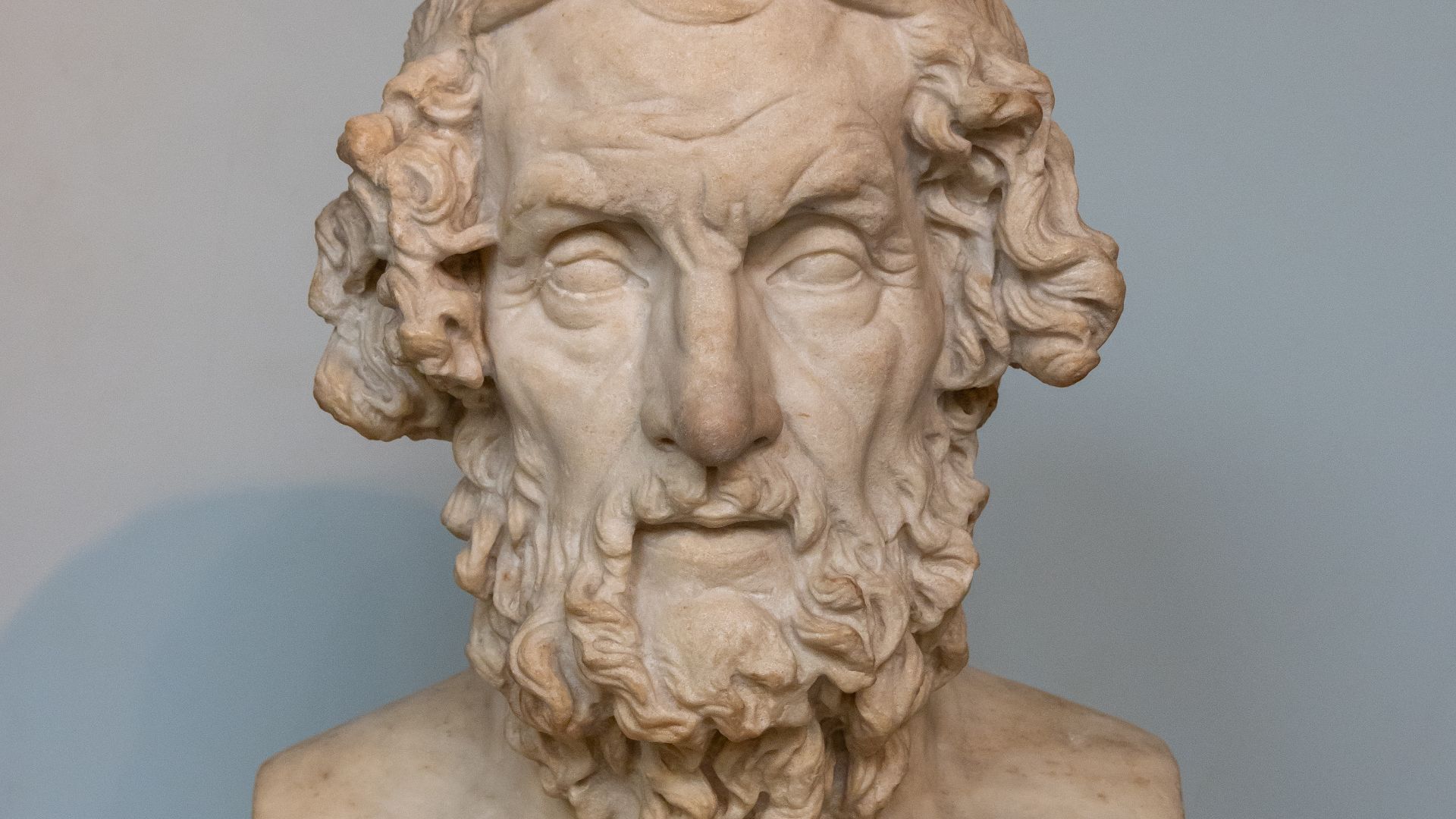
The literary identification itself was not surprising because Oxyrhynchus has yielded large numbers of Greek texts. Homer was widely read across the Greek-speaking world, including Roman Egypt. Researchers were already accustomed to finding major works of Greek literature at the site.
 William-Adolphe Bouguereau, Wikimedia Commons
The Location Changed Everything
What made this discovery extraordinary was not simply finding Homer. It was finding Homer deliberately incorporated into a mummy’s embalming. As project director Ignasi-Xavier Adiego explained, the major novelty was seeing a literary papyrus in a funerary context.
 Photograph by Mike Peel (www.mikepeel.net)., Wikimedia Commons
Researchers Call It A First
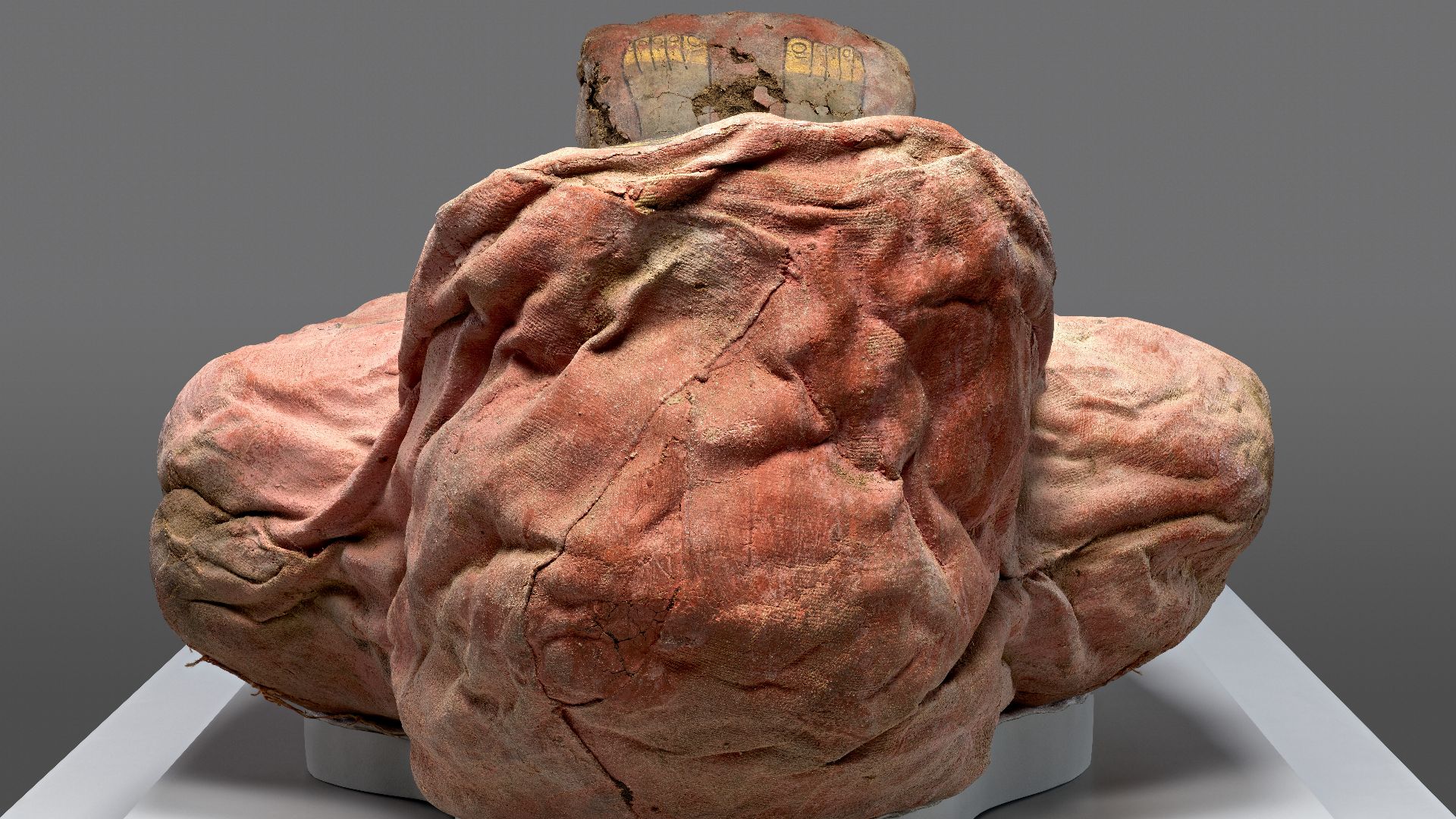
The University of Barcelona team describes the mummy as the first known archaeological case in which a Greek literary text was deliberately incorporated into embalming. Previous examples found by the mission involved magical or ritual writings instead. That distinction is why researchers consider the discovery so unusual.
 J. Paul Getty Museum, Wikimedia Commons
The Burial Ground Was Extensive
The mummy came from the necropolis at Al Bahnasa, the modern settlement occupying the site of ancient Oxyrhynchus. Archaeologists have spent decades exploring burial areas there. The latest work revealed another substantial funerary complex beneath the desert landscape.
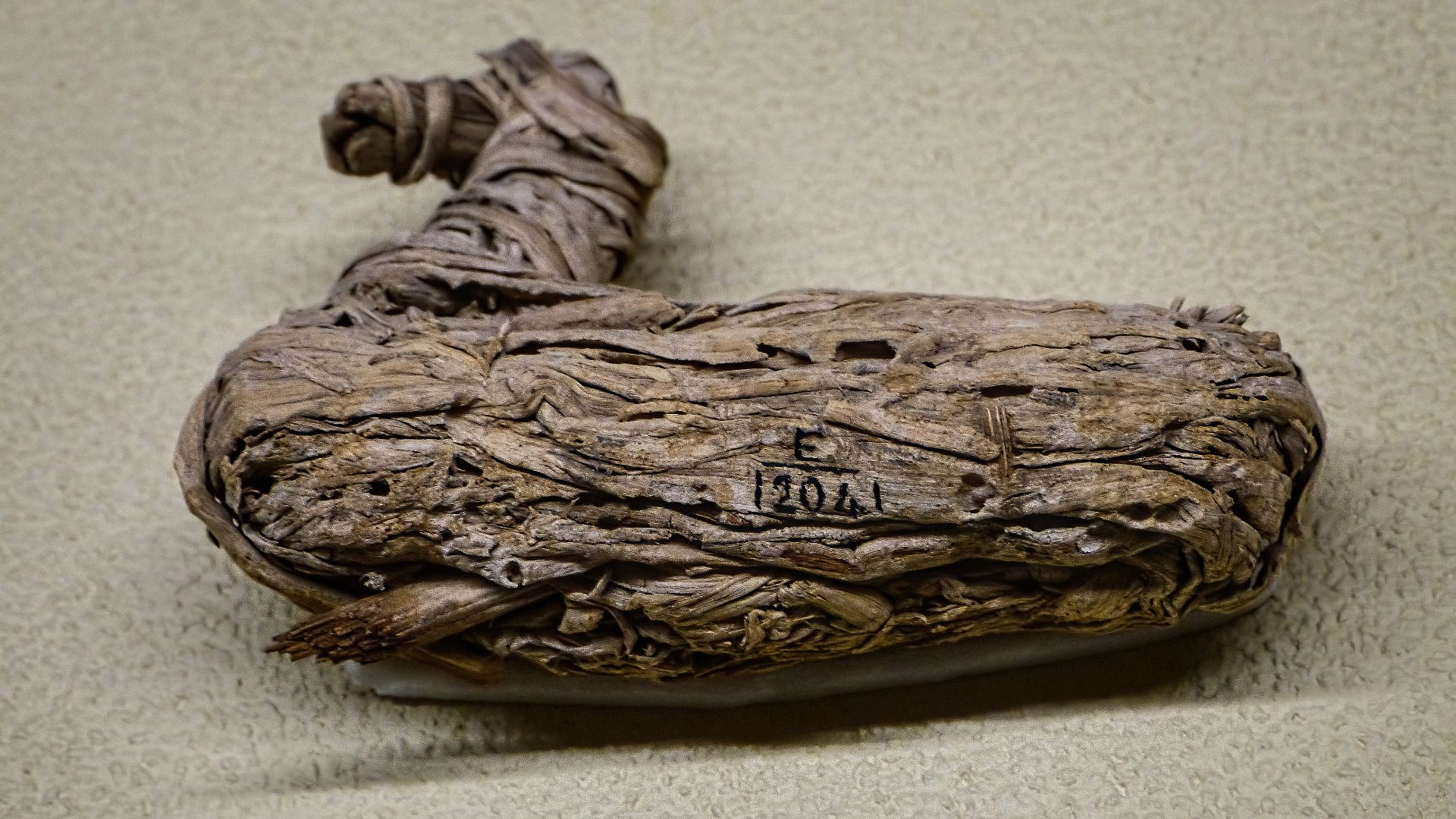 Mary Harrsch, Wikimedia Commons
Three Burial Chambers Were Found
The excavated complex contained three limestone burial chambers. Inside were remains dating to Roman-era occupation of the cemetery. The chambers offered archaeologists a broader glimpse of how people in this community treated and commemorated their dead.
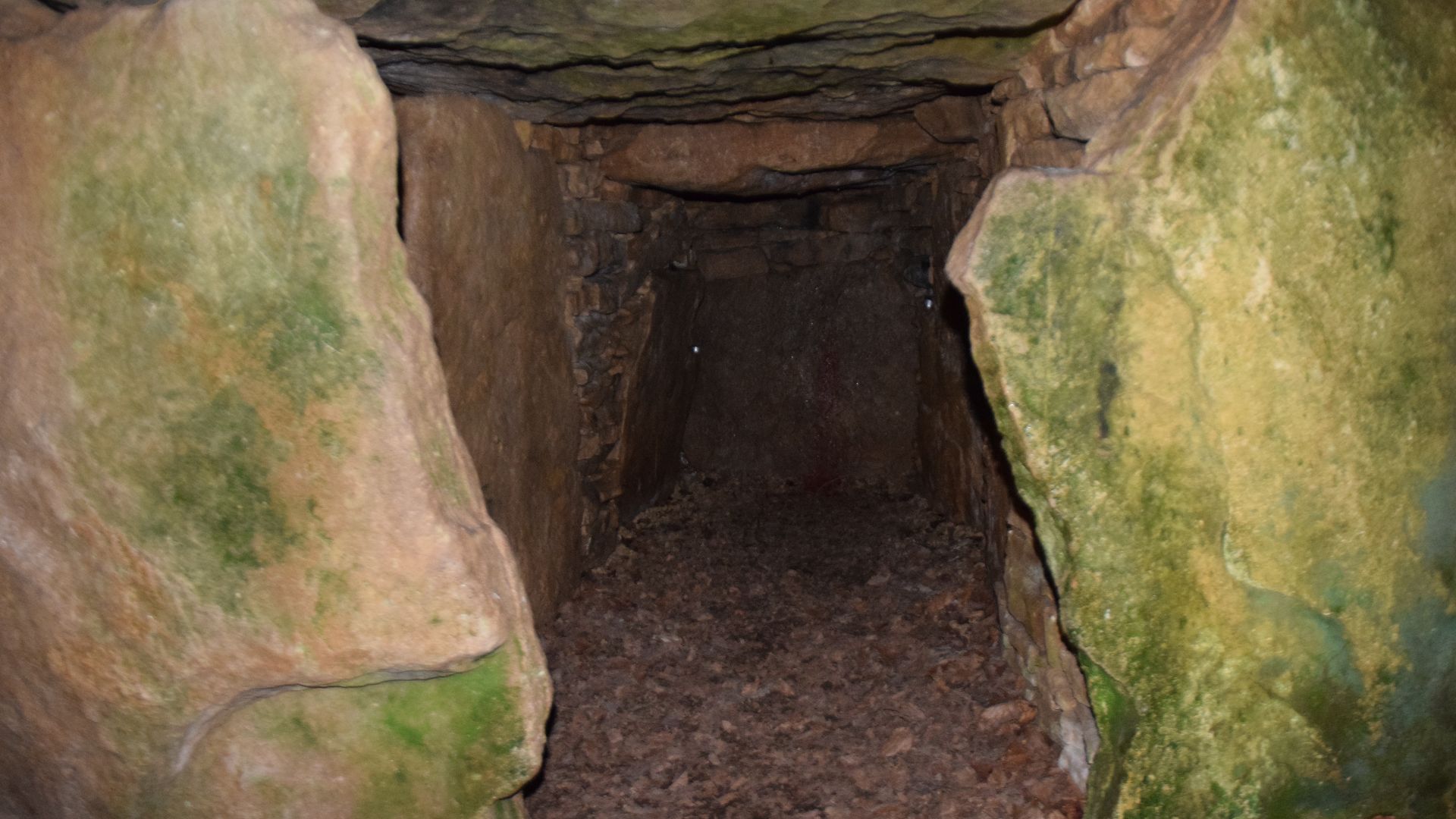 Hugh Llewelyn from Keynsham, UK, Wikimedia Commons
There Were More Mummies Inside
The chambers contained multiple Roman-era mummies rather than a single isolated burial. Archaeologists also discovered decorated wooden sarcophagi. The Iliad mummy therefore belonged to a much larger funerary setting.
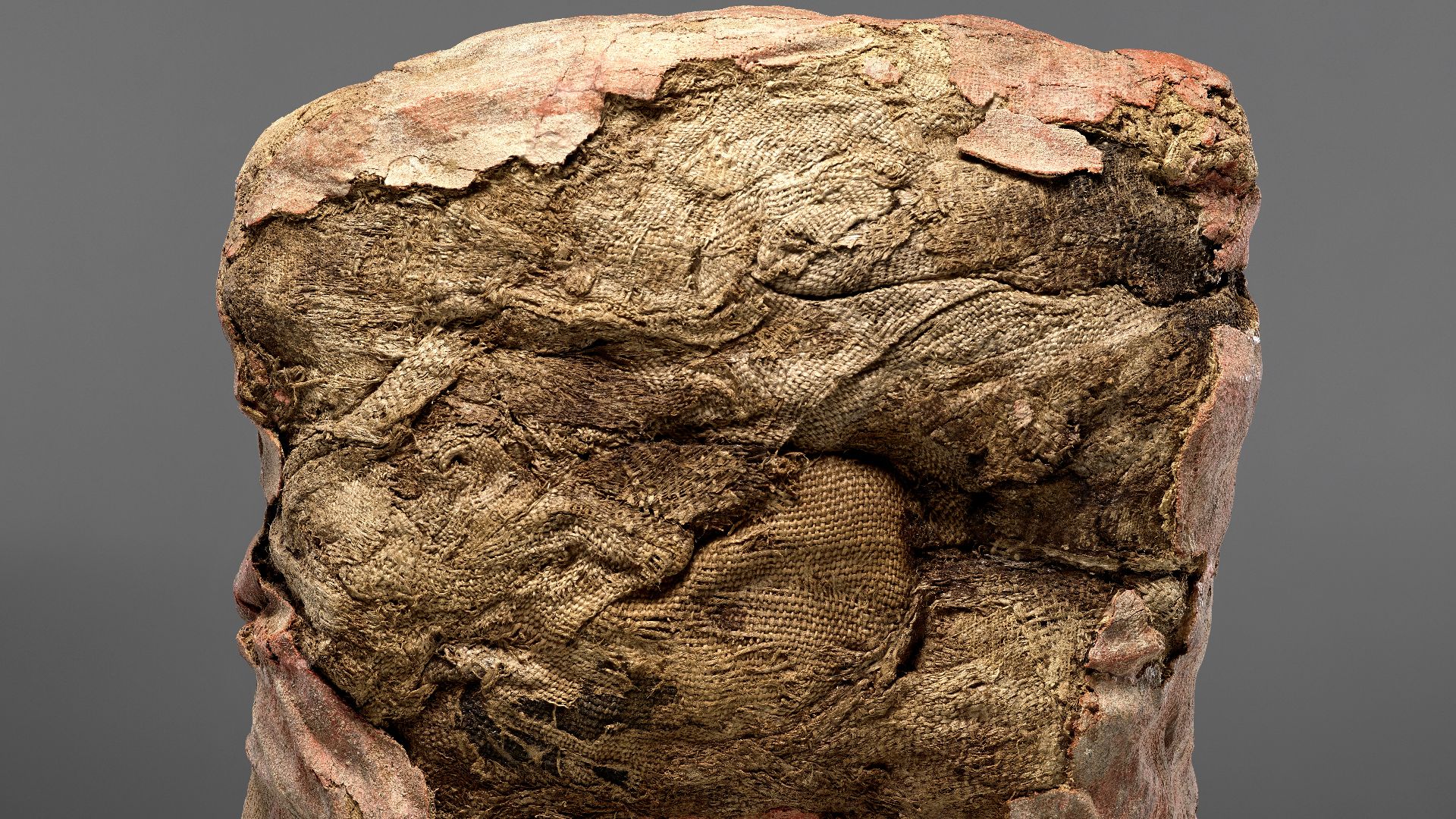 J. Paul Getty Museum, Wikimedia Commons
Looters Had Already Been There
Unfortunately, portions of the burial complex had suffered damage from ancient or historical looting. Several objects and sarcophagi were found in poor condition. Despite that disturbance, enough survived for researchers to reconstruct important details about the burials.
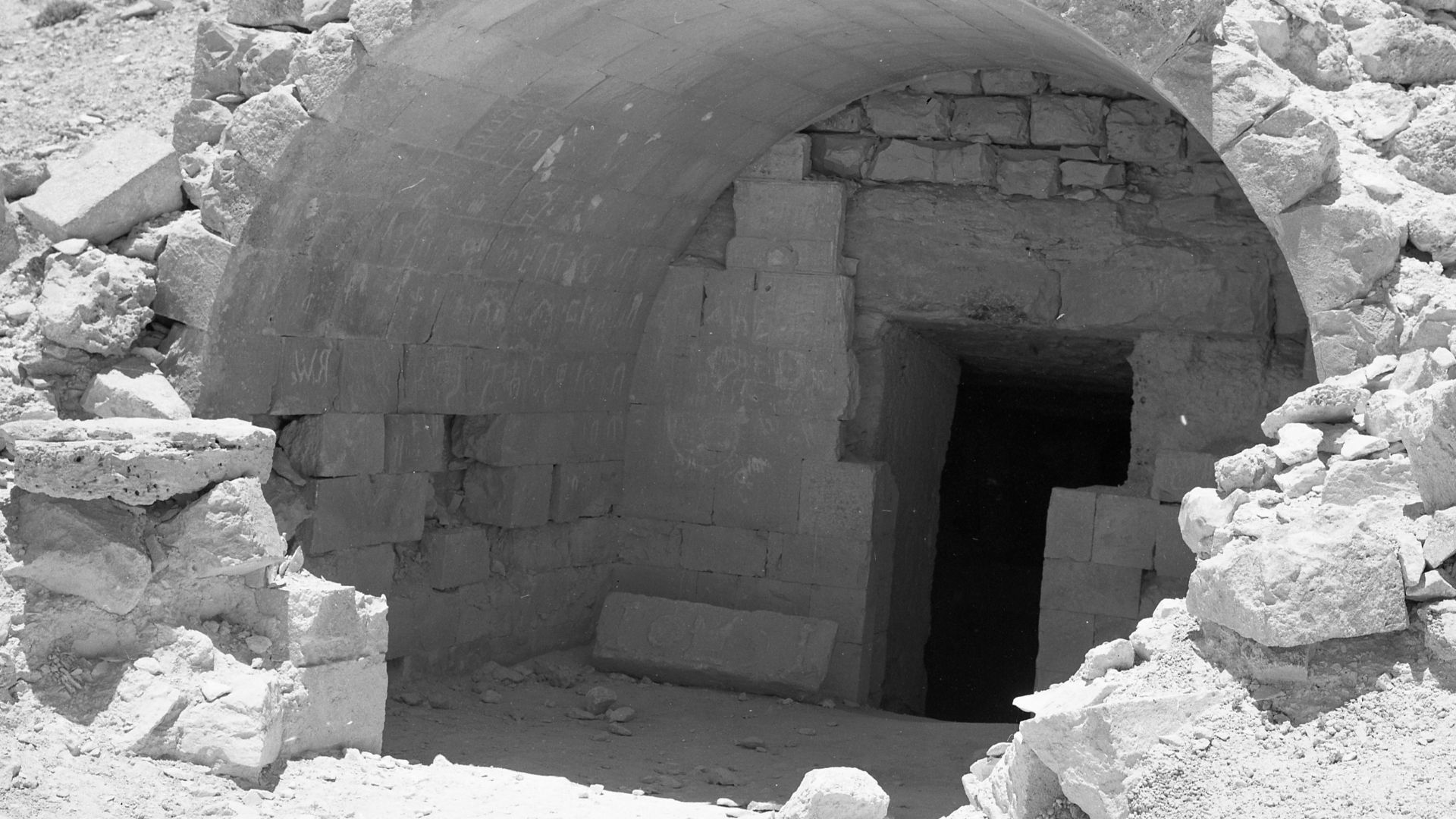 Benno Rothenberg, Wikimedia Commons
The Find Was Part Of A Major Field Season
The discovery came during the mission’s latest fieldwork, which ran from November 2025 through February 2026. Archaeologists, anthropologists, conservators, and language specialists all contributed to studying the material. The Homer papyrus became one of the campaign’s most remarkable discoveries.
The Project Goes Back To 1992
The University of Barcelona’s archaeological mission at Oxyrhynchus began in 1992 under professor Josep Padró. It has since grown into one of Spain’s longest-running archaeological projects in Egypt. Decades of work have helped reveal the city’s complicated Egyptian, Greek, and Roman history.
 Unknown authorUnknown author, Wikimedia Commons
One Detail Changed The Meaning Of The Find
A fragment of the Iliad found loose at Oxyrhynchus would have been interesting but hardly shocking. A fragment deliberately placed on a mummy as part of embalming tells archaeologists something very different. It suggests Greek literature could enter contexts far beyond ordinary reading and education.
 Osama Shukir Muhammed Amin FRCP(Glasg), Wikimedia Commons
It Blurs Cultural Boundaries
The discovery offers another glimpse of how traditions overlapped in Roman Egypt. An Egyptian funerary practice could incorporate a papyrus written in Greek, while the text itself preserved a story rooted in the legendary Greek past. The mummy captures several cultural worlds in a single burial.
 Allan Gluck, Wikimedia Commons
It Also Raises A Bigger Question
Researchers can identify the passage and show that the papyrus was deliberately incorporated into the embalming process. What remains far less clear is why this particular literary text was chosen. The Catalogue of Ships now sits at the center of a funerary mystery scholars did not know existed.
 U.S. Army National Guard photo by Staff Sgt. Emily Simonson, Wikimedia Commons
Homer Survived In The Strangest Place
For centuries, this fragment of one of the world’s most famous poems remained hidden with the dead beneath the Egyptian desert. Its discovery shows that ancient books could have lives far beyond libraries, schools, or private collections. In this case, part of the Iliad ended up accompanying a mummy for roughly 1,600 years before archaeologists finally found it.
 Homer/Unknown manuscript author(s), Wikimedia Commons
You May Also Like: