

A Luxury Boat Emerges From The Deep
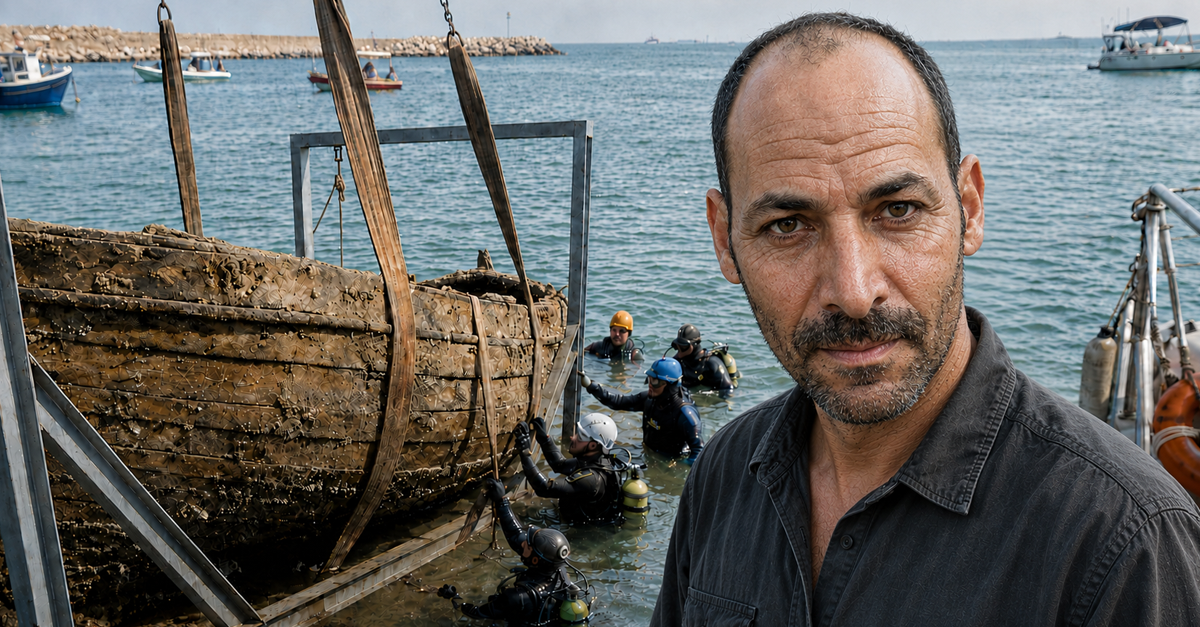
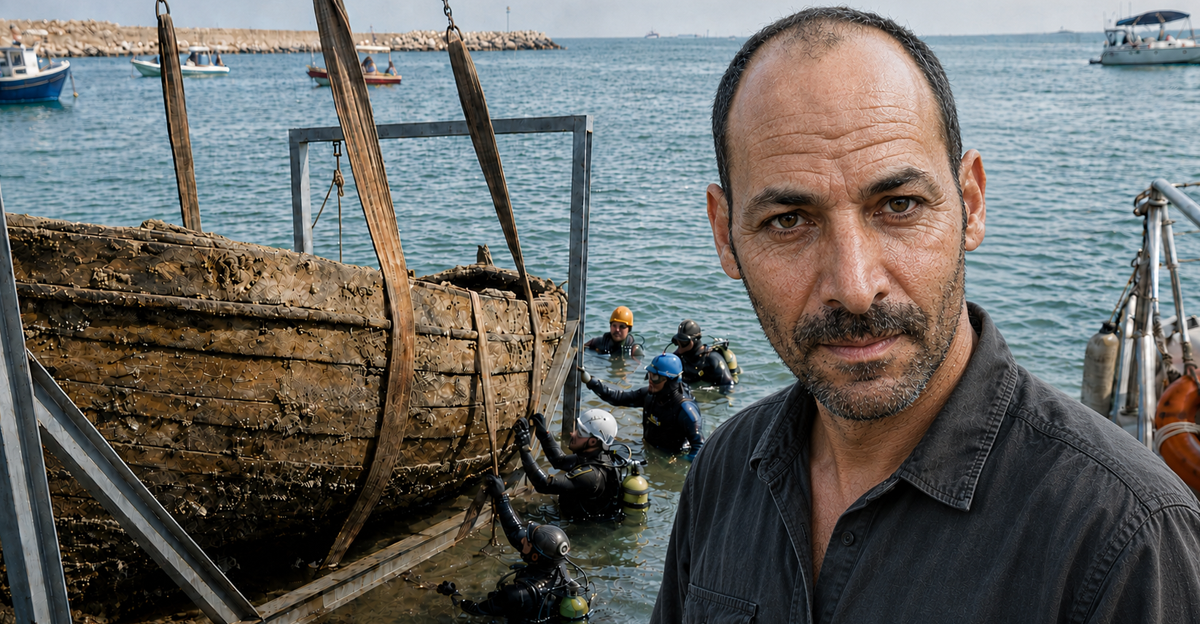
The waters off Alexandria have concealed temples, palaces, and monuments for centuries. Now, beneath layers of Mediterranean sediment, researchers have uncovered the preserved wooden frame of a roughly 2,000-year-old vessel. Evidence suggests it was a thalamagos, a luxurious pleasure barge once used on Egyptian waterways, offering a rare glimpse of luxury travel during early Roman Egypt.
Alexandria’s Grand Harbor Disappeared
The wreck was found inside Alexandria’s ancient Portus Magnus, or Great Harbor. This once-busy waterfront sank beneath the Mediterranean Sea following earthquakes and destructive waves. The vessel rested near Antirhodos, an island that formerly occupied a prestigious position inside the harbor.
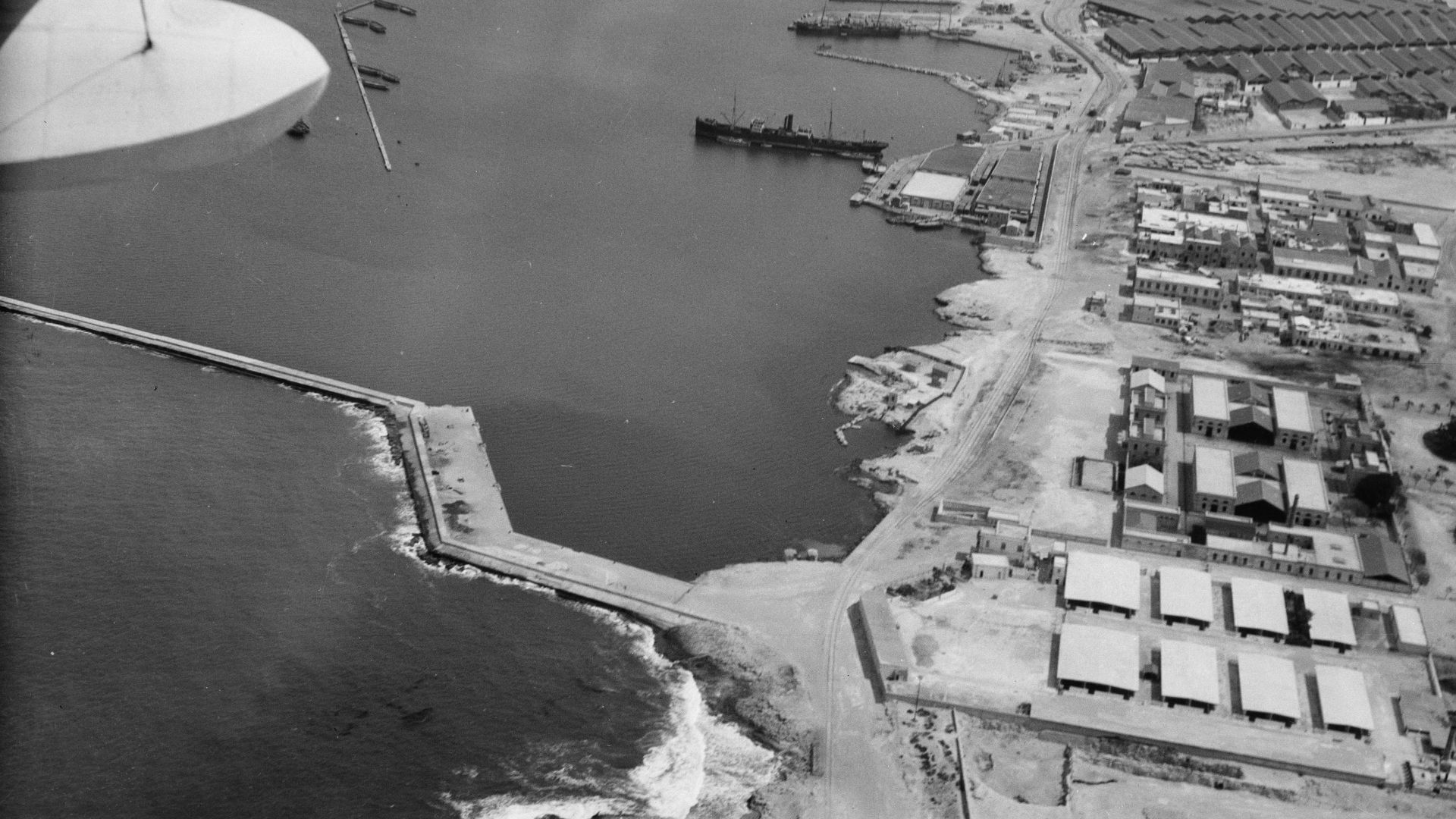 Matson Collection, Wikimedia Commons
Decades Of Exploration Led To The Find
The excavation was conducted by the European Institute for Underwater Archaeology in cooperation with Egypt’s Ministry of Tourism and Antiquities. Maritime archaeologist Franck Goddio directed the work. His teams have investigated Alexandria’s Eastern Harbor and nearby Abu Qir Bay since 1992.
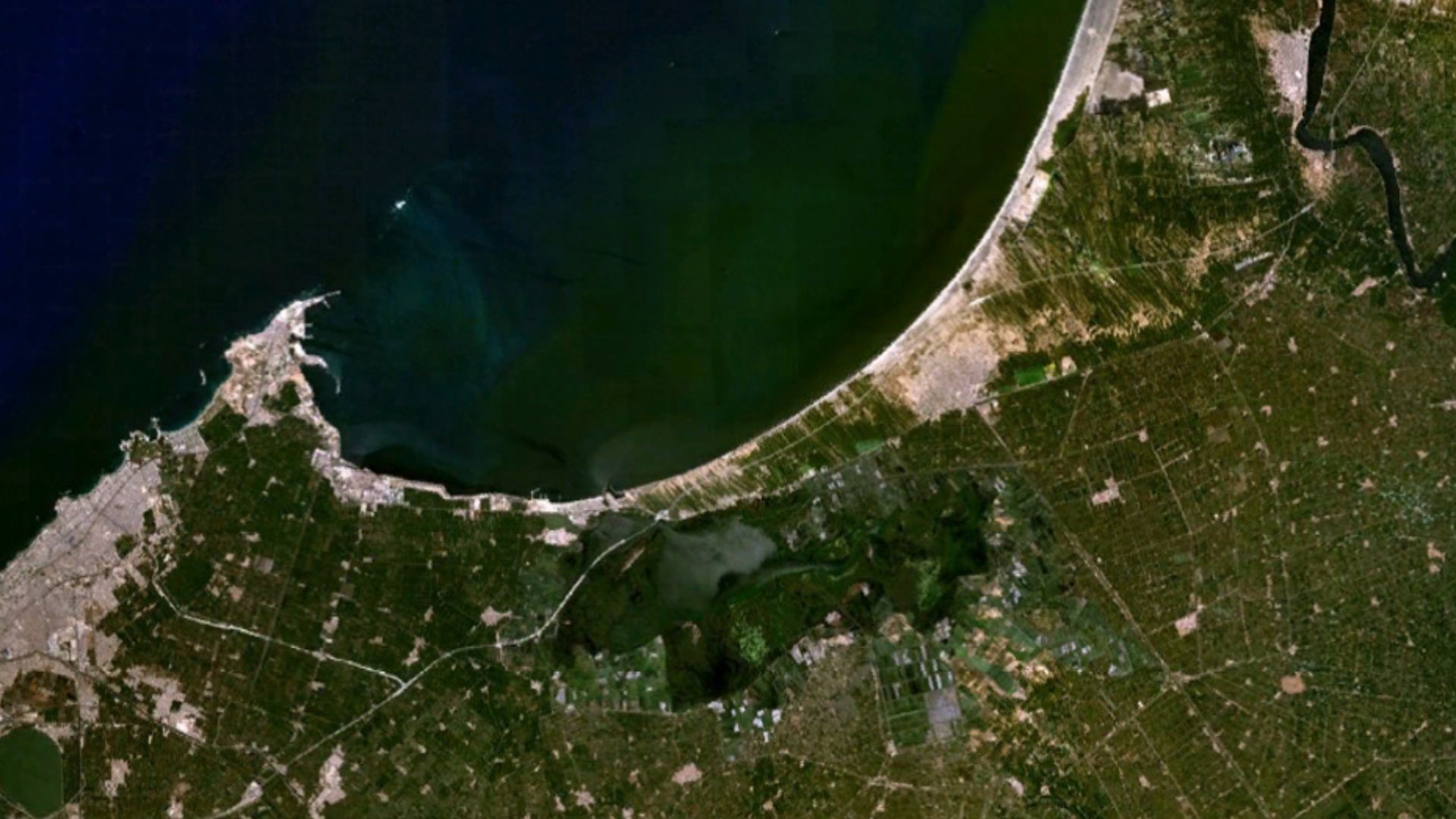 NASA World Wind (v1.4), Wikimedia Commons
Sediment Protected The Ancient Wood
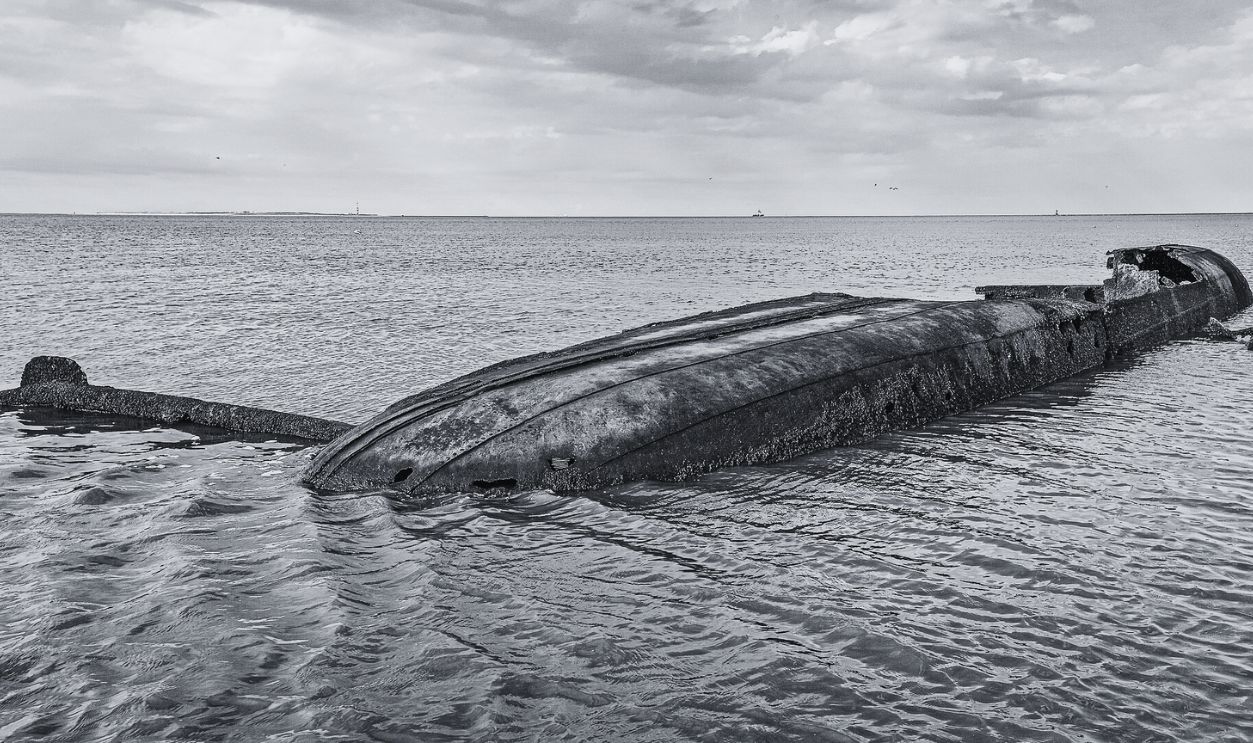
The wreck lay approximately 23 feet below the water’s surface and another five feet beneath the seabed. That thick covering of sediment helped protect timbers that would otherwise have deteriorated. When archaeologists exposed them, about 92 feet of the vessel’s structure remained preserved.
 Michael Jagger, Wikimedia Commons
This Was An Impressively Large Boat
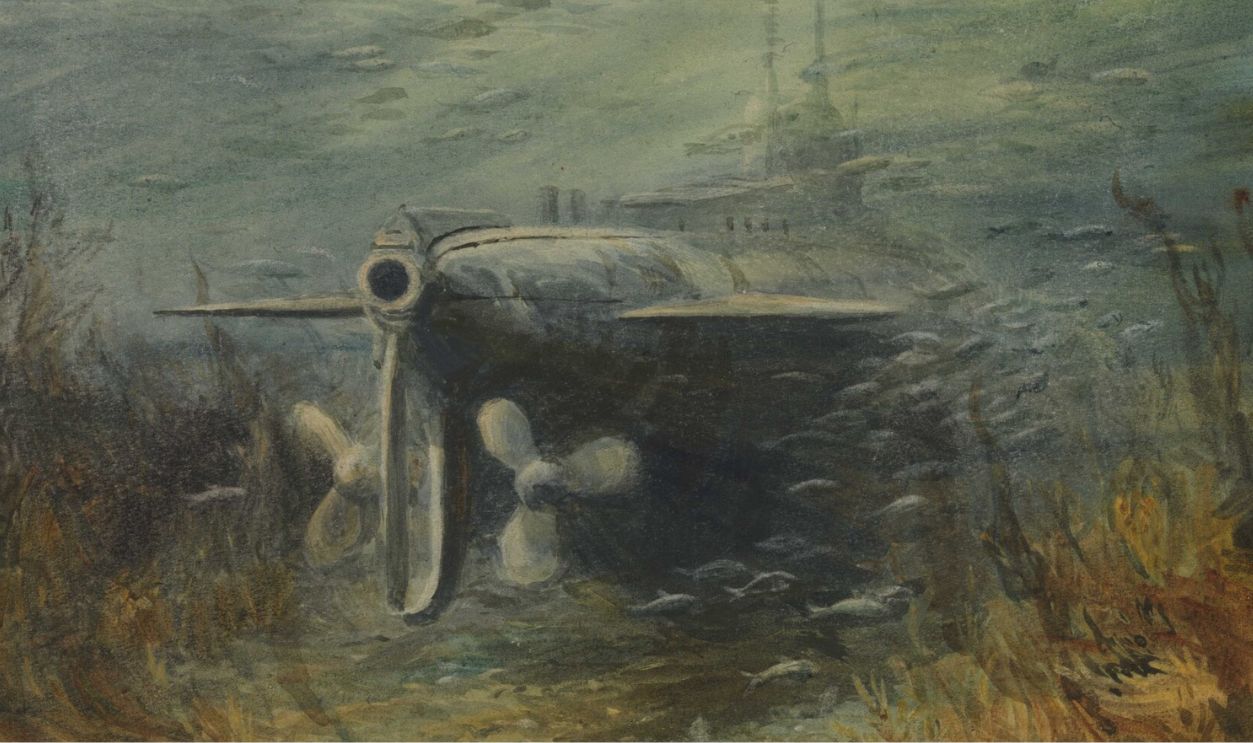
Researchers estimate that the complete vessel originally measured about 115 feet long and 23 feet wide. Its broad body provided enough room for a substantial structure at the center. This was clearly more than a simple fishing craft or cargo carrier.
 William Lionel Wyllie, Wikimedia Commons
Its Strange Shape Initially Caused Confusion
The vessel’s construction was so unusual that Goddio initially wondered whether the team had found two overlapping wrecks. The bow had a flat bottom and hard angles, while the stern curved more gently. Once studied together, those contrasting sections revealed one highly specialized boat.
The Design Favored Shallow Water
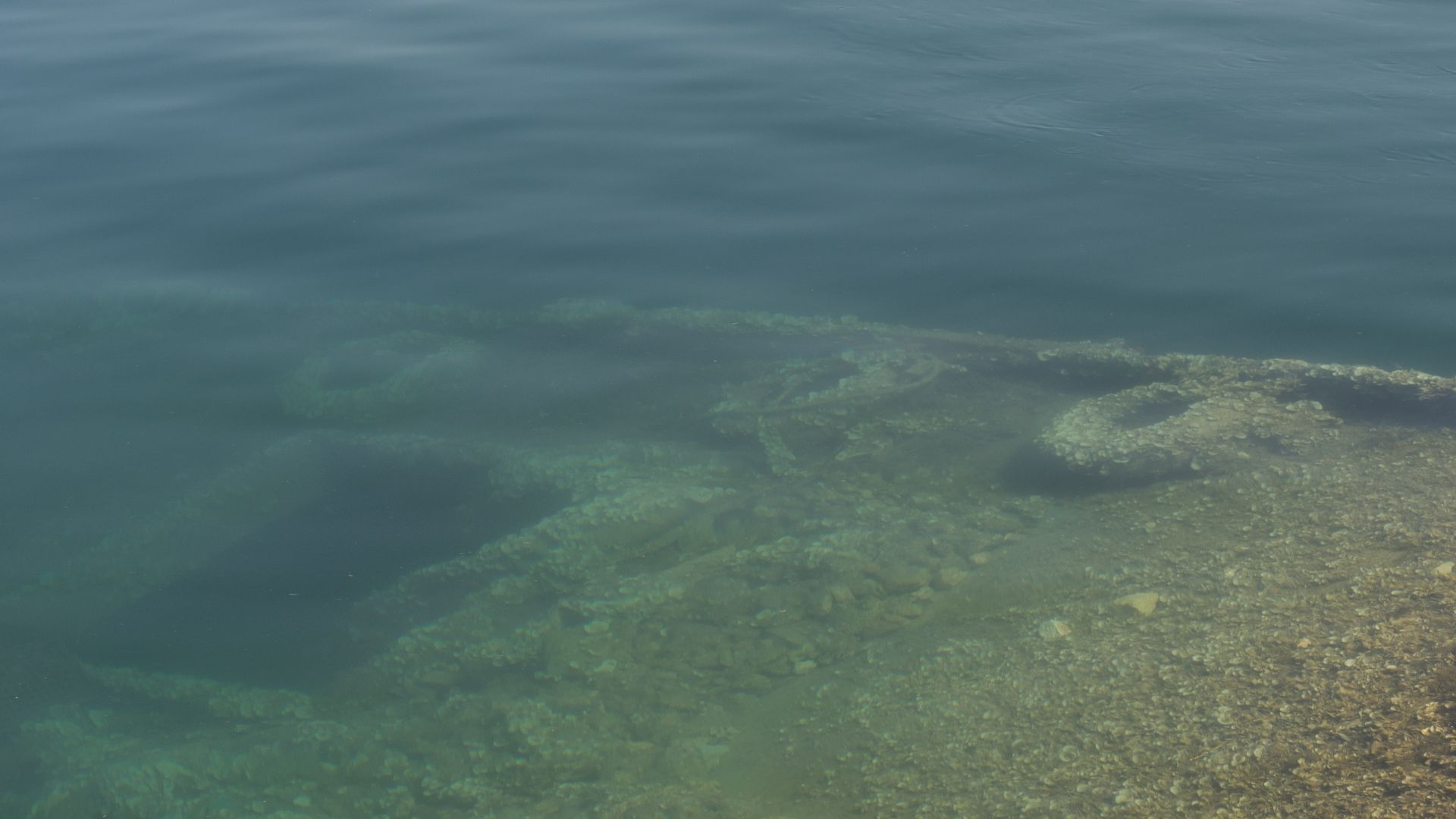
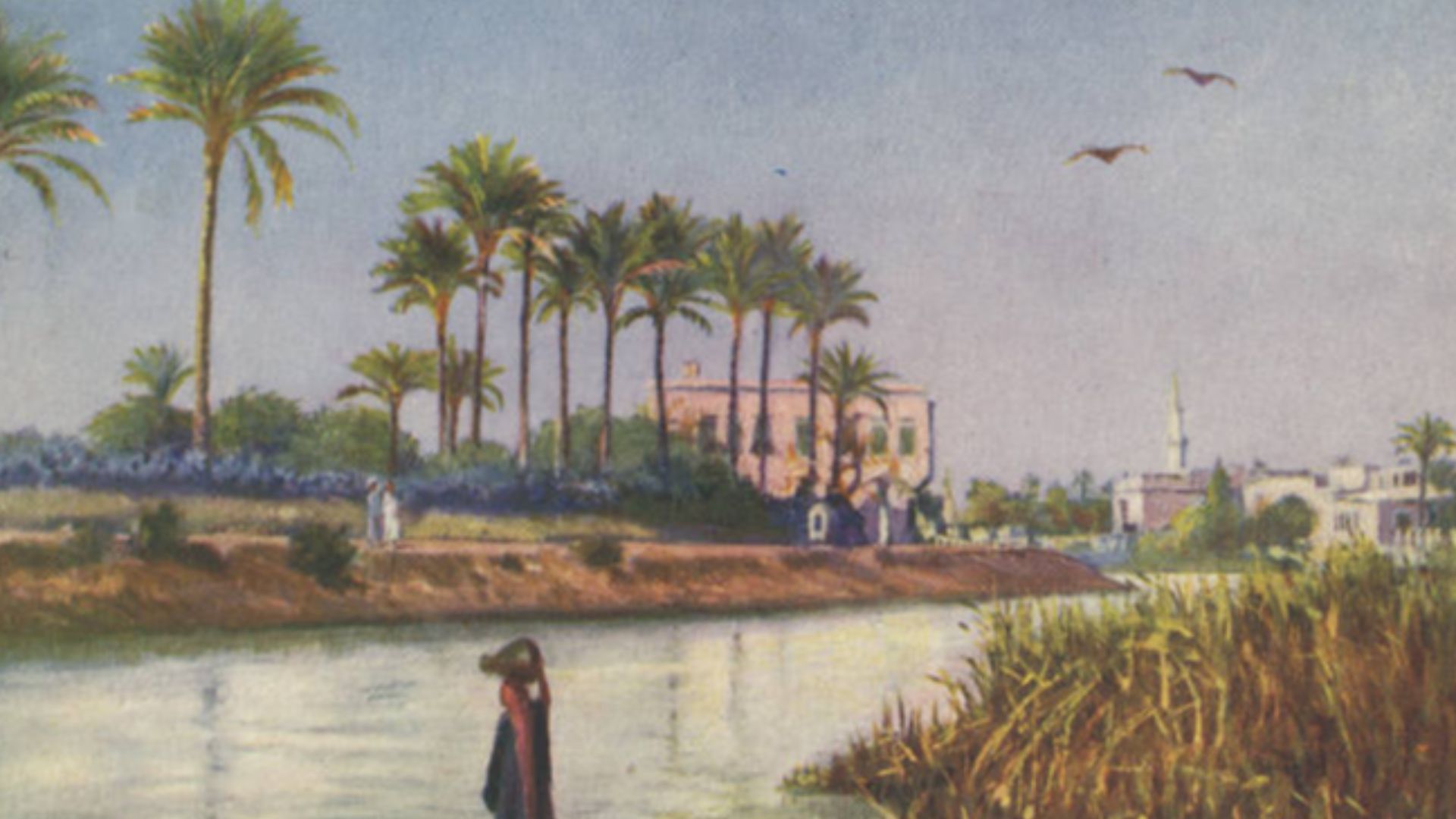
A flat bottom allowed the vessel to travel through relatively shallow waterways. That would have suited Alexandria’s canals and the calmer channels connected to the Nile. The barge was designed for sheltered water rather than long journeys across rough seas.
 Raphael Tuck & Sons., Wikimedia Commons
Oars Provided The Power
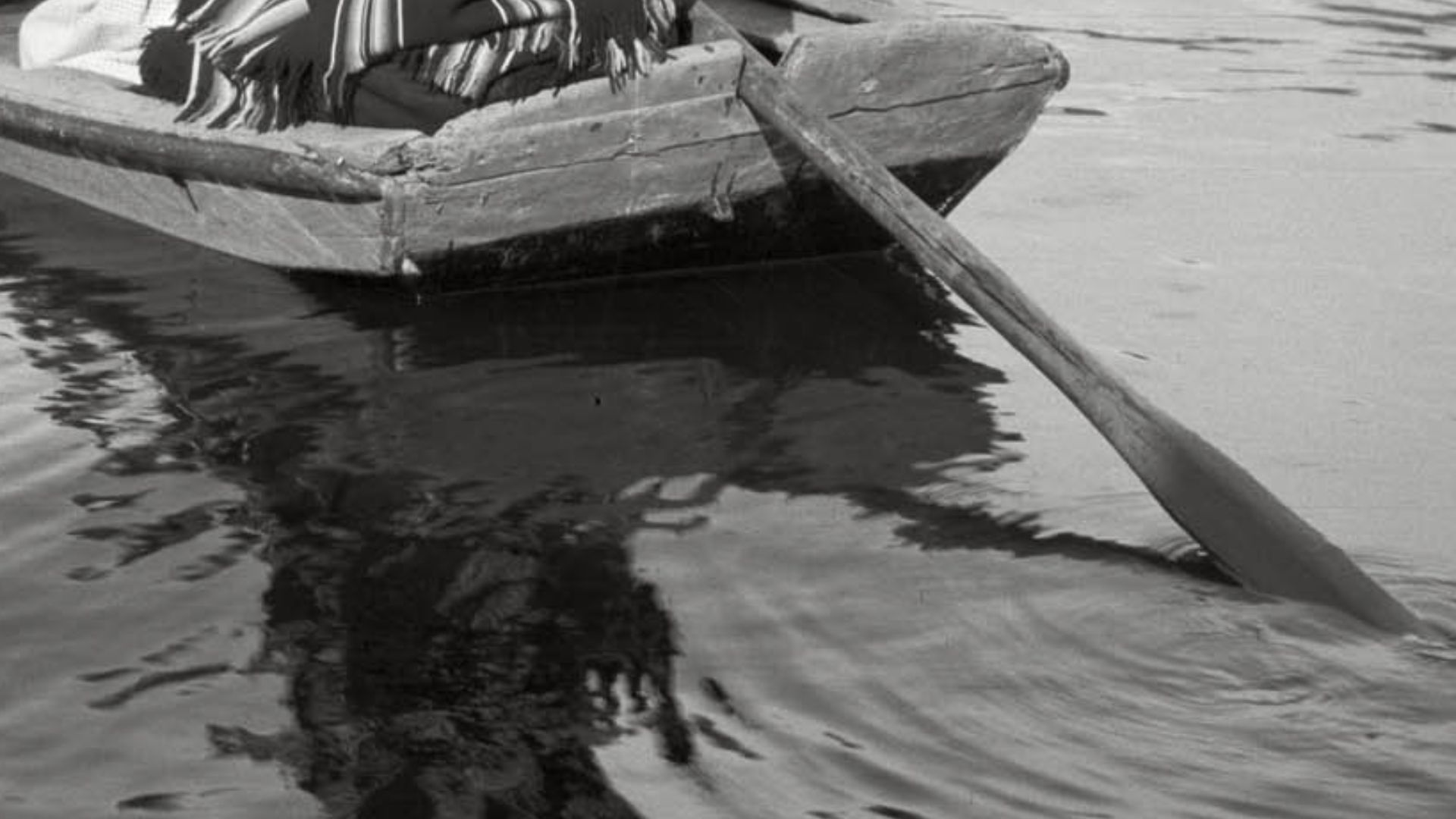
Researchers believe the boat relied entirely on oars instead of sails. Moving something so large may have required more than 20 rowers. Passengers could therefore relax inside the vessel while a sizeable crew handled the demanding work.
 Carl Wilhelmson, Wikimedia Commons
A Pavilion Dominated The Center
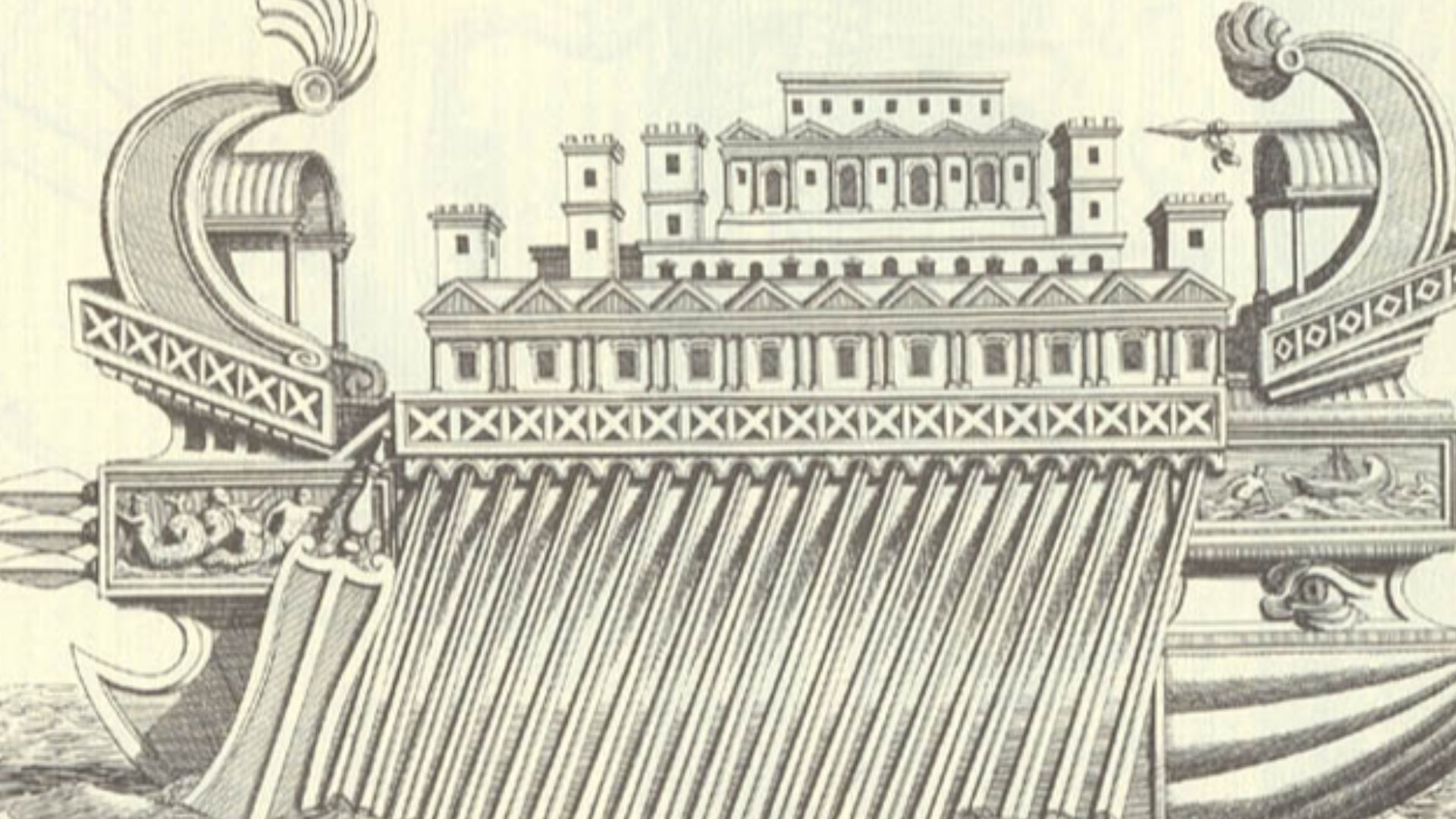
The boat’s exceptional width was probably intended to support a central pavilion. Archaeologists believe this cabin would have been richly decorated if the vessel served wealthy passengers. It may have functioned like a floating reception room surrounded by open views of the water.
 Sadarama, CC BY-SA 4.0, Wikimedia Commons
It Was Known As A Thalamagos
The Greek term thalamagos refers to a cabin boat or pleasure barge. Ancient writers described these vessels, but archaeologists had never found a physical example in Egypt before this discovery. The wreck finally gives researchers surviving construction evidence to compare with those written accounts.
 Nicolaes Witsen, Wikimedia Commons
Strabo Saw Similar Boats In Alexandria
The Greek geographer Strabo visited Alexandria around 29 to 25 BCE. He described elaborately furnished cabin boats used by the royal court for excursions. His writings also connected these barges with public celebrations and busy trips through the city’s canals.
 André Thévet, Wikimedia Commons
Ancient Passengers Knew How To Celebrate
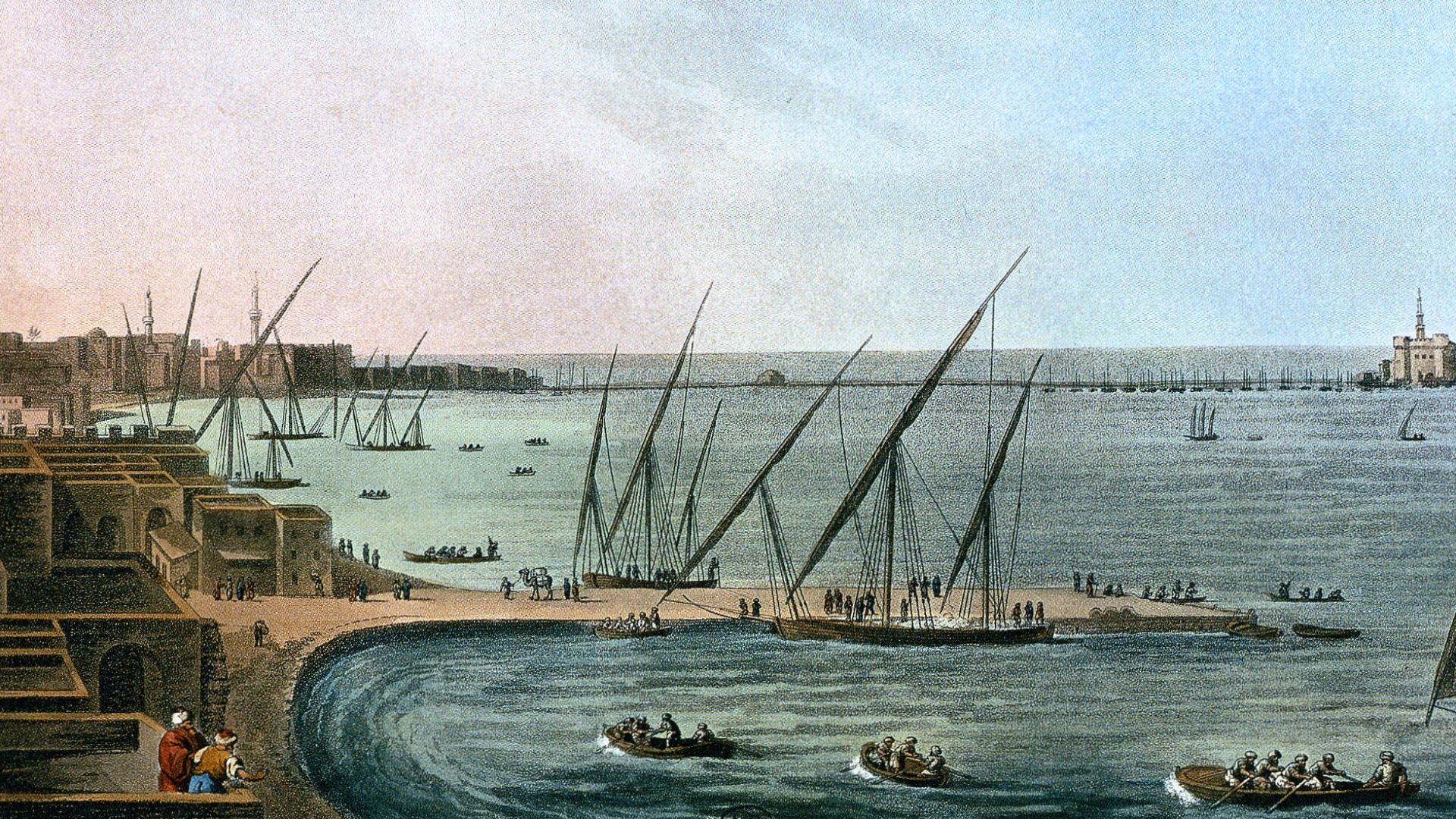
According to Strabo, Alexandrians travelled by boat to festivals while musicians played and passengers danced. Celebrations could continue throughout the day and night. The newly discovered vessel may have carried similarly lively gatherings through the city’s waterways.
 Luigi Mayer, Wikimedia Commons
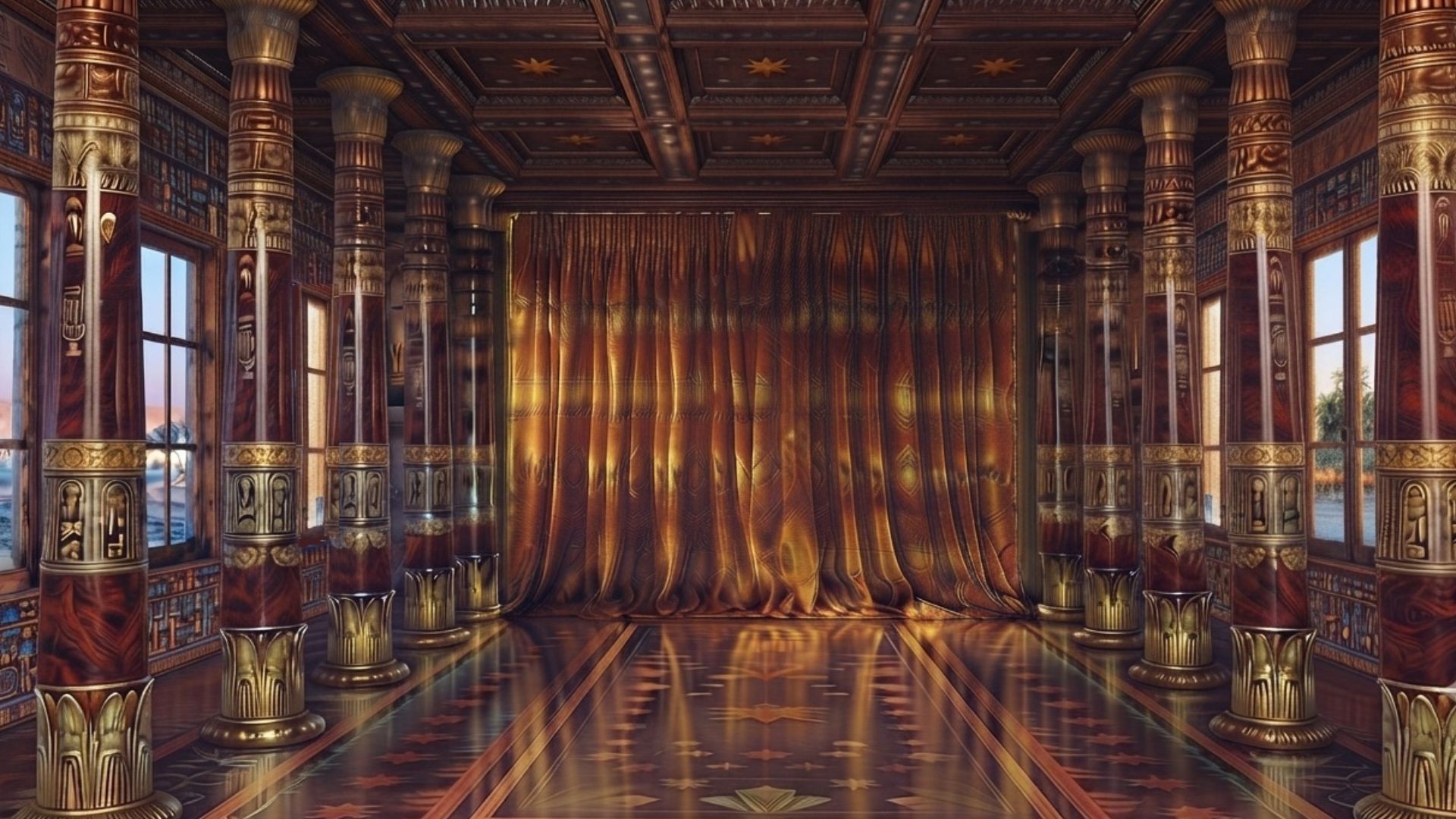
Until Now, The Boats Existed Mostly In Stories
Texts and artwork established that thalamagoi existed, but no example had previously been identified archaeologically in Egypt. That absence left experts without a real hull to examine. The Alexandria wreck provides the first direct evidence of how one of these unusual vessels was constructed.
 Franck devedjian, Wikimedia Commons
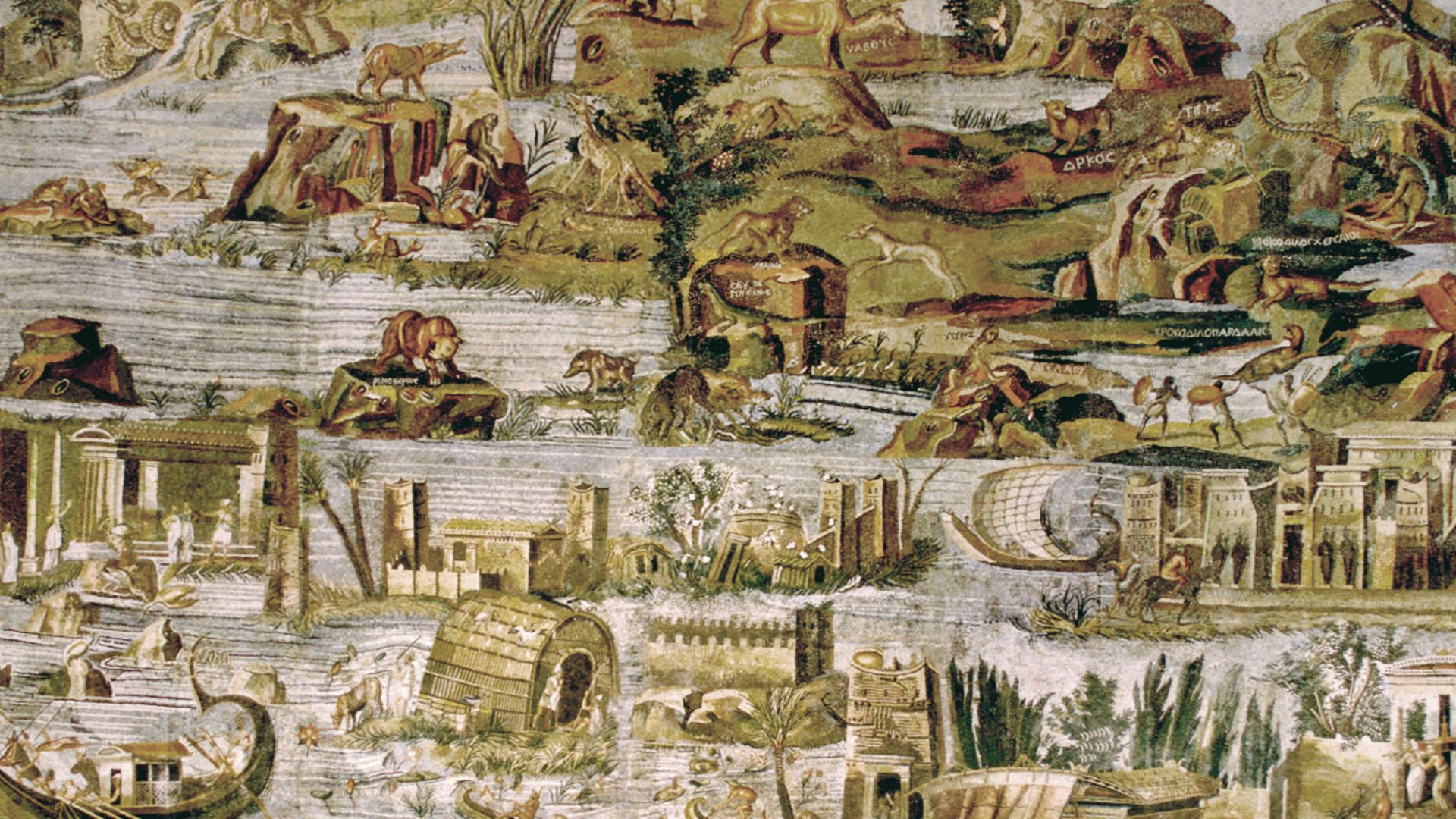
An Ancient Mosaic Offers Another Clue
The Nile Mosaic of Palestrina depicts a smaller cabin boat carrying noblemen through a Nilotic landscape. Its passengers appear to be hunting hippopotamuses from the vessel. Although the pictured boat is considerably smaller, it helps show how elites used decorated barges for recreation.
 Unknown authorUnknown author, Wikimedia Commons
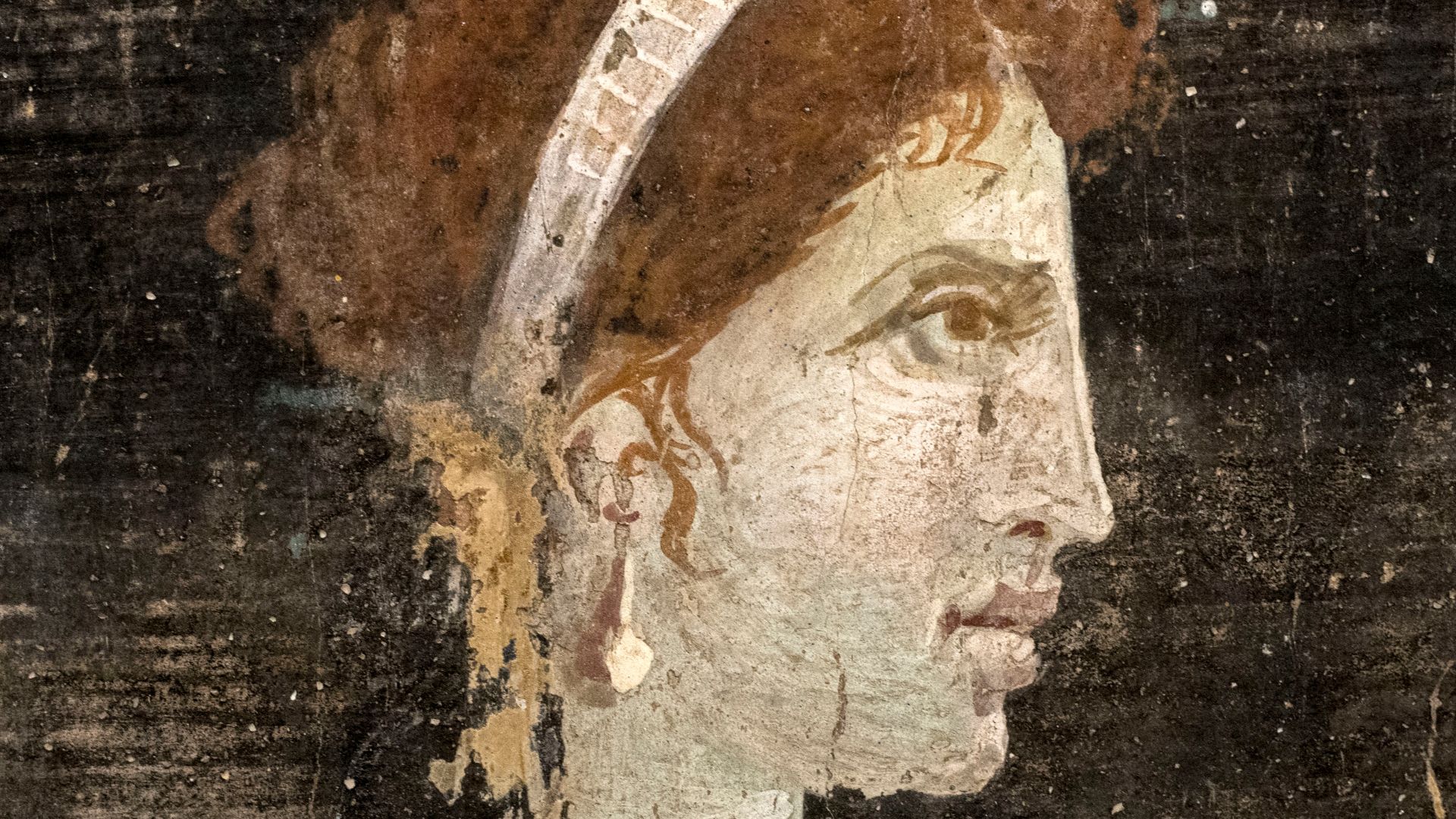
The Boat Belonged To Roman Egypt
Greek graffiti on the vessel has been dated to the first half of the first century CE. Egypt had become a Roman province after Octavian defeated the forces of Cleopatra VII and Mark Antony in 30 BCE. The boat therefore sailed during early Roman rule, despite preserving traditions associated with Ptolemaic Alexandria.
 Ángel M. Felicísimo from Mérida, España, Wikimedia Commons
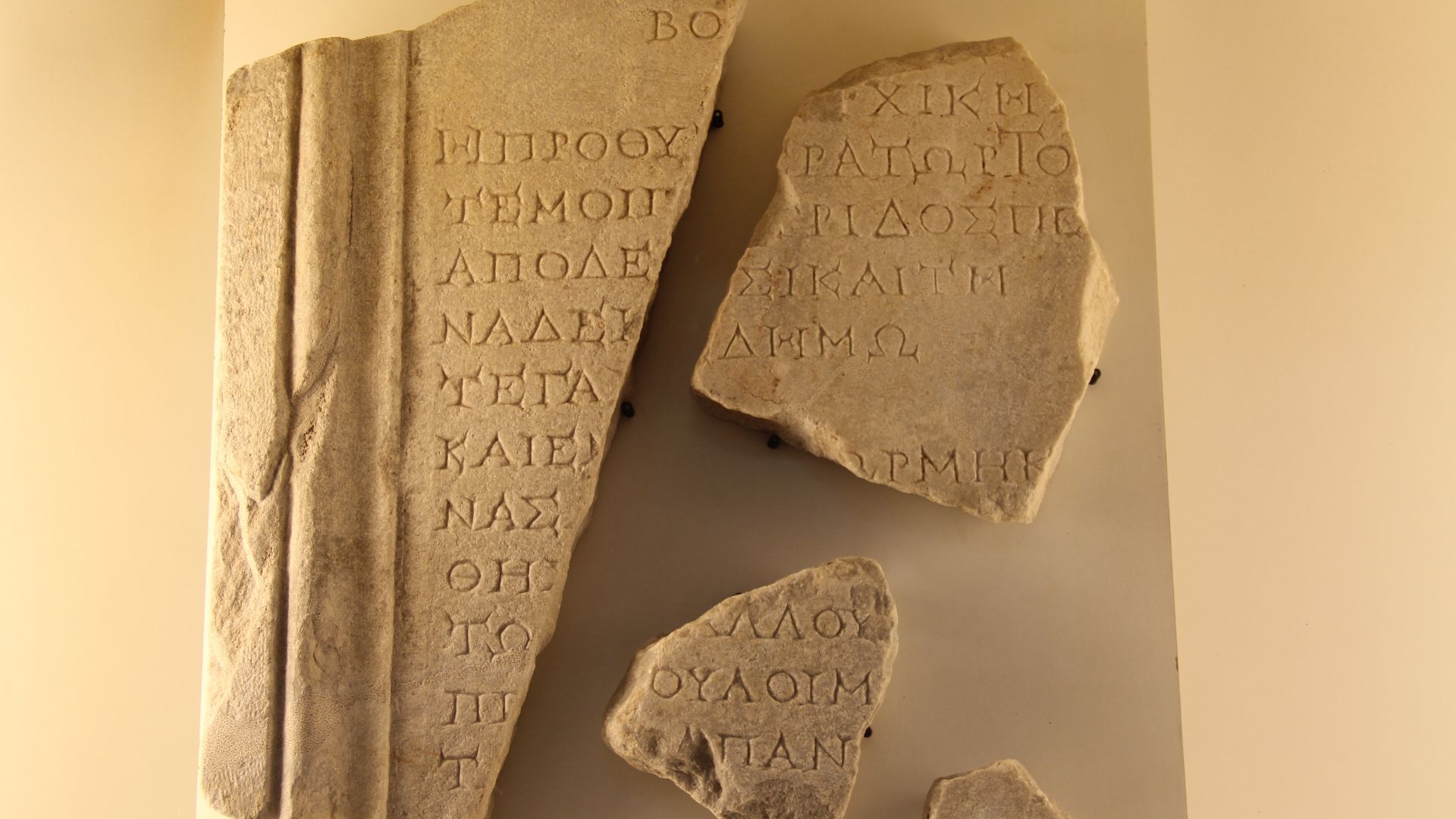
Greek Graffiti Survived On The Frame
Archaeologists found Greek writing scratched into a central longitudinal timber known as a carling. The marks have not yet been fully deciphered. Their dating nevertheless provides valuable evidence about when the vessel was constructed or used.
 Gary Todd from Xinzheng, China, Wikimedia Commons
It May Have Been Built Locally
The graffiti and the vessel’s construction reinforce the hypothesis that it was built in Alexandria. Local shipwrights would have understood the shallow canals and sheltered waterways the boat needed to navigate. Its unusual hull appears carefully adapted to that environment.
 Internet Archive Book Images, Wikimedia Commons
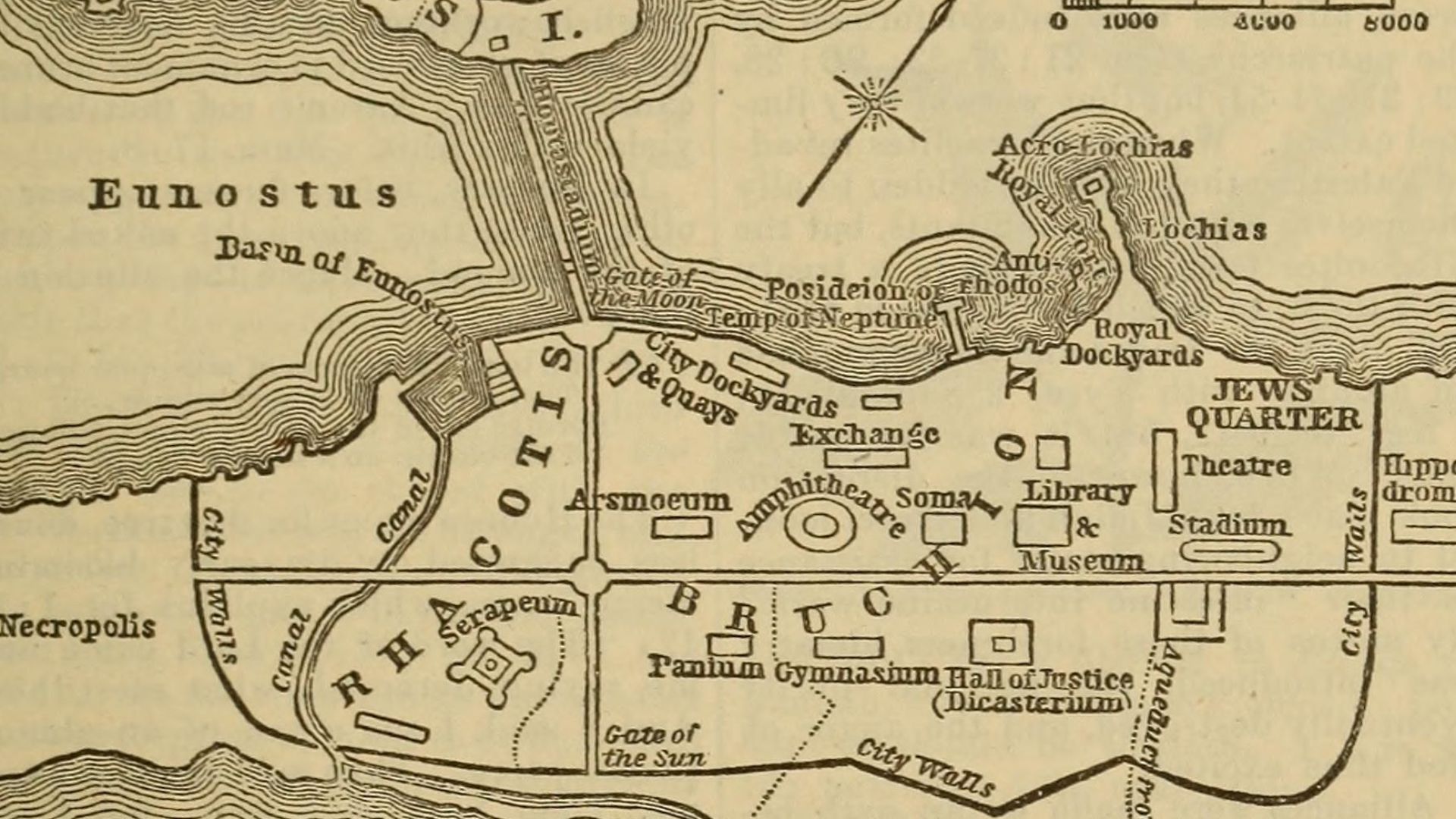
Antirhodos Was No Ordinary Island
The wreck was found in the former port of Antirhodos, also known as Alexandria’s Royal Island. Palaces and religious buildings once occupied this important part of the ancient city. Its elite setting makes the discovery of a large ceremonial or recreational vessel especially fitting.
 Limpzen, CC BY-SA 4.0, Wikimedia Commons
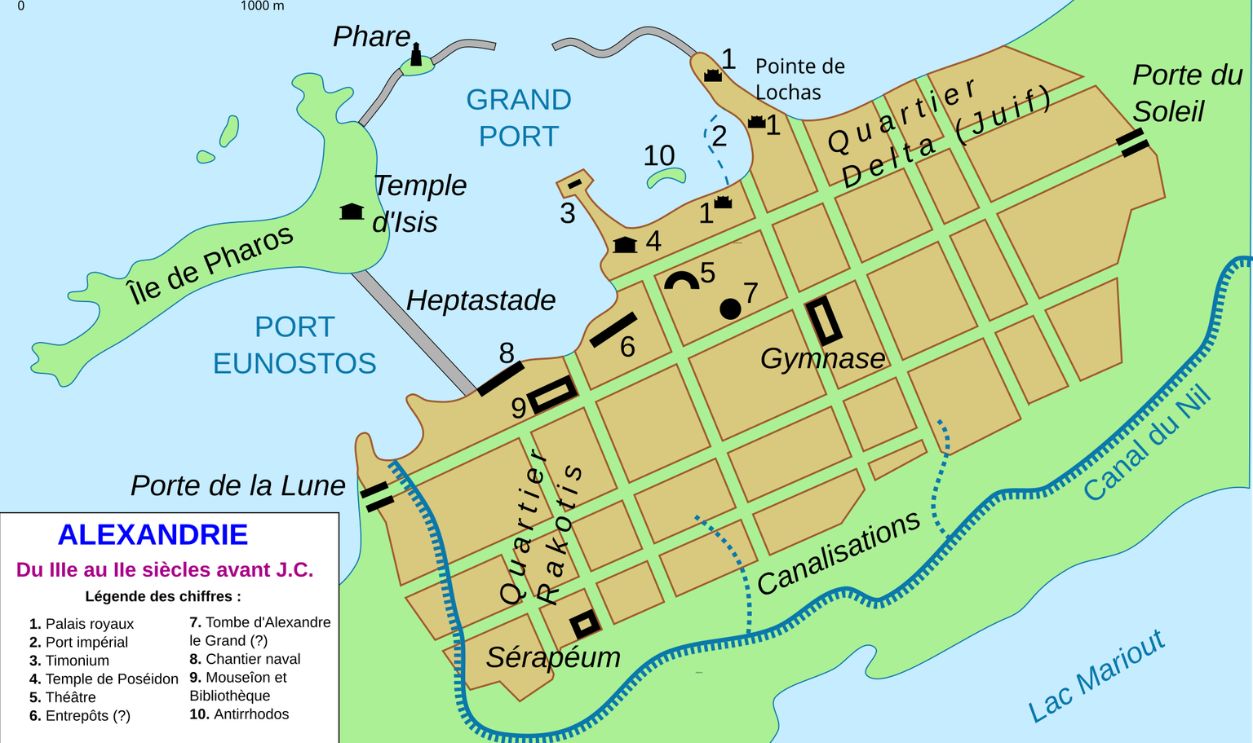
A Temple Stood Surprisingly Close
The wreck lies less than 165 feet from the remains of a temple dedicated to Isis. Goddio’s team has also been excavating that sanctuary. Its proximity raises the possibility that the barge had a religious purpose rather than serving only private passengers.
 Michaela Yos Niki Loxa, Wikimedia Commons
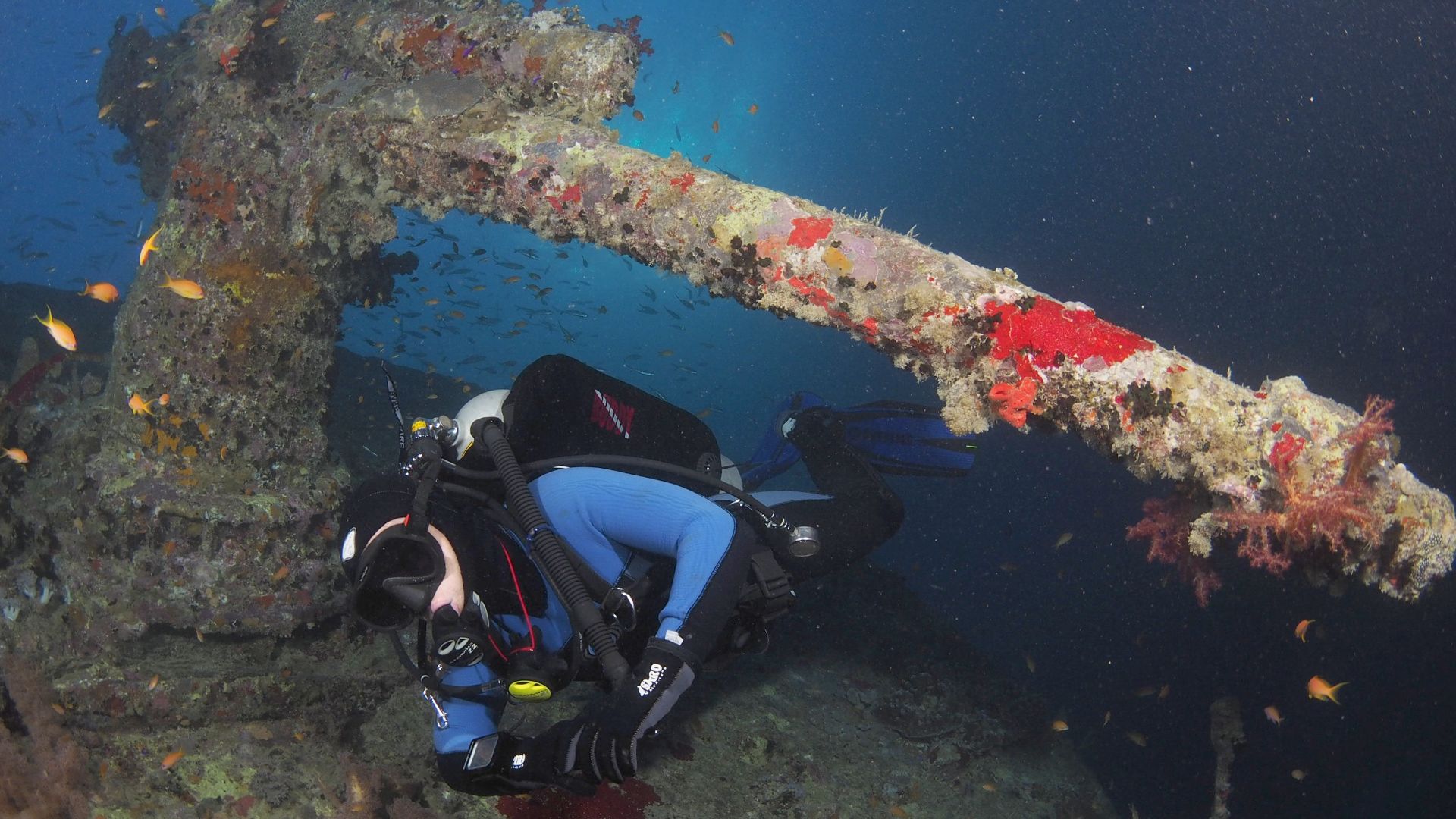
Disaster May Have Sunk Everything Together
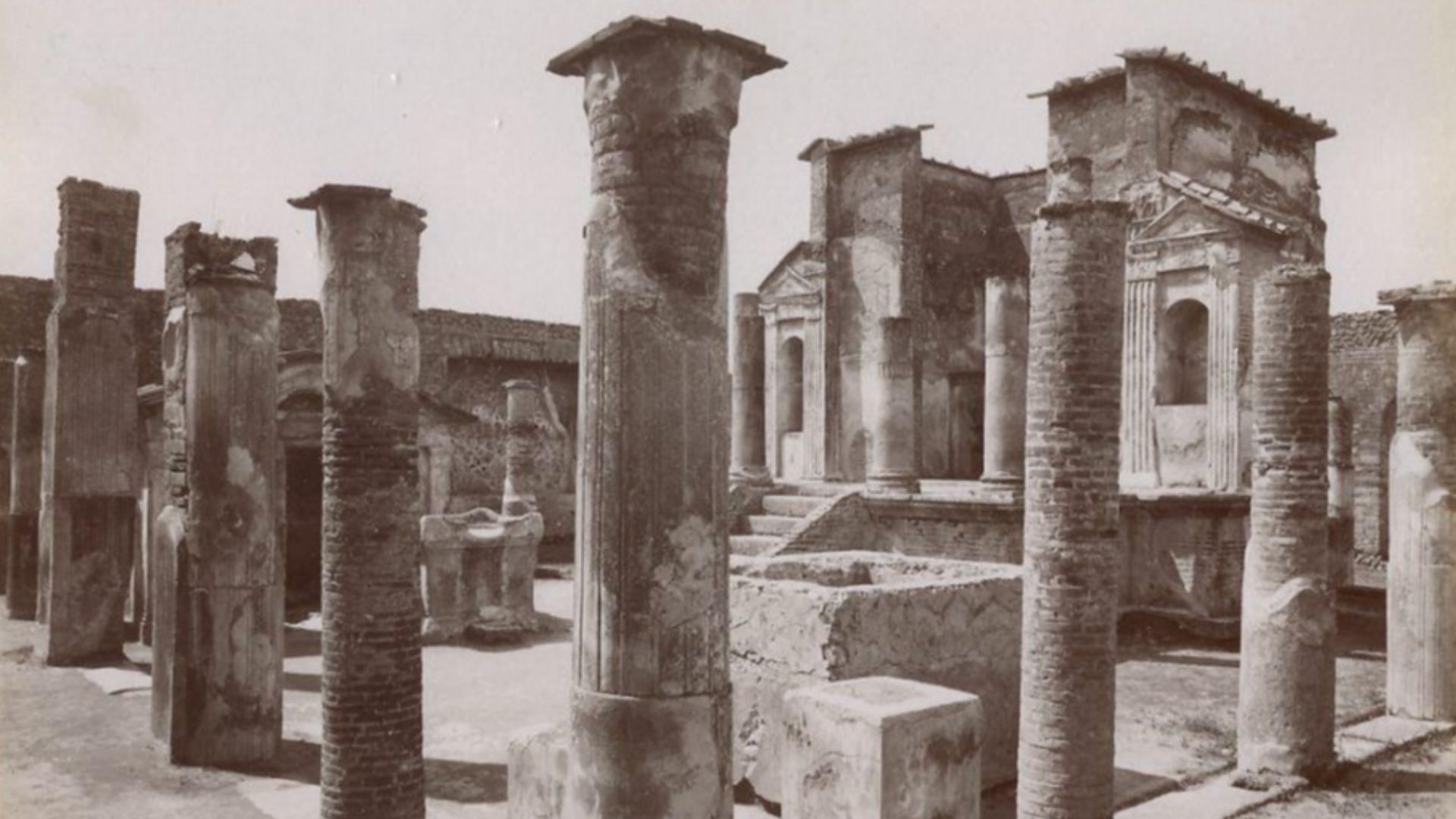
Researchers believe the Temple of Isis suffered catastrophic destruction around 50 CE. Based on the wreck’s date and location, Goddio has suggested that the boat may have sunk during the same event. Further excavation will be needed before that connection can be established conclusively.
 Giacomo Brogi, Wikimedia Commons
The Cabin May Have Been A Shrine
If the vessel belonged to the temple, its broad central area may have supported a small sanctuary instead of an entertainment pavilion. A richly decorated sacred structure could still explain the boat’s exceptional width. This possibility transforms the wreck from a pleasure craft into a potential ceremonial barge.
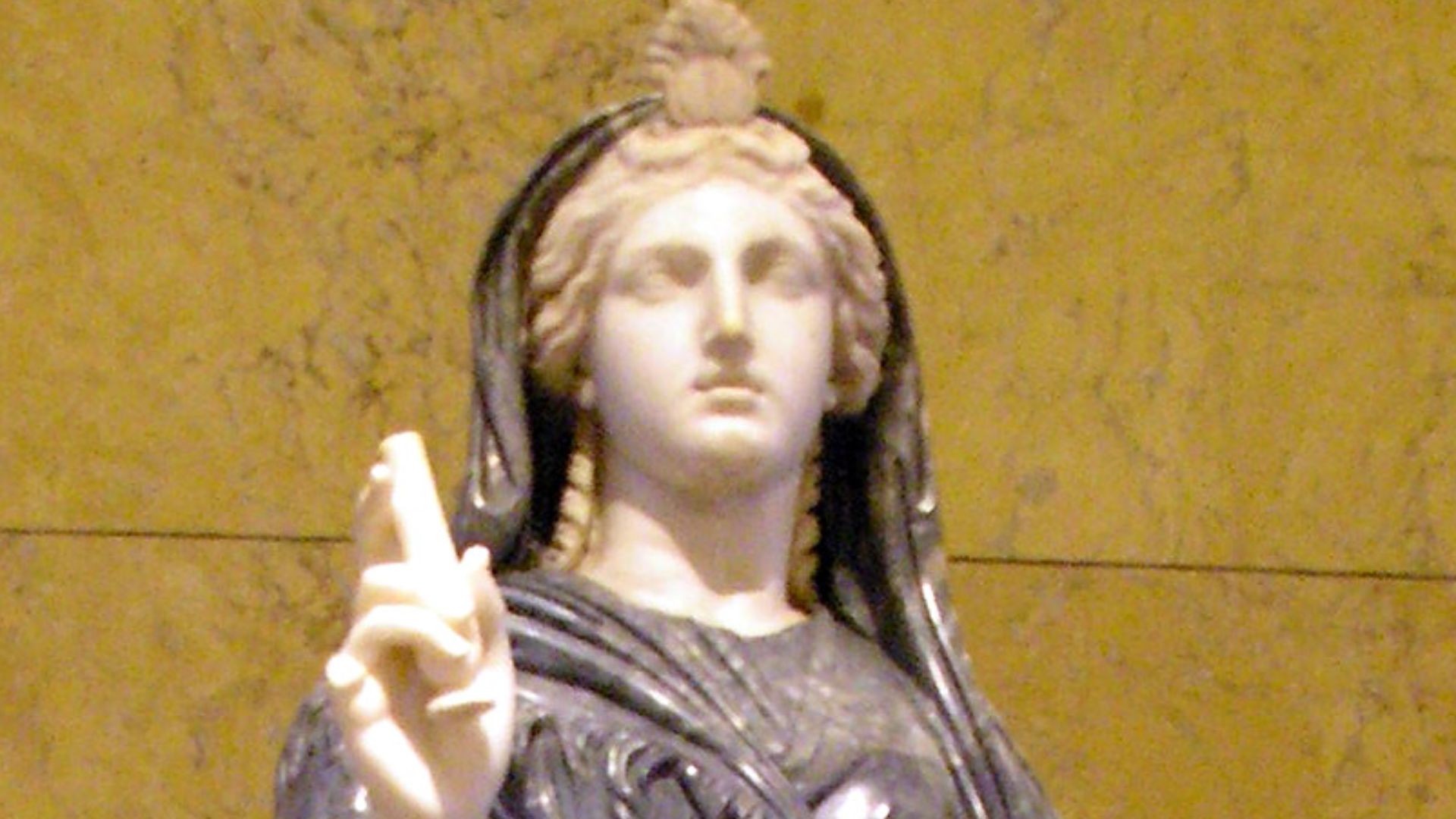
Isis Inspired A Major Maritime Festival
Goddio has linked the religious theory to the Navigium Isidis, a festival honoring Isis as a protector of sailors. Celebrations included processions and a decorated vessel associated with the goddess. A barge connected to her temple would have played a dramatic role in such public ceremonies.
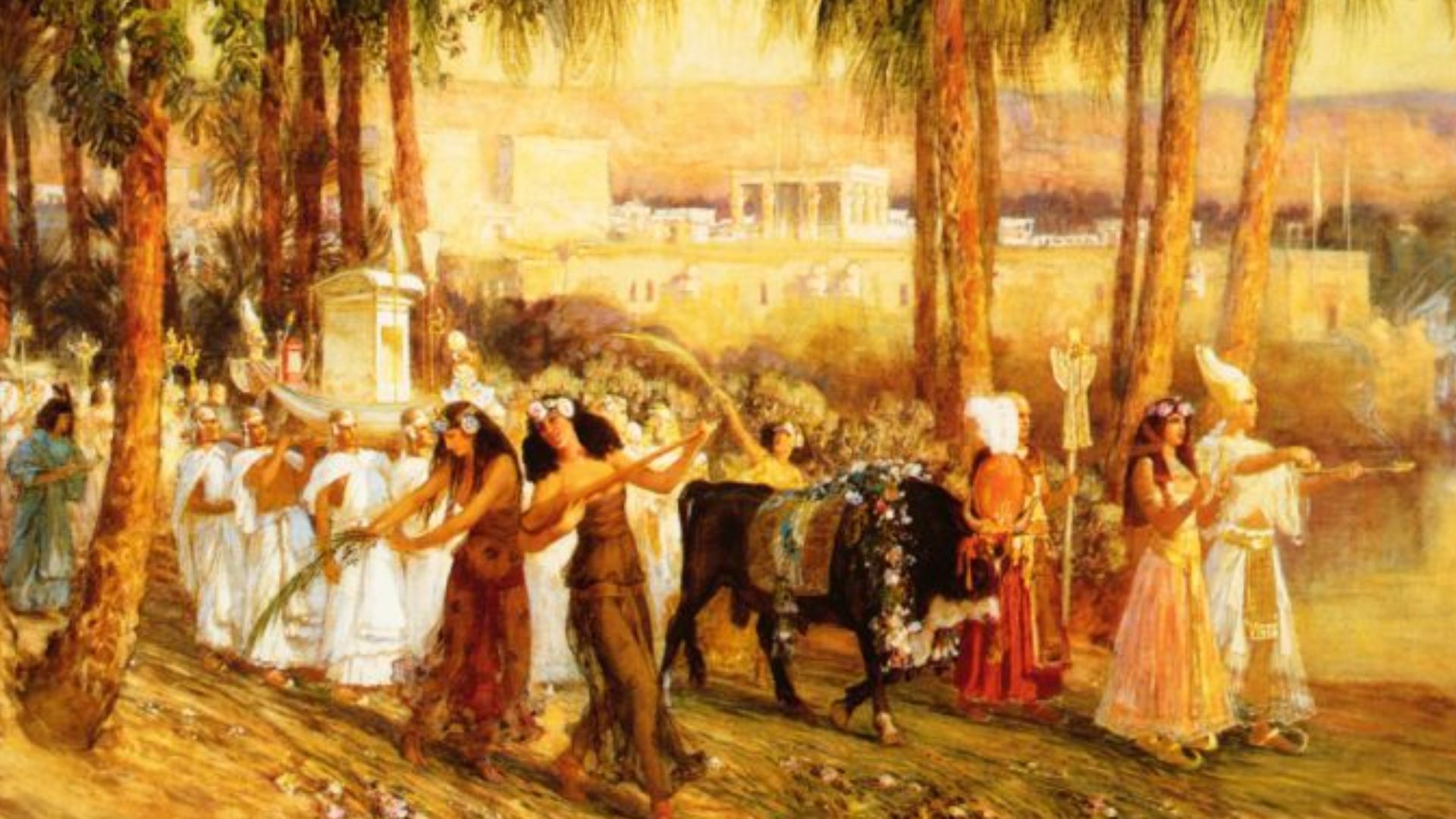 Frederick Arthur Bridgman, Wikimedia Commons
The Journey May Have Extended To Canopus
One proposed ritual route ran from Alexandria’s Portus Magnus toward the sanctuary of Osiris at Canopus. The vessel could have followed the Canopic Channel during an annual ceremonial voyage. Its shallow hull and oar-powered design would have been well suited to that journey.
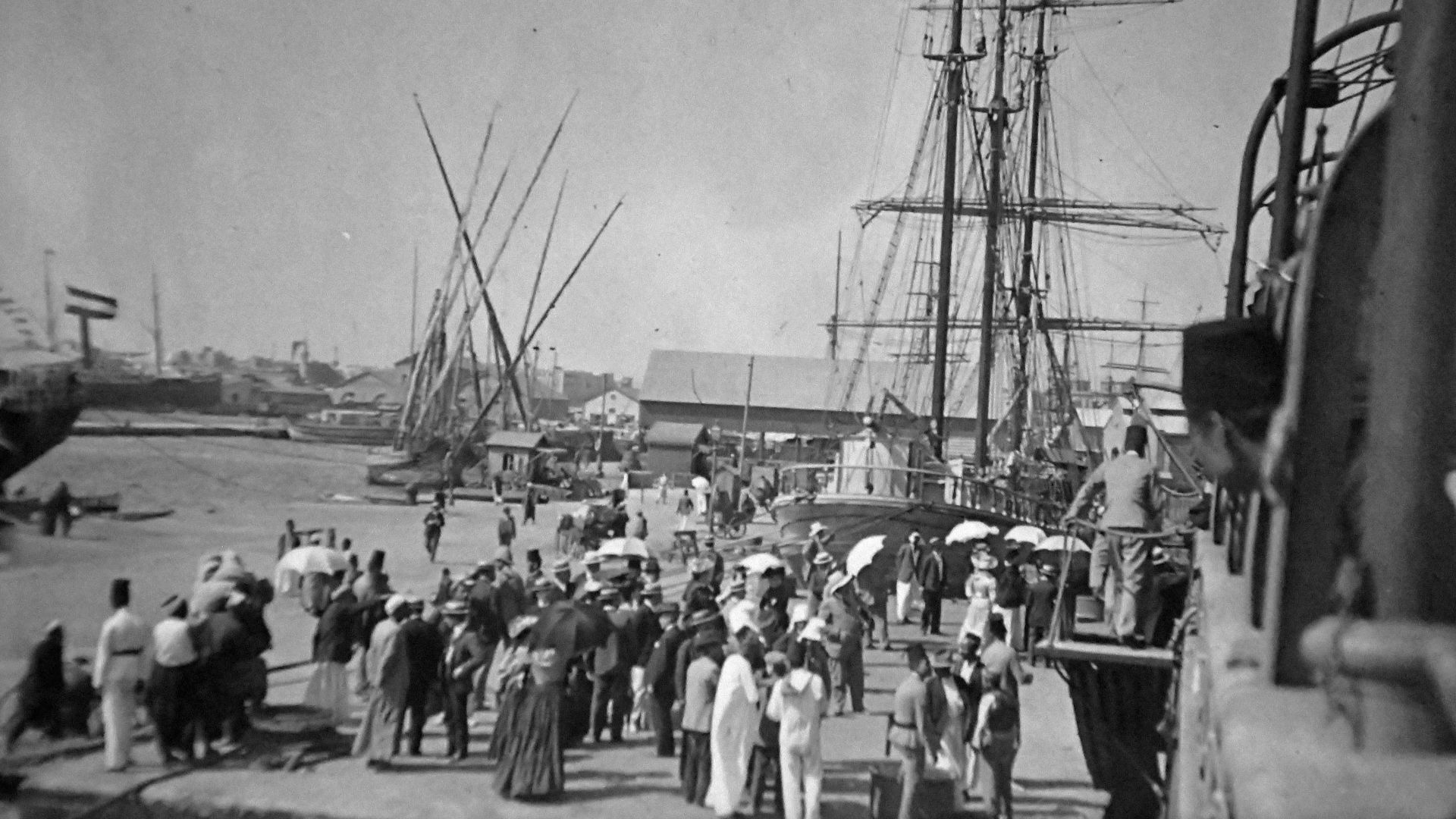 Marco Chemello (WMIT), Wikimedia Commons
The Harbor Eventually Vanished Below The Waves
A combination of earthquakes, tidal waves, ground subsidence, and rising water levels gradually transformed Alexandria’s ancient shoreline. Sections of the royal quarter, including Antirhodos and parts of Portus Magnus, disappeared beneath the Mediterranean. The lost cityscape now survives as one of the world’s most fascinating underwater archaeological sites.
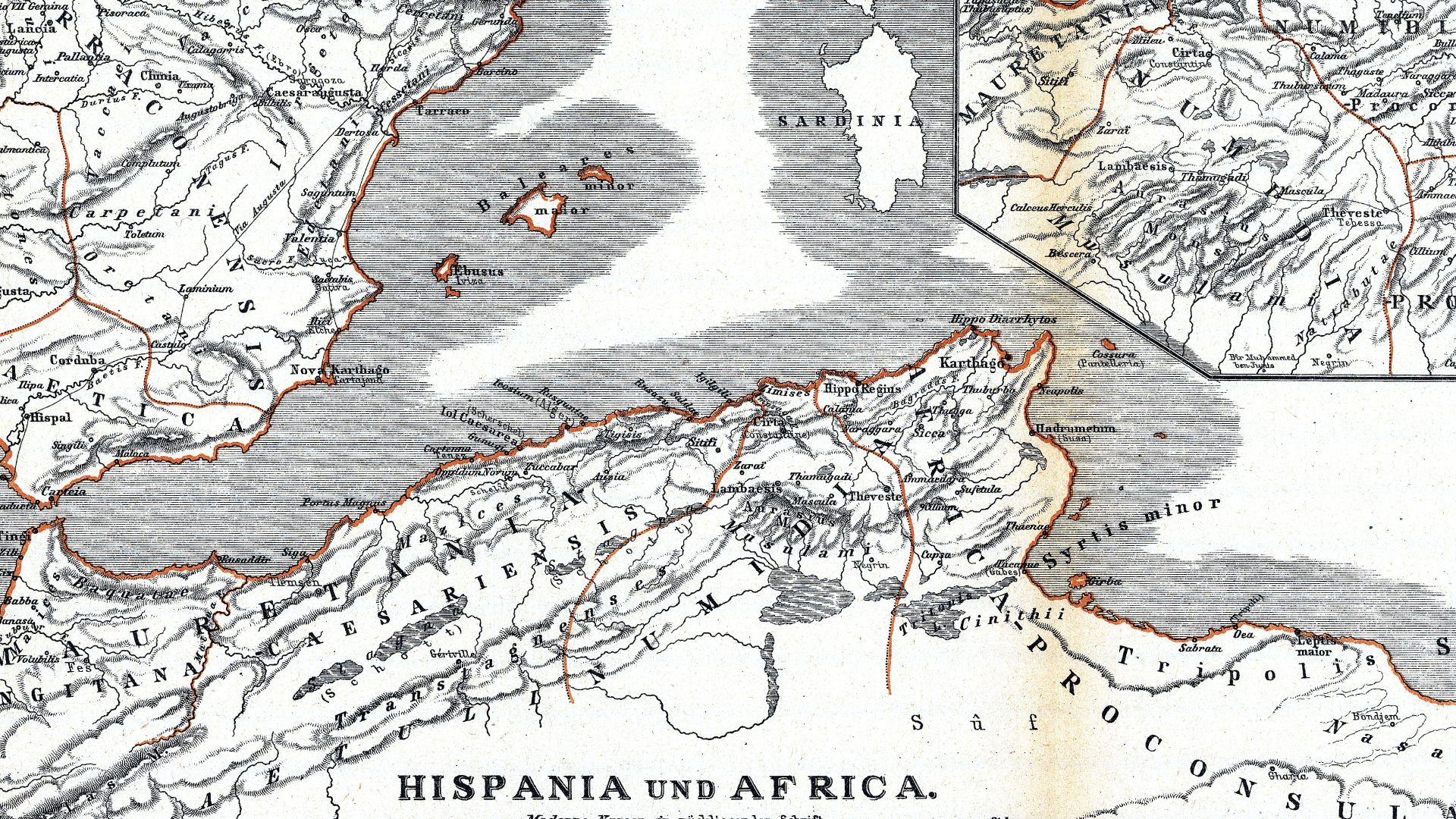 Bin im Garten, Wikimedia Commons
Technology Captured The Wreck In Detail
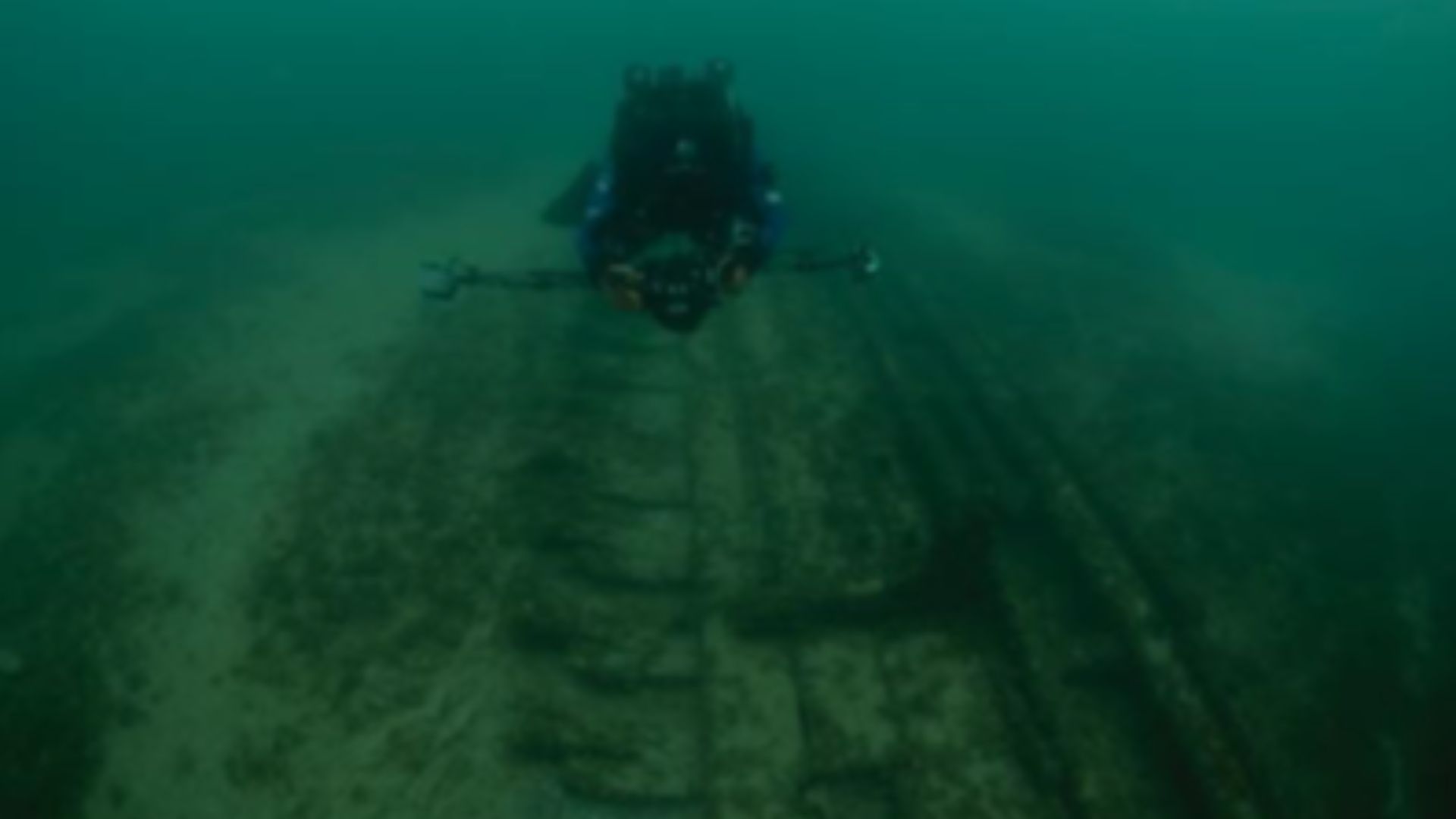
The excavation team documented the vessel with underwater photogrammetry. This process combines many overlapping photographs to create an accurate three-dimensional model. Researchers can now study the exposed timbers digitally even after the physical wreck has been covered again.
 National Oceanic and Atmospheric Administration photo, Wikimedia Commons
The Boat Will Remain Underwater
Following UNESCO guidance, the team decided not to raise the fragile timbers from the seabed. Archaeologists reburied the wreck beneath sediment, helping recreate the conditions that preserved it for centuries. Leaving it in place also avoids the enormous conservation challenges that begin when ancient waterlogged wood is exposed to air.
 ILN staff, after a sketch by a special correspondent, Wikimedia Commons
The Wreck Still Has Secrets To Share
Researchers have explored only a small portion of Alexandria’s submerged harbor, and work on the vessel remains at an early stage. Future analysis may determine whether it carried wealthy pleasure-seekers, festival crowds, or a sacred image of Isis. Either way, this remarkable boat offers a rare glimpse of luxury, religion, and travel on the waterways of ancient Alexandria.
 Gnauth, Adolf, Wikimedia Commons
You May Also Like:
Archaeologists Discovered Shipwrecks In The Bahamas Linked To The Real Pirates Of The Caribbean




.svg)