A Settlement From Turbulent Times
A newly excavated settlement at Tell el-Ku’a in northeastern Egypt offers an unusually detailed view of life during the Second Intermediate Period and the transition from Hyksos rule to the New Kingdom. Its location, chronology, homes, tombs, storage facilities, and evidence of trade have also prompted renewed discussion about the biblical stories of Joseph and the Exodus.
The Discovery At Tell El-Ku’a
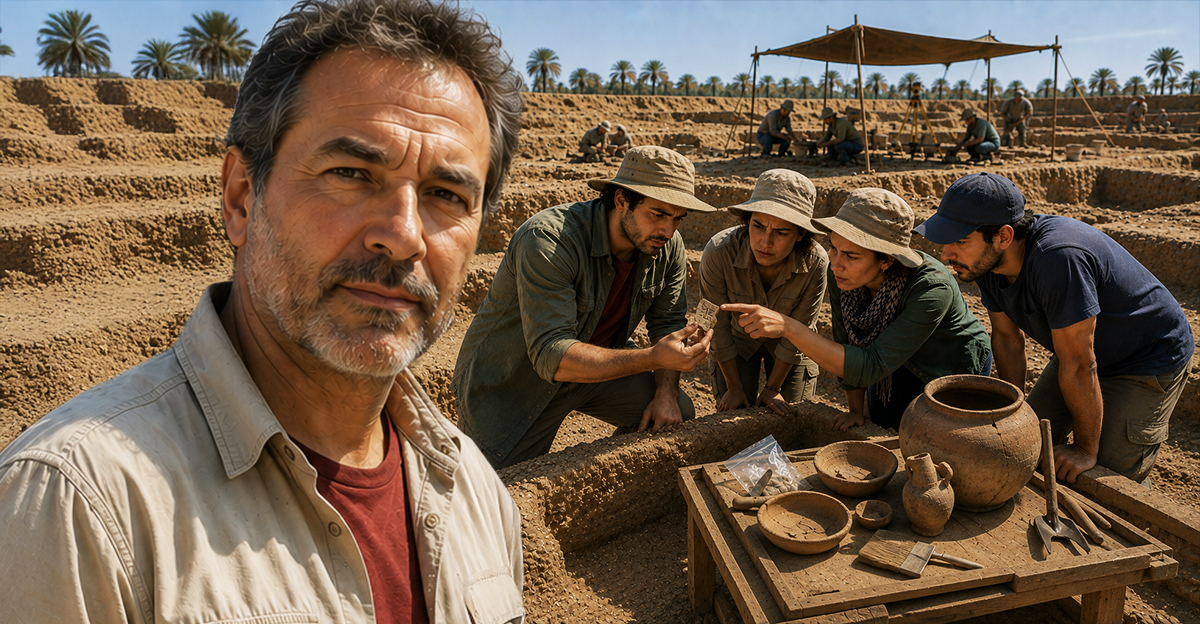
Egyptian archaeologists uncovered a substantial settlement containing a residential complex, storage and production facilities, ovens, pottery, ten mudbrick tombs, and unusual human burials. The discoveries date principally to the Second Intermediate Period, roughly 1650 to 1550 BCE, commonly associated with Hyksos rule in northern Egypt.
Where The Site Stands
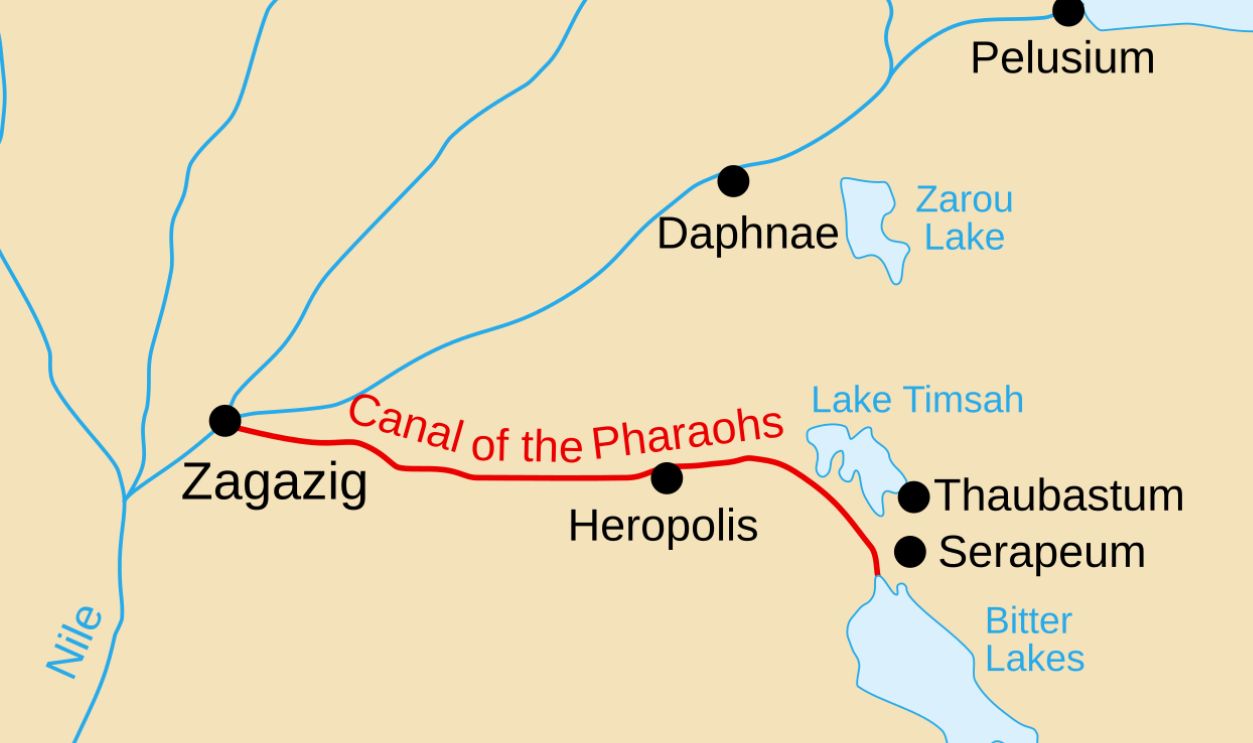
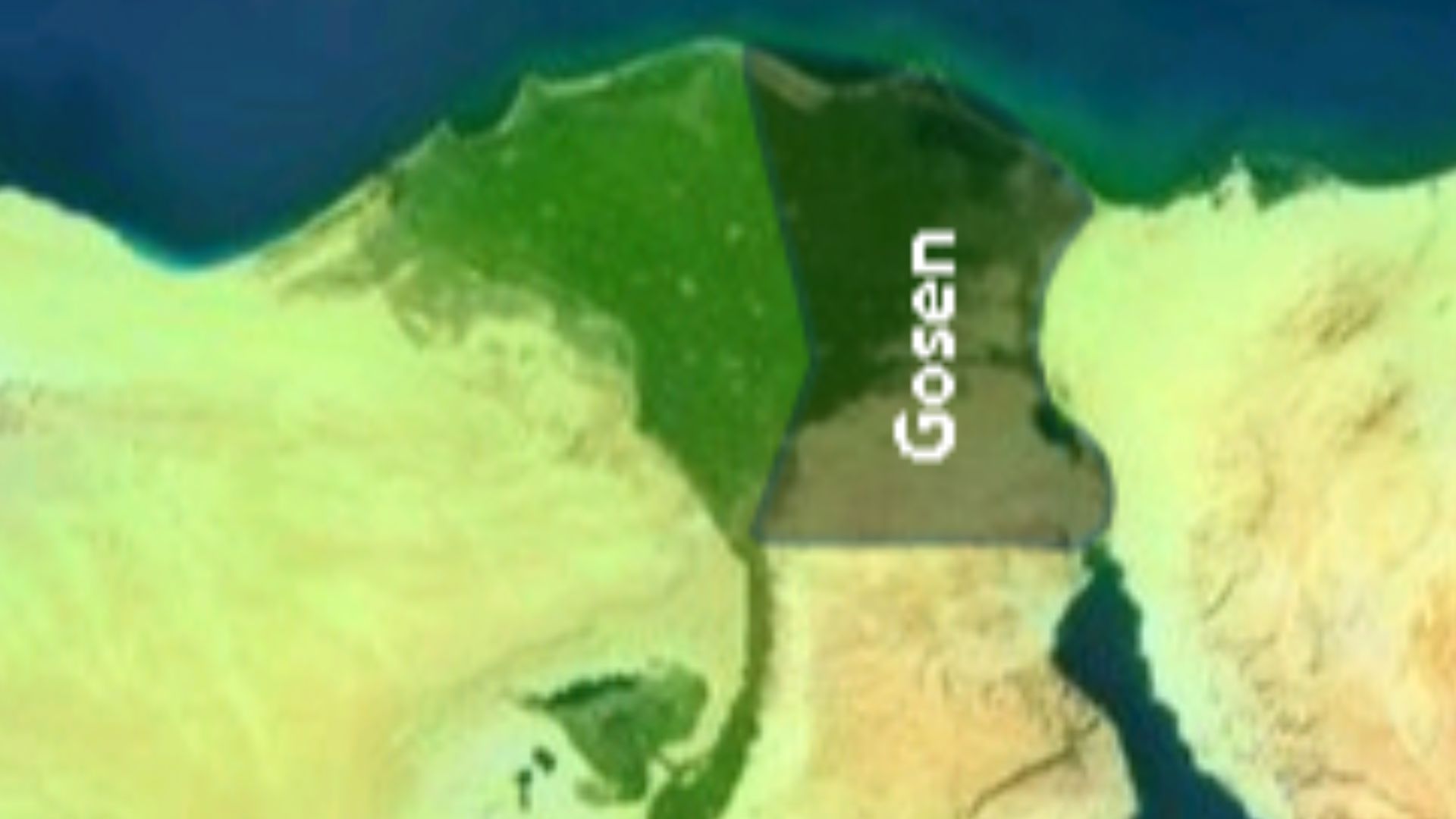
Tell el-Ku’a lies in Egypt’s Ismailia Governorate, along the southern edge of the Wadi Tumilat corridor in the eastern Nile Delta. The corridor connected the Delta with Egypt’s eastern frontier, making it an important route for trade, travel, and contacts with neighboring regions.
 annie brocolie (original), CC BY-SA 2.5, Wikimedia Commons
A Substantial Ancient Community
Tell el-Ku’a covers approximately 55 feddans, and archaeologists had previously discovered buildings and tombs there dating from the same general period. The latest excavation provides a more complete picture of a community where residential, commercial, production, storage, and funerary activities occurred in close proximity.
 Kenneth Allen , Wikimedia Commons
Homes Behind Mudbrick Walls
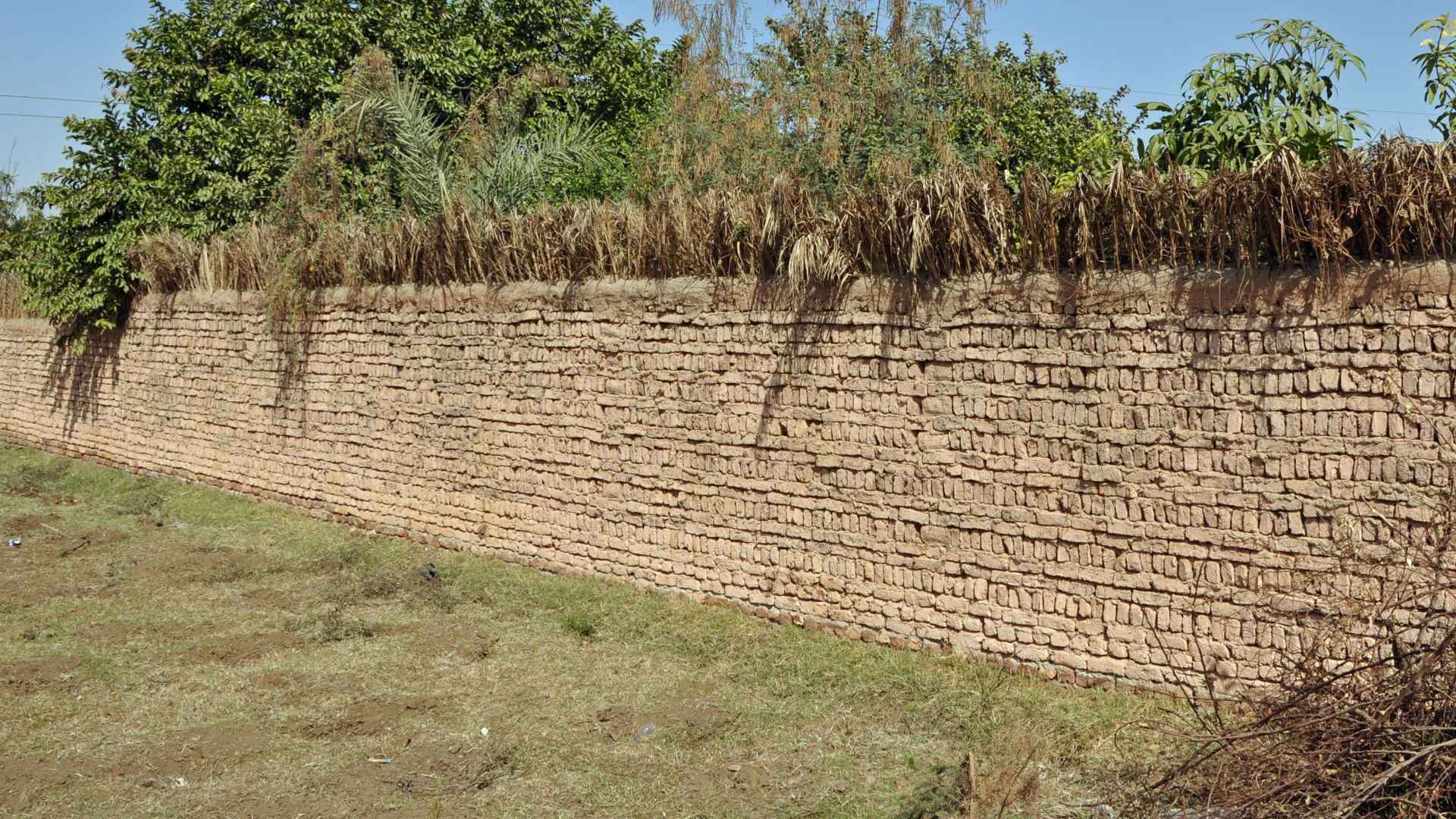
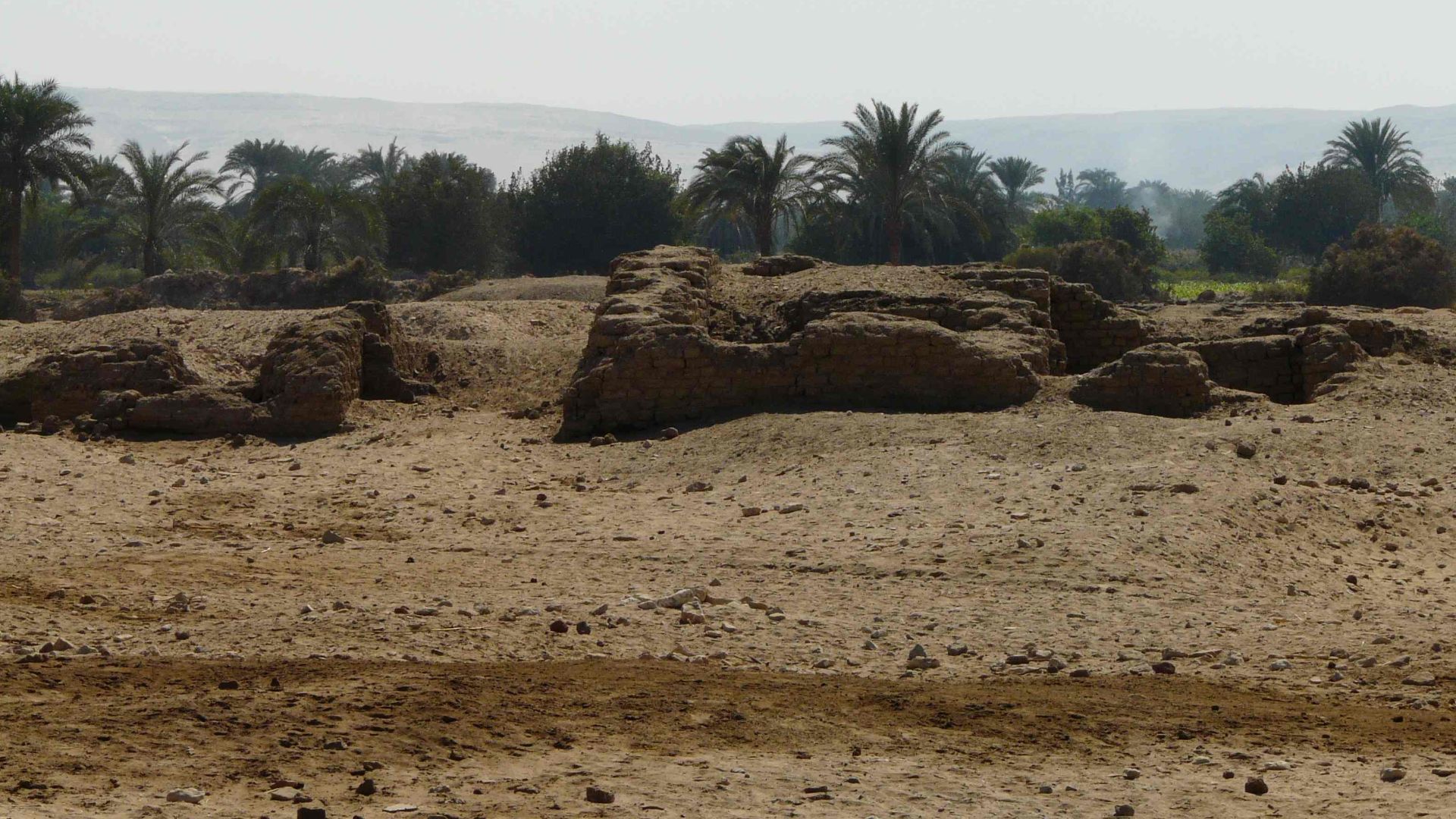
The newly uncovered residential area measures approximately 30 by 60 meters, or roughly 100 by 200 feet. A mudbrick wall approximately 1.5 meters thick enclosed it. Within the complex, archaeologists identified halls and differently sized rooms arranged according to an orderly street plan.
 Marc Ryckaert (MJJR), Wikimedia Commons
Ovens And Storage Silos
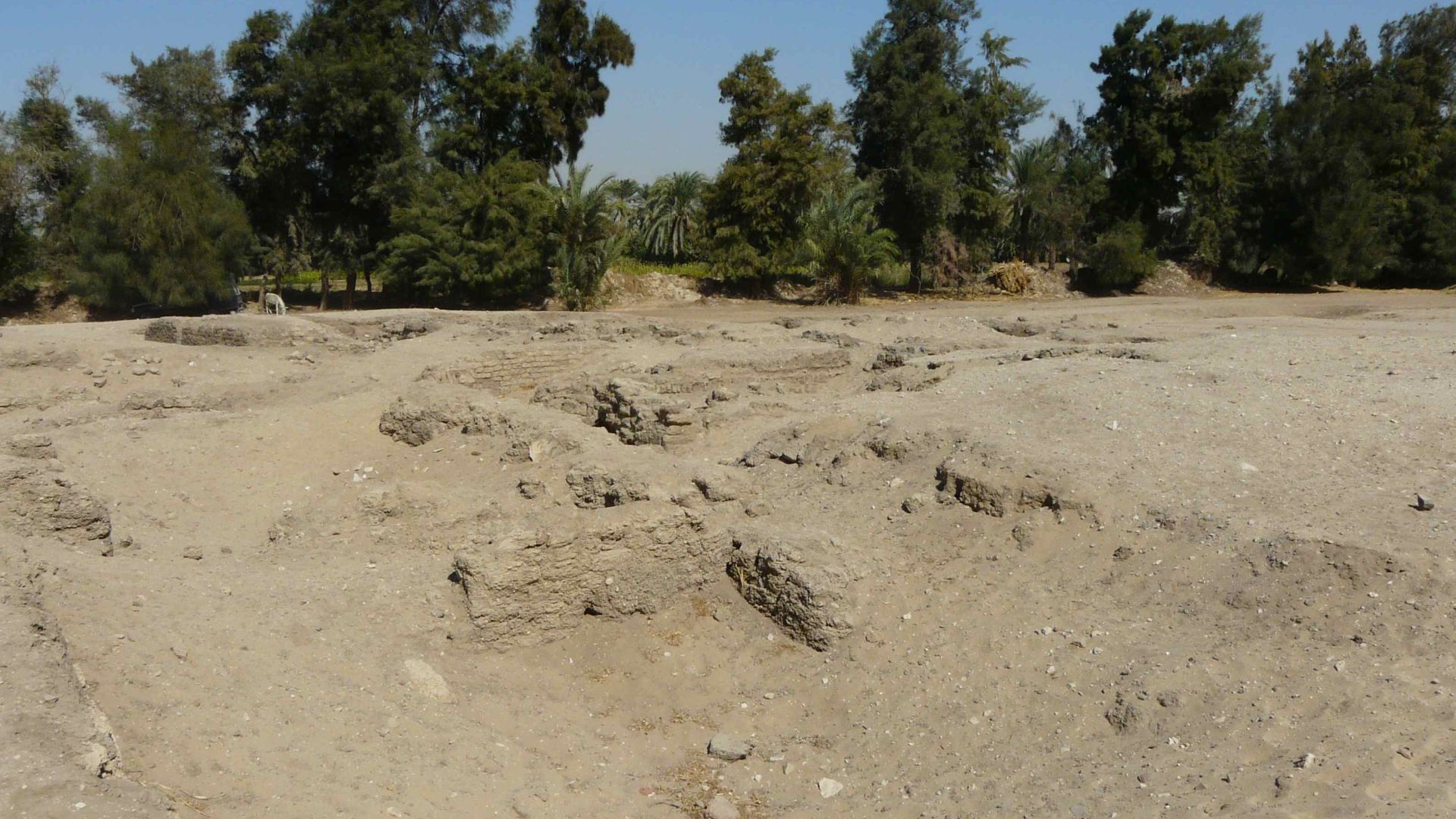
East of the residential buildings, excavators uncovered ovens and storage silos that held food and other supplies. Combined with the houses and work areas, these facilities indicate an integrated community in which residents could live, cook, work, store goods, and conduct other activities within the settlement.
Ten Mudbrick Tombs
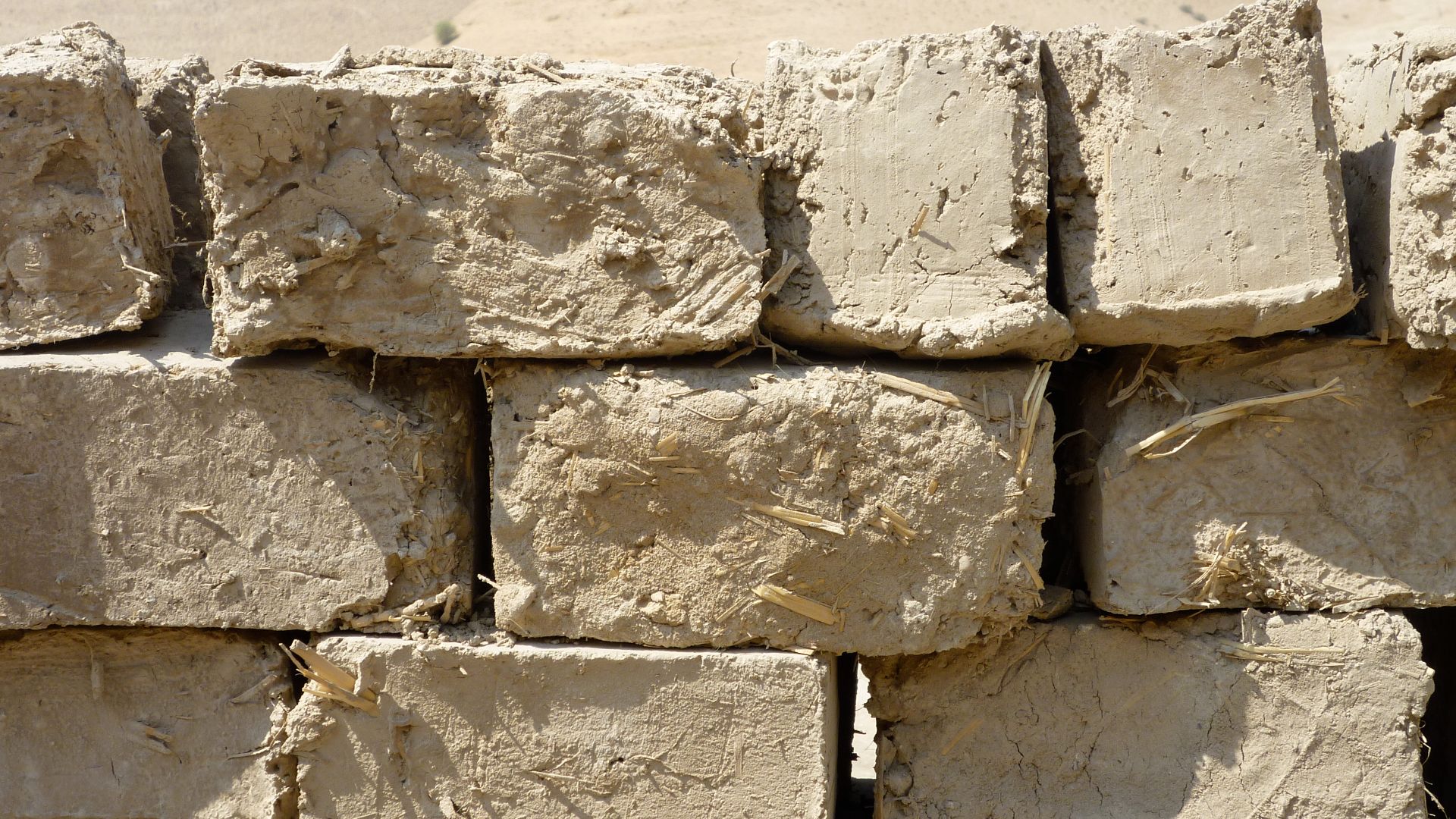
Archaeologists also uncovered ten mudbrick tombs dating to Egypt’s Fifteenth Dynasty, the dynasty associated with the Hyksos. The tombs vary considerably in their construction. Some resemble rectangular mastabas, while others feature architectural facades and decorative elements that distinguish them from simpler burials.
 Whiteghost.ink, Wikimedia Commons
Different Social Groups
The differences among Tell el-Ku’a’s graves may indicate people of varying social status and cultural backgrounds. Some individuals received relatively simple burials, while others were placed in more architecturally elaborate tombs. Researchers are examining these differences as evidence for the composition of the settlement’s population.
Mysterious Crouched Burials
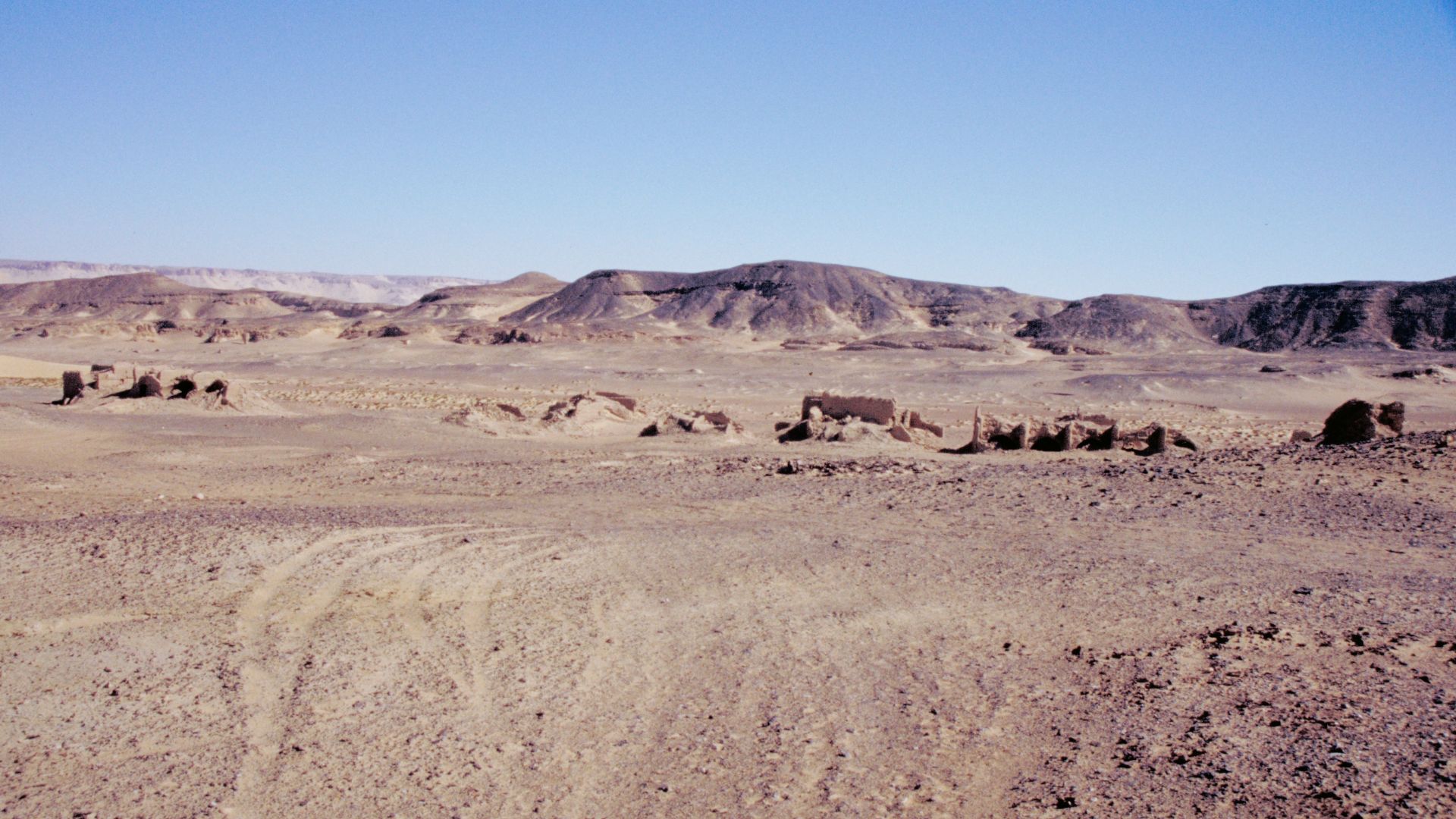
Several individuals were buried outside the mudbrick tombs, with some bodies placed in crouched or squatting positions. Archaeology News reports that this burial style had never previously been documented at Tell el-Ku’a. Researchers intend to investigate why these individuals were buried differently from others.
The People Behind Them
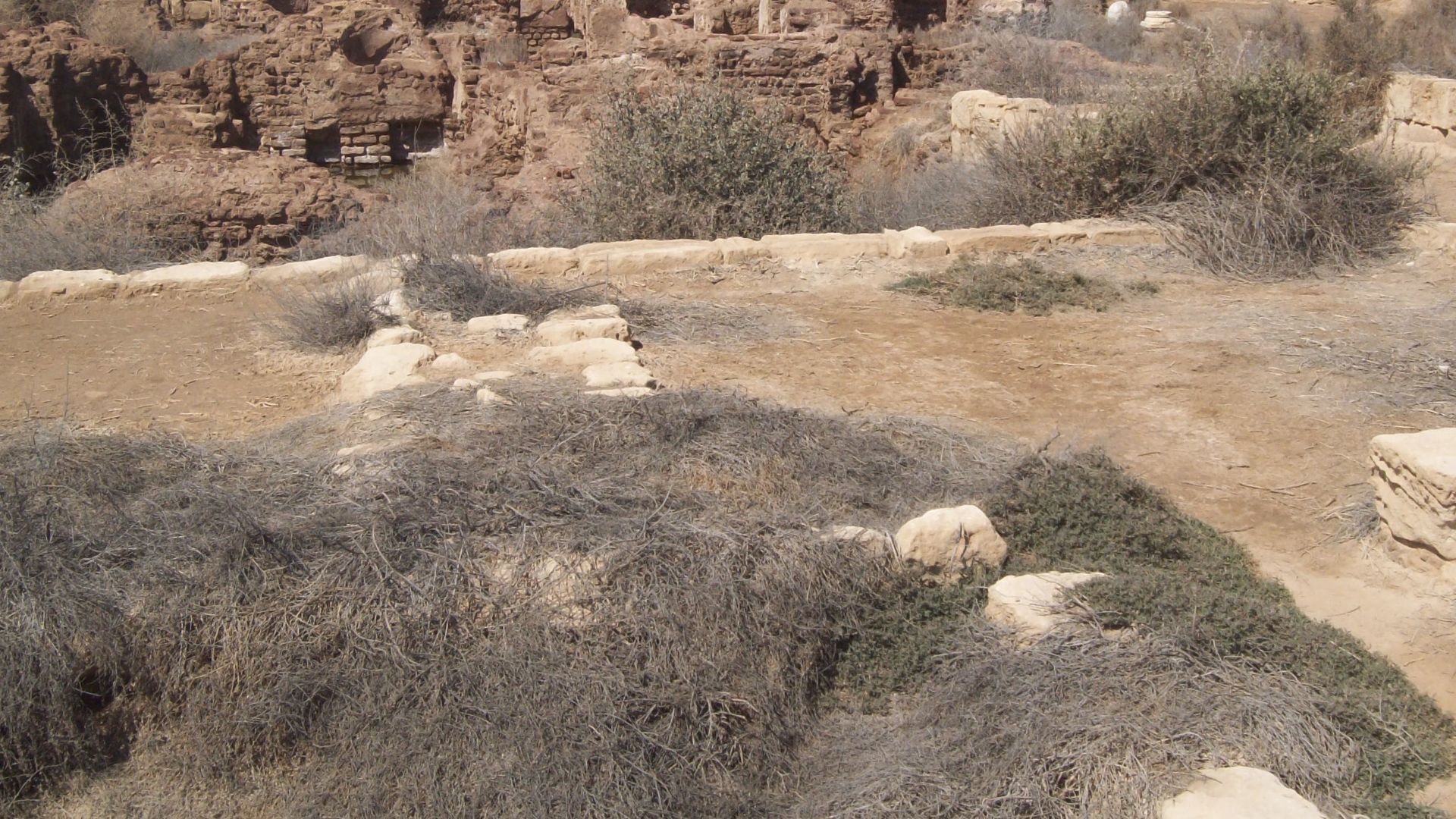
Preliminary examination of human remains indicates that some of the people buried at Tell el-Ku’a were adults between approximately 25 and 40 years old. Archaeologists also discovered substantial quantities of animal bones, interpreted as possible remains of meals and food offerings deposited with the deceased.
Pottery Filled The Settlement
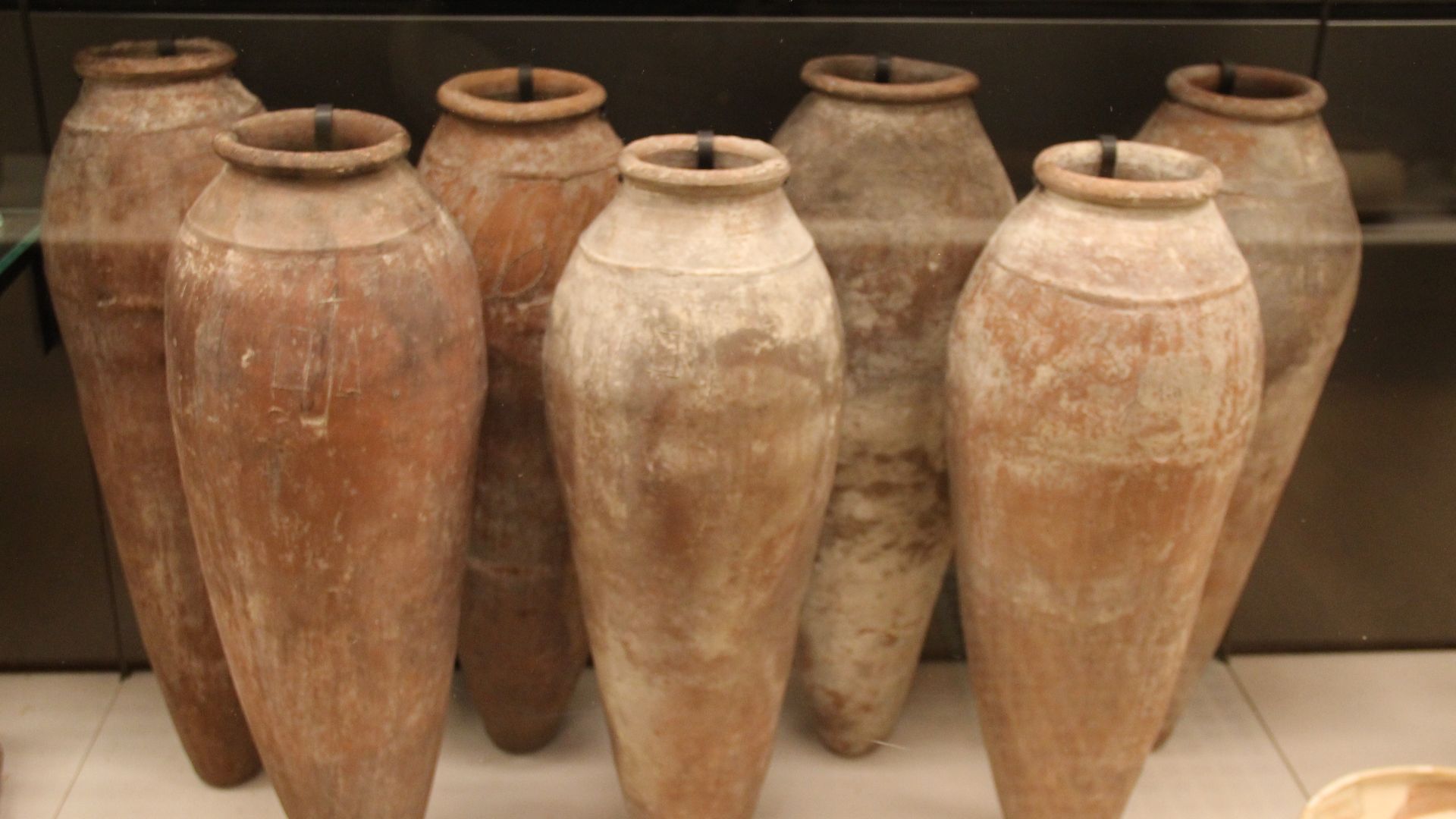
Pottery provides another window into ordinary life. Tableware was the most common type recovered, followed by cooking vessels, suggesting frequent domestic food preparation. Some pottery pieces carried production marks and seals, potentially allowing researchers to reconstruct economic relationships extending beyond the settlement itself.
 Gary Todd from Xinzheng, China, Wikimedia Commons
Distinctive Imported Connections
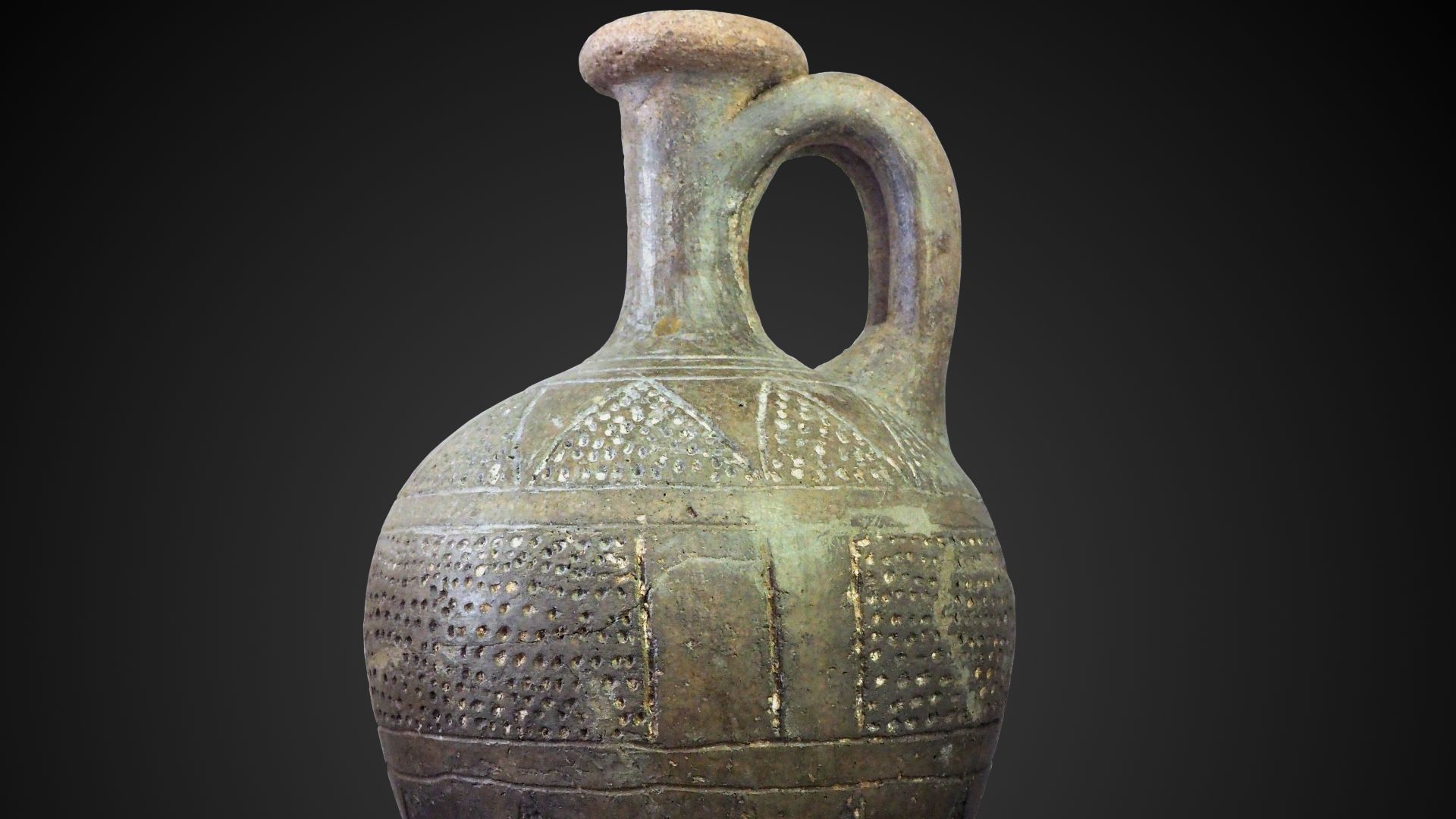
Among the discoveries were Tell el-Yahudiyeh flasks, distinctive ceramics strongly associated with the Second Intermediate Period. Excavators also recovered scarabs, bronze utensils and tools, alabaster vessels used for kohl, and pottery bearing seal impressions, providing evidence for both everyday activities and broader commercial connections.
A Possible Commercial Center
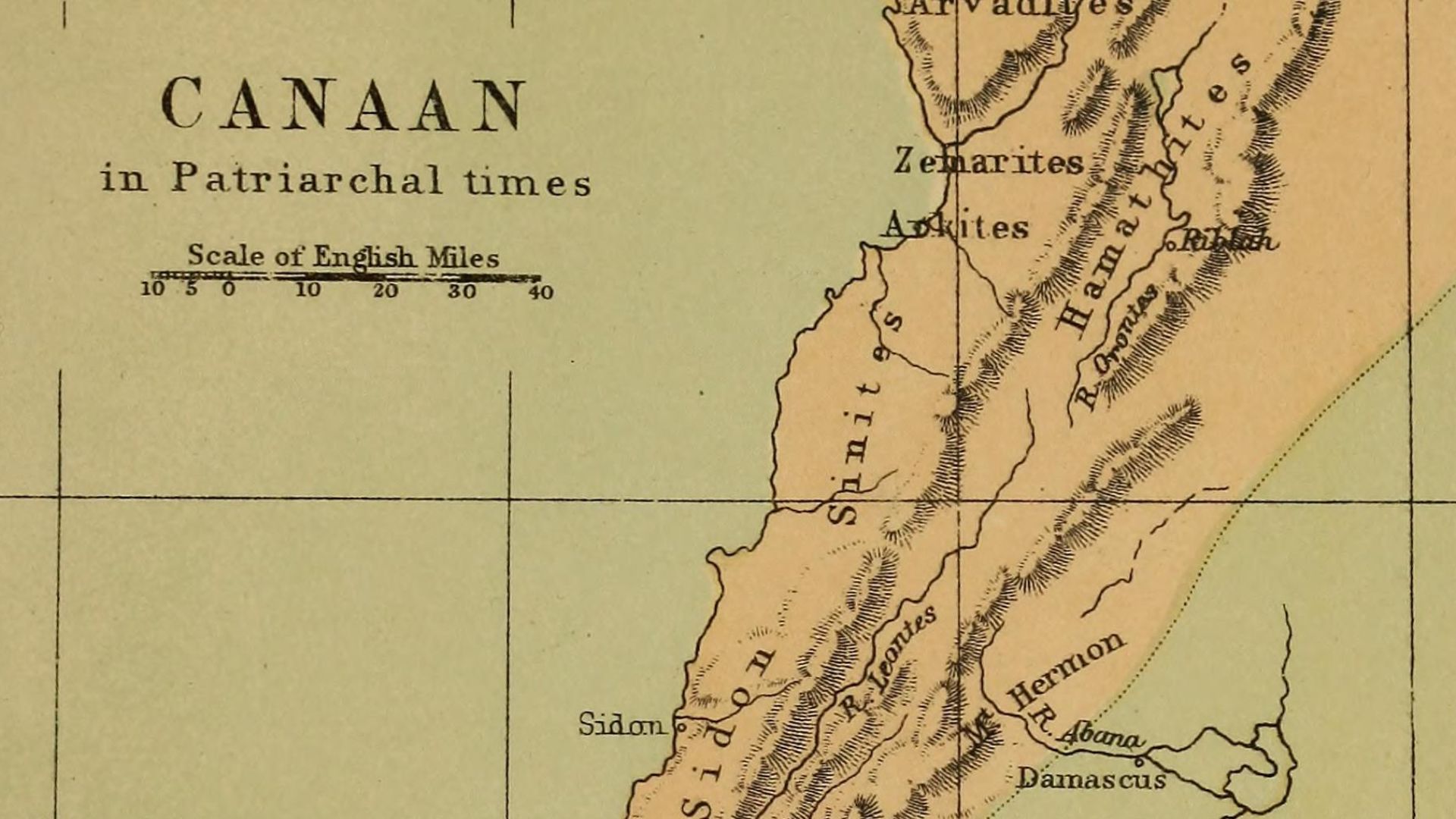
The production marks, seals, and pottery discovered at Tell el-Ku’a point toward active trade. Archaeologists have consequently suggested that the settlement may have functioned as a distribution or commercial center linking Egypt with Canaan, an interpretation consistent with its strategic position in the Wadi Tumilat corridor.
 Schaff, Philip, 1819-1893, Wikimedia Commons
Who Were The Hyksos?
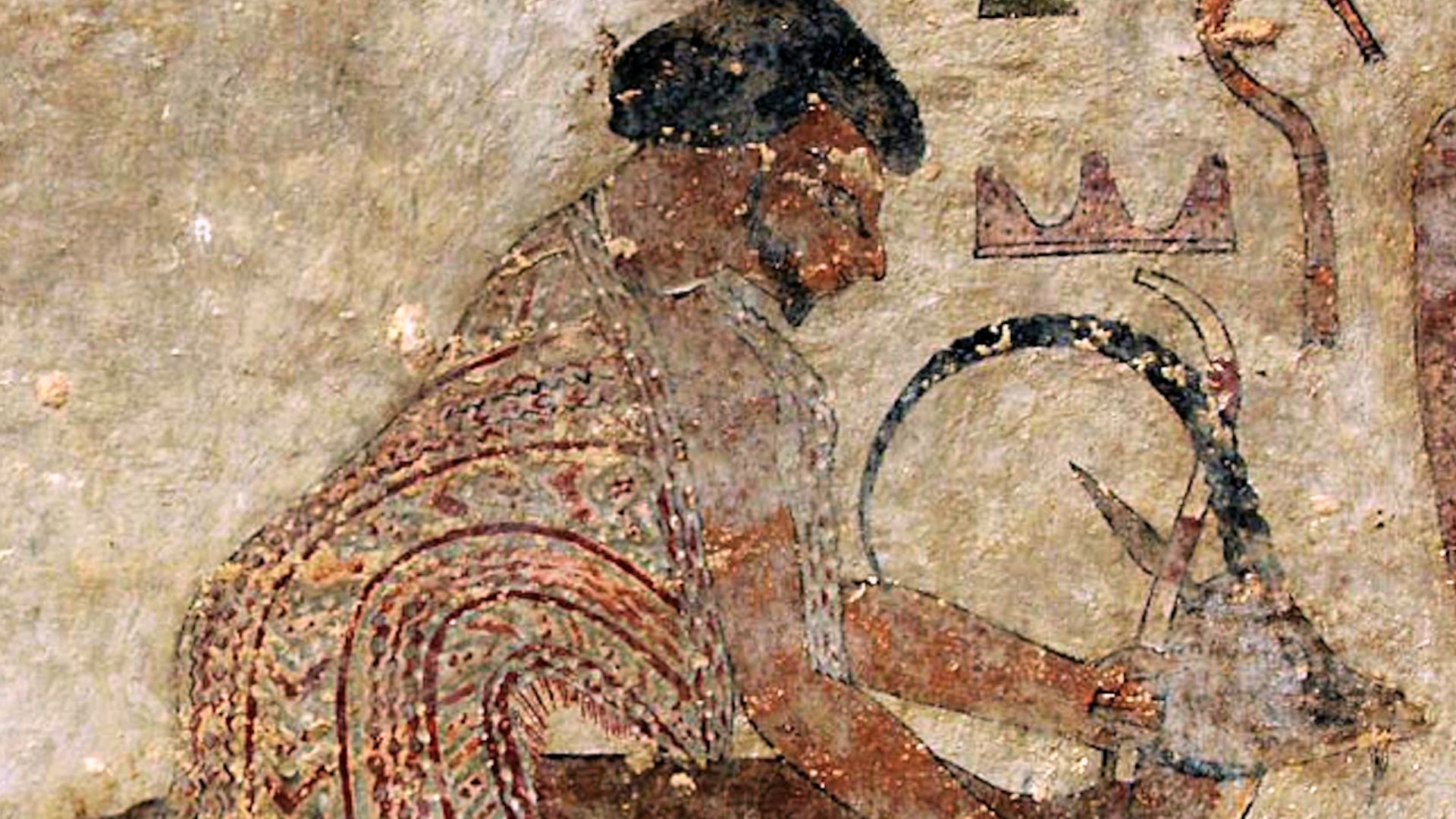
The word Hyksos derives from an Egyptian expression meaning approximately “rulers of foreign lands.” Although Egyptian accounts portrayed them as violent invaders, archaeology has complicated that picture, indicating that Semitic people from Canaan gradually entered the eastern Delta as migrants, traders, and craftspeople over multiple generations.
 Macquarie University, Wikimedia Commons
They Ruled Northern Egypt
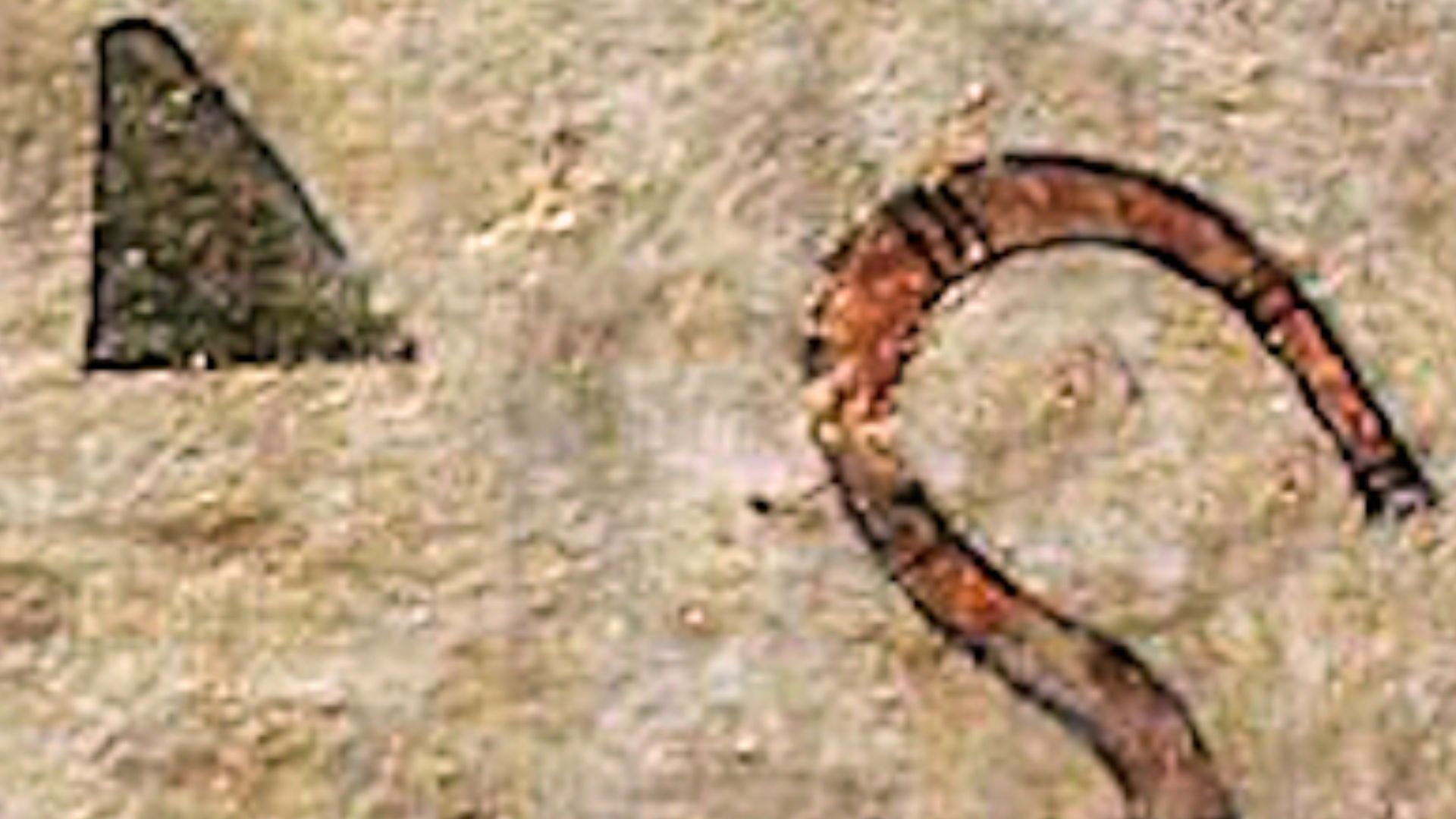
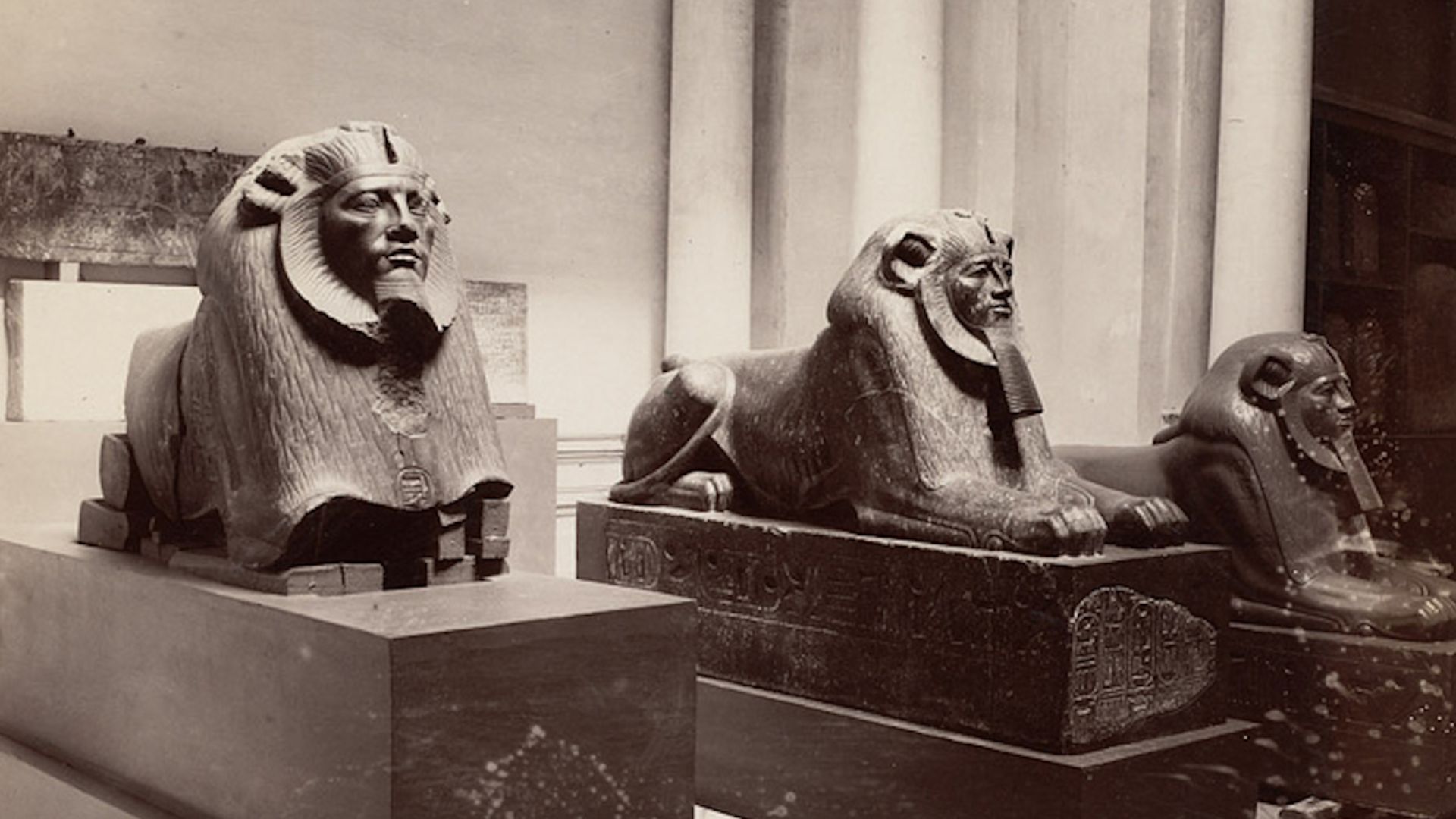
These Canaanite-associated rulers eventually controlled northern Egypt as the Fifteenth Dynasty for approximately a century. Their power was concentrated in the eastern Delta, with their capital at Avaris. Tell el-Ku’a therefore belonged to a region central to the political and cultural world of Hyksos Egypt.
Life Continued Afterward
Evidence indicates that occupation at Tell el-Ku’a continued until the middle of the Eighteenth Dynasty. The settlement therefore spans the major political transformation from Hyksos control to the New Kingdom, providing archaeological evidence for how ordinary communities functioned while Egypt underwent a major dynastic transition.
Egypt Changed Hands
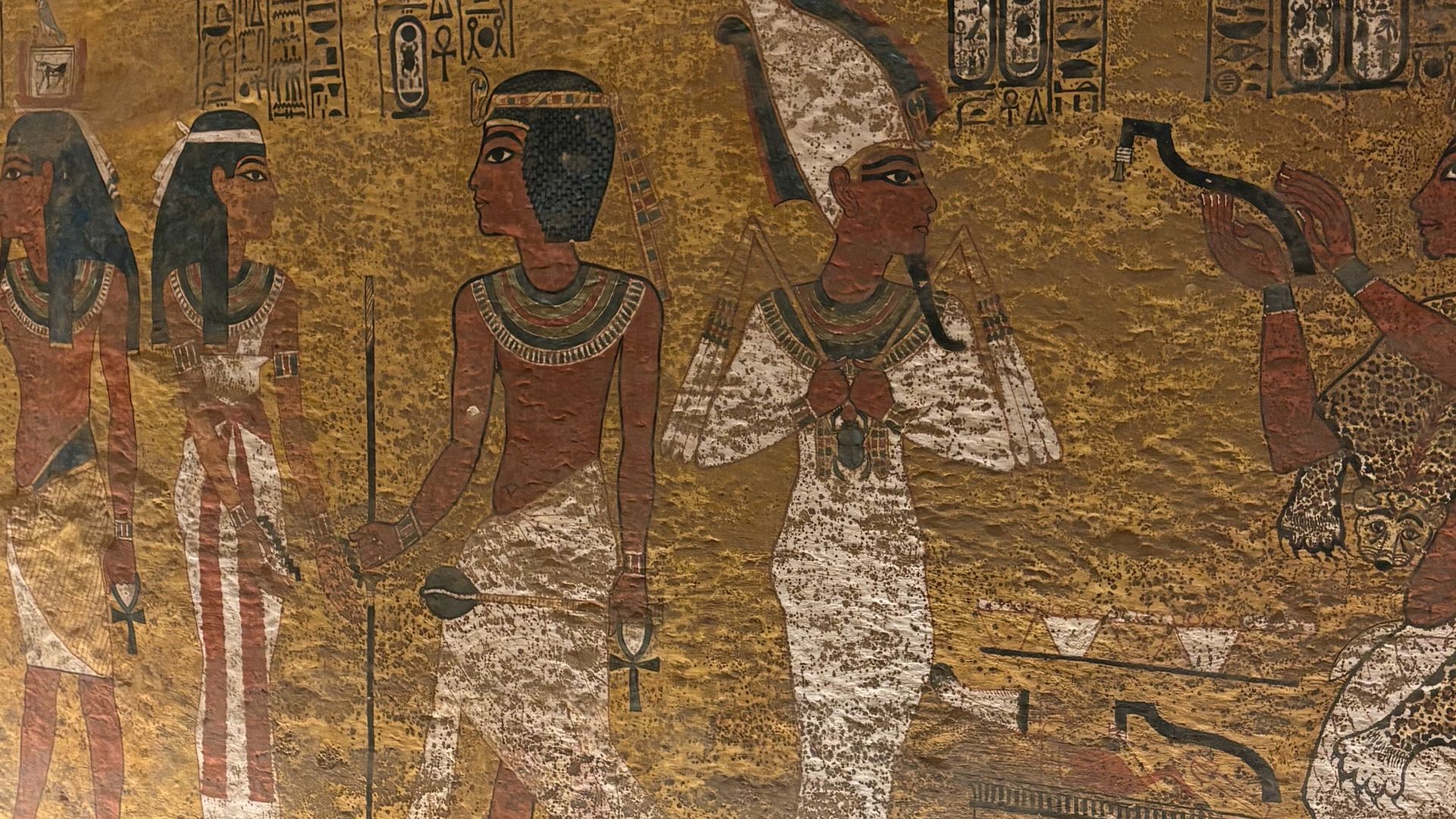
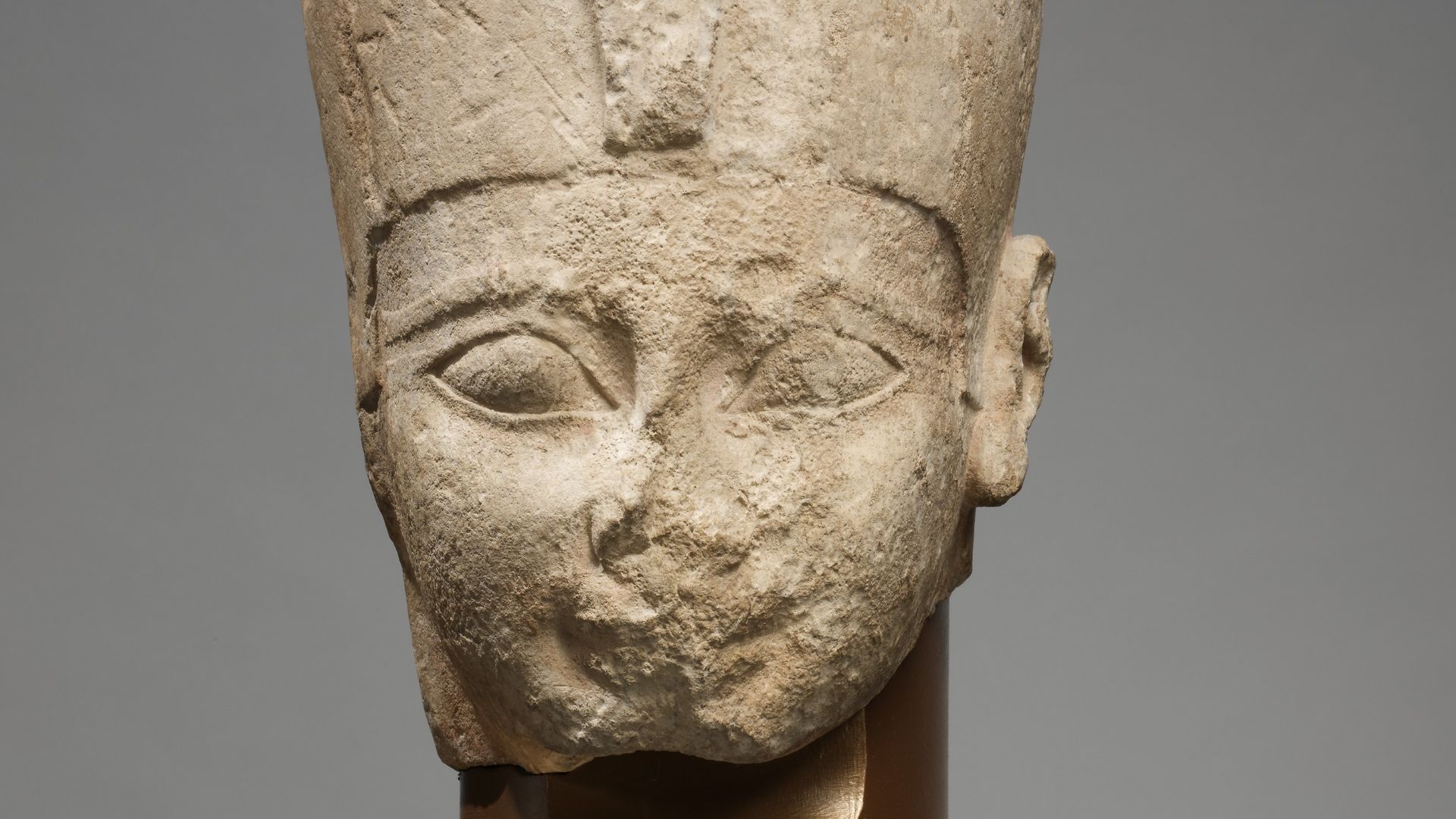
The Hyksos were eventually defeated by Theban rulers including Seqenenre Tao, Kamose, and Ahmose I. Ahmose became founder of Egypt’s Eighteenth Dynasty, inaugurating the New Kingdom. The political order of northern Egypt consequently changed dramatically as native Egyptian rule replaced the Hyksos regime.
The Biblical Geography
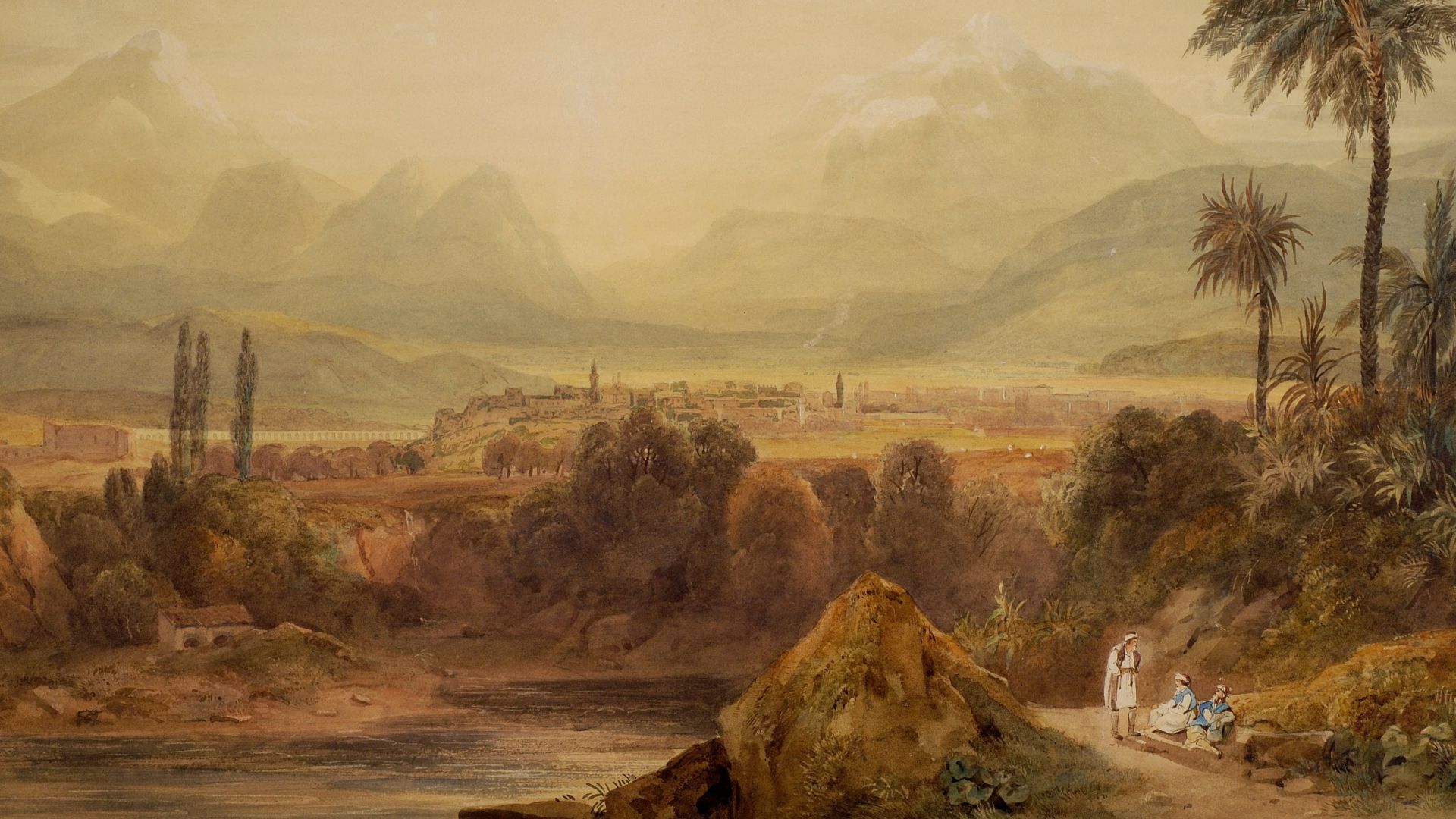
Tell el-Ku’a’s location makes the discovery particularly interesting to biblical scholars. The Wadi Tumilat has long been associated with biblical Goshen, described in Genesis as fertile territory suitable for cattle and flocks of sheep, and as the region in which Joseph settled his family after they entered Egypt.
Joseph And The Hyksos
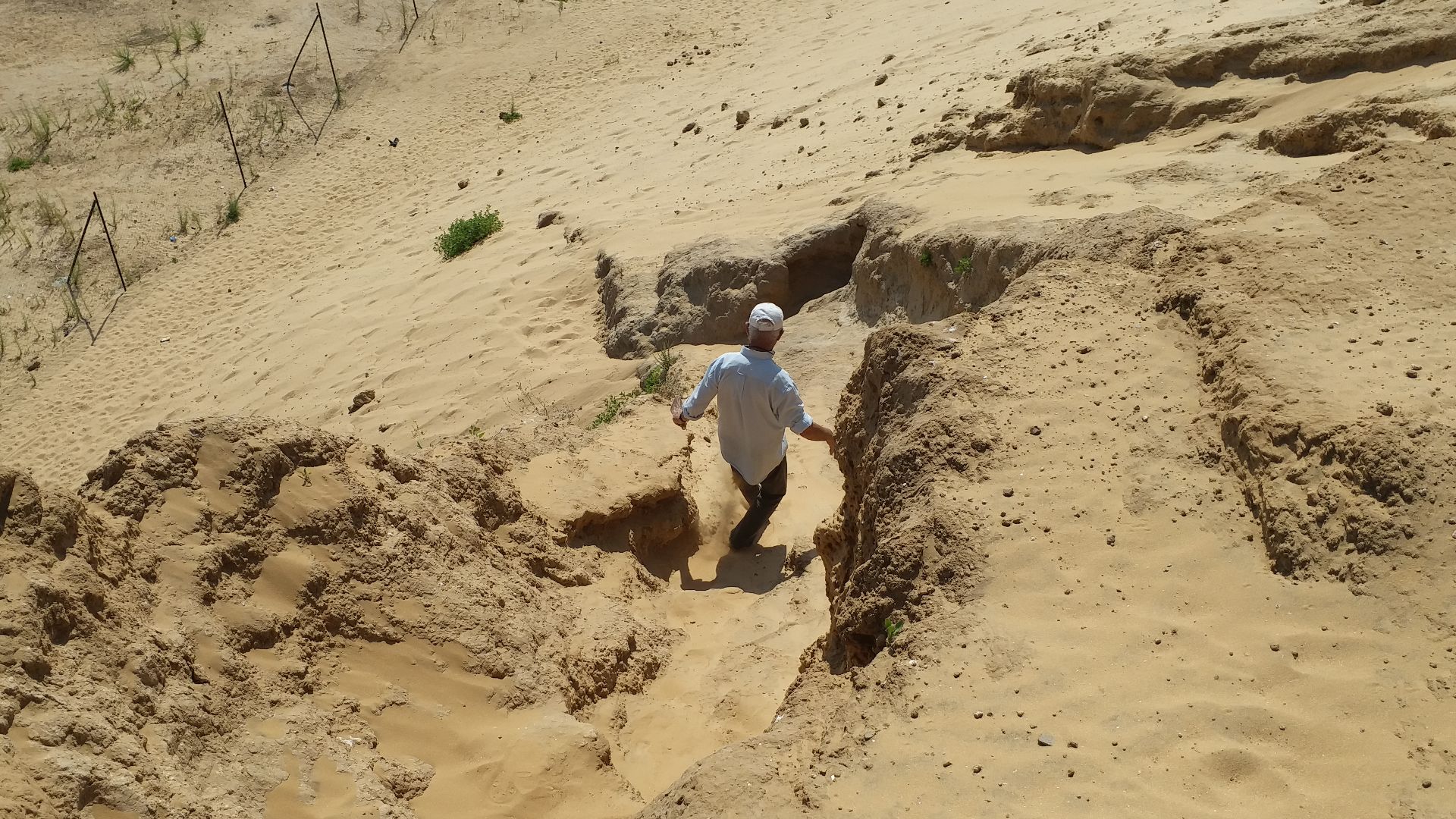
The Biblical Archaeology Society notes several features that could place the Joseph narrative comfortably within a Hyksos setting. Joseph is presented as a Semitic man from Canaan who rises to high office in Egypt, circumstances that would fit particularly well within an era of Canaanite-associated rulers.
 عصام محمد علي عدوان, Wikimedia Commons
Joseph Managed Egypt’s Grain
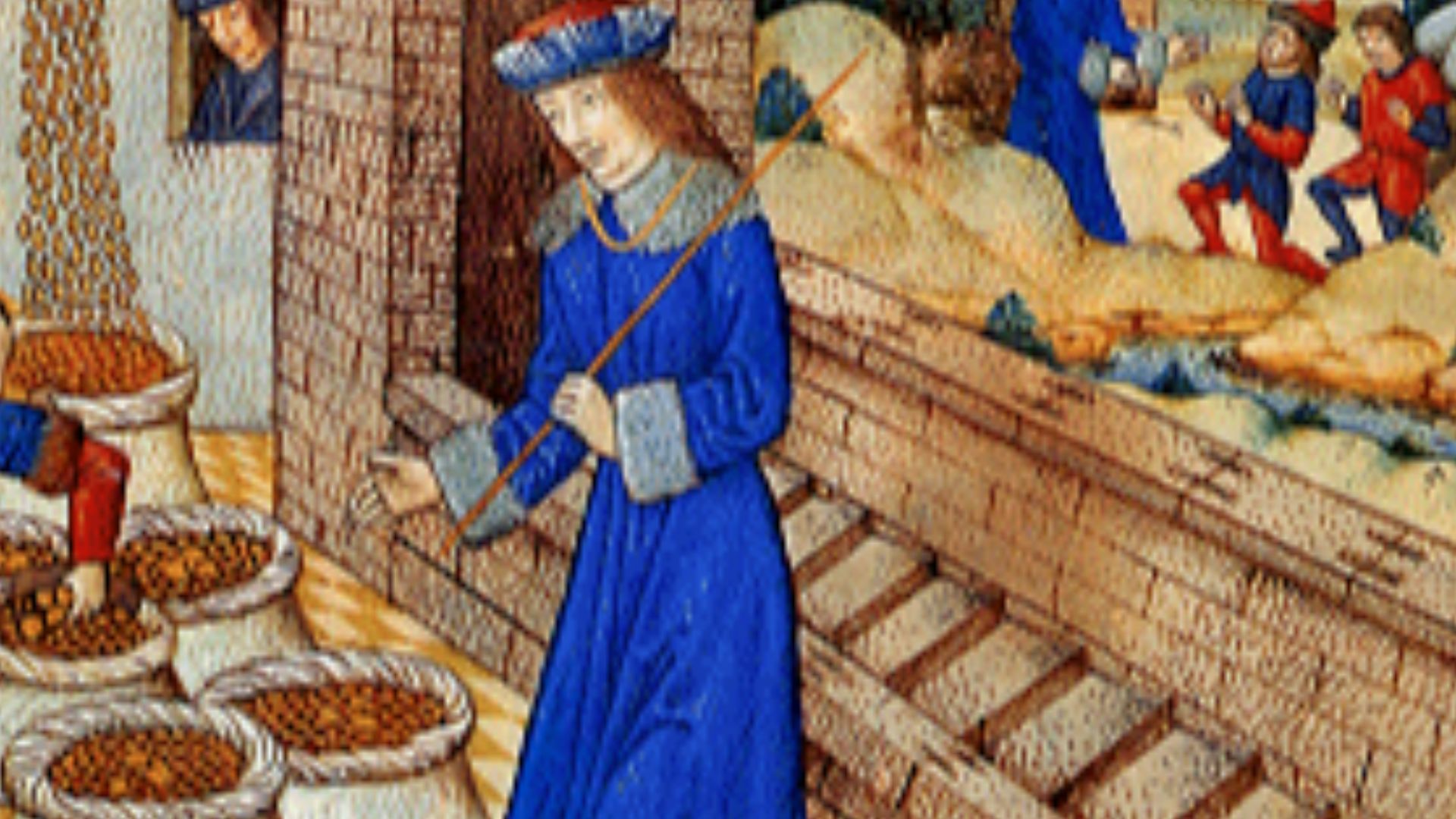
The biblical Joseph is remembered as administering Egypt’s grain supplies while facilitating movements of people and goods between Canaan and Egypt. Tell el-Ku’a’s storage silos and possible commercial role provide an intriguing picture of how grain storage and regional distribution actually operated in the eastern Delta during the Hyksos period.
 Francisco de Zurbarán, Wikimedia Commons
But It Is Not Proof
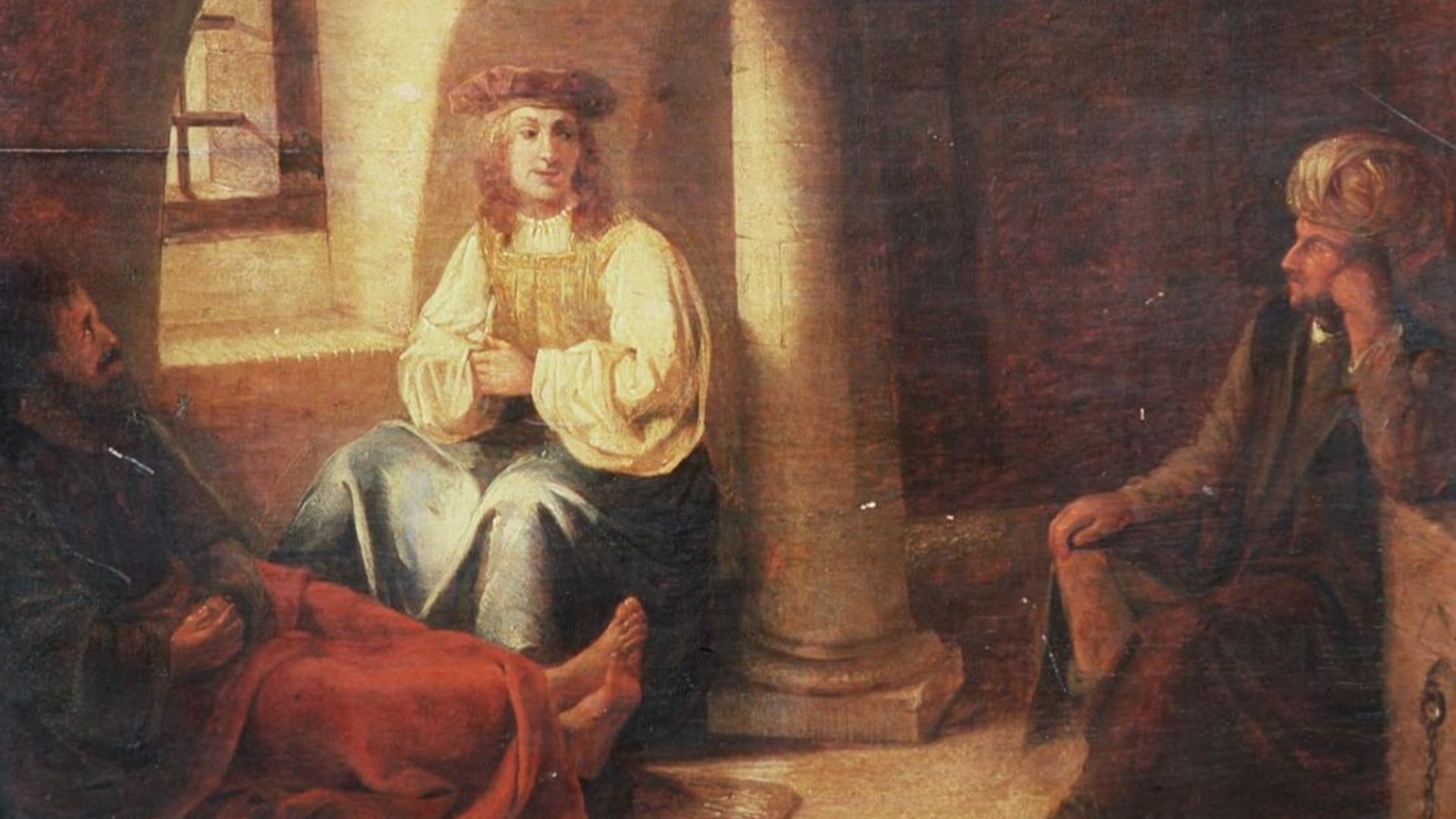
None of the specified sources reports finding Joseph, Israelites, Hebrews, or an artifact identifying a biblical individual at Tell el-Ku’a. The significance is contextual instead. The settlement provides archaeological evidence for communities, storage, commerce, and Canaanite connections in the region and period proposed as a plausible setting for Joseph.
 Gerbrand van den Eeckhout, Wikimedia Commons
A New Pharaoh
Exodus 1:8 describes the rise of a “new Pharaoh who did not know Joseph.” The Biblical Archaeology Society notes that most scholars understand this passage as describing a dynastic break, when a new ruling regime no longer felt bound by arrangements established under its predecessors.
 Biblia figurata, gemaakt voor Raphaël de Mercatellis, Gent (?), Wikimedia Commons
A Possible Historical Setting
Within the interpretation discussed by the Biblical Archaeology Society, the overthrow of the Hyksos offers a potential setting for that change. Native Theban rulers expelled a Semitic ruling class and established the New Kingdom, potentially providing a historical context for the biblical memory of dramatically altered circumstances in Egypt.
 Hugh William Williams, Wikimedia Commons
What About The Exodus?
The specified sources do not present Tell el-Ku’a as archaeological proof of the Exodus. Its connection is indirect: the settlement occupied the eastern Delta region associated with the Israelite sojourn and survived the transition from Hyksos government into the New Kingdom, the dynastic change discussed in the Bible alongside Exodus 1:8.
 Mariette, 1863, Wikimedia Commons
A Crucial New Window
Tell el-Ku’a does not settle debates about Joseph or the Exodus, but it provides unusually detailed archaeological evidence from the right broader region and a potentially relevant historical period. More concretely, its homes, tombs, silos, workshops, artifacts, and continued occupation illuminate a pivotal transition in Egyptian history.
You May Also Like: