The Real Treasure
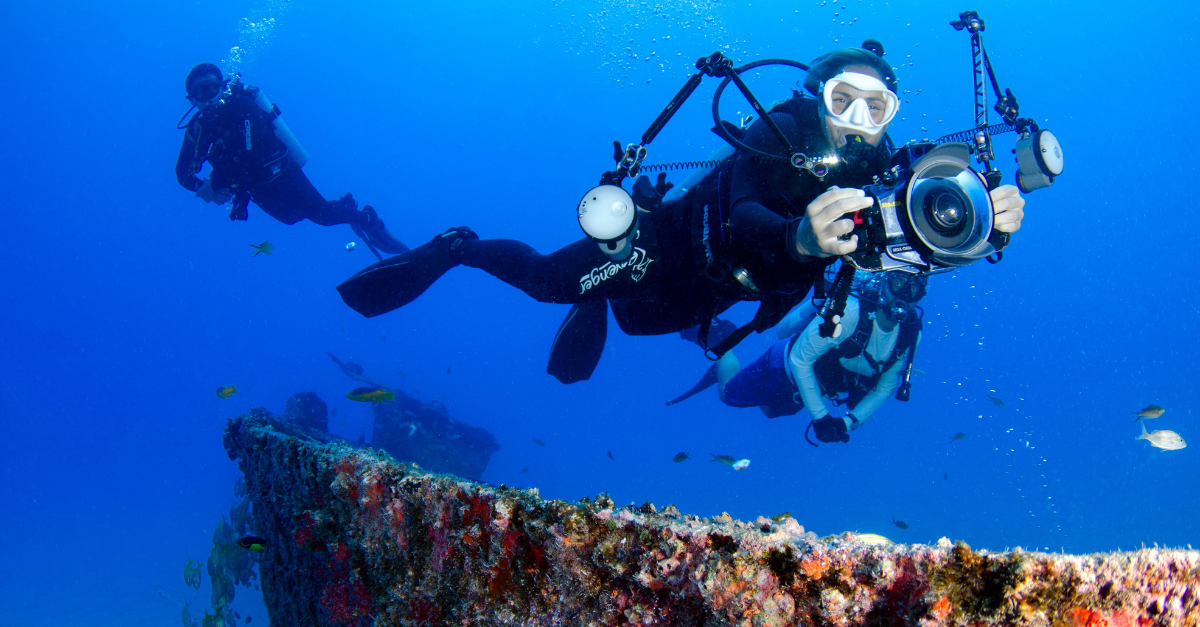
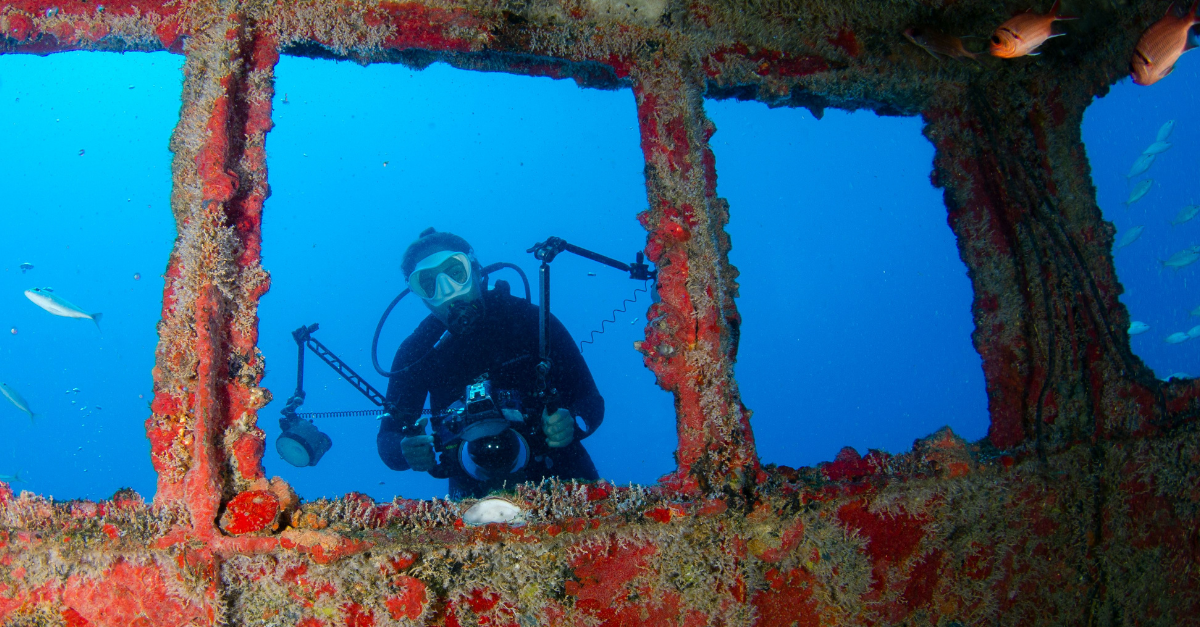
A shipwreck can preserve far more than a broken hull. Cargoes, tools, food, weapons, and personal belongings sometimes survive together, revealing how people traded, traveled, worked, and ate. These wrecks offered unusually vivid snapshots of worlds that vanished above the waves.
Uluburun Carried A Bronze Age World In Its Hold
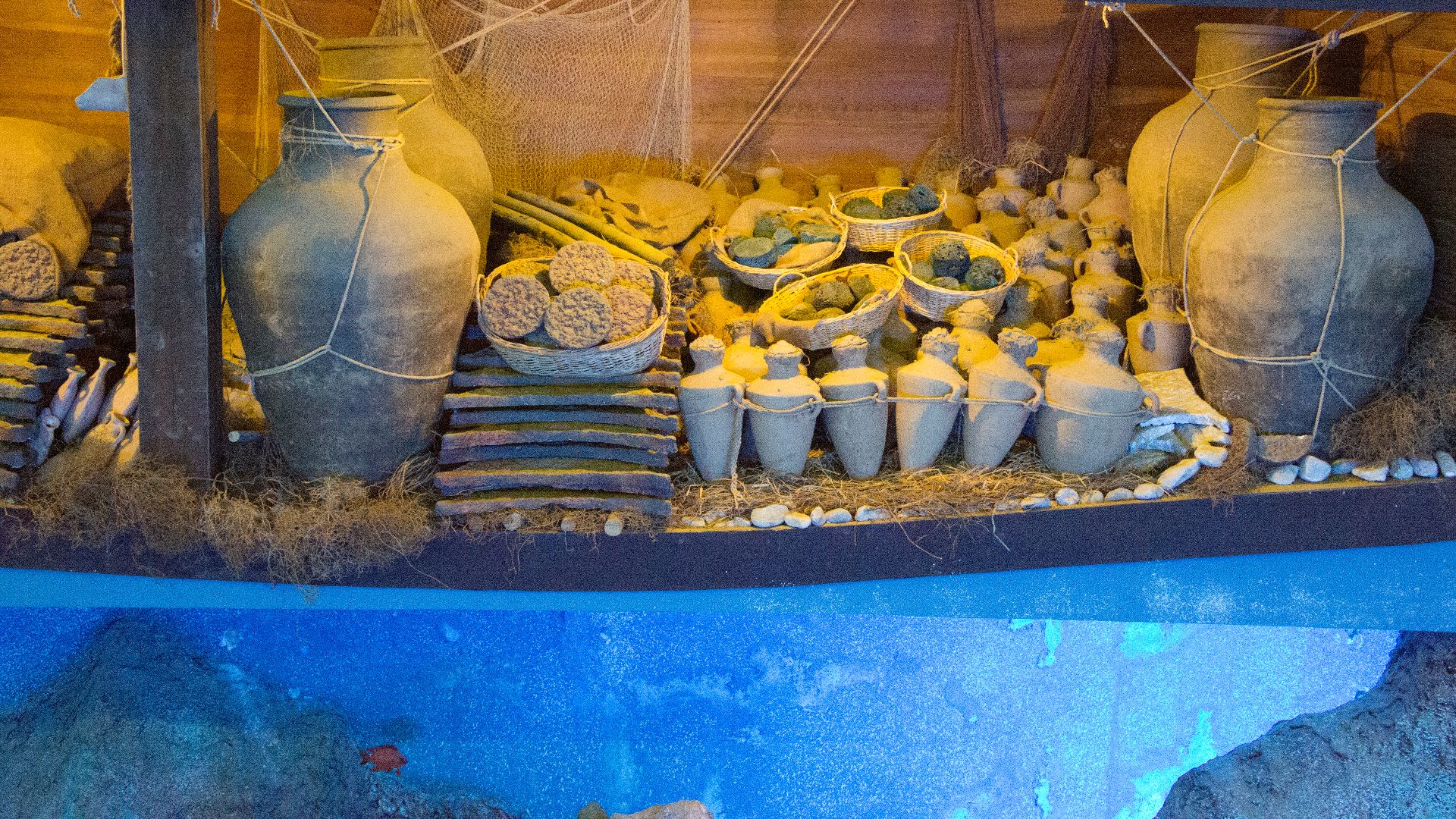
When Uluburun sank off Türkiye in the late 14th century B.C., it carried copper and tin ingots, glass, ivory, jewelry, pottery, and foodstuffs. Its remarkably varied cargo revealed just how interconnected Bronze Age Mediterranean trade had become.
Cape Gelidonya Preserved A Metalworker’s Supply Kit
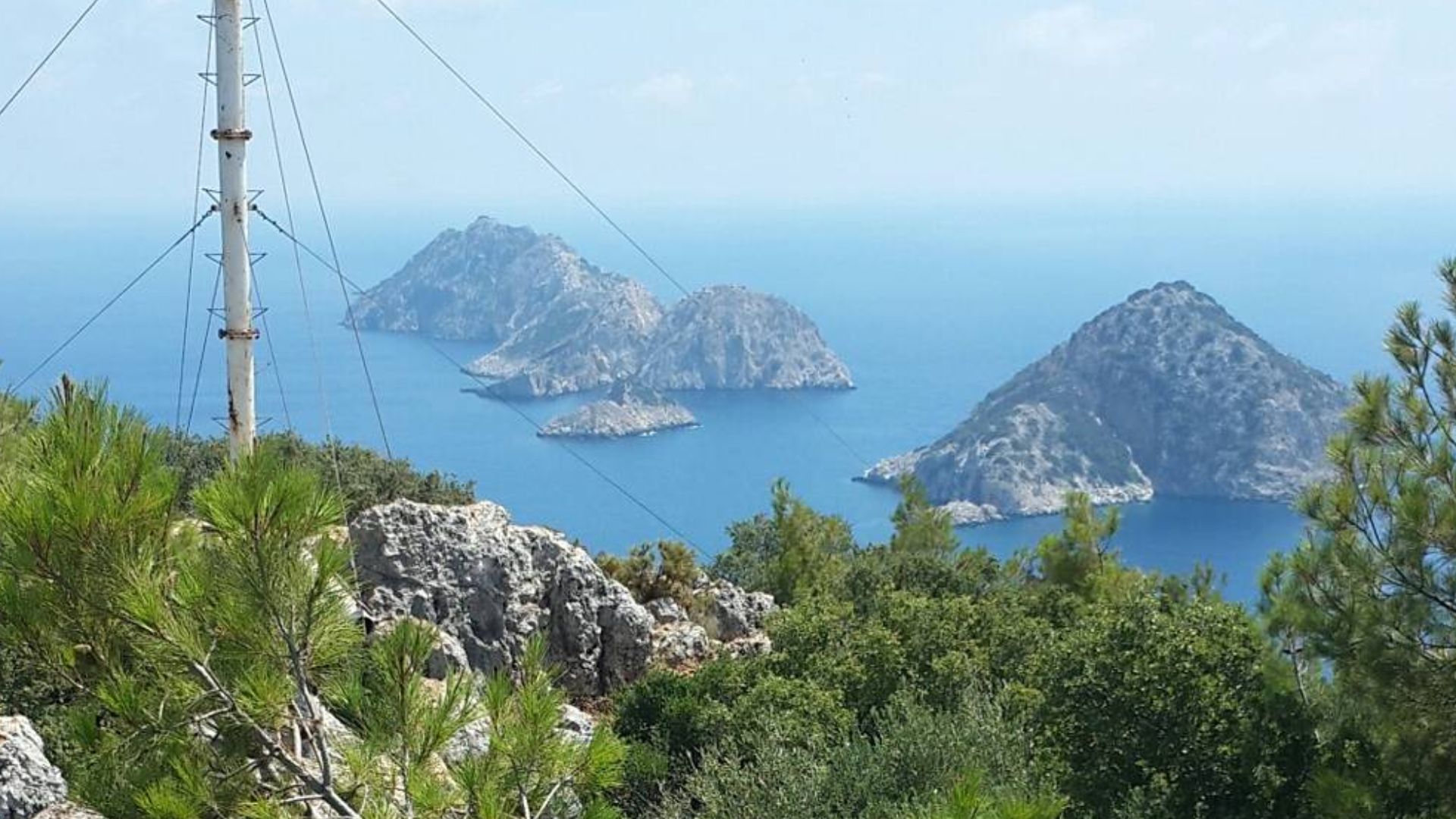
Lost around 1200 B.C., Cape Gelidonya carried copper, tin, scrap tools, and metal intended for recycling. Stone hammers, polishers, a whetstone, and a possible anvil suggest someone aboard may have worked metal professionally.
 Jasu's Hell, Wikimedia Commons
The Mazarrón Wrecks Captured Phoenician Coastal Trade
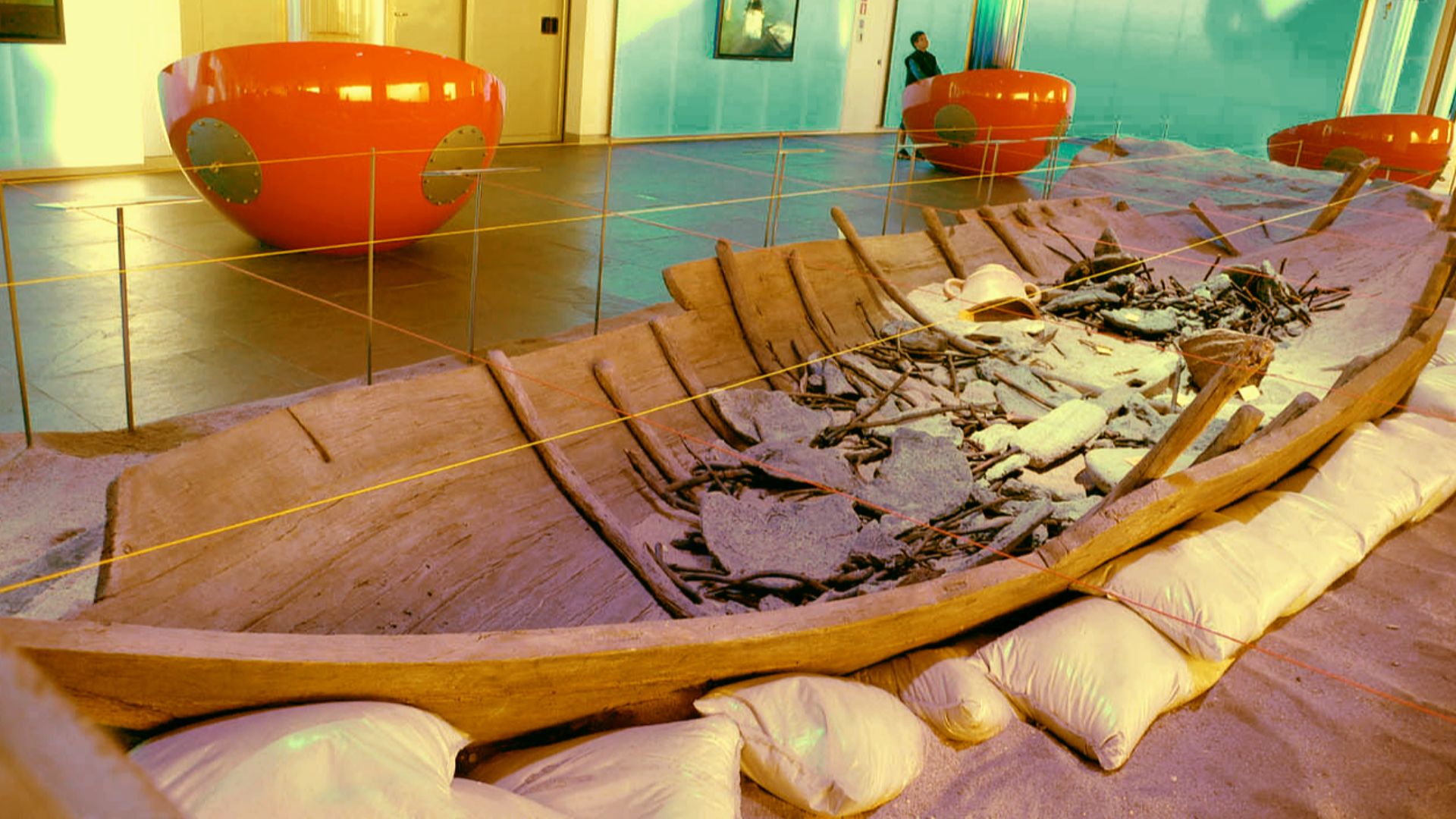
The Phoenician wrecks at Mazarrón in Spain date to roughly the seventh and sixth centuries B.C. These small vessels provide exceptionally rare evidence of Phoenician shipbuilding and the coastal trade networks connecting ports around the western Mediterranean.
 Nanosanchez, Wikimedia Commons
Bajo De La Campana Held Far-Flung Cargo
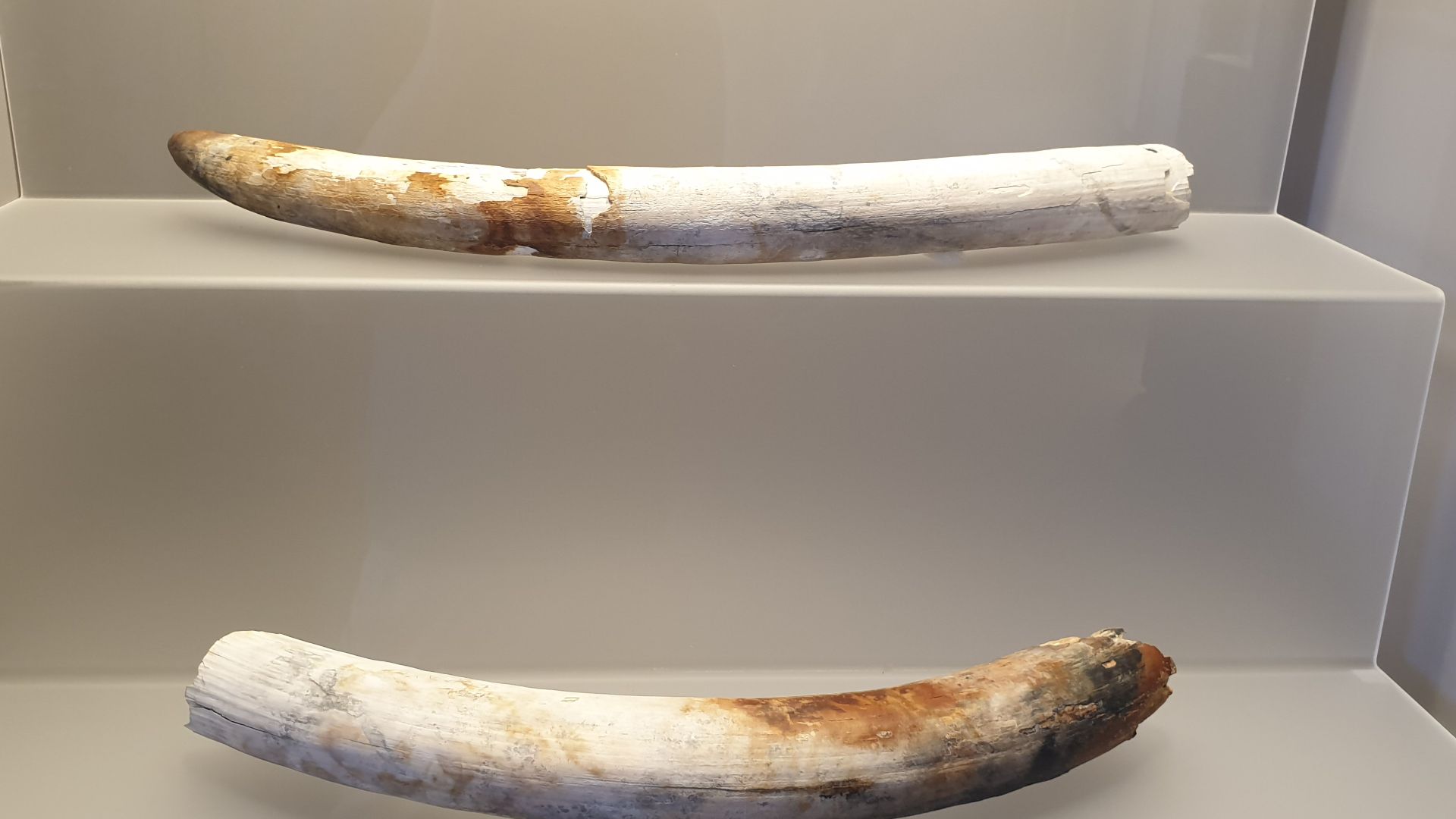
This seventh-century B.C. Phoenician wreck off Murcia yielded elephant tusks, tin and copper ingots, lead ore, and Baltic amber. Together, the finds show how widely Phoenician merchants sourced valuable raw materials across the Mediterranean and beyond.
 Jamie Heath, Wikimedia Commons
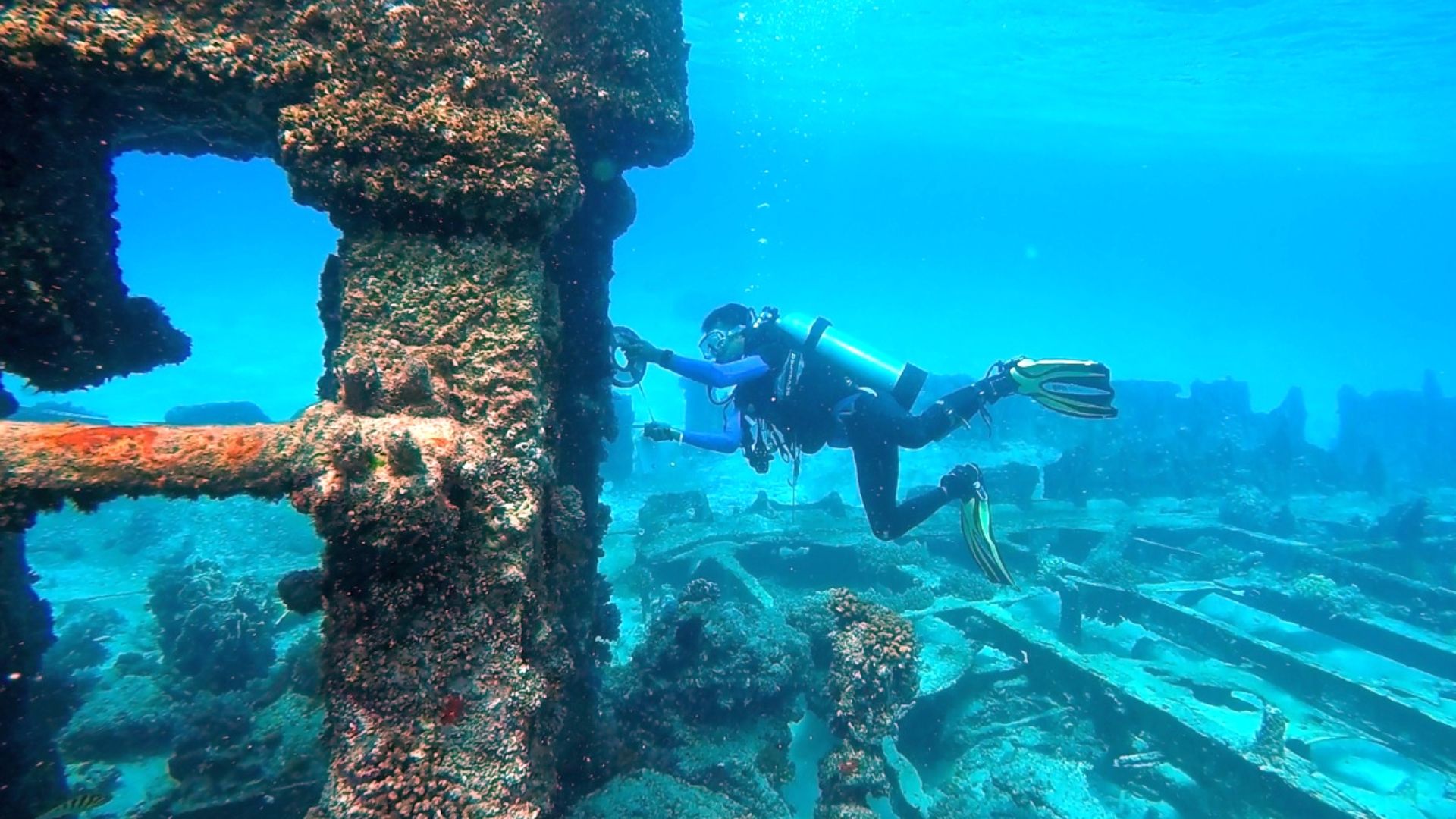
Pabuç Burnu Preserved Everyday Archaic Commerce
This sixth-century B.C. Greek merchantman carried roughly 250 amphorae and agricultural goods rather than royal treasure. Preserved hull remains also revealed the laced construction techniques used by shipbuilders during the Archaic period.
 Dwi sumaiyyah makmur, Wikimedia Commons
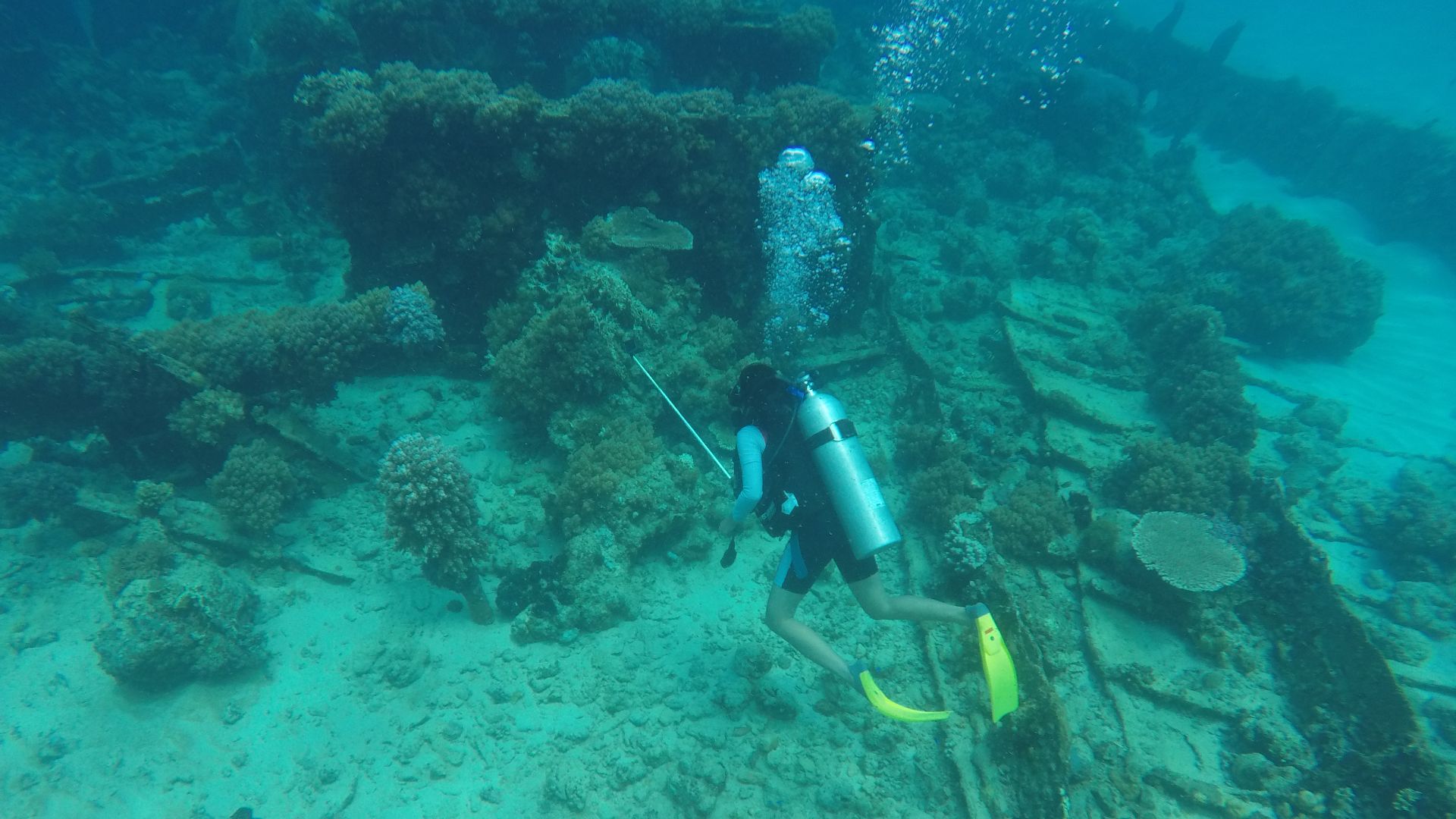
Kekova Recorded A Mixed Mediterranean Marketplace
At Kekova, archaeologists documented an Archaic wreck with roughly 100 basket-handle amphora fragments, probably Cypriot, alongside containers from Corinth and Samos. The diverse assemblage records commerce among Cyprus, Anatolia, and the Greek world.
 Dwi sumaiyyah makmur, Wikimedia Commons
Peristera Went Down With Thousands Of Jars
The fifth-century B.C. Peristera wreck near Alonnisos carried thousands of wine amphorae. Many still lie on the seabed, and the extraordinarily visible cargo now forms the centerpiece of an underwater museum accessible to qualified divers.
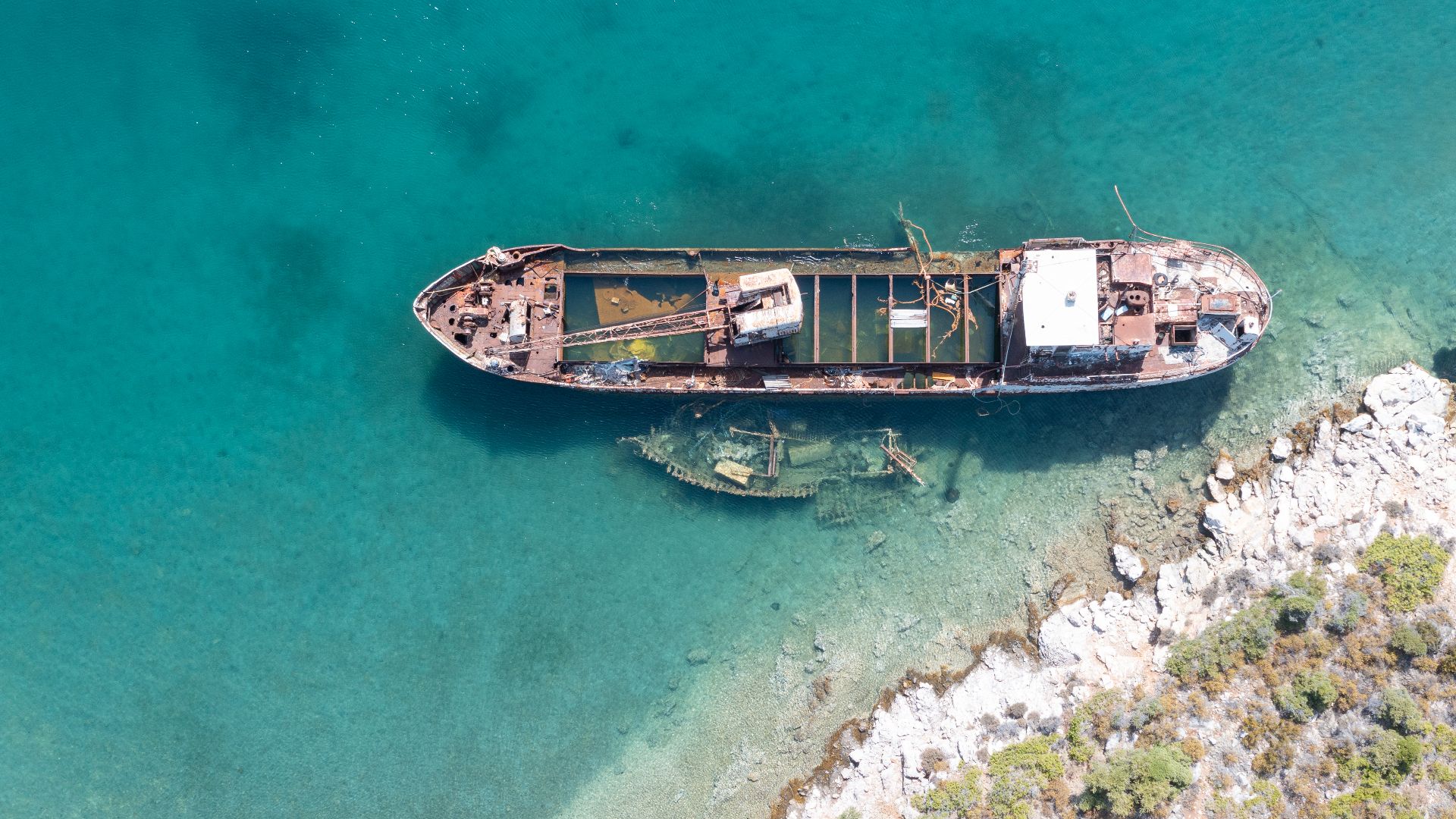
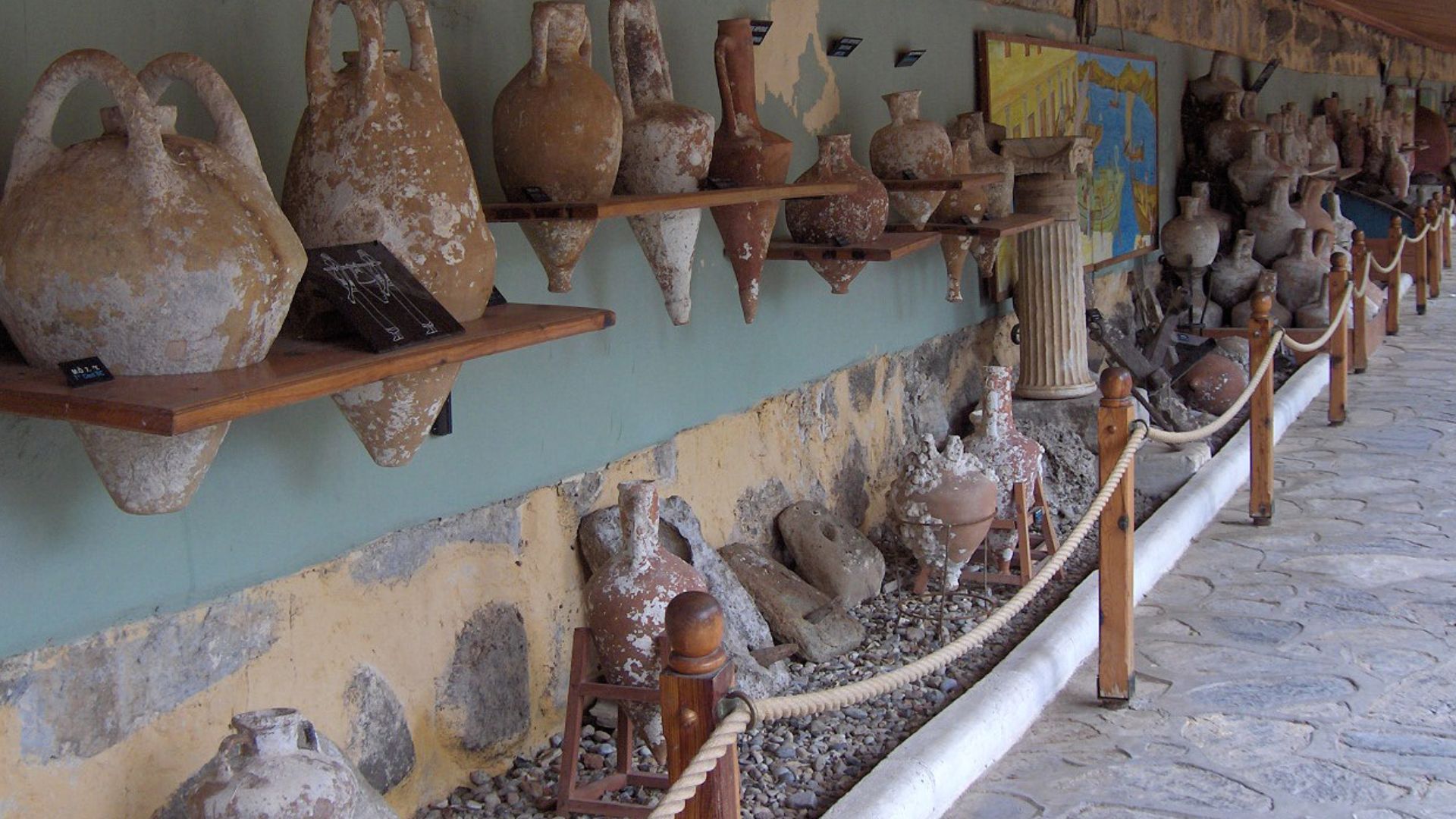
Tektaş Burnu Saved A Classical Greek Cargo
The Tektaş Burnu ship sank around 440–425 B.C. with more than 200 amphorae containing spirits, pine tar, and butchered beef. Lamps, bowls, drinking cups, and table amphorae added an unexpectedly domestic dimension to its commercial cargo.
 Georges Jansoone (JoJan, Wikimedia Commons
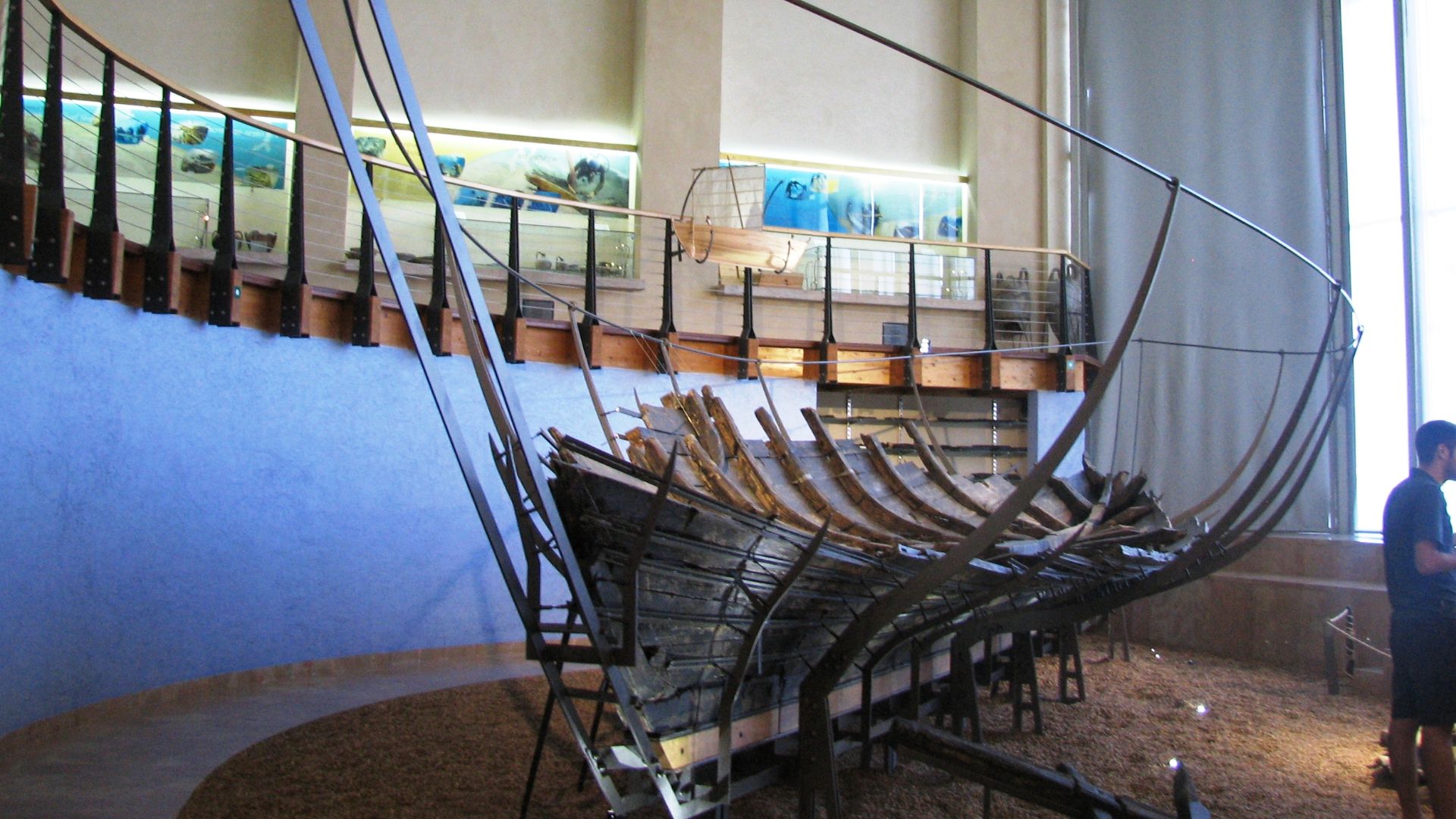
Ma’agan Michael Preserved An Ancient Hull
Discovered off Israel in 1985, the Ma’agan Michael ship is an intact, roughly 2,400-year-old merchantman. Archaeologist Elisha Linder later excavated the vessel, which is now displayed at the University of Haifa.
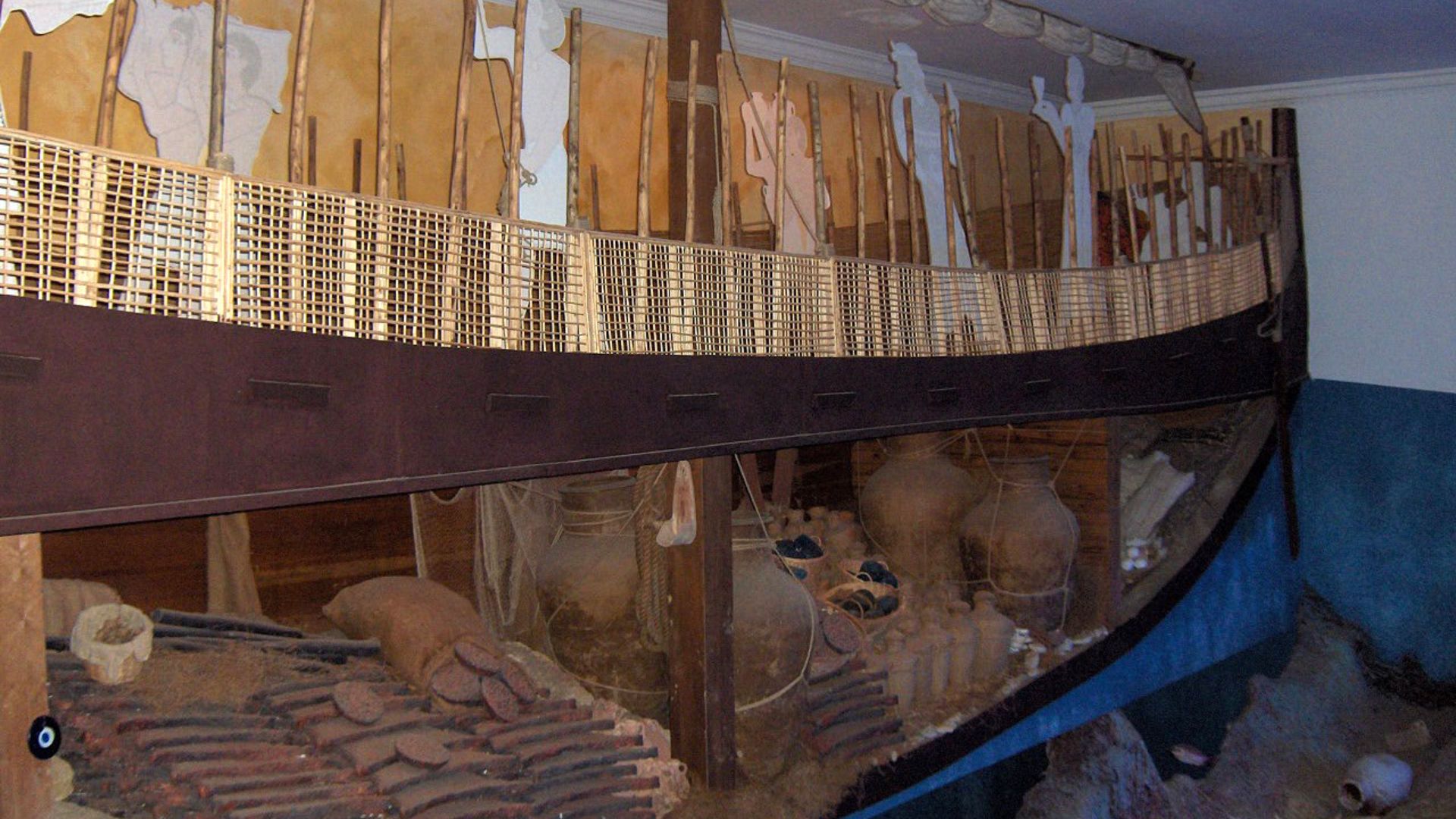
Mazotos Froze Cargo In Place
The fourth-century B.C. Mazotos wreck off Cyprus contains hundreds of amphorae, most originating on Chios. Several layers survived in their original stowage arrangement, allowing archaeologists to examine how ancient crews organized and packed a merchant ship’s hold.
 Georges Jansoone (Jojan, Wikimedia Commons
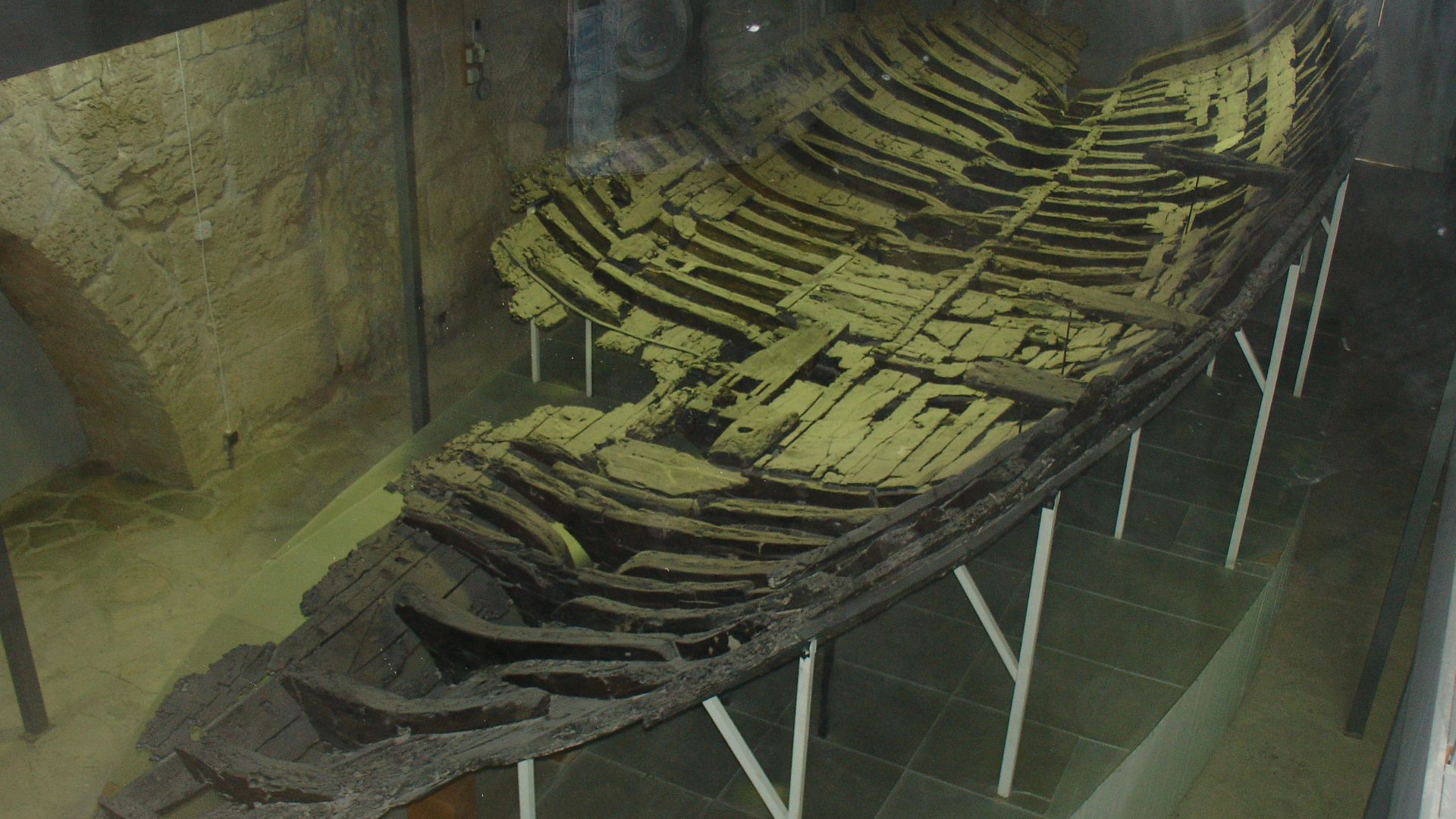
Kyrenia Kept Almonds For More Than Two Millennia
The late-fourth-century B.C. Kyrenia merchant ship carried mostly Rhodian amphorae along with stacked grain millstones. Archaeologists even discovered almonds preserved in their shells inside some jars, creating an unusually intimate record of ancient provisions and commerce.
 en:User:Mgiganteus1, Wikimedia Commons
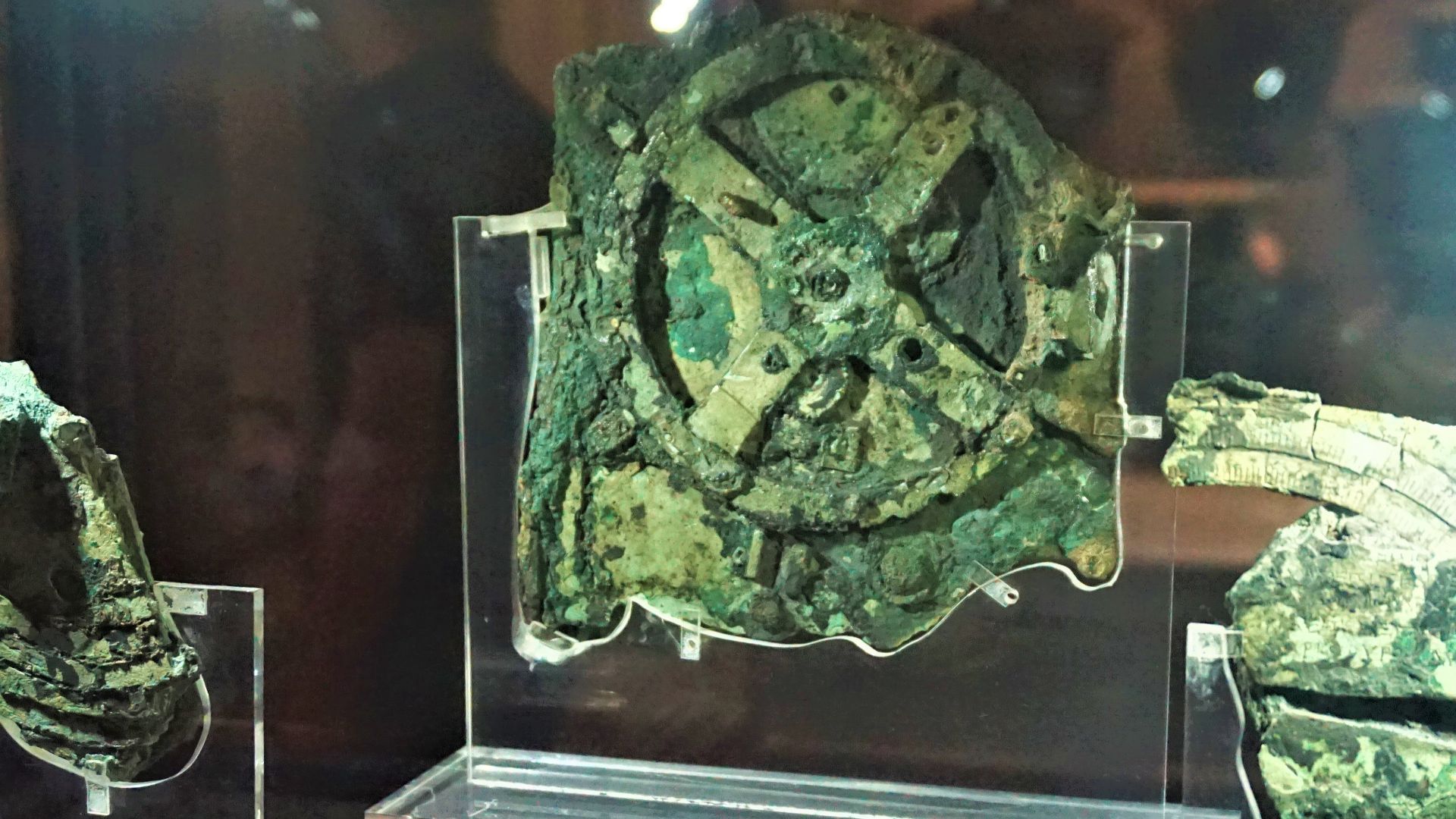
Antikythera Hid An Extraordinary Ancient Machine
Sponge divers discovered the Antikythera wreck in 1900 and recovered statues, amphorae, and the mysterious geared Antikythera Mechanism. Researchers determined that the bronze device modeled astronomical cycles and could predict eclipses, revealing remarkably sophisticated ancient engineering.
 Joyofmuseums, Wikimedia Commons
Kızılburun Was Carrying A Monumental Column
The early first-century B.C. Kızılburun wreck transported eight marble column drums and a Doric capital, alongside amphorae, bowls, and lamps. Its cargo preserved rare physical evidence for the complicated logistics involved in moving monumental architecture by sea.
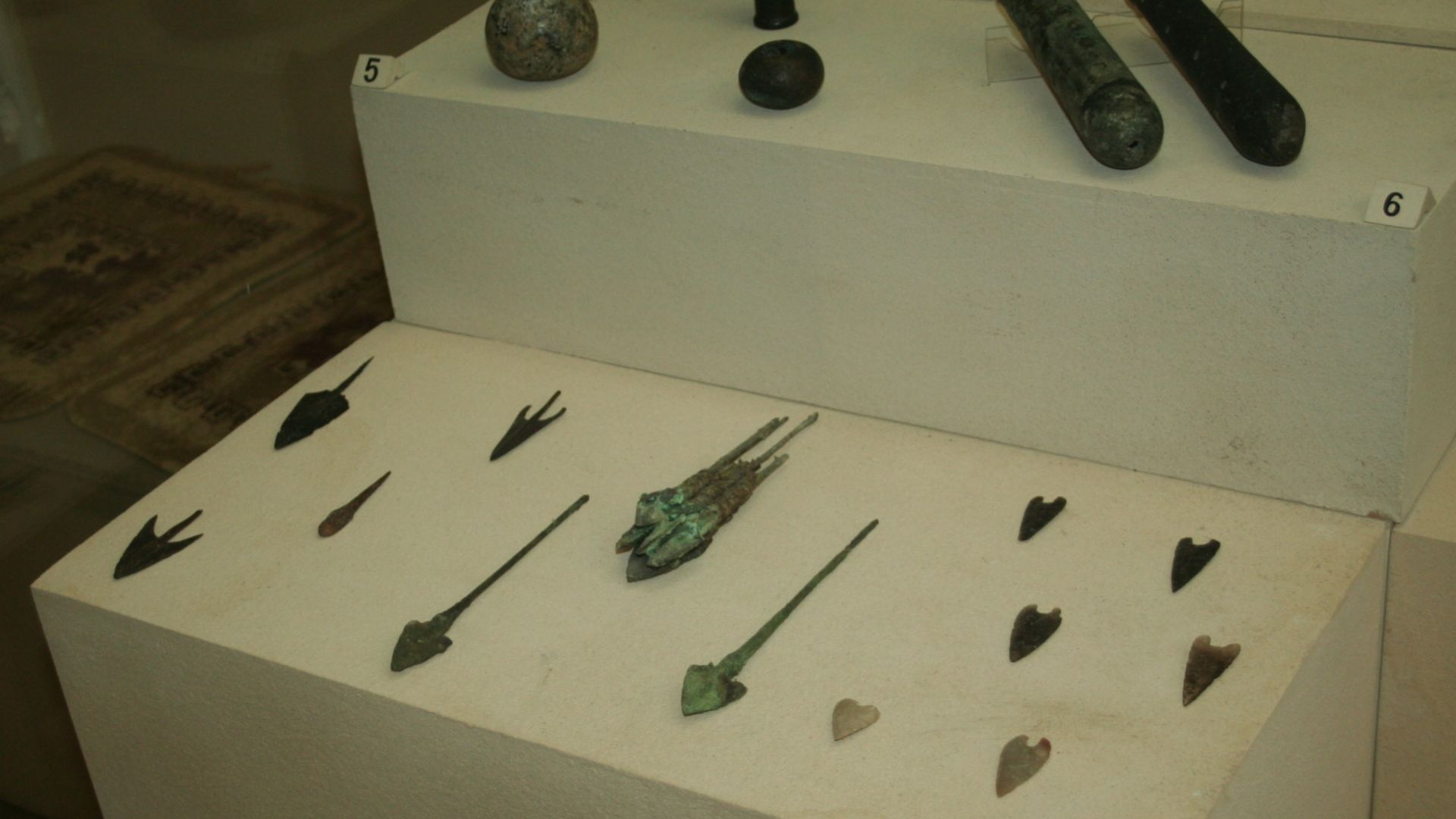
Serçe Limanı Preserved A Hellenistic Cargo
A ship at Serçe Limanı sank around 280–275 B.C. carrying Knidian amphorae, pottery, millstones, and equipment. Later rockfalls covered portions of the wreck, which archaeologists have since revisited using modern photogrammetry and digital documentation.
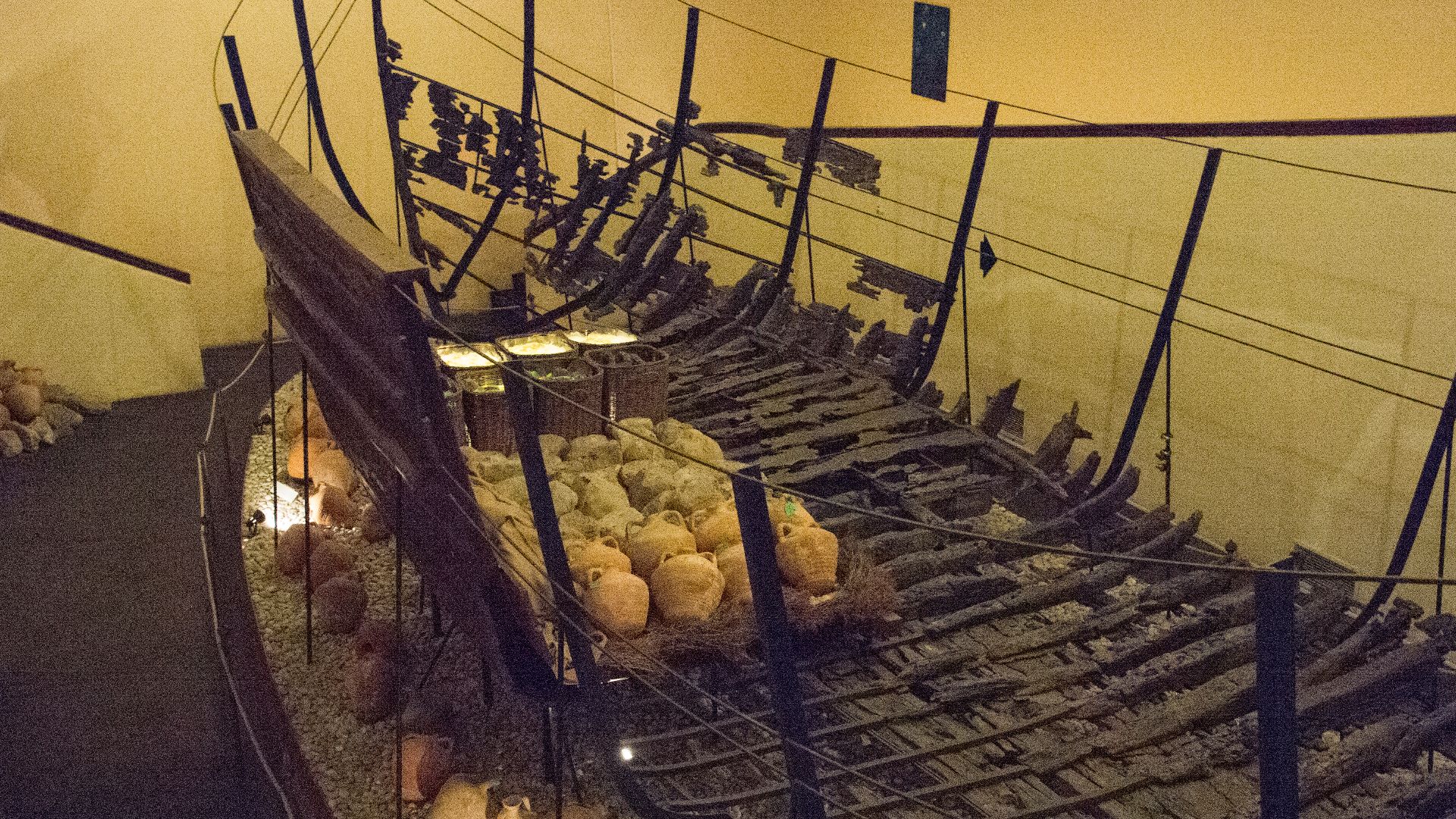
The Roman Yassıada Wreck Saved A Shipbuilding Transition
A late Roman wreck near Yassıada carried roughly 1,100 amphorae plus plates, cooking pots, pitchers, and lamps. Its hull also records construction changes between older shell-first methods and the increasingly important use of internal framing.
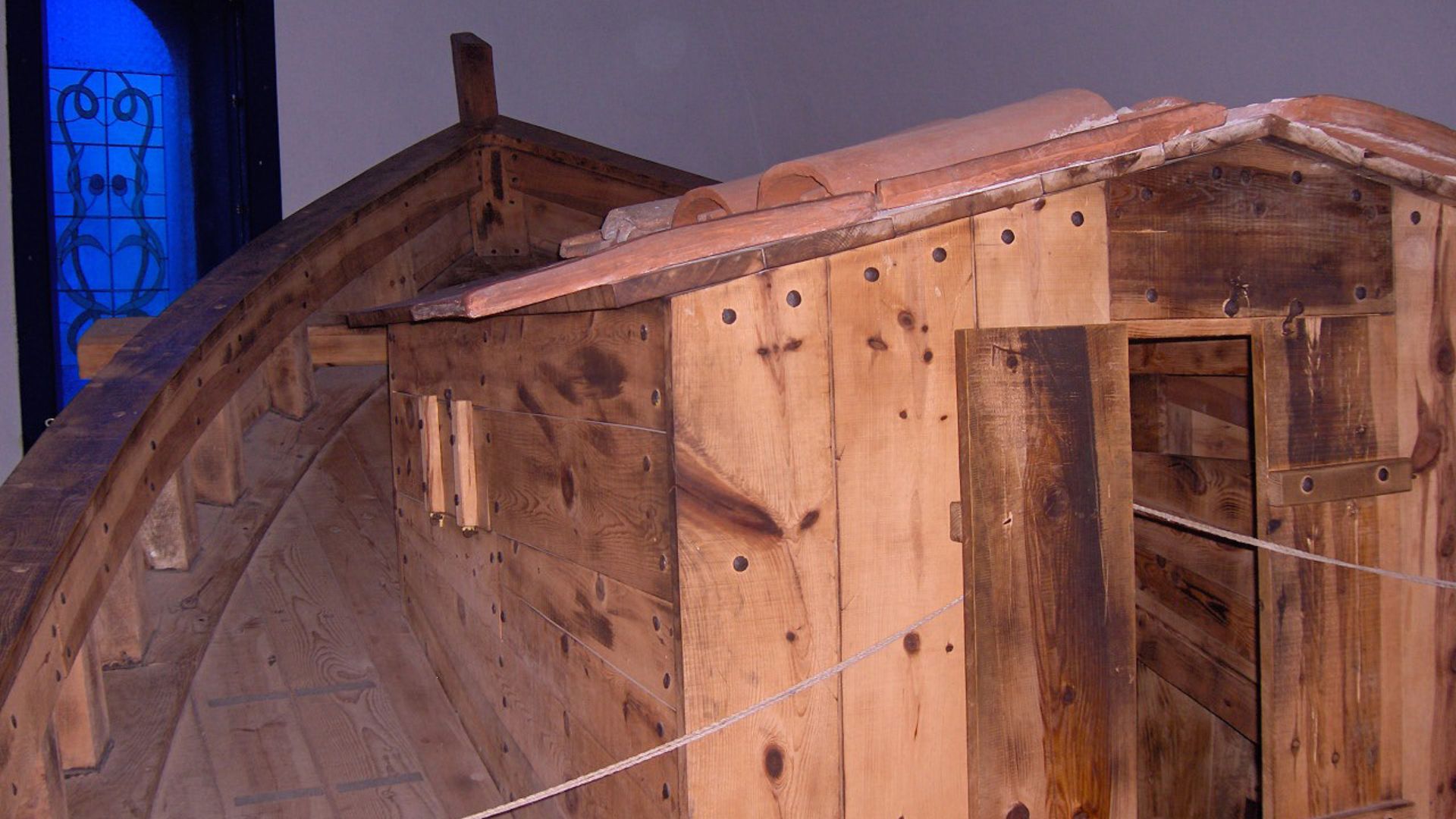 Georges Jansoone (JoJan, Wikimedia Commons
The Byzantine Yassıada Wreck Preserved A Merchantman
Another Yassıada wreck sank around A.D. 625. Archaeologists mapped its hull closely enough to reconstruct the ship and documented more than 800 amphorae, producing unusually detailed evidence for Byzantine ship construction and commercial cargo transport.
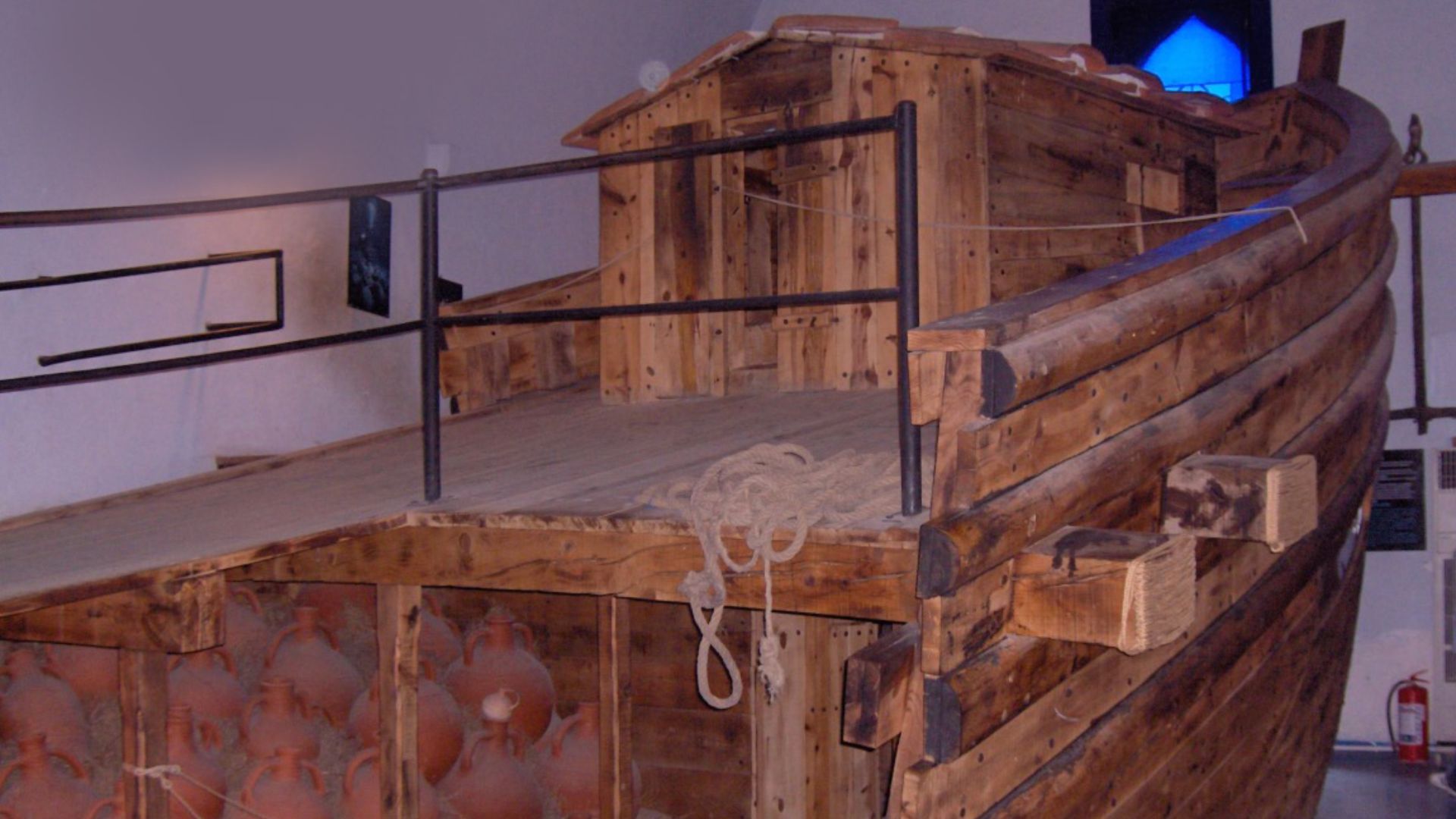 Georges Jansoone (JoJan, Wikimedia Commons
Bozburun Left An Amphora Mound On The Seabed
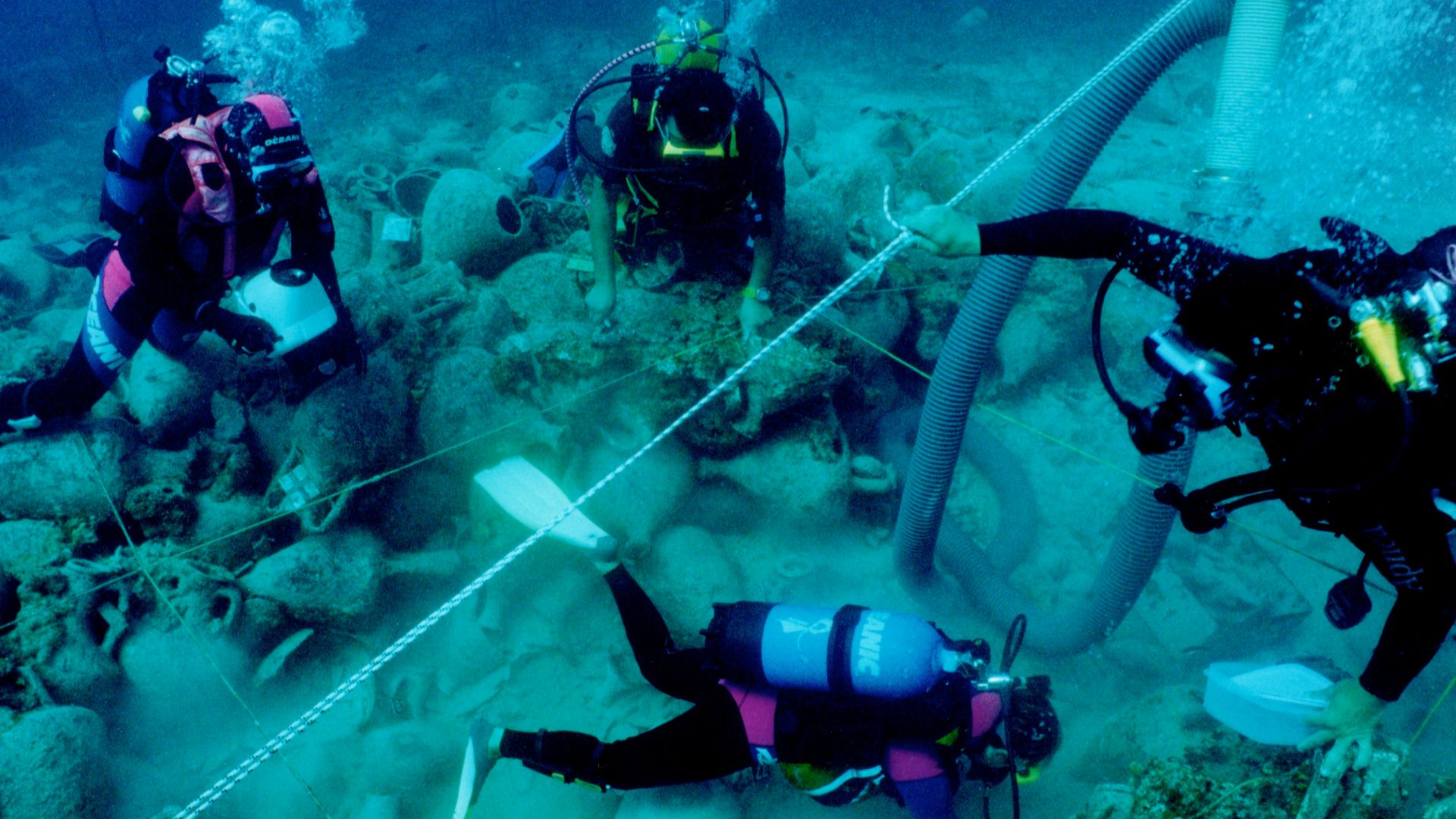
The Byzantine ship at Bozburun, built in A.D. 874 and lost around 880, survives beneath a substantial mound of amphorae. The concentrated cargo preserves an archaeological snapshot of Mediterranean commerce near the end of the first millennium.
 Elpida Hadjidaki, Wikimedia Commons
Serçe Limanı Became The “Glass Wreck”
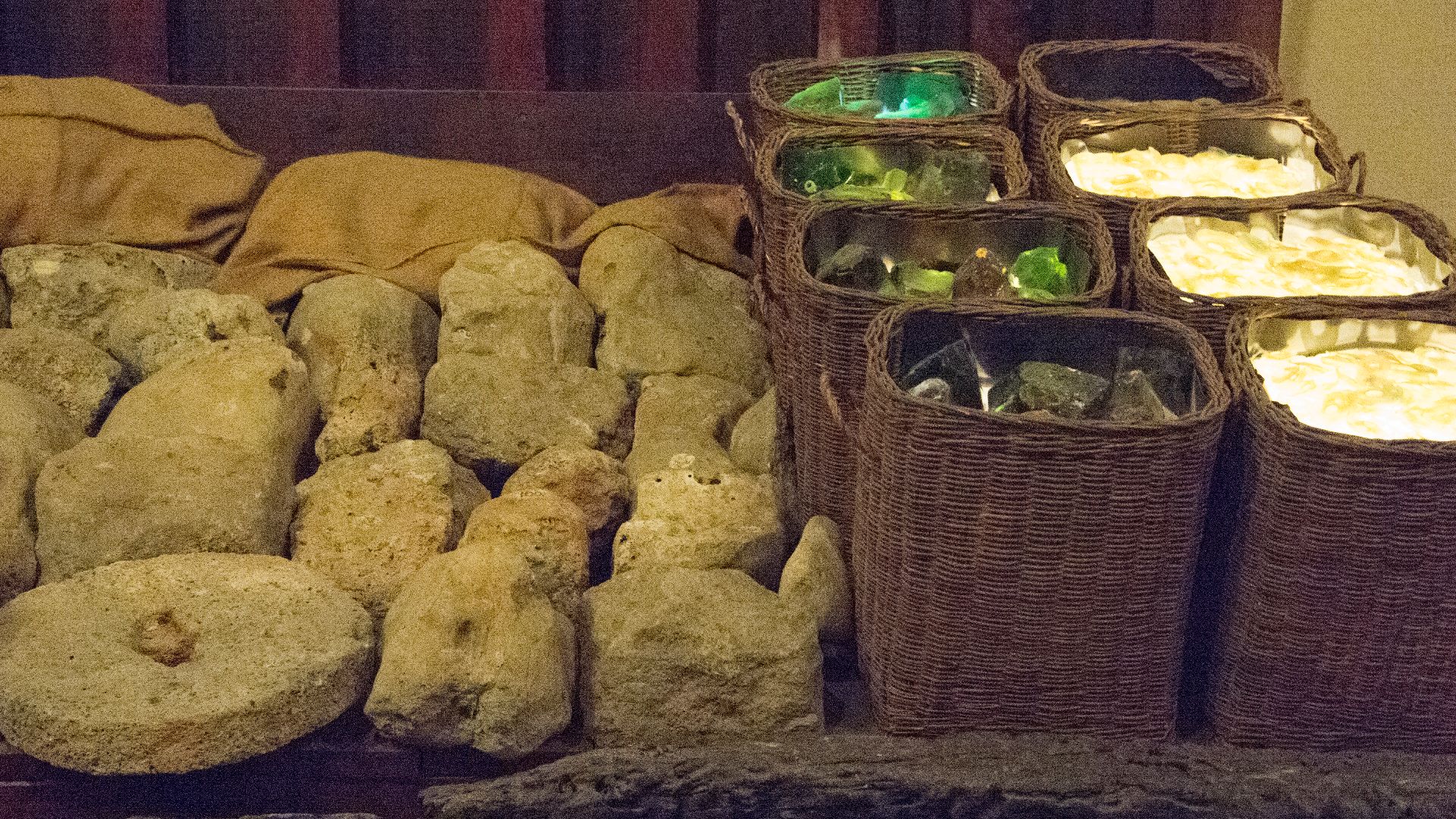
The eleventh-century Serçe Limanı wreck carried about three tons of glass, including recyclable cullet and broken vessels. Archaeologists also recovered ceramics, tools, jewelry, a comb, and scissors, creating an exceptional record of medieval commerce and everyday life.
Yenikapı Preserved A Whole Byzantine Harbor
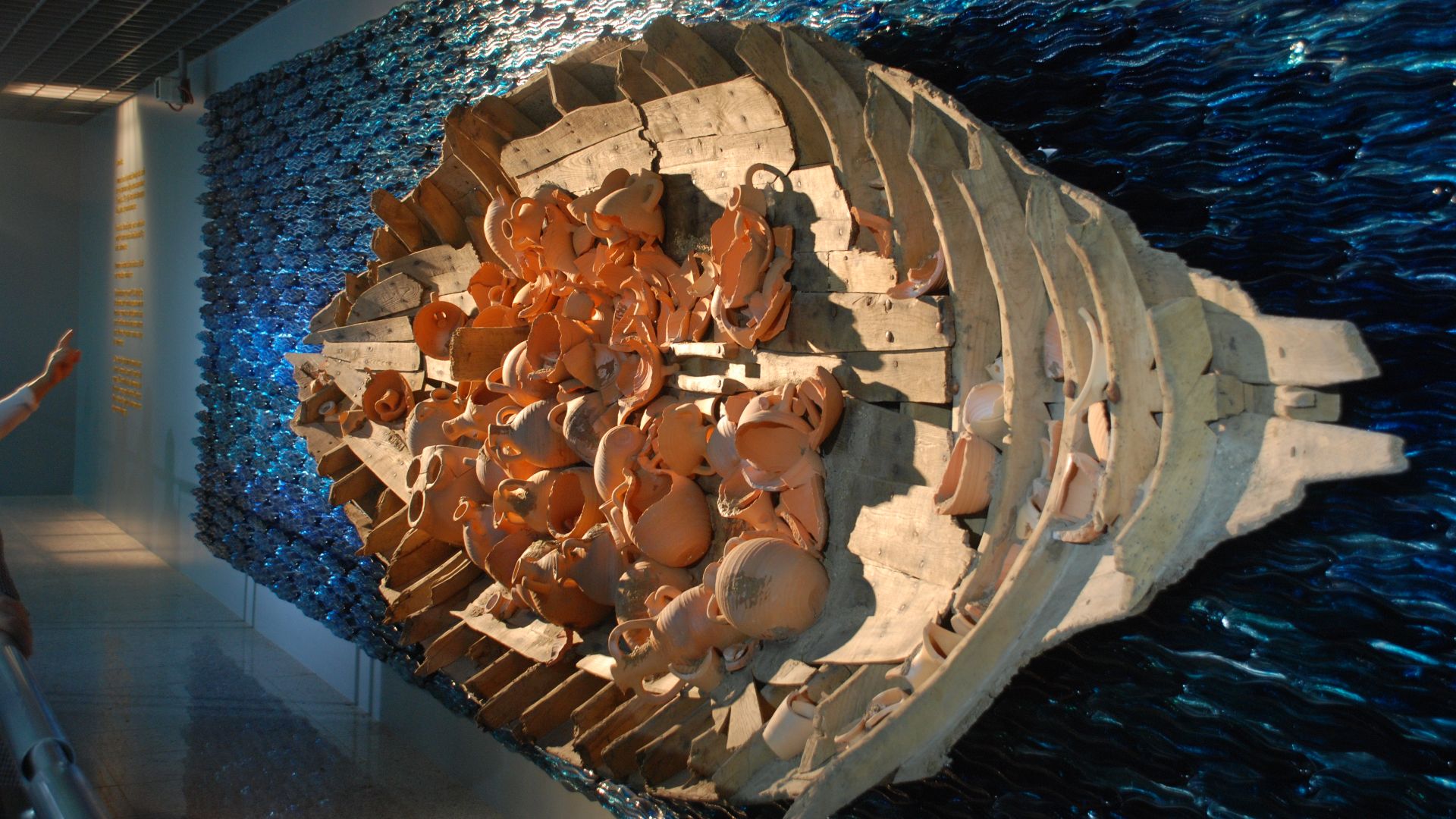
Excavations at Istanbul’s former Theodosian Harbor revealed 37 shipwrecks dating from the fifth through approximately the eleventh centuries. Oxygen-poor sediments also protected wood, rope, leather, pottery, glass, coins, anchors, bones, and amphora cargoes.
The Belitung Wreck Carried About 60,000 Objects
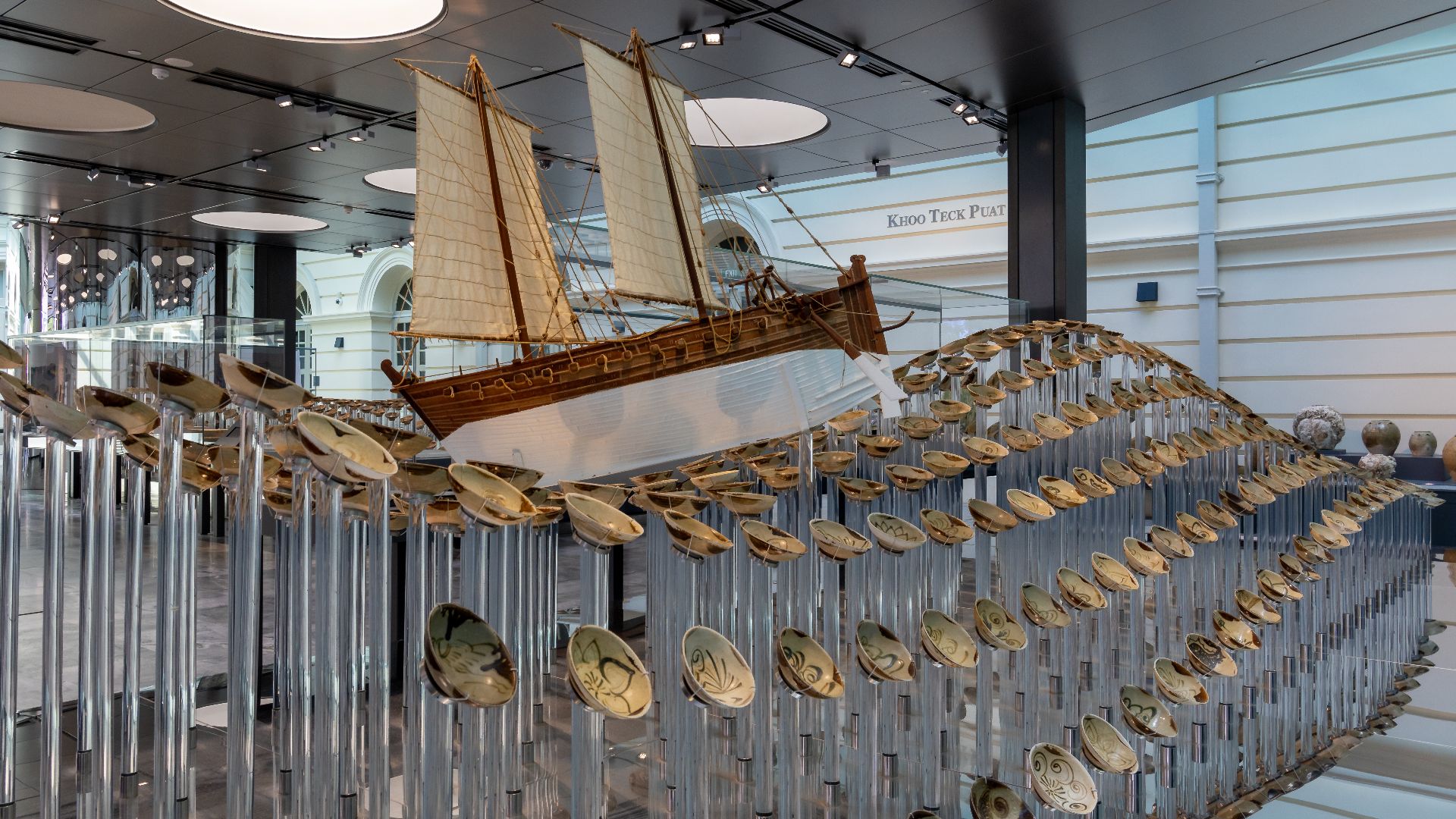
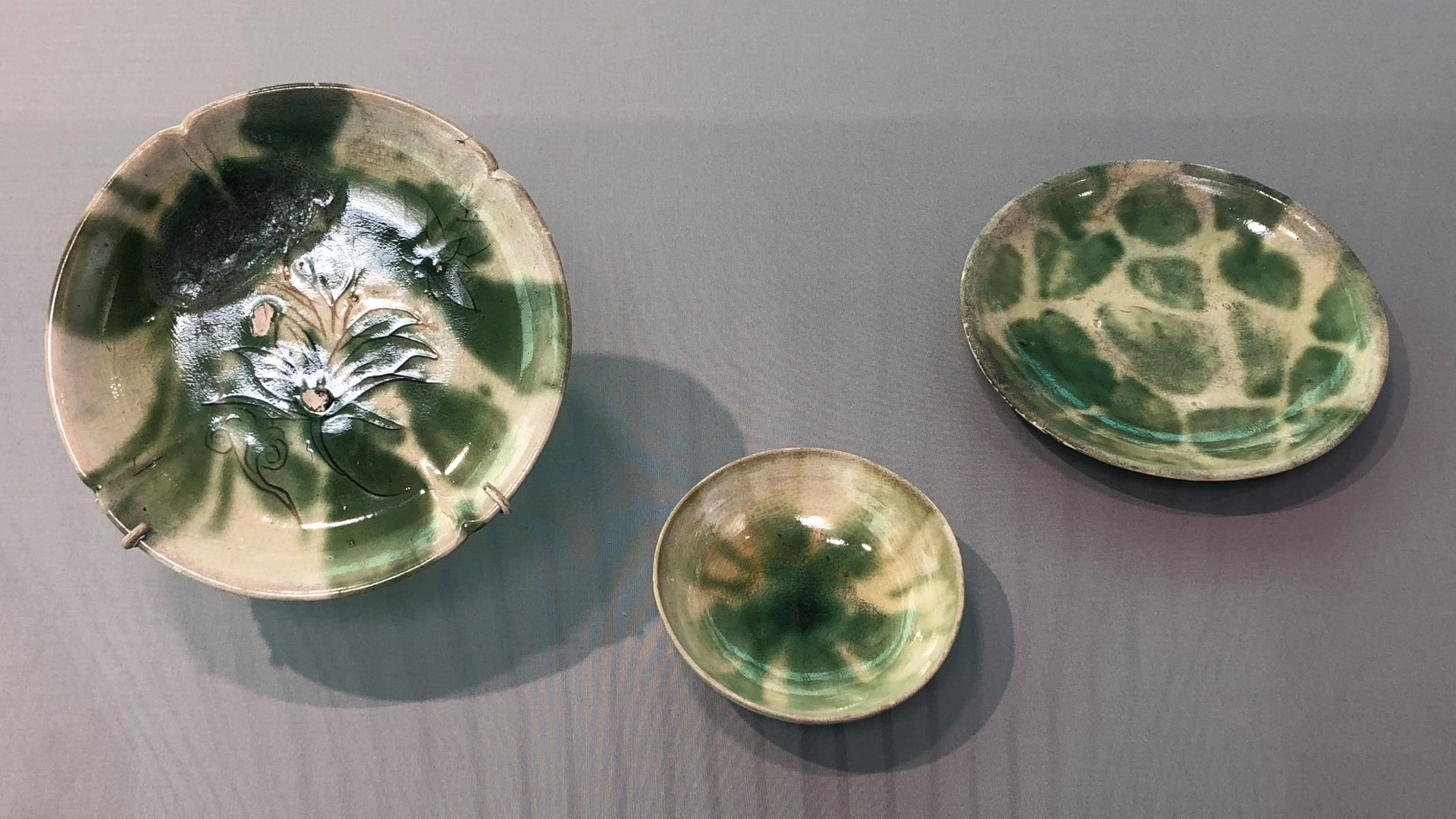
A ninth-century Arab dhow discovered near Indonesia’s Belitung Island contained about 60,000 objects from Tang China. The enormous cargo included mass-produced ceramics, mirrors, lead ingots, spice-filled jars, and exceptionally fine objects made from gold and silver.
The Java Sea Wreck Preserved A Merchant’s Inventory
The Java Sea shipwreck carried ceramics, iron, aromatic resin, ivory, and trade weights. Thousands of recovered objects have helped researchers refine the vessel’s date while investigating the commercial routes that linked medieval China with ports across Southeast Asia.
The Black Sea Kept A Greek Ship Almost Intact
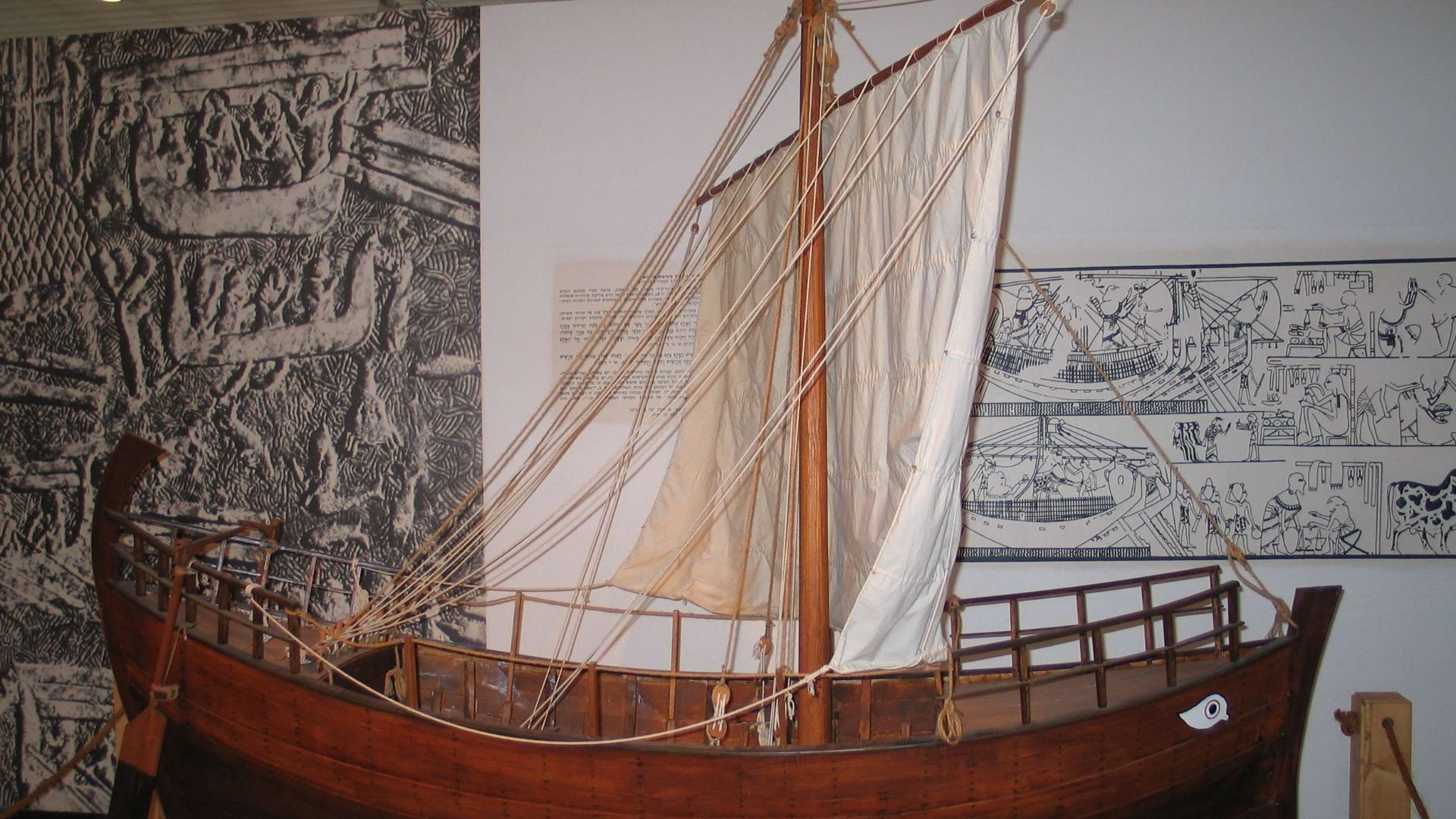
More than two kilometers beneath the Black Sea, researchers found a Greek trading vessel dated to about 400 B.C. Its mast, rudders, and rowing benches survived because the oxygen-poor deep water dramatically slowed the processes that normally destroy wooden wrecks.
Gribshunden Preserved A Medieval King’s Floating Court
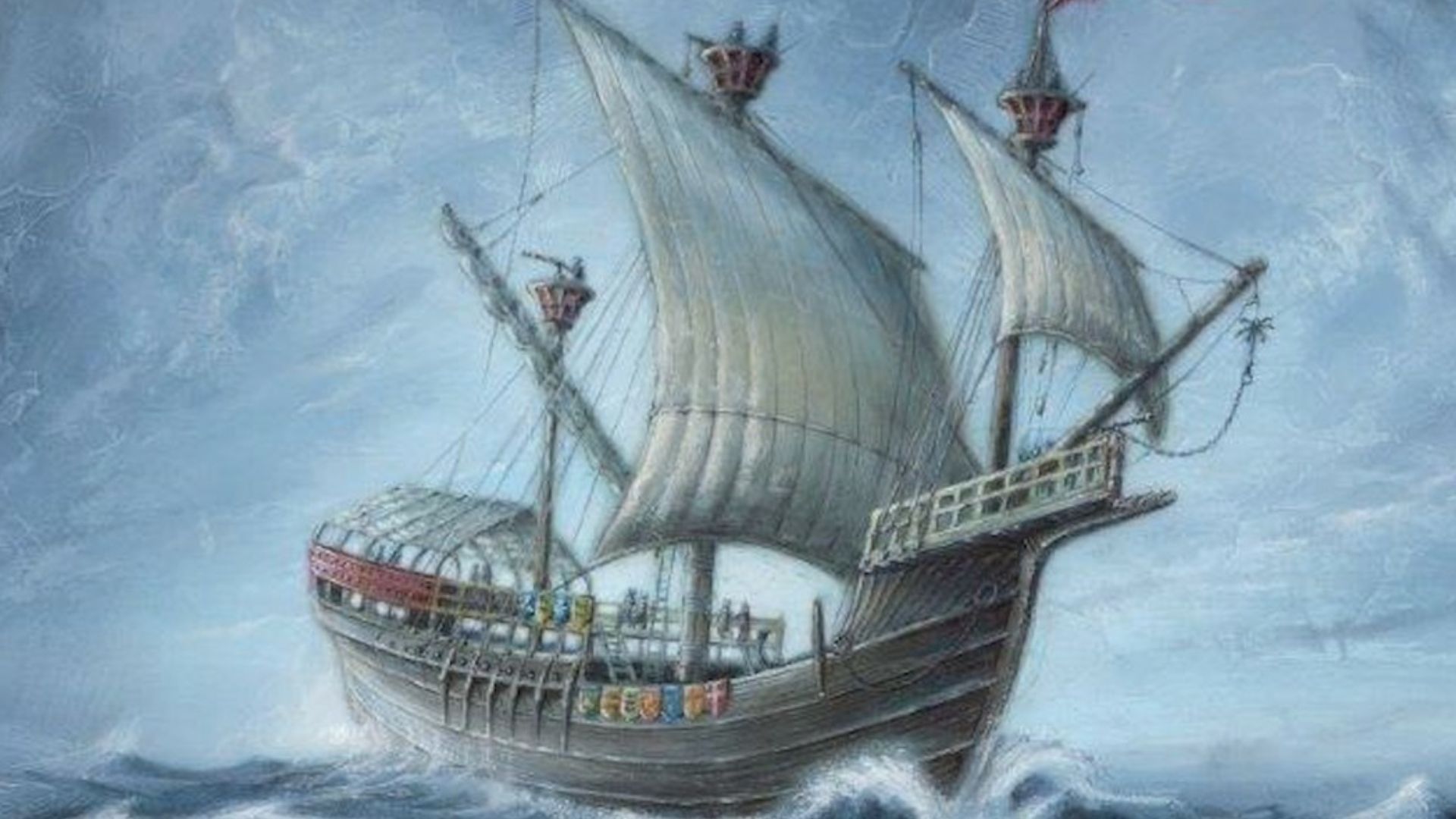
King Hans of Denmark and Norway lost Gribshunden in 1495 while traveling toward Kalmar. Excavations have produced artillery, crossbows, armor, silver coins, wooden containers, and exotic spices, preserving both equipment and the elite tastes of a royal voyage.
 Militärhistorikern, Wikimedia Commons
Esmeralda Preserved An Early Ocean Voyage
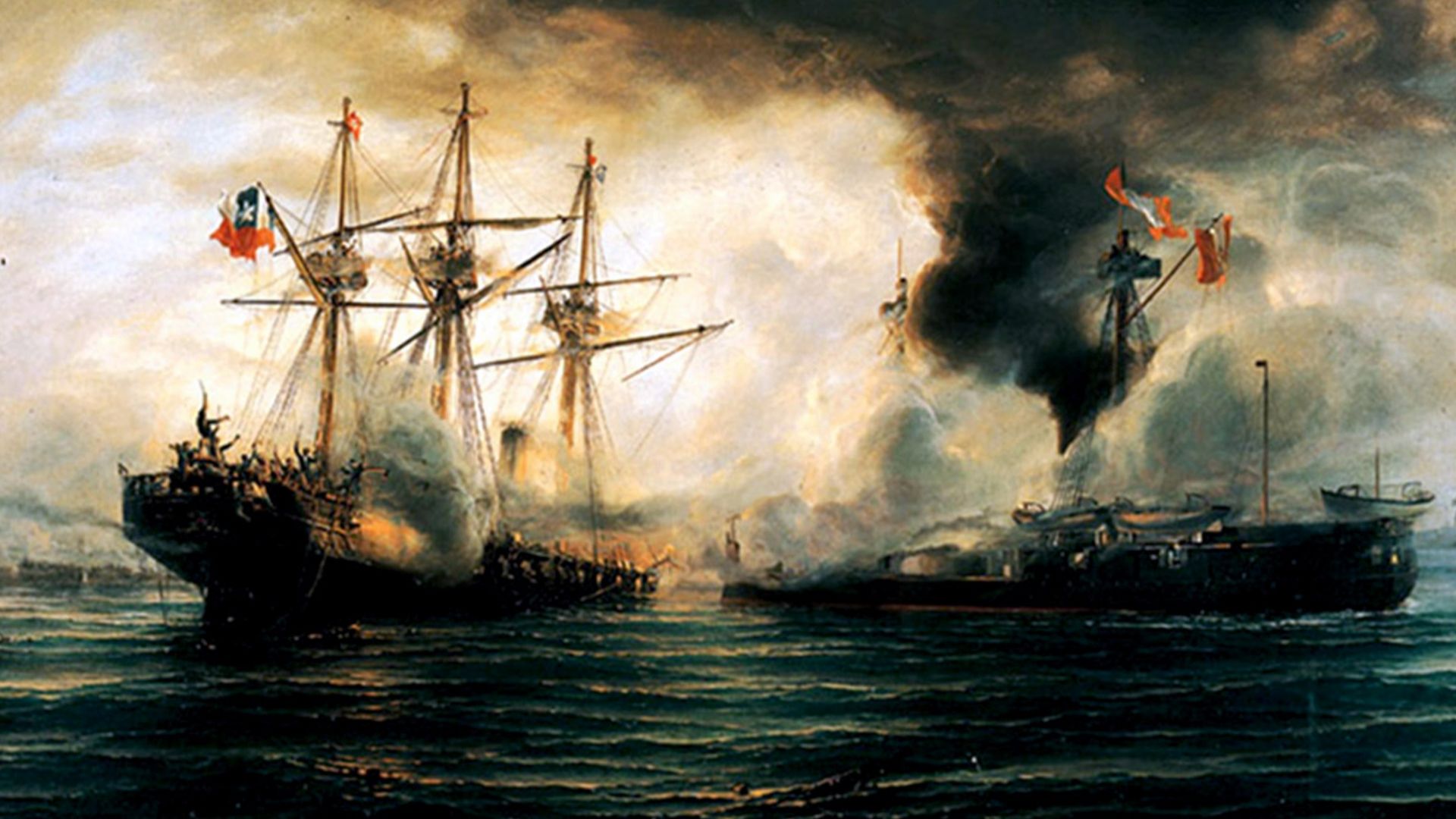
A Portuguese ship from Vasco da Gama’s 1502–1503 fleet sank off Oman in 1503. More than 2,800 artifacts have been recovered from the site, creating an unusually early material record of European seafaring, commerce, and warfare in the Indian Ocean.
 Thomas Somerscales, Wikimedia Commons
Bom Jesus Carried Ivory, Gold, And Personal Goods
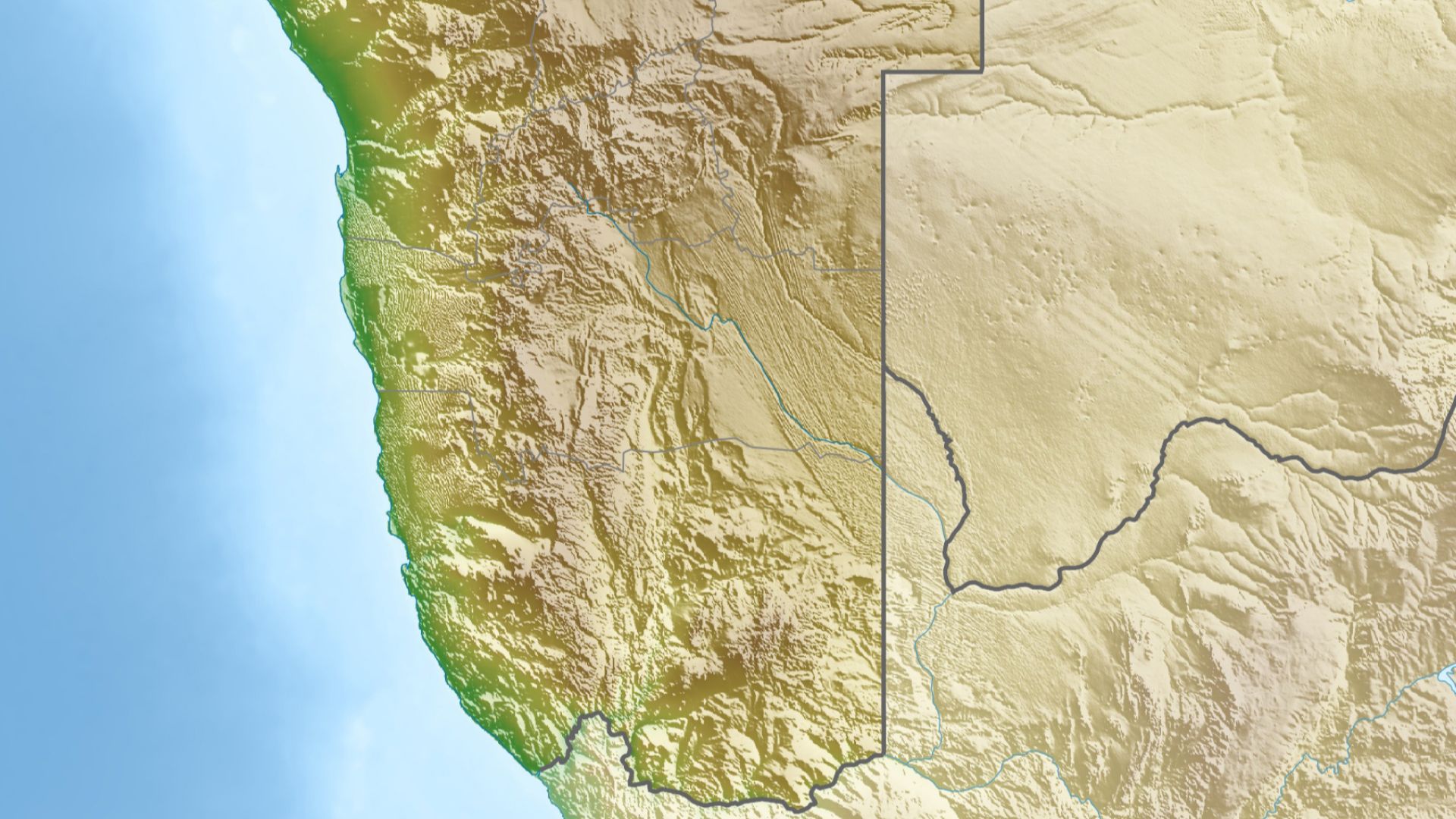
Bom Jesus sank off Namibia in 1533 carrying copper, gold coins, navigation equipment, and more than 100 elephant tusks. Tableware and personal possessions survived as well, preserving a striking snapshot of the people and commodities moving through early global trade.
You May Also Like:
Researchers Found Evidence That Ancient People Crossed Dangerous Seas Far Earlier Than Expected