A Voyage History Almost Forgot
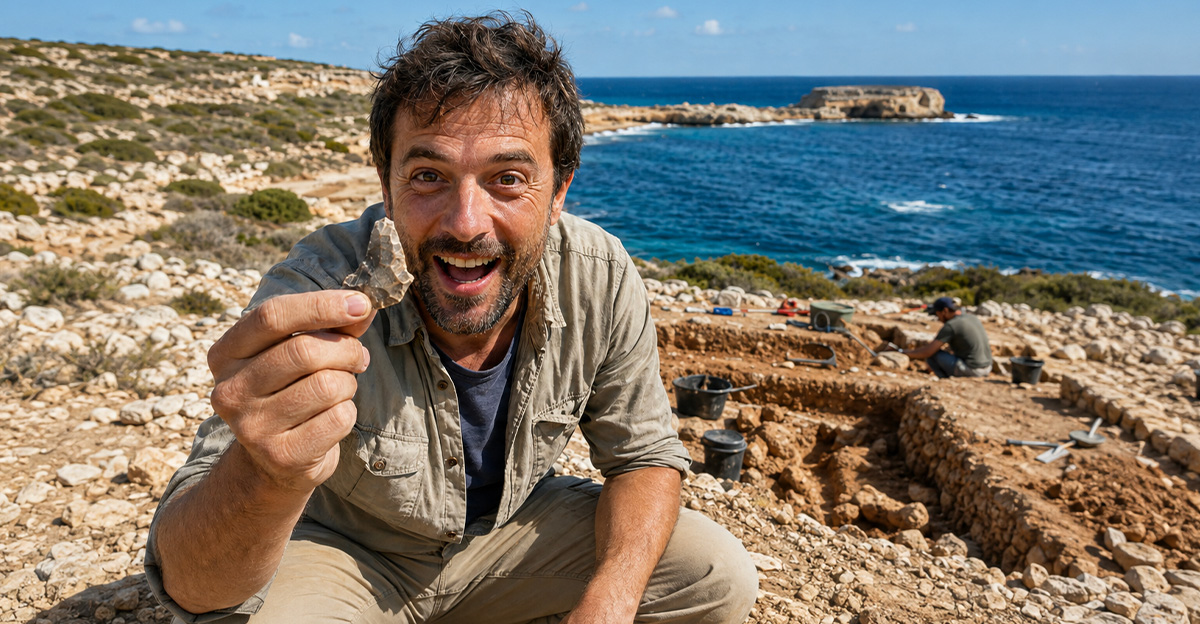
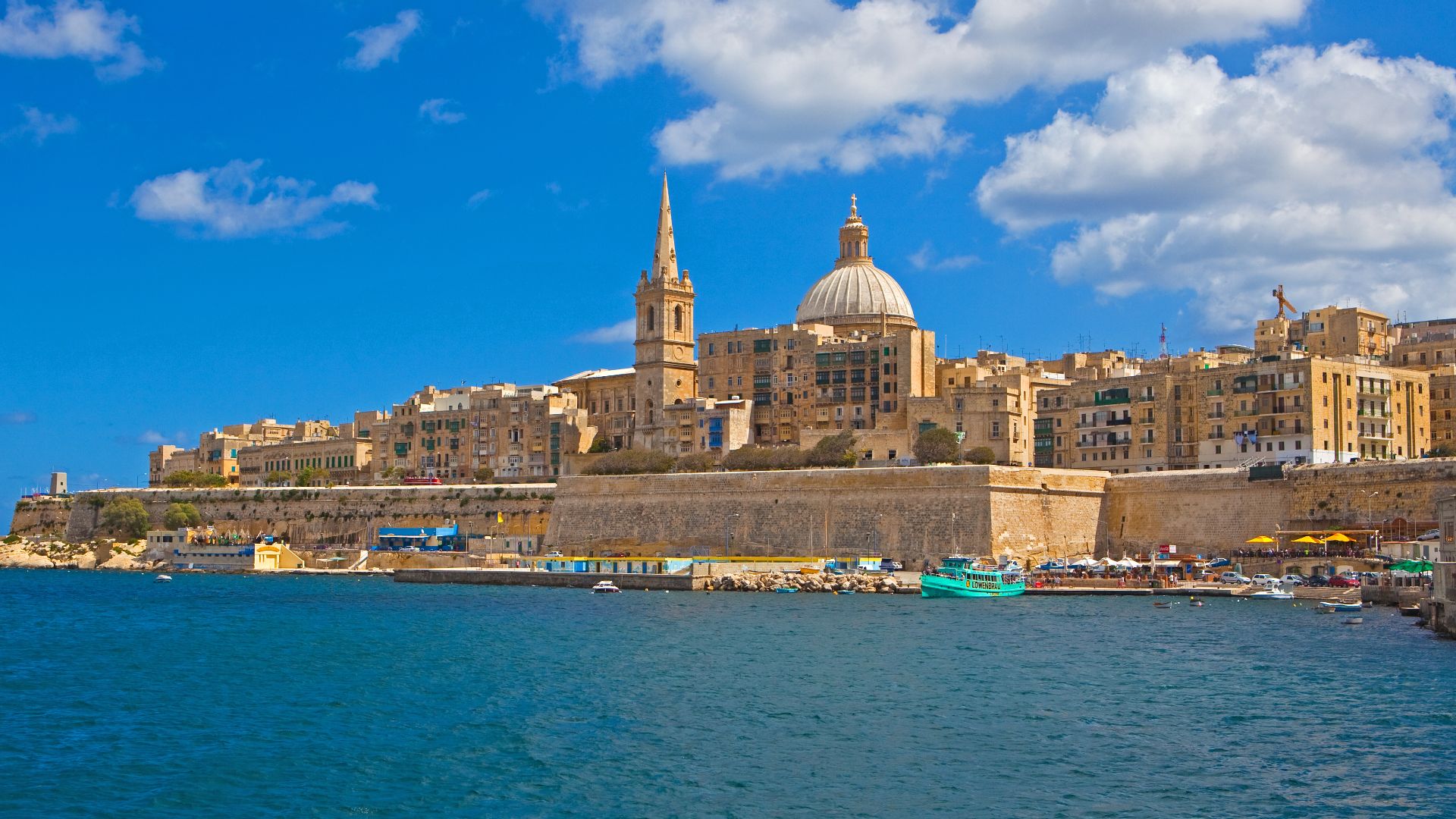
Some 8,500 years ago, a group of hunter-gatherers apparently pointed their boats toward a small island beyond a daunting stretch of Mediterranean water. Their destination was Malta—and new archaeological evidence suggests they reached it about 1,000 years before farmers were previously thought to have first settled there.
Malta Was Supposed To Be Empty
For decades, archaeologists generally believed Malta’s human story began with Neolithic farmers around 7,400 years ago. Small, dry and isolated, the islands seemed like an unlikely home for earlier hunter-gatherers who lacked agriculture, domesticated livestock and the sophisticated sailing technology of later societies.
 Rowyn flowerdew, Wikimedia Commons
A Very Remote Destination
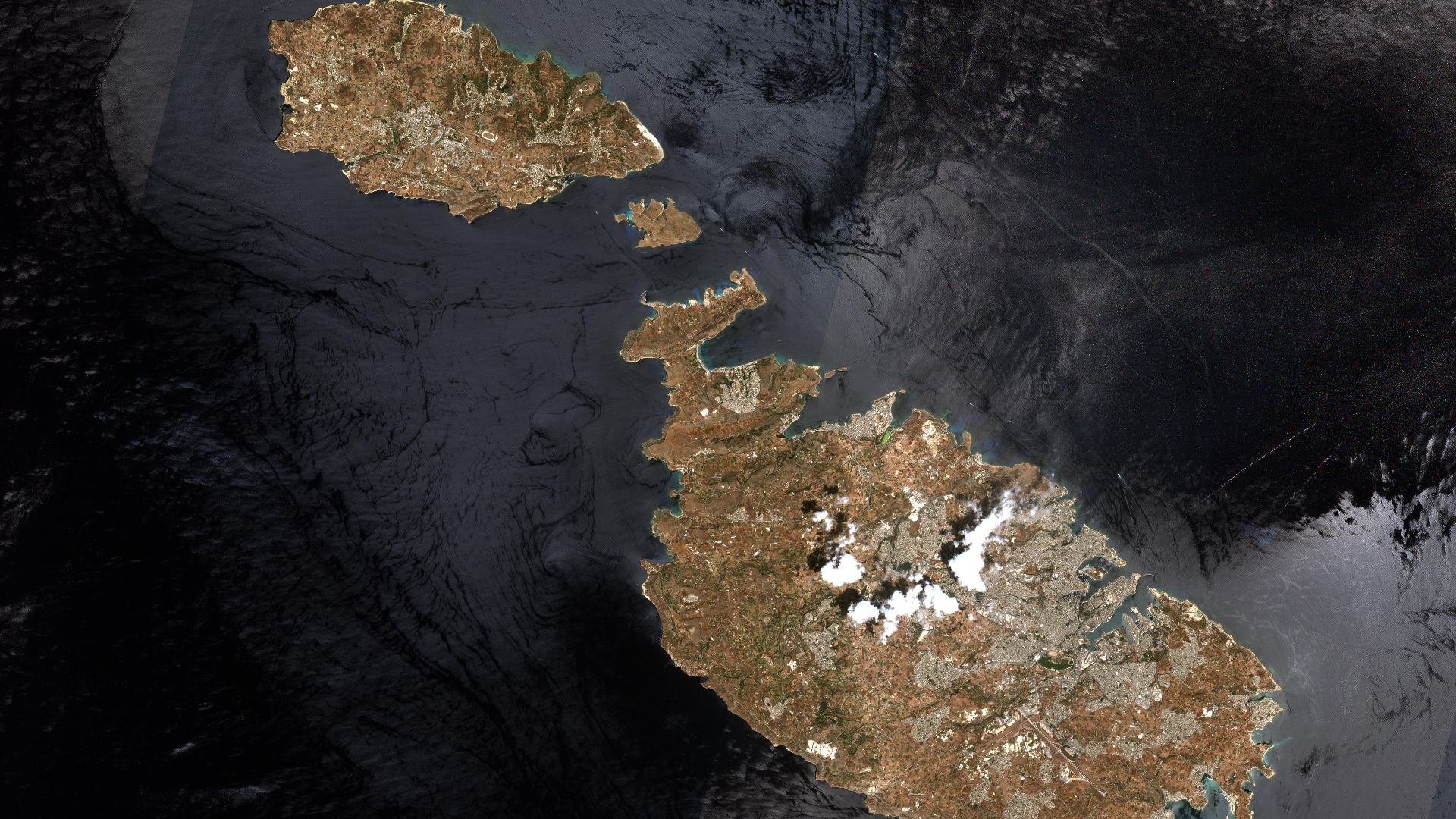
Malta sits south of Sicily, surrounded by open Mediterranean water. By 8,500 years ago, rising seas had already transformed the region, leaving the islands roughly comparable to their modern configuration. Anyone arriving from Sicily could no longer simply wander south across exposed land. They needed a boat.
 European Space Agency, Wikimedia Commons
Meet Latnija
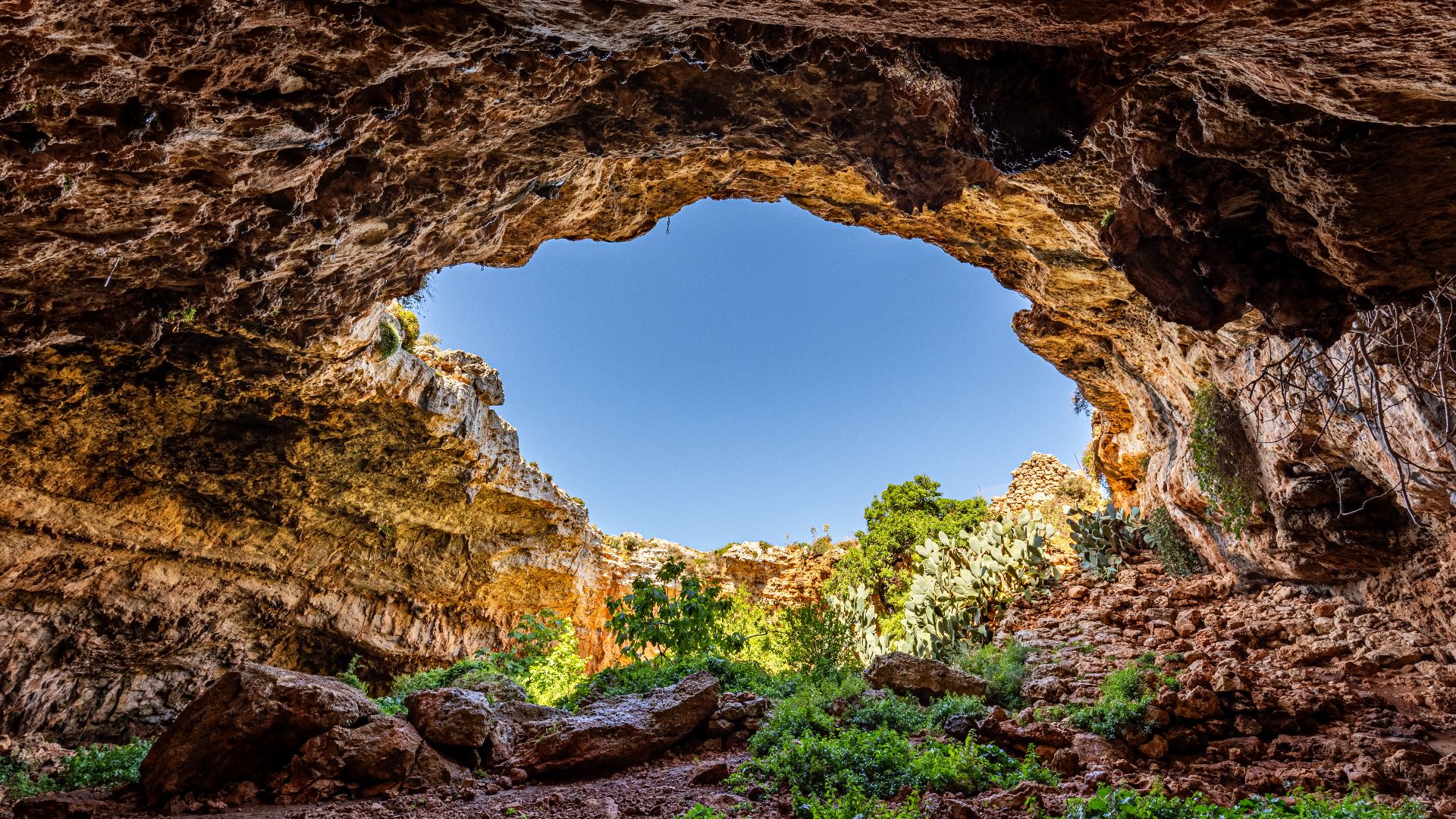
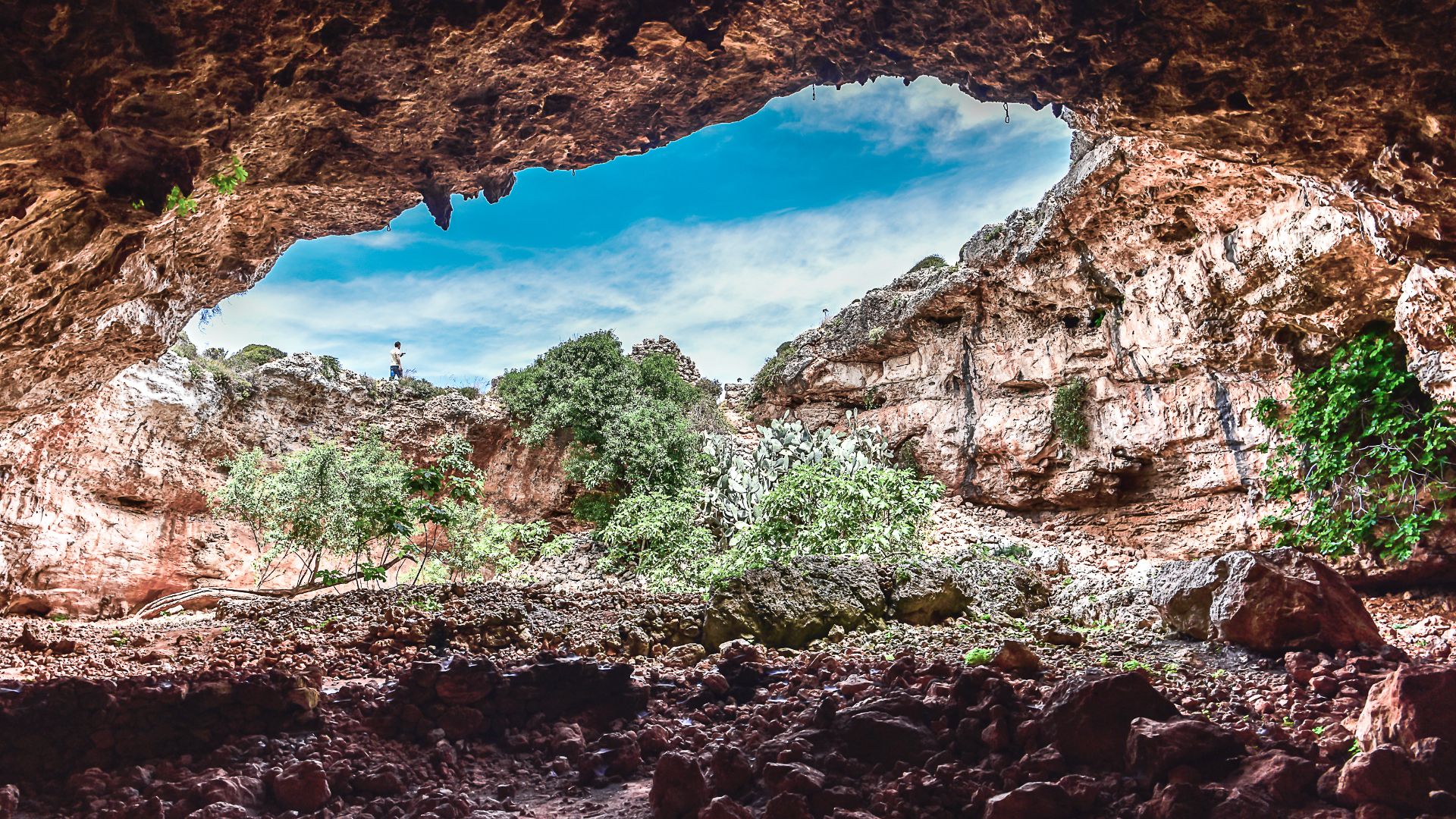
The evidence comes from Latnija, an archaeological site in the Mellieħa region of northern Malta. Located in a large natural depression near freshwater and the coast, the site proved remarkably good at preserving traces of people whose existence on the island had been completely missing from Malta’s accepted prehistoric timeline.
 StudioSelinous, Wikimedia Commons
Archaeologists Dug Into A Surprise
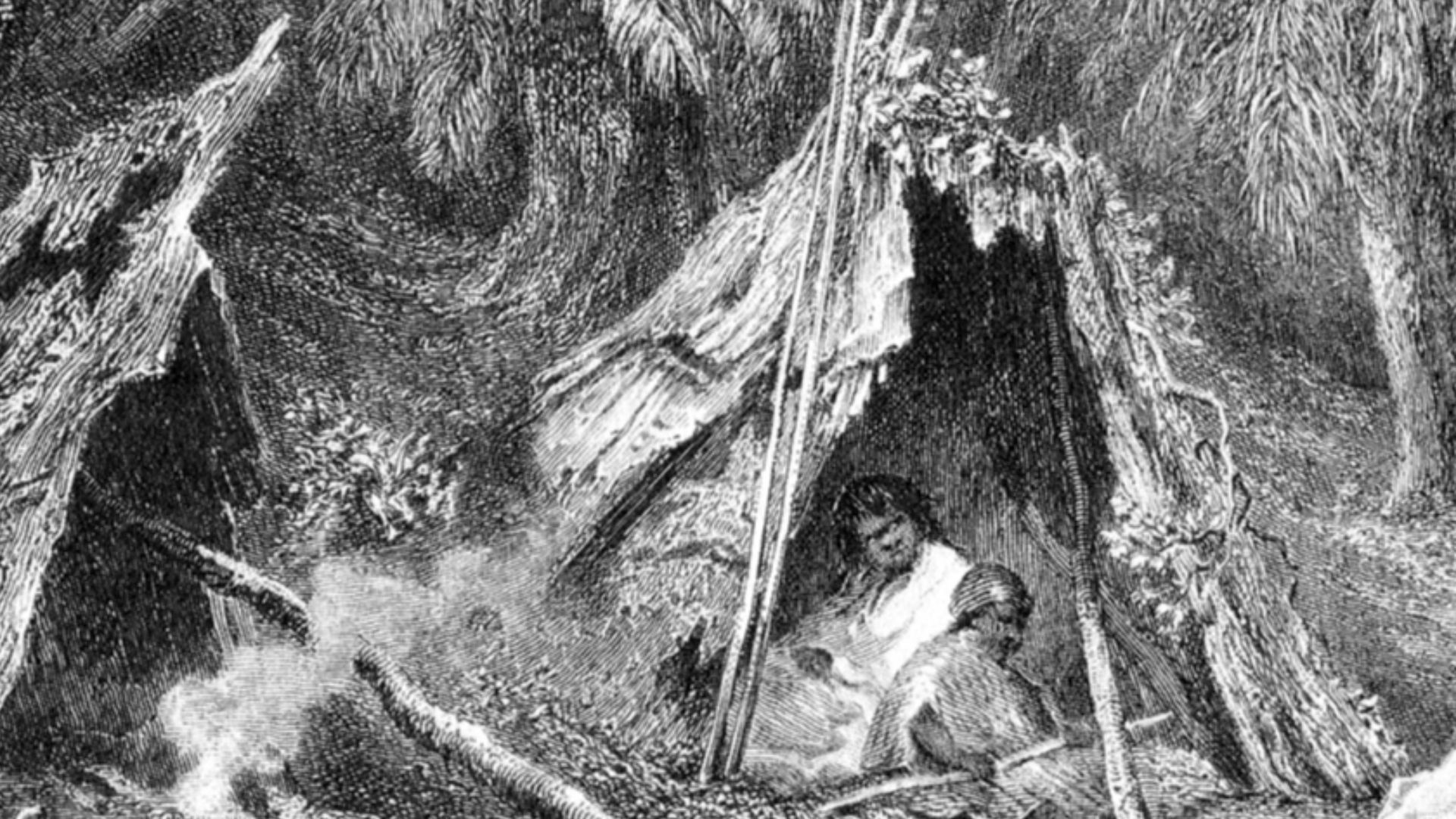
During detailed excavations from 2021 to 2023, researchers uncovered layers filled with hearths, ash, stone tools and animal remains. These were not a few mysterious objects washed into the site. Together, they formed a convincing picture of people actually living, cooking, hunting and eating at Latnija.
The Dates Changed Everything
Radiocarbon dating pushed the earliest occupation back to roughly 8,500 years ago. Science News reported that dates from 32 charcoal samples and an animal bone indicated hunter-gatherer activity lasting across roughly a millennium—placing people on Malta long before the island’s securely dated Neolithic farming communities appeared.
 Rowyn flowerdew, Wikimedia Commons
The Old Land Bridge Was Gone
There was once dry land connecting the Maltese region with Sicily, but rising post-Ice Age seas swallowed it thousands of years before Latnija’s inhabitants arrived. Recent modeling places the complete break between Malta and Sicily well before 13,000 years ago. These people were not simply stranded Ice Age holdovers.
They Had A Serious Crossing Ahead
The shortest water distance between Sicily and Malta was already more than 80 kilometers during the Mesolithic occupation. Taking currents and a practical departure point into account, the researchers estimate a likely journey of around 100 kilometers. For people without engines, sails or GPS, that was no afternoon paddle.

The Currents Mattered
The shortest route was not necessarily the smartest one. Powerful east-west currents in the region may have encouraged travelers to depart from farther east on Sicily, perhaps around the Gulf of Gela. That would lengthen the voyage but allow skilled seafarers to use the Mediterranean itself to their advantage.
Part Of The Trip Was In Darkness
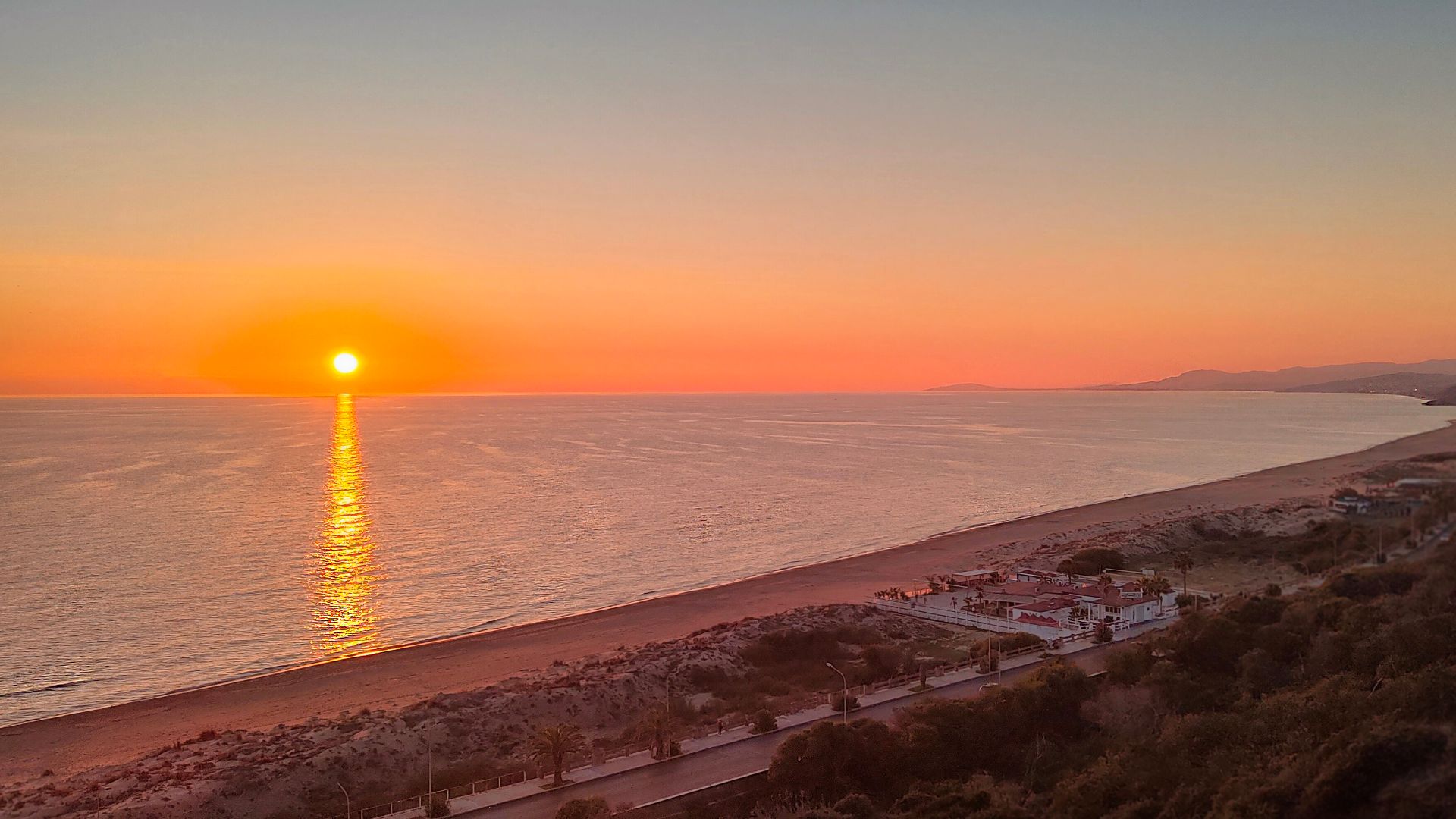
Experimental estimates suggest a simple prehistoric vessel might travel at around four kilometers per hour. At that pace, 100 kilometers could require roughly 25 hours. Even in summer, travelers would spend hours at sea after sunset, potentially navigating by stars, currents, winds and remembered landmarks.
Their Boats Remain A Mystery
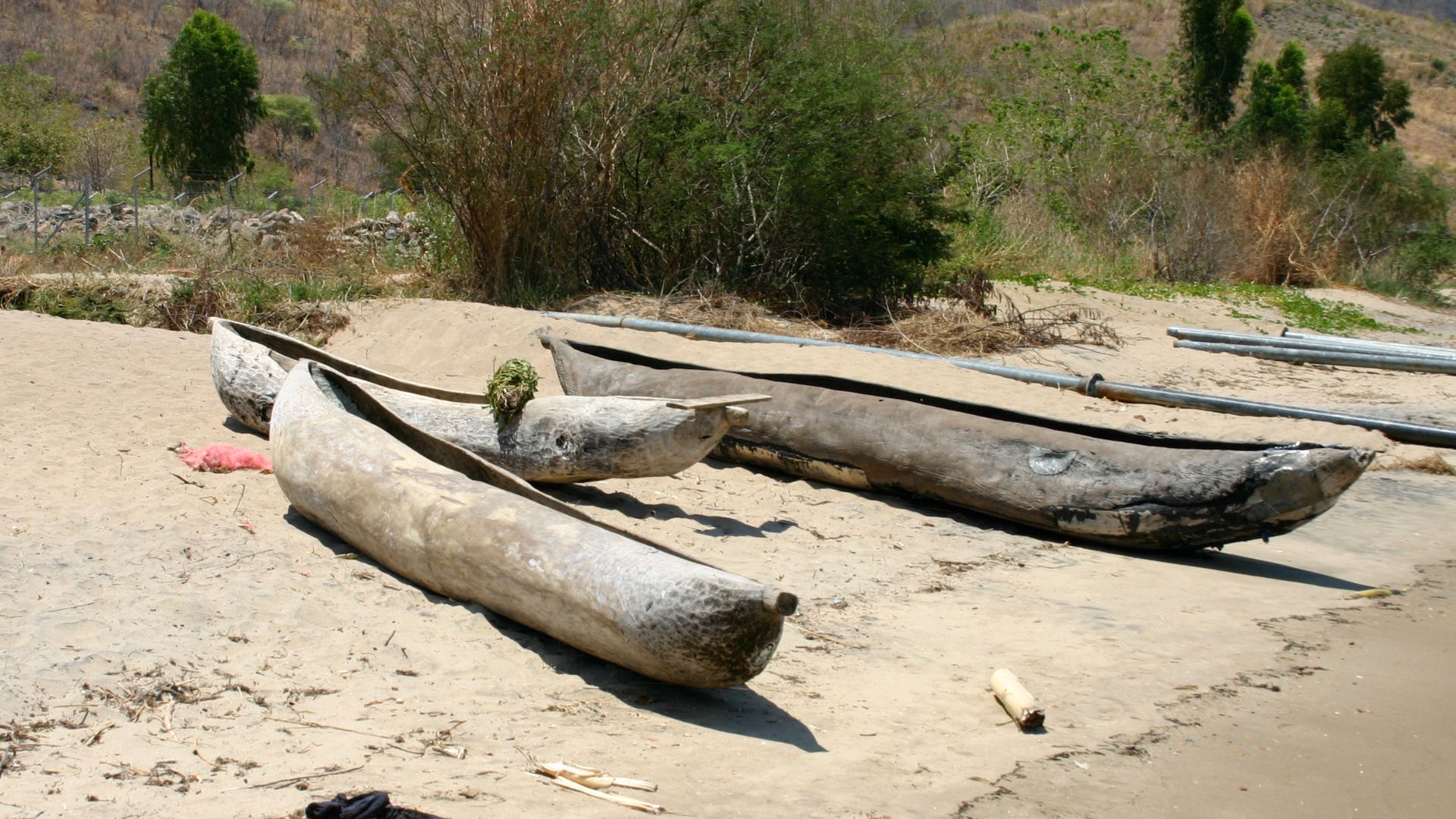
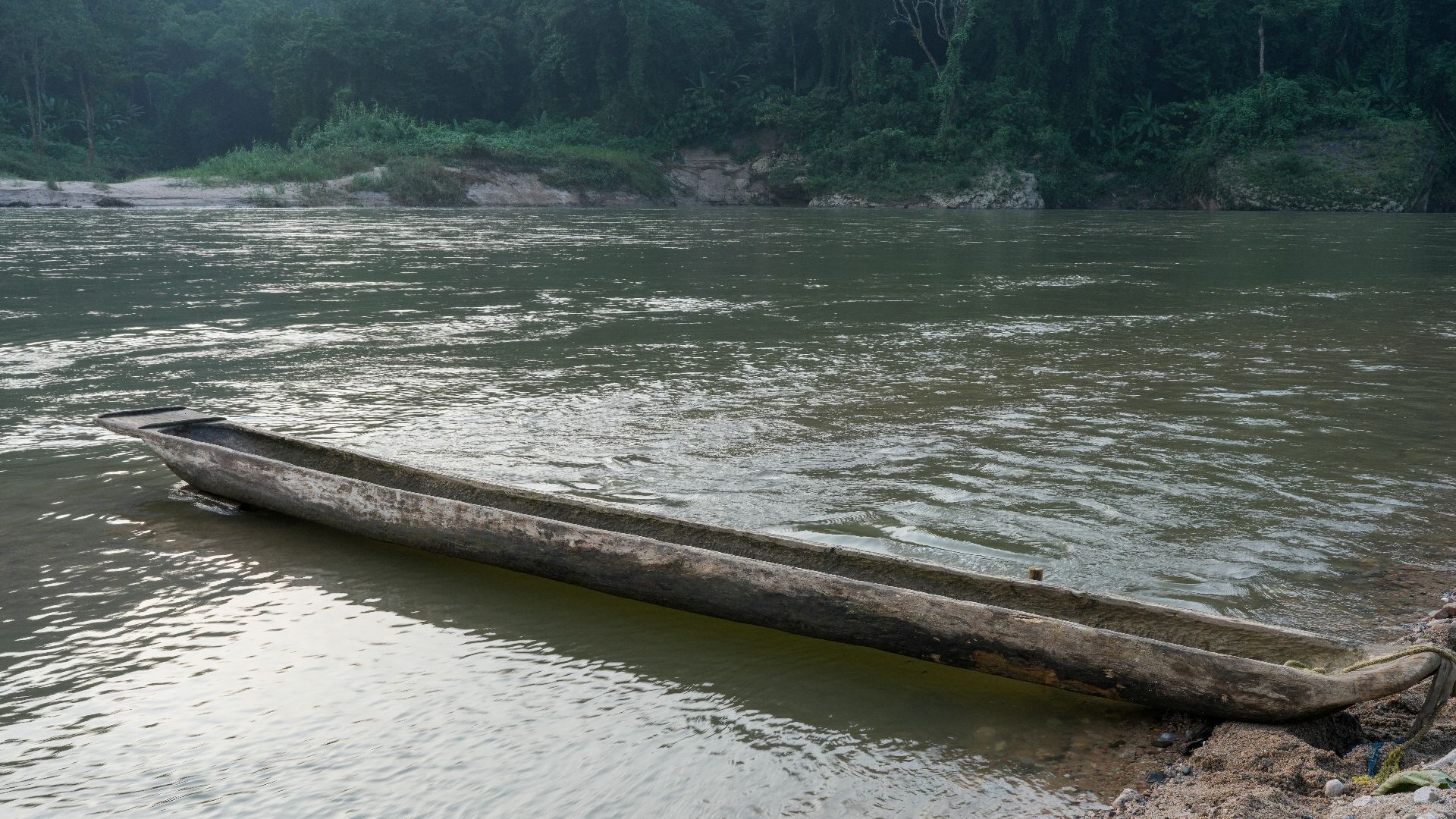
Unfortunately, no Mesolithic boat was waiting at Latnija for archaeologists to uncover. The researchers suspect simple dugout canoes may have been used. Similar, though somewhat younger, Neolithic canoes found in Italy demonstrate that prehistoric Mediterranean communities could build surprisingly large and capable vessels from hollowed tree trunks.
 Timothy A. Gonsalves, Wikimedia Commons
Their Tools Were Surprisingly Simple
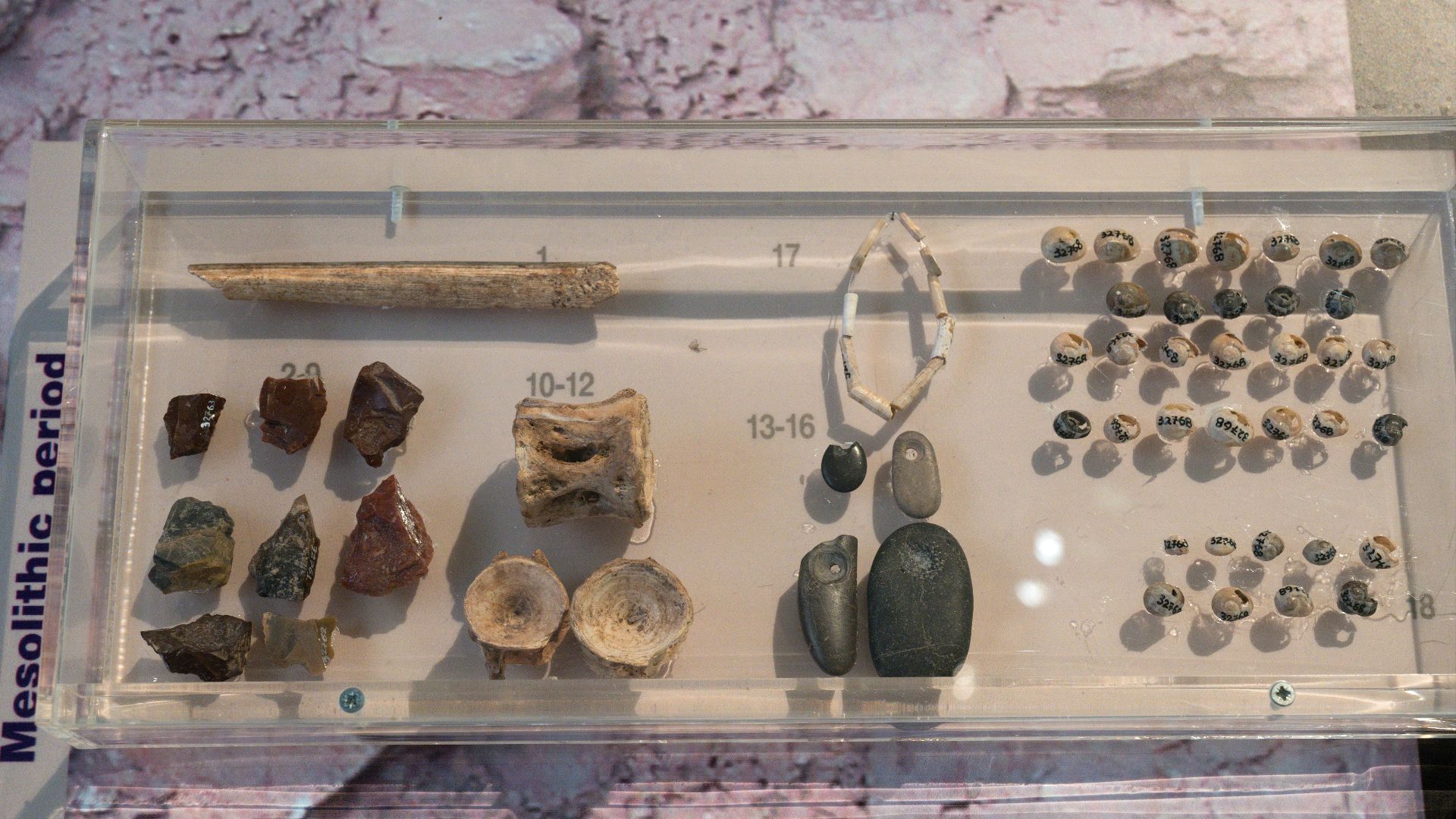
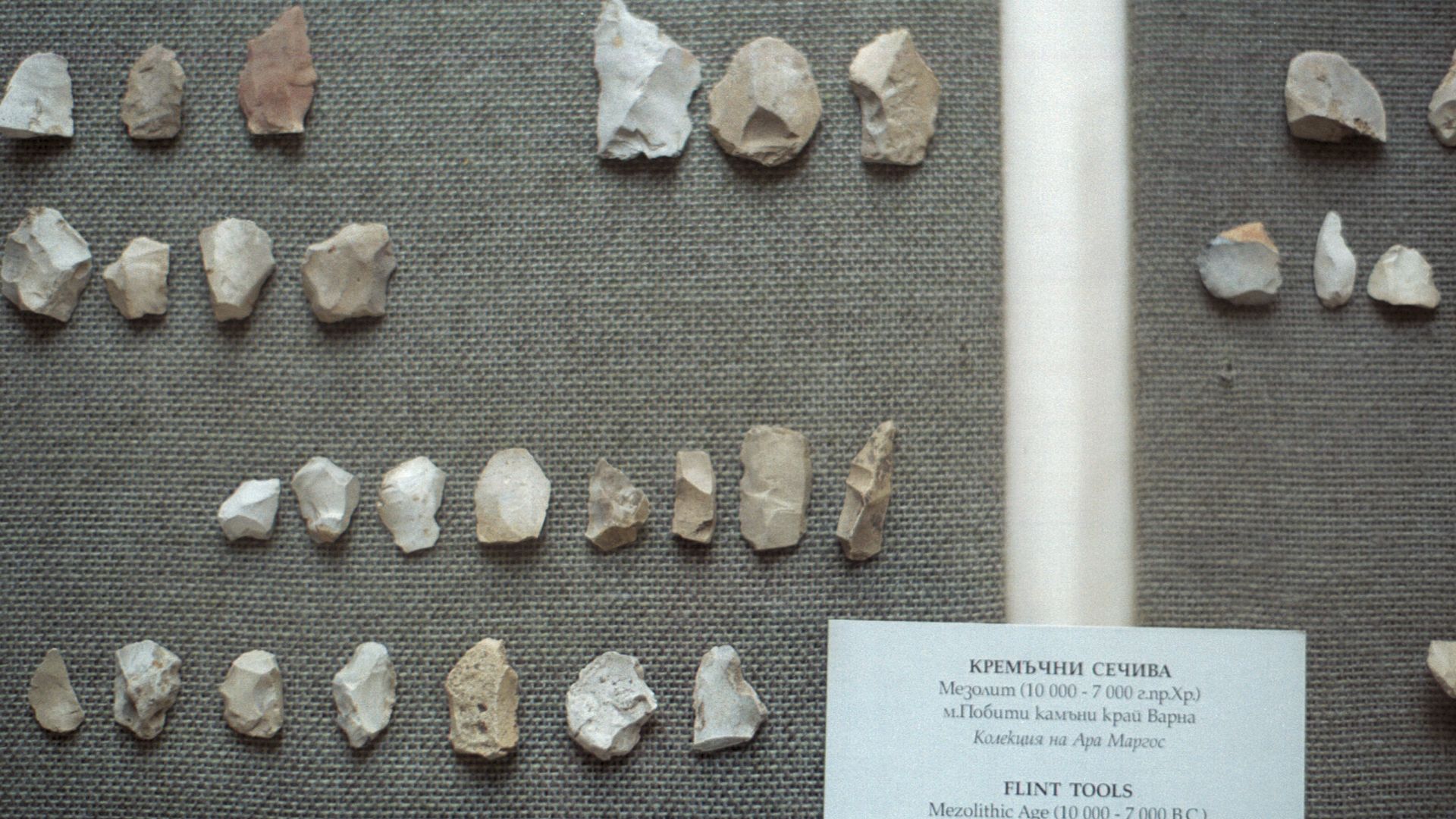
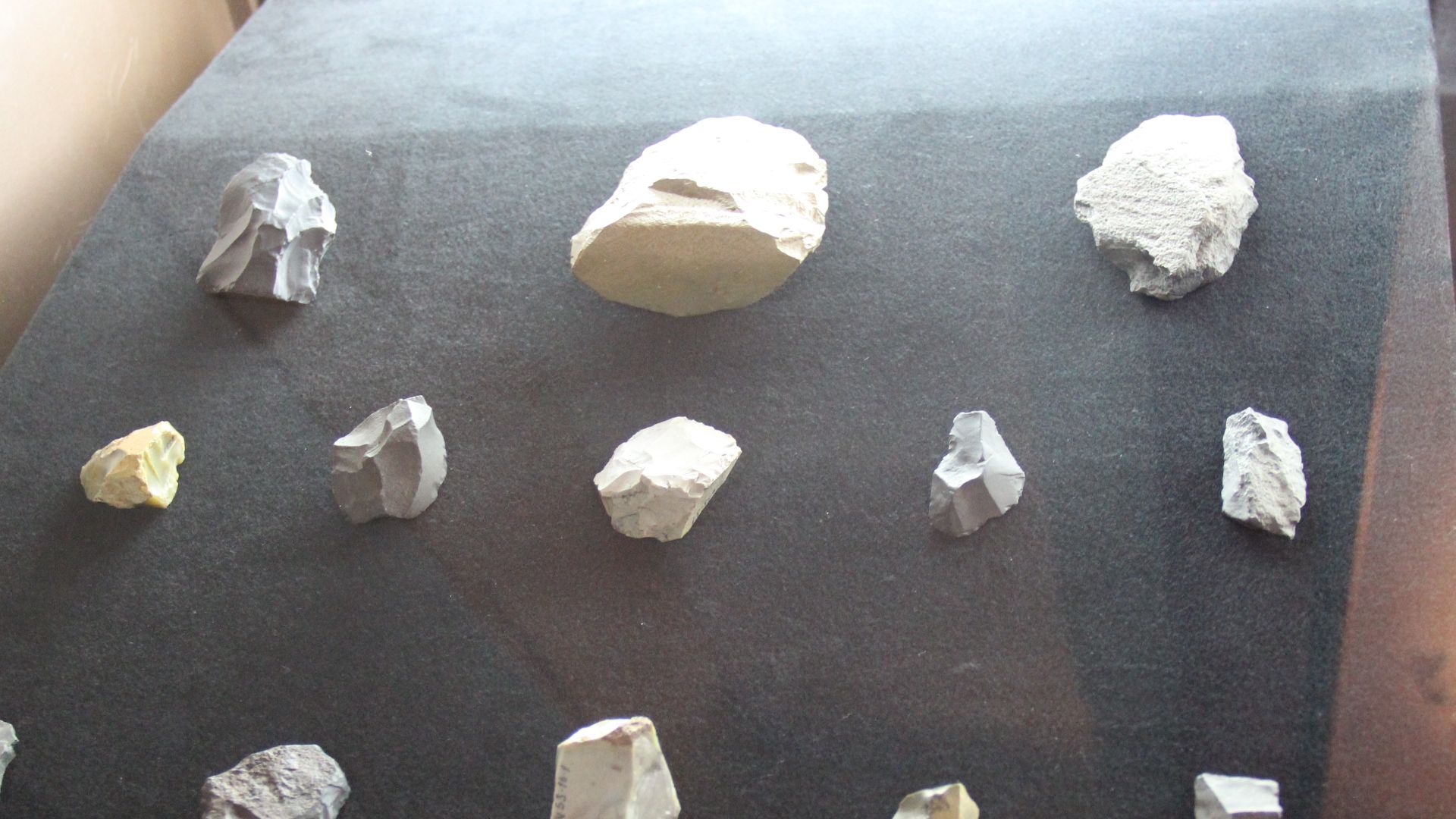
The travelers did not arrive carrying a chest of advanced nautical equipment. Of the stone tools recovered from the Mesolithic layers, almost all were made from local limestone, including shoreline cobbles and pebbles. The inhabitants fashioned this ordinary material into sharp flakes useful for hunting and processing food.
Their Campfires Survived
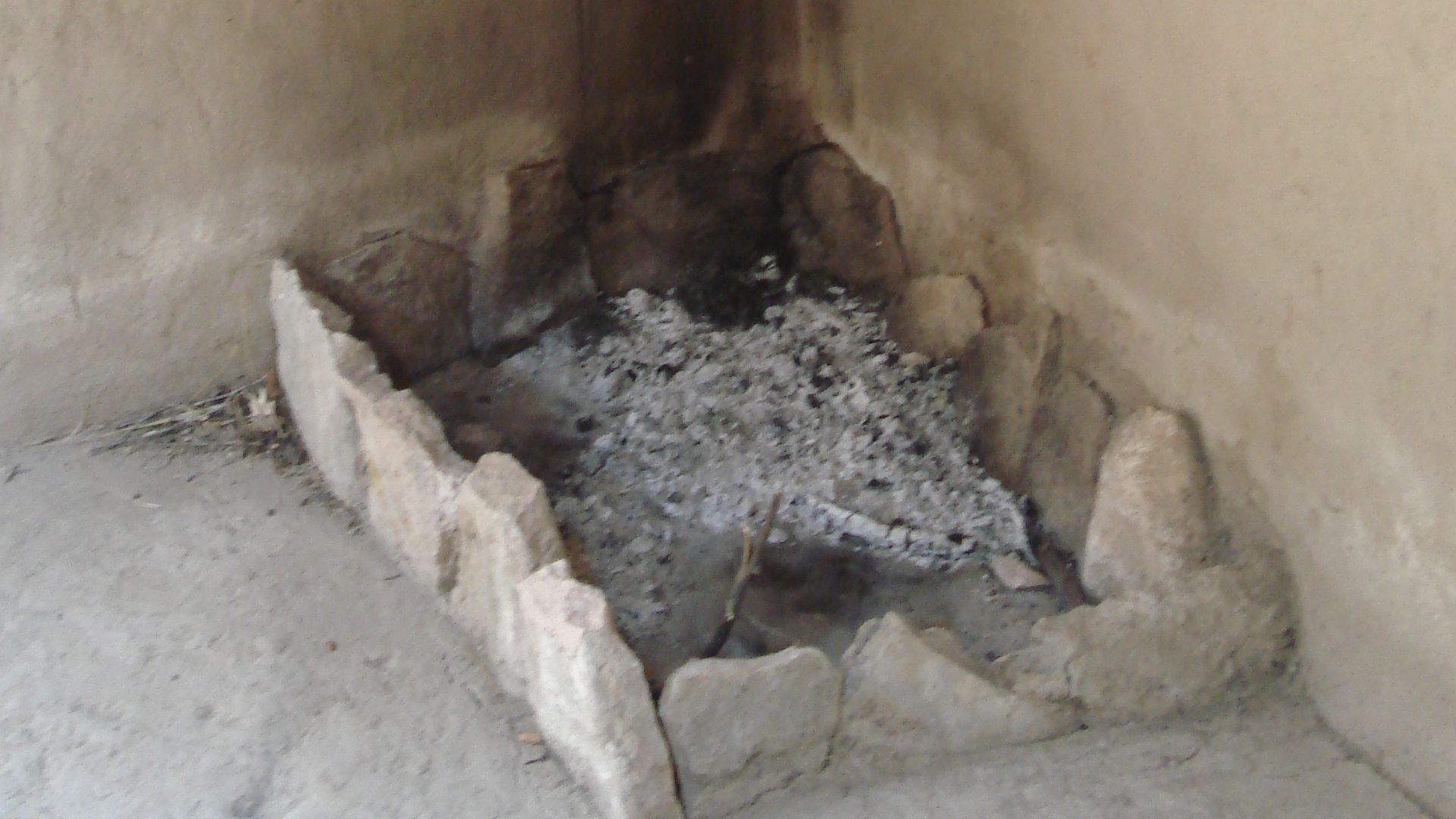
Thick deposits of ash and clearly defined hearths provide some of the most wonderfully ordinary evidence from Latnija. Thousands of years later, those burned layers still mark places where people gathered around fires, cooked meals and carried out daily jobs—turning an abstract “migration” into something much more human.
Deer Were On The Menu
Among the biggest surprises were red deer bones. The animals had previously been thought to have disappeared from Malta before this period. Instead, the remains show that Mesolithic hunters encountered, killed and cooked deer on the island, adding another unexpected chapter to Malta’s prehistoric ecology.
 Charles J. Sharp, Wikimedia Commons
Tortoises And Birds Joined The Feast
Deer were hardly the only target. The inhabitants also consumed tortoises and an impressive variety of birds, including species no longer found on Malta today. The menu suggests these newcomers quickly learned how to exploit the unusual collection of animals living on their small island destination.

Seafood Was Everywhere
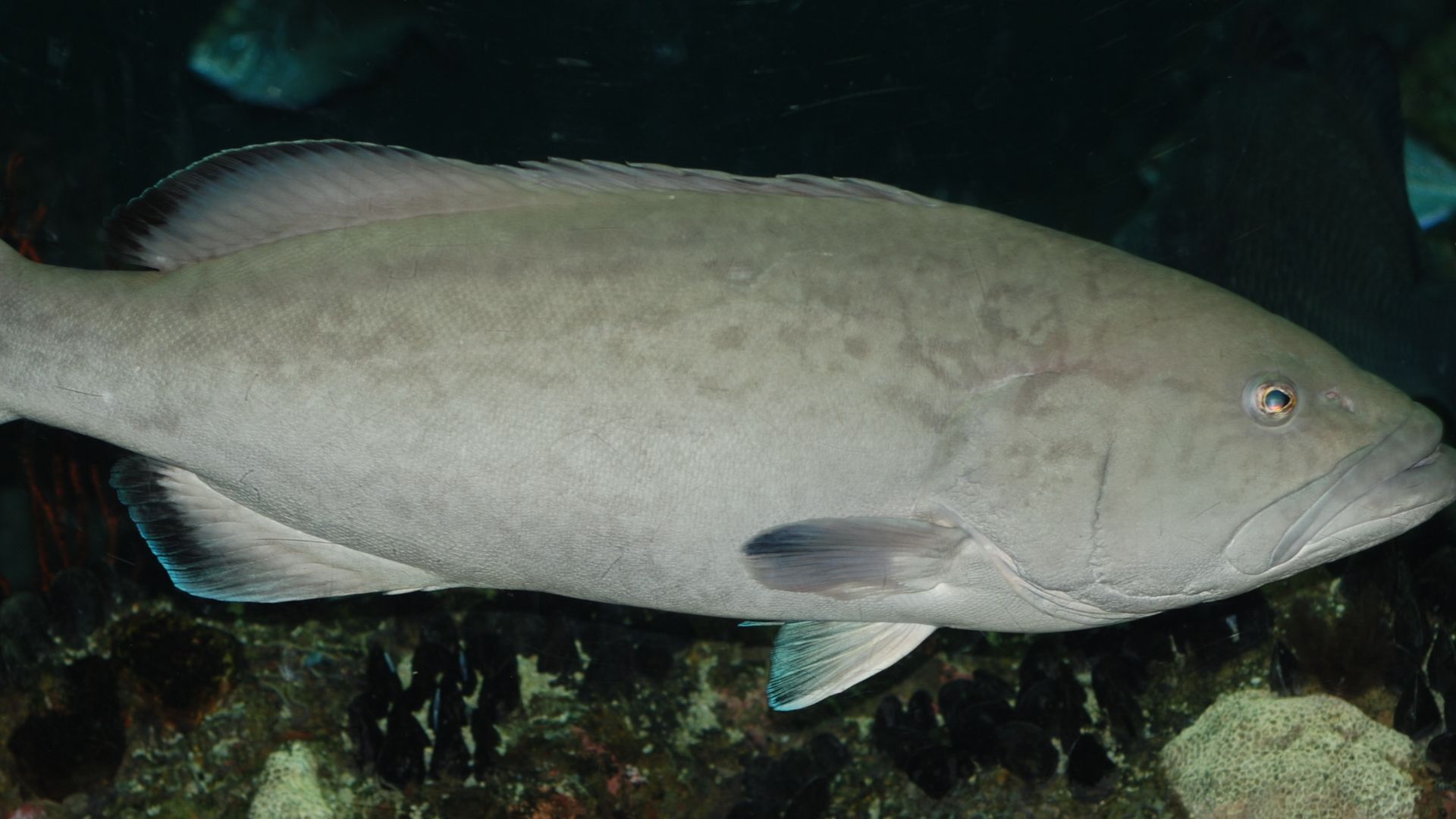
Then there was the seafood. Archaeologists identified fish—including grouper—along with seals, crabs, sea urchins and thousands of edible marine snails. Many showed evidence of cooking. For people living on a small island, the shoreline was clearly not a boundary. It was a pantry.
 Jarek Tuszyński, Wikimedia Commons
They Knew How To Live On An Island
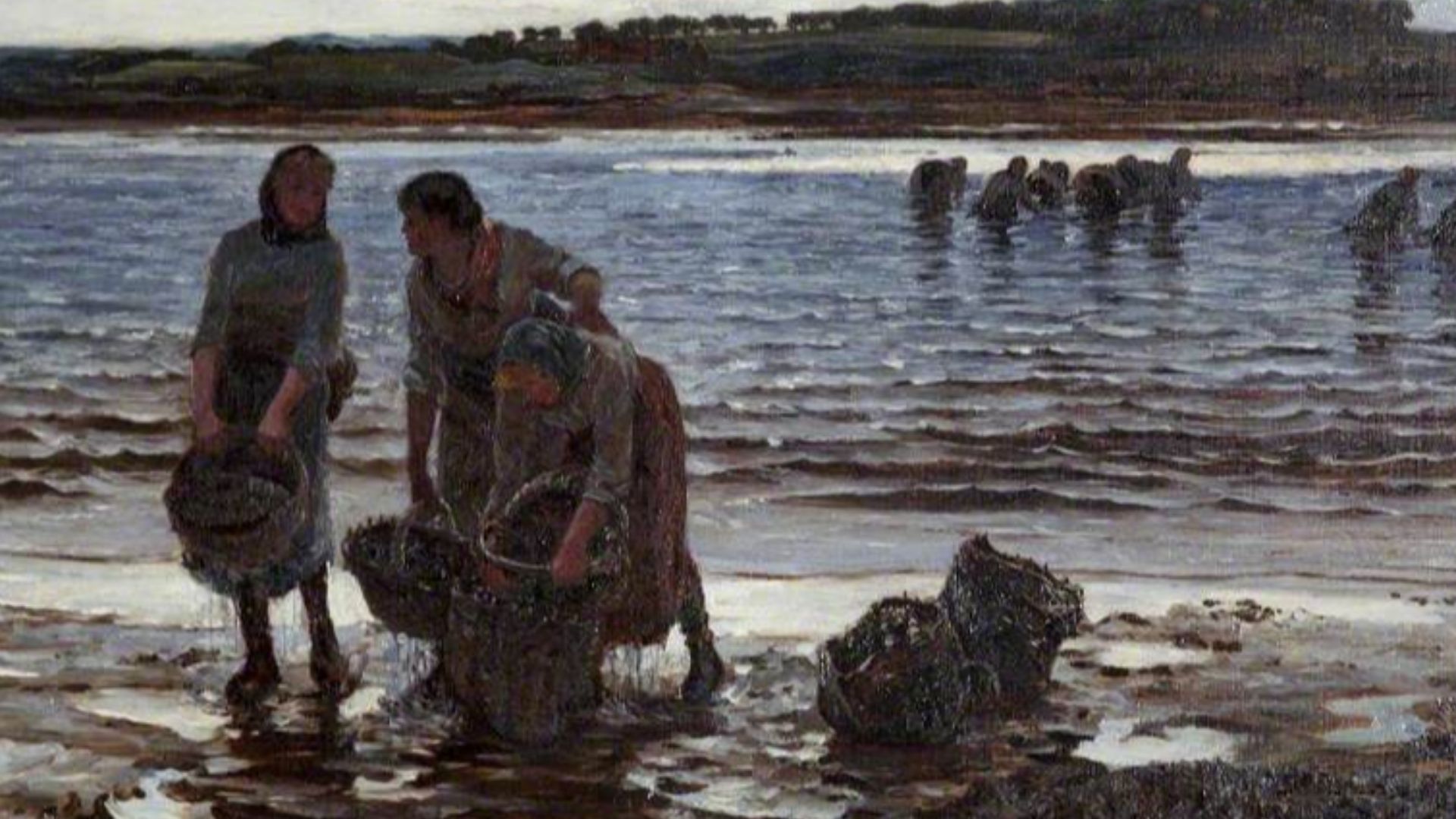
The varied diet matters because Malta offered limited land and relatively few terrestrial species. These hunter-gatherers did not depend on one food source. They hunted, gathered and exploited coastal waters, showing the kind of flexible survival strategy that would have been essential in such a restricted environment.
 Colin Hunter, Wikimedia Commons
This Was More Than A Weekend Stop
Latnija’s archaeological sequence suggests activity extending from roughly 8,500 to 7,500 years ago. That makes it difficult to dismiss the discovery as evidence of one adventurous crew accidentally reaching Malta. Somehow, hunter-gatherer connections with the island persisted across an extraordinarily long stretch of time.
 Pierre Barrère, Wikimedia Commons
One Voyage Cannot Explain It
A 2026 follow-up study went even further. Researchers modeled Malta’s ancient environment, available resources and potential population size. Their conclusion was striking: the island probably could not sustain a healthy, isolated hunter-gatherer population throughout the entire millennium represented by the archaeological record.
 Skinner Prout., Wikimedia Commons
They May Have Kept Coming Back
That creates an exciting possibility. Rather than one legendary crossing, people may have traveled repeatedly between Malta and larger communities elsewhere. The 2026 study argues that continued long-distance voyages offer the best explanation for Malta’s lasting Mesolithic presence, perhaps involving seasonal visits or repeated periods of occupation.
 Gary Todd from Xinzheng, China, Wikimedia Commons
Malta May Have Been Part Of A Network
If boats regularly moved between Malta and Sicily, the central Mediterranean suddenly looks much less empty. The sea may have functioned as a prehistoric highway connecting communities that exchanged people, knowledge and perhaps resources—thousands of years before sailing ships became familiar sights on Mediterranean horizons.
 Bengt Nyman, Wikimedia Commons
There Is A Clue In Tunisia
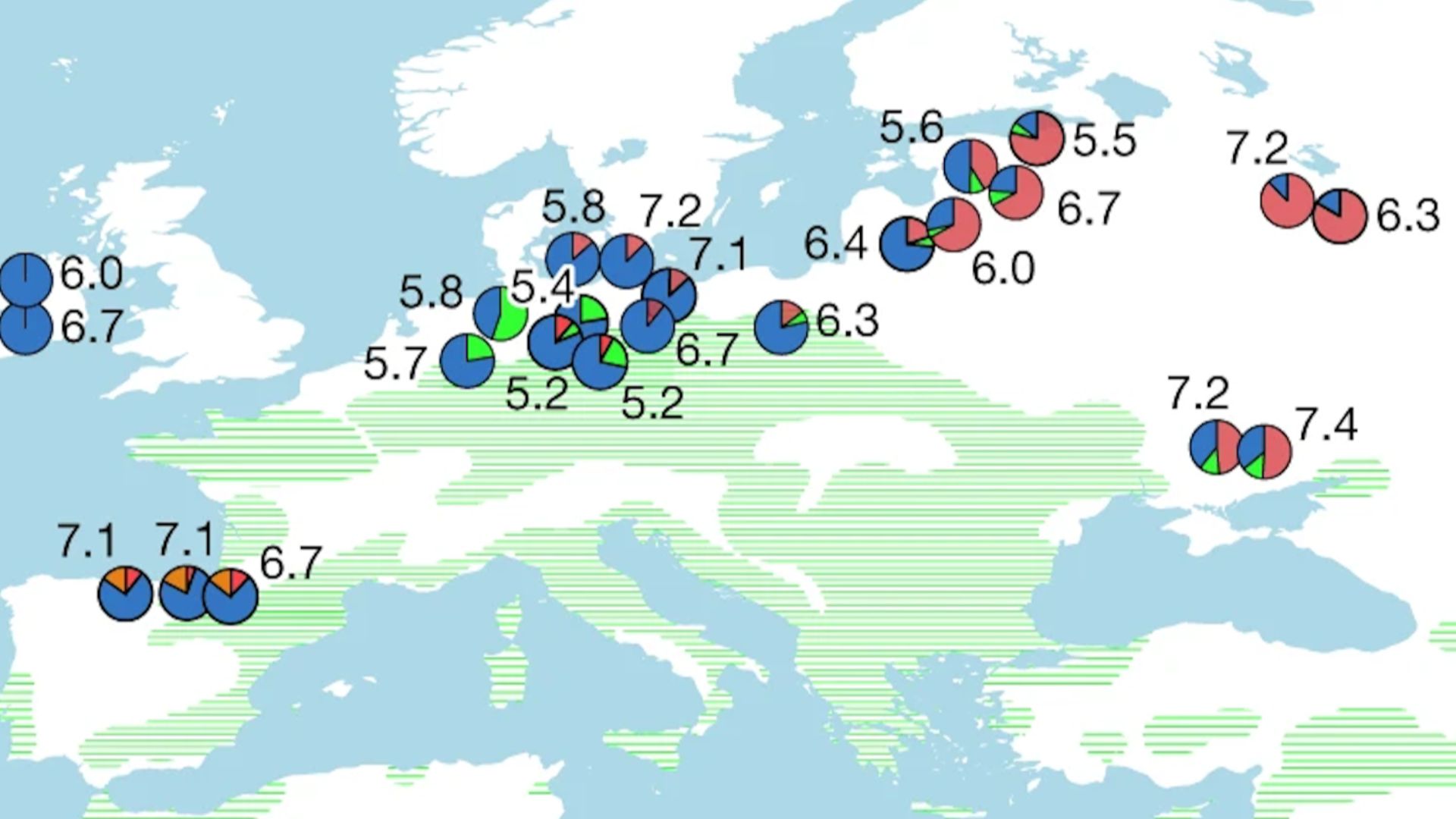
Ancient DNA makes that possibility even more intriguing. Roughly 8,000-year-old remains from Tunisia contain European hunter-gatherer ancestry, evidence that people or their descendants crossed between Europe and North Africa surprisingly early. Malta sits almost temptingly between those two shores, although its precise role remains uncertain.
 Posth, C., Yu, H., Ghalichi, A. et al., Wikimedia Commons
Humans Had Crossed Seas Earlier Elsewhere
The Malta discovery does not mean humans first learned to cross water 8,500 years ago. Hominins reached islands elsewhere far earlier, and modern humans crossed formidable waters in regions such as Southeast Asia and the western Pacific. What Malta changes is our understanding of organized long-distance travel in the prehistoric Mediterranean.
 JosephAmodio , Wikimedia Commons
The Mediterranean Story Was Different
Archaeologists had long viewed Mediterranean island settlement as relatively late compared with regions such as Southeast Asia. Small, distant islands seemed especially unattractive to mobile hunter-gatherers. Latnija demonstrates that this assumption was too simple: at least some Mesolithic communities were willing and able to tackle major open-water journeys.
 Ylwa Moritz, Wikimedia Commons
Their Arrival May Have Changed Nature Too
The discovery also complicates Malta’s ecological history. Humans were hunting animals previously thought to have disappeared earlier, raising new questions about when island species became extinct and whether people played a role. The archaeological record may now force researchers to reconsider supposedly “untouched” Mediterranean island ecosystems.
 Neanderthal-Museum, Mettmann, Wikimedia Commons
Hunter-Gatherers Deserve More Credit
Perhaps the biggest casualty of the discovery is an old stereotype. These people were not helpless wanderers waiting for farming to unlock technological progress. They understood coastlines, currents, food sources and probably navigation well enough to repeatedly tackle journeys that would still make plenty of modern travelers nervous.
 Jakub Hałun, Wikimedia Commons
The Sea Was Not Always A Barrier
Latnija turns the Mediterranean from a wall into a road. Around 8,500 years ago, hunter-gatherers reached remote Malta, survived there and apparently maintained connections across dangerous open water. Their boats have vanished, but their fires, tools and meals remain—quiet evidence that prehistoric people were accomplished sailors much earlier than archaeologists expected.
 Adam Elsheimer, Wikimedia Commons
You May Also Like:
Canadian Hidden Gem Destinations That Would Be Way Bigger If Winter Didn't Exist
American Cities That Global Tourists Are Flocking To, While Canadians Are Looking Elsewhere