

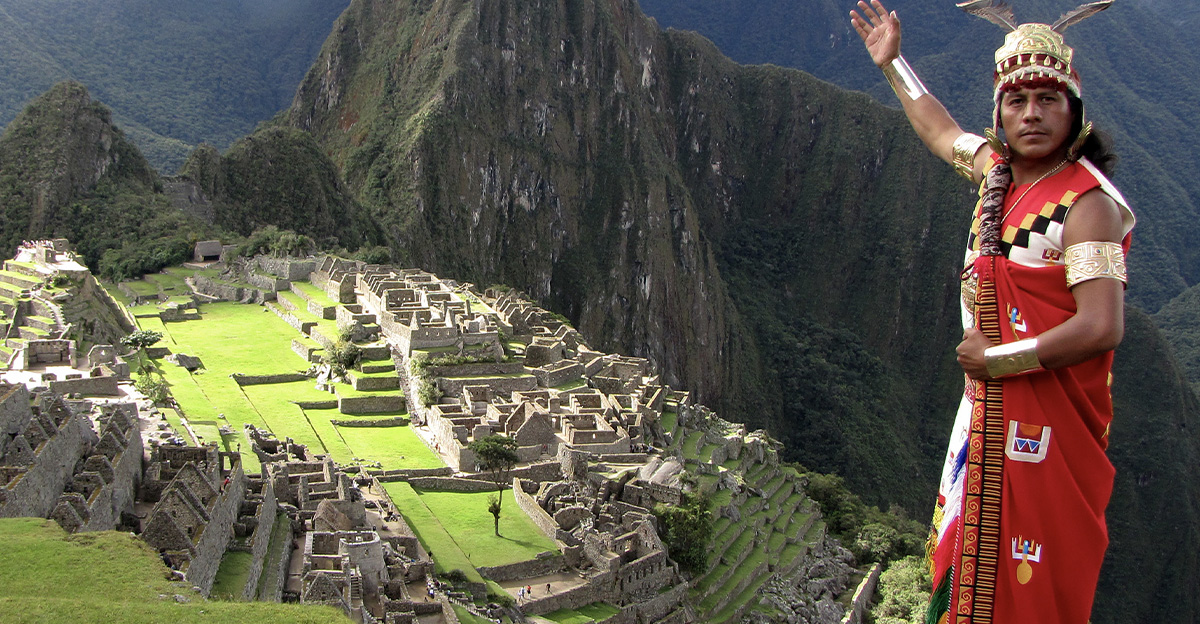
Why Did Entire Communities Walk Away From These Places?
Burned palaces. Empty houses. Buried treasures. Entire cities left behind. Ancient settlements often preserve the moment their world began to fall apart, but they rarely preserve a simple explanation for why it happened. When it comes to the places on this list, the archaeology has revealed a much messier story than researchers expected.
 Aurelio ALEJO/AFP via Getty Images
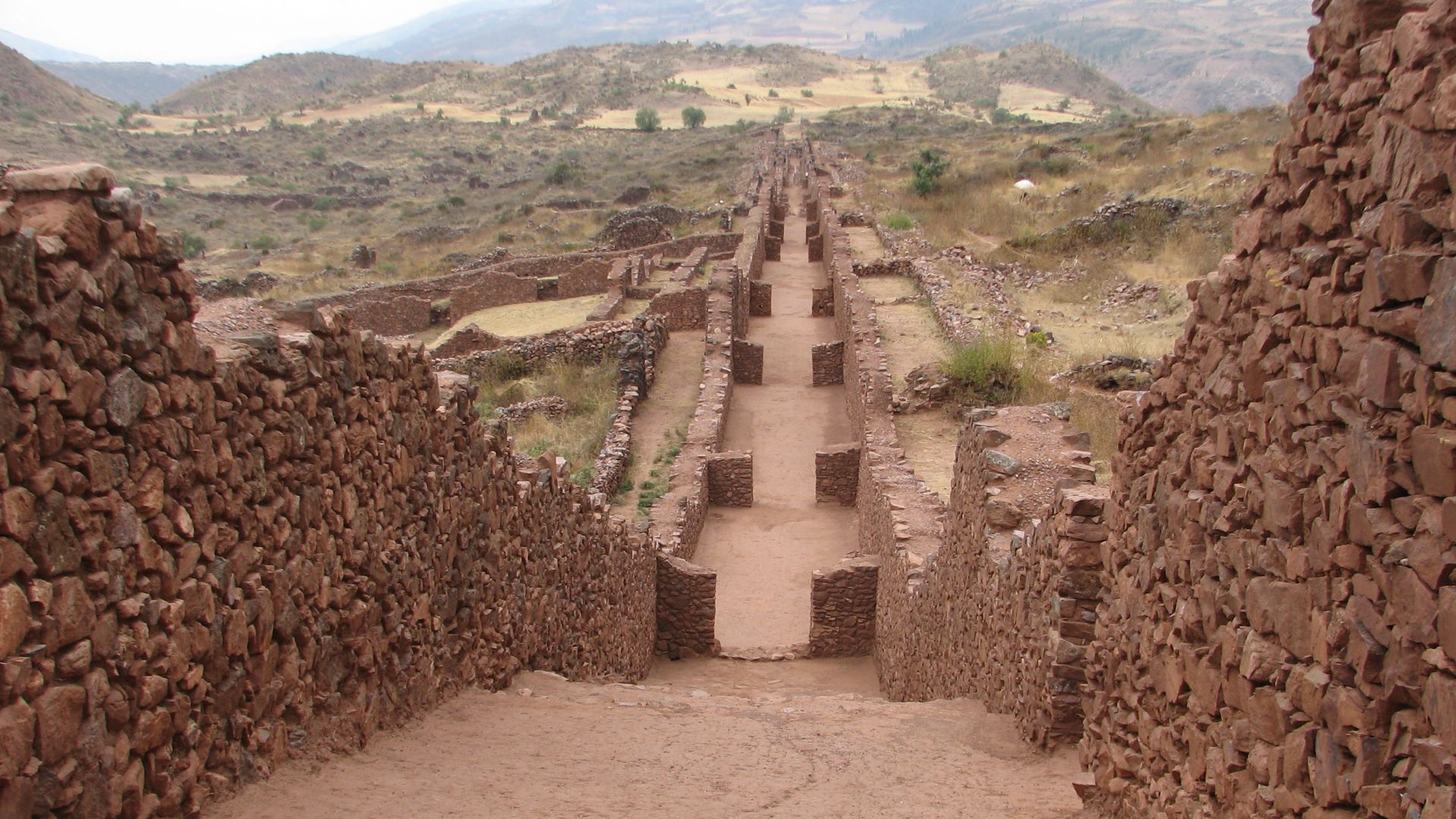
Pikillacta, Peru
The Wari settlement of Pikillacta was one of the strangest planned cities in the ancient Andes. Built between roughly 600 and 1000 CE near modern Cusco, it contained huge rectangular compounds, straight streets, high walls, and hundreds of nearly identical rooms. Yet excavations suggest it didn't simply decline through neglect. Many entrances were carefully sealed, one unfinished building was intentionally buried, and the central part of the settlement appears to have burned around the time people left. Archaeologists agree that the abandonment looks organized, but why Wari authorities deliberately shut down such an enormous investment remains unresolved.
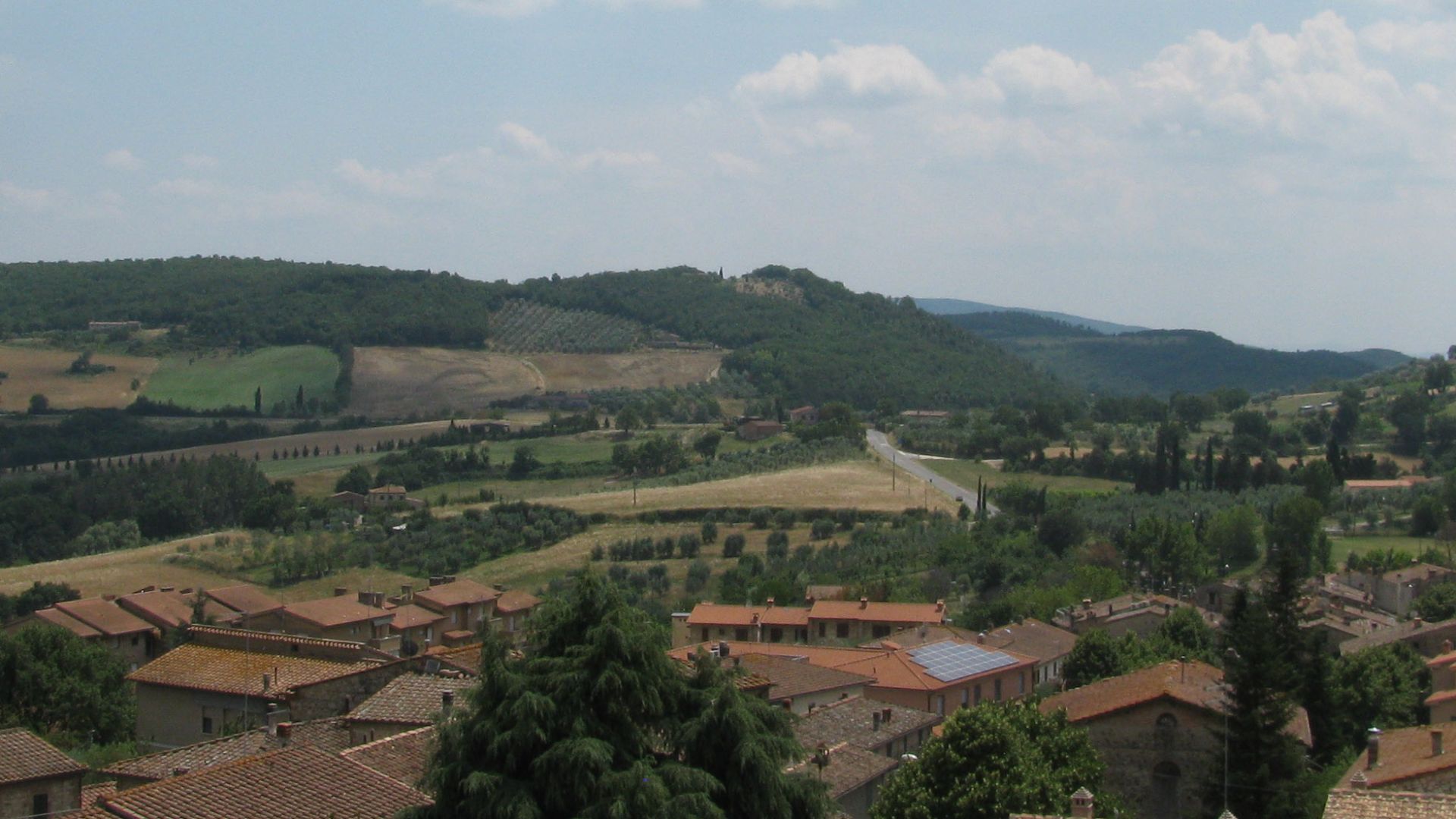
Poggio Civitate, Italy
Poggio Civitate, near modern Murlo in Tuscany, was home to an extraordinary Etruscan elite complex decorated with elaborate terracotta statues. An early monumental building burned around 600 BCE and was replaced by an even larger structure. Then, around 525 BCE, the site was deliberately dismantled. People tore down the complex and piled earth and stone around the remains in what appears to have been an intentional closure. Political upheaval, changing regional power, and religious explanations have all been suggested, but archaeologists still don't know why the inhabitants chose to destroy and seal a place they had rebuilt so magnificently.
 Pax:Vobiscum, Wikimedia Commons
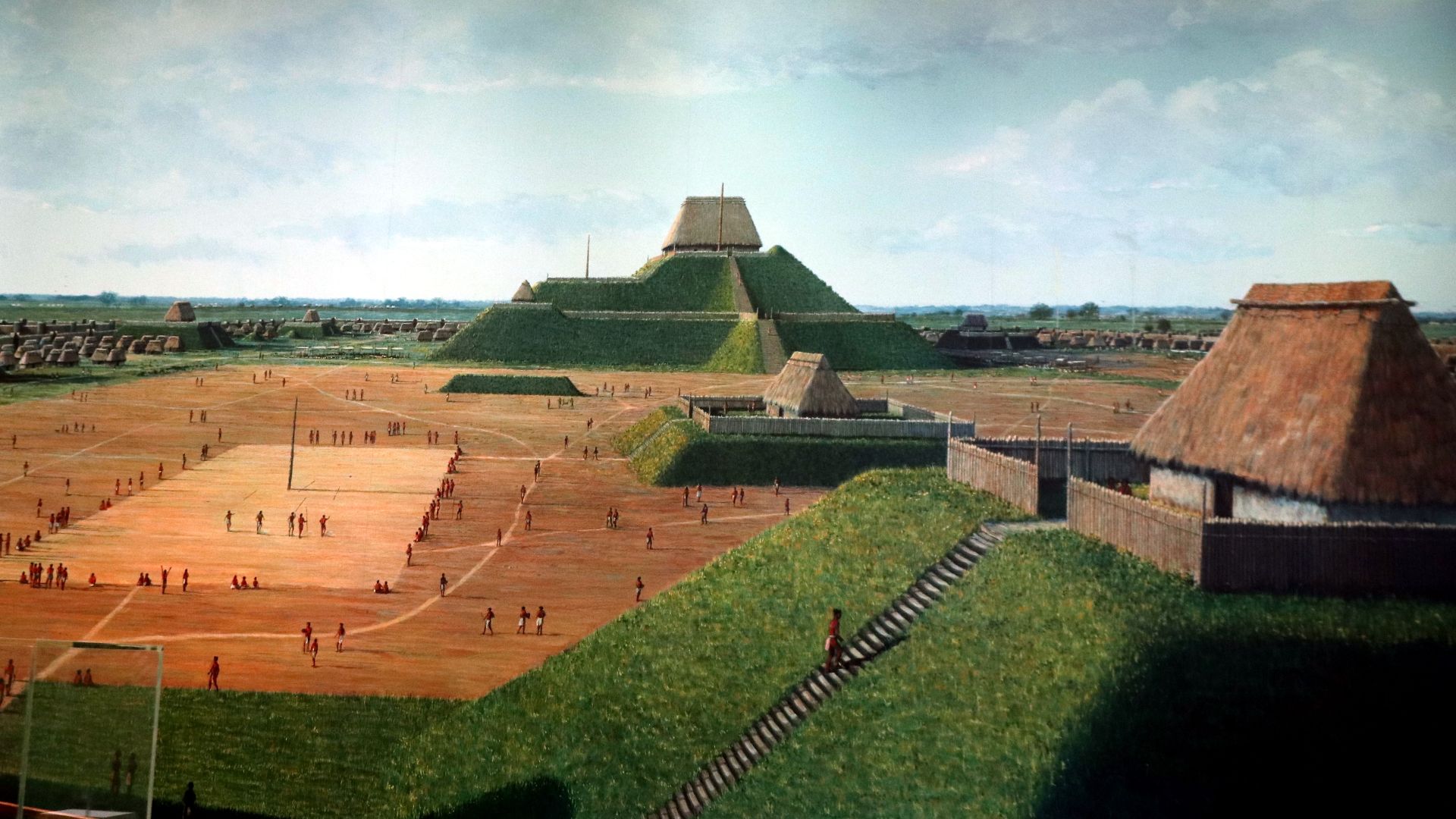
Cahokia, United States
Cahokia exploded into prominence around 1050 CE and became the largest pre-Columbian urban center north of Mexico. By around 1350, its great concentration of people had dispersed. Drought has become an important explanation, with climate records showing increasingly dry conditions during the city's decline. Yet archaeologists have pushed back against older claims that Cahokians simply destroyed their environment. Social tensions, political changes, immigration, combat, and the difficulty of holding together such a diverse urban population may have mattered just as much. Cahokia's fall is a good example of why archaeologists increasingly distrust explanations that blame a city's disappearance on one neat cause.
 Thank You (24 Millions ) views, Wikimedia Commons
Cerro Baúl, Peru
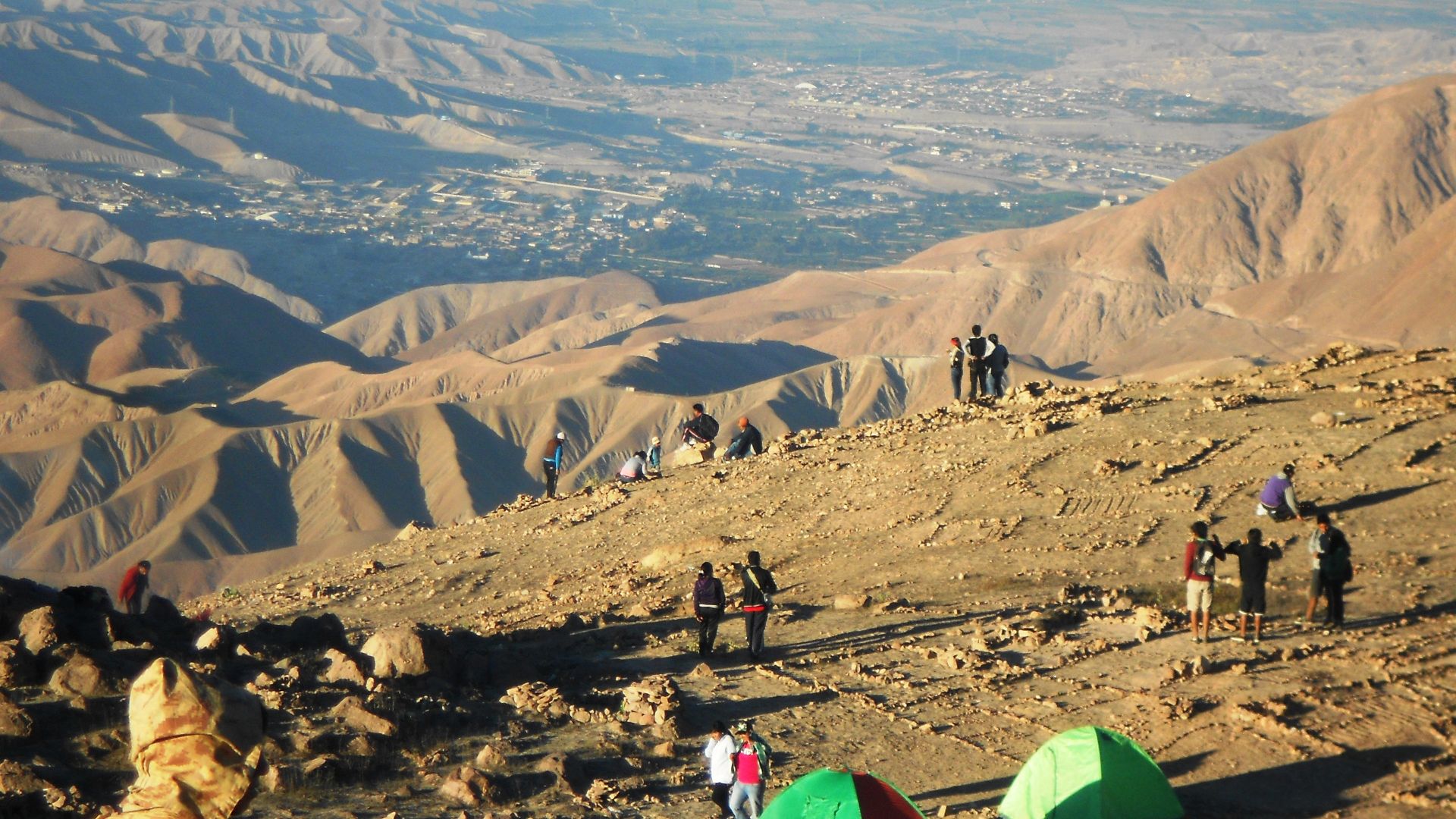
When the Wari left Cerro Baúl around 1000 CE, they didn't quietly pack up and disappear. Archaeologists found evidence of an enormous farewell ceremony. People brewed chicha beer, feasted, smashed valuable drinking vessels, burned buildings, and intentionally closed important ritual spaces before departing. The strange thing is that there isn't strong evidence the settlement was starving or economically collapsing. Researchers suspect political changes within the Wari Empire or its relationship with neighboring Tiwanaku communities played a role. Whatever caused the evacuation, the residents clearly knew they were leaving and turned the end of the settlement into a carefully staged event.
 MOQUEGUA EVENTOS, Wikimedia Commons
Sanxingdui, China
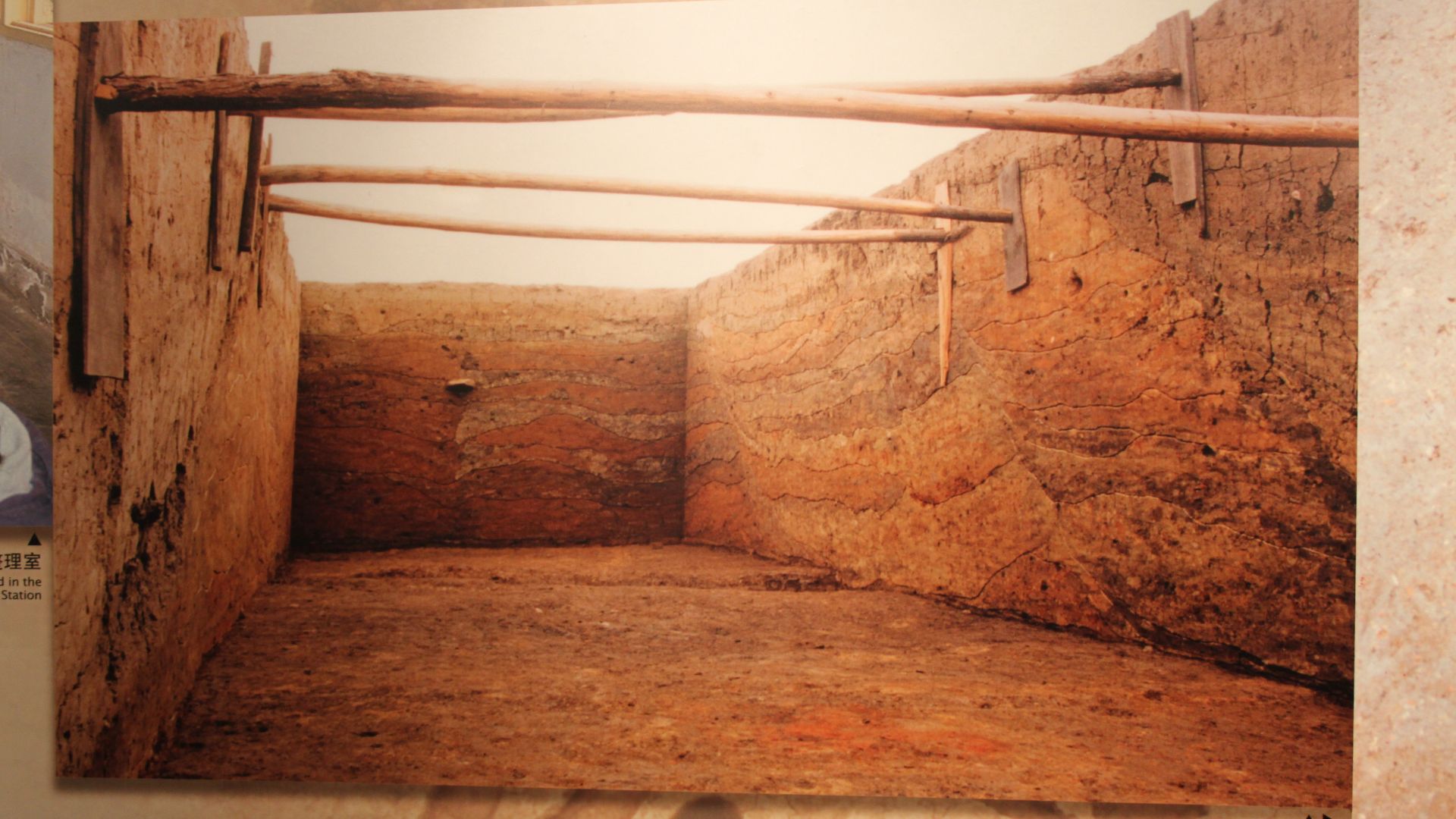
Sanxingdui flourished in Sichuan during the Bronze Age and produced some of ancient China's most bizarre and spectacular artworks, including enormous bronze masks, gold objects, jade, and towering human figures. Then its main ceremonial center went out of use. Thousands of valuable objects were intentionally smashed, burned, and buried in pits. One possibility is that the population shifted toward nearby Jinsha, which rose afterward and shares cultural similarities. Environmental changes, political transformation, or religious upheaval may have encouraged the move. What archaeologists still can't explain is why Sanxingdui's people destroyed and buried so much sacred wealth before leaving.
 Gary Todd from Xinzheng, China, Wikimedia Commons
Tiwanaku, Bolivia
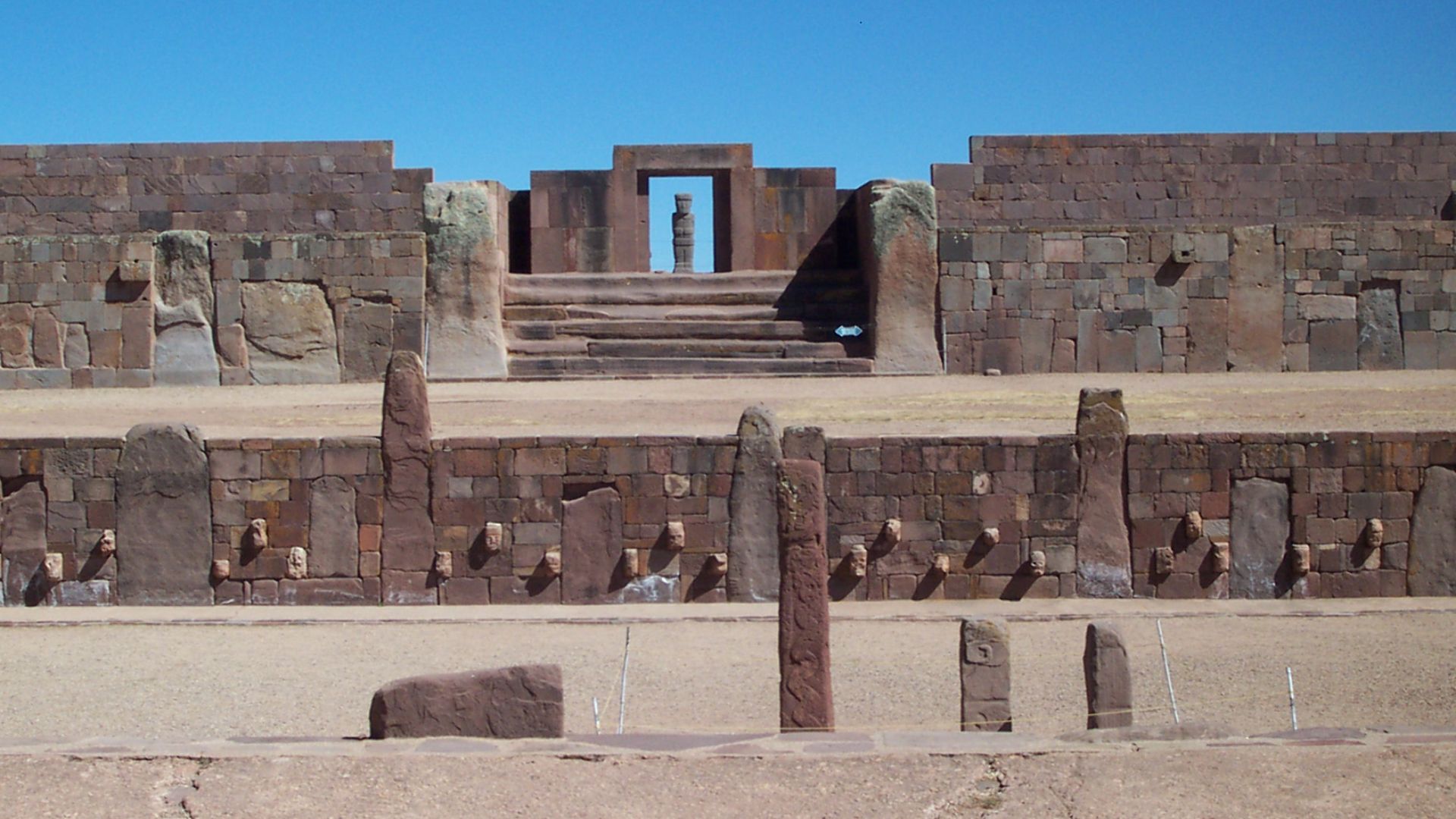
For centuries, Tiwanaku dominated the highlands around Lake Titicaca with monumental temples, raised-field agriculture, and far-reaching political influence. Its urban center declined around 1000 CE, roughly the same time that prolonged drought affected the region. That has made climate change an obvious suspect, especially because the city's agricultural system depended heavily on reliable water. Yet drought alone probably isn't enough. Political fragmentation, declining authority, regional conflict, and changing settlement patterns also appear important. Rather than one dramatic collapse, Tiwanaku may have unraveled through several connected crises whose relative importance archaeologists are still debating.
 Mhwater at Dutch Wikipedia, Wikimedia Commons
Mesa Verde, United States
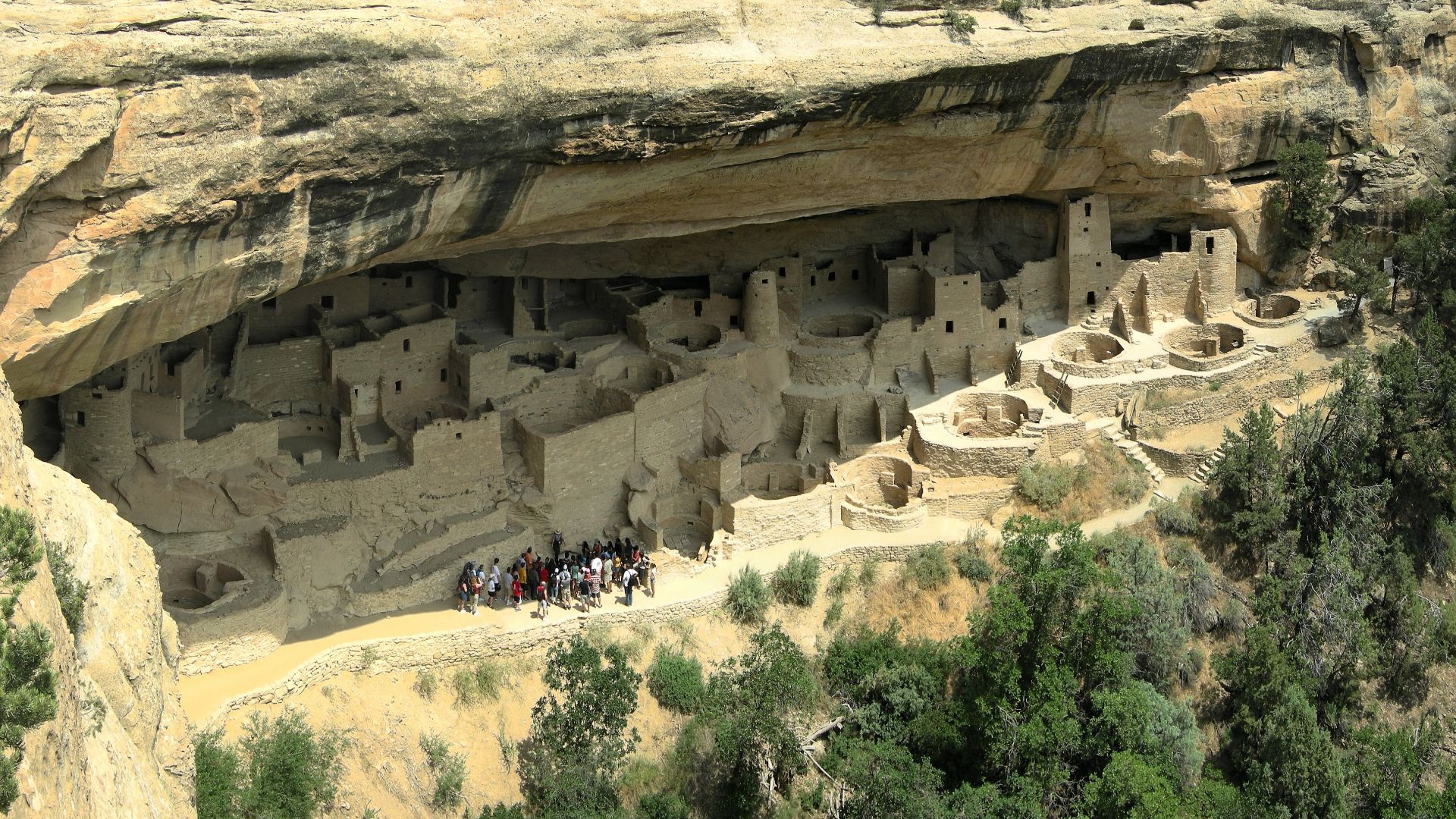
By the late 1200s, the Mesa Verde region had been home to Pueblo communities for centuries. Then, within several decades, its population moved away. Tree-ring evidence points to prolonged drought, while archaeological evidence suggests diminishing resources and growing social stress. Some communities were clustering into defensible locations at the same time. Yet modern Pueblo perspectives add an important dimension that the word "abandonment" can obscure. People didn't disappear. They migrated south and joined communities whose descendants still live in Arizona, New Mexico, and elsewhere. Archaeologists can identify many pressures that encouraged migration, but probably no single reason convinced every family to leave.
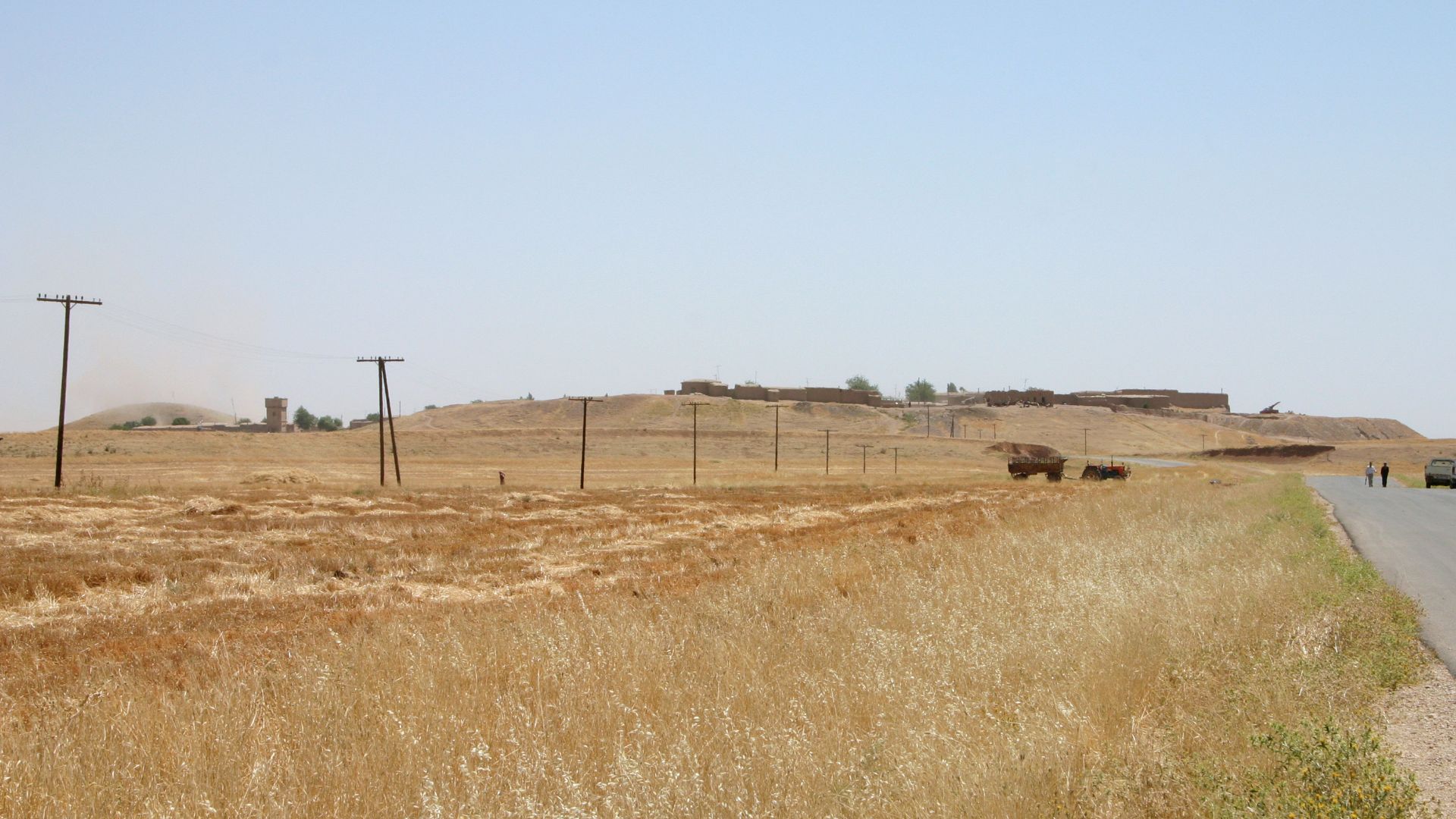
Tell Leilan, Syria
Around 2200 BCE, Tell Leilan and many other settlements across northern Mesopotamia experienced a startling contraction. Archaeological research at the site found an abrupt break in occupation during the same broad period that paleoclimate records indicate conditions became much drier. Yale's Tell Leilan Project has linked the abandonment to the massive 4.2-kiloyear climate event, when rainfall may have declined dramatically across the region. Critics have debated just how directly climate caused the political collapse of the Akkadian world, however. People weren't simply erased. Many may have migrated toward rivers and wetter areas, transforming the settlement map instead.
Choirokoitia, Cyprus
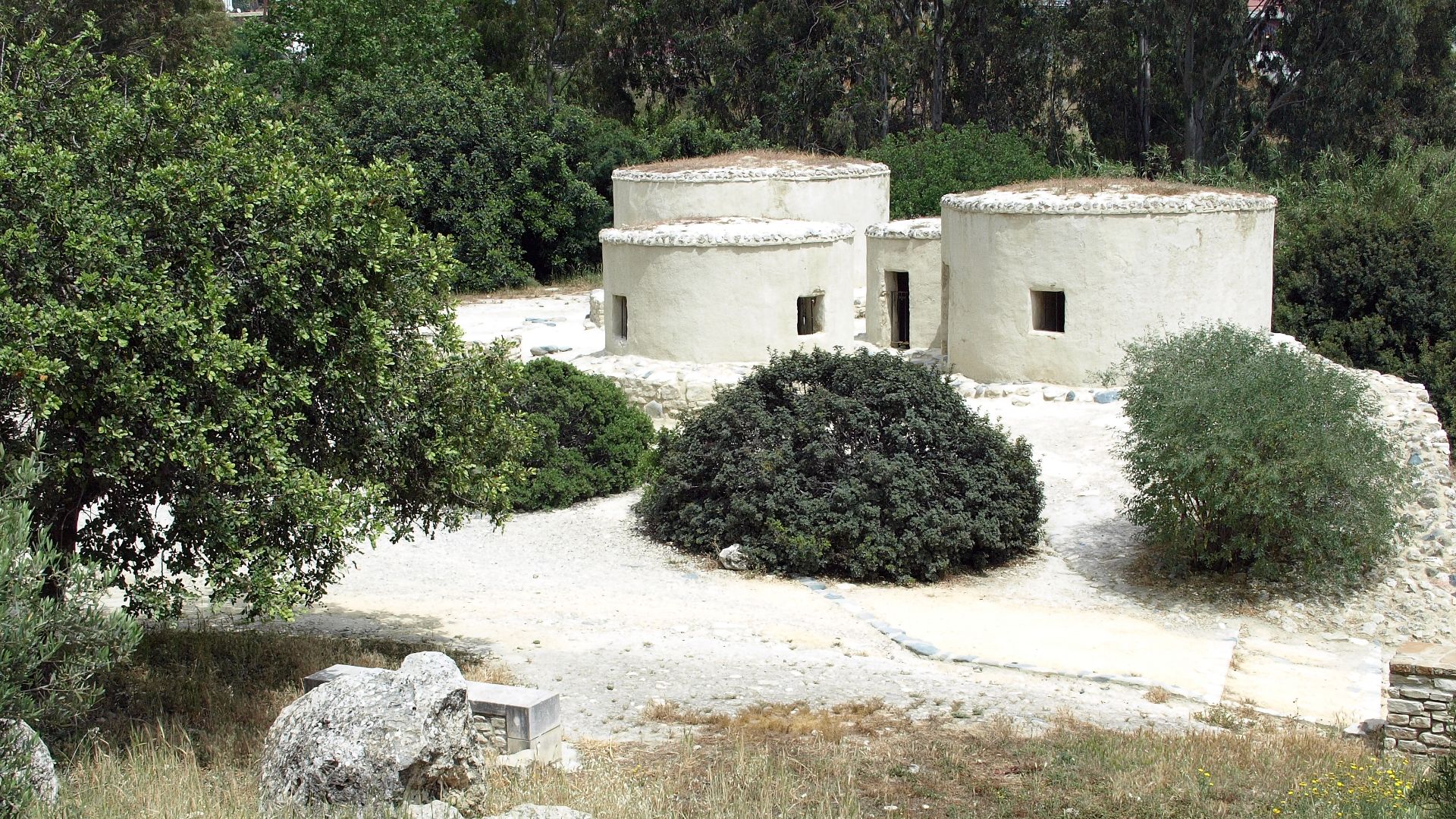
Choirokoitia was one of the most sophisticated Neolithic settlements in the eastern Mediterranean. Beginning in the seventh millennium BCE, its inhabitants built circular stone-and-mudbrick houses, substantial walls, and carefully planned entrances. Then, during the sixth millennium BCE, the settlement and other comparable Cypriot sites were abruptly abandoned. UNESCO notes that the reason is still unknown, and Cyprus appears to have experienced a major disruption before new communities emerged much later. Environmental change, demographic problems, disease, social reorganization, or migration could all have contributed, but the thousand-year gap remains one of the more intriguing puzzles in the island's prehistory.
 Klaus D. Peter, Wiehl, Germany, Wikimedia Commons
Machu Picchu, Peru
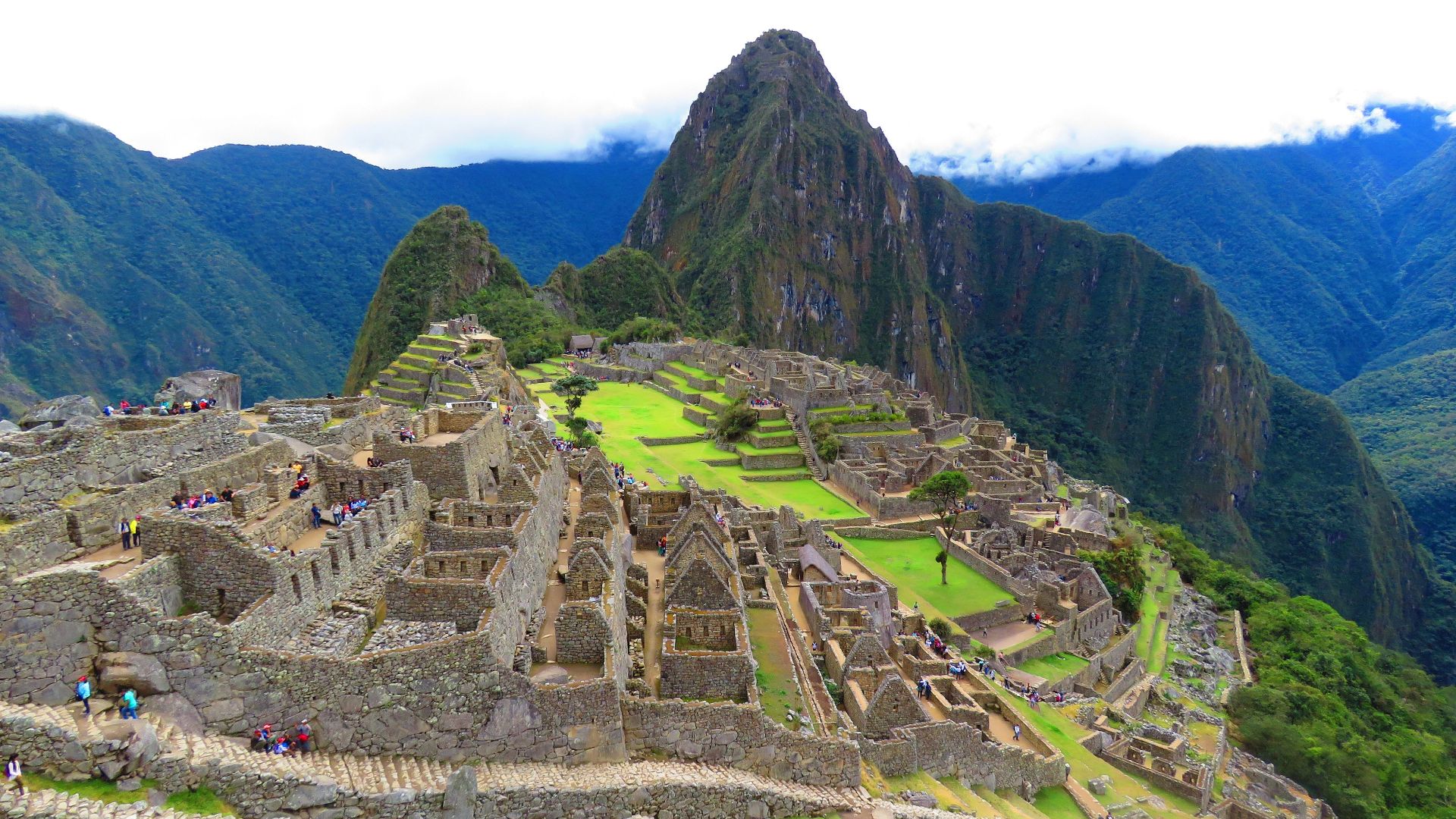
Machu Picchu's abandonment appears closely connected with the collapse of the Inca state after the Spanish conquest, but its exact sequence remains surprisingly murky. The mountaintop complex was built during the fifteenth century and probably depended heavily on the imperial elite and labor system that supported it. When disease, civil conflcit, and Spanish conquest devastated that political structure in the sixteenth century, maintaining Machu Picchu may no longer have been practical. The Spanish apparently never established themselves there. Residents likely departed for other communities, leaving historians to debate exactly when the last permanent inhabitants went away and why they chose not to return.
Hattusa, Turkey
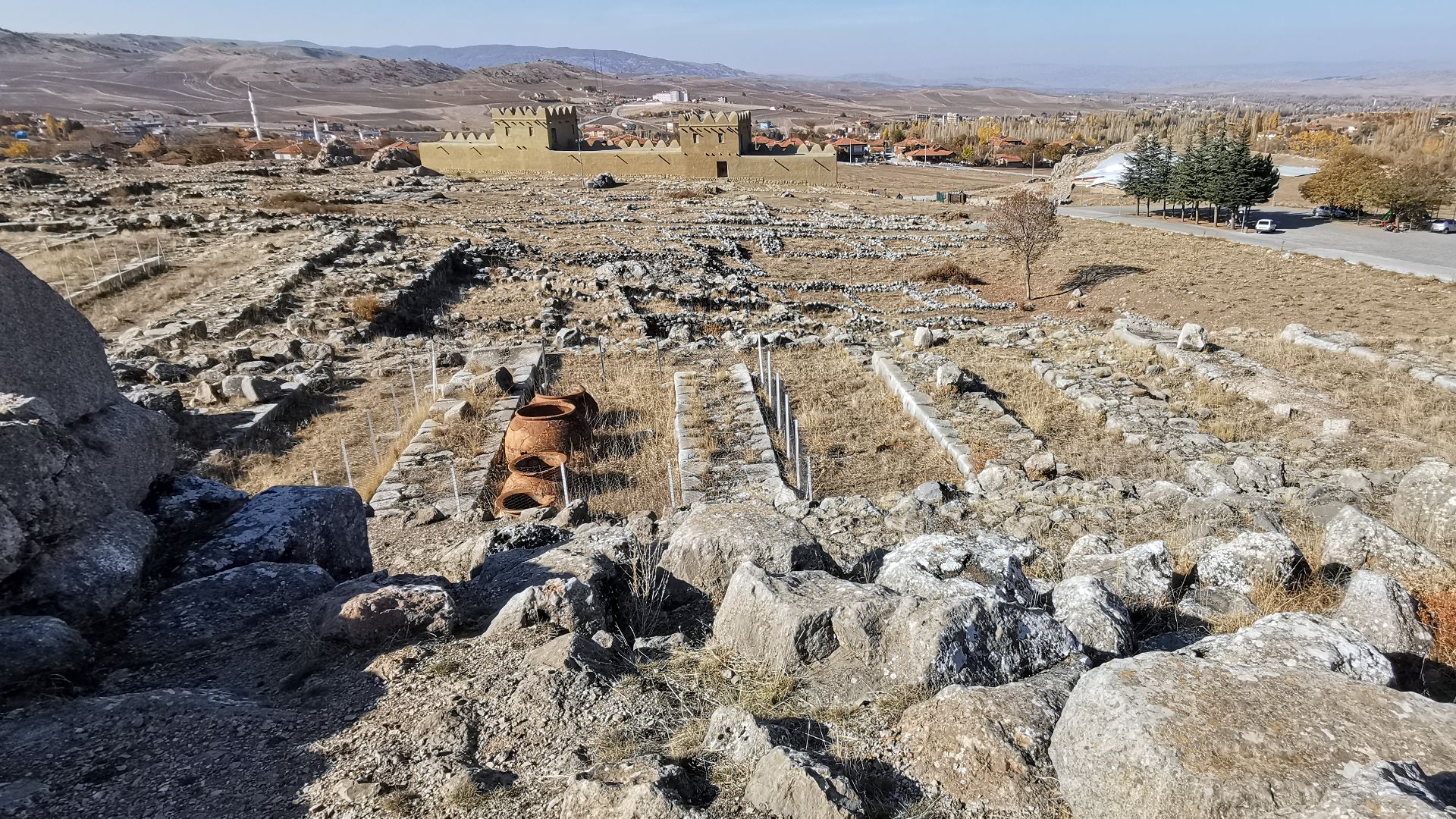
Hattusa was the capital of the mighty Hittite Empire, one of the great powers of the Late Bronze Age. For years, burned buildings encouraged theories that invaders had stormed the city around 1200 BCE. Archaeology has complicated that picture. Major areas appear to have been emptied before they burned, suggesting the royal administration deliberately withdrew. Tree-ring research has also revealed an exceptionally severe three-year drought around 1198 to 1196 BCE. Food shortages may have pushed an already stressed empire past its limits, but civil conflict, rival states, disrupted trade, and political fragmentation probably mattered too. Either way, Hattusa's final occupants left without explaining why.
 Murat Özsoy 1958, Wikimedia Commons
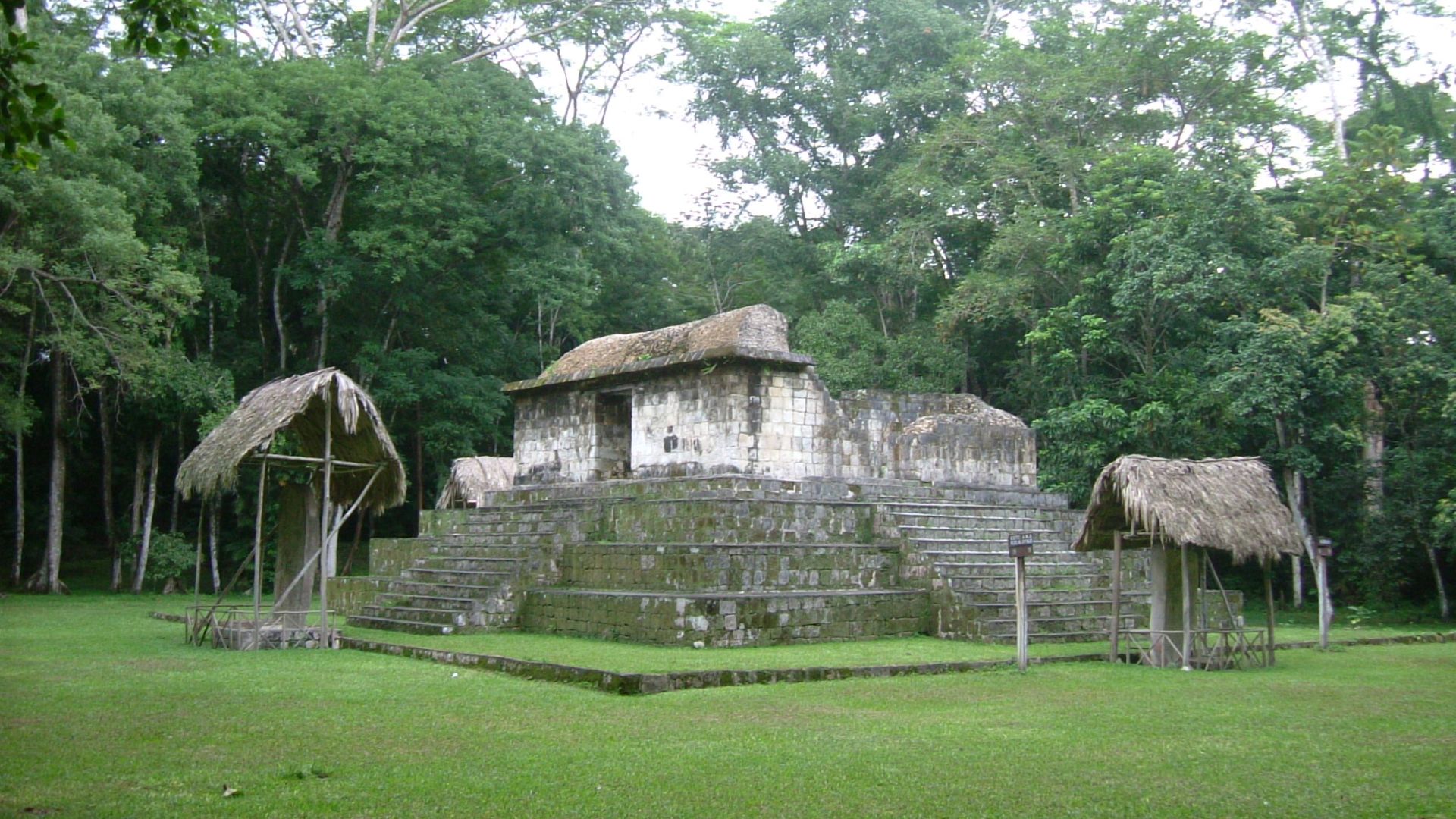
Ceibal, Guatemala
Ceibal had already survived one major decline before its final abandonment. The Maya city lost population during the Early Classic period, recovered, suffered a loss in battle, and then enjoyed another surprising revival during the ninth century CE. That comeback makes its final disappearance around 900 to 950 especially intriguing. Political instability, battles, changing alliances, wider Maya demographic decline, and environmental pressures were all unfolding around the same time. Ceibal's history suggests that Classic Maya cities weren't simply collapsing in unison. Some adapted remarkably well for decades before eventually reaching a point where recovery stopped.
 Sébastian Homberger, Wikimedia Commons
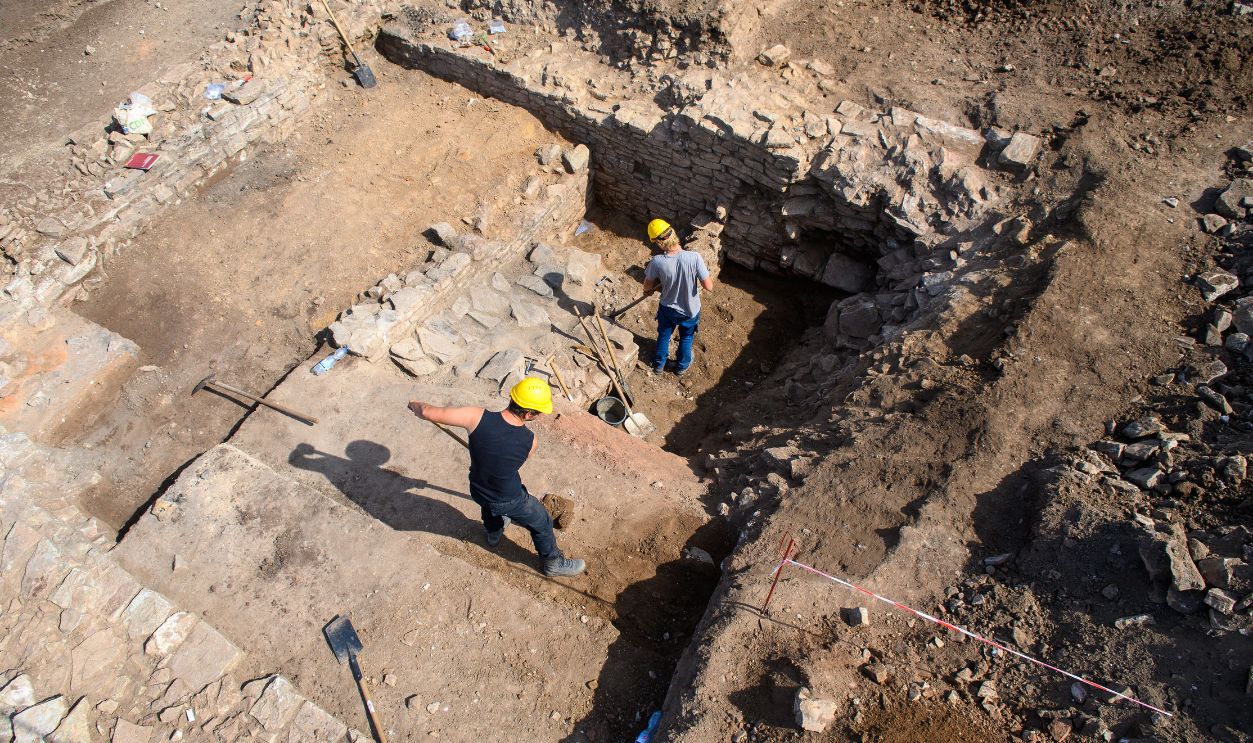
Casas Del Turuñuelo, Spain
Casas del Turuñuelo is unusual because archaeologists know its destruction was intentional. Around the late fifth century BCE, people sacrificed dozens of animals, including horses and cattle, held elaborate feasts, burned the monumental Tartessian building, and then buried the entire complex beneath an enormous mound. This wasn't a panicked evacuation. It was a carefully organized closure performed over multiple phases. What archaeologists don't understand is why. Political upheaval, approaching enemies, religious transformation, and the wider disappearance of Tartessian culture have all been considered, but whatever happened was important enough for residents to ceremonially erase one of their own grandest buildings.
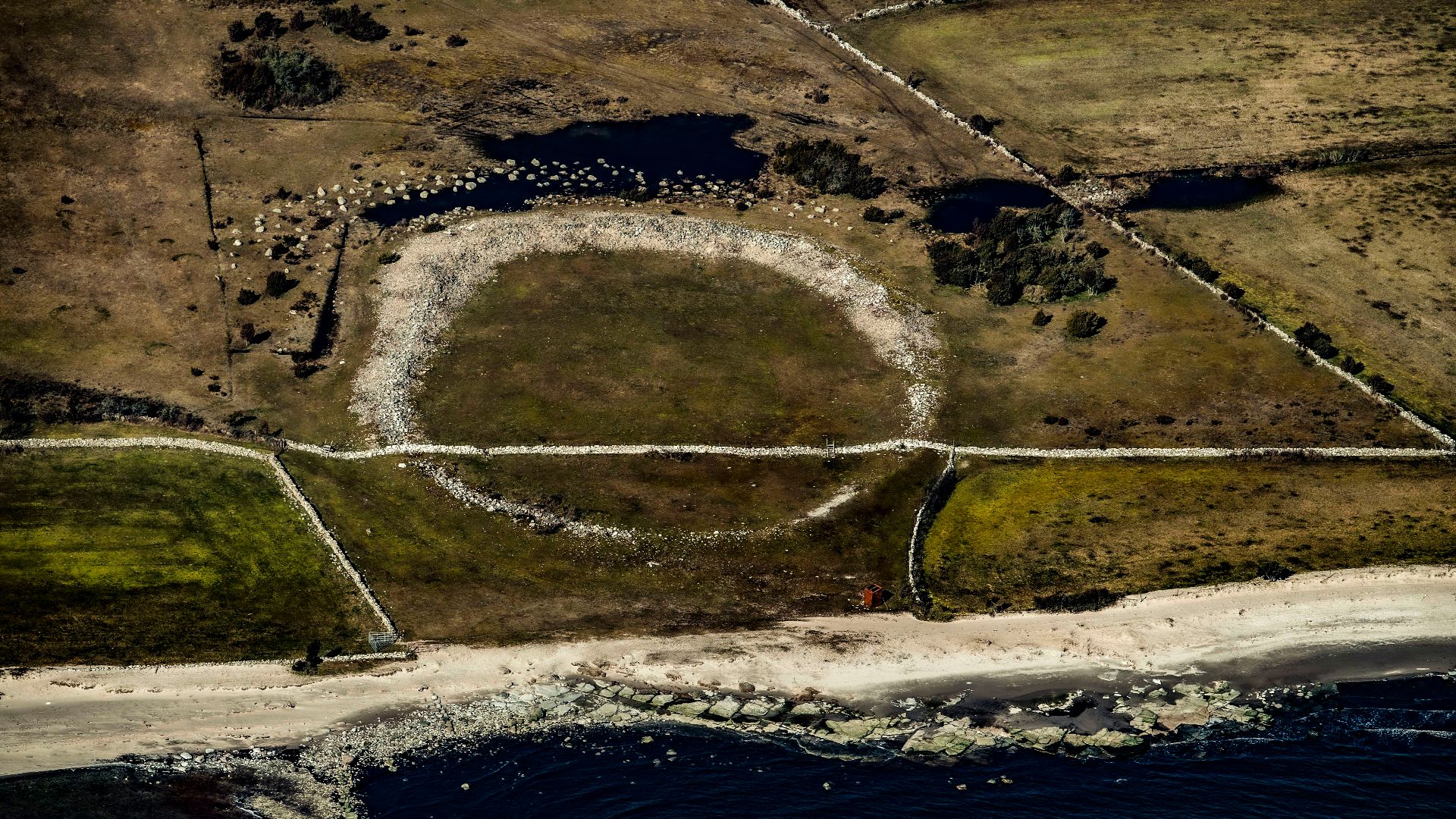
Sandby Borg, Sweden
At Sandby Borg, archaeologists have a horrifyingly clear explanation for why normal life stopped but not for why nobody ever came back. During the late fifth century CE, attackers entered the ringfort and took the lives of residents inside homes and streets. At least 26 victims have been identified, and their bodies were never buried. Valuable jewelry and household objects remained where they fell. Even food was left untouched. The fort appears to have been avoided after the slaying. Researchers suspect political rivalries or conflict on the island of Öland, but the identity of the attackers and the reason survivors refused to recover the dead remain mysteries.
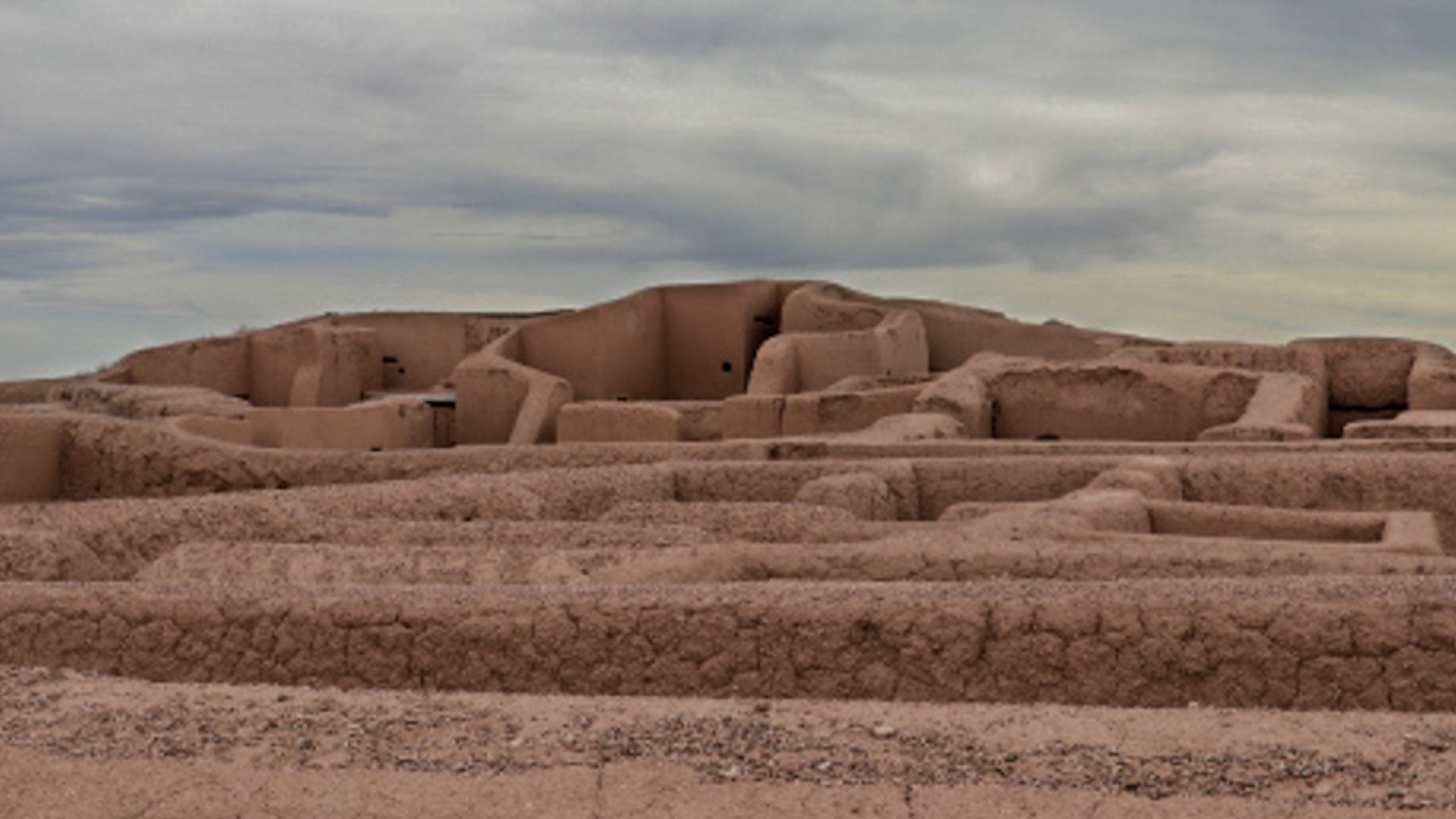
Paquimé, Mexico
Paquimé, also called Casas Grandes, became an extraordinary trading and cultural center in northern Mexico, connecting communities of the American Southwest with Mesoamerica. Its multi-story adobe compounds contained workshops, water systems, ceremonial areas, and evidence for exotic goods including macaws. Then the city declined and was abandoned before the Spanish arrival. Fire and violence have encouraged theories of attack, while drought, changing trade routes, and political instability may also have weakened the settlement. UNESCO describes the culture as having vanished surprisingly abruptly, but archaeologists still disagree over whether conflict caused the collapse or merely finished off a system already under stress.
 Monchislpz29, Wikimedia Commons
Ness Of Brodgar, Scotland
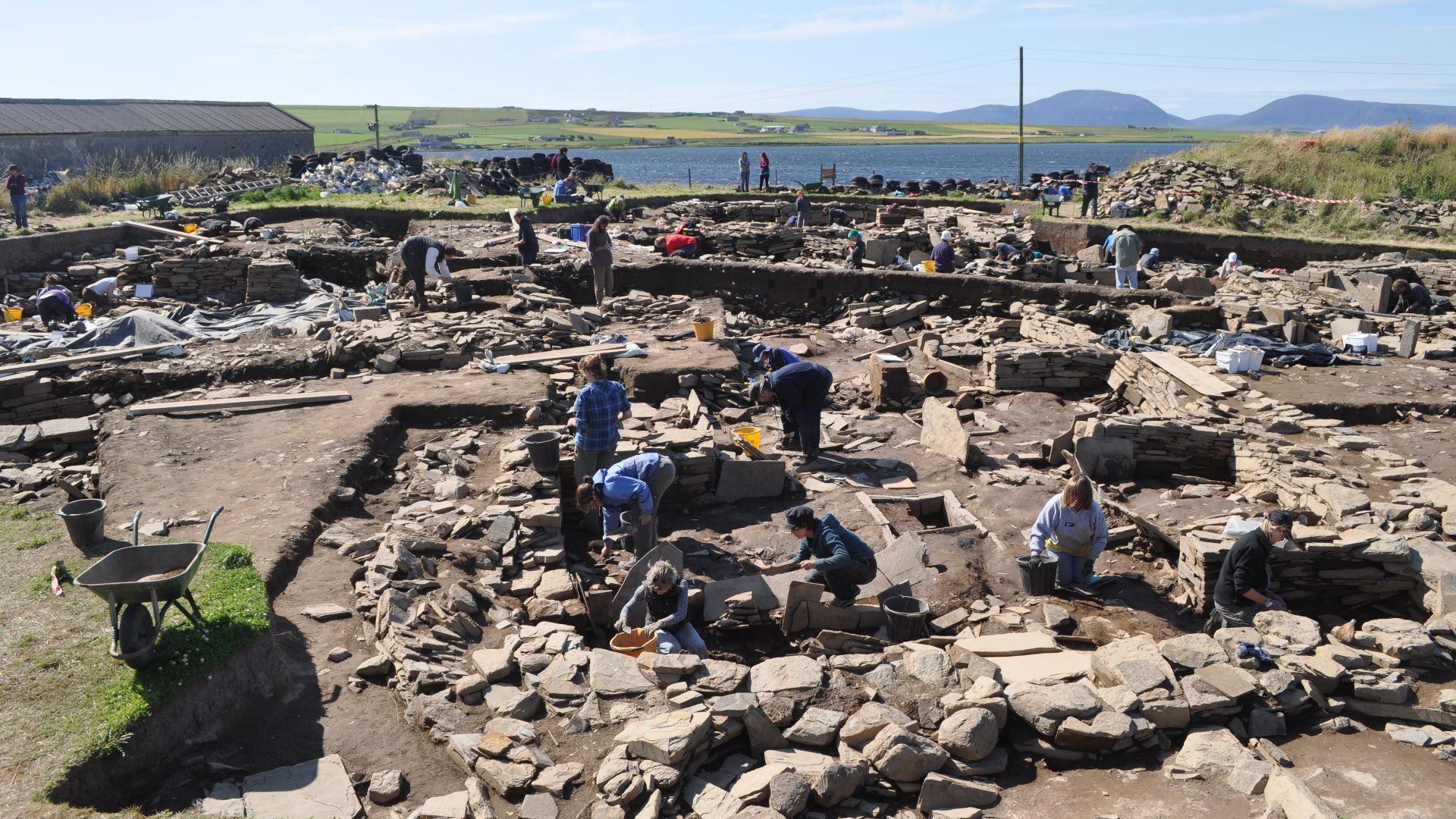
The Ness of Brodgar in Orkney wasn't an ordinary village. Its monumental stone buildings, decorated walls, unusual artifacts, and evidence for enormous gatherings suggest it served as an important ceremonial center during the Neolithic. Around 2400 BCE, the site's final major building went out of use after a spectacular feast involving the remains of hundreds of cattle. Afterward, the complex ceased functioning in the way it had for centuries. Why remains unclear. Changing religious practices, shifting social networks, and the arrival of new cultural traditions may all have contributed. Whatever happened, the final feast looks suspiciously like a deliberate goodbye.
 Stevekeiretsu, Wikimedia Commons
Cantona, Mexico
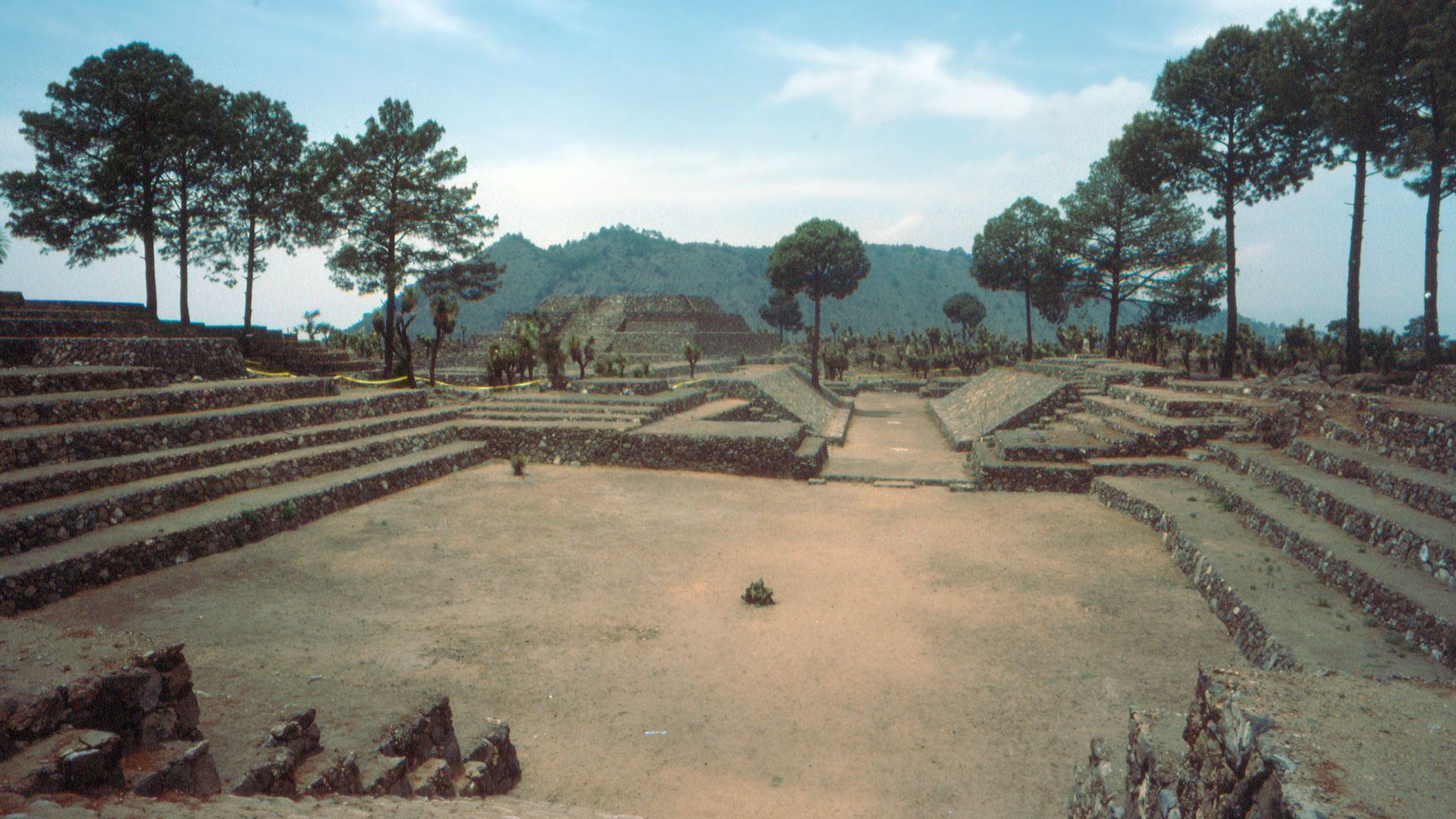
Cantona was enormous. At its height, this fortified city in central Mexico may have supported tens of thousands of people, with thousands of residential compounds, hundreds of obsidian workshops, and more than two dozen ballcourts. Its economy benefited from control over important obsidian deposits and trade routes between Mexico's central highlands and Gulf Coast. Yet centuries before the Spanish arrived, the city was deserted. The decline of long-distance trade, political instability, changing regional powers, and environmental stress have all been proposed. Without written records, archaeologists are left trying to understand why one of Mesoamerica's biggest cities simply stopped working.
Sand Canyon Pueblo, United States
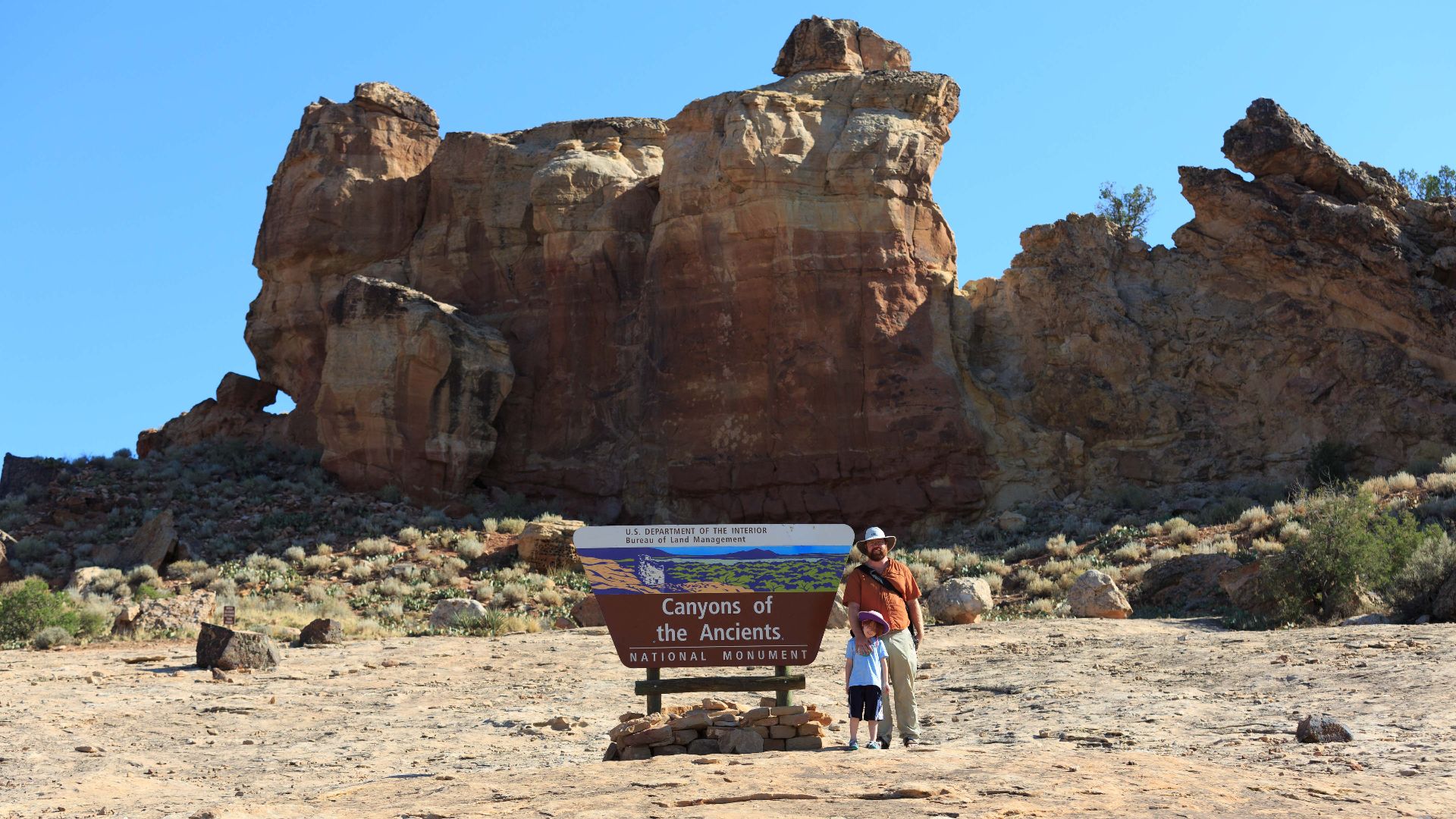
Sand Canyon Pueblo in southwestern Colorado was occupied for only a relatively short time before its residents left around 1280 CE. Excavations show signs of serious stress near the end, including shifting food strategies and evidence of lethal violence. A severe drought beginning in 1276 would've made maize agriculture increasingly difficult, while competition over resources may have intensified conflict. Yet researchers at Crow Canyon emphasize that regional migration was already underway and no single cause explains why thousands of Pueblo people moved south. For descendant Pueblo communities, the story is also one of migration and cultural continuity rather than people simply "vanishing".
 Will Thomas, Wikimedia Commons
Tikal, Guatemala
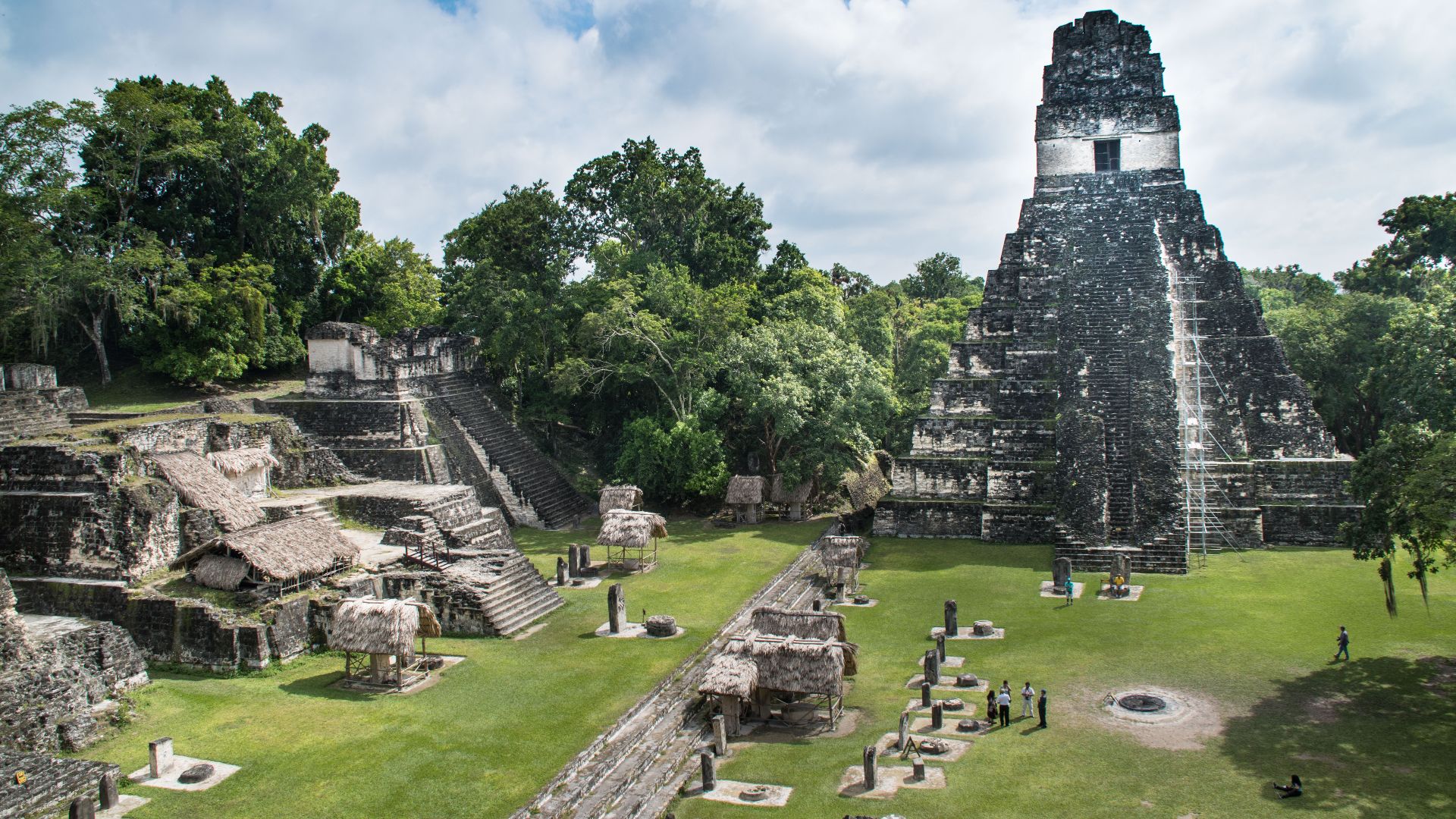
At its height, Tikal was one of the Maya world's most powerful cities, filled with temples, palaces, reservoirs, roads, and tens of thousands of residents. By around 900 CE, its political system had collapsed and the urban center was largely deserted. Severe drought is one major explanation, especially because Tikal depended heavily on stored rainwater. Research has also identified pressure on forests, agricultural resources, and water quality, including contamination in some reservoirs. Armed conflict and political instability made matters worse. Tikal's downfall increasingly looks less like one catastrophe than a system pushed close to its limits before several stresses hit at once.
 Ralf Steinberger from Milan, Berlin + Munich, Italy + Germany, Wikimedia Commons
Mohenjo-Daro, Pakistan
Mohenjo-daro was one of the great cities of the Indus civilization, equipped with brick streets, wells, sophisticated drainage, workshops, and monumental public architecture. Earlier archaeologists imagined that invading warriors destroyed it, partly because scattered skeletons were interpreted as victims of a mass slaying. That theory has largely fallen apart. The city seems instead to have declined as the wider Indus urban system fragmented. Shifting rivers, repeated flooding, weakening trade, climate change, and political decentralization may all have contributed. Because the Indus script remains undeciphered, Mohenjo-daro's own residents can't tell us what went wrong, leaving one of the ancient world's greatest urban declines frustratingly silent.
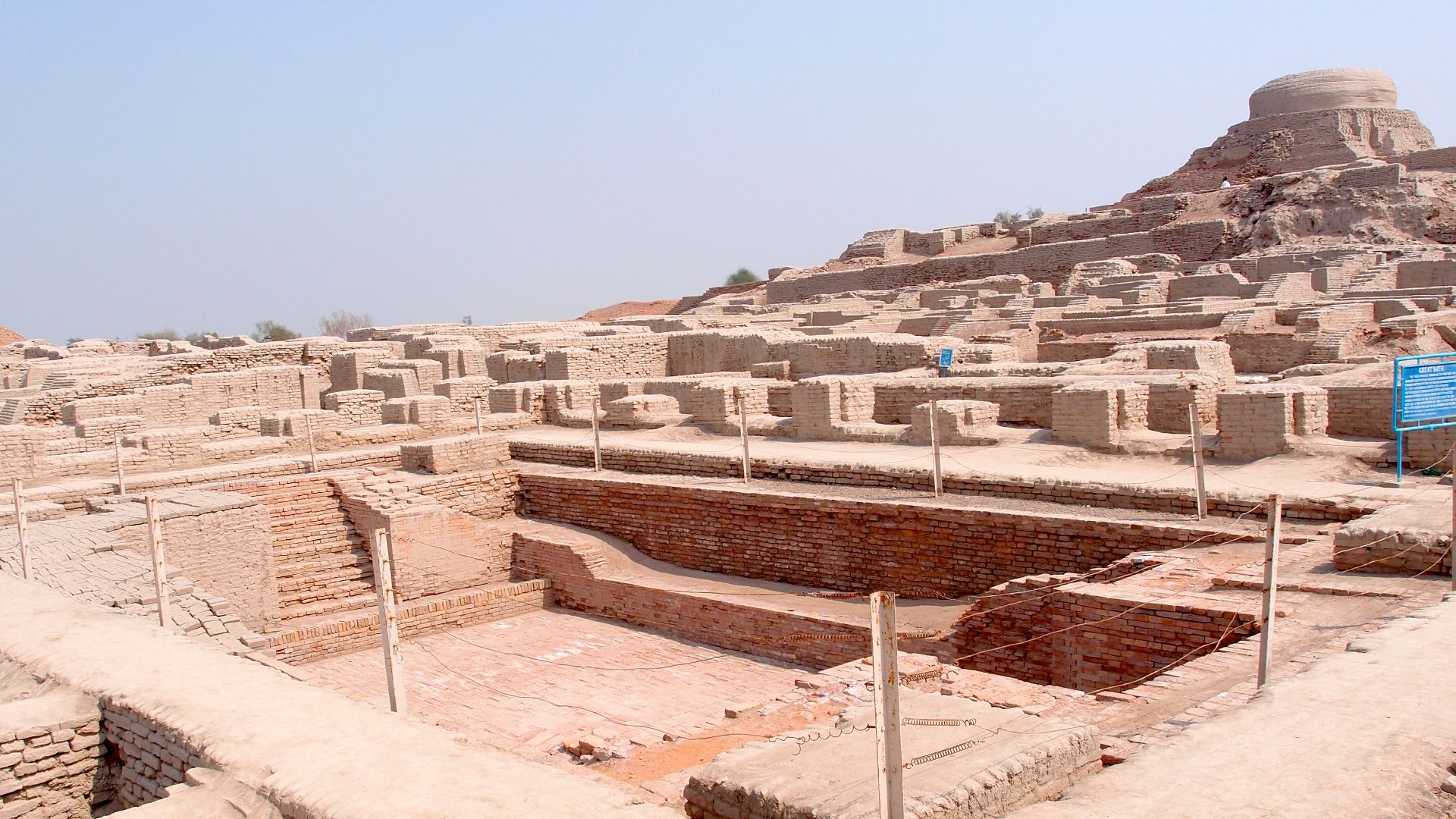 Saqib Qayyum, Wikimedia Commons
Chaco Canyon, United States
Chaco Canyon's monumental great houses were major centers in the Ancestral Pueblo world between roughly 850 and 1150 CE. By the thirteenth century, however, the canyon no longer functioned as the extraordinary regional center it once had. Drought and agricultural strain probably contributed to declining population, but Chaco's story is especially difficult because archaeologists still debate what the place actually was. Political capital, ritual center, pilgrimage destination, and economic hub have all been proposed. People moved in multiple directions and joined other Pueblo communities, meaning the abandonment of the canyon was less an extinction than a reorganization of a much larger cultural world.
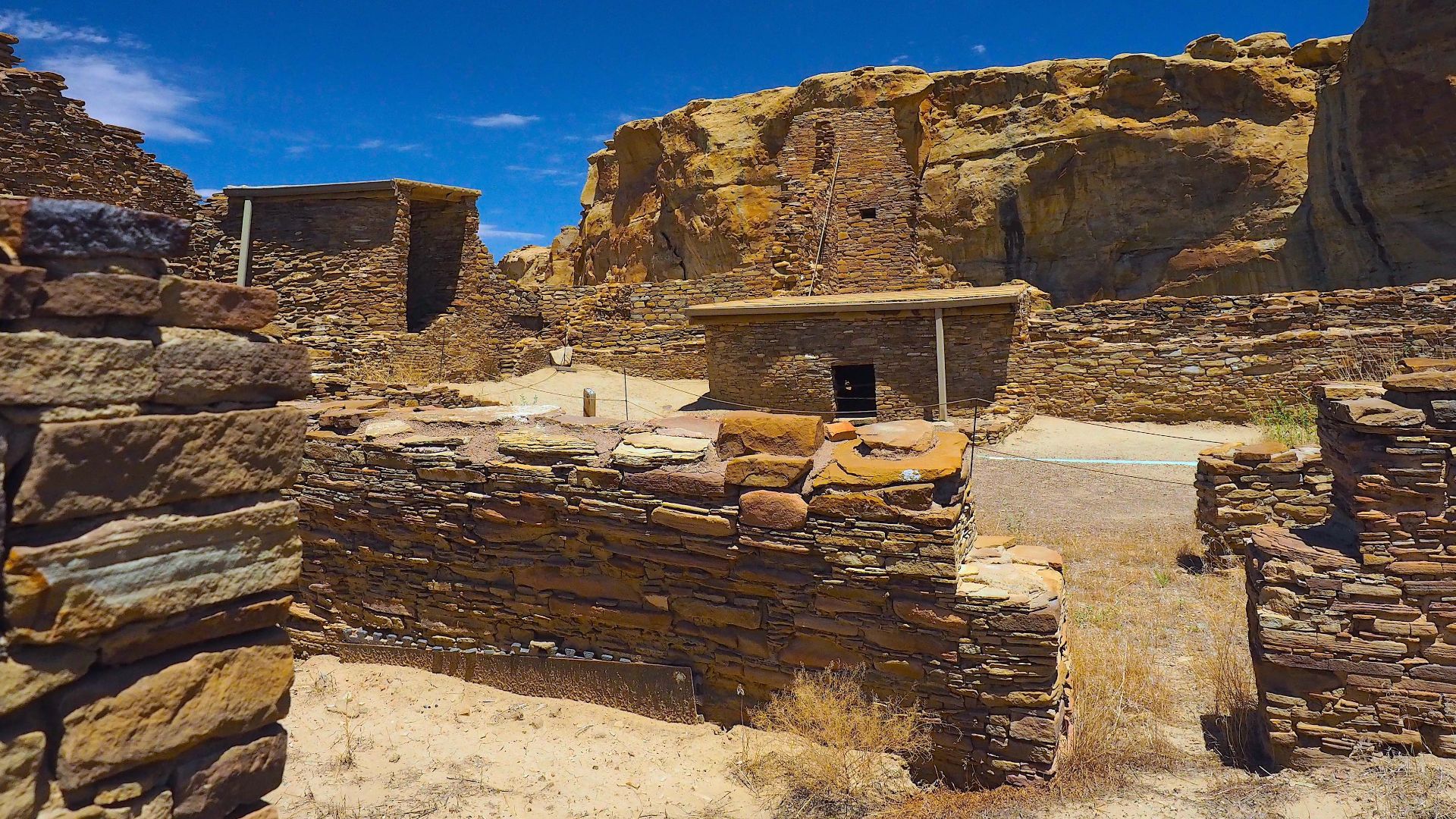 AlisonRuthHughes, Wikimedia Commons
Teotihuacan, Mexico
For a city whose builders left behind some of the largest monuments in the Americas, Teotihuacan ended strangely. Around the sixth century CE, important buildings in the ceremonial center were burned and damaged. Earlier researchers often blamed outside invaders, but later work pointed toward internal revolt, elite conflict, political breakdown, and deliberate attacks on symbols of authority. Drought and economic changes may have added pressure. Population declined substantially, although people continued living in parts of the area afterward. Archaeologists can see the moment when the city's political order was violently transformed, but they still can't confidently identify who caused it or exactly why.
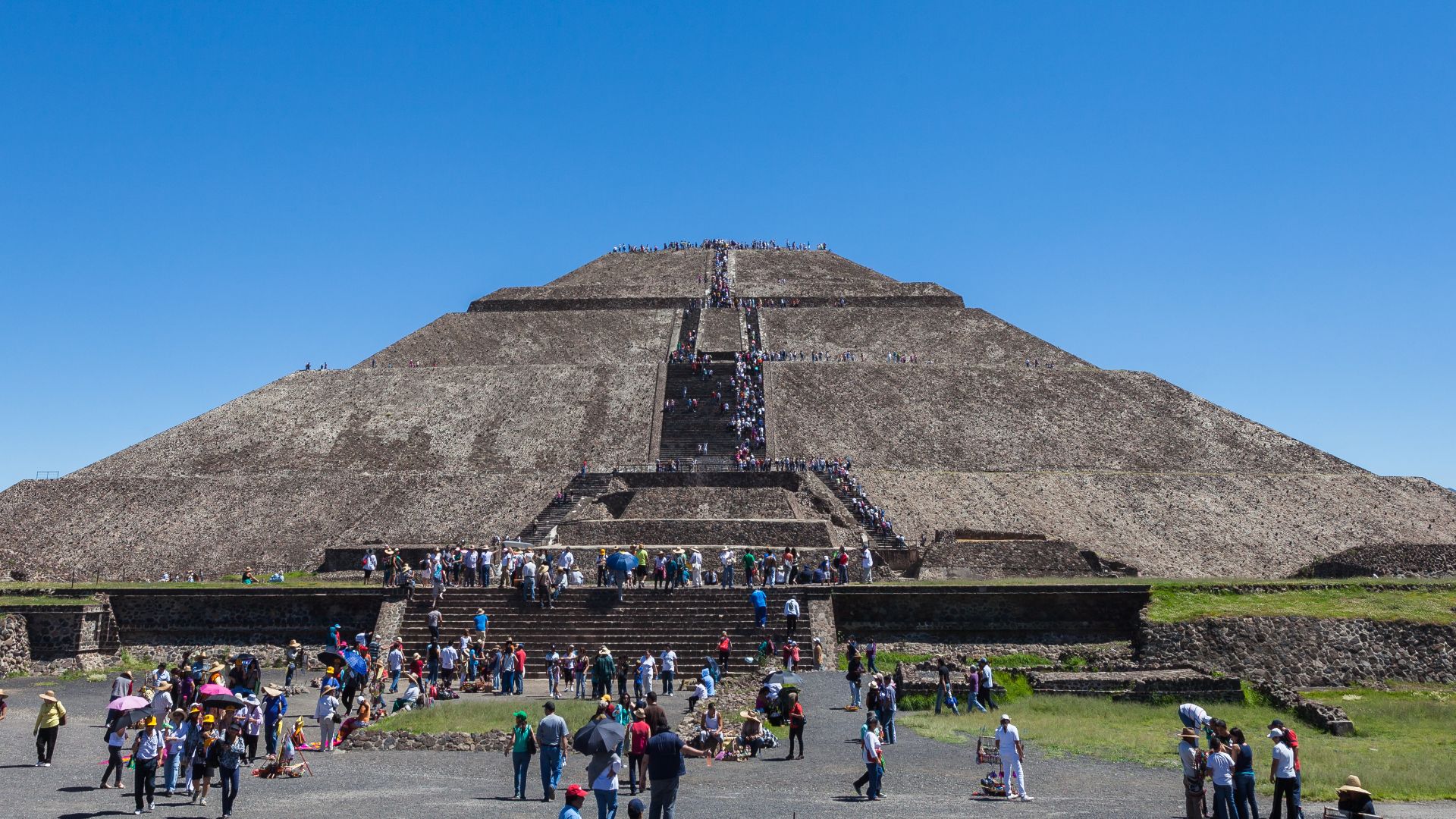 Diego Delso, Wikimedia Commons
Angkor, Cambodia
The classic story says Angkor collapsed after an enemy attack in 1431, but archaeology has made the reality much more complicated. The gigantic Khmer capital relied on an extraordinary network of canals, reservoirs, embankments, and water-control systems. Severe swings between drought and intense monsoon rainfall strained that infrastructure, while political and commercial priorities were already shifting toward other parts of Cambodia. Sediment research suggests parts of Angkor's urban core were declining decades before the supposed final conquest. Instead of a city destroyed overnight, archaeologists now see a long transformation in which climate, infrastructure, politics, and migration all interacted.
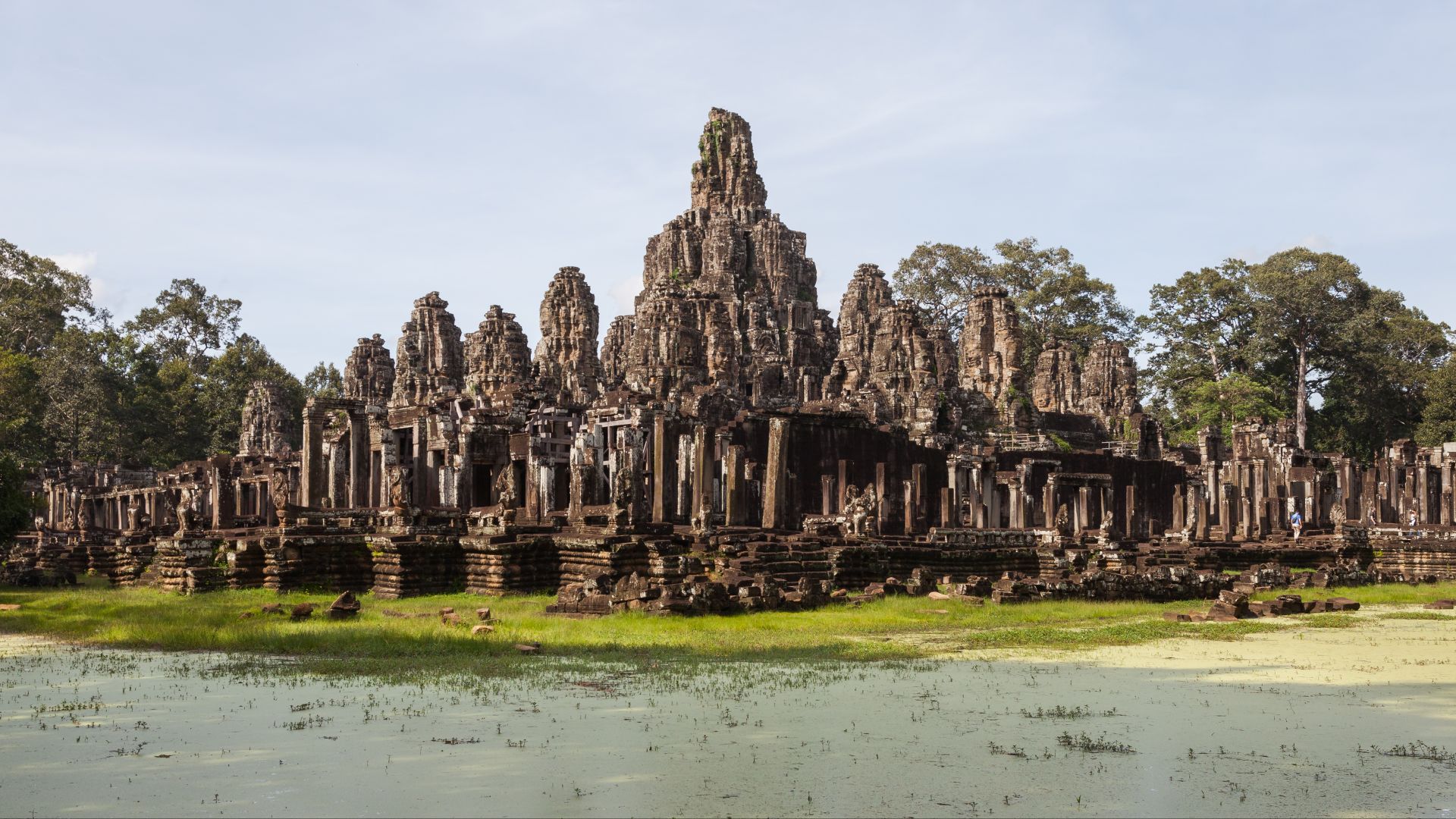 Diego Delso, Wikimedia Commons
Great Zimbabwe, Zimbabwe
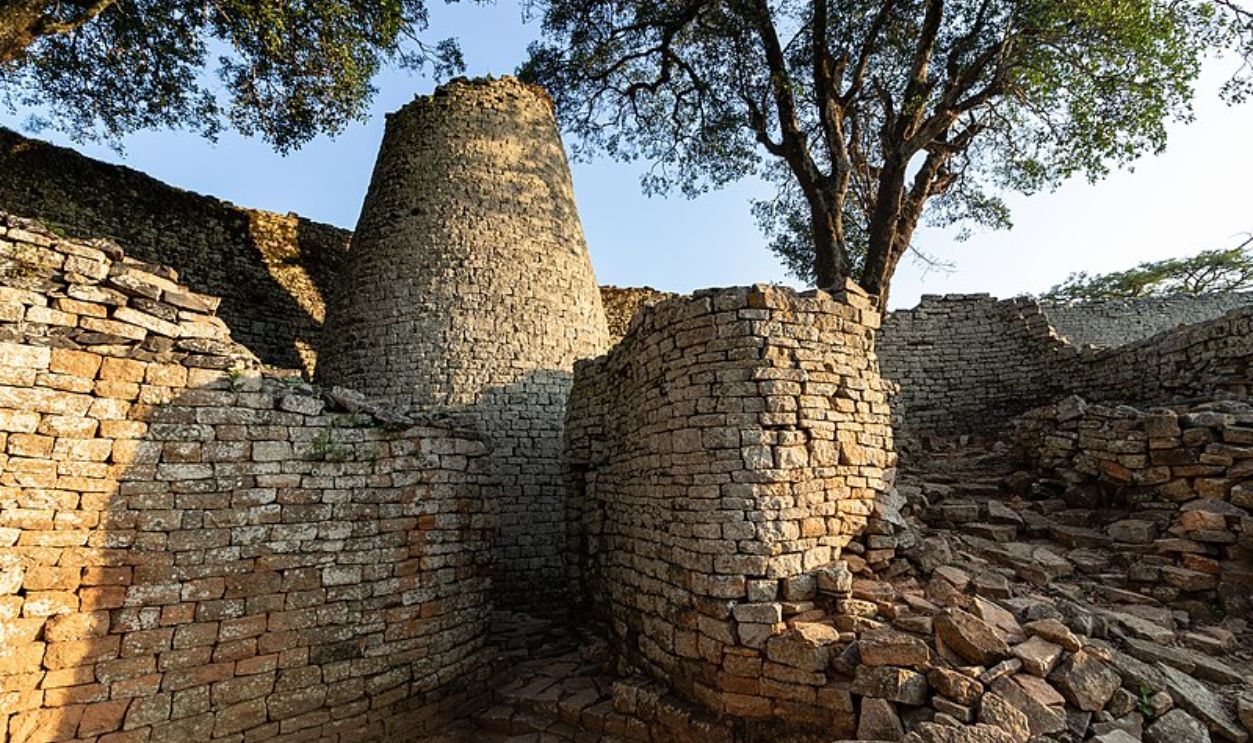
Great Zimbabwe flourished between roughly the eleventh and fifteenth centuries, growing into a wealthy center whose spectacular dry-stone walls still dominate the landscape. Its rulers benefited from cattle, gold production, and trade linking the African interior to ports on the Indian Ocean. By the fifteenth century, however, political importance shifted elsewhere and the great center was largely abandoned. Resource depletion, pressure on grazing land, changing trade routes, political competition, and water shortages have all been proposed. Recent environmental research has renewed interest in climate and groundwater problems, but no single explanation accounts comfortably for the city's decline and the movement of its population.
 Andrew Moore from Johannesburg, South Africa, CC BY-SA 2.0, Wikimedia Commons
Palenque, Mexico
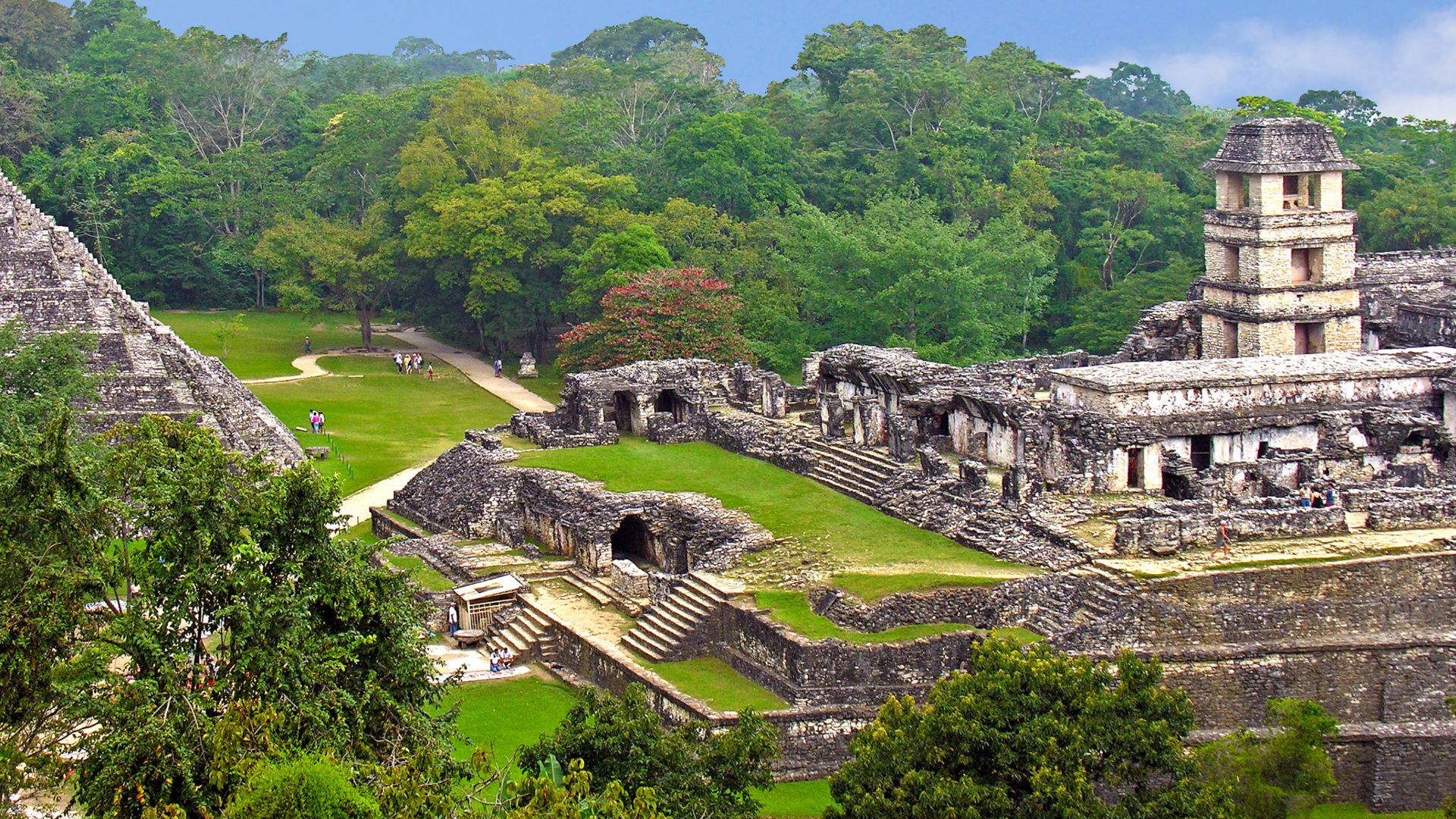
Palenque seems like an odd Maya city to blame solely on drought. The surrounding landscape contains abundant springs, and the Maya built sophisticated aqueducts and water-management systems to exploit them. Yet after reaching extraordinary artistic and political heights during the seventh and eighth centuries CE, major construction slowed and the city declined during the ninth. Armed conflict, weakening royal authority, regional political disruption, population changes, and environmental stress have all been suggested. Mexico's heritage authorities still describe the precise reasons for Palenque's abandonment as unclear. Its setting makes the site a useful reminder that the wider Maya collapse didn't happen exactly the same way everywhere.
 Dennis G. Jarvis, Wikimedia Commons
You May Also Like:
The Ancient Sites That Became Famous Because Experts Still Disagree About What Happened There





.jpg)