Life On The Edge
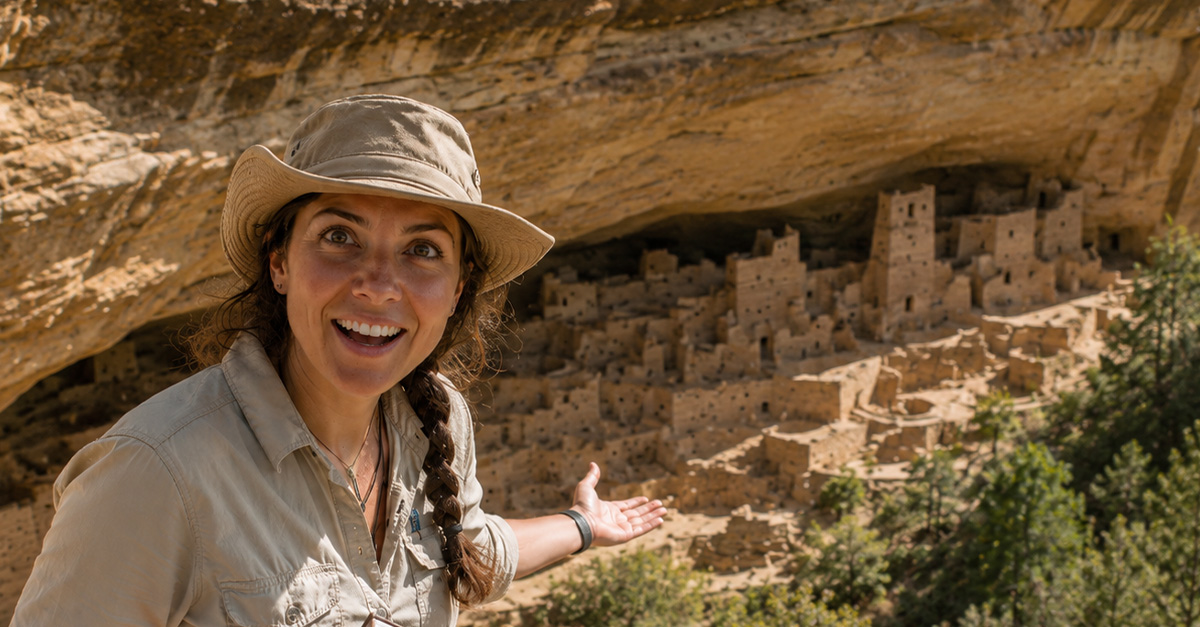
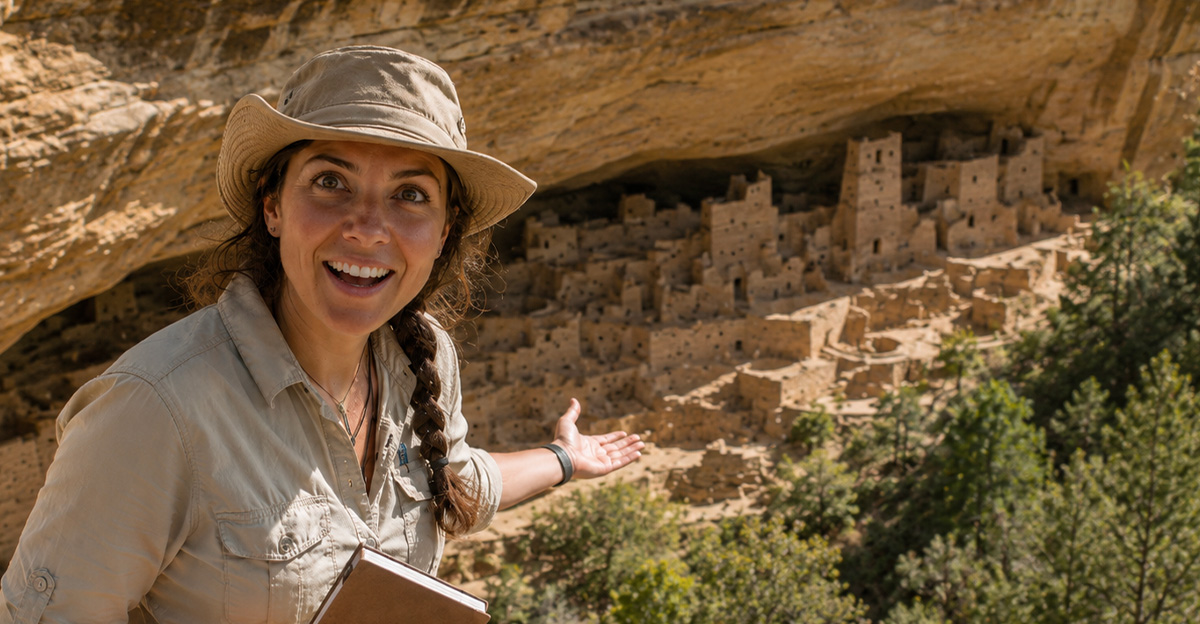
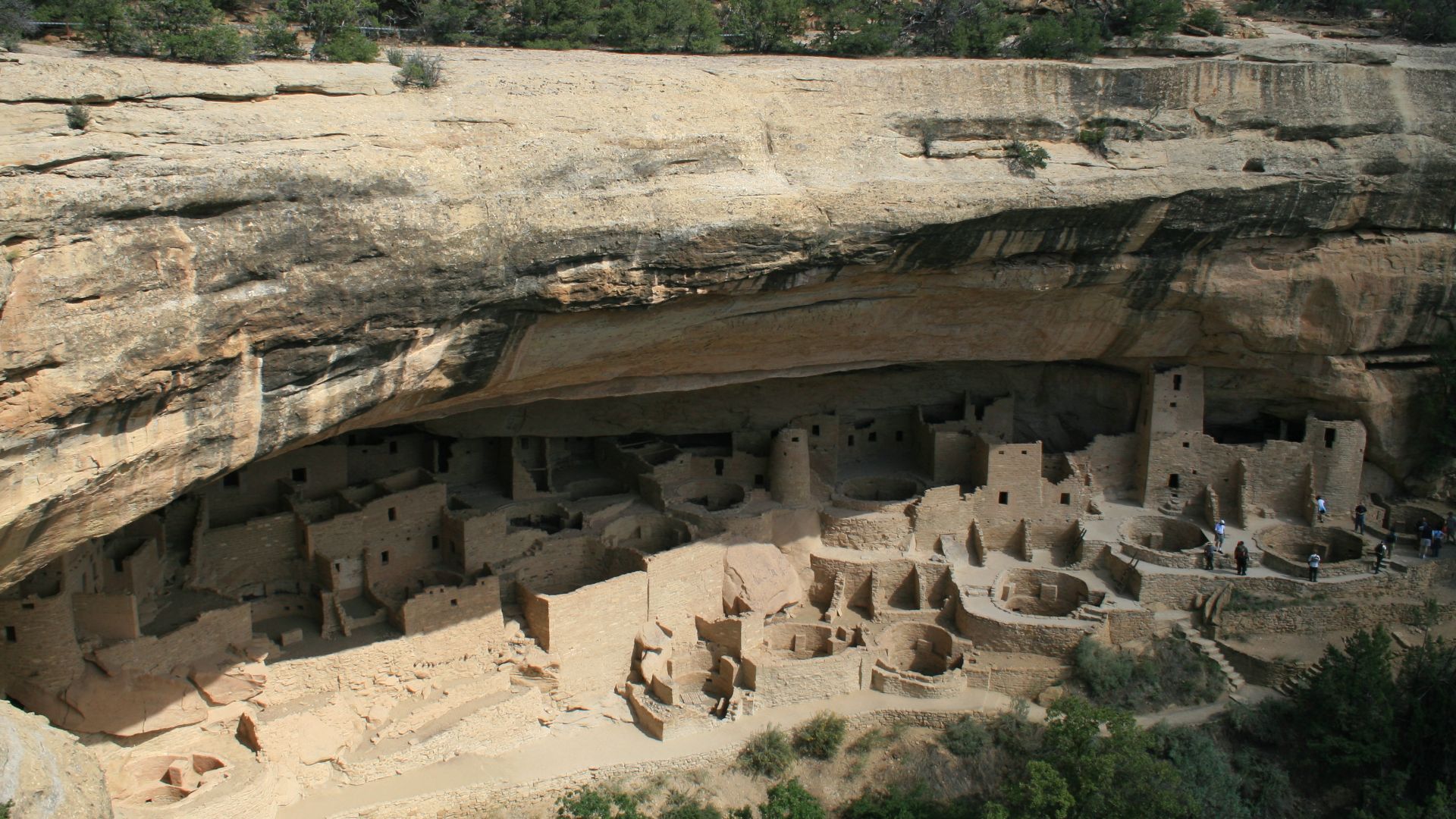
High in the canyons of southwestern Colorado, the cliff dwellings of Mesa Verde still look almost impossible. Rooms, towers, plazas, and kivas sit tucked into sandstone alcoves, as if someone built a neighborhood inside the side of a mountain—and then politely stepped away for 700 years.
A Landscape That Asked Tough Questions
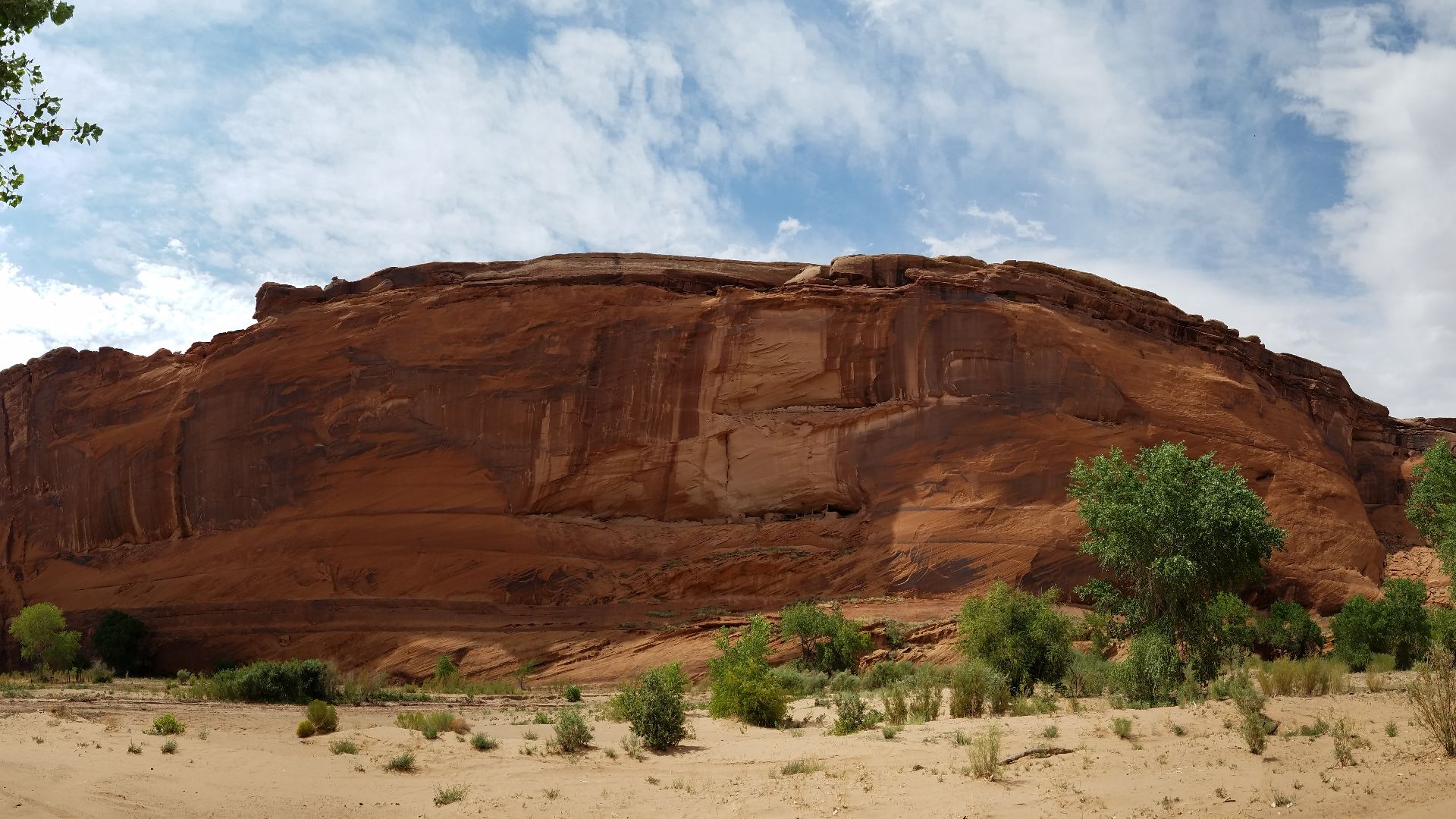
Mesa Verde is beautiful, but it is not easy. The mesas are high, the canyons are steep, water can be scarce, and weather swings from baking sun to freezing nights. For the Ancestral Puebloans, survival here was not luck. It was planning.
 Andreas F. Borchert, Wikimedia Commons
The Move Into The Cliffs
For centuries, many Ancestral Pueblo people lived on mesa tops. Then, in the late 1100s and 1200s, communities began building homes in cliff alcoves. Researchers see this shift as one of the clearest signs of adaptation in the Mesa Verde story.
Why The Alcoves Worked
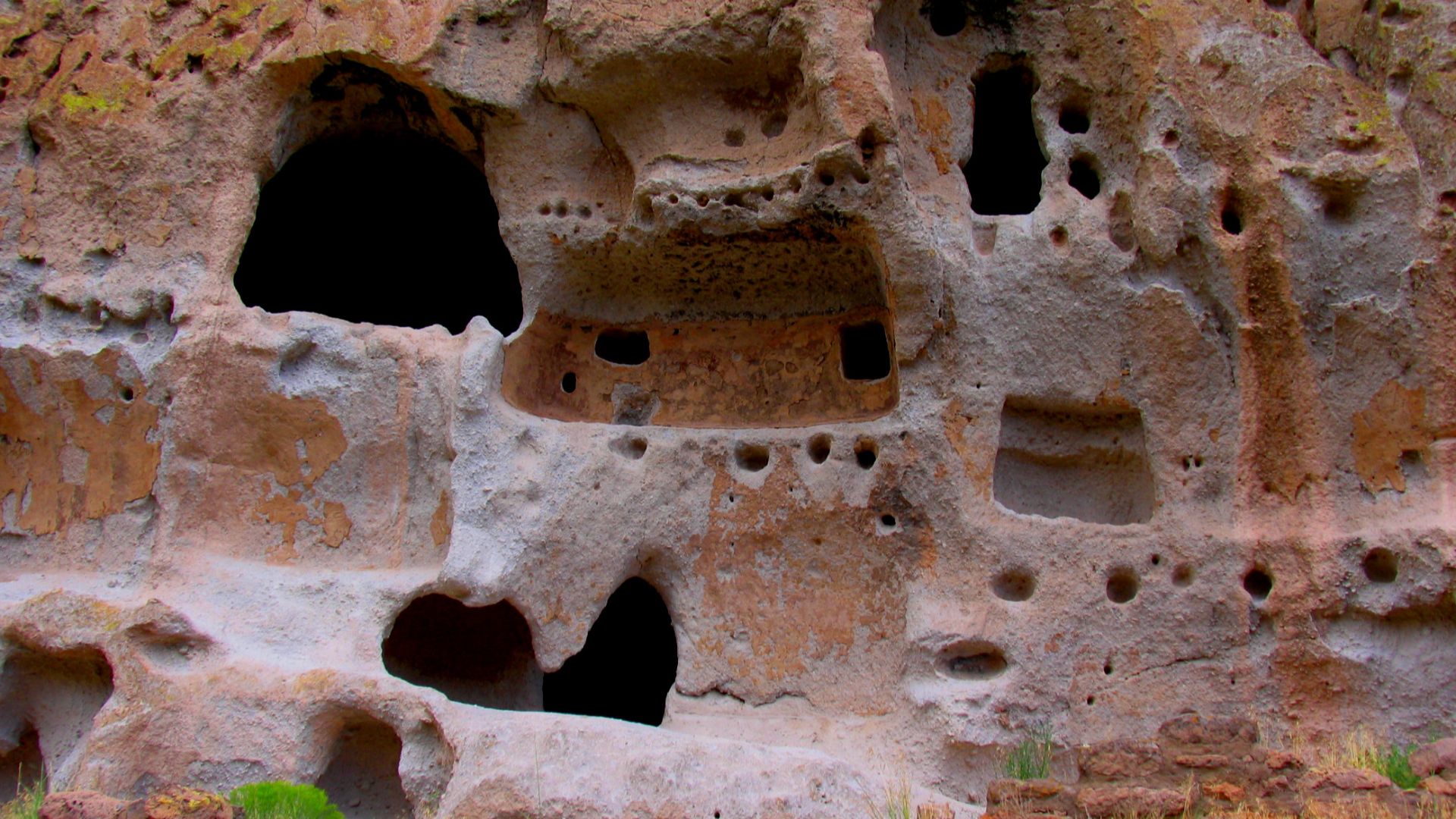
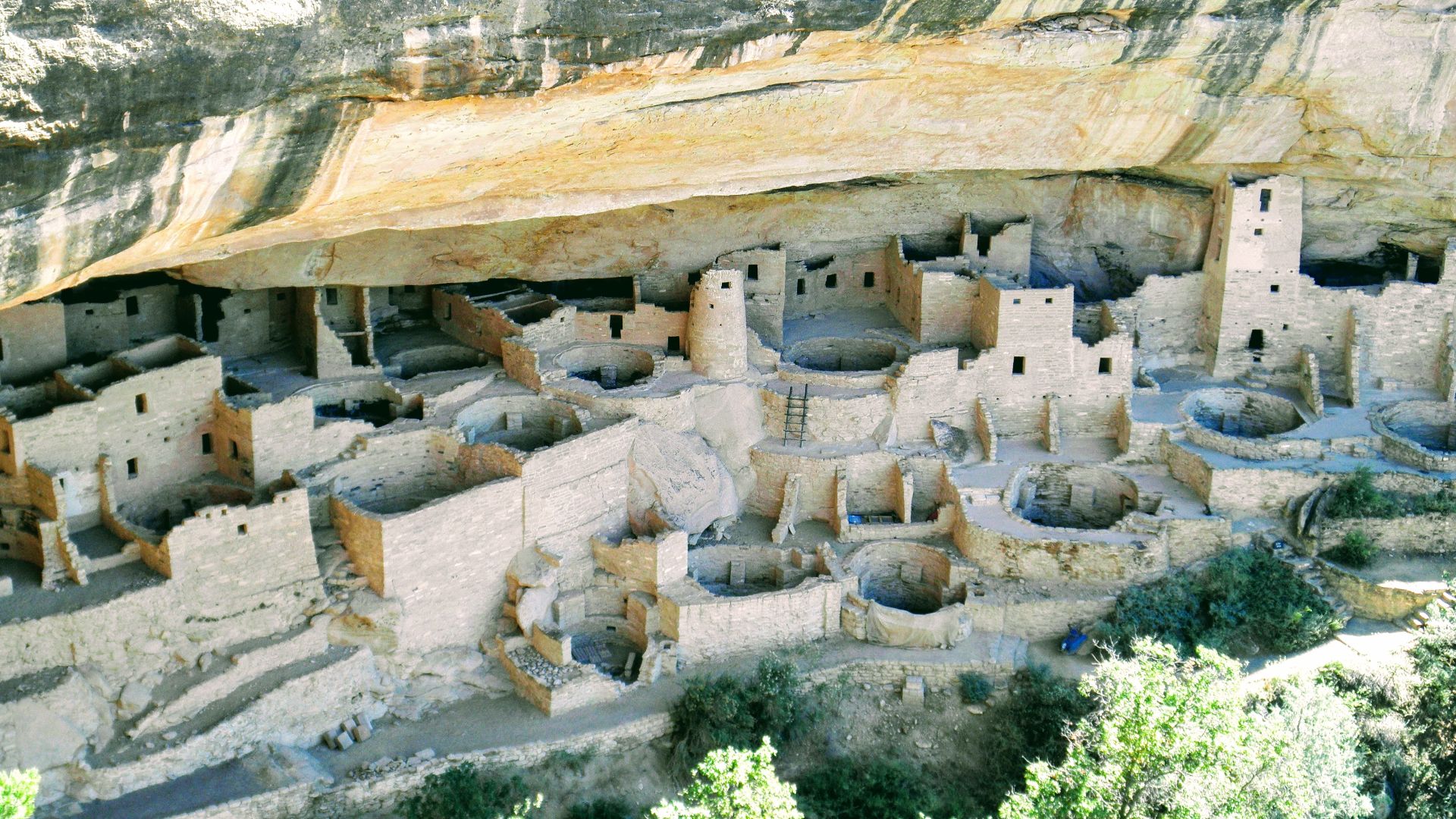
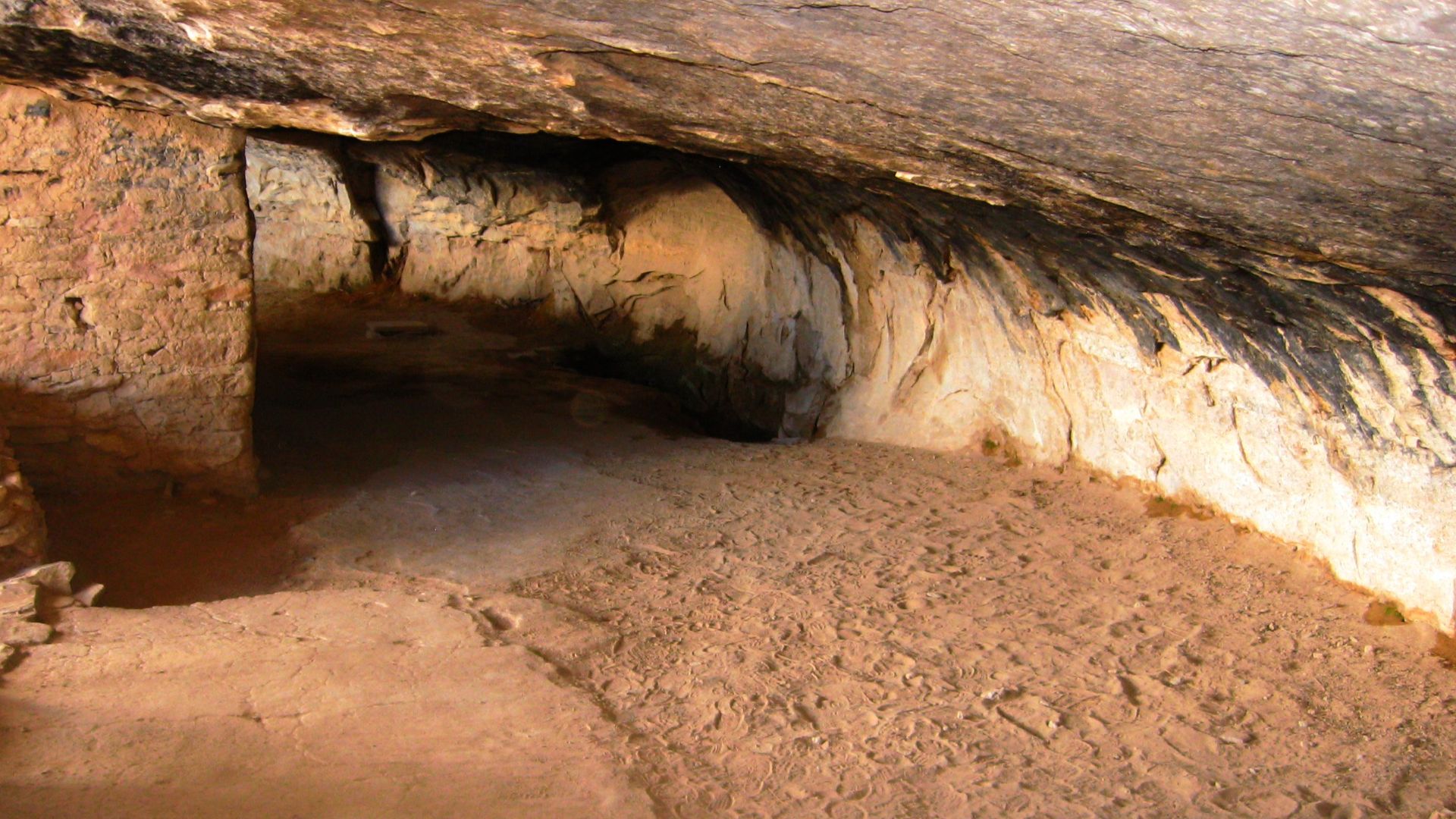
At first glance, a cliffside home seems wildly inconvenient. Groceries? Up the cliff. Firewood? Up the cliff. Children with too much energy? Terrifying. But alcoves offered shade, shelter from storms, and natural protection for carefully built rooms.
 SharonWestvale, Wikimedia Commons
The Secret Was Water
One major reason people moved into the canyons was water. Many cliff dwellings were built near seep springs, where moisture emerged from the rock. In a dry landscape, a reliable trickle could be worth more than a grand view.
 Ken Lund from Las Vegas, Nevada, USA, Wikimedia Commons
Canyon Engineers At Work
Ancestral Puebloans did not simply find water—they managed it. Researchers have documented small channels, carved basins, and collection spots near springs. These features helped guide water into usable pools, sometimes sized perfectly for dipping a pottery ladle.
Homes Built From The Landscape
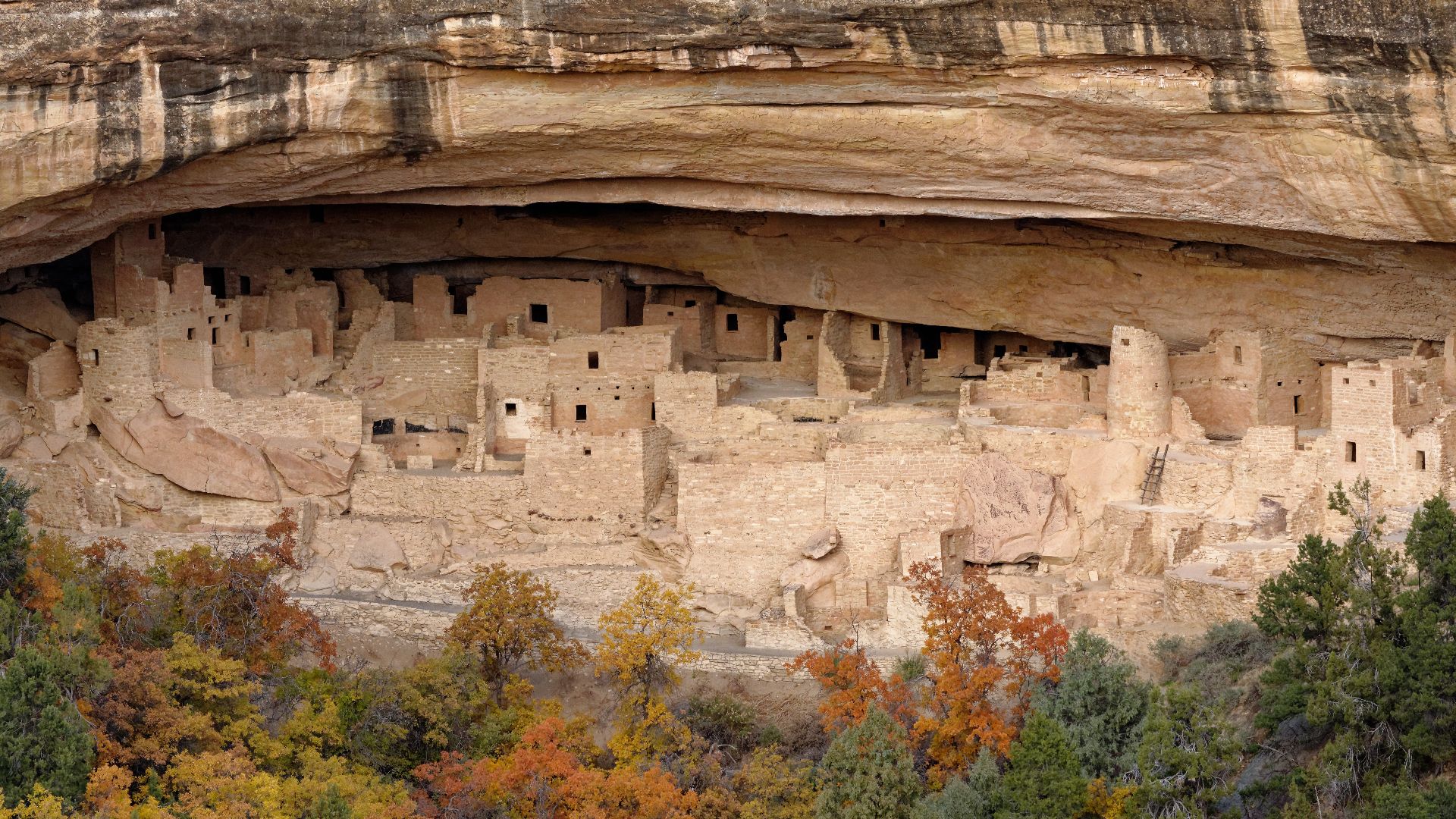
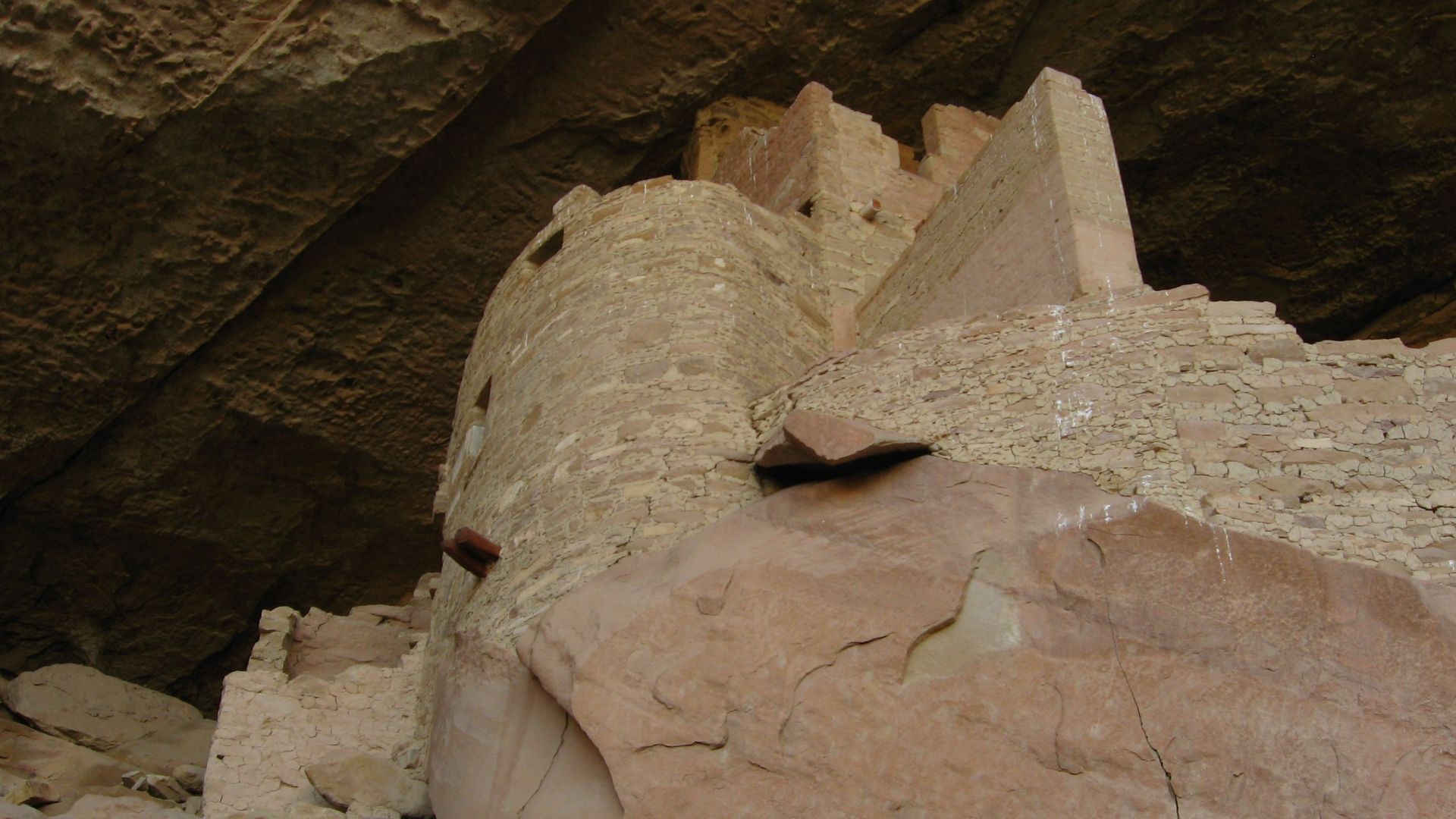
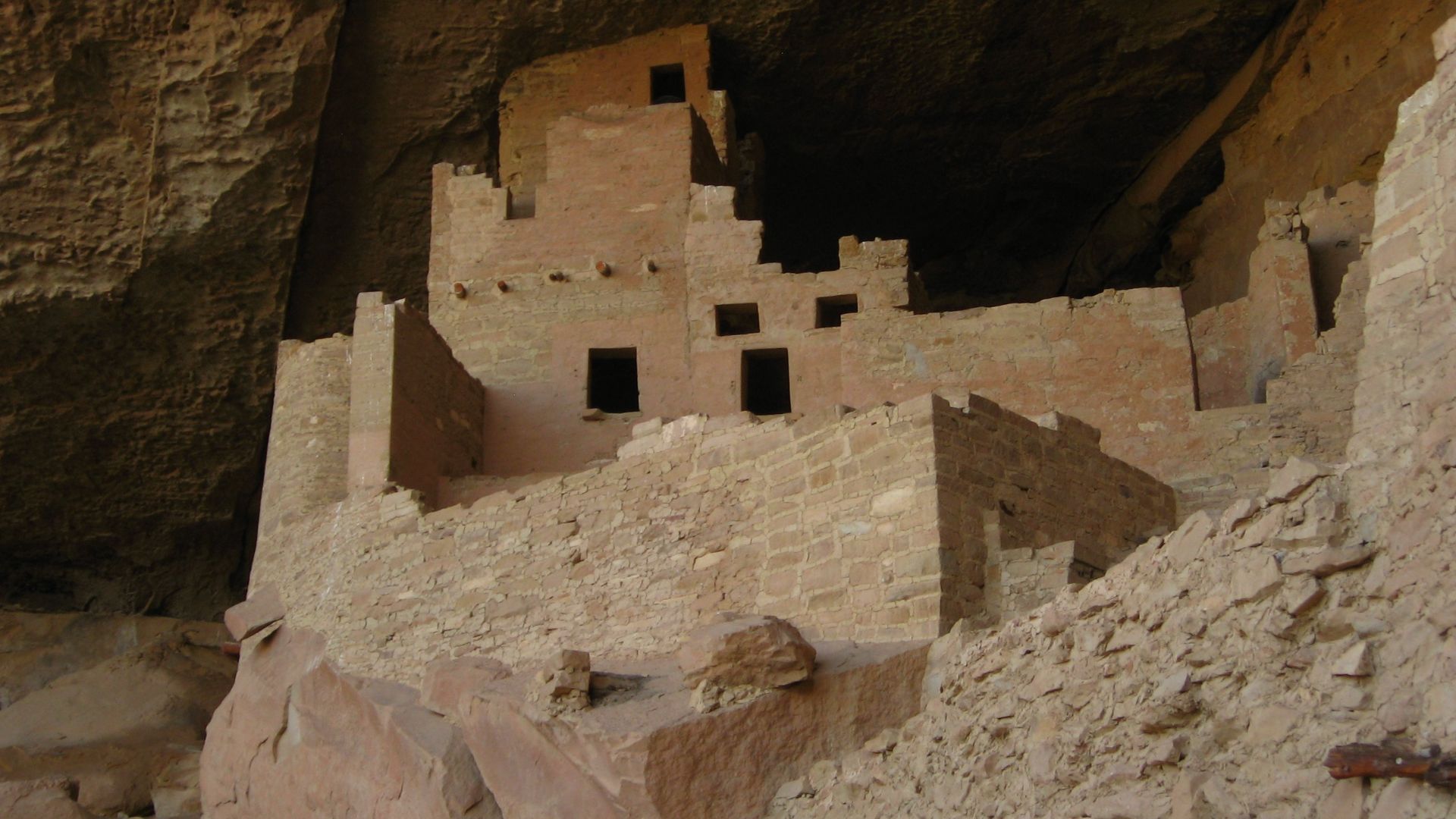
The builders used what Mesa Verde gave them: sandstone blocks, mud mortar, timber beams, and plaster. Their walls were not random stacks of stone. They were carefully shaped, fitted, reinforced, and arranged to make sturdy multi-room homes.
Cliff Palace, The Showstopper
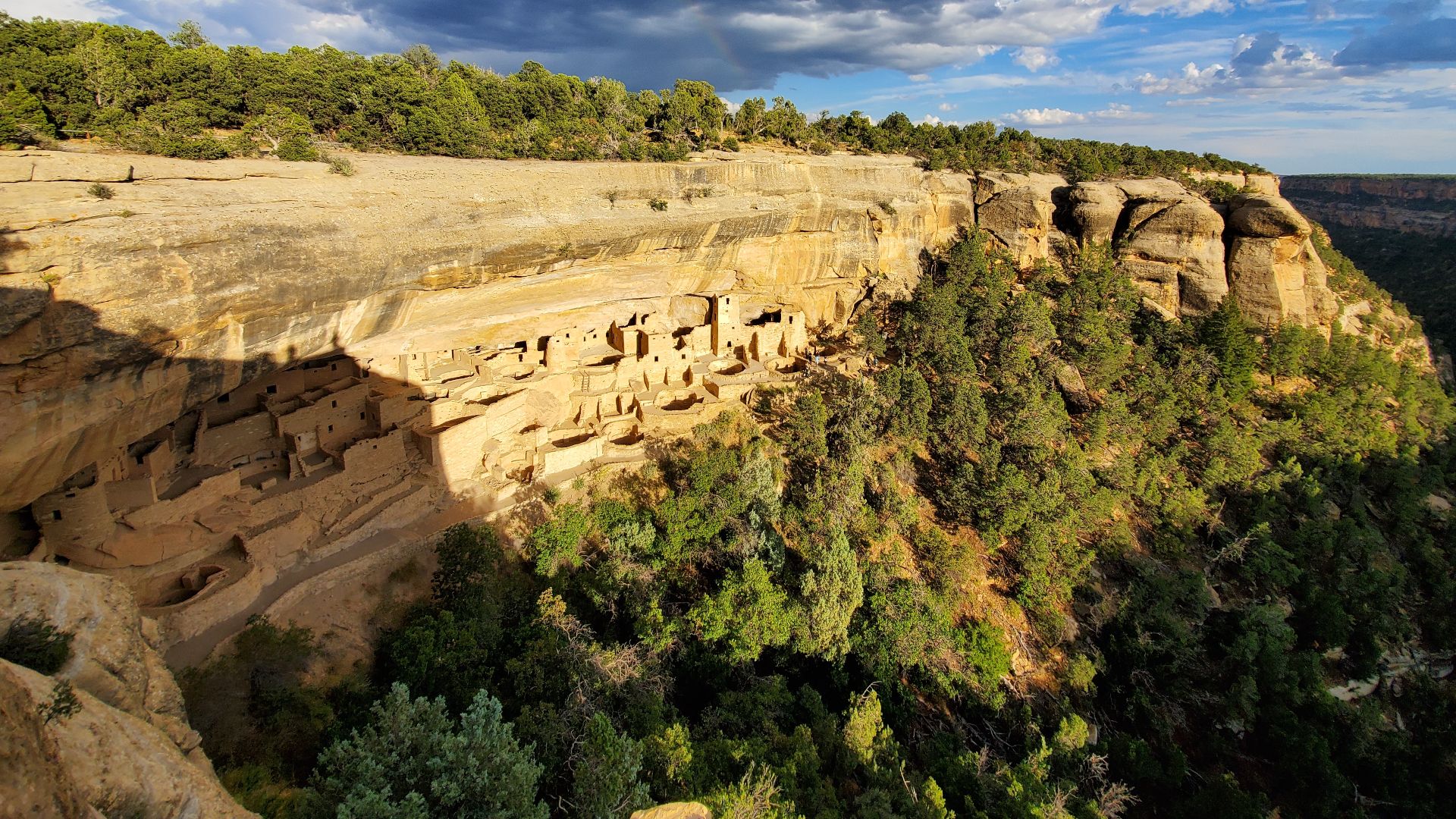
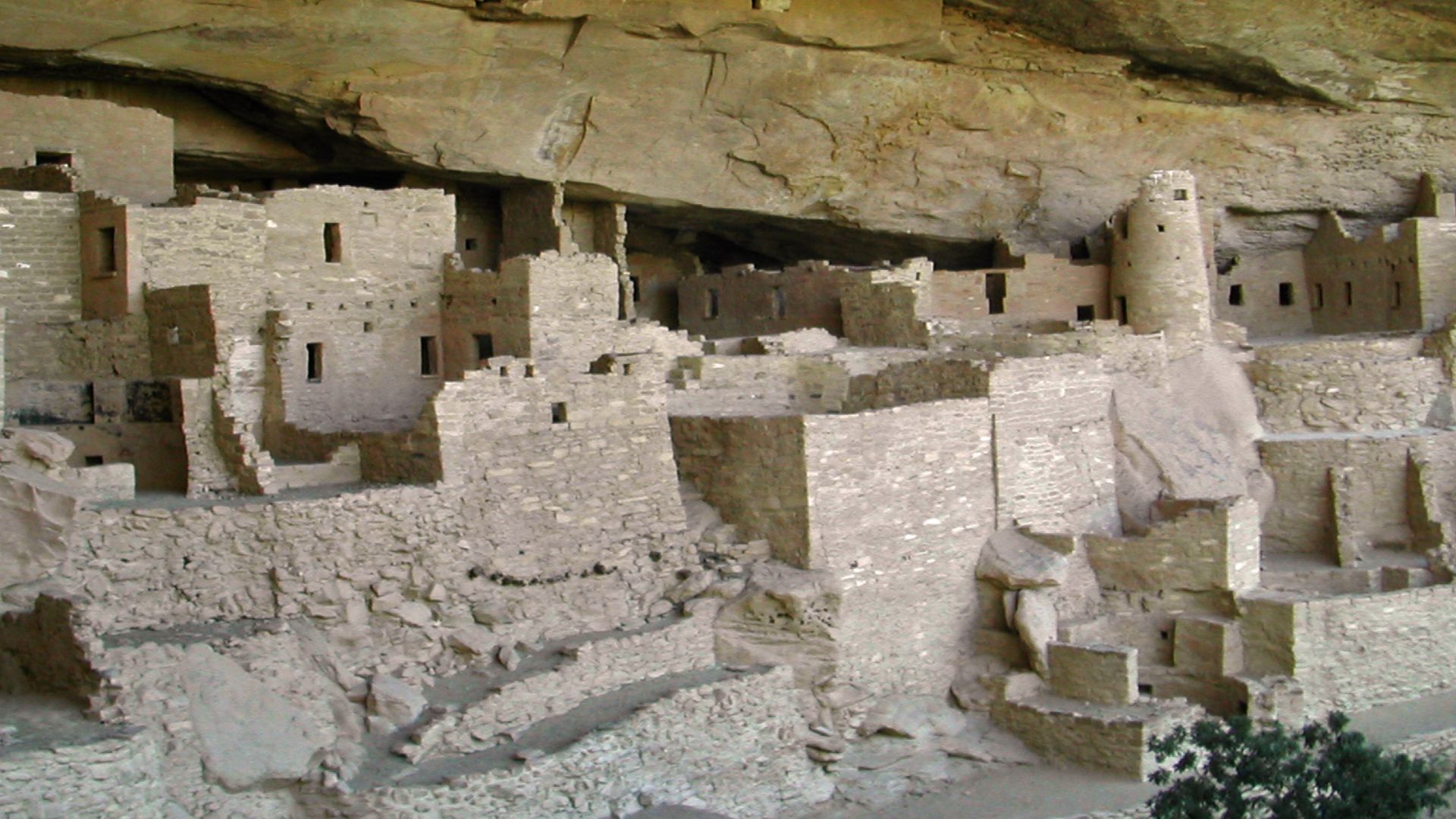
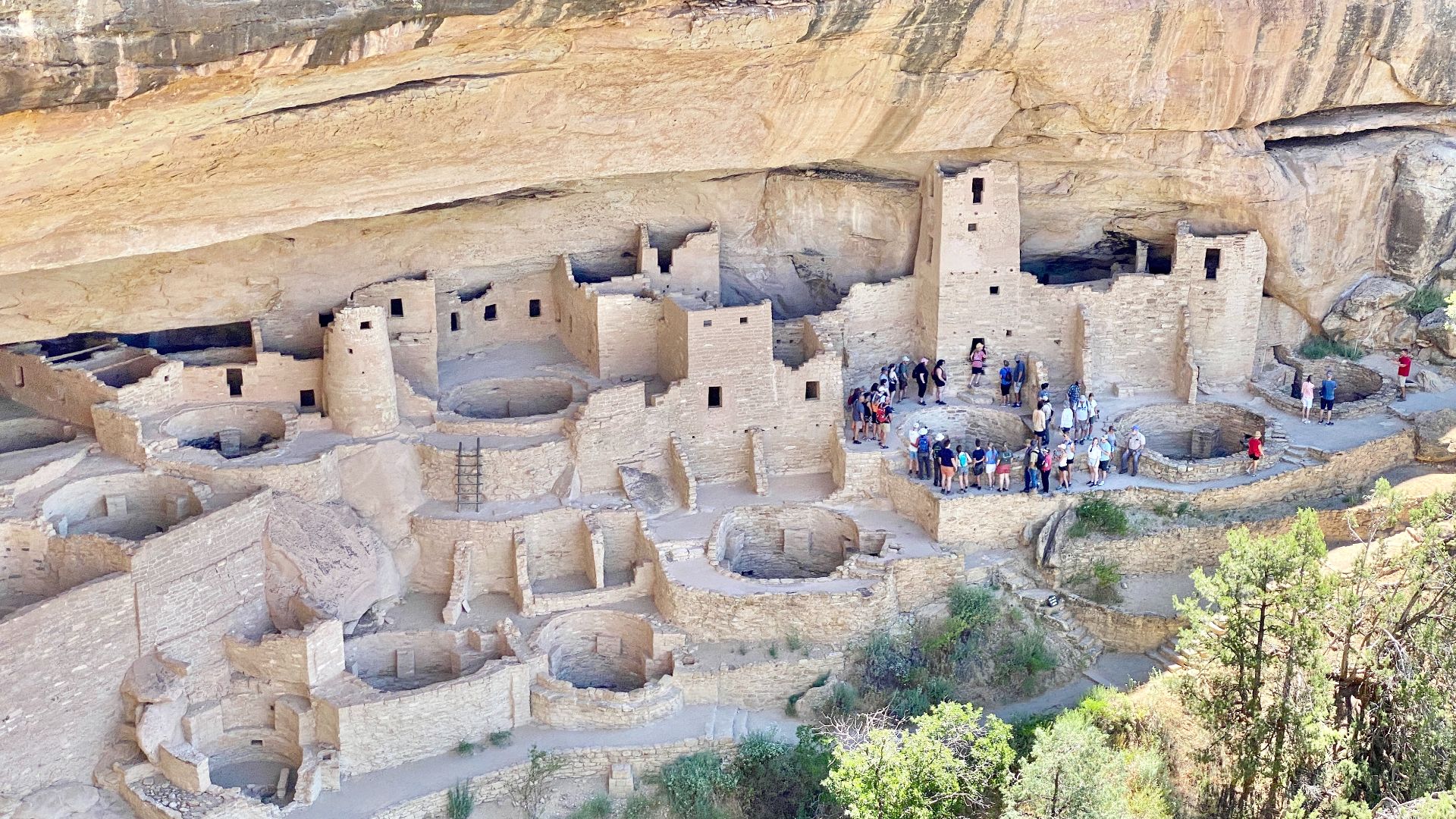
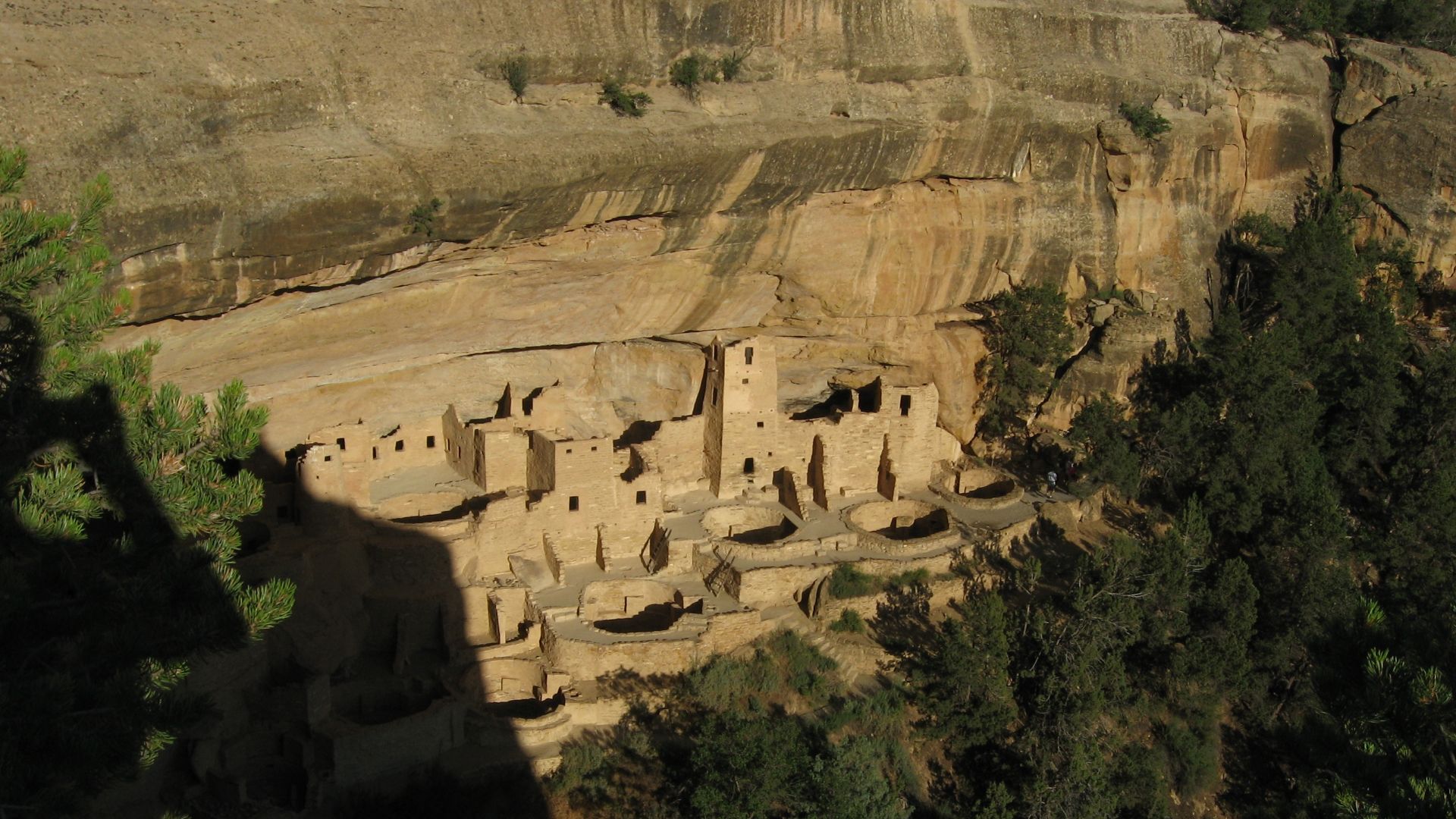
Cliff Palace is Mesa Verde’s celebrity dwelling, and for good reason. It contains about 150 rooms and 23 kivas, yet researchers estimate only around 100 people lived there. That suggests some spaces had ceremonial, storage, or community functions.
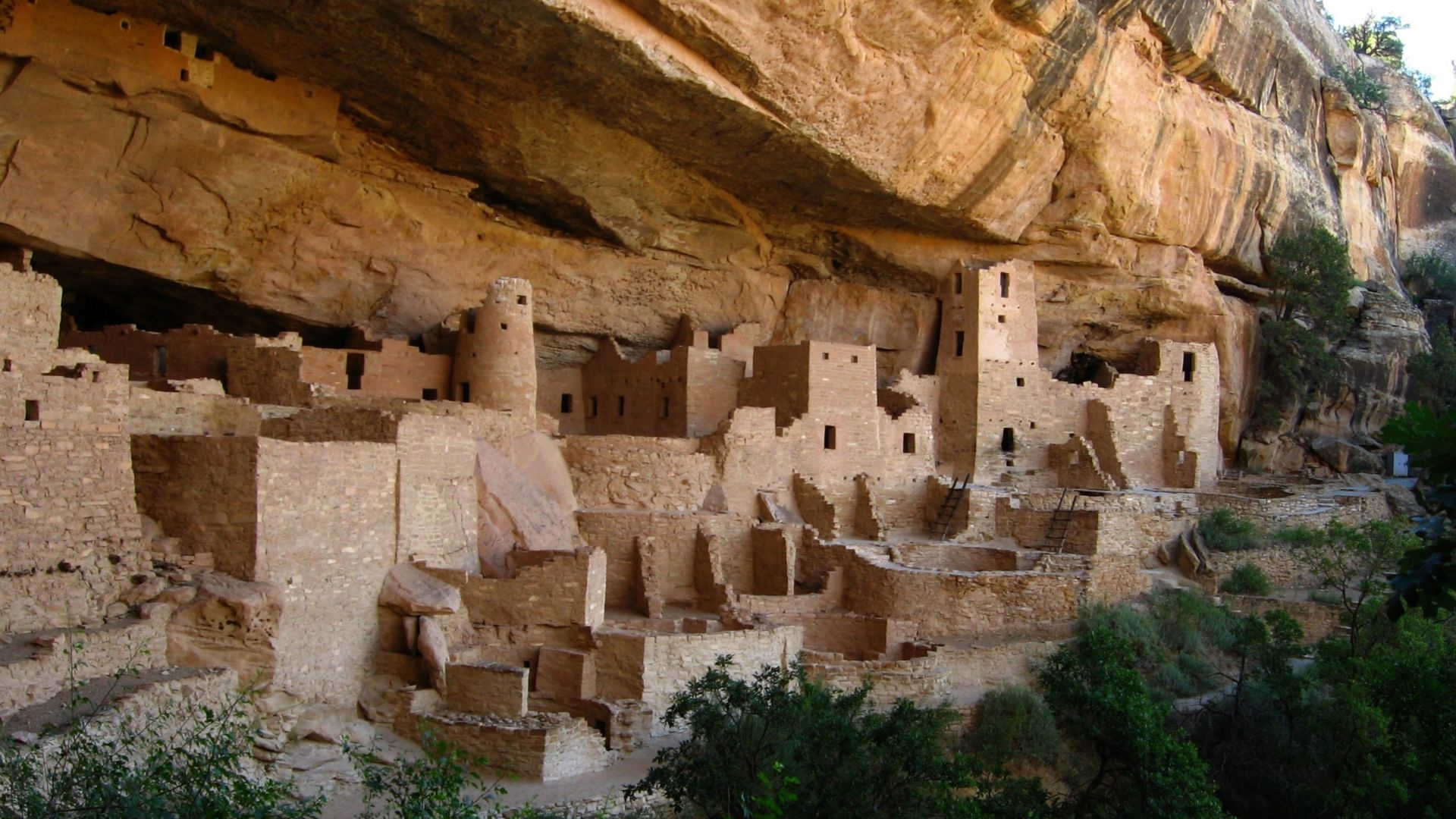 Ken Lund from Las Vegas, Nevada, USA, Wikimedia Commons
Small Sites, Big Clues
Not every cliff dwelling was a palace. In fact, many Mesa Verde cliff sites were tiny—just a few rooms, or even single-room storage spaces. These smaller sites remind researchers that canyon life was practical, flexible, and highly organized.
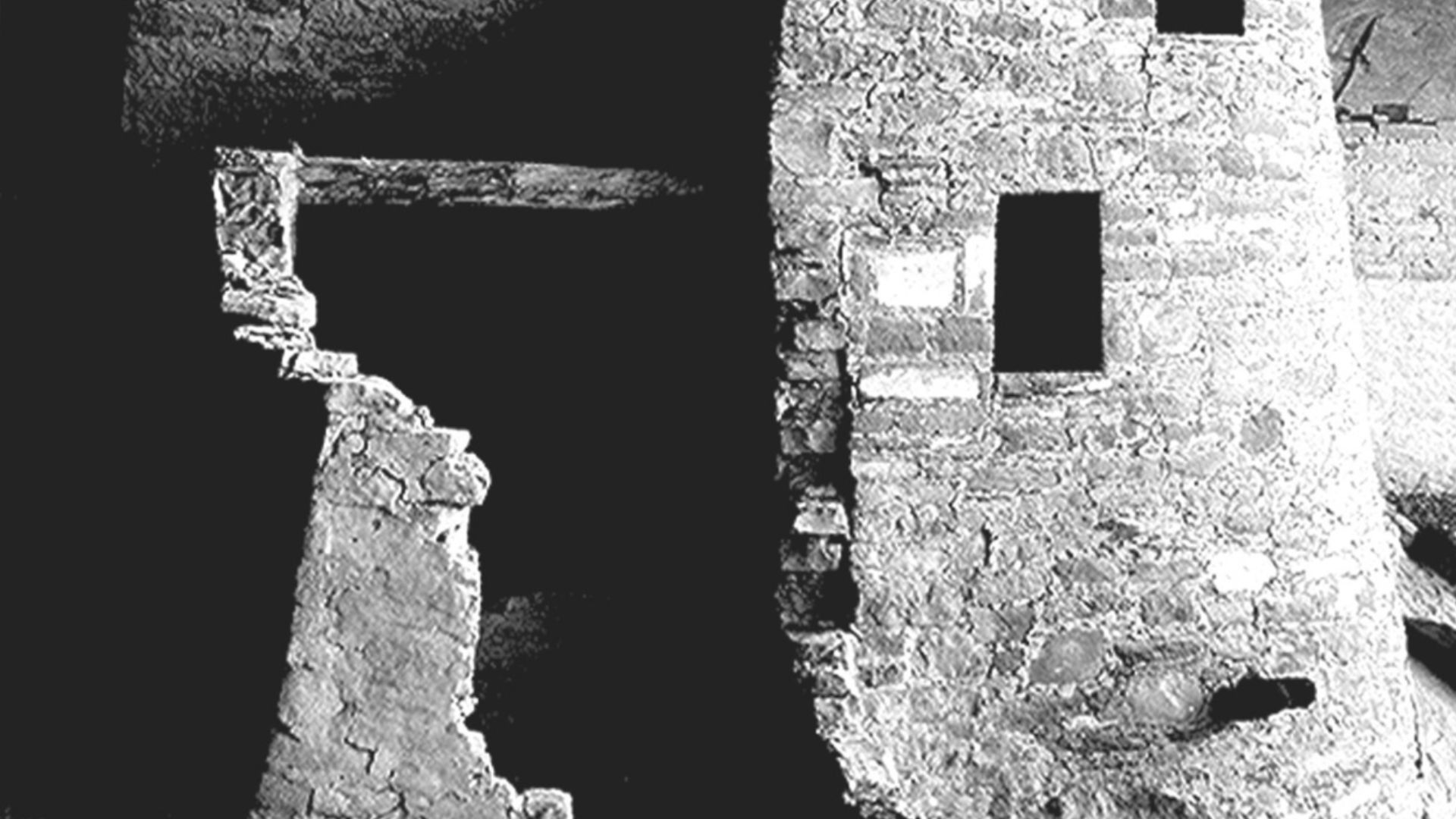 Ansel Adams, Wikimedia Commons
Farming Above The Canyons
Even while living in alcoves, people still farmed the mesa tops. Corn, beans, and squash were staples. That meant daily life involved moving between worlds: sheltered homes in the cliffs and working fields above the canyon rims.
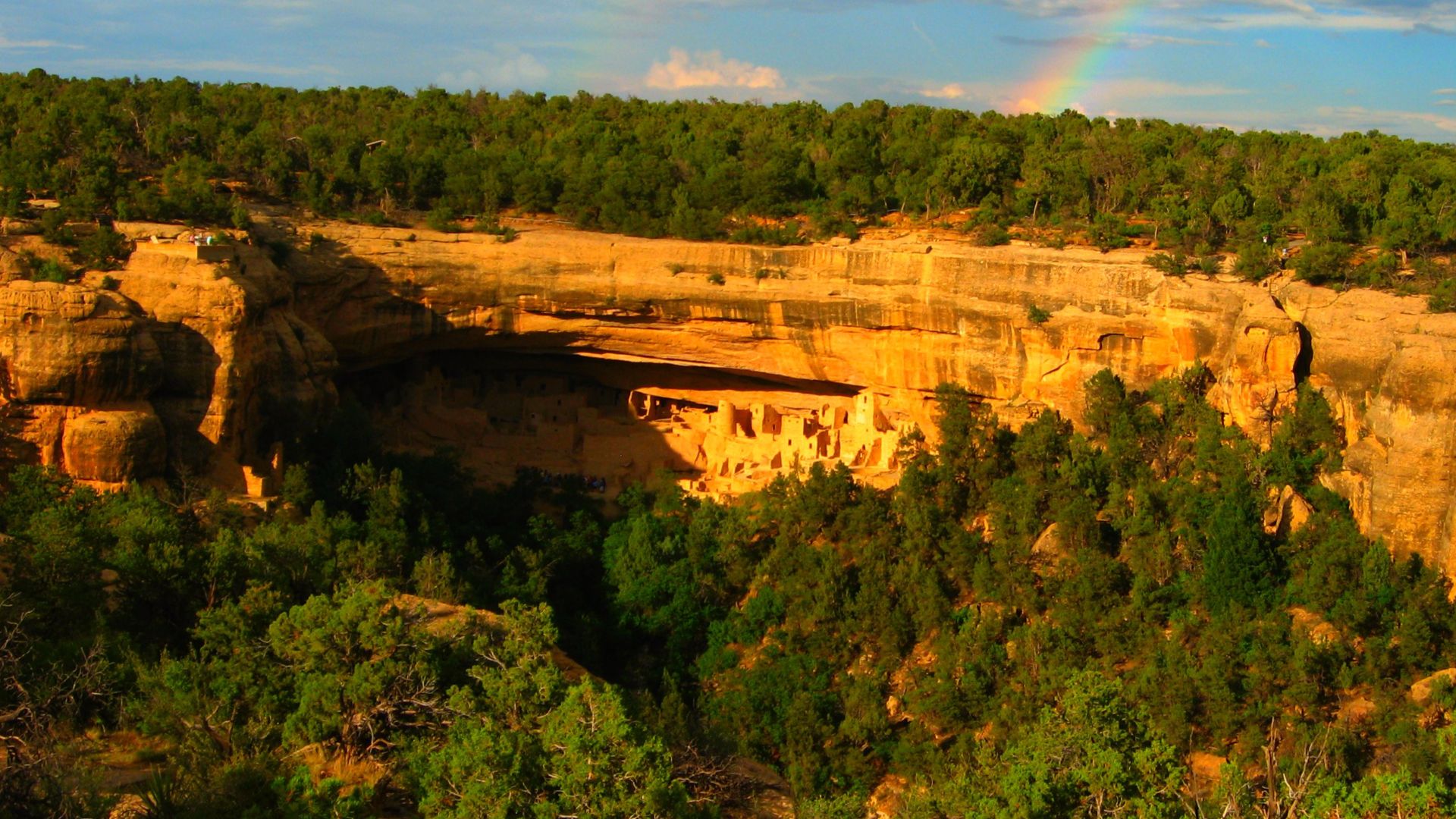 Ken Lund from Las Vegas, Nevada, USA, Wikimedia Commons
Food Storage Was Survival
In Mesa Verde, storing food was not a boring chore; it was insurance. Many cliff rooms may have served as granaries. Cool, shaded alcoves protected stored corn and other supplies from sun, moisture, animals, and sudden shortages.
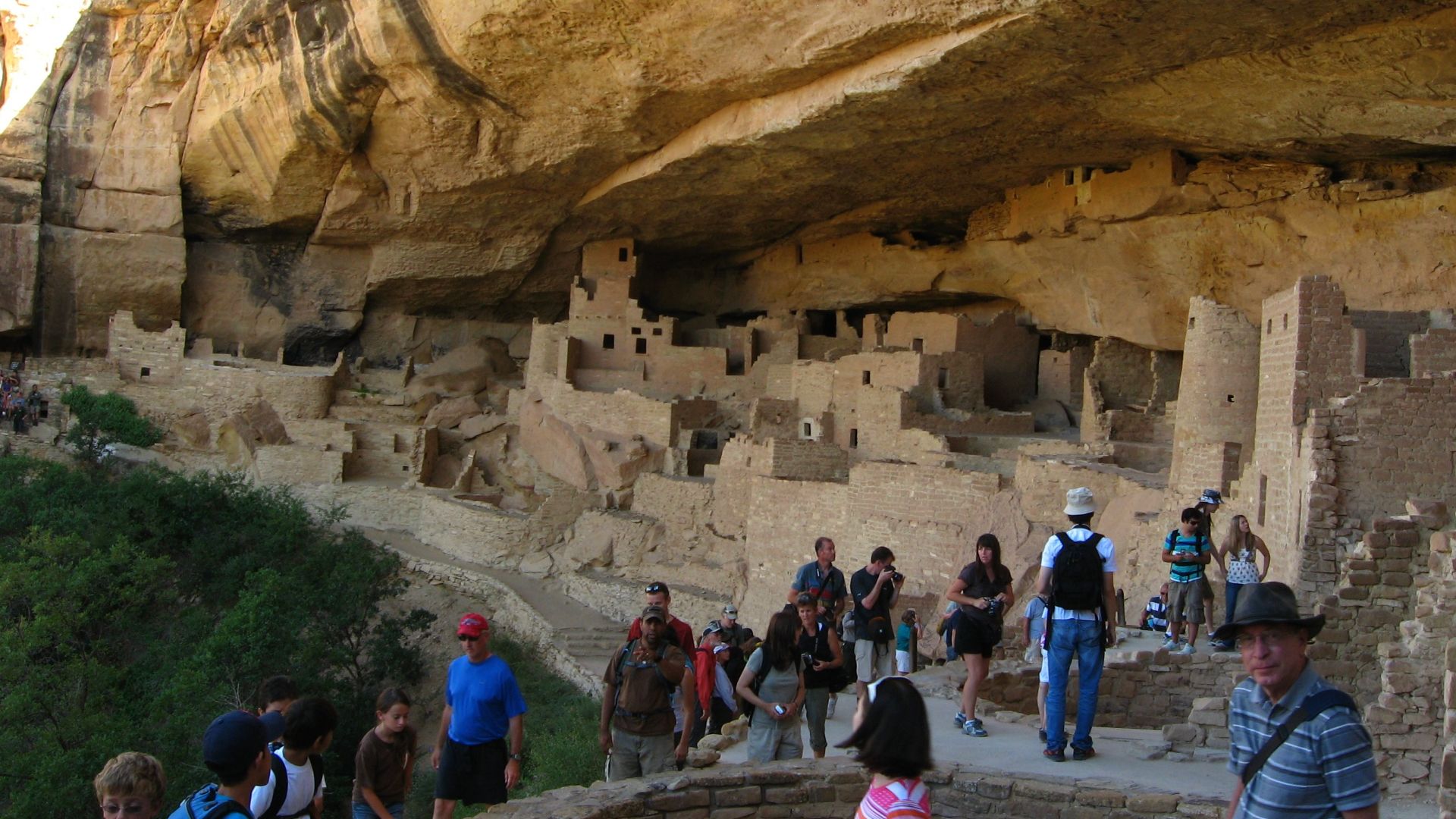 Ken Lund from Las Vegas, Nevada, USA, Wikimedia Commons
The Climb Was Part Of Life
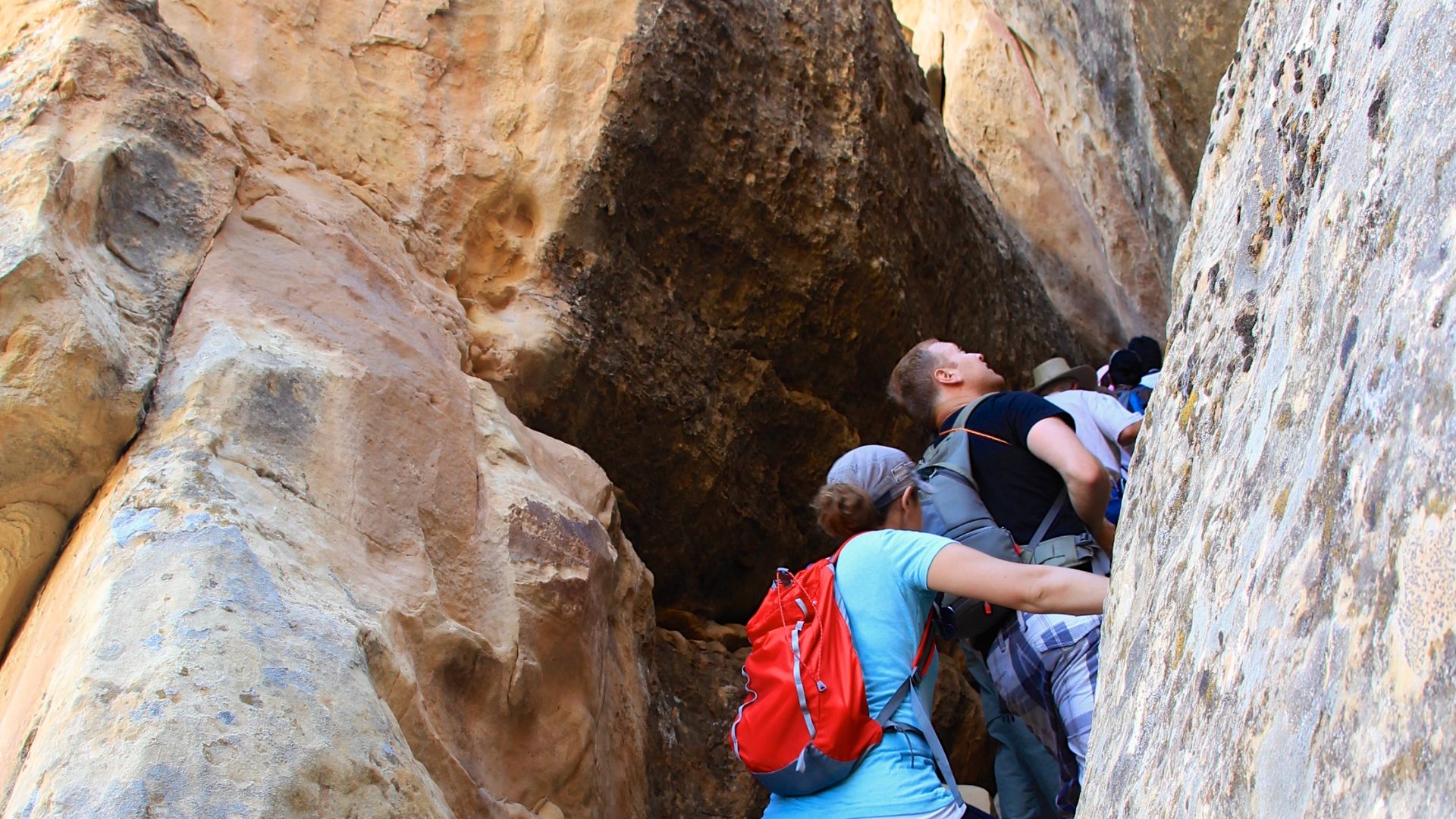
The canyon landscape shaped everyone’s routine. People climbed hand-and-toe holds, ladders, and narrow routes to move between homes, fields, water sources, and neighbors. What feels like an adventure hike today was once someone’s morning commute.
Kivas And Community
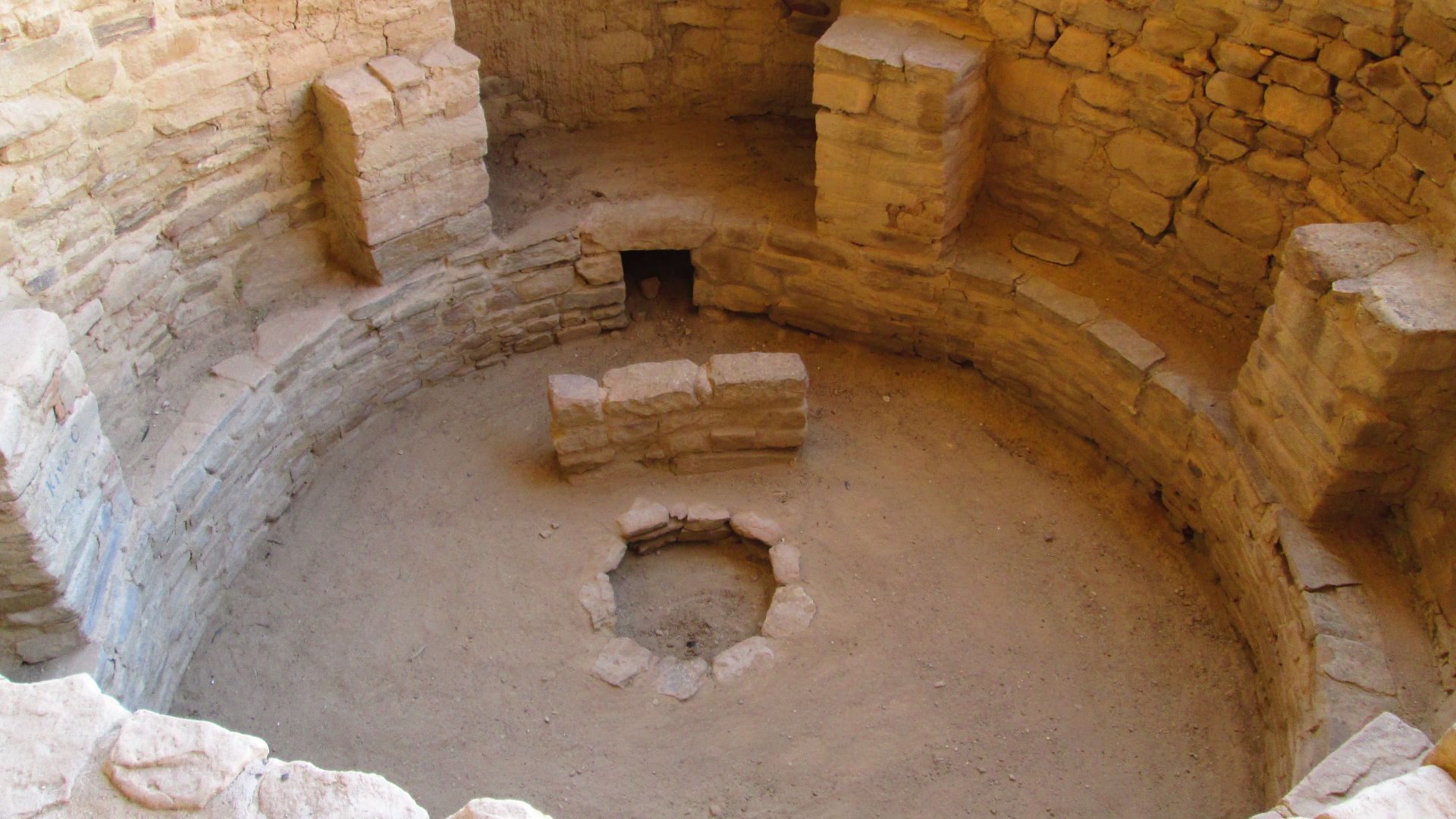
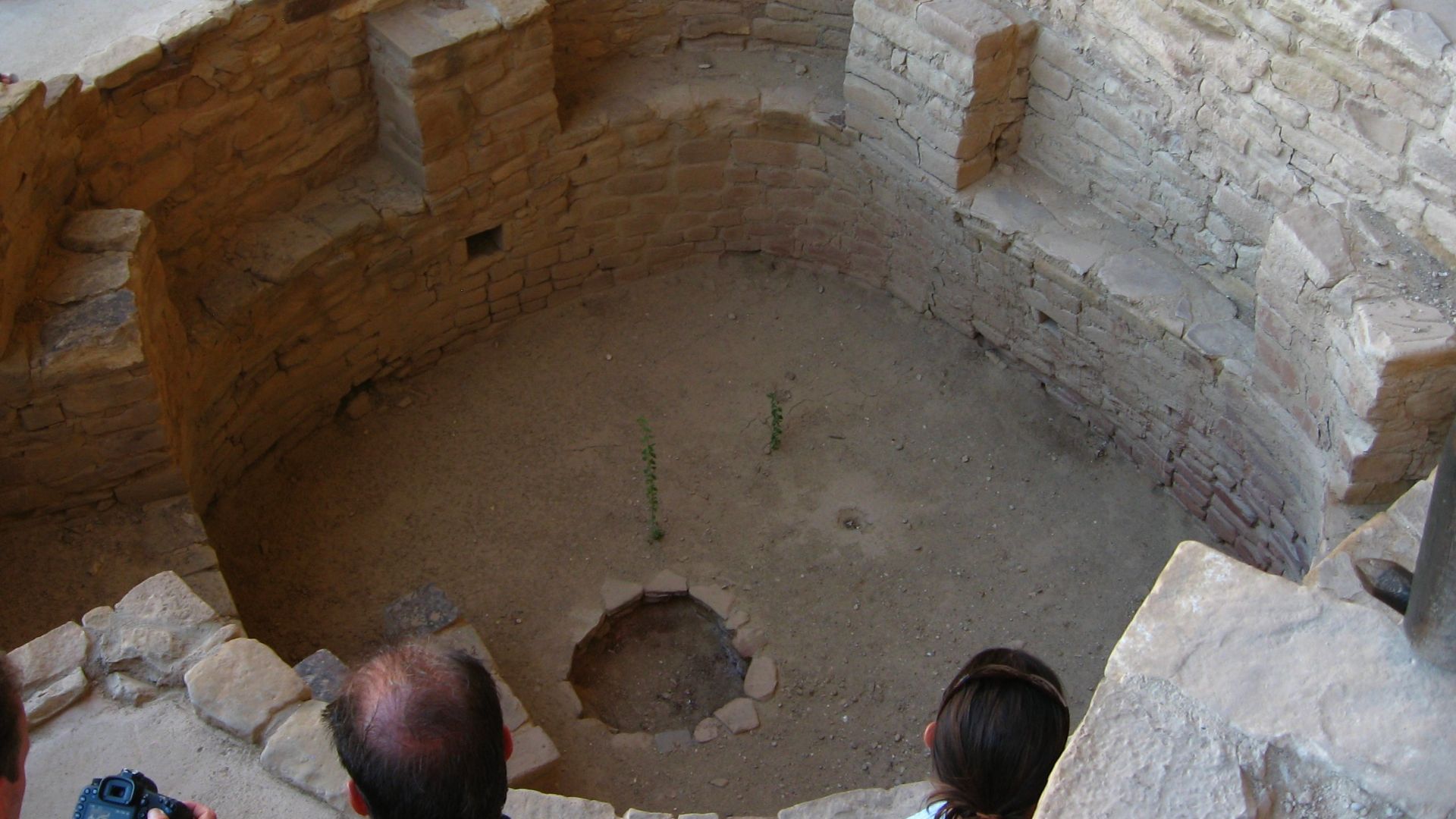
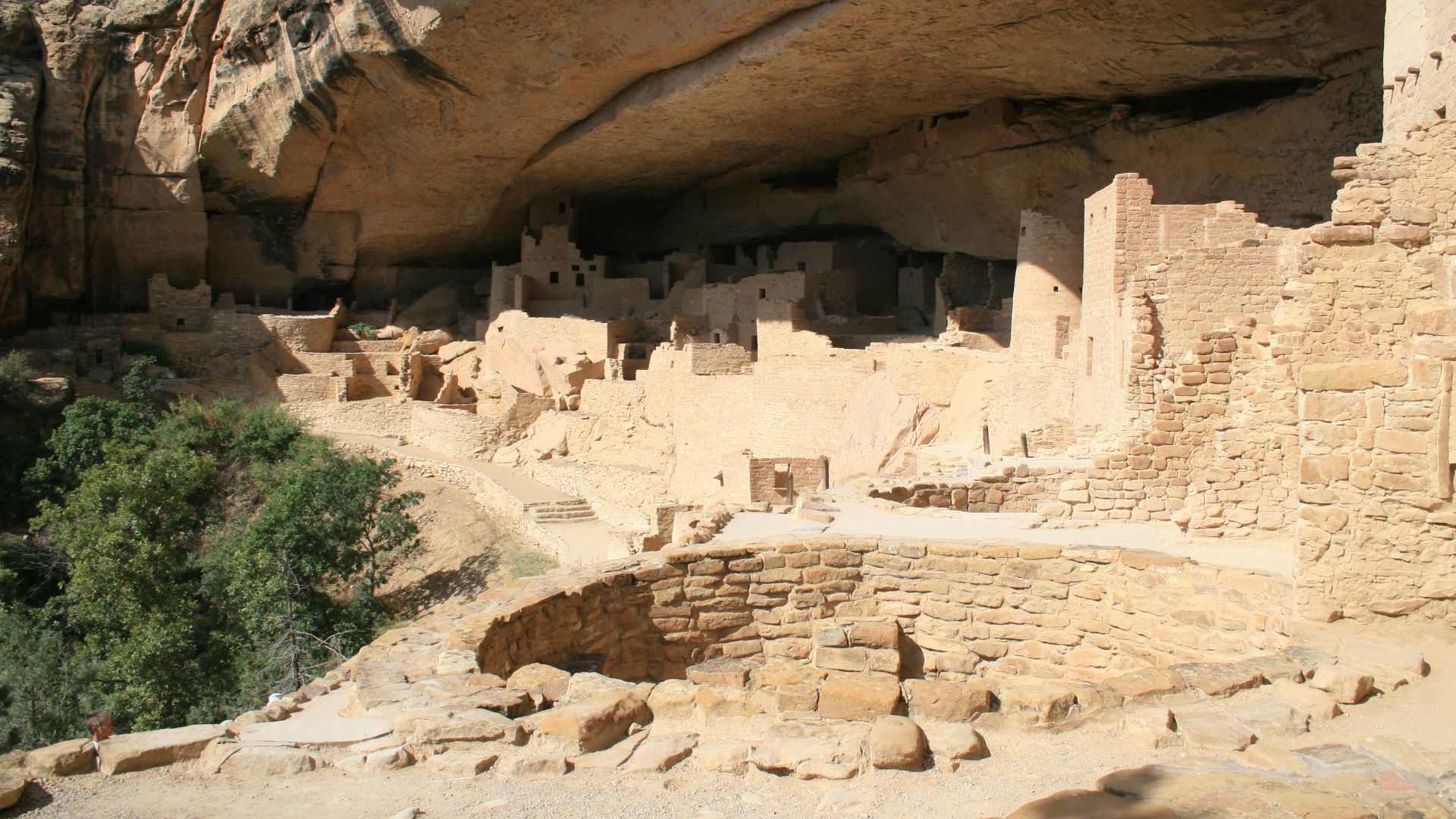
Kivas—round, often subterranean rooms—were central to Pueblo social and ceremonial life. In the cliff dwellings, they show that adaptation was not only about staying alive. It was also about maintaining identity, ritual, and community under pressure.
Building For Weather
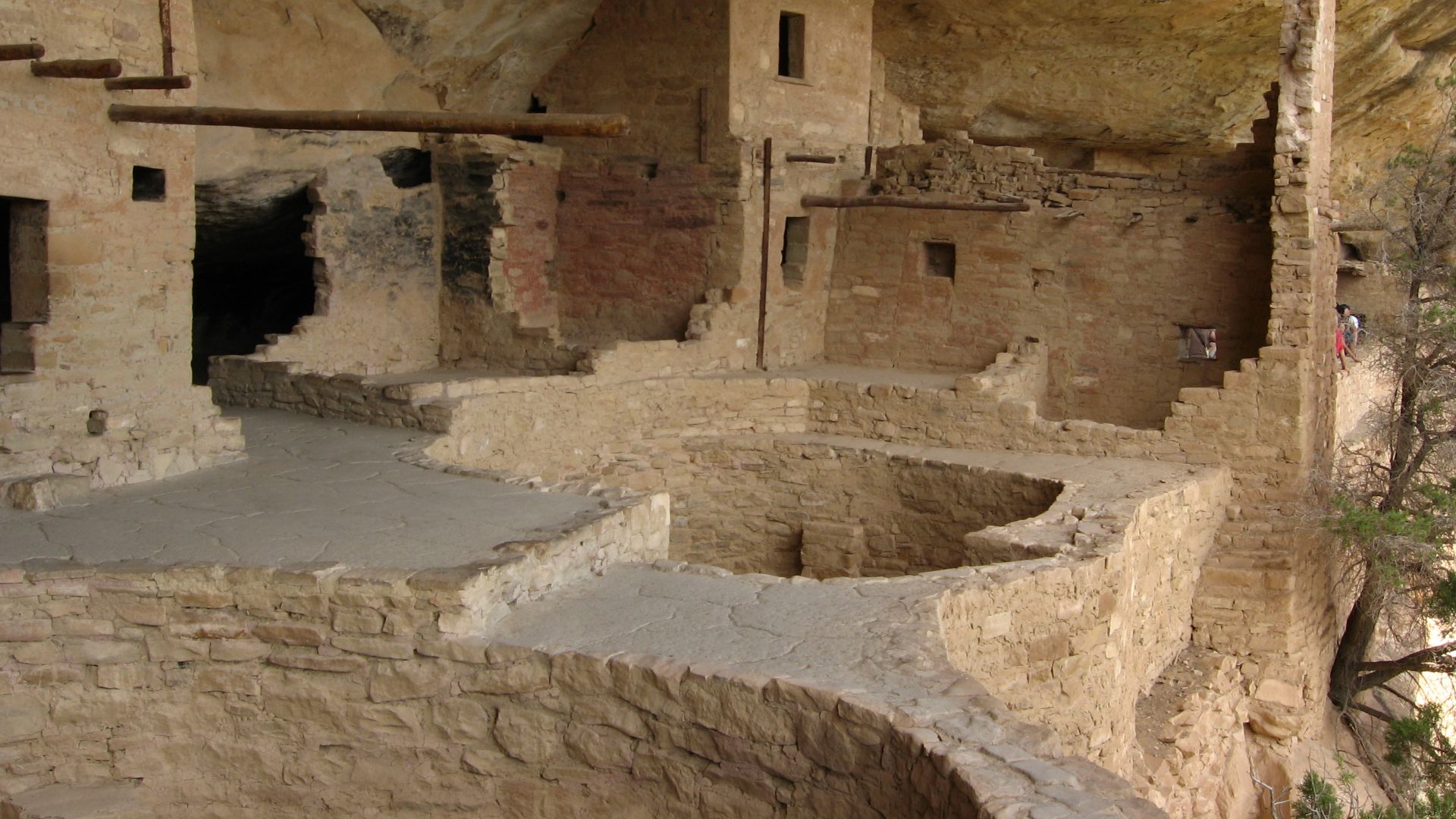
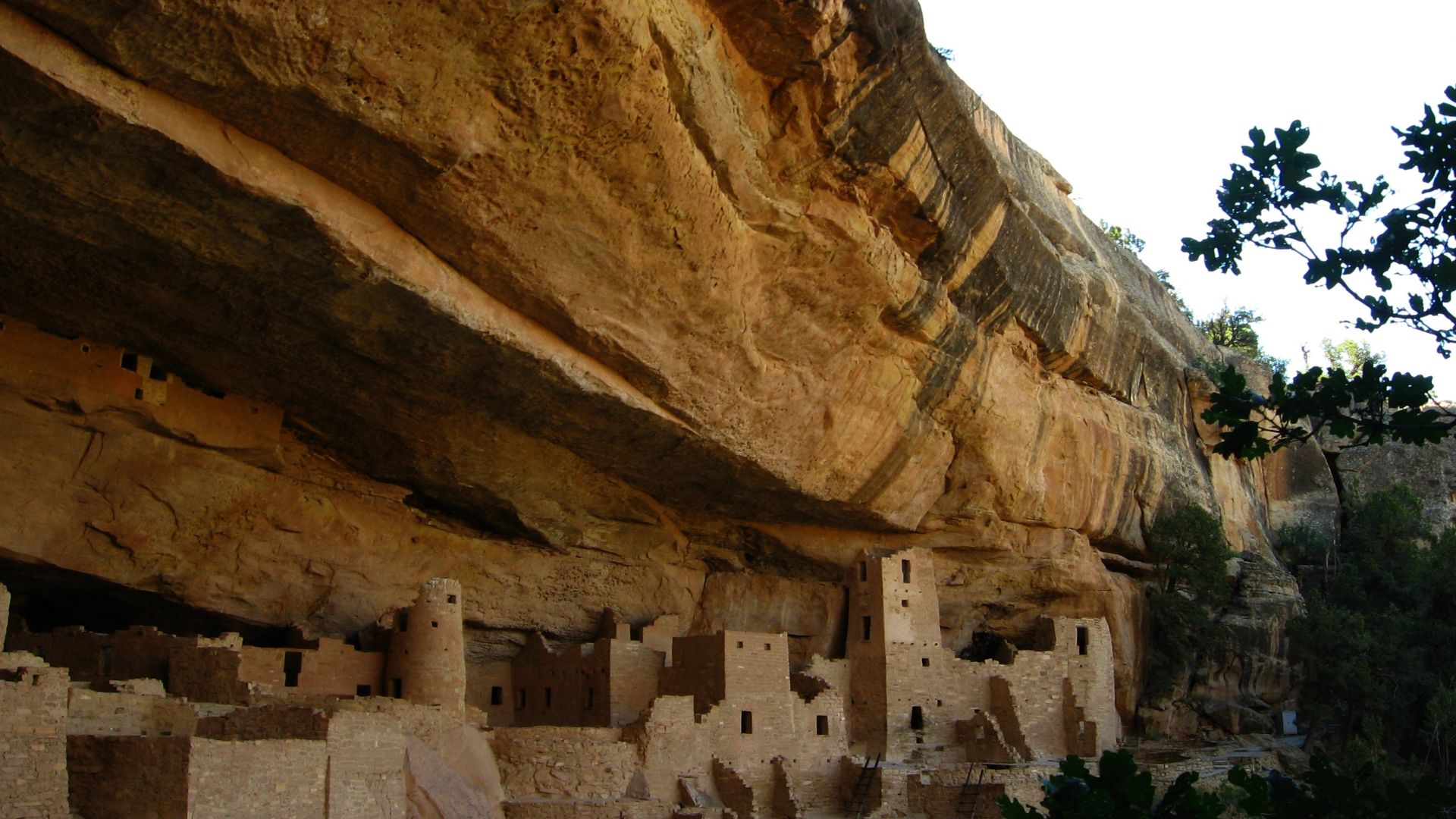
Alcoves acted like natural umbrellas. They shielded walls from rain and snow, which helps explain why so many structures survived. The overhangs also created seasonal comfort: shade in summer and some protection from winter winds.
 Ken Lund from Las Vegas, Nevada, USA, Wikimedia Commons
Smoke On The Ceilings
Archaeologists have found smoke-blackened surfaces in some dwellings, a quiet clue to chilly winters and indoor fires. The marks are small domestic fingerprints, reminding us that these dramatic ruins were once warm, smoky, noisy homes.
 John Manard, Wikimedia Commons
The Social Side Of Adaptation
Moving into cliff dwellings may have brought people closer together. Shared plazas, kivas, storage areas, and work spaces suggest cooperation mattered. In a canyon, neighbors were not just company—they were part of the survival plan.
 Ken Lund from Las Vegas, Nevada, USA, Wikimedia Commons
Trade Beyond The Cliffs
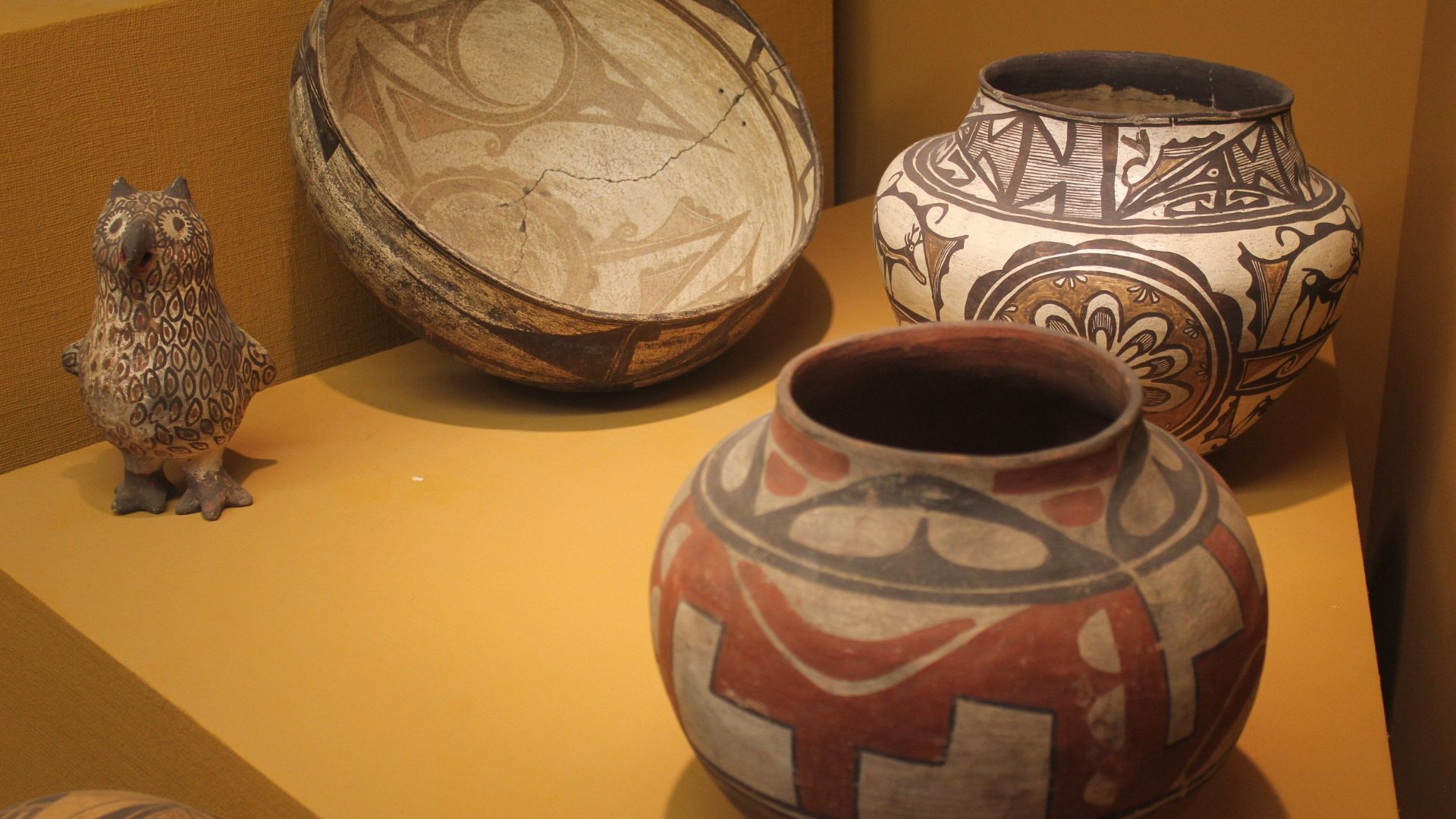
Mesa Verde was not isolated. Ancestral Pueblo communities traded and communicated across the Four Corners region and beyond. Pottery styles, tools, and materials show that canyon dwellers were connected to a wider world.
Beauty Was Not Optional
Even in a challenging environment, people made beautiful things. Painted pottery, woven goods, plastered walls, and careful masonry show that adaptation was not just technical. It was cultural, artistic, and deeply human.
Drought Changed The Equation
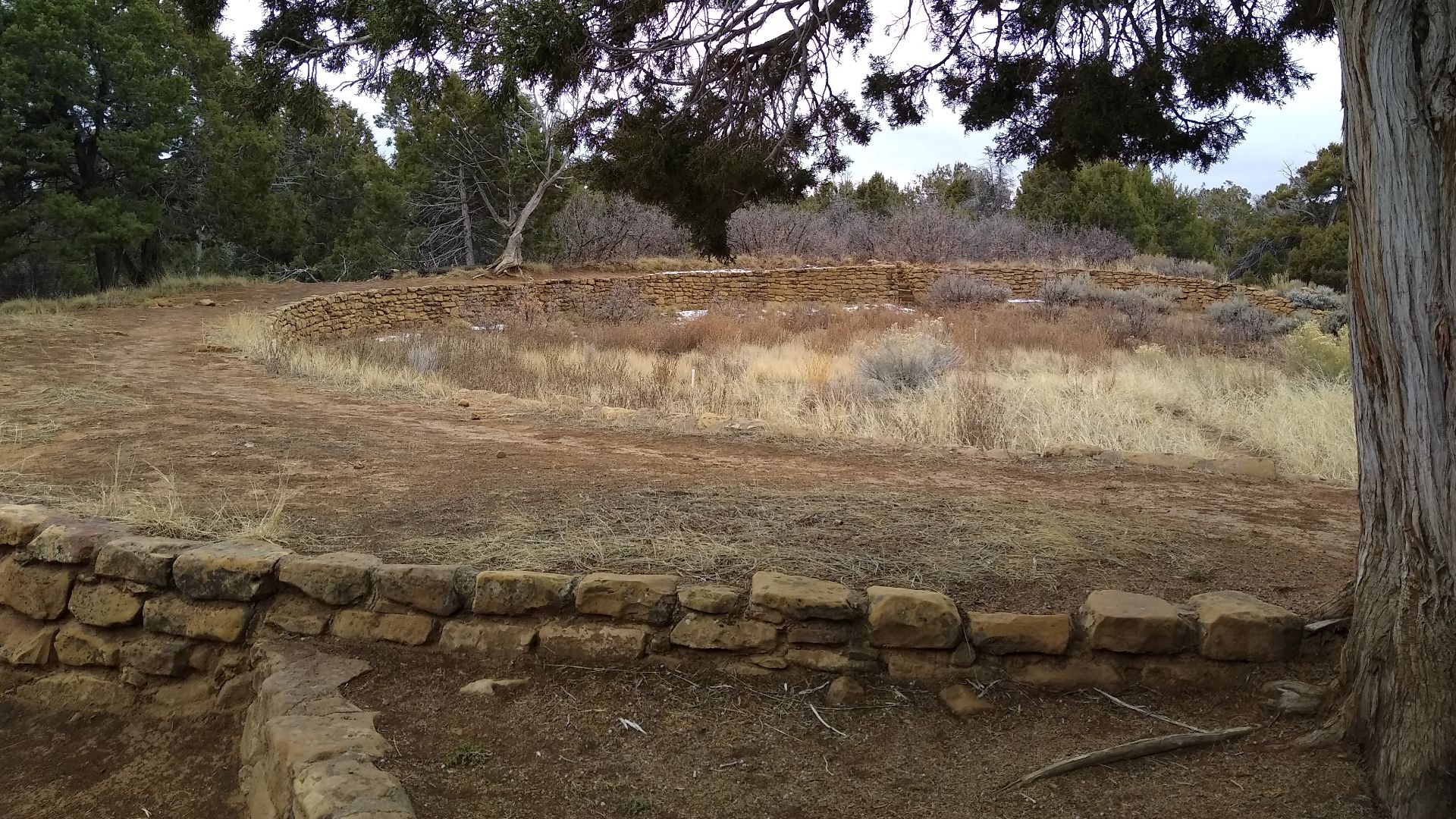
Tree-ring and environmental evidence point to extended droughts in the late 1200s. Mesa-top reservoirs likely became less dependable, making canyon springs more valuable. The cliffs were not a retreat from life; they were a response to changing conditions.
 Mx. Granger, Wikimedia Commons
Pressure From Many Directions
Researchers do not blame Mesa Verde’s changes on one simple cause. Drought, population movement, farming stress, social tension, and shifting community networks may all have played roles. The past, inconveniently, refuses to be a tidy headline.
A Short-Lived Experiment
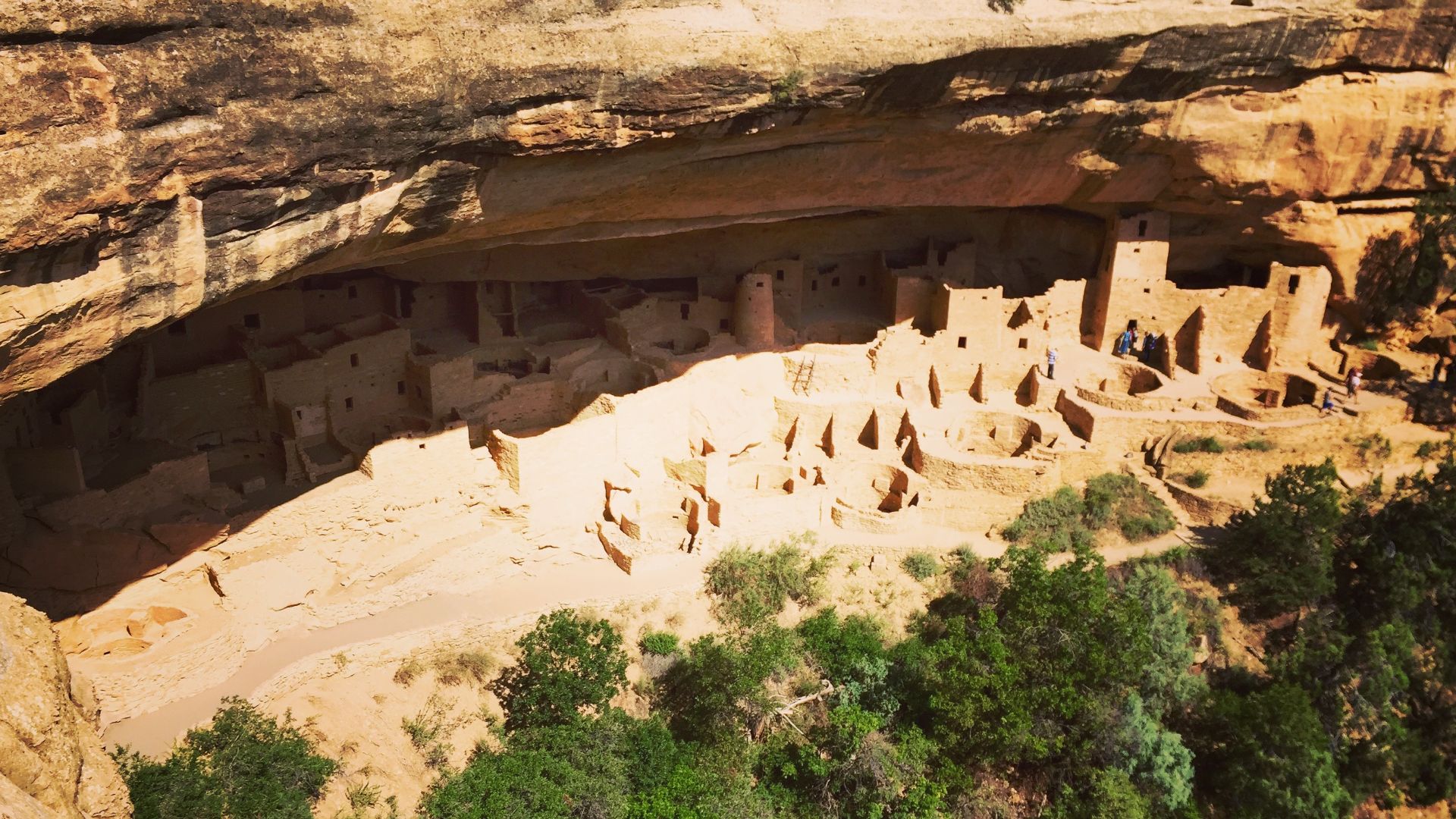
The famous cliff dwellings were built mostly between about 1180 and 1300 CE. That means their most iconic phase lasted only a little over a century. Yet in that short time, Ancestral Puebloans created some of North America’s most remarkable architecture.
The Great Departure
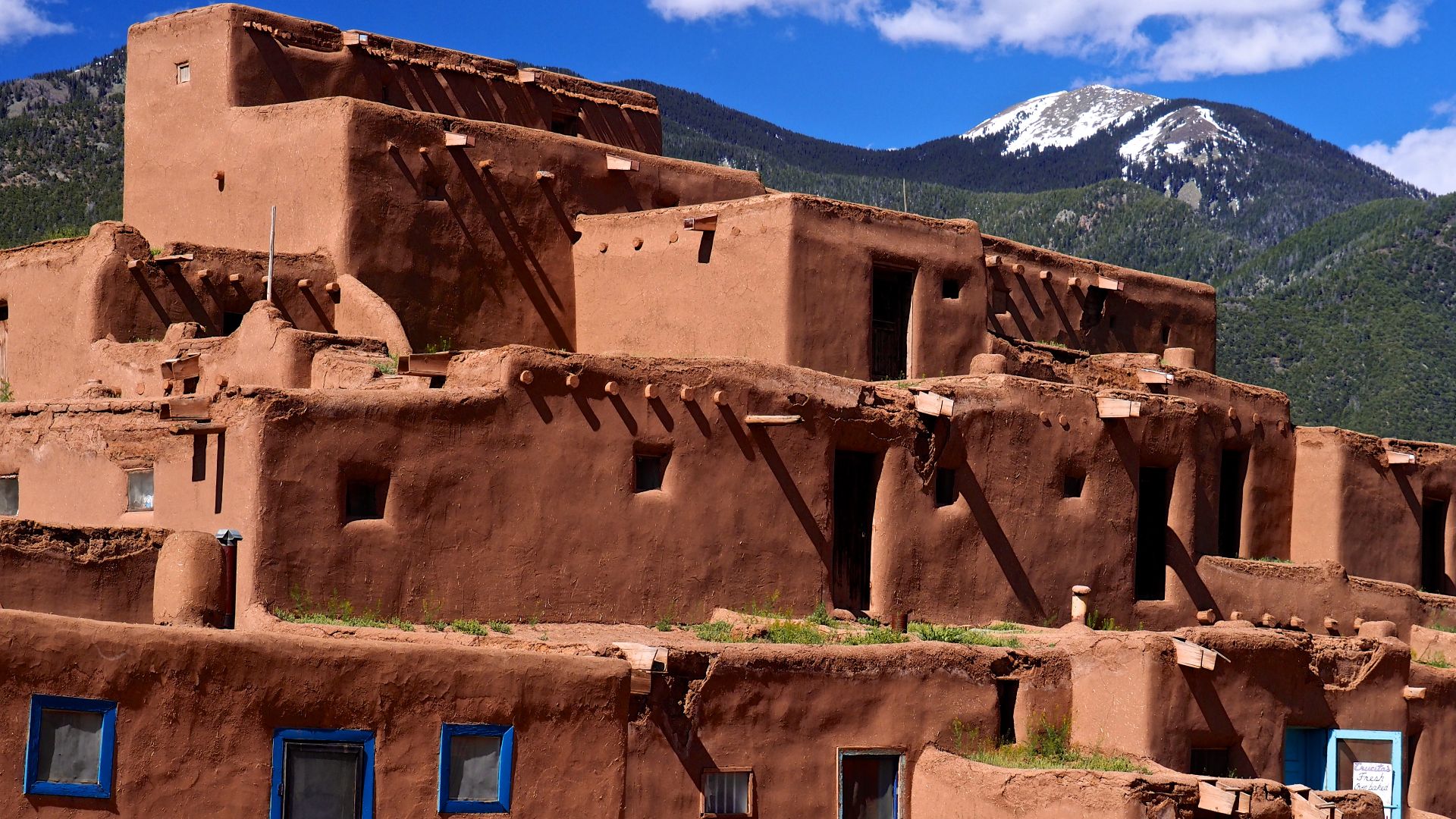
By the end of the 1200s, people had left the Mesa Verde region. They did not vanish. Their descendants are found among modern Pueblo communities, and many Indigenous perspectives understand these places as part of continuing migration and heritage.
 John Mackenzie Burke, Wikimedia Commons
What Researchers See Today
Archaeologists study architecture, water systems, plant remains, pottery, wood beams, room layouts, and landscape patterns. Each clue helps reconstruct how people made daily decisions: where to live, what to store, how to gather, and when to move.
 Andreas F. Borchert, Wikimedia Commons
Lessons In Resilience
Mesa Verde’s canyon dwellings reveal a people who adapted quickly and creatively. They used cliffs for shelter, springs for water, mesa tops for farming, and community organization for resilience. Their world was difficult, but never simple.
 Ken Lund from Las Vegas, Nevada, USA, Wikimedia Commons
More Than A Mystery
It is tempting to call Mesa Verde mysterious and stop there. But mystery can flatten real lives. These were farmers, builders, parents, artists, engineers, and neighbors. The cliff dwellings are not riddles; they are records.
 Ken Lund from Las Vegas, Nevada, USA, Wikimedia Commons
Why Mesa Verde Still Matters
Today, Mesa Verde is protected as a national park and UNESCO World Heritage Site. Its cliff dwellings remain powerful because they show human ingenuity under pressure—and because they connect present-day Pueblo peoples with ancestral homelands.
 Ken Lund from Las Vegas, Nevada, USA, Wikimedia Commons
The Canyon’s Final Word
The cliff dwellings of Mesa Verde tell a story of adaptation written in stone, water, smoke, and corn. Researchers are still learning how Ancestral Puebloans met the canyon on its own terms—and turned a difficult landscape into a home.
 Ken Lund from Las Vegas, Nevada, USA, Wikimedia Commons
You May Also Like: