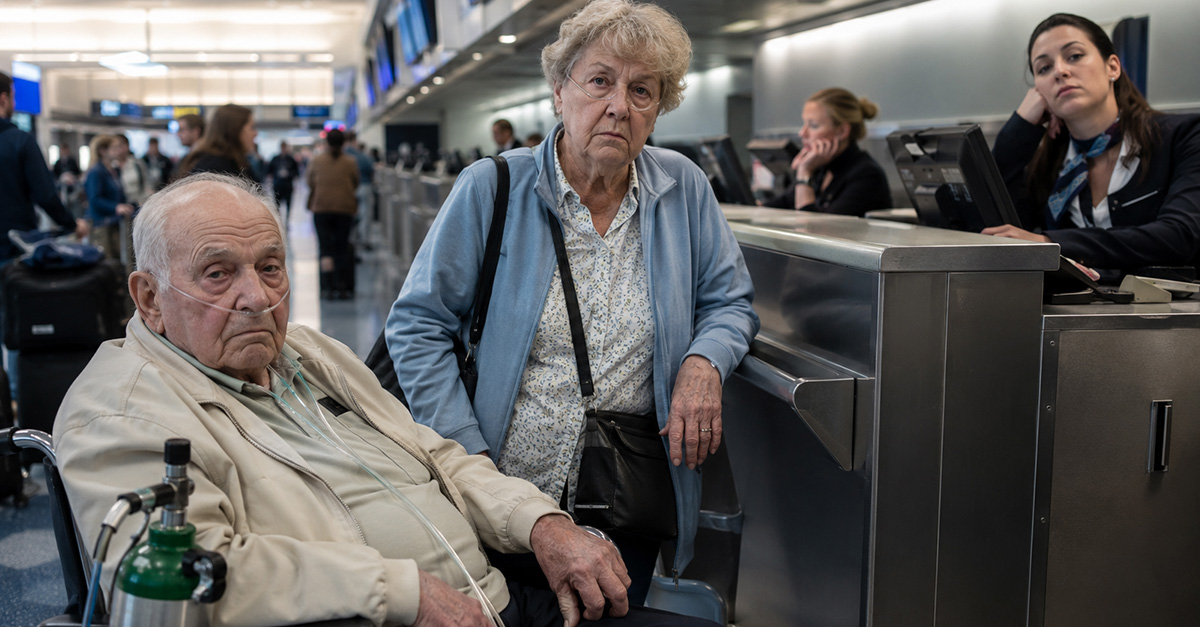
When Travel Feels Like A Medical Obstacle Course
Travel is supposed to feel exciting, not like you’re preparing for a moon landing. But when your husband relies on specialized medical equipment, every airport, hotel, taxi, and security line can suddenly feel like a test. The good news? It is hard, but it does not always have to be a nightmare.

The Suitcase Is Only The Beginning
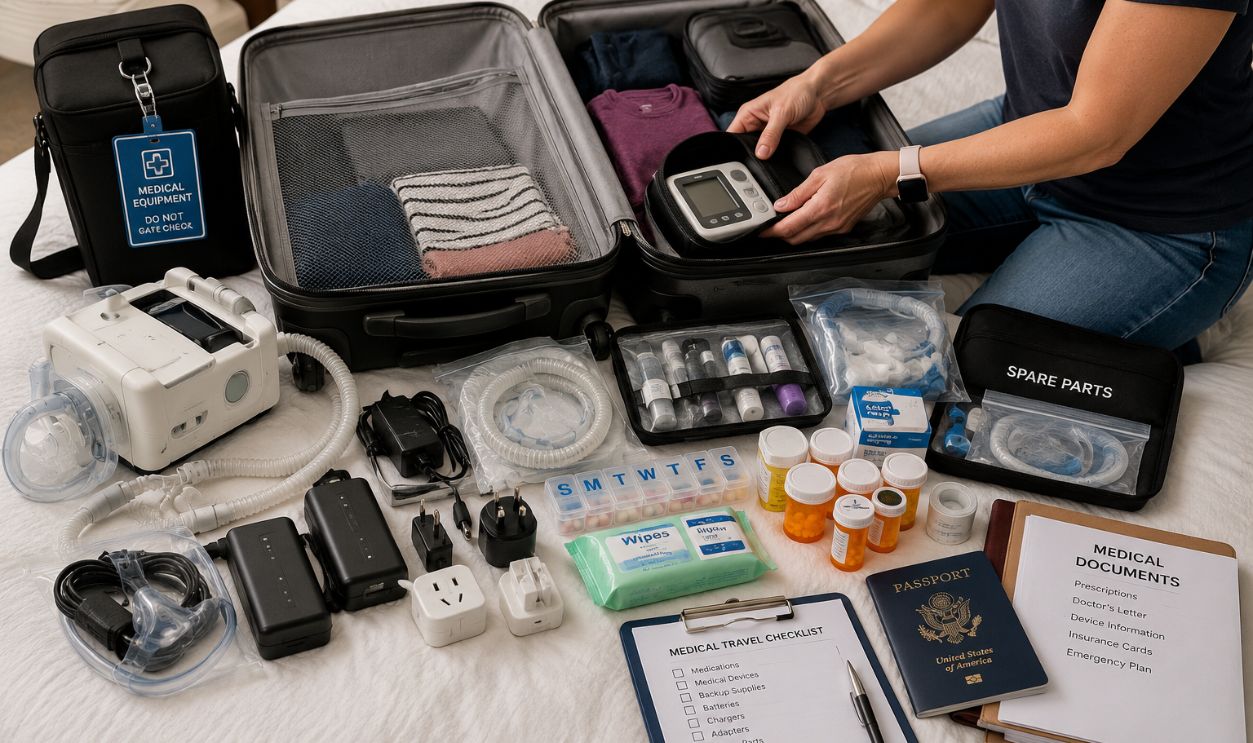
Most travelers worry about shoes, chargers, and whether they packed enough socks. Medical travelers worry about backup tubing, batteries, adapters, paperwork, spare parts, cleaning supplies, and whether an airline employee will understand that this equipment is not optional. It turns packing into a high-stakes puzzle.
Why It Feels So Overwhelming
Medical equipment adds moving parts to every part of a trip. You are not just booking a seat; you are checking power access, baggage rules, airport screening, hotel layouts, and emergency options. That is a lot of emotional labor before you have even picked a restaurant.

Airlines Can Be Confusing
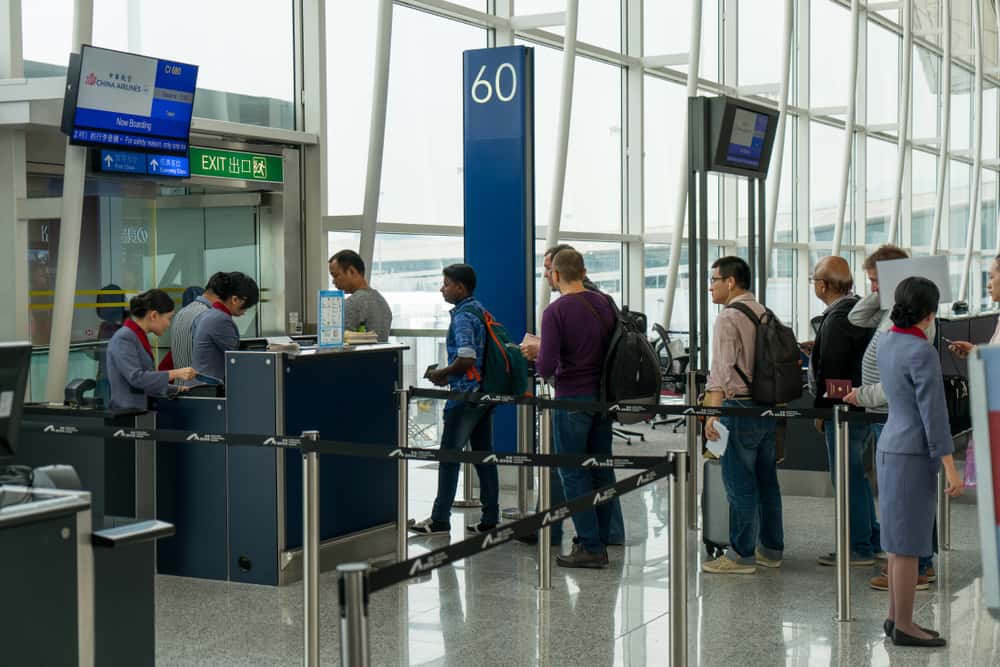
Airlines usually have policies for medical devices, but finding the right information can feel like searching for a boarding gate in a maze. One agent says one thing, another says something different, and suddenly you are wondering whether the equipment will be allowed onboard at all.
Call Before You Book
The best move is to contact the airline before buying tickets. Ask about medical device policies, battery rules, carry-on exemptions, and whether advance forms are needed. Get the information in writing when possible. It may not solve everything, but it gives you something solid to show later.

Keep Medical Equipment In The Cabin
Whenever possible, essential medical equipment should travel with you in the cabin, not in checked luggage. Checked bags can be delayed, damaged, or sent to a different city for reasons known only to the travel gods. Critical equipment belongs where you can see it.
Batteries Deserve Special Attention
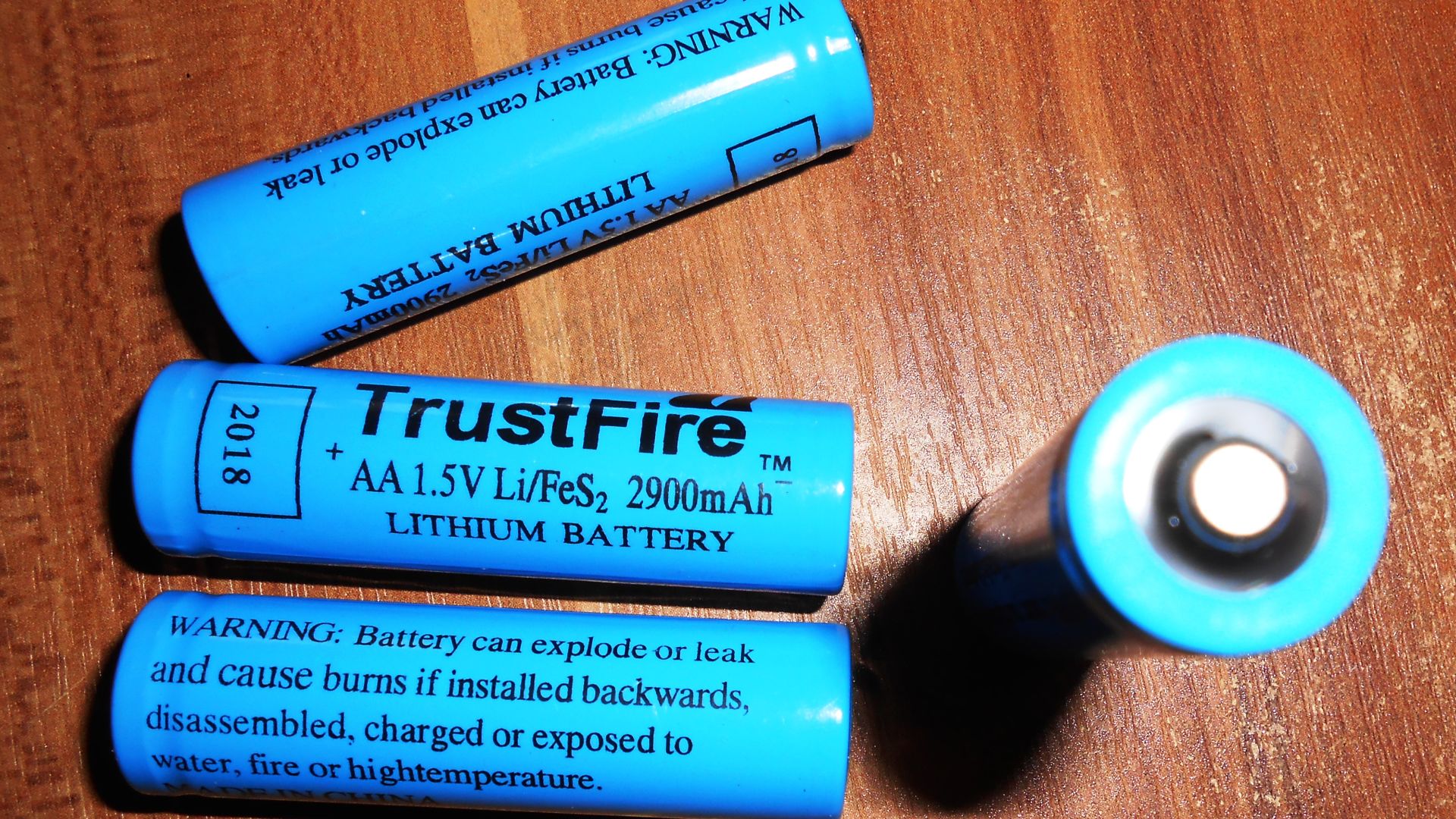
Batteries are often the trickiest part. Airlines may have specific rules about lithium batteries, backup power, and how they must be packed. Bring more battery life than you expect to need, especially for delays. Airports are powered by chaos, and delays love to appear uninvited.
Paperwork Is Your Travel Sidekick
A doctor’s letter can be surprisingly helpful. It should explain what the equipment is, why it is medically necessary, and whether it must remain with the patient. Keep printed copies and digital copies. You may never need them, but when you do, they feel like treasure.

Security Screening Can Be Stressful
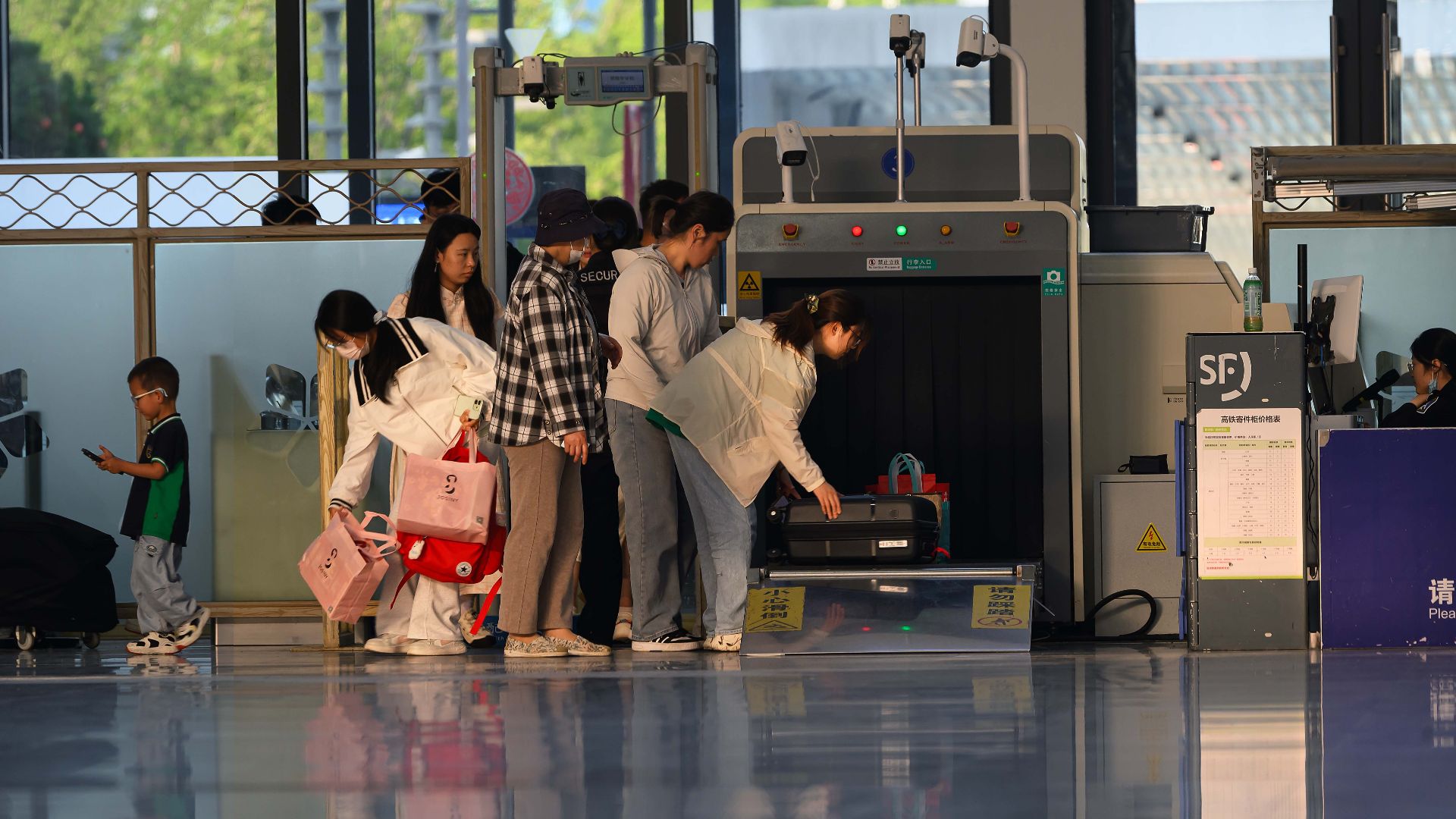
Airport security is rarely anyone’s favorite part of travel, but medical equipment can make it extra nerve-racking. Build in more time than usual and tell screening staff about the device before the process begins. Calm, clear explanations can prevent confusion from snowballing.
Labels Make Life Easier
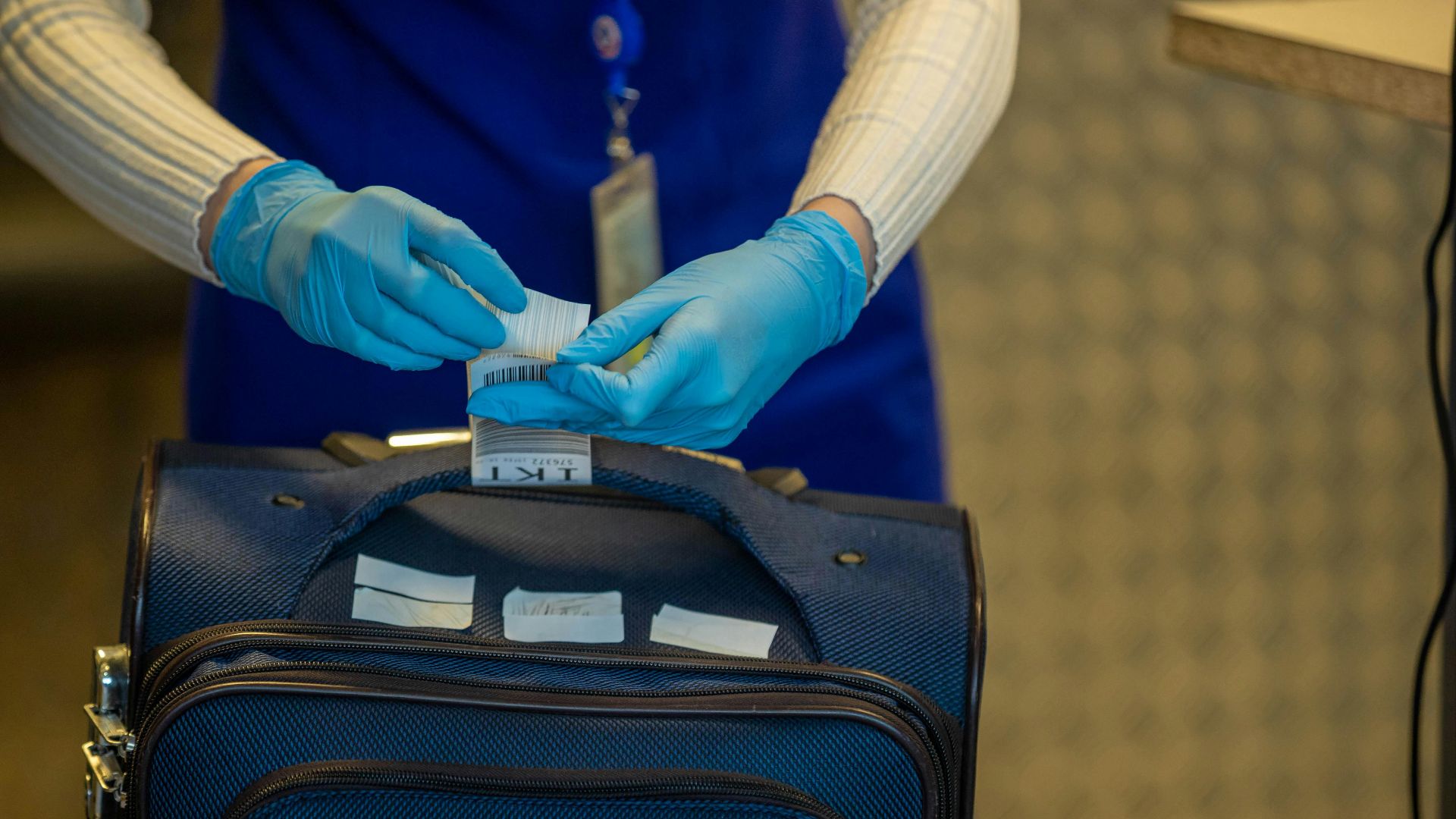
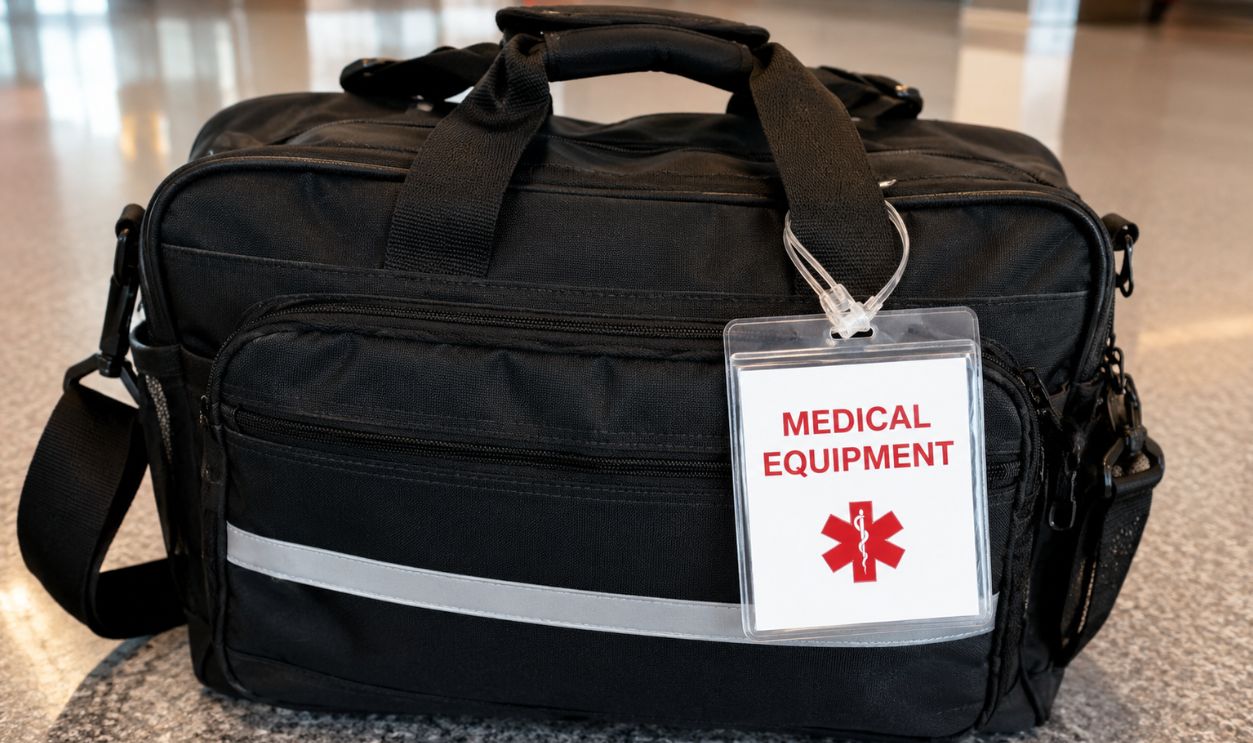
Label medical bags clearly with “Medical Equipment” and the owner’s name. This sounds simple, but it helps staff quickly understand that the bag is not a normal carry-on full of snacks and sandals. It also makes the equipment easier to identify in busy travel moments.
Pack Like Something Will Go Wrong
This may sound gloomy, but it is actually freeing. Pack backup supplies, extra chargers, replacement parts, and important contact numbers. When you prepare for small disasters, they become annoyances instead of vacation-ending catastrophes. Travel confidence is often just preparation wearing sunglasses.
Hotels Need Questions Too
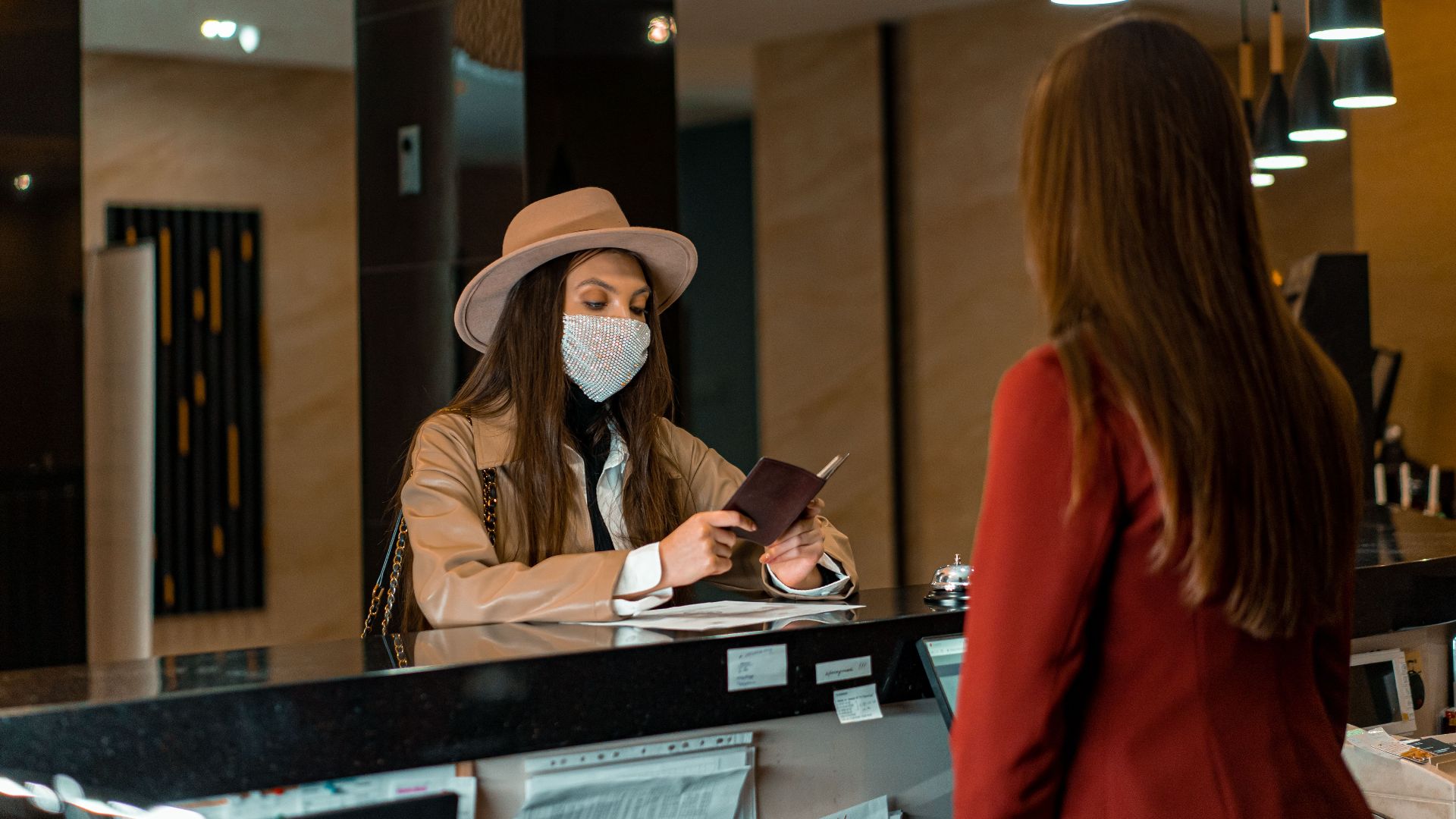
A hotel room can look perfect online and still be completely wrong in person. Ask about elevators, bed height, outlet placement, refrigerator access, bathroom layout, and space for equipment. “Accessible” can mean different things to different people, so specific questions matter.
Power Outlets Are Not Guaranteed Heroes
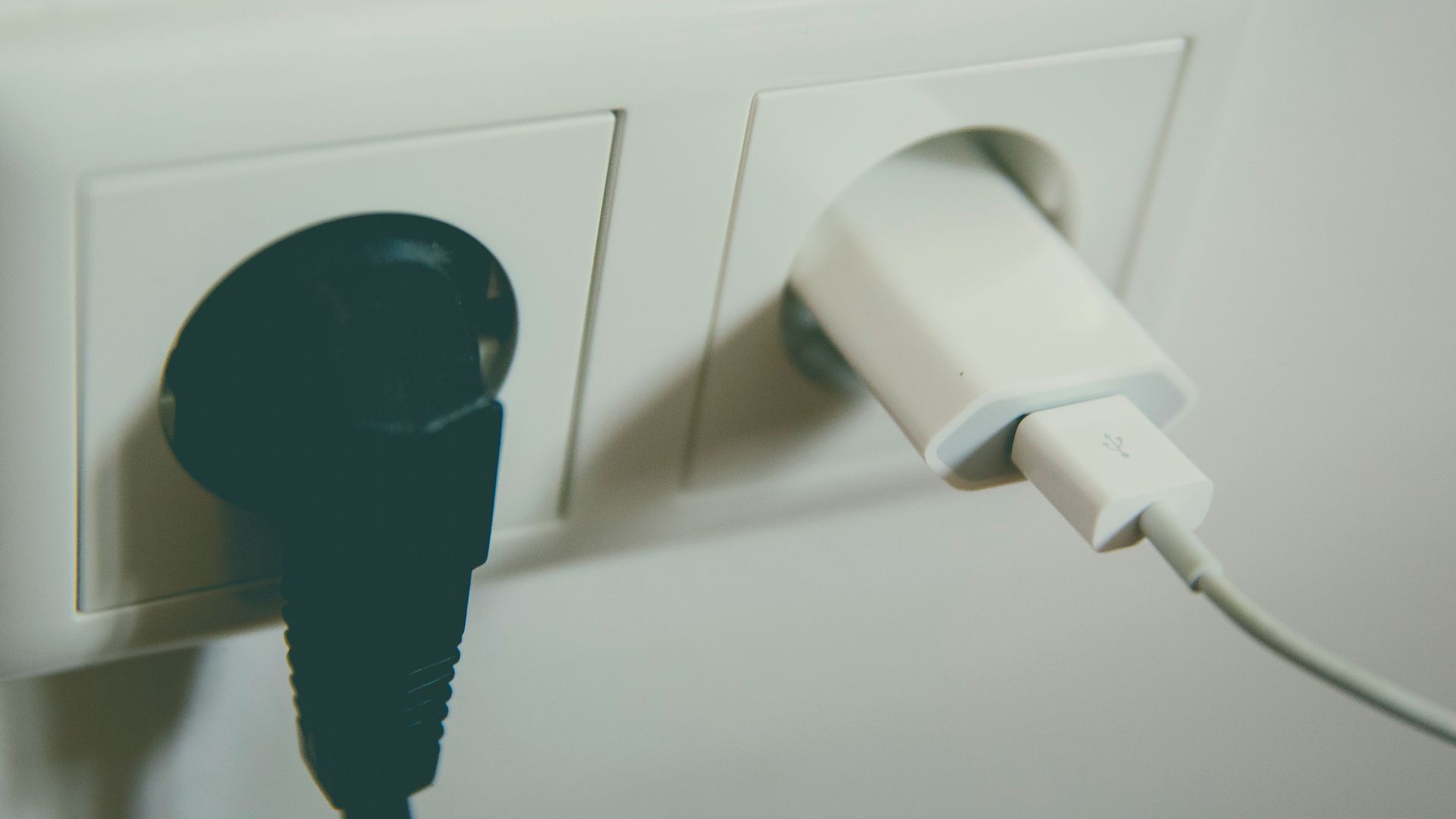
Medical equipment often needs reliable power, and hotel rooms do not always cooperate. Outlets may be hidden behind beds, furniture, or lamps from another century. Bring extension cords if allowed, plug adapters for international trips, and a portable power option when recommended.
Transportation Can Be The Wild Card
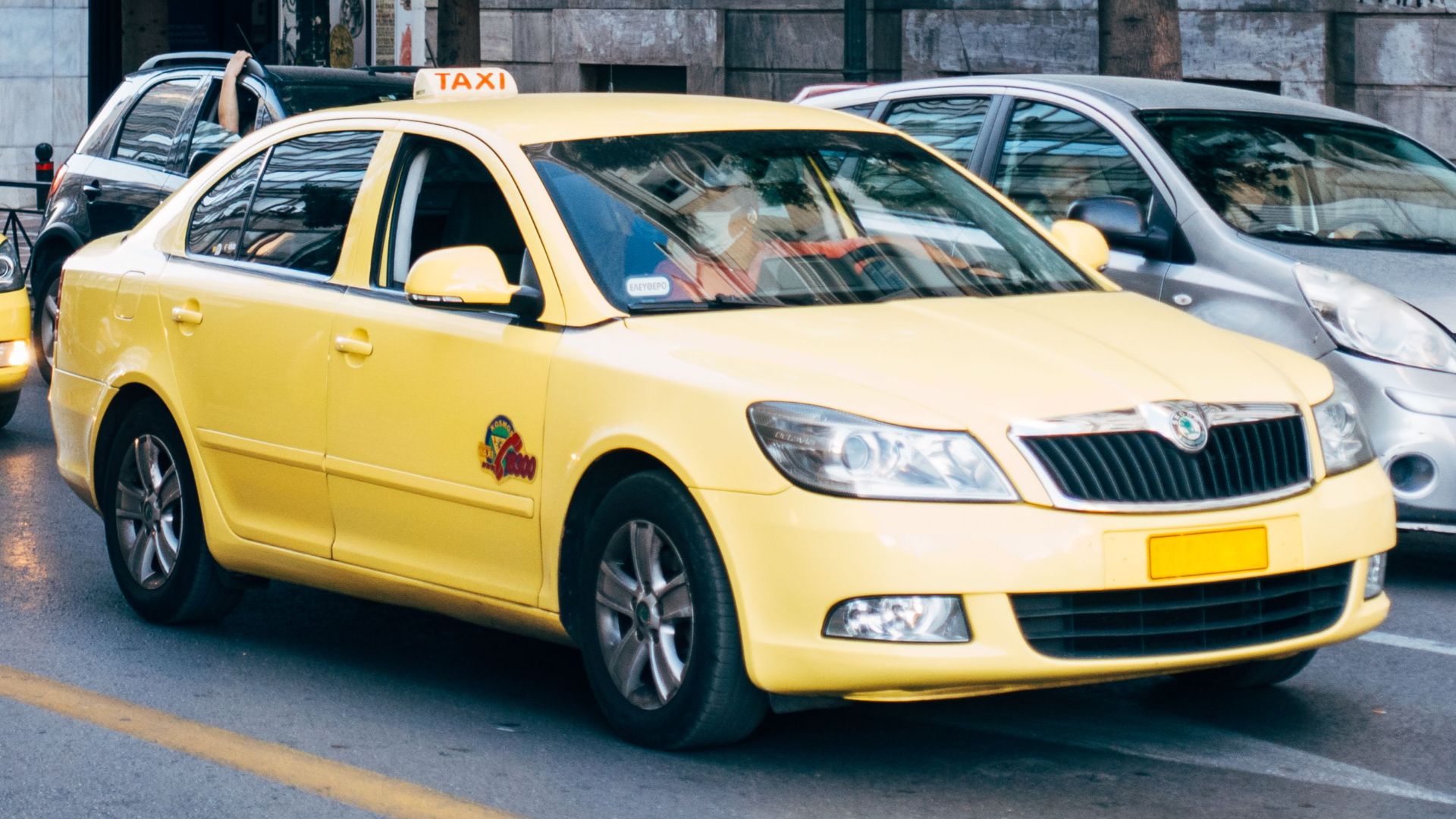
Taxis, rideshares, rental cars, trains, and shuttles all come with different challenges. Will the equipment fit? Can it be loaded safely? Is there room for the passenger to sit comfortably? Plan transportation as carefully as flights, because the trip does not end at baggage claim.
International Trips Add Extra Layers
Traveling abroad can be wonderful, but medical equipment adds questions about voltage, plugs, customs rules, replacement supplies, and local medical support. Research the destination before booking. A beautiful city is more enjoyable when you know where help is if something breaks.

Travel Insurance Is Worth A Look
Not all travel insurance covers medical equipment problems, so read the details carefully. Look for coverage involving lost or damaged equipment, medical emergencies, trip interruptions, and pre-existing conditions. It is not the most thrilling reading, but neither is paying for a ruined trip.

Build A Medical Travel Folder
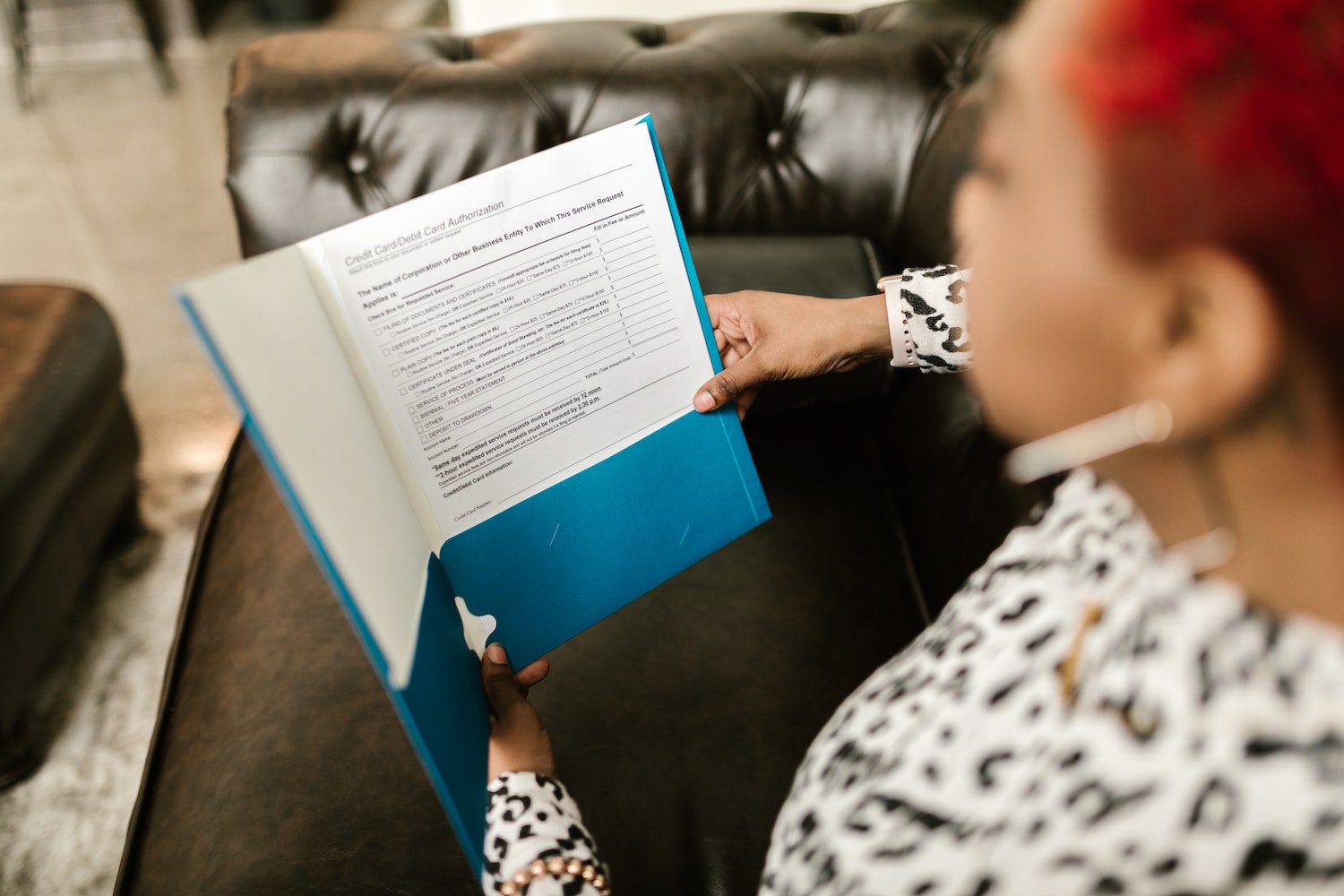
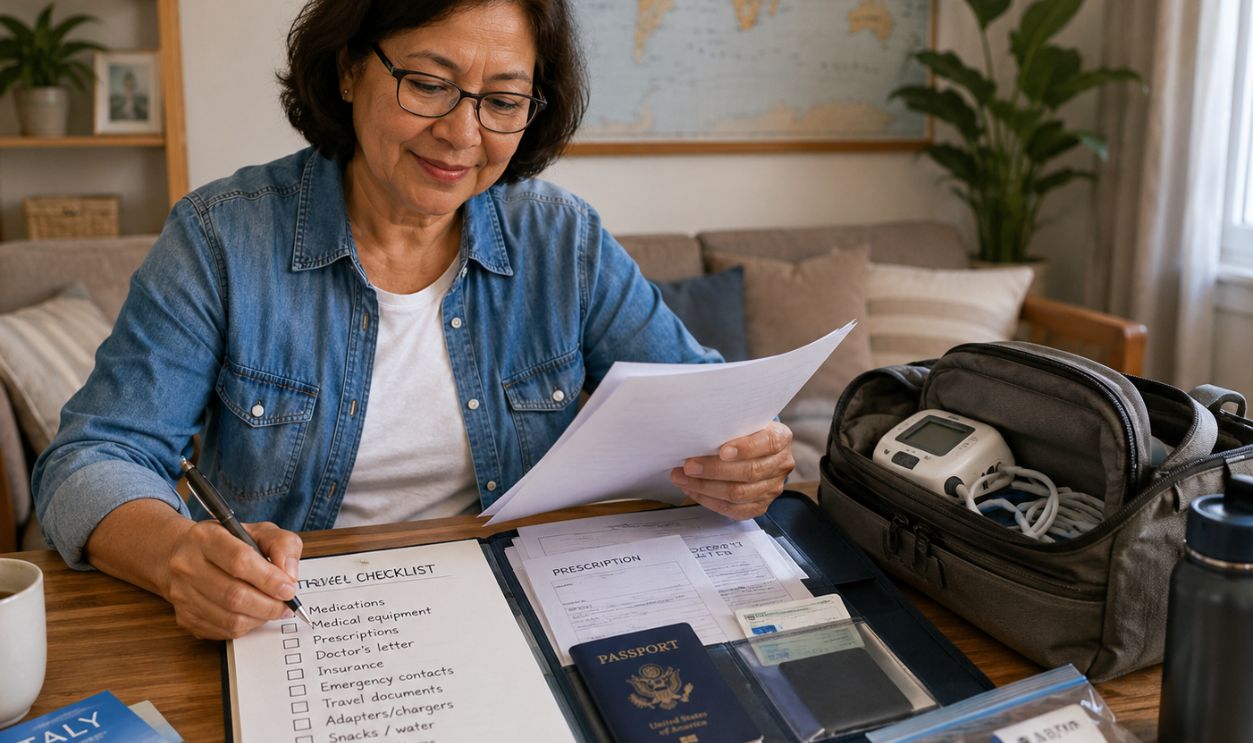
Create one folder, physical or digital, with prescriptions, device instructions, doctor letters, airline confirmations, insurance details, emergency contacts, and equipment serial numbers. When panic hits, having everything in one place can make you feel like the most organized person on earth.
Give Yourself More Time
Medical travel often needs wider margins. Arrive earlier, leave longer layovers, and avoid tight connections when possible. Yes, waiting around airports is dull. But sprinting through a terminal while managing medical gear is the kind of cardio nobody asked for.

Ask For Help Early
Airports, airlines, cruise lines, hotels, and attractions often have accessibility services, but they work best when arranged early. Request assistance before the trip, then confirm again close to departure. It may feel repetitive, but repetition is better than surprise.

Be Ready To Explain, Not Apologize
There is no need to apologize for medical equipment. It is necessary, full stop. Still, short explanations help. A clear sentence like, “This is medically required and must stay with him,” can be powerful. You are not being difficult; you are protecting someone’s health.

Choose Destinations With Care
Some destinations are easier than others. Walkable cities, reliable transportation, strong medical infrastructure, and accessible hotels can make a huge difference. The most glamorous destination is not always the most relaxing one, especially when the travel setup creates constant stress.

Practice A Short Trip First
Before a major vacation, try a weekend trip or one-night hotel stay. Think of it as a rehearsal. You may discover which bags work best, what supplies are missing, or which questions you forgot to ask. Better to learn close to home.

Expect Some Awkward Moments
Even with perfect planning, awkward things happen. Someone may ask a clumsy question. A staff member may not understand the equipment. A room may not match expectations. Take a breath, solve the next problem, and remember that frustration does not mean failure.

The Mental Load Is Real
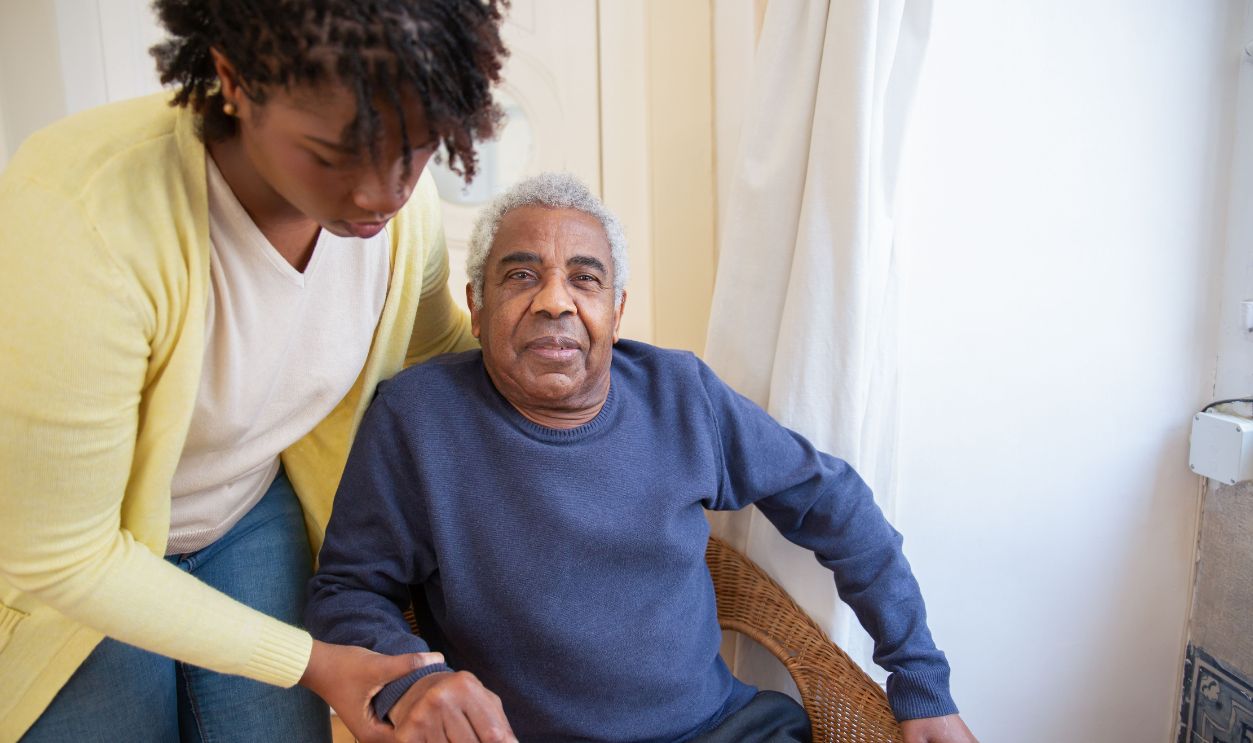
Caregivers often carry invisible luggage: worry, planning, responsibility, and the fear of something going wrong. That weight is real. Travel advice often focuses on logistics, but emotional exhaustion matters too. Build in rest, flexibility, and moments where you can simply enjoy being away.
It Can Get Easier
The first trip with medical equipment may feel intimidating because everything is new. Over time, you learn what to pack, what to ask, which airlines are easier, and how much time you really need. Experience turns chaos into a checklist.
So, Is It Always That Hard?
No, but it often takes more planning than regular travel. The hard part is not just the equipment; it is dealing with systems that were not always designed with medical needs in mind. With preparation, documentation, backups, and realistic pacing, travel can become much more manageable.

Travel Is Still Possible
Your nightmare trip does not have to be the final word. Medical equipment changes the way you travel, but it does not erase the joy of seeing new places together. The goal is not perfect travel. The goal is safer, calmer, more confident adventures.

You May Also Like:
Americans Should Know That These “Normal” Homeowner Things They Do Are Illegal In Canada