
My Phone Never Left Airplane Mode, So Why Did I Get A Roaming Bill?
Few travel surprises are more frustrating than returning home to find hundreds of dollars in international roaming charges on your phone bill. For many people, the confusion is even greater because they swear their phone stayed in airplane mode the entire trip. It feels impossible that roaming charges could appear when cellular service was supposedly disabled the whole time. The good news is that there are several ways this can happen, and some of them give you grounds to challenge the charges.
Airplane Mode Usually Disables Cellular Connections
Airplane mode is designed to turn off your phone's cellular, Wi-Fi, and Bluetooth radios with a single tap. In most situations, that prevents your phone from connecting to foreign cellular networks and generating traditional roaming charges. That is why travel experts frequently recommend airplane mode as one of the simplest ways to avoid unexpected international fees. The key word, however, is "usually," because there are some important exceptions.

Wi-Fi Can Be Turned Back On Manually
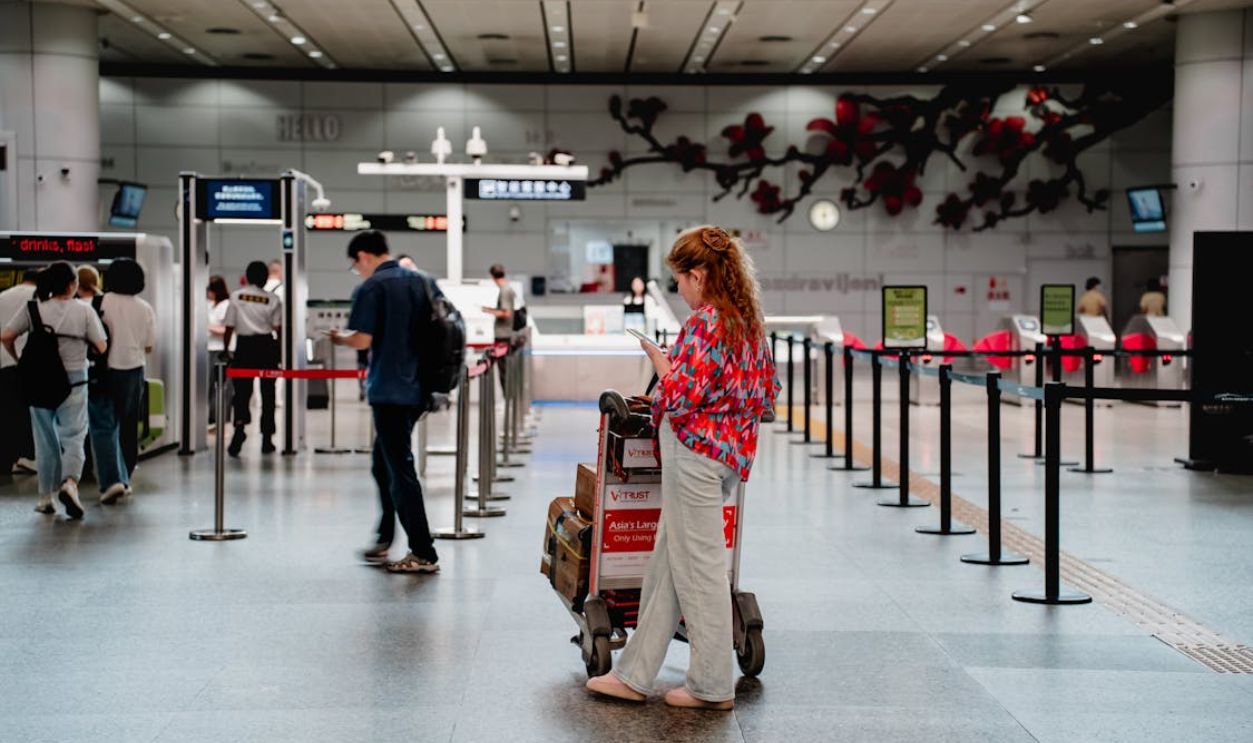
One of the most common misunderstandings involves Wi-Fi. Many travelers activate airplane mode and then manually re-enable Wi-Fi so they can use hotel internet, airport networks, or messaging apps. That is perfectly normal, but some people later forget exactly which settings were changed during the trip. If cellular service was accidentally reactivated at any point, even briefly, roaming charges can sometimes occur without the user realizing it.
Modern Phones Remember Certain Settings
Many smartphones now remember user preferences after airplane mode is activated. For example, if you manually turn Wi-Fi or Bluetooth back on while in airplane mode, the phone may remember that preference the next time airplane mode is used. This can create confusion because travelers assume airplane mode behaves identically every time. In reality, some settings may persist from previous use.

Data Is Not The Only Source Of Roaming Charges
When people think about roaming, they usually focus on mobile data. However, roaming charges can also come from voice calls, voicemail retrieval, text messages, multimedia messages, and certain network services. A traveler may successfully avoid data roaming while still triggering charges through another service they did not realize was active. Understanding exactly what the carrier charged for is often the first step toward solving the mystery.

Voicemail Can Cause Unexpected Charges
Voicemail creates more confusion than many travelers realize. In some situations, incoming calls that route to voicemail while you are abroad can generate charges, especially if the call reaches your voicemail system through a foreign network connection. Many travelers never answer the phone, never check messages, and still end up with charges connected to voicemail activity.

Background Network Activity Happens Constantly
Modern smartphones communicate with networks in ways that are largely invisible to users. Carrier settings updates, network registration attempts, visual voicemail services, messaging systems, and other background functions may generate activity even when travelers believe they are not actively using the device. Most of the time these interactions do not create major charges, but they can contribute to confusion when reviewing roaming records.

Airplane Mode Is Not Always Activated Immediately
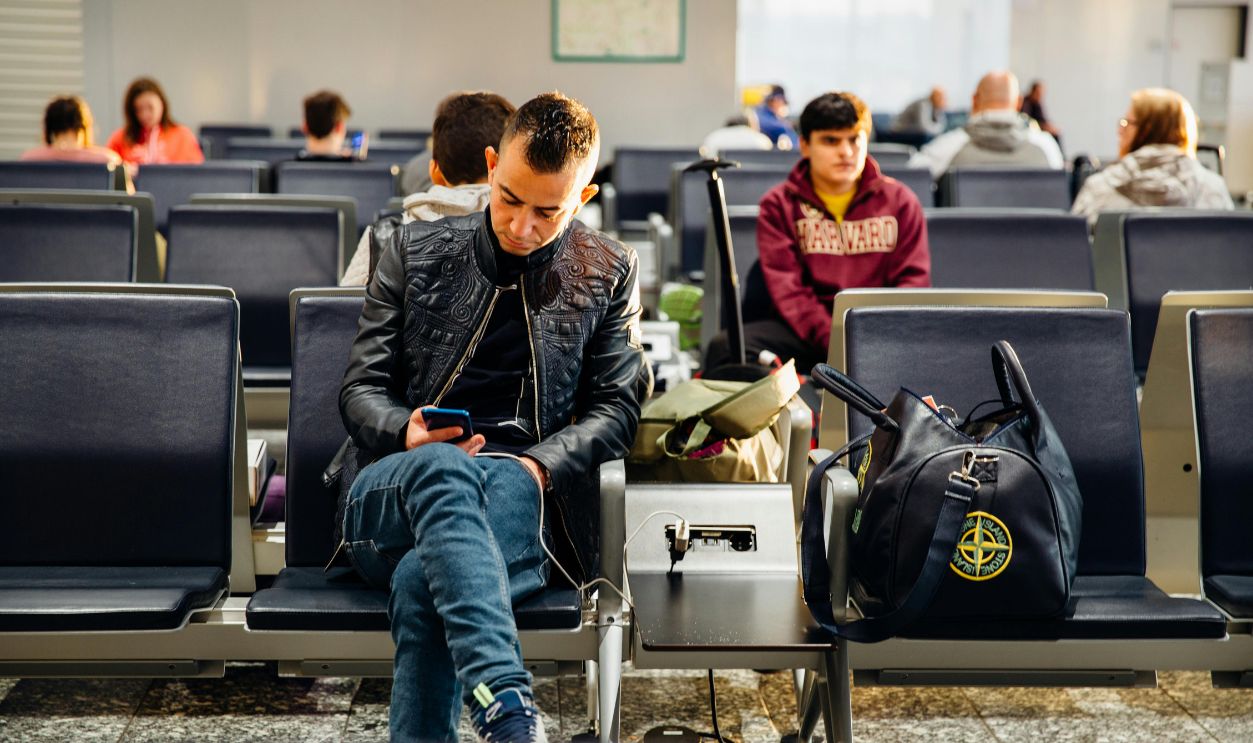
Sometimes the issue is much simpler than people expect. A traveler lands in another country, turns on their phone after the flight, and spends a few minutes checking directions, messages, or notifications before activating airplane mode. That brief window may be enough for the phone to connect to a foreign network and generate roaming activity. Days later, the user remembers using airplane mode for the trip but forgets about those first few minutes.
Automatic Network Connections Can Be Fast
Modern phones are extremely efficient at finding available cellular networks. In many cases, the device connects to a partner carrier within seconds of powering on. That means roaming activity can begin almost immediately after arriving in another country. Travelers are often surprised by how little time it takes for international usage records to appear.

Cruise Ships Create Their Own Problems
One of the biggest sources of unexpected roaming bills involves cruises. Many travelers activate airplane mode while at sea but occasionally disable it to check messages or make calls. Cruise ships often use specialized maritime cellular networks that can be significantly more expensive than standard international roaming. Those charges sometimes appear long after the trip ends, creating major sticker shock.

Border Areas Can Trigger Surprises
Travelers do not always need to leave the country to generate international roaming charges. People living or traveling near borders occasionally connect to foreign cellular towers unintentionally. In some situations, a phone may choose a stronger signal from another country even when the user never physically crossed the border. This is especially common near certain U.S.-Canada and U.S.-Mexico border regions.
 CBP Photography, Wikimedia Commons
eSIMs And Dual-SIM Phones Add Complexity
Modern phones increasingly support eSIM technology and multiple active cellular plans. That flexibility is convenient for travelers, but it can also create confusion. Some users disable one line while accidentally leaving another active. Others assume their travel eSIM is handling all traffic when their primary carrier remains connected in the background. Reviewing which line generated the charges can be very important.
Wi-Fi Calling Is Not Always Straightforward
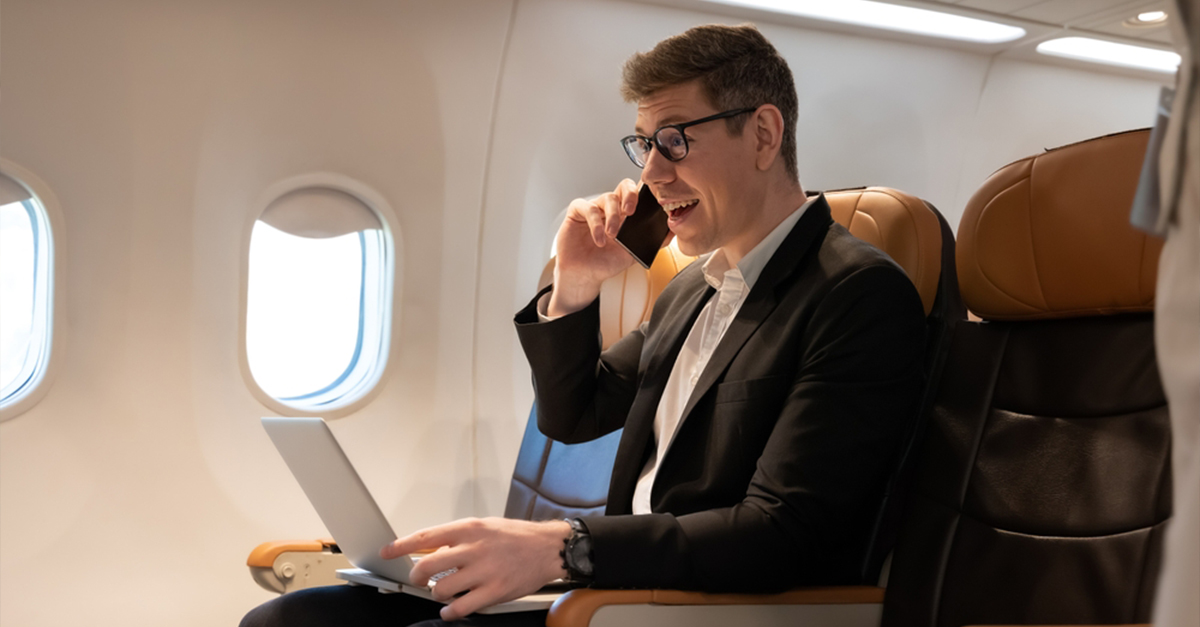
Many travelers rely on Wi-Fi calling to avoid international charges. While Wi-Fi calling can be extremely useful, carrier policies vary significantly. Some calls may still generate charges depending on where you are located, which number you call, and how the carrier handles the connection. Assuming every Wi-Fi call is automatically free can sometimes lead to surprises.

Your Carrier's Records Matter
When disputing roaming charges, the carrier's usage records become extremely important. Most providers can show when connections occurred, what type of service was used, where the network connection originated, and how the charges were calculated. Requesting detailed usage information may reveal exactly what happened and help determine whether the charges appear legitimate.

Billing Errors Do Happen
Although carriers generally maintain detailed records, mistakes can occur. Incorrect roaming classifications, delayed usage reporting, duplicate charges, and account provisioning errors occasionally create billing problems. These situations are relatively uncommon, but they do happen. That is why reviewing the charges carefully before paying them is often worthwhile.

Travel Passes Sometimes Fail To Activate
Many carriers offer international travel plans designed to reduce roaming costs. Problems occasionally occur when customers believe they activated a travel package but the carrier's system never processed the request properly. In those situations, standard roaming rates may apply unexpectedly. Confirmation emails and account records can become very important if a dispute develops.

Screenshots Can Help Your Case
If you believe the charges are incorrect, gather as much evidence as possible. Screenshots showing airplane mode settings, carrier travel plan enrollment, account notifications, and usage history may support your argument. While screenshots alone may not prove everything, they can help establish what settings and services you believed were active during the trip.

Contact The Carrier Quickly
Many carriers are more willing to review disputed charges when customers contact them promptly. Waiting several billing cycles can make investigations more difficult. If something looks wrong, call customer service as soon as the bill arrives and ask for a detailed explanation of each charge.

Ask For A Detailed Breakdown
Do not settle for a vague explanation that simply says "international roaming." Ask for specifics regarding dates, times, locations, services used, and how the charges were calculated. The more detailed the information becomes, the easier it is to determine whether the charges make sense. Sometimes customers discover the issue is very different from what they originally assumed.

Goodwill Credits Are Sometimes Available
Even when charges are technically valid, carriers occasionally provide goodwill credits for customers who genuinely did not understand what happened. This is especially common when the charges are relatively small or when the customer has a long history with the provider. A polite explanation often works better than immediately threatening complaints or legal action.

Consumer Complaints Can Escalate The Issue
If you believe the carrier handled the situation unfairly, formal complaints may be an option. Regulatory agencies and consumer protection offices accept complaints involving telecommunications billing disputes. While filing a complaint does not guarantee success, it may encourage additional review if the initial response from the carrier seems unreasonable.

The Explanation Is Usually Less Mysterious Than It Seems
Discovering roaming charges after using airplane mode can feel impossible at first. In reality, the explanation often involves a brief network connection, voicemail activity, a travel-plan issue, a dual-SIM setting, or another technical detail the traveler did not notice at the time. Before assuming the carrier is wrong, gather the records and understand exactly what was charged. Once you know how the fees were generated, you will have a much better idea whether they are legitimate or worth disputing.

You May Also Like: