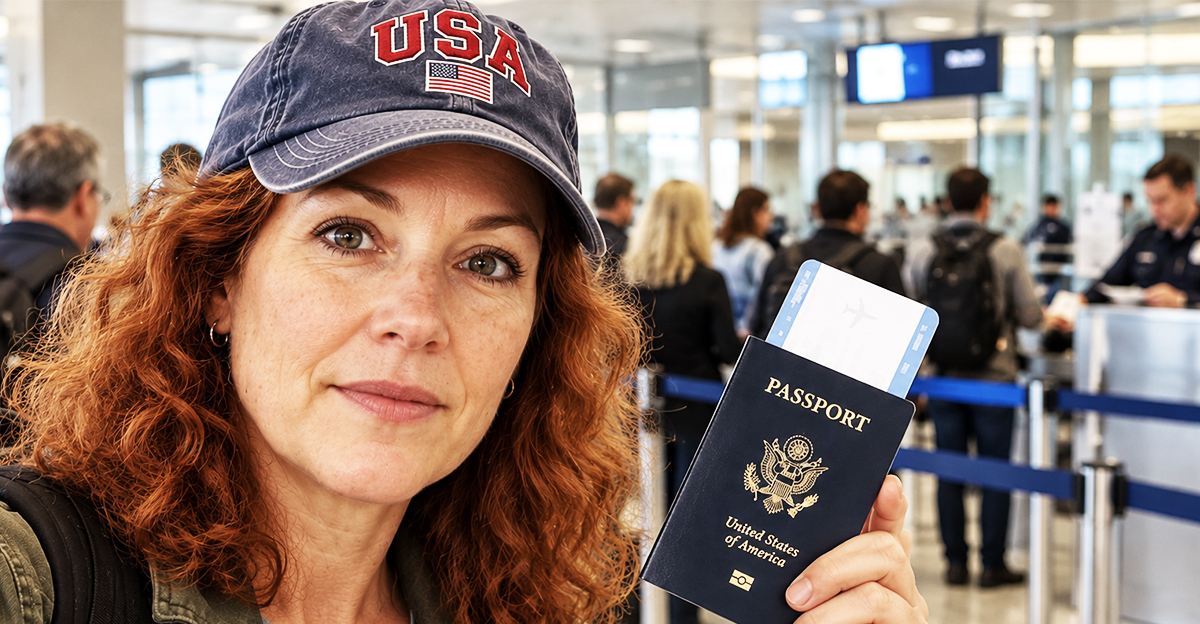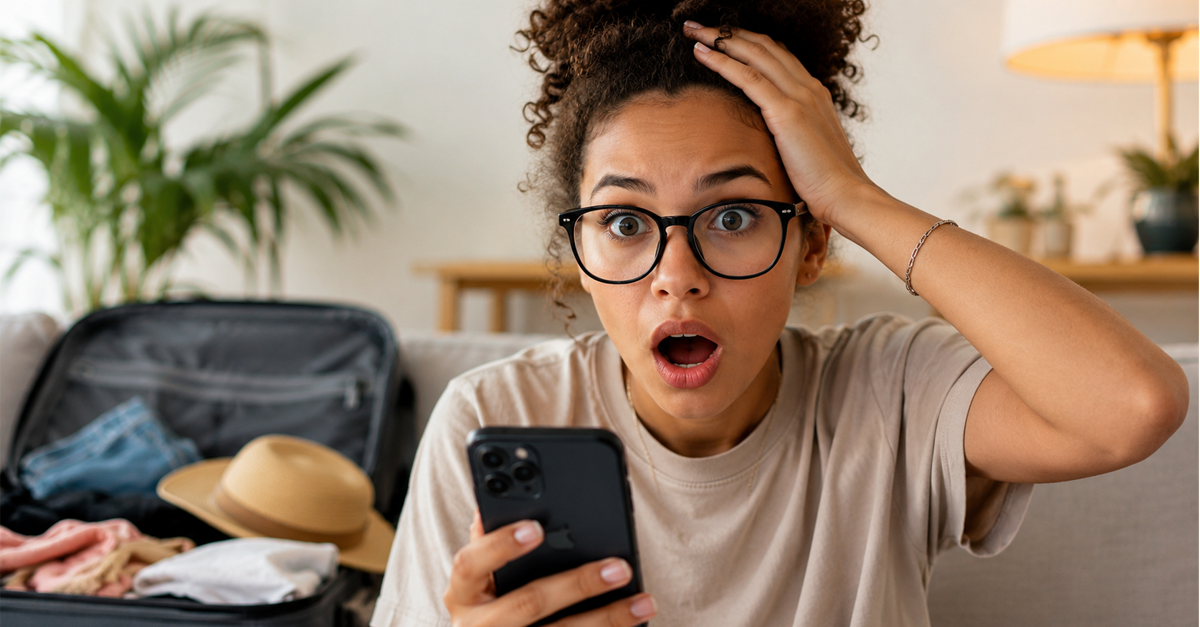
The Sticker Shock Nobody Warns You About
I came home from an incredible trip through Europe feeling relaxed and accomplished. Then my phone bill arrived, and the shock nearly sent me straight back into vacation panic mode. A few days of using maps, uploading photos, and replying to messages overseas had quietly piled up hundreds of dollars in roaming charges, and it turns out I'm far from the only traveler who has learned this lesson the hard way.
Why Your Phone Costs More Abroad
Your phone normally connects to towers owned by your local carrier. Once you travel internationally, your provider must partner with foreign networks to keep you connected. Those partner agreements often come with expensive roaming charges.
The biggest costs usually come from data usage. Streaming videos, loading navigation apps, and syncing cloud photos all consume data quickly. Some carriers charge by the megabyte, which can add up in a matter of hours.

Data Roaming Is The Main Culprit
Most travelers underestimate how much data their phones use automatically. Apps constantly refresh in the background, even when you are not actively using them. Email syncing, app updates, and social media notifications all quietly eat through data.
Google Maps alone can consume significant data during a full day of navigation. Add music streaming and video uploads, and your bill can balloon rapidly. Many travelers don't realize the damage until they return home.
Maps Are Essential For Modern Travel
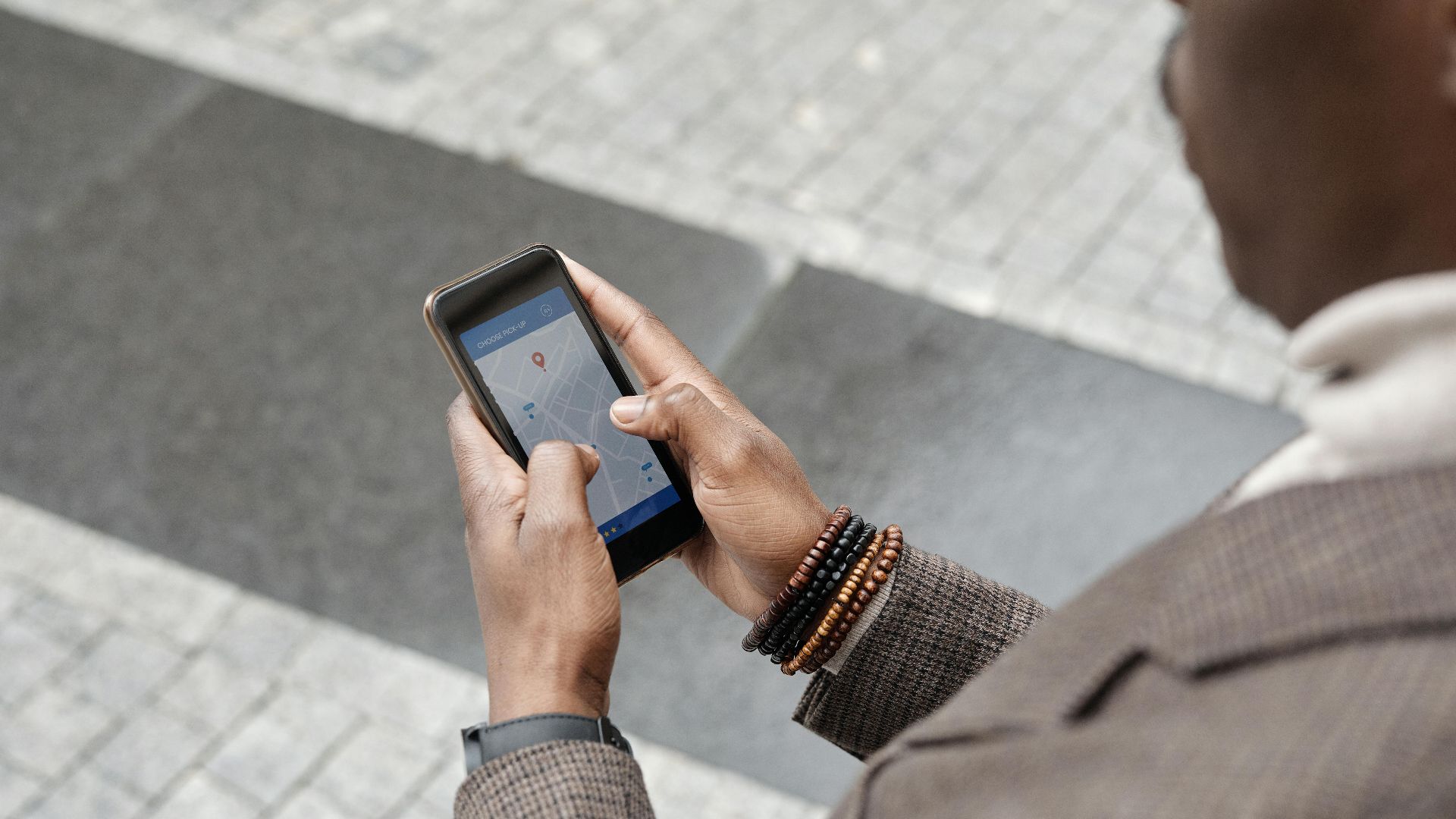
It is completely understandable to rely on your phone while abroad. Travelers use phones to navigate unfamiliar streets, translate signs, book transportation, and contact hotels. A smartphone has become one of the most important travel tools people carry.
The good news is that staying connected doesn't always have to cost a fortune. A little planning can dramatically reduce your expenses. The key is understanding your options before takeoff.

Some Plans Include International Coverage
Many major carriers now offer international plans or travel passes. These packages usually provide a daily fee for access to your normal talk, text, and data allowances abroad. They are often much cheaper than standard roaming rates.
For example, Verizon’s TravelPass and AT&T’s International Day Pass allow customers to use their domestic plan in many countries for a flat daily rate. T-Mobile also includes limited international data in several plans. Travelers should always check their carrier’s details before leaving.
Daily Travel Passes Can Still Add Up
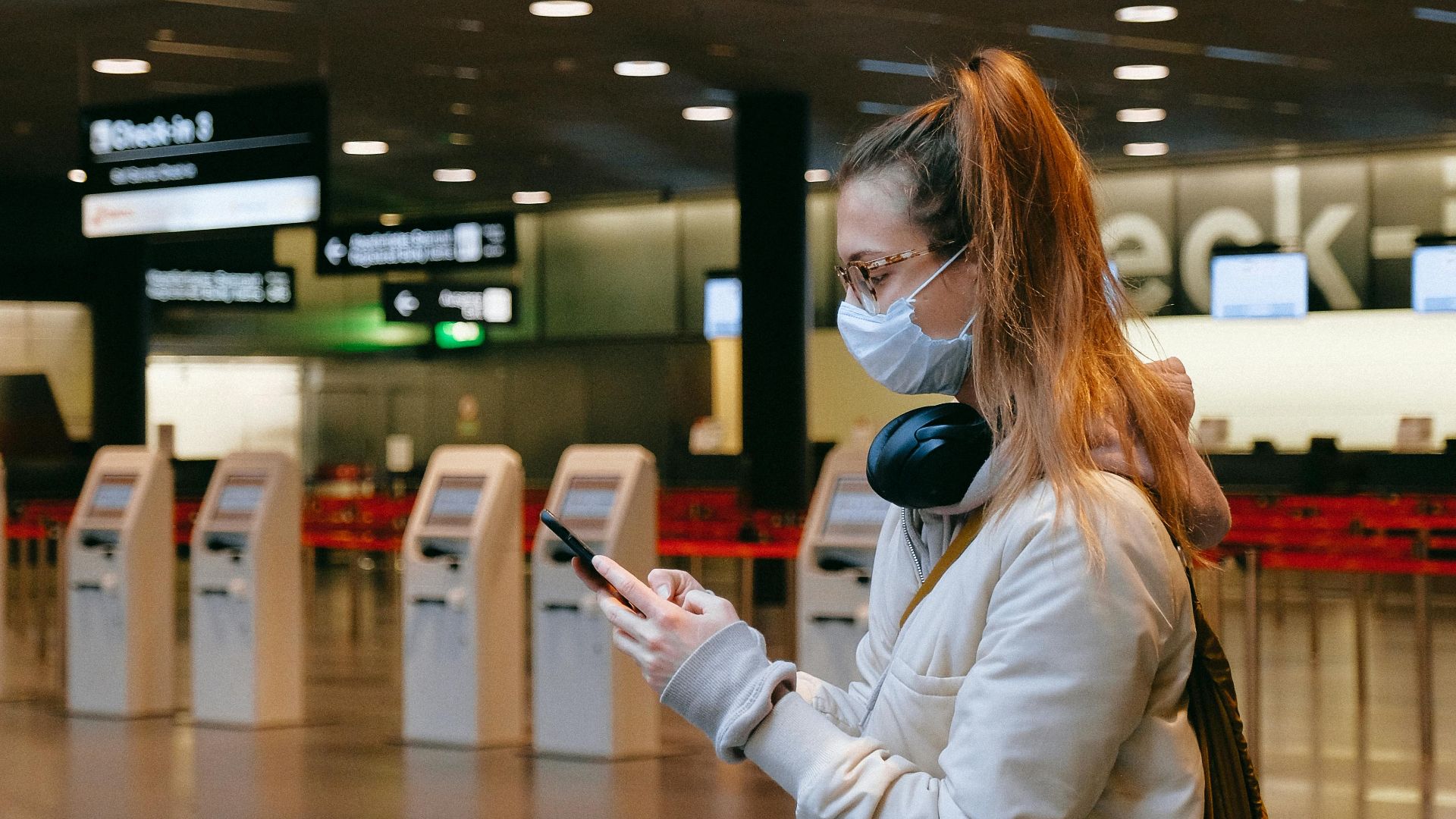
Travel passes are convenient, but they are not always cheap. Paying $10 to $15 per day during a two-week vacation can easily exceed $150. That may still be less than surprise roaming fees, but it is not exactly budget-friendly.
Heavy data users may also discover speed limitations after using a certain amount of data. Some plans reduce speeds dramatically once you pass a threshold. Reading the fine print matters more than most people realize.

International SIM Cards Can Save Money
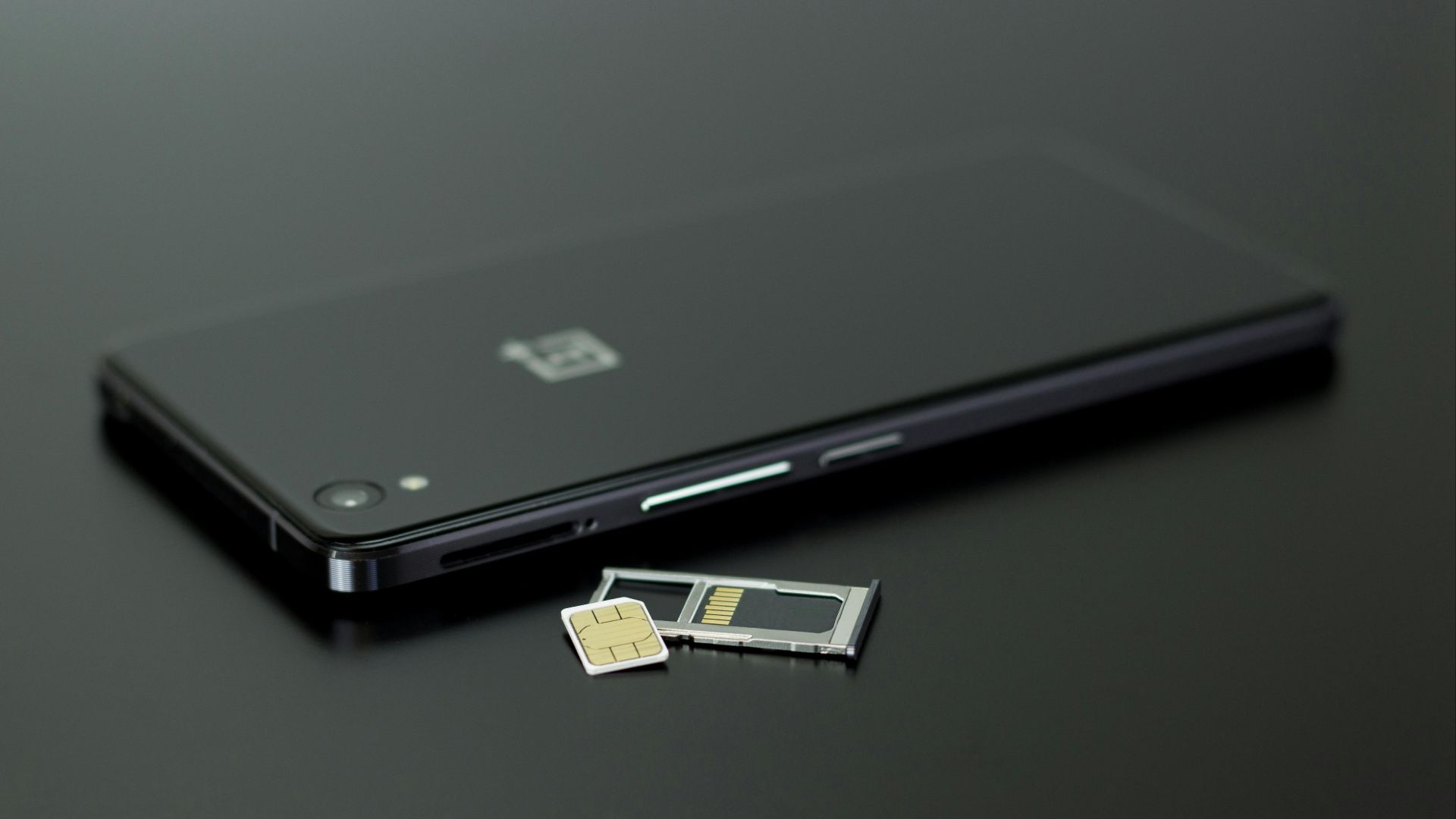
One popular alternative is buying a local SIM card after arriving at your destination. Local carriers usually offer prepaid plans with generous data allowances at affordable prices. In many countries, tourists can purchase them directly at airports or convenience stores.
This option often provides faster data speeds and lower costs than roaming. The downside is that your regular phone number may temporarily stop working. Travelers should also confirm their phone is unlocked before relying on this strategy.
eSIMs Have Changed The Game
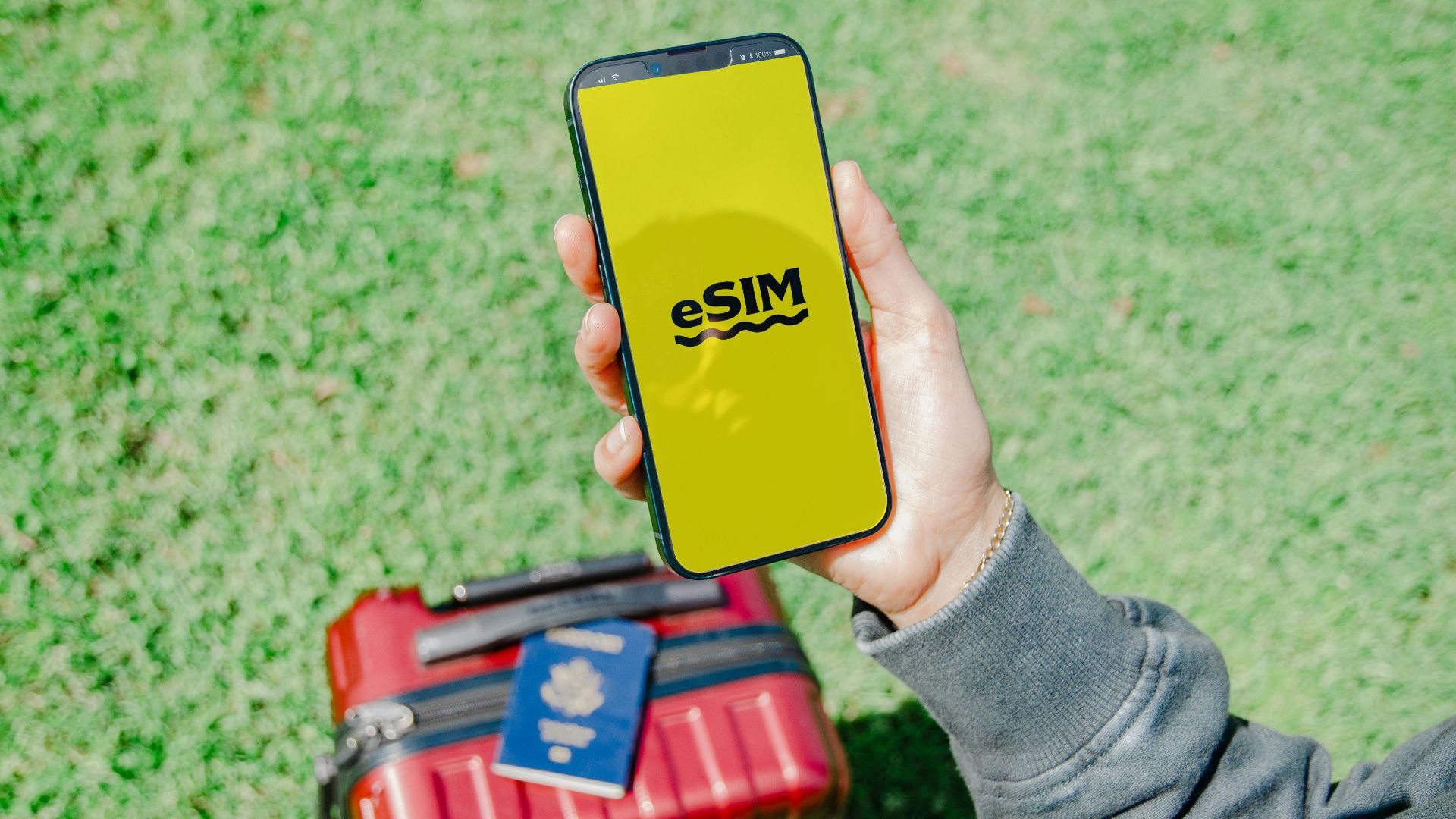
eSIM technology has become a favorite among frequent travelers. Instead of physically swapping SIM cards, travelers can download a digital cellular plan directly onto compatible phones. Companies like Airalo, Holafly, and Nomad specialize in international eSIM packages.
The setup process is usually simple and can be completed before departure. Travelers can often activate service immediately after landing. For many people, eSIMs strike the perfect balance between convenience and affordability.
Free Wi-Fi Is Everywhere Now
Public Wi-Fi has become much more common around the world. Airports, hotels, restaurants, trains, and cafes frequently offer free internet access. Many travelers rely heavily on Wi-Fi to reduce cellular data usage.
However, public networks are not always secure. Experts recommend avoiding sensitive activities like online banking while using public Wi-Fi. A virtual private network, or VPN, can add an extra layer of protection.

Download Offline Maps Before You Go
Offline maps are one of the smartest travel hacks available. Apps like Google Maps allow users to download entire city maps in advance. Once downloaded, navigation still works without using mobile data.
This feature can dramatically reduce roaming costs. It also helps travelers navigate areas with weak service. Downloading maps before leaving home is one of the easiest ways to save money abroad.

Airplane Mode Is Your Friend
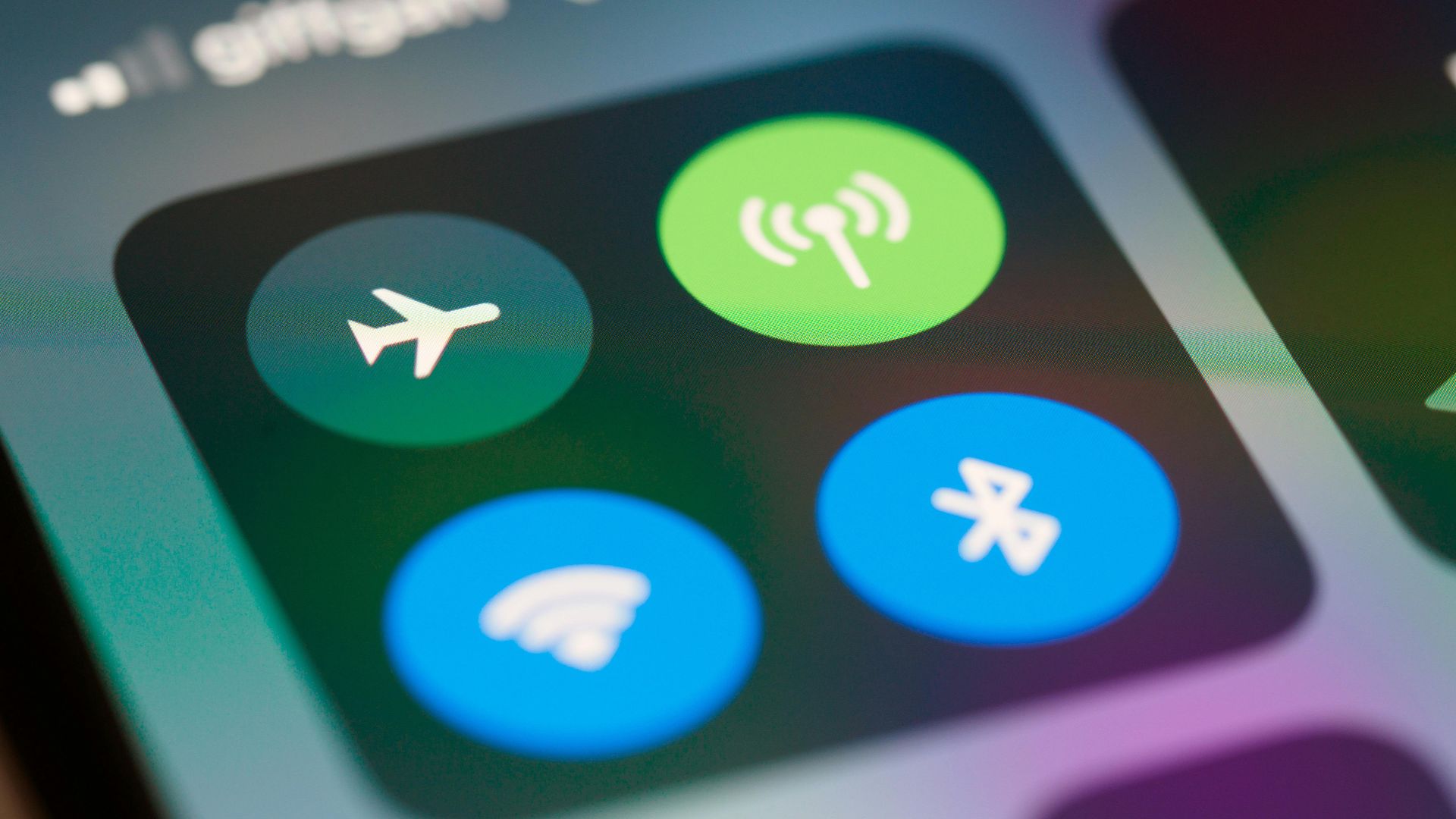
Many travelers assume airplane mode completely disables phone usage. In reality, it simply shuts off cellular connections unless you manually reactivate them. Wi-Fi can still function while airplane mode remains on.
This setting gives travelers far more control over data usage. You can safely connect to hotel or cafe Wi-Fi without accidentally triggering roaming charges. It is one of the simplest ways to avoid surprises.
Background Apps Quietly Burn Data
Your phone may use data even while sitting in your pocket. Apps constantly check for updates, download notifications, and refresh content in the background. These small actions can accumulate quickly during international travel.
Turning off background app refresh can help limit unnecessary usage. Travelers can also disable automatic app updates until returning home. Every little adjustment helps control costs.
Streaming Is A Data Monster
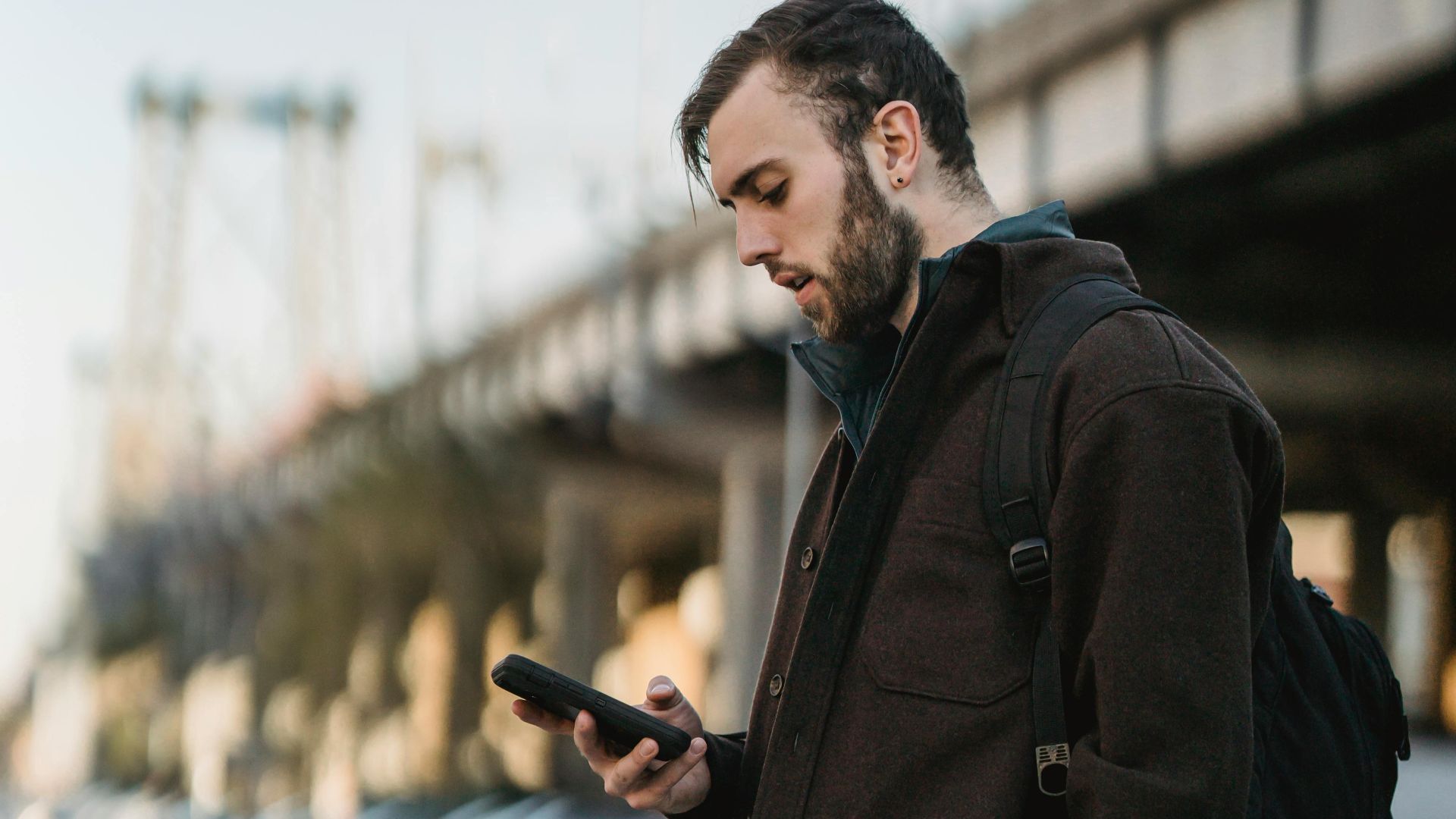
Streaming video is one of the fastest ways to destroy a travel data budget. Watching a single hour of high-definition video can use several gigabytes of data. Music streaming also consumes more data than many people expect.
Downloading entertainment before a trip is usually smarter. Travelers can save movies, playlists, podcasts, and shows while connected to home Wi-Fi. That simple step can prevent a painful bill later.

Messaging Apps Usually Work Better
Apps like WhatsApp, Signal, Telegram, and Facebook Messenger are widely used internationally. These services allow messaging and calls over Wi-Fi or data connections. Many travelers rarely use traditional texting abroad anymore.
Wi-Fi calling can also reduce costs substantially. Some carriers allow customers to make calls over Wi-Fi using their regular number. Checking whether your provider supports this feature is worthwhile.

Cruise Ships Are Especially Expensive
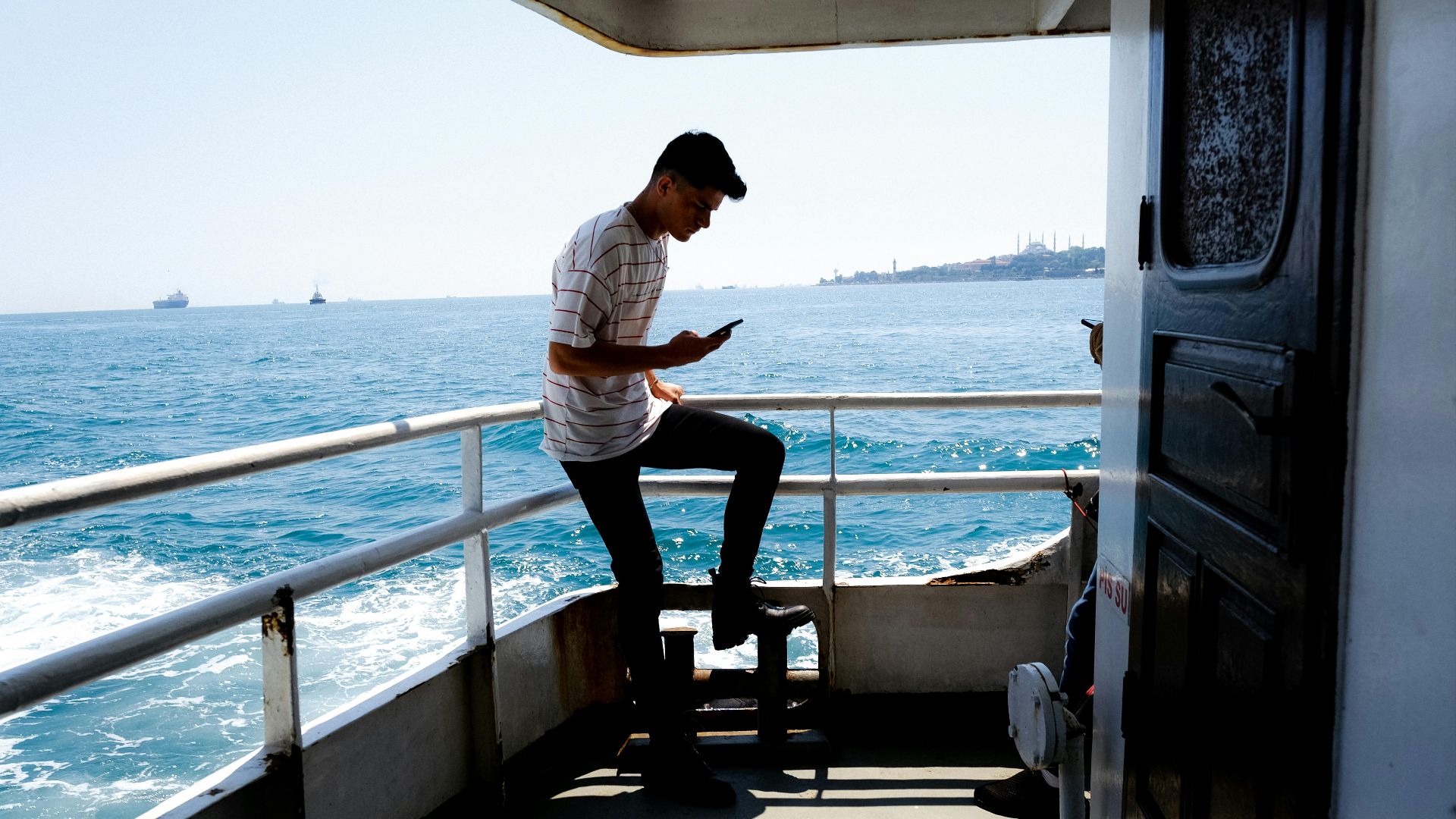
Cruises are notorious for generating shocking phone bills. Once at sea, phones often connect to maritime cellular networks instead of land-based towers. These networks charge extremely high roaming fees.
Some travelers unknowingly rack up hundreds of dollars in charges during a single cruise. Experts recommend keeping phones in airplane mode at sea unless using the ship’s designated Wi-Fi package. Even brief usage can become costly.
Border Areas Can Cause Problems Too
Travelers near international borders sometimes accidentally connect to foreign networks. This commonly happens near Canada, Mexico, and parts of Europe where neighboring signals overlap. People may not realize their phone switched carriers.
Unexpected roaming charges can appear even without officially crossing a border. Checking your carrier display periodically can help prevent this issue. Manual network selection is another useful safeguard.
Travel Insurance Usually Does Not Help
Many travelers assume travel insurance covers unexpected phone bills. Unfortunately, most policies do not reimburse roaming charges or data overages. Phone expenses are generally considered the traveler’s responsibility.
Some premium credit cards and insurance plans offer limited phone protections, but these rarely include international roaming fees. Reading policy details carefully is important. Assumptions can become expensive.

Family Trips Multiply The Costs
One traveler with a large phone bill is bad enough. A family of four all using roaming data can create an enormous expense. Streaming, navigation, and social media usage multiply quickly across multiple devices.
Parents often forget that children’s tablets and phones may also connect automatically. Setting data limits before departure can help avoid unpleasant surprises. Group travel requires extra planning.

Some Countries Are More Expensive Than Others
Roaming costs vary dramatically depending on the destination. Popular tourist countries often have better carrier agreements and lower fees. More remote destinations may have significantly higher roaming charges.
Cruise destinations and isolated islands are especially notorious for expensive connectivity. Travelers should research country-specific rates before departure. Carrier pricing guides are usually available online.

Airport SIM Kiosks Are Convenient But Pricey
Airport kiosks selling SIM cards are incredibly convenient after a long flight. However, they are not always the cheapest option available. Prices at local carrier stores in the city are often lower.
Still, many travelers gladly pay for the convenience. Having instant access to maps and ride-share apps can make arriving in a foreign country much less stressful. Sometimes convenience wins.
Unlimited Plans Rarely Mean Unlimited Abroad
Many people assume unlimited domestic plans extend internationally. In reality, most international data allowances are capped or throttled. Speeds may become painfully slow after a small amount of usage.
Carriers usually disclose these limitations in plan details. Unfortunately, many customers do not read them until after the trip. International fine print deserves close attention.

Your Phone Can Warn You Before It Gets Bad
Most smartphones include built-in tools for tracking cellular data usage. Travelers can monitor which apps consume the most data and set usage alerts. This helps catch problems before they spiral out of control.
Carriers also often send warning texts when roaming charges begin accumulating. Ignoring those alerts can become expensive quickly. Paying attention early can prevent financial pain later.
Smart Travelers Build A Connectivity Plan
Experienced travelers usually create a phone strategy before leaving home. They decide whether to use roaming, local SIMs, eSIMs, or mostly Wi-Fi. Planning ahead removes much of the uncertainty.
This approach also reduces stress during the trip itself. Travelers can focus on enjoying museums, beaches, and local food instead of worrying about every notification. Peace of mind matters.

So, Does It Always Cost That Much?
Thankfully, no. International phone usage does not have to produce a terrifying bill. Travelers today have more affordable connectivity options than ever before.
The trick is preparation. A few minutes spent researching plans, downloading maps, and adjusting phone settings can save hundreds of dollars. Your phone can absolutely remain your travel lifeline without draining your bank account.

The Best Rule Is Simple
Before every international trip, assume your phone will become expensive unless you actively manage it. That mindset encourages smarter decisions and fewer surprises. Most costly phone bills happen because travelers simply did not know what to expect.
Once you understand roaming and data usage, the problem becomes much easier to control. You can travel confidently, stay connected, and still come home excited to open your credit card statement.

You May Also Like: