My Credit Card Isn't Working...Did I Mess Up?
You land in another country, pull out your credit card, and suddenly it’s being declined everywhere. It’s stressful, embarrassing, and confusing—especially when you assumed credit cards worked universally. In reality, international card payments involve fraud systems, local banking rules, and technical quirks most travelers never think about.

Your Bank Thought It Was Fraud
The most common reason for overseas declines is fraud prevention. A sudden purchase in another country can trigger automated security systems, causing your bank to freeze or block the card temporarily until they confirm it’s really you.
This is a feature that most customers are thankful for, but to prevent it from being an issue, there is one thing you can do.

Travel Notices Still Matter
Some banks still recommend setting travel notifications before international trips. Without one, foreign transactions may appear suspicious. Even banks that no longer officially require notices may still flag unusual overseas activity.

Not Every Card Works Everywhere
Visa and Mastercard are accepted widely, but not universally. American Express and Discover are often less reliable abroad, especially in smaller shops, rural areas, or countries with limited international payment infrastructure.

Foreign Cards Can Be Rejected
Some merchants technically accept cards but reject foreign-issued ones. Transit systems, kiosks, and local businesses may only process domestic banking networks, leaving travelers unexpectedly unable to pay.

Chip-and-PIN Differences Matter
Many countries rely heavily on chip-and-PIN verification. If your card only supports chip-and-signature, unattended terminals like train machines, parking kiosks, or gas pumps may reject your payment automatically.

Security Systems Watch Your Spending
Large purchases, repeated swipes, or transactions across multiple cities can trigger fraud alerts quickly. Your bank may interpret unusual spending patterns as stolen card activity and temporarily block transactions.

“Impossible Travel” Can Trigger Blocks
If your card was used at home shortly before being used abroad, banking systems may flag the activity as physically impossible. That alone can trigger an automatic fraud freeze.

Your Card May Have Been Locked
Many banking apps allow users to freeze cards or block international purchases. Travelers sometimes forget those settings are active until every transaction suddenly starts failing overseas.

Damaged Or Expired Cards Become Bigger Problems Abroad
A worn magnetic strip, damaged chip, or expired card might go unnoticed at home but fail constantly overseas. International terminals can be less forgiving with aging cards. Make sure to always check if your card is properly and not yet expired before leaving the country.

Hotels And Rentals Can Drain Available Credit
Hotels and rental agencies often place large temporary authorization holds on cards. These holds reduce your available credit and can cause later purchases to be declined unexpectedly.

Spending Limits Can Sneak Up on You
Some banks place daily spending caps or foreign transaction limits on cards. While on vacation, you might not be thinking too much about your spending habits in the moment. Between transportation, hotels, restaurants, and currency conversion holds, travelers can hit those limits surprisingly fast.
Some Countries Still Rely Heavily On Cash
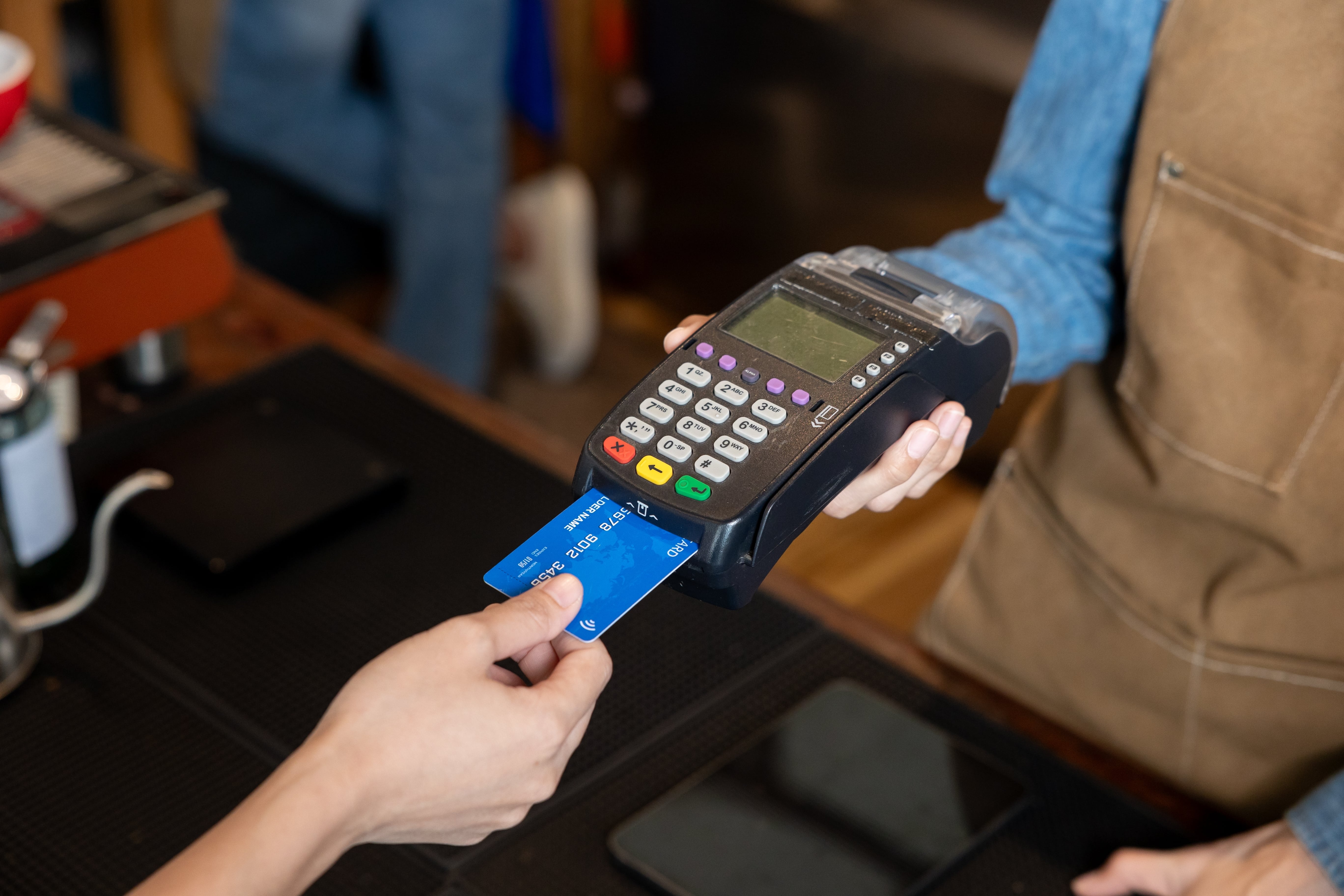
Travelers expecting cashless systems can run into trouble quickly. In many countries, small businesses, taxis, and local vendors still prefer or require cash despite the growth of global card networks.

Public Wi‑Fi Can Create Security Problems
Logging into banking apps on unfamiliar public Wi‑Fi networks may trigger extra security checks. Banks sometimes interpret unusual overseas logins as suspicious account activity.

Debit Cards Are Often Less Reliable
Debit cards frequently have stricter fraud protections abroad and may not work as consistently internationally. Credit cards are generally safer and easier to dispute if something goes wrong.

Insurance Usually Won’t Help
Travel insurance and credit card protections typically don’t cover payment declines caused by fraud systems or missed travel notices. Most banks treat these as account security issues, not covered emergencies.

Mobile Wallets Can Save the Day
Apple Pay, Google Pay, and similar mobile wallets sometimes work even when the physical card fails. Digital wallets can bypass damaged chips or magnetic strip problems entirely.
Backup Payment Methods Matter
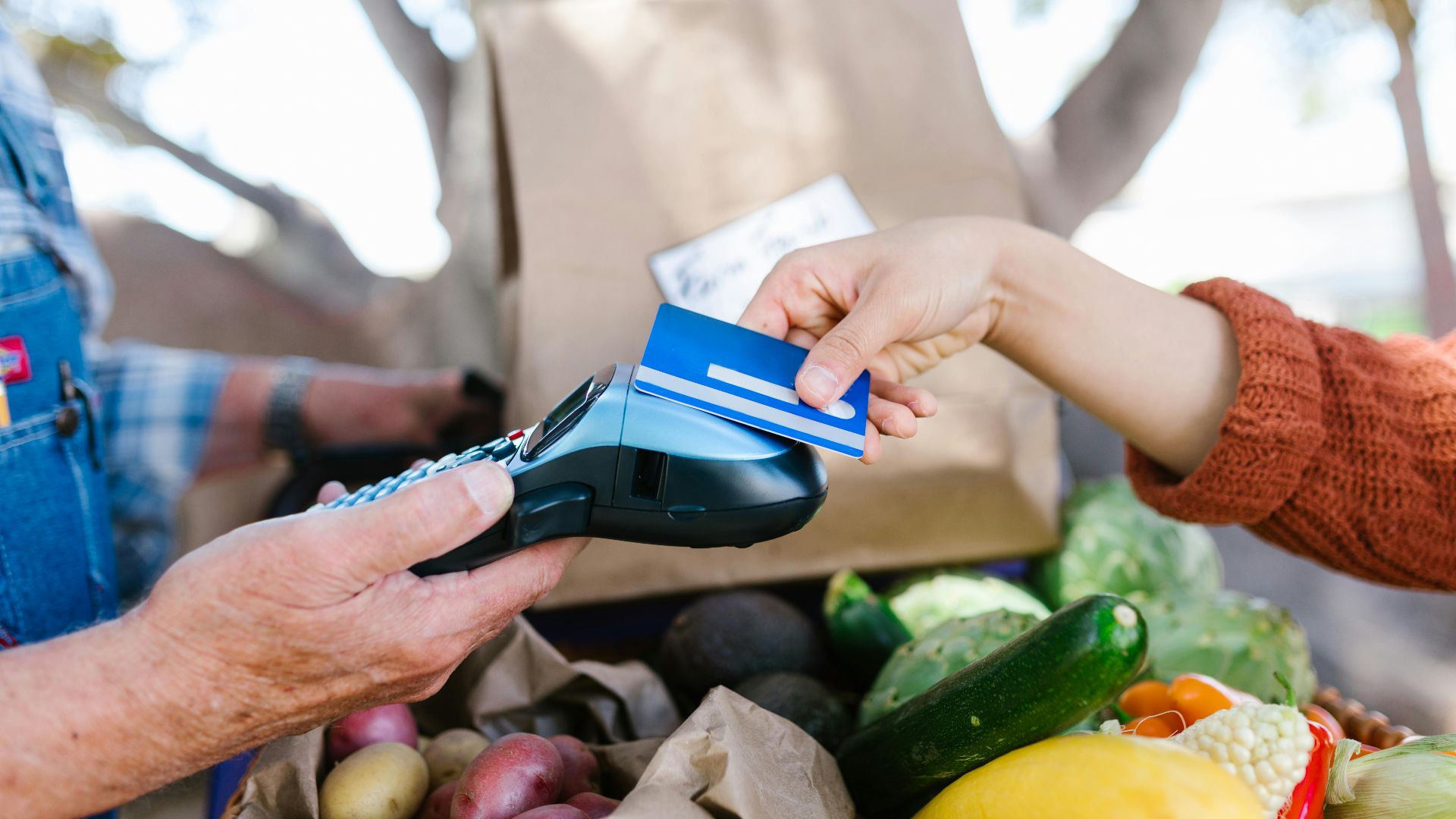
Experienced travelers rarely rely on a single card. Carrying a backup credit card, debit card, and emergency cash can prevent a stressful inconvenience from turning into a real crisis.

Preparation Prevents Most Problems
Before traveling, notify your bank, confirm your PIN, review card settings, and check foreign transaction policies. A few minutes of preparation can prevent hours of frustration abroad.

The Bottom Line
Credit cards feel universal until they suddenly stop working. Most international declines come from fraud systems, technical mismatches, or local banking rules—not because you did something wrong. Preparation and backup options make international travel much smoother.

You May Also Like:
Countries American Tourists Regret Visiting
Every US State's Most Popular Summer Vacation Spot
Incredibly Useful Items Most People Wouldn’t Think To Pack For Vacation