

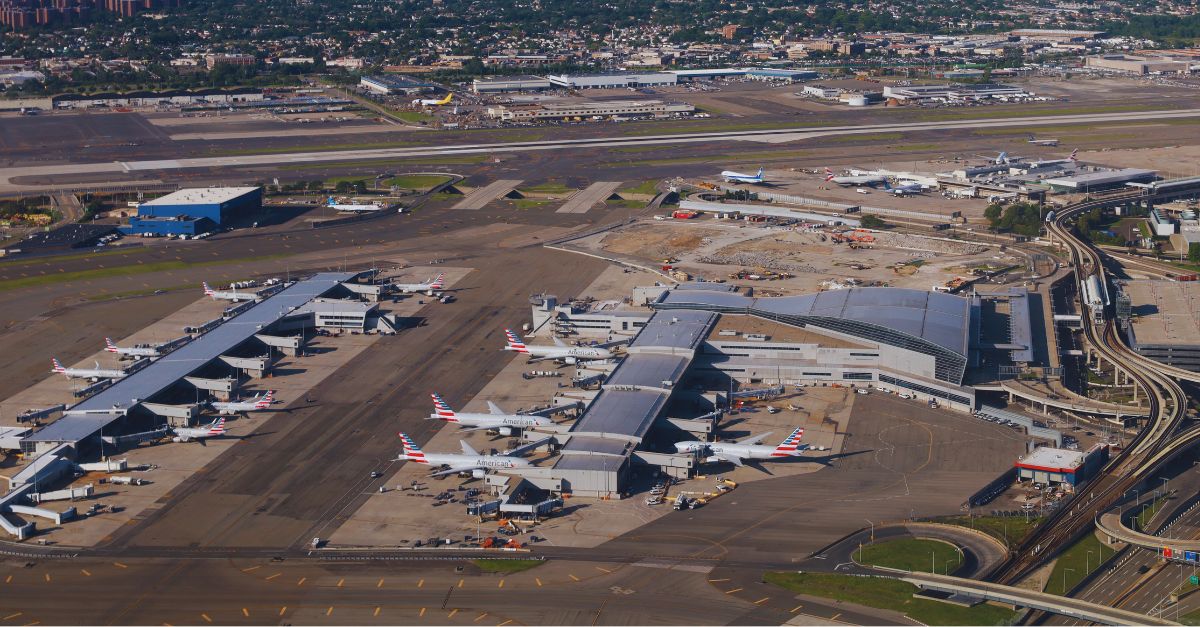
Catching Flights, Not Feelings
In 1903, the world watched its first successful airplane leave the ground—and aviation has been leveling up ever since. Fast-forward to today, where we’re catching flights, not feelings, and here are some surprisingly fascinating facts about international air travel along the way.
First International Flight
The first regular international passenger flight kicked off in August 1919, flying between London and Paris. It was set up by a company called Air Transport & Travel Ltd. (AT&T), founded in 1916, which eventually became a precursor to British Airways (BA).
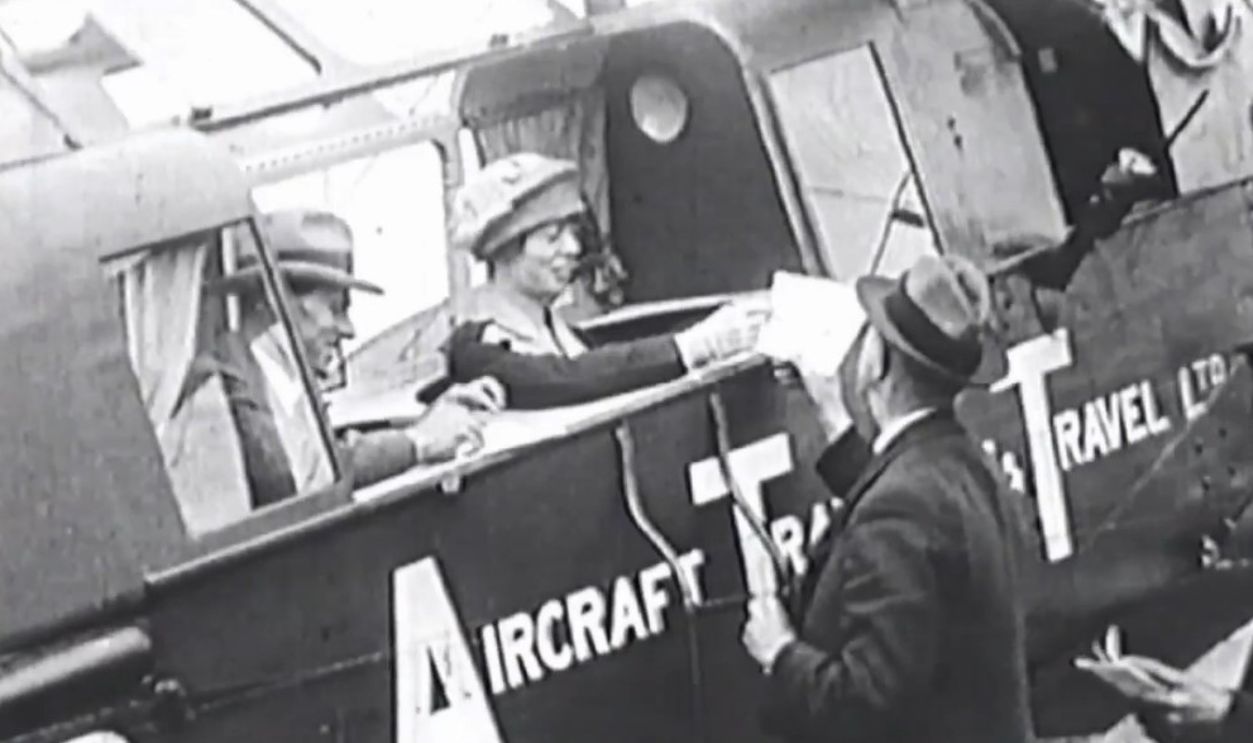 British Airways: Then and Now by Craig Chambers
The Flight Also Carried Courier
In addition to taking passengers, the daily flights also carried mail and packages. The De Havilland DH4A planes were originally built for combat during WWI. However, they ended up being used for a lot more afterward.
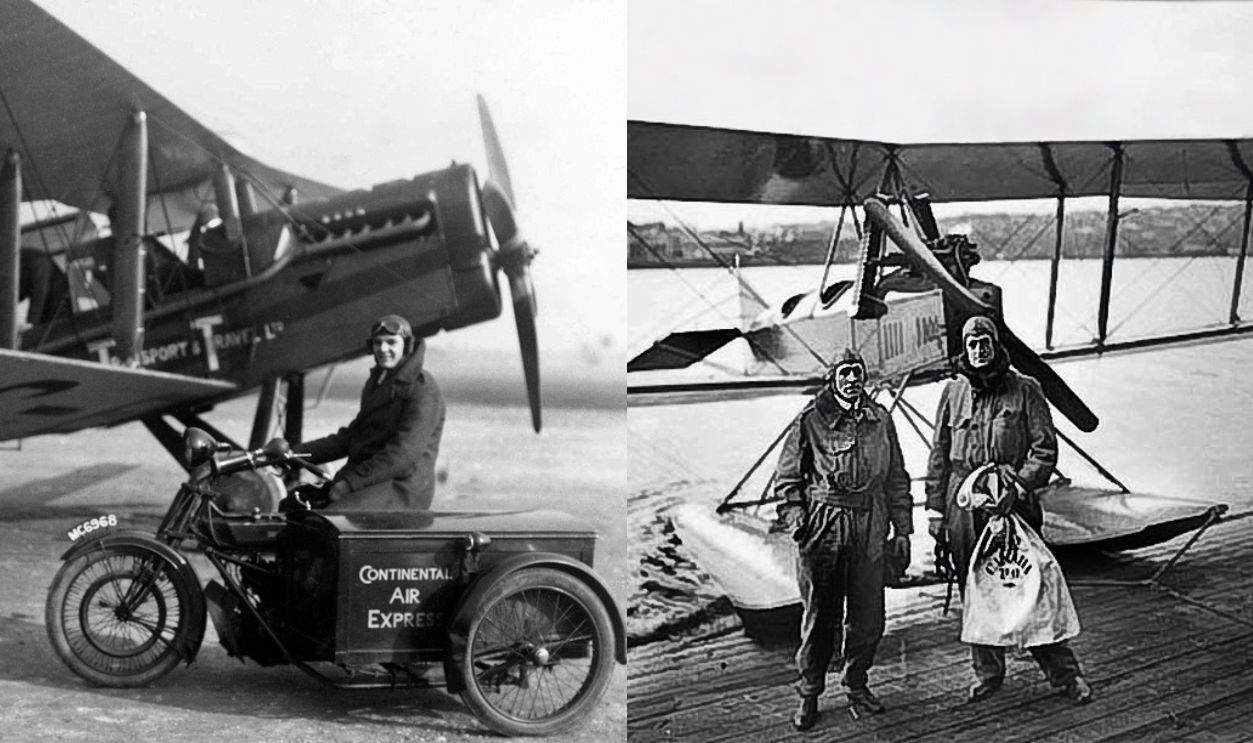 US Post Office and Unknown Author, Wikimedia Commons
Longest Non-Stop Flight
As of 2024, the longest non-stop international flight is run by Singapore Airlines, and it covers about 9,537 miles from Singapore (SIN) all the way to New York's JFK. The flight usually takes around 18 hours and 40 minutes to wrap up.
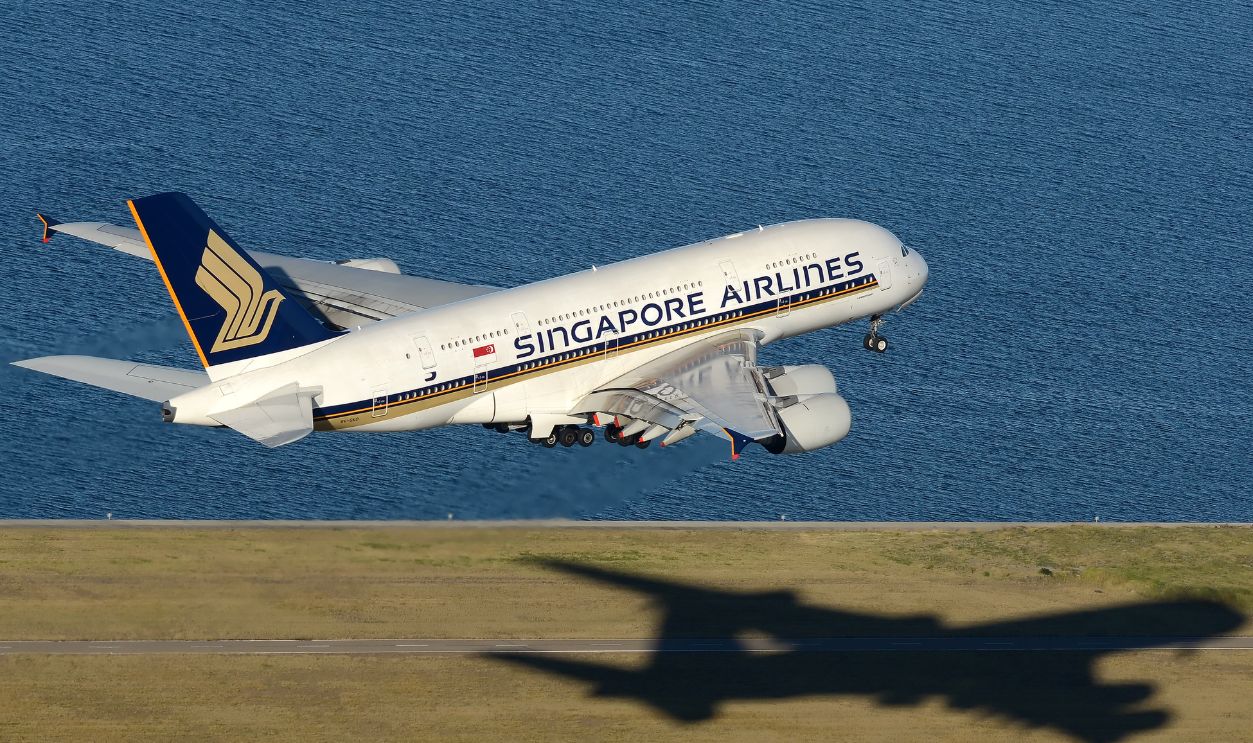 Damien Aiello, Wikimedia Commons
Biggest International Airport
Saudi's King Fahd International Airport (KFIA) is known as the biggest airport in the world when it comes to size. It is about 780 square kilometers. KFIA started with commercial flights in 1999. And even before that, it was a military airbase during the Gulf War.
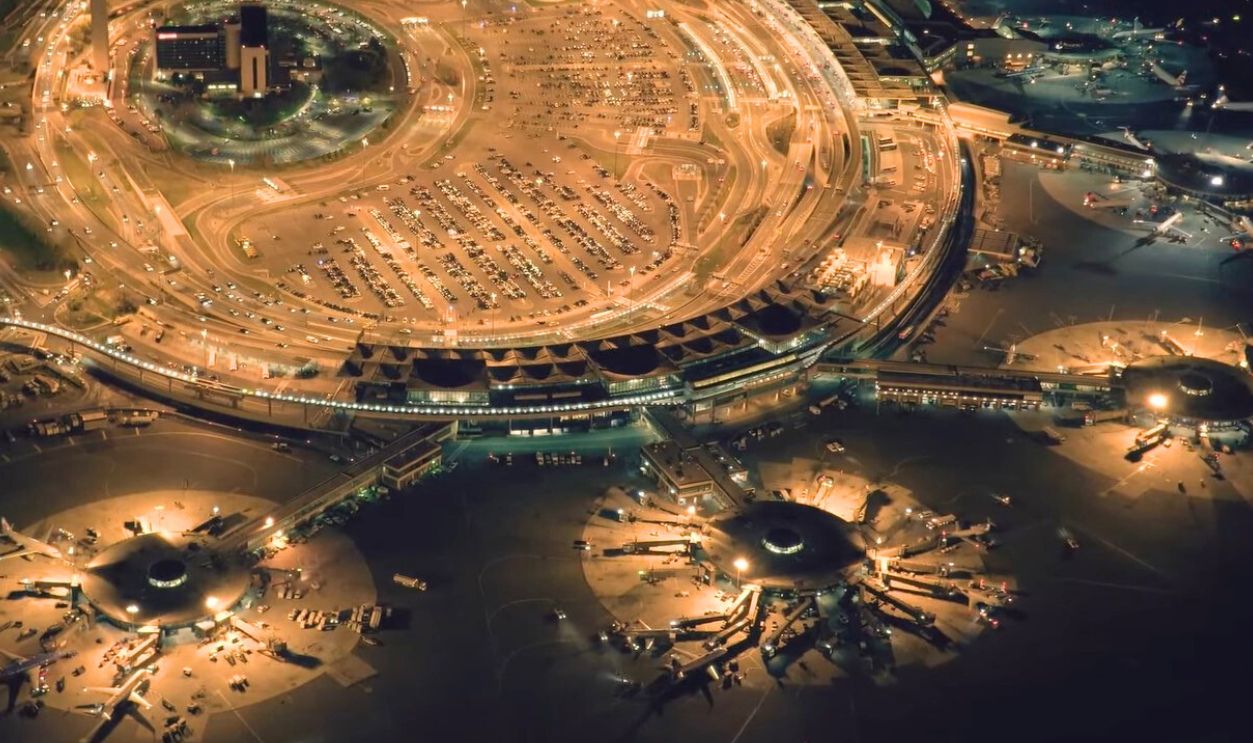 King Fahd International Airport: World Largest Airport 2024 by World of Explosive Facts
First International Flight Pilot
The first pilot to ever fly an international passenger flight was Lieutenant E. H. "Bill" Lawford. He took on the first scheduled international passenger route from England to Paris in 1919. There was just one passenger on board, a journalist named George Stevenson-Reece.
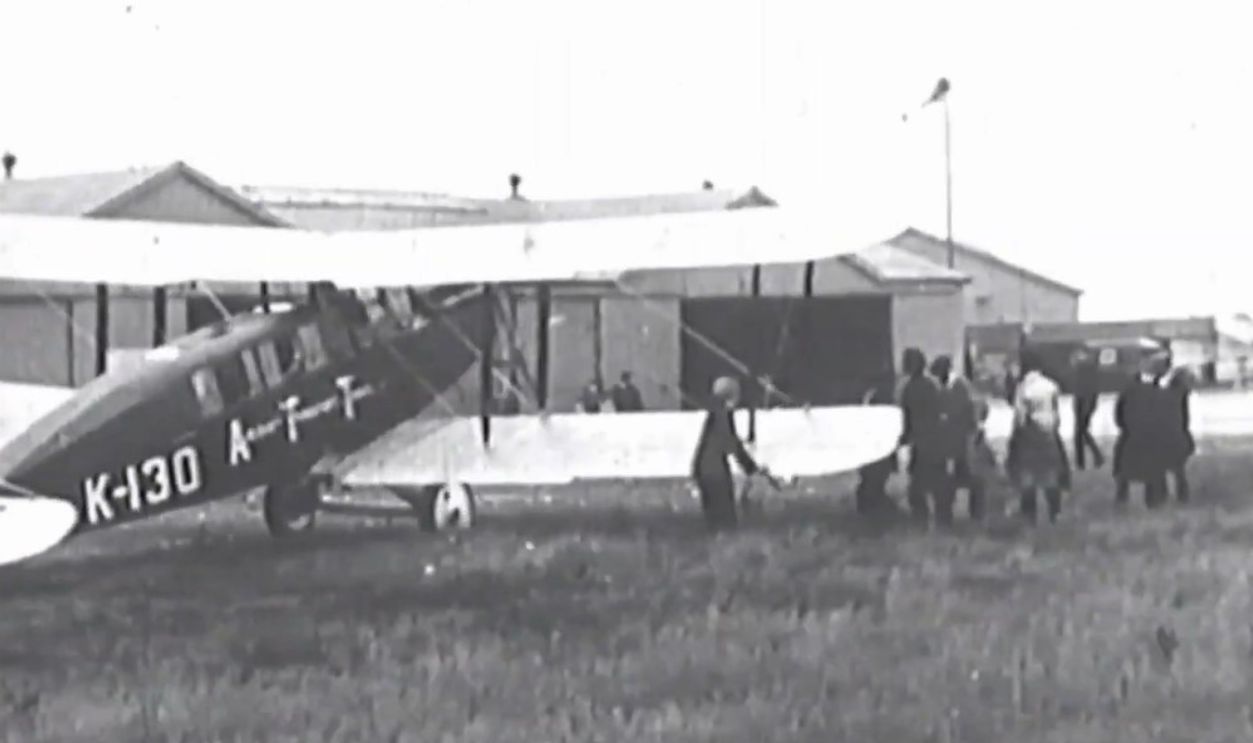 British Airways: Then and Now by Craig Chambers
First-Ever Transatlantic Flight
English pilots John Alcock and Arthur Brown made history in 1919 by completing the first non-stop flight across the Atlantic. The pair flew a modified version of Vickers Vimy (used in WWI) all the way from Newfoundland in Canada to Ireland's Galway. They were also rewarded by the King back then.
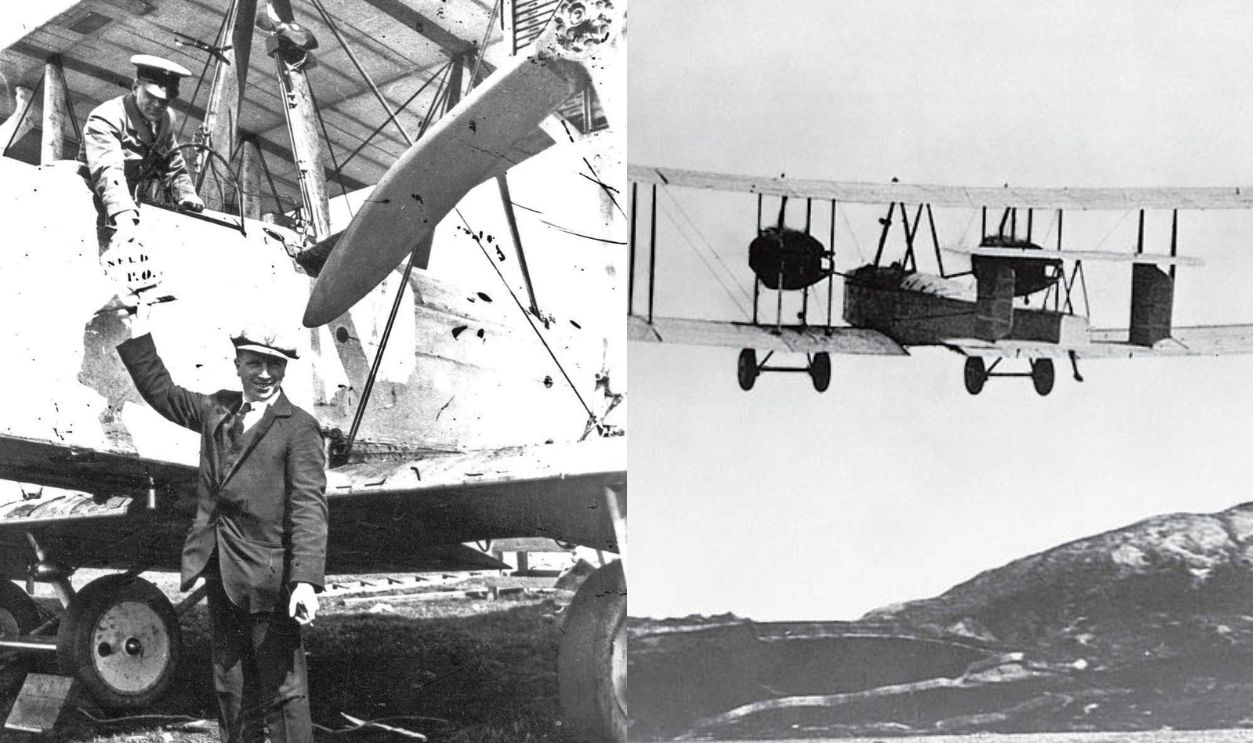 Holloway and Unknown Author, Wikimedia Commons
Flight Classes
International flights typically offer four distinct classes of service, each designed for a different kind of traveler. From budget-friendly Economy to ultra-luxurious First Class, the experience—and the price—can vary wildly, with tickets ranging from roughly $300 all the way up to around $10,000.
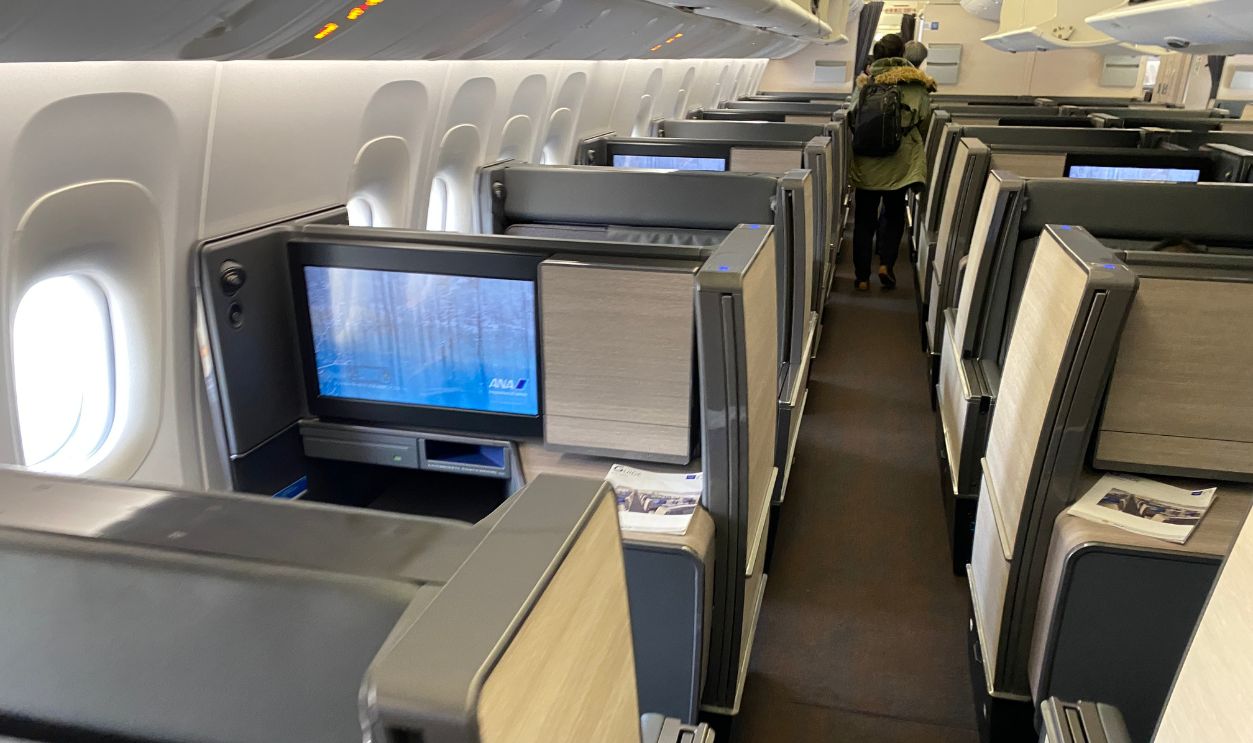
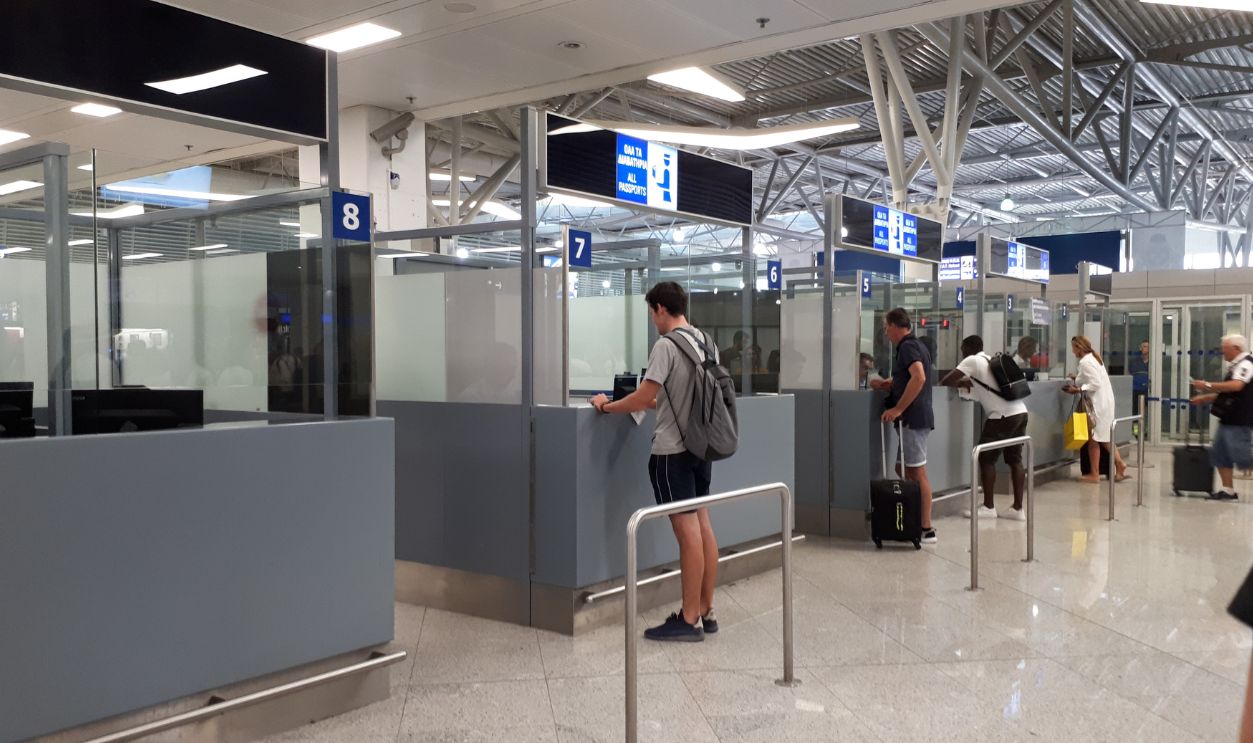
Border Control And Customs Inspections
These two are essential components of international travel. International airports have facilities for immigration control, where passengers must present their passports and visas (if required) upon arrival and departure. Customs inspections are also conducted, unlike domestic travel.
Busiest Airline Route
The busiest international flight route right now is between Hong Kong (HKG) and Taipei (TPE), with 571,726 seats up for grabs. The average flight time between the two is about 1 hour and 45 minutes, covering a distance of approximately 500 miles.
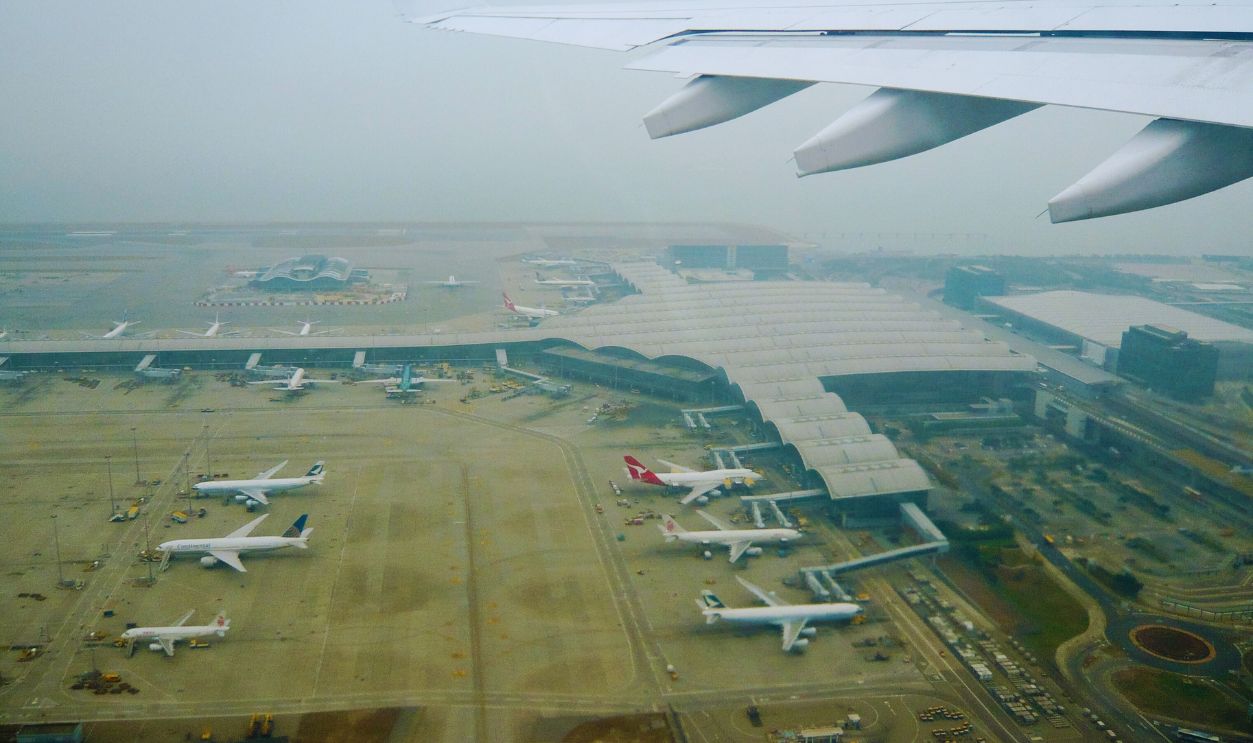 Andy Mitchell, Wikimedia Commons
Flight Fuel
International flights mainly make use of jet fuel. It is a type of refined kerosene that is specially made for airplanes with gas turbine engines. Jet A-1 is the most common type of jet fuel. It has a low freezing point of -47°C (-53°F).
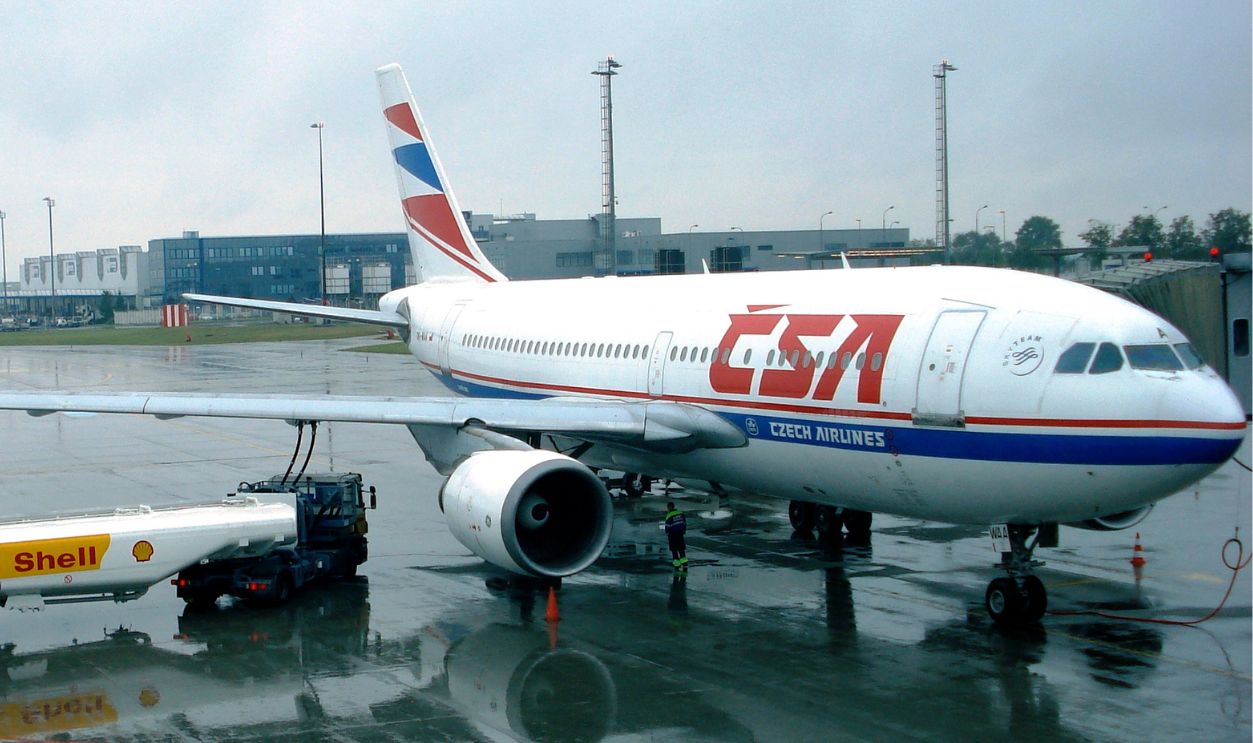
Difference Between Jet-A And Jet-B
This makes it perfect for long international flights, especially those over the poles. However, in the United States, Jet-A is more commonly used with a freezing point of -40°C (-40°F). There's also Jet-B, which is used in extremely cold conditions.
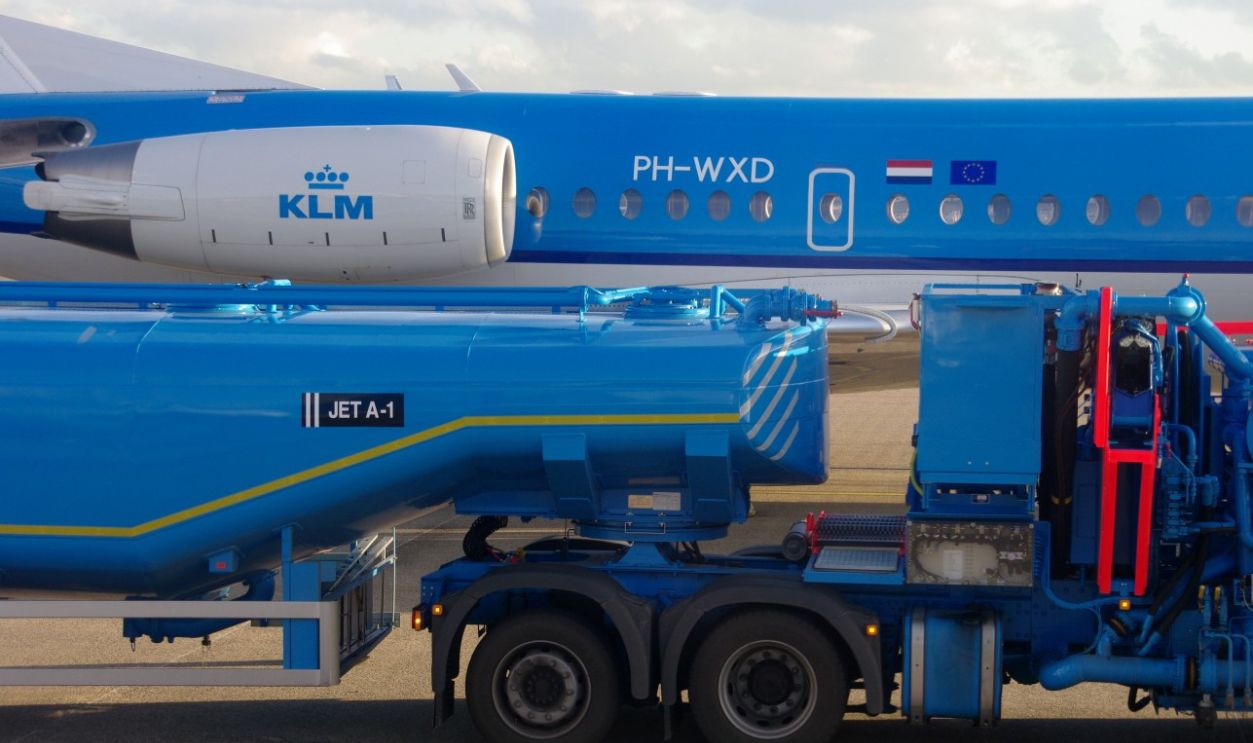 Roland Berger, Wikimedia Commons
Sustainable Aviation Fuel (SAF)
More and more airlines are hopping on board with using sustainable aviation fuel (SAF) in their operations. This could help cut down emissions by as much as 80% compared to regular jet fuels. SAF production is expected to reach 1.9 billion liters this year.
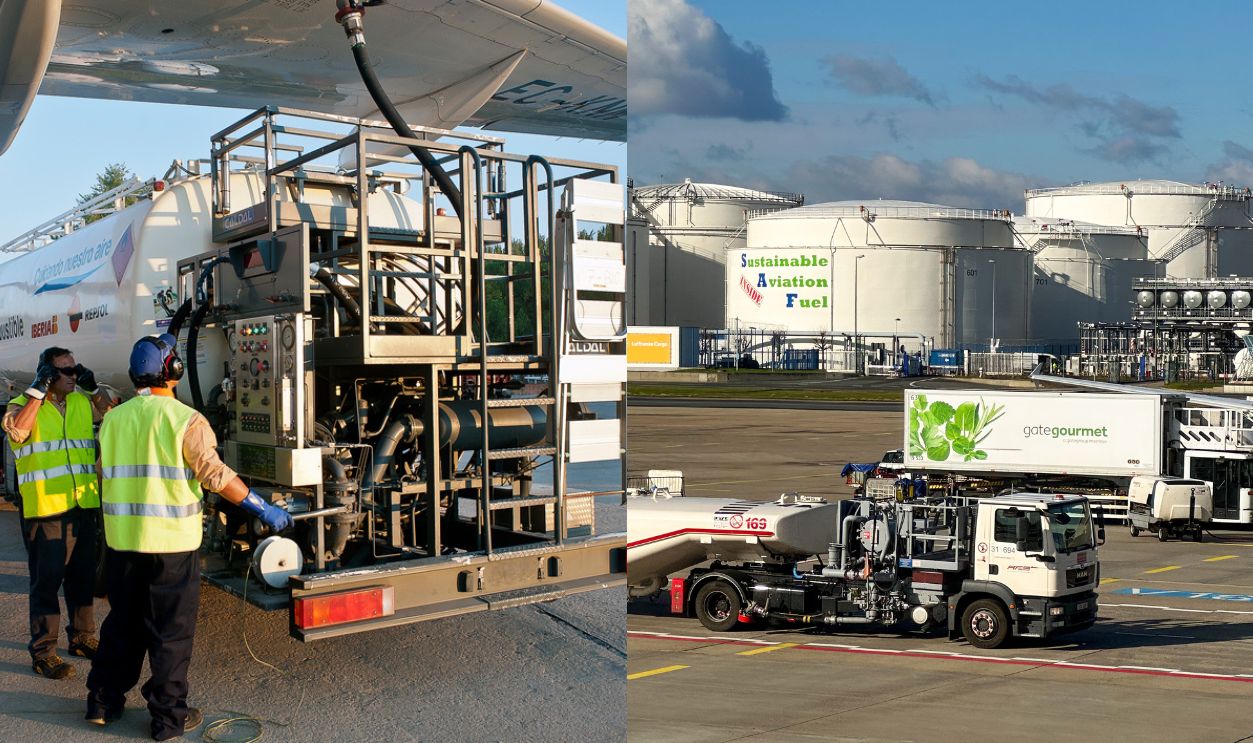 Curimedia and Ubahnverleih, Wikimedia Commons
Record Revenue
The global airline industry is expected to earn around $996 billion this year, a 9.7% jump from the previous year. This boost is due to more people flying (obviously) but also because of better operational efficiency. Passenger revenues alone are set to reach $744 billion.
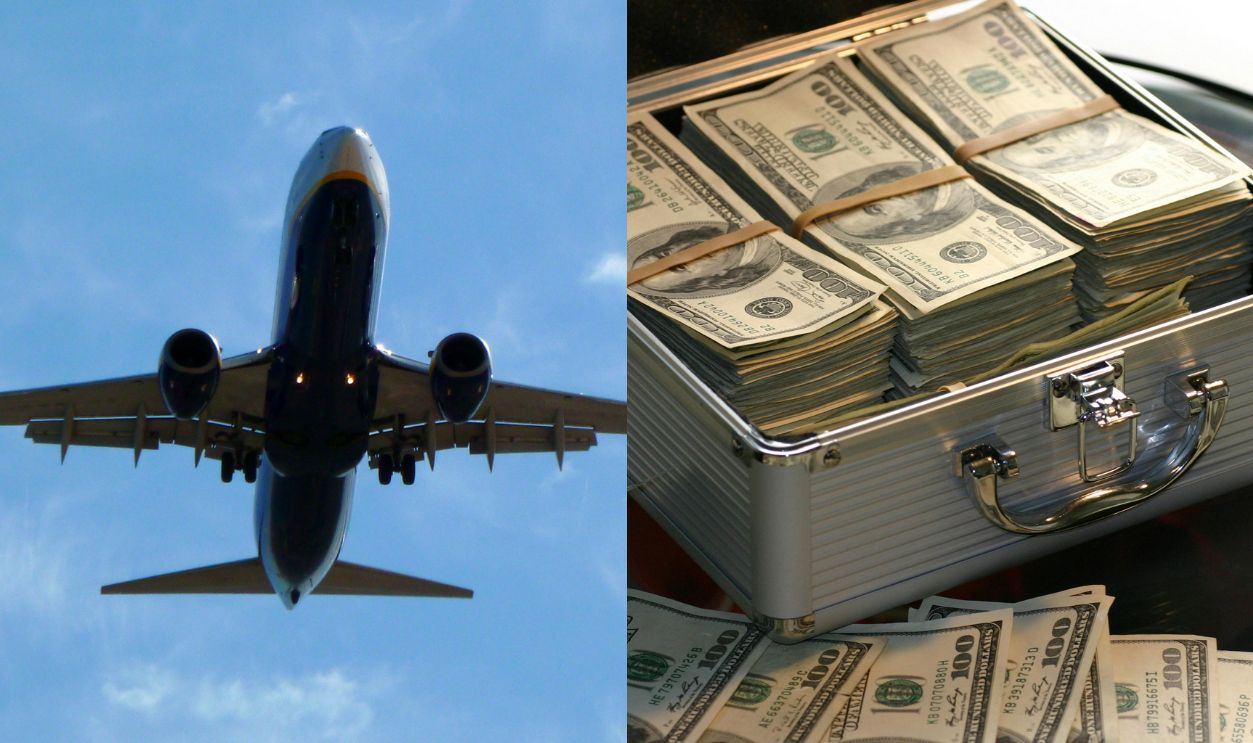 xlibber, Wikimedia Commons and Pixabay/Pexels
Environmental Impact
Some airlines are starting to take responsibility for the environmental cost of flying by investing in carbon offset programs aimed at reducing greenhouse gas emissions. For instance, British Airways allows passengers to purchase verified carbon offsets during the booking process, giving travelers a small way to counterbalance their footprint.
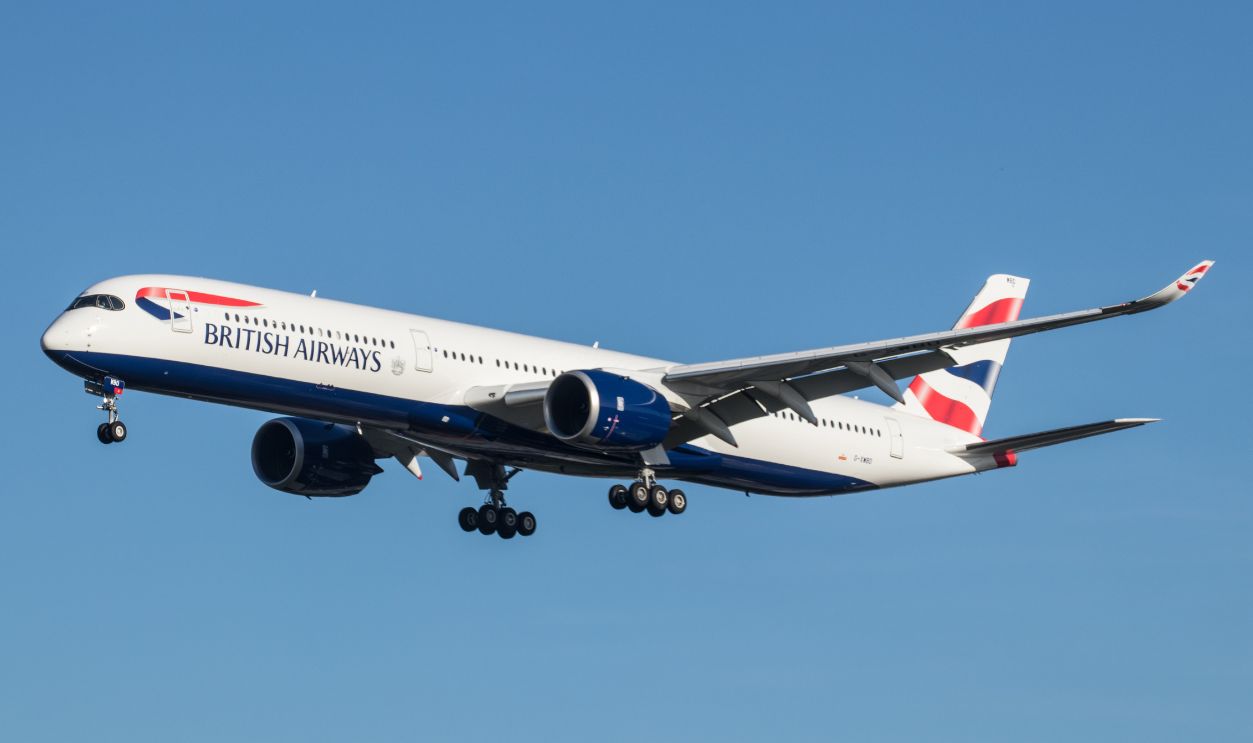 Steve Lynes, Wikimedia Commons
Mission To Hit Net-Zero Emissions
The program is all about helping out with environmental projects, like the Blue Carbon Mangrove Project and other biochar initiatives. British Airways is on a mission to hit net-zero emissions by 2050. Another such company is Singapore Airlines.
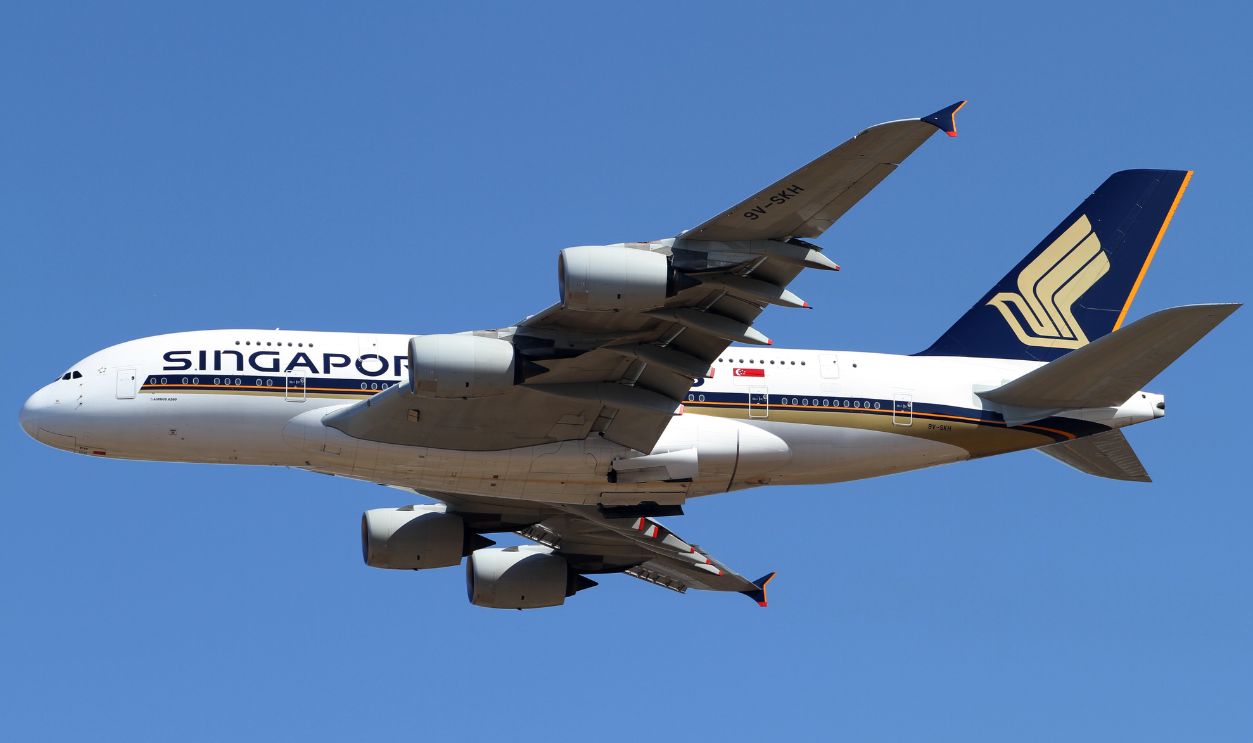 Kentaro Iemoto/Wikimedia Commons
Electric Aircraft
Electric aircraft have one aim and that is to lessen dependency on fossil fuels and carbon emissions. An exciting development in this field is Eviation Alice—an all-electric aircraft set to fly in 2027, hopefully. This one is designed for regional travel and more than 600 Alice planes have been ordered around the globe.
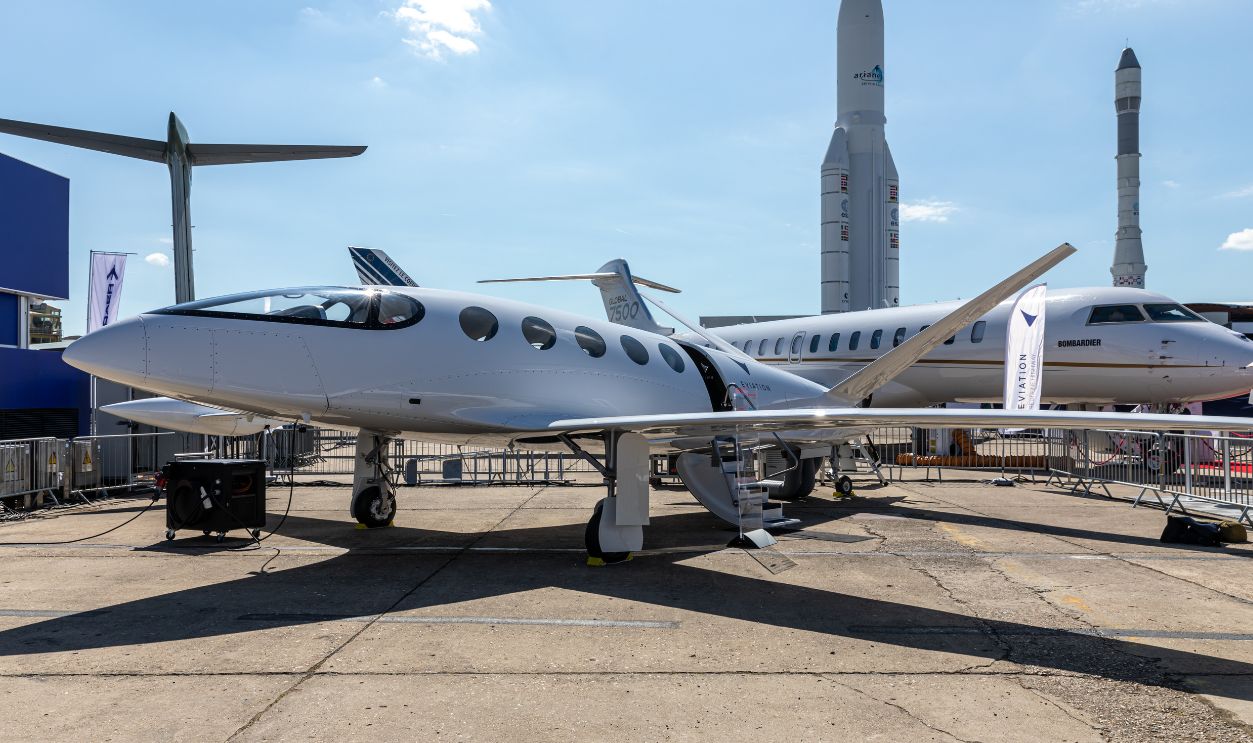 Matti Blume, Wikimedia Commons
Supersonic Travel
Boom Supersonic is leading the charge for supersonic travel with its flagship aircraft, Overture. This one aims to fly at Mach 1.7 (approximately 1,300 mph or 2,100 km/h). It is basically designed to massively reduce transatlantic flight times.
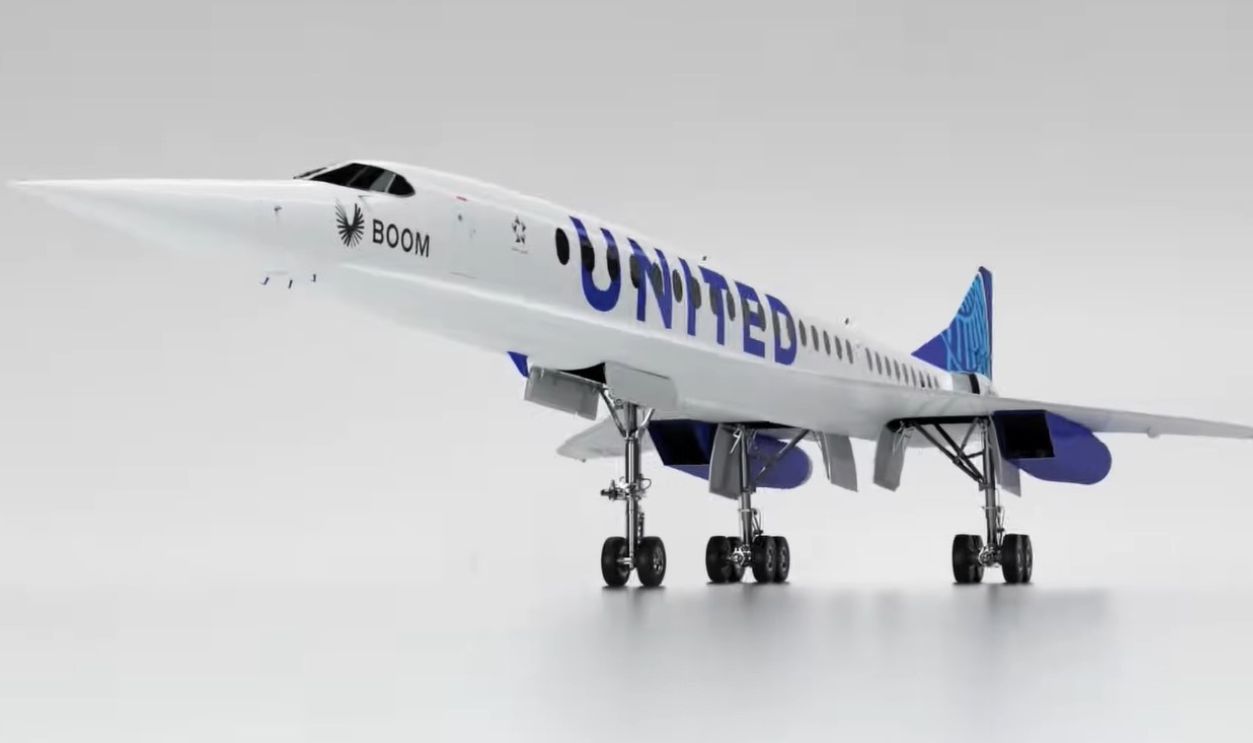 United goes supersonic | Boom Supersonic by Boom Supersonic
Best International Airline
Qatar Airways snagged the "World's Best Airline" title in 2024 for World Airline Awards. The winner was picked based on safety checks, passenger reviews, and the airline's innovations. It also won awards for Best Business Class and Best Catering for the fifth consecutive year.
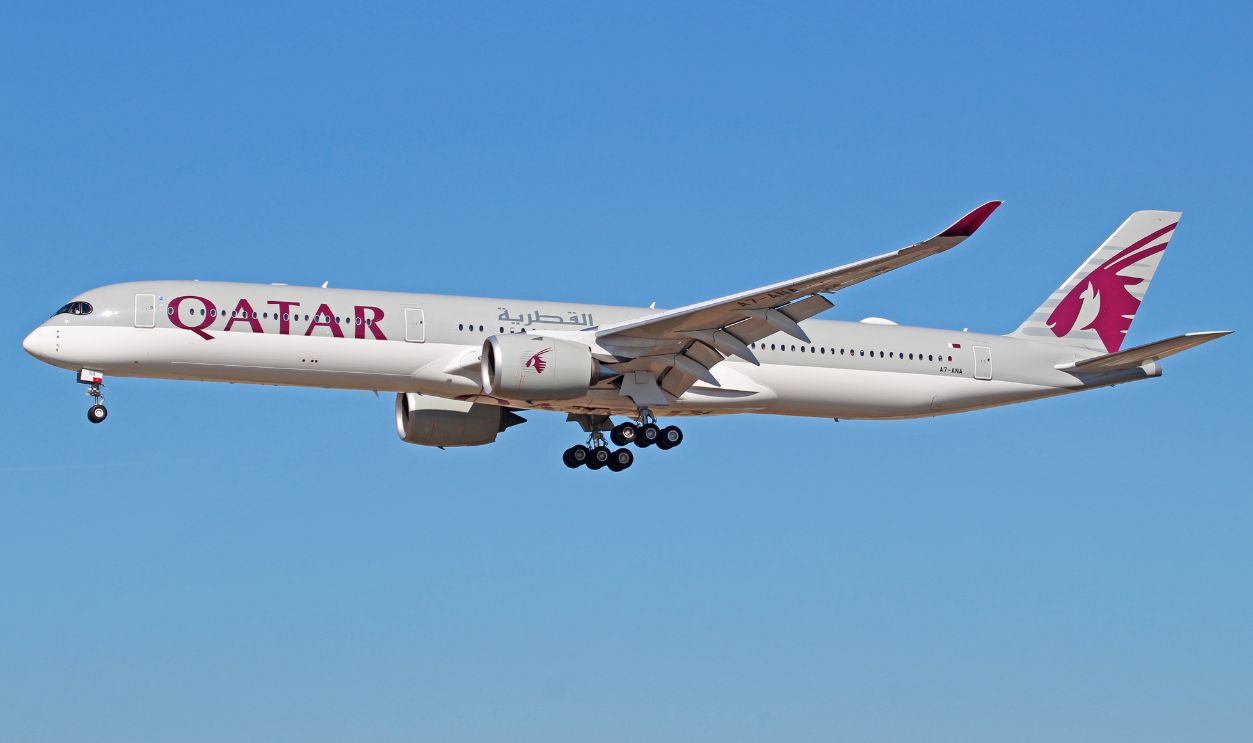 Juke Schweizer, Wikimedia Commons
Shortest Commercial Flight
The quickest international flight is from Brazzaville, Republic of the Congo to Kinshasa in the Democratic Republic of the Congo. It covers a distance of about 24 kilometers, or about 15 miles. The flight duration reported is only around 31 minutes.
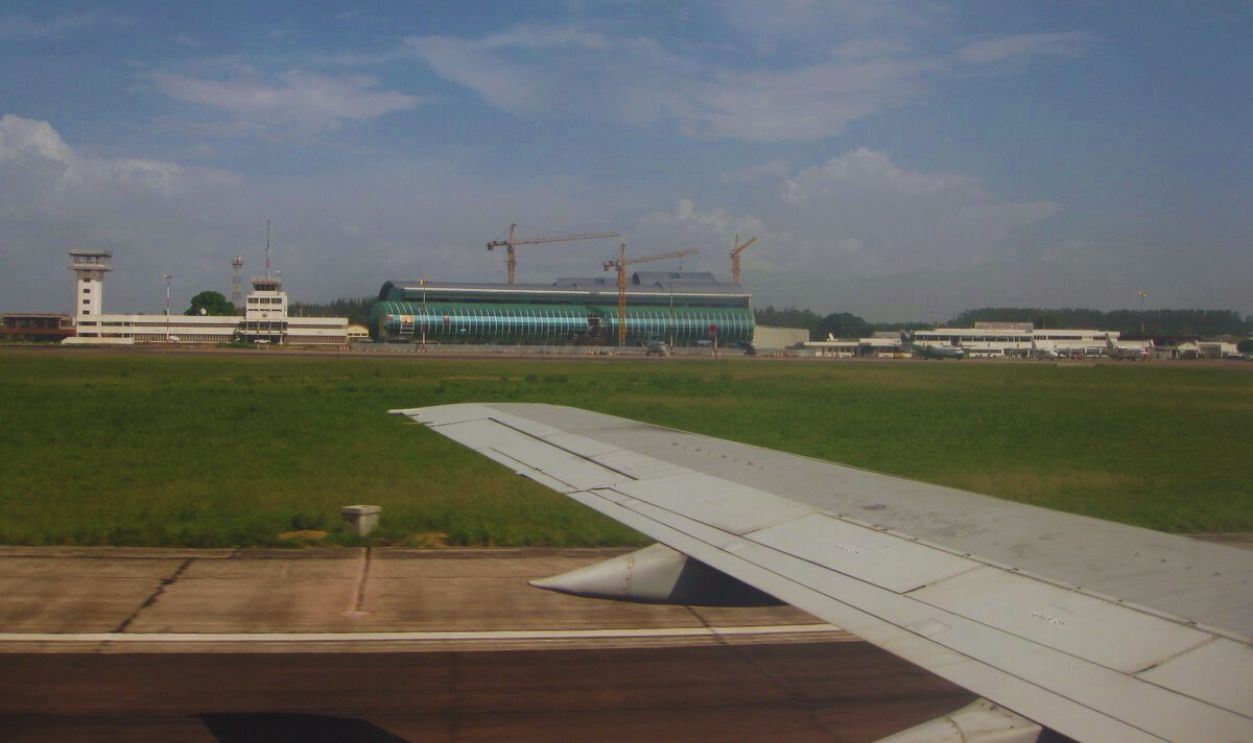
Airline Filtration
Did you know the air you breathe on airplanes is filtered? This is done through a sophisticated system that includes High-Efficiency Particulate Air (HEPA) filters. The air in the cabin primarily comes from Engine Bleed Air. That is, fresh air is drawn from outside the aircraft through the engines or electric compressors.
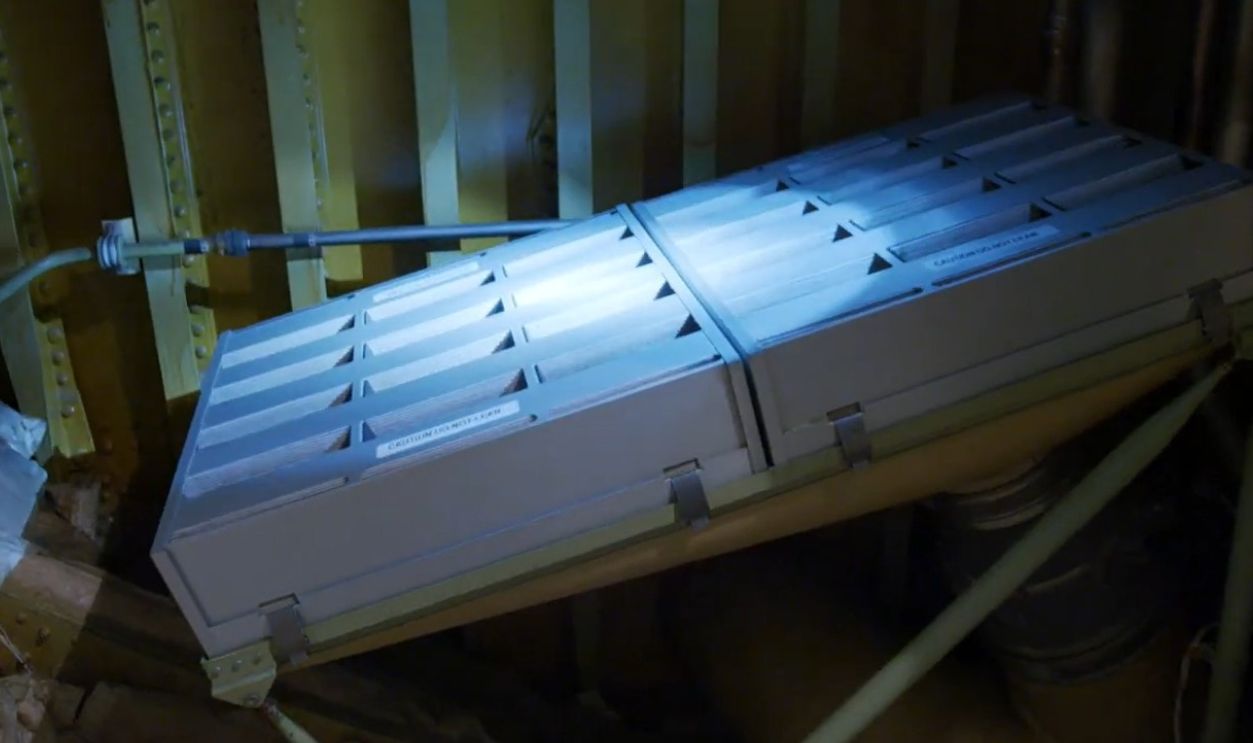 American Minute: HEPA Filters by American Airlines
Worst International Airline
In 2024, Viva Aerobus of Mexico landed an unenviable title—worst airline in the world—according to The Travel Bible. Frequent flyers didn’t hold back, pointing to cramped seats, surprise fees lurking at every turn, and customer service that often felt nonexistent.
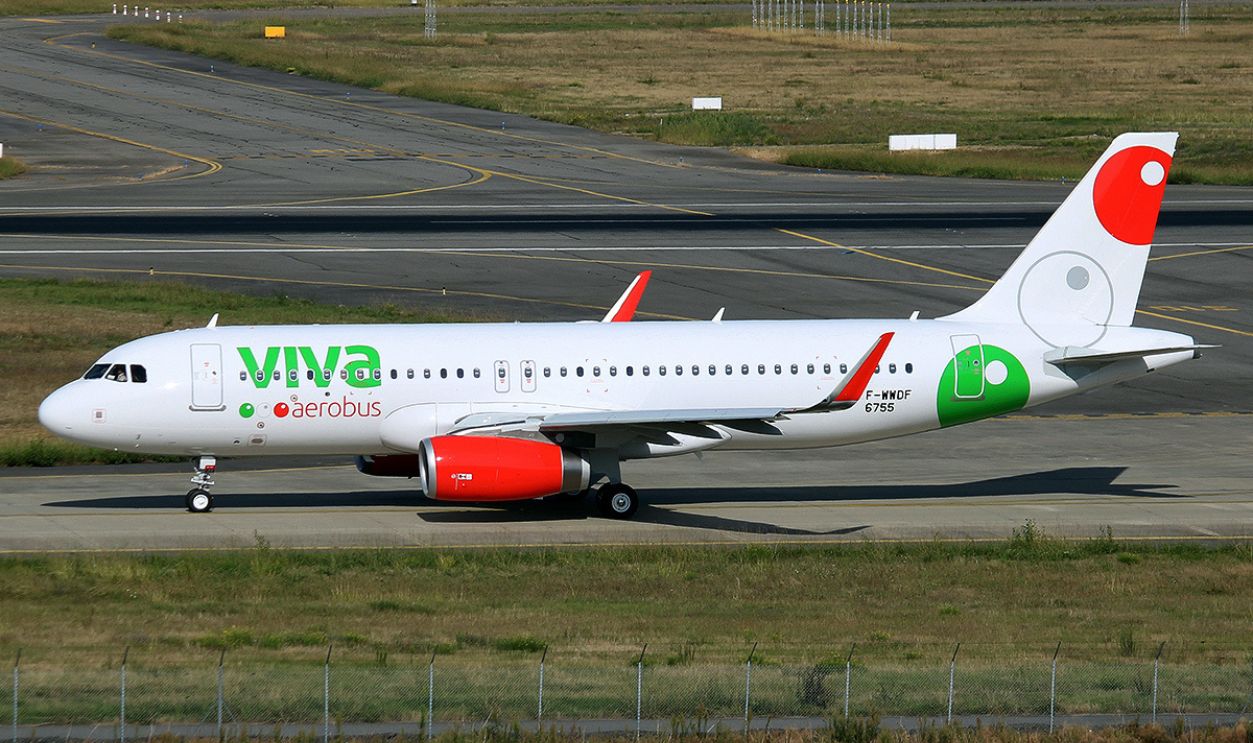 Pedro Aragao, Wikimedia Commons
Different Pilot Meals?
In earlier times, pilots were advised to eat different meals for long flights to reduce the likelihood that both pilots would suffer from food poisoning at the same time. Funny thinking about the first time this might've happened, which led to the fruition of this rule.
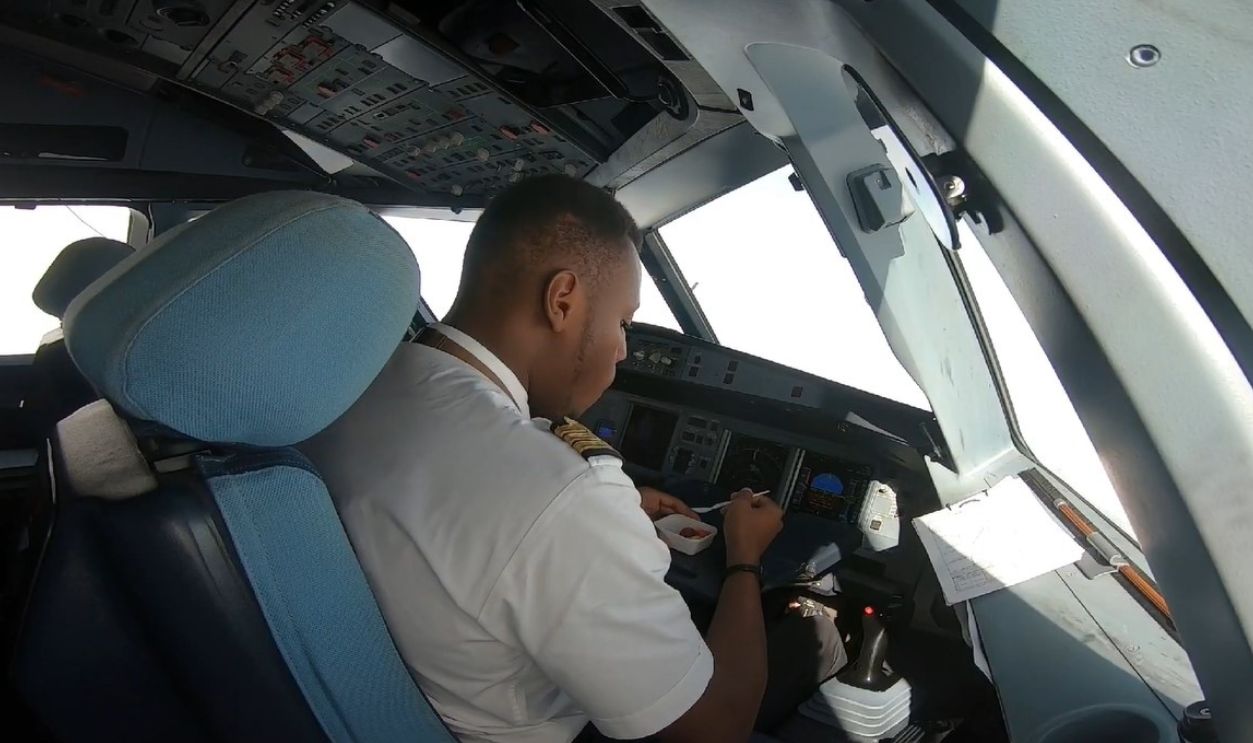 WHAT and HOW Pilots Eat in the A320 Cockpit at 39000 feet in a Day - FlyJV by FlyJV
Waste Disposal
International planes eliminate their trash on the ground, following strict rules and regulations. Once the aircraft lands, ground handling crews remove the collected and segregated waste and transport it to designated disposal facilities. The waste generated includes catering, cleaning, and biohazardous waste.
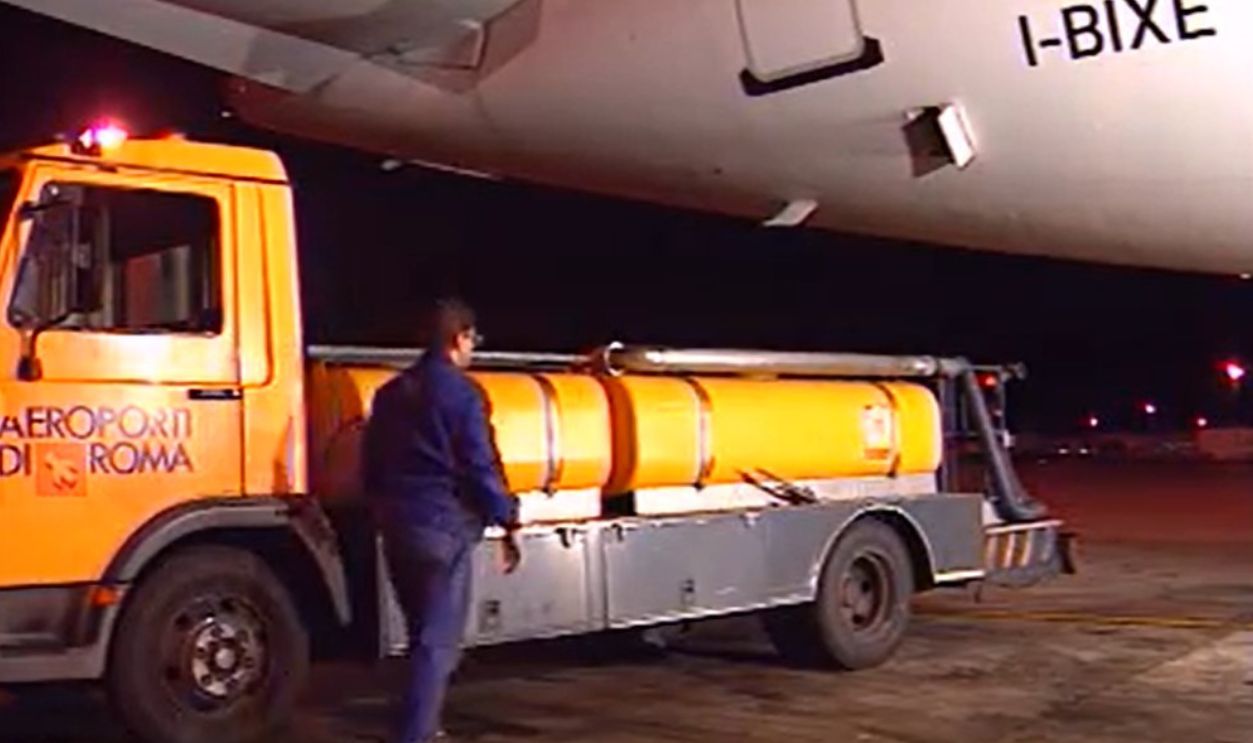 AIRCRAFT | A320 Waste Servicing by SUPER CHARGE
Change In Taste
When you're cruising at about 35,000 feet, the cabin pressure and dry air can affect your sense of taste, making it drop by 20-30%. That's why airlines tend to season the food more than they would on the ground. Even tomato juice tastes better.
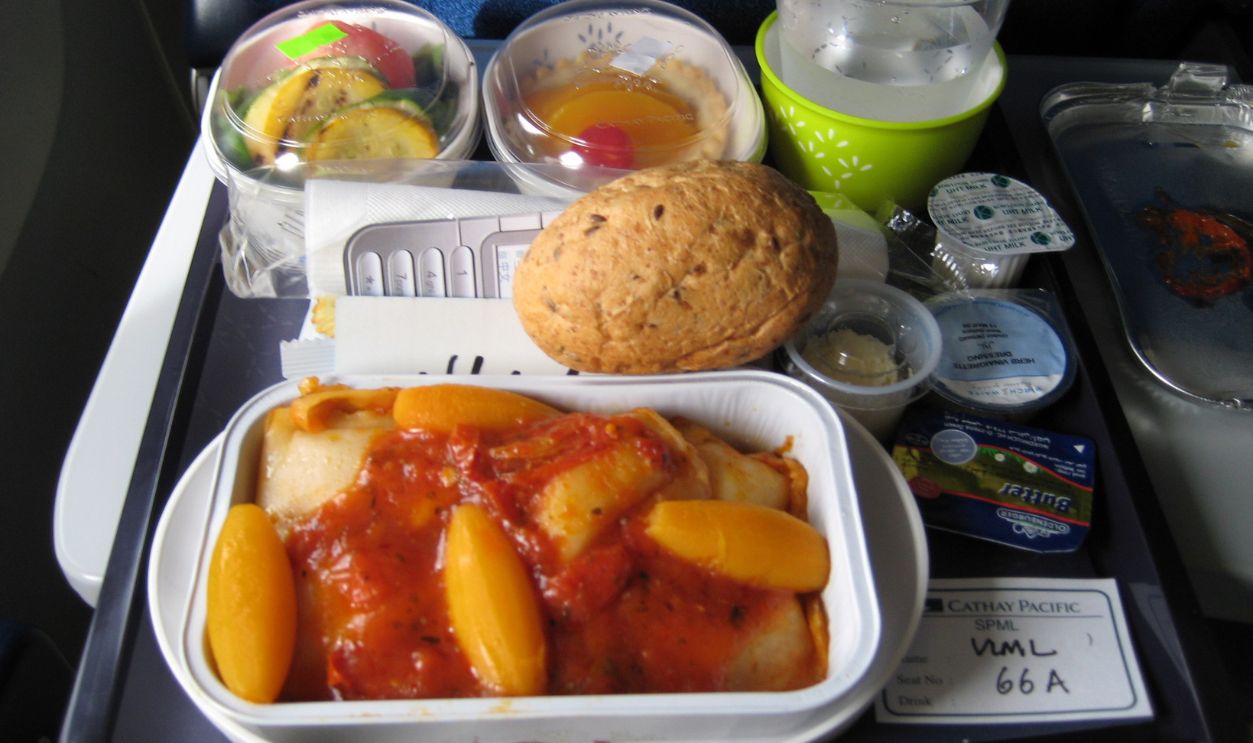
"Flying Chef" Concept
Turkish Airlines has rolled out a "Flying Chef" program, where chefs are actually onboard whipping up and serving gourmet meals. They team up with the cabin crew to make sure the food is top-notch and looks great, too. The meals are inspired by Turkish cuisine.
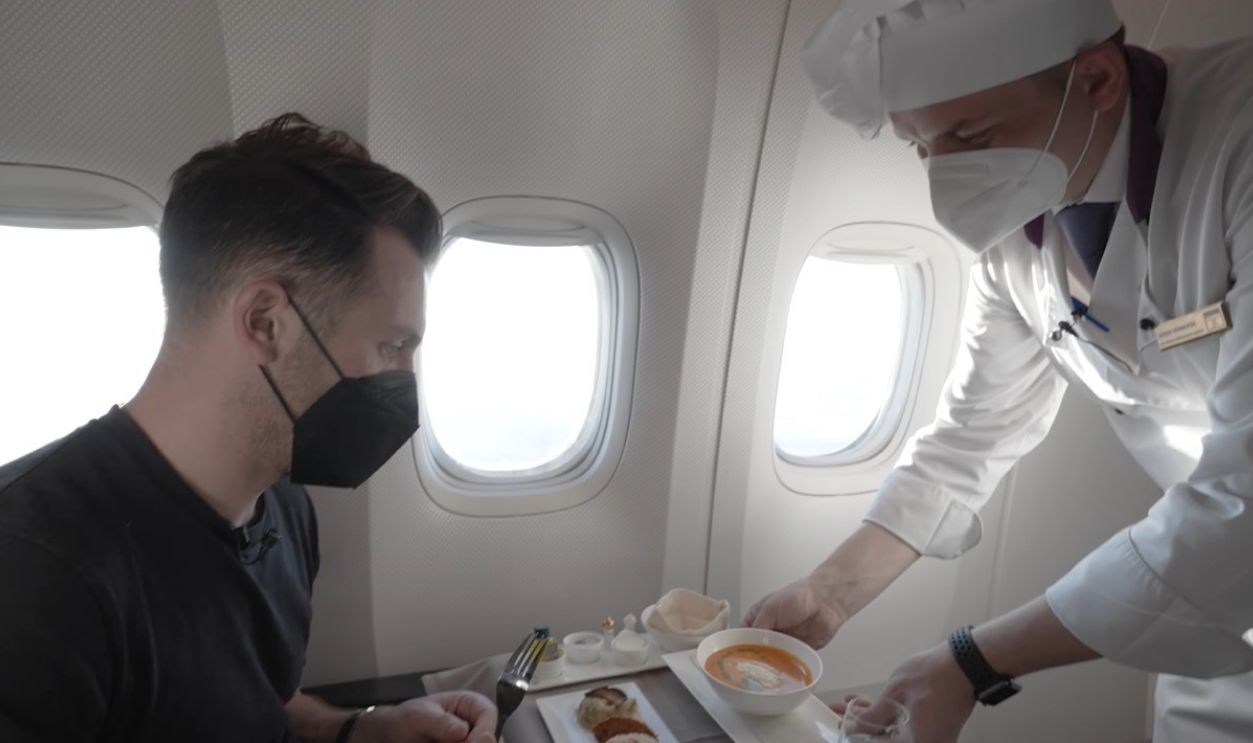 Turkish Airlines’ Flying Chefs: A Look at Elite Airplane Food by The Points Guy | Departures








.jpg)

_@_LHR,_Jan_2020.jpg)
_(5441780270).jpg)
.jpg)


